What Children Can Learn on an African Safari
What Children Can Learn on an African Safari
An African safari is far more than a wildlife holiday—it is an unforgettable educational adventure that inspires curiosity, creativity, and lifelong learning. Families visiting Tanzania discover that every game drive, nature walk, and cultural experience becomes an exciting outdoor classroom. Children learn about wildlife conservation, biodiversity, ecosystems, geography, African cultures, and environmental responsibility while witnessing the famous Big Five and the spectacular Great Migration. Exploring iconic Tanzania family safari destinations like Serengeti National Park, Ngorongoro Crater, Tarangire National Park, and Lake Manyara National Park encourages observation, critical thinking, patience, and respect for nature. Guided African family safari by experienced safari experts, young travelers gain practical knowledge impossible to learn from books alone. A Tanzania family safari combines education, adventure, and unforgettable African family safari memories, making it one of the world's best family vacations where learning happens naturally through exciting real-life experiences every single day.
Learning About Wildlife and Animal Behavior
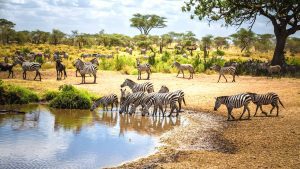
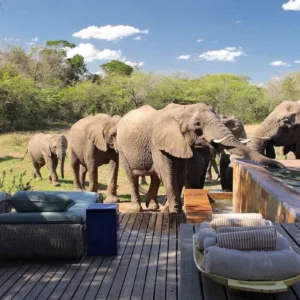
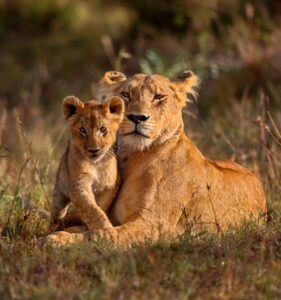
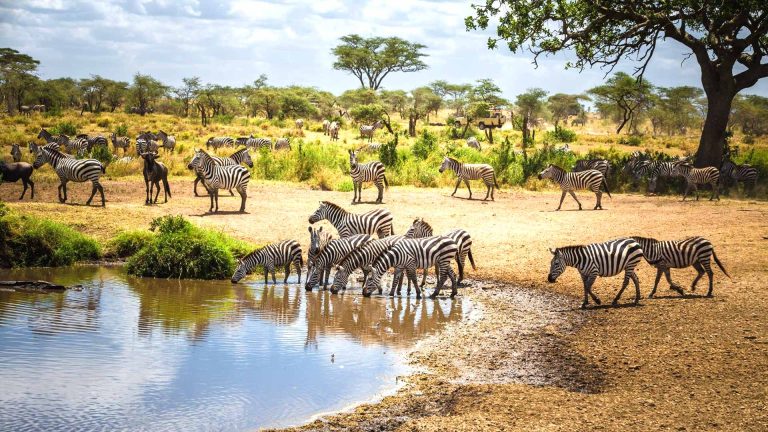
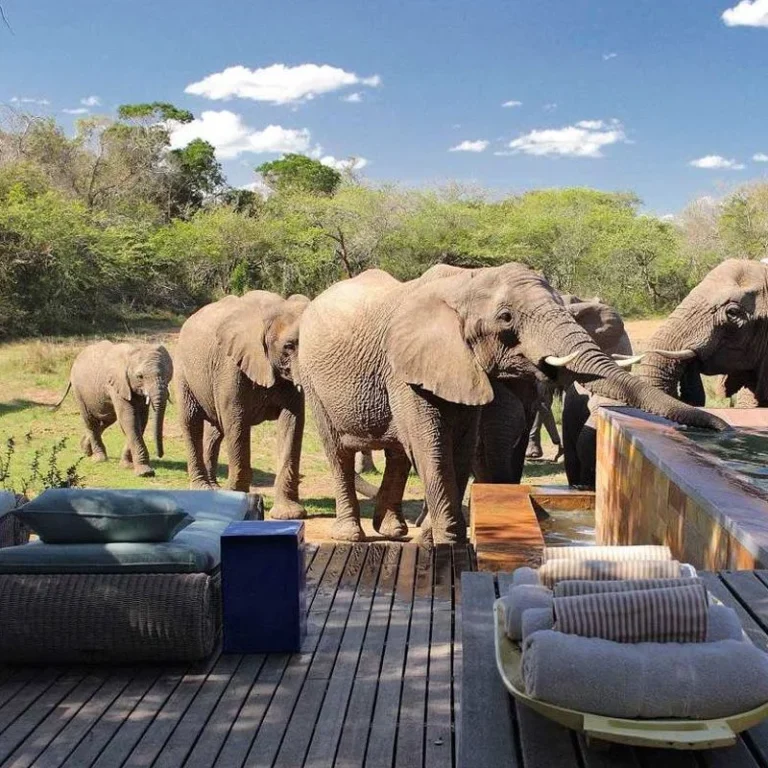
What can children learn on an African Safari? Watching wild animals in their natural habitats teaches children fascinating lessons about survival, adaptation, and coexistence. During a Tanzania safari, they observe elephants protecting calves, lions working together while hunting, giraffes feeding from tall acacia trees, and zebras communicating through body language. These real-life encounters help children understand food chains, predator-prey relationships, migration patterns, and natural ecosystems. Professional safari guides explain animal behavior in engaging, age-appropriate ways, encouraging children to ask questions and think critically. They also learn the importance of protecting endangered species like rhinos and African wild dogs. Unlike zoos, national parks allow children to witness authentic wildlife interactions, creating memorable African family safari educational experiences. Every game drive becomes an exciting science lesson that builds appreciation for biodiversity, conservation, and the delicate balance sustaining Africa's extraordinary wildlife.
Understanding Wildlife Conservation
What can children learn on an African Safari? An African safari introduces children to the importance of protecting wildlife and preserving natural habitats for future generations. Children on an African safari learn how conservation efforts help safeguard endangered animals from poaching, habitat destruction, and climate change. Visiting protected areas such as Serengeti National Park and Ngorongoro Conservation Area allows children to understand why national parks are essential for biodiversity. A Tanzania family friendly Safari guides explain anti-poaching initiatives, wildlife research, and community conservation programs in simple, engaging ways. Young travelers discover that responsible tourism directly supports conservation projects, local employment, and environmental protection. These experiences encourage compassion for animals while teaching children how individual actions contribute to preserving nature. Learning about conservation firsthand inspires future environmental stewardship, helping children develop lifelong respect for wildlife and motivating them to become ambassadors for protecting Africa's remarkable ecosystems.
- ArushaGateway
- TarangireElephants
- NgorongoroCrater
- SerengetiBig Five
- ZanzibarBeach
Discovering Different African Cultures
What can children learn on an African Safari? Meeting local communities gives children valuable insights into Africa's rich cultural diversity. During African family safaris, visits to Maasai villages introduce children to traditional customs, colorful clothing, music, storytelling, dances, and daily life. During an African safari children learn about respect, hospitality, community values, and how different cultures thrive alongside wildlife. Also, during an African safari children can participate in cultural activities, observe traditional craftsmanship, and hear fascinating stories passed down through generations. These authentic experiences broaden their understanding of global cultures while encouraging tolerance, empathy, and appreciation for diversity. Learning a few Swahili greetings adds excitement and builds confidence when interacting with local people. Cultural encounters help children recognize that every community contributes unique traditions and knowledge, making an African safari not only a wildlife adventure but also an inspiring journey into humanity's diverse cultural heritage.
Appreciating Nature and Biodiversity
What can children learn on an African Safari? African safaris help children develop a deep appreciation for nature by exposing them to diverse landscapes, ecosystems, and countless species living together. From endless Serengeti plains to lush forests, soda lakes, rivers, and ancient volcanic craters, children discover how different habitats support unique wildlife. On an African Safari children learn the importance of plants, insects, birds, reptiles, and mammals within healthy ecosystems. Safari guides explain how rainfall, seasons, vegetation, and climate influence wildlife movement and survival. Children begin recognizing birds, identifying animal tracks, and observing fascinating insects they may never have seen before. These hands-on experiences inspire curiosity about biology, ecology, and environmental science. Spending time outdoors also encourages mindfulness and respect for the natural world, helping children understand why biodiversity is essential for maintaining healthy ecosystems worldwide.
Building Patience and Observation Skills
What can children learn on an African Safari? Safari adventures naturally teach patience, careful observation, and attention to detail. Unlike amusement parks, wildlife encounters cannot be predicted or rushed. Children quickly learn that quietly watching nature often leads to extraordinary sightings of lions, leopards, cheetahs, elephants, or elusive birds. Guides encourage young explorers to look for footprints, listen for alarm calls, identify fresh animal tracks, and notice subtle movements in the bush. These activities sharpen concentration, critical thinking, and problem-solving abilities while making each discovery more rewarding. Waiting patiently for wildlife also teaches emotional control and perseverance. Children realize that nature operates on its own schedule, rewarding those who observe respectfully. These valuable life skills extend beyond safari experiences, benefiting classroom learning, sports, creativity, and everyday decision-making while nurturing lifelong curiosity about the natural world.
Learning Geography Through Exploration
What can children learn on an African Safari? Traveling across Tanzania allows children to experience geography beyond classroom maps. They discover mountains, savannahs, rivers, lakes, forests, volcanic craters, and vast grasslands while understanding how landscapes shape ecosystems and wildlife distribution. Visiting African family safari destinations like Mount Kilimanjaro, Serengeti National Park, Tarangire National Park, Lake Manyara, and Ngorongoro Crater transforms geographical concepts into unforgettable real-world experiences. African family-friendly safari guides explain landforms, climate zones, seasonal changes, and migration routes in simple, engaging language. Children also learn map-reading skills, compass directions, and how GPS technology helps safari guides navigate protected areas. Observing changing scenery throughout their journey deepens their understanding of Earth's physical geography. This interactive learning encourages curiosity about different countries, continents, environments, and the interconnected relationship between landscapes, wildlife, and human communities.
Improving Scientific Thinking
What can children learn on an African Safari? An African safari encourages children to think like young scientists by asking questions, making observations, and drawing conclusions from what they experience. They compare animal behaviors, identify different habitats, observe weather patterns, and investigate why species survive in specific environments. Safari guides encourage discussions about adaptation, evolution, camouflage, migration, and ecological relationships. Children may record wildlife sightings, keep nature journals, photograph animals, or identify bird species, strengthening analytical thinking and research skills. These practical learning experiences make biology, zoology, ecology, and environmental science enjoyable and memorable. Unlike classroom learning alone, observing scientific concepts in nature helps children better understand complex ideas through firsthand experience. Every safari becomes a fascinating field study that inspires curiosity, creativity, discovery, and a lifelong passion for learning.
Developing Respect for the Environment
What can children learn on an African Safari? Children quickly learn that protecting the environment requires responsible behavior. Safari rules such as staying inside vehicles, avoiding litter, keeping noise low, and respecting wildlife teach environmental responsibility through practical experience. Guides explain how human activities affect ecosystems and why sustainable tourism helps preserve natural habitats. Children understand the importance of recycling, reducing waste, conserving water, and minimizing environmental impact during travel. These lessons encourage responsible habits that they can continue practicing at home and school. Witnessing untouched African safari wilderness helps children appreciate the beauty and fragility of nature while understanding the importance of conservation for future generations. Learning environmental stewardship in Africa's spectacular national parks creates lasting awareness that caring for nature benefits wildlife, local communities, and people worldwide.
Gaining Confidence Through Adventure
What can children learn on an African Safari? Every safari presents exciting opportunities for children to step outside their comfort zones. Spotting wildlife, participating in guided nature walks, learning new cultures, and traveling through unfamiliar landscapes help build confidence and independence. Children develop communication skills by asking safari guides questions and sharing wildlife discoveries with family members. Successfully identifying animals, remembering bird names, or recognizing tracks gives them a sense of achievement. New experiences encourage adaptability, resilience, and curiosity while reducing fear of unfamiliar environments. Adventure also teaches children to embrace challenges with enthusiasm and confidence. Whether watching elephants at sunrise or enjoying their first game drive, every memorable moment strengthens self-esteem and inspires lifelong exploration. African safaris create confident young travelers eager to learn about the world.
Learning Teamwork and Family Bonding
A family safari in Africa encourages teamwork, cooperation, and meaningful family connections. Parents and children work together to spot wildlife, identify birds, photograph animals, and share exciting discoveries during game drives. Guides often involve children in educational games, animal identification, and tracking activities that promote collaboration. These shared African family safari adventures create lasting memories while strengthening communication and problem-solving skills. Children learn that teamwork often leads to rewarding experiences, whether locating hidden leopards or observing distant elephants together. Spending quality time away from digital distractions encourages meaningful conversations and stronger relationships. Every safari becomes an opportunity to celebrate discoveries as a family while learning together. These unforgettable experiences create cherished memories that children carry throughout their lives while reinforcing the importance of family support and cooperation.
Discovering the Importance of Sustainable Tourism
What children can learn on an African Safari? An African safari teaches children that tourism can positively support wildlife conservation and local communities. They learn how park entrance fees help maintain national parks, fund conservation programs, and protect endangered species. Responsible safari companies support local employment, community development, schools, healthcare, and environmental initiatives. Children discover why choosing eco-friendly lodges, reducing waste, respecting wildlife, and supporting local businesses contribute to sustainable travel. Guides explain how visitors can enjoy nature without damaging delicate ecosystems. These lessons help children understand the balance between tourism, conservation, and community well-being. Learning about sustainable tourism inspires responsible travel habits that benefit destinations worldwide. Children return home understanding that thoughtful travel choices protect wildlife while improving the lives of people living alongside Africa's incredible natural heritage.
Inspiring Creativity and Storytelling
The breathtaking scenery and incredible wildlife of Africa inspire children's imagination in remarkable ways. Watching giraffes at sunset, hearing lions roar, or observing elephants crossing rivers encourages storytelling, drawing, photography, journaling, and creative writing. Safari experiences provide endless inspiration for school projects, artwork, and presentations after returning home. Children naturally remember vivid wildlife encounters, making learning enjoyable and memorable. Recording observations in travel journals strengthens writing skills while encouraging reflection and curiosity. Photography helps develop visual storytelling and attention to detail. Every safari adventure becomes a collection of unforgettable stories children eagerly share with friends and classmates. These creative activities extend the educational value of their safari long after the journey ends, fostering imagination, confidence, and lifelong appreciation for nature.
Understanding Global Citizenship
Traveling through Africa helps children understand that people worldwide share responsibility for protecting wildlife, cultures, and the environment. They learn how international cooperation supports conservation projects, scientific research, education, and sustainable development. Meeting people from different backgrounds broadens perspectives while encouraging empathy, kindness, and respect for cultural diversity. Children recognize that environmental challenges such as climate change and habitat loss affect everyone, regardless of nationality. Safari experiences demonstrate how communities, governments, conservation organizations, and tourists work together to preserve Africa's remarkable natural heritage. These valuable lessons inspire responsible global citizenship by encouraging children to think beyond their own communities. They return home with greater awareness of global issues and a stronger commitment to making positive contributions wherever they live.
Creating Lifelong Memories and a Love for Learning
Few educational experiences leave a lasting impression like an African safari. Seeing elephants, lions, giraffes, rhinos, and wildebeest in the wild creates unforgettable memories that continue inspiring curiosity for years. Children often develop lasting interests in wildlife biology, conservation, geography, photography, or environmental science after their safari adventure. Every sunrise game drive, cultural visit, and wildlife encounter reinforces classroom learning through exciting real-world experiences. These memorable journeys encourage lifelong exploration, reading, and appreciation for nature. Family safaris also strengthen emotional connections while providing stories children proudly share throughout their lives. Beyond spectacular wildlife sightings, African safaris cultivate curiosity, confidence, compassion, and a genuine passion for learning, making them one of the world's most rewarding educational family travel experiences.
Final Thought
An African safari is one of the greatest educational adventures a family can experience. Beyond witnessing the Big Five, children gain valuable lessons about wildlife conservation, biodiversity, geography, culture, environmental responsibility, teamwork, and global citizenship. Every game drive, cultural visit, and guided nature experience transforms learning into an exciting real-world adventure that builds curiosity, confidence, and respect for the natural world. Tanzania's breathtaking national parks offer the perfect outdoor classroom where unforgettable memories meet meaningful education. A family safari not only creates lifelong bonds but also inspires children to become future conservationists, explorers, scientists, photographers, and responsible global citizens. Investing in a Tanzania family safari means giving children an extraordinary opportunity to learn, grow, and discover the wonders of Africa while creating memories that last a lifetime.
What Children Can Learn on an African Safari: FAQs
What Can Kids Do on Safari?
A Tanzania family safari offers unforgettable adventures for children of all ages. Kids can enjoy exciting game drives, spot the Big Five, watch elephants, lions, giraffes, zebras, and wildebeest in their natural habitat, and learn about wildlife conservation from experienced safari guides. Families can visit Maasai villages, discover local traditions, enjoy birdwatching, identify animal tracks, and capture amazing safari photographs.
Things for Kids to Do on Safari
Children enjoy countless exciting safari activities beyond simply watching wildlife. They can keep safari journals, complete animal checklists, identify birds, learn animal sounds, photograph wildlife, and participate in guided bush walks where permitted. Family-friendly lodges often organize treasure hunts, storytelling around campfires, traditional dance performances, Swahili language lessons, and conservation programs. Kids love watching baby elephants, playful monkeys, colorful birds, and grazing giraffes while expert guides explain fascinating animal behaviors.
What is a Safari Explained for Kids?
A safari is an exciting adventure where families travel through national parks and wildlife reserves to observe wild animals living freely in nature. Instead of visiting a zoo, children see lions, elephants, giraffes, zebras, buffaloes, rhinos, and many other animals in their natural homes. Safari vehicles are driven by professional guides who know where animals live and explain interesting facts about them.
What are Interesting Facts About Africa for Kids?
Africa is the world's second-largest continent and is home to incredible wildlife, diverse cultures, beautiful landscapes, and more than 50 countries. It has the world's largest desert, the Sahara, the longest river, the Nile, and famous mountains like Mount Kilimanjaro. Africa is home to elephants, lions, cheetahs, giraffes, gorillas, hippos, zebras, rhinos, and thousands of bird species.
Is an African Safari Good for Kids?
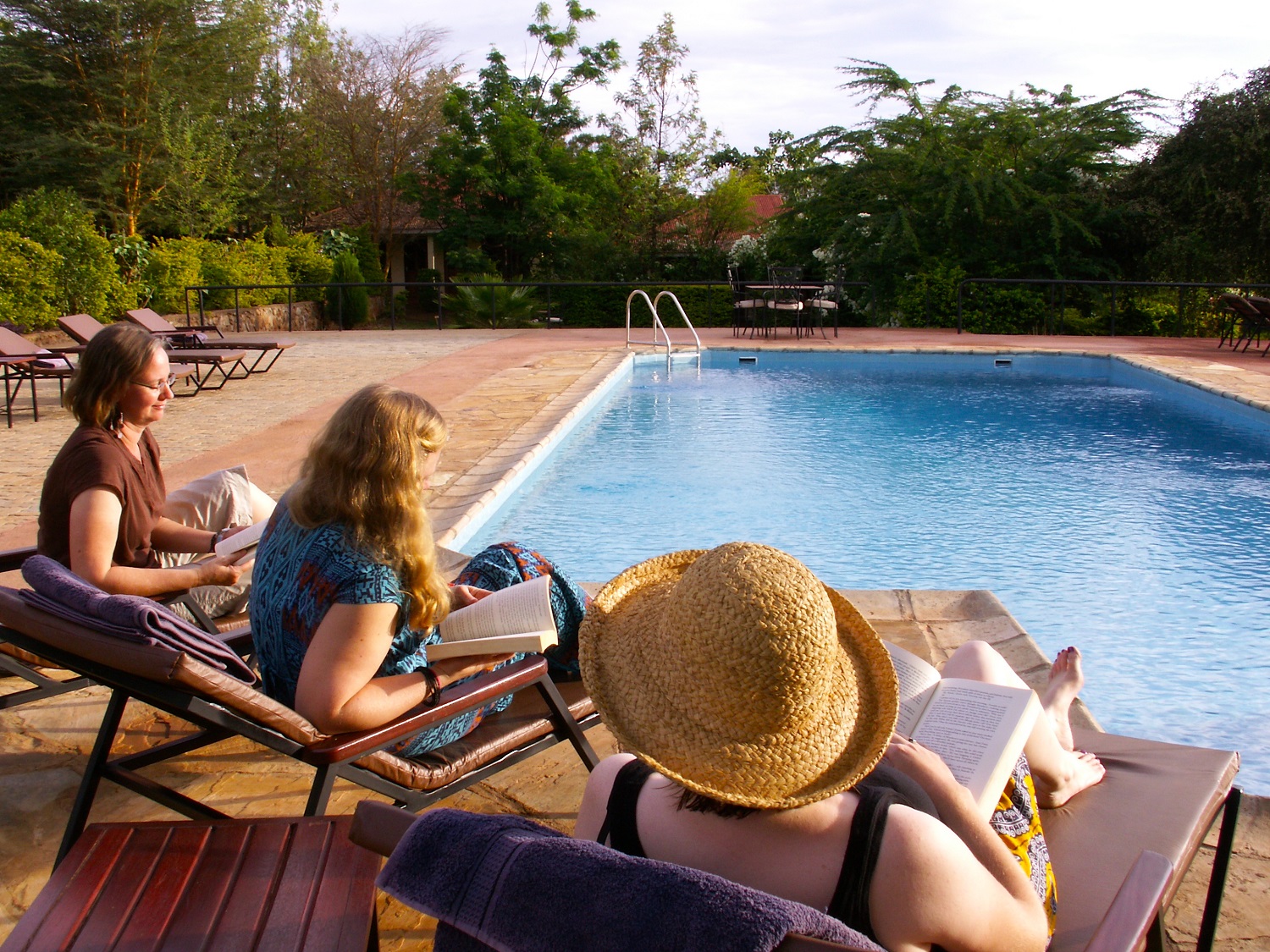
Yes. An African safari is one of the best family vacations because it combines adventure, education, and unforgettable wildlife experiences. Children develop curiosity by seeing animals in their natural habitats instead of behind fences. Professional safari guides tailor game drives to younger travelers, making learning enjoyable through stories, animal facts, and interactive activities. Family-friendly safari lodges provide spacious accommodations, kid-friendly meals, swimming pools, flexible schedules, and safe environments for families.
What Children Can Learn on a Tanzania Safari?
A Tanzania safari teaches children valuable lessons beyond wildlife viewing. They learn about animal behavior, food chains, ecosystems, biodiversity, conservation, geography, weather, and the importance of protecting endangered species. Guides explain how lions hunt, elephants communicate, giraffes feed, and birds migrate across continents. Cultural visits help children understand Maasai traditions, local customs, and sustainable living. Kids improve observation skills, patience, teamwork, photography, and respect for different cultures.
Hidden Benefits of a Family African Safari
A family African safari offers benefits that extend far beyond seeing wildlife. Spending time together without everyday distractions strengthens family relationships and creates meaningful shared memories. Children become more curious, independent, and confident as they explore new environments and cultures. Safari experiences encourage patience, observation, communication, teamwork, and problem-solving while introducing conservation values naturally. Parents appreciate quality family time, digital detox opportunities, and educational adventures that inspire lifelong learning.
Should You Take Children on an African Safari?
Absolutely. A well-planned African safari is an excellent choice for families with children. Many safari operators design family-friendly itineraries with shorter game drives, flexible schedules, child-friendly accommodations, and experienced guides who understand younger travelers. Tanzania offers safe safari destinations where children enjoy wildlife viewing, cultural experiences, and outdoor learning in comfortable environments. Parents can choose lodges with swimming pools, family suites, and educational activities suitable for different ages.
Is an African Safari Suitable for a 5, 6, and a 7-Year-Old?
Yes, children aged five, six, and seven can enjoy an African safari when families choose age-appropriate itineraries. Many Tanzania safari lodges welcome young guests with family accommodations, child-friendly meals, and engaging educational activities. Shorter game drives, regular rest breaks, swimming pools, and interactive wildlife experiences help younger children stay interested and comfortable. Professional guides explain animal behavior using fun stories that children easily understand.
Complete Guide to Safaris for Teenagers
Teenagers often find African safaris exciting because they combine adventure, wildlife photography, conservation, and outdoor exploration. Older children appreciate longer game drives, guided nature walks where permitted, cultural visits, camping experiences, birdwatching, and learning advanced wildlife tracking skills. Tanzania's famous parks offer opportunities to photograph lions, elephants, cheetahs, leopards, giraffes, and the Great Migration while understanding ecosystems and biodiversity.
What Activities Are Common on a Safari?
Safari activities include morning and afternoon game drives, wildlife photography, birdwatching, cultural village visits, picnic lunches, sunset viewing, bush breakfasts, and guided walking safaris where permitted. Families also enjoy campfire storytelling, stargazing, conservation talks, nature interpretation, swimming, and children's educational programs at family-friendly lodges. Guides teach visitors how to identify animal footprints, recognize bird calls, and understand wildlife behavior.
Why African Safaris are a Great Learning Experience for Kids?
African safaris transform nature into an exciting classroom where children learn through real experiences. Watching wildlife in natural habitats helps kids understand biology, ecology, geography, and conservation more effectively than textbooks alone. Professional safari guides explain animal adaptations, predator-prey relationships, migration, habitats, and environmental protection using engaging stories and demonstrations. Cultural visits introduce children to African traditions, languages, music, and sustainable lifestyles, broadening their global understanding.
The Ultimate Guide to Going on Safari with Kids
Planning a safari with children begins by selecting a family-friendly destination, experienced safari operator, comfortable accommodation, and an age-appropriate itinerary. Tanzania offers exceptional national parks with abundant wildlife, professional guides, and lodges designed for families. Keep daily game drives shorter for younger children, schedule regular breaks, and include cultural visits, swimming, and educational activities. Pack lightweight clothing, binoculars, sunscreen, hats, insect repellent, snacks, and entertainment for transfers.
Must-Read Tips For Going on Safari With Kids
Successful family safaris begin with choosing reputable safari companies specializing in family travel. Select accommodations offering family rooms, flexible meal options, and child-friendly facilities. Schedule shorter game drives, carry healthy snacks, water, hats, sunscreen, binoculars, cameras, and lightweight clothing suitable for changing temperatures. Encourage children to bring notebooks for recording wildlife sightings and interesting facts learned from guides. Follow park safety rules by remaining inside safari vehicles and respecting wildlife.
Top Reasons to Go on an African Safari with Your Kids
An African safari gives families unforgettable opportunities to explore nature together while learning valuable life lessons. Children witness incredible wildlife, discover different cultures, improve observation skills, and develop respect for conservation. Parents enjoy quality family time away from digital distractions while sharing exciting adventures. Tanzania's famous national parks offer world-class wildlife viewing, spectacular landscapes, and safe family-friendly accommodations suitable for every generation.
Tips for Planning the Best African Safari with Kids
Choose destinations known for African family-friendly safaris, experienced guides, and excellent wildlife viewing. Tanzania remains one of Africa's top safari destinations because of its safe parks, comfortable lodges, and incredible biodiversity. Select age-appropriate itineraries with shorter driving distances and flexible schedules. Book accommodations offering family suites, swimming pools, children's menus, and educational programs. Pack comfortable clothing, medications, binoculars, cameras, sunscreen, hats, and reusable water bottles.
Essential Tips for Taking an African Safari with Kids
Preparing carefully helps families enjoy a safe, comfortable, and memorable African safari. Choose trusted family safari operators with excellent reviews and experienced guides. Discuss children's interests before traveling and involve them in planning wildlife checklists and photography goals. Maintain flexible schedules, allowing time for rest, meals, and swimming between game drives. Bring binoculars, cameras, books, snacks, insect repellent, sunscreen, lightweight clothing, and first-aid essentials.
Should you take your kids on a Great Migration safari?
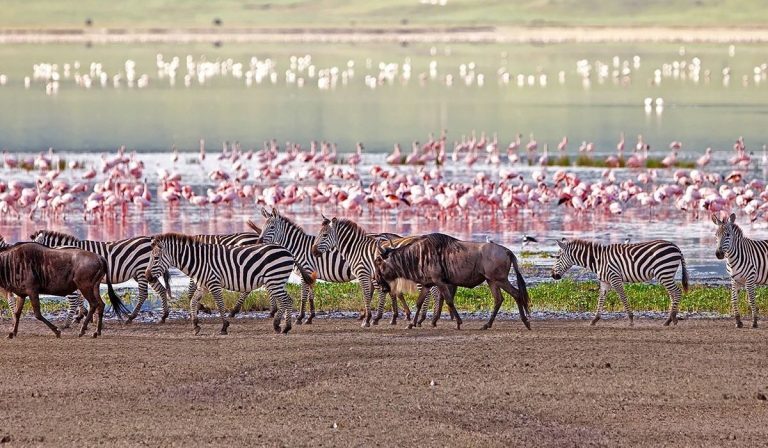
Yes—taking kids on a Great Migration safari can be an unforgettable and highly educational experience, especially in Tanzania’s Serengeti National Park. However, it should be carefully planned based on your children’s ages, attention span, and comfort with travel. The Great Migration—where millions of wildebeest, zebras, and gazelles move across the plains in search of fresh grazing—is one of the world’s most spectacular wildlife events.
How to keep your children safe on an African Safari?
Keeping children safe on an African safari begins with choosing an experienced operator like Foot Slopes Tours and Safaris. Our luxury family safaris prioritize safety through private 4x4 safari vehicles, highly trained professional guides, child-friendly lodges, and flexible itineraries designed around young travelers. Parents receive expert guidance throughout every game drive, while children are supervised in secure environments and encouraged to observe wildlife from a safe distance.
The TRUTH about doing an African safari with kids
The truth is that an African safari with kids can be one of the most rewarding family vacations when planned correctly. With Foot Slopes Tours and Safaris, families enjoy luxury accommodations, private safari vehicles, flexible schedules, and experienced guides who understand the needs of children and toddlers. Game drives are adapted to keep young explorers comfortable and engaged, while family-friendly lodges provide excellent facilities and welcoming hospitality.
Is It Safe to Take Kids on an African Safari?
Yes—an African safari is safe for kids when organized by a professional operator like Foot Slopes Tours and Safaris. We design luxury Tanzania family safaris with strict safety standards, including private safari vehicles, experienced guides, and carefully selected child-friendly lodges. Game drives follow safe wildlife viewing distances, and all activities are adapted to suit toddlers and young children. Parents receive full guidance on safari etiquette, hydration, sun protection, and comfort planning.
A Guide to Going on Safari with Kids
Going on safari with kids becomes effortless with Foot Slopes Tours and Safaris, your trusted luxury Tanzania safari expert. We plan family-friendly itineraries that balance wildlife viewing, rest time, and engaging activities suitable for toddlers. Shorter game drives, flexible schedules, and luxury lodges with pools and gardens ensure comfort throughout the journey. Essentials include light clothing, sun protection, snacks, and entertainment for travel times.
Plan Your Family Safari
Share your children’s ages and travel dates, and we will design a private tailor-made family safari that is fun, safe and relaxed.