The Ultimate Guide to Climbing Mount Meru
The Ultimate Guide to Climbing Mount Meru
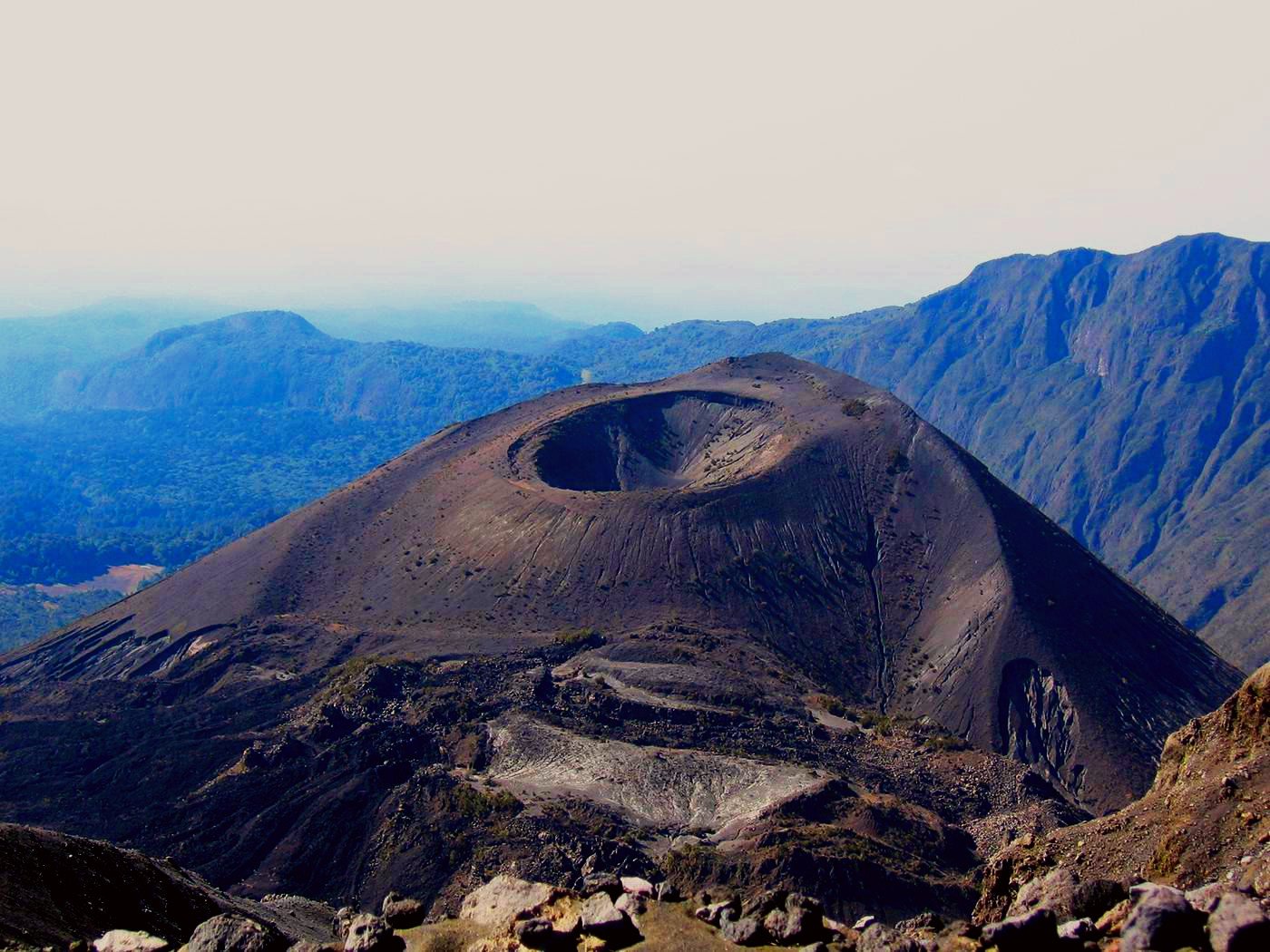
Climbing Mount Meru is one of Tanzania’s most rewarding trekking adventures and a powerful alternative or acclimatization hike for Mount Kilimanjaro. Standing at 4,566 meters, Mount Meru is located within the breathtaking landscapes of Arusha and serves as the centerpiece of Arusha National Park. This dormant stratovolcano offers a dramatic mix of lush rainforest, alpine desert, and rugged volcanic ridges. The trek is known for its rich wildlife encounters, scenic beauty, and fewer crowds compared to Kilimanjaro. For climbers searching for “Mount Meru trekking routes,” “Tanzania hiking adventures,” or “best acclimatization climbs in Africa,” this mountain is a top-ranking choice. The climb typically takes 3–4 days and provides unforgettable sunrise views over Kilimanjaro. It is ideal for both beginners and experienced trekkers seeking a challenging but rewarding high-altitude hike.
Why Climb Mount Meru
Mount Meru is often considered Tanzania’s hidden gem for trekking enthusiasts searching for “best African hiking experiences” or “less crowded Kilimanjaro alternatives.” Unlike Kilimanjaro, the trail is quieter, offering a more intimate connection with nature. Climbers enjoy diverse ecosystems, from dense forests filled with giraffes, buffalo, and monkeys to open moorlands with panoramic volcanic views. It is also an excellent acclimatization climb before attempting Kilimanjaro, significantly increasing summit success rates. The journey provides a perfect balance of adventure, wildlife safari atmosphere, and mountain trekking challenge. Many travelers choose Meru for its affordability, accessibility from Arusha, and shorter climbing duration. It is ideal for adventure seekers, photographers, and nature lovers looking for an immersive Tanzanian trekking experience.
Mount Meru Location and Access
Mount Meru is located in northern Tanzania, inside Arusha National Park, just 70 kilometers from Kilimanjaro International Airport. It is easily accessible from Arusha city, making it one of the most convenient trekking destinations in East Africa. Travelers searching for “how to get to Mount Meru” or “Arusha trekking tours” will find that most climbs begin at Momella Gate. Transfers from Arusha take about 45 minutes by road. The mountain is managed by Tanzania National Parks Authority, ensuring safety and conservation standards. Climbers must register permits before starting the trek. Its proximity to safari circuits like Serengeti and Ngorongoro makes it ideal for combining trekking and wildlife safaris.
Best Time to Climb Mount Meru
The best time for climbing Mount Meru is during the dry seasons, which run from June to October and December to February. These months offer clear skies, stable weather, and excellent visibility of surrounding landscapes and Kilimanjaro. Travelers searching “best time to hike Mount Meru Tanzania” or “weather conditions Mount Meru climb” will find dry seasons ideal for safe trekking and photography. The rainy seasons (March–May and November) bring slippery trails, heavy clouds, and reduced visibility, making the hike more challenging. However, the mountain remains open year-round for experienced trekkers. Wildlife sightings are often better during wetter months when animals gather around water sources. Choosing the right season enhances safety, comfort, and summit success rates, especially for first-time high-altitude hikers.
Mount Meru Trekking Routes
The main and only official trekking route on Mount Meru is the Momella Route, which passes through diverse ecological zones inside Arusha National Park.” Climbers ascend through grasslands, montane forests, and alpine deserts before reaching the dramatic crater rim. The route is well-maintained and guided by armed rangers due to wildlife presence. The final ascent to Socialist Peak offers breathtaking sunrise views over Mount Kilimanjaro. The standard trek lasts 3 to 4 days, depending on fitness and acclimatization needs. This single-route system ensures controlled tourism, minimal environmental impact, and a safer climbing experience compared to more complex mountain systems in Africa.
- ArushaGateway
- TarangireElephants
- NgorongoroCrater
- SerengetiBig Five
- ZanzibarBeach
Mount Meru Typical Climbing Itinerary
A standard Mount Meru itinerary usually takes 4 days and begins at Momella Gate. Day 1 involves trekking through forest zones to Miriakamba Hut. Day 2 continues upward through diverse vegetation to Saddle Hut, where climbers rest and acclimatize. Day 3 starts early for the summit attempt to Socialist Peak, followed by descent back to Saddle Hut or Miriakamba. Day 4 completes the descent to the gate.” The gradual ascent helps reduce altitude sickness risks and improves summit success rates. Each stage offers unique landscapes, wildlife sightings, and scenic viewpoints. Professional guides and rangers accompany climbers throughout the journey for safety and navigation.
Mount Meru Difficulty Level and Fitness Requirements
Mount Meru is considered a moderate to challenging climb, making it suitable for hikers with basic fitness and trekking experience. It is often recommended as a preparation hike for Mount Kilimanjaro.” or “fitness level for Mount Meru trekking” highlight its growing popularity. The main challenge is altitude gain rather than technical climbing skills. The summit night is steep and physically demanding but non-technical. Regular cardio training, hiking practice, and endurance exercises significantly improve success rates. Climbers should be prepared for long walking hours, changing weather conditions, and altitude effects. With proper pacing and acclimatization, even beginners can successfully reach the summit.
Mount Meru Training and Preparation Tips
Proper preparation is essential for a successful Mount Meru climb. Many travelers search “how to prepare for Mount Meru hike” or “training for high altitude trekking Tanzania.” Recommended preparation includes regular hiking, stair climbing, jogging, and strength training for at least 4–6 weeks before departure. Mental readiness is equally important due to long trekking hours and summit night fatigue. Hydration and balanced nutrition improve endurance. Practicing with a loaded backpack helps simulate real trekking conditions. Acclimatization strategies, such as slow pacing and rest breaks, reduce altitude sickness risks. Travelers planning to combine Meru with Kilimanjaro often use it as a natural acclimatization climb, improving overall mountain performance.
Mount Meru Permits, Costs, and Regulations
Climbing Mount Meru requires official permits issued by Tanzania National Parks Authority (TANAPA). Costs typically include park entry fees, guide fees, ranger escort fees, and accommodation at huts. Searches like “Mount Meru climbing cost” and “Tanzania trekking permit fees” are highly common. Prices vary depending on nationality, group size, and tour operator services. Climbers must be accompanied by a certified guide and armed ranger due to wildlife presence inside Arusha National Park. Booking through licensed tour companies ensures compliance with regulations and safety standards. Payments are usually made in advance, and all logistics are arranged before arrival. Understanding cost structures helps travelers plan realistic budgets for a safe and smooth trekking experience.
- Accommodation
- Meals
- Park fees
- Vehicle & guide
- Transfers
- International flights
- Visas
- Travel insurance
- Tips
- Premium drinks
Mount Meru Gear and Packing List
Packing the right gear is essential for a successful Mount Meru climb. Popular searches include “Mount Meru packing list” and “what to bring for Tanzania trekking.” Essential items include waterproof hiking boots, warm layers, thermal jackets, gloves, hats, and rain protection. A sleeping bag suitable for cold temperatures is necessary for hut accommodation. Trekking poles help with steep ascents and descents. Sunscreen, sunglasses, and hydration systems are also important. Lightweight but durable backpacks improve comfort during long hikes. Proper gear preparation reduces fatigue, enhances safety, and improves overall enjoyment of the climb. Renting equipment in Arusha is also possible for travelers who prefer convenience.
Mount Meru Wildlife and Scenic Experience
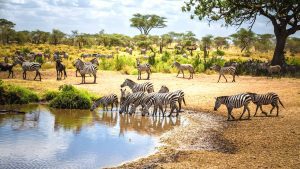
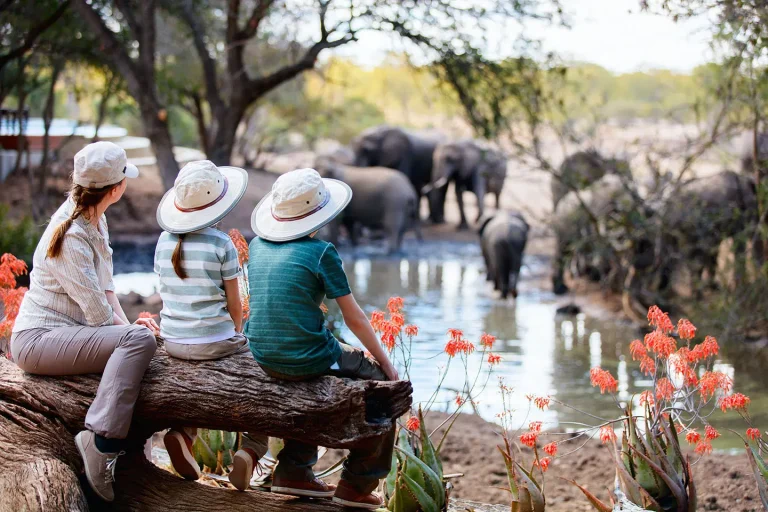
One of the most unique aspects of Mount Meru is its rich wildlife experience. Located inside Arusha National Park, climbers often encounter giraffes, buffalos, warthogs, and colobus monkeys along the lower slopes. This makes it one of the few trekking mountains in Africa where safari-style wildlife viewing is possible.The scenery transitions dramatically from lush rainforest to volcanic alpine landscapes. Birdwatchers also enjoy spotting diverse species throughout the trail. The combination of mountain trekking and wildlife safari makes Mount Meru a truly unique adventure destination in Tanzania.
Final Thoughts and Travel Tips
Climbing Mount Meru is a rewarding adventure that combines physical challenge, natural beauty, and cultural tourism in one unforgettable experience. It is ideal for travelers looking for “best trekking in Tanzania,” “Kilimanjaro preparation climbs,” or “authentic African mountain adventures.” Always climb with experienced guides, respect park regulations, and prioritize safety at all times. Starting your trek early, maintaining a steady pace, and staying hydrated are key success factors. Mount Meru offers fewer crowds, stunning landscapes, and a powerful sense of achievement at the summit. Whether used as a standalone trek or a warm-up for Kilimanjaro, it remains one of East Africa’s most spectacular and underrated climbing experiences.
The Ultimate Guide to Climbing Mount Meru: FAQs
Where is Mount Meru located?
Mount Meru is located in northern Tanzania inside Arusha National Park, about 70 km from Kilimanjaro International Airport. It sits near Arusha city, making it one of the most accessible trekking mountains in East Africa. The volcano rises to 4,566 meters and offers stunning views of Mount Kilimanjaro on clear days.
How long does it take to climb Mount Meru?
Climbing Mount Meru typically takes 3 to 4 days depending on the itinerary and acclimatization pace. The standard route includes stops at Miriakamba Hut and Saddle Hut before the summit attempt to Socialist Peak. Many travelers search for “Mount Meru 3-day vs 4-day climb” or “how many days for Mount Meru trekking.” The 4-day option is more recommended because it allows better acclimatization and increases summit success rates.
Is Mount Meru harder than Kilimanjaro?
Mount Meru is generally considered less difficult than Mount Kilimanjaro in terms of altitude and duration, but it can still be challenging due to steep trails and summit night effort.While Kilimanjaro is higher (5,895m), Mount Meru requires stronger daily hiking stamina because of its shorter itinerary and more direct ascent.
Do I need a guide to climb Mount Meru?
Yes, climbing Mount Meru requires a licensed guide and armed ranger escort. This is mandatory due to wildlife presence inside Arusha National Park. Travelers often search “do I need a guide for Mount Meru Tanzania” because independent trekking is not allowed. The ranger ensures safety from wild animals such as buffalo and giraffes, while the guide leads navigation and pace management.
What is the best time to climb Mount Meru?
The best time to climb Mount Meru is during the dry seasons: June to October and December to February. These months offer clear skies, stable weather, and excellent summit visibility.During dry months, trails are less slippery and hiking conditions are safer.
What wildlife can I see on Mount Meru?
Mount Meru is one of the few trekking mountains where wildlife encounters are common. Inside Arusha National Park, climbers may see giraffes, buffalo, warthogs, colobus monkeys, and various bird species.The lower forest zones are especially rich in biodiversity. Because of this, all climbers are escorted by armed rangers for safety.
How much does it cost to climb Mount Meru?
The cost of climbing Mount Meru varies depending on nationality, group size, and tour operator. On average, prices range from mid-range trekking packages that include park fees, guide services, ranger fees, accommodation in huts, meals, and transport. Travelers often search “Mount Meru climbing cost Tanzania” or “budget Mount Meru trek price.” Costs are regulated by Tanzania National Parks Authority and must be paid through licensed operators.
Can Mount Meru help with Kilimanjaro acclimatization?
Yes, Mount Meru is widely used as an acclimatization climb for Mount Kilimanjaro. Many travelers search “should I climb Mount Meru before Kilimanjaro” or “acclimatization hikes Tanzania.” Because Meru reaches 4,566 meters, it helps the body adapt to high altitude conditions before attempting Kilimanjaro’s 5,895 meters. This significantly improves summit success rates and reduces altitude sickness risk. Climbers often complete Meru 3–5 days before starting Kilimanjaro.
Plan Your Private Tanzania Safari
Tell us your travel dates, interests and budget, and our local team will design a private tailor-made safari around you.