The 10 Best Spots for Photographic Safaris in Tanzania
The 10 Best Spots for Photographic Safaris in Tanzania
Tanzania is a dream destination for photographic safaris. Its vast wilderness, dramatic landscapes, abundant wildlife, and authentic cultural encounters offer endless opportunities to capture once-in-a-lifetime images. From golden savannahs and volcanic craters to remote lakes and towering mountains, Tanzania rewards photographers with scenes that feel cinematic, raw, and deeply emotional. Whether you are a professional wildlife photographer or an enthusiastic traveler with a camera in hand, these destinations stand out as the finest places to tell visual stories through light, movement, and nature. Below are the best photographic safari spots in Tanzania, each offering a unique canvas for unforgettable images.
Serengeti National Park
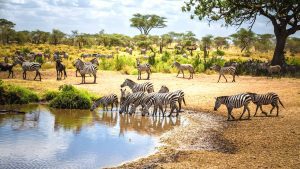
The Serengeti is the crown jewel of wildlife photography in Tanzania. Its endless plains, dramatic skies, and extraordinary wildlife density make it one of the most photographed ecosystems on Earth. This is the stage for the Great Wildebeest Migration, where millions of animals move in search of fresh grazing, creating powerful scenes of motion, dust, and survival. Predator photography thrives here—lions, cheetahs, leopards, and hyenas are often seen in open terrain, allowing clean compositions and dynamic action shots. Sunrise and sunset in the Serengeti paint the landscape in golden and crimson hues, perfect for silhouettes of acacia trees, giraffes, and elephants. Every game drive feels like stepping into a living documentary.
Ngorongoro Conservation Area
The Ngorongoro Crater offers one of the most unique photographic settings in Africa. This vast volcanic caldera encloses lakes, grasslands, forests, and an astonishing concentration of wildlife within a single bowl-shaped landscape. From a photographic standpoint, it delivers rare wide-angle compositions that include animals framed by crater walls and dramatic cloud formations. Ngorongoro is one of the best places to photograph black rhinos, often seen grazing in open plains. Flamingos gather around soda lakes, adding splashes of pink against reflective water surfaces. The mix of altitude, wildlife density, and sweeping vistas makes the Ngorongoro Conservation Area a masterpiece for both wildlife and landscape photography.
Tarangire National Park
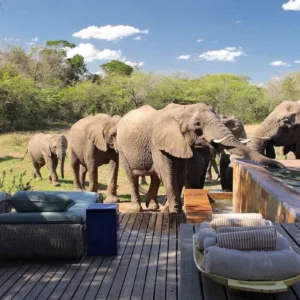
Tarangire is instantly recognizable for its ancient baobab trees, which dominate the landscape and create iconic photographic subjects. During the dry season, large herds of elephants gather along the Tarangire River, offering intimate and emotional moments perfect for close-up portraits and behavioral shots. The park’s golden grasses, twisted trees, and soft afternoon light make it ideal for minimalist compositions and creative framing. Tarangire also hosts excellent birdlife, making it a rewarding destination for photographers interested in avian subjects. Its quieter atmosphere allows for relaxed, unhurried photography.
Lake Manyara National Park
Lake Manyara is a compact yet incredibly diverse park that rewards photographers with variety. From groundwater forests and open plains to alkaline lakes filled with flamingos, it offers multiple photographic environments in a single drive. The park is famous for its tree-climbing lions, a rare and visually striking subject. Large troops of baboons provide expressive opportunities for storytelling images, while elephants move gracefully through lush greenery. Reflections on the lake, misty mornings, and dramatic escarpment backdrops make Lake Manyara a favorite for creative wildlife and landscape photography.
Ruaha National Park
Ruaha is Tanzania’s best-kept secret for serious photographers seeking raw, untamed wilderness. As the country’s largest national park, it offers vast open spaces, rugged terrain, and dramatic river systems. The Great Ruaha River attracts large concentrations of elephants, lions, and other predators, often in beautifully harsh light conditions. Ruaha’s landscapes feel wild and cinematic—rocky outcrops, ancient baobabs, and dry riverbeds create strong textures and contrasts. The park is especially rewarding for photographers who appreciate moody skies, dust-filled action shots, and a sense of true isolation.
Selous Game Reserve (Nyerere National Park)
Now part of Nyerere National Park, Selous offers a different photographic experience focused on water and movement. The Rufiji River is the heart of the reserve, providing unique opportunities for boat-based photography. Hippos, crocodiles, elephants, and birds can be photographed from water level, creating fresh perspectives rarely seen in traditional safaris. The vastness of Selous allows photographers to capture wildlife in untouched landscapes with minimal human presence. Early morning mist, river reflections, and golden light filtering through palms add depth and atmosphere to every frame.
Mahale Mountains National Park
Mahale Mountains National Park is one of Africa’s most extraordinary photographic destinations, combining wildlife, rainforest, and lakeshore scenery. Located along the shores of Lake Tanganyika, Mahale is famous for its habituated chimpanzees. Photographing chimpanzees in dense forest light is both challenging and deeply rewarding. Emotional expressions, social interactions, and dramatic forest backdrops create powerful storytelling images. Beyond primates, Mahale offers stunning landscapes—green mountains descending into crystal-clear waters—perfect for wide-angle and environmental photography.
Katavi National Park
Katavi is remote, wild, and visually intense. During the dry season, thousands of buffalo crowd into shrinking waterholes, creating dramatic scenes of dust, tension, and raw power. Hippos pack into muddy pools, leading to confrontational behavior that results in striking action photography. The isolation of Katavi means fewer vehicles and uninterrupted wildlife encounters. For photographers seeking authenticity, raw emotion, and powerful compositions, Katavi delivers scenes that feel untouched by time.
Arusha National Park – Capturing Nature’s Beauty
Often overlooked, Arusha National Park is a hidden gem for photographers. It offers lush forests, sparkling lakes, and panoramic views of Mount Meru. Wildlife such as giraffes, buffaloes, zebras, and colobus monkeys thrive here, often set against misty backdrops and reflective water surfaces. The park is particularly well-suited for photographers who enjoy landscape-wildlife combinations and creative compositions. Canoe safaris on Momella Lakes provide rare low-angle shots, while changing weather patterns create dramatic light throughout the day.
Lake Eyasi
Lake Eyasi offers a powerful cultural photography experience. This remote region is home to the Hadzabe and Datoga communities, some of Tanzania’s last remaining traditional hunter-gatherers and pastoralists. Photographers can capture authentic moments of daily life—hunting scenes, traditional crafts, expressive portraits, and rituals passed down through generations. The dry, open landscapes and warm tones of Lake Eyasi create compelling environmental portraits that tell deeply human stories beyond wildlife.
Lake Natron
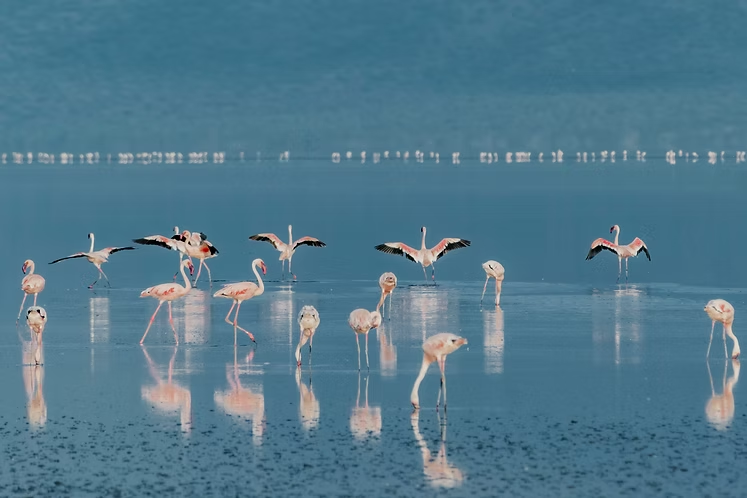
Lake Natron is one of Tanzania’s most visually striking and surreal locations. Its mineral-rich waters glow in shades of red, orange, and pink, creating abstract compositions unlike anywhere else in Africa. The lake is a vital breeding ground for lesser flamingos, offering opportunities to photograph vast flocks against dramatic volcanic backdrops. Nearby Ol Doinyo Lengai, the “Mountain of God,” adds scale and drama to landscape shots. Lake Natron is ideal for photographers seeking bold colors, unusual textures, and artistic interpretations of nature.
Kilimanjaro National Park – Majestic Peaks and Wildlife Wonders
Kilimanjaro National Park offers a unique blend of mountain, forest, and wildlife photography. While the summit itself is iconic, the lower slopes provide lush rainforest scenes where elephants, buffalo, and primates roam beneath Africa’s highest peak. Photographers can capture elephants moving through misty forests with Mount Kilimanjaro rising in the background—an image that perfectly symbolizes Tanzania’s natural diversity. The changing vegetation zones, dramatic weather, and sense of scale make Kilimanjaro a powerful destination for both wildlife and landscape photography.
What is the best time for photographic safaris in Tanzania?
The dry season, from June to October, is ideal for wildlife photography because animals congregate around water sources, vegetation is sparse, and skies are usually clear. The wet season (November to May) offers lush landscapes, dramatic skies, and newborn wildlife, which are perfect for creative and atmospheric shots.
Which parks are best for photographing the Great Migration?
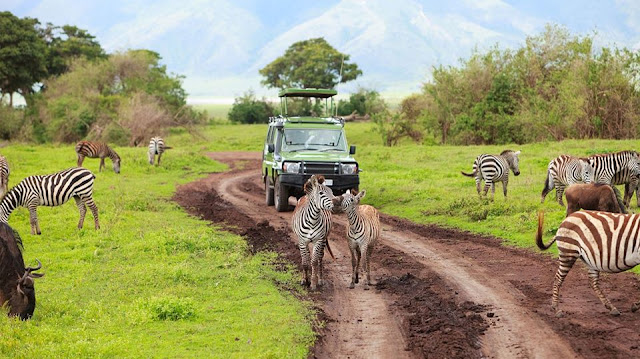
The Serengeti National Park and Ngorongoro Conservation Area are the top spots for photographing the Great Migration. The Serengeti hosts dramatic river crossings and vast herds of wildebeest and zebras, while Ngorongoro offers sweeping crater landscapes with predators and prey in close view. Timing is key: June–July for northern Serengeti river crossings and December–March for central Serengeti calving season. These parks provide iconic, dynamic scenes that capture the power, scale, and drama of this natural spectacle.
A general guide: the herds follow the rains.
Can I photograph wildlife up close safely?
Yes, you can photograph wildlife up close safely in Tanzania with the guidance of professional safari guides. They know animal behavior, safe distances, and the best vantage points for capturing stunning images without disturbing wildlife. Using telephoto lenses allows close-up shots while maintaining safety. Following your guide’s instructions, keeping calm, and respecting animals’ space ensures memorable photography experiences, whether you’re photographing lions, elephants, or rare species in their natural habitat.
Approach, feed or disturb wildlife, or leave the vehicle unless your guide says it is safe.
Follow your guide, carry travel insurance and check current health and travel advice.
Which parks are best for photographing rare or unique animals?
For photographing rare or unique animals in Tanzania, some parks stand out. Mahale Mountains National Park is ideal for capturing chimpanzees in their natural habitat. Lake Natron offers spectacular shots of thousands of lesser flamingos. Ngorongoro Crater provides opportunities to photograph elusive black rhinos, while Katavi National Park showcases large buffalo herds and isolated predators. These destinations combine wildlife diversity with dramatic landscapes, giving photographers rare, unforgettable moments that are difficult to find anywhere else in Africa.
Are there parks suitable for landscape photography?
Yes! Tanzania offers numerous parks perfect for landscape photography. Ngorongoro Crater provides sweeping vistas with wildlife framed by volcanic walls. Lake Natron dazzles with vibrant, reflective waters and flamingo flocks. Mahale Mountains combine rainforest, mountains, and Lake Tanganyika’s shoreline for dramatic shots. Kilimanjaro National Park showcases towering snow-capped peaks against lush forests and roaming wildlife. These destinations let photographers capture breathtaking panoramas, dynamic skies, and nature’s raw beauty in one frame.
Can I combine cultural photography with wildlife?
Yes! In Tanzania, you can combine cultural photography with wildlife for a unique safari experience. Visit Lake Eyasi to capture the Hadzabe hunter-gatherers and Datoga pastoralists in their daily routines, while nearby parks like Serengeti, Ngorongoro, and Tarangire offer incredible wildlife scenes. Always seek permission before photographing people to ensure authentic and respectful portraits. This combination allows photographers to tell richer stories, blending human culture with Africa’s iconic wildlife landscapes.
What equipment is recommended for a photographic safari?
For a photographic safari, bring a reliable DSLR or mirrorless camera with a telephoto lens (200–600mm) for wildlife and a wide-angle lens (16–35mm) for landscapes. Include a tripod or monopod for stability during low-light conditions, extra batteries and memory cards, a lens cleaning kit, and a camera rain cover for unpredictable weather. Lightweight and versatile gear ensures you capture sharp, high-quality images of wildlife, landscapes, and cultural moments throughout your Tanzanian safari.
How long should a photographic safari last?
A photographic safari in Tanzania should ideally last 7–10 days to maximize opportunities across multiple parks. This duration allows you to capture diverse wildlife, landscapes, and cultural moments while following seasonal animal movements. Longer safaris provide flexibility for sunrise and sunset photography, waiting for perfect lighting, and revisiting key locations. Whether focusing on iconic species like lions and elephants or unique settings like Lake Natron and the Mahale Mountains, a well-paced safari ensures both quantity and quality of unforgettable shots.
Are there photography-only safari tours in Tanzania?
Yes! Tanzania offers photography-only safari tours designed for wildlife and landscape enthusiasts. These specialized safaris focus on optimal light, extended game drives, and prime vantage points for capturing the best Tanzanian Photo Safaris. You must experience stunning shots. Led by experienced guides who understand animal behavior and photographic techniques, participants enjoy slow-paced, immersive experiences in top locations like Serengeti, Ngorongoro, Tarangire, and Lake Manyara. Sunrise and sunset sessions, along with expert advice on composition and camera settings, make these tours perfect for both amateur and professional photographers.
Can beginners enjoy photographic safaris?
Yes! Beginners can absolutely enjoy photographic safaris in Tanzania. Guided by experienced safari guides, even novice photographers can capture incredible wildlife and landscapes. With tips on camera settings, composition, and the best vantage points, beginners can photograph elephants, lions, flamingos, and dramatic sunsets with ease. Tanzania’s predictable wildlife patterns, diverse scenery, and professional support make it an ideal destination for anyone eager to learn, experiment, and come home with memorable, high-quality images.
Is it possible to photograph during a walking safari?
Yes! Photographing during a walking safari is possible and offers a unique, immersive perspective. Parks like Arusha National Park and Mahale Mountains allow you to capture intimate wildlife moments, close-up details, and natural behaviors often missed from vehicles. Guided walking safaris ensure safety while providing opportunities for creative shots of birds, primates, and landscapes. The slower pace lets photographers focus on composition, lighting, and textures, making it an ideal experience for both beginners and seasoned wildlife photographers.
What should I know about ethical wildlife photography?
When photographing wildlife, prioritize the animals’ safety and comfort. Keep a safe distance, avoid disturbing or feeding them, and never use flash in sensitive situations. Respect natural behaviors, stay on designated paths, and follow your guide’s instructions. When capturing people, always ask permission and honor local customs. Ethical photography ensures memorable images while preserving the integrity of wildlife and communities, allowing future generations to enjoy and experience nature responsibly.
Why Choose Tanzania for a Photo Safari?
Tanzania is a photographer’s paradise, offering unmatched wildlife, dramatic landscapes, and vibrant cultures. From the iconic Great Migration in the Serengeti to the breathtaking Ngorongoro Crater, remote lakes, and majestic Kilimanjaro, every location provides unique photo opportunities. Abundant wildlife, rare species, and striking scenery, combined with experienced guides and diverse habitats, make Tanzania ideal for capturing unforgettable best locations for photography in Tanzania images. Whether you seek action-packed predator encounters, serene landscapes, or cultural moments, a photo safari here promises extraordinary, once-in-a-lifetime shots.
Guide to an Epic Tanzania Photographic Safari
Embark on a photographic safari through Tanzania’s iconic landscapes and wildlife havens. Capture the Great Migration in Serengeti, elusive black rhinos in Ngorongoro, and flamingos at Lake Natron. From majestic Kilimanjaro backdrops to remote Mahale chimpanzees, every moment offers breathtaking imagery. Tailor your discovery of the best spots for a Tanzania Photographic Safari journey with expert guides, optimal light, and prime vantage points, creating unforgettable wildlife, landscape, and cultural photographs in one of Africa’s most photogenic destinations.
Best Time for Photography Safaris in Tanzania
The best time for photography safaris in Tanzania is during the dry season from June to October, when animals gather around water sources, skies are clear, and vegetation is sparse—perfect for capturing wildlife in action. For creative landscape and newborn wildlife shots, the wet season (November to May) offers lush scenery, dramatic skies, and vibrant colors. Sunrise and sunset provide golden light, ideal for silhouettes, reflections, and stunning photographic compositions across parks like Serengeti, Ngorongoro, and Tarangire.
The Ultimate Safari Photography Guide by Season
The Ultimate Safari Photography Guide by Season offers expert tips for capturing Tanzania’s wildlife, landscapes, and cultural scenes throughout the year. Learn the best parks, locations, and lighting for each season—from the dramatic Great Migration in the dry months to lush, vibrant scenery and newborn wildlife in the wet season. This guide helps photographers plan their safari, choose the right equipment, and anticipate wildlife behavior, ensuring unforgettable shots and once-in-a-lifetime photographic experiences in Africa.
Photographic Destinations for Capturing the Magic of an African Safari
Where to go for a Photography Safari in Africa? Tanzania’s top photographic destinations capture the magic of an African safari. Tarangire offers iconic baobabs and elephant herds, Serengeti showcases the Great Migration, and Ngorongoro Crater frames wildlife against dramatic caldera landscapes. Lake Manyara delights with tree-climbing lions and flamingos, Arusha National Park blends lush scenery with wildlife, while Lake Eyasi and Lake Natron provide cultural portraits and surreal flamingo-filled landscapes. Each destination offers unique light, wildlife, and landscapes, creating unforgettable safari photography opportunities.
- ArushaGateway
- TarangireElephants
- NgorongoroCrater
- SerengetiBig Five
- ZanzibarBeach
Conclusion
Tanzania is a photographer’s paradise, offering far more than iconic safari scenes. From classic savannahs and volcanic craters to remote lakes, rainforests, and towering mountains, each destination tells a different visual story. Whether you are drawn to dramatic wildlife encounters, cultural authenticity, abstract landscapes, or emotional portraits, Tanzania provides endless inspiration. A photographic safari here is not just about capturing images—it’s about witnessing nature, culture, and wilderness at their most honest and breathtaking moments.
The 10 Best Spots for Photographic Safaris in Tanzania: FAQs
What can you expect from Serengeti national park on a Tanzania safari?
The Serengeti is the crown jewel of wildlife photography in Tanzania. Its endless plains, dramatic skies, and extraordinary wildlife density make it one of the most photographed ecosystems on Earth. This is the stage for the Great Wildebeest Migration, where millions of animals move in search of fresh grazing, creating powerful scenes of motion, dust, and survival.
What should you know about lake Manyara national park on a Tanzania safari?
Lake Manyara is a compact yet incredibly diverse park that rewards photographers with variety. From groundwater forests and open plains to alkaline lakes filled with flamingos, it offers multiple photographic environments in a single drive. The park is famous for its tree-climbing lions, a rare and visually striking subject.
What can you expect from Mahale mountains national park on a Tanzania safari?
Mahale Mountains National Park is one of Africa’s most extraordinary photographic destinations, combining wildlife, rainforest, and lakeshore scenery. Located along the shores of Lake Tanganyika, Mahale is famous for its habituated chimpanzees. Photographing chimpanzees in dense forest light is both challenging and deeply rewarding.
What should you know about lake Eyasi on a Tanzania safari?
Lake Eyasi offers a powerful cultural photography experience. This remote region is home to the Hadzabe and Datoga communities, some of Tanzania’s last remaining traditional hunter-gatherers and pastoralists. Photographers can capture authentic moments of daily life—hunting scenes, traditional crafts, expressive portraits, and rituals passed down through generations.
What is the best time for photographic safaris in Tanzania?
The dry season, from June to October, is ideal for wildlife photography because animals congregate around water sources, vegetation is sparse, and skies are usually clear. The wet season (November to May) offers lush landscapes, dramatic skies, and newborn wildlife, which are perfect for creative and atmospheric shots.
Which parks are best for photographing rare or unique animals?
For photographing rare or unique animals in Tanzania, some parks stand out. Mahale Mountains National Park is ideal for capturing chimpanzees in their natural habitat. Lake Natron offers spectacular shots of thousands of lesser flamingos. Ngorongoro Crater provides opportunities to photograph elusive black rhinos, while Katavi National Park showcases large buffalo herds and isolated predators.
What equipment is recommended for a photographic safari?
For a photographic safari, bring a reliable DSLR or mirrorless camera with a telephoto lens (200–600mm) for wildlife and a wide-angle lens (16–35mm) for landscapes. Include a tripod or monopod for stability during low-light conditions, extra batteries and memory cards, a lens cleaning kit, and a camera rain cover for unpredictable weather.
Can beginners enjoy photographic safaris?
Yes! Beginners can absolutely enjoy photographic safaris in Tanzania. Guided by experienced safari guides, even novice photographers can capture incredible wildlife and landscapes. With tips on camera settings, composition, and the best vantage points, beginners can photograph elephants, lions, flamingos, and dramatic sunsets with ease.
Plan Your Photographic Safari
Tell us your photography goals and dates, and we will design a private safari with flexible timing and expert guides who know where the light and action are.