
Tanzania Wildlife Photographic Safari Experience
A Tanzania wildlife photographic safari experience with Foot Slopes Tours and Safaris is designed around the three things every photographer needs: light, patience and position. Travel in your own private pop-up roof vehicle with a guide who understands photography, and stay as long as you like at every sighting. Capture big cats on Serengeti kopjes, the Great Migration and Mara River crossings, calving season action in Ndutu, the Big Five in Ngorongoro Crater and Tarangire's elephants beneath baobabs. Every individual private photographic safari is tailor-made to your goals, from first-time photographers to seasoned professionals building an award-worthy portfolio.
Plan Your Photographic Safari
Trip Length
Comfort Level
Safari Style
Operator Rating
Specialized Tours
Filter by Operator
Other Tour Features
Senior Safaris
Senior-Friendly Safari Packages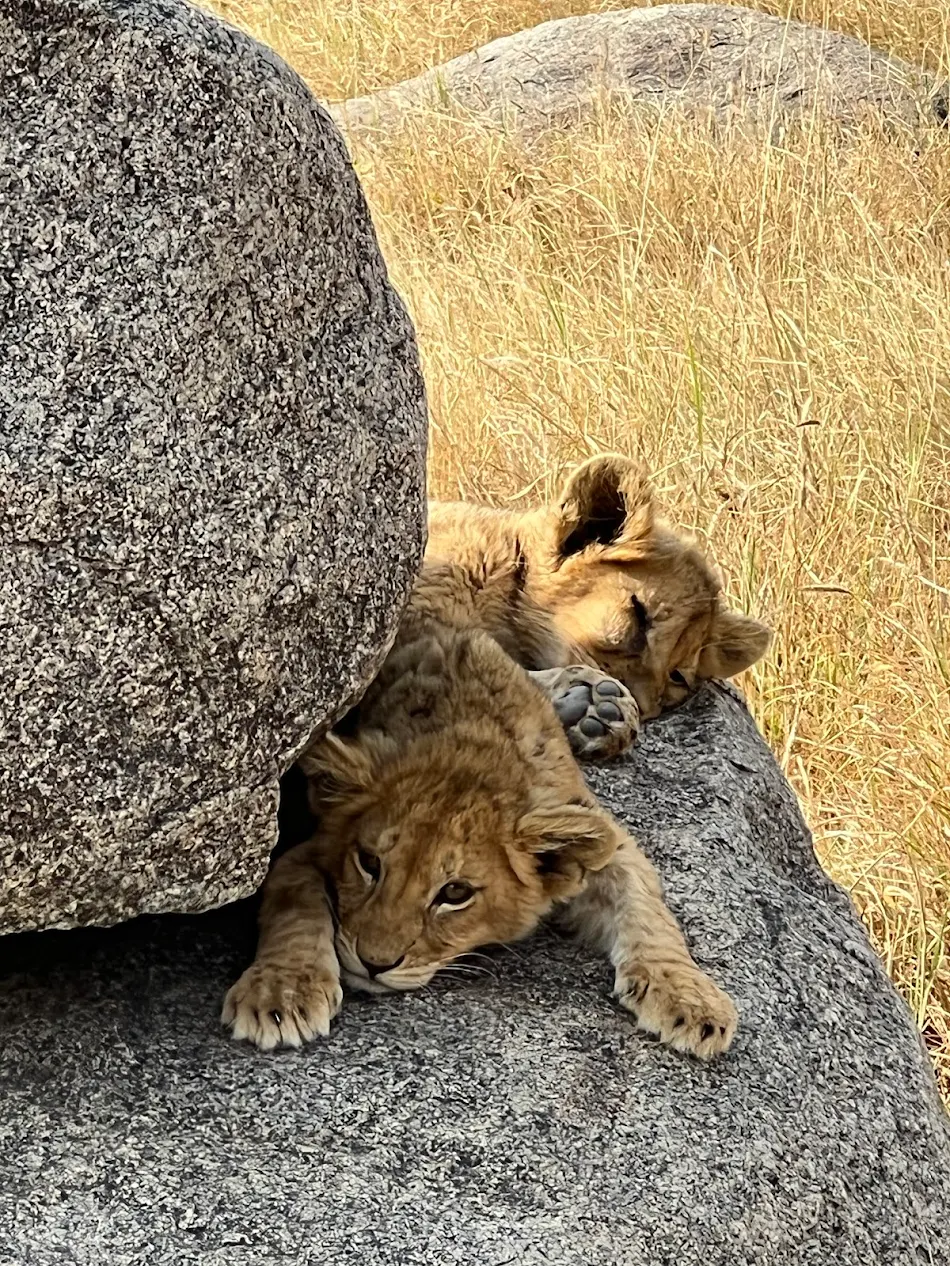
Tanzania Wildlife Photographic Safari Experience
Private Tanzania wildlife photographic safaris: pop-up roof vehicles, photographer-friendly guides, golden-hour game drives and patient waiting at sightings across the Serengeti, Ndutu, Ngorongoro Crater and Tarangire.
Popular Wildlife Photography Safaris
Private photographic safaris timed for calving, river crossings and big cat action.

7-Day Ndutu Migration Calving Season Safari Itinerary
A detailed seven-day itinerary built around the Ndutu calving spectacle.
View Package →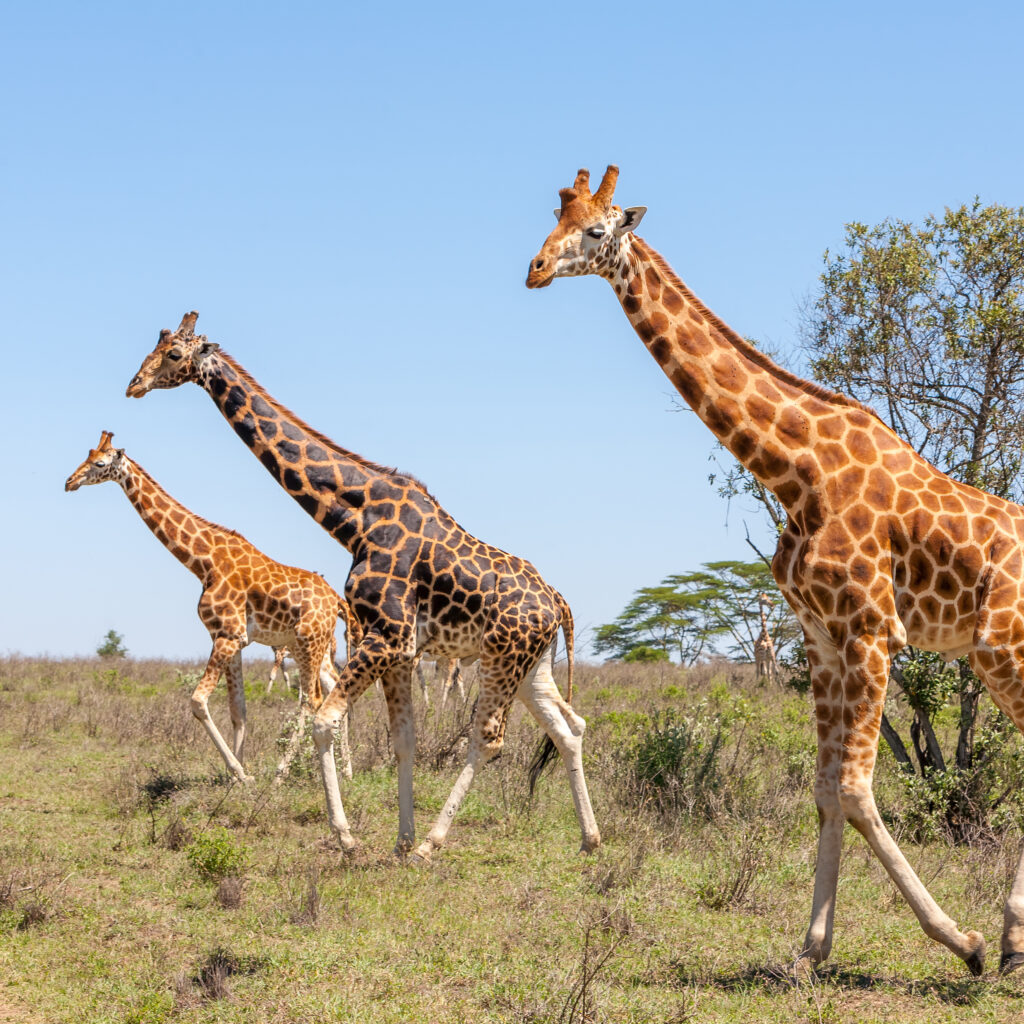
7-Day Ndutu Calving Season Serengeti Migration Safari
A seven-day Ndutu and Serengeti migration safari during calving season.
View Package →
8-Day Serengeti Wildebeest Migration Safari
Eight days following the wildebeest migration across the Serengeti plains.
View Package →
7-Day Best of Serengeti Safari
A seven-day safari highlighting the very best of the Serengeti ecosystem.
View Package →7-Day Serengeti Migration Safari
A seven-day safari tracking the Serengeti's legendary wildebeest migration.
View Package →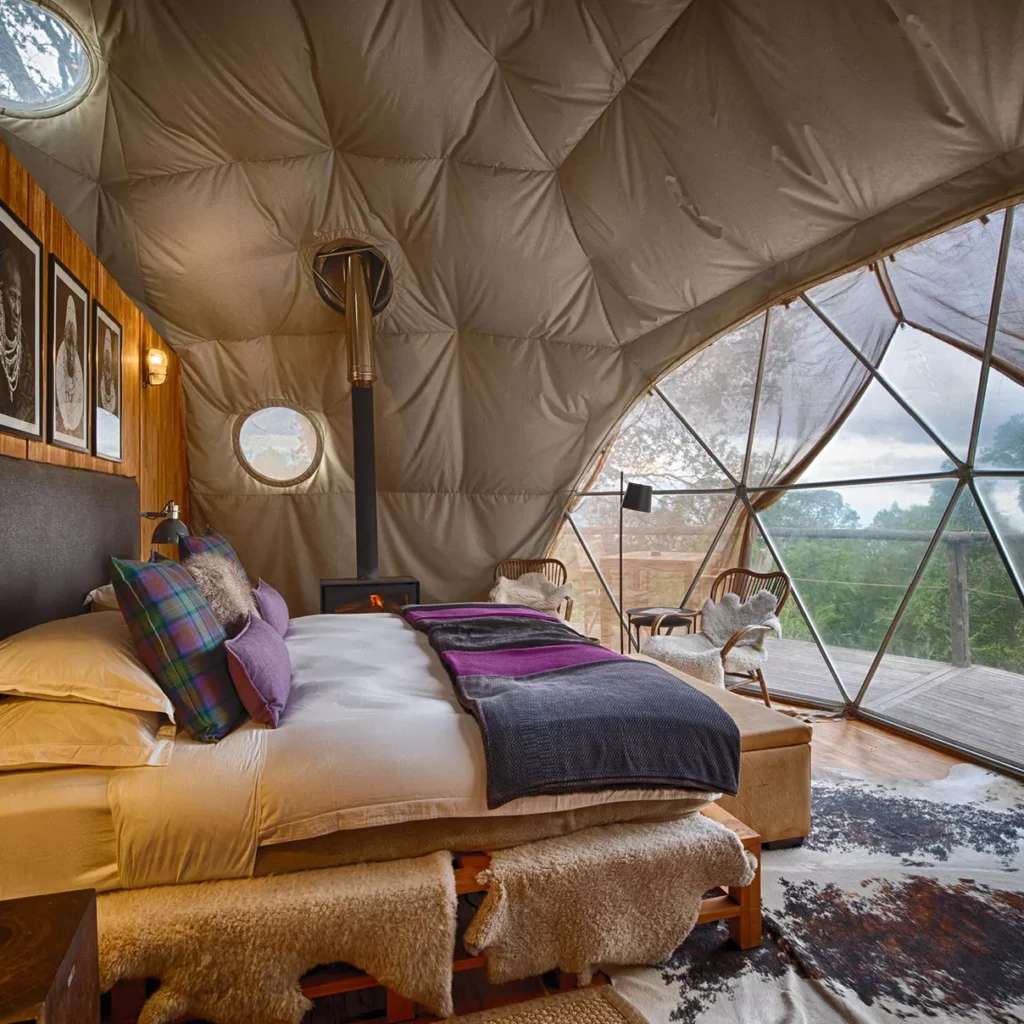
8-Day Tanzania Big Five Luxury Safari
An eight-day luxury safari focused on spotting Africa's Big Five.
View Package →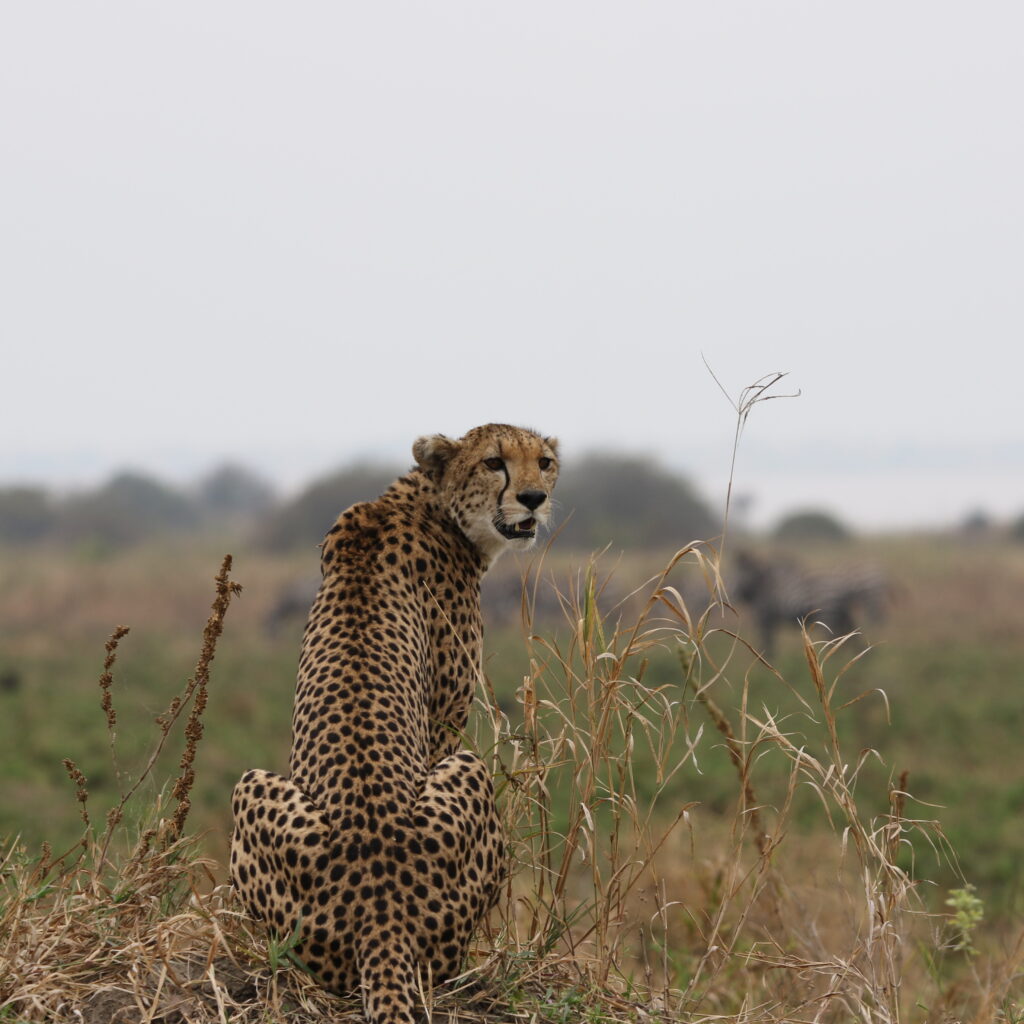
5-Day Fly-in & Fly-out Serengeti Luxury Safari
A five-day fly-in luxury safari that skips the long road transfers.
View Package →
12-Day Serengeti Calving Safari & Zanzibar Beach Holiday
A twelve-day calving-season safari paired with a Zanzibar beach holiday.
View Package →Frequently Asked Questions About Tanzania Wildlife Photographic Safaris
What is a Tanzania wildlife photographic safari?
A Tanzania wildlife photographic safari is an individual private safari planned around photography rather than a fixed sightseeing schedule. You travel in your own pop-up roof vehicle with space for camera gear, start early for golden light, stay late for sunset and wait patiently at sightings for behavior and composition. Foot Slopes Tours and Safaris works with guides who understand light, backgrounds and animal behavior, so every game drive is designed to help you capture outstanding images.
Where are the best places for wildlife photography in Tanzania?
The Serengeti is outstanding for big cats, the Great Migration and river crossings, while Ndutu offers calving season action on open plains. Ngorongoro Crater provides the Big Five against a dramatic volcanic backdrop, including the rare black rhino. Tarangire is famous for elephant herds and ancient baobabs, and Lake Manyara and Lake Natron add flamingos and birdlife. Remote parks such as Ruaha offer uncrowded predator photography for experienced photographers.
When is the best time for a photographic safari in Tanzania?
It depends on your subjects. January to March is ideal for calving season and predator action in Ndutu, with green backdrops and dramatic skies. June and July can bring Grumeti crossings in the Western Corridor, and July to October is prime time for Mara River crossings in the northern Serengeti. The dry season also offers clear visibility and concentrated wildlife, while the green season provides lush scenery and fewer vehicles.
Why is a private vehicle essential for photography?
A private vehicle gives you complete control over positioning, timing and how long you stay at a sighting. You can wait for the perfect light, reposition for a cleaner background and remain with a leopard or cheetah until the action happens. A pop-up roof, beanbags and space for gear make shooting easier, and there are no other guests with different priorities. Every Foot Slopes Tours and Safaris photographic safari is fully private.
What camera equipment should I bring?
Bring a camera body with a telephoto zoom such as 100-400mm or 200-600mm for wildlife, and a wide-angle lens for landscapes and herds. A second body is helpful to avoid lens changes in dust. Pack plenty of memory cards, spare batteries, a beanbag, lens cleaning kit, dust covers and a laptop or storage for backups. Light-aircraft baggage limits are strict, so heavy kits may require purchasing an extra seat.
Can I charge batteries and back up photos on safari?
Yes. Most lodges and camps offer charging points, and many safari vehicles have charging sockets for cameras and phones. Remote camps may run on solar power with limited capacity, so carry spare batteries and a power bank. Tanzania usually uses UK-style Type G plugs, so bring suitable adapters. Back up images every evening to a laptop or portable drive, and consider duplicating important files to protect your work.
How long should a photographic safari be?
We recommend at least six to ten days, with four or more nights in the Serengeti or Ndutu. Photography rewards patience, and extra days let your guide follow animals, learn their patterns and return to the best locations in the best light. Combining two or three areas, such as Ndutu, the central Serengeti and Ngorongoro Crater, gives variety in landscapes and subjects while keeping driving time reasonable.
Is a photographic safari suitable for beginners?
Absolutely. Photographic safaris suit every level, from smartphone users to professionals. Your guide helps you find good angles, anticipate behavior and understand light, which improves your images whatever equipment you use. Because every Foot Slopes Tours and Safaris photographic safari is private, you can learn at your own pace, ask questions freely and spend as long as you need practicing techniques such as panning, backlighting and low-angle compositions.
Can I photograph the Great Migration river crossings?
Yes, with good planning and patience. Mara River crossings usually occur from about July to October in the northern Serengeti, while Grumeti crossings often happen around June and July. Herds may gather for hours before crossing, so your private guide positions you safely and waits with you. Crossings are natural events and are never guaranteed on a specific day, but longer stays in the right area greatly improve your chances.
Can I use a drone on a Tanzania photographic safari?
Drones are strictly regulated in Tanzania's national parks and conservation areas and are generally not allowed without special permits from the authorities. Flying drones near wildlife can disturb animals and other visitors. Unless you have obtained official authorization in advance, plan to photograph from your vehicle, on permitted walks or from a hot-air balloon, which offers stunning aerial perspectives of the Serengeti at sunrise.
Is a balloon safari good for wildlife photography?
A sunrise hot-air balloon flight over the Serengeti offers unique aerial images of herds, rivers and endless plains in soft morning light. Balloon baskets are shared with other passengers and space is limited, so a mid-range zoom works better than a large telephoto lens. Flights depend on weather and availability and should be booked early, especially during peak migration months when demand is high.
Where do photographers stay on safari?
We choose camps and lodges in prime locations close to the action, such as mobile tented camps near the migration, Ndutu camps during calving season, Ngorongoro Crater rim lodges and Tarangire riverside camps. Staying close to wildlife areas means earlier access, more golden-hour opportunities and less driving. Foot Slopes Tours and Safaris balances location, comfort and budget, from classic tented camps to luxury lodges with charging facilities.
How much does a wildlife photographic safari cost?
The cost depends on trip length, season, camps, internal flights and the number of travelers sharing your private vehicle. Calving and river-crossing seasons and exclusive camps cost more, while green season travel can offer excellent value. An extra flight seat for heavy camera gear may add to the cost. Park and conservation fees are set by the authorities and can change, so we provide a clear, itemized quote.
What is included in a photographic safari?
A typical Foot Slopes Tours and Safaris photographic safari includes a private pop-up roof 4x4 vehicle, a professional guide, park and conservation fees, accommodation, most meals, drinking water, packed breakfasts for early starts and airport transfers. Internal flights, balloon safaris and extra baggage seats can be added. International flights, visas, travel insurance, tips and personal expenses are usually excluded. Every quote lists inclusions clearly, with no hidden costs.
Why choose Foot Slopes Tours and Safaris for a photographic safari?
Foot Slopes Tours and Safaris is a Tanzania-based local operator specializing in individual private, tailor-made safaris. Our experienced guides understand photographers' needs, from light and angles to patience at sightings, and we choose camps in prime locations for each season. With private vehicles, flexible schedules, transparent itemized pricing and 24/7 support, you can focus completely on capturing unforgettable wildlife images across Tanzania.
How do I book a Tanzania wildlife photographic safari?
Send your travel dates, preferred subjects, experience level, budget and number of travelers through our enquiry form. Our local team designs a tailor-made photographic itinerary timed to the best seasons and locations, with a detailed quote. We refine the plan with you until it is right. Once confirmed, a deposit secures your camps and flights, and we support you 24/7 until you return home with your images.
Plan Your Photographic Safari
Tell us your dates, style, and preferred parks, and we will build an individual private photographic safari around you.
Book Now Online →What Our Travelers Say
Real 5-star reviews from guests who traveled with us
Our Private African luxury Safari experience with Foot Slopes Tours and Safaris exceeded every expectation - beautifully planned, comfortable, and genuinely unforgettable.
We had an incredible private safari experience with Foot Slopes Tours and Safaris - professional guides, excellent lodges, and a truly seamless trip from start to finish.
Foot Slopes Tours and Safaris is truly one of the best local tour companies in Tanzania - professional, reliable, and genuinely invested in giving guests a great experience.
Our family chose Foot Slopes Tours and Safaris for a custom 11-day safari itinerary - the level of personal attention and care throughout was exceptional from start to finish.