Tanzania Travel Seasons
Tanzania Travel Seasons
Tanzania travel seasons are one of the most important factors when planning a safari, beach holiday, or Kilimanjaro trekking adventure. Understanding the best time to visit Tanzania helps travelers maximize wildlife sightings, enjoy favorable weather conditions, and experience world-famous destinations like the Serengeti National Park, Ngorongoro Crater, and Zanzibar beaches. Tanzania offers year-round travel opportunities, but each season brings unique highlights such as the Great Migration, calving season, lush green landscapes, and peak safari game viewing. From dry season safaris to green season photography opportunities, Tanzania’s climate varies across regions. This guide explores Tanzania travel seasons in detail, including weather patterns, wildlife behavior, tourist crowds, and pricing trends to help you choose the perfect time for your African safari adventure or beach getaway.
Dry Season (June to October)
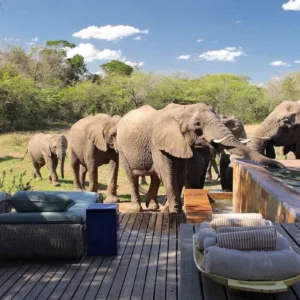
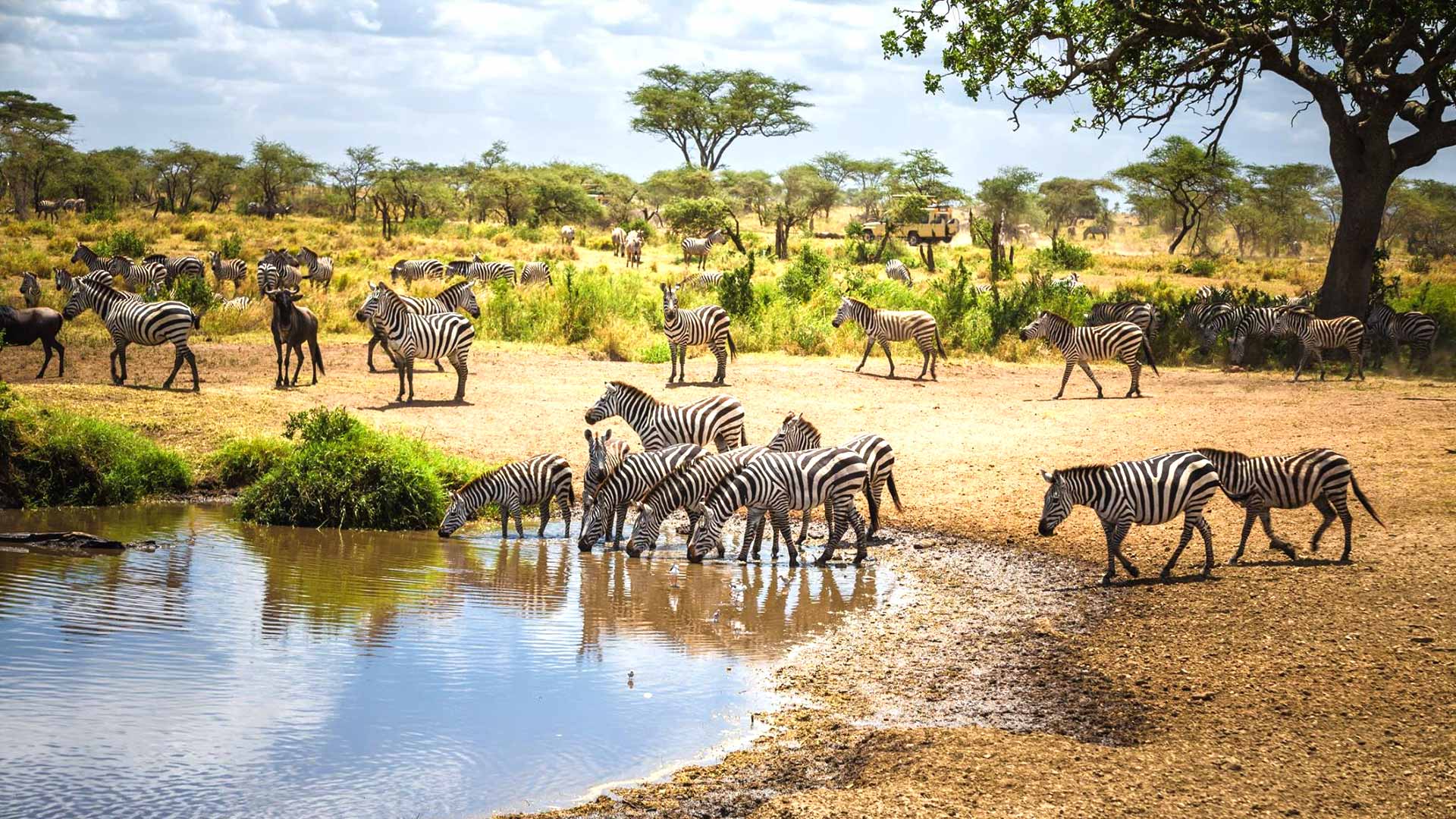
The dry season from June to October is widely considered the best time to visit Tanzania for safari experiences. This period offers clear skies, minimal rainfall, and excellent wildlife viewing as animals gather around rivers and waterholes. It is the peak safari season in Serengeti National Park, Ngorongoro Crater, and Tarangire National Park. Vegetation is thinner, making it easier to spot lions, elephants, leopards, and giraffes. The Great Migration River crossings in the northern Serengeti also occur during this season. Temperatures are cooler and more comfortable for game drives and Kilimanjaro climbing. However, it is also the busiest and most expensive travel period, so early booking of lodges and safari tours is highly recommended for the best availability and prices.
Wet Season (March to May)
The long rainy season from March to May is known as the green season in Tanzania. This period brings heavy rainfall, lush landscapes, and fewer tourists, making it ideal for budget travelers and photographers seeking dramatic scenery. Many safari lodges offer discounted rates during this time. While some roads may become muddy and difficult to access, wildlife is still present in national parks, and birdlife is at its peak. The Serengeti and Ngorongoro remain open, but game viewing can be more challenging due to dense vegetation. This season is perfect for travelers who prefer solitude, lower prices, and vibrant green environments. It is not the best time for beach holidays or climbing Kilimanjaro, but it offers a unique and peaceful safari experience.
Short Rains (November to December)
The short rainy season occurs between November and December and is characterized by brief afternoon showers rather than continuous rainfall. This is a transitional period in Tanzania travel seasons, offering a mix of green landscapes and improved safari conditions. Wildlife begins to spread out again, and migratory birds arrive, making it an excellent time for birdwatching safaris. Tourist crowds are relatively low compared to the dry season, which means more affordable safari packages and lodge deals. Roads are generally passable, and national parks remain open and accessible. Zanzibar also becomes greener and less crowded, offering a relaxed beach experience. The short rainy season is ideal for travelers seeking a balance between good wildlife viewing, moderate prices, and fewer tourists in Tanzania’s top safari destinations.
Calving Season (January to February)
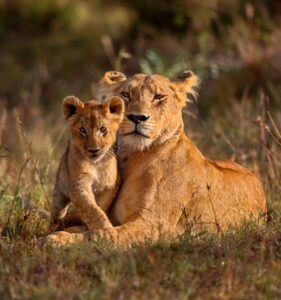
The calving season in January and February is one of the most spectacular Tanzania travel seasons, especially in the southern Serengeti. During this period, thousands of wildebeest give birth to their young, attracting predators such as lions, cheetahs, and hyenas. This creates dramatic wildlife encounters and exceptional photography opportunities. The landscape is lush and green after the short rains, and game viewing is concentrated in specific areas. This is one of the best times for witnessing predator-prey interactions in real time. Weather conditions are generally warm with occasional showers. Although it is not peak tourist season, it is gaining popularity among safari enthusiasts. Travelers interested in unique wildlife behavior and fewer crowds will find the calving season an unforgettable time to visit Tanzania.
A general guide: the herds follow the rains.
Great Migration Timing in Serengeti
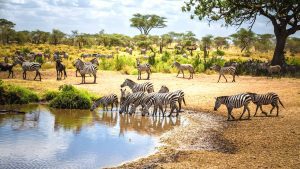
The Great Migration is one of the most important highlights influencing Tanzania's travel seasons. Over 1.5 million wildebeest, zebras, and gazelles move across the Serengeti ecosystem in search of fresh grazing land. Timing your visit is crucial to witnessing different phases of this movement. From January to March, calving occurs in the south. Between June and July, herds move north through the central Serengeti. August to October is famous for dramatic river crossings in the northern Serengeti and Maasai Mara border region. Each phase offers unique safari experiences and wildlife action. Planning your Tanzania safari around the Great Migration ensures unforgettable game viewing, photography opportunities, and close encounters with predators following the herds across the vast African plains.
Best Time for Safari in Tanzania
The best time for safari in Tanzania is generally during the dry season from June to October, when wildlife viewing is at its peak. Animals are easier to spot as they gather around limited water sources, and vegetation is sparse. However, the best safari time can also depend on personal preferences. The green season offers lush landscapes and fewer tourists, while the calving season provides dramatic predator action. Northern circuit parks like Serengeti, Ngorongoro, and Tarangire offer year-round safari opportunities. Southern parks like Selous (Nyerere National Park) are best during the dry months. Overall, Tanzania offers excellent safari experiences throughout the year, but the dry season remains the most recommended for first-time visitors seeking classic African wildlife encounters and comfortable travel conditions.
Best Time for Kilimanjaro Climbing
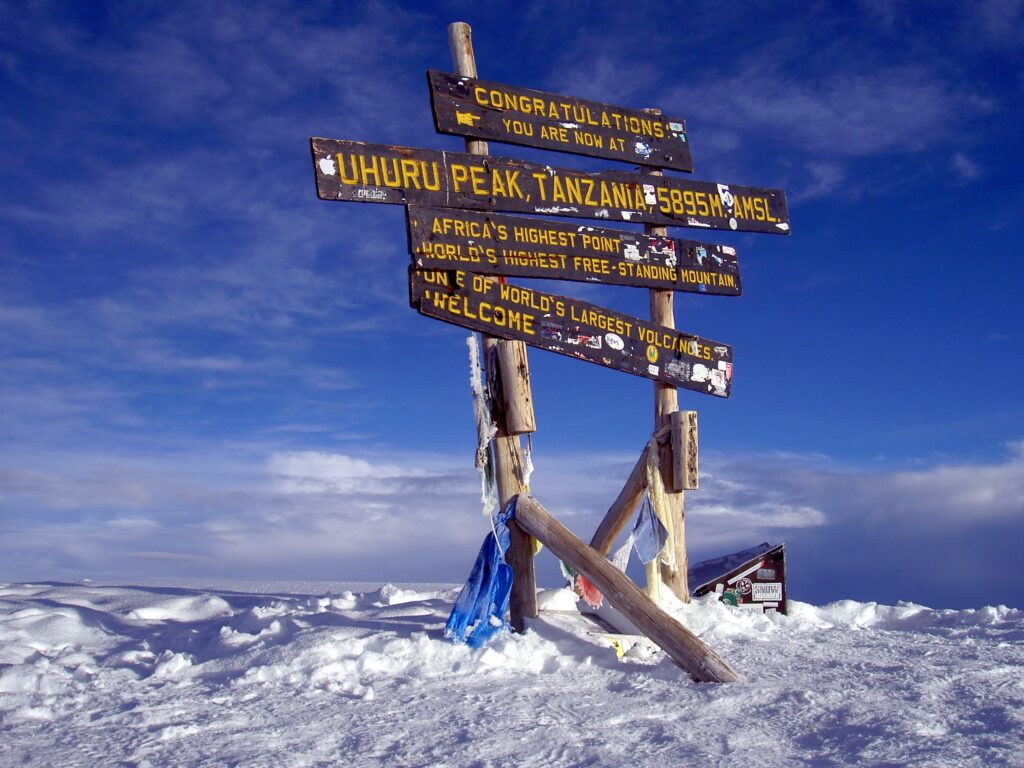
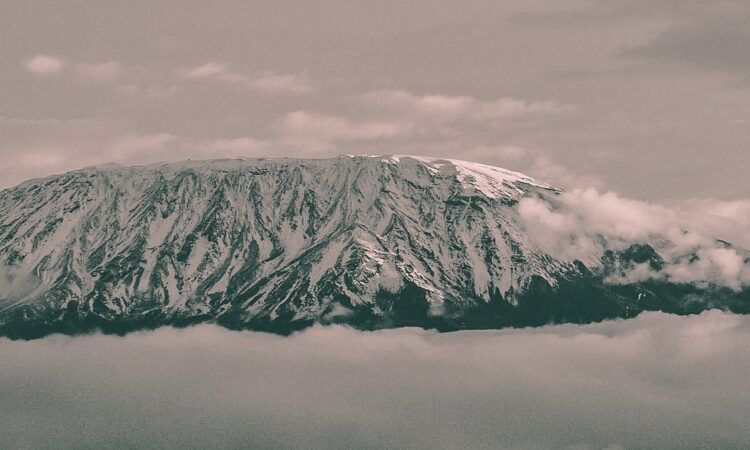
The best time to climb Mount Kilimanjaro is during the dry seasons from January to March and June to October. These months offer the most stable weather conditions, clear skies, and better summit success rates. Trails are less slippery, and visibility is excellent, especially at higher altitudes. January to March is slightly warmer with fewer climbers, while June to October is cooler and more popular. Rainy seasons should generally be avoided due to muddy trails and poor visibility. Choosing the right Kilimanjaro travel season is essential for safety and comfort. Proper acclimatization, experienced guides, and good preparation are also key factors. Tanzania’s climbing seasons are carefully aligned with weather patterns to ensure hikers have the best possible chance of reaching Uhuru Peak successfully.
Best Time for Zanzibar Beach Holiday
Zanzibar is a year-round beach destination, but the best time to visit is during the dry seasons from June to October and December to February. These periods offer sunny weather, calm ocean waters, and perfect conditions for snorkeling, diving, and beach relaxation. The Indian Ocean is especially clear, making it ideal for marine activities around Mnemba Atoll and Nungwi Beach. The rainy seasons from March to May bring heavier showers and higher humidity, though prices are lower and beaches are less crowded. Zanzibar’s tropical climate ensures warm temperatures throughout the year. Travelers seeking luxury beach holidays, honeymoon experiences, or water sports should prioritize dry months for the best coastal experience in Tanzania’s famous spice island paradise.
- White-sand beaches
- Stone Town
- Spice tours
- Dhow cruises
- Snorkelling & diving
Birdwatching Season in Tanzania
Birdwatching in Tanzania is best during the wet season from November to April when migratory birds arrive from Europe and Asia. This period transforms national parks into birding havens with vibrant species diversity. Wetlands, lakes, and forests become active ecosystems filled with colorful birds such as flamingos, storks, and bee-eaters. The green season also enhances nesting and breeding activity, making sightings more frequent. Locations like Lake Manyara, Tarangire, and Ngorongoro Crater are especially popular for birding safaris. Although rain showers occur, they are often short and followed by clear skies. Birdwatching enthusiasts benefit from fewer tourists and lower accommodation prices. Tanzania’s seasonal bird migration patterns make it one of Africa’s top destinations for ornithology and wildlife photography.
Crowds and Pricing Seasons
Tanzania travel seasons significantly affect crowd levels and safari pricing. The peak dry season from June to October attracts the highest number of tourists, leading to higher lodge rates and limited availability. This is due to excellent wildlife viewing conditions and the Great Migration highlights. The shoulder seasons, such as November and early June, offer moderate crowds and better prices. The low season from March to May provides the cheapest safari deals due to heavy rains and fewer visitors. Understanding pricing trends helps travelers plan budget-friendly safaris without compromising experience. Early booking is essential during peak season to secure top lodges. Choosing the right season can significantly impact both travel costs and overall safari experience in Tanzania.
Wildlife Viewing Seasonality
Wildlife viewing in Tanzania changes throughout the year depending on rainfall and animal migration patterns. During the dry season, animals concentrate around rivers and waterholes, making sightings easier and more predictable. Lions, elephants, buffalo, and leopards are frequently seen in open plains. In the wet season, animals disperse across vast landscapes due to abundant water and food sources, making tracking more challenging but rewarding for experienced safari travelers. The Serengeti ecosystem offers year-round wildlife viewing due to its size and biodiversity. Ngorongoro Crater provides consistent game viewing regardless of season. Understanding seasonal wildlife behavior helps travelers plan better safari itineraries and choose the best national parks for their desired experiences.
Temperature and Climate Overview
Tanzania has a tropical climate influenced by altitude and geography, resulting in diverse temperatures across regions. Coastal areas like Zanzibar are hot and humid year-round, while northern highlands such as Arusha and Ngorongoro are cooler. The dry season brings warm days and cooler nights, ideal for safaris and trekking. The wet season increases humidity and rainfall, especially from March to May. Kilimanjaro’s climate varies from rainforest at the base to arctic conditions at the summit. Understanding Tanzania’s climate zones helps travelers prepare appropriately for different travel seasons. Lightweight clothing is suitable for safaris, while warm layers are essential for high-altitude climbs. Overall, Tanzania offers comfortable travel conditions throughout the year with regional variations.
Northern Circuit Travel Seasons
The northern safari circuit, including Serengeti, Ngorongoro, Tarangire, and Lake Manyara, is the most popular tourism route in Tanzania. This region offers year-round safari opportunities with distinct seasonal highlights. The dry season provides optimal game viewing and Great Migration River crossings. The green season delivers lush landscapes and fewer crowds. Calving season in the southern Serengeti is a major attraction from January to March. Ngorongoro Crater remains excellent for wildlife viewing throughout the year due to its enclosed ecosystem. Understanding seasonal patterns helps travelers design the perfect northern circuit itinerary. This region is ideal for first-time safari visitors seeking iconic African wildlife experiences, luxury lodges, and diverse landscapes in one connected travel route.
- ArushaGateway
- TarangireElephants
- NgorongoroCrater
- SerengetiBig Five
- ZanzibarBeach
Southern and Western Tanzania Seasons
Southern and western Tanzania offer more remote and less crowded safari experiences. Parks such as Nyerere National Park (Selous) and Ruaha National Park are best visited during the dry season from June to October when wildlife concentrates around rivers. The wet season makes some areas less accessible due to heavy rains and dense vegetation. Western parks like Katavi and Mahale Mountains are also seasonal, with dry months providing easier access and better wildlife sightings. These regions are ideal for adventurous travelers seeking off-the-beaten-path safaris. Seasonal changes significantly affect accessibility and game viewing opportunities. Planning carefully ensures the best experience in Tanzania’s wild and untouched safari destinations.
Packing for Different Seasons
Packing for Tanzania travel seasons depends on weather conditions and planned activities. For the dry season, lightweight clothing, sunscreen, hats, and binoculars are essential for safaris. Warm jackets are needed for early morning game drives and Kilimanjaro treks. During the wet season, waterproof jackets, quick-dry clothing, and sturdy boots are important due to rain and muddy roads. Neutral-colored clothing is recommended for wildlife viewing year-round. Travelers heading to Zanzibar should pack swimwear, sandals, and light beachwear. Proper packing ensures comfort and safety across different climates. Understanding seasonal requirements helps travelers prepare better and enjoy a smoother safari experience without weather-related challenges. Don’t forget to get a Visa Tanzania, Travel Insurance, and Vaccinations.
Travel Planning and Booking Tips
Planning your Tanzania trip around seasonal patterns ensures the best safari experience. Booking early is crucial for peak season travel between June and October due to high demand for lodges and tours. Travelers seeking budget-friendly options should consider the green season when prices are lower. Choosing the right time depends on priorities such as wildlife viewing, photography, beach relaxation, or climbing Kilimanjaro. Working with experienced local tour operators ensures well-planned itineraries aligned with seasonal highlights. Flexibility in travel dates can also improve availability and pricing. Understanding Tanzania travel seasons helps create a more rewarding, cost-effective, and memorable African adventure tailored to individual travel goals.
Tanzania High Season: January, February, June to October, and December
Tanzania's high season (January, February, June to October, and December) is widely considered the best time to visit Tanzania for wildlife safaris, Serengeti Great Migration, Ngorongoro Crater tours, and Kilimanjaro trekking. During these peak safari months, dry weather conditions create excellent game viewing in national parks like Serengeti, Tarangire, and Lake Manyara. Expect higher Tanzania safari prices, fully booked safari lodges, and premium tour packages, but also unmatched wildlife sightings, clear skies, and ideal photography conditions for African safari experiences.
Tanzania Mid-Season: March, November 1st to December 21st
Tanzania Mid-Season (March, November 1st to December 21st) offers a balance between affordability and good safari experiences, making it a smart choice for budget Tanzania safari tours and fewer crowds in Serengeti National Park, Ngorongoro Crater, and Tarangire. This period may include short rains, but wildlife viewing remains strong, especially for birdwatching, green landscapes, and newborn animals. Travelers enjoy lower safari costs, discounted lodge rates, and flexible safari itineraries while still experiencing an authentic African safari adventure across Tanzania’s top national parks.
Tanzania Low Season: April and May
Tanzania's low season (April and May) is the green season, ideal for budget Tanzania safaris, discounted safari packages, and fewer tourists across Serengeti, Ngorongoro, and other national parks. This period experiences heavy rains, but landscapes become lush, dramatic, and perfect for photography safaris and birdwatching tours. Wildlife is still present, though some areas may be harder to access. Travelers benefit from the lowest Tanzania safari prices, exclusive lodge offers, and peaceful game drives in less crowded safari destinations across Tanzania.
Tanzania Safari Moods: Dry Season vs Rain Season
Tanzania offers two distinct safari moods: the Dry Season and Rain Season, both essential for planning the best time to visit Tanzania safari itineraries. The dry season delivers peak wildlife viewing in Serengeti National Park, Ngorongoro Crater, and Tarangire, while the rainy season transforms landscapes into a lush green paradise ideal for budget safaris and photography. Understanding Tanzania's weather patterns helps travelers choose between high-season safari experiences and low-season travel deals for unforgettable African safari adventures in Tanzania.
Final Thought
Tanzania travel seasons play a vital role in shaping your safari, beach holiday, or mountain trekking experience. Whether you visit during the dramatic Great Migration, lush green season, or peak dry months, each period offers unique beauty and adventure. The key to a successful trip is matching your interests with the right season—wildlife enthusiasts may prefer dry months, photographers may enjoy green landscapes, and budget travelers may choose the rainy season. With proper planning, Tanzania delivers unforgettable experiences year-round. From Serengeti safaris to Zanzibar beaches and Mount Kilimanjaro climbs, every season reveals a different side of this extraordinary African destination.
Tanzania Travel Seasons: FAQs
What can you expect from dry season (June to October) for Tanzania travel seasons?
The dry season from June to October is widely considered the best time to visit Tanzania for safari experiences. This period offers clear skies, minimal rainfall, and excellent wildlife viewing as animals gather around rivers and waterholes. It is the peak safari season in Serengeti National Park, Ngorongoro Crater, and Tarangire National Park.
What should you know about short rains (November to December) for Tanzania travel seasons?
The short rainy season occurs between November and December and is characterized by brief afternoon showers rather than continuous rainfall. This is a transitional period in Tanzania travel seasons, offering a mix of green landscapes and improved safari conditions. Wildlife begins to spread out again, and migratory birds arrive, making it an excellent time for birdwatching safaris.
What can you expect from Great migration Timing in Serengeti for Tanzania travel seasons?
The Great Migration is one of the most important highlights influencing Tanzania's travel seasons. Over 1.5 million wildebeest, zebras, and gazelles move across the Serengeti ecosystem in search of fresh grazing land. Timing your visit is crucial to witnessing different phases of this movement. From January to March, calving occurs in the south.
What are the best time for Kilimanjaro climbing for Tanzania travel seasons?
The best time to climb Mount Kilimanjaro is during the dry seasons from January to March and June to October. These months offer the most stable weather conditions, clear skies, and better summit success rates. Trails are less slippery, and visibility is excellent, especially at higher altitudes.
What should you know about birdwatching season in Tanzania for Tanzania travel seasons?
Birdwatching in Tanzania is best during the wet season from November to April when migratory birds arrive from Europe and Asia. This period transforms national parks into birding havens with vibrant species diversity. Wetlands, lakes, and forests become active ecosystems filled with colorful birds such as flamingos, storks, and bee-eaters.
What can you expect from wildlife viewing Seasonality for Tanzania travel seasons?
Wildlife viewing in Tanzania changes throughout the year depending on rainfall and animal migration patterns. During the dry season, animals concentrate around rivers and waterholes, making sightings easier and more predictable. Lions, elephants, buffalo, and leopards are frequently seen in open plains. In the wet season, animals disperse across vast landscapes due to abundant water and food sources, making tracking more challenging but rewarding for experienced safari travelers.
What should you know about northern circuit travel seasons?
The northern safari circuit, including Serengeti, Ngorongoro, Tarangire, and Lake Manyara, is the most popular tourism route in Tanzania. This region offers year-round safari opportunities with distinct seasonal highlights. The dry season provides optimal game viewing and Great Migration River crossings. The green season delivers lush landscapes and fewer crowds.
What should you know about packing for different seasons?
Packing for Tanzania travel seasons depends on weather conditions and planned activities. For the dry season, lightweight clothing, sunscreen, hats, and binoculars are essential for safaris. Warm jackets are needed for early morning game drives and Kilimanjaro treks. During the wet season, waterproof jackets, quick-dry clothing, and sturdy boots are important due to rain and muddy roads.
Plan Your Private Tanzania Safari
Tell us your travel dates, interests and budget, and our local team will design a private tailor-made safari around you.