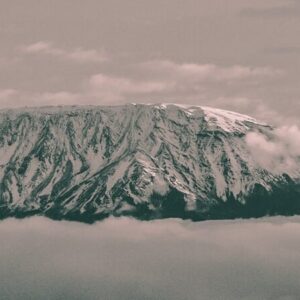
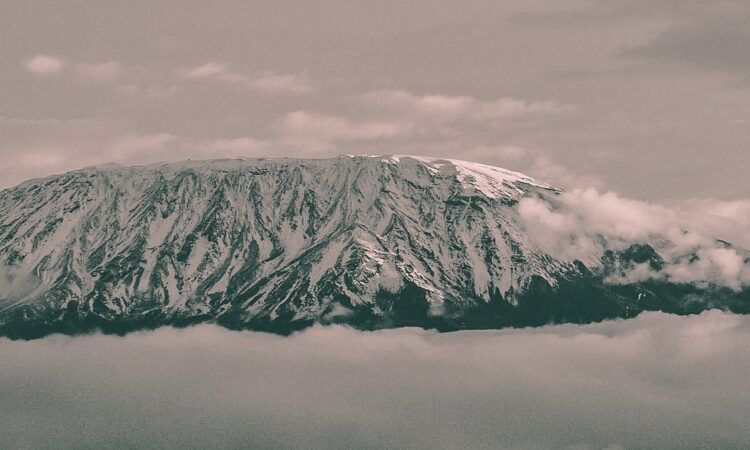
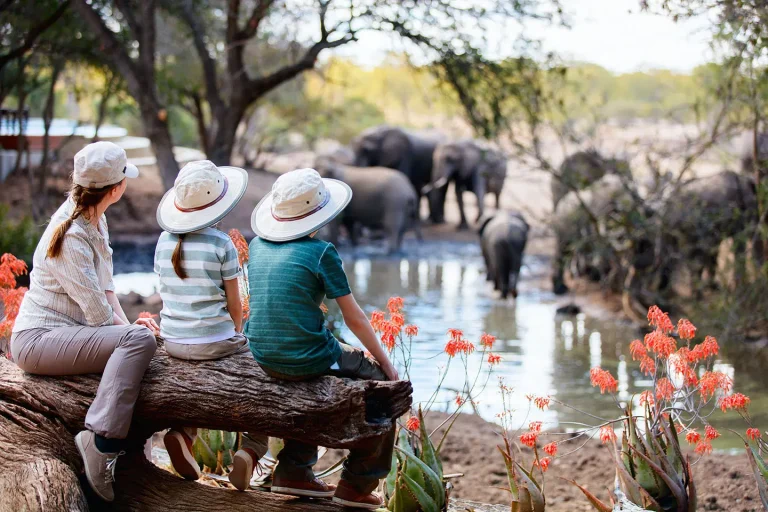
Embracing the Magic of the East African Tanzania Safari in March, which offers a unique and enchanting month to visit Tanzania. Nestled in East Africa, Tanzania offers a perfect blend of wildlife, adventure, culture, and pristine beaches. From the snow-capped peaks of Mount Kilimanjaro to the golden plains of the Serengeti, March brings lush landscapes and rich wildlife experiences, making it ideal for those seeking an authentic African safari adventure. A March safari in Tanzania offers lush, green landscapes, excellent predator-prey action, and fewer tourists, particularly in the Southern Serengeti/Ndutu region, where the wildebeest calving season concludes. While it is the start of the long rainy season, showers are often short-lived or occur at night. Expect warm days (25-30°C/77-86°F), humid conditions, and potential for muddy roads in late March.
Why Visit Tanzania in March
Tanzania in March is a unique time to explore East Africa’s most iconic landscapes before the peak travel season. Nestled between the short and long rains, March presents dramatic green scenery, abundant wildlife, and fewer tourists compared to July–September. This transformational climate makes it one of the most rewarding months for authentic safari experiences in the Serengeti, Ngorongoro Crater, Tarangire, and Lake Manyara. Birdlife thrives with resident and migrant species filling the skies and wetlands. Cultural encounters with local Maasai and Chaga communities feel more personal and relaxed. March also offers appealing prices on lodges and tours, putting value and experience together for travelers seeking a richly rewarding yet affordable trip to Tanzania’s vast wilderness, beaches, and volcanic peaks.
Tanzania in March Travel Tips
Traveling to Tanzania in March requires thoughtful planning to make the best of its unpredictable weather patterns. Although the rainy season continues, showers are typically short and refreshing, clearing quickly to reveal lush landscape views perfect for photography. Pack lightweight waterproof gear, quick-dry clothing, and sturdy walking shoes to handle early morning game drives and nature hikes. Road conditions can be muddy in remote areas, so choose 4×4 vehicles with experienced safari guides. Always carry bottled water, sunscreen, insect repellent, and hats to protect against sun and rain shifts. Vaccinations and malaria prophylaxis are recommended; consult a travel clinic before departure. Booking accommodations and safaris early can secure better deals and preferred dates, especially for peak wildlife viewing areas like the Serengeti in March.
Tanzania Weather in March
Tanzania’s weather in March is characterized by warm daytime temperatures, high humidity, and intermittent rain as the short rainy season continues. Expect average highs between 28°C and 32°C (82°F–90°F) along the coast and slightly cooler conditions inland, especially around Arusha and Mount Kilimanjaro. Afternoon rain showers are often brief but heavy, feeding rivers and nourishing vegetation. Mornings can be misty, especially in highland regions. Zanzibar enjoys sunny spells balanced with tropical showers that rejuvenate its white sand beaches and turquoise waters. Wildlife habitats like Tarangire and the Serengeti become lush, improving grazing conditions for herbivores. While some days may feel wet, rainfall rarely interrupts safari itineraries for long, and clear periods between showers often offer spectacular game viewing and vibrant photographic opportunities.
Tanzania in March Crowds & Costs
Tanzania in March attracts fewer crowds compared to the peak dry season (June–October), making it a smart choice for travelers seeking quieter safaris and better value. With lower visitor numbers, national parks like Serengeti, Ngorongoro, and Tarangire offer more intimate wildlife encounters without the traffic of high season. Accommodation prices—especially in lodges, camps, and boutique beach resorts—tend to be more affordable in March, with many operators offering discounts or flexible packages. Flights and safari tours often come with lower rates as well. Tourist hubs like Arusha and Zanzibar Town are less congested, allowing easier transfers and local exploration. While some luxury lodges may still be busy, overall travel costs in March deliver greater flexibility, making Tanzania accessible for budget, mid-range, and luxury travelers alike.
Where to Go – Tanzania in March
Tanzania in March offers an array of unforgettable destinations, from inland wildlife parks to coastal islands. The Serengeti National Park stands as the centerpiece of any March itinerary, where rolling grasslands, abundant wildlife, and dramatic skies create prime safari settings. Nearby, the Ngorongoro Crater offers world-class game viewing in a dramatic caldera rich with predators and rare species. Tarangire National Park, with its iconic baobab trees and elephants, is lush and alive after the rains. Lake Manyara National Park brims with flamingos, tree-climbing lions, and birdlife. Arusha National Park delivers scenic hikes and crater lakes. For beach lovers, Zanzibar and Pemba provide tropical escapes with peaceful shores and rich Swahili culture. Each destination in March presents unique wildlife, cultural, and scenic experiences worth exploring.
What to Do – Tanzania in March
In March, Tanzania offers an exciting mix of safari adventures, cultural experiences, and beach relaxation. Game drives in the Serengeti and Ngorongoro reveal large herds of wildebeest, zebra, and antelope grazing lush plains, while predators like lions become more active after rain. Birdwatching soars as migratory species arrive and native birds flourish. Engage with local Maasai and Hadzabe communities to learn traditional lifestyles and crafts. Enjoy guided nature walks or canoe trips through Tarangire and Lake Manyara’s diverse ecosystems. Head to Arusha National Park for hiking, biking, and scenic picnics among volcanic craters. On the coast, Zanzibar’s beaches and spice tours deliver rich culture, island cuisine, and snorkeling among coral reefs. March blends vibrant wildlife adventure with authentic local experiences.
Tanzania in March: What to Bring
Packing smart for Tanzania in March is key to enjoying safaris and activities comfortably. Bring lightweight clothing in neutral tones for game drives, along with quick-dry shirts and pants. Include waterproof jackets, rain ponchos, and a small travel umbrella to handle rain showers. Comfortable walking shoes or hiking boots are essential for walking safaris and lodge explorations. Sunglasses, sun hats, and high SPF sunscreen help protect against the strong equatorial sun. Bring a refillable water bottle, insect repellent with DEET, and any necessary prescription medications. Binoculars and a quality camera with extra batteries and memory storage are must-haves for wildlife photography. For Zanzibar beaches, include swimwear, rash guards, and reef-safe sunscreen. A small daypack keeps essentials organized during full-day excursions.
Tanzania Accommodations in March
Tanzania accommodations in March range from luxury safari lodges to mid-range tented camps and boutique beachfront hotels. With fewer crowds than peak seasons, many properties offer attractive seasonal rates, upgrades, or inclusive packages with meals and game drives. In the Serengeti and Ngorongoro, iconic lodges blend comfort with stunning views of plains, wildlife corridors, and crater edges. Eco-friendly tented camps bring guests close to nature with open-air dining and starry skies. Arusha features comfortable lodges and boutique hotels ideal for pre- or post-safari stays. On Zanzibar, beach resorts and guesthouses on Nungwi, Kendwa, and Paje combine Swahili architecture with ocean access. Whether you prefer luxury lodges with infinity pools or rustic camps nestled in wilderness, Tanzania in March offers diverse lodging to match every travel style.
Tanzania in March Events
March in Tanzania features cultural, environmental, and local celebrations that enrich any visit. Traditional festivals and community gatherings often revolve around harvest cycles and regional customs, especially in rural and highland areas near Arusha and Kilimanjaro. March also sees special events tied to conservation and wildlife awareness, where visitors can learn about preservation efforts in national parks. In Zanzibar, local markets, night food bazaars, and music nights showcase Swahili culture, taarab music, and coastal cuisine. Sports events, charity runs, and cultural showcases in Dar es Salaam and Arusha often invite both locals and travelers. While major national holidays may not fall in March, the month’s community engagements and local happenings bring authentic Tanzanian life to the forefront, creating meaningful travel memories.
Tanzania in March – When to Go
Choosing when to go to Tanzania is essential for a rewarding safari and travel experience. March strikes a compelling balance between lush scenery and wildlife visibility. The short rainy season typically peaks early in the month, tapering off toward April. This timing produces fresh landscapes, flowing rivers, and abundant wildlife grazing near watering holes. While some roads in remote parks may become muddy, experienced guides navigate conditions to ensure safe and exciting game drives. Travelers seeking mild crowds, lower costs, and dramatic natural beauty often favor late March as rainfall decreases. For birdwatchers, it’s an outstanding period as migratory birds arrive. Overall, March is ideal for those seeking scenic beauty, excellent safari experiences, and a more relaxed travel rhythm before the high season rush.
Tanzania in March Safaris & Tours
Safaris and tours in Tanzania during March blend adventure, wildlife viewing, and cultural engagement. Professional guides recommend early morning and late afternoon game drives in the Serengeti and Ngorongoro Crater to catch predators on the hunt and grazers active in cooler hours. Tarangire National Park becomes rich with elephants, giraffes, and endemic birds among baobab trees. Birdwatching tours focused on wetlands and lakes are especially rewarding as migratory species fill the skies and trees. Walking safaris and cultural village visits near Arusha offer meaningful insights into local traditions. Coastal tours in Zanzibar pair spice farm visits with snorkeling and dhow boat excursions. Many tour operators offer tailored 7–12-day itineraries combining beach, wildlife, and cultural experiences, making March a versatile month for comprehensive Tanzania travel.
Kilimanjaro Climbing in March
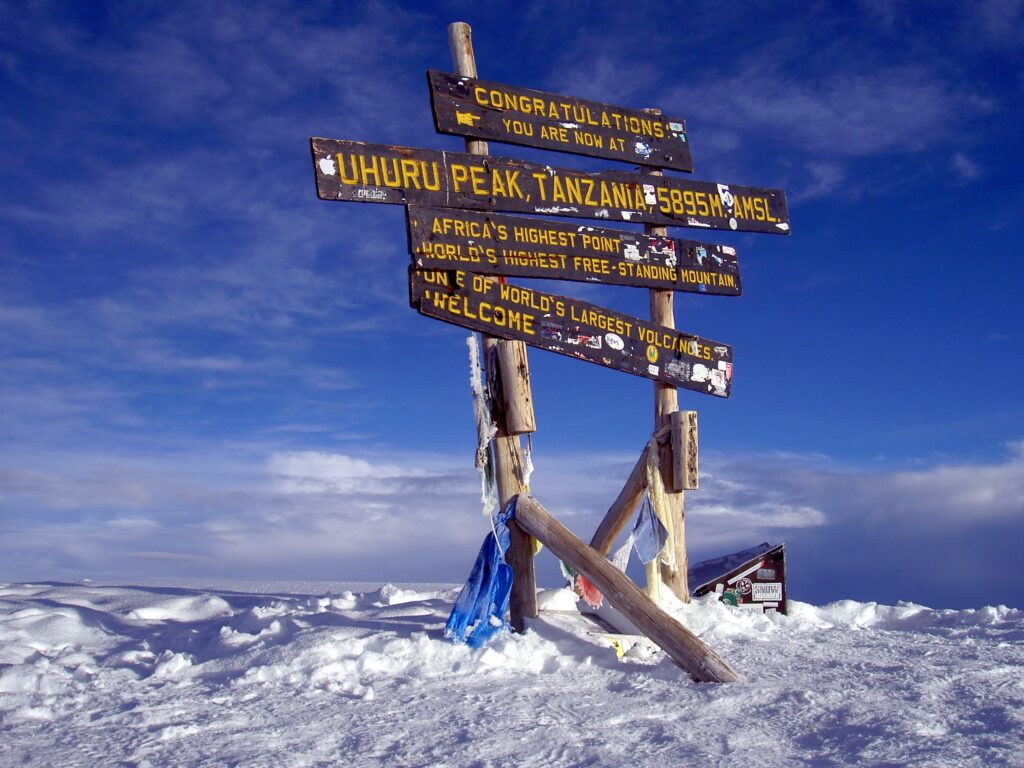
Climbing Kilimanjaro in March is a rewarding challenge for hikers seeking lush alpine scenery and serene trails. As part of the short rainy season, early March can bring showers and mist, but these often clear to reveal remarkable views of snow-tipped peaks, forests, and wildflower meadows. Routes like Machame, Lemosho, and Rongai offer varied terrain, from rainforest to highland moorland. Weather conditions require flexible scheduling and reliable porter support. Proper gear—waterproof layers, thermal clothing, and sturdy boots—is essential. With fewer climbers than peak months, summit routes feel peaceful and less congested. Guides emphasize acclimatization, especially above 3,000 meters. While occasional trail softening from rain can add difficulty, climbers who prepare well find March an inspiring and rewarding time to conquer Africa’s tallest peak.
Zanzibar in March
Zanzibar in March shines with warm tropical temperatures, inviting beaches, and vibrant cultural scenes. The island’s weather includes sunny days punctuated by brief showers, replenishing lush coastal vegetation and spice farms that surround stone-walled towns like Stone Town. Beach towns, including Nungwi, Paje, and Kendwa, offer crystal clear waters ideal for swimming, snorkeling, and dhow boat excursions. March’s calmer sea conditions make underwater activities especially appealing. Zanzibar’s spice tours highlight cloves, cinnamon, and cardamom plantations, while local markets buzz with fresh produce and artisan crafts. Swahili cuisine takes center stage in food tastings and cooking classes. Cultural performances and traditional dances add depth to island stays. Whether relaxing on powder white shores or exploring historic streets, Zanzibar in March delivers both tranquility and discovery.
Ngorongoro in March
Ngorongoro Crater in March is a wildlife enthusiast’s dream, presenting abundant animal life against verdant landscapes. As rains feed grasses and water sources, herbivores like buffalo, zebra, and wildebeest graze across the crater floor. Predators, including lions, leopards, and hyenas, patrol prime hunting grounds, offering dramatic predator prey viewing early morning or late afternoon. The crater’s unique ecosystem—Africa’s largest inactive volcanic caldera—supports dense wildlife concentrations year-round, but March’s scenery adds spectacular green backdrops and seasonal bird migrations. The wet terrain may slow travel on inner crater tracks, yet expert guides ensure rewarding game drives. Birdwatchers enjoy flamingos at nearby lakes and abundant wetland species. Visitors to March Ngorongoro safaris often celebrate both wildlife spectacle and serene natural beauty far from crowded peaks.
Tarangire National Park in March
Tarangire National Park in March offers a transforming wilderness rich with elephants, baobab trees, and vibrant wildlife. As one of Tanzania’s lesser-visited big game parks, Tarangire becomes lush and dynamic after short rains. Herds of elephants sweep across green plains and riverbanks, while giraffe, zebra, and buffalo roam among termite-rich grounds. Streams and watering holes refill, attracting predators and increasing general animal activity. Birding is exceptional as migratory species arrive, and resident birds fill branches and skies with color. Game drives through Tarangire’s quiet roads feel more intimate, with fewer vehicles than national parks like Serengeti. Luxury tented camps and eco lodges nestled among acacia groves provide peaceful safari bases. March brings dramatic skies, fresh landscapes, and excellent wildlife viewing in this iconic park.
Arusha National Park in March
Arusha National Park in March beckons with dramatic scenery, volcanic craters, and diverse ecosystems in a compact setting. Bordering Mount Meru and less than two hours from Kilimanjaro Airport, it’s perfect for short safaris, hiking, and canoeing. Rain showers refresh crater lakes like Momella, where flamingos and waterfowl congregate, creating vivid pink and white water scenes. Forested trails welcome walkers to encounter colobus monkeys, bushbucks, and bird species unique to the Eastern Arc Mountains. March’s green season delivers lush flora and mild temperatures, ideal for nature walks and picnic spots. Canoeing along the Momella Lakes offers peaceful reflection among hippos and water birds. With dramatic views of Mount Kilimanjaro and Mount Meru close by, Arusha National Park provides a rewarding complement to deeper safari adventures.
Lake Manyara in March
Lake Manyara National Park in March is rich with biodiversity and scenic contrasts that captivate safari travelers. Famous for its tree-climbing lions and flamingo-lined shores, Manyara welcomes visitors with lush woodlands and abundant water access post-rains. The shallow alkaline lake spreads wide, attracting huge flocks of flamingos that paint the horizon pink. Elephants, buffalo, and kudu wander beneath ancient acacias, while baboons chatter along rocky outcrops. March’s green season creates vibrant backdrops for game drives, and migrating bird species enhance birdwatching opportunities. Safari vehicles travel quieter routes here, allowing intimate wildlife encounters without crowds. Easy access from Arusha and Ngorongoro makes Lake Manyara an ideal first or last stop on March Tanzania tours. Both wildlife diversity and scenic beauty shine this time of year.
Serengeti in March
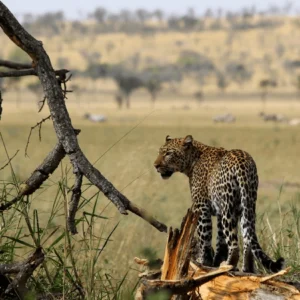
Serengeti National Park in March is one of Africa’s most breathtaking safari landscapes, brimming with wildlife migrations, verdant plains, and epic photo opportunities. While the full wildebeest migration river crossings typically occur later in the year, March often sees large herds grazing fresh grass after early rains, drawing predators and creating dramatic animal interactions. The southeastern and central plains become vibrant with movement and activity, perfect for early morning and sunset game drives. Leopard sightings in kopje outcrops, lion prides lounging under acacias, and elephants making their way across open savannahs deliver classic safari experiences. Birdlife flourishes amid blossoming grasses and watering holes. Comfortable tented camps and lodges scattered throughout the Serengeti provide strategic bases for multi-day explorations. March is a rewarding month for immersive Serengeti safaris that combine weather, wildlife, and solitude.
Conclusion:
Visiting Tanzania in March is perfect for travelers seeking lush landscapes, abundant wildlife, and fewer crowds. From safari adventures in Serengeti and Ngorongoro to climbing Kilimanjaro and relaxing on Zanzibar’s pristine beaches, March offers unique opportunities for adventure, culture, and relaxation. With careful planning, travelers can enjoy affordable accommodations, ideal weather conditions, and unforgettable memories.