Serengeti Safari in March
Serengeti Safari in March
Experience the ultimate East African Tanzania Serengeti National Park safari in March, which offers one of the most beautiful and rewarding experiences in East Africa. While many travelers focus on peak migration months later in the year, March is a remarkable time to explore this vast ecosystem. The plains are lush and green after seasonal rains, wildlife is active, and the crowds are fewer than during peak season. For travelers planning a Tanzania safari, March combines excellent wildlife viewing, dramatic landscapes, and fantastic photography opportunities. From witnessing the early stages of the Great Wildebeest Migration to exploring the predator-rich plains of the southern Serengeti, this guide explains everything you need to know before planning your Serengeti safari in March.
What is the weather like in the Serengeti in March?
March in Serengeti National Park falls within the green season, when the landscape is lush, and wildlife habitats are vibrant. Temperatures typically range between 15°C and 28°C (59–82°F), creating comfortable conditions for safari adventures. Early mornings and evenings are cooler, while afternoons are pleasantly warm. Short, refreshing rains may occur, especially toward the end of the month, but they rarely disrupt safari activities. These showers transform the plains into spectacular green scenery, perfect for photography. Rivers and waterholes are replenished, attracting animals across the savannah. March weather also means fewer dust clouds compared to the dry season, making game drives smoother and clearer. For travelers seeking beautiful landscapes, dramatic skies, and excellent wildlife sightings, March offers one of the most scenic safari experiences in Tanzania.
Is March a good time to visit the Serengeti for wildlife viewing
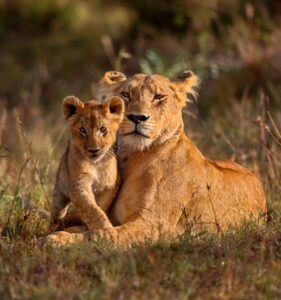
March is an excellent time for wildlife viewing safaris in Tanzania, especially in the southern plains of Serengeti National Park. The ecosystem is thriving after seasonal rains, and wildlife activity remains high. Predators such as lions, cheetahs, and hyenas are often seen hunting, attracted by the abundance of grazing animals. Because it falls slightly outside peak tourist months, visitors can enjoy less crowded game drives and more intimate wildlife encounters. Photographers love March because the lush grasslands create beautiful backgrounds for wildlife shots. Birdwatchers also benefit, as migratory birds are still present in large numbers. Combined with comfortable weather and excellent animal concentrations, March provides a rewarding safari experience. Travelers seeking authentic Tanzania safari adventures with fewer vehicles and rich wildlife sightings will find March an underrated but fantastic time to visit.
What is the wildebeest migration stage in March?
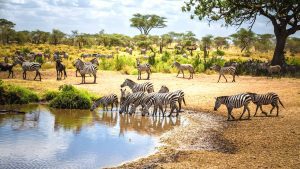
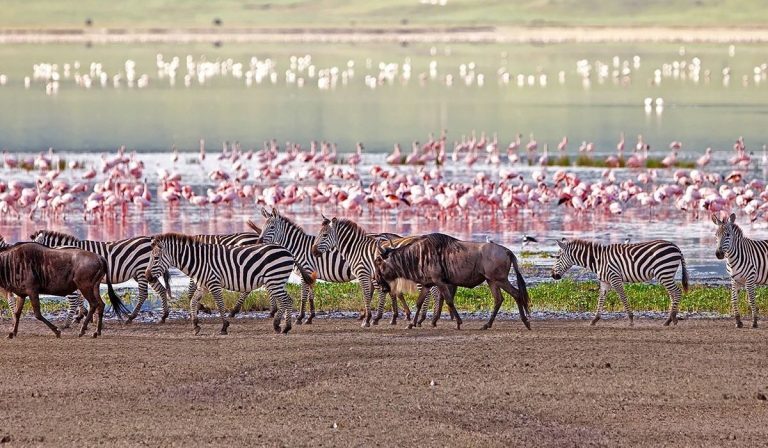
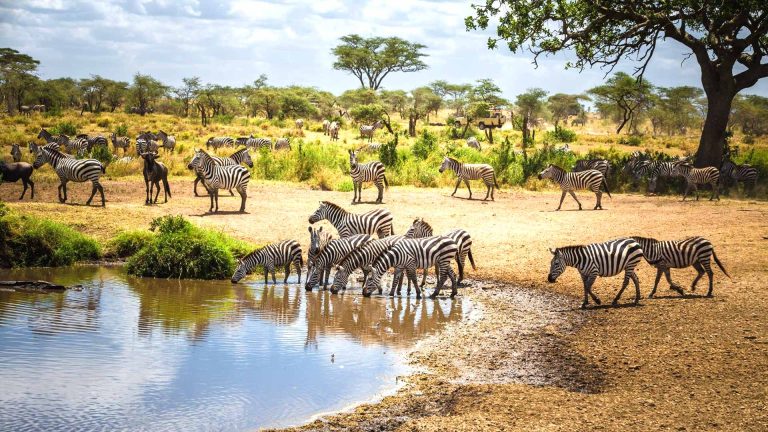
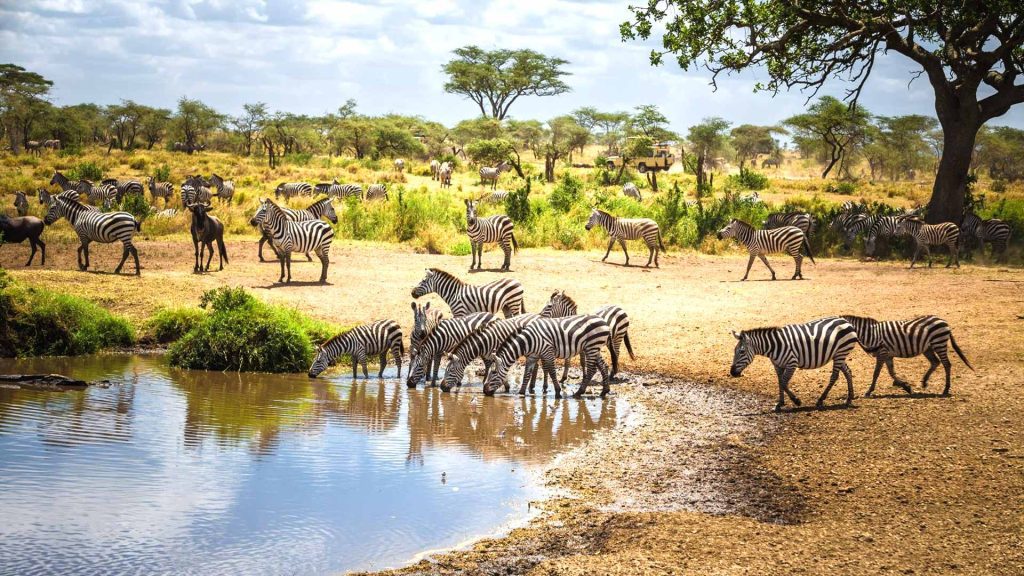
In March, the famous Great Migration is usually concentrated in the southern Serengeti and Ndutu plains. Thousands of wildebeest, accompanied by zebras and gazelles, remain in this region after the calving season earlier in the year. Many newborn calves are still present, making this a spectacular time to witness the circle of life on safari. The abundance of vulnerable young animals attracts predators, creating dramatic wildlife interactions that safari enthusiasts hope to see. Lions, cheetahs, and hyenas are highly active during this period. The plains become a moving spectacle of wildlife stretching to the horizon. For travelers interested in Great Migration safaris in Tanzania, March offers remarkable opportunities to observe massive herds grazing peacefully while predators closely follow their movements.
A general guide: the herds follow the rains.
Are there specific areas of the Serengeti to focus on in March
Yes, during March, most safari experts recommend focusing on the southern and central regions of Serengeti National Park. The Ndutu area, located near the border of the Ngorongoro Conservation Area, is particularly rewarding because large herds of wildebeest and zebras often remain there during this period. Another excellent area is the Seronera Valley, famous for its year-round wildlife population and frequent predator sightings. These regions offer excellent game drives due to open landscapes and abundant water sources. The southern plains are especially beautiful after seasonal rains, providing rich grazing for herbivores and attracting predators. By focusing on these locations, visitors can maximize their chances of witnessing dramatic wildlife behavior, stunning landscapes, and unforgettable Serengeti safari experiences in March.
What types of animals can be spotted in the Serengeti during March?
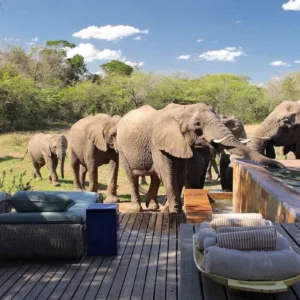
March offers incredible biodiversity in Serengeti National Park, making it one of the most exciting safari months. Large herds of wildebeest, zebras, and Thomson’s gazelles dominate the plains as part of the ongoing migration cycle. Predators are particularly active, including lions, cheetahs, leopards, and spotted hyenas. Elephants, giraffes, buffalo, and warthogs are commonly seen during daily game drives. Visitors may also spot elusive animals like serval cats or jackals in the grassy plains. Birdlife is exceptional during this time, with colorful species such as lilac-breasted rollers, secretary birds, and various migratory birds. The rich ecosystem ensures constant wildlife activity throughout the day. For travelers seeking Big Five safari experiences and spectacular wildlife photography, March delivers diverse sightings and unforgettable encounters across the Serengeti’s vast savannah.
What clothing and gear should I pack for a Serengeti trip in March?
Packing smartly for a March safari in Serengeti National Park ensures comfort throughout your adventure. Lightweight, breathable clothing in neutral colors like khaki, beige, and olive is ideal for game drives. Early mornings can be cool, so bringing a light jacket or fleece is recommended. Because occasional rain showers occur in March, a compact waterproof jacket or poncho is very useful. Comfortable walking shoes, sunglasses, and a wide-brim hat help protect against the African sun. Essential safari gear includes binoculars for wildlife viewing and a camera with a zoom lens for photography. Insect repellent and sunscreen are also important. A small daypack is handy for carrying personal items during excursions. With the right packing list, visitors can fully enjoy Serengeti wildlife safaris and game drives without worrying about changing weather conditions.
Are there any special activities or events in the Serengeti during March
March offers several exciting safari experiences across Serengeti National Park. The main attraction is witnessing the spectacular wildlife activity surrounding the migration herds in the southern plains. Daily game drives remain the most popular activity, allowing visitors to explore vast landscapes and observe predators in action. Hot air balloon safaris are also available in some regions, providing breathtaking aerial views of the savannah at sunrise. Photography safaris are especially rewarding in March due to lush scenery, dramatic clouds, and active wildlife. Guided nature walks may be offered in certain private concession areas. Cultural excursions to nearby communities can also be arranged through safari operators. Together, these activities create unforgettable moments for travelers seeking authentic African safari adventures, wildlife photography opportunities, and immersive nature experiences.
What are the accommodation options in and around the Serengeti in March?
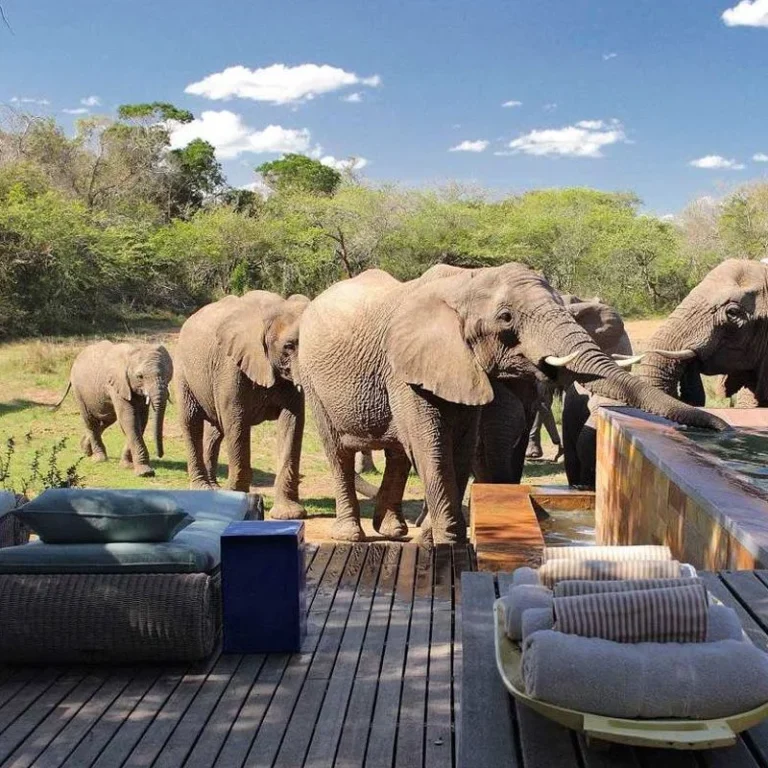
Visitors traveling to Serengeti National Park in March can choose from a wide variety of safari accommodation options. Luxury lodges, tented camps, and mid-range safari camps provide comfortable stays surrounded by nature. Many lodges offer stunning views of the savannah and are strategically located near wildlife hotspots. Tented camps provide an immersive safari atmosphere while still offering modern comforts such as ensuite bathrooms and gourmet meals. Budget campsites are also available for adventurous travelers looking for affordable safari experiences. Properties near the Ngorongoro Conservation Area and Ndutu plains are particularly convenient for migration viewing during this season. Most accommodations include guided game drives, meals, and professional safari guides, ensuring guests enjoy a complete Tanzania safari experience.
Budget camping & lodges
Affordable, adventurous and close to nature.
Mid-range lodges & tented camps
Comfort, good food and convenient locations.
Luxury tented camps & lodges
Spacious suites, personal service and prime wildlife areas.
Exclusive-use camps & villas
Complete privacy, private guides and bespoke experiences.
How crowded is the Serengeti in March?
March is generally considered a shoulder season in Serengeti National Park, meaning visitor numbers are lower than during peak migration months like July and August. This creates a more peaceful safari environment where travelers can enjoy wildlife sightings without large crowds of vehicles. Many safari enthusiasts appreciate March for its quieter atmosphere and relaxed pace. Lodges and camps are usually less busy, allowing guests to experience personalized service and flexible safari schedules. Photographers especially value the reduced traffic around wildlife sightings. Despite fewer tourists, wildlife viewing remains exceptional due to the presence of migrating herds in the southern plains. Overall, March provides a wonderful balance between excellent wildlife activity, beautiful green landscapes, and fewer safari crowds, making it an appealing time for travelers seeking authentic Serengeti adventures.
What safety precautions should I take when visiting the Serengeti in March?
Safety is always a priority when visiting Serengeti National Park. Travelers should always follow instructions from professional safari guides, especially during game drives or nature walks. Wildlife in the park is wild and unpredictable, so maintaining a safe distance from animals is essential. Guests should remain inside safari vehicles unless their guide confirms it is safe to exit. During lodge stays, avoid walking alone at night and use escorts when provided. Protecting yourself from insects with repellent and wearing long sleeves during evenings can reduce mosquito bites. Staying hydrated and using sunscreen is also important in warm climates. By respecting park rules and listening to experienced guides, visitors can enjoy a safe and memorable African safari experience in Tanzania’s iconic Serengeti wilderness.
Approach, feed or disturb wildlife, or leave the vehicle unless your guide says it is safe.
Follow your guide, carry travel insurance and check current health and travel advice.
What are the best ways to access the Serengeti (flights, transportation, etc)
Reaching Serengeti National Park is relatively easy thanks to several travel options. Most visitors begin their journey in the safari hub of Arusha, where many tour operators organize guided safaris. From there, travelers can either drive or take a domestic flight. Overland journeys through the Ngorongoro Highlands provide scenic views and opportunities to visit other parks along the way. Alternatively, small aircraft flights connect Arusha to various airstrips across the Serengeti, allowing quicker access to remote safari camps. These flights offer spectacular aerial views of the plains and wildlife below. Many luxury safari packages include fly-in options combined with game drives upon arrival. Whether by road or air, reaching the Serengeti is part of the adventure for travelers exploring Tanzania’s most famous wildlife destination.
Are there any health concerns or vaccinations needed for traveling to the Serengeti in March
Travelers planning a safari in Serengeti National Park should consult a healthcare professional before departure. Routine vaccinations are typically recommended, and many visitors also receive protection against diseases such as yellow fever if required by travel regulations. Malaria prevention is important because the region is within a malaria zone. Doctors may recommend antimalarial medication and the use of insect repellent, especially during evenings and early mornings. Drinking bottled or purified water and practicing basic hygiene also help prevent illness. Travelers should pack a small medical kit including sunscreen, hand sanitizer, and personal medications. With proper preparation, health risks remain minimal. Most safari lodges also maintain good safety standards and access to medical assistance, ensuring visitors can enjoy their Serengeti wildlife safari adventure with confidence and peace of mind.
What to expect on a Serengeti in March
A March safari in Serengeti National Park offers travelers lush landscapes, dramatic skies, and remarkable wildlife activity. The plains are vibrant and green, creating a stunning backdrop for photography. Visitors can expect to see large herds of wildebeest and zebras grazing peacefully while predators quietly patrol nearby. Game drives often reveal lions resting in the grass, cheetahs scanning the horizon, and elephants moving through scattered acacia trees. Birdlife is abundant, adding color and sound to the safari environment. Occasional rain showers refresh the landscape but rarely interrupt safari schedules. With fewer tourists compared to peak season, the experience feels more exclusive and personal. Overall, March combines excellent wildlife viewing, scenic beauty, and a peaceful safari atmosphere, making it a memorable time to explore the Serengeti.
What to know before going on a Serengeti Safari in March
Before embarking on a March safari in Serengeti National Park, travelers should plan carefully to make the most of their journey. Booking accommodation and safari operators in advance ensures access to the best camps located near wildlife activity. Because March is part of the green season, occasional rainfall should be expected, so packing appropriate clothing is essential. Early morning and late afternoon game drives usually provide the best wildlife sightings. Visitors should also bring cameras, binoculars, and plenty of memory cards for photography opportunities. Respecting wildlife and following guide instructions is important for both safety and conservation. Understanding that safari experiences vary each day helps travelers embrace the unpredictability of nature. With good preparation, visitors can enjoy a rewarding Serengeti safari adventure filled with wildlife, scenery, and unforgettable moments.
What activities/things to do in the Serengeti in March
March offers a wide range of activities for travelers exploring Serengeti National Park. Game drives remain the highlight, allowing visitors to track wildlife across the open plains. Photography safaris are particularly rewarding thanks to the lush green landscapes and dramatic lighting conditions. Birdwatching is another popular activity during this season, as migratory species are still present. Hot air balloon safaris provide a unique way to view the Serengeti from above, often followed by a bush breakfast in the wilderness. Some safari camps also offer guided nature walks in designated areas, giving visitors a closer connection to the environment. Cultural visits to nearby communities may also be arranged through tour operators. Together, these experiences create an unforgettable African safari filled with adventure, wildlife encounters, and breathtaking scenery.
Why Visit the Serengeti in March
March is one of the most underrated times to visit Serengeti National Park. The landscape is lush and vibrant after seasonal rains, transforming the plains into a beautiful green paradise. Wildlife viewing remains excellent, especially in the southern regions where migration herds are often present. With fewer tourists compared to peak safari months, visitors can enjoy quieter game drives and more personal wildlife encounters. Photographers love the dramatic skies and vivid colors created by the green season. Accommodation rates may also be more competitive, offering great value for luxury safari experiences. Combined with abundant wildlife, scenic beauty, and a peaceful atmosphere, March provides an authentic safari adventure. For travelers seeking Great Migration safaris, rich wildlife viewing, and unforgettable African landscapes, March is a wonderful time to explore the Serengeti.
Final Thoughts
A March safari in the Serengeti is a hidden gem for wildlife lovers, photographers, and travelers seeking a quieter safari experience. From watching vast herds roam the plains to enjoying dramatic skies and lush landscapes, this season reveals a different but equally magical side of the Serengeti ecosystem. Whether you’re planning a luxury safari, family adventure, honeymoon trip, or photographic expedition, visiting Serengeti National Park in March promises unforgettable wildlife encounters and breathtaking natural beauty.
Serengeti Safari in March: FAQs
What is the weather like in the Serengeti in March?
March in Serengeti National Park falls within the green season, when the landscape is lush, and wildlife habitats are vibrant. Temperatures typically range between 15°C and 28°C (59–82°F), creating comfortable conditions for safari adventures. Early mornings and evenings are cooler, while afternoons are pleasantly warm.
What is the wildebeest migration stage in March?
In March, the famous Great Migration is usually concentrated in the southern Serengeti and Ndutu plains. Thousands of wildebeest, accompanied by zebras and gazelles, remain in this region after the calving season earlier in the year. Many newborn calves are still present, making this a spectacular time to witness the circle of life on safari.
How crowded is the Serengeti in March?
March is generally considered a shoulder season in Serengeti National Park, meaning visitor numbers are lower than during peak migration months like July and August. This creates a more peaceful safari environment where travelers can enjoy wildlife sightings without large crowds of vehicles. Many safari enthusiasts appreciate March for its quieter atmosphere and relaxed pace.
What to expect on a Serengeti in March?
A March safari in Serengeti National Park offers travelers lush landscapes, dramatic skies, and remarkable wildlife activity. The plains are vibrant and green, creating a stunning backdrop for photography. Visitors can expect to see large herds of wildebeest and zebras grazing peacefully while predators quietly patrol nearby.
What activities/things to do in the Serengeti in March?
March offers a wide range of activities for travelers exploring Serengeti National Park. Game drives remain the highlight, allowing visitors to track wildlife across the open plains. Photography safaris are particularly rewarding thanks to the lush green landscapes and dramatic lighting conditions. Birdwatching is another popular activity during this season, as migratory species are still present.
What is the Great Migration?
The Great Migration is the year-round movement of more than a million wildebeest, with zebras and gazelles, around the Serengeti ecosystem in search of fresh grazing. Calving takes place in the southern Serengeti from January to March, the herds move west around June and July, and dramatic Mara River crossings occur in the north from about August to October.
Do I need a visa to visit Tanzania?
Most visitors need a visa to enter Tanzania, which many nationalities can apply for online before travel or obtain on arrival. Requirements depend on your nationality and can change, so always check official immigration information well before departure. Make sure your passport is valid for at least six months and has blank pages.
What vaccinations do I need for Tanzania?
Vaccination requirements depend on your health, itinerary and travel history. A yellow fever certificate may be required if you arrive from a country with yellow fever risk. Speak to a travel health professional several weeks before departure about recommended vaccinations and malaria prevention, and carry any personal medication in your hand luggage.
Plan Your Private Tanzania Safari
Tell us your travel dates, interests and budget, and our local team will design a private tailor-made safari around you.