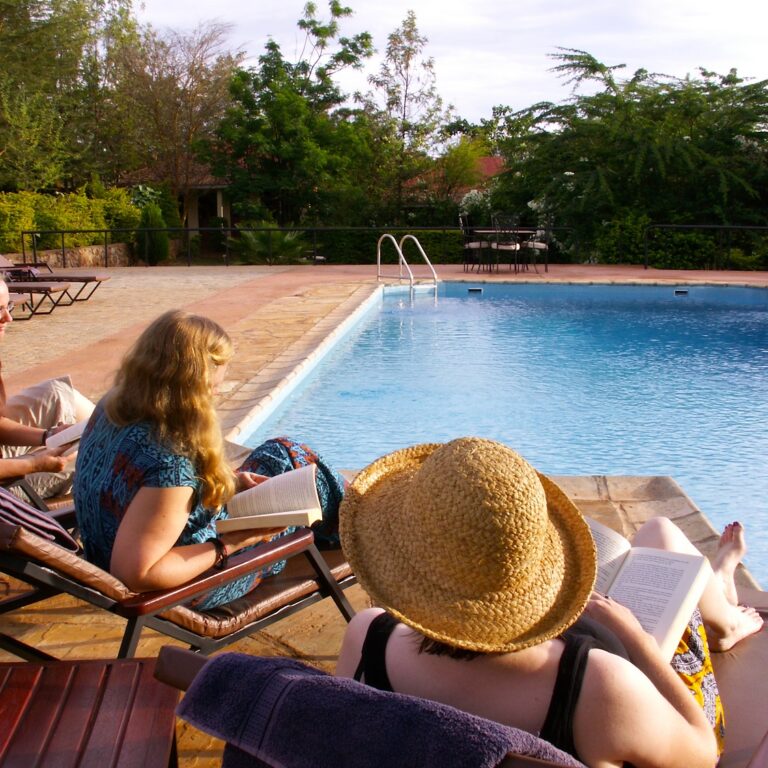
 Private6 Days / 5 Nights
6-Day Serengeti and Ngorongoro Family Safaris
Destinations: Serengeti · Ngorongoro
Price per personOn request
View tour →
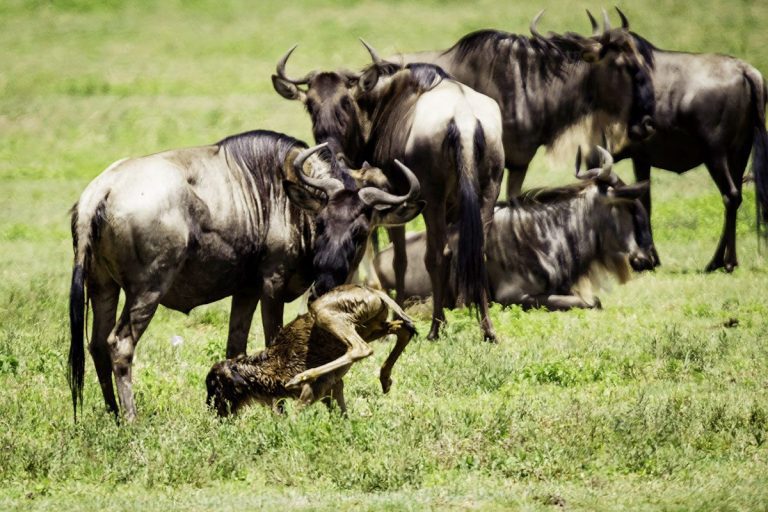
From January to March, the best African safari destination is Tanzania's southern Serengeti and the Ndutu area, where the Great Migration gathers on short-grass plains for the calving season. Thousands of wildebeest calves are usually born from late January to February, attracting lions, cheetahs and hyenas. This green season brings lush scenery, migratory birds and lower rates, though herd timing always varies with rainfall. Foot Slopes Tours and Safaris creates private tailor-made green season safaris with your own guide, plus Western Serengeti options for travellers planning later migration stages.
Private6 Days / 5 Nights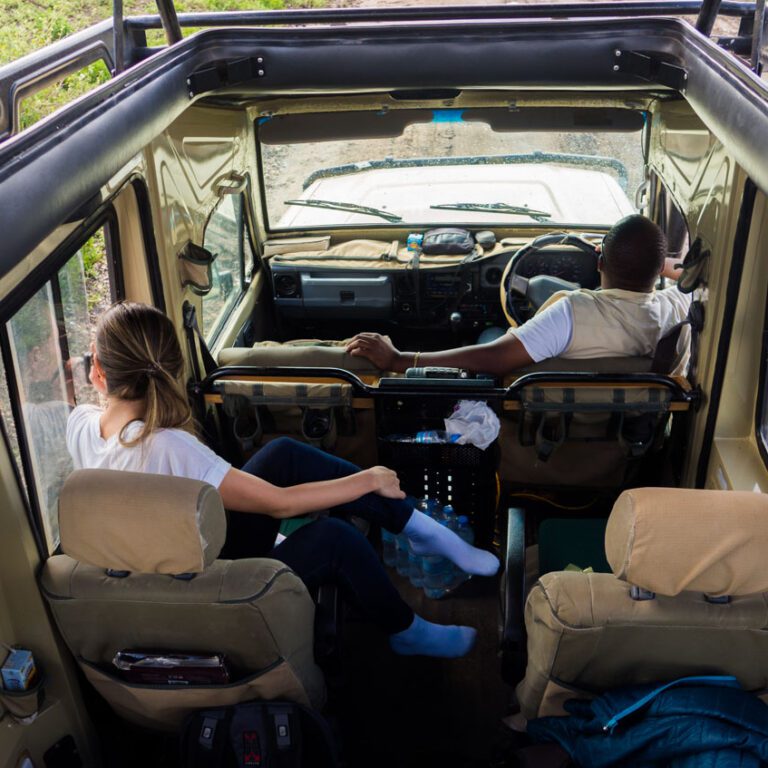 Private6 Days / 5 Nights
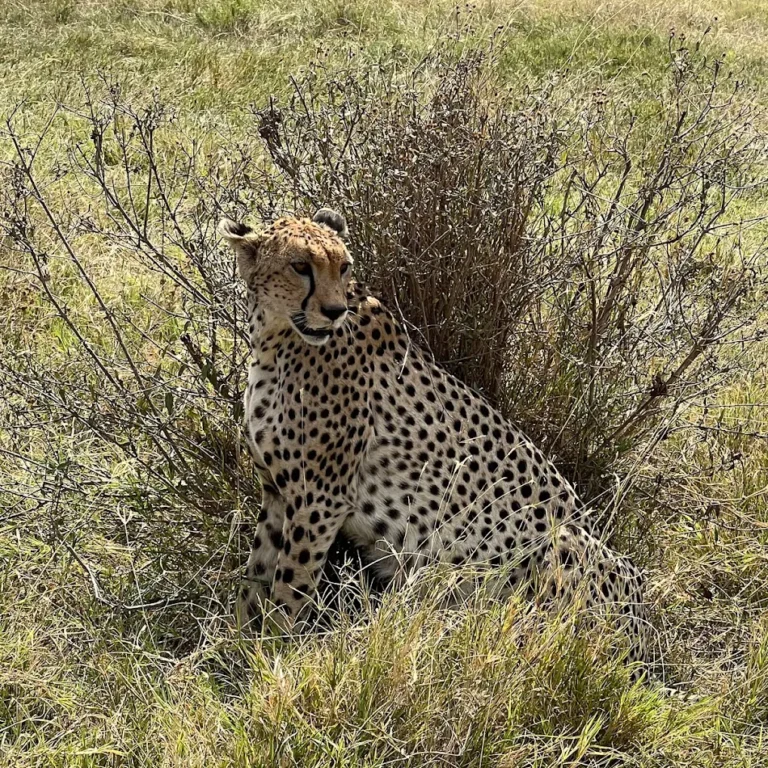 Private6 Days / 5 Nights
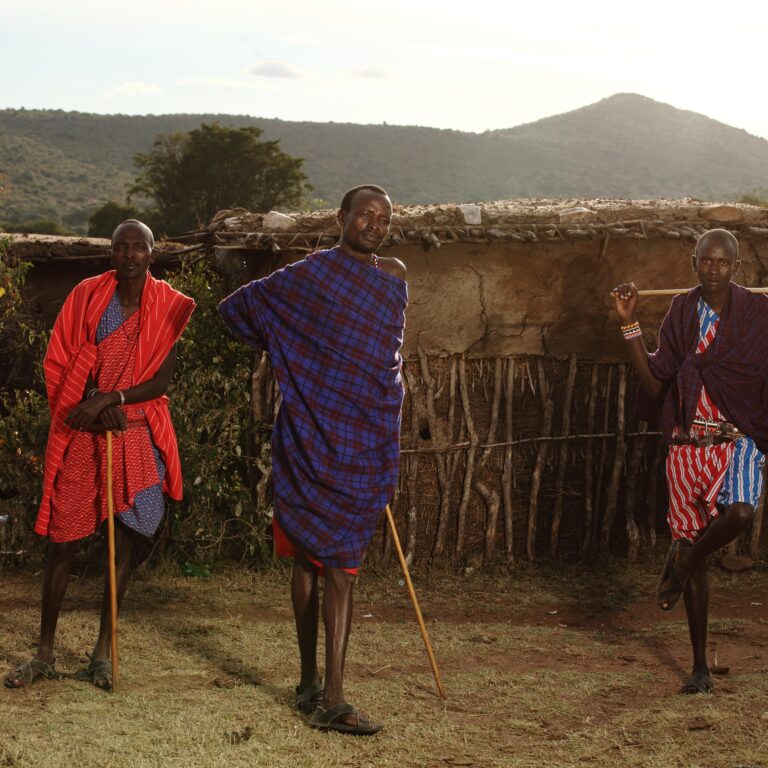 Private5 Days / 4 Nights
 Private8 Days / 7 Nights
 Private8 Days / 7 NightsPrivate4 Days / 3 Nights
 Private5 Days / 4 Nights
 Private7 Days / 6 NightsPrivate7 Days / 6 Nights
 Private7 Days / 6 Nights
 Private8 Days / 7 Nights
 PrivateFlexible length
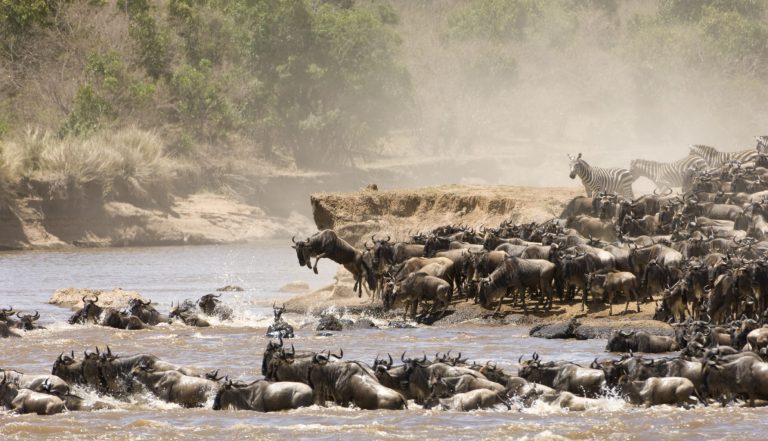
From January to March the herds are usually spread across the southern Serengeti and the Ndutu area of the Ngorongoro Conservation Area, grazing on nutrient-rich short grass. Calving normally happens from late January through February. By March, as the long rains approach, herds begin drifting north-west towards the central and Western Serengeti. Movements depend on rainfall, so exact locations shift each year. Your private guide monitors the herds and positions you where the wildlife is gathering.
The wildebeest calving season usually takes place from late January to February in the southern Serengeti and Ndutu plains. During a few weeks, huge numbers of calves are born, and predators such as lions, cheetahs and hyenas follow closely, creating exceptional wildlife encounters. Timing varies with rainfall, so planning a stay of several nights in the area improves your chances. A private tailor-made safari allows you to spend full days with the herds at your own pace.
Yes, January to March is a rewarding time for a Tanzania safari. The short rains are over, landscapes are green and photogenic, and birdlife is outstanding with many migratory species present. Afternoon showers can occur, but they rarely stop game drives. March marks the start of the long rains, so roads can become muddier later in the month. Many lodges offer green season rates, making this an attractive period for a private, great-value safari.
The green season in Tanzania generally covers the wetter months, from around November to May, when rains refresh the land. January and February often have a drier spell between the short and long rains, while the long rains usually run from March to May. Expect vibrant scenery, newborn animals, excellent birding and quieter parks. Some camps close in April and May. Foot Slopes Tours and Safaris times each itinerary around rainfall patterns to keep your journey smooth.
Absolutely. January and February are among the best months for Zanzibar, with warm, sunny weather and calm seas ideal for beach time, snorkelling and exploring Stone Town. After your private Serengeti and Ngorongoro safari, a short domestic flight takes you to the island. March can bring more rain on the coast, so earlier dates are ideal. We tailor the balance between safari days and beach days to suit your interests, travel style and budget.
Contact our Tanzania safari specialists to design a private January to March itinerary timed for the calving season in the southern Serengeti and Ndutu.
Get a Free Quote →