Serengeti Safari Packing List
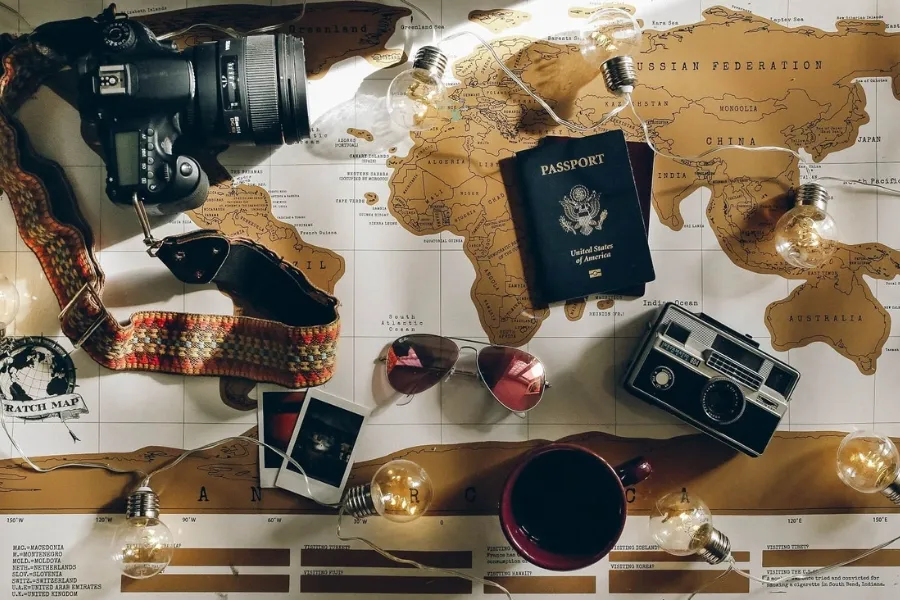
For a Serengeti safari, pack lightweight neutral-coloured clothing in khaki, beige or olive, a warm fleece for cold early-morning game drives, a wide-brimmed hat, sunglasses, high-SPF sunscreen and insect repellent. Add binoculars, a camera with a zoom lens, a power bank, any personal medication and your travel documents. Pack everything in a soft-sided duffel bag, especially on fly-in safaris, where light aircraft usually limit luggage to about 15 kg per person.
A safari in Serengeti National Park means long days outdoors, dusty roads, strong equatorial sun and surprisingly cold mornings, so packing well makes a real difference to your comfort. This guide brings together everything our guides recommend after years of private safaris across the Serengeti and Ngorongoro: an interactive checklist you can tick off or print, what to wear and which colours to avoid, what to add for each season, luggage limits for fly-in safaris, camera and health essentials, and the items that are better left at home. Use it before you fly to make sure nothing important is forgotten.
Serengeti Safari Packing Checklist
Tick off each item as you pack, or print the list to take with you. The checklist covers everything most travellers need for a private Serengeti safari of five to ten days, whether you travel by road or on a fly-in safari.
Safari clothing 8 items
Layers and rain gear 5 items
Footwear 3 items
Sun and insect protection 6 items
Health and first aid 8 items
Documents and money 8 items
Camera and electronics 8 items
Bags and extras 6 items
Everything is packed. Enjoy your Serengeti safari!
What to Wear on a Serengeti Safari
Safari clothing should be light, breathable and practical rather than fashionable or formal. Neutral colours such as khaki, beige, olive and soft green blend into the landscape, hide dust well and are less likely to attract insects. Avoid dark blue and black, which attract tsetse flies, and leave bright white clothing at home because it shows red dust quickly. Long sleeves and trousers protect you from the sun and mosquitoes, while quick-dry fabrics are easy to wash at lodges. Layering is the secret: a T-shirt for the afternoon heat, plus a fleece and jacket for chilly dawn game drives.
| Choice | What to know |
|---|---|
| Do pack | Khaki, beige, olive, sand and soft green; breathable cotton or quick-dry fabrics; long sleeves for evenings |
| Avoid | Dark blue and black (tsetse flies), bright white (dust), camouflage or military-style prints |
| For villages and Zanzibar | Modest clothing that covers shoulders and knees |
What to Pack for Each Season
The Serengeti sits close to the equator, so daytime temperatures stay warm all year, but rainfall and morning temperatures change with the seasons. The long dry season brings cold dawns, dust and strong sun, while the rainy months bring afternoon storms, green plains and muddy roads. Your core packing list stays the same, but a few seasonal extras make your Serengeti safari far more comfortable. Use the simple table below to add the right items for the month you travel, and remember that the open roof of a safari vehicle can feel much colder than the air temperature suggests.
| Months | Conditions | Add to your bag |
|---|---|---|
| January – February | Warm days, short dry spell, calving season in Ndutu | Light layers, sunscreen, a light rain jacket for occasional showers |
| March – May | Long rains, green landscapes, fewer vehicles | Waterproof jacket, quick-dry clothing, waterproof shoes, dry bags for cameras |
| June – October | Dry season, cold mornings, dust and strong sun | Warm fleece or down jacket, gloves, beanie, buff for dust, lip balm |
| November – December | Short rains, fresh green plains | Rain jacket, light layers, insect repellent for humid evenings |
Luggage and Weight Limits
How you travel decides how you should pack. On a fly-in safari, light aircraft usually allow about 15 kg per person, including hand luggage, and bags must be soft-sided so they fit into small cargo holds. Hard suitcases and wheeled cases are often refused. On a road safari in a private 4x4 vehicle the rules are more relaxed, but soft bags are still easier to load and carry. Many lodges and camps offer a laundry service, so you can pack fewer clothes and wear items twice. Leave spare city clothes and any valuables safely at your Arusha hotel.
About 15 kg per person including hand luggage, soft-sided bags only, no hard suitcases.
More space in your private vehicle, but soft duffel bags are still easier to load.
Many lodges and camps wash clothes daily or every other day, so pack light.
Store extra bags at your Arusha hotel and travel lighter on safari.
Camera, Binoculars and Electronics
Wildlife viewing in the Serengeti happens at every distance, from lions beside the road to cheetahs far out on the plains. A good, sharp pair of binoculars, ideally 8x42 or 10x42, is the most useful item for every traveller. Photographers should bring a camera with a zoom lens, plenty of memory cards and spare batteries, because charging is not always possible in the vehicle. A power bank, a universal adapter for Type D and G sockets and a dust cover protect your gear. Drones are not allowed in national parks without special permits, so leave them at home.
- Binoculars for every traveller (8x42 or 10x42)
- Camera with a 100–400 mm or similar zoom lens
- Spare batteries, memory cards and a power bank
- Universal adapter for Type D and G sockets, 230 V
- Dust cover, lens cloth and a small bean bag for support
- Headlamp or torch for walking around tented camps at night
Health, Safety and Travel Documents
Before you travel, check that your passport is valid for at least six months with blank pages, and apply for your Tanzania eVisa through the official government portal. Tanzania has also introduced a mandatory inbound travel insurance for foreign visitors, alongside Zanzibar's existing requirement, so confirm the latest rules before you fly. Speak to a travel doctor about antimalarials and vaccinations; a yellow fever certificate is needed if you arrive from, or transit through, a country with yellow fever risk. Comprehensive travel insurance with medical evacuation cover is strongly recommended for every private safari. Keep copies of everything.
- Passport valid for six months with blank pages
- Tanzania eVisa approval, printed and saved on your phone
- Mandatory inbound travel insurance and your own comprehensive cover
- Yellow fever certificate if arriving from a risk country
- Antimalarials and vaccinations on medical advice
- Copies of all documents stored separately
What Not to Pack
Some items cause problems on safari or are not allowed in Tanzania at all. Plastic carrier bags have been banned since 2019 and may be taken from you on arrival, so use zip pouches or fabric bags instead. Camouflage and military-style clothing is best avoided, as it is associated with the armed forces. Hard-shell suitcases do not fit light aircraft, and drones need special permits. Leave expensive jewellery, designer items and unnecessary valuables safely at home. Bright white or dark clothing, strong perfume and noisy gadgets can also spoil your own game viewing and that of other guests.
- Plastic carrier bags (banned in Tanzania)
- Camouflage or military-style clothing
- Hard-shell or wheeled suitcases on fly-in safaris
- Drones without official permits
- Expensive jewellery and unnecessary valuables
- Strong perfume that attracts insects
Cultural and Respectful Travel
A Serengeti safari often includes visits to Maasai villages, local markets or a beach stay on Zanzibar, so a few thoughtful items help you travel respectfully and confidently. Pack at least one outfit that covers your shoulders and knees for villages, towns and Zanzibar's Stone Town. Always ask permission before photographing people, and follow your guide's advice on gifts, which are best given through schools or community projects rather than handed out to children. A few words of Swahili, such as jambo for hello and asante for thank you, are warmly appreciated and make every encounter more meaningful.
- Modest outfit covering shoulders and knees
- A light scarf or sarong for cultural visits
- Small notes in US dollars or shillings for tips and crafts
- A phrasebook or app with basic Swahili
What to Pack for a Serengeti Safari: FAQs
What should I wear on a Serengeti safari?
Wear lightweight, breathable clothing in neutral colours such as khaki, beige, olive or soft green. Bring long-sleeved shirts and trousers for sun and insect protection, shorts and T-shirts for warm afternoons, and a fleece or jacket for cold early-morning game drives. Avoid dark blue, black and bright white, and pack one modest outfit for village visits.
How cold does it get on a Serengeti safari?
Daytime temperatures in the Serengeti are warm all year, but early mornings and evenings can feel cold, especially from June to October and on open-roof game drives. Pack a warm fleece or light down jacket, a scarf or buff and light gloves. If you also visit the Ngorongoro Crater rim, nights there are colder still.
How much luggage can I take on a Serengeti safari?
On fly-in safaris, light aircraft usually allow about 15 kg per person including hand luggage, and bags must be soft-sided. On a road safari in a private 4x4 you have more space, but soft duffel bags are still best. Many lodges offer laundry, so you can pack fewer clothes and store extra luggage in Arusha.
What colours should I avoid on safari in Tanzania?
Avoid dark blue and black, which attract tsetse flies, and bright white, which quickly shows red dust. Camouflage and military-style prints are also best avoided in Tanzania. Neutral colours such as khaki, beige, olive and sand are the most practical choice and help you blend into the landscape during wildlife viewing.
Do I need binoculars for a Serengeti safari?
Yes. Binoculars are one of the most useful items you can pack, because many animals, birds and predators are seen at a distance on the open plains. A pair of 8x42 or 10x42 binoculars for each traveller is ideal, so nobody has to wait their turn when a leopard or cheetah appears.
Do I need a visa and insurance to visit the Serengeti?
Most visitors need a Tanzania tourist visa, which you can apply for online through the official eVisa portal before travelling. Tanzania has also introduced mandatory inbound travel insurance for foreign visitors, alongside Zanzibar's requirement. We also strongly recommend comprehensive travel insurance with medical evacuation cover. Always check the latest rules before you fly.
Can I charge my phone and camera on safari?
Most Serengeti lodges and camps have electricity, often solar-powered, with charging points in rooms or the main area. Tanzania uses Type D and G sockets at 230 V, so bring a universal adapter. Many safari vehicles also have charging points, but a power bank and spare camera batteries are always a good idea.
What should I not pack for a Serengeti safari?
Do not pack plastic carrier bags, which are banned in Tanzania, camouflage clothing, hard-shell suitcases for fly-in safaris or a drone without official permits. Leave expensive jewellery and unnecessary valuables at home, and avoid strong perfumes that attract insects. Pack light, practical items that are easy to wash and carry.
Do I need malaria tablets for the Serengeti?
The Serengeti is in a malaria area, so speak to a travel doctor or clinic about antimalarial tablets several weeks before you travel. Use insect repellent, wear long sleeves in the evenings and sleep under the mosquito nets provided by lodges and camps. Your doctor can also advise on vaccinations and any yellow fever certificate requirements.
What shoes should I wear on safari?
Most of your safari is spent in the vehicle, so comfortable closed walking shoes or light trail shoes are ideal. Bring sandals or flip-flops for the lodge and pool. Heavy hiking boots are only needed if you plan walking safaris or treks such as the Ngorongoro highlands, and waterproof shoes help during the rainy months.
Plan Your Serengeti Safari
Plan Your Private Serengeti Safari
Tell us your dates and travel style, and our team will design your safari and send a personal packing briefing before you travel.
Start Planning