 Private7 Days / 6 Nights
Unforgettable Serengeti Safari and Great Migration Tours
An unforgettable Serengeti safari is a private journey of three to seven days through Tanzania's most famous national park, home to big cats, vast plains and the Great Migration of wildebeest and zebra. Foot Slopes Tours and Safaris plans each trip around the herds' seasonal location: calving in the southern Serengeti from about late January to February, Grumeti River crossings around June and Mara River crossings from roughly August to September, although timing varies with rainfall. Travel with your own guide and 4x4, staying in lodges or mobile camps. Browse our Serengeti safari packages below.
Private Serengeti and Great Migration Safari Packages
Showing 1–12 of 20 private tours
Private7 Days / 6 Nights Private9 Days / 8 Nights
 Private4 Days / 3 Nights
 Private5 Days / 4 Nights
5-Day Ultra-Luxury First Class Serengeti Safari
Destinations: Serengeti
Price per personOn request
View tour →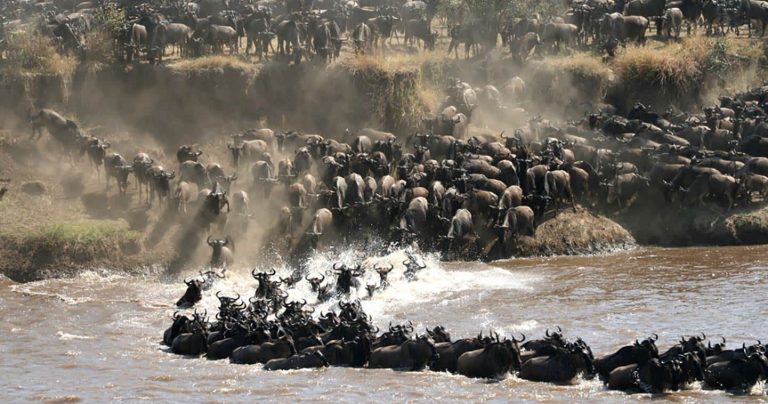 Private7 Days / 6 NightsPrivate8 Days / 7 Nights
8-Day Serengeti Wildebeest Migration Safari
Destinations: Serengeti
Price per personOn request
View tour →Private3 Days / 2 Nights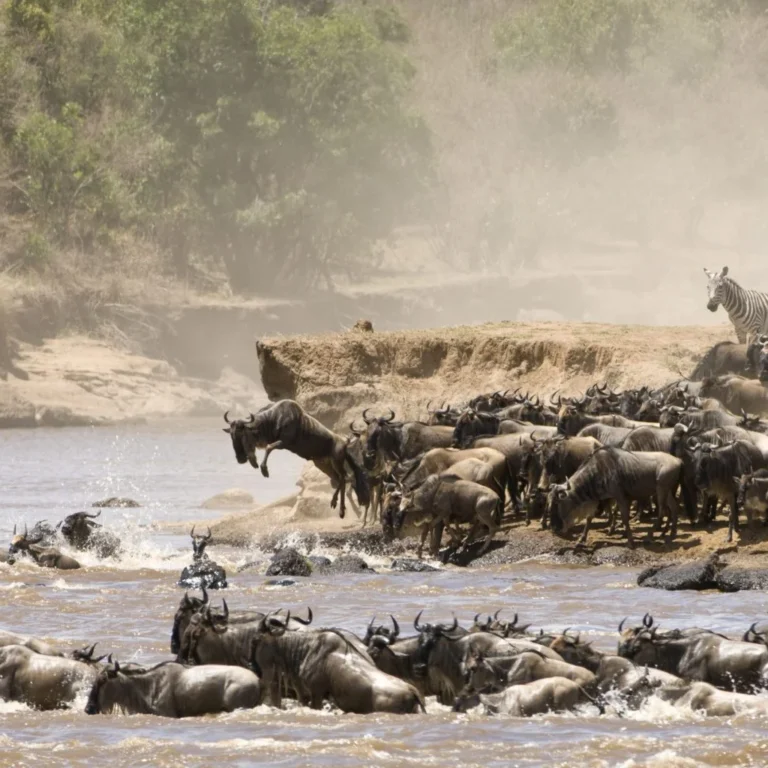 PrivateFlexible length
Extraordinary Serengeti Migration Safari
Destinations: Serengeti
Price per personOn request
View tour →Private7 Days / 6 Nights7- Day Tanzania great migration safari
Destinations: Serengeti · Ngorongoro
Price per personOn request
View tour →Private10 Days / 9 Nights10-Day Tanzania Safari – Wildebeest Migration
Destinations: Serengeti · Ngorongoro
Price per personOn request
View tour →Private10 Days / 9 Nights10-Day Tanzania Great Migration Safari
Destinations: Serengeti · Ngorongoro · Tarangire
Price per personOn request
View tour →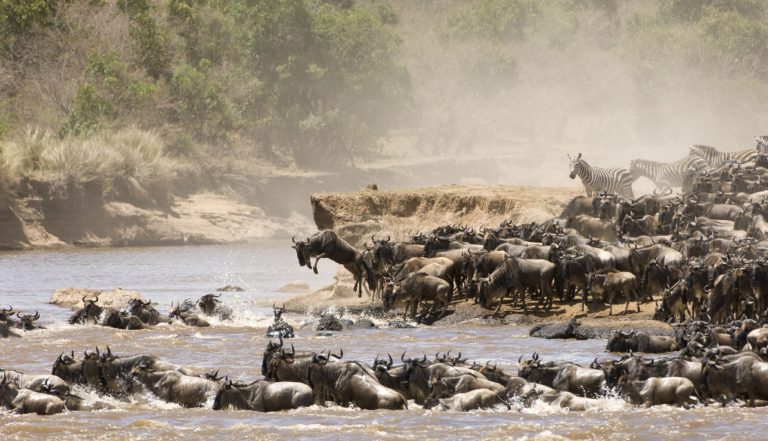 Private11 Days / 10 Nights
11-Day Serengeti Wildebeest Migration Safari Itinerary
Destinations: Serengeti
Price per personOn request
View tour →Private11 Days / 10 Nights11-Day Serengeti Wildebeest Migration Safari
Destinations: Serengeti · Ngorongoro · Tarangire
Price per personOn request
View tour → Private6 Days / 5 Nights
6-Day Serengeti and Ngorongoro Family Safaris
Destinations: Serengeti · Ngorongoro
Price per personOn request
View tour → Private8 Days / 7 Nights
8-Day Northern Tanzania Safaris
Destinations: Serengeti · Ngorongoro · Tarangire
Price per personOn request
View tour →Private9 Days / 8 Nights9-Day Tanzania Safari Deal
Destinations: Serengeti · Ngorongoro · Tarangire · Lake Natron
Price per personOn request
View tour →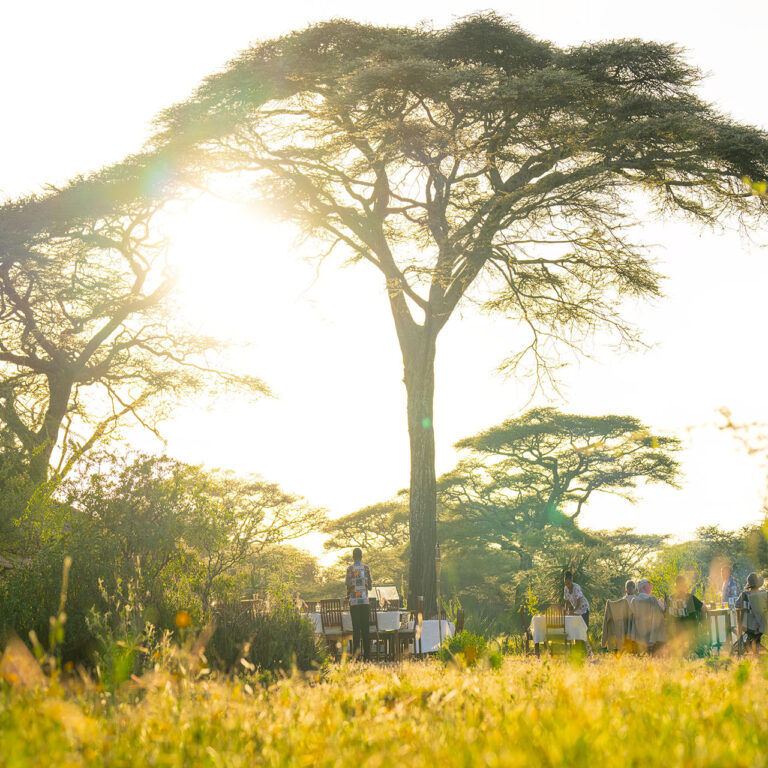 Private10 Days / 9 Nights
10-Day Ultimate Northern Tanzania Safari Adventure
Destinations: Serengeti · Ngorongoro · Tarangire
Price per personOn request
View tour →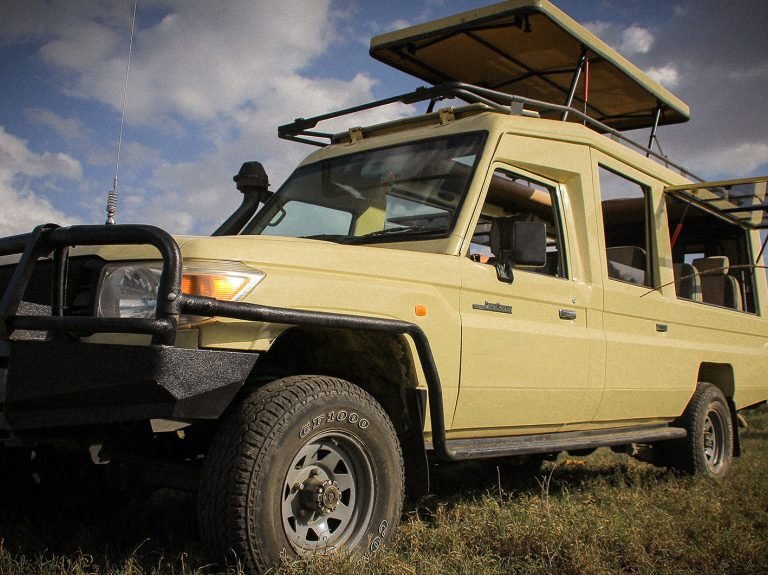 Private11 Days / 10 Nights
11-Day Tanzania Big Five Private Experience
Destinations: Serengeti · Ngorongoro · Tarangire
Price per personOn request
View tour →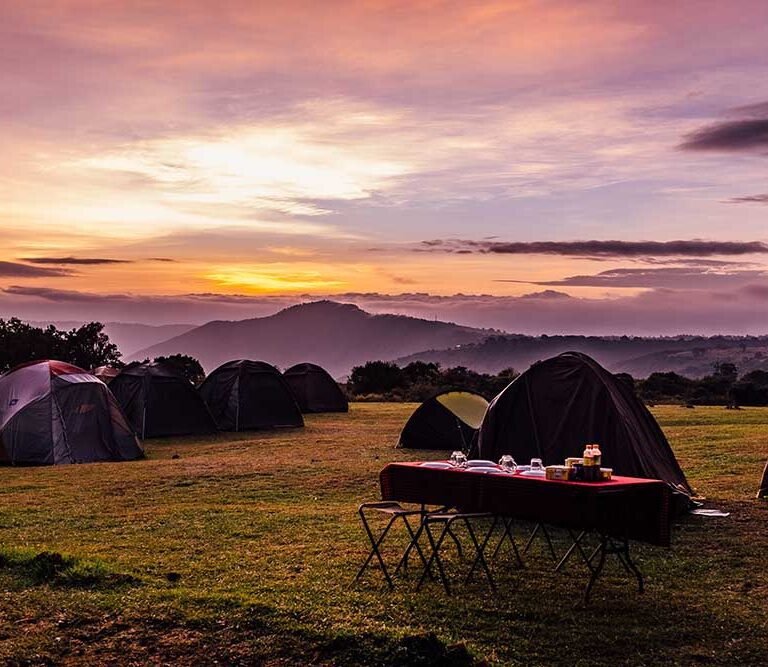 Private8 Days / 7 Nights
8-Day Remarkable Tanzania Safari
Destinations: Serengeti · Ngorongoro · Tarangire · Lake Manyara
Price per personOn request
View tour →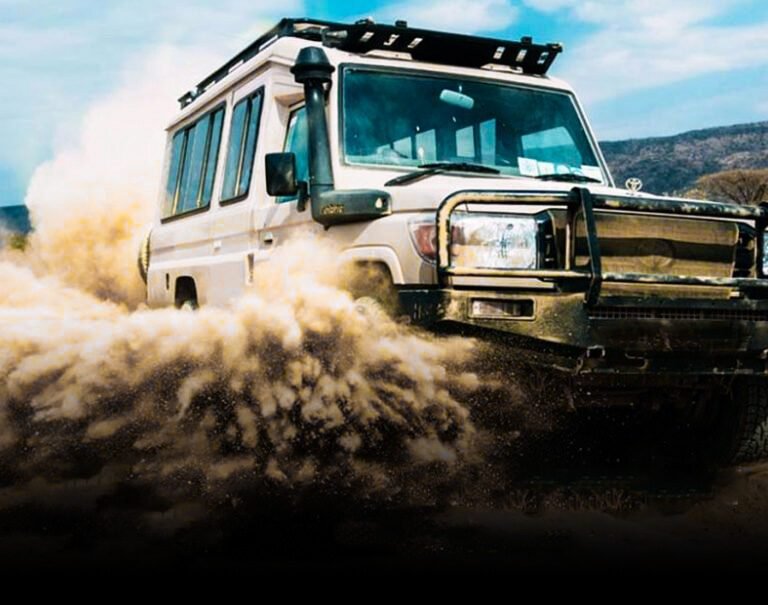 Private7 Days / 6 Nights
7-Day Tanzania Express Safari Packages
Destinations: Serengeti · Ngorongoro
Price per personOn request
View tour →No matches for these filters. Ask us to design one for you →
Serengeti Safari FAQs
When is the best time to go on a Serengeti safari?
The best time for a Serengeti safari depends on what you want to see. December to March suits calving in the south near Ndutu, with predator action peaking late January to February. Late May to July brings herds to the Western Corridor and Grumeti River. July to October is ideal for Mara River crossings in the north, peaking August to September. Timing always varies with rainfall. The central Serengeti offers excellent resident wildlife, including big cats, all year round.
Where is the Great Migration each month?
The Great Migration follows a rough annual loop driven by rain, so exact timing varies. December to March, the herds graze the southern Serengeti and Ndutu, calving roughly late January to February. March to May brings the long rains as the herds start moving north-west. Late May to July they reach the Western Corridor and Grumeti River, peaking in June. July to October they cross the Mara River in the northern Serengeti near Kogatende. November's short rains send them south again.
How many days do you need in the Serengeti?
Three to four nights in the Serengeti is ideal for most travellers, giving time to explore the central Seronera area and one migration region without rushing. Two nights is the minimum for a worthwhile visit, as the park is vast and drives from Ngorongoro take several hours. Photographers and migration enthusiasts often stay five nights or more, moving between camps. Flying in and out saves time, and combining the Serengeti with Ngorongoro Crater creates a well-balanced private itinerary.
Can you see a river crossing on a Serengeti safari?
Yes, dramatic river crossings are possible on a Serengeti safari, though never certain because the herds move on their own schedule. Grumeti River crossings in the Western Corridor usually happen around June, while Mara River crossings in the northern Serengeti near Kogatende occur roughly July to October, peaking August to September, with timing varying by rainfall. Staying several nights near the river and having a patient private guide gives you the best chance of witnessing this spectacle.
What animals can you see in the Serengeti?
The Serengeti is home to lions, leopards, cheetahs, elephants, buffalo, giraffes, hippos, hyenas and many antelope species, along with vast herds of wildebeest and zebras during the migration. Rhinos are rare but occasionally spotted in protected areas. Birdlife is rich too, with ostriches, secretary birds, vultures and colourful rollers. The central Seronera Valley is renowned for big cats. With a private guide, you can linger at sightings and focus on the species you most want to see.
Plan Your Unforgettable Serengeti Safari
Tell us when you want to travel and what you hope to see, and we will design a private Serengeti safari timed to the migration, with expert guiding and handpicked camps.
Get a Free Quote →