
Everything You Need To Know To Plan An Amazing African Safari
Everything You Need To Know To Plan An Amazing African Safari
Planning an African safari is a dream for wildlife enthusiasts, adventure travelers, and photographers. From witnessing the Great Migration in the Serengeti to spotting the Big Five in Ngorongoro Crater, Africa offers unforgettable experiences. A well-planned safari ensures comfort, safety, and maximum wildlife sightings. Choosing the right country, safari style, and accommodation can transform your trip into a once-in-a-lifetime adventure. Tanzania is the top destination for African safari tours. Luxury lodges, tented camps, and glamping options cater to all budgets. Understanding the best time to visit, itinerary length, costs, vaccinations, visas, and local customs helps travelers make informed decisions. This guide covers everything you need for a successful and memorable African safari experience.
Where to go on an African safari
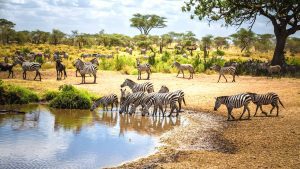
Tanzania is Africa’s ultimate safari destination, offering unmatched biodiversity and iconic landscapes. The Serengeti National Park is famed for the Great Migration, where millions of wildebeest and zebras traverse the plains. Ngorongoro Crater, a UNESCO World Heritage Site, hosts dense wildlife, including lions, elephants, and rhinos, in a single natural amphitheater. Tarangire National Park is perfect for elephant herds and baobab trees, while Lake Manyara is ideal for birdwatching and spotting tree-climbing lions. Arusha National Park offers scenic hikes, primates, and crater lakes, perfect for day trips. Tanzania’s safari infrastructure, including luxury lodges, mid-range camps, and budget tented camps, makes it accessible for all travelers. Choosing Tanzania ensures rich wildlife sightings, stunning landscapes, and authentic Maasai cultural experiences.
- ArushaGateway
- TarangireElephants
- NgorongoroCrater
- SerengetiBig Five
- ZanzibarBeach
When is the best time to go on an African safari
The best time for an African safari depends on wildlife viewing priorities and weather conditions. In Tanzania and Kenya, the dry season from June to October offers optimal game viewing as animals congregate near water sources, making sightings predictable. Great Migration river crossings peak in the northern Serengeti from July to September. The wet season, from November to May, brings lush landscapes, fewer tourists, and newborn animals, perfect for photographers seeking vibrant scenery. Birdwatchers often prefer wet months for migratory species. Temperatures are generally mild, but early mornings and evenings can be chilly in highland parks like Ngorongoro. Planning your safari around these seasonal patterns ensures an unforgettable experience, combining wildlife abundance, scenic beauty, and comfortable travel conditions.
How long should a first African safari be
For first-time African safari travelers, a 5- to 7-day African Safari itinerary is ideal. This timeframe allows visits to multiple parks without feeling rushed. A typical route might include Tarangire for elephants, Ngorongoro Crater for the Big Five, and Serengeti National Park for predator sightings and the Great Migration. Longer safaris of 10 days or more provide deeper exploration, including off-the-beaten-path parks like Nyerere (formerly Selous) or Ruaha. Shorter trips are feasible but limit wildlife encounters. Multi-day safaris often include game drives at dawn and dusk, evening cultural experiences with Maasai villages, and optional hot-air balloon safaris. Planning an appropriate duration maximizes sightings, relaxes travel pace, and ensures a truly immersive African safari experience.
How much does it cost to go on an African Safari
African safari costs vary widely based on location, duration, and accommodation level. Budget safaris start around $150–$300 per person per day with shared tented camps and basic services. Mid-range lodges average $400–$700 per day, offering more comfort, meals, and guided game drives. Luxury safaris and private tours can exceed $1,000 per day, including exclusive lodges, private vehicles, expert guides, and personalized itineraries. Additional costs include park fees, tipping, flights, and optional excursions like balloon safaris. Booking early or combining packages may reduce expenses. Travelers should budget for a full African safari experience, balancing wildlife encounters, comfort, safety, and local cultural immersion. Proper planning ensures a cost-effective and memorable adventure.
- Accommodation
- Meals
- Park fees
- Vehicle & guide
- Transfers
- International flights
- Visas
- Travel insurance
- Tips
- Premium drinks
What does a typical African safari day look like
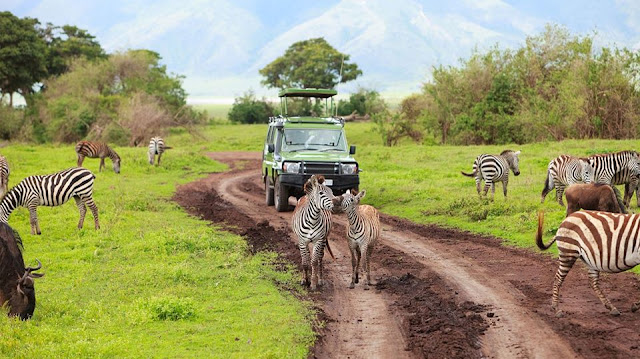
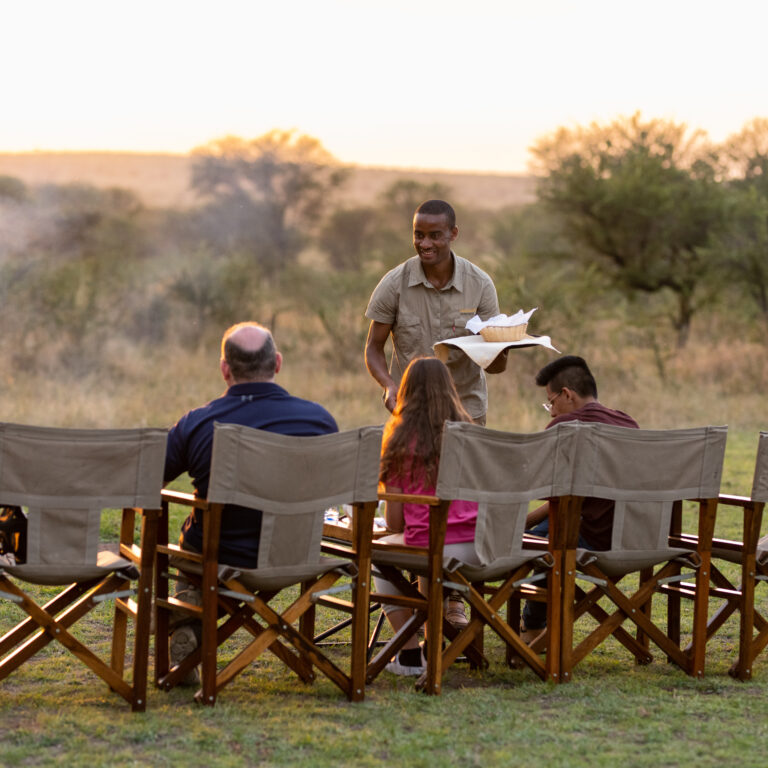
A safari day begins early, often around sunrise, when wildlife is most active. Guests enjoy morning game drives with expert guides spotting lions, elephants, and cheetahs. Midday breaks involve returning to lodges or camps for lunch, rest, or optional cultural experiences like visiting Maasai villages. Afternoon game drives resume in cooler hours, offering unique photographic opportunities. Sundowner drinks in scenic spots provide relaxation after wildlife viewing. Dinner at lodges or camps often features local cuisine and storytelling. Guided walks, night drives (in private concessions), and stargazing may be included. A well-structured safari day balances adventure, comfort, and safety while maximizing sightings of Africa’s incredible fauna and landscapes.
How far in advance is needed to plan an African safari
Planning an African safari at least six to twelve months in advance is recommended, especially for peak seasons like June–October or Great Migration dates. Early planning ensures the availability of luxury lodges, tented camps, and expert guides. Booking in advance allows travelers to secure flights, park permits, and optional excursions such as hot-air balloon safaris or cultural tours. Last-minute bookings may limit accommodation choices and increase costs. For group or family safaris, longer lead times help coordinate logistics and travel requirements. Early planning provides peace of mind, optimal itinerary design, and flexibility to customize an unforgettable African safari experience tailored to wildlife, scenery, and cultural interests.
Is it necessary to book with a local African Safari tour operator
Booking with a reputable local African safari tour operator is highly recommended. Local operators provide expert knowledge of parks, wildlife behavior, and seasonal patterns, ensuring optimal game sightings. They manage permits, park fees, vehicle logistics, and accommodation arrangements, reducing stress for travelers. Trusted operators also prioritize safety, cultural sensitivity, and sustainability practices. They offer personalized itineraries, from luxury lodges to budget tented camps, based on preferences and wildlife interests. Working with local guides supports the regional economy and provides authentic Maasai or local cultural experiences. While independent travel is possible, a local operator maximizes efficiency, enhances safety, and delivers a seamless African safari adventure tailored to each traveler’s desires.
What else to consider before booking an African Safari
Before booking an African safari, consider your travel style, budget, health requirements, and wildlife interests. Decide between luxury lodges, mid-range tented camps, or mobile safari options. Research parks’ wildlife density, terrain, and accessibility. Understand climate variations to pack appropriate clothing and gear. Check vaccination, visa, and travel insurance requirements. Consider optional activities like hot-air balloon rides, night drives, or cultural visits. Evaluate group sizes and private versus shared safari vehicles for comfort and experience quality. Reading reviews and seeking recommendations ensures reputable operators. Planning thoughtfully avoids last-minute surprises, supports memorable wildlife encounters, and delivers a safe, enjoyable, and personalized African safari adventure.
What vaccines and visas are required for an African Safari
Travelers to Tanzania and other safari destinations typically require certain vaccinations and visas. A yellow fever vaccination is often mandatory if traveling from infected regions. Recommended vaccines include hepatitis A, hepatitis B, typhoid, tetanus, and routine immunizations like measles or polio. Malaria prophylaxis is strongly advised due to mosquito-borne risks in safari regions. Visitors should consult healthcare providers 4–6 weeks before travel. Visas can be obtained online or on arrival for many nationalities, but requirements vary. Carrying passport copies, vaccination certificates, and medical prescriptions is essential. Compliance with health and visa regulations ensures safe, worry-free entry into parks and smooth access to safari lodges and excursions across Tanzania and East Africa.
What to pack for an African safari
Packing for an African safari requires practical clothing, gear, and personal items. Neutral-colored clothing minimizes disturbance to wildlife. Lightweight, breathable fabrics are ideal for daytime, while warm layers suit chilly mornings and evenings. Sturdy walking shoes, a hat, sunglasses, and sunscreen are essential. Binoculars, camera equipment, and extra memory cards enhance wildlife viewing and photography. Reusable water bottles, insect repellent, and basic first aid supplies are necessary. For luxury lodges, casual evening attire may be requested. Travel adapters, toiletries, and personal medications complete the list. Packing efficiently ensures comfort, safety, and readiness for adventure while exploring Tanzania’s parks, wildlife, and stunning landscapes on a well-organized African safari.
What is the tipping guidance for an African Safari
Tipping is customary on African safaris and contributes to excellent service. Guides and drivers typically receive $10–$20 per day per guest, depending on service quality and safari duration. Lodge staff, including housekeepers and chefs, usually receive $5–$10 per guest per day. Tips for local cultural guides or Maasai village visits can range from $5–$15. Cash in small denominations of U.S. dollars or local currency is preferred. While tipping is discretionary, it rewards personalized attention, wildlife expertise, and hospitality during game drives, meals, and cultural interactions. Understanding tipping etiquette ensures respectful, fair recognition of staff efforts and enhances the overall safari experience while supporting local livelihoods sustainably.
Book Flights for an African Safari
Booking flights early is essential to secure affordable rates and convenient connections. Tanzania’s main entry point is Kilimanjaro International Airport, serving Arusha and nearby safari parks. Julius Nyerere International Airport in Dar es Salaam provides access to southern parks and coastal destinations like Zanzibar. International flights connect via hubs such as Doha, Dubai, Istanbul, Amsterdam, Nairobi, or Addis Ababa. Domestic flights with local carriers efficiently link remote safari lodges and parks, reducing long road transfers. Consider travel time, luggage allowances, and seasonal weather conditions. Early bookings allow synchronization with safari itineraries, ensuring arrival before game drives or cultural excursions. Planning flights effectively maximizes time on safari and minimizes travel stress.
What are the safari packages available on an African Safari
African safari packages cater to every traveler’s needs, including luxury, mid-range, and budget options. Luxury safaris offer private guides, exclusive lodges, gourmet meals, and fly-in game drives, ideal for honeymooners, VIP travelers, and wildlife photographers. Mid-range safaris balance comfort with affordability, often using well-appointed tented camps or lodges with shared excursions. Budget safaris focus on group tours, camping, and self-drive experiences while still providing thrilling wildlife encounters. Packages can include family safaris, solo adventures, fly-in and fly-out itineraries, multi-park tours, and tailor-made bespoke journeys. Popular durations range from 3-day weekend safaris to 10-day extended adventures. Choosing the right package depends on interests, budget, season, and desired level of comfort, ensuring a personalized, unforgettable African safari experience.
Hire Experts
Hiring safari experts, including guides, drivers, and private tour operators, enhances the wildlife experience. Professional guides know animal habits, migration patterns, and park regulations, significantly increasing the likelihood of spotting Big Five species. Experts provide safety, cultural context, and photography advice. Private vehicles offer flexibility in timing, game drives, and photography stops. Experienced operators handle logistics, permits, park fees, and accommodations, reducing stress for travelers. Additionally, experts can customize itineraries based on wildlife interests, such as predators, birding, or the Great Migration. Their knowledge ensures optimal wildlife sightings, immersive cultural experiences, and safety while supporting sustainable and ethical safari practices in Tanzania and East Africa.
Where to stay on an African Safari
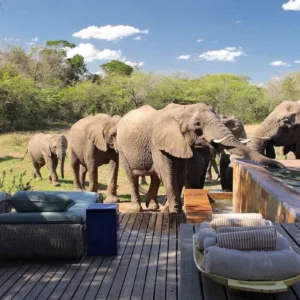
African safari accommodations range from luxury lodges to tented camps and glamping setups. Luxury lodges offer private suites, fine dining, guided game drives, and amenities like pools and spa services. Mid-range lodges and tented camps balance comfort and affordability, providing ensuite facilities, local cuisine, and guided excursions. Budget camps focus on shared tents, communal meals, and immersive bush experiences. Mobile safari tents move seasonally to track wildlife. Location matters: Serengeti lodges maximize Great Migration sightings, Ngorongoro camps offer crater views, and Tarangire options are near elephant herds. Choosing the right stay enhances wildlife encounters, convenience, comfort, and overall safari experience.
Be patient
Patience is crucial for an unforgettable African safari. Wildlife sightings are unpredictable; predators may hide, and herds roam freely across vast plains. Early mornings and late afternoons are optimal for sightings, requiring calm and observation. Guides often spend hours tracking animals to provide authentic encounters. Photography demands stillness, timing, and appreciation of natural behavior. Patience enhances the connection with nature, wildlife, and landscapes, making rare sightings of lions, cheetahs, elephants, or giraffes even more rewarding. Embracing slow moments allows immersion in scenic beauty, bird songs, and African sunsets. A patient approach ensures memorable experiences, storytelling opportunities, and a deep appreciation of Africa’s untamed wilderness.
Final Thought
An African safari is a transformative journey blending wildlife adventure, cultural immersion, and natural beauty. Careful planning—from destination, timing, and duration to packing, health, and expert guidance—ensures a seamless experience. Tanzania’s Serengeti, Ngorongoro Crater, Tarangire, and Lake Manyara offer iconic wildlife encounters, scenic landscapes, and Maasai cultural interactions. Whether it’s a luxury lodge, mid-range tented camp, or intimate mobile safari, every choice shapes your adventure. Patience, preparation, and curiosity unlock unforgettable moments with Africa’s Big Five, migrating herds, and birdlife. Following these guidelines helps ensure a safe, comfortable, and awe-inspiring African safari, leaving memories that last a lifetime and a profound connection to the heart of Africa’s wilderness.
Everything You Need To Know To Plan An Amazing African Safari: FAQs
What vaccinations do I need for Tanzania?
Vaccination requirements depend on your health, itinerary and travel history. A yellow fever certificate may be required if you arrive from a country with yellow fever risk. Speak to a travel health professional several weeks before departure about recommended vaccinations and malaria prevention, and carry any personal medication in your hand luggage.
What is the best time to go on safari in Tanzania?
The dry season from June to October is the most popular time, with excellent wildlife viewing as animals gather near water. January and February are ideal for the Serengeti calving season, while the green season from March to May brings lush scenery, fewer visitors and lower prices. Tanzania offers rewarding safaris all year, so plan around the experiences you value most.
How many days should a Tanzania safari be?
Most first-time visitors spend five to seven days on safari, enough to explore Tarangire, the Ngorongoro Crater and the Serengeti without rushing. Eight to ten days allows more time in the Serengeti or a visit to Lake Manyara, while adding three to five days in Zanzibar creates a relaxing bush-and-beach holiday.
Is a private safari better than a shared safari?
A private safari gives you your own vehicle and guide, flexible game-drive times and the freedom to stay as long as you like at sightings. It is ideal for families, couples and photographers. Shared safaris can cost less, but schedules are fixed and you travel with other guests. For comfort and flexibility, a private tailor-made safari is usually the best choice.
Can I see the Big Five in Tanzania?
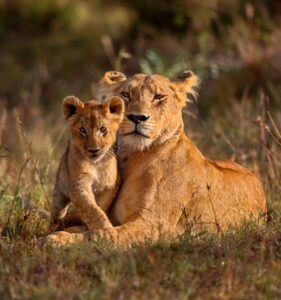
Yes, Tanzania is one of the best countries to see the Big Five: lion, leopard, elephant, buffalo and rhino. The Ngorongoro Crater offers a strong chance of seeing all five in a single day, including the rare black rhino, while the Serengeti is famous for big cats and Tarangire for large elephant herds. Sightings are never guaranteed.
Is Tanzania safe for a safari?
Tanzania is generally regarded as one of Africa’s safest safari destinations when you travel with a reputable operator. Follow your guide’s instructions, stay in the vehicle during game drives and never approach wildlife. Keep valuables secure in towns, check current travel advice before departure and carry comprehensive travel insurance for peace of mind.
Can I combine a safari with Zanzibar?
Yes, a Tanzania safari followed by Zanzibar is one of Africa’s most popular holidays. After game drives in the Serengeti, Ngorongoro or Tarangire, a short flight takes you to Zanzibar for white-sand beaches, snorkelling, dhow cruises, spice tours and historic Stone Town. Plan three to five nights on the island to relax after your safari.
How much does a Tanzania safari cost?
Safari costs depend on the season, accommodation level, safari length, park fees and whether you travel privately. Budget camping safaris cost the least, while mid-range lodges and luxury tented camps cost more but add comfort and personal service. Request a detailed quotation listing inclusions and exclusions so you can compare value rather than headline prices.
Plan Your Private Tanzania Safari
Tell us your travel dates, interests and budget, and our local team will design a private tailor-made safari around you.