African Safari Tours

Myths About Traveling to Africa

Myths about traveling to Africa
Myth vs Reality

14 myths about traveling to Africa and Tanzania, debunked

14Myths debunked
54African countries
Year-roundGreat Migration
All agesWelcome on safari

Introduction

Africa. The name alone evokes powerful images, often shaped by media portrayals that, while sometimes dramatic, frequently fall short of capturing the continent's immense diversity, vibrant cultures, and dynamic realities. For many prospective travelers, preconceived notions can create barriers, overshadowing the incredible experiences that await. It's time to set the record straight and debunk some of the most pervasive myths about traveling to Africa. Many common myths surround travel to Africa, including the ideas that it's a single country, always hot and desert-like, dangerous, or expensive. In reality, Africa is a vast continent with 54 diverse countries, varied climates, and a wide range of experiences, from budget-friendly to luxurious. Safety varies by location, and it's crucial to research specific destinations and take necessary precautions. By shedding these misconceptions, we can truly appreciate Africa for what it is: a vast, complex, and endlessly fascinating continent, brimming with unique adventures, warm hospitality, and a rich tapestry of life.

Interactive

Myth or Fact? Test Yourself

0 / 6

1. Africa is a single country.

2. Mount Kilimanjaro has snow and ice at its summit.

3. You can only see the Great Migration from July to October.

4. Tanzania safaris can be great for families with children.

5. Safaris are the only thing to do in Africa.

6. Mobile banking is widespread in many African countries.

Myth vs Reality

14 Myths About Traveling to Africa

1 / 14
Myth01

Myth: Africa is a country

Reality This is perhaps the most fundamental and widespread misconception. Africa is a continent, not a country. It is the world's second-largest continent, comprising 54 distinct and incredibly diverse countries, each with its own unique history, cultures, languages, cuisines, landscapes, and political systems. To speak of "Africa" as a single entity is akin to referring to "Asia" or "Europe" as one nation. From the ancient pyramids of Egypt to the bustling markets of Morocco, the vast savannas of Tanzania, and the vibrant cities of South Africa, the continent offers an astonishing array of experiences that vary dramatically from one nation to the next.

54Countries
2ndLargest continent
1Of them is Tanzania
Myth02

Myth: It's always hot in Africa

The claim that it's always hot in Africa is a myth. Africa has diverse climates, ranging from equatorial rainforests to arid deserts and even snow-capped mountains. While some parts of Africa experience high temperatures year-round, others have cooler temperatures and even experience snow. Reality While Africa certainly has its hot regions, the idea that it's uniformly scorching is far from the truth. Africa boasts an incredibly diverse range of climates. You'll find:

Deserts. Like the Sahara and Namib, which are hot during the day but can be surprisingly cold at night. Tropical Rainforests. Along the equator, characterized by high humidity and consistent rainfall. Rainfall patterns also vary greatly across Africa, with some regions experiencing heavy rainfall and others experiencing drought. Temperate Zones. In the northern and southern extremes, they experience four distinct seasons. Temperatures can vary greatly across the continent. Some areas, like the Sahara Desert, can be extremely hot, while others, like the highlands of Ethiopia and the peaks of Mount Kilimanjaro, can be quite cold, even experiencing snowfall.

High-Altitude Mountains. Peaks like Mount Kilimanjaro and Mount Kenya are permanently snow-capped and can be extremely cold, requiring specialized gear for climbing. Coastal Areas. Often have humid, tropical climates moderated by ocean breezes. The idea that Africa is uniformly hot is a misconception. The continent's diverse geography and climates mean that temperatures and weather conditions can vary significantly throughout the year and across different regions.

Seasonal variations are significant, and even within a single country, temperatures can fluctuate dramatically. Many parts of Africa experience distinct seasons, including rainy seasons, dry seasons, and even winter. For example, while some areas in Southern Africa might be experiencing summer, other regions in the Northern Hemisphere are in winter.

Africa’s many climates
Myth03

Myth: Africa is riddled with diseases

Reality While certain health precautions are necessary for travel to many African countries (as they are for many parts of the world), the continent is not "riddled with diseases." Common concerns like malaria and yellow fever are manageable with proactive measures such as vaccinations, anti-malarial medication, and insect repellent. Major cities and tourist hubs often have modern medical facilities. Travelers should consult their doctor or a travel clinic well in advance for personalized advice, but fear of widespread, uncontrollable disease is largely unfounded and outdated.

Simple health checklist
See a travel clinic earlyRecommended vaccinationsMalaria prevention adviceInsect repellentTravel insuranceSmall first-aid kit
Myth04

Myth: Africa is poor and underdeveloped

Reality This myth perpetuates a simplistic and often colonial narrative. While many African nations face economic challenges and development disparities, the continent is also home to rapidly growing economies, innovative tech hubs, and a thriving middle class. Cities like Nairobi, Johannesburg, and Accra are vibrant centers of commerce, art, and technology. Investment in infrastructure, education, and renewable energy is transforming many regions. Focusing solely on poverty overlooks the immense resilience, entrepreneurial spirit, and dynamic progress happening across Africa.

Rapidly growing economiesTech hubsThriving middle classNairobiJohannesburgAccraRenewable energy
Myth05

Myth: Safari is the only travel option

The idea that a safari is the only travel option in a place like Africa is a myth. While safaris are a popular and iconic travel experience, the continent offers a diverse range of other attractions and activities. These include tropical beaches, world-class diving, vibrant cities, wineries, mountains, jungles, waterfalls, deserts, and cultural and historical sites. Reality Safaris are indeed a highlight, but they are just one facet of Africa's incredible travel offerings. The continent provides a vast array of experiences: Cultural Immersion. Exploring ancient cities like Marrakech, Fes, or Stone Town, visiting Maasai villages, or attending vibrant festivals. Beach Holidays. Idyllic coastlines and islands like Zanzibar, Seychelles, and Mauritius offer pristine beaches and world-class diving.

Mountaineering & Trekking. Conquering Kilimanjaro, Mount Kenya, or exploring the Drakensberg Mountains. Adventure Sports. White-water rafting the Zambezi, sandboarding in Namibia, bungee jumping, or shark cage diving in South Africa. City Breaks. Enjoying the cosmopolitan vibe of Cape Town, the history of Cairo, or the music scene of Dakar. Historical & Archaeological Sites. From the pyramids of Egypt to the ancient ruins of Great Zimbabwe and the rock-hewn churches of Lalibela.

More than safaris: explore Africa’s experiences
Cultural Immersion

Ancient cities like Marrakech, Fes and Stone Town, Maasai villages and vibrant festivals.

Beach Holidays

Zanzibar, Seychelles and Mauritius, with pristine beaches and world-class diving.

Mountaineering & Trekking

Kilimanjaro, Mount Kenya and the Drakensberg Mountains.

Adventure Sports

Zambezi rafting, sandboarding in Namibia, bungee jumping and shark cage diving.

City Breaks

Cape Town, Cairo and the music scene of Dakar.

Historical Sites

Egypt’s pyramids, Great Zimbabwe and the rock-hewn churches of Lalibela.

Myth06

Myth: Street food is unsafe

The perception that African street food is inherently unsafe is a myth. While there are valid concerns about food safety practices in some areas, street food in Africa, like anywhere else, can be a source of both delicious and safe meals. Factors like hygiene, proper food handling, and waste disposal play a crucial role in determining safety, and these vary among vendors. Reality As with any travel destination globally, exercising caution with street food is wise. However, dismissing all African street food as unsafe means missing out on incredibly delicious, authentic, and often affordable culinary experiences. In many African cities and towns, street food is a vibrant part of daily life. Look for vendors with long queues, high turnover (meaning fresh ingredients), and visible hygiene practices. Trying local delicacies from reputable stalls can be a highlight of your trip.

How to choose a street food vendor
  • Long queues
  • High turnover
  • Visible hygiene
  • Freshly cooked food
Myth07

Myth: Solo travel is too dangerous

Reality Solo travel, particularly for women, requires heightened awareness and preparation anywhere in the world, not just in Africa. However, many African countries are perfectly safe and incredibly rewarding for solo travelers. By choosing reputable tour operators, staying in well-reviewed accommodations, being aware of your surroundings, and trusting your instincts, solo travelers can have empowering and safe experiences. Many safaris, for instance, naturally group solo travelers together, providing built-in companionship.

Smart solo travel
  • Book with a reputable tour operator
  • Stay in well-reviewed lodges
  • Be aware of your surroundings
  • Trust your instincts
Avoid
  • Walking alone at night in towns
  • Unregistered transport
  • Showing valuables openly
  • Skipping travel insurance
Myth08

Myth: Africa lacks modern technology

Reality This myth is quickly dispelled upon arrival in most African cities. Africa has undergone a massive technological leap, particularly in mobile connectivity. Mobile phone penetration is widespread, and many countries are leaders in mobile banking and innovative tech solutions. Major cities boast growing tech hubs, reliable internet access (though it can be slower in remote areas), and a tech-savvy population.

Mobile connectivityMobile banking leadersGrowing tech hubsReliable city internetTech-savvy population
Myth09

Myth: Africa has no history or culture

Reality Africa is the cradle of humanity and boasts an incredibly rich and ancient history, predating many Western civilizations. From the pharaohs of ancient Egypt and the powerful kingdoms of Mali and Great Zimbabwe to the vibrant oral traditions, diverse art forms, and complex social structures of hundreds of ethnic groups, Africa's cultural heritage is profound and multifaceted. Every country offers a unique cultural tapestry, from traditional dances and music to intricate crafts and deeply rooted spiritual beliefs.

  1. Cradle of humanityAfrica is where the human story began
  2. Ancient EgyptPharaohs, pyramids and temples
  3. Kingdom of MaliOne of history’s great empires
  4. Great ZimbabweRemarkable ancient stone city
  5. Living traditionsOral history, dance, music and crafts today
Myth10

Myth: It's always a good time for a safari

Reality While wildlife viewing is possible year-round in many parks, there are optimal times for specific safari experiences. For instance, the dry season (June-October) is generally best for overall game viewing as animals congregate around water sources. However, the wet season (Green Season, November-May) offers lush landscapes, lower prices, fewer crowds, and specific events like the wildebeest calving in the Southern Serengeti (Jan-March), which is a predator-heavy spectacle. Understanding these seasonal nuances helps tailor your safari to your interests.

Pick your safari month

Dry (Jun–Oct)Calving (Jan–Mar)Green season
Myth11

Myth: You Can Only See the Great Migration Between July and October

The statement is a myth. While the dramatic Mara River crossings often occur between July and October, the Great Migration is a continuous, year-round cycle with various exciting events happening throughout the year. The herds are always moving, so it's possible to see them at different times, not just during those months. Reality This is a common misconception. The Great Wildebeest Migration is a year-round, continuous cycle, not a static event. While the dramatic Mara River crossings (July-October) are famous, other equally vital and spectacular phases occur throughout the year: Calving Season. In the Southern Serengeti (Ndutu area) from late January to February, hundreds of thousands of wildebeest calves are born. Long Rains. The herds move north through the central and western Serengeti from April to June. Return South. From November to December, they make their way back to the southern plains. A reputable safari operator can advise on where to be to witness specific phases.

The year-round Great Migration
Calving Season

Calving in the southern Serengeti and Ndutu area.

Long Rains

Herds move north through the central and western Serengeti.

River Crossings

Dramatic Mara River crossings in the north.

Return South

Herds make their way back to the southern plains.

Myth12

Myth: You’ll Only See the Big Five

The myth that you will only see the "Big Five" on safari is false. While the "Big Five" (lion, leopard, elephant, rhino, and buffalo) are popular and iconic, there are many other fascinating animals and natural wonders to discover on safari. Focusing solely on the "Big Five" can limit the overall safari experience and enjoyment. Reality While the Big Five (lion, leopard, elephant, rhino, buffalo) are iconic and highly sought after, focusing solely on them means missing out on Africa's immense biodiversity. The continent is home to an astonishing array of wildlife, including Cheetahs. The fastest land animals. Zebras & Giraffes. Ubiquitous and beautiful. Hippos & Crocodiles. Dominating the waterways. Hyenas & Wild Dogs. Fascinating predators and scavengers. Countless Antelopes. From tiny dik-diks to majestic elands. Over 2,000 bird species. Many with vibrant colors and unique behaviors. A safari offers a chance to appreciate the entire ecosystem, not just five animals.

Beyond the Big Five
Myth13

Myth: Tanzania Safaris Are Expensive

It's a myth that all Tanzania safaris are expensive. While luxury safaris can be pricey, there are many affordable options available, especially with careful planning and choosing the right type of trip. Tanzania safaris can range in price, and while some are definitely luxurious and expensive, others can be quite budget-friendly. Here's a breakdown of why the "expensive" myth exists and what options can make a safari more affordable: Reality While a luxury safari in Tanzania can be a significant investment, the idea that all Tanzania safaris are prohibitively expensive is a myth. There are options to suit various budgets: Budget Camping Safaris. Offer a more rustic experience with tents, but still provide excellent game viewing. Mid-Range Tented Camps & Lodges. Provide comfortable accommodations at a more accessible price point. Luxury & Ultra-Luxury Safaris. Offer exclusive experiences, private vehicles, and opulent lodges. The cost also depends on the season, duration, and number of parks visited. With careful planning, a Tanzanian safari can be made more affordable.

  1. Budget campingRustic tents, excellent game viewing.
  2. Mid-rangeComfortable lodges and tented camps.
  3. LuxuryExclusive camps and private vehicles.
Myth14

Myth: Tanzania Safaris Are Only for Adults

No, that's a myth. Tanzania safaris are suitable for people of all ages, including families with children. While some parks and camps may have age restrictions (often around 6 or 8 years old), many others welcome families and offer tailored itineraries for younger travelers. Safaris can be a fantastic way for children to learn about wildlife, nature, and different cultures. Reality This is far from true. Tanzania safaris can be incredibly family-friendly and are suitable for travelers of all ages. Many lodges and camps offer: Kids' Clubs & Activities. Engaging programs are designed for younger travelers. Family Suites. Accommodations tailored for families. Child-Friendly Guides. Experienced guides who know how to keep children entertained and engaged. Private Vehicles. Allowing families to set their own pace and tailor game drives to their children's interests. Witnessing wildlife through the eyes of a child is a truly magical experience.

Kids’ clubs & activitiesFamily suitesChild-friendly guidesPrivate vehicles
Tanzania family safari packages →
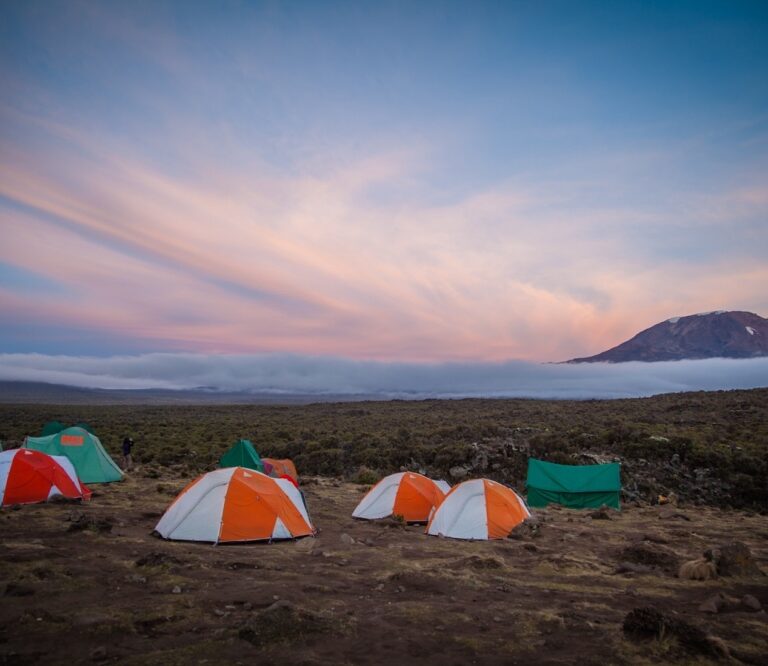
Snow on Mount Kilimanjaro summit
Snow on Kilimanjaro’s summit proves Africa isn’t always hot
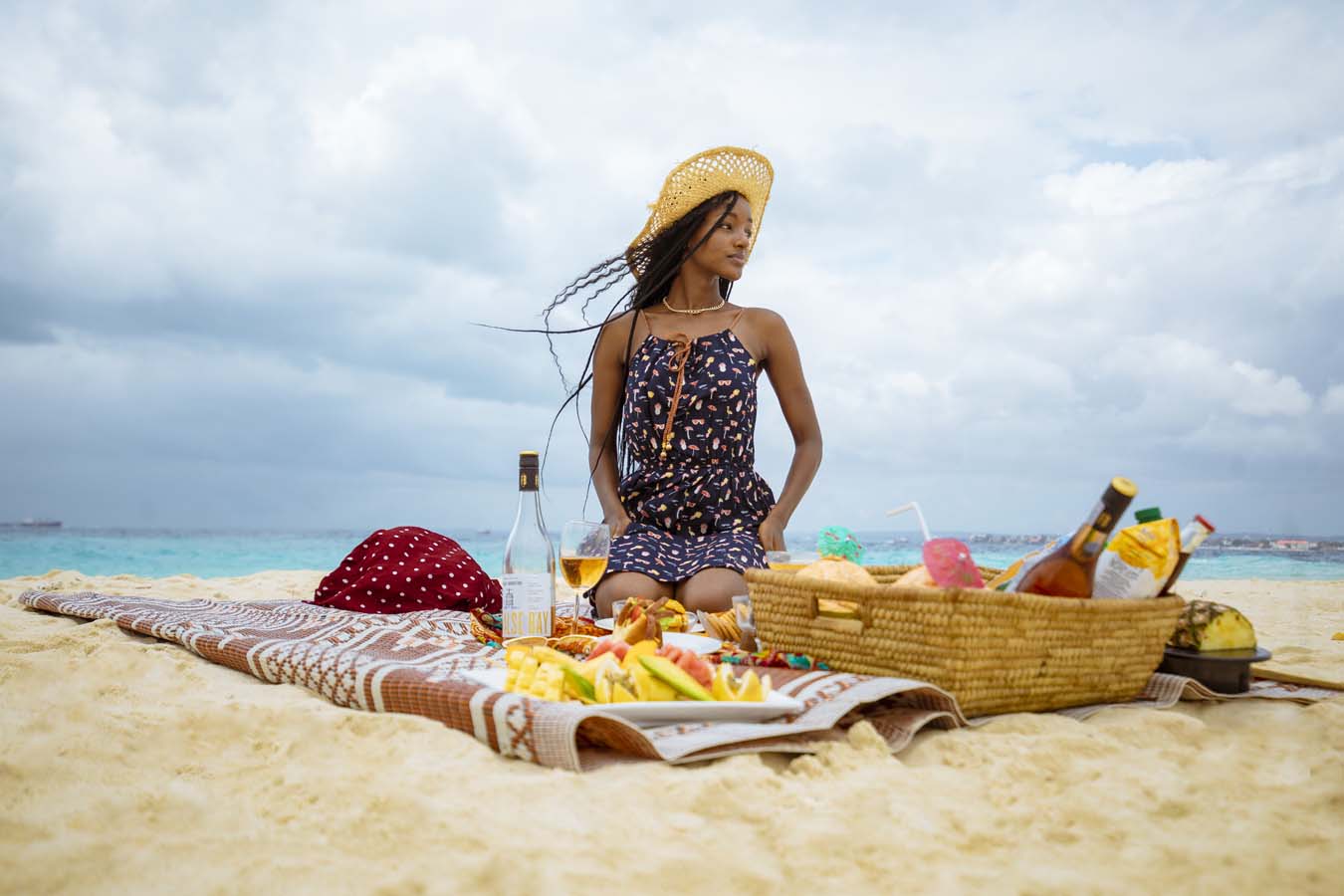
Zanzibar beach in Tanzania
Africa offers beaches, mountains, cities and culture, not just safaris
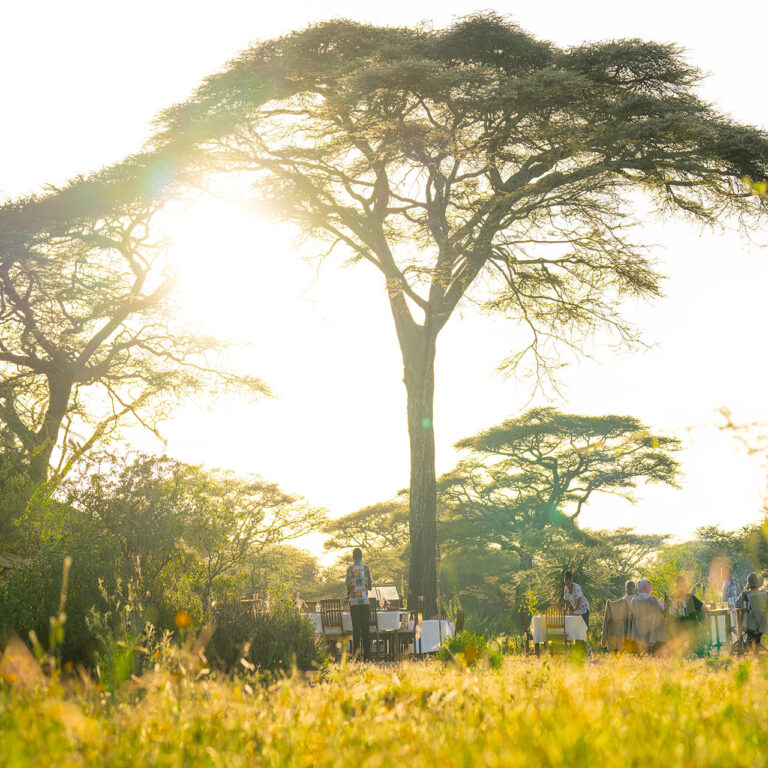
Great Wildebeest Migration river crossing
The Great Migration moves through the Serengeti all year round
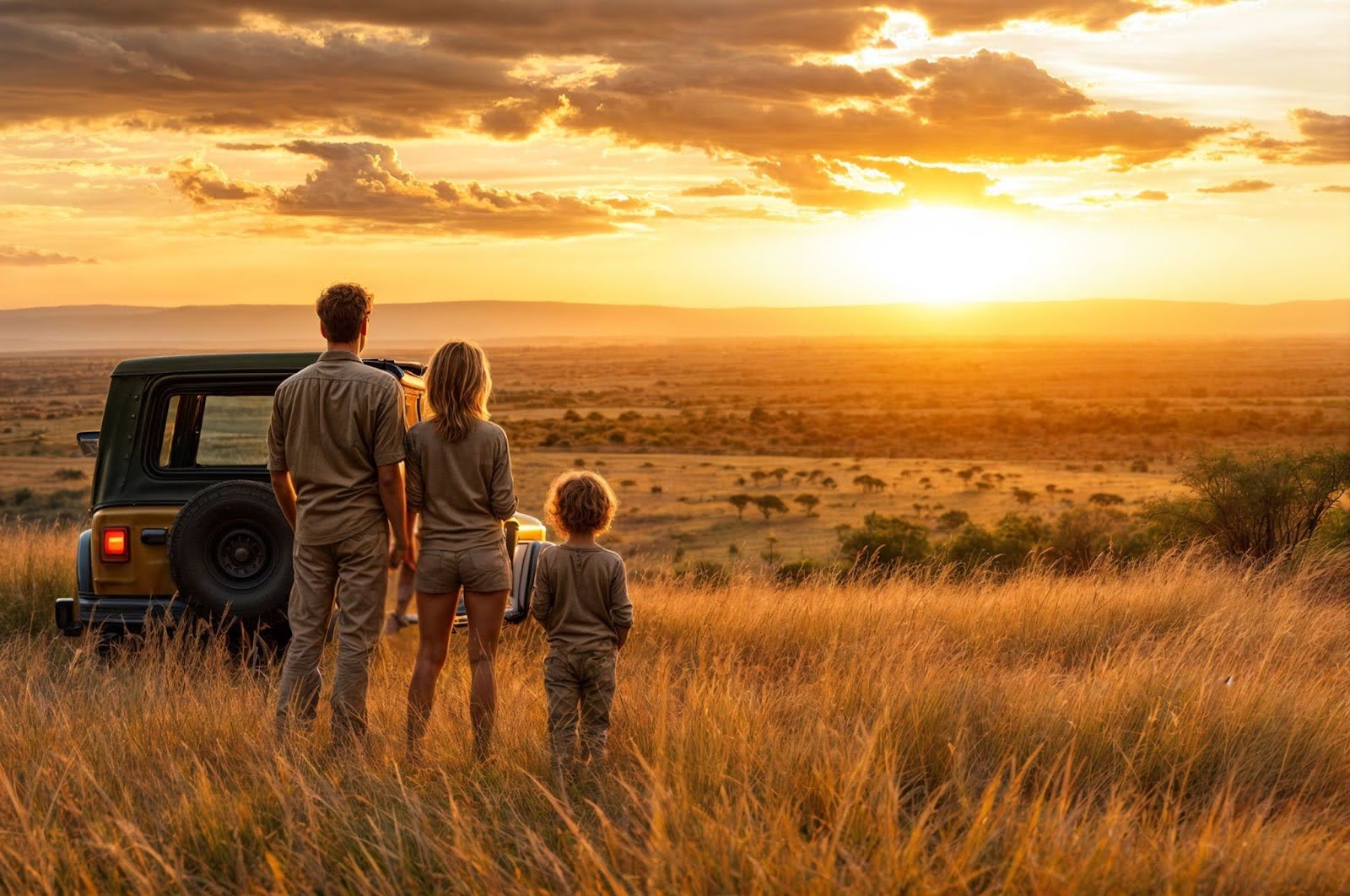
Family on a Tanzania safari at sunset
Tanzania safaris welcome travelers of all ages

Conclusion: Embrace the Real Africa

Africa is a continent of unparalleled beauty, profound history, and vibrant contemporary life. By letting go of outdated myths and embracing an open, curious mindset, travelers can unlock a world of authentic experiences that challenge perceptions and create indelible memories. The true Africa is waiting, ready to surprise, inspire, and captivate all who venture to explore its incredible realities.

Questions About Traveling to Africa and Tanzania

Is Africa a country?

No, Africa is not a country. It is the world's second-largest continent, made up of 54 independent countries, each with its own history, languages, cultures, cuisine, landscapes and government. Tanzania is one of these remarkable countries, located in East Africa and famous for the Serengeti, Ngorongoro Crater, Mount Kilimanjaro and Zanzibar. Thinking of Africa as a single place hides its incredible diversity, from Egypt's pyramids and Morocco's markets to Tanzania's savannahs and South Africa's cities. Understanding this helps travelers plan the right trip, choose the best destinations and enjoy a far richer and more, more rewarding African travel experience.

Is it always hot in Africa and Tanzania?

No, it is not always hot in Africa or Tanzania. Africa has many different climates, from deserts and tropical rainforests to temperate zones and snow-capped mountains. In Tanzania, safari days are usually warm and sunny, but very early mornings and evenings can be cool, especially in open safari vehicles and on the Ngorongoro Crater rim at high altitude. The summit of Mount Kilimanjaro is freezing and often covered in snow and ice. Pack light breathable layers, sturdy shoes, a warm fleece and a rain jacket so you stay comfortable throughout your private Tanzania safari, whatever the travel season or month.

Is Tanzania safe for tourists and safari travelers?

Tanzania is today generally and widely considered one of the safest and most welcoming safari destinations in Africa. Its national parks, including the Serengeti, Ngorongoro Crater and Tarangire, are well managed, and reputable local tour operators use experienced guides and well-maintained 4x4 vehicles. As anywhere in the world, sensible precautions matter: follow your guide's instructions on game drives, keep your valuables secure, use registered transport and check the latest official government travel advice before departure. Travelers who book a private safari with a trusted operator usually enjoy a very smooth, safe and memorable journey across mainland Tanzania and Zanzibar.

What vaccinations and health precautions do I need for a Tanzania safari?

Health precautions for a Tanzania safari are easily manageable with good, early planning. Speak to your doctor or a travel clinic several weeks before departure for personalized advice on recommended vaccinations, malaria prevention and any yellow fever certificate requirements, which can depend on your travel route. On safari, use insect repellent, wear long sleeves in the evening, drink bottled or treated water and carry a small first-aid kit with personal medication. Comprehensive travel insurance, including medical cover, is strongly recommended for every traveler. With these simple steps, most international visitors enjoy a healthy, worry-free safari in Tanzania and on Zanzibar.

Are Tanzania safaris expensive?

Tanzania safaris do not always have to be expensive. Prices depend on your travel style, season, trip length and the parks you visit. Budget camping safaris offer rustic tents and excellent game viewing at a lower cost, mid-range lodges and tented camps balance comfort with value, while luxury and ultra-luxury safaris add private vehicles, exclusive camps and fine dining. Traveling in the green season, choosing fewer parks and booking early can noticeably reduce your total costs. A trusted local Tanzania tour operator can design a private tailor-made Tanzania safari that delivers unforgettable wildlife experiences within your chosen budget.

Can children go on a Tanzania safari?

Yes, Tanzania safaris are wonderfully family-friendly and suitable for travelers of all ages. Many safari lodges and tented camps warmly welcome children, offering family suites, swimming pools, kids' activities and flexible meal times, although some properties and activities have minimum age limits, often around six or eight years. A private safari vehicle lets families set their own pace, take breaks and keep game drives shorter for younger children. Experienced child-friendly guides make wildlife viewing fun, safe and educational. Many families finish with a relaxing Zanzibar beach holiday, creating a perfect bush-and-beach adventure for everyone in the family to enjoy together.

Is solo travel in Tanzania safe?

Solo travel in Tanzania can be safe, rewarding and empowering with the right preparation and support. Choose a reputable, licensed local tour operator, stay in well-reviewed lodges and camps, and arrange airport transfers in advance. A private safari with your own professional guide offers flexibility, company and support throughout your trip, while lodges provide a friendly, social atmosphere in the evenings around the campfire. Follow everyday precautions, such as keeping valuables secure, dressing respectfully in towns and avoiding walking alone at night. Many experienced solo travelers, including women, find Tanzania warm, welcoming and one of Africa's most rewarding travel destinations.

When can you see the Great Migration in Tanzania?

You can see the Great Migration in Tanzania all year, because the wildebeest herds move in a continuous cycle through the Serengeti ecosystem. From about December to March they graze the southern Serengeti and Ndutu area, with calving from late January to February. During the long rains, roughly April to June, they move north through the central and western Serengeti. Dramatic Mara River crossings usually take place in the northern Serengeti from about July to October, before the herds return south in November and December. Timing varies with the rains each year, so expert local planning really matters here.

What wildlife can you see on safari besides the Big Five?

Beyond the Big Five, a Tanzania safari reveals an extraordinary, colorful variety of African wildlife. Watch cheetahs, the fastest land animals, hunting across the open Serengeti plains, and spot giraffes, zebras and huge herds of wildebeest during the Great Migration. Hippos and crocodiles fill rivers and lakes across Tanzania, while hyenas, jackals and African wild dogs reveal fascinating predator behavior. Look for antelopes ranging from tiny dik-diks to majestic elands, plus playful baboons, monkeys and warthogs. Keen birdwatchers can also enjoy hundreds of colorful species, including flamingos, hornbills and lilac-breasted rollers, making every single game drive exciting, rewarding and unique.

Ready to Plan Your Private Tanzania Safari?

Tell us your dates, interests and travel style, and we will design an individual private tailor-made safari around you.