The 10 Biggest Misconceptions About Climbing Kilimanjaro
The 10 Biggest Misconceptions About Climbing Kilimanjaro
Discover and experience the ultimate climbing Mount Kilimanjaro is often surrounded by myths and misunderstandings that mislead many travelers planning a Tanzania trekking adventure. Many people assume it is a technical mountaineering expedition requiring advanced skills, expensive gear, or extreme fitness levels. In reality, Mount Kilimanjaro, Africa’s highest peak and one of the top global trekking destinations, is a non-technical climb that thousands of trekkers complete each year. However, success depends on proper preparation, understanding altitude sickness, choosing the right route like Machame or Marangu, and knowing what to expect during summit night. This guide explores the biggest misconceptions about climbing Kilimanjaro to help climbers plan safely, improve success rates, and achieve their dream summit at Uhuru Peak in Tanzania’s iconic Kilimanjaro National Park with expert Kilimanjaro trekking tips and safari insights included for travelers worldwide.
It Is a Technical to Climb Mount Kilimanjaro
One of the biggest misconceptions about climbing Mount Kilimanjaro is that it requires technical mountaineering skills such as ropes, ice axes, or climbing experience. Unlike peaks in the Himalayas or Alps, Kilimanjaro is a non-technical trekking mountain accessible to most healthy hikers. Popular routes such as Machame, Lemosho, and Marangu are well-established hiking trails rather than climbing routes. Guides and porters support trekkers throughout the journey, making the experience safe and manageable for beginners. The main challenge is altitude, not technical difficulty, which surprises many first-time climbers planning Kilimanjaro trekking tours in Tanzania. With proper acclimatization and a slow ascent, even beginners can reach Uhuru Peak successfully. This makes Kilimanjaro one of the most accessible high-altitude trekking adventures in Africa today for global adventure tourism enthusiasts seeking challenge safely guided.
You Can Climb Mount Kilimanjaro Without Training
Another common misconception is that climbers can successfully summit Mount Kilimanjaro without any physical training. While Kilimanjaro does not require technical climbing skills, it demands strong endurance and cardiovascular fitness due to long trekking days. Most routes involve walking 5 to 8 hours daily at high altitude, which can be physically exhausting. Proper Kilimanjaro training plans, including hiking practice, cardio workouts, and altitude preparation, greatly increase success rates. Without preparation, many climbers struggle with fatigue and altitude sickness, especially on summit night. Training also helps hikers enjoy the journey through diverse landscapes, from rainforest to alpine desert zones. So preparation is essential for anyone planning a safe and successful Kilimanjaro trekking adventure in Tanzania especially for first time climbers seeking summit success rates improvement with expert guidance support always provided.
MOunt Kilimanjaro Altitude Sickness Is Rare
Many travelers believe that altitude sickness is rare or only affects unfit climbers on Mount Kilimanjaro. In reality, altitude sickness is the most significant challenge on the mountain and affects climbers regardless of fitness level. As elevation increases above 3,000 meters, oxygen levels drop significantly, making acclimatization essential for success. Proper pacing, hydration, and slow ascent strategies reduce the risk of severe symptoms during trekking. Experienced guides monitor climbers daily to ensure safety on popular routes like Machame and Lemosho. This is why choosing a reputable Kilimanjaro tour operator is critical for a safe expedition. It ensures proper acclimatization schedules, emergency support, and high summit success rates for trekkers in Tanzania especially during peak climbing seasons and weather changes that affect Kilimanjaro conditions throughout the year for safety assurance always essential.
You Can Summit Mount Kilimanjaro in a Few Days
A widespread misconception is that climbers can reach the summit of Mount Kilimanjaro in just a few days without difficulty. Some travelers underestimate the importance of longer itineraries, assuming faster routes are equally successful. In reality, longer routes like Lemosho and Northern Circuit allow better acclimatization and significantly higher success rates. Shorter routes such as Marangu may increase the risk of altitude sickness due to rapid ascent. Most Kilimanjaro trekking packages recommend at least 6 to 8 days depending on the chosen route. Proper pacing increases endurance and allows climbers to enjoy diverse ecosystems along the way. This makes planning the right itinerary essential for successful Kilimanjaro summit attempts in Tanzania especially for safe acclimatization and better summit success probability for all climbers around the world every year today.
Mount Kilimanjaro Gear Must Be Expensive
Another misconception is that climbers need expensive, professional-grade mountaineering gear to climb Mount Kilimanjaro successfully. While proper clothing and layered insulation are important, most equipment can be rented or provided by tour operators. Items like trekking poles, sleeping bags, and warm jackets are commonly included in Kilimanjaro trekking packages. The key is dressing in layers to adapt to changing temperatures from rainforest to arctic summit conditions. Proper gear helps manage comfort but does not determine success on the mountain. Climbing Kilimanjaro is more about endurance and acclimatization than expensive equipment. This misconception often discourages budget travelers from attempting the climb unnecessarily. In reality, affordable Kilimanjaro tours in Tanzania provide all essential gear support and safety equipment making it accessible for most adventurers worldwide with proper planning and guidance included always available.
Mount Kiliimanjaro Summit Is Easy
Many people wrongly believe that reaching Uhuru Peak on Mount Kilimanjaro is an easy achievement once they start trekking. In reality, summit night is the most physically and mentally demanding part of the entire climb. Climbers usually begin their final ascent around midnight, hiking in cold, low-oxygen conditions for several hours. Fatigue, altitude effects, and extreme temperatures make this stage particularly challenging even for experienced hikers. Proper pacing, mental preparation, and strong determination are essential for reaching the summit successfully. Guides encourage slow movement to conserve energy and improve oxygen efficiency during the climb. Summit success depends more on endurance and acclimatization than speed or strength alone. This is why guided trekking tours are highly recommended for safety and achievement on Kilimanjaro expeditions for global climbers every season annually.
Mount Kilimanjaro Weather Is Always Predictable
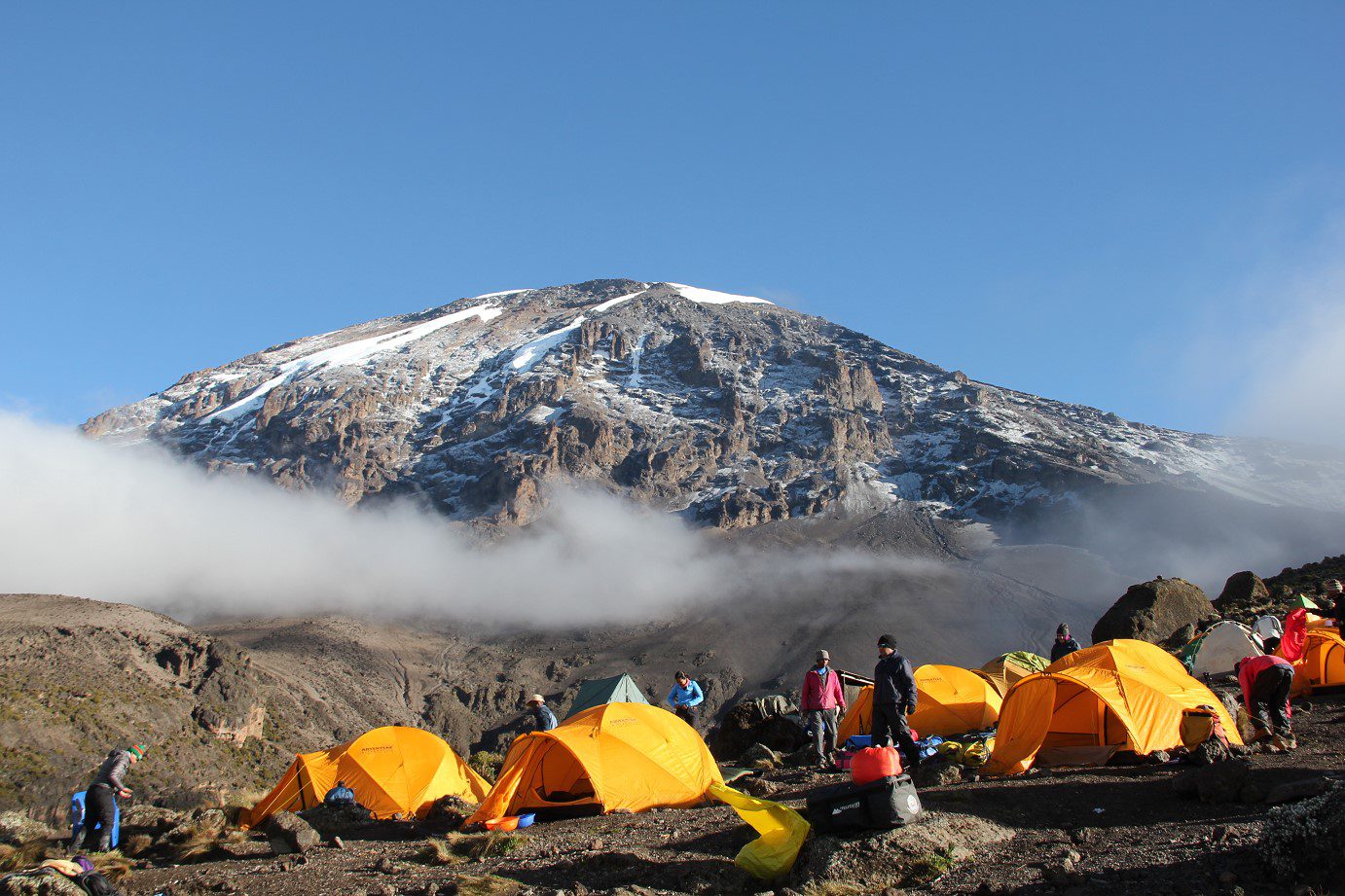
A common misconception about climbing Mount Kilimanjaro is that weather conditions are stable and predictable throughout the year. In reality, the mountain features multiple climate zones, ranging from tropical rainforest to arctic conditions at the summit. Weather can change rapidly, with temperatures dropping significantly as climbers ascend higher altitudes. Rain, snow, strong winds, and freezing nights are all possible depending on the season and route. Proper gear layering and weather awareness are essential for safe trekking on Kilimanjaro. Climbers must be prepared for both hot rainforest hikes and freezing summit night conditions. This variability is one of the defining challenges of Kilimanjaro trekking in Tanzania requiring careful preparation and professional guiding services for safe summit success at all times on the mountain year round for trekkers around the globe today.
You Don’t Need a Mount Kilimanjaro Guide
One of the most dangerous misconceptions is that climbers can attempt Mount Kilimanjaro without a professional guide. In fact, Tanzanian park regulations require all climbers to be accompanied by licensed guides and porters. Guides play a crucial role in navigation, safety monitoring, and managing altitude-related health risks. They also provide valuable cultural insights and support climbers throughout the trekking journey. Having experienced Kilimanjaro guides significantly increases summit success rates and overall safety. Choosing a reputable Kilimanjaro tour operator ensures trained staff and proper emergency support. This requirement ensures responsible tourism and protects climbers in extreme mountain environments. It is mandatory for all official Kilimanjaro trekking expeditions in Tanzania to ensure safety and regulation compliance through national park authorities and conservation rules protecting wildlife and ecosystems for future generations always enforced.
Mount Kilimanjaro It Is Only for Experts
Many people believe that Mount Kilimanjaro is only suitable for experienced mountaineers or elite climbers. However, Kilimanjaro is actually a trekking mountain that welcomes beginners with proper preparation. Thousands of first-time hikers successfully reach Uhuru Peak every year using guided routes. The key factors are physical fitness, acclimatization, and choosing the right itinerary length. Popular routes like Machame and Lemosho are designed to support gradual altitude gain. With experienced guides, even beginners can safely attempt the Kilimanjaro summit challenge. This makes it one of the most inclusive high-altitude trekking experiences in the world. Proper guidance ensures safety and increases summit success rates for all trekkers making Kilimanjaro accessible to many adventure travelers worldwide with proper planning and professional support throughout the journey on Kilimanjaro expeditions every year around the world.
Mount Kilimanjaro It Is Too Dangerous
Some travelers believe that climbing Mount Kilimanjaro is extremely dangerous and unsafe for most people. While it is a high-altitude trek with real risks, it is generally safe when properly guided and prepared. The most common issues are altitude sickness, fatigue, and weather changes, all of which are manageable. Millions of climbers have successfully reached Uhuru Peak with professional Kilimanjaro tour operators. Safety measures include gradual ascent, daily health checks, and trained mountain guides monitoring progress. Proper Kilimanjaro planning significantly reduces risks and increases summit success rates. Choosing reputable operators is the key to safe and enjoyable trekking experiences. It is one of the safest trekking mountains in Africa when approached correctly with proper safety standards and regulations ensuring climber protection at all times on Kilimanjaro routes today and always.
You Won’t Enjoy theMount Kilimanjaro Climb
Some people think that climbing Mount Kilimanjaro is only about suffering and endurance with no enjoyment. In reality, Kilimanjaro offers some of the most breathtaking landscapes in Africa. Climbers pass through lush rainforests, moorlands, alpine deserts, and icy summit zones. The journey includes unique wildlife sightings, stunning sunrises, and cultural experiences with local guides. Many trekkers describe the experience as life-changing and deeply rewarding despite the physical challenge. Professional Kilimanjaro guides also enhance the experience by sharing knowledge about the mountain ecosystems. Summit achievement brings a powerful sense of accomplishment and unforgettable memories for climbers. This makes Kilimanjaro not only a challenge but also a rewarding adventure tourism experience at every stage of the climb from start to summit for all trekkers worldwide on Kilimanjaro every year around the world.
You Don’t See Diverse Landscapes on Mount Kilimanjaro
Another misconception is that climbing Mount Kilimanjaro involves a single, uniform landscape throughout the trek. In reality, Kilimanjaro is famous for its five distinct ecological zones. These include cultivated farmland, rainforest, heath, alpine desert, and arctic summit zones. Each zone offers unique scenery, weather conditions, and biodiversity along the climbing route. This diversity makes Kilimanjaro one of the most visually rewarding trekking experiences in the world. Climbers experience dramatic changes in temperature, vegetation, and terrain within a single expedition. Guided Kilimanjaro tours ensure climbers understand and appreciate each ecological transition. This makes the climb both educational and visually stunning for trekkers worldwide enhancing the overall Kilimanjaro experience from start to summit on every route in Tanzania for all climbers around the world each year and always memorable forever experienced.
Final Thought
Understanding the biggest misconceptions about climbing Mount Kilimanjaro is essential for anyone planning a successful Tanzania trekking adventure. Many travelers underestimate the importance of preparation, acclimatization, and guided support, which are key to summit success. Choosing the right route, understanding altitude sickness, and following expert advice significantly increase success rates. Whether you are a beginner or experienced trekker, Kilimanjaro offers a life-changing experience when approached correctly. With proper planning, travelers can enjoy diverse landscapes, cultural insights, and the thrill of reaching Uhuru Peak. Professional Kilimanjaro guides ensure safety, navigation, and a deeper understanding of the mountain environment. This makes Kilimanjaro one of the most rewarding and accessible trekking experiences in Africa for global adventure tourism seekers looking for unforgettable journeys on Kilimanjaro every year around the world always today again.
The 10 Biggest Misconceptions About Climbing Kilimanjaro: FAQs
What should you know about it is a technical to climb Mount Kilimanjaro?
One of the biggest misconceptions about climbing Mount Kilimanjaro is that it requires technical mountaineering skills such as ropes, ice axes, or climbing experience. Unlike peaks in the Himalayas or Alps, Kilimanjaro is a non-technical trekking mountain accessible to most healthy hikers. Popular routes such as Machame, Lemosho, and Marangu are well-established hiking trails rather than climbing routes.
What can you expect from you can climb Mount Kilimanjaro without training?
Another common misconception is that climbers can successfully summit Mount Kilimanjaro without any physical training. While Kilimanjaro does not require technical climbing skills, it demands strong endurance and cardiovascular fitness due to long trekking days. Most routes involve walking 5 to 8 hours daily at high altitude, which can be physically exhausting.
What should you know about MOunt Kilimanjaro altitude sickness is rare?
Many travelers believe that altitude sickness is rare or only affects unfit climbers on Mount Kilimanjaro. In reality, altitude sickness is the most significant challenge on the mountain and affects climbers regardless of fitness level. As elevation increases above 3,000 meters, oxygen levels drop significantly, making acclimatization essential for success.
What can you expect from you can summit Mount Kilimanjaro in a few days?
A widespread misconception is that climbers can reach the summit of Mount Kilimanjaro in just a few days without difficulty. Some travelers underestimate the importance of longer itineraries, assuming faster routes are equally successful. In reality, longer routes like Lemosho and Northern Circuit allow better acclimatization and significantly higher success rates.
What should you know about Mount Kilimanjaro gear must be expensive?
Another misconception is that climbers need expensive, professional-grade mountaineering gear to climb Mount Kilimanjaro successfully. While proper clothing and layered insulation are important, most equipment can be rented or provided by tour operators. Items like trekking poles, sleeping bags, and warm jackets are commonly included in Kilimanjaro trekking packages.
What can you expect from Mount Kiliimanjaro summit is easy on Kilimanjaro?
Many people wrongly believe that reaching Uhuru Peak on Mount Kilimanjaro is an easy achievement once they start trekking. In reality, summit night is the most physically and mentally demanding part of the entire climb. Climbers usually begin their final ascent around midnight, hiking in cold, low-oxygen conditions for several hours.
What is the Mount Kilimanjaro weather is always predictable like?
A common misconception about climbing Mount Kilimanjaro is that weather conditions are stable and predictable throughout the year. In reality, the mountain features multiple climate zones, ranging from tropical rainforest to arctic conditions at the summit. Weather can change rapidly, with temperatures dropping significantly as climbers ascend higher altitudes.
What should you know about you Don’t need a Mount Kilimanjaro guide?
One of the most dangerous misconceptions is that climbers can attempt Mount Kilimanjaro without a professional guide. In fact, Tanzanian park regulations require all climbers to be accompanied by licensed guides and porters. Guides play a crucial role in navigation, safety monitoring, and managing altitude-related health risks.
Climb Kilimanjaro With Confidence
Tell us your dates and fitness, and our experienced mountain team will plan a safe, well-acclimatized private climb.