Mind-Blowing Facts about the African Continent
Mind-Blowing Facts about the African Continent
Africa is one of the most fascinating and diverse continents on Earth, often described as the cradle of civilization and a land of unmatched natural wonders. From vast deserts and tropical rainforests to snow-capped mountains and endless savannahs, Africa offers some of the most iconic travel experiences in the world. It is a top destination for African safari tours, wildlife adventures, cultural tourism, and nature exploration. Home to ancient history, vibrant cultures, and extraordinary biodiversity, Africa continues to attract millions of travelers searching for authentic experiences. Whether you are exploring Serengeti safari adventures, the majestic Kilimanjaro, or coastal escapes, the continent delivers unforgettable memories. Africa is not just a destination—it is a living, breathing masterpiece of geography, wildlife, and human heritage that continues to shape global history and inspire exploration.
Africa is the World’s Second-Largest Continent
Africa is the second-largest continent in the world, covering more than 30 million square kilometers and spanning 54 countries. This immense size contributes to its incredible ecological and cultural diversity. From the Mediterranean coast in the north to the Cape of Good Hope in the south, Africa stretches across multiple climate zones, making it one of the most geographically varied regions on Earth. It is a hub for African geography facts, travel Africa guide, and continent size comparisons. Africa’s vast landmass includes deserts, rainforests, savannahs, and mountain ranges, making it ideal for wildlife safaris and adventure tourism. Countries like Tanzania, Kenya, South Africa, and Egypt highlight the continent’s global importance. Its size also supports some of the world’s richest biodiversity and largest ecosystems, attracting researchers, travelers, and explorers from every corner of the globe.
The Nile River – The World’s Longest River
The Nile River is widely recognized as the longest river in the world, stretching over 6,600 kilometers across northeastern Africa. It flows through multiple countries, including Uganda, Sudan, and Egypt, shaping civilizations for thousands of years. Ancient Egyptian civilization developed along its fertile banks, creating one of history’s greatest cultures. Today, it remains essential for farming and tourism, especially in Egypt’s iconic landscapes. The river’s biodiversity also supports wildlife such as crocodiles, hippos, and hundreds of bird species. As one of Africa’s most important natural wonders, the Nile continues to symbolize life, history, and cultural heritage across the continent.
Sahara Desert – The Largest Hot Desert
The Sahara Desert is the largest hot desert in the world, covering much of North Africa and stretching across multiple countries, including Algeria, Egypt, Libya, and Morocco. It spans over 9 million square kilometers, making it a dominant feature of African geography. Known for its extreme temperatures and vast dunes, the Sahara is a key desert safari in Africa, the Sahara Desert facts, and North Africa travel. Despite its harsh conditions, it is home to unique wildlife such as camels, foxes, and desert reptiles, as well as ancient nomadic cultures. The desert also contains hidden oases and archaeological sites that reveal early human settlements. The Sahara remains one of the most mysterious and breathtaking landscapes on Earth, attracting adventurous travelers seeking extreme desert experiences and cultural discovery.
Africa’s Record-Breaking Wildlife Diversity
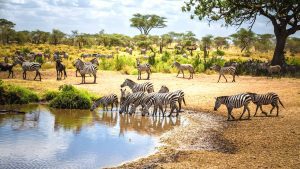
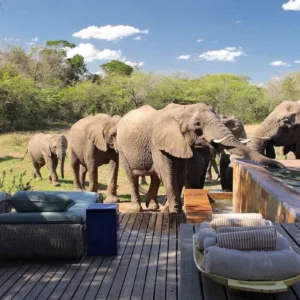
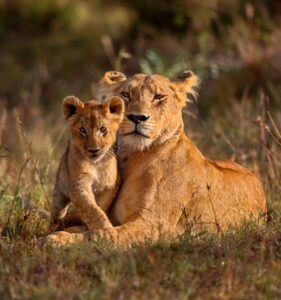
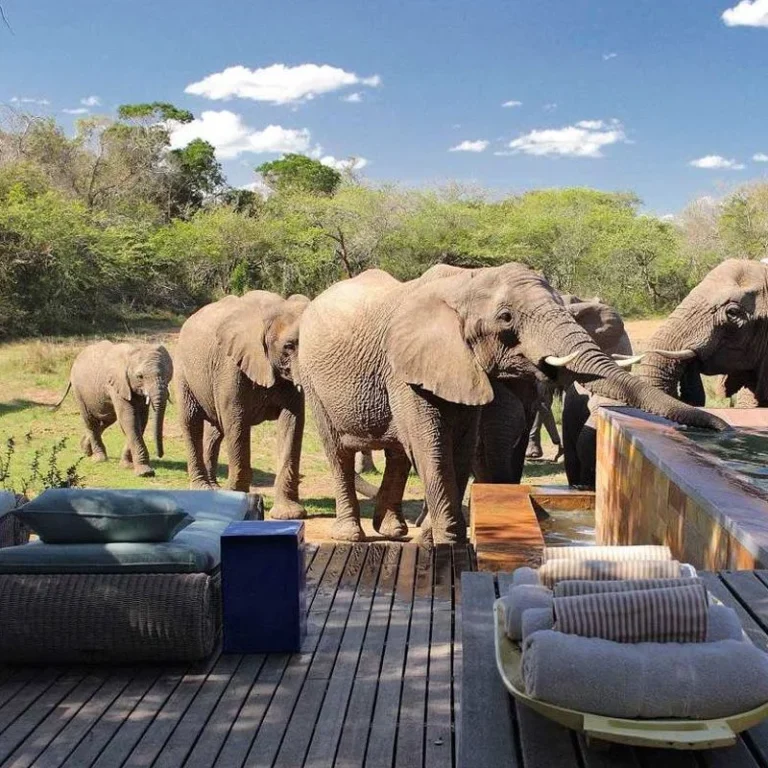
Africa is globally famous for its extraordinary wildlife diversity, making it the ultimate destination for African safari tours, Big Five safaris, and wildlife photography adventures. The continent is home to iconic animals such as lions, elephants, leopards, rhinos, and buffalo, collectively known as the Big Five. National parks like Serengeti National Park and Maasai Mara host millions of animals in their natural habitats. Africa also supports thousands of bird species, reptiles, and unique mammals found nowhere else on Earth. This biodiversity makes it a top leader for wildlife safari in Africa, game drive experiences, and nature conservation tourism. Conservation efforts across countries like Tanzania and Kenya help protect endangered species while promoting eco-tourism. Africa’s wildlife richness is one of its strongest global attractions and a key reason millions visit every year.
Over 2,000 Languages Spoken
Africa is one of the most linguistically diverse continents on Earth, with over 2,000 languages spoken across its 54 countries. Major language families include Afro-Asiatic, Niger-Congo, Nilo-Saharan, and Khoisan. Widely spoken languages such as Swahili, Arabic, English, French, and Hausa serve as communication bridges between different regions. Swahili, in particular, is an important East African language used in Tanzania, Kenya, Uganda, and beyond. This linguistic richness reflects Africa’s deep cultural history and identity. Each language carries unique traditions, storytelling methods, and cultural values. Africa’s multilingual nature enhances tourism experiences, allowing travelers to connect deeply with local communities during safaris and cultural tours.
Home of Humanity (Human Origins)
Africa is widely recognized as the birthplace of humankind, making it one of the most important regions in human history. Fossil discoveries in East Africa, particularly in Ethiopia, Kenya, and Tanzania, show that early humans evolved on this continent millions of years ago. The Olduvai Gorge in Tanzania is one of the most significant archaeological sites, offering evidence of early human tools and ancestors. Africa’s role in human evolution is supported by scientific research and global anthropology studies. This deep historical significance makes Africa not only a travel destination but also a global heritage site. Understanding human origins in Africa helps explain the development of civilization, migration patterns, and cultural evolution across the world.
Kilimanjaro – Africa’s Highest Peak
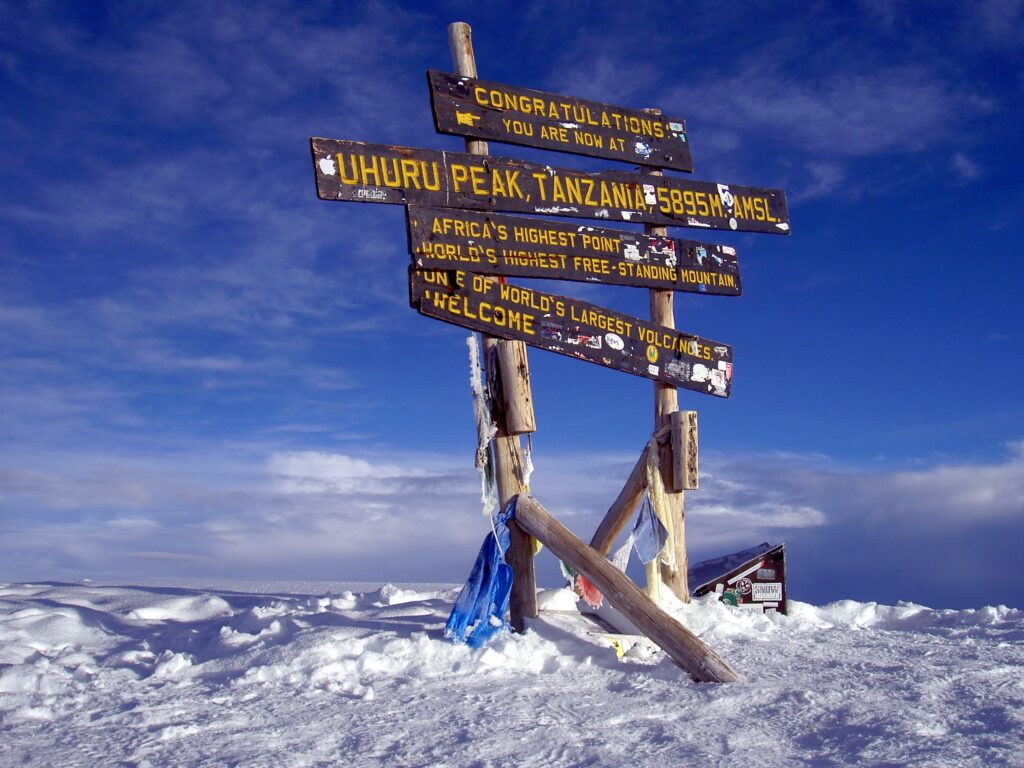
Kilimanjaro is the highest mountain in Africa and the tallest free-standing mountain in the world, rising to 5,895 meters above sea level. Located in Tanzania, this iconic peak attracts thousands of climbers every year who aim to reach its famous summit, Uhuru Peak. The mountain features diverse ecosystems ranging from tropical rainforest to alpine desert and glaciers at the top. Kilimanjaro is part of Kilimanjaro National Park, a UNESCO World Heritage Site. Its breathtaking views and challenging routes make it one of the most sought-after trekking experiences globally. Climbers from around the world come to experience its beauty, endurance challenge, and unforgettable sunrise above the clouds.
The Great Migration in Tanzania & Kenya
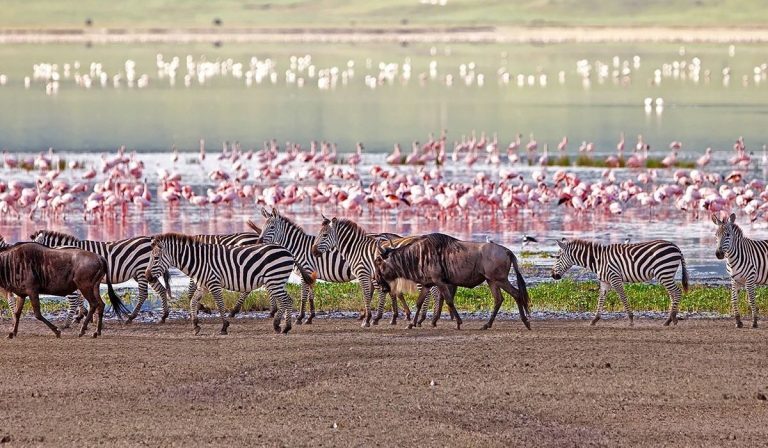
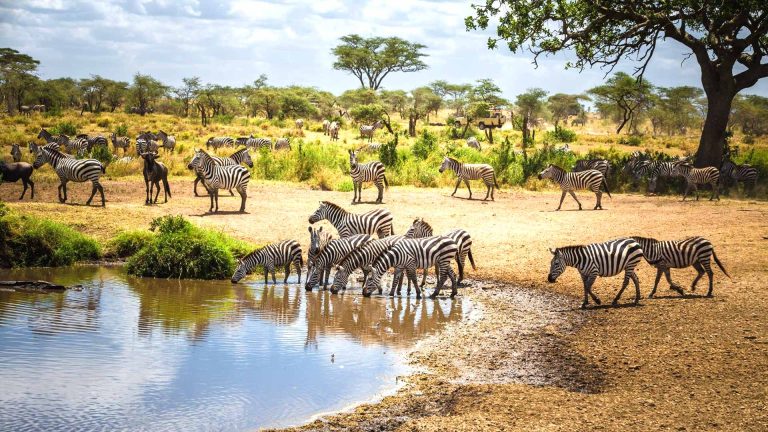
The Great Migration is one of the most spectacular wildlife events on Earth, involving over 1.5 million wildebeest, zebras, and gazelles moving across the plains of Tanzania and Kenya. This natural phenomenon takes place mainly in Serengeti National Park and the Maasai Mara ecosystem. Animals migrate in search of fresh grazing and water, facing dramatic river crossings filled with crocodiles and predators. The migration is driven by seasonal rainfall patterns and is considered one of the Seven Natural Wonders of Africa. Tourists from around the world visit to witness this breathtaking survival journey, making it a top bucket-list safari experience and a highlight of African wildlife tourism.
A general guide: the herds follow the rains.
Rich Cultural Diversity Across 54 Countries
Each country offers unique traditions, music, dance, clothing, and cuisine. From the Maasai of East Africa to the Zulu of Southern Africa and the Berbers of North Africa, cultural richness defines the continent. Festivals, storytelling, and traditional ceremonies play a vital role in community life. This diversity attracts cultural tourism alongside wildlife safaris, offering travelers a deeper understanding of African identity. Africa’s cultural heritage is preserved through art, crafts, and oral history passed through generations. This makes the continent a living museum of human expression, creativity, and tradition.
Final Thought
Africa is a continent of endless wonder, unmatched biodiversity, and deep cultural heritage. From the towering heights of Kilimanjaro to the vast plains of the Serengeti and the ancient flow of the Nile, it remains one of the most powerful travel and historical destinations on Earth. Its wildlife, languages, landscapes, and traditions make it a global center for safari tourism, cultural exploration, and adventure travel. Africa continues to inspire millions of visitors, researchers, and explorers who seek authentic experiences and natural beauty. Whether you are drawn by wildlife, history, or geography, Africa delivers unforgettable discoveries at every turn. It is not just a continent—it is a living story of humanity, nature, and timeless evolution.
Mind-Blowing Facts about the African Continent: FAQs
What can you expect from Africa is the world’s second-largest continent?
Africa is the second-largest continent in the world, covering more than 30 million square kilometers and spanning 54 countries. This immense size contributes to its incredible ecological and cultural diversity. From the Mediterranean coast in the north to the Cape of Good Hope in the south, Africa stretches across multiple climate zones, making it one of the most geographically varied regions on Earth.
What should you know about the Nile river for Mind-Blowing facts about the African continent?
The Nile River is widely recognized as the longest river in the world, stretching over 6,600 kilometers across northeastern Africa. It flows through multiple countries, including Uganda, Sudan, and Egypt, shaping civilizations for thousands of years. Ancient Egyptian civilization developed along its fertile banks, creating one of history’s greatest cultures.
What can you expect from Sahara desert for Mind-Blowing facts about the African continent?
The Sahara Desert is the largest hot desert in the world, covering much of North Africa and stretching across multiple countries, including Algeria, Egypt, Libya, and Morocco. It spans over 9 million square kilometers, making it a dominant feature of African geography. Known for its extreme temperatures and vast dunes, the Sahara is a key desert safari in Africa, the Sahara Desert facts, and North Africa travel.
What should you know about Africa’s Record-Breaking wildlife diversity for Mind-Blowing facts about the African continent?
Africa is globally famous for its extraordinary wildlife diversity, making it the ultimate destination for African safari tours, Big Five safaris, and wildlife photography adventures. The continent is home to iconic animals such as lions, elephants, leopards, rhinos, and buffalo, collectively known as the Big Five.
What can you expect from over 2,000 languages spoken for Mind-Blowing facts about the African continent?
Africa is one of the most linguistically diverse continents on Earth, with over 2,000 languages spoken across its 54 countries. Major language families include Afro-Asiatic, Niger-Congo, Nilo-Saharan, and Khoisan. Widely spoken languages such as Swahili, Arabic, English, French, and Hausa serve as communication bridges between different regions.
What should you know about home of humanity (human origins) for Mind-Blowing facts about the African continent?
Africa is widely recognized as the birthplace of humankind, making it one of the most important regions in human history. Fossil discoveries in East Africa, particularly in Ethiopia, Kenya, and Tanzania, show that early humans evolved on this continent millions of years ago. The Olduvai Gorge in Tanzania is one of the most significant archaeological sites, offering evidence of early human tools and ancestors.
What can you expect from Kilimanjaro for Mind-Blowing facts about the African continent?
Kilimanjaro is the highest mountain in Africa and the tallest free-standing mountain in the world, rising to 5,895 meters above sea level. Located in Tanzania, this iconic peak attracts thousands of climbers every year who aim to reach its famous summit, Uhuru Peak. The mountain features diverse ecosystems ranging from tropical rainforest to alpine desert and glaciers at the top.
What should you know about the Great migration in Tanzania & Kenya for Mind-Blowing facts about the African continent?
The Great Migration is one of the most spectacular wildlife events on Earth, involving over 1.5 million wildebeest, zebras, and gazelles moving across the plains of Tanzania and Kenya. This natural phenomenon takes place mainly in Serengeti National Park and the Maasai Mara ecosystem. Animals migrate in search of fresh grazing and water, facing dramatic river crossings filled with crocodiles and predators.
Plan Your Private Tanzania Safari
Tell us your travel dates, interests and budget, and our local team will design a private tailor-made safari around you.