
Mount Everest Base Camp Vs Mount Kilimanjaro
Mount Everest Base Camp Vs Mount Kilimanjaro
Choosing between climbing Mount Kilimanjaro and trekking to Everest Base Camp is one of the biggest decisions for adventure travelers, trekkers, and mountain enthusiasts. Both journeys are among the world’s most famous bucket-list trekking experiences, attracting thousands of hikers every year. Mount Kilimanjaro is Africa’s highest mountain at 5,895 meters, while Everest Base Camp sits deep in the Himalayas beneath the world’s tallest mountain, Mount Everest. Although neither trek requires technical climbing skills, both demand endurance, determination, and mental strength. Kilimanjaro challenges climbers with rapid altitude gain and a demanding summit night, while Everest Base Camp tests trekkers through long hiking days, freezing temperatures, and extended exposure to high altitude. The debate over which adventure is harder depends on fitness, acclimatization, trekking experience, and personal preference.
Table about Mount Kilimanjaro Vs Everest Base Camp – Which is Harder?
| Feature | Mount Kilimanjaro | Everest Base Camp | Which is Harder? |
|---|---|---|---|
| Overall Difficulty | Steep ascent with rapid altitude gain and exhausting summit night | Long trekking days with continuous hiking over rugged terrain | Kilimanjaro is often harder physically |
| Maximum Elevation | 5,895 meters (Uhuru Peak) | 5,364 meters (Base Camp) | Kilimanjaro |
| Type of Adventure | Mountain summit climb | High-altitude trekking journey | Different challenges |
| Altitude Sickness Risk | Very high because of fast ascent | Moderate due to gradual acclimatization | Kilimanjaro |
| Trek Duration | 5–9 days | 12–16 days | Everest Base Camp requires more endurance |
| Terrain | Volcanic trails, alpine desert, steep summit slopes | Rocky Himalayan trails, glaciers, suspension bridges | Everest Base Camp |
| Summit Push | Midnight summit climb in freezing temperatures | No actual summit climb | Kilimanjaro |
| Fitness Requirement | Strong cardio fitness and mental toughness | Long-distance trekking endurance | Both demanding |
| Acclimatization | Limited acclimatization time | Several acclimatization days included | Kilimanjaro is tougher |
| Climate | Tropical rainforest to arctic summit conditions | Cold Himalayan mountain weather | Everest Base Camp is colder |
| Scenery | Rainforest, moorland, glaciers, volcanic landscapes | Himalayan peaks, monasteries, Sherpa villages | Both spectacular |
| Technical Climbing Skills | Not required | Not required | Equal |
| Cultural Experience | Mostly nature-focused trekking | Rich Sherpa and Buddhist culture | Everest Base Camp |
| Success Rate | Depends heavily on route and acclimatization | Generally high with proper pacing | Kilimanjaro has lower success rates on short routes |
| Budget Range | Usually more expensive because of park fees and crew support | Often cheaper with teahouse trekking options | Everest Base Camp is more budget-friendly |
| Best for Beginners | Challenging for first-time high-altitude trekkers | Easier pace for gradual adaptation | Everest Base Camp |
| Best Time to Visit | January–March and June–October | March–May and September–November | Seasonal preference |
| Wildlife Opportunities | Can combine with Tanzania safari adventures | Limited wildlife but incredible mountain views | Kilimanjaro for safari lovers |
| Most Difficult Part | Summit night and oxygen deprivation | Long trekking duration and cold conditions | Depends on trekking style |
| Best Choice For | Travelers wanting to summit Africa’s highest mountain | Trekkers seeking Himalayan culture and scenery | Personal preference |
Difficulty Level
When comparing overall trekking difficulty, both Mount Kilimanjaro and Everest Base Camp offer demanding but rewarding experiences. Many trekkers consider Kilimanjaro harder because of its steep ascent and fast altitude gain, especially during summit night when climbers hike for hours in freezing temperatures with thin oxygen levels. Everest Base Camp, however, becomes challenging because of its long duration, rugged Himalayan terrain, and continuous uphill and downhill walking over nearly two weeks. Kilimanjaro is a true summit climb, meaning hikers reach the highest point in Africa, while Everest Base Camp is a trekking destination without a summit push. Physically, Kilimanjaro often feels more intense in a shorter time frame, while Everest Base Camp tests endurance and consistency. Beginners usually find Everest Base Camp more manageable because the acclimatization process is slower and more gradual compared to Kilimanjaro’s rapid climb.
Route Up to Summit
The route structure between Mount Kilimanjaro and Everest Base Camp differs greatly. Kilimanjaro offers several trekking routes, such as Machame, Lemosho, Rongai, and Marangu, all leading toward Uhuru Peak, the summit of Africa’s tallest mountain. Climbers hike through rainforest, moorland, alpine desert, and arctic summit zones in only a few days. Everest Base Camp follows a long Himalayan trail beginning from Lukla Airport and passing famous villages like Namche Bazaar, Tengboche, Dingboche, and Gorakshep before reaching base camp. Unlike Kilimanjaro, Everest Base Camp involves repeated ascents and descents, suspension bridges, rocky pathways, glaciers, and mountain valleys. Kilimanjaro routes focus mainly on vertical climbing, while Everest Base Camp offers a more scenic and cultural trekking journey through Sherpa villages and Buddhist monasteries. Kilimanjaro is more summit-focused, whereas Everest Base Camp emphasizes the overall trekking experience and Himalayan exploration.
Jumps in the Elevation
Altitude gain is one of the biggest reasons why Kilimanjaro is considered harder by many hikers. On Kilimanjaro, trekkers climb rapidly from forested lower slopes to nearly 6,000 meters in less than a week. The quick ascent gives the body limited time to adapt to lower oxygen levels, increasing the risk of altitude sickness. Everest Base Camp, in contrast, follows a slower acclimatization schedule with several rest days along the route. Trekkers gradually move from Lukla at around 2,860 meters to Everest Base Camp at 5,364 meters over 12 to 14 days. Although Everest Base Camp involves longer exposure to high altitude, the body adapts more effectively because of the slower progression. Kilimanjaro’s summit night is especially difficult because climbers attempt a huge elevation push in darkness and freezing weather. This rapid altitude jump often becomes the hardest part of the Kilimanjaro climb.
Climate and Scenery
The climate and scenery on Mount Kilimanjaro and Everest Base Camp are dramatically different yet equally spectacular. Kilimanjaro is famous for its changing ecological zones, where climbers pass through lush rainforest, heathlands, volcanic deserts, and icy glaciers within a few days. Temperatures vary greatly, from warm tropical conditions at the base to subzero temperatures near Uhuru Peak. Everest Base Camp features classic Himalayan landscapes filled with snowy peaks, glaciers, rivers, yak caravans, and Sherpa villages. Weather conditions in Nepal can be colder and windier than on Kilimanjaro, especially during early mornings and evenings. Everest Base Camp also experiences unpredictable mountain weather and occasional snowfall. Kilimanjaro offers African wildlife and volcanic scenery, while Everest Base Camp delivers dramatic Himalayan mountain panoramas. Trekkers seeking diverse ecosystems often prefer Kilimanjaro, whereas those wanting cultural immersion and endless mountain views are drawn toward Everest Base Camp.
Fitness Level
Both adventures require a strong fitness level, but the type of fitness needed differs slightly. Mount Kilimanjaro demands cardiovascular endurance and mental toughness because climbers ascend quickly and spend long hours hiking uphill at high altitude. Summit night can last between 10 and 15 hours, making it physically exhausting. Everest Base Camp, however, requires sustained endurance for multiple trekking days over uneven terrain. Hikers often walk for six to eight hours daily, carrying daypacks while dealing with colder temperatures and thinner air. For Kilimanjaro, stair climbing, hill walking, and altitude training are highly beneficial before the trip. Everest Base Camp preparation should focus on long-distance trekking, stamina, and recovery. Neither trek requires technical mountaineering skills, ropes, or ice climbing experience. However, proper physical preparation greatly increases success rates and overall enjoyment on both adventures.
Other Exploring Opportunities
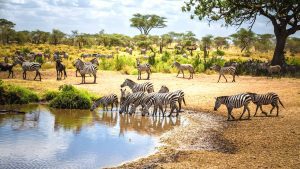
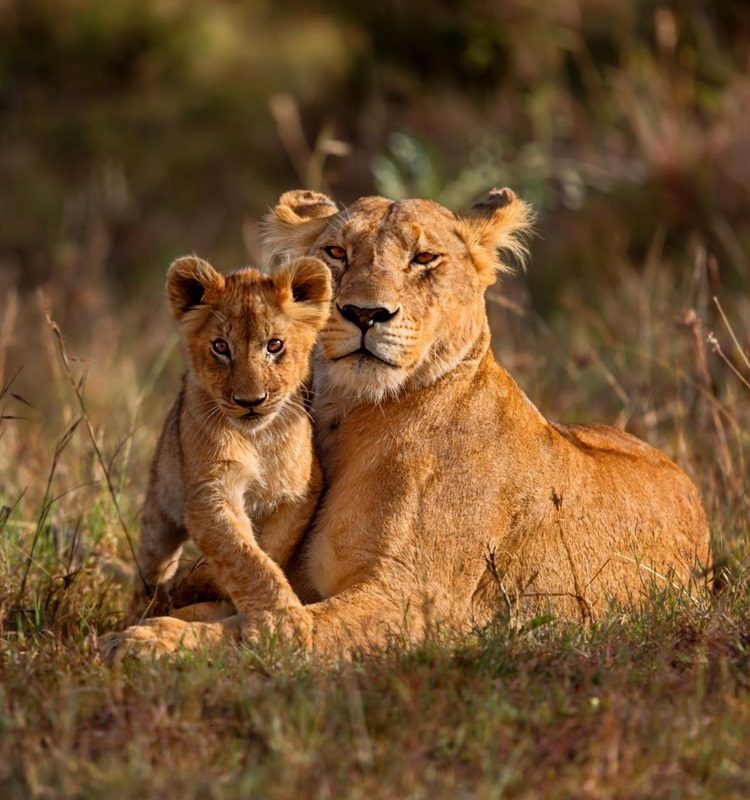
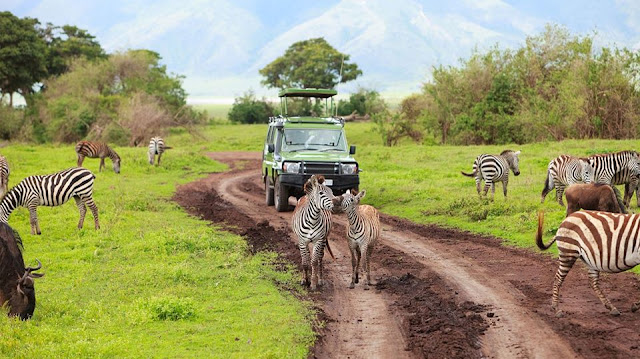
Everest Base Camp and Kilimanjaro both offer unforgettable exploration opportunities beyond the main trek. In Tanzania, climbers often combine their Kilimanjaro adventure with wildlife safaris in Serengeti National Park, Ngorongoro Crater, and Tarangire National Park. Many travelers also relax afterward on the beaches of Zanzibar. Everest Base Camp provides rich cultural experiences through Sherpa villages, Buddhist monasteries, prayer flags, and Himalayan traditions. Trekkers can explore Namche Bazaar markets, Tengboche Monastery, and panoramic viewpoints like Kala Patthar. Nepal also offers additional treks such as the Annapurna Circuit and Gokyo Lakes. Kilimanjaro focuses more on nature and summit achievement, while Everest Base Camp blends trekking with local culture and Himalayan heritage. Both destinations provide incredible photography, adventure tourism, and once-in-a-lifetime travel memories for outdoor enthusiasts.
Duration of the Trek
One major difference between Kilimanjaro and Everest Base Camp is the trekking duration. Kilimanjaro climbs usually take between five and nine days, depending on the chosen route. Shorter routes are cheaper but offer less acclimatization time, making them more difficult. Longer routes like Lemosho and Northern Circuit improve summit success rates because climbers gain altitude more gradually. Everest Base Camp treks are much longer, generally lasting between 12 and 16 days, including acclimatization days. The extended itinerary allows trekkers to adjust better to high altitude while also enjoying the Himalayan villages and landscapes. However, the long duration increases physical fatigue and requires more commitment. Travelers with limited vacation time often prefer Kilimanjaro because it is shorter and more accessible. Those seeking a deeper trekking journey and cultural immersion may prefer the longer Everest Base Camp experience despite its demanding schedule.
Acclimatization Standpoint
Acclimatization is one of the most important factors in determining trekking success. Mount Kilimanjaro is notorious for rapid altitude gain, which gives climbers limited time to adapt. Many trekkers experience headaches, nausea, dizziness, and fatigue during the climb, especially on summit night. Because Kilimanjaro ascends quickly, altitude sickness becomes the main reason many climbers fail to reach Uhuru Peak. Everest Base Camp follows a slower ascent profile with acclimatization days in places like Namche Bazaar and Dingboche. This gradual approach helps the body produce more red blood cells and adjust to lower oxygen levels naturally. Even though Everest Base Camp involves high altitude exposure for longer periods, trekkers generally acclimatize better due to the slower pace. Proper hydration, slow walking, rest days, and experienced guides are essential for both treks. Overall, Kilimanjaro presents a more intense acclimatization challenge compared to Everest Base Camp.
Height at the End Destination
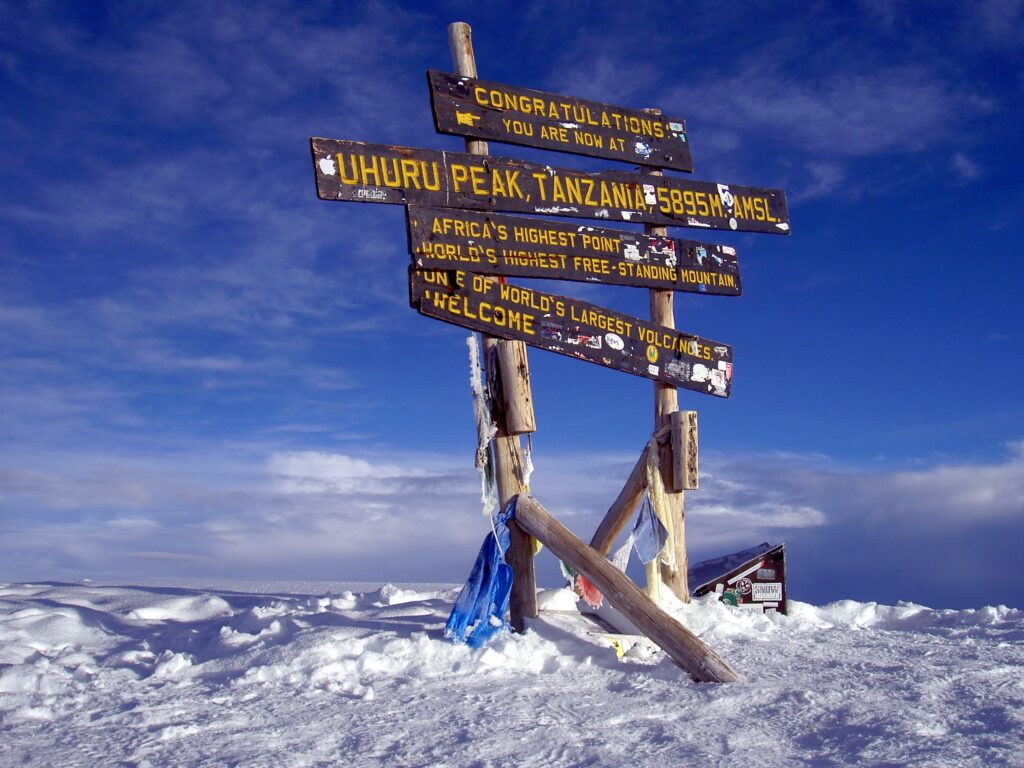
The final altitude reached on each trek significantly affects trekking difficulty. Mount Kilimanjaro reaches 5,895 meters at Uhuru Peak, making it Africa’s highest mountain and one of the famous Seven Summits. Everest Base Camp stands at approximately 5,364 meters, which is lower than Kilimanjaro’s summit but still extremely high. Although Everest Base Camp does not involve summiting Mount Everest itself, trekkers still experience the challenges of high-altitude trekking in thin air. Kilimanjaro’s higher elevation, combined with rapid ascent, makes oxygen levels extremely low during summit night. Many climbers struggle with exhaustion, headaches, and breathing difficulties near the top. Everest Base Camp trekkers often continue to Kala Patthar, which reaches around 5,545 meters and provides panoramic views of Everest. Despite the lower elevation, the long trekking duration and cold Himalayan climate still make Everest Base Camp a physically demanding adventure.
Best for the Budget to Climb
Budget is another important factor when comparing Kilimanjaro and Everest Base Camp. Everest Base Camp is generally considered slightly cheaper because Nepal offers affordable teahouse accommodation, local food, and lower trekking permit costs. Standard Everest Base Camp packages typically range from $1,900 to $4,000, depending on guide services and comfort level. Kilimanjaro climbs are often more expensive because Tanzania requires licensed guides, porters, cooks, park fees, rescue fees, and camping logistics. Kilimanjaro packages usually cost between $2,000 and $6,000. However, flights to Nepal or Tanzania can also influence the total travel budget. Luxury Kilimanjaro climbs and Everest helicopter tours increase expenses significantly. Budget travelers often prefer Everest Base Camp because of flexible independent trekking options, while Kilimanjaro offers a more organized expedition-style experience with full crew support throughout the climb.
- Accommodation
- Meals
- Park fees
- Vehicle & guide
- Transfers
- International flights
- Visas
- Travel insurance
- Tips
- Premium drinks
Final Thought
The debate between Mount Kilimanjaro and Everest Base Camp ultimately depends on the kind of adventure you seek. Kilimanjaro is generally harder in terms of altitude gain, summit push, and rapid acclimatization challenges. Everest Base Camp, on the other hand, demands greater endurance through long trekking days, colder weather, and extended exposure to Himalayan conditions. If your dream is standing on a true mountain summit and conquering Africa’s highest peak, Kilimanjaro offers an unforgettable achievement. If you prefer a longer cultural trekking journey with breathtaking Himalayan landscapes and Sherpa traditions, Everest Base Camp may be the better choice. Both treks rank among the world’s best hiking adventures and require preparation, fitness, and determination. Whether you choose Tanzania or Nepal, both experiences deliver extraordinary memories, personal accomplishment, and life-changing mountain adventure travel.
Mount Everest Base Camp Vs Mount Kilimanjaro: FAQs
What should you know about difficulty level for Mount Everest base camp Vs Mount Kilimanjaro?
When comparing overall trekking difficulty, both Mount Kilimanjaro and Everest Base Camp offer demanding but rewarding experiences. Many trekkers consider Kilimanjaro harder because of its steep ascent and fast altitude gain, especially during summit night when climbers hike for hours in freezing temperatures with thin oxygen levels.
What is Route Up to Summit like?
The route structure between Mount Kilimanjaro and Everest Base Camp differs greatly. Kilimanjaro offers several trekking routes, such as Machame, Lemosho, Rongai, and Marangu, all leading toward Uhuru Peak, the summit of Africa’s tallest mountain. Climbers hike through rainforest, moorland, alpine desert, and arctic summit zones in only a few days.
What can you expect from jumps in the elevation for Mount Everest base camp Vs Mount Kilimanjaro?
Altitude gain is one of the biggest reasons why Kilimanjaro is considered harder by many hikers. On Kilimanjaro, trekkers climb rapidly from forested lower slopes to nearly 6,000 meters in less than a week. The quick ascent gives the body limited time to adapt to lower oxygen levels, increasing the risk of altitude sickness.
What is the climate and scenery for Mount Everest base camp Vs Mount Kilimanjaro like?
The climate and scenery on Mount Kilimanjaro and Everest Base Camp are dramatically different yet equally spectacular. Kilimanjaro is famous for its changing ecological zones, where climbers pass through lush rainforest, heathlands, volcanic deserts, and icy glaciers within a few days. Temperatures vary greatly, from warm tropical conditions at the base to subzero temperatures near Uhuru Peak.
What should you know about fitness level for Mount Everest base camp Vs Mount Kilimanjaro?
Both adventures require a strong fitness level, but the type of fitness needed differs slightly. Mount Kilimanjaro demands cardiovascular endurance and mental toughness because climbers ascend quickly and spend long hours hiking uphill at high altitude. Summit night can last between 10 and 15 hours, making it physically exhausting.
What are the other Exploring opportunities for Mount Everest base camp Vs Mount Kilimanjaro?
Everest Base Camp and Kilimanjaro both offer unforgettable exploration opportunities beyond the main trek. In Tanzania, climbers often combine their Kilimanjaro adventure with wildlife safaris in Serengeti National Park, Ngorongoro Crater, and Tarangire National Park. Many travelers also relax afterward on the beaches of Zanzibar.
What can you expect from duration of the trek for Mount Everest base camp Vs Mount Kilimanjaro?
One major difference between Kilimanjaro and Everest Base Camp is the trekking duration. Kilimanjaro climbs usually take between five and nine days, depending on the chosen route. Shorter routes are cheaper but offer less acclimatization time, making them more difficult. Longer routes like Lemosho and Northern Circuit improve summit success rates because climbers gain altitude more gradually.
What should you know about acclimatization Standpoint for Mount Everest base camp Vs Mount Kilimanjaro?
Acclimatization is one of the most important factors in determining trekking success. Mount Kilimanjaro is notorious for rapid altitude gain, which gives climbers limited time to adapt. Many trekkers experience headaches, nausea, dizziness, and fatigue during the climb, especially on summit night. Because Kilimanjaro ascends quickly, altitude sickness becomes the main reason many climbers fail to reach Uhuru Peak.
Climb Kilimanjaro With Confidence
Tell us your dates and fitness, and our experienced mountain team will plan a safe, well-acclimatized private climb.