What Gloves Do I Need to Climb Kilimanjaro
What Gloves Do I Need to Climb Kilimanjaro
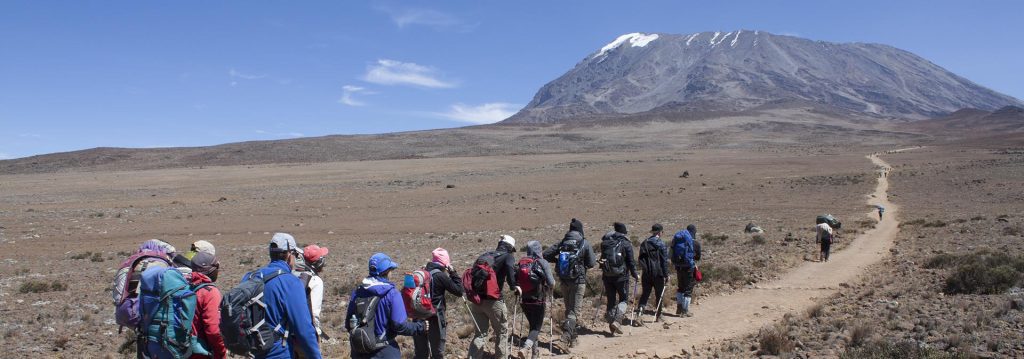
Choosing the right gloves for climbing Mount Kilimanjaro is one of the most important parts of preparing for a safe and successful summit. The mountain, located in Mount Kilimanjaro, rises to extreme altitudes where temperatures can drop well below freezing, especially on summit night. Climbers face conditions ranging from warm tropical forest at the base to Arctic-like cold at the top. Because of this, “best gloves for climbing Kilimanjaro” is a critical consideration for trekkers researching gear. Proper hand protection helps prevent frostbite, numbness, and loss of dexterity when using trekking poles. A good Kilimanjaro glove system includes liners, insulation layers, and waterproof shells. This guide explains exactly what gloves you need, how to layer them, and what features matter most for cold-weather trekking in Tanzania’s highest mountain environment.
Importance of Gloves on Kilimanjaro
Gloves are not optional gear when climbing Kilimanjaro—they are essential for survival and comfort. As altitude increases, oxygen levels drop, and temperatures fall dramatically, especially during summit attempts, where conditions can reach -15°C to -20°C. Without proper hand protection, climbers risk frostbite, numb fingers, and reduced grip strength. The best Kilimanjaro gloves provide insulation, wind protection, and moisture resistance. During summit night, you will rely heavily on trekking poles, so maintaining dexterity is crucial. Many climbers underestimate hand cold because they focus on jackets and boots, but hands are equally exposed. High-quality gloves ensure safety, endurance, and performance in extreme cold. Whether you are trekking through rainforest rain or icy alpine winds, gloves form a critical part of your Kilimanjaro layering system and overall trekking gear strategy.
Kilimanjaro Weather Conditions Affecting Gloves
Understanding Kilimanjaro's weather conditions is key to choosing the right gloves. On Mount Kilimanjaro, climate zones change dramatically from base to summit. In the rainforest zone, temperatures are warm and humid, often requiring lightweight gloves or none at all. However, as you ascend into moorland and alpine desert zones, wind chill becomes intense. At the summit, temperatures can drop below freezing with strong winds, making frostbite a real risk. This is why “cold-weather Kilimanjaro gloves” is a high-ranking search term among climbers. The weather is unpredictable—sunny afternoons can quickly turn into freezing nights. Rain, snow, and ice are all possible depending on the season. Therefore, climbers must prepare for multiple climates in one journey, using a flexible glove system that adapts to changing conditions during the climb.
The Layering System for Gloves
The layering system is the foundation of proper Kilimanjaro hand protection. Instead of relying on a single pair of gloves, climbers should use multiple layers to adapt to changing temperatures. The system typically includes liner gloves, mid-layer insulated gloves, and outer waterproof shells. This approach allows you to adjust warmth and breathability depending on altitude and weather. For example, during warm hikes, only liner gloves may be needed, while summit night requires all layers. Layering also helps manage sweat, which can quickly lead to cold hands if moisture builds up. A flexible system ensures comfort, safety, and efficiency throughout the entire trek across different climate zones on Mount Kilimanjaro.
Liner Gloves for Kilimanjaro
Liner gloves are the first and most important layer in your Kilimanjaro glove system. These are thin, lightweight gloves worn directly on the skin to provide basic warmth and moisture control. They are essential during moderate temperatures and act as a base layer for insulation. The best liner gloves for Kilimanjaro are made from materials like merino wool or synthetic thermal fabrics. They help maintain dexterity, allowing you to use cameras, phones, and trekking poles easily. Many climbers underestimate liner gloves, but they are crucial for preventing direct skin exposure to cold air. As a high-quality “best liner gloves for Kilimanjaro” reflect their importance in trekking gear planning. On summit night, liners are worn underneath heavier gloves to trap heat and provide an extra layer of protection against freezing alpine conditions.
Fleece Gloves for Mid-Layer Warmth
Fleece gloves serve as the mid-layer in a Kilimanjaro glove system, offering excellent insulation without adding excessive bulk. These gloves are designed to retain heat while remaining breathable, making them ideal for cold but not extreme conditions. As climbers ascend higher into alpine zones, fleece gloves become essential for maintaining warmth during breaks and steady hiking. Fleece material dries quickly, which is important in case of sweat or light moisture exposure. While they are not waterproof, they work effectively when paired with an outer shell. Their softness and flexibility make them comfortable for long wear. Overall, fleece gloves provide a balance between warmth and mobility, making them a key part of a layered Kilimanjaro glove strategy.
Insulated Gloves for Extreme Cold
Insulated gloves are critical for summit night on Mount Kilimanjaro, where temperatures can drop to extreme freezing levels. These gloves are thicker and designed to trap body heat using materials like down or synthetic insulation. They are the core of your cold-weather protection system. Insulated gloves must balance warmth and usability, allowing some movement for trekking poles and gear handling. Poor-quality insulation can lead to rapid heat loss and discomfort. These gloves are typically worn over liner gloves for maximum warmth. They are essential for preventing frostbite during long summit ascents that often take place in darkness and strong wind conditions typical of high-altitude environments.
Waterproof Gloves for Rain and Snow
Waterproof gloves are essential for protecting your hands from rain, snow, and melting ice on Kilimanjaro. Weather conditions on the mountain can change quickly, especially in higher altitude zones where wet snow is common. The best waterproof gloves for Kilimanjaro are made with breathable membranes that block moisture while allowing sweat to escape. The “waterproof Kilimanjaro gloves” are popular among trekkers preparing for unpredictable weather. Without waterproof protection, gloves can become wet and lose insulation efficiency, leading to dangerously cold hands. These gloves are usually used as an outer shell layer over insulated gloves or liners. They also protect against wind chill, which can feel even colder than snow exposure. Waterproof gloves ensure that your hands remain dry, warm, and functional throughout your entire climb.
Windproof Protection for High Altitudes
Wind is one of the biggest challenges on Kilimanjaro, especially in exposed alpine zones. Windproof gloves help block cold air from penetrating fabric layers, preserving warmth and preventing heat loss. The“windproof gloves for Kilimanjaro climb” are important for climbers researching extreme weather gear. Even if temperatures are not extremely low, strong winds can make conditions feel significantly colder. Windproof materials are often combined with insulation and waterproofing to create a complete protective system. On summit night, windproof gloves become essential as climbers face freezing gusts at high altitude. Without this protection, fingers can quickly become numb and unresponsive. Windproof technology ensures that heat generated by the body stays trapped inside the gloves, improving comfort, safety, and performance during the most challenging sections of the climb.
Summit Night Gloves Strategy
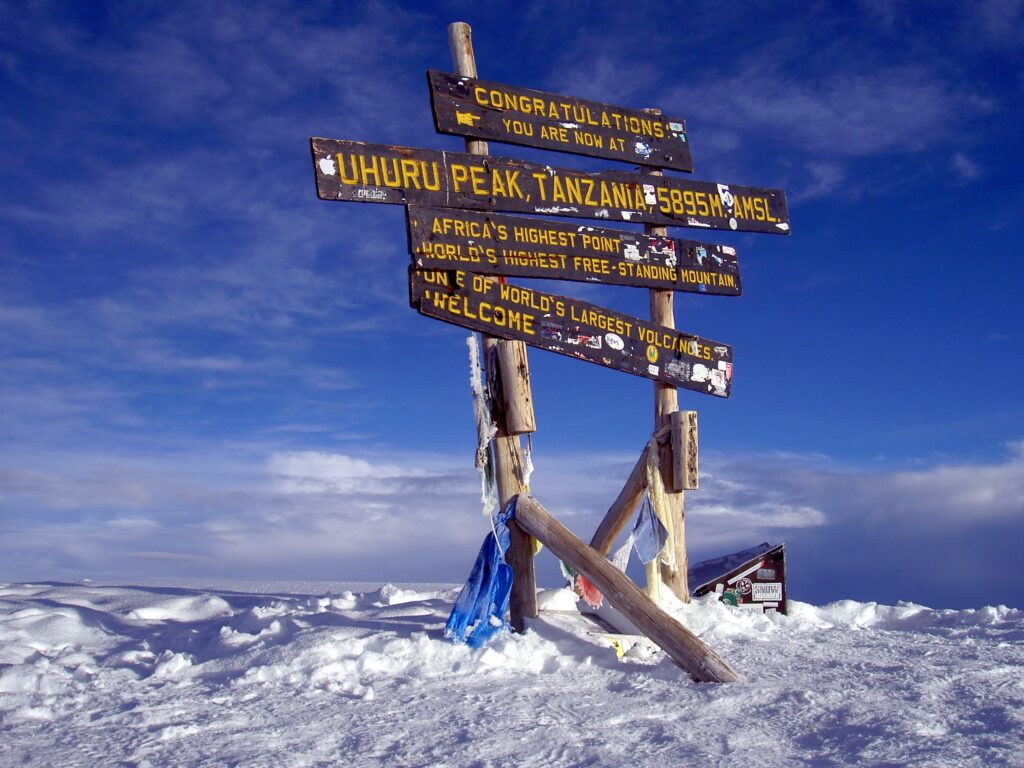
Summit night on Mount Kilimanjaro is the coldest and most demanding part of the entire trek. Temperatures can drop below -20°C, and strong winds make conditions even harsher. A proper summit glove strategy is essential for success. Climbers should use a three-layer system: liner gloves, insulated gloves, and waterproof windproof shells. Gloves must be easy to adjust while walking, as stopping to remove layers can cause rapid heat loss. Hand warmers are also commonly used for extra protection. The goal is to maintain warmth while ensuring enough dexterity to hold trekking poles and adjust gear. Proper preparation for summit night gloves can make the difference between success and dangerous exposure.
Dexterity and Grip Control
Dexterity is a key factor when choosing gloves for Kilimanjaro because climbers must handle trekking poles, water bottles, cameras, and zippers. Thick gloves may provide warmth but reduce hand movement, which can become a safety issue. The “best dexterity gloves for Kilimanjaro climbing” reflect this balance between warmth and usability. A good glove system allows climbers to remove outer layers without exposing bare skin for too long. Textured palms and reinforced grip areas help maintain control in icy conditions. During summit night, fine motor skills are reduced due to the cold, so gloves must compensate for this limitation. A well-designed system ensures that climbers can still perform essential tasks without compromising warmth. This balance between insulation and flexibility is critical for both safety and comfort during high-altitude trekking.
Proper Fit and Sizing of Gloves
Proper glove fit is essential for warmth and performance on Kilimanjaro. Gloves that are too tight restrict blood circulation, making hands colder, while loose gloves reduce insulation efficiency. Then “how to size Kilimanjaro climbing gloves” is important for trekkers selecting gear. A good fit allows a small air pocket inside the glove, which helps retain heat naturally. Layering also affects sizing, so climbers must test all glove combinations together before the expedition. Adjustable wrist straps help prevent cold air from entering and warm air from escaping. Ill-fitting gloves can cause discomfort and reduce grip strength during long trekking hours. Proper sizing ensures that insulation layers work effectively together, providing maximum warmth and flexibility throughout different altitude zones on Mount Kilimanjaro.
Recommended Glove Features for Climbers
When choosing gloves for Kilimanjaro, several key features should be prioritized. Look for insulation, waterproofing, wind resistance, breathability, and durability. Reinforced fingertips and palms improve durability when using trekking poles. Adjustable cuffs help seal warmth inside, while breathable fabrics prevent sweat buildup. High-altitude trekking requires gloves that can handle both cold and moisture without losing performance. Many experienced climbers prefer modular glove systems rather than single heavy gloves. This allows flexibility across different climate zones. Reflective or high-visibility elements can also help during nighttime summit ascents. Choosing gloves with these features ensures reliability, comfort, and protection throughout the challenging ascent of Mount Kilimanjaro.
Packing Tips for Kilimanjaro Gloves
Packing gloves correctly for Kilimanjaro is just as important as choosing them. Climbers should bring at least three types: liner gloves, insulated gloves, and waterproof outer gloves. Gloves should be stored in dry bags to protect them from moisture during transit. It is also recommended to carry an extra pair of liners in case one gets wet. Testing all glove combinations before the climb ensures comfort and proper fit. Easy access in your daypack is important, especially during sudden weather changes. Proper organization helps climbers adapt quickly to temperature shifts on Mount Kilimanjaro. A well-packed glove system improves safety, efficiency, and comfort throughout the entire trekking journey.
Final Thought
Choosing the right gloves for climbing Kilimanjaro is not just about comfort—it is about safety, performance, and summit success. From warm rainforest trails to freezing summit nights, hand protection must adapt to extreme environmental changes. A layered system of liners, fleece, insulation, and waterproof shells ensures full protection across all altitude zones of Mount Kilimanjaro. The most successful climbers are those who prepare for cold, wind, and moisture in advance. Proper glove selection reduces the risk of frostbite and improves endurance during long summit pushes. Whether you are a beginner or an experienced trekker, investing in high-quality Kilimanjaro gloves is essential. With the right gear strategy, you can focus less on cold hands and more on enjoying one of the world’s greatest trekking adventures.
What Gloves Do I Need to Climb Kilimanjaro: FAQs
What should you know about importance of gloves on Kilimanjaro?
Gloves are not optional gear when climbing Kilimanjaro—they are essential for survival and comfort. As altitude increases, oxygen levels drop, and temperatures fall dramatically, especially during summit attempts, where conditions can reach -15°C to -20°C. Without proper hand protection, climbers risk frostbite, numb fingers, and reduced grip strength.
What is the Kilimanjaro weather conditions Affecting gloves like?
Understanding Kilimanjaro's weather conditions is key to choosing the right gloves. On Mount Kilimanjaro, climate zones change dramatically from base to summit. In the rainforest zone, temperatures are warm and humid, often requiring lightweight gloves or none at all. However, as you ascend into moorland and alpine desert zones, wind chill becomes intense.
What can you expect from the layering system for gloves?
The layering system is the foundation of proper Kilimanjaro hand protection. Instead of relying on a single pair of gloves, climbers should use multiple layers to adapt to changing temperatures. The system typically includes liner gloves, mid-layer insulated gloves, and outer waterproof shells. This approach allows you to adjust warmth and breathability depending on altitude and weather.
What should you know about liner gloves for Kilimanjaro?
Liner gloves are the first and most important layer in your Kilimanjaro glove system. These are thin, lightweight gloves worn directly on the skin to provide basic warmth and moisture control. They are essential during moderate temperatures and act as a base layer for insulation.
What can you expect from fleece gloves for mid-layer warmth?
Fleece gloves serve as the mid-layer in a Kilimanjaro glove system, offering excellent insulation without adding excessive bulk. These gloves are designed to retain heat while remaining breathable, making them ideal for cold but not extreme conditions. As climbers ascend higher into alpine zones, fleece gloves become essential for maintaining warmth during breaks and steady hiking.
What should you know about insulated gloves for extreme cold?
Insulated gloves are critical for summit night on Mount Kilimanjaro, where temperatures can drop to extreme freezing levels. These gloves are thicker and designed to trap body heat using materials like down or synthetic insulation. They are the core of your cold-weather protection system. Insulated gloves must balance warmth and usability, allowing some movement for trekking poles and gear handling.
What can you expect from waterproof gloves for rain and snow?
Waterproof gloves are essential for protecting your hands from rain, snow, and melting ice on Kilimanjaro. Weather conditions on the mountain can change quickly, especially in higher altitude zones where wet snow is common. The best waterproof gloves for Kilimanjaro are made with breathable membranes that block moisture while allowing sweat to escape.
What should you know about windproof protection for high altitudes on Kilimanjaro?
Wind is one of the biggest challenges on Kilimanjaro, especially in exposed alpine zones. Windproof gloves help block cold air from penetrating fabric layers, preserving warmth and preventing heat loss. The“windproof gloves for Kilimanjaro climb” are important for climbers researching extreme weather gear. Even if temperatures are not extremely low, strong winds can make conditions feel significantly colder.
Climb Kilimanjaro With Confidence
Tell us your dates and fitness, and our experienced mountain team will plan a safe, well-acclimatized private climb.