Stella Point Got Its Name (Tribute to Estella Latham)
Stella Point Got Its Name (Tribute to Estella Latham)
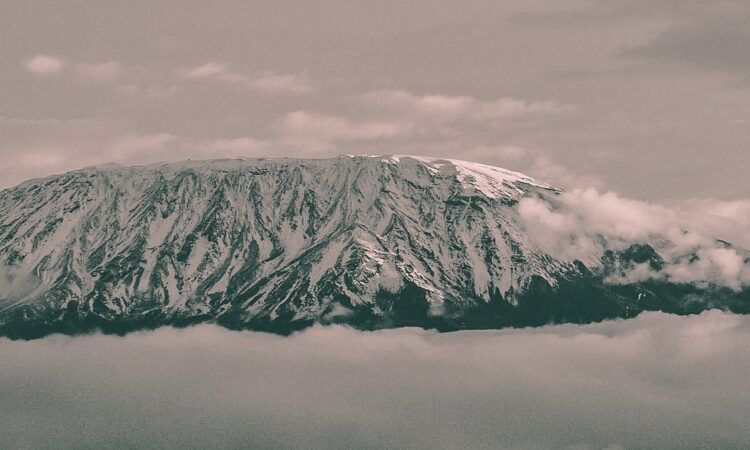
High on the rim of Mount Kilimanjaro, just below the iconic Uhuru Peak, lies Stella Point—a name that carries both geographic importance and human story. For many climbers on the popular Marangu Route, reaching Stella Point marks a life-changing milestone before the final summit push. But beyond altitude and achievement, the name “Stella Point” honors Estella Latham, whose legacy is tied to early European exploration in Tanzania. Understanding how Stella Point got its name adds depth to every Kilimanjaro climb, blending history, culture, and adventure. This story enriches the journey, turning a physical ascent into a meaningful connection with the mountain’s past and the people who helped shape its exploration.
The Geographic Importance of Stella Point
Stella Point sits at approximately 5,756 meters (18,885 feet) on the crater rim of Kilimanjaro’s Kibo cone. Positioned between the glaciers and volcanic ash slopes, it serves as a key landmark for climbers ascending via the Marangu Route. Reaching Stella Point means you have conquered the most physically demanding part of the climb—steep switchbacks on loose scree in thin air. From here, the trail flattens toward Uhuru Peak, making it a psychological turning point. The panoramic sunrise views over Tanzania are breathtaking, often rewarding climbers who arrive at dawn. This strategic location has made Stella Point one of the most recognized names on Kilimanjaro maps and trekking itineraries, symbolizing both endurance and the nearing success of summiting Africa’s highest mountain.
Who Was Estella Latham?
Estella Latham was a figure connected to early colonial-era life in East Africa, believed to be related to a European official or explorer stationed in the region. While historical records about her remain limited, her name became immortalized on Kilimanjaro through Stella Point. The naming reflects a broader tradition during the late 19th and early 20th centuries, when explorers and colonial administrators named geographical features after family members or notable acquaintances. Estella’s connection to Kilimanjaro is symbolic rather than exploratory—she did not climb the mountain herself. However, her name represents a personal tribute, reflecting how human stories became intertwined with Africa’s landscapes during the age of exploration and mapping.
The Era of Naming Kilimanjaro Landmarks
During the late 1800s, Tanzania—then part of German East Africa—became a focal point for European explorers and scientists. Mountains, rivers, and routes were systematically mapped and named. Kilimanjaro, as Africa’s tallest peak, attracted significant attention. Explorers such as Hans Meyer played a major role in documenting the mountain. Naming landmarks was often a way to claim discovery or honor individuals from Europe. Stella Point emerged from this tradition, reflecting the personal and cultural influences of the time. These names remain today, even as modern Tanzania reclaims and celebrates indigenous heritage alongside colonial-era history, creating a layered narrative that enriches the mountain’s identity.
The First Ascent and Naming Influence
The first successful recorded ascent of Kilimanjaro took place in 1889, led by Hans Meyer and Austrian mountaineer Ludwig Purtscheller. Their expedition mapped key sections of the mountain, laying the groundwork for future routes. While Stella Point itself was not necessarily named during this exact climb, the expedition’s influence on Kilimanjaro’s geography and naming conventions was profound. The crater rim, glaciers, and key access points began to receive formal names during this period. Stella Point’s naming likely followed soon after, as mapping efforts expanded. The legacy of these early climbers remains deeply embedded in Kilimanjaro’s trails, with many features still carrying names that reflect European exploration history.
Why “Stella”? The Meaning Behind the Name
The name “Stella” comes from Latin, meaning “star,” which adds poetic symbolism to Stella Point. Whether chosen purely for its connection to Estella Latham or for its meaning, the name feels fitting for a place so close to the sky. Climbers often reach Stella Point under a canopy of stars during their summit attempt, reinforcing this celestial association. The name captures both personal tribute and natural beauty, blending human sentiment with the awe of Kilimanjaro’s high-altitude environment. It also contributes to the emotional experience of climbers, who often see Stella Point as a guiding star—an intermediate goal that leads them toward Uhuru Peak and ultimate success.
Stella Point and the Marangu Route Experience
For trekkers on the Marangu Route, Stella Point is the first point on the crater rim they encounter. The route is known as the “Coca-Cola Route,” famous for its hut accommodations and gradual ascent profile. However, the final push to Stella Point is steep and demanding, often starting at midnight from Kibo Hut. Reaching Stella Point at sunrise is one of the most unforgettable moments of the climb. The golden light over glaciers and volcanic plains creates a surreal atmosphere. This moment represents both relief and triumph, as climbers realize they have nearly reached Uhuru Peak. Stella Point thus serves as both a physical checkpoint and an emotional milestone on one of Africa’s most iconic trekking routes.
The Cultural Context of Naming in Africa
The naming of Stella Point reflects a broader pattern seen across Africa during colonial times. European explorers often replaced indigenous names with ones familiar to them, sometimes overlooking local languages and traditions. In the case of Kilimanjaro, the name itself is believed to have African origins, possibly from the Swahili and Chagga languages. However, features like Stella Point highlight the overlay of European influence. Today, Tanzania embraces both its indigenous heritage and historical narratives. Understanding this context allows climbers to appreciate Kilimanjaro not just as a natural wonder, but as a place where cultures, histories, and identities intersect in meaningful ways.
Stella Point vs. Uhuru Peak
Many climbers mistakenly believe reaching Stella Point means they have summited Kilimanjaro. While it is a major achievement, the true summit is Uhuru Peak, located about 45 minutes to an hour further along the crater rim. The path between Stella Point and Uhuru Peak is relatively gentle but challenging due to altitude. Stella Point serves as a gateway, marking the transition from steep ascent to gradual progress. For some climbers, reaching Stella Point is enough, especially if altitude sickness becomes a concern. However, most push forward to Uhuru Peak to complete the journey. The distinction between these two points is important in understanding Kilimanjaro’s climbing experience.
The Emotional Significance for Climbers
Standing at Stella Point often brings a wave of emotions—relief, pride, exhaustion, and joy. After hours of climbing in darkness and cold, reaching the crater rim feels like a victory. Many climbers pause here to take photos, rest, and absorb the moment. The knowledge that this place carries a historical name tied to Estella Latham adds another layer of meaning. It connects modern adventurers with the past, reminding them that Kilimanjaro’s story is built from countless human experiences. For many, Stella Point becomes one of the most memorable parts of the climb, even more than the final summit itself.
Tourism and the Legacy of Stella Point
Today, Stella Point is featured in nearly every Kilimanjaro trekking itinerary, guidebook, and map. It plays a key role in Tanzania’s tourism industry, attracting thousands of climbers each year. Tour operators often highlight Stella Point as a major milestone, emphasizing its scenic beauty and historical significance. The name itself has become part of Kilimanjaro’s global identity. As tourism continues to grow, preserving the stories behind names like Stella Point becomes increasingly important. They provide context and depth, ensuring that Kilimanjaro remains not just a destination, but a place rich in history and meaning.
Preserving History on Kilimanjaro
Efforts to preserve Kilimanjaro’s history include maintaining trails, documenting stories, and educating climbers about the mountain’s heritage. Organizations and guides often share the origins of names like Stella Point during treks. This storytelling enhances the experience, turning a physical challenge into a cultural journey. At the same time, there is growing recognition of the need to highlight indigenous perspectives and histories. Balancing these narratives ensures that Kilimanjaro’s story remains inclusive and authentic. Stella Point, as a named landmark, plays a role in this ongoing effort to preserve and interpret the mountain’s past.
Why Stella Point Still Matters Today
Stella Point continues to matter because it represents more than just a location—it symbolizes achievement, history, and connection. For climbers, it is a milestone that marks the near completion of a challenging journey. For historians, it reflects the legacy of exploration and naming traditions. For Tanzania, it is part of a world-renowned natural treasure that attracts visitors from across the globe. The story of Estella Latham adds a human dimension, reminding us that even remote places carry personal histories. As Kilimanjaro continues to inspire adventurers, Stella Point remains a powerful symbol of the mountain’s enduring allure.
Final Thought
The story of Stella Point is a blend of geography, history, and human tribute. Named after Estella Latham, it stands as a reminder that even the highest peaks are shaped by personal stories and cultural influences. For anyone climbing Mount Kilimanjaro, reaching Stella Point is not just about altitude—it’s about stepping into a legacy. As you continue toward Uhuru Peak, you carry with you the history of those who came before, making the journey richer, deeper, and truly unforgettable.
Stella Point Got Its Name (Tribute to Estella Latham): FAQs
What should you know about the geographic importance of Stella point?
Stella Point sits at approximately 5,756 meters (18,885 feet) on the crater rim of Kilimanjaro’s Kibo cone. Positioned between the glaciers and volcanic ash slopes, it serves as a key landmark for climbers ascending via the Marangu Route. Reaching Stella Point means you have conquered the most physically demanding part of the climb—steep switchbacks on loose scree in thin air.
Who Was Estella Latham?
Estella Latham was a figure connected to early colonial-era life in East Africa, believed to be related to a European official or explorer stationed in the region. While historical records about her remain limited, her name became immortalized on Kilimanjaro through Stella Point.
What can you expect from the era of naming Kilimanjaro landmarks for Stella point got its name (tribute to Estella Latham)?
During the late 1800s, Tanzania—then part of German East Africa—became a focal point for European explorers and scientists. Mountains, rivers, and routes were systematically mapped and named. Kilimanjaro, as Africa’s tallest peak, attracted significant attention. Explorers such as Hans Meyer played a major role in documenting the mountain.
What should you know about the first ascent and naming influence for Stella point got its name (tribute to Estella Latham)?
The first successful recorded ascent of Kilimanjaro took place in 1889, led by Hans Meyer and Austrian mountaineer Ludwig Purtscheller. Their expedition mapped key sections of the mountain, laying the groundwork for future routes. While Stella Point itself was not necessarily named during this exact climb, the expedition’s influence on Kilimanjaro’s geography and naming conventions was profound.
Why “Stella”? The Meaning Behind the Name?
The name “Stella” comes from Latin, meaning “star,” which adds poetic symbolism to Stella Point. Whether chosen purely for its connection to Estella Latham or for its meaning, the name feels fitting for a place so close to the sky. Climbers often reach Stella Point under a canopy of stars during their summit attempt, reinforcing this celestial association.
What is Stella Point and the Marangu Route Experience like?
For trekkers on the Marangu Route, Stella Point is the first point on the crater rim they encounter. The route is known as the “Coca-Cola Route,” famous for its hut accommodations and gradual ascent profile. However, the final push to Stella Point is steep and demanding, often starting at midnight from Kibo Hut.
What can you expect from the cultural context of naming in Africa for Stella point got its name (tribute to Estella Latham)?
The naming of Stella Point reflects a broader pattern seen across Africa during colonial times. European explorers often replaced indigenous names with ones familiar to them, sometimes overlooking local languages and traditions. In the case of Kilimanjaro, the name itself is believed to have African origins, possibly from the Swahili and Chagga languages.
What is Stella Point vs. Uhuru Peak like?
Many climbers mistakenly believe reaching Stella Point means they have summited Kilimanjaro. While it is a major achievement, the true summit is Uhuru Peak, located about 45 minutes to an hour further along the crater rim. The path between Stella Point and Uhuru Peak is relatively gentle but challenging due to altitude.
Climb Kilimanjaro With Confidence
Tell us your dates and fitness, and our experienced mountain team will plan a safe, well-acclimatized private climb.