How Fit Do You Need To Be To Climb Kilimanjaro
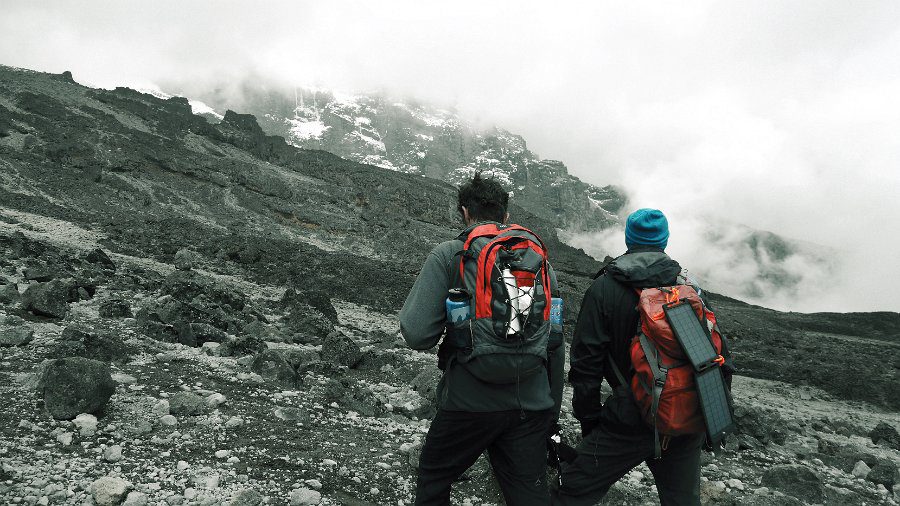
You do not need to be an athlete to climb Kilimanjaro, but you should be able to walk five to seven hours a day on hilly terrain for several days in a row, and handle one very long summit night of 12 to 16 hours. Good cardiovascular endurance, strong legs and a positive mindset matter most. Train for about 12 weeks with long hikes, stair climbing and leg strength work, and choose a longer route such as Lemosho or the Northern Circuit for better acclimatisation.
How fit do you need to be to climb Kilimanjaro is one of the first questions every climber asks, and the answer is encouraging. Kilimanjaro is a non-technical trek with no ropes or climbing skills required, so ordinary people of many ages reach Uhuru Peak every year. The real challenges are endurance over several long days and the effect of high altitude. This guide explains the fitness you need, gives you a quick self-test, breaks down each type of fitness, sets out a 12-week training plan and shows how age, weight, health and your choice of route affect your climb.
Kilimanjaro Fitness Self-Test
Use this quick, honest self-test to see exactly how close you already are to Kilimanjaro fitness before you start a training plan. Each benchmark reflects something you will do on the mountain, from long walking days and steep descents to carrying a small daypack and sleeping in a tent. Tick each one you can already do comfortably and confidently today. If you tick six or more, you are in a good position and simply need to keep training consistently. If you tick fewer, do not worry: most climbers reach these levels with eight to twelve weeks of steady preparation.
Kilimanjaro fitness self-test 8 benchmarks
Excellent! You already meet every benchmark. Keep training and start planning your climb.
Kilimanjaro Fitness Requirements
Kilimanjaro fitness is not really about speed, strength records or big muscles. It is a combination of several different qualities that work together over many days on the mountain. The eight tabs below explain each type of fitness that matters on Kilimanjaro, from cardiovascular endurance and leg strength to altitude, mental strength, hiking experience, pacing and recovery. Each tab explains why it matters, how to train for it, a sensible target to aim for before you travel and the key exercises to include. Use them together to build a balanced training plan that suits your current fitness and lifestyle.
Cardiovascular Endurance for Kilimanjaro
Your heart and lungs must work for hours each day
Long, steady aerobic sessions three to four times a week
Cardiovascular endurance is the single most important type of fitness for Kilimanjaro. You walk for five to seven hours a day, often uphill, and your heart and lungs must work efficiently in thinner air. Build it steadily with brisk walking, hiking, cycling, swimming or jogging, gradually increasing the length of each session rather than the speed.
12-Week Training Plan →Leg Strength and Muscle Endurance
Strong legs carry you up and protect your knees on the way down
Two or three short strength sessions a week
Strong legs make every uphill step easier and protect your knees on long, steep descents. Focus on your quadriceps, hamstrings, calves and glutes, along with your core for balance. Squats, lunges, step-ups and calf raises, two or three times a week, are ideal. Add stair climbing with a light backpack to build the muscle endurance you need on the trail.
Best Exercises →Multi-Day Hiking Endurance
You hike day after day, not just once
Long weekend hikes, building to back-to-back days
Kilimanjaro is a multi-day effort, so your body must recover overnight and walk again the next morning. The best training is long weekend hikes on hilly trails, building from two or three hours to six or more. In the final month, hike two long days back to back to teach your body to keep going when it is already tired.
Training Hikes →Altitude and Acclimatisation
Fitness helps, but it does not prevent altitude sickness
Choose a longer route and walk slowly
Altitude is the real challenge on Kilimanjaro, and it affects fit and less fit climbers alike. Above about 3,000 metres there is noticeably less oxygen, which can cause headaches, nausea and fatigue. Fitness helps you cope, but acclimatisation matters more. Choose a seven to nine-day route, drink plenty of water, walk slowly and tell your guide about any symptoms early.
Altitude Sickness Guide →Mental Strength and Determination
Summit night tests your mind as much as your body
Visualise the climb and train in less comfortable conditions
Many climbers say that attitude matters more than fitness on Kilimanjaro. Long days, cold nights, simple camp life and a summit push that starts around midnight all test your patience. Build mental strength by training in rain, wind or darkness, setting small goals during long hikes and picturing summit night step by step. A positive, patient mindset keeps you moving.
Mental Preparation →Hiking Experience
Experience is helpful but not essential
Practise on local trails and break in your boots
You need no previous mountain experience for Kilimanjaro, but time on the trail makes a real difference. Regular hiking teaches you pacing, how to manage water and snacks, and how your feet and gear feel after many hours. It is also the best way to break in your boots and test your clothing layers long before you arrive in Tanzania.
Beginner’s Guide →Pacing: Pole Pole
Walking slowly is the most important skill on the mountain
Practise walking slowly enough to talk comfortably
Pole pole, meaning slowly slowly in Swahili, is the golden rule on Kilimanjaro. Your guide sets a deliberately slow pace that saves energy and helps your body adjust to altitude. Even very fit climbers struggle if they rush. In training, practise walking uphill at a pace where you can still hold a conversation, and keep your breathing steady and relaxed.
Acclimatisation Tips →Recovery and Rest
Your body gets stronger when it rests
Plan rest days and sleep well before you travel
Recovery is where your training turns into fitness. Plan at least one or two rest days each week, sleep well and eat a balanced diet to help your muscles repair. Ease off training in the last week before your climb so you arrive fresh rather than tired. On the mountain, rest, eat and drink well every afternoon at camp.
Recovery Guide →12-Week Kilimanjaro Training Plan
A structured plan is the easiest way to reach Kilimanjaro fitness, and about twelve weeks is enough for most people who already do some regular exercise. Complete beginners or anyone starting from a low base should allow four to six months. The table below shows a simple, clear and progressive plan that builds cardio, leg strength and hiking endurance step by step, with a lighter final phase so you arrive rested. Adjust the sessions to your own fitness, listen to your body and consult your doctor before starting a new exercise programme, especially if you have a medical condition.
| Weeks | Focus | Cardio | Weekend hike | Strength |
|---|---|---|---|---|
| Weeks 1–3 | Build a base | 3–4 sessions of 30–45 minutes | One 2–3 hour hike | 2 short sessions |
| Weeks 4–6 | Increase endurance | 3–4 sessions of 45–60 minutes | One 3–4 hour hilly hike | 2–3 sessions with step-ups |
| Weeks 7–9 | Add load and hills | 4 sessions, include stair climbing | One 4–6 hour hike with a 6–8 kg daypack | 2–3 sessions |
| Weeks 10–11 | Simulate the climb | 3–4 sessions, include hill repeats | Two long hikes back to back | 2 sessions |
| Week 12 | Taper and rest | 2–3 easy sessions | One short, easy hike | Light stretching only |
Fitness Needed by Route
The route you choose has a big effect on how hard Kilimanjaro feels, because the number of days determines how quickly you gain altitude. Longer routes give your body more time to adapt, so they often feel easier even though you walk for more days. Shorter, steeper routes demand more fitness and acclimatise less well. The table below compares the main routes by typical length and fitness demand, so you can match the route to your experience. If you are a beginner or worried about altitude, choose a seven to nine-day route such as Lemosho or the Northern Circuit.
| Route | Days | Fitness demand | Why |
|---|---|---|---|
| Northern Circuit | 8–9 days | Moderate | Longest route with the most gradual ascent |
| Lemosho | 7–8 days | Moderate | Excellent acclimatisation and scenery |
| Machame | 6–7 days | Moderate to high | Steeper days, including the Barranco Wall |
| Rongai | 6–7 days | Moderate | Gentle gradient on the drier northern side |
| Marangu | 5–6 days | Moderate to high | Huts, but a faster ascent on short itineraries |
| Umbwe | 6–7 days | High | Steep and direct; for experienced trekkers |
Age, Weight and Health
Fitness looks different for everyone, and climbers of many ages, shapes and backgrounds reach the summit every year. What matters most is preparation, steady pacing and good health rather than age or body type. The cards below explain how age, weight, children's age limits and existing medical conditions affect your Kilimanjaro climb, and exactly what you should do before booking your trip. If you have any health concerns at all, speak to your doctor early, choose a longer route and tell us about your needs so our Arusha mountain team can plan the right pace for your private climb.
Many fit climbers in their fifties, sixties and beyond reach Uhuru Peak. A slower pace and longer route help. Read more →
There is no perfect body type. Extra weight makes climbs harder, so focus on endurance and leg strength. Read more →
Kilimanjaro National Park generally requires climbers to be at least ten years old to attempt the summit. Read more →
See your doctor before training, especially with heart, lung or blood pressure conditions. Read more →
Common Kilimanjaro Fitness Mistakes
Many climbers train hard but in the wrong way, and the same few mistakes appear again and again. Fortunately, most of them are easy to avoid once you know about them, and fixing them often matters more than adding extra hours of training. The six common fitness mistakes below cover how you train, how you pace yourself and how you prepare your gear and body before the climb. Check your own training plan against this list, adjust anything that applies to you, and you will almost certainly arrive in Tanzania far better prepared for the long days ahead.
Treadmills help, but nothing replaces long hikes on real, uneven trails.
Kilimanjaro rewards slow, steady endurance, not fast efforts.
Long downhill sections strain knees; train with step-downs and hill descents.
Break in your boots on several long hikes before you travel.
Too little rest leads to injury; ease off in the final week.
Fitness cannot replace acclimatisation days on a longer itinerary.
How Fit Do You Need To Be To Climb Kilimanjaro: FAQs
How fit do you need to be to climb Kilimanjaro?
You need to be fit enough to walk five to seven hours a day on hilly terrain for several days in a row, and to manage one long summit night of 12 to 16 hours. You do not need to be an athlete. Good cardiovascular endurance, strong legs, steady pacing and a positive mindset are what matter most.
Can a beginner climb Kilimanjaro?
Yes. Kilimanjaro is a non-technical trek, so beginners with no climbing experience reach the summit every year. Train for at least 12 weeks with long hikes and leg strength work, break in your boots, and choose a longer route such as Lemosho or the Northern Circuit to give your body more time to acclimatise.
What is the most important type of fitness for Kilimanjaro?
Cardiovascular endurance combined with leg muscle endurance is the most important. You walk for many hours each day, often uphill, so your heart, lungs and legs must work steadily for a long time. Long hikes, stair climbing, cycling and brisk walking are more useful than heavy weight training.
How long should I train for Kilimanjaro?
Most people who already exercise regularly need about 12 weeks of structured training. If you are starting from a low fitness level, allow four to six months. Build up gradually with cardio, leg strength and long weekend hikes, add back-to-back hikes in the final month and ease off in the last week.
Does being fit prevent altitude sickness?
No. Altitude sickness can affect anyone, however fit, because it is caused by lower oxygen levels at high elevation. Fitness helps your body cope with the physical effort, but the most important protection is a slow ascent, a longer itinerary, good hydration and telling your guide early about any symptoms.
Is gym training enough to prepare for Kilimanjaro?
Gym training helps, but on its own it is not enough. Treadmills, stair machines and leg exercises build useful fitness, yet they cannot replace long hikes on real, uneven trails with a daypack. Combine gym sessions with regular outdoor hikes, ideally on hills, to prepare your legs, feet and mind.
How much do I carry on Kilimanjaro?
You only carry a small daypack of about six to eight kilograms with water, snacks, rain gear and warm layers. Porters carry your main duffel bag, tents, food and cooking equipment. Train with a similar daypack so your shoulders, back and legs are used to the weight before the climb.
Can older people climb Kilimanjaro?
Yes. Many fit climbers in their fifties, sixties and older reach Uhuru Peak. Older climbers often pace themselves well, which helps at altitude. Get a medical check-up before training, train consistently and choose a longer route with extra acclimatisation days and a slower pace.
Can I climb Kilimanjaro if I am overweight?
Many people who are overweight reach the summit with good preparation. Extra weight makes uphill walking and long descents harder, so focus on building endurance and leg strength, lose some weight gradually if your doctor recommends it and choose a longer route. A medical check-up before training is a good idea.
What is the hardest part of climbing Kilimanjaro?
Summit night is the hardest part. You start around midnight, climb slowly in the dark and cold with less oxygen, reach the summit around sunrise and then descend a long way to a lower camp. Good endurance, warm layers, steady pacing and a positive mindset help you through it.
More Kilimanjaro Guides
Climb Kilimanjaro at Your Own Pace
Tell us your dates and current fitness, and our Arusha mountain team will recommend the right route and plan a safe, well-acclimatised private climb for you.
Start Planning