
Compelling Reasons to go on a Solo Safari
Compelling Reasons to go on a Solo Safari
A solo safari is one of the most powerful and transformative travel experiences for modern explorers seeking freedom, authenticity, and deep connection with nature. Across Africa—especially in Tanzania, home to world-famous destinations like the Serengeti National Park and Ngorongoro Conservation Area—solo safari travel is becoming increasingly popular among independent travelers. It offers unmatched flexibility, personal reflection, and the chance to experience wildlife on your own terms. Unlike group tours, a solo safari allows you to design your own pace, choose your dream destinations, and fully immerse yourself in the wilderness. Whether you are chasing the Great Migration, photographing big cats, or simply disconnecting from the digital world, solo safari travel delivers freedom, adventure, and self-discovery in its purest form. This guide explores compelling reasons why going solo on safari might be the best travel decision you ever make.
Ultimate Freedom and Flexibility
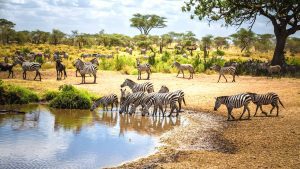
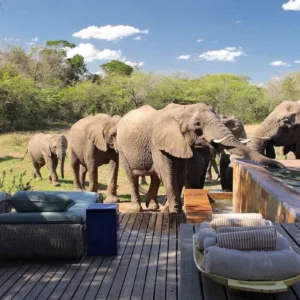
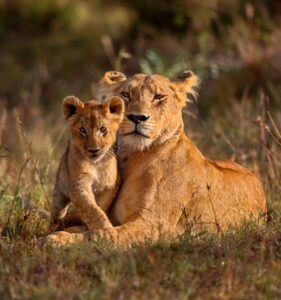
One of the strongest reasons to go on a solo safari is complete freedom over your itinerary. You decide when to wake up, where to go, and how long to stay at each wildlife sighting. Unlike group safaris with fixed schedules, solo travel allows spontaneous changes depending on animal movement, weather, or personal interest. If you want to spend hours watching elephants in Tarangire National Park or linger longer at a lion sighting in the Serengeti, you can do so without pressure. This flexibility enhances your safari experience and creates deeper emotional connections with nature. You are not rushing or waiting for others—you are fully in control. For many travelers, this independence is the essence of true adventure and the biggest motivation to choose a solo safari in Africa’s iconic wilderness.
Deep Personal Connection with Nature
A solo safari offers an unmatched opportunity to connect deeply with nature. Without distractions from private family conversations, you become fully present in the African wilderness. The sounds of birds, distant lion roars, and rustling grass become more vivid and meaningful. In places like Lake Manyara National Park, where landscapes shift from forest to lake shore, solo travelers often report feeling emotionally and spiritually connected to the environment. This solitude enhances mindfulness and appreciation for wildlife behavior. You begin to notice subtle details—animal tracks, migration patterns, and ecosystem interactions—that are often missed in group settings. This immersive experience creates lasting memories and a stronger respect for conservation. A solo safari is not just sightseeing; it is a personal journey into the heart of nature and self-awareness.
Greater Wildlife Photography Opportunities
Solo safari travel is a dream for photographers. Without group interruptions or time limitations, you can wait patiently for perfect lighting, animal behavior, or action moments. Whether capturing a leopard resting in a tree or a dramatic river crossing during the Great Migration in the Serengeti National Park, solo travel allows full creative control. You can instruct your guide to stop longer, reposition the vehicle, or revisit locations for better shots. This flexibility significantly improves photo quality and storytelling. You also avoid crowded safari vehicles blocking your view. Many professional wildlife photographers prefer solo or private safaris for this exact reason. The result is a more personalized, artistic, and rewarding photography experience that truly reflects the beauty and drama of Africa’s wild landscapes.
Self-Discovery and Personal Growth
A solo safari is more than a vacation—it is a journey of self-discovery. Being alone in vast wilderness landscapes encourages reflection, confidence, and emotional clarity. The silence of the savannah and the rhythm of nature allow you to disconnect from daily stress and reconnect with yourself. Many travelers report gaining new perspectives on life after spending time in places like the Ngorongoro highlands or the open plains of the Serengeti. Facing unfamiliar environments independently builds resilience and decision-making skills. Every moment—choosing your route, observing wildlife, or simply enjoying solitude—contributes to personal growth. A solo safari challenges you in subtle but meaningful ways, helping you return home with renewed energy, confidence, and a clearer sense of purpose in life.
Fully Personalized Safari Experience
With a solo safari, everything is tailored to your preferences. From accommodation style to daily activities, you create a fully customized itinerary. Whether you prefer luxury lodges, mobile tented camps, or budget-friendly options, Tanzania offers a wide range of choices. You might choose to spend extra days tracking the Big Five in Ngorongoro Conservation Area or focus on birdwatching in quieter regions. Your guide works exclusively for you, ensuring a personalized experience based on your interests. This level of customization is rarely possible in group tours. It allows you to design a safari that reflects your travel style, pace, and curiosity. As a result, every moment feels intentional and meaningful, creating a more satisfying and memorable African safari adventure.
Better Wildlife Viewing Opportunities
Solo safaris often result in better wildlife viewing because decisions are made instantly based on animal movement. You are not waiting for group consensus, which means your guide can follow fresh tracks or relocate quickly when exciting sightings appear. In ecosystems like Tarangire National Park, where elephants, lions, and giraffes roam freely, timing is everything. Solo travelers benefit from faster response times and fewer distractions. This increases the chances of witnessing rare behaviors such as hunting, mating, or river crossings. Additionally, you can spend as long as you want observing a single animal or herd. This uninterrupted focus leads to richer safari experiences and more meaningful wildlife encounters, making solo travel a top choice for serious safari enthusiasts.
Peace, Silence, and Mental Clarity
Modern life is full of noise, screens, and constant communication. A solo safari offers rare peace and silence that is deeply restorative. Sitting in the wilderness of the Serengeti or Ngorongoro allows your mind to slow down and reset. The absence of social pressure creates mental clarity and emotional balance. Many solo travelers describe this experience as therapeutic. The natural rhythms of wildlife—sunrise movements, grazing herds, and evening calls—replace digital distractions. This peaceful environment helps reduce stress and improve overall well-being. It is one of the few travel experiences where silence becomes powerful and meaningful. A solo safari is not just about seeing wildlife; it is about finding inner calm in one of the world’s most beautiful natural settings.
Greater Cultural Interaction Opportunities
Traveling solo often encourages deeper engagement with local cultures. Without group distractions, you are more open to conversations with guides, lodge staff, and nearby communities. In Tanzania, interactions with Maasai communities near the Ngorongoro region provide meaningful cultural insights into traditional lifestyles. Solo travelers often spend more time learning about customs, language, and daily life. These experiences create a richer understanding of the destination beyond wildlife. Guides also tend to share more personal stories and insights when working one-on-one. This cultural immersion adds depth to your safari journey and helps build authentic connections. It transforms your trip from a sightseeing adventure into a meaningful cultural exchange that enhances your appreciation of East Africa’s heritage.
Increased Confidence and Independence
A solo safari builds confidence by placing you in full control of your travel experience. From navigating airports to making daily safari decisions, every step reinforces independence. Many travelers discover new strengths when traveling alone in unfamiliar environments. Whether exploring remote areas of Lake Natron or watching wildlife in the Serengeti plains, you learn to trust your instincts and adapt quickly. This independence is empowering and often life-changing. It proves that you can thrive outside your comfort zone. Solo travel also strengthens problem-solving skills and resilience. By the end of your safari, you return home not only with memories but also with greater self-assurance and a stronger sense of capability in handling new challenges.
Freedom to Follow Your Curiosity
A solo safari allows you to follow curiosity without compromise. If you are fascinated by lions, you can dedicate entire days to tracking them. If birds or landscapes interest you more, you can shift focus instantly. In places like Lake Manyara National Park, where biodiversity is rich, solo travelers enjoy exploring at their own rhythm. There is no pressure to match group interests or schedules. This freedom makes the safari experience more engaging and personal. Curiosity becomes your guide, leading to unexpected discoveries and unforgettable moments. Whether it’s a hidden watering hole or a rare animal sighting, solo travel ensures you never miss what truly interests you in the wild.
Enhanced Safety with Private Guidance
Contrary to common belief, solo safaris are very safe when organized with professional guides. In fact, traveling alone often means receiving more focused attention from your guide. You benefit from expert navigation, wildlife tracking, and safety protocols throughout your journey. In Tanzania’s national parks, such as Serengeti and Ngorongoro, guides are highly trained in animal behavior and terrain awareness. Solo travelers also avoid risks associated with large group movements in sensitive wildlife areas. Your itinerary is carefully managed to ensure both safety and comfort. This professional support allows you to enjoy adventure with peace of mind, making solo safari travel both secure and rewarding.
Approach, feed or disturb wildlife, or leave the vehicle unless your guide says it is safe.
Follow your guide, carry travel insurance and check current health and travel advice.
Flexible Budget Control
Solo safari travel gives you full control over your budget. You decide where to splurge and where to save. Whether choosing luxury lodges or mid-range camps, you can adjust costs based on your preferences. In Tanzania, destinations like Tarangire and Serengeti offer accommodation options for all budgets. Solo travelers avoid unnecessary package costs, making financial planning more efficient. You can prioritize experiences such as balloon safaris, private game drives, or cultural tours without compromise. This flexibility ensures you get maximum value for your investment. A solo safari allows you to design a financially balanced trip while still enjoying premium wildlife experiences.
- Accommodation
- Meals
- Park fees
- Vehicle & guide
- Transfers
- International flights
- Visas
- Travel insurance
- Tips
- Premium drinks
Stronger Emotional Experiences
Traveling alone intensifies emotional connections to the safari experience. Watching a sunset over the Serengeti or observing a cheetah hunt becomes more powerful when experienced in solitude. Without external distractions, emotions feel deeper and more personal. Many solo travelers describe moments of awe, gratitude, and reflection that stay with them forever. The quietness of the Ngorongoro Crater or the vast openness of Tarangire amplifies these feelings. These emotional experiences are often the highlight of solo safaris, making them more meaningful than traditional group tours. It is in these quiet, personal moments that the true magic of Africa reveals itself.
Avoiding Group Limitations and Conflicts
Group safaris can sometimes involve differing opinions, slow decisions, or limited flexibility. Solo travel eliminates these challenges. You do not need to compromise on destinations, timing, or activities. Every decision is based solely on your interests. This creates a smoother and more enjoyable safari experience. Whether you want early morning game drives or extended stays in wildlife hotspots, everything is customized. This freedom reduces stress and increases satisfaction. Without group dynamics, your safari becomes more efficient and enjoyable, allowing you to fully focus on the wildlife and landscapes around you.
Ideal for Photography, Journaling, and Reflection
Solo safaris are perfect for creative travelers who enjoy photography, writing, or journaling. The uninterrupted time allows you to document experiences in detail. Whether capturing landscapes of the Serengeti or writing reflections in Ngorongoro, solitude enhances creativity. You can pause whenever inspiration strikes, without worrying about group schedules. Many travelers use solo safaris as opportunities to write travel journals, blogs, or even books. This creative freedom turns your journey into a lasting personal project. The peaceful environment stimulates imagination and storytelling, making your safari both visually and intellectually enriching.
A Life-Changing Adventure Experience
A solo safari is often described as a life-changing experience. It combines adventure, independence, emotional depth, and natural beauty into one unforgettable journey. Exploring Tanzania’s iconic parks, such as Serengeti, Ngorongoro, and Tarangire, alone allows you to experience Africa in its purest form. You return home with stronger confidence, deeper appreciation for nature, and lasting memories. Many travelers say it reshapes how they view the world and themselves. A solo safari is not just a trip—it is a transformative journey that stays with you forever.
Final Thought
A solo safari is one of the most rewarding ways to explore Africa’s wilderness. It offers freedom, self-discovery, flexibility, and a deep connection with nature that group travel often cannot match. From the endless plains of the Serengeti to the dramatic landscapes of Ngorongoro, every moment becomes personal and meaningful. Whether you are seeking adventure, peace, photography opportunities, or personal growth, a solo safari delivers it all. It is more than travel—it is an experience that reshapes your perspective on life, nature, and yourself.
Compelling Reasons to go on a Solo Safari: FAQs
Is a solo safari safe in Africa?
Yes, a solo safari is generally very safe when booked with a reputable tour operator and experienced guide. In destinations like Serengeti National Park and Ngorongoro Conservation Area, safaris are conducted under strict park regulations with professional drivers and rangers. You are always in a guided vehicle, so there is no direct exposure to dangerous wildlife. Safety also improves because itineraries are carefully planned, and guides understand animal behavior and terrain.
Will I get bored on a solo African safari?
No, solo safaris are highly engaging because every moment in the wild is unpredictable and exciting. From watching elephants in Lake Manyara National Park to witnessing predator-prey interactions in the Serengeti, there is always something happening. Your guide continuously tracks wildlife movements to ensure dynamic experiences. Additionally, solitude enhances observation skills—you notice details like bird calls, animal behavior, and landscapes more deeply.
Is a solo Afriican safari more expensive?
A solo African safari can be slightly more expensive because you are not sharing costs like transport and guiding with a group. However, it also gives you full control over your budget. You can choose from luxury lodges, mid-range camps, or budget-friendly options depending on your preference. In Tanzania, destinations like Serengeti and Ngorongoro offer a wide range of accommodation choices.
Do I need experience to go on a solo African safari?
No prior African safari experience is required. First-time travelers can easily enjoy a solo safari with a professional guide. In fact, most solo safaris are fully guided, meaning you are never alone in the wilderness. Guides handle navigation, wildlife tracking, safety, and logistics. Whether exploring Serengeti National Park or Ngorongoro Crater, you are supported at every step.
What is the best destination for a solo safari?
Tanzania is one of the best destinations for solo safaris due to its rich wildlife and well-managed parks. The Serengeti National Park is ideal for witnessing the Great Migration, while Ngorongoro Conservation Area offers dense wildlife in a stunning volcanic crater. Tarangire and Lake Manyara also provide excellent biodiversity with fewer crowds. These destinations are safe, accessible, and supported by experienced guides, making them perfect for independent travelers seeking adventure and comfort.
Can I meet other travelers during a solo safari?
Yes, even on a solo safari you can still meet other travelers at lodges, camps, and viewpoints. Many safari accommodations in Tanzania encourage social interaction during meals or evening gatherings. However, you remain in control of how much interaction you want. In places like Serengeti camps or Ngorongoro lodges, you can enjoy both solitude and occasional social experiences. This balance makes solo safaris flexible for introverts and extroverts alike.
How do I book a solo safari?
You can book a solo safari through a trusted tour operator specializing in African wildlife tours. Many companies offer customizable itineraries for Tanzania’s top parks like Serengeti, Tarangire, and Ngorongoro. You simply choose your travel dates, budget, and preferred experiences. The operator handles logistics, accommodation, park permits, and guiding services. Booking early is recommended, especially during peak seasons like the Great Migration.
What should you know about ultimate freedom and flexibility for compelling reasons to go on a solo safari?
One of the strongest reasons to go on a solo safari is complete freedom over your itinerary. You decide when to wake up, where to go, and how long to stay at each wildlife sighting. Unlike group safaris with fixed schedules, solo travel allows spontaneous changes depending on animal movement, weather, or personal interest.
Plan Your Private Tanzania Safari
Tell us your travel dates, interests and budget, and our local team will design a private tailor-made safari around you.