Climbing Kilimanjaro Guide
Climbing Kilimanjaro Guide
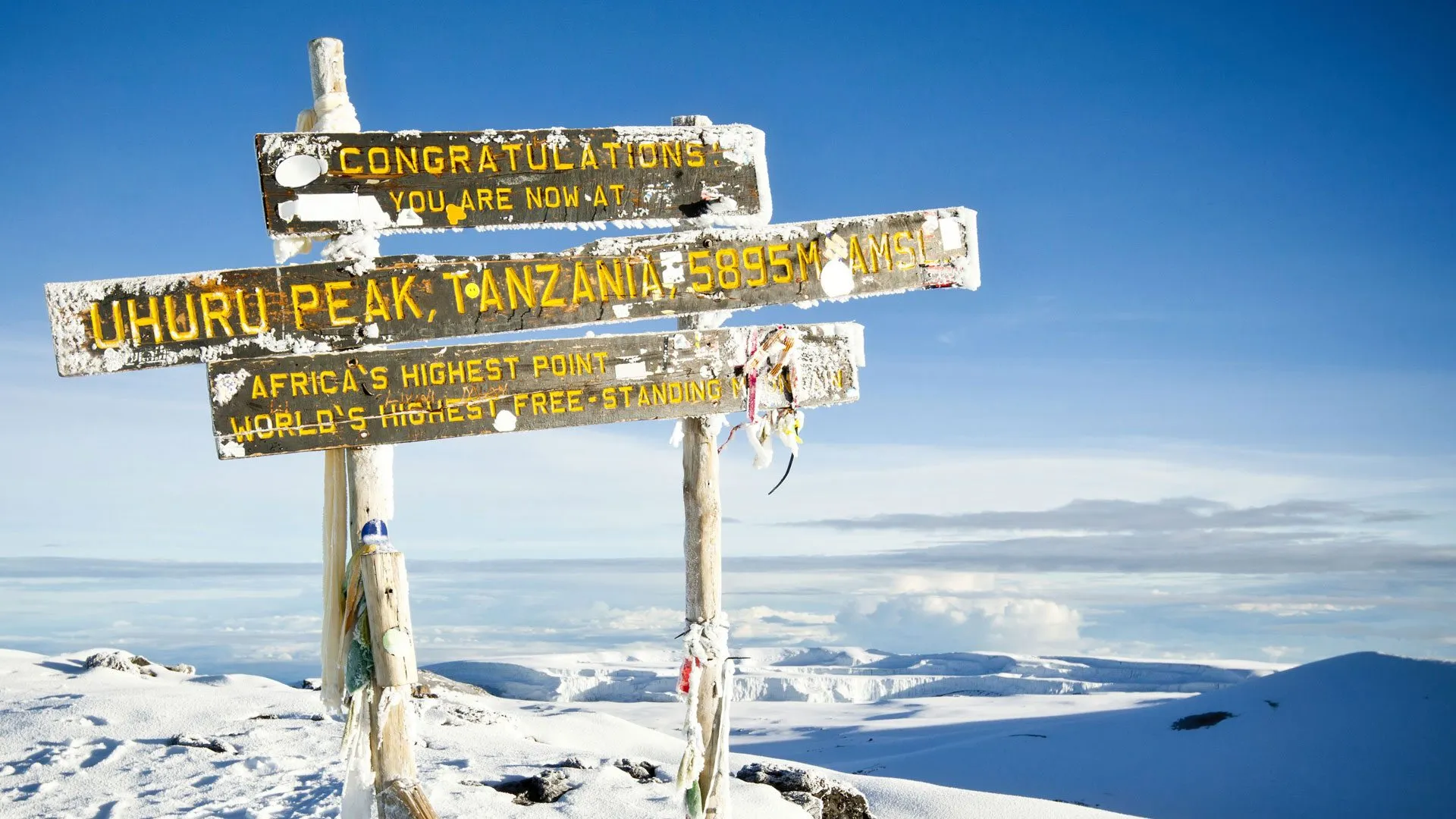
Climbing Mount Kilimanjaro in Tanzania is one of the most iconic trekking adventures in the world and a bucket-list experience for hikers seeking the highest free-standing mountain on Earth. Located within Kilimanjaro National Park, this majestic peak rises to 5,895 meters and offers multiple climbing routes, breathtaking ecosystems, and unforgettable summit views above the African clouds. A complete Kilimanjaro climbing guide helps trekkers understand routes, costs, preparation, altitude challenges, and success rates. Whether you are planning a luxury Kilimanjaro climb, a budget trekking expedition, or a guided group tour, proper planning is essential. Most climbers begin their journey from Arusha or Moshi, with professional local tour operators providing full support. This guide covers everything you need to know about climbing Kilimanjaro, including the best time to climb, training tips, packing list, and essential safety advice for a successful summit.
Best Time to Climb Kilimanjaro
The best time to climb Kilimanjaro is during the dry seasons when weather conditions are more stable, and trails are less slippery. The most popular months are January to March and June to October. These periods offer clearer skies, better visibility, and higher summit success rates. June to October is considered peak climbing season, while January to March is slightly quieter with colder temperatures but beautiful snow-capped peaks. Avoid the heavy rainy seasons in April, May, and November, as trails become muddy and visibility decreases. Choosing the right time to climb is essential for safety, comfort, and overall trekking experience. Weather conditions on Mount Kilimanjaro vary with altitude zones, from tropical rainforest at the base to Arctic conditions at the summit. Planning your trek during optimal months significantly improves your chances of reaching Uhuru Peak successfully and enjoying panoramic views of Tanzania’s landscapes.
Kilimanjaro Climbing Routes
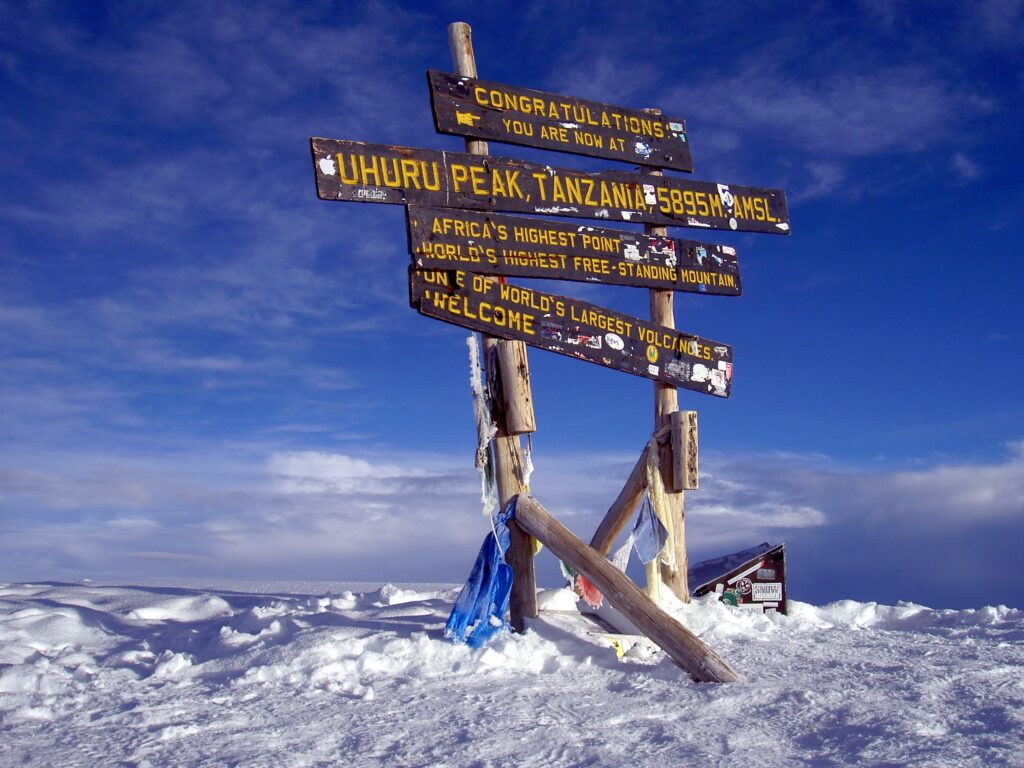
There are several main Kilimanjaro climbing routes, each offering different scenery, difficulty levels, and success rates. The most popular route is the Machame Route, known as the “Whiskey Route,” which is scenic but challenging. The Marangu Route, also called the “Coca-Cola Route,” is the only route with hut accommodations and is considered easier but has a lower success rate due to rapid ascent. The Lemosho Route is highly recommended for beginners because of its gradual acclimatization and beautiful wilderness scenery. Other routes include Rongai, Northern Circuit, and Umbwe, each offering unique trekking experiences. Choosing the right route depends on fitness level, budget, and available days. Longer routes (7–9 days) generally increase summit success due to better acclimatization. All routes lead to the summit at Uhuru Peak, the highest point in Africa, located within Kilimanjaro National Park.
Cost of Climbing Mount Kilimanjaro
The cost of climbing Kilimanjaro varies depending on route, duration, tour operator, and level of service. On average, prices range from $1,800 to $5,000 per person. Budget climbs are cheaper but may involve basic camping and fewer amenities, while luxury Kilimanjaro climbs include high-end tents, private toilets, and premium guides. The main costs include park fees, camping fees, rescue fees, guide salaries, food, and transport from Arusha or Moshi. It is important to choose a licensed and reputable tour operator to ensure safety and compliance with Kilimanjaro National Park regulations. Cheaper options may compromise safety standards or ethical treatment of porters, so responsible tourism is highly recommended. Group climbs are more affordable than private expeditions. Booking in advance can also help secure better rates, especially during peak seasons. Always confirm what is included in the package before booking your Kilimanjaro trekking adventure.
- Accommodation
- Meals
- Park fees
- Vehicle & guide
- Transfers
- International flights
- Visas
- Travel insurance
- Tips
- Premium drinks
Training and Fitness Preparation
Proper training is essential for a successful Kilimanjaro climb. Although technical climbing skills are not required, good physical fitness greatly improves your chances of reaching the summit. Training should begin at least 8–12 weeks before departure and focus on endurance, cardio, and leg strength. Activities like hiking, running, cycling, and stair climbing are highly recommended. Practicing long-distance hikes with a backpack helps simulate real trekking conditions. Mental preparation is equally important because altitude sickness and fatigue can be challenging. Climbers should also learn about pacing, hydration, and rest techniques. Unlike other mountains, Kilimanjaro is a “walk-up” peak, but the high altitude makes it demanding. Even fit individuals can struggle without proper acclimatization. Preparing your body and mind ensures a safer and more enjoyable experience while trekking through the diverse landscapes of Kilimanjaro National Park.
Altitude Sickness and Acclimatization
Altitude sickness is one of the biggest challenges when climbing Kilimanjaro. As you ascend above 2,500 meters, oxygen levels decrease, and climbers may experience headaches, nausea, dizziness, or fatigue. Proper acclimatization is key to preventing serious complications. Choosing longer routes, such as Lemosho or Northern Circuit, allows your body more time to adjust. The “climb high, sleep low” technique is often used to improve acclimatization. Staying hydrated, walking slowly, and eating well also help reduce symptoms. Tour guides monitor climbers daily to ensure safety and may recommend descent if symptoms worsen. Understanding altitude sickness is crucial for a safe expedition on Mount Kilimanjaro. Although it affects many trekkers, most cases are mild when proper precautions are followed. Responsible planning and experienced guides significantly increase success rates while climbing through the varying ecological zones of Kilimanjaro National Park.
Packing List for Kilimanjaro Trekking
Packing the right gear is essential for a successful Kilimanjaro expedition. The mountain has extreme climate variations, from hot rainforest to freezing summit temperatures. Essential items include waterproof hiking boots, thermal layers, down jackets, gloves, hats, and trekking pants. A high-quality sleeping bag rated for sub-zero temperatures is mandatory. Daypacks, trekking poles, sunglasses, sunscreen, and headlamps are also important. Clothing should follow a layering system to adapt to changing weather conditions. Personal items like medications, energy snacks, and hydration systems are necessary for comfort and safety. Most tour operators provide tents and camping equipment, but climbers must bring personal gear. Proper packing reduces risks and improves endurance during the climb. Since conditions vary across zones in Kilimanjaro National Park, preparing for both tropical rain and alpine cold is critical for a successful summit attempt.
Kilimanjaro Success Rates
Kilimanjaro success rates depend on route choice, duration, fitness level, and acclimatization strategy. On average, summit success ranges between 60% and 90%. Longer routes, such as Lemosho and Northern Circuit, have higher success rates due to better acclimatization time. Shorter routes like Marangu often have lower success rates because of rapid ascent. Experienced guides play a major role in helping climbers reach Uhuru Peak safely by monitoring health and pacing. Weather conditions and seasonal timing also affect outcomes. Proper preparation, including physical training and altitude awareness, significantly increases the chances of success. Many climbers fail not due to difficulty but due to altitude sickness. Choosing reputable operators within Kilimanjaro National Park ensures better logistics and safety support. With the right planning, determination, and guidance, reaching the summit of Africa’s highest mountain is an achievable goal.
Choosing the Best Tour Operator
Selecting a reliable tour operator is one of the most important decisions when planning a Kilimanjaro climb. A professional company provides experienced guides, quality equipment, proper safety protocols, and ethical treatment of porters. Licensed operators registered under Tanzanian tourism authorities ensure compliance with park regulations in Kilimanjaro National Park. Good operators offer transparent pricing, detailed itineraries, and high summit success rates. Reviews, certifications, and safety records should be carefully checked before booking. It is also important to confirm what is included in the package, such as meals, camping gear, and airport transfers. Choosing a low-cost operator without proper standards may compromise safety and comfort. Reputable companies prioritize acclimatization schedules and provide medical support if needed. A well-organized team greatly enhances your trekking experience and increases your chances of reaching Uhuru Peak successfully while enjoying a safe and memorable adventure.
Combining Kilimanjaro with Safari
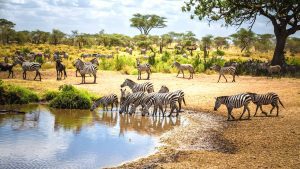
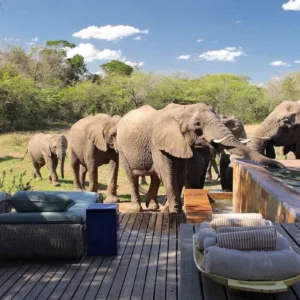
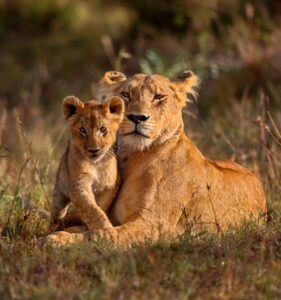
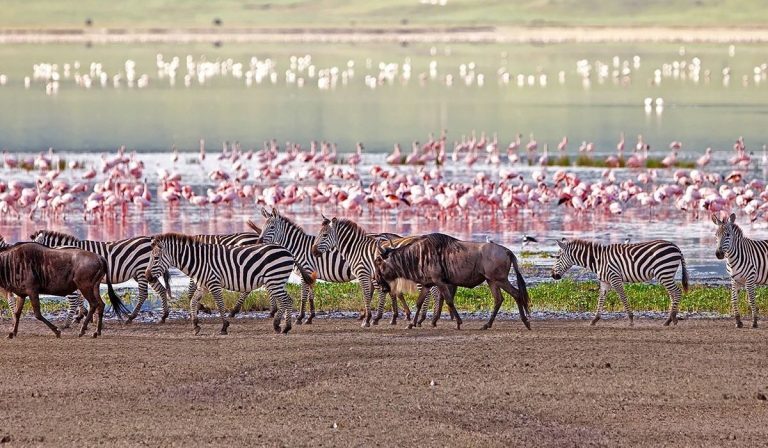
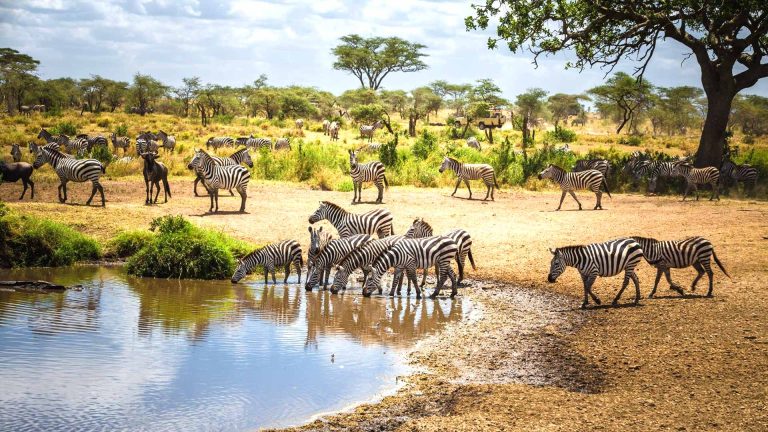
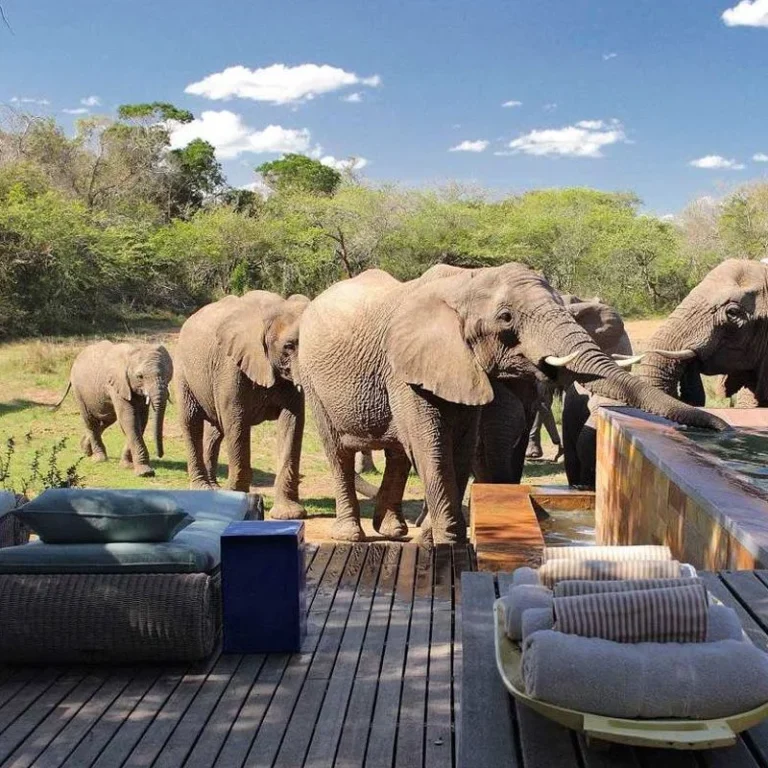
Many travelers choose to combine their Kilimanjaro climb with a Tanzania safari for a complete African adventure. After conquering Mount Kilimanjaro, visitors often explore world-famous parks such as Serengeti, Ngorongoro Crater, and Tarangire. This combination offers both mountain trekking and wildlife viewing in one trip. Starting from Arusha or Moshi makes it easy to transition from climbing to safari experiences. A post-climb safari is ideal for relaxation and recovery after the demanding trek. It also provides opportunities to see the Big Five and witness the Great Migration in the Serengeti. Combining these experiences maximizes your Tanzania journey and adds cultural richness through visits to Maasai villages. Many tour operators offer tailor-made packages that include both trekking and wildlife tours. This combination highlights the diversity of Tanzania and enhances the overall value of your travel experience in East Africa.
Safety Tips for Climbing Kilimanjaro
Safety is a top priority when climbing Mount Kilimanjaro. Following the guide instructions, maintaining a slow pace, and staying hydrated are essential for preventing altitude-related issues. Climbers should always communicate any discomfort early to avoid complications. Proper gear, including warm clothing and waterproof layers, protects against extreme weather conditions. It is important to avoid rushing the ascent, as gradual climbing improves acclimatization. Choosing a licensed operator within Kilimanjaro National Park ensures access to trained guides and emergency support systems. Travel insurance covering high-altitude trekking is highly recommended. Night summits require headlamps and careful movement due to freezing temperatures and strong winds. Listening to your body and respecting altitude limits can make the difference between success and failure. With proper preparation and safety awareness, climbing Kilimanjaro becomes a rewarding and life-changing adventure.
Approach, feed or disturb wildlife, or leave the vehicle unless your guide says it is safe.
Follow your guide, carry travel insurance and check current health and travel advice.
Final Thought
Climbing Mount Kilimanjaro is more than just a physical challenge; it is a life-changing journey through some of the most spectacular landscapes in Africa. From lush rainforest trails to icy summit slopes, every step within Kilimanjaro National Park offers unforgettable scenery and personal achievement. Success depends on preparation, the right route, experienced guides, and proper acclimatization. Whether combined with a Tanzania safari or undertaken as a standalone expedition, Kilimanjaro remains one of the world’s greatest trekking adventures. Reaching Uhuru Peak symbolizes determination, resilience, and connection with nature. With careful planning and the right mindset, this iconic climb becomes an achievable dream for adventurers worldwide.
Climbing Kilimanjaro Guide: FAQs
What are the best time to climb Kilimanjaro?
The best time to climb Kilimanjaro is during the dry seasons when weather conditions are more stable, and trails are less slippery. The most popular months are January to March and June to October. These periods offer clearer skies, better visibility, and higher summit success rates.
What can you expect from Kilimanjaro climbing routes?
There are several main Kilimanjaro climbing routes, each offering different scenery, difficulty levels, and success rates. The most popular route is the Machame Route, known as the “Whiskey Route,” which is scenic but challenging. The Marangu Route, also called the “Coca-Cola Route,” is the only route with hut accommodations and is considered easier but has a lower success rate due to rapid ascent.
How much should you budget for cost of climbing Mount Kilimanjaro?
The cost of climbing Kilimanjaro varies depending on route, duration, tour operator, and level of service. On average, prices range from $1,800 to $5,000 per person. Budget climbs are cheaper but may involve basic camping and fewer amenities, while luxury Kilimanjaro climbs include high-end tents, private toilets, and premium guides.
What should you know about training and fitness preparation for climbing Kilimanjaro guide?
Proper training is essential for a successful Kilimanjaro climb. Although technical climbing skills are not required, good physical fitness greatly improves your chances of reaching the summit. Training should begin at least 8–12 weeks before departure and focus on endurance, cardio, and leg strength. Activities like hiking, running, cycling, and stair climbing are highly recommended.
What can you expect from altitude sickness and acclimatization for climbing Kilimanjaro guide?
Altitude sickness is one of the biggest challenges when climbing Kilimanjaro. As you ascend above 2,500 meters, oxygen levels decrease, and climbers may experience headaches, nausea, dizziness, or fatigue. Proper acclimatization is key to preventing serious complications. Choosing longer routes, such as Lemosho or Northern Circuit, allows your body more time to adjust.
What should you know about packing list for Kilimanjaro trekking?
Packing the right gear is essential for a successful Kilimanjaro expedition. The mountain has extreme climate variations, from hot rainforest to freezing summit temperatures. Essential items include waterproof hiking boots, thermal layers, down jackets, gloves, hats, and trekking pants. A high-quality sleeping bag rated for sub-zero temperatures is mandatory.
What can you expect from Kilimanjaro success rates?
Kilimanjaro success rates depend on route choice, duration, fitness level, and acclimatization strategy. On average, summit success ranges between 60% and 90%. Longer routes, such as Lemosho and Northern Circuit, have higher success rates due to better acclimatization time. Shorter routes like Marangu often have lower success rates because of rapid ascent.
What should you know about choosing the best tour operator for climbing Kilimanjaro guide?
Selecting a reliable tour operator is one of the most important decisions when planning a Kilimanjaro climb. A professional company provides experienced guides, quality equipment, proper safety protocols, and ethical treatment of porters. Licensed operators registered under Tanzanian tourism authorities ensure compliance with park regulations in Kilimanjaro National Park.
Climb Kilimanjaro With Confidence
Tell us your dates and fitness, and our experienced mountain team will plan a safe, well-acclimatized private climb.