The best places to see endangered black rhinos on safari in Tanzania
Best Places to See Rhinos on Safari in Tanzania
Tracking black rhinos in Tanzania is one of the most rewarding experiences on an African safari, offering rare encounters in pristine wilderness. From the iconic plains of Serengeti National Park to the dramatic crater floor of Ngorongoro Conservation Area, these endangered giants thrive in protected habitats. Travelers seeking Tanzania safari tours, luxury safari Tanzania, or budget safari Tanzania will find rhino sightings both thrilling and meaningful. Conservation efforts across national parks and reserves have improved sightings, making Tanzania a top destination for wildlife safaris in Africa. Whether on a family safari in Tanzania, a honeymoon safari in Africa, or a private safari in Tanzania, spotting rhinos adds a powerful conservation story to your journey. Expect expert guides, scenic landscapes, and unforgettable moments in some of Africa’s finest wilderness areas.
Best Places to See Rhinos in Tanzania
Filter by region, or sort the parks by your chances of seeing a black rhino.
Serengeti National Park
Serengeti National Park is globally renowned for the Great Migration in Tanzania, but it also offers opportunities to see the elusive black rhino safari Tanzania, especially in the Moru Kopjes region. Here, black rhinos (Diceros bicornis) live in the park’s western woodlands and rocky kopjes, particularly in areas like Moru and the central western corridor. Although sightings can be rare and require patience, tracking rhinos with an experienced guide on an early morning drive can be incredibly rewarding. This UNESCO-listed ecosystem provides a classic African wildlife safari experience with vast savannahs, predators, and rare species. While rhino sightings are not guaranteed, guided private safari tours in Tanzania increase your chances with expert tracking. Visitors can combine rhino spotting with luxury safari lodges in the Serengeti, fly-in safaris in Tanzania, and photographic safaris in Africa. The Serengeti remains a bucket-list destination for those seeking the best places to see rhinos in Africa alongside lions, elephants, and cheetahs. Its breathtaking scenery and biodiversity make it ideal for family safari packages in Tanzania and honeymoon safaris in the Serengeti.
Tarangire National Park
Tarangire National Park is famous for elephants and baobab trees, but occasional sightings of black rhinos on a Tanzania safari have been recorded in its remote areas. Though not a primary rhino destination, it remains a key stop on northern circuit Tanzania safari itineraries. Travelers enjoy budget safari Tanzania, mid-range safari lodges in Tarangire, and scenic game drives rich in wildlife diversity. Tarangire’s seasonal swamps attract large herds, creating unforgettable wildlife viewing Tanzania experiences. Tarangire is especially magical during the dry season (June–October), when wildlife converges on the Tarangire River. Combining Tarangire with Serengeti safari tours and Ngorongoro Crater safari enhances the chances of spotting rare species. It’s perfect for family safari Tanzania packages and short safari tours Tanzania from Arusha, offering excellent value and authentic wilderness.
Lake Manyara National Park
Lake Manyara National Park offers lush forests and diverse ecosystems, making it a scenic stop on Tanzania safari tours. Although rhino sightings in Tanzania are extremely rare here, the park contributes to the broader conservation network supporting endangered species. Visitors enjoy tree-climbing lions in Tanzania, flamingos, and rich birdlife, making it ideal for a birdwatching safari in Africa and a family safari in Tanzania. Lake Manyara is often included in budget safari Tanzania and luxury safari northern circuit Tanzania itineraries. Its proximity to Ngorongoro enhances combined experiences, increasing overall chances of spotting rhinos elsewhere. This park is perfect for travelers seeking short safari Tanzania, photographic safari Tanzania, and scenic landscapes in a compact yet diverse environment.
Arusha National Park
Arusha National Park is a hidden gem near the safari gateway city, offering walking safaris and canoeing experiences. While black rhino sightings in Tanzania are not common, the park plays an important role in conservation awareness. Travelers enjoy views of Mount Meru, Tanzania, diverse habitats, and close wildlife encounters. It’s ideal for day trips, safari in Tanzania, and short luxury safari experiences in Tanzania. Arusha National Park is often combined with Kilimanjaro safari tours or longer northern circuit safari Tanzania itineraries. Its accessibility makes it perfect for family safaris in Tanzania, budget safaris in Arusha, and travelers starting their adventure. Though rhinos are rare, the park offers a unique introduction to Tanzania’s wildlife diversity.
Mkomazi Game Reserve
🦏 Top rhino spotMkomazi Game Reserve is one of the best places to see rhinos in Tanzania, thanks to its dedicated sanctuary protecting endangered black rhinos in Africa. Located near the Kenyan border, it offers exclusive rhino tracking safari Tanzania experiences. Visitors can witness conservation success stories while enjoying uncrowded landscapes. Mkomazi is also home to African wild dogs, making it a top choice for a wildlife safari off the beaten path in Africa. With limited visitor numbers, it provides a private safari Tanzania feel, ideal for luxury safari Tanzania and conservation-focused travelers. This reserve is perfect for those seeking authentic, meaningful encounters with rare species and supporting sustainable safari Tanzania initiatives.
Ruaha National Park
Ruaha National Park is Tanzania’s largest national park and a prime destination for the southern circuit safari in Tanzania. While rhino safari Tanzania sightings are extremely rare here, Ruaha offers exceptional biodiversity and remote wilderness. Known for large lion prides and elephant herds, it is perfect for a luxury safari in southern Tanzania and fly-in safari experiences in Tanzania. The park’s rugged landscapes and low visitor numbers create an authentic African safari adventure. Travelers combine the Ruaha with the Nyerere National Park safari for extended exploration. Though rhinos are not its highlight, Ruaha remains a top destination for wildlife photography safari Africa and those seeking untouched nature.
Mikumi National Park
Mikumi National Park is easily accessible from Dar es Salaam, making it ideal for short safari Tanzania and weekend safari trips Tanzania. While black rhinos in Tanzania are not present, Mikumi offers classic savannah wildlife experiences with lions, giraffes, and zebras. It is popular for budget safari Tanzania, family safari Tanzania, and first-time visitors. Often combined with Ruaha safari tours or Nyerere National Park safari, Mikumi provides a convenient introduction to Tanzania’s wildlife. Although not a rhino destination, it plays a role in broader conservation awareness and is perfect for travelers seeking accessible and affordable safari options.
Nyerere National Park (formerly Selous Game Reserve)
Nyerere National Park, formerly Selous, is one of Africa’s largest protected areas and a highlight of a southern Tanzania safari. While rhino sightings on a Tanzania safari are rare due to past poaching, conservation efforts are ongoing. Visitors enjoy boat safaris, walking safaris, and diverse wildlife encounters. It’s a top destination for luxury safari Tanzania, honeymoon safari Africa, and private safari tours Tanzania. The park’s remote setting offers exclusivity and pristine landscapes. Though not the best for rhinos, it complements trips to northern parks where sightings are more likely, creating a well-rounded Tanzania safari itinerary.
Ngorongoro Conservation Area
🦏 Top rhino spotNgorongoro Conservation Area is the best place to see black rhinos in Tanzania, particularly on the crater floor. This UNESCO World Heritage Site offers one of the highest chances of spotting endangered black rhinos in Africa in the wild. The Ngorongoro Crater safari delivers unmatched wildlife density, including lions, elephants, and buffalo. It is a must-visit for luxury safari Tanzania, family safari packages Tanzania, and photographic safaris in Africa. Easily accessible from Arusha, it is often combined with Serengeti safari tours. For travelers seeking guaranteed rhino encounters, Ngorongoro remains the ultimate destination.
Mkomanzi National Park (Mkomazi)
🦏 Top rhino spotMkomazi Game Reserve, sometimes referred to as Mkomanzi, is synonymous with rhino conservation in Tanzania. This protected area hosts a secure sanctuary for black rhinos safari Africa, offering controlled viewing experiences. It stands out for sustainable tourism in Tanzania and conservation-driven safaris. Visitors enjoy quiet landscapes, rare wildlife, and exclusive encounters. Ideal for private safari Tanzania, luxury safari packages Tanzania, and eco-conscious travelers, Mkomazi delivers one of the most meaningful rhino experiences in East Africa. Its growing reputation makes it a rising star in Tanzania safari destinations.
Southern Serengeti National Park
Serengeti National Park (Southern region) is famous for the calving season during the Great Migration Tanzania safari, attracting predators and wildlife enthusiasts. While black rhinos in Tanzania safari are rare, the region offers exceptional game viewing and photographic opportunities. Travelers enjoy luxury tented camps, Serengeti migration safari, Tanzania, and honeymoon safari Serengeti experiences. Combining this region with Ngorongoro increases rhino sighting chances. It’s ideal for those seeking dramatic landscapes, abundant wildlife, and unforgettable safari moments in one of Africa’s most iconic ecosystems.
Chances are a general guide based on this article. Rhinos are rare wild animals and sightings are never guaranteed.
Related Rhino & Big Five Guides
Where to See the “Big Five” in Tanzania - A Detailed Guide→Interesting 17 Fascinating Facts About the Black Rhino→What To Know Before Going on a Big Five Safari In Tanzania→Ngorongoro Rhino Lodge→Rhino Safari→Final Thought
Tanzania stands out as one of the best safari destinations in Africa for encountering rare wildlife, including endangered black rhinos. While sightings vary by location, areas like Ngorongoro Conservation Area and Mkomazi Game Reserve offer the highest chances. Whether choosing a luxury safari in Tanzania, a budget safari in Africa, or a private safari tour in Tanzania, each park contributes to conservation and unforgettable experiences. A well-planned itinerary combining northern and southern circuits ensures diverse wildlife encounters. For travelers seeking bucket list African safari experiences, Tanzania delivers authenticity, adventure, and meaningful connections with nature.
Questions About Rhinos on Safari in Tanzania
Where is the best place to see rhinos in Tanzania?
The best place to see rhinos in Tanzania is the Ngorongoro Crater, where the protected crater floor offers one of Africa’s highest chances of spotting endangered black rhinos in the wild. Mkomazi National Park is another top choice, with a dedicated, well-guarded rhino sanctuary. In Serengeti National Park, small populations live around the Moru Kopjes, where patient early-morning tracking with an experienced guide can be very rewarding.
Where can I see the Big Five in Tanzania?
You can see the Big Five, lion, leopard, elephant, buffalo and rhino, across several of Tanzania’s iconic parks. Ngorongoro Crater is the most reliable place to spot all five in one area, including the rare black rhino. Serengeti National Park offers excellent lion, leopard, elephant and buffalo sightings, while Tarangire is famous for large elephant herds. Nyerere and Ruaha provide vast, quieter wilderness experiences.
What should I know before a Big Five safari in Tanzania?
Plan carefully: the Big Five are best seen in Serengeti, Ngorongoro Crater and Tarangire, and the dry season from June to October offers the best viewing as animals gather near water. Choose a reputable safari operator with an experienced guide, as elusive leopards and rhinos need skilled tracking. Pack neutral-colored clothing, respect wildlife rules and be patient, because Big Five sightings are thrilling but never guaranteed.
When is the best time to see rhinos in Tanzania?
The best time to see rhinos in Tanzania, especially in the Ngorongoro Crater, is the dry season from June to October, when shorter grass and wildlife gathering near water improve visibility. Early mornings offer the highest chances of spotting black rhinos. The short dry season in January and February is also excellent, with clear views, mild weather and fewer visitors on the crater floor.
Which type of rhino lives in Tanzania?
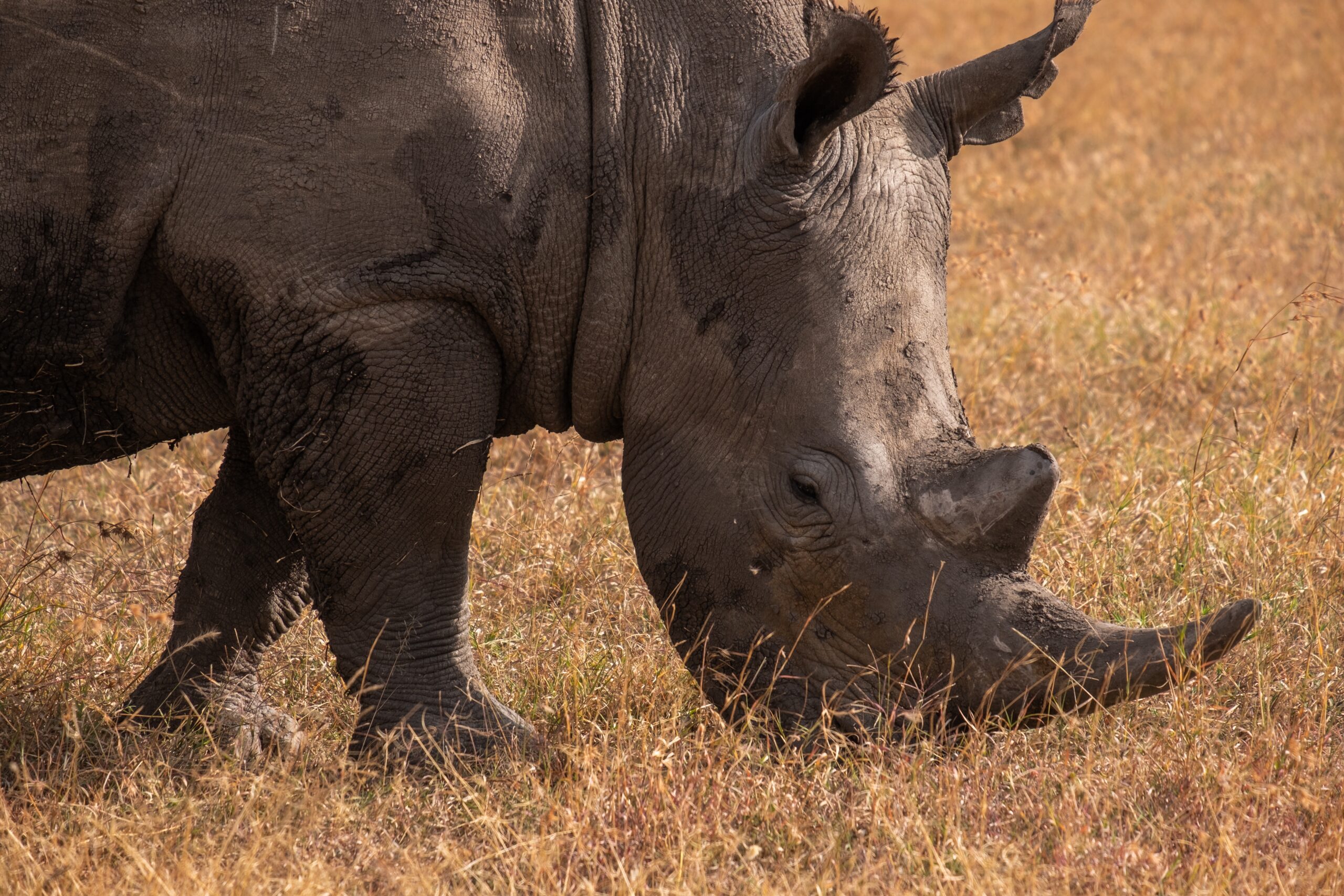
Tanzania is home to the eastern black rhino, a critically endangered subspecies. Black rhinos are browsers with a hooked upper lip for feeding on shrubs, unlike grazing white rhinos. They are usually solitary, shy and most active in the cooler hours. Thanks to strict protection in the Ngorongoro Crater, the Serengeti and the Mkomazi rhino sanctuary, their numbers are slowly recovering.
What are interesting facts about rhinos in Tanzania?
Black rhinos can weigh over a ton, yet they can run surprisingly fast. They have poor eyesight but rely on excellent senses of smell and hearing. Their horns are made of keratin, the same material as human hair and nails. Rhinos are mostly solitary and can live for decades. Every safari visit supports conservation and anti-poaching work that protects these magnificent animals.
Are rhino sightings guaranteed on a Tanzania safari?
No, rhino sightings are never guaranteed because rhinos are rare, shy wild animals. However, the Ngorongoro Crater offers some of the best chances in Africa, and the Mkomazi sanctuary provides controlled viewing opportunities. Arriving early on the crater floor and travelling with an experienced private guide and good binoculars greatly improves your chances of a memorable sighting of these endangered animals.
What is the Mkomazi rhino sanctuary?
Mkomazi, near the Kenyan border, is home to a fenced, heavily guarded rhino sanctuary where black rhinos have been reintroduced under strict protection. It is one of Tanzania’s conservation success stories, also known for African wild dogs. Visitor numbers are low, giving an exclusive, uncrowded experience. Rhino viewing is controlled to protect the animals, making Mkomazi ideal for conservation-minded travelers seeking meaningful encounters.
Plan Your Private Rhino Safari
Tell us your dates, and we will design a private, tailor-made safari to the Ngorongoro Crater, Mkomazi and the Serengeti for your best chance of seeing black rhinos.