
All You Need to Know to Climb Mt Kilimanjaro
Climbing Kilimanjaro at a Glance
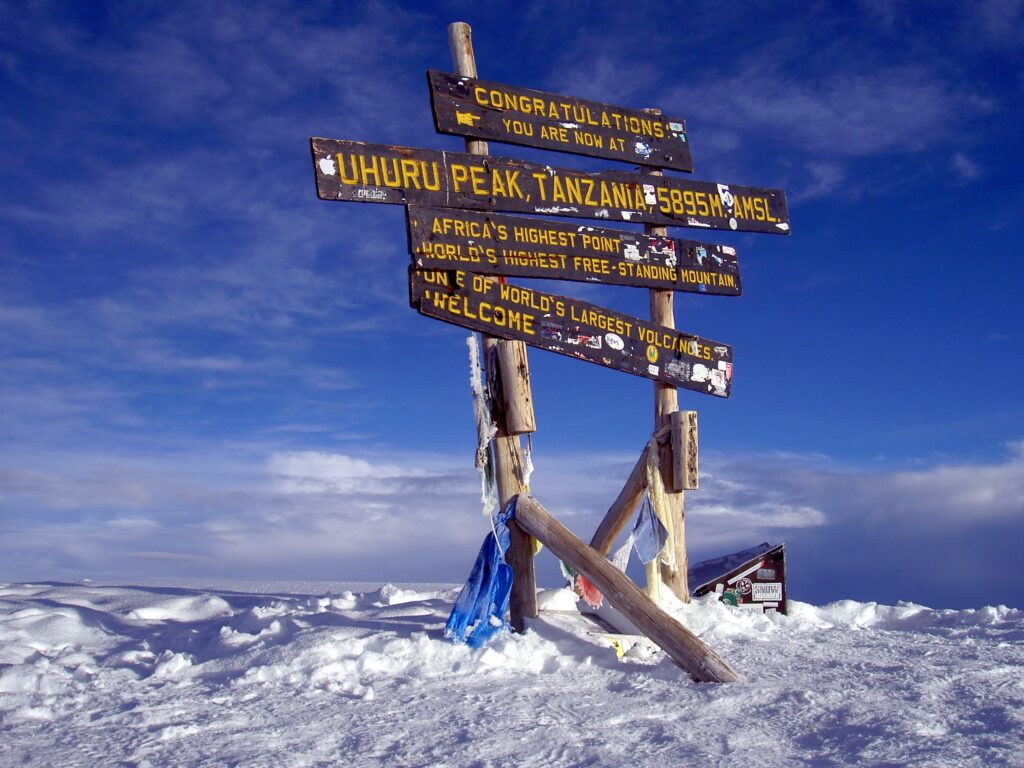
Climbing Mount Kilimanjaro, Africa’s tallest peak at 5,895 meters, is a dream for adventurers worldwide. Situated in Tanzania, Kilimanjaro is known for its dramatic landscapes, from lush rainforests to alpine deserts and glacial summit zones. Unlike technical climbs, summiting Kilimanjaro is achievable for those with moderate fitness, making it one of the most popular trekking adventures globally. Choosing the right route, understanding altitude challenges, preparing for varied weather, and packing smartly are crucial to a successful trek. From cost estimates to the best climbing seasons, this guide covers everything you need to know for an unforgettable Kilimanjaro experience, whether you’re a first-time climber or an experienced hiker seeking Africa’s ultimate adventure.
Choosing the Right Kilimanjaro Route
Selecting the ideal Kilimanjaro route is essential for success and enjoyment. There are seven main routes: Marangu, Machame, Lemosho, Shira, Rongai, Umbwe, and Northern Circuit. Marangu is the “Coca-Cola Route,” offering huts for overnight stays, while Machame is scenic and challenging. Lemosho and Shira routes provide longer itineraries, increasing acclimatization success. Rongai is the quietest route from the north, Umbwe is steep and for experienced trekkers, and Northern Circuit offers the longest, most remote trek. Each route differs in difficulty, scenery, and success rate. Consider factors like time availability, fitness level, and whether you prefer huts or tents. Choosing the right route enhances summit chances and ensures an unforgettable Kilimanjaro trekking experience, blending adventure with stunning panoramic views.
No Technical Skills Needed
One of the most appealing aspects of climbing Kilimanjaro is that no technical climbing skills are required. Unlike Mount Everest or the Alps, you don’t need ropes, crampons, or specialized mountaineering experience. The trek relies on endurance, moderate fitness, and mental preparation. Trails are well-marked and supported by guides and porters who manage logistics, including camp setup and meals. While the summit is physically demanding due to steep ascents and high altitude, climbers use trekking poles and sturdy boots to navigate safely. This accessibility makes Kilimanjaro one of the most popular non-technical high-altitude climbs in the world. First-time climbers and adventurers can enjoy a bucket-list experience without advanced mountaineering training, relying on preparation, pacing, and professional guidance.
When is the Best Time to Climb Kilimanjaro
The best time to climb Kilimanjaro depends on weather, trail conditions, and your preference for crowds. Peak climbing seasons are from January to March and June to October, offering dry, stable conditions with clear skies. These periods maximize summit success and minimize rain-related hazards. The rainy months of April, May and November make trails slippery and less predictable, but they are also the quietest, which can appeal to those seeking solitude. Weather can vary dramatically with elevation, so even during the best times, climbers may encounter cold nights and high winds. Planning your climb during optimal months improves safety, comfort, and the chance to witness breathtaking sunrise and glacier views from Africa’s highest peak.
What is the Hardest Part of the Climb
The hardest part of climbing Kilimanjaro is often the final ascent to Uhuru Peak. Known as the “Summit Night,” climbers leave camp around midnight to reach the summit by sunrise. The climb involves extreme cold, thin air, and steep inclines. Fatigue, low oxygen, and early waking make this stage mentally and physically challenging. Many trekkers experience altitude-related symptoms, including headaches, nausea, and breathlessness. Preparation through longer acclimatization days, proper pacing, and hydration is key. Despite the difficulty, the reward is immense: a panoramic view of Africa at dawn above clouds. While challenging, with adequate training, a proper route, and experienced guides, climbers can overcome the hardest part, making the summit experience profoundly rewarding.
How Fit Should I Be for the Hike
Fitness is crucial for a successful Kilimanjaro climb. While no technical skills are needed, the trek demands cardiovascular endurance, leg strength, and mental stamina. Hikes range from 5 to 9 days, with 5–8 hours of daily trekking. Regular aerobic exercise, such as running, cycling, or swimming, improves stamina. Strength training for legs, core, and back aids uphill trekking and carrying a light daypack. Practicing long hikes with weighted backpacks simulates mountain conditions. Flexibility and balance exercises also help on uneven trails. Fitness levels affect acclimatization, fatigue, and overall summit success. Even moderate training months before the climb can significantly increase the chances of a safe, enjoyable, and triumphant ascent to Africa’s highest peak.
What Do I Need to Pack for Kilimanjaro
Packing smart is essential for Kilimanjaro treks. Essentials on a Kilimanjaro packing list include layered clothing to adjust to varying temperatures: base layers, fleece mid-layers, and waterproof outer layers. Sturdy, broken-in hiking boots and moisture-wicking socks prevent blisters. Accessories include gloves, hats, sunglasses, and a headlamp. Trekking poles reduce knee strain during steep ascents. A durable backpack carries water, snacks, and personal items. High-SPF sunscreen and lip balm protect against strong UV rays at altitude. A reusable water bottle or hydration system ensures constant hydration. Don’t forget a camera for scenic memories and toiletries. Proper packing enhances comfort, safety, and endurance, allowing trekkers to focus on the summit and fully enjoy the changing landscapes of Kilimanjaro’s diverse ecological zones.
What is the Scariest Part of Kilimanjaro
For many climbers, the scariest part of Kilimanjaro is the night-time summit push. Trekking in near darkness, with extreme cold and low oxygen, creates a mentally intimidating environment. The trails are steep, rocky, and slippery in some areas, and the altitude may trigger dizziness or nausea. Concerns about altitude sickness, exhaustion, and harsh weather amplify fear. Despite these challenges, careful pacing, teamwork, and experienced guides provide reassurance. Proper mental preparation, visualization, and positive mindset help overcome fear. While the night ascent is daunting, it is also the most rewarding segment, culminating in sunrise views from Uhuru Peak. Facing this fear often becomes a highlight of the Kilimanjaro adventure, leaving climbers with a sense of achievement and resilience.
Altitude is the Biggest Challenge
Altitude presents the most significant challenge on Kilimanjaro. The mountain rises nearly 6,000 meters, causing reduced oxygen levels, which can lead to altitude sickness. Symptoms include headaches, nausea, fatigue, and shortness of breath. Proper acclimatization through longer itineraries and rest days improves summit success. Hydration, slow pacing, and light meals are crucial to cope with altitude effects. Guides monitor climbers closely for serious symptoms like HAPE or HACE. Understanding your body’s response and adjusting activity is vital. Some routes, such as Lemosho and Machame, offer gradual altitude gains, increasing safety. Even physically fit climbers can be affected, making altitude awareness and prevention strategies essential for a safe and enjoyable Kilimanjaro trekking experience.
- Headache
- Nausea
- Fatigue
- Shortness of breath
- Confusion or loss of balance (HACE)
- Breathlessness at rest (HAPE)
- Tell your guide immediately
How Much Does It Cost to Climb Kilimanjaro
The cost of climbing Kilimanjaro varies depending on route, duration, and tour services. Budget climbers can expect prices starting around $1,900, while mid-range and luxury packages range from $2,500 to $6,000 per person. Costs cover park fees, guide and porter fees, accommodations (tents or huts), meals, and transportation to and from Kilimanjaro National Park. Longer routes increase cost due to extra nights and additional support staff. Independent trekkers can save on tours but must handle logistics themselves, including permits. Some Kilimanjaro tour companies and operators offer all-inclusive Mount Kilimanjaro climbing packages with camping gear, meals, and transfers. Understanding the breakdown of Kilimanjaro costs helps plan finances, ensuring a safe, comfortable, and memorable climb without unexpected expenses during Africa’s ultimate trekking adventure.
- Park and rescue fees
- Guides, porters and cook
- Meals and tents or huts
- Transfers to the park gates
- International flights and visa
- Travel insurance
- Tips for the crew
- Personal equipment
What Do Hikers Do When They Need the Toilet
On Kilimanjaro, toilet facilities are basic and vary by route. Some campsites, especially on the Marangu route, have hut toilets, while most routes rely on portable toilets or designated areas. Guides provide privacy and ensure hygienic practices. Climbers may need to carry toilet paper and hand sanitizer. At higher altitudes, digging a small hole may be necessary when portable toilets are unavailable. Maintaining cleanliness is crucial to prevent illness and protect the environment. Trekkers should follow Leave No Trace principles, pack out waste when required, and respect local guidelines. Planning ahead reduces discomfort, allowing climbers to focus on trekking. Experienced guides ensure safety, privacy, and support for managing nature’s calls throughout the Kilimanjaro ascent.
Do I Need to Bring Food on Kilimanjaro
Most Kilimanjaro climbing packages provide meals, including breakfast, lunch, and dinner, prepared by porters and cooks. Nutrition is essential to maintain energy and support acclimatization. Meals typically include carbohydrates, proteins, and fruits for balanced intake. However, hikers may bring personal snacks like energy bars, trail mix, or chocolate for additional calories during long trekking hours. Hydration is equally important, so carrying water and electrolyte drinks is recommended. Avoid alcohol and excessive caffeine, which can worsen dehydration. Proper nutrition fuels endurance, enhances acclimatization, and helps climbers cope with altitude. While tours provide sufficient meals, personal snacks add convenience, comfort, and extra energy for challenging sections of the Kilimanjaro trek.
How Much Sleep Will I Get on the Mountain
Sleep on Kilimanjaro is limited and often disrupted by altitude, cold, and excitement. Nights in tents or huts can be chilly, making high-quality sleeping bags essential. Trekkers may experience shallow sleep due to reduced oxygen and early wake-ups for summit attempts. Typically, climbers get 6–7 hours, though summit night may involve only 4–5 hours. Establishing a bedtime routine, staying hydrated, and pacing energy during the day improves rest. Noise from other climbers or environmental factors can also impact sleep. Despite sleep challenges, climbers often find adrenaline and anticipation compensate, fueling summit pushes. Managing rest strategically is vital for energy, mental focus, and overall success on Mount Kilimanjaro.
How Many Days Does It Take to Climb Kilimanjaro
Climbing Kilimanjaro typically takes 5 to 9 days, depending on the chosen route and acclimatization schedule. Shorter routes like Marangu or Rongai can be completed in 5–6 days but may reduce summit success rates. Longer routes such as Lemosho, Shira, or Northern Circuit allow more gradual altitude gain, increasing safety and summit success. Daily trekking averages 5–8 hours, with breaks for meals, photos, and acclimatization. Extra rest days improve chances against altitude sickness. Planning an appropriate itinerary balances physical challenge with comfort. Understanding route duration helps climbers prepare mentally and physically, ensures logistics align with personal schedules, and enhances the likelihood of achieving the ultimate goal: reaching Uhuru Peak on Africa’s highest mountain.
Guides are Mandatory
Hiring guides is mandatory on Kilimanjaro. The Tanzanian government requires every climber to have professional guides to ensure safety, manage logistics, and provide local expertise. Guides monitor altitude symptoms, lead the group on safe routes, and assist during emergencies. Porters carry camping gear, food, and supplies, allowing climbers to focus on trekking. Experienced guides enhance the experience by sharing knowledge about the mountain’s ecology, culture, and wildlife. Attempting Kilimanjaro without guides is illegal and unsafe, as sudden altitude sickness or injury can become life-threatening. Choosing licensed, reputable operators ensures ethical treatment of porters and safety compliance, making guides an essential component of a successful, memorable, and legally compliant Mount Kilimanjaro adventure.
Kilimanjaro Climbing Questions Answered
Climbers ask us these questions most often. Tap a topic to read the answer.
Has Anyone Died Climbing Mount Kilimanjaro?
Yes, fatalities have occurred on Mount Kilimanjaro, but the mountain remains one of the safest high-altitude trekking destinations when climbed with licensed operators. Most deaths are linked to acute mountain sickness (AMS), high-altitude pulmonary oedema (HAPE), high-altitude cerebral oedema (HACE), or underlying medical conditions rather than technical climbing accidents. Choosing a 7–9-day Kilimanjaro route, proper acclimatisation, experienced mountain guides, daily health checks, and a slow hiking pace greatly improve summit success and safety. With professional support, emergency oxygen, and responsible trekking practices, thousands of climbers safely reach Uhuru Peak every year.
Mt Kilimanjaro Hike Distance
The Mount Kilimanjaro hike distance depends on your chosen route. The Marangu Route covers about 72 km (45 miles), while the Machame Route is approximately 62 km (39 miles). The Lemosho Route spans around 70 km (43 miles), and the Northern Circuit is the longest at nearly 98 km (61 miles). Climbers typically hike 5–15 km daily, depending on altitude and itinerary. Longer routes allow better acclimatisation and higher summit success rates. Your total distance includes trekking through rainforest, moorland, alpine desert, and the Arctic summit zone to Uhuru Peak (5,895 metres/19,341 feet).
What I Wish I Knew Before Climbing Kilimanjaro
Before climbing Mount Kilimanjaro, many hikers wish they understood that altitude—not fitness—is the greatest challenge. Walking slowly, drinking plenty of water, and following the famous "pole pole" pace significantly improve acclimatisation. Quality hiking boots, layered clothing, trekking poles, and proper preparation make a huge difference. Summit night is colder, longer, and more demanding than expected, but sunrise at Uhuru Peak is unforgettable. Booking with a reputable Kilimanjaro operator that provides experienced guides, emergency oxygen, and excellent porter support increases safety, comfort, and your chances of successfully reaching Africa's highest mountain.
How Much Does It Cost to Climb Mount Kilimanjaro Per Person?
The cost to climb Mount Kilimanjaro per person usually ranges from $2,000 to $6,000+, depending on route, group size, operator, accommodation, and service level. Budget climbs generally start around $1,800–$2,500, while mid-range climbs cost $2,500–$4,000, and luxury expeditions exceed $5,000. Prices typically include park fees, mountain guides, porters, meals, camping or huts, rescue fees, transfers, and accommodation before and after the climb. Flights, visas, travel insurance, tips, and personal equipment are usually additional. Avoid unusually cheap operators that may compromise safety or porter welfare.
Kilimanjaro Hike Difficulty
The Kilimanjaro hike difficulty is considered moderate to challenging because of the high altitude rather than technical climbing. No ropes or mountaineering experience are required, making it one of the world's most accessible Seven Summits. Climbers trek for 5–9 days, gaining significant elevation each day. Summit night is the toughest section, involving several hours of uphill hiking in cold temperatures before sunrise. Good physical fitness, proper acclimatisation, mental determination, hydration, and choosing a longer itinerary greatly increase your chances of reaching Uhuru Peak safely and successfully.
Climbing Kilimanjaro on a Budget
Climbing Kilimanjaro on a budget is possible without sacrificing safety. Join a group departure to share costs, choose camping routes like Machame or Lemosho, and travel during the shoulder seasons for better prices. Compare licensed operators carefully, ensuring park fees, rescue fees, quality equipment, experienced guides, and ethical porter treatment are included. Avoid suspiciously cheap tours that may cut corners on safety or staff welfare. Renting climbing gear instead of buying everything can also reduce costs. A well-planned budget Kilimanjaro climb still offers an unforgettable adventure and excellent summit opportunities.
Do You Need a Guide to Climb Kilimanjaro?
Yes. Tanzania National Parks (TANAPA) regulations require all visitors climbing Mount Kilimanjaro to be accompanied by a licensed guide. Independent climbing is not permitted. Your guide manages navigation, altitude monitoring, safety checks, emergency response, campsite logistics, and communication with park authorities. Most expeditions also include professional porters and a mountain chef to carry equipment and prepare meals. Choosing an experienced, licensed Kilimanjaro operator improves safety, comfort, and summit success while ensuring responsible tourism and fair treatment of mountain crews according to park regulations.
Can You Climb Kilimanjaro in a Day?
No. You cannot climb Mount Kilimanjaro to the summit in a single day. Reaching Uhuru Peak safely requires 5–9 days, depending on the route, because gradual acclimatisation is essential at high altitude. Attempting to summit in one day would expose climbers to severe altitude sickness and is not permitted under standard trekking itineraries. However, visitors can enjoy day hikes on the lower slopes of Kilimanjaro National Park without attempting the summit. These excursions offer rainforest scenery, wildlife, waterfalls, and spectacular mountain views while requiring much less time and preparation.
How to Train for Climbing Kilimanjaro (The Best Way)
The best Kilimanjaro training plan combines cardiovascular fitness, strength training, hiking, and endurance. Begin training 8–12 weeks before departure. Complete weekly long hikes carrying a backpack, climb stairs, and perform cycling or running sessions to improve aerobic fitness. Strengthen your legs, core, and back with squats, lunges, and resistance exercises. Practice hiking on uneven terrain while wearing your trekking boots. Focus on consistency rather than speed, since Kilimanjaro is climbed slowly. Good nutrition, hydration, flexibility, and adequate recovery prepare your body for multiple consecutive days of high-altitude trekking.
What Do I Need to Know/Do to Successfully Climb Kilimanjaro?
To successfully climb Mount Kilimanjaro, choose a longer route for better acclimatisation, train consistently, and use quality hiking equipment. Follow your guide's instructions, maintain a slow "pole pole" pace, drink plenty of water, eat regular meals, and recognise early symptoms of altitude sickness. Pack layered clothing suitable for changing climates from rainforest to Arctic conditions. Purchase comprehensive travel insurance covering high-altitude trekking and evacuation. Climbing with an experienced, licensed operator that provides health monitoring, emergency oxygen, and skilled mountain guides greatly increases your chances of safely reaching Uhuru Peak.
A Beginner's Guide to Climbing Mount Kilimanjaro
Mount Kilimanjaro is Africa's highest mountain and an excellent choice for beginner high-altitude trekkers because no technical climbing skills are required. Select a 7–8-day itinerary for better acclimatisation and higher summit success. Expect to hike through five unique ecological zones, from tropical rainforest to glaciers near the summit. Train before your trip, invest in quality hiking boots and layered clothing, and travel with licensed guides. The biggest challenge is altitude, not steep terrain. With proper preparation, determination, and professional support, first-time climbers can successfully reach Uhuru Peak.
How Do I Prepare a Trip to Climb Mount Kilimanjaro?
Preparing for a Mount Kilimanjaro climb starts with selecting the best route, booking a licensed operator, and planning your travel several months in advance. Train for endurance, organise travel insurance, obtain a Tanzanian visa if required, and ensure your passport remains valid. Purchase or rent essential gear, including hiking boots, warm clothing, sleeping bags, trekking poles, and waterproof layers. Schedule vaccinations if recommended and consult your doctor regarding high-altitude travel. Arrive in Tanzania at least one day before your trek to rest, check equipment, and attend your climb briefing with the guiding team.
Everything to Know About Climbing Mount Kilimanjaro
Climbing Mount Kilimanjaro is a bucket-list adventure combining spectacular scenery, diverse ecosystems, and the challenge of reaching Africa's highest peak at 5,895 metres (19,341 feet). Climbers can choose routes including Machame, Marangu, Lemosho, Rongai, Shira, Umbwe, and the Northern Circuit, each offering unique experiences. Success depends on acclimatisation, physical preparation, quality equipment, and experienced guides. Climbs typically last 5–9 days, with summit attempts beginning before midnight. The best climbing seasons are January–March and June–October, when weather conditions are generally more stable and visibility is excellent.
How Hard Is It to Climb Kilimanjaro?
Many people ask, "How hard is it to climb Kilimanjaro?" The answer depends largely on altitude tolerance, preparation, and route choice. Physically, most days involve steady hiking rather than technical climbing, but the reduced oxygen above 4,000 metres makes every step more demanding. Summit night is particularly challenging due to cold temperatures, darkness, and fatigue. Training, choosing a longer itinerary, maintaining a slow pace, and staying hydrated significantly improve performance. With determination, proper preparation, and experienced guides, thousands of first-time climbers successfully reach Uhuru Peak every year.
What Is It Actually Like to Climb Mount Kilimanjaro as a Complete Beginner with No Mountaineering Experience?
For complete beginners, climbing Mount Kilimanjaro is both physically demanding and incredibly rewarding. No previous mountaineering experience is necessary because the climb involves trekking rather than technical rock or ice climbing. Each day brings changing landscapes, from lush rainforest to alpine desert and glaciers near the summit. Friendly guides, skilled porters, and mountain chefs provide excellent support throughout the expedition. The greatest challenge is adapting to the altitude, especially on summit night. With proper training, determination, and a carefully planned itinerary, beginners regularly achieve their dream of standing on Uhuru Peak, Africa's highest point.
Final Thoughts: Your Journey to the Roof of Africa
Climbing Mount Kilimanjaro is an unforgettable adventure, combining physical challenge, stunning landscapes, and personal achievement. Proper preparation—choosing the right route, training, packing wisely, understanding altitude, and hiring guides—maximizes safety and success. From scenic forests to the glacial summit, Kilimanjaro offers an experience unlike any other. While summit night is daunting, overcoming challenges rewards climbers with awe-inspiring sunrise views and the satisfaction of reaching Africa’s roof. With careful planning, a positive mindset, and reliable support, anyone with moderate fitness can conquer this iconic peak. Embark on this bucket-list trek to experience adventure, natural beauty, and the thrill of standing atop one of the world’s most famous mountains.
Climbing Kilimanjaro: Frequently Asked Questions
Which Kilimanjaro route should I choose?
There are seven main routes: Marangu, Machame, Lemosho, Shira, Rongai, Umbwe and the Northern Circuit. Longer routes such as Lemosho and the Northern Circuit give better acclimatisation, while Marangu offers huts. Choose based on time, fitness and whether you prefer huts or tents.
Do I need technical climbing skills for Kilimanjaro?
No. Kilimanjaro is a trek, not a technical climb, so you do not need ropes, crampons or mountaineering experience. Success depends on endurance, moderate fitness, mental preparation and professional guides.
When is the best time to climb Kilimanjaro?
The best times are January to March and June to October, when conditions are dry and skies are clearer. April, May and November are rainier and quieter, with slippery trails.
What is the hardest part of climbing Kilimanjaro?
Summit night is the hardest part. Climbers leave camp around midnight to reach Uhuru Peak by sunrise, facing extreme cold, thin air and steep slopes. Good acclimatisation, pacing and hydration make it achievable.
How fit do I need to be to climb Kilimanjaro?
You need good cardiovascular endurance, leg strength and mental stamina for 5 to 9 days of 5 to 8 hours of daily trekking. Running, cycling, strength training and long hikes with a daypack help you prepare.
What should I pack for Kilimanjaro?
Pack layered clothing, broken-in hiking boots, wicking socks, gloves, a hat, sunglasses, a headlamp, trekking poles, a daypack, a water bottle or hydration system, high-SPF sunscreen, lip balm and toiletries.
What is the scariest part of Kilimanjaro?
For many climbers it is the night-time summit push, trekking in near darkness with cold, low oxygen and steep, rocky trails. Careful pacing, experienced guides and a positive mindset help you overcome it.
Is altitude the biggest challenge on Kilimanjaro?
Yes. Reduced oxygen can cause headaches, nausea, fatigue and breathlessness. Longer itineraries, rest days, hydration and a slow pace improve acclimatisation, and guides monitor climbers for serious conditions such as HAPE and HACE.
How much does it cost to climb Kilimanjaro?
Budget climbs start around $1,900, while mid-range and luxury packages range from $2,500 to $6,000 per person. Prices usually cover park fees, guides, porters, meals, tents or huts and transfers.
What toilets are available on Kilimanjaro?
Campsites have basic long-drop toilets, and some operators provide private portable chemical toilet tents. On the trail you use discreet bush stops. Carry toilet paper, hand sanitiser and wet wipes, and follow Leave No Trace principles.
Do I need to bring food to climb Kilimanjaro?
No. Climbing packages provide breakfast, lunch and dinner prepared by mountain cooks. Bring personal snacks such as energy bars, trail mix or chocolate, plus electrolyte drinks, for extra energy on long days.
How much sleep will I get on Kilimanjaro?
Climbers typically sleep 6 to 7 hours a night, though altitude and cold can make sleep shallow. Summit night usually allows only 4 to 5 hours. A warm sleeping bag and good hydration help you rest.
How many days does it take to climb Kilimanjaro?
Most climbs take 5 to 9 days. Marangu and Rongai can be done in 5 to 6 days, while Lemosho, Shira and the Northern Circuit take longer and give better acclimatisation and summit success.
Are guides mandatory on Kilimanjaro?
Yes. Tanzanian park regulations require every climber to be accompanied by a licensed guide. Guides manage safety, altitude monitoring and logistics, while porters carry equipment, food and supplies.
Climb Kilimanjaro With Confidence
Tell us your dates and fitness, and our experienced mountain team will plan a safe, well-acclimatised private Kilimanjaro climb on the route that suits you.