Best Photography Tips for African Safari
Best Photography Tips for African Safari
African safari photography is one of the most rewarding genres of wildlife and travel photography, offering unforgettable moments across iconic destinations like the Serengeti, Ngorongoro Crater, Masai Mara, and Tarangire National Park. Capturing breathtaking images of lions, elephants, leopards, giraffes, zebras, and the Great Migration requires more than just a camera—it demands skill, patience, and preparation. Whether you are a beginner or a professional wildlife photographer, mastering African safari photography tips will dramatically improve your results. From understanding lighting conditions in the savannah to choosing the right safari camera gear, every detail matters. This guide explores the best photography tips for African safari adventures, helping you capture sharp, vibrant, and emotionally powerful wildlife images that stand out on Google, social media, and photography portfolios.
Tips 1. Choose the Right Equipment
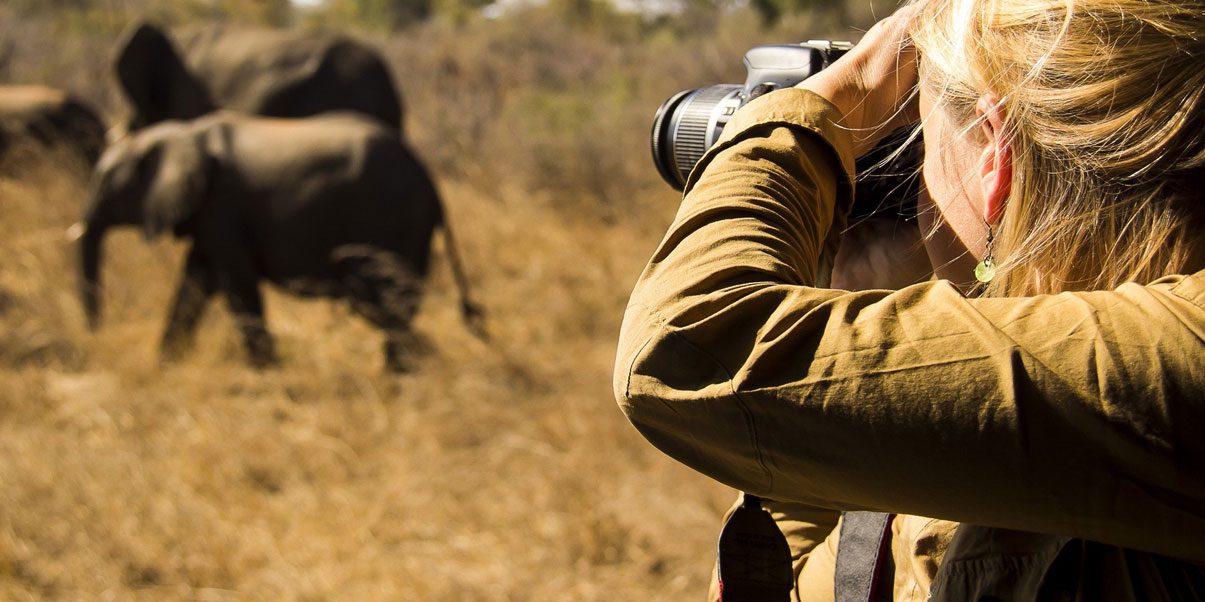
Choosing the right equipment is the foundation of successful African safari photography. A DSLR or mirrorless camera with fast autofocus and high burst speed is ideal for capturing moving wildlife in places like Serengeti National Park or Maasai Mara. A sturdy telephoto lens, such as 100-400mm or 150-600mm, is essential for distant subjects like lions or cheetahs. Weather-sealed gear is highly recommended due to dust and changing safari conditions. Don’t forget extra batteries and memory cards, as safari days are long and full of action. Lightweight equipment is also important because you may shoot from a safari vehicle for hours. Investing in the best safari photography gear ensures you never miss rare wildlife moments, improving your chances of capturing professional-quality African wildlife photos that rank well in travel photography content.
Tips 2. Understand Your Camera Settings
Understanding your camera settings is crucial for capturing sharp and well-exposed safari images. Mastering ISO, shutter speed, and aperture allows you to adapt quickly to changing wildlife scenes in Tanzania and Kenya safaris. Use fast shutter speeds (1/1000 or higher) to freeze animal movement, especially during predator action shots. A wide aperture helps isolate subjects like elephants or lions from the background. Adjust ISO depending on lighting conditions, especially during early morning or late afternoon game drives. Shooting in manual or aperture priority mode gives you greater creative control. Learning these settings before your African safari trip ensures you are prepared for unpredictable wildlife encounters. This knowledge significantly improves your wildlife photography results, making your safari images more professional and valuable for travel blogs and portfolios.
Tips 3. Invest in Quality Accessories
Investing in quality accessories enhances your African safari photography experience significantly. Essential items include a strong tripod or monopod for stability when shooting from safari vehicles or lodges. Bean bags are extremely useful for balancing long telephoto lenses during game drives in destinations like Serengeti or Ngorongoro Crater. Lens cleaning kits are vital due to dust, wind, and changing weather conditions in African savannah environments. Extra memory cards and portable hard drives ensure you never lose valuable wildlife shots. A camera rain cover protects your gear during unexpected showers. These accessories improve comfort, stability, and image quality, allowing you to focus on capturing stunning safari wildlife moments. High-quality safari photography accessories are essential for both amateur and professional photographers aiming for sharp, detailed, and optimized travel photography results.
Tips 4. Research Your Destination
Researching your destination is one of the most important African safari photography tips. Understanding wildlife behavior, migration patterns, and seasonal changes helps you plan better shots in places like Serengeti National Park, Ngorongoro Crater, and Tarangire National Park. Knowing where predators hunt or where herds gather increases your chances of capturing dramatic moments. Study the best time to visit Tanzania for photography, especially during the Great Migration or dry season when animals gather around water sources. Research lighting conditions, landscapes, and viewpoints in advance. This preparation allows you to anticipate action rather than react to it. Well-researched safari photography trips result in more powerful storytelling images, improving both artistic quality and for wildlife photography content online.
- ArushaGateway
- TarangireElephants
- NgorongoroCrater
- SerengetiBig Five
- ZanzibarBeach
Tips 5. Use the Golden Hours
Using the golden hours is essential for capturing magical African safari photographs. The early morning and late afternoon light in savannah landscapes creates soft, warm tones that enhance wildlife images dramatically. During sunrise in Serengeti or sunset in Maasai Mara, animals are more active, making it the perfect time for photography. The low-angle sunlight reduces harsh shadows and adds depth to your images, highlighting the textures of lions, elephants, and giraffes. Avoid harsh midday light, which can create flat and overexposed photos. Planning your game drives around golden hours significantly improves image quality and emotional impact. Professional safari photographers rely heavily on this lighting technique to produce award-winning wildlife photography that performs well in travel and photography searches.
Tips 6. Practice Patience
Patience is one of the most valuable skills in African safari photography. Wildlife does not follow schedules, and the best moments often require long waiting periods in the bush. Whether you are tracking a leopard in a tree or waiting for elephants to cross a river, patience rewards you with rare and authentic images. In places like Ngorongoro Crater or the Serengeti plains, staying still and observing quietly increases your chances of capturing natural behavior. Avoid rushing from one sighting to another; instead, allow scenes to unfold naturally. Great safari photography is about timing, not speed. The most iconic wildlife images are often captured after hours of waiting. Patience transforms ordinary safari trips into extraordinary storytelling opportunities, enhancing both artistic value and performance for photography content.
Tips 7. Focus on the Eyes
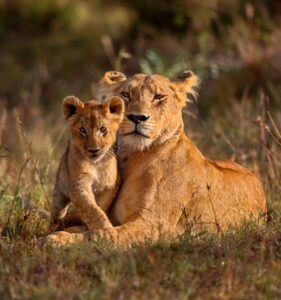
Focusing on the eyes is a powerful technique in African safari photography. Animal eyes create emotional connections in wildlife images, making them more engaging and impactful. Whether photographing a lion in the Serengeti or an elephant in Tarangire, sharp focus on the eyes brings your subject to life. Use single-point autofocus to ensure precision, especially when shooting portraits of wildlife. Eye-level shots create stronger storytelling and intimacy in your composition. Even in fast-moving scenes, prioritize eye clarity over background perfection. This technique helps transform simple wildlife photos into compelling visual stories that stand out in competitive photography rankings. Capturing sharp, expressive eyes is what separates average safari photos from professional-quality African wildlife photography that attracts attention online.
Tips 8. Frame Your Shots Creatively
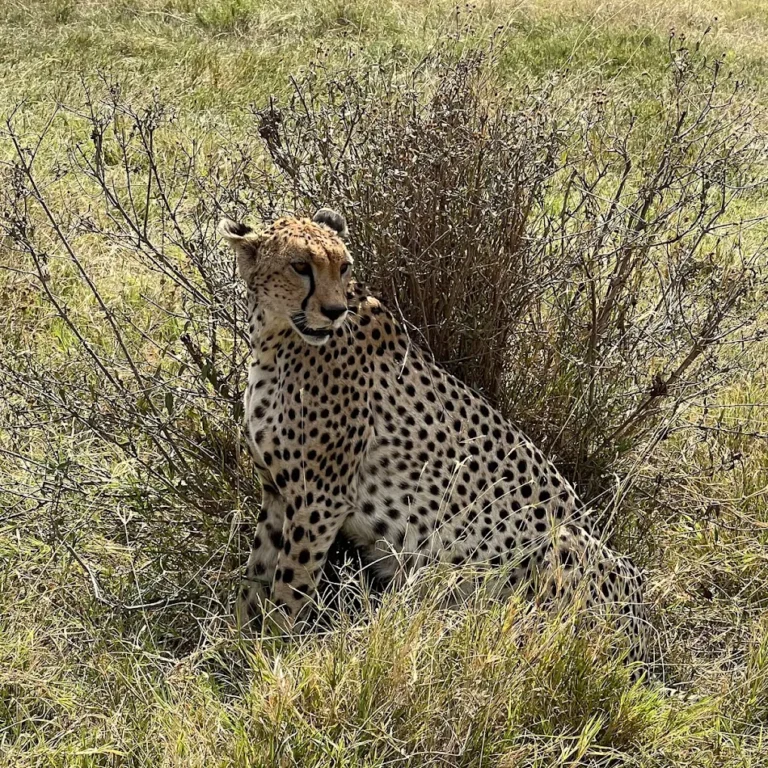
Creative framing is essential for producing unique African safari photography. Instead of always centering your subject, experiment with natural elements like trees, grass, and rocks to frame animals. Safari landscapes in Tanzania and Kenya offer endless opportunities for artistic composition. Use branches to frame a lion, or capture elephants walking through open savannah with dramatic skies. Including foreground elements adds depth and storytelling to your images. Shooting from different angles—low, high, or side perspectives—creates more dynamic results. Creative framing helps your safari photos stand out in travel blogs, social media, and optimized photography portfolios. It transforms simple wildlife sightings into powerful visual stories that reflect the beauty and diversity of African wilderness environments.
Tips 9. Capture the Environment
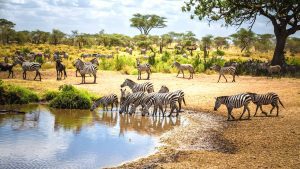
Capturing the environment is just as important as photographing wildlife itself. African safari photography is not only about animals but also about landscapes, skies, and habitats. Including the vast Serengeti plains, acacia trees, or dramatic sunsets adds context and storytelling to your images. Environmental shots help viewers understand the scale and beauty of African ecosystems. Wide-angle shots of herds of zebras or elephants moving across open landscapes create a powerful visual impact. Combining wildlife with scenery enhances value for travel photography content by appealing to broader search intent. These images showcase the true essence of safari adventures in Tanzania and Kenya, making your photography portfolio more diverse, engaging, and professionally compelling.
Tips 10. Use Burst Mode
Using burst mode is essential for capturing fast-moving wildlife action during African safaris. Animals like cheetahs, lions, and birds move unpredictably, making it difficult to capture the perfect shot with a single click. Burst mode allows you to take multiple frames per second, increasing your chances of getting sharp and well-timed images. This technique is especially useful during hunting scenes or animal interactions in Serengeti and Maasai Mara. Review your shots afterward to select the best composition and expression. Burst mode helps eliminate missed opportunities and ensures you capture critical wildlife moments. It is a must-use feature for professional safari photography, improving both image quality and relevance for wildlife photography content.
Tips 11. Respect the Wildlife
Respecting wildlife is a core principle of ethical African safari photography. Always maintain a safe distance from animals and avoid disturbing their natural behavior. In national parks like Ngorongoro Crater and Serengeti, follow ranger guidelines and stay inside designated safari vehicles. Never attempt to attract or provoke animals for a better shot. Respect ensures both your safety and the well-being of wildlife. Ethical photography also preserves the authenticity of natural behavior, resulting in more genuine and powerful images. Responsible safari photography is increasingly valued in content, as audiences and search engines favor ethical travel practices. Respecting wildlife enhances your credibility as a photographer and contributes to sustainable tourism in Africa.
Tips 12. Plan for the Weather
Planning for weather conditions is essential in African safari photography. The weather in Tanzania and Kenya can change quickly, affecting lighting, visibility, and animal behavior. Dry seasons offer better wildlife visibility, while wet seasons bring lush green landscapes and dramatic skies. Protect your camera gear from dust during dry safaris and from rain during wet seasons. Cloudy conditions can actually enhance photography by softening harsh sunlight. Checking weather forecasts before your safari helps you prepare appropriate gear and shooting strategies. Understanding seasonal patterns improves your chances of capturing diverse wildlife scenes. Proper weather planning ensures consistent image quality, making your safari photography more reliable and optimized for travel audiences.
Tips 13. Shoot in RAW Format
Shooting in RAW format is highly recommended for African safari photography. Unlike JPEG, RAW files retain more image data, allowing greater flexibility in post-processing. This is especially useful when dealing with challenging lighting conditions in savannah environments. RAW images help recover shadows, highlights, and color details from wildlife scenes in Serengeti or Ngorongoro. Although RAW files take more storage space, they significantly improve editing quality and professional output. Post-processing becomes more powerful, enabling better storytelling through color correction and sharpening. Professional wildlife photographers always prefer RAW for its high-quality results. This technique ensures your safari images are publication-ready and optimized for photography portfolios, blogs, and travel content.
Tips 14. Post-Processing Techniques
Post-processing is a vital step in African safari photography. Editing tools like Lightroom or Photoshop help enhance colors, contrast, and sharpness in wildlife images. Adjusting exposure and cropping can transform good photos into stunning, professional-quality shots. However, editing should enhance reality, not create unrealistic results. Proper post-processing brings out the beauty of African landscapes and wildlife captured during safaris. Color grading can highlight golden savannah tones or dramatic skies. Noise reduction is useful for low-light safari shots. Mastering editing techniques improves your photography portfolio and increases engagement on optimized travel websites. Post-processing is where raw safari moments are refined into powerful visual stories that attract global audiences.
Tips 15. Backup Your Photos
Backing up your photos is crucial during African safari photography trips. Losing valuable wildlife images due to technical failure or memory card damage can be devastating. Always carry multiple memory cards and transfer files to portable hard drives or cloud storage daily. Safaris in remote areas like Serengeti or Tarangire may limit internet access, so physical backups are essential. Organizing files immediately after each game drive helps prevent confusion and loss. Professional photographers often use dual storage systems for safety. Backup strategies ensure your safari memories are preserved permanently. This step is often overlooked but is essential for protecting your work and maintaining a professional photography workflow.
The Best Camera for Safari Photography
The best camera for African safari photography should offer fast autofocus, high burst rate, and excellent low-light performance. Mirrorless cameras and DSLRs from brands like Canon, Nikon, and Sony are widely used by professionals. A full-frame sensor provides better image quality for wildlife photography in Tanzania and Kenya safaris. Weather sealing is important for dusty and unpredictable conditions in national parks. Features like eye detection, autofocus, and 4K video recording enhance versatility. The ideal safari camera balances performance, durability, and portability. Choosing the right camera ensures you capture sharp, high-quality wildlife images suitable for professional portfolios, travel blogs, and optimized photography content.
Essential Lenses for Safari Photography
Telephoto lenses are essential for African safari photography because they allow you to capture distant wildlife safely and clearly. A 100-400mm or 150-600mm lens is ideal for photographing lions, elephants, and cheetahs in their natural habitat. Wide-angle lenses are also useful for capturing landscapes like the Serengeti plains or Ngorongoro Crater. Prime lenses offer sharpness but may limit flexibility during game drives. A versatile zoom lens is often the best choice for safari travelers. Lens quality directly affects image clarity and composition.
Accessories to Enhance Your Safari Photography
Accessories play a major role in improving African safari photography results. Bean bags provide stability for long lenses when shooting from safari vehicles. Tripods and monopods help reduce camera shake during low-light conditions. Extra batteries and high-capacity memory cards ensure uninterrupted shooting during long game drives. Lens cleaning kits are essential due to dust and wind in safari environments. Portable storage devices protect your valuable images. Camera rain covers safeguard equipment during unexpected weather changes. These accessories enhance comfort, efficiency, and image quality. Proper preparation with the right tools ensures you capture stunning wildlife photographs that stand out in professional and optimized photography portfolios.
Tips for Capturing Stunning Safari Photographs
Capturing stunning African safari photographs requires a combination of skill, timing, and observation. Focus on natural behavior rather than staged moments to create authentic wildlife images. Use composition techniques like the rule of thirds and leading lines for stronger visual storytelling. Pay attention to lighting, especially during golden hours in Serengeti or Tarangire National Park. Stay patient and ready, as wildlife action can happen unexpectedly. Keep your camera settings adaptable for changing conditions. Most importantly, immerse yourself in the safari experience rather than focusing only on photography. This mindset helps you capture powerful, emotional images that resonate with viewers and perform well in driven travel photography content.
Final Thought
African safari photography is more than just capturing animals; it is about telling the story of Africa’s wild beauty, landscapes, and ecosystems. With the right preparation, equipment, and techniques, you can transform your safari experience into a powerful visual journey. From the golden plains of Serengeti to the dramatic landscapes of Ngorongoro Crater, every moment offers a unique photographic opportunity. By applying these best photography tips for African safari, you improve both technical skill and creative storytelling. Whether you are a beginner or professional, patience and practice will elevate your work. Ultimately, safari photography allows you to preserve unforgettable memories and share the magic of Africa with the world.
Best Photography Tips for African Safari: FAQs
What are the tips 1. Choose the right equipment on a Tanzania safari?
Choosing the right equipment is the foundation of successful African safari photography. A DSLR or mirrorless camera with fast autofocus and high burst speed is ideal for capturing moving wildlife in places like Serengeti National Park or Maasai Mara. A sturdy telephoto lens, such as 100-400mm or 150-600mm, is essential for distant subjects like lions or cheetahs.
What are the tips 3. Invest in quality accessories on a Tanzania safari?
Investing in quality accessories enhances your African safari photography experience significantly. Essential items include a strong tripod or monopod for stability when shooting from safari vehicles or lodges. Bean bags are extremely useful for balancing long telephoto lenses during game drives in destinations like Serengeti or Ngorongoro Crater.
What are the tips 5. use the golden hours on a Tanzania safari?
Using the golden hours is essential for capturing magical African safari photographs. The early morning and late afternoon light in savannah landscapes creates soft, warm tones that enhance wildlife images dramatically. During sunrise in Serengeti or sunset in Maasai Mara, animals are more active, making it the perfect time for photography.
What are the tips 7. focus on the eyes on a Tanzania safari?
Focusing on the eyes is a powerful technique in African safari photography. Animal eyes create emotional connections in wildlife images, making them more engaging and impactful. Whether photographing a lion in the Serengeti or an elephant in Tarangire, sharp focus on the eyes brings your subject to life.
What are the tips 9. capture the environment on a Tanzania safari?
Capturing the environment is just as important as photographing wildlife itself. African safari photography is not only about animals but also about landscapes, skies, and habitats. Including the vast Serengeti plains, acacia trees, or dramatic sunsets adds context and storytelling to your images. Environmental shots help viewers understand the scale and beauty of African ecosystems.
What are the tips 11. Respect the wildlife on a Tanzania safari?
Respecting wildlife is a core principle of ethical African safari photography. Always maintain a safe distance from animals and avoid disturbing their natural behavior. In national parks like Ngorongoro Crater and Serengeti, follow ranger guidelines and stay inside designated safari vehicles. Never attempt to attract or provoke animals for a better shot.
What are the tips 13. shoot in RAW format on a Tanzania safari?
Shooting in RAW format is highly recommended for African safari photography. Unlike JPEG, RAW files retain more image data, allowing greater flexibility in post-processing. This is especially useful when dealing with challenging lighting conditions in savannah environments. RAW images help recover shadows, highlights, and color details from wildlife scenes in Serengeti or Ngorongoro.
What are the tips 15. Backup your photos on a Tanzania safari?
Backing up your photos is crucial during African safari photography trips. Losing valuable wildlife images due to technical failure or memory card damage can be devastating. Always carry multiple memory cards and transfer files to portable hard drives or cloud storage daily. Safaris in remote areas like Serengeti or Tarangire may limit internet access, so physical backups are essential.
Plan Your Photographic Safari
Tell us your photography goals and dates, and we will design a private safari with flexible timing and expert guides who know where the light and action are.