The 12 Best Places To See Hippos In Africa
The 12 Best Places To See Hippos In Africa
Discover and experience the ultimate Africa is home to some of the most spectacular wildlife experiences in the world, and seeing hippos in their natural habitats is a truly unforgettable adventure. Hippos, Africa’s largest semi-aquatic mammals, are commonly found in rivers, lakes, and wetlands across the continent. Their massive presence, territorial behaviors, and captivating interactions make them a bucket-list wildlife encounter for safari enthusiasts. From the iconic Serengeti to the lesser-known Selous and Mikumi, these 12 top locations offer the best chances to observe hippos up close, safely, and ethically. Tanzania offers premier hippo viewing, particularly along the Rufiji River in Nyerere National Park (formerly part of the Selous Game Reserve), the Katuma River in Katavi National Park, and the Mara River in the northern Serengeti. Other exceptional spots include the hippo pools of Lake Manyara, the Ngorongoro Crater floor, and the Tarangire River. This guide highlights where to find these fascinating creatures while exploring Africa’s most stunning landscapes, ensuring a memorable and Instagram-worthy safari.
Selous Game Reserve / Nyerere National Park (Rufiji River)
Selous Game Reserve, now Nyerere National Park, in southern Tanzania, is a premier destination to see hippos in Africa. The Rufiji River, winding through the park, provides a lush and expansive habitat for large hippo pods. Hippos can be seen during daytime in shallow waters, often surfacing in groups and socializing. Visitors enjoy boat safaris along the Rufiji River, offering unique Tanzania photo safari opportunities of hippos wallowing alongside crocodiles, elephants, and diverse birdlife. Selous’ remote location ensures fewer tourists, creating an intimate African wildlife safari experience. Ideal for nature photographers and wildlife enthusiasts, Nyerere National Park combines hippo sightings with breathtaking scenery, including sandbanks, riverine forests, and floodplains. Guided Tanzania safari tours prioritize safe viewing practices while allowing visitors to witness these majestic animals in a largely untouched wilderness, enhancing the thrill of a genuine African safari.
Katavi National Park (Katuma River) Katavi National Park
Located in western Tanzania, is one of Africa’s most remote and pristine wilderness areas, renowned for its hippo population along the Katuma River. During the dry season, massive hippo herds congregate in river pools, creating a dramatic spectacle. Safari visitors often observe hippos submerged in water, yawning widely, and interacting socially. The park’s vast floodplains support other wildlife including elephants, buffaloes, and predators, offering a complete Tanzania safari ecosystem. Katavi provides an off-the-beaten-path hippo experience, ideal for adventurous travelers seeking solitude and authentic wildlife encounters. Guided game drives and walking safaris offer safe, close-up views, and professional guides provide insights into hippo behavior, social dynamics, and conservation. Katavi National Park is an essential destination for anyone looking to experience one of Africa’s largest and most unspoiled hippo habitats.
Serengeti National Park (Grumeti/Mara Rivers)
Serengeti National Park, a UNESCO World Heritage site, is famous for its abundant African Tanzania wildlife, including large hippo populations in the Grumeti and Mara Rivers. Hippos thrive in the park’s seasonal rivers, where visitors can observe pods wallowing during the day and moving onto riverbanks at night. Boat safaris are available along sections of the Mara River, offering unique vantage points for photography. The Serengeti’s diverse landscape, from grassy plains to riverine woodlands, enhances the hippo viewing experience, often accompanied by crocodiles, birds, and predators. During the Great Migration, hippos add another fascinating layer to the ecosystem’s dynamic activity. Safari lodges and camps provide easy access to prime hippo locations while ensuring comfort and safety. Serengeti National Park guarantees one of the most iconic and rewarding hippo-watching experiences in Africa.
Lake Manyara National Park (Hippo Pool)
Lake Manyara National Park in northern Tanzania is famed for its picturesque Hippo Pool, a hotspot for observing hippos in shallow waters close to safari trails. The park’s alkaline lake supports large pods of hippos, particularly in the dry season when water levels drop. Hippos are often visible from viewpoints or safari vehicles, offering safe and intimate observation opportunities. Lake Manyara also boasts diverse birdlife, including flamingos, storks, and pelicans, adding color and vibrancy to the hippo-watching experience. The surrounding acacia woodlands and riverine forests provide habitats for elephants, giraffes, and baboons, enhancing overall safari diversity. Guided tours ensure respectful and safe wildlife interactions, with explanations of hippo behavior, diet, and social dynamics. Lake Manyara National Park is ideal for families and first-time safari-goers seeking reliable hippo sightings combined with stunning scenery.
- ArushaGateway
- TarangireElephants
- NgorongoroCrater
- SerengetiBig Five
- ZanzibarBeach
Ngorongoro Crater (Magadi Lake/Mandusi Swamp)
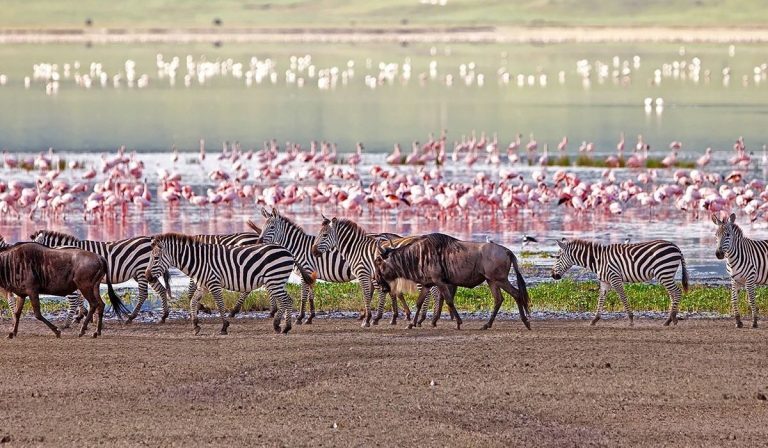
Ngorongoro Crater, a volcanic caldera in northern Tanzania, hosts hippos in Magadi Lake and Mandusi Swamp, offering unique highland hippo encounters. The crater’s enclosed ecosystem ensures reliable sightings, with pods often seen submerged during the day and moving along shallow waters. Hippos here coexist with zebras, wildebeest, and elephants, creating dynamic safari scenes. The crater rim provides panoramic viewpoints for photography, capturing hippos against dramatic backdrops. Guided crater safaris ensure safe distances while providing educational insights into hippo social structures and territorial behavior. Ngorongoro’s combination of volcanic landscapes, fertile wetlands, and abundant wildlife makes it one of Africa’s most accessible and scenic hippo-watching destinations. Families, photographers, and first-time visitors enjoy the ease of hippo observation alongside a rich variety of other iconic African wildlife.
Tarangire National Park (Tarangire River)
Tarangire National Park, in northern Tanzania, is a dry-season haven for hippos along the Tarangire River which is suitable for hippo Safari in Tanzania. The river’s slow-moving waters create ideal hippo habitats, where pods can be observed basking, interacting, and occasionally splashing in shallow pools. Tarangire is also famous for its elephant herds, baobab-studded landscapes, and diverse birdlife, complementing the hippo viewing experience. Safari vehicles navigate the park’s floodplains, offering close yet safe encounters with these massive mammals. Guides provide insights into hippo territorial behavior, breeding patterns, and conservation status, enhancing educational value. The park’s accessibility from Arusha makes it convenient for day trips or multi-day safari itineraries. Tarangire National Park provides a reliable and scenic destination for travelers seeking to experience large hippo pods in conjunction with other iconic African wildlife species.
Mikumi National Park (Mkata Floodplain)
Mikumi National Park in Tanzania offers hippo viewing in the Mkata Floodplain, where seasonal rivers and waterholes attract large pods. During the dry season, hippos congregate in shallow pools, providing spectacular sightings and photographic opportunities. Mikumi’s savannah landscapes are home to lions, giraffes, zebras, and elephants, ensuring a diverse safari experience alongside hippo observation. Walking safaris and guided vehicle tours allow safe, close-range encounters while educating visitors on hippo behavior, ecology, and conservation challenges. The park’s remote location reduces crowds, offering a peaceful and authentic wildlife experience. Mikumi is an excellent choice for travelers looking to combine hippo watching with traditional East African safari landscapes, offering a less-touristy alternative to the northern circuit while still delivering breathtaking encounters with Africa’s iconic semi-aquatic mammals.
Rubondo Island National Park (Lake Victoria)
Rubondo Island National Park, situated in Lake Victoria, Tanzania, is a hidden gem for hippo enthusiasts. The island’s surrounding waters are home to numerous hippos, often seen surfacing and interacting in calm bays. Rubondo’s remote and tranquil environment ensures minimal disturbance, allowing natural hippo behaviors to be observed closely. The park is accessible via boat from the mainland, offering scenic approaches to hippo habitats. Alongside hippos, Rubondo Island supports chimpanzees, elephants, and diverse bird species, enriching the safari experience. Guided boat tours provide safe vantage points for wildlife photography and observation. Rubondo Island National Park is ideal for travelers seeking off-the-beaten-path hippo encounters in one of Africa’s most serene freshwater ecosystems, combining adventure, wildlife, and breathtaking lake vistas.
- White-sand beaches
- Stone Town
- Spice tours
- Dhow cruises
- Snorkelling & diving
Saadani National Park
Saadani National Park in Tanzania uniquely combines terrestrial and marine ecosystems, with hippos inhabiting rivers that flow into the Indian Ocean. Hippos can be spotted along riverbanks and estuaries, often in scenic, semi-coastal settings. The park’s diverse landscapes include mangroves, beaches, and savannahs, offering opportunities to view hippos alongside elephants, buffaloes, and various bird species. Saadani is less frequented by tourists, providing intimate and undisturbed hippo-watching experiences. Guided safaris, both by vehicle and boat, ensure safe distances and expert insights into hippo behavior, breeding, and social dynamics. Saadani National Park’s combination of coastal beauty and rich wildlife makes it a unique African destination for observing hippos in a distinctive, biodiverse environment.
Arusha National Park (Momella Lakes)
Arusha National Park, in northern Tanzania, is famous for the Momella Lakes, a collection of alkaline lakes that attract hippos. These shallow, colorful lakes provide ideal habitats for hippo pods, often observed during the day from safe viewing platforms or safari vehicles. The park’s proximity to Mount Meru and the Great Rift Valley offers stunning scenic backdrops, enhancing photography opportunities. Arusha National Park is home to giraffes, buffaloes, colobus monkeys, and diverse birdlife, making hippo sightings part of a broader wildlife experience. Guided tours offer educational commentary on hippo behavior, conservation challenges, and ecological importance. Its accessibility from Arusha city makes it a convenient destination for day trips, family safaris, and first-time wildlife explorers seeking reliable and visually striking hippo encounters.
Ruaha National Park
Ruaha National Park, in central Tanzania, boasts one of the largest hippo populations in East Africa, concentrated along the Ruaha and Great Ruaha Rivers. During the dry season, hippos gather in large pods, providing dramatic wildlife displays against the park’s rugged landscapes. Ruaha is renowned for its diverse wildlife, including elephants, lions, leopards, and over 500 bird species, complementing the hippo experience. Guided game drives along riverbanks allow safe, close observations, with expert guides explaining social behaviors, territorial disputes, and breeding patterns. Its remote and off-the-beaten-path location ensures fewer tourists, creating a more intimate and authentic safari encounter. Ruaha National Park is ideal for adventurous travelers seeking spectacular hippo sightings alongside other iconic African wildlife in a vast and scenic wilderness.
Mkomazi National Park
Mkomazi National Park in northern Tanzania, near the Kenyan border, is a semi-arid wilderness where you can spot African hippos found in seasonal rivers and floodplains. While hippo populations are smaller than in other parks, Mkomazi offers unique Tanzania Safari sightings in a less-touristed environment. The park is known for its conservation efforts, particularly the protection of endangered African wild dogs and black rhinos. Visitors can observe hippos during East African Tanzania guided safaris, learning about their adaptations to semi-arid habitats and the importance of water sources. Mkomazi’s rugged landscapes, acacia woodlands, and seasonal wetlands provide excellent wildlife diversity, making hippo encounters part of a broader conservation-focused African safari experience. Its tranquility and dedication to wildlife preservation make Mkomazi a rewarding destination for ethical hippo tourism.
Interesting Facts About Hippos
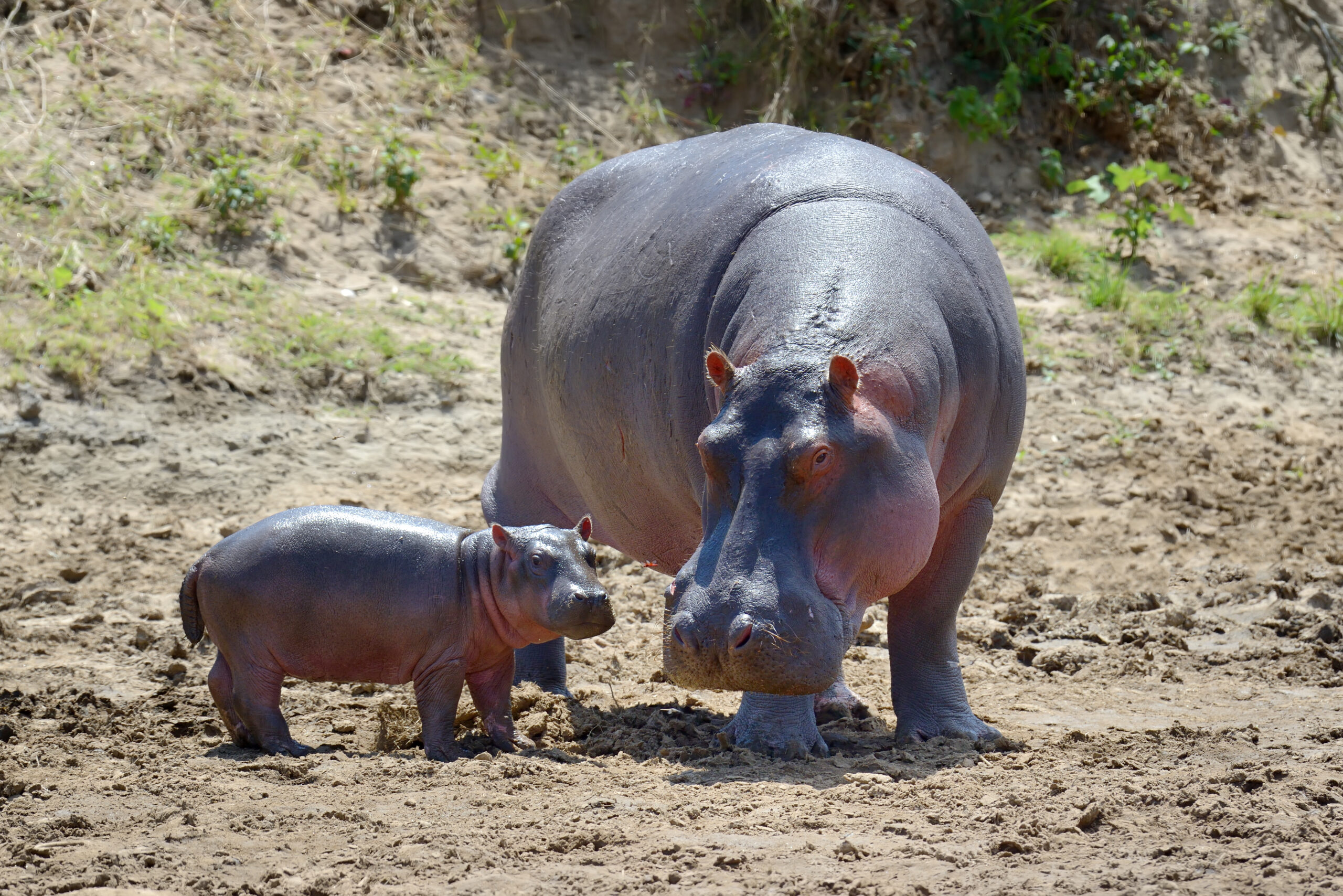
Hippos, or Hippopotamus amphibius, are among Africa’s most fascinating animals, known for their massive size and semi-aquatic lifestyle. Found in rivers, lakes, and wetlands across Tanzania, Serengeti National Park, and other African safari destinations, hippos spend much of their day submerged to stay cool. Despite their bulky appearance, they can run surprisingly fast on land and are considered one of Africa’s most dangerous animals. Hippos are herbivores, feeding primarily on grasses, yet they play a crucial role in maintaining healthy river ecosystems. Unique behaviors include yawning as a threat display and creating underwater “honk” calls for communication. Seeing hippos in the wild is a bucket-list experience for African safaris, wildlife enthusiasts, and nature photographers.
Final Thought
Africa’s hippos are mesmerizing, social, and powerful creatures that captivate every wildlife enthusiast. From the iconic Serengeti and Ngorongoro Crater to off-the-beaten-path gems like Katavi and Rubondo Island, these 12 destinations offer unparalleled opportunities to observe hippos in stunning natural settings. Whether you prefer boat safaris, riverbank viewing, or remote wilderness adventures, Africa delivers a diverse and unforgettable hippo-watching experience. Planning your trip with knowledgeable guides ensures safety, ethical interactions, and deeper understanding of these majestic mammals. A safari focused on hippos not only satisfies wildlife dreams but also supports conservation efforts across the continent, leaving visitors with memories that last a lifetime.
The 12 Best Places To See Hippos In Africa: FAQs
What is Selous Game Reserve / Nyerere National Park (Rufiji River) like?
Selous Game Reserve, now Nyerere National Park, in southern Tanzania, is a premier destination to see hippos in Africa. The Rufiji River, winding through the park, provides a lush and expansive habitat for large hippo pods. Hippos can be seen during daytime in shallow waters, often surfacing in groups and socializing.
What can you expect from Katavi National park (Katuma river) Katavi National park?
Located in western Tanzania, is one of Africa’s most remote and pristine wilderness areas, renowned for its hippo population along the Katuma River. During the dry season, massive hippo herds congregate in river pools, creating a dramatic spectacle. Safari visitors often observe hippos submerged in water, yawning widely, and interacting socially.
What should you know about Serengeti National park (Grumeti/Mara rivers)?
Serengeti National Park, a UNESCO World Heritage site, is famous for its abundant African Tanzania wildlife, including large hippo populations in the Grumeti and Mara Rivers. Hippos thrive in the park’s seasonal rivers, where visitors can observe pods wallowing during the day and moving onto riverbanks at night.
What can you expect from lake Manyara National park (hippo Pool)?
Lake Manyara National Park in northern Tanzania is famed for its picturesque Hippo Pool, a hotspot for observing hippos in shallow waters close to safari trails. The park’s alkaline lake supports large pods of hippos, particularly in the dry season when water levels drop.
What is Ngorongoro Crater (Magadi Lake/Mandusi Swamp) like?
Ngorongoro Crater, a volcanic caldera in northern Tanzania, hosts hippos in Magadi Lake and Mandusi Swamp, offering unique highland hippo encounters. The crater’s enclosed ecosystem ensures reliable sightings, with pods often seen submerged during the day and moving along shallow waters. Hippos here coexist with zebras, wildebeest, and elephants, creating dynamic safari scenes.
What should you know about Tarangire National park (Tarangire river)?
Tarangire National Park, in northern Tanzania, is a dry-season haven for hippos along the Tarangire River which is suitable for hippo Safari in Tanzania. The river’s slow-moving waters create ideal hippo habitats, where pods can be observed basking, interacting, and occasionally splashing in shallow pools.
What can you expect from Mikumi National park (Mkata Floodplain)?
Mikumi National Park in Tanzania offers hippo viewing in the Mkata Floodplain, where seasonal rivers and waterholes attract large pods. During the dry season, hippos congregate in shallow pools, providing spectacular sightings and photographic opportunities. Mikumi’s savannah landscapes are home to lions, giraffes, zebras, and elephants, ensuring a diverse safari experience alongside hippo observation.
What is Rubondo Island National Park (Lake Victoria) like?
Rubondo Island National Park, situated in Lake Victoria, Tanzania, is a hidden gem for hippo enthusiasts. The island’s surrounding waters are home to numerous hippos, often seen surfacing and interacting in calm bays. Rubondo’s remote and tranquil environment ensures minimal disturbance, allowing natural hippo behaviors to be observed closely.
Plan Your Private Tanzania Safari
Tell us your travel dates, interests and budget, and our local team will design a private tailor-made safari around you.