
Meliá Serengeti Lodge member of Meliá Collection

Meliá Serengeti Safari Lodge Meliá Serengeti Safari Lodge Luxury Hotel in Tanzania 5-star luxury hotel in the Serengeti National Park Overlooking the valley of the Mbalageti River. Breathtaking lodge in Tanzania, with panoramic views of the Serengeti National Park. It is no surprise that this luxurious, unbeatable lodge. Offering a year-round infinity pool, with stunning views of Serengeti National Park. The property offers elegant rooms and suites that offer breath-taking views, free WiFi, Private terrace, safety box, coffee & tea facilities are provided. A Ceiling fan, Mini-bar and Mosquito gauze are also provided. Melia Serengeti Lodge offers 52 rooms, divided into three distinct designs — Melia Lagoon View Room on the ground floor, and Melia Savannah Panoramic Room and Melia Suites on the upper floor with breathtaking views of the Serengeti plains. Activities Meliá Serengeti Safari Lodge Hot air balloon safari Float above the endless grasslands as the sun rises over Serengeti Sundowners See all the possible shades of pink blooming over the golden plains of Serengeti Breakfast Have a most delicious breakfast in a wilderness setting! Accommodation options at Meliá Serengeti Safari Lodge Meliá Serengeti Lodge Room Suites Perfect for couples or families with one child. Each room has a queen-sized bed (or two twin beds if requested), This room has a balcony, mini-bar and air conditioning. Bed Type | Single Queen Bed Area | Serengeti | Nyamuma hills Full Board Meliá Serengeti LodgeFamily Room Suite This is a bigger bedroom will be suitable for families traveling together. The room has two queen-sized beds. This room has a balcony, mini-bar and air conditioning. Bed Type | Two double or twin beds Area | Serengeti | Nyamuma hills Full Board Meliá Serengeti Lodge Savannah Panoramic One-Bedroom Suite Savannah Panoramic Safari Experience. Fits: 3 adults. 1 king bed. Private suite 1195 feet². Show prices. One-Bedroom Suite with Lagoon View. Located on the first floor, each of these rooms is decorated with elegant wooden furnishings and boast terraces overlooking the plains of the Serengeti. Interconnecting rooms are available for families. Bed Type | 1-Bedroom Suite Savannah Panoramic. Area | Serengeti | Nyamuma hills Full Board The Melia Serengeti Safari Lodge Prices for your chosen travel dates may vary depending on the season of travel. Please feel free to reach out to us for more information on the final price. Request A free Quote Facilities Room Types: Melia Lagoon View Room Melia Suites Melia Savannah Panoramic Room Outdoor swimming pool Fitness center Airport shuttle (free) Family rooms Private shower En-suite bathroom Spa Power stations in public areas Free Wi-Fi in public areas Welcome Drink on Arrival Meliá Serengeti Safari Lodge Location Located in Nyamuma hills overlooking the River Mbalageti valley. 22 mi from Serorena airport and 208 mi from Arusha. Couples in particular like the location – they rated it 9.8 for a two-person trip. If you’re looking for an incomparable getaway, in the heart of Africa Meliá Serengeti Lodge offers its guests exclusive accommodation options with views of the natural surroundings of the Serengeti. Each room has been designed to reflect the beautiful nature around it and the interior has been inspired by Masai traditions. Guests can expect luxurious amenities and comfort, whilst enjoying an early-morning coffee or early-evening sundowner on their terrace and taking in the pure, crisp Serengeti air – with views like no other. Best Luxury Safari Camps & Lodges in the Serengeti Serengeti Lemala Nanyukie Lodge Serengeti Lemala Nanyukie Lodge Lemala Nanyukie Lodge —- Lemala Nanyukie Lodge Luxurious and captivating safari retreat situated in the heart of the … Little Oliver’s Camp | Luxury Tarangire Safari Camp Little Oliver’s Camp | Luxury Tarangire Safari Camp Oliver’s Camp – See description and beautiful photos —- Oliver’s Camp Explore Oliver’s Camp in Tanzania’s Tarangire is … Lemala Mpingo Ridge Lodge Lemala Mpingo Ridge Lodge Mpingo Ridge Lodge —- Mpingo Ridge Lodge An eco-friendly and luxurious safari camp that offers a unique and … 1 2 3 … 5 Next » African Safari Experience – a different experience to camping An African safari traditionally involves a journey into the wild to observe free-roaming wildlife. Modern definitions also include any trip in Africa focused on nature and wildlife viewing. Budget Safaris: These offer a more basic experience with shared accommodations and vehicles, often starting around $350 per night. Mid-Range Safaris: Provide comfortable accommodations, private vehicles, and a mix of activities, typically costing around $650 per night. Luxury Safaris: Offer exclusive accommodations, private vehicles, personalized service, and premium activities, with prices ranging from $750 to $1,500+ per night. 9-Days Luxury Tanzania and Zanzibar Honeymoon Safaris 9-Days Luxury Tanzania and Zanzibar Honeymoon Safaris Luxury Tanzania and Zanzibar Honeymoon Safaris 9 Day Luxury Tanzania and Zanzibar Honeymoon Safaris. Dream Honeymoon Safari to … 7 Days Tanzania Luxury Safari Packages 7 Days Tanzania Luxury Safari Packages Perfect 7 Days Luxury Safari in Tanzania 7 Days Best of Tanzania Luxury Safari, Compare 7-Day safaris to … 6-Day African Dream Safaris 6-Day African Dream Safaris African Dream Safaris Unveiling the Wonders of Serengeti National Park and Ngorongoro Crater, African dream family, honeymoon, luxury, … 1 2 3 4 Next »
Experience Lake Masek Tented Lodge
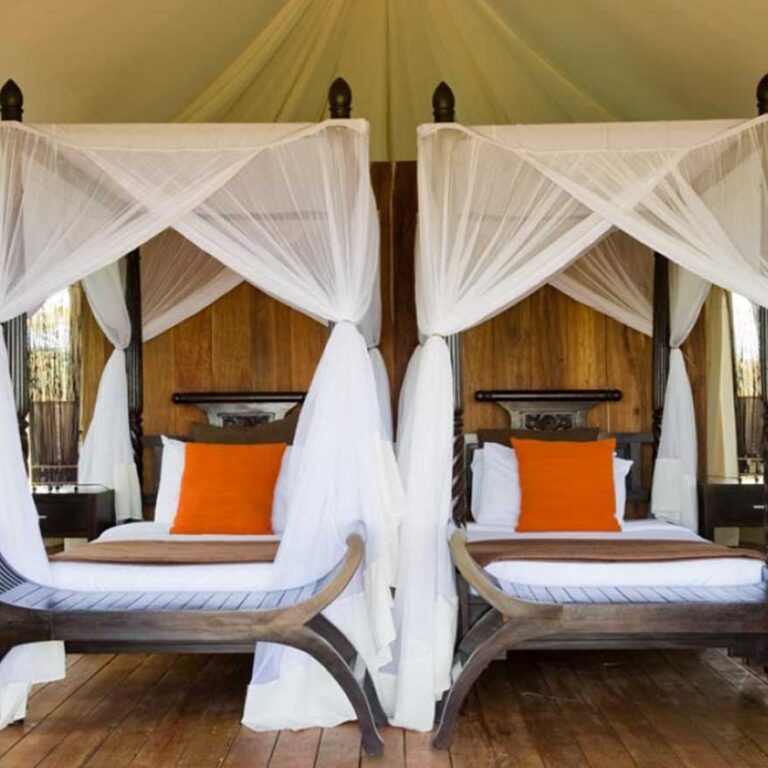
Lake Masek Tented Lodge Lake Masek Tented Lodge From the private terrace of your tent you can observe the wildlife of the area. Many animals visit the lake in search of water and therefore this camp is in a privileged observation point. Besides, this area is the principle setting of the Great Migration which takes place from December to April and the Big Five visit the area. The camp is set-up every year in a different part of the area, to make sure that you will always have the best place to see this impressive spectacle from your own tent. Lake Masek Lodge is a ‘permanent tented lodge’ with only 20 luxury chalets, offering guests an intimate and authentic safari experience. The tents are very large and well maintained with beautiful floors, very comfortable beds and bedding, double sinks, tub and a stunning outdoor shower. In addition, the camp is ecological without losing in comfort and attention. The electricity is generated by solar panels and the water is rain water collected during the rains. All the products used are biodegradables. Near an idyllic soda lake, don’t be surprised if the wildlife comes to you! Activities Lake Masek Tented Lodge Hot air balloon safari Float above the endless grasslands as the sun rises over Serengeti Sundowners See all the possible shades of pink blooming over the golden plains of Serengeti Bush Breakfast Have a most delicious breakfast in a wilderness setting! Accommodation options at Lake Masek Tented Lodge Suite Room Perfect for couples. Each tent has a king-sized bed (or two twin beds if requested), a shower and a flush toilet. After a day on safari guests can enjoy a refreshing shower under the stars. Each tent features an indoor sitting area with a day bed and two armchairs where you can relax enjoying the views around. Bed Type | King sized bed Area | Serengeti Full Board Interconnected Rooms Each tent has its own private terrace where guests can enjoy the landscape and the surroundings. The family tent consists of two interconnected tents and a shared bathroom and private porch. Bed Type | Two double or twin beds Area | Serengeti Full Board The Lake Masek Tented Lodge prices for your chosen travel dates may vary depending on the season of travel. Please feel free to reach out to us for more information on the final price. Request A free Quote Facilities Room Types: The thirty-six spacious and permanent tents Ensuite family tent Bedclothes Vanity basin Lounge Area Writing desk Private shower En-suite bathroom Dining Tent Power stations in public areas Free Wi-Fi in public areas Welcome Drink on Arrival Lake Masek Tented Lodge on the map Besides, this area is the principle setting of the Great Migration which takes place from December to April and the Big Five visit the area. The camp is set-up every year in a different part of the area, to make sure that you will always have the best place to see this impressive spectacle from your own tent. The Lake Masek Tented Lodge main building include a lounge and dining room with a large terrace overlooking Lake Masek. The premises include an area to relax with comfortable sofas, outdoor and indoor dining and a swimming pool. In the evening a camp fire is lit and guests can enjoy a cocktail whilst watching the sun go down. Affordable Serengeti Safari Accommodations Serengeti Lemala Nanyukie Lodge Serengeti Lemala Nanyukie Lodge Lemala Nanyukie Lodge —- Lemala Nanyukie Lodge Luxurious and captivating safari retreat situated in the heart of the … Little Oliver’s Camp | Luxury Tarangire Safari Camp Little Oliver’s Camp | Luxury Tarangire Safari Camp Oliver’s Camp – See description and beautiful photos —- Oliver’s Camp Explore Oliver’s Camp in Tanzania’s Tarangire is … Lemala Mpingo Ridge Lodge Lemala Mpingo Ridge Lodge Mpingo Ridge Lodge —- Mpingo Ridge Lodge An eco-friendly and luxurious safari camp that offers a unique and … 1 2 3 … 5 Next » Authentic Safaris & Tours in Africa Authentic Safaris & Tours in Africa offer immersive, soul-stirring journeys through untamed landscapes, rich cultures, and legendary wildlife. Expert local guides lead intimate excursions across iconic parks like Serengeti, Tarangire, and Ngorongoro crater. Authentic African Safaris Guests witness thrilling big game encounters, stay in eco-luxury lodges, and connect with indigenous communities. Every safari is crafted to honor Africa’s natural rhythms, ensuring sustainable, unforgettable adventures steeped in tradition, wonder, and wild beauty. 9-Days Luxury Tanzania and Zanzibar Honeymoon Safaris 9-Days Luxury Tanzania and Zanzibar Honeymoon Safaris Luxury Tanzania and Zanzibar Honeymoon Safaris 9 Day Luxury Tanzania and Zanzibar Honeymoon Safaris. Dream Honeymoon Safari to … 14 Day African Big Cats Safaris 14 Day African Big Cats Safaris Serengeti Honeymoon Safaris | 14 Days African Big Cats Safaris The Africa Big Cats Safari Vacation or the … 7 Days Tanzania Luxury Safari Packages 7 Days Tanzania Luxury Safari Packages Perfect 7 Days Luxury Safari in Tanzania 7 Days Best of Tanzania Luxury Safari, Compare 7-Day safaris to … 1 2 3 … 5 Next »
Ndutu Kati Kati Tented Camp
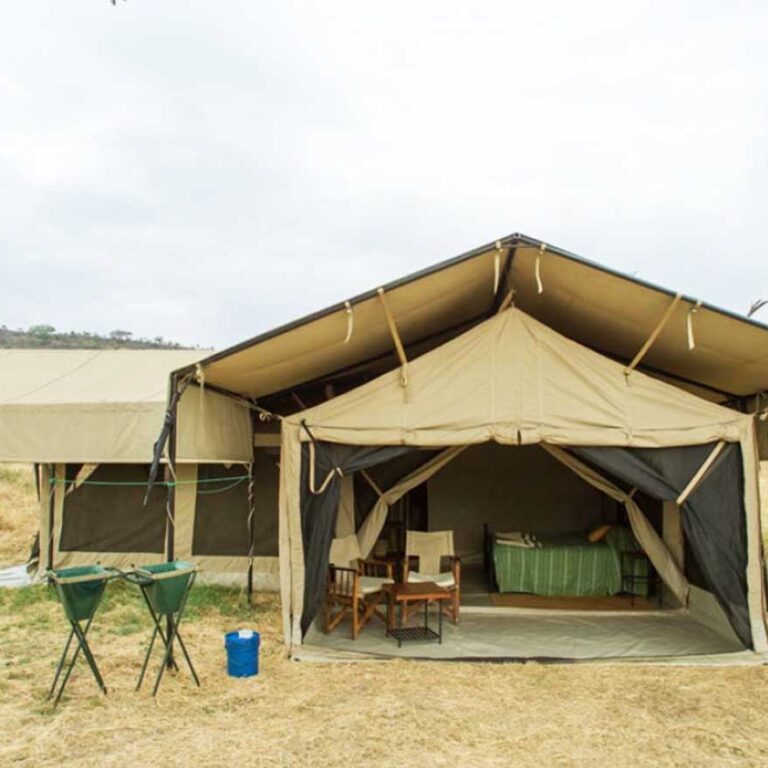
Ndutu Kati Kati Tented Camp Explore Ndutu Kati Kati Tented Camp Ndutu Kati Kati Tented Camp is a seasonal mobile camp strategically situated in south Serengeti from December to March. Ideal for exploring the extensive south of Serengeti and witness the migration. The Ndutu Kati Kati Tented Camp offers comfortable accommodation together with the unique opportunity to enjoy a real safari experience on a camp. In its comfortable tents one will feel completely immersed in the surroundings and one can enjoy the rich animal life and vegetation of the area. An original form of accommodation which resembles the old camps of the first explorers in Africa, with all the commodities of today. Located at a one-hour drive along a panoramic route from Seronera (Central Serengeti) and 30 minutes from the Olduvai Gorge. The camp has been designed to cause a minimum impact on the environment. All the infrastructure is mobile and the philosophy of the company is not to leave anything behind after dismounting the camp. Activities Ndutu Kati Kati Tented Camp Hot air balloon safari Float above the endless grasslands as the sun rises over Serengeti Sundowners See all the possible shades of pink blooming over the golden plains of Serengeti Bush Breakfast Have a most delicious breakfast in a wilderness setting! Accommodation options at Ndutu Kati Kati Tented Camp Standard Tent Perfect for solo travellers, couples, families with a child, or friends travelling together. Maximum capacity of 3 guests. Rooms are fully enveloped in canvas, providing a close proximity to nature. Each room features en-suite bathroom with a shower, wash basin and a flush toilet, and is furnished with large comfortable beds, armchairs and a writing desk. Bed Type | Twin or king-size beds Area | Serengeti Area Full Board Family Tent Perfect for families with children or friends travelling together. Maximum capacity of 4 guests. Two interconnected rooms sharing a bathroom with a shower, wash basin and a flush toilet. Rooms are fully enveloped in canvas, providing a close proximity to nature, and furnished with large comfortable beds, armchairs and a writing desk. Bed Type | Twin or king-size beds Area | Serengeti Area Full Board Double Room Tent Perfect for solo travellers, couples, families with a child, or friends travelling together. Maximum capacity of 3 guests. Rooms are fully enveloped in canvas, providing a close proximity to nature. Each room features en-suite bathroom with a shower, wash basin and a flush toilet, and is furnished with large comfortable beds, armchairs and a writing desk. Bed Type | Twin or king-size beds Area | Serengeti Area Full Board The Ndutu Kati Kati Tented Camp Prices for your chosen travel dates may vary depending on the season of travel. Please feel free to reach out to us for more information on the final price. Request A free Quote Facilities Room Types: 10 standard tents 1 family tent Bedclothes Vanity basin Lounge Area Writing desk Private shower En-suite bathroom Dining Tent Power stations in public areas Free Wi-Fi in public areas Welcome Drink on Arrival Ndutu Kati Kati Tented Camp location Located at a one-hour drive along a panoramic route from Seronera (Central Serengeti) and 30 minutes from the Olduvai Gorge. The camp has been designed to cause a minimum impact on the environment. All the infrastructure is mobile and the philosophy of the company is not to leave anything behind after dismounting the camp. Ndutu Kati Kati Tented Camp is a seasonal camp that is sited at the southern end of the park from December to March. While the timing coincides with the end of the short rains, the hot-dry season and the beginning of the long rains, the schedule gives you a front-row seat to one of Serengeti’s most heartwarming scenes (best time to visit) — the birthing of half a million wildebeest calves on the grassy plains – around 8000 born each day over a three-week spree in February and early March. Top 5 Serengeti Safari Lodges & Camps Serengeti Lemala Nanyukie Lodge Serengeti Lemala Nanyukie Lodge Lemala Nanyukie Lodge —- Lemala Nanyukie Lodge Luxurious and captivating safari retreat situated in the heart of the … Little Oliver’s Camp | Luxury Tarangire Safari Camp Little Oliver’s Camp | Luxury Tarangire Safari Camp Oliver’s Camp – See description and beautiful photos —- Oliver’s Camp Explore Oliver’s Camp in Tanzania’s Tarangire is … Lemala Mpingo Ridge Lodge Lemala Mpingo Ridge Lodge Mpingo Ridge Lodge —- Mpingo Ridge Lodge An eco-friendly and luxurious safari camp that offers a unique and … 1 2 3 … 5 Next » Best and Affordable Luxury Tanzania Safari Tours Tanzania offers a range of luxury safari tours, with options that balance affordability and premium experiences. Consider exploring tours that include iconic destinations like the Serengeti, Ngorongoro Crater, and Tarangire National Park. Look for lodges and camps with amenities like private plunge pools, gourmet dining, and spa treatments for a truly luxurious experience. Foot Slopes Tours and Safaris also highlights luxury options, offer extensive listings different lodge and camp options within the same area to find value-for-money luxury of luxury and luxury-plus safaris. Best time for best and Affordable Luxury Tanzania Safari Tours is The dry season (June-October) is generally considered the best time for safaris, but prices may be higher. Consider shoulder seasons (May, November) for potentially lower rates. 9-Days Luxury Tanzania and Zanzibar Honeymoon Safaris 9-Days Luxury Tanzania and Zanzibar Honeymoon Safaris Luxury Tanzania and Zanzibar Honeymoon Safaris 9 Day Luxury Tanzania and Zanzibar Honeymoon Safaris. Dream Honeymoon Safari to … 14 Day African Big Cats Safaris 14 Day African Big Cats Safaris Serengeti Honeymoon Safaris | 14 Days African Big Cats Safaris The Africa Big Cats Safari Vacation or the … 7 Days Tanzania Luxury Safari Packages 7 Days Tanzania Luxury Safari Packages Perfect 7 Days Luxury Safari in Tanzania 7 Days Best of Tanzania Luxury Safari, Compare 7-Day safaris to … 1 2 3 … 5 Next »
Ndutu Under Canvas Tented Camp
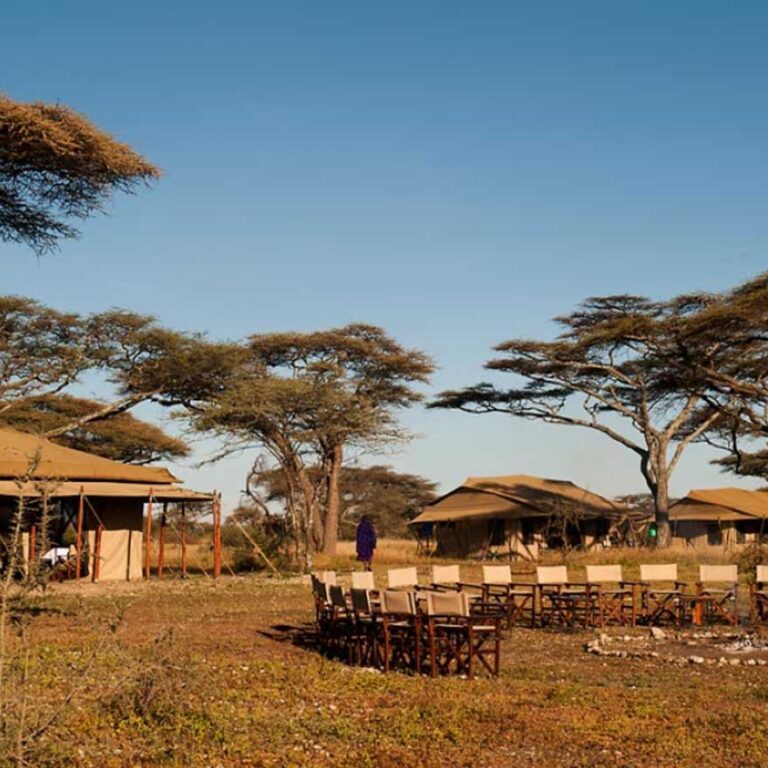
Ndutu Under Canvas Ndutu Under Canvas Tented Camp Camp situated between the centre and south of Serengeti. Between December and March this is the most important area of the Migration spectacle. The camp has three different locations during the year depending on the movements of the Migration during stay at Ndutu Under Canvas Tented Camp . This Ndutu Under Canvas Tented Camp luxury camp allows guests to be in the proximities of the Great Migration and to explore remote areas and the beautiful settings of Serengeti with a large quantity of resident wildlife. The camp has only ten tents which ensures intimacy and exclusivity from this intense experience. Following the movements of the Great Migration, luxury mobile camp Ndutu Under Canvas Camp promises excellent viewings of the herds of wildebeest, zebra and other wildlife as they move through Tanzania’s Serengeti National Park. Activities Ndutu Under Canvas Tented Camp Hot air balloon safari Float above the endless grasslands as the sun rises over Serengeti Sundowners See all the possible shades of pink blooming over the golden plains of Serengeti Bush Breakfast Have a most delicious breakfast in a wilderness setting! Accommodation options at Ndutu Under Canvas Tented Camp Tent Perfect for couples or families with one child. Each tent has a king-sized bed (or two twin beds if requested), an outdoor bucket shower and a flush toilet. Each tent features an indoor sitting area with a day bed and two armchairs where you can relax enjoying the views around. The day bed in the sitting area can easily transform into a comfortable bed for a child under 12 years old. Bed Type | Double Beds Area | Serengeti Full Board Family Tent This bigger tent with two bedrooms will be suitable for families with 2-3 children or two couples traveling together. The tent has two bedrooms, a bathroom with an outdoor bucket shower and a flush toilet. Each bedroom features an indoor sitting area with a day bed and armchairs. Bed Type | Two double or twin beds Area | Serengeti Full Board The Ndutu Under Canvas Tented Camp Prices for your chosen travel dates may vary depending on the season of travel. Please feel free to reach out to us for more information on the final price. Request A free Quote Facilities Room Types: 10 spacious en-suite tents 1 family tent Standard Tent Bedclothes Vanity basin Lounge Area Writing desk Private shower En-suite bathroom Dining Tent Power stations in public areas Free Wi-Fi in public areas Welcome Drink on Arrival Ndutu Under Canvas Tented Camp location Let Ndutu Under Canvas Tented Camp whisk you away on a true African adventure. It is set up in the Southern Serengeti, Ndutu will immerse you in an authentic environment and submerge your senses in the sights, sounds and scents of Africa. The communal mess tent is comfortable, simple and intimate. It’s all about the pristine surroundings and feeling close to nature. Here, Ndutu Under Canvas Tented Camp one of the best ways to unwind is to stare into the dancing flames of the campfire while breathing in the earthy evening air. Thereafter you can indulge in a private dinner under the stars or within the cosy mess tent. Affordable Safari Lodges in Tanzania Serengeti Lemala Nanyukie Lodge Serengeti Lemala Nanyukie Lodge Lemala Nanyukie Lodge —- Lemala Nanyukie Lodge Luxurious and captivating safari retreat situated in the heart of the … Little Oliver’s Camp | Luxury Tarangire Safari Camp Little Oliver’s Camp | Luxury Tarangire Safari Camp Oliver’s Camp – See description and beautiful photos —- Oliver’s Camp Explore Oliver’s Camp in Tanzania’s Tarangire is … Lemala Mpingo Ridge Lodge Lemala Mpingo Ridge Lodge Mpingo Ridge Lodge —- Mpingo Ridge Lodge An eco-friendly and luxurious safari camp that offers a unique and … 1 2 3 … 5 Next » Ultra-Luxury Tanzania Safari Retreat Indulge in an ultra-luxury Tanzania safari retreat where opulence meets the wild. Nestled in the heart of the Serengeti, experience breathtaking game drives, lavish tented suites with panoramic views, and personalized butler service. Savor gourmet cuisine under starlit skies and unwind with spa treatments inspired by African traditions. This exclusive escape offers unmatched intimacy with nature, blending adventure and elegance in one unforgettable journey. Perfect for discerning travelers seeking serenity, splendor, and the spirit of Africa. 9-Days Luxury Tanzania and Zanzibar Honeymoon Safaris 9-Days Luxury Tanzania and Zanzibar Honeymoon Safaris Luxury Tanzania and Zanzibar Honeymoon Safaris 9 Day Luxury Tanzania and Zanzibar Honeymoon Safaris. Dream Honeymoon Safari to … 14 Day African Big Cats Safaris 14 Day African Big Cats Safaris Serengeti Honeymoon Safaris | 14 Days African Big Cats Safaris The Africa Big Cats Safari Vacation or the … 7 Days Tanzania Luxury Safari Packages 7 Days Tanzania Luxury Safari Packages Perfect 7 Days Luxury Safari in Tanzania 7 Days Best of Tanzania Luxury Safari, Compare 7-Day safaris to … 1 2 3 … 5 Next »
Mara Under Canvas

Mara Under Canvas Mara Under Canvas Closest camp to the river Mara where each year enormous columns of wildebeest cross the river, negotiating the jaws of the hungry crocodiles, in order to get to the pastures on the other side in what could be considered the climax of the Great Migration. This luxury temporary camp is open from June to November. It allows visitors to be in the proximity of the Great Migration and to be able to explore remote areas and the beautiful settings of Serengeti with a large amount of resident fauna. The camp has only ten double tents and a family tent which assures the intimacy and exclusivity of this intense experience. Explore remote areas of the Serengeti on early morning and afternoon game drives, observing the abundant wildlife roaming the plains. Early birds will delight in the hot-air balloon safari, which gives you the chance to see the fauna and flora of this unique area from a different perspective. Activities Mara Under Canvas Hot air balloon safari Float above the endless grasslands as the sun rises over Serengeti Sundowners See all the possible shades of pink blooming over the golden plains of Serengeti Bush Breakfast Have a most delicious breakfast in a wilderness setting! Accommodation options at Mara Under Canvas Tent Perfect for couples or families with one child. Each tent has a king-sized bed (or two twin beds if requested), an outdoor bucket shower and a flush toilet. Each tent features an indoor sitting area with a day bed and two armchairs where you can relax enjoying the views around. The day bed in the sitting area can easily transform into a comfortable bed for a child under 12 years old. Bed Type | Double Beds Area | Serengeti Full Board Family Tent This bigger tent with two bedrooms will be suitable for families with 2-3 children or two couples traveling together. The tent has two bedrooms, a bathroom with an outdoor bucket shower and a flush toilet. Each bedroom features an indoor sitting area with a day bed and armchairs. Bed Type | Two double or twin beds Area | Serengeti Full Board The Mara Under Canvas prices for your chosen travel dates may vary depending on the season of travel. Please feel free to reach out to us for more information on the final price. Request A free Quote Facilities Room Types: 8 standard tented suites 1 family tent Bedclothes Vanity basin Lounge Area Writing desk Private shower En-suite bathroom Dining Tent Power stations in public areas Free Wi-Fi in public areas Welcome Drink on Arrival Mara Under Canvas Location The lodge has a main building raised on a wood and concrete platform, with extraorinary views to the Tarangire National Park and to Lake Burunge, that includes an area to relax with comfortable sofas, outside and inside dining and a swimminpool. Every evening a camp fire is lit and guests can enjoy the sunset with drinks and appetizers. Weather permitting dinner will be served outside under the stars. This luxury temporary camp is open from June to November. It allows visitors to be in the proximity of the Great Migration and to be able to explore remote areas and the beautiful settings of Serengeti with a large amount of resident fauna. The camp has only ten double tents and a family tent which assures the intimacy and exclusivity of this intense experience. Luxury Safari Camps in Africa I East Africa Camps Serengeti Lemala Nanyukie Lodge Serengeti Lemala Nanyukie Lodge Lemala Nanyukie Lodge —- Lemala Nanyukie Lodge Luxurious and captivating safari retreat situated in the heart of the … Little Oliver’s Camp | Luxury Tarangire Safari Camp Little Oliver’s Camp | Luxury Tarangire Safari Camp Oliver’s Camp – See description and beautiful photos —- Oliver’s Camp Explore Oliver’s Camp in Tanzania’s Tarangire is … Lemala Mpingo Ridge Lodge Lemala Mpingo Ridge Lodge Mpingo Ridge Lodge —- Mpingo Ridge Lodge An eco-friendly and luxurious safari camp that offers a unique and … 1 2 3 … 5 Next » Affordable African Safaris with a personal touch Embark on an affordable African safari with a personal touch. Discover the wonders of Tanzania with small, intimate groups, ensuring a personalized and immersive experience. Expert local guides will lead you through breathtaking landscapes and wildlife encounters. Enjoy quality accommodations and tailored itineraries for an unforgettable adventure in the heart of Africa. 8 Day Classic Tanzania Migration Safari 8 Day Classic Tanzania Migration Safari Flyin 8 Day serengeti migration classic safari Discover the wonders of Tanzania on an 8-Day Classic Migration Safari. … Discover 10 Days the Magic of Tanzania Discover 10 Days the Magic of Tanzania 10 Days Experiencing The Magic Of Tanzania Safari Holidays. Embark on a 10-day odyssey through Tanzania’s majestic landscapes … Tanzania Migration safari Tanzania Migration safari 7 Days Tanzania Migration Safari This is a private Tanzania Migration Safari, run exclusively for you and each … 1 2 3 … 5 Next »
Serengeti Lahia Tented Lodge
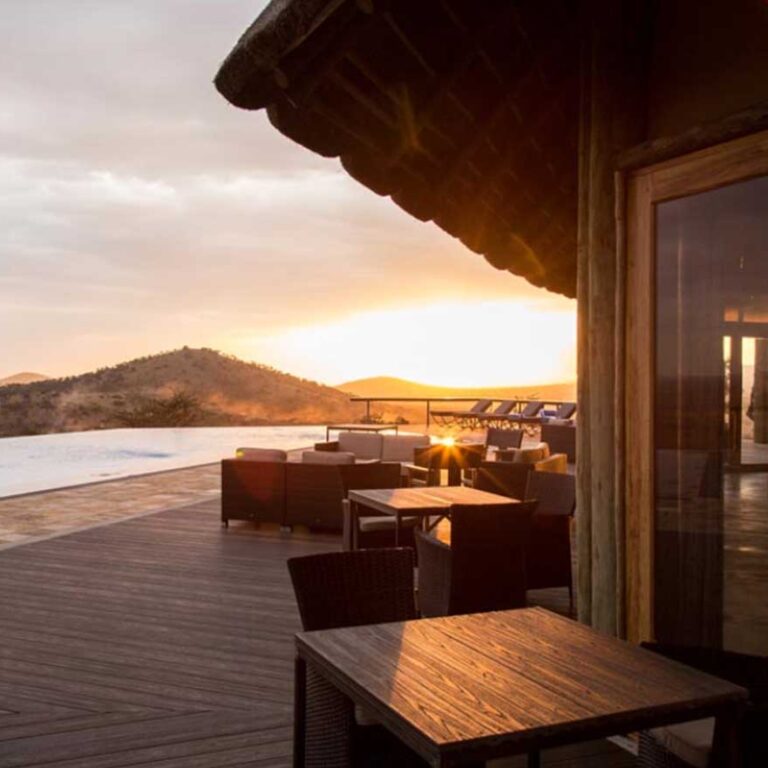
Lahia Tented Lodge Lahia Tented Lodge The Lodge invites you to experience the epitome of safari luxury in the heart of the Serengeti. Nestled amidst the awe-inspiring landscapes, our lodge offers a perfect blend of comfort and wilderness, providing an authentic African safari experience. Accommodations at Lahia Tented Lodge are designed to provide a haven of relaxation and style. Our spacious tents are elegantly furnished with modern amenities, ensuring a comfortable stay. Wake up to the sounds of nature and enjoy breathtaking views of the surrounding savannah from the privacy of your tent. The main house offers a unique 360 º panoramic view of the landscape. Guests can observe the Great Migration spectacle from the comfort of their tents. As the sun sets over the Serengeti, gather around the Lahia Tented Lodge campfire for a memorable evening under the stars, sharing tales of the day’s adventures and indulging in the warm ambiance of the African night. Activities Lahia Tented Lodge Hot air balloon safari Float above the endless grasslands as the sun rises over Serengeti Sundowners See all the possible shades of pink blooming over the golden plains of Serengeti Bush Breakfast Have a most delicious breakfast in a wilderness setting! Accommodation options at Lahia Tented Lodge Suite Room Perfect for couples or families with one child. Elegant tents built on raised wood platforms with en-suite facilities and a outdoor shower. After a day on safari guests can enjoy a refreshing shower under the stars. Each tent has its own private terrace from where guests can enjoy the landscape and the surroundings. Bed Type | Double and triple suites are available Area | Serengeti Full Board Family Tented Suite This bigger tent with two bedrooms will be suitable for families with 2-3 children or two couples traveling together. Elegant tents built on raised wood platforms with en-suite facilities and a outdoor shower. After a day on safari guests can enjoy a refreshing shower under the stars. Each tent has its own private terrace from where guests can enjoy the landscape and the surroundings. Bed Type | Two double or twin beds Area | Serengeti Full Board The Lahia Tented Lodge Prices for your chosen travel dates may vary depending on the season of travel. Please feel free to reach out to us for more information on the final price. Request A free Quote Facilities Room Types: Camp will boost 25 room all with en-suite facilities 6 family tents (with two interconnecting rooms) Bedclothes Vanity basin Lounge Area Writing desk Private shower En-suite bathroom Dining Tent Power stations in public areas Free Wi-Fi in public areas Welcome Drink on Arrival Lahia Tented Lodge Location The camp is strategically located at the top of a hill overlooking Central Serengeti with views towards Western Serengeti, within reach of mythical locations such as the famous kopjes masais, the museum at the Olduvai gorge, Seronera valley and the Grumeti river. Whether you are a seasoned safari enthusiast or embarking on your first African adventure, Lahia Tented Lodge promises an immersive and extraordinary journey into the heart of the Serengeti, where the untamed beauty of Africa unfolds before your eyes. Book your stay with us and create timeless memories of a lifetime reviews. East Africa Camp Collection Luxury Camps & Lodges Serengeti Lemala Nanyukie Lodge Serengeti Lemala Nanyukie Lodge Lemala Nanyukie Lodge —- Lemala Nanyukie Lodge Luxurious and captivating safari retreat situated in the heart of the … Little Oliver’s Camp | Luxury Tarangire Safari Camp Little Oliver’s Camp | Luxury Tarangire Safari Camp Oliver’s Camp – See description and beautiful photos —- Oliver’s Camp Explore Oliver’s Camp in Tanzania’s Tarangire is … Lemala Mpingo Ridge Lodge Lemala Mpingo Ridge Lodge Mpingo Ridge Lodge —- Mpingo Ridge Lodge An eco-friendly and luxurious safari camp that offers a unique and … 1 2 3 … 5 Next » The Africa Adventure Company: Luxury African Safaris Indulge in unparalleled luxury with The Africa Adventure Company. Their meticulously crafted safaris offer bespoke experiences across Africa’s premier destinations. 1 Expect opulent accommodations, expert-led private tours, and seamless service. 2 From the Serengeti’s vast plains to Botswana’s exclusive reserves, immerse yourself in extraordinary wildlife encounters with a personal touch, creating memories that last a lifetime. 9-Days Luxury Tanzania and Zanzibar Honeymoon Safaris 9-Days Luxury Tanzania and Zanzibar Honeymoon Safaris Luxury Tanzania and Zanzibar Honeymoon Safaris 9 Day Luxury Tanzania and Zanzibar Honeymoon Safaris. Dream Honeymoon Safari to … 14 Day African Big Cats Safaris 14 Day African Big Cats Safaris Serengeti Honeymoon Safaris | 14 Days African Big Cats Safaris The Africa Big Cats Safari Vacation or the … 7 Days Tanzania Luxury Safari Packages 7 Days Tanzania Luxury Safari Packages Perfect 7 Days Luxury Safari in Tanzania 7 Days Best of Tanzania Luxury Safari, Compare 7-Day safaris to … 1 2 3 … 5 Next »
Luxury Serengeti Mara Mara Tented Lodge
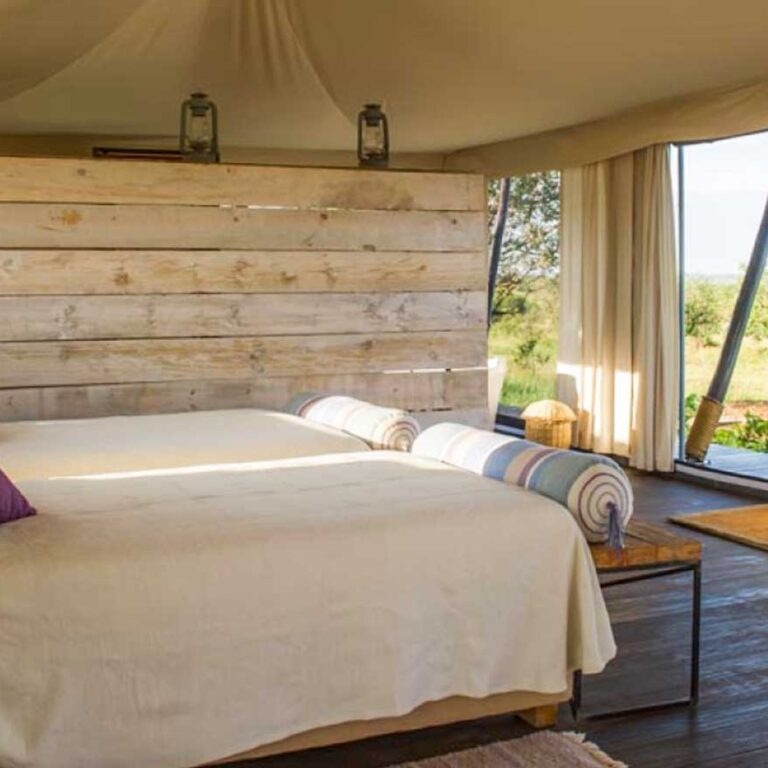
Mara Mara Tented Lodge Explore Mara Mara Tented Lodge Mara Mara Tented Lodge Located in North Serengeti close to the river Mara in the Kogatende Area. Situated in the heart of the Migration from June to November with an extraordinary diversity of wildlife. The lodge consists of 16 tents with en suite facilities, including family rooms. It is divided into two camps, north and south. Guests at each of the two camps will use the Main House that includes lounges, restaurant, view deck and swimming pool. It has been designed and decorated in a modern African style that creates a fresh and light ambiance, very welcoming but with a touch of luxury. Guests can observe the Great Migration from the comfort of their tents. Activities Mara Mara Tented Lodge Hot air balloon safari Float above the endless grasslands as the sun rises over Serengeti Sundowners See all the possible shades of pink blooming over the golden plains of Serengeti Bush Breakfast Have a most delicious breakfast in a wilderness setting! Accommodation options at Mara Mara Tented Lodge Suite Room Perfect for solo travellers, couples, families with a child, or friends travelling together. Maximum capacity of 3 guests. Tents built on raised wood platforms with a private terrace overlooking the savannah. There is a choice of beds, a king size bed or two singles. The bedrooms have a bathroom with a bathtub and an outdoor shower. Bed Type | Twin or king-size beds Area | Serengeti Area Full Board Family Room Perfect for families with children or friends travelling together. Maximum capacity of 4 guests. Two interconnected rooms sharing a bathroom with a shower, wash basin and a flush toilet. There is a choice of beds, a king size bed or two singles. The bedrooms have a bathroom with a bathtub and an outdoor shower. The family tent consists of two interconnected tents. Bed Type | Twin or king-size beds Area | Serengeti Area Full Board Bungalow Room Perfect for couples, families with more than one child, or friends travelling together. Maximum capacity of 4 to 5 guests. Rooms are fully enveloped in canvas, providing a close proximity to nature. Each room features en-suite bathroom with a shower, wash basin and a flush toilet, and is furnished with large comfortable beds, armchairs and a writing desk. Bed Type | Twin or king-size beds Area | Serengeti Area Full Board The Mara Mara Tented Lodge Prices for your chosen travel dates may vary depending on the season of travel. Please feel free to reach out to us for more information on the final price. Request A free Quote Facilities Room Types: 10 standard tents 1 family tent Bedclothes Vanity basin Lounge Area Writing desk Private shower En-suite bathroom Dining Tent Power stations in public areas Free Wi-Fi in public areas Welcome Drink on Arrival Mara MaraTented Lodge on the map Located in North Serengeti close to the river Mara in the Kogatende Area. Situated in the heart of the Migration from June to November with an extraordinary diversity of wildlife. The lodge consists of 20 tents and 4 bungalows with en suite facilities, including family rooms. It is divided into two camps, north and south. Guests at each of the two camps will use the Main House that includes lounges, restaurant, view deck and swimming pool. A modern, clean-lined tented camp with a traditional African feel, Mara Mara Tented Lodge has one of the Serengeti’s most coveted locations. East African Retreats – Holiday Homes, Safari Lodges & Tented Camp Serengeti Lemala Nanyukie Lodge Serengeti Lemala Nanyukie Lodge Lemala Nanyukie Lodge —- Lemala Nanyukie Lodge Luxurious and captivating safari retreat situated in the heart of the … Little Oliver’s Camp | Luxury Tarangire Safari Camp Little Oliver’s Camp | Luxury Tarangire Safari Camp Oliver’s Camp – See description and beautiful photos —- Oliver’s Camp Explore Oliver’s Camp in Tanzania’s Tarangire is … Lemala Mpingo Ridge Lodge Lemala Mpingo Ridge Lodge Mpingo Ridge Lodge —- Mpingo Ridge Lodge An eco-friendly and luxurious safari camp that offers a unique and … 1 2 3 … 5 Next » East African Safari: Adventure Safari Tour & Travel Packages Experience the thrill of an East African adventure with tailored safari and travel packages. Explore the iconic Serengeti and Masai Mara for incredible wildlife encounters, or trek to see gorillas in Uganda and Rwanda. Discover diverse landscapes, from vast savannas to lush forests. Enjoy expertly guided tours and create unforgettable memories in the heart of East Africa. 9-Days Luxury Tanzania and Zanzibar Honeymoon Safaris 9-Days Luxury Tanzania and Zanzibar Honeymoon Safaris Luxury Tanzania and Zanzibar Honeymoon Safaris 9 Day Luxury Tanzania and Zanzibar Honeymoon Safaris. Dream Honeymoon Safari to … 14 Day African Big Cats Safaris 14 Day African Big Cats Safaris Serengeti Honeymoon Safaris | 14 Days African Big Cats Safaris The Africa Big Cats Safari Vacation or the … 7 Days Tanzania Luxury Safari Packages 7 Days Tanzania Luxury Safari Packages Perfect 7 Days Luxury Safari in Tanzania 7 Days Best of Tanzania Luxury Safari, Compare 7-Day safaris to … 1 2 3 … 5 Next »
Kubu Kubu Tented Lodge
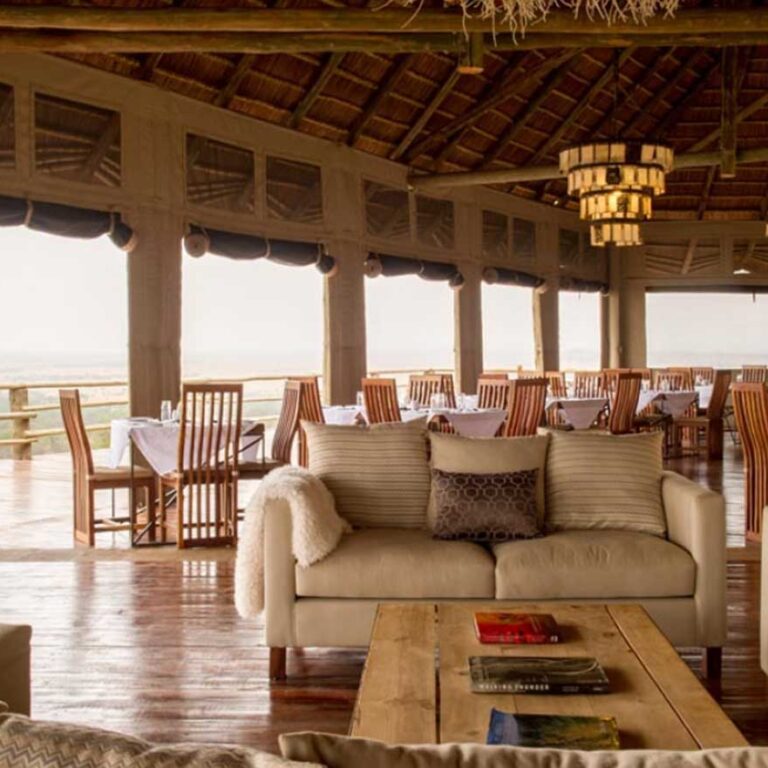
Kubu Kubu Tented Lodge Kubu Kubu Tented Lodge Located in the center of Tanzania’s Serengeti National Park, Kubu Kubu Tented Camp offers luxury accommodation that seamlessly blends authentic African design with contemporary elements and comfort. Explore the endless plains of the Serengeti from Kubu Kubu Tented Lodge Classic game drives, a stunning infinity pool and comfortable tents in the most famous safari destination in the world Kubu Kubu there are 25 spacious tents with en-suite bathrooms and balconies built high up on wooden platforms to make the most of the views over Serengeti National Park. The lodge style is contemporary African with subtle and sleek furnishings throughout the camp. It doesn’t just look good, it’s comfy too. The restaurant dishes up hearty meals and the cosy lounge is just calling out for socializing with pre-dinner drinks. Kubu Kubu Tented Lodge are made for chilling by the pool, taking in those views and relaxing after an exciting morning game drive. Activities Kubu Kubu Tented Lodge Hot air balloon safari Float above the endless grasslands as the sun rises over Serengeti Sundowners See all the possible shades of pink blooming over the golden plains of Serengeti Bush Breakfast Have a most delicious breakfast in a wilderness setting! Accommodation options at Kubu Kubu Tented Lodge Suite Room Elegant tents built on raised wood platforms with an en-suite facilities and an outside shower. After a day on safari guests can enjoy a refreshing shower under the stars. Each tent has its own private terrace from where to enjoy the landscape and the environment. The family tent consists in two tents interconnected and a shared bathroom and private porch. Bed Type | Double and triple suites are available Area | Serengeti Val Full Board Interconnected Rooms Exquisite tents are constructed on elevated wooden platforms, offering en-suite facilities and an outdoor shower. Following a thrilling day of safari adventures, guests can indulge in a revitalizing shower beneath the twinkling stars. Each tent boasts a personal terrace, providing a perfect vantage point to appreciate the picturesque landscape and surroundings. The family tent comprises of two interconnected tents with a shared bathroom and a private porch. Bed Type | Double and triple suites are available Area | Serengeti Val Full Board Quadruple Room Immerse yourself in comfort with en-suite facilities and indulge in an invigorating outdoor shower under the enchanting night sky after an exhilarating day of safari adventures. Unwind and take in the breathtaking landscape and ambiance from your own private terrace, exclusively designed to enhance your enjoyment. For families, our spacious interconnected tents offer a shared bathroom and a private porch, ensuring a delightful retreat for all. Bed Type | Double and triple suites are available Area | Serengeti Val Full Board The Kubu Kubu Tented Lodge prices for your chosen travel dates may vary depending on the season of travel. Please feel free to reach out to us for more information on the final price. Request A free Quote Facilities Room Types: The camp comprises of 25 spacious double tents, Ensuite Family friendly Safari lodge Bedclothes Vanity basin Lounge Area Writing desk Private shower En-suite bathroom Dining Tent Power stations in public areas Free Wi-Fi in public areas Welcome Drink on Arrival Kubu Kubu Tented Lodge on the map Located in the centre of Tanzania’s Serengeti National Park, Kubu Kubu Tented Lodge offers contemporary accommodation that seamlessly blends authentic African design with traditional style and comfort. Kubu Kubu is set on a hillside with sweeping views over the central plains of the Serengeti National Park, this makes it the ideal setting for viewing year-round, resident game. At certain times of year, it is also possible to view the migration herds as they make their way through the central region of the park. The guest rooms at Kubu Kubu stand on solid timber platforms and the outside showers and private balconies make the most of the sweeping views below. The main areas of the lodge, also set on the hillside, are generously proportioned, and elegantly furnished. The lounge and the dining area both flow out onto a large deck where guests can enjoy al fresco dining, snacks, and of course sundowner drinks around the obligatory campfire. For those looking to soak up the sun or relax between safari activities, the large pool with surrounding sun loungers is incredibly inviting. East Africa Accommodation and Safari Lodges Luxus Lodge Tanzania Singita Sasakwa Lodge Luxus Lodge Tanzania Singita Sasakwa Lodge Ultimate Singita Sasakwa lodge An ultra-luxurious safari retreat located in Tanzania’s Grumeti Reserve, offering spectacular views of the … Serengeti Lemala Nanyukie Lodge Serengeti Lemala Nanyukie Lodge Lemala Nanyukie Lodge —- Lemala Nanyukie Lodge Luxurious and captivating safari retreat situated in the heart of the … Little Oliver’s Camp | Luxury Tarangire Safari Camp Little Oliver’s Camp | Luxury Tarangire Safari Camp Oliver’s Camp – See description and beautiful photos —- Oliver’s Camp Explore Oliver’s Camp in Tanzania’s Tarangire is … 1 2 3 … 5 Next » East Africa Tours and Safaris | Tailor-Made Adventures Discover East Africa with tailor-made tours and safaris. Create your ideal adventure, from witnessing the Great Migration in the Serengeti Tarangire, Lake Manyara and, Arusha National Park for incredible wildlife encounters, or trek to African highest free standing Mount Kilimanjaro. Explore diverse landscapes with expert local guides, enjoying personalized itineraries and unforgettable wildlife encounters across Kenya, Tanzania, and beyond. 5-Day Fly-Out Safari from Serengeti to Zanzibar 5-Day Fly-Out Safari from Serengeti to Zanzibar Best of 5-Day Fly-Out Safari from Serengeti to Zanzibar The Best of 5-Day Fly-Out Safari from Serengeti to … 11-Day African Mid-Range Safari Tours 11-Day African Mid-Range Safari Tours Best of 11-Day African Mid-Range Safari Tours Embark on an unforgettable 11-day African mid-range safari through Tanzania’s iconic … Breathtaking 10-Day Serengeti Migration Safari Mid-Range Tour Breathtaking 10-Day Serengeti Migration Safari Mid-Range Tour 10-Day Serengeti Migration Safari Mid-Range Tour Experience the 10-Day Serengeti Migration Safari Mid-Range Tour, a personalized, all-inclusive adventure
Luxury Serengeti Safari Lodge | andBeyond Klein’s Camp
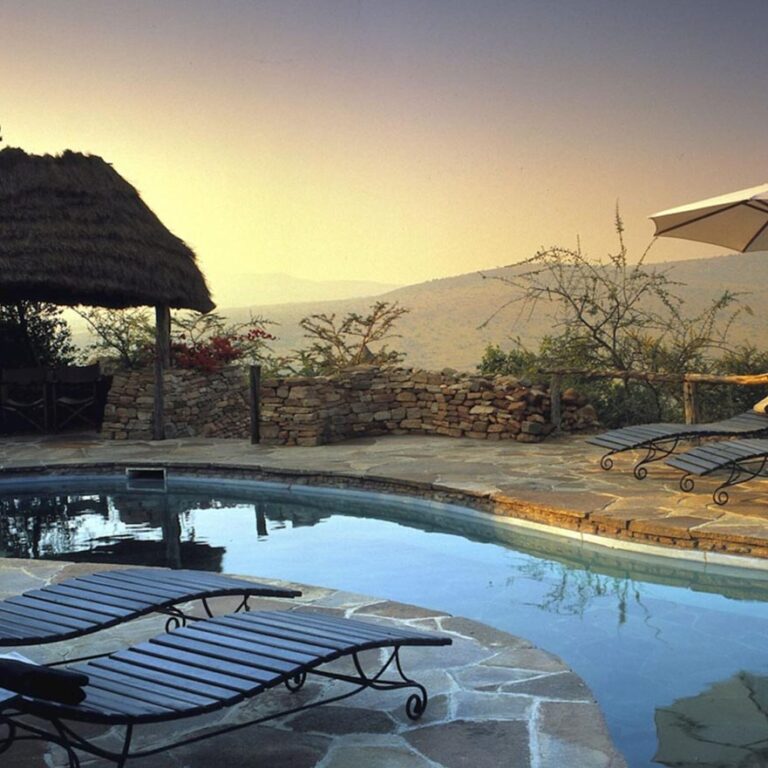
Klein’s Camp —- andBeyond Klein’s Camp This magnificent vintage andBeyond Klein’s Camp hotel is located on a private concession leased from the Maasai landlords. Bordering the Serengeti and the Maasai Mara National Reserve, this 10,000-hectare piece of land is home to huge numbers of animals that you can observe in privacy, far from the hustle of busy safari routes. The views of juicy green distant hills, sweeping grasslands and forested riverbanks opening from the camp are some of the best in Serengeti National Park. Each andBeyond Klein’s Camp cottage at boasts an uninterrupted view of the fantastic scenery around. Their interior design is also a spectacle of its own: luxurious spacious rooms with rich wooden floors and simply royal class furniture create an un-matching level of comfort and coziness. Outside there’s a spacious veranda where you can enjoy the views while sipping on a glass of champagne. Activities andBeyond Klein’s Camp Hot air balloon safari Float above the endless grasslands as the sun rises over Serengeti. Walking Take the closest possible look at the African bush and its inhabitants. Maasai Cultural Interact with the local Maasai tribe and learn more about their daily life and culture. Accommodation options at andBeyond Klein’s Camp Cottage Perfect for couples, families with one child or three friends traveling together. Each cottage has a king-sized bed (or two twin beds if requested) and an en-suite bathroom. In front of each cottage you’ll find a veranda where you can relax enjoying the views around. Bed Type | Double and triple suites are available Area | Hills and grasslands of Serengeti Full Board Family Cottage This bigger cottage with two bedrooms will be suitable for families with 2-3 children or two couples traveling together. The cottage has two bedrooms, an en-suite bathroom and a spacious veranda. Bed Type | Two double or twin beds plus an additional bed for a child upon request Area | Hills and grasslands of Serengeti Full Board The price for your chosen travel dates may vary depending on the season of travel. Please feel free to reach out to us for more information on the final price. Request A free Quote Facilities Room Types: 9 standard cottages 1 family cottage Bedclothes Vanity basin Lounge Area Writing desk Private shower En-suite bathroom Dining Tent Power stations in public areas Free Wi-Fi in public areas Welcome Drink on Arrival andBeyond Klein’s Camp Location andBeyond Klein’s Camp is strategically located on the border between Serengeti and Masai Mara National Parks. It is the place where you can see herds of zebras and wildebeest migrate northwards to Kenya in August-September each year. Apart from that, throughout the rest of the year, this andbeyond klein’s camp place sees a whole diversity of wildlife, like elephant families and lion prides roaming the hills and the valley in fascinatingly close proximity to you. Being located on a private concession, the andbeyond klein’s camp allows off-road driving, which means that you can observe the animals much closer than roads usually allow. Most Popular Tanzania Luxury Safari Accommodations Serengeti Lemala Nanyukie Lodge Serengeti Lemala Nanyukie Lodge Lemala Nanyukie Lodge —- Lemala Nanyukie Lodge Luxurious and captivating safari retreat situated in the heart of the … Little Oliver’s Camp | Luxury Tarangire Safari Camp Little Oliver’s Camp | Luxury Tarangire Safari Camp Oliver’s Camp – See description and beautiful photos —- Oliver’s Camp Explore Oliver’s Camp in Tanzania’s Tarangire is … Lemala Mpingo Ridge Lodge Lemala Mpingo Ridge Lodge Mpingo Ridge Lodge —- Mpingo Ridge Lodge An eco-friendly and luxurious safari camp that offers a unique and … 1 2 3 … 5 Next » East African Safari Adventure – A Budget Breakdown Embark on an East African safari without breaking the bank. A budget breakdown reveals options from basic camping ($350-$400/day) to mid-range lodges ($500-$1000/day). Includes private tents or more comfortable lodges, better food, and guided game drives. Consider private customized tailor safari tours, travel in the low season, and focus on fewer parks to save. With smart planning, an unforgettable adventure awaits! 9-Days Luxury Tanzania and Zanzibar Honeymoon Safaris 9-Days Luxury Tanzania and Zanzibar Honeymoon Safaris Luxury Tanzania and Zanzibar Honeymoon Safaris 9 Day Luxury Tanzania and Zanzibar Honeymoon Safaris. Dream Honeymoon Safari to … 14 Day African Big Cats Safaris 14 Day African Big Cats Safaris Serengeti Honeymoon Safaris | 14 Days African Big Cats Safaris The Africa Big Cats Safari Vacation or the … 7 Days Tanzania Luxury Safari Packages 7 Days Tanzania Luxury Safari Packages Perfect 7 Days Luxury Safari in Tanzania 7 Days Best of Tanzania Luxury Safari, Compare 7-Day safaris to … 1 2 3 … 5 Next »
Dunia Camp
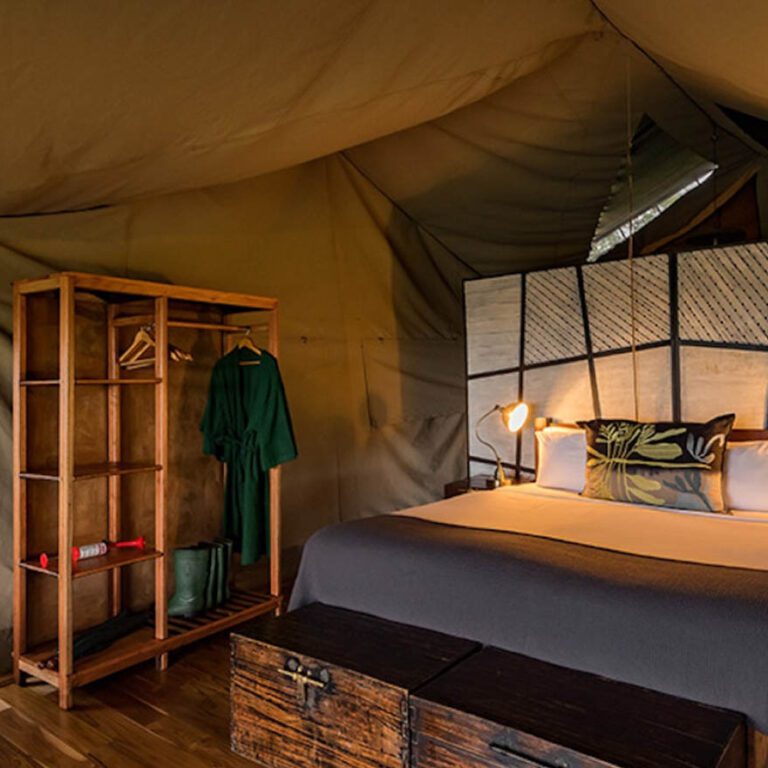
See Dunia Camp description and beautiful photos Dunia Camp | Central Serengeti Safari Camp Nestled in the heart of the Serengeti, Dunia Camp is a haven of luxury amid the wilderness. With just eight spacious tents, each exuding rustic elegance, the camp provides an intimate and exclusive experience. The eco-friendly design complements the surroundings, offering panoramic views of the vast plains. Indulge in gourmet meals prepared with local flair, and relax in the cozy lounge as wildlife roams freely outside. Dunia Camp places you at the epicenter of the Great Migration, ensuring front-row seats to this natural spectacle. Immerse yourself in the rhythm of the Serengeti, where each moment at Dunia Camp is a seamless blend of opulence and untamed beauty, creating memories that linger long after the safari dust settles. Activities Dunia Camp Hot air balloon safari Float above the endless grasslands as the sun rises over Serengeti Sundowners See all the possible shades of pink blooming over the golden plains of Serengeti Birdwatching Similarly to yoga and oriental meditation practices, birdwatching can teach you how to stay focused and concentrated Accommodation options at Dunia Camp Tented Suites Perfect for couples, families with one child or three friends traveling together. Each tent has a king-sized bed (or two twin beds if requested), a plumbed shower and a flush toilet. In front of each tent you’ll find a veranda where you can relax enjoying the views around. Bed Type | Double and triple suites are available Area | Serengeti Val Full Board Family Tented Suite This bigger tent with two bedrooms will be suitable for families with 2-3 children or two couples traveling together. The tent has two bedrooms, a bathroom with a plumbed shower and a flush toilet as well as a spacious veranda. Bed Type | Two double or twin beds plus an additional bed for a child upon request Area | Serengeti Valley Full Board The Dunia Camp Prices for your chosen travel dates may vary depending on the season of travel. Please feel free to reach out to us for more information on the final price. Request A free Quote Facilities Room Types: 8 spacious tents suites 1 family tent Bedclothes Vanity basin Lounge Area Writing desk Private shower En-suite bathroom Dining Tent Power stations in public areas Free Wi-Fi in public areas Welcome Drink on Arrival Dunia Camp Location Dunia Camp is located in an exceptional area. First of all, it lies on the Great Migration route, so twice a year, in May-June and November-December guests of the camp will witness great numbers of wildebeest, gazelles and zebras crossing the surrounding plains in pursuit of fresh green grass. Second, the location of Dunia camp is in close vicinity of Moru Kopjes, granite mounds, from where feline predators can often be seen looking out for their prey. And finally, if you stay in Dunia Camp, you’ll have quick access to Seronera Plains where big populations of animals congregate on the banks of the Seronera River. Explore Our East Africa Camps and Lodges Serengeti Lemala Nanyukie Lodge Serengeti Lemala Nanyukie Lodge Lemala Nanyukie Lodge —- Lemala Nanyukie Lodge Luxurious and captivating safari retreat situated in the heart of the … Little Oliver’s Camp | Luxury Tarangire Safari Camp Little Oliver’s Camp | Luxury Tarangire Safari Camp Oliver’s Camp – See description and beautiful photos —- Oliver’s Camp Explore Oliver’s Camp in Tanzania’s Tarangire is … Lemala Mpingo Ridge Lodge Lemala Mpingo Ridge Lodge Mpingo Ridge Lodge —- Mpingo Ridge Lodge An eco-friendly and luxurious safari camp that offers a unique and … 1 2 3 … 5 Next » 10 of the best affordable African safari holidays Discover incredible value with affordable African safari holidays. Explore iconic Serengeti, Tarangire, Lake Manyara and, Arusha National Park budget-friendly tours. Tanzania’s Lake Manyara National Park offers unique boat safaris at a lower cost. Consider walking safaris and budget lodges. These destinations provide remarkable wildlife encounters without breaking the bank. 8 Day Classic Tanzania Migration Safari 8 Day Classic Tanzania Migration Safari Flyin 8 Day serengeti migration classic safari Discover the wonders of Tanzania on an 8-Day Classic Migration Safari. … Discover 10 Days the Magic of Tanzania Discover 10 Days the Magic of Tanzania 10 Days Experiencing The Magic Of Tanzania Safari Holidays. Embark on a 10-day odyssey through Tanzania’s majestic landscapes … Tanzania Migration safari Tanzania Migration safari 7 Days Tanzania Migration Safari This is a private Tanzania Migration Safari, run exclusively for you and each … 1 2 3 … 5 Next »