
Ngorongoro Tented Camp
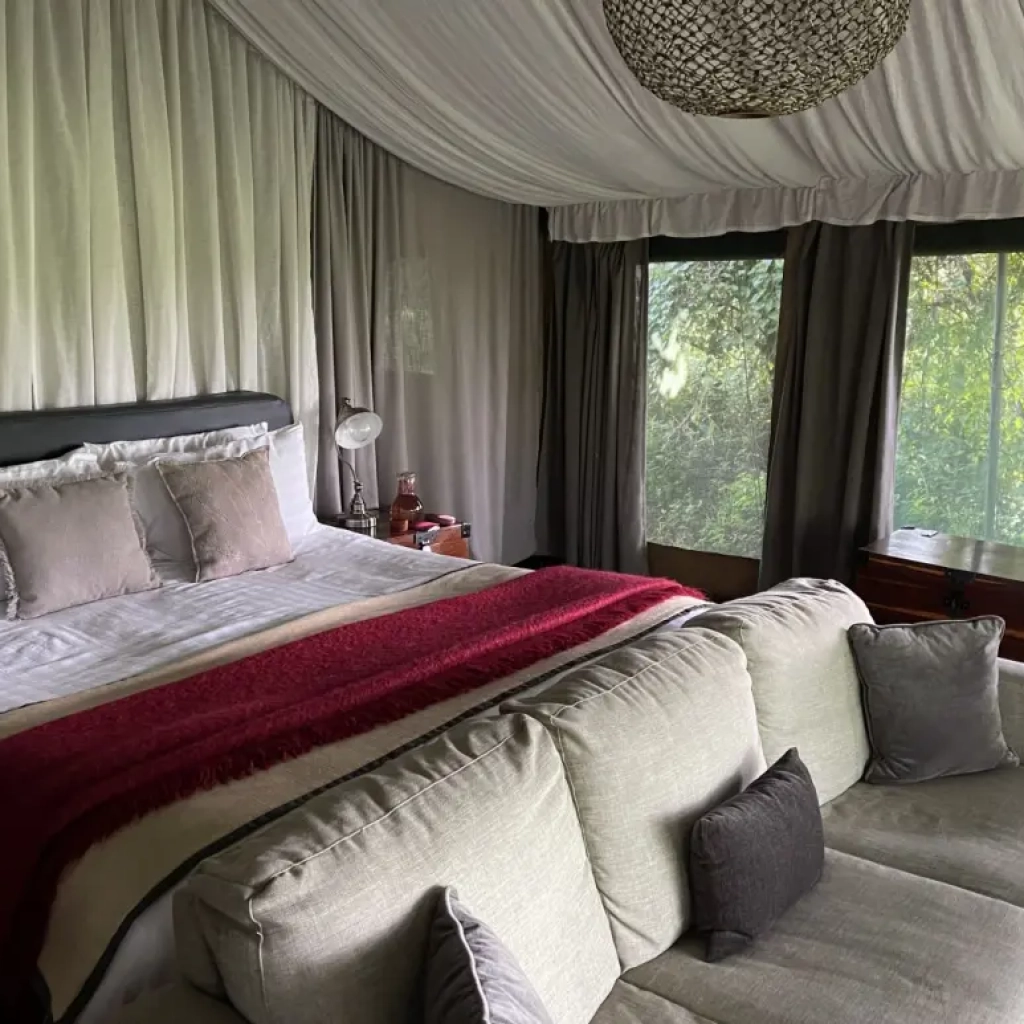
Ngorongoro Tented Camp Ngorongoro Tented Camp A charming and intimate safari camp located in the Ngorongoro Conservation Area of Tanzania. Nestled amidst the scenic landscapes, the camp offers a unique and authentic safari experience. The camp features comfortable and spacious tented accommodations with en-suite bathrooms, providing a cozy and rustic ambiance. Guests can savor delicious meals in the dining tent or enjoy a sundowner by the campfire while taking in the natural beauty of the surroundings. The camp serves as a fantastic base for exploring the Ngorongoro Crater, famous for its abundant wildlife, including the Big Five. With its serene atmosphere and prime location, Ngorongoro Tented Camp offers an immersive safari adventure for nature enthusiasts seeking an intimate and close-to-nature experience. Activities Ngorongoro Tented Camp Birdwatching A bird lover’s paradise, with over 500 bird species recorded in the area Nature Walks Guided nature walks are a fantastic way to explore the diverse landscapes of the conservation area. Cultural Tours Cultural tours can provide deeper insights into the local communities and their traditions. Accommodation options at Ngorongoro Tented Camp Tented Suites They accommodate two queen-size beds, and as it can get cool on the Ngorongoro Crater rim at night, little luxuries like warm winter-weight duvets, hot water bottles and gas heaters ensure a cosy night’s sleep. Bed Type | Queen-sized bed Area | Ngorongoro Full Board The price for your chosen travel dates may vary depending on the season of travel. Please feel free to reach out to us for more information on the final price. Request A free Quote Facilities Room Types: 9 Standard tented suites Family tent Bedclothes Vanity basin Lounge Area Writing desk Private shower En-suite bathroom Dining Tent Power stations in public areas Free Wi-Fi in public areas Welcome Drink on Arrival Ngorongoro Tented Camp Location Lemala Ngorongoro Tented Camp has 9 spacious tents that are positioned carefully to provide privacy and with minimal impact on the pristine forest environment. They accommodate two queen-size beds, and as it can get cool on the Ngorongoro Crater rim at night, little luxuries like warm winter-weight duvets, hot water bottles and gas heaters ensure a cosy night’s sleep. The roomy en-suite bathrooms contain a dressing area, flush toilet and a large safari-style shower. The mess tent is beautifully furnished with grand sofas, lamps, bookshelves and corner cabinets in old wood, chests and rugs. In the evening, guests can gather around the campfire to exchange tales of the day’s safari followed by a sumptuous hearty meal. Ngorongoro family-friendly Safari Accommodations Ngorongoro Serena Safari Lodge A renowned accommodation nestled on the rim of the breathtaking Ngorongoro Crater in Tanzania. Read More Ngorongoro Lodge Meliá Collection The Meliá Ngorongoro Lodge is known for its elegant design and warm hospitality. The lodge features a variety of luxury rooms… Read More andBeyond Ngorongoro Crater Lodge A luxurious safari lodge located on the rim of the magnificent Ngorongoro Crater in Tanzania. Known for its breathtaking views and opulent… Read More Ngorongoro Sopa Lodge Well-established safari lodge located on the eastern rim of the Ngorongoro Crater in Tanzania. Surrounded by lush greenery, the lodge offers comfortable accommodations… Read More Sanctuary Ngorongoro Crater Camp A luxurious tented camp nestled in the Ngorongoro Conservation Area of Tanzania. Situated on the rim of the magnificent… Read More Ngorongoro Rhino Lodge A rustic and affordable accommodation option located near the Ngorongoro Conservation Area in Tanzania… Read More Entamanu Safari Camp An exclusive and intimate safari camp situated in the Ngorongoro Conservation Area of Tanzania… Read More Ngorongoro Tented Camp A charming and intimate Tented safari Camp located in the Ngorongoro Conservation Area of Tanzania… Read More The Highlands Lodge Unique and eco-friendly safari lodge located in the Ngorongoro Conservation Area of Tanzania. Situated on the slopes… Read More Lions Paw Ngorongoro The Lion Paw’s Camps is nestled in a forest of Red Thorn Acacia trees, atop the eastern rim of the Ngorongoro Crater with mesmerizing views of the crater. Read More Embalakai Authentic Camps A collection of luxury tented camps located in the prime wildlife destinations of Tanzania… Read More Ang’ata Ngorongoro camp Collection of luxury tented camps situated in Ngorongoro crater. Each camp offers a unique and immersive safari… Read More
Entamanu Safari Camp
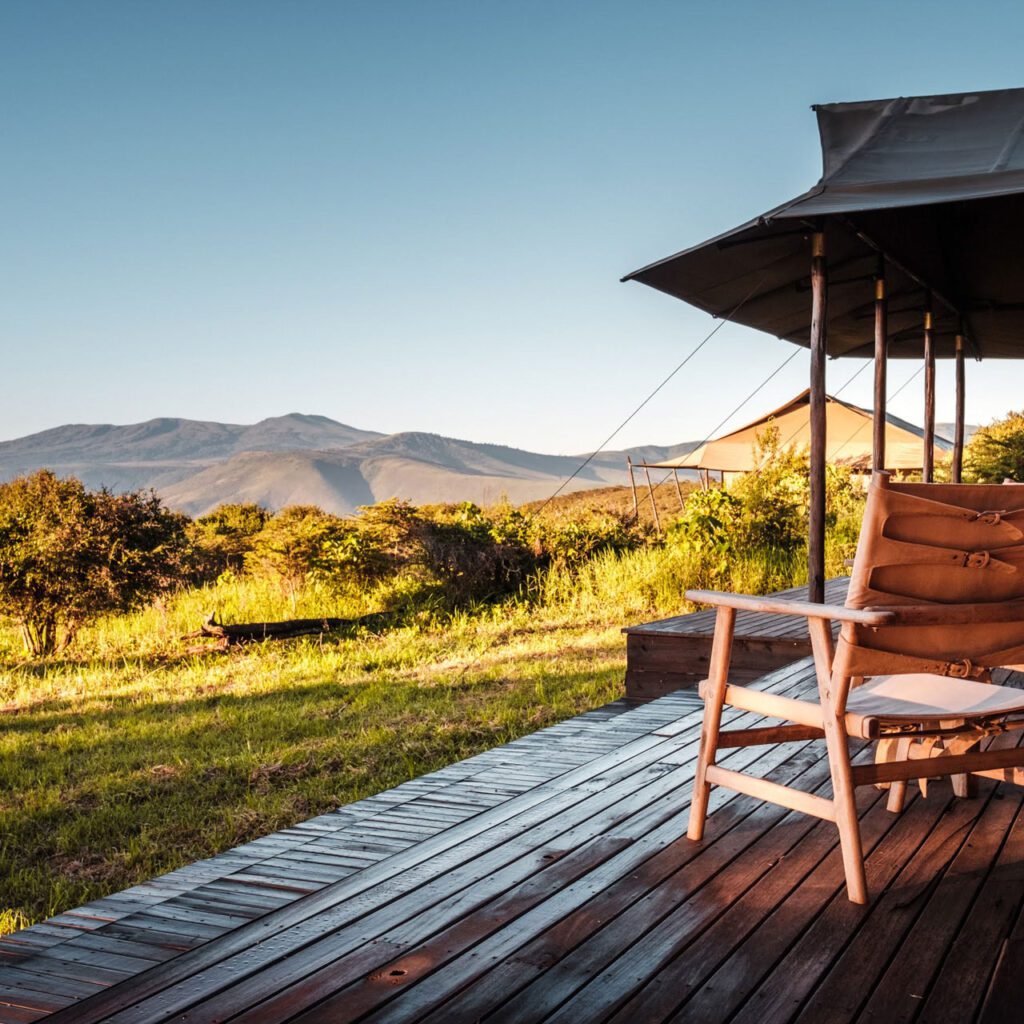
Entamanu Safari Camp Entamanu Safari Camp An exclusive and intimate safari camp situated in the Ngorongoro Conservation Area of Tanzania. Nestled on the rim of the Ngorongoro Crater, the camp offers breathtaking views and a unique wilderness experience. The camp features spacious and stylishly furnished tents with en-suite bathrooms, providing a comfortable and luxurious retreat. Guests can enjoy delectable meals in the dining tent and relax by the campfire while taking in the stunning surroundings. Expert guides lead immersive game drives and guided walks, offering opportunities to witness the diverse wildlife of the area, including lions, elephants, cheetahs, and an abundance of bird species. Perched high on the remote north west rim of the Ngorongoro Crater, Entamanu Ngorongoro is the ultimate highland retreat; a place to see. Activities Entamanu Safari Camp Birdwatching A bird lover’s paradise, with over 500 bird species recorded in the area Nature Walks Guided nature walks are a fantastic way to explore the diverse landscapes of the conservation area. Cultural Tours Cultural tours can provide deeper insights into the local communities and their traditions. Accommodation options at Ngorongoro Entamanu Safari Camp Tented Suites Perfect for couples or families with one child. Each tent has a king-sized bed, an outdoor bucket shower and a flush toilet. Each tent features an indoor sitting area with a day bed and two armchairs where you can relax enjoying the views around. Bed Type | Single King-sized bed Area | Ngorongoro Full Board Family Tent Perfect for couples or families. Each tent has a king-sized bed (or two twin beds if requested), an outdoor bucket shower and a flush toilet. Each tent features an indoor sitting area with a day bed and two armchairs where you can relax enjoying the views around. The day bed in the sitting area can easily transform into a comfortable bed for a child under 12 years old. Bed Type | Single and Double suites are available Area | Ngorongoro Full Board The price for your chosen travel dates may vary depending on the season of travel. Please feel free to reach out to us for more information on the final price. Request A free Quote Facilities Room Types: Standard tented suites Family tent Bedclothes Vanity basin Lounge Area Writing desk Private shower En-suite bathroom Dining Tent Power stations in public areas Free Wi-Fi in public areas Welcome Drink on Arrival Entamanu Safari Camp Location Here, we define our own Ngorongoro, off the beaten track, in Maasai territory. Following one of the world’s most stunning private drives, we bring you up to a dizzying edge of elemental Africa with panoramic views spinning forward into the Crater and back to the Serengeti plains. This is much more than a great vantage point for visiting the Crater, this is where we live the Ngorongoro life. There is surely no truer way to appreciate the magnitude and wonder of the Ngorongoro Crater, than from Entamanu where it’s done entirely on your own terms and schedules. Ngorongoro family-friendly Safari Accommodations Ngorongoro Serena Safari Lodge A renowned accommodation nestled on the rim of the breathtaking Ngorongoro Crater in Tanzania. Read More Ngorongoro Lodge Meliá Collection The Meliá Ngorongoro Lodge is known for its elegant design and warm hospitality. The lodge features a variety of luxury rooms… Read More andBeyond Ngorongoro Crater Lodge A luxurious safari lodge located on the rim of the magnificent Ngorongoro Crater in Tanzania. Known for its breathtaking views and opulent… Read More Ngorongoro Sopa Lodge Well-established safari lodge located on the eastern rim of the Ngorongoro Crater in Tanzania. Surrounded by lush greenery, the lodge offers comfortable accommodations… Read More Sanctuary Ngorongoro Crater Camp A luxurious tented camp nestled in the Ngorongoro Conservation Area of Tanzania. Situated on the rim of the magnificent… Read More Ngorongoro Rhino Lodge A rustic and affordable accommodation option located near the Ngorongoro Conservation Area in Tanzania… Read More Entamanu Safari Camp An exclusive and intimate safari camp situated in the Ngorongoro Conservation Area of Tanzania… Read More Ngorongoro Tented Camp A charming and intimate Tented safari Camp located in the Ngorongoro Conservation Area of Tanzania… Read More The Highlands Lodge Unique and eco-friendly safari lodge located in the Ngorongoro Conservation Area of Tanzania. Situated on the slopes… Read More Lions Paw Ngorongoro The Lion Paw’s Camps is nestled in a forest of Red Thorn Acacia trees, atop the eastern rim of the Ngorongoro Crater with mesmerizing views of the crater. Read More Embalakai Authentic Camps A collection of luxury tented camps located in the prime wildlife destinations of Tanzania… Read More Ang’ata Ngorongoro camp Collection of luxury tented camps situated in Ngorongoro crater. Each camp offers a unique and immersive safari… Read More
Ngorongoro Rhino Lodge
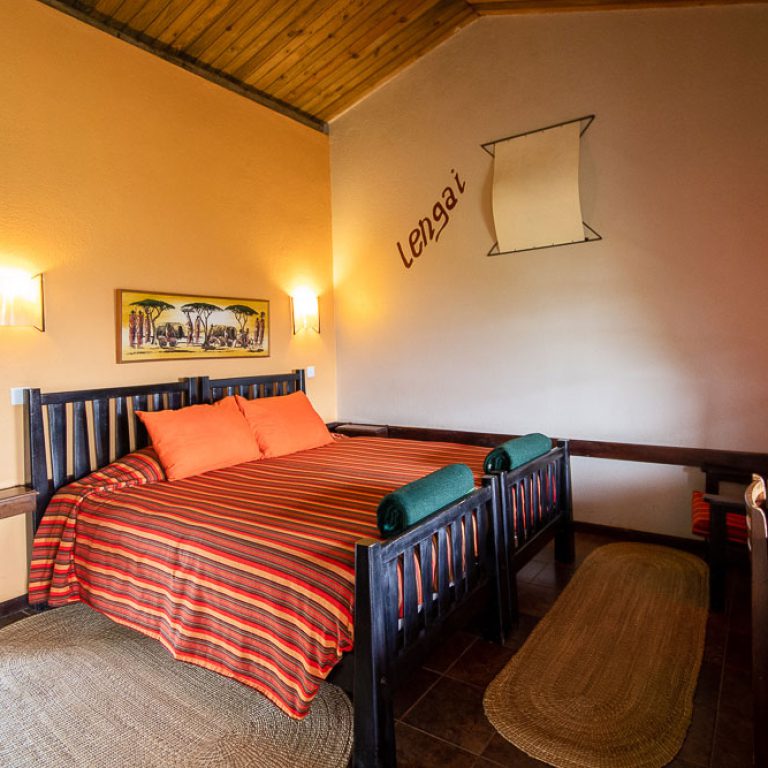
Ngorongoro Rhino Lodge Ngorongoro Rhino Lodge Rhino Lodge is ideally located on the edge of the Ngorongoro crater rim. The Lodge was originally the home of Ngorongoro’s first conservator, and its developers have maintained the house’s original rustic, low-impact style and natural setting. Rhino Lodge offers a perfect base from which to explore the Ngorongoro crater and its surroundings. Game drives into the crater, and, for the more adventurous, walking safaris in the forest reserve and visits to nearby Maasai villages, can all be arranged from the lodge. And, on return after a long day, 24 comfortable en suite rooms with forest views, a cozy living space, friendly local staff and generous African-inspired meals offer guests a warm welcome home. A mid-range accommodation in Ngorongoro Crater Rim which views the opposite side of the Crater. Lodge offers quality and affordable accommodation in a spectacular setting. Activities Ngorongoro Rhino Lodge Birdwatching A bird lover’s paradise, with over 500 bird species recorded in the area Nature Walks Guided nature walks are a fantastic way to explore the diverse landscapes of the conservation area. Cultural Tours Cultural tours can provide deeper insights into the local communities and their traditions. Accommodation options at Ngorongoro Rhino Lodge Room Suites Perfect for couples or families with one child. Each room has a king-sized bed (or two twin beds if requested) Each room features an indoor sitting area with two armchairs where you can relax enjoying the views around. Bed Type | Double and triple suites are available Area | Ngorongoro Full Board Family Room Suite This bigger Room with two bedrooms will be suitable for families with 2-3 children or two couples traveling together. The room has two beds. Each bedroom features an indoor sitting and armchairs. Bed Type | Two double or twin beds plus an additional bed for a child upon request Area | Ngorongoro Full Board The price for your chosen travel dates may vary depending on the season of travel. Please feel free to reach out to us for more information on the final price. Request A free Quote Facilities Room Types: Standard Rooms Family Room Bedclothes Vanity basin Lounge Area Writing desk Private shower En-suite bathroom Dining Tent Power stations in public areas Free Wi-Fi in public areas Welcome Drink on Arrival Ngorongoro Rhino Lodge Location Rhino Lodge, situated only a few hundred metres from the crater’s rim, offers a perfect base to explore the Ngorongoro Crater and its surroundings. Rhino Lodge is also located in close proximity to the main entrance and road descending into the crater floor. When staying over, you will be able to enjoy an early breakfast with us to ensure that you can make the most of your time at the Crater. All-Inclusive Ngorongoro Accommodations Ngorongoro Serena Safari Lodge A renowned accommodation nestled on the rim of the breathtaking Ngorongoro Crater in Tanzania. Read More Ngorongoro Lodge Meliá Collection The Meliá Ngorongoro Lodge is known for its elegant design and warm hospitality. The lodge features a variety of luxury rooms… Read More andBeyond Ngorongoro Crater Lodge A luxurious safari lodge located on the rim of the magnificent Ngorongoro Crater in Tanzania. Known for its breathtaking views and opulent… Read More Ngorongoro Sopa Lodge Well-established safari lodge located on the eastern rim of the Ngorongoro Crater in Tanzania. Surrounded by lush greenery, the lodge offers comfortable accommodations… Read More Sanctuary Ngorongoro Crater Camp A luxurious tented camp nestled in the Ngorongoro Conservation Area of Tanzania. Situated on the rim of the magnificent… Read More Ngorongoro Rhino Lodge A rustic and affordable accommodation option located near the Ngorongoro Conservation Area in Tanzania… Read More Entamanu Safari Camp An exclusive and intimate safari camp situated in the Ngorongoro Conservation Area of Tanzania… Read More Ngorongoro Tented Camp A charming and intimate Tented safari Camp located in the Ngorongoro Conservation Area of Tanzania… Read More The Highlands Lodge Unique and eco-friendly safari lodge located in the Ngorongoro Conservation Area of Tanzania. Situated on the slopes… Read More Lions Paw Ngorongoro The Lion Paw’s Camps is nestled in a forest of Red Thorn Acacia trees, atop the eastern rim of the Ngorongoro Crater with mesmerizing views of the crater. Read More Embalakai Authentic Camps A collection of luxury tented camps located in the prime wildlife destinations of Tanzania… Read More Ang’ata Ngorongoro camp Collection of luxury tented camps situated in Ngorongoro crater. Each camp offers a unique and immersive safari… Read More
Sanctuary Ngorongoro Crater Camp
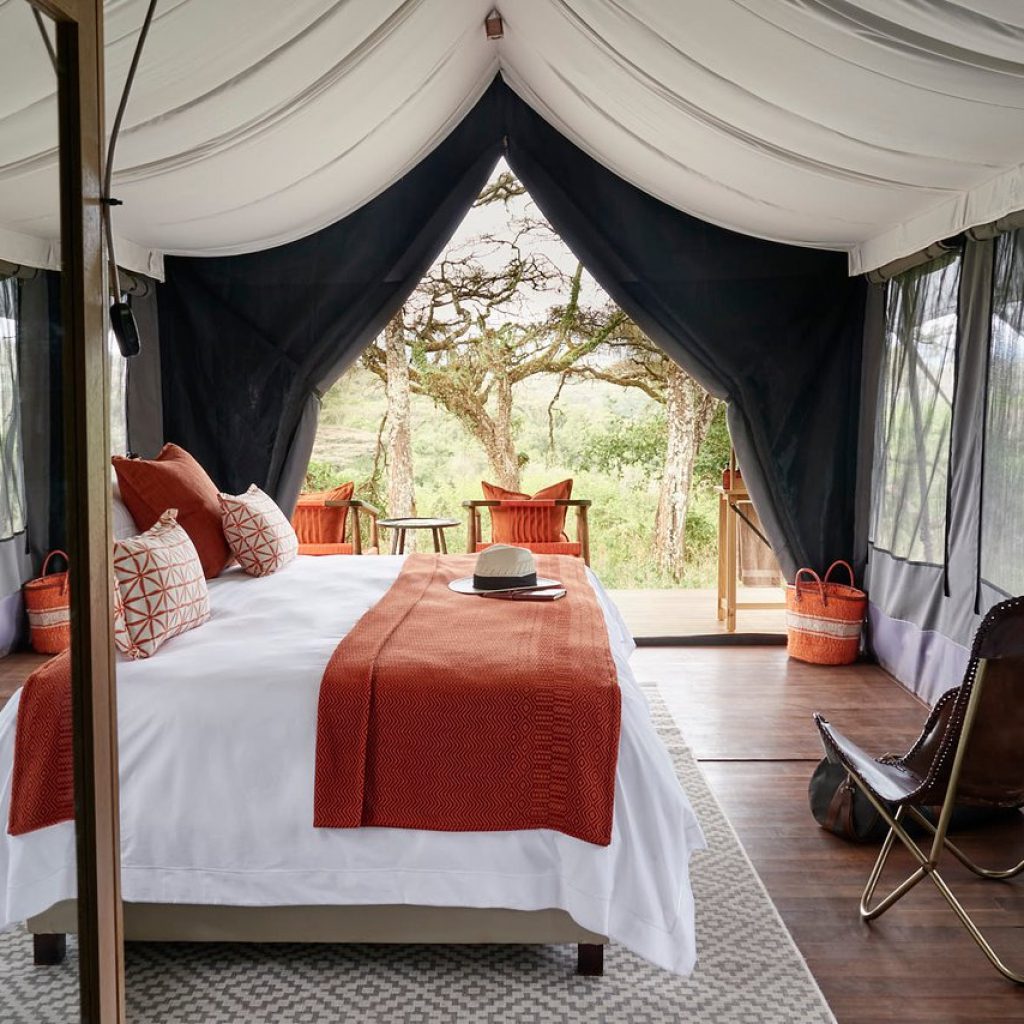
Sanctuary Ngorongoro Crater Camp Sanctuary Ngorongoro Crater Camp A luxury tented camp nestled in the Ngorongoro Conservation Area of Tanzania. Situated on the rim of the magnificent Ngorongoro Crater, the camp offers an intimate and exclusive safari experience. The camp features spacious and beautifully appointed safari tents with en-suite bathrooms and elegant furnishings. Guests can enjoy delicious meals in the dining tent or take in panoramic views from the lounge area. Expert guides lead thrilling game drives into the Ngorongoro Crater, allowing guests to witness the incredible wildlife, including lions, elephants, rhinos, and an array of bird species. With its stunning location, personalized service, and remarkable wildlife encounters, Sanctuary Ngorongoro Crater Camp provides a truly memorable safari adventure. Activities Sanctuary Ngorongoro Crater Camp Hot air balloon safari Float above the endless grasslands as the sun rises over Serengeti Sundowners See all the possible shades of pink blooming over the golden plains of Serengeti Bush Breakfast Have a most delicious breakfast in a wilderness setting! Accommodation options at Sanctuary Ngorongoro Crater Camp Classic Safari Tents The camp offers ten classic safari tents – each with its own en-suite bathroom. The tents also feature hairdryers and plug points and a small sitting area in front of each of the tents where early morning coffee and biscuits can be enjoyed before starting the day of incredible game viewing. The main common areas include a dining area, bar area and lounge area as well as comfortable sofas placed in specially-selected locations around the camp. Bed Type | Kingsized-Bed Area | Ngorongoro Full Board The price for your chosen travel dates may vary depending on the season of travel. Please feel free to reach out to us for more information on the final price. Request A free Quote Facilities Room Types: Classic Safari TENTS Bedclothes Vanity basin Lounge Area Writing desk Private shower En-suite bathroom Dining Tent Power stations in public areas Free Wi-Fi in public areas Welcome Drink on Arrival Sanctuary Ngorongoro Crater Location The camp offers ten classic safari tents – each with its own en-suite bathroom. The tents also feature hairdryers and plug points and a small sitting area in front of each of the tents where early morning coffee and biscuits can be enjoyed before starting the day of incredible game viewing. The main common areas include a dining area, bar area and lounge area as well as comfortable sofas placed in specially-selected locations around the camp. Exhilarating Ngorongoro Luxury Safaris Accommodations Ngorongoro Serena Safari Lodge A renowned accommodation nestled on the rim of the breathtaking Ngorongoro Crater in Tanzania. Read More Ngorongoro Lodge Meliá Collection The Meliá Ngorongoro Lodge is known for its elegant design and warm hospitality. The lodge features a variety of luxury rooms… Read More andBeyond Ngorongoro Crater Lodge A luxurious safari lodge located on the rim of the magnificent Ngorongoro Crater in Tanzania. Known for its breathtaking views and opulent… Read More Ngorongoro Sopa Lodge Well-established safari lodge located on the eastern rim of the Ngorongoro Crater in Tanzania. Surrounded by lush greenery, the lodge offers comfortable accommodations… Read More Sanctuary Ngorongoro Crater Camp A luxurious tented camp nestled in the Ngorongoro Conservation Area of Tanzania. Situated on the rim of the magnificent… Read More Ngorongoro Rhino Lodge A rustic and affordable accommodation option located near the Ngorongoro Conservation Area in Tanzania… Read More Entamanu Safari Camp An exclusive and intimate safari camp situated in the Ngorongoro Conservation Area of Tanzania… Read More Ngorongoro Tented Camp A charming and intimate Tented safari Camp located in the Ngorongoro Conservation Area of Tanzania… Read More The Highlands Lodge Unique and eco-friendly safari lodge located in the Ngorongoro Conservation Area of Tanzania. Situated on the slopes… Read More Lions Paw Ngorongoro The Lion Paw’s Camps is nestled in a forest of Red Thorn Acacia trees, atop the eastern rim of the Ngorongoro Crater with mesmerizing views of the crater. Read More Embalakai Authentic Camps A collection of luxury tented camps located in the prime wildlife destinations of Tanzania… Read More Ang’ata Ngorongoro camp Collection of luxury tented camps situated in Ngorongoro crater. Each camp offers a unique and immersive safari… Read More
Ngorongoro Sopa Lodge
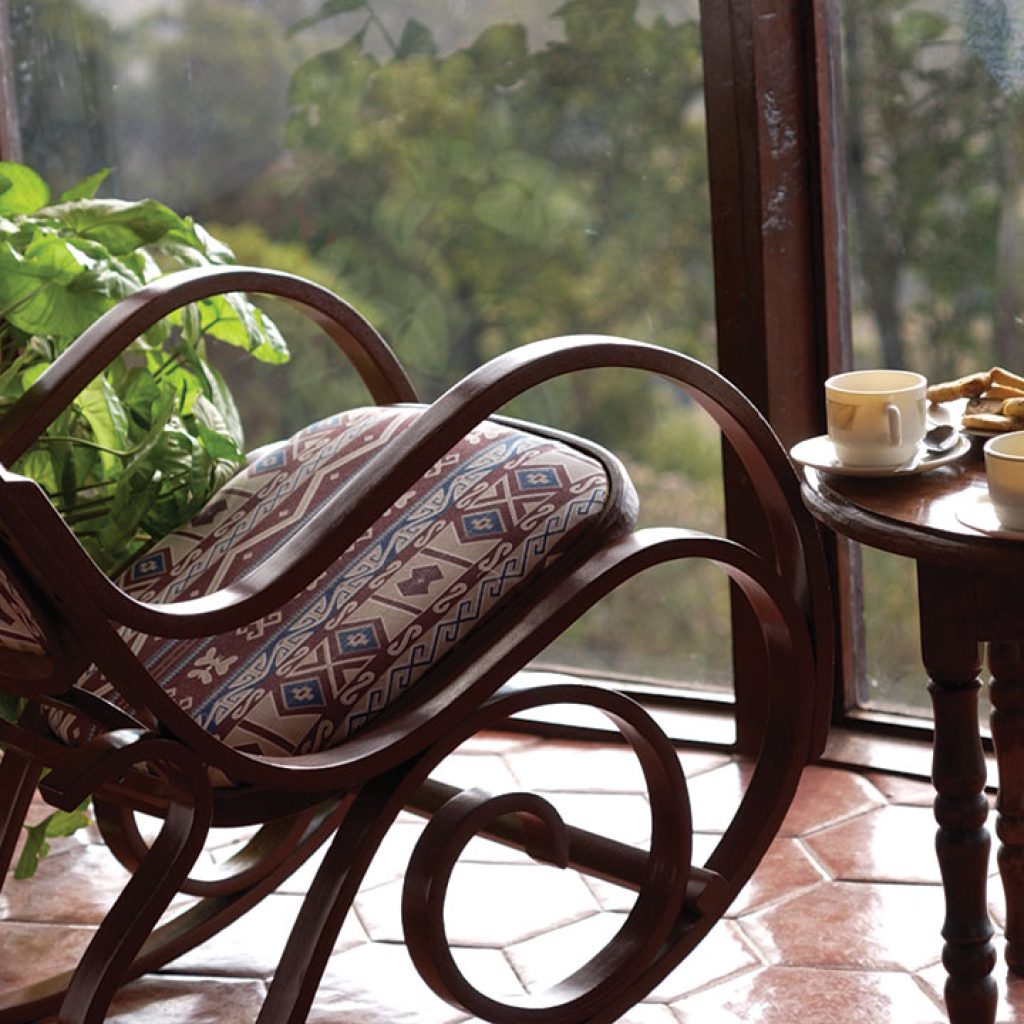
Ngorongoro Sopa Lodge Ngorongoro Sopa Lodge Lodge was built with deep appreciation for the vast Lost World of the Ngorongoro Crater. It’s famous floor-to-ceiling windows face the setting sun (African sunsets being rivaled only by African sunrises for sheer spectacle). The Ngorongoro Sopa Lodge sits on the rim’s highest point, looking 1,600 feet down to the 100 square-mile, animal-thronged caldera of the once-fiery, now sublimely peaceful, volcano. A great lodge, paying happy respect to one of the world’s greatest natural masterpieces. Brightly flowered walkways lead to our double-bedded, fully amenitied rooms, furnished in traditional African motifs and wooden ceilings—and a memorable Sopa touch: a solarium from which to sip early morning coffee, gazing down at the awakening crater, into which we’ll soon wend for a game drive. Activities Ngorongoro Sopa Lodge Hot air balloon safari Float above the endless grasslands as the sun rises over Serengeti Sundowners See all the possible shades of pink blooming over the golden plains of Serengeti Breakfast Have a most delicious breakfast in a wilderness setting! Accommodation options at Ngorongoro Sopa Lodge Room Suites All rooms are equipped with amenities to ensure maximum comfort during your stay with us. Among these are our wake up calls and complimentary coffee and tea, all of which will help to kick start an early morning game drive. Bed Type | Double King-sized Bed Area | Serengeti Full Board The price for your chosen travel dates may vary depending on the season of travel. Please feel free to reach out to us for more information on the final price. Request A free Quote Facilities Room Types: Standard tented suites Suitable for Family Outdoor swimming pool Fitness center Airport shuttle (free) Family rooms Private shower En-suite bathroom Spa Power stations in public areas Free Wi-Fi in public areas Welcome Drink on Arrival Ngorongoro Sopa Lodge Location Guests can enjoy guided game drives into the Ngorongoro Crater, known for its diverse wildlife, including lions, elephants, hippos, and an abundance of bird species. With its convenient location and warm hospitality, Ngorongoro Sopa Lodge is a popular choice for travelers seeking a memorable safari experience in the Ngorongoro Conservation Area. For the spectacular view alone, Ngorongoro Sopa Lodge would be an enviable home base for a vacation in Tanzania. Set alone, high on the eastern rim of Ngorongoro Crater UNESCO World Heritage Site. Ngorongoro Sopa Lodge caters for cost-conscious explorers for whom rich wildlife, beautiful surroundings and a view from the crater rim are more important than luxurious living or a tented experience. But Sopa Lodge offers unusual standards of design and convenience. Perfect Ngorongoro Crater Safari Accommodations Ngorongoro Serena Safari Lodge A renowned accommodation nestled on the rim of the breathtaking Ngorongoro Crater in Tanzania. Read More Ngorongoro Lodge Meliá Collection The Meliá Ngorongoro Lodge is known for its elegant design and warm hospitality. The lodge features a variety of luxury rooms… Read More andBeyond Ngorongoro Crater Lodge A luxurious safari lodge located on the rim of the magnificent Ngorongoro Crater in Tanzania. Known for its breathtaking views and opulent… Read More Ngorongoro Sopa Lodge Well-established safari lodge located on the eastern rim of the Ngorongoro Crater in Tanzania. Surrounded by lush greenery, the lodge offers comfortable accommodations… Read More Sanctuary Ngorongoro Crater Camp A luxurious tented camp nestled in the Ngorongoro Conservation Area of Tanzania. Situated on the rim of the magnificent… Read More Ngorongoro Rhino Lodge A rustic and affordable accommodation option located near the Ngorongoro Conservation Area in Tanzania… Read More Entamanu Safari Camp An exclusive and intimate safari camp situated in the Ngorongoro Conservation Area of Tanzania… Read More Ngorongoro Tented Camp A charming and intimate Tented safari Camp located in the Ngorongoro Conservation Area of Tanzania… Read More The Highlands Lodge Unique and eco-friendly safari lodge located in the Ngorongoro Conservation Area of Tanzania. Situated on the slopes… Read More Lions Paw Ngorongoro The Lion Paw’s Camps is nestled in a forest of Red Thorn Acacia trees, atop the eastern rim of the Ngorongoro Crater with mesmerizing views of the crater. Read More Embalakai Authentic Camps A collection of luxury tented camps located in the prime wildlife destinations of Tanzania… Read More Ang’ata Ngorongoro camp Collection of luxury tented camps situated in Ngorongoro crater. Each camp offers a unique and immersive safari… Read More
Luxury andBeyond Ngorongoro Crater Lodge
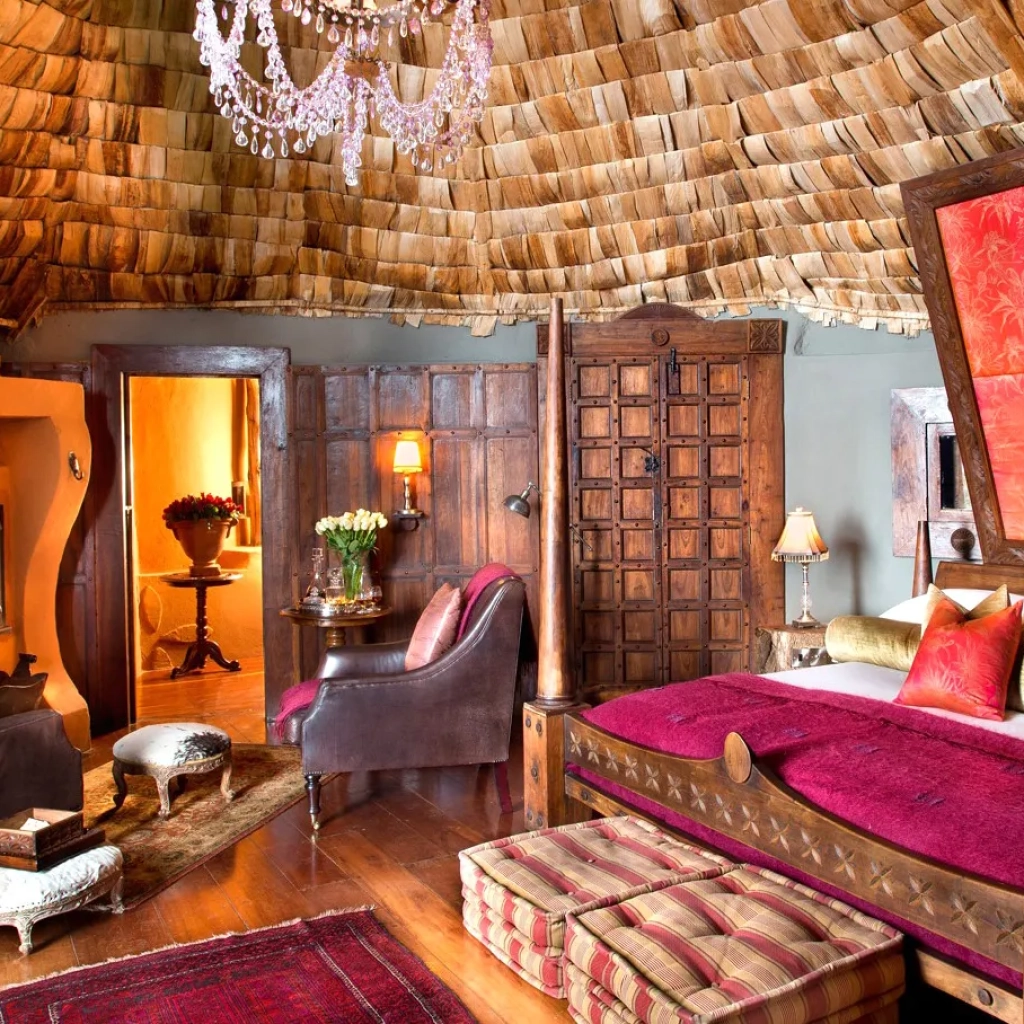
andBeyond Ngorongoro Crater Lodge andBeyond Ngorongoro Crater Lodge A lodge Situated on the rim of the famous Ngorongoro Crater, a 1.5-hour drive from Lake Manyara Airstrip, AndBeyond’s lodge is the ideal base from which to explore the 3-million-year-old caldera and the surrounding conservation area. AndBeyond Ngorongoro Crater Lodge is divided into three intimate camps: two of 12 suites and one of six suites. The mixture of wooden walls and floors, intricately woven Persian rugs, plush fabrics and grand chandeliers sets a tone of luxury and comfort. Each Andbeyond Ngorongoro crater lodge has its own main area with domed lounge and dining areas offering a homely place to relax. Wooden decks reach out toward the edge of the crater, affording spectacular views. For the perfect end to the day, take a seat on the deck or in a comfortable leather armchair in front of one of the stone fireplaces and savour a drink. Activities andBeyond Ngorongoro Crater Lodge Hot air balloon safari Float above the endless grasslands as the sun rises over Serengeti Sundowners See all the possible shades of pink blooming over the golden plains of Serengeti Bush Breakfast Have a most delicious breakfast in a wilderness setting! Accommodation options at andBeyond Ngorongoro Crater Lodge Room Suites Perfect for couples or families with one child. Each Room has a king-sized bed (or two twin beds if requested). Each tent features an indoor sitting area with a day bed and two armchairs where you can relax enjoying the views around. Bed Type | Single Bed Area | Serengeti Full Board Family Tented Suite This bigger room with two bedrooms will be suitable for families with 2-3 children or two couples traveling together. The tent has two bedrooms. Each bedroom features an indoor sitting area with a day bed and armchairs. Bed Type | Twin Bed Area | Serengeti Full Board The andBeyond Ngorongoro Crater Lodge prices for your chosen travel dates may vary depending on the season of travel. Please feel free to reach out to us for more information on the final price. Request A free Quote Facilities Bedclothes Vanity basin Lounge Area Writing desk Private shower En-suite bathroom Dining Tent Power stations in public areas Free Wi-Fi in public areas Welcome Drink on Arrival andBeyond Ngorongoro Crater Lodge location The lodge is divided into three camps, each featuring lavish suites adorned with elegant furnishings, private butlers, and en-suite bathrooms. Guests can enjoy sumptuous meals at the dining area, relax in the elegant lounge, or savor sundowners on the outdoor decks overlooking the crater. The Ngorongoro crater lodge accommodation offers guided game drives into the Ngorongoro Crater, where visitors can encounter an array of wildlife, including lions, elephants, zebras, and rhinos. With its stunning location and exceptional service, andBeyond Ngorongoro Crater Lodge is a haven for luxury travelers seeking an extraordinary safari adventure. Top 10 Hotels & Lodges In Ngorongoro Crater Ngorongoro Serena Safari Lodge A renowned accommodation nestled on the rim of the breathtaking Ngorongoro Crater in Tanzania. Read More Ngorongoro Lodge Meliá Collection The Meliá Ngorongoro Lodge is known for its elegant design and warm hospitality. The lodge features a variety of luxury rooms… Read More andBeyond Ngorongoro Crater Lodge A luxurious safari lodge located on the rim of the magnificent Ngorongoro Crater in Tanzania. Known for its breathtaking views and opulent… Read More Ngorongoro Sopa Lodge Well-established safari lodge located on the eastern rim of the Ngorongoro Crater in Tanzania. Surrounded by lush greenery, the lodge offers comfortable accommodations… Read More Sanctuary Ngorongoro Crater Camp A luxurious tented camp nestled in the Ngorongoro Conservation Area of Tanzania. Situated on the rim of the magnificent… Read More Ngorongoro Rhino Lodge A rustic and affordable accommodation option located near the Ngorongoro Conservation Area in Tanzania… Read More Entamanu Safari Camp An exclusive and intimate safari camp situated in the Ngorongoro Conservation Area of Tanzania… Read More Ngorongoro Tented Camp A charming and intimate Tented safari Camp located in the Ngorongoro Conservation Area of Tanzania… Read More The Highlands Lodge Unique and eco-friendly safari lodge located in the Ngorongoro Conservation Area of Tanzania. Situated on the slopes… Read More Lions Paw Ngorongoro The Lion Paw’s Camps is nestled in a forest of Red Thorn Acacia trees, atop the eastern rim of the Ngorongoro Crater with mesmerizing views of the crater. Read More Embalakai Authentic Camps A collection of luxury tented camps located in the prime wildlife destinations of Tanzania… Read More Ang’ata Ngorongoro camp Collection of luxury tented camps situated in Ngorongoro crater. Each camp offers a unique and immersive safari… Read More
Ngorongoro Lodge Meliá Collection
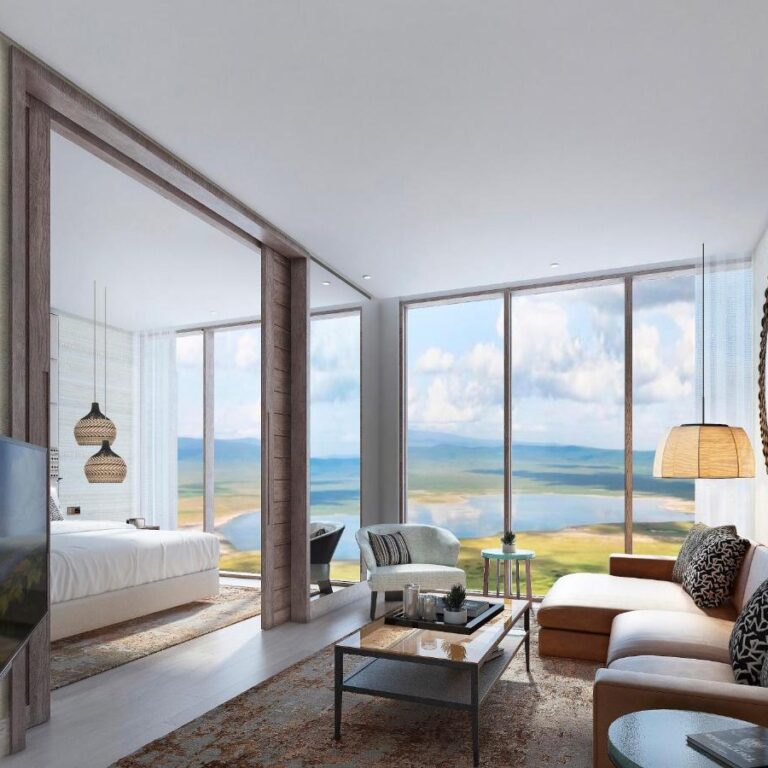
Ngorongoro Lodge Meliá Collection Ngorongoro Lodge Meliá Collection The Melia luxury Ngorongoro Lodge – a member of Melia Collection is located on the west side of the crater highlands the best unique location with a view of the largest intact and unfilled volcanic caldera in the world – The Ngorongoro Crater! Treat yourself to one of the best experiences in Tanzania. A room decorated with Masai motifs, stunning views of the Ngorongoro Crater and a safari experience included. The trip you’ve always dreamed of classic journeys Africa! The Ngorongoro Lodge Meliá Collection is designed to offer all luxury rooms with amazing view to the crater. 34 of them will be standard rooms, 24 suites, including one unique Suite with private pool, and 1 villa. Of course, the lodge will offer a wide leisure experience with two restaurants, a grill zone, an outdoor infinity pool, a spa and much more! Activities Ngorongoro Lodge Meliá Collection No Hot air balloon safari No Float above the endless grasslands as the sun rises over Ngorongoro Sundowners See all the possible shades of pink blooming over the golden Ngorongoro crater. Bush Breakfast Have a most delicious breakfast in a wilderness setting! Accommodation options at Ngorongoro Lodge Meliá Collection Room Suites Treat yourself to one of the best experiences in Tanzania. A room decorated with Masai motifs, stunning views of the Ngorongoro Crater and a safari experience included. The trip you’ve always dreamed of! Bed Type | 1 King bed or two single beds Area | Serengeti Full Board Double Room Suite This bigger room with two bedrooms will be suitable for families with 2-3 children or two couples traveling together. Each bedroom features an indoor sitting area with a day bed and armchairs. Bed Type | Double Bed,Suit Area | Serengeti Full Board The Ngorongoro Lodge Meliá Collection in Tanzania Prices for your chosen travel dates may vary depending on the season of travel. Please feel free to reach out to us for more information on the final price. Request A free Quote Facilities Bedclothes Vanity basin Lounge Area Writing desk Private shower En-suite bathroom Dining Tent Power stations in public areas Free Wi-Fi in public areas Welcome Drink on Arrival Ngorongoro Lodge Meliá Collection on the map Enjoy an unforgettable adventure in this natural paradise in the heart of Tanzania. Explore the Ngorongoro Crater, truly unique and Meliá Ngorongoro Lodge. Meliá to launch Ngorongoro Lodge, a Meliá Collection Hotel in African World Heritage Site. The hotel Meliá Ngorongoro Lodge in Tanzania overlooks the Ngorongoro Crater, “the eighth wonder of the world.” And an area with the world’s largest lions, elephants, leopards, buffalo and rhinos. The Ngorongoro Lodge Meliá Collection will feature 28 rooms and 24 spacious suites, with views of the crater. Accompanied by two restaurants, a barbecue area, a pool and a spa. Luxury Safari Accommodations in Ngorongoro Crater Ngorongoro Serena Safari Lodge A renowned accommodation nestled on the rim of the breathtaking Ngorongoro Crater in Tanzania. Read More Ngorongoro Lodge Meliá Collection The Meliá Ngorongoro Lodge is known for its elegant design and warm hospitality. The lodge features a variety of luxury rooms… Read More andBeyond Ngorongoro Crater Lodge A luxurious safari lodge located on the rim of the magnificent Ngorongoro Crater in Tanzania. Known for its breathtaking views and opulent… Read More Ngorongoro Sopa Lodge Well-established safari lodge located on the eastern rim of the Ngorongoro Crater in Tanzania. Surrounded by lush greenery, the lodge offers comfortable accommodations… Read More Sanctuary Ngorongoro Crater Camp A luxurious tented camp nestled in the Ngorongoro Conservation Area of Tanzania. Situated on the rim of the magnificent… Read More Ngorongoro Rhino Lodge A rustic and affordable accommodation option located near the Ngorongoro Conservation Area in Tanzania… Read More Entamanu Safari Camp An exclusive and intimate safari camp situated in the Ngorongoro Conservation Area of Tanzania… Read More Ngorongoro Tented Camp A charming and intimate Tented safari Camp located in the Ngorongoro Conservation Area of Tanzania… Read More The Highlands Lodge Unique and eco-friendly safari lodge located in the Ngorongoro Conservation Area of Tanzania. Situated on the slopes… Read More Lions Paw Ngorongoro The Lion Paw’s Camps is nestled in a forest of Red Thorn Acacia trees, atop the eastern rim of the Ngorongoro Crater with mesmerizing views of the crater. Read More Embalakai Authentic Camps A collection of luxury tented camps located in the prime wildlife destinations of Tanzania… Read More Ang’ata Ngorongoro camp Collection of luxury tented camps situated in Ngorongoro crater. Each camp offers a unique and immersive safari… Read More
Ngorongoro Serena Safari Lodge
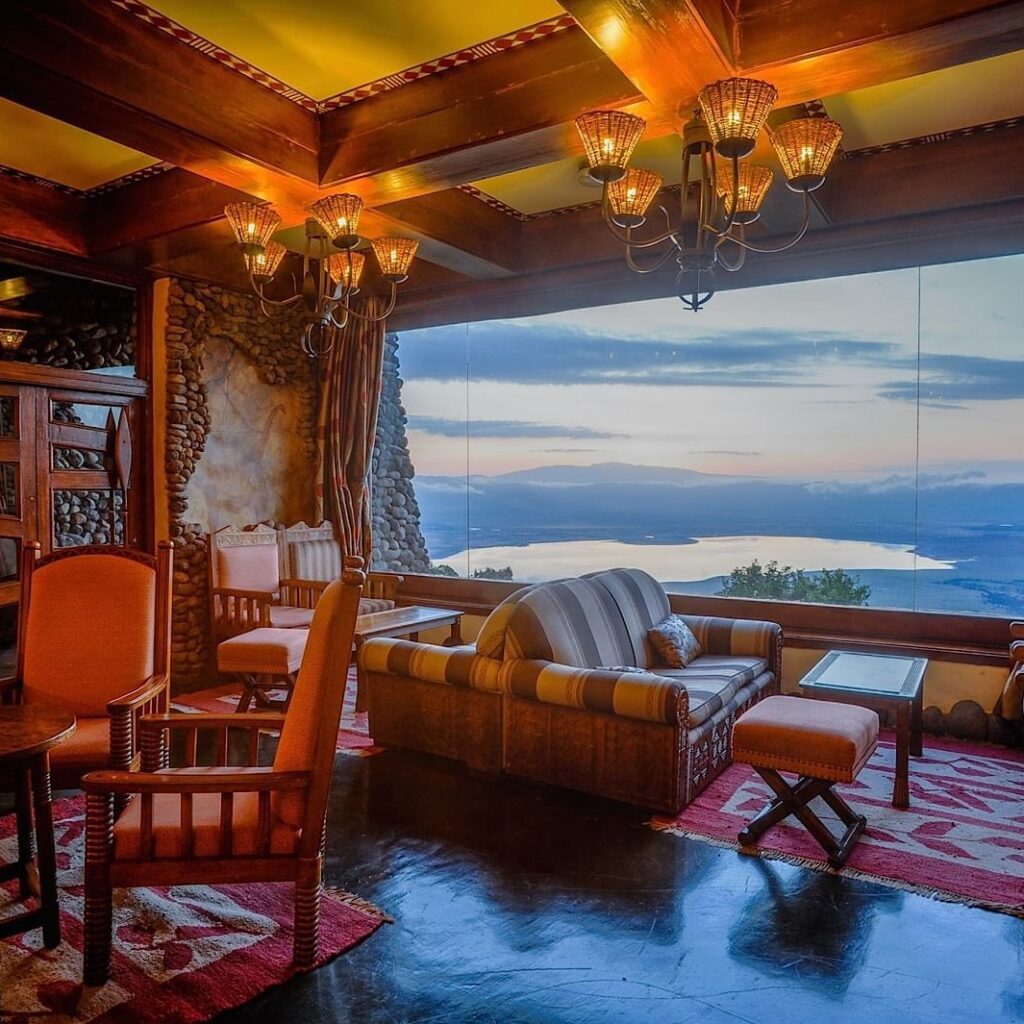
Ngorongoro Serena Safari Lodge —- Lodge is a renowned accommodation nestled on the rim of the breathtaking Ngorongoro Crater in Tanzania. Offering panoramic views of one of Africa’s most spectacular natural wonders, the lodge provides a luxurious and unforgettable safari experience. The lodge features elegantly designed rooms and suites, a restaurant serving delectable cuisine, a bar, a swimming pool, and a spa. Guests can embark on thrilling game drives in the Ngorongoro Crater, home to a diverse array of wildlife, including lions, elephants, rhinos, and zebras. With its exceptional location and world-class amenities, Ngorongoro Serena Safari Lodge is an ideal destination for those seeking a memorable safari adventure. Activities Ngorongoro Serena Safari Lodge Hot air balloon safari Float above the endless grasslands as the sun rises over Serengeti Sundowners See all the possible shades of pink blooming over the golden plains of Serengeti Bush Breakfast Have a most delicious breakfast in a wilderness setting! Accommodation options at Ngorongoro Serena Safari Lodge Standard Single Room Providing free toiletries, this single room includes a private bathroom with a bath, a shower and a hairdryer. The single room provides air conditioning, a tea and coffee maker, as well as a terrace and a balcony. The unit offers 1 bed. Bed Type | Single Room Area | Serengeti Full Board Standard Double or Twin Room The spacious twin/double room offers air conditioning, a tea and coffee maker, as well as a private bathroom featuring a bath and a shower. Guests can enjoy a terrace and a balcony. Bed Type | Two double or twin beds Area | Serengeti Full Board Standard Triple Room Featuring free toiletries, this triple room includes a private bathroom with a bath, a shower and a hairdryer. A seating area, a desk, a terrace and air conditioning are available in this triple room. Bed Type | Triple beds Area | Serengeti Full Board The Ngorongoro Serena Safari Lodge Prices for your chosen travel dates may vary depending on the season of travel. Please feel free to reach out to us for more information on the final price. Request A free Quote Facilities Room Types: 8 standard tented suites 1 family tent Bedclothes Vanity basin Lounge Area Writing desk Private shower En-suite bathroom Dining Tent Power stations in public areas Free Wi-Fi in public areas Welcome Drink on Arrival Ngorongoro Serena Safari Lodge location Located 20 km from Ngorongoro Crater, Ngorongoro Serena Safari Lodge offers a restaurant, a bar and air-conditioned accommodation with a terrace and free WiFi. There is a private bathroom with shower and free toiletries in each unit, along with a hairdryer. Guests at the lodge can enjoy a buffet breakfast. Lake Magadi is 21 km from Ngorongoro Serena Safari Lodge, while Olduvai Gorge Museum is 37 km away. The nearest airport is Lake Manyara Airport, 59 km from the accommodation. Top 10 Best Safari Lodges In Ngorongoro Crater Ngorongoro Serena Safari Lodge A renowned accommodation nestled on the rim of the breathtaking Ngorongoro Crater in Tanzania. Read More Ngorongoro Lodge Meliá Collection The Meliá Ngorongoro Lodge is known for its elegant design and warm hospitality. The lodge features a variety of luxury rooms… Read More andBeyond Ngorongoro Crater Lodge A luxurious safari lodge located on the rim of the magnificent Ngorongoro Crater in Tanzania. Known for its breathtaking views and opulent… Read More Ngorongoro Sopa Lodge Well-established safari lodge located on the eastern rim of the Ngorongoro Crater in Tanzania. Surrounded by lush greenery, the lodge offers comfortable accommodations… Read More Sanctuary Ngorongoro Crater Camp A luxurious tented camp nestled in the Ngorongoro Conservation Area of Tanzania. Situated on the rim of the magnificent… Read More Ngorongoro Rhino Lodge A rustic and affordable accommodation option located near the Ngorongoro Conservation Area in Tanzania… Read More Entamanu Safari Camp An exclusive and intimate safari camp situated in the Ngorongoro Conservation Area of Tanzania… Read More Ngorongoro Tented Camp A charming and intimate Tented safari Camp located in the Ngorongoro Conservation Area of Tanzania… Read More The Highlands Lodge Unique and eco-friendly safari lodge located in the Ngorongoro Conservation Area of Tanzania. Situated on the slopes… Read More Lions Paw Ngorongoro The Lion Paw’s Camps is nestled in a forest of Red Thorn Acacia trees, atop the eastern rim of the Ngorongoro Crater with mesmerizing views of the crater. Read More Embalakai Authentic Camps A collection of luxury tented camps located in the prime wildlife destinations of Tanzania… Read More Ang’ata Ngorongoro camp Collection of luxury tented camps situated in Ngorongoro crater. Each camp offers a unique and immersive safari… Read More
Luxury Sayari Camp – Luxury Safari Camps & Lodges

Sayari Camp | Luxury Safari Camps & Lodges Eplore Sayari Camp | Luxury Safari Camps & Lodges Pinnacle of luxury safari accommodation, nestled in the iconic Serengeti National Park of Tanzania. With its unrivaled location, it offers an exclusive and intimate experience amidst the vast wilderness. The camp features 15 beautifully appointed tents, each with its own private veranda, providing panoramic views of the Serengeti. These Accommodation Lodges and Camps in Northern Serengeti spacious tents exude comfort and style, offering a blend of modern amenities and a rustic charm that connects you with nature. The camp’s commitment to sustainable practices ensures a minimal ecological footprint. Guests can embark on exhilarating game drives led by experienced best Luxury Safari Camps & Lodges in the Serengeti, providing the opportunity to witness the awe-inspiring Great Migration and a diverse array of wildlife. Regularly voted one of the top Luxury safari lodges & camps in Serengeti National Park, safari escapes on the planet, Sayari is a stylish, permanent camp that offers the Serengeti at its very best. Book now. Activities Sayari Camp Hot air balloon safari Float above the endless grasslands as the sun rises over Serengeti Sundowners See all the possible shades of pink blooming over the golden plains of Serengeti Breakfast Have a most delicious breakfast in a wilderness setting! Accommodation options at Sayari Camp Room Suites Spacious and bright, the 15 tented suites at Sayari have mahogany floors and king or twin beds with fine linens and colourful cushions. Bed Type | King-sized Bed / Twin Beds Area | Serengeti | Nyamuma hills Full Board The Sayari Camp prices for your chosen travel dates may vary depending on the season of travel. Please feel free to reach out to us for more information on the final price. Request A free Quote Facilities Room Types: 15 standard tented suites Outdoor swimming pool Fitness center Airport shuttle (free) Family rooms Private shower En-suite bathroom Spa Power stations in public areas Free Wi-Fi in public areas Welcome Drink on Arrival Sayari Camp Location Located in Nyamuma hills overlooking the River Mbalageti valley. 22 mi from Serengeti airport and 208 mi from Arusha. Couples in particular like the location – they rated it 9.8 for a two-person trip. The amazing North Serengeti Camps and Lodges offer proximity to wildlife sightings, including the opportunity to witness the wildebeest migration and crossings. Sayari has been carefully designed to include two lounges and dining areas. Both blend seamlessly with the outdoors, featuring large glass sliding doors that provide uninterrupted views of the rolling Serengeti plains. Both the lounge and dining areas provide a spot for you to unwind outside of your bedroom and to enjoy a delicious meal shared with other guests. You can choose to dine indoors or al fresco, depending on the kind of scenic setting you prefer. Tanzania Safari TripAdvisor reviews. 10 Best Luxury Safari Camps & Lodges in the Serengeti Luxus Lodge Tanzania Singita Sasakwa Lodge Luxus Lodge Tanzania Singita Sasakwa Lodge Ultimate Singita Sasakwa lodge An ultra-luxurious safari retreat located in Tanzania’s Grumeti Reserve, offering spectacular views of the … Serengeti Lemala Nanyukie Lodge Serengeti Lemala Nanyukie Lodge Lemala Nanyukie Lodge —- Lemala Nanyukie Lodge Luxurious and captivating safari retreat situated in the heart of the … Little Oliver’s Camp | Luxury Tarangire Safari Camp Little Oliver’s Camp | Luxury Tarangire Safari Camp Oliver’s Camp – See description and beautiful photos —- Oliver’s Camp Explore Oliver’s Camp in Tanzania’s Tarangire is … 1 2 3 … 5 Next » Tanzania Safaris | Luxury Bespoke Holidays Embark on a luxury bespoke safari through Tanzania’s breathtaking wilderness, where every journey is tailored to your desires. Explore iconic landscapes like the Serengeti and Ngorongoro Crater, teeming with wildlife and natural wonder. Enjoy the Ultimate Luxury Tanzanian Safari exclusive lodges, private guides, and curated experiences that blend adventure with elegance. From the Great Migration to sunset game drives, each moment is crafted for unforgettable memories. Discover Tanzania’s untamed beauty in the most personalized, luxurious way imaginable. Wonderful 11-Day Ultra-Luxury Tanzania Safari Packages Wonderful 11-Day Ultra-Luxury Tanzania Safari Packages Exceptional 11-Day Ultra-Luxury First Class African safari Experience the ultimate in Ultra-Luxury first-class African safari offers a premium … 9 Days | Classic Luxury Tanzania Signature Safari 9 Days | Classic Luxury Tanzania Signature Safari Luxury Tanzania and Zanzibar Honeymoon Safaris 9 Day Luxury Tanzania and Zanzibar Honeymoon Safaris. Dream Honeymoon Safari to … 7 Days | Alluring East African Luxury Safari 7 Days | Alluring East African Luxury Safari Perfect 7 Days Luxury Safari in Tanzania Experience the ultimate adventure with our 7-Day Tanzania Luxury Safari. Journey … 1 2 3 4 Next »
Luxury Serengeti Serena Safari Lodge
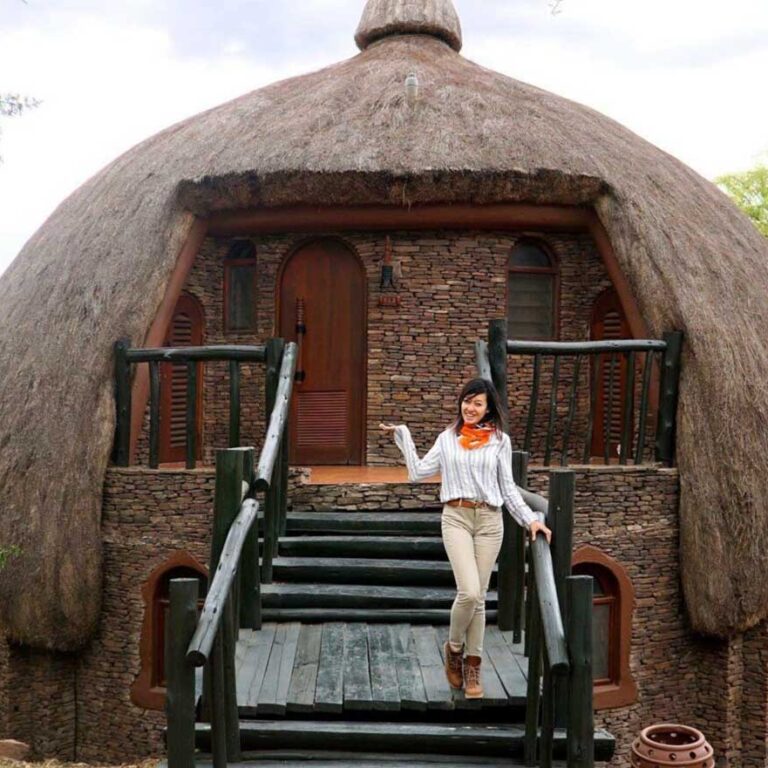
Serengeti Serena Safari Lodge Serengeti Serena Safari Lodge Decorated in warm earth tones punctuated by pops of brightly coloured fabrics and ornate Makonde carvings on the walls, all rooms feature their own private entrance, hand-made wood furniture, spacious bedrooms and natural stone bathrooms. Amenities in Serengeti Serena Safari Lodge like complimentary wireless Internet and 24-hour room service along with personalised touches like standing/table fans and comfortable robes enhance the guest experience. Serengeti Serena Safari Lodge set high on a hill with the rolling plains below forming a natural amphitheatre, your room offers a ringside seat for the greatest show on earth, the annual migration of the wildebeest. Sweeping views, traditional stone-built and thatched architecture and private balconies immerse you in the stunning beauty and solitude of Serengeti National Park like no other accommodation can. Activities Serengeti Serena Safari Lodge Hot air balloon safari Float above the endless grasslands as the sun rises over Serengeti Sundowners See all the possible shades of pink blooming over the golden plains of Serengeti Breakfast Have a most delicious breakfast in a wilderness setting! Accommodation options at Serengeti Serena Safari Lodge Standard Room Our beautifully appointed Standard Room boasts a King bed with a hand-carved wood headboard and a private balcony with stunning wilderness views. Bed Type | King-sized Bed Area | Serengeti Full Board Serengeti Suite Our suite offers a spacious bedroom appointed with a King bed with a walk-in mosquito net, sumptuous furnishings, a dressing area and a marble ensuite bathroom. The elegantly appointed sitting room, meanwhile, enjoys panoramic views and is both tastefully and relaxingly furnished while offering a fully stocked mini-bar, a digital multi-channel TV and a direct dial telephone. Bed Type | Two double or twin beds Area | Serengeti Full Board The Serengeti Serena Safari Lodge prices for your chosen travel dates may vary depending on the season of travel. Please feel free to reach out to us for more information on the final price. Request A free Quote Facilities Sitting area with mini bar and flat-screen TV Welcome amenity of fruit and wine Eco-Boutique bath amenities Standing/table fan Complimentary wireless Internet Mineral water Tea and coffee making facilities Master bedroom with king bed Bathrobe and slippers Private balcony Work desk and chair Safe Serengeti Serena Safari Lodge location In keeping with our commitment to preserving the essence of our surroundings, Serengeti Serena Safari Lodge has been designed to blend seamlessly into the landscape of acacia groves and sparkling streams. Our 65 guest rooms and one suite are housed in clusters of traditional domed “rondavels” arranged around the lodge’s stunning infinity pool. Blending seamlessly into an acacia-lined ridge, from its elevated position Serena Serengeti offers panoramic views across the Serengeti National Park. located to the north west of the Seronera valley, the lodge is close to the famous Western Corridor and Grumeti River where the migration travels through. Best luxury Safari Lodges in Serengeti National Park Serengeti Lemala Nanyukie Lodge Serengeti Lemala Nanyukie Lodge Lemala Nanyukie Lodge —- Lemala Nanyukie Lodge Luxurious and captivating safari retreat situated in the heart of the … Little Oliver’s Camp | Luxury Tarangire Safari Camp Little Oliver’s Camp | Luxury Tarangire Safari Camp Oliver’s Camp – See description and beautiful photos —- Oliver’s Camp Explore Oliver’s Camp in Tanzania’s Tarangire is … Lemala Mpingo Ridge Lodge Lemala Mpingo Ridge Lodge Mpingo Ridge Lodge —- Mpingo Ridge Lodge An eco-friendly and luxurious safari camp that offers a unique and … 1 2 3 … 5 Next » Essence of Tanzania Luxury Safari A luxury safari in Tanzania offers an unforgettable blend of adventure and opulence, allowing you to witness the country’s incredible wildlife and stunning landscapes in comfort and style. These safaris often include stays in luxurious lodges or tented camps, expert guides, and personalized itineraries to maximize your wildlife viewing opportunities. The essence of a luxury safari lies in the experience of connecting with nature while enjoying the finer things in life. 9-Days Luxury Tanzania and Zanzibar Honeymoon Safaris 9-Days Luxury Tanzania and Zanzibar Honeymoon Safaris Luxury Tanzania and Zanzibar Honeymoon Safaris 9 Day Luxury Tanzania and Zanzibar Honeymoon Safaris. Dream Honeymoon Safari to … 7 Days Tanzania Luxury Safari Packages 7 Days Tanzania Luxury Safari Packages Perfect 7 Days Luxury Safari in Tanzania 7 Days Best of Tanzania Luxury Safari, Compare 7-Day safaris to … 6-Day African Dream Safaris 6-Day African Dream Safaris African Dream Safaris Unveiling the Wonders of Serengeti National Park and Ngorongoro Crater, African dream family, honeymoon, luxury, … 1 2 3 4 Next »