
Fun Facts About Giraffes You Might Not Know
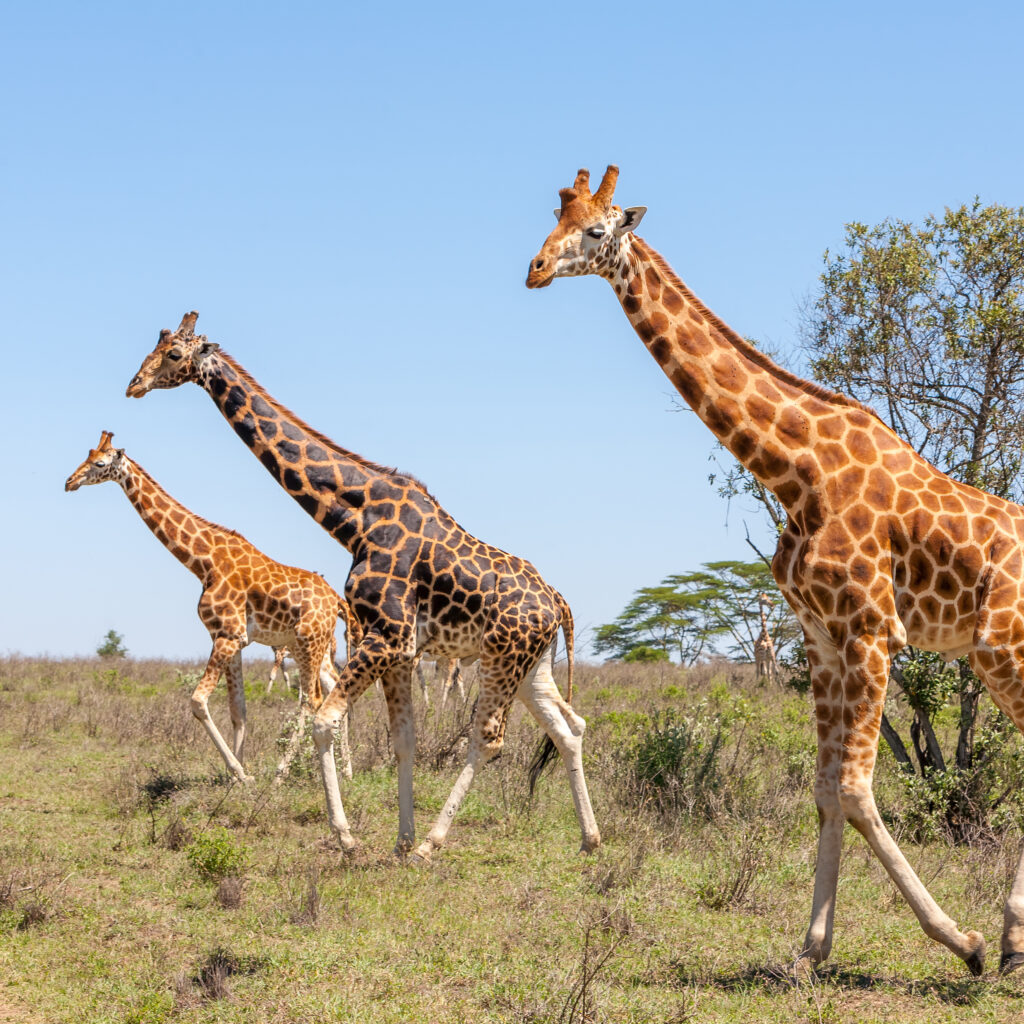
Giraffes are among the most fascinating animals in African wildlife and are widely searched as giraffe facts, fun facts about giraffes, and African safari animals. Found mainly in the savannahs of East and Southern Africa, including Tanzania’s Serengeti, they are iconic symbols of the wild. These gentle giants attract millions of tourists on safari tours each year. Their extraordinary height, unique patterns, and calm nature make them one of the most loved mammals in the world. Understanding giraffes helps us appreciate biodiversity, conservation efforts, and the importance of protecting endangered species. In this article, we explore amazing giraffe facts that reveal their biology, behavior, and survival adaptations. From their long necks to their silent communication, giraffes continue to amaze scientists and wildlife enthusiasts across the globe today. Very iconic species. 1. Tallest Mammals on Earth Tallest mammals on Earth, giraffes are the undisputed giants of the animal kingdom and rank high in searches for tallest animals in Africa and safari wildlife highlights. An adult giraffe can reach heights of up to 5.5 meters, making it the tallest land mammal alive today. Their long necks allow them to feed on treetops where other herbivores cannot reach, giving them a unique ecological advantage. This extreme height also helps them spot predators from far distances across open savannahs. Found mainly in African national parks such as Serengeti and Tarangire, giraffes are a must-see attraction on Tanzania safaris. Their towering presence symbolizes strength, adaptation, and survival in the wild. Despite their size, giraffes move gracefully and quietly across the plains, blending elegance with power in the natural world today. 2. Unique Spots: Like Human Fingerprints Unique spots: like human fingerprints, giraffes are instantly recognizable due to their beautiful patchwork coat patterns, which are among the most searched giraffe identification facts in African wildlife studies. Each giraffe has a completely unique pattern of spots, just like human fingerprints, making no two giraffes identical. These markings help with camouflage in the wild, breaking up their body outline among trees and shadows. The coloration also helps regulate body temperature by absorbing and releasing heat. Scientists use these patterns to identify individuals in conservation research and population tracking. In Tanzania safari parks such as Ngorongoro and Serengeti, tourists often learn to recognize giraffes by their unique coats. This natural design showcases the beauty of evolution, adaptation, and biodiversity in the animal kingdom across Africa’s vast savannah ecosystems everywhere today. 3. Powerful Kick: A Formidable Defense Giraffes possess a powerful kick that serves as one of their most effective defense mechanisms against predators in African wildlife ecosystems and is often highlighted in giraffe survival facts. Despite their calm appearance, a giraffe’s kick can seriously injure or even kill a lion if delivered with full force. Their long, muscular legs are perfectly adapted for both speed and defense, making them highly resilient in the wild savannah. This ability is crucial for survival, especially for calves that are vulnerable to predators. Giraffes rely on awareness, strength, and precise movement to protect themselves in open habitats. In Tanzania safari destinations such as Serengeti, this defensive behavior is sometimes observed during predator encounters. Their powerful kick represents adaptation, survival instinct, and evolutionary strength across African wildlife environments today observed. 4. Long Necks, Few Bones: A Biological Marvel Long necks, few bones: a biological marvel, giraffes possess one of the most extraordinary skeletal structures in the animal kingdom, making them a popular topic in giraffe anatomy facts and African wildlife research. Despite their extremely long necks, giraffes have only seven cervical vertebrae, the same number as humans. Each vertebra is greatly elongated, allowing for their impressive height and feeding ability. This unique adaptation supports their survival in the wild by giving access to high tree canopies where food is abundant. The elongated bones are connected by strong ligaments and muscles that provide flexibility and strength. Scientists study giraffes to understand evolutionary biology and structural adaptation in mammals. In African safari destinations like Serengeti National Park, visitors are often amazed by this remarkable natural design in wildlife today observed. 5. Graceful Walk: The Ambling Gait Graceful walk: the ambling gait of giraffes is one of the most unique movement styles in the animal kingdom and a frequently searched topic in giraffe behavior facts and African safari wildlife guides. Unlike most mammals, giraffes move both legs on one side of their body before switching to the other side, creating a smooth and elegant walking pattern known as an amble. This gait allows them to maintain balance despite their tall structure and long limbs. Although it may look slow, giraffes can cover large distances efficiently while grazing across the savannah. Their movement is quiet and steady, helping them avoid predators in open habitats. Wildlife enthusiasts visiting Tanzania safari parks such as Serengeti often admire this peaceful motion. The giraffe’s graceful walk reflects adaptation, efficiency, and natural elegance. 6. Sleep Standing Up: Always Alert Sleep standing up: always alert, giraffes are known for their unusual sleeping habits, making them one of the most interesting African safari animals and a popular topic in giraffe behavior facts searches. In the wild, giraffes often sleep standing up to remain alert to predators such as lions and hyenas. They only need a few minutes of sleep at a time, totaling about two to four hours per day. When they do lie down, it is for very short periods, and they quickly rise again if they sense danger. This behavior is a survival adaptation in open savannah environments where threats can appear suddenly. Visitors on Tanzania safaris in Serengeti National Park often find giraffes resting peacefully while still standing. Their sleep pattern reflects vigilance, survival instinct, and evolutionary adaptation. 7. Specialized Tongues: Prehensile and Protected Specialized tongues: prehensile and protected, giraffes have extraordinary tongues that are perfectly adapted for feeding on leaves in African savannah ecosystems and are widely searched in giraffe feeding behavior facts. Their tongues can reach up to 45 centimeters in length and are dark bluish-purple in color, which
Interesting Facts About the Common Chimpanzee
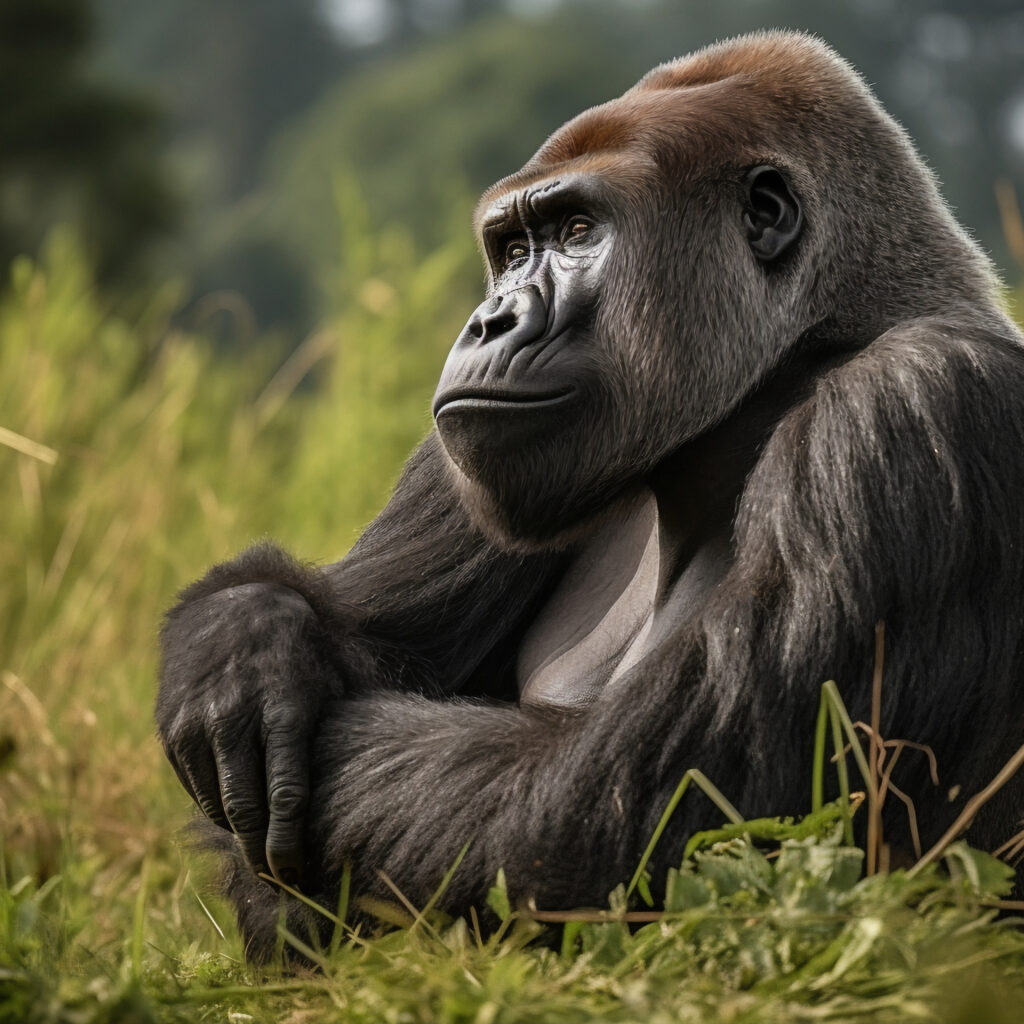
The common chimpanzee (Pan troglodytes) is one of the most intelligent and socially complex animals on Earth, belonging to the great apes alongside gorillas and orangutans. Found across the forests and savannah mosaics of Central and West Africa, chimpanzees share about 98–99% of human DNA, making them our closest living relatives. They are widely studied in wildlife biology, primatology, and conservation science due to their advanced problem-solving skills, emotional depth, and tool-using behavior. From grooming rituals to hunting in coordinated groups, chimpanzees display remarkable behaviors that continue to fascinate researchers and wildlife enthusiasts. In East Africa, especially Tanzania, safari destinations like Gombe Stream National Park and Mahale Mountains, chimpanzee trekking offers one of the most unforgettable wildlife experiences in the world. Close Genetic Connection to Humans One of the most fascinating common chimpanzee facts is their extremely close genetic relationship to humans. Scientists confirm that chimpanzees share about 98–99% of human DNA, making them our nearest living relatives in the animal kingdom. This genetic similarity explains their advanced intelligence, emotions, and social behaviors. Like humans, chimpanzees can express joy, grief, empathy, and even form long-lasting friendships. Their ability to learn and adapt makes them a key species in studies of human evolution and behavior. Researchers often compare chimpanzee cognition with early human development to understand language origins, tool use, and cooperation. This deep biological connection highlights why chimpanzees are so important in both science and wildlife conservation efforts across Africa. Habitat and Distribution in Africa Chimpanzees are primarily found in the tropical forests, woodlands, and savannah regions of Central and West Africa. Countries such as Tanzania, Uganda, Rwanda, Gabon, and the Democratic Republic of Congo are home to thriving chimp populations. In Tanzania, chimpanzees are famously observed in Gombe Stream National Park and Mahale Mountains National Park, two of the best destinations for chimpanzee trekking in Africa. These habitats provide dense vegetation, fruit-rich trees, and safe nesting areas. However, habitat loss due to deforestation and human expansion continues to threaten their survival. Conservation programs and eco-tourism initiatives are playing a vital role in protecting chimpanzee habitats and ensuring their long-term survival in the wild. Exceptional Intelligence and Problem Solving Chimpanzees are widely recognized for their extraordinary intelligence, ranking among the smartest animals on the planet. They can solve complex problems, use logic, and even plan for the future. In the wild and in research environments, chimpanzees have been observed using sticks to extract termites, stones to crack nuts, and leaves as sponges for drinking water. This tool use demonstrates advanced cognitive abilities previously thought to be unique to humans. They also show cultural learning, where different groups develop unique behaviors passed down through generations. Their intelligence is a key reason why chimpanzees are central to studies in primatology, behavioral science, and evolutionary biology. Social Structure and Community Life Chimpanzees live in large, complex social groups known as communities or troops, which can include 20 to over 100 individuals. These groups are highly organized with dominant males, often called alpha males, who lead and protect the community. Social bonding is extremely important, and chimpanzees spend a significant amount of time grooming each other to build trust and strengthen relationships. Alliances and friendships play a key role in determining leadership and group stability. Conflicts can occur, but reconciliation behaviors such as grooming are common. This structured social system makes chimpanzees one of the most socially advanced species in the animal kingdom. Communication and Vocal Skills Chimpanzees communicate using a wide range of vocalizations, facial expressions, and body gestures. They produce more than 30 different sounds, including hoots, screams, grunts, and pant-hoots that help coordinate group activities or warn of danger. Facial expressions such as smiling, lip-pouting, or frowning also convey emotional states. Researchers have found that chimpanzees use communication not only for survival but also for social bonding and conflict resolution. They are also capable of learning basic forms of sign language in captivity, further proving their cognitive depth. This complex communication system makes chimpanzees one of the most expressive non-human species. Diet and Feeding Behavior Chimpanzees are omnivores, meaning they eat both plant and animal matter. Their diet mainly consists of fruits, leaves, seeds, flowers, and bark, but they also hunt small mammals such as monkeys and insects like termites and ants. Hunting is often a cooperative activity, where groups work together strategically to catch prey. This behavior shows advanced planning and teamwork. Fruit makes up the majority of their diet, which means chimpanzees play an important ecological role in seed dispersal, helping maintain healthy forest ecosystems. Seasonal changes in food availability influence their movement patterns across their habitat. Tool Use in the Wild One of the most remarkable chimpanzee facts is their ability to use tools in the wild. They have been observed selecting sticks to fish for termites, stones to crack hard nuts, and leaves to soak up drinking water. Some populations even modify tools to make them more effective, showing creativity and problem-solving ability. This behavior is not instinctive but learned and passed down culturally within groups. Tool use among chimpanzees is one of the strongest pieces of evidence supporting their intelligence and evolutionary connection to early humans. It continues to be a major focus in primate research. Emotional Intelligence and Behavior Chimpanzees display a wide range of emotions similar to humans, including happiness, sadness, fear, jealousy, and empathy. They comfort each other during distress, show grief when a group member dies, and form strong emotional bonds. Mothers are especially protective and nurturing toward their young, often carrying them for several years. This emotional depth plays a critical role in maintaining social harmony within groups. Studies show that chimpanzees can even recognize themselves in mirrors, a sign of self-awareness. Their emotional intelligence makes them one of the most human-like animals on Earth. Reproduction and Parenting Chimpanzee reproduction is closely tied to social structure. Females give birth after a gestation period of about eight months, usually to a single infant. Baby chimpanzees are highly dependent on their mothers
12 Interesting Facts About the Eland
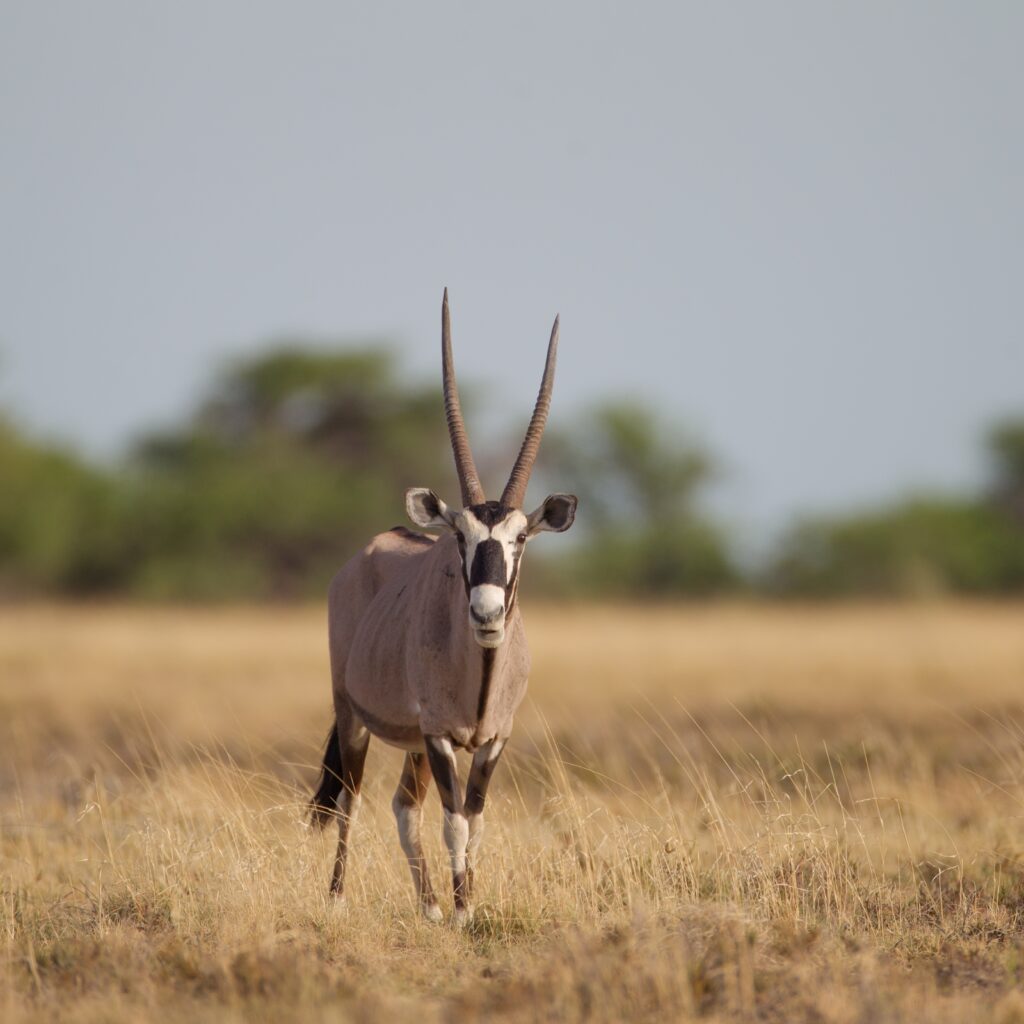
The Eland is one of Africa’s most fascinating wildlife species and a highlight for African safari enthusiasts exploring the vast savannahs of Tanzania and beyond. Known for its impressive size and adaptability the Eland is the largest species of antelope found across African grasslands. It plays a vital role in the ecosystem and is often spotted in popular safari destinations such as Serengeti and Ngorongoro Crater. This article explores interesting facts about the Eland including its behavior diet conservation status and unique adaptations making it a must know species for wildlife lovers and safari travelers seeking unforgettable African wildlife experiences. The Eland thrives in open plains woodland and semi arid regions adapting well to harsh environmental conditions making it one of Africa’s most resilient herbivores and an iconic safari attraction across Fact 1: Oh, Deer, or Rather, Eland! Despite its deer-like appearance the Eland is actually a species of antelope and one of the most recognizable animals in African wildlife safaris. Many travelers on Tanzania safari tours often mistake it for a large deer due to its body shape and graceful movements. However the Eland belongs to the Bovidae family which includes antelopes goats and cattle. Its scientific classification and evolutionary traits make it a true antelope adapted to the African savannah. The confusion with deer is common among first time safari visitors especially in East Africa. Understanding this distinction helps wildlife enthusiasts better appreciate the diversity of African mammals seen during game drives. It is also commonly featured in wildlife documentaries and safari travel guides highlighting African biodiversity across national parks especially Serengeti ecosystems of Tanzania truly remarkable Fact 2: They’re Huge The Eland is the largest antelope species in the world making it a standout attraction on African safari tours. Adult males can weigh up to 900 kilograms while females are slightly smaller yet still impressively large. Their massive bodies are supported by strong legs which allow them to move gracefully across open savannahs. Despite their size they are surprisingly agile and can run at high speeds when threatened. This combination of strength and elegance makes them one of the most admired wildlife species in Tanzania national parks. Visitors on Serengeti safaris often marvel at their towering presence among herds of zebras and wildebeest making them an unforgettable sight in African wildlife photography experiences. Their height can reach up to nearly two meters at the shoulder with spiral horns that curve Fact 3: Endurance and Adaptations Elands are highly adaptable animals capable of surviving in diverse African environments ranging from grasslands to semi arid regions. Their remarkable endurance makes them well suited for long migrations and seasonal changes in water availability. They can conserve water efficiently allowing them to survive in harsh climates where other animals struggle. Their hooves are designed for stability on uneven terrain helping them navigate rocky landscapes. During extreme heat they reduce activity and rest in shaded areas conserving energy. This adaptation strategy is crucial for survival in East African safari ecosystems. Tourists visiting Ngorongoro and Serengeti often observe these behaviors during midday game drives especially when temperatures rise above average savannah levels making them resilient survivors of African wilderness conditions and one of the most successful antelope species in Tanzania wildlife habitats today Fact 4: Conservation Status The conservation status of the Eland varies depending on the species and region across Africa. While some populations remain stable others have experienced declines due to habitat loss and human activities. Protected areas such as Serengeti National Park and Ngorongoro Conservation Area play a vital role in preserving their populations. Conservation efforts include anti poaching patrols habitat restoration and wildlife monitoring programs. Ecotourism also contributes significantly by generating revenue for local communities and supporting conservation initiatives. Sustainable African safari tourism helps ensure long term survival of Eland populations in Tanzania. Wildlife enthusiasts and travelers are encouraged to support responsible safari operators promoting conservation helping protect biodiversity across African ecosystems for future generations and ensuring Eland remain part of the natural heritage of Tanzania and beyond for years to come in protected areas Fact 5: Diet and Feeding Habits The Eland is a herbivorous animal feeding mainly on grasses leaves shrubs and fruits. Its flexible diet allows it to survive in both wet and dry seasons across African savannah. During dry periods Elands can travel long distances in search of food and water. They are known to browse on tree foliage which other herbivores often cannot reach. This feeding behavior gives them a competitive advantage in ecosystems like Serengeti. Their ability to conserve energy while feeding makes them efficient survivors in harsh environments. Tourists on Tanzania safari adventures often observe Elands grazing peacefully in open plains especially during early morning and late afternoon hours when wildlife activity is at its peak across African parks making them important contributors to savannah food chains and ecological balance in Tanzania ecosystems today Fact 6: Reproduction and Lifecycle Eland reproduction follows a seasonal pattern influenced by rainfall and food availability in African savannah. Females give birth to a single calf after a gestation period of around nine months. Newborn calves are highly vulnerable and remain hidden in vegetation for protection. Mothers return periodically to nurse their young ensuring survival during early life stages. As they grow calves gradually join larger herds for social integration. This reproductive strategy increases survival rates in predator rich environments. Safari guides in Serengeti and Ngorongoro often point out young Elands during game drives making them a favorite sight for wildlife photographers and nature enthusiasts visiting Tanzania national parks throughout the year and contributing to population stability across African ecosystems ensuring long term survival of this iconic antelope species in protected areas today safely Fact 7: Behavior and Social Structure Elands are generally calm and social animals often found in small to medium sized herds. They communicate through body language vocalizations and subtle movements within the group. Unlike some aggressive antelope species Elands prefer avoidance rather than confrontation. They are most active during early morning and
The 12 Best Places To See Hippos In Africa
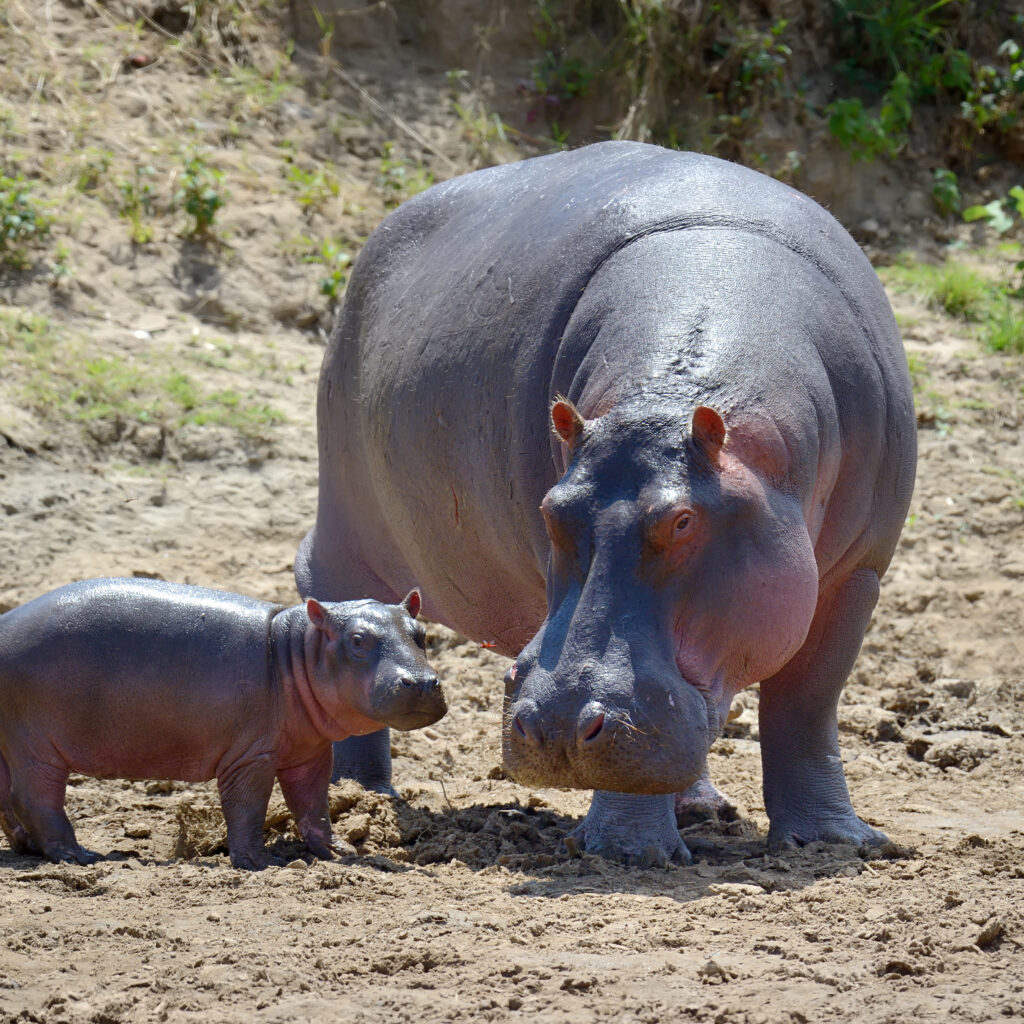
Discover and experience the ultimate Africa is home to some of the most spectacular wildlife experiences in the world, and seeing hippos in their natural habitats is a truly unforgettable adventure. Hippos, Africa’s largest semi-aquatic mammals, are commonly found in rivers, lakes, and wetlands across the continent. Their massive presence, territorial behaviors, and captivating interactions make them a bucket-list wildlife encounter for safari enthusiasts. From the iconic Serengeti to the lesser-known Selous and Mikumi, these 12 top locations offer the best chances to observe hippos up close, safely, and ethically. Tanzania offers premier hippo viewing, particularly along the Rufiji River in Selous Game Reserve, the Katuma River in Katavi National Park, and the Mara River in the northern Serengeti. Other exceptional spots include the hippo pools of Lake Manyara, the Ngorongoro Crater floor, and the Tarangire River. This guide highlights where to find these fascinating creatures while exploring Africa’s most stunning landscapes, ensuring a memorable and Instagram-worthy safari. 1. Selous Game Reserve / Nyerere National Park (Rufiji River) Selous Game Reserve, now Nyerere National Park, in southern Tanzania, is a premier destination to see hippos in Africa. The Rufiji River, winding through the park, provides a lush and expansive habitat for large hippo pods. Hippos can be seen during daytime in shallow waters, often surfacing in groups and socializing. Visitors enjoy boat safaris along the Rufiji River, offering unique photo opportunities of hippos wallowing alongside crocodiles, elephants, and diverse birdlife. Selous’ remote location ensures fewer tourists, creating an intimate wildlife experience. Ideal for nature photographers and wildlife enthusiasts, Nyerere National Park combines hippo sightings with breathtaking scenery, including sandbanks, riverine forests, and floodplains. Guided safari tours prioritize safe viewing practices while allowing visitors to witness these majestic animals in a largely untouched wilderness, enhancing the thrill of a genuine African safari. 2. Katavi National Park (Katuma River) Katavi National Park Located in western Tanzania, is one of Africa’s most remote and pristine wilderness areas, renowned for its hippo population along the Katuma River. During the dry season, massive hippo herds congregate in river pools, creating a dramatic spectacle. Safari visitors often observe hippos submerged in water, yawning widely, and interacting socially. The park’s vast floodplains support other wildlife including elephants, buffaloes, and predators, offering a complete safari ecosystem. Katavi provides an off-the-beaten-path hippo experience, ideal for adventurous travelers seeking solitude and authentic wildlife encounters. Guided game drives and walking safaris offer safe, close-up views, and professional guides provide insights into hippo behavior, social dynamics, and conservation. Katavi National Park is an essential destination for anyone looking to experience one of Africa’s largest and most unspoiled hippo habitats. 3. Serengeti National Park (Grumeti/Mara Rivers) Serengeti National Park, a UNESCO World Heritage site, is famous for its abundant African Tanzania wildlife, including large hippo populations in the Grumeti and Mara Rivers. Hippos thrive in the park’s seasonal rivers, where visitors can observe pods wallowing during the day and moving onto riverbanks at night. Boat safaris are available along sections of the Mara River, offering unique vantage points for photography. The Serengeti’s diverse landscape, from grassy plains to riverine woodlands, enhances the hippo viewing experience, often accompanied by crocodiles, birds, and predators. During the Great Migration, hippos add another fascinating layer to the ecosystem’s dynamic activity. Safari lodges and camps provide easy access to prime hippo locations while ensuring comfort and safety. Serengeti National Park guarantees one of the most iconic and rewarding hippo-watching experiences in Africa. 4. Lake Manyara National Park (Hippo Pool) Lake Manyara National Park in northern Tanzania is famed for its picturesque Hippo Pool, a hotspot for observing hippos in shallow waters close to safari trails. The park’s alkaline lake supports large pods of hippos, particularly in the dry season when water levels drop. Hippos are often visible from viewpoints or safari vehicles, offering safe and intimate observation opportunities. Lake Manyara also boasts diverse birdlife, including flamingos, storks, and pelicans, adding color and vibrancy to the hippo-watching experience. The surrounding acacia woodlands and riverine forests provide habitats for elephants, giraffes, and baboons, enhancing overall safari diversity. Guided tours ensure respectful and safe wildlife interactions, with explanations of hippo behavior, diet, and social dynamics. Lake Manyara National Park is ideal for families and first-time safari-goers seeking reliable hippo sightings combined with stunning scenery. 5. Ngorongoro Crater (Magadi Lake/Mandusi Swamp) Ngorongoro Crater, a volcanic caldera in northern Tanzania, hosts hippos in Magadi Lake and Mandusi Swamp, offering unique highland hippo encounters. The crater’s enclosed ecosystem ensures reliable sightings, with pods often seen submerged during the day and moving along shallow waters. Hippos here coexist with zebras, wildebeest, and elephants, creating dynamic safari scenes. The crater rim provides panoramic viewpoints for photography, capturing hippos against dramatic backdrops. Guided crater safaris ensure safe distances while providing educational insights into hippo social structures and territorial behavior. Ngorongoro’s combination of volcanic landscapes, fertile wetlands, and abundant wildlife makes it one of Africa’s most accessible and scenic hippo-watching destinations. Families, photographers, and first-time visitors enjoy the ease of hippo observation alongside a rich variety of other iconic African wildlife. 6. Tarangire National Park (Tarangire River) Tarangire National Park, in northern Tanzania, is a dry-season haven for hippos along the Tarangire River. The river’s slow-moving waters create ideal hippo habitats, where pods can be observed basking, interacting, and occasionally splashing in shallow pools. Tarangire is also famous for its elephant herds, baobab-studded landscapes, and diverse birdlife, complementing the hippo viewing experience. Safari vehicles navigate the park’s floodplains, offering close yet safe encounters with these massive mammals. Guides provide insights into hippo territorial behavior, breeding patterns, and conservation status, enhancing educational value. The park’s accessibility from Arusha makes it convenient for day trips or multi-day safari itineraries. Tarangire National Park provides a reliable and scenic destination for travelers seeking to experience large hippo pods in conjunction with other iconic African wildlife species. 7. Mikumi National Park (Mkata Floodplain) Mikumi National Park in Tanzania offers hippo viewing in the Mkata Floodplain, where seasonal rivers and waterholes attract large
Fascinating Facts About the Caracal
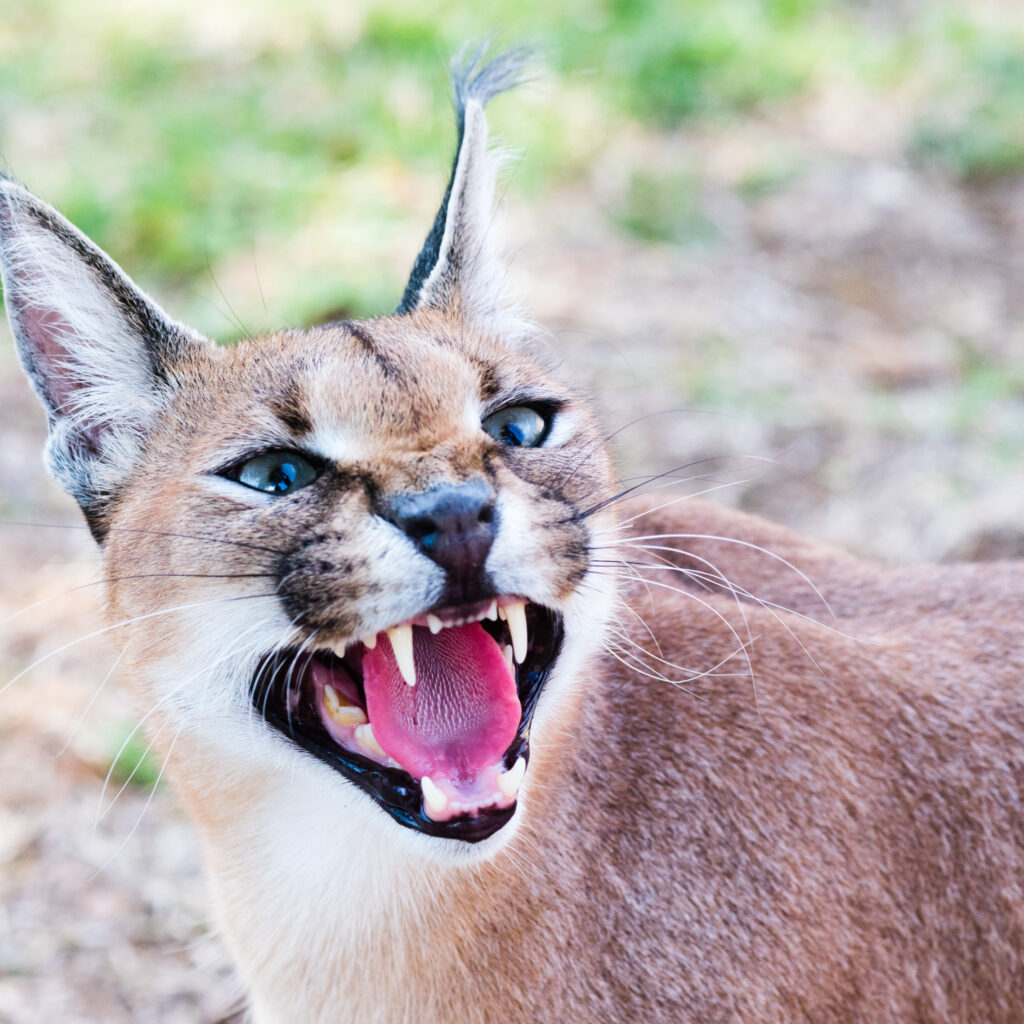
The caracal is a fascinating medium-sized wild cat native to Africa, the Middle East, and parts of Central Asia, widely known as the desert lynx for its striking ear tufts and powerful hunting abilities. This elusive nocturnal predator is one of the most admired African wild cats, often seen in safari wildlife discussions and caracal facts, caracal behavior, and African wildlife species. With its incredible agility, silent movement, and unmatched jumping power, the caracal plays a vital role in maintaining ecosystem balance. Travelers on African safari tours often hope to spot this rare cat in the wild. Its secretive nature, combined with its adaptability to diverse habitats such as savannas, deserts, and scrublands, makes it one of the most mysterious and captivating predators in the wild cat family. Fact 1. Extraordinary Jumping Ability One of the most fascinating facts about the caracal is its extraordinary jumping ability, which allows it to leap over three meters into the air to catch birds in flight. This incredible skill makes the caracal one of the most efficient hunters among African wild cats and a highly searched topic in wildlife safari Africa content. Known for its muscular hind legs and explosive speed, the caracal uses stealth and precision to ambush prey such as rodents, hares, and small antelopes. Its hunting technique is a combination of patience, timing, and power, making it a true apex predator in its habitat. Wildlife enthusiasts and readers searching for caracal facts often admire this unique behavior, which highlights the adaptability and survival skills of this elusive desert lynx across diverse ecosystems. Fact 2. Distinctive Ear Tufts The caracal is easily recognized by its long black ear tufts, which are not just decorative but play an important role in communication and environmental awareness. These sensitive tufts help the caracal detect subtle sounds in grasslands and deserts, making it a highly efficient nocturnal predator. In African wildlife safari experiences, spotting a caracal often excites travelers due to its rare appearance and mysterious behavior. SEO searches for caracal facts frequently highlight its unique facial features and sensory adaptations. The ears can rotate independently, allowing precise localization of prey even in complete darkness. This adaptation gives the caracal a significant advantage when hunting small mammals and birds. Its striking appearance also contributes to its popularity among wildlife photographers and researchers studying African wild cats and desert-adapted predators across various ecosystems. Fact 3. Wide Habitat Range Caracals are highly adaptable wild cats found across Africa, the Middle East, and parts of Asia, thriving in diverse environments such as savannas, semi-deserts, and scrub forests. This adaptability makes them one of the most widespread yet elusive predators in the wild cat family. Wildlife safari guides often mention caracals when discussing nocturnal African wildlife sightings, as they are rarely seen during daylight hours. Content about caracal facts frequently emphasizes their ability to survive in harsh climates with limited water sources. Their resilience allows them to occupy territories ranging from desert regions to moist woodland edges. Despite their wide distribution, caracals remain secretive, avoiding human interaction whenever possible. This behavior contributes to their mystique and popularity among wildlife enthusiasts and researchers studying desert-adapted carnivores. Fact 4. Carnivorous Diet The caracal is a carnivorous predator with a highly varied diet that includes birds, rodents, hares, and small antelopes. Its exceptional hunting skills allow it to take down prey much larger than itself when necessary, showcasing its strength and agility. In African safari wildlife discussions, the caracal is often highlighted as a stealthy nocturnal hunter that relies on surprise attacks rather than long chases. Caracal facts frequently focus on its feeding behavior and role in controlling rodent populations. This wildcat uses sharp claws and powerful jaws to secure its catch quickly and efficiently. Opportunistic by nature, the caracal adapts its diet based on availabthe ility of prey in different ecosystems. This flexibility ensures its survival in both arid deserts and more vegetated savanna regions across its natural range. Fact 5. Incredible Speed and Agility Caracals are among the fastest wild cats in Africa, capable of reaching remarkable bursts of speed when chasing prey across open terrain. Their powerful hind legs allow them to accelerate quickly and change direction with precision, making them highly effective hunters. In wildlife safari Africa experiences, the caracal’s agility is often compared to that of a cheetah, though it relies more on stealth than sustained speed. Caracal facts and African wild cat behavior often highlight this predator’s explosive movement. The caracal can sprint briefly to capture prey in grasslands and semi-arid environments, demonstrating incredible athletic ability. This speed, combined with sharp reflexes and keen eyesight, ensures its success as a nocturnal hunter. Its physical adaptations make it one of the most efficient predators. Fact 6. Lifespan and Survival In the wild, caracals typically have a lifespan of around twelve years, though individuals in protected environments such as wildlife reserves or zoos can live significantly longer. Their survival in harsh African ecosystems depends on their ability to avoid predators, secure food, and adapt to changing environmental conditions. Caracal facts often emphasize their resilience and survival strategies in the wild. These medium-sized wild cats face threats from habitat loss and human-wildlife conflict, which can impact their population in certain regions. Despite these challenges, caracals remain widespread and relatively stable compared to other wild cat species. Their ability to thrive in diverse habitats, from deserts to savannas, contributes to their longevity as a species across Africa and parts of Asia over vast natural ranges worldwide today. Fact 7. High Intelligence and Adaptability Caracals are considered highly intelligent wild cats, capable of strategic thinking when hunting and surviving in challenging environments. Their ability to analyze prey movement and adapt hunting techniques makes them one of the most efficient nocturnal predators in African wildlife ecosystems. Caracal facts often highlight their problem-solving skills and adaptability. These cats can modify their hunting strategy depending on terrain, prey type, and environmental conditions. Their intelligence also helps them avoid human settlements and potential threats.
Interesting Facts to Know About Hippos
The hippopotamus—often called the hippo—is one of Africa’s most fascinating wildlife icons and a highlight of any African safari. Found in destinations like Serengeti National Park and Ngorongoro Crater, hippos are famous for their massive size, semi-aquatic lifestyle, and surprising behavior. These river giants are among the largest land mammals, yet they spend most of their time in water to stay cool under the African sun. Known for their powerful jaws and territorial nature, hippos are both captivating and dangerous. Travelers on Tanzania safaris, wildlife tours, and luxury African safari packages often rank hippos among the “Big Safari Highlights.” From their unique communication to their role in ecosystems, hippos offer endless intrigue for photographers, nature lovers, and adventure seekers exploring East Africa’s wild landscapes. 1. One of the Largest Land Mammals Hippos rank among the largest land mammals on Earth, second only to elephants and white rhinos. Adult males can weigh up to 1,500–3,200 kg, making them a true heavyweight of African wildlife safaris. Despite their bulky bodies, hippos are not related to pigs, as many assume, but are more closely related to whales and dolphins. This surprising evolutionary link adds to their intrigue for safari enthusiasts and wildlife researchers. On Tanzania safari tours in Serengeti National Park, seeing a pod of hippos gathered in rivers is an unforgettable experience. Their sheer size and presence make them one of the most photographed animals during game drives. For travelers planning luxury safaris or budget safaris, encountering these giants is often a bucket-list moment filled with awe and excitement. 2. Semi-Aquatic Lifestyle Experts Hippos are perfectly adapted to a semi-aquatic lifestyle, spending up to 16 hours a day submerged in rivers and lakes. This behavior helps regulate their body temperature under Africa’s intense heat. In safari destinations like Lake Manyara National Park, hippos can be seen resting in water during the day and emerging at dusk to graze. Their eyes, ears, and nostrils are positioned on top of their heads, allowing them to stay mostly submerged while remaining alert. This unique adaptation makes them efficient survivors in aquatic environments. For wildlife photographers on Tanzania safaris, capturing hippos partially submerged creates iconic images. Their ability to move seamlessly between land and water is one of the key reasons they thrive across Africa’s rivers, making them essential sightings on African safari tours. 3. Surprisingly Fast on Land Despite their bulky appearance, hippos can run surprisingly fast on land—reaching speeds of up to 30 km/h over short distances. This makes them one of the most dangerous animals in Africa, as they can outrun humans easily. Visitors on Tanzania safari adventures are often warned to keep a safe distance when encountering hippos outside the water. In areas like Tarangire National Park, hippos may wander onto land at night to graze, sometimes traveling several kilometers. Their agility and speed challenge the common misconception that they are slow-moving animals. This fascinating fact adds a sense of thrill and caution for safari-goers. Whether on a guided walking safari or a game drive, understanding hippo behavior is essential for safety and an enriching wildlife experience. 4. Powerful Jaws and Teeth Hippos possess incredibly strong jaws capable of opening up to 150 degrees, revealing massive tusk-like teeth. These teeth are not primarily used for feeding but for defense and dominance battles. Male hippos often engage in aggressive confrontations, showcasing their jaws in dramatic displays. On Tanzania wildlife safaris in Ngorongoro Crater, witnessing such behavior can be both thrilling and educational. Their bite force is among the strongest in the animal kingdom, making them formidable opponents. Safari guides often emphasize respecting hippos’ space due to their unpredictable nature. For photographers and wildlife enthusiasts, capturing a hippo yawning or displaying its teeth is a highlight. This powerful feature contributes to their reputation as one of Africa’s most dangerous yet fascinating animals. 5. Herbivores with Big Appetites Although hippos look intimidating, they are herbivores, feeding primarily on grasses. Each night, a hippo can consume up to 40 kg of vegetation. During Tanzania safari tours, especially in Serengeti National Park, visitors may observe hippos grazing quietly after sunset. They often follow the same paths to feeding grounds, creating natural trails known as “hippo highways.” Despite their plant-based diet, their size requires significant food intake, making grazing an essential nightly activity. This behavior supports ecosystem balance by trimming grasses and promoting new growth. For eco-conscious travelers and those interested in sustainable tourism, hippos play a crucial role in maintaining the health of African savannahs. Their feeding habits highlight the delicate balance within Tanzania’s diverse wildlife ecosystems. 6. Highly Social Animals Hippos live in groups known as pods, bloats, or herds, typically consisting of 10 to 30 individuals. These groups are usually led by a dominant male who controls a stretch of water territory. In safari hotspots like Lake Manyara National Park, large pods of hippos can be seen interacting, vocalizing, and resting together. Social bonds among hippos are complex, involving communication through sounds, body language, and even underwater vocalizations. For visitors on African safari packages, observing hippo social dynamics offers insight into their behavior and hierarchy. These interactions make hippos one of the most engaging animals to watch in the wild. Their group lifestyle provides safety, companionship, and breeding opportunities, making them a key species in Africa’s aquatic ecosystems. 7. Communication Underwater and Above Hippos have a unique way of communicating both above and below water. They produce a variety of sounds, including grunts, bellows, and wheezes, which can travel long distances. Remarkably, hippos can vocalize underwater while simultaneously emitting sounds above the surface. This dual communication system is rare among mammals. In places like Ngorongoro Crater, the chorus of hippo calls at dusk creates an unforgettable safari atmosphere. These sounds help maintain social bonds and establish territory. For wildlife enthusiasts and photographers, capturing these moments adds depth to the safari experience. Hippo communication showcases their intelligence and adaptability, making them one of the most fascinating animals to study and observe during Tanzania safari tours
Fascinating Facts About the Black Rhino
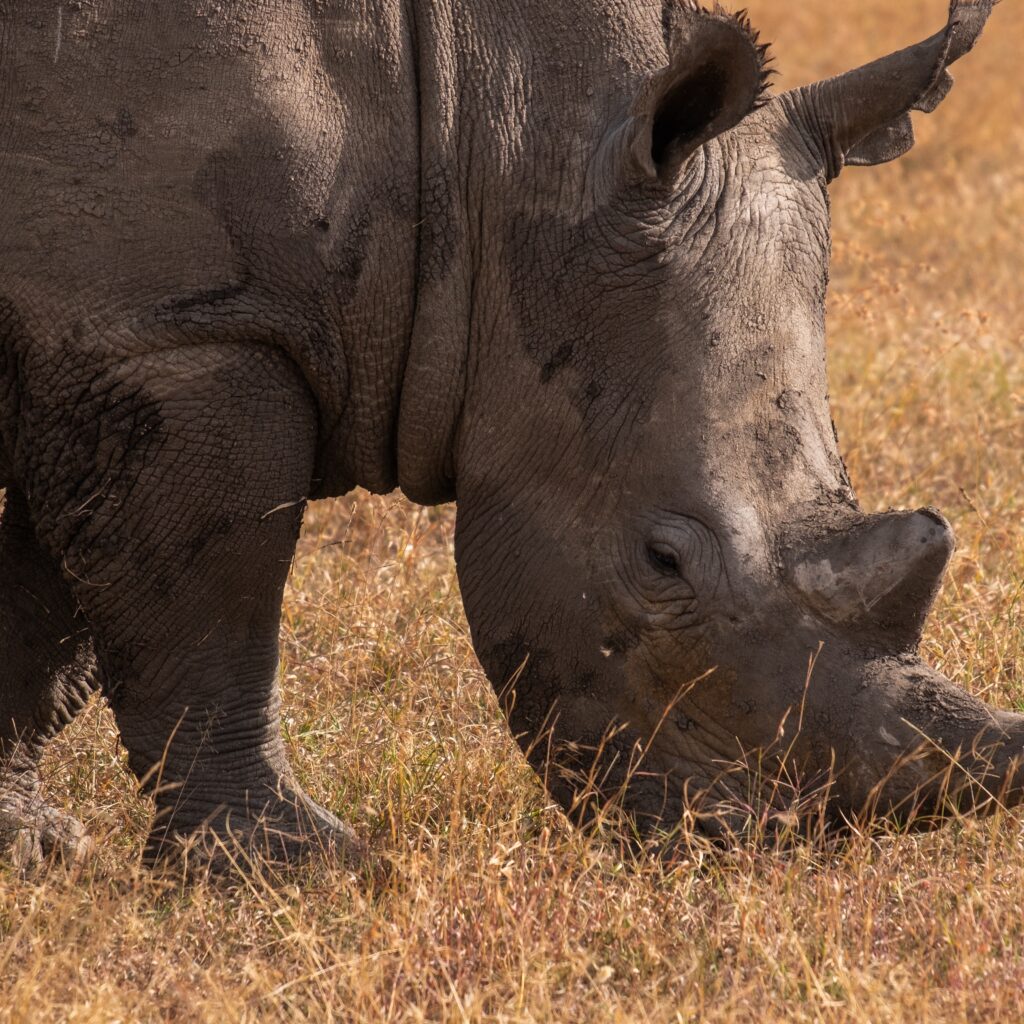
The black rhino (Diceros bicornis) is one of Africa’s most fascinating and critically endangered wildlife species, widely recognized among top African safari animals. Found mainly in East Africa and Southern Africa, including Tanzania, this iconic species is known for its hooked lip, thick armored skin, and solitary behavior. Black rhinos are a key highlight in wildlife safaris and conservation tours, attracting global attention due to ongoing rhino conservation efforts. As one of the most endangered species in the world, black rhinos face severe threats from poaching and habitat loss. Understanding black rhino facts is essential for wildlife enthusiasts, safari travelers, and conservationists aiming to protect Africa’s biodiversity and preserve this majestic megafauna for future generations across the continent today sustainably protected through global conservation efforts. 1. Physical Characteristics of the Black Rhino The black rhino is a powerful and distinctive African megafauna species known scientifically as Diceros bicornis. Despite its name, the black rhino is actually gray in color and can be identified by its hooked upper lip, which is perfectly adapted for browsing shrubs and trees. Compared to the white rhino, it is smaller but more aggressive and highly alert in the wild. Adult black rhinos can weigh up to 1,400 kilograms and stand about 1.6 meters tall at the shoulder. Their thick, armor-like skin helps protect them from thorny vegetation and predators. These fascinating black rhino facts make it a popular highlight in African safari tours, wildlife documentaries, and conservation education programs focused on endangered species protection and biodiversity awareness in Africa’s national parks and reserves today and beyond forever. 2. Habitat and Distribution Black rhinos primarily inhabit savannas, woodlands, scrublands, and semi-desert regions across Africa, with key populations found in Tanzania National Park. These African safari critically endangered animals prefer areas with dense vegetation where they can feed easily and stay hidden from threats. Historically, their range was much wider across the African continent, but habitat loss and poaching have drastically reduced their distribution. Today, conservation areas, national parks, and protected reserves play a vital role in preserving remaining populations. Popular African safari destinations such as Serengeti, Ngorongoro offer rare opportunities to observe black rhinos in the wild. Understanding black rhino habitat and distribution is essential for conservation efforts, eco-tourism planning, and protecting Africa’s biodiversity for future generations through sustainable wildlife management programs and global support initiatives across the continent. 3. Diet and Feeding Behavior Black rhinos are strict browsers, feeding mainly on leaves, shoots, thorny bushes, and small trees rather than grass. Their distinctive hooked upper lip is a key adaptation that allows them to grasp branches and strip foliage efficiently. This feeding behavior makes them important ecological engineers in African savannas, helping shape vegetation growth and maintain ecosystem balance. They are most active during early morning and late afternoon when temperatures are cooler. Black rhinos can consume up to 50 kilograms of vegetation daily depending on habitat conditions. Their diet varies seasonally based on plant availability, which is why they are often found moving within defined home ranges. These fascinating black rhino feeding facts are essential for understanding African wildlife ecology, safari experiences, and conservation strategies aimed at preserving endangered megafauna across protected national parks in East Africa and Southern Africa today. 4. Behavior and Temperament Black rhinos are generally solitary animals, known for their shy yet highly aggressive temperament when threatened. Unlike white rhinos, they are more alert and unpredictable, often charging when they sense danger. They rely heavily on their sense of smell and hearing rather than vision, which is relatively poor. Each rhino maintains a personal territory marked with dung piles and urine sprays to communicate with others. Despite their aggressive reputation, black rhinos usually avoid confrontation unless provoked. Mothers are highly protective of their calves and will fiercely defend them from predators such as lions and hyenas. These behavioral traits make black rhinos one of the most intriguing species in African wildlife safaris. Understanding black rhino behavior is essential for safe wildlife viewing, conservation education, and promoting awareness of endangered species in Africa’s protected ecosystems and safari destinations. 5. Reproduction and Lifespan Black rhinos have a slow reproductive rate, which significantly contributes to their endangered status. Females typically give birth to a single calf after a gestation period of about 15 to 16 months. Calves stay close to their mothers for up to two to three years, learning survival skills in the wild. Females reach sexual maturity around 5 to 7 years, while males mature slightly later. Due to long intervals between births, population recovery is slow even under conservation programs. In the wild, black rhinos can live up to 35–40 years, while those in protected reserves may live slightly longer due to reduced threats. These reproductive characteristics make black rhino conservation especially challenging. Understanding black rhino breeding behavior is crucial for wildlife conservation efforts, zoo breeding programs, and African safari education focused on protecting endangered species across national parks and reserves. 6. Conservation Status The black rhino is listed as critically endangered by the International Union for Conservation of Nature (IUCN), making it one of the most threatened large mammals in Africa. Its population declined dramatically in the 20th century due to intense poaching driven by illegal rhino horn trade and widespread habitat destruction. At one point, numbers dropped by over 90%, pushing the species close to extinction. Today, thanks to global conservation efforts, anti-poaching patrols, and protected reserves, populations are slowly recovering but still remain fragile. Countries like Kenya, Namibia, and South Africa have become key strongholds for black rhino survival. Conservation programs focus on habitat protection, relocation, and community engagement. Understanding black rhino conservation status is vital for wildlife tourism, biodiversity protection, and supporting sustainable African safari initiatives that help preserve endangered megafauna for future generations worldwide. 7. Threats to Survival Black rhinos face multiple threats, with poaching being the most severe due to illegal demand for rhino horn in some markets. Habitat loss caused by agriculture, human settlement, and infrastructure development also reduces their living space.
10 Reasons Why You Should Visit Bwejuu Beach Zanzibar

Zanzibar, the Spice Island, casts an almost mythical spell on travelers. With its rich history, aromatic spice farms, and captivating Stone Town, it’s a destination that stirs the imagination. But for many, the ultimate draw lies in its impossibly beautiful coastline, where the Indian Ocean laps against shores of dazzling white. Among these idyllic stretches, Bwejuu Beach stands out as a true hidden gem, a tranquil haven that offers a more authentic and serene slice of paradise compared to its bustling counterparts. Located on Zanzibar’s southeast coast, Bwejuu often flies under the radar of mass tourism, quietly preserving its authentic village charm and breathtaking natural beauty. If you’re seeking an escape where time slows down, where the rhythm of the tides dictates your day, and where genuine cultural encounters are woven into the fabric of your relaxation, Bwejuu Beach beckons. Here are ten compelling reasons why Bwejuu Beach should be at the very top of your Zanzibar itinerary: 1. The Powder-Soft, White Sands are Unrivaled Imagine stepping onto a beach where the sand feels like finely milled flour beneath your bare feet – cool, soft, and utterly inviting. Bwejuu’s shoreline is precisely this: a magnificent expanse of pristine, brilliant white coral sand that stretches for miles, glistening under the tropical sun. It’s a visual spectacle that almost defies belief, forming a striking contrast with the vibrant turquoise and azure hues of the Indian Ocean. This isn’t just a pretty picture; it’s a sensory experience. The quality of the sand, created by millennia of coral breakdown, is remarkably soft and cool, making it a joy for long walks, sunbathing, or simply wiggling your toes in. For photographers, the dazzling white acts as a natural reflector, enhancing the light and making every shot pop. 2. A Tranquil Escape from the Crowds In an era where many beautiful beaches become overrun with resorts and throngs of tourists, Bwejuu retains a remarkable sense of peace and quiet. Unlike the more developed northern beaches (like Nungwi or Kendwa), Bwejuu offers a serene atmosphere that allows for genuine relaxation and introspection. Here, you won’t find loud beach parties or constant hawkers. Instead, your days will be punctuated by the gentle ebb and flow of the tides, the rustle of palm fronds, and the distant calls of local fishermen. It’s a place where you can truly disconnect, read a book in a hammock, or simply stare out at the endless horizon without interruption. If your idea of paradise involves quiet contemplation and natural beauty, Bwejuu delivers in spades. 3. Embrace Authentic Village Charm and Local Life Bwejuu isn’t just a collection of resorts; it’s a living, breathing village where local life unfolds authentically around you. The beach is shared with local fishermen mending their nets, women tending to seaweed farms, and children playing football as the sun dips below the horizon. Staying in Bwejuu offers a unique opportunity to immerse yourself in the everyday rhythm of Zanzibari coastal communities. You can stroll through the village, visit local schools, interact with friendly villagers, and gain a deeper understanding of their culture, traditions, and livelihoods. It’s a chance to move beyond the tourist bubble and experience the genuine warmth and hospitality of the Zanzibari people. 4. A Kitesurfer’s Paradise (Seasonal) For the adventurous and the adrenaline-seekers, Bwejuu’s consistent winds and expansive, flat lagoons during certain seasons make it an emerging hotspot for kitesurfing. The long, shallow stretch of water created by the reef offshore provides ideal conditions for both beginners learning the ropes and experienced riders looking to carve through the turquoise waters. Best Season: Typically, the Kaskazi (north-east monsoon) winds from December to February, and the Kusi (south-east monsoon) winds from June to September/October, offer prime kitesurfing conditions. Facilities: Several kitesurfing schools and rental shops have popped up along this stretch of coast, offering lessons and equipment for all skill levels. If you’ve ever wanted to try kitesurfing or are looking for a reliable spot to hone your skills, Bwejuu offers the perfect combination of natural conditions and professional support. 5. Excellent Opportunities for Diving and Snorkeling Just off Bwejuu’s coast lies a vibrant underwater world waiting to be explored. The offshore reef creates calm, clear lagoons perfect for snorkeling, revealing colorful coral gardens and a dazzling array of tropical fish. For certified divers, nearby dive sites offer even more spectacular encounters. Local Charms: Many local boat operators offer snorkeling trips to the reef or nearby sandbanks.Marine Life: Expect to see parrotfish, clownfish, angelfish, octopus, and perhaps even turtles. Dive Centers: Several dive centers operate in the vicinity, offering courses and guided dives to explore deeper reefs and witness larger marine life. The accessible and abundant marine life makes Bwejuu an excellent base for underwater enthusiasts, regardless of their experience level. 6. Witness Breathtaking Sunrises Over the Indian Ocean Positioned on Zanzibar’s east coast, Bwejuu offers truly spectacular sunrises. Waking early to watch the sun paint the sky in fiery hues of orange, pink, and purple as it slowly emerges from the Indian Ocean is a magical, almost spiritual experience. The calm waters at dawn create mirror-like reflections, doubling the beauty of the celestial display. It’s a perfect moment for quiet contemplation, photography, or a leisurely walk along the deserted beach as the day gently awakens around you. These tranquil dawns are a stark contrast to the energy of later in the day and provide incredible photographic opportunities. 7. Unique Insight into Seaweed Farming The shallow waters off Bwejuu Beach are home to one of Zanzibar’s fascinating local industries: seaweed farming. During low tide, you’ll see local women, often in colorful traditional attire, tending to their seaweed crops, which are cultivated for use in cosmetics, food, and pharmaceuticals. Many local initiatives offer guided tours of these seaweed farms, allowing you to learn about the process, interact with the women farmers, and understand the economic and social importance of this sustainable practice to the local community. It’s a unique cultural and educational experience that provides a deeper appreciation for
What to Expect on an African Safari

An African safari is one of the most exciting wildlife adventures in the world, offering unforgettable encounters with nature, iconic landscapes, and the legendary Big Five. From the vast plains of the Serengeti National Park to the dramatic beauty of the Ngorongoro Crater, an African safari delivers a perfect blend of adventure, luxury, and authentic wilderness. Travelers can expect close-up wildlife viewing, professional safari guides, and breathtaking sunrise and sunset game drives. Whether you choose a luxury safari lodge, a budget camping safari, or a private guided tour, Africa offers something for every traveler. Popular destinations like Tanzania provide rich biodiversity and year-round safari experiences, making African safari holidays a top choice for nature lovers, photographers, and adventure seekers worldwide. 1. Arrival and Airport Pickup Experience On arrival for your African safari, you can expect a warm welcome at the airport by your tour operator or safari guide. Most African safari packages include airport transfers from major hubs such as Kilimanjaro International Airport or Kilimanjaro Airport. After immigration and luggage collection, guests are typically greeted with a friendly smile, safari briefing, and sometimes a refreshing drink. The incredible Tanzania safari journey to your lodge or camp introduces you to Africa’s landscapes, from bustling towns to scenic savannah roads. Professional safari companies ensure smooth logistics, comfortable transportation, and safe travel arrangements. This first stage sets the tone for your wildlife safari adventure, helping travelers relax and transition into “safari mode” as they prepare for unforgettable African safari game drives, wildlife encounters, and nature exploration in iconic national parks and reserves. 2. Safari Briefing and Itinerary Overview Before your African safari begins, you will receive a detailed briefing from your guide or tour operator outlining the itinerary, park rules, and daily schedules. This includes information about game drives, meal times, travel distances, and wildlife viewing expectations. A well-organized safari itinerary is essential for maximizing your experience in destinations like Serengeti, Tarangire, and Ngorongoro Crater. Guides explain safety guidelines, photography tips, and what animals you may encounter during the African safari adventure. Travelers are also informed about optional activities such as hot air balloon safaris, cultural village visits, or walking safaris. This African safari preparation ensures a smooth and enjoyable African safari experience, allowing guests to understand the flow of their journey while building excitement for upcoming wildlife encounters and breathtaking landscapes. 3. Game Drives and Wildlife Viewing Game drives are the highlight of any African safari, offering close encounters with wildlife in their natural habitat. Early morning and late afternoon drives provide the best opportunities to see lions, elephants, leopards, rhinos, buffalo, giraffes, zebras, and wildebeests. In Tanzania’s Serengeti National Park, visitors may witness the Great Migration, one of the most spectacular wildlife events on Earth. Professional safari guides use their expertise to track animals and share insights about behavior, ecology, and conservation. Our Tanzania Safari 4×4 4WD vehicles are specially designed for comfort and photography, often with open roofs for panoramic views. Whether on a luxury African safari or an African budget safari, game drives deliver unforgettable moments that define the African safari experience, making it a dream adventure for wildlife lovers and photographers alike. 4. Accommodation: Lodges, Camps, and Luxury Stays African safari accommodations range from budget camps to ultra-luxury safari lodges, offering comfort in the heart of the wilderness. Travelers can stay in tented camps that provide an authentic bush experience or luxury African safari lodges with swimming pools, gourmet dining, and panoramic views of the savannah. Popular African safari destinations such as Ngorongoro, Serengeti, and Tarangire feature world-class accommodations designed to blend with nature. Nights are filled with the sounds of wildlife, creating a truly immersive experience. Many safari lodges offer all-inclusive African safari packages, including meals, game drives, and guided activities. Whether you choose mid-range comfort African safari or high-end luxury African safari lodges, accommodation plays a key role in enhancing your African safari adventure, ensuring relaxation after thrilling wildlife encounters and long game drive journeys. 5. The Big Five Wildlife Experience One of the main highlights of an African safari is the chance to see the Big Five: lion, elephant, buffalo, leopard, and rhinoceros. These iconic animals attract thousands of travelers to African safari destinations like Serengeti National Park and Ngorongoro Crater in Tanzania. Expert safari guides help visitors track and observe these magnificent creatures in their natural environment. Each sighting is unique, whether it is a pride of lions resting under acacia trees or a herd of elephants crossing the plains. The Big Five African safari experience is a major reason African safari tours are so popular worldwide. It represents the essence of wildlife adventure, conservation, and the raw beauty of Africa’s ecosystems, making it a must-see highlight for every traveler on a Tanzania safari. 6. The Great Migration Experience The Great Wildebeest Migration is one of the most spectacular natural events on an African safari. Over two million wildebeests, zebras, and gazelles move across the Serengeti and Masai Mara ecosystems in search of fresh grazing land. Travelers on safari in Tanzania can witness dramatic river crossings, predator action, and vast herds stretching across the horizon. This seasonal movement is driven by rainfall patterns and is considered one of the Seven Natural Wonders of Africa. African Safari tours are carefully planned to follow the migration routes, ensuring guests experience this breathtaking phenomenon at the right time. Watching the Great Migration is a once-in-a-lifetime experience that defines the magic and scale of an African wildlife safari adventure. 7. Safari Guides and Expert Knowledge Professional African safari guides are the backbone of every successful African safari. These experts possess deep knowledge of wildlife behavior, ecosystems, and local geography. They help travelers spot animals that are often difficult to find, such as leopards hidden in trees or rhinos in dense bush. African Safari guides also ensure safety and provide engaging storytelling throughout the journey. In African safari destinations like Tanzania, guides are trained and certified to deliver high-quality safari experiences. Their African safari expertise transforms a simple
Where to see the best sunrises and sunsets on Kilimanjaro
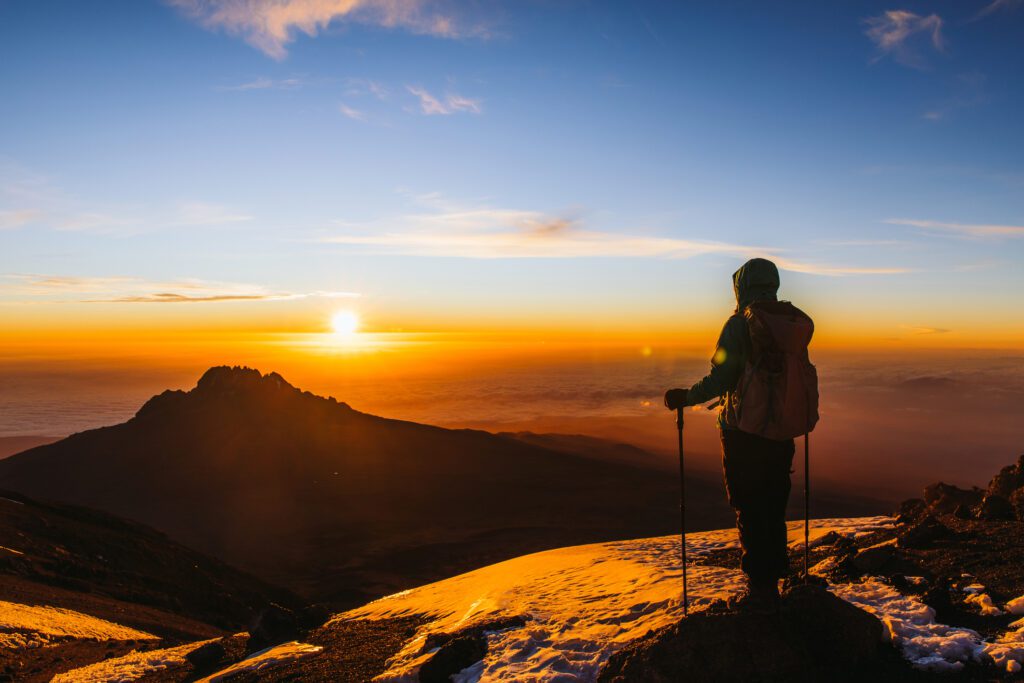
Introduction overview Mount Kilimanjaro offers some of the most breathtaking sunrise and sunset experiences in Africa, making it a top destination for trekking and adventure tourism. From golden skies over the vast savannah of Tanzania to glowing alpine landscapes above the clouds, every moment on the mountain feels magical. Hikers on popular routes such as Machame, Lemosho, and Rongai witness dramatic light changes across glaciers, volcanic ridges, and valleys. The best sunrise and sunset viewpoints on Kilimanjaro are found at high camps, crater rims, and summit points like Uhuru Peak and Stella Point. This guide explores the top locations to enjoy unforgettable sunrise and sunset photography, scenic trekking moments, and iconic African mountain views that attract climbers from around the world seeking once-in-a-lifetime experiences on Kilimanjaro National Park in Tanzania today experience 1. Uhuru Peak sunrise Uhuru Peak sunrise is the ultimate highlight of Mount Kilimanjaro trekking adventures. As the highest point in Africa, Uhuru Peak delivers a once-in-a-lifetime sunrise experience above the clouds. Climbers who reach the summit after a challenging midnight ascent are rewarded with golden light spreading across glaciers, volcanic ash, and the vast Tanzanian horizon. This iconic sunrise is best experienced via popular routes such as Machame Route, Lemosho Route, and Marangu Route. The freezing summit temperatures and thin air make the moment even more powerful and emotional. Photographers capture unforgettable silhouettes of trekkers standing at the roof of Africa. Widely considered one of the best sunrise viewpoints in the world, Uhuru Peak remains a top attraction for Kilimanjaro sunrise and sunset seekers and high-altitude adventure tourism enthusiasts today Kilimanjaro peak glory 2. Shira Plateau sunset The Shira Plateau sunset is one of the most spectacular evening views on Mount Kilimanjaro. Located on the western side of the mountain, this high-altitude plateau offers sweeping panoramas of clouds, distant savannah, and volcanic landscapes. As the sun sets, the sky transforms into brilliant shades of orange, red, and purple, creating a dreamlike atmosphere for trekkers. The Shira Plateau is a key section of the Lemosho Route and Northern Circuit Route, making it a popular stop for acclimatization and photography. Wildlife such as birds may be seen gliding across the glowing horizon, enhancing the experience. Many climbers consider this one of the best Kilimanjaro sunset photography spots due to its open views and peaceful environment. It is highly recommended for adventure travelers seeking unforgettable Tanzania trekking sunset experience today travel experience 3. Barranco Wall sunrise Barranco Wall sunrise is one of the most dramatic early morning experiences on Mount Kilimanjaro. Located along the Machame Route, the towering Barranco Wall becomes illuminated as the first light of day rises over the Great Barranco Valley. Climbers begin their ascent before dawn, reaching viewpoints where golden sunlight slowly reveals steep cliffs, glaciers, and rugged terrain. The combination of challenging hiking and breathtaking scenery makes this sunrise especially rewarding. Photographers capture iconic silhouettes of trekkers against glowing skies, creating some of the most famous Kilimanjaro images. Known for its adventurous climb and stunning visual rewards, the Barranco Wall is a favorite among trekkers seeking unique sunrise photography locations. It represents both challenge and beauty, making it a must-see highlight for Tanzania mountain trekking and sunrise viewing experiences travel guide view 4. Lava Tower sunset glow Lava Tower sunset glow on Mount Kilimanjaro delivers one of the most striking high-altitude light shows for trekkers. Situated along the Machame and Lemosho routes, Lava Tower is a major acclimatization point surrounded by volcanic rock formations and alpine desert. As the sun sets, the rocks glow in deep orange and red tones while glaciers and clouds reflect soft fading light. The contrast between harsh terrain and warm sky colors creates a surreal photography opportunity. Many climbers stop here to rest and capture unforgettable sunset images above the clouds. The quiet atmosphere and extreme altitude make the experience both peaceful and powerful. Lava Tower is widely recognized as one of the best Kilimanjaro sunset viewpoints for adventure travelers seeking dramatic landscapes and unique Tanzania trekking photography moments on the mountain journey experience glow 5. Karanga Camp sunset horizon Karanga Camp sunset on Mount Kilimanjaro offers trekkers a peaceful and colorful evening experience before the final summit push. Located on the Southern Circuit Route, Karanga Camp sits above the clouds, giving panoramic views of surrounding valleys and distant peaks. As the sun sets, the sky shifts into soft orange and pink tones, creating a calming atmosphere after a long day of trekking. Climbers often gather at camp viewpoints to take photographs and enjoy the silence of high altitude. This location is also important for acclimatization, helping hikers prepare for Uhuru Peak. The combination of comfort, scenery, and altitude makes Karanga Camp one of the best sunset spots on Kilimanjaro. It is highly recommended for adventure travelers seeking scenic Tanzania trekking experiences, photography moments, and unforgettable mountain sunset views during their climb journey Africa sky 6. Barafu Camp sunrise preparation Barafu Camp sunrise is a powerful pre-summit experience on Mount Kilimanjaro. Known as the final base before the ascent to Uhuru Peak, Barafu Camp sits in a harsh alpine desert environment. Trekkers wake around midnight to begin their summit push, witnessing the early glow of sunrise as they climb higher. The first light slowly reveals glaciers, volcanic slopes, and endless clouds below. This sunrise is not just visually stunning but also emotionally significant, symbolizing endurance and determination. Many climbers describe it as one of the most memorable parts of their Kilimanjaro journey. The camp is used by Machame, Lemosho, and other routes, making it a key highlight for summit success. Barafu Camp sunrise is essential for adventure tourism in Tanzania and offers unforgettable high altitude trekking experiences on Africa’s tallest mountain journey light 7. Stella Point sunrise ridge Stella Point sunrise on Mount Kilimanjaro is one of the most rewarding sights for climbers nearing the summit. Located on the crater rim, Stella Point offers dramatic sunrise views over clouds, glaciers, and the vast Tanzanian landscape. Trekkers arriving here from Barafu