
Best Places To Visit In East Africa For First-Timers
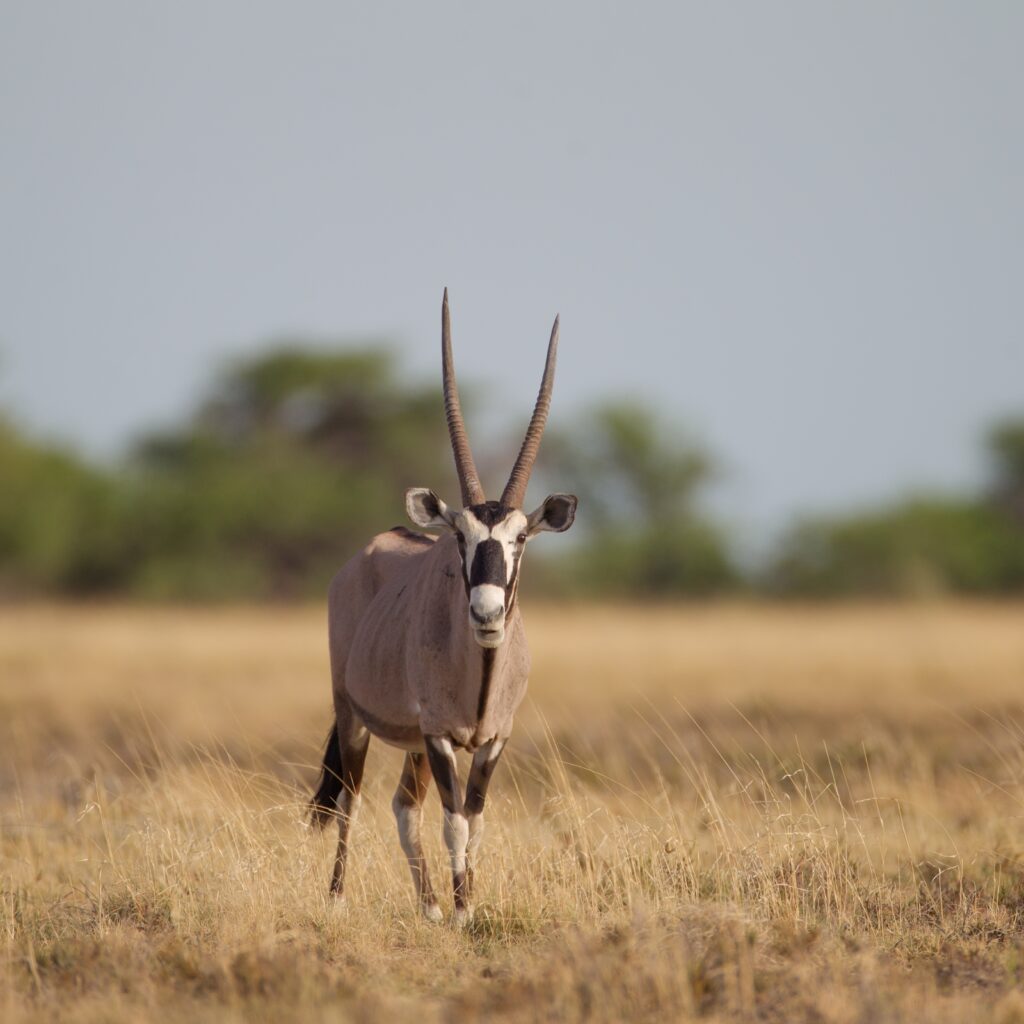
East Africa is one of the world’s most sought-after travel regions, offering first-time visitors an unmatched blend of wildlife safaris, pristine beaches, dramatic landscapes, and cultural experiences. For travelers planning an African safari holiday, Tanzania stands out as the ultimate gateway, featuring iconic destinations such as Serengeti National Park, Ngorongoro Crater, and Mount Kilimanjaro. These African safari destinations provide unforgettable opportunities to witness the Big Five, the Great Wildebeest Migration, and breathtaking volcanic scenery. Zanzibar’s white-sand beaches offer a tropical escape after safari adventures. This guide highlights the best places to visit in East Africa for first-timers focusing on Tanzania’s top safari parks, mountains, and islands. Whether you seek luxury safari tours, budget adventures, honeymoon escapes, or cultural exploration, Tanzania delivers the perfect East African experience for truly unforgettable travel memories always. 1. Serengeti National Park Serengeti National Park is Tanzania’s most famous safari destination and a top highlight for first-time visitors to East Africa. Known for the Great Wildebeest Migration, this vast ecosystem offers incredible opportunities to see the Big Five including lions, elephants, leopards, buffalo, and rhinos. The endless golden plains provide some of the best wildlife photography experiences in the world. Visitors can enjoy game drives, hot air balloon safaris, and luxury lodges within the park. Serengeti is ideal for both budget and high-end Tanzania safari packages, making it a must-visit destination for wildlife lovers. The park’s rich biodiversity, dramatic predator-prey interactions, and year-round game viewing make it a cornerstone of any East African safari itinerary delivering unforgettable adventure and authentic African wilderness experiences for travelers seeking nature at its purest form ever. 2. Ngorongoro Crater Ngorongoro Crater is one of Africa’s most iconic natural wonders and a UNESCO World Heritage Site, making it a must-visit for first-time travelers to Tanzania. Often referred to as the world’s largest intact volcanic caldera, it offers dense wildlife populations in a compact safari area. Visitors can spot the Big Five in a single game drive, including endangered black rhinos. The crater floor features grasslands, lakes, and acacia forests that support diverse ecosystems. It is perfect for short yet highly rewarding safari experiences. Luxury lodges on the crater rim provide breathtaking views, while guided tours ensure rich cultural and wildlife insights. Ngorongoro is an essential stop on any East Africa safari itinerary combining geological beauty wildlife concentration and cultural encounters with Maasai communities living nearby for unforgettable safari memories always. 3. Mount Kilimanjaro Mount Kilimanjaro is Africa’s highest peak and one of the most iconic adventure destinations in East Africa, attracting first-time visitors seeking trekking and climbing experiences. Known as the “Roof of Africa,” it offers multiple climbing routes including Marangu, Machame, and Lemosho. The mountain features diverse ecosystems ranging from rainforest to alpine desert and snow-capped summit. Climbing Kilimanjaro does not require technical mountaineering skills, making it accessible to many travelers with proper preparation. Guided Kilimanjaro trekking tours provide safety, support, and unforgettable scenic views. The journey to Uhuru Peak is both physically challenging and deeply rewarding, offering sunrise views above the clouds. Kilimanjaro is a highlight of Tanzania safari and adventure tourism combining nature endurance and achievement into one unforgettable East African experience perfect for bucket list travel experiences always dream destination. 4. Zanzibar Island Zanzibar Island is a tropical paradise and one of the best places to visit in East Africa for first-time travelers seeking a mix of beach relaxation, culture, and history. Famous for its white-sand beaches, turquoise waters, and coral reefs, Zanzibar offers world-class snorkeling, diving, and dhow sailing experiences. Stone Town, a UNESCO World Heritage Site, showcases rich Swahili culture, Arabic architecture, and vibrant markets. Visitors can explore spice farms, historic forts, and sunset beaches along the Indian Ocean. Zanzibar is often included in Tanzania safari packages as a post-safari beach escape. Luxury resorts, boutique hotels, and budget guesthouses make it suitable for all travelers. The island perfectly combines relaxation culture and adventure making it a top East African holiday destination for honeymooners families and solo travelers alike always unforgettable escape. 5. Tarangire National Park Tarangire National Park is a hidden gem in Tanzania and an excellent destination for first-time safari travelers seeking fewer crowds and abundant wildlife. Known for its massive elephant herds and ancient baobab trees, Tarangire offers classic East African safari scenery. The park is especially popular during the dry season when animals gather around the Tarangire River. Visitors can spot lions, giraffes, zebras, and numerous bird species. Game drives provide intimate wildlife encounters compared to more crowded parks. Tarangire is often included in northern Tanzania safari circuits alongside Serengeti and Ngorongoro. It is ideal for budget safaris, family trips, and photography tours. The park’s unique landscape, seasonal migration patterns, and rich biodiversity make it a must-visit destination for nature lovers exploring Tanzania for the first time for unforgettable safari experience ever. 6. Lake Manyara National Park Lake Manyara National Park is a compact yet diverse safari destination in northern Tanzania, making it ideal for first-time visitors looking for a short but rewarding wildlife experience. The park is famous for its tree-climbing lions, flamingo-filled lake shores, and lush groundwater forests. Visitors can enjoy game drives that showcase elephants, hippos, baboons, and a wide variety of bird species. The Rift Valley escarpment provides stunning scenery and photography opportunities. Lake Manyara is often included in Tanzania safari itineraries alongside Serengeti and Ngorongoro Crater. It is perfect for budget safaris, family trips, and cultural visits to nearby Maasai communities. The park’s unique combination of forest lake and savannah ecosystems makes it one of the most beautiful and accessible national parks in East Africa for beginners for unforgettable safari moments always. 7. Arusha National Park Arusha National Park is one of Tanzania’s most underrated safari destinations and a perfect introduction for first-time visitors exploring East Africa. Located near Arusha city, the park offers stunning landscapes including Mount Meru, lush forests, and sparkling Momella Lakes. It is ideal for walking safaris, canoeing, and game drives, providing a more intimate wildlife experience compared to larger parks. Visitors
What to Expect on a Walking Safari in Africa
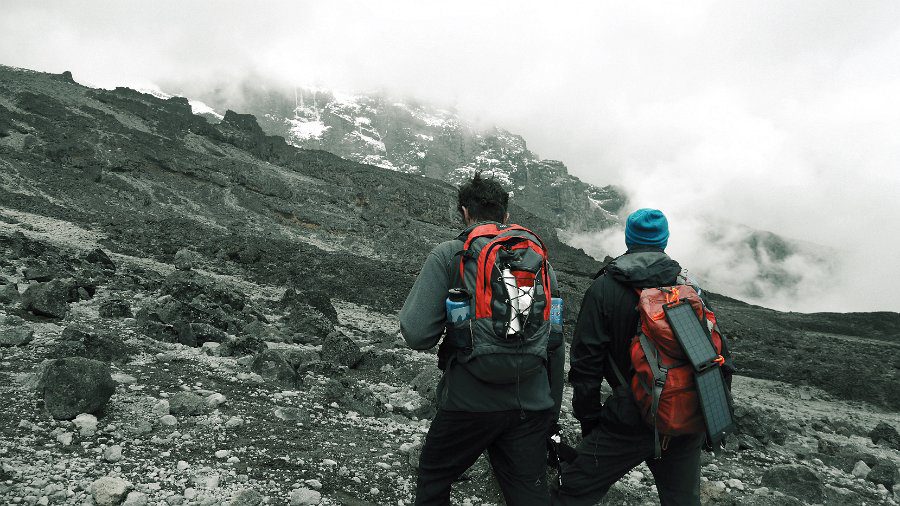
A walking safari in Africa is one of the most immersive and authentic wildlife experiences you can have. Unlike traditional game drives, a guided walking safari allows you to explore the African wilderness on foot, bringing you closer to nature, wildlife, and local ecosystems. From the vast plains of the Serengeti to the remote bushlands of southern Africa, walking safaris offer a unique blend of adventure, education, and conservation awareness. Expect expert guides, intimate wildlife encounters, and a deeper understanding of flora and fauna. Whether you’re planning a luxury African safari or a budget-friendly adventure, walking safaris provide unforgettable moments. This guide covers everything you need to know, including safety tips, packing lists, costs, the best destinations, and what to expect during your African walking safari. What Is a Walking Safari? A walking safari is a guided wildlife experience where you explore the African bush on foot rather than in a vehicle. Led by professional safari guides and often armed rangers, this type of safari focuses on tracking animals, learning about ecosystems, and experiencing nature up close. Unlike game drives, walking safaris emphasize small details—animal tracks, plants, insects, and birdlife—offering a richer, more educational experience. Popular in destinations like Tanzania, Kenya, Zambia, and South Africa, walking safaris range from short bush walks to multi-day expeditions. This adventure is ideal for travelers seeking an authentic African safari experience, combining thrill and learning. Whether luxury or budget, walking safaris deliver a unique connection with the wild that no vehicle-based safari can match. Top Destinations for Walking Safaris in Africa Africa offers incredible destinations for walking safaris, each with unique landscapes and wildlife. Tanzania’s Serengeti National Park and Ngorongoro Conservation Area are iconic for guided bush walks, considered the birthplace of walking safaris. In Tarangire National Park, private conservancies also offer exceptional walking experiences. Arusha National Park offers safe, well-regulated walking safaris led by expert rangers. offers scenic walking safaris through wetlands and floodplains. Each destination varies in cost, wildlife density, and accommodation—from luxury lodges to budget camps. Choosing the right destination depends on your travel goals, budget, and preferred wildlife encounters. These top African safari destinations guarantee unforgettable walking safari adventures. Safety Measures on a Walking Safari Safety is a top priority on any walking safari in Africa. Experienced guides and armed rangers accompany guests at all times, ensuring a secure and controlled environment. Before setting out, you’ll receive a detailed safety briefing covering behavior around wildlife, walking formations, and emergency procedures. Guides are trained to read animal behavior and avoid dangerous encounters. Walking safaris are typically conducted in areas with lower predator density or during times when animals are less active. Guests are instructed to remain calm, quiet, and follow the guide’s instructions strictly. Wearing neutral-colored clothing and maintaining distance from wildlife enhances safety. While the experience is thrilling, strict protocols ensure that walking safaris remain safe, educational, and enjoyable for all participants. Wildlife Encounters on Foot Walking safaris offer a completely different perspective on wildlife encounters compared to game drives. On foot, you may come across elephants, giraffes, zebras, antelopes, and occasionally predators like lions from a safe distance. However, the focus is often on smaller details—tracks, dung, insects, and birdlife—that are often missed in vehicles. Guides interpret signs of animal activity, turning every step into a learning opportunity. The thrill of tracking animals on foot adds excitement and authenticity. Unlike crowded safari vehicles, walking safaris provide intimate, crowd-free experiences. You’ll gain a deeper appreciation of the ecosystem and how animals interact with their environment. This close-to-nature experience is what makes walking safaris truly unforgettable. The Role of Professional Safari Guides Professional safari guides are the backbone of any successful walking safari. Highly trained and knowledgeable, they possess a deep understanding of wildlife behavior, tracking skills, and bush survival techniques. Many guides are certified by national parks and conservation authorities, ensuring high safety and educational standards. They interpret animal tracks, identify plants, and share fascinating insights about the ecosystem. Guides also ensure that guests maintain safe distances from wildlife and follow proper etiquette. Their storytelling and local knowledge enrich the safari experience, making it both educational and entertaining. In many African countries, guides come from local communities, adding cultural perspectives to the journey. Choosing a reputable tour operator with experienced guides enhances your walking safari adventure. What to Pack for a Walking Safari Packing the right gear is essential for a successful walking safari in Africa. Lightweight, breathable clothing in neutral colors like khaki, beige, and green is recommended to blend into the environment. Comfortable walking shoes or hiking boots are a must. Essential items include a wide-brim hat, sunglasses, sunscreen, insect repellent, and a reusable water bottle. Binoculars enhance wildlife viewing, while a camera captures memorable moments. Avoid bright colors and strong perfumes, as they may disturb wildlife. Depending on the destination, you may also need a light jacket for early morning walks. Packing smart ensures comfort, safety, and enjoyment throughout your safari. A well-prepared traveler experiences the African bush at its best. Best Time for a Walking Safari in Africa The best time for a walking safari in Africa depends on the destination and weather conditions. Generally, the dry season (June to October) is ideal, as vegetation is thinner and wildlife is easier to spot near water sources. In Tanzania and Kenya, this period also coincides with the Great Migration, enhancing wildlife encounters. Early morning and late afternoon walks offer the best conditions, avoiding midday heat. The wet season (November to May) brings lush landscapes and birdlife, but may limit walking opportunities due to dense vegetation and muddy terrain. Each season offers unique experiences, so choosing the right time depends on your preferences for wildlife, scenery, and climate. Types of Walking Safaris Walking safaris come in various forms, catering to different travel styles and fitness levels. Short guided bush walks are common in national parks and last a few hours. Multi-day walking safaris involve trekking between camps, offering deeper immersion in the wilderness. Luxury walking safaris include
What to Expect on a Solo Safari in East Africa
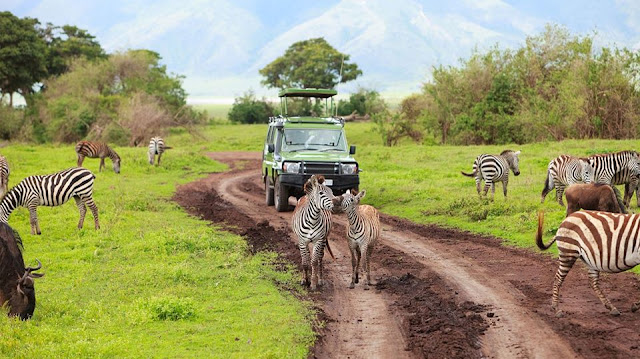
A solo safari in East Africa is one of the most transformative travel experiences for adventure seekers, wildlife lovers, and independent explorers. Whether you choose a Tanzania safari across the Serengeti and Ngorongoro Crater or a Kenya safari in the Maasai Mara, solo travel offers unmatched freedom and flexibility. Expect close encounters with the Big Five, stunning savannah landscapes, and deep cultural experiences with Maasai communities. Solo safari travel in East Africa is safe when properly planned with trusted tour operators, making it ideal for first-time and experienced solo travelers. This guide explores what to expect, including safety, costs, accommodations, game drives, and essential solo safari tips for an unforgettable African wilderness journey. 1. Freedom and Flexibility of Solo Safari Travel One of the biggest advantages of a solo safari in East Africa is total freedom. You decide your travel pace, safari destinations, and daily schedule without compromise. Whether you want a full-day game drive in the Serengeti or a relaxed morning in a luxury lodge, everything is tailored to your preferences. Solo safari travelers in Tanzania can customize itineraries to include iconic parks like Tarangire and Lake Manyara. This flexibility also allows spontaneous wildlife viewing opportunities, such as following the Great Migration or spending extra time with elephants or lions. Independent travel makes your safari deeply personal, immersive, and unforgettable, especially when guided by experienced local safari experts. 2. Safety and Security for Solo Travelers Safety is a top concern for anyone planning a solo safari in East Africa, but the region is generally very safe when traveling with reputable safari companies. National parks in Tanzania are well-managed, with trained guides and regulated game drives. Solo travelers are rarely alone in the wild; all safaris are conducted in guided 4×4 vehicles. Lodges and tented camps also have security staff to ensure guest safety. It is important to book through trusted tour operators, follow the guide’s instructions, and avoid independent night movement in wildlife areas. With these precautions, solo safari travel becomes not only safe but also stress-free and enjoyable. 3. Cost of a Solo Safari in East Africa A solo safari in East Africa can vary in cost depending on comfort level, season, and destinations. Budget safaris in Tanzania may start from affordable group tours, while luxury private safaris can cost significantly more. Solo travelers often pay a “single supplement” when staying in private rooms or luxury lodges. However, joining group safaris helps reduce costs while maintaining quality experiences. Major expenses include park entry fees, accommodation, transportation, and guide services. Popular safari circuits like the Serengeti, Ngorongoro, and Maasai Mara offer options for every budget. Planning early and choosing shoulder seasons can help reduce overall safari costs significantly. 4. Best Time for a Solo Safari in East Africa The best time for a solo safari in East Africa depends on wildlife viewing goals. The dry season (June to October) is ideal for game viewing in Tanzania and Kenya because animals gather around water sources, making them easier to spot. This is also the best time for witnessing the Great Migration in the Serengeti and Maasai Mara. The wet season (November to May) offers lush landscapes, fewer tourists, and excellent birdwatching opportunities. Solo travelers often prefer off-peak months for more peaceful experiences and lower prices. Each season offers unique advantages, making East Africa a year-round safari destination for adventurous solo explorers. 5. Wildlife Encounters and the Big Five Experience Solo safaris in East Africa offer incredible opportunities to see the Big Five: lion, leopard, elephant, buffalo, and rhino. National parks such as Serengeti, Ngorongoro Crater, and Maasai Mara are world-famous for dense wildlife populations. Solo travelers can enjoy uninterrupted wildlife viewing, often spending extended time observing animal behavior. Beyond the Big Five, expect giraffes, zebras, cheetahs, wildebeest, and hundreds of bird species. Guided game drives ensure you are always in the best position to spot wildlife safely. Every safari day brings unpredictability, making each moment exciting and unique. Wildlife photography opportunities are exceptional, especially during sunrise and sunset game drives. 6. Accommodation Options for Solo Safari Travelers East Africa offers a wide range of accommodation options for solo safari travelers, including budget camps, mid-range lodges, and luxury tented camps. Solo travelers can stay in shared campsites to reduce costs or enjoy private tents for more comfort and privacy. Lodges in Tanzania’s Serengeti and Ngorongoro, as well as Kenya’s Maasai Mara, provide full-board services with meals and guided activities. Many safari camps are designed to encourage social interaction, making it easy for solo travelers to meet others. At the same time, private spaces ensure relaxation after long game drives. Accommodation quality is generally high, with excellent hospitality and breathtaking natural surroundings. 7. Guided Game Drives and Safari Experience Game drives are the highlight of any solo safari in East Africa. Experienced guides take travelers through national parks in 4×4 safari vehicles, ensuring safe and informative wildlife viewing. Solo travelers benefit greatly from guides who understand animal behavior and hidden viewing spots. Morning and evening game drives are the most productive times for sightings. In Tanzania’s Serengeti, guides often track lions, elephants, and cheetahs with expert precision. Solo travelers also enjoy learning about ecosystems, conservation efforts, and local culture. The guided experience ensures that even independent travelers feel supported throughout their entire safari adventure. 8. Cultural Experiences with Local Communities A solo safari in East Africa is not just about wildlife; it also includes meaningful cultural encounters. Travelers can visit Maasai villages in Kenya and Tanzania to learn about traditional lifestyles, dances, and crafts. These experiences offer insight into one of Africa’s most iconic indigenous communities. Solo travelers often find cultural interactions deeply enriching and personal, as they can engage directly with locals without distractions. Other cultural experiences include visiting local markets, coffee plantations, and rural schools. These moments add depth to the safari journey, creating a balance between wildlife adventure and cultural discovery across East Africa. 9. Transportation and Safari Logistics Transportation on a solo safari in East Africa is
How to Take Fabulous Smartphone Photos on Safari

The Ultimate Guide to Taking Fabulous Smartphone Photos on Safari. Capturing stunning safari photography with a smartphone has become easier than ever during African safari adventures in Tanzania and East Africa. Modern mobile cameras allow travelers to take professional wildlife photos without expensive DSLR equipment. Whether exploring Serengeti, Ngorongoro Crater, or Tarangire National Park, smartphone safari photography improves image quality significantly. This guide explains how to take fabulous smartphone photos on safari using simple tips for lighting, composition, focus, and wildlife behavior. With the right approach, beginners can capture sharp, vibrant images of lions, elephants, giraffes, and zebras in their natural habitat. By mastering these smartphone safari photography tips, travelers preserve unforgettable memories and share high-quality images on social media while respecting wildlife and maintaining ethical photography practices throughout their African safari experience for responsible safari travel. 1. Choose the right smartphone settings Choosing the right smartphone settings is essential for high-quality safari photography during African safari tours in Tanzania and East Africa. Set your camera to high resolution mode, enable grid lines, and adjust HDR for balanced exposure in changing safari lighting conditions. Turn off digital zoom and use optical zoom or move closer safely when capturing wildlife subjects like lions, elephants, and giraffes. These settings help produce sharp, professional-looking safari images suitable for social media and travel storytelling content. Always test settings before game drives begin to ensure optimal results. Proper configuration improves wildlife photography clarity and detail greatly overall quality. 2. Understand natural safari lighting Understanding natural safari lighting is crucial for capturing stunning wildlife photography during sunrise and sunset game drives. Golden hour light enhances colors, reduces harsh shadows, and makes animals appear more dramatic and detailed in photographs. Avoid shooting under midday sun because it creates overexposed images and flat lighting that reduces photo quality. Position yourself to use natural light direction for better depth and contrast when photographing wildlife scenes in Tanzania parks. Cloudy days also provide soft lighting conditions that are excellent for smartphone safari photography results overall. Adjust exposure manually to balance highlights and shadows for clearer wildlife images consistently. 3. Use Zoom wisely (avoid digital zoom) Using zoom wisely is essential for capturing high-quality safari wildlife photos on smartphone cameras. Optical zoom preserves image quality while digital zoom often reduces sharpness and introduces pixelation in wildlife shots. Instead of zooming digitally, try moving closer safely or using binocular-style smartphone lenses for better clarity. This approach is widely recommended in professional safari photography and travel guides. It ensures sharp detail when photographing lions elephants and other wildlife in open savannah landscapes. Smartphone safari photographers should prioritize lens quality stability and distance rather than relying on digital zoom which reduces clarity and overall image quality significantly results quality. 4. Keep your lens clean Keeping your smartphone lens clean is one of the simplest yet most important safari photography tips. Dust fingerprints and smudges can significantly reduce image sharpness during African safari game drives. Always carry a microfiber cloth or soft fabric to gently clean your camera lens before shooting wildlife. A clean lens ensures sharper photos better contrast and improved color accuracy in all safari conditions. This small habit makes a big difference when capturing fast-moving animals in natural habitats like Serengeti plains. Clean lenses also help reduce glare and improve low-light performance during sunrise and sunset safari photography sessions overall image quality. 5. Stabilize your shots Stabilizing your shots is critical for capturing sharp safari photography with a smartphone. Use both hands when holding your phone and keep elbows close to your body for extra stability. Leaning against a vehicle or tree can also reduce camera shake during wildlife photography in safari parks. Many safari vehicles provide bean bags or supports that help stabilize smartphone cameras for clearer images. Avoid sudden movements and use burst mode for moving animals like running cheetahs or grazing herds. Stability improves image sharpness and reduces blur especially when capturing wildlife action scenes on uneven safari terrain conditions significantly overall results. 6. Capture wildlife behavior, not just animals Capturing wildlife behavior rather than just animals creates more compelling safari photography stories. Focus on actions such as hunting, feeding, playing, or interacting within their natural environment. These moments add emotional depth and storytelling value to your African safari images captured on smartphone. Patience is important because wildlife behavior often takes time to unfold naturally during game drives. Avoid rushing shots and observe animals carefully before pressing the shutter for meaningful compositions in safaris. Behavior-based photography helps travelers document authentic safari moments and improves storytelling quality for social media and travel blogs while creating lasting visual memories from African safari. 7. Composition techniques (rule of thirds) Composition techniques such as the rule of thirds greatly enhance safari photography captured on smartphones. Place your subject off-center using grid lines to create balanced and visually appealing wildlife images. This method improves depth perspective and storytelling quality in African safari photography compositions. Foreground elements like trees or rocks can add context and frame your wildlife subject creatively. Avoid placing animals directly in the center unless symmetry or action demands it in composition rules. Using composition rules helps smartphone safari photographers create professional quality images suitable for travel blogs social media and print storytelling purposes in African safari photography work. 8. Timing: golden hour & movement Timing is crucial in safari photography especially when shooting during golden hour and animal movement. Early morning and late afternoon light provide warm tones and soft shadows ideal for smartphone cameras. Animals are most active during these periods increasing chances of capturing dynamic wildlife action shots. Midday should be avoided because harsh light reduces image quality and creates strong shadows. Planning game drives around sunrise and sunset improves overall safari photography success rates significantly. Golden hour lighting enhances colors improves contrast and creates cinematic safari images that stand out on social media and travel photography portfolios globally recognized quality standards. 9. Use burst mode Using burst mode on your smartphone is highly effective for capturing fast-moving
Should You Travel Solo on an African Safari?
Traveling solo on an African safari is one of the most transformative and empowering adventures you can experience. From the vast plains of the Serengeti to the dramatic landscapes of the Ngorongoro Crater, solo travel in Africa blends freedom, discovery, and personal growth. Whether you’re planning a Tanzania safari, a luxury African safari package, or a budget wildlife tour, going alone allows you to fully immerse yourself in nature, culture, and wildlife encounters. With rising trends in solo travel in Africa, more travelers are choosing independent safari experiences tailored to their pace and interests. This guide explores everything you need to know—from safety tips and costs to the best destinations and travel styles—to help you decide whether a solo African safari is the right choice for your bucket-list adventure. Freedom and Flexibility on a Solo African Safari One of the biggest advantages of solo travel in Africa is the freedom to design your own journey. Unlike group tours, a solo African safari allows you to choose your itinerary, destinations, and pace. Whether you want to spend extra time watching lions in Serengeti National Park or explore hidden gems like Tarangire National Park, the flexibility is unmatched. Solo travelers can opt for private safari tours or go on the best African safari for solo travelers for a balanced experience. This independence enhances your connection with nature and ensures a more personalized adventure. For travelers seeking freedom, self-discovery, and authentic luxury African safari experiences for singles, a solo safari in Tanzania offers unmatched opportunities to explore Africa’s wilderness on your own terms. Is Solo Safari in Africa Safe? Safety is one of the most common concerns for solo travelers considering an African safari. Fortunately, destinations like Tanzania, Kenya, and Botswana are known for their well-established safari infrastructure and experienced guides. Reputable tour operators prioritize safety, offering guided game drives, secure accommodations, and 24/7 support. Solo female travelers can also enjoy safe safari experiences by choosing trusted companies and lodges. Following basic travel safety tips—such as avoiding isolated areas alone and staying informed—ensures a African safaris for single seniors smooth journey. Overall, a guided African safari is one of the safest ways to explore the continent, making solo travel not only possible but highly rewarding. Best Destinations for Solo Safari in Africa Choosing the right destination is key to a successful solo safari. Tanzania stands out with iconic locations like the Serengeti, Ngorongoro Crater, and Lake Manyara, which offer incredible wildlife and social safari experiences, while Botswana provides exclusive, high-end safari adventures. South Africa is another excellent choice for first-time solo travelers due to its accessibility and diverse activities. These destinations offer a mix of luxury safari lodges, budget camps, and guided tours tailored for solo visitors. Whether you’re chasing the Great Migration or seeking a quiet wildlife retreat, Africa offers diverse options that cater perfectly to solo travel enthusiasts. Solo Female Travel in Africa Safari Solo female travel in Africa is growing rapidly, with many women embracing the adventure of a safari alone. Countries like Tanzania and Kenya are considered safe and welcoming, especially when traveling with reputable tour operators. Many safari lodges offer female-friendly environments, and group safaris provide opportunities to connect with other travelers. Packing wisely, staying aware, and choosing guided tours enhance safety and comfort. Female solo travelers often find the experience empowering, as it builds confidence and independence. From witnessing wildlife to engaging with local cultures, a solo safari can be a deeply enriching journey for women seeking adventure and personal growth. Cost of a Solo African Safari The cost of a solo African safari can vary widely depending on travel style, destination, and duration. Luxury safari packages with private guides and high-end lodges can be expensive, while budget camping safaris offer more affordable options. Solo travelers may encounter single supplements, which increase accommodation costs. However, joining group safaris or sharing accommodations can reduce expenses. Tanzania safari costs typically include park fees, transportation, meals, and guides. Planning and comparing safari packages helps you find the best value. Despite the cost, many travelers find the experience worth every dollar, as it delivers unforgettable wildlife encounters and unique travel memories. Luxury vs Budget Solo Safari Options Solo travelers can choose between luxury African safari packages and budget-friendly options. Luxury safaris offer exclusive lodges, private vehicles, gourmet dining, and personalized services, perfect for travelers seeking comfort and privacy. On the other hand, budget safaris provide shared game drives, basic camps, and affordable itineraries without compromising wildlife experiences. Mid-range safari lodges strike a balance between comfort and cost. Whether you prefer glamping in the Serengeti or a high-end lodge overlooking the savannah, Africa offers options for every budget. Selecting the right safari style ensures a memorable and comfortable solo adventure tailored to your preferences. Yes, traveling solo on an African safari is highly rewarding, safe, and social. Lodges are designed to be communal, offering shared game drives and meals that make it easy to meet people. While you will encounter a “single supplement” (extra cost) at many camps, many operators offer low-season discounts or have curated group tours that waive these fees. Private Safari Experience for Solo Travelers A private safari offers the ultimate personalized experience for solo travelers. With a dedicated guide and vehicle, you have complete control over your itinerary, game drives, and pace. This option is ideal for photographers, wildlife enthusiasts, and travelers seeking privacy. Although more expensive, private safaris provide unmatched flexibility and comfort. You can spend hours observing a pride of lions or exploring off-the-beaten-path locations without constraints. Many luxury safari operators in Tanzania offer bespoke packages tailored to solo travelers. For those seeking exclusivity and a deeper connection with nature, a private African safari is an exceptional choice. Wildlife Experiences on a Solo Safari. One of the highlights of solo travel in Africa is the incredible wildlife encounters. From witnessing the Great Migration in the Serengeti to spotting elephants in Tarangire, solo travelers can fully immerse themselves in these moments. Without distractions, you can focus
Where To Go In The Northern Circuit
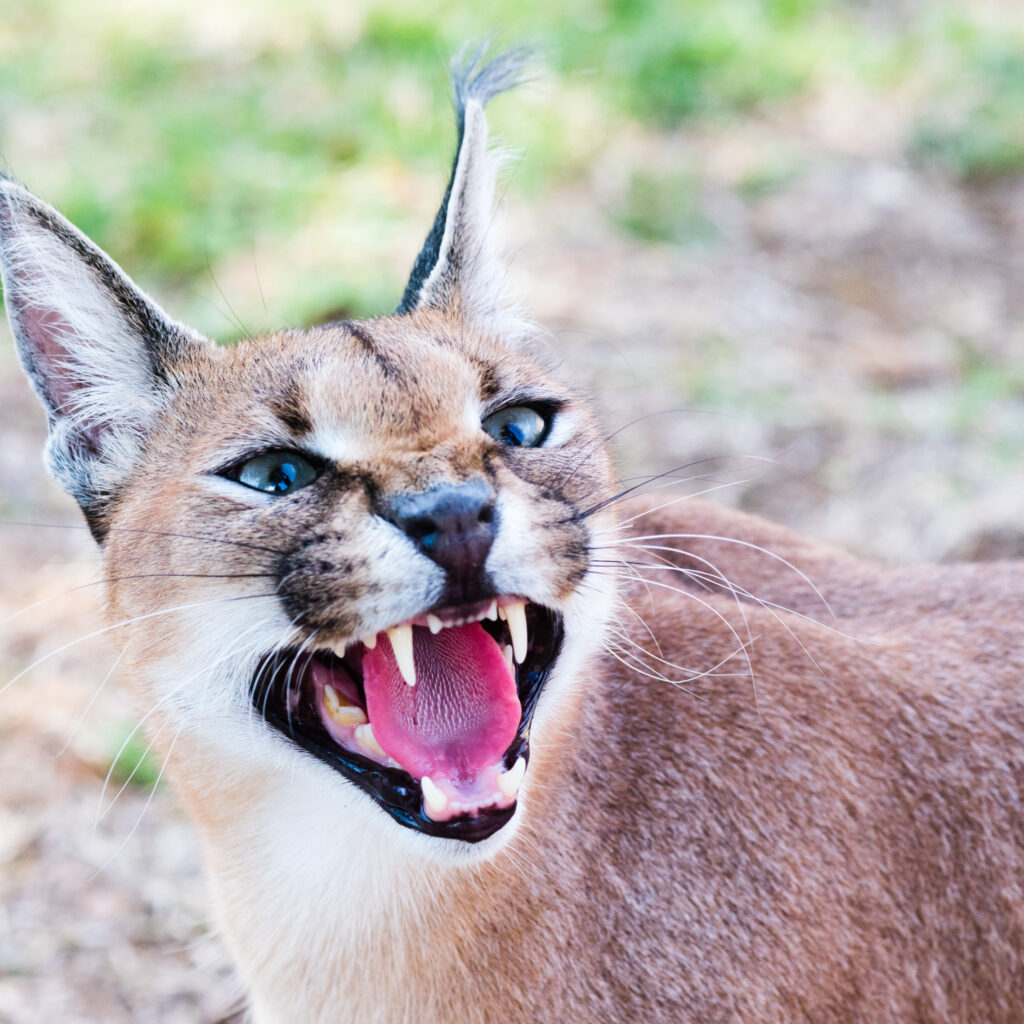
Tanzania Northern Circuit: 10 Best Places to visit in Tanzania. The Northern Circuit of Tanzania is the most popular safari circuit in the country, and for good reason. It’s home to some of the most iconic wildlife destinations in Africa, including the Serengeti National Park, the Ngorongoro Crater, and Tarangire National Park. Here are some of the best places to go in the Northern Circuit: Tanzania’s Northern Circuit is a treasure trove of natural wonders, cultural experiences, and thrilling adventures. Situated in the northern part of the country, this region is renowned for its iconic national parks, majestic landscapes, and vibrant local culture. Embark on a journey with us as we delve into the highlights of the Northern Circuit, offering you a glimpse into its diverse attractions and unparalleled beauty. 1. Discovering the Serengeti National Park Serengeti National Park stands as one of Africa’s most celebrated wildlife reserves, and rightfully so. Home to the spectacular Great Migration, where millions of wildebeests, zebras, and other ungulates traverse the plains in search of greener pastures. Serengeti offers a wildlife spectacle unlike any other. Here, visitors can witness the raw beauty of nature unfold before their eyes, as predators and prey engage in a timeless dance of survival. The park’s vast savannahs, dotted with acacia trees and rocky outcrops, provide the perfect backdrop for unforgettable safari experiences. From thrilling game drives to serene hot air balloon safaris, there’s no shortage of ways to immerse yourself in the wonders of the Serengeti. 2. Navigating the Ngorongoro Conservation Area Ngorongoro Conservation Area is a UNESCO World Heritage Site and a haven for both wildlife enthusiasts and nature lovers. Discover the Hidden Gems of the Northern Circuit in Tanzania at its heart lies the Ngorongoro Crater, a colossal caldera formed millions of years ago. Which now harbors an astonishing array of wildlife within its confines. Venture into the crater’s depths, and you’ll encounter a diverse ecosystem teeming with wildlife. Including the famed Big Five – lions, elephants, buffaloes, leopards, and rhinos. Take a guided tour with knowledgeable rangers to maximize your wildlife sightings. And gain insights into the conservation efforts that safeguard this natural wonder. 3. Unveiling the Beauty of Tarangire National Park Tarangire National Park beckons travelers with its scenic landscapes and abundance of wildlife. Named after the Tarangire River, which flows through its heart. The Ultimate Guide to Exploring Tanzania’s Northern Circuit this park is renowned for its large herds of elephants and baobab-studded vistas. Embark on a game drive through Tarangire’s sprawling plains. Where you’ll encounter a myriad of creatures, from majestic elephants to elusive leopards. Unveiling Tanzania’s Northern Circuit: Top Attractions and Wildlife Encounters don’t miss the opportunity to witness the park’s diverse birdlife, with over 500 avian species soaring through the skies. 4. Immersing in Cultural Experiences at Lake Manyara Lake Manyara offers a unique blend of natural beauty and cultural heritage. Making it a must-visit destination on the Northern Circuit. Exploring the Best Places in Tanzania’s Northern Circuit nestled at the base of the Great Rift Valley. This picturesque lake is famous for its tree-climbing lions and flocks of pink flamingos that adorn its shores. Beyond its wildlife wonders, Lake Manyara boasts rich cultural diversity. With indigenous tribes such as the Maasai and Barabaig calling its surroundings home. Engage in cultural encounters with local communities, where you can learn about traditional lifestyles. Rituals, and crafts passed down through generations. 5. Trekking Adventures on Mount Kilimanjaro No visit to Tanzania’s Northern Circuit would be complete without embarking on the ultimate adventure – climbing Mount Kilimanjaro. One of 10 Best Places to Visit in Tanzania’s Northern Circuit towering majestically above the African plains, Kilimanjaro is Africa’s highest peak and a bucket-list destination for intrepid travelers. Choose from a variety of trekking routes, each offering unique landscapes and challenges, as you ascend towards the snow-capped summit. Whether you opt for the popular Marangu Route or the more challenging Machame Route. Conquering Kilimanjaro promises an unforgettable experience and panoramic views that will leave you breathless. Conclusion: Embark on an Unforgettable Journey The Northern Circuit of Tanzania beckons adventurers with its unparalleled beauty, diverse wildlife, and rich cultural heritage. From the vast plains of the Serengeti to the towering heights of Mount Kilimanjaro. This region offers a myriad of experiences that will leave you enchanted and inspired. Embark on a journey of discovery as you explore Tanzania’s Northern Circuit. Where every step unveils a new wonder and every moment is filled with awe. Join us as we delve into the heart of Africa and uncover the secrets of this captivating destination. How to plan a Tanzania safari on the Northern Circuit? Plan your Tanzania safari on the Northern Circuit with precision. Start by selecting key destinations like Serengeti for the Great Migration. Ngorongoro Crater for its diverse wildlife, and Tarangire National Park for elephant sightings. Choose reputable tour operators for seamless logistics, ensuring a memorable experience. Consider factors like weather and wildlife migration patterns for optimal timing. Book accommodations in advance for a stress-free adventure. When to go – northern circuit Tanzania Experience the Northern Circuit of Tanzania’s pristine beauty at its best during the dry season, from June to October. This period offers ideal wildlife viewing conditions, with animals congregating around water sources. The weather is pleasantly cool, making it perfect for outdoor adventures like safaris and trekking. Avoid the wet season from March to May, as heavy rains can disrupt travel and limit wildlife sightings. Northern circuit for first timers Embark on an unforgettable adventure through Tanzania’s Northern Circuit, where breathtaking landscapes, diverse wildlife itinerary, and rich cultural experiences await. Discover the iconic Serengeti National Park, witness the wonders of the Ngorongoro Crater, and explore the hidden gems of Tarangire National Park and Lake Manyara. Whether it’s thrilling safari trips, immersive cultural encounters, or epic trekking adventures on Mount Kilimanjaro, the Northern Circuit promises an unforgettable journey for first-time visitors.
Best Things to Do in Tarangire National Park
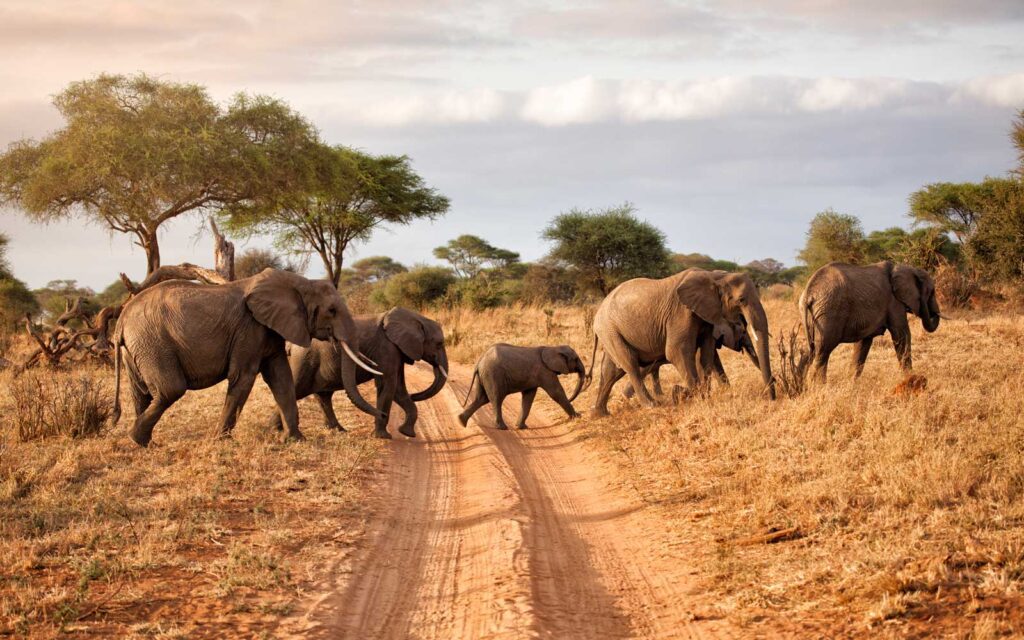
The 10 Best Things to in Tarangire National Park Welcome to Tarangire National Park, a hidden gem nestled in the heart of Tanzania. Encompassing approximately 2,850 square kilometers. This captivating wilderness area is renowned for its diverse landscapes, abundant wildlife, and rich cultural heritage. As avid adventurers, we invite you to embark on an unforgettable journey through the 10 best experiences that Tarangire National Park has to offer. As one of the country’s most scenic and wildlife-rich destinations, it offers visitors an unparalleled opportunity to immerse themselves in nature’s splendor. From vast savannahs to ancient baobab trees, every corner of this park tells a story of resilience and harmony. 1. Game Drives: Witness the Majesty of African Wildlife Embark on exhilarating game drives through the vast plains and dense woodlands of Tarangire National Park. Where every turn presents a new spectacle of nature’s wonders amazing Activities in Tarangire National Park. Keep your eyes peeled for iconic African Tarangire National Park animals species such as elephants, lions, giraffes, zebras, and wildebeests roaming freely in their natural habitat. With the guidance of experienced rangers, immerse yourself in the thrill of spotting elusive predators. On the prowl or graceful antelopes grazing peacefully under the African sun. 2. Birdwatching: A Paradise for Bird Enthusiasts For avid birdwatchers, Tarangire National Park offers a birding paradise with over 500 avian species. Soaring through the skies or perched on leafy branches. From vibrant bee-eaters and majestic raptors to rare species like the endemic yellow-collared lovebird. Every moment spent in the park unveils new feathery delights. Don’t forget to pack your binoculars and camera to capture the mesmerizing beauty of Tarangire’s avian inhabitants. 3. Balloon Safaris: Soar Above the Serengeti Experience the ultimate adventure with Tourist attractions found in Tarangire national park balloon safaris that take you soaring above the sweeping landscapes of Tarangire National Park and its surrounding wilderness areas. As the sun rises over the horizon. Witness the savannah come to life from a bird’s-eye view. With herds of wildlife roaming below and panoramic vistas stretching as far as the eye can see. It’s a once-in-a-lifetime opportunity to embrace the tranquility and grandeur of Africa’s untamed beauty. 4. Cultural Encounters: Connect with Local Communities Immerse yourself in the Tourist attractions in Tarangire National Park, vibrant culture, and traditions. Tanzania by engaging in cultural encounters with local communities near Tarangire National Park. From immersive village visits to interactive storytelling sessions. Insights into the customs, music, and daily life of the Maasai and other indigenous tribes. Participate in traditional dances, taste authentic cuisine. Support local artisans by purchasing handcrafted souvenirs—a meaningful way to foster cultural exchange and appreciation. 5. Walking Safaris: Discover Hidden Treasures on Foot Embark on walking safaris led by expert guides. Allowing activities in Tarangire National Park allows you to explore the wilderness of Tarangire National Park up close and personal. Traverse ancient elephant trails, venture into secluded forests. Encounter wildlife from a new perspective as you tread softly through the bush. With each step, unravel the mysteries of the African bush and gain a deeper understanding of the intricate ecosystems that thrive within. 6. Picnics in the Wild: Relish Serenity Amidst Nature Indulge in a culinary adventure with picnics in the wild. Where you can savor delicious meals amidst the breathtaking landscapes of Tarangire National Park. Settle into scenic picnic spots overlooking vast plains, Attractions found in Tarangire National Park, or tranquil riverbanks. Surrounded by the sights and sounds of the African wilderness. Whether it’s a gourmet lunch under the shade of an acacia tree or a sunset feast under the starlit sky. Every moment promises to be a gastronomic delight. 7. Conservation Safaris: Support Wildlife Conservation Efforts Engage in conservation safaris that offer a behind-the-scenes glimpse into the ongoing efforts to protect and preserve the biodiversity of Tarangire National Park. Join park rangers and conservationists on educational excursions focused on wildlife monitoring, anti-poaching patrols, and habitat restoration initiatives. Contribute to conservation efforts firsthand and leave a positive impact on the future of Africa’s natural heritage. 8. Photography Expeditions: Capture Moments of Splendor For photography enthusiasts, Tarangire National Park presents endless opportunities to capture the raw beauty and untamed spirit of the African wilderness. Join photography expeditions led by seasoned professionals who will guide you to prime locations for capturing stunning landscapes. Intimate wildlife encounters and mesmerizing natural phenomena. Whether you’re a novice or seasoned photographer, Tarangire’s scenic vistas and diverse fauna provide the perfect backdrop for creating timeless images. 9. Sundowner Game Drives: Toast to African Sunsets Experience the magic of African sunsets with sundowner game drives that combine thrilling wildlife encounters with tranquil moments of relaxation. Set out in the late afternoon to witness the golden hues of the savannah bathed in the warm glow of the setting sun. Pause at scenic viewpoints to toast to nature’s splendor with refreshing sundowner cocktails. Accompanied by the sights and sounds of the African bush coming alive at dusk. The park is famous for its high density of elephants and baobab trees. Visitors to the park in the June to November dry season can expect to see large herds 10. Luxury Accommodations: Retreat to Serene Oasis After a day of adventure and exploration. Retreat to the comfort and luxury of upscale accommodations nestled within or near Tarangire National Park. From lavish tented camps and eco-lodges to exclusive safari lodges. Indulge in world-class hospitality amidst the untamed beauty of the African wilderness. Unwind in spacious suites, savor gourmet cuisine inspired by local flavors. And rejuvenate your senses with spa treatments that offer a blissful escape from the rigors of travel. 11. Camping Under the Starry Sky For the ultimate Tarangire experience, spend a night camping in the heart of the wilderness. Listen to the distant calls of hyenas and watch constellations emerge above your tent. It’s a connection to nature that will stay with you forever. Why Go on a Tarangire National Park Safari? It is most famous for its elephant migration, birding, and authentic
Fascinating Facts About the Black-Backed Jackal
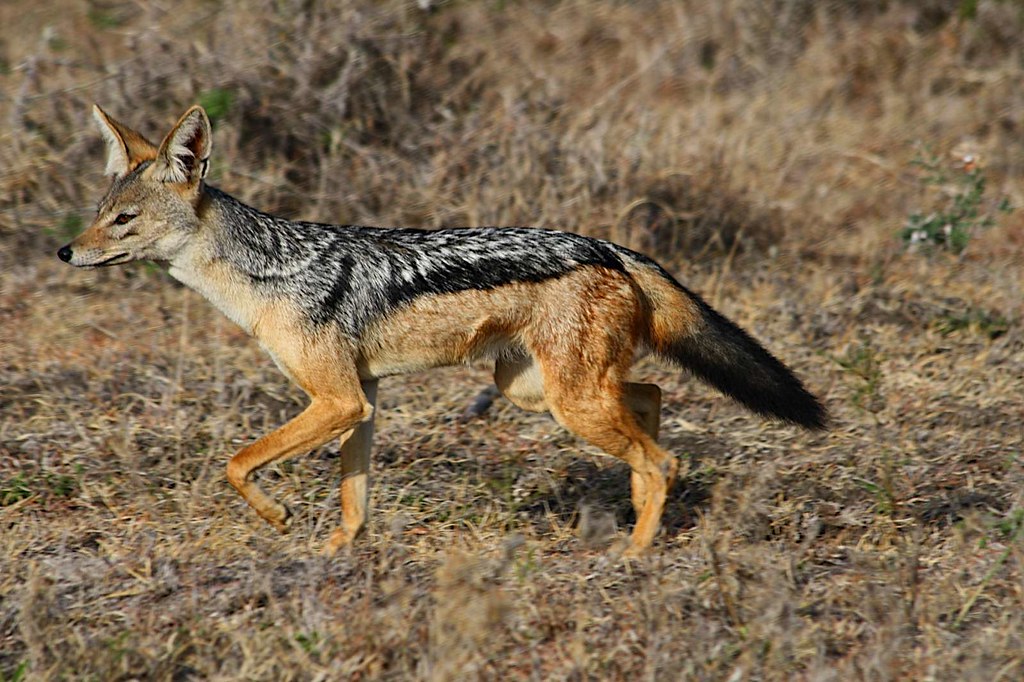
The Black-backed jackal is one of Africa’s most intelligent and adaptable wild predators, widely recognized in African safari ecosystems such as Serengeti, Ngorongoro, and Tarangire. Known for its striking black saddle-like back and reddish flanks, this small carnivore plays a vital role in maintaining ecological balance. Often searched under keywords like “African wild jackal facts,” “savanna predators,” and “wildlife safari animals in Africa,” the black-backed jackal is both a scavenger and skilled hunter. It thrives in open grasslands, savannas, and semi-desert regions. This fascinating species is highly territorial, socially monogamous, and extremely vocal. In African safari tourism, it is one of the most frequently spotted predators, making it a key highlight for wildlife enthusiasts exploring Tanzania’s national parks and other East African safari destinations. 1. Physical Appearance and Unique Coat The black-backed jackal is a small, elegant African canid easily recognized by its reddish-brown coat and bold black saddle along the back. This “jackal identification,” “African wildlife predators,” and “savanna animals appearance.”striking pattern makes it one of the most visually distinctive savanna predators. Adults are slender, weighing between 6 and 14 kilograms, with long legs built for speed and agility. Their pointed muzzle, sharp teeth, and upright ears give them a highly alert appearance. The bushy tail with a black tip helps with balance and communication. Their coat provides excellent camouflage in grasslands and semi-arid regions. This adaptation allows them to blend into golden savanna landscapes while hunting or avoiding larger predators. Their physical structure reflects their dual role as both hunter and scavenger in African ecosystems supporting survival efficiency across varied habitats and ecological balance maintenance overall. 2. Habitat and Distribution Black-backed jackals are widely distributed across eastern and southern Africa, making them one of the most adaptable carnivores on the continent. They inhabit savannas, open grasslands, woodlands, semi-arid deserts, and even areas near human settlements “African savanna animals,” “Tanzania wildlife safari,” and “jackal habitat in Africa. In Tanzania they are commonly seen in Serengeti National Park, Ngorongoro Conservation Area, and Lake Manyara. Their ability to survive in diverse environments is due to their flexible diet and intelligent behavior. These animals prefer open landscapes where they can easily spot prey and detect danger from a distance. They avoid dense forests but thrive in mixed terrain with scattered bushes. Their wide distribution across Africa highlights their ecological resilience and survival success in both protected wildlife areas and unprotected regions influenced by human activity This range supports stable population growth overall ecosystem balance Africa. 3. Diet and Feeding Behavior The black-backed jackal is an omnivorous and highly opportunistic feeder, which allows it to survive in diverse African ecosystems African predator diet,” “jackal scavenger behavior,” and “savanna wildlife feeding habits. Its diet includes small mammals, insects, birds, reptiles, fruits, carrion, and leftovers from larger predators. It is often seen scavenging from kills made by lions and hyenas, yet it is also a skilled hunter capable of catching rodents and hares. This flexibility in feeding behavior is one of the reasons it thrives across savannas and semi-arid regions. Jackals adjust their diet based on seasonal food availability, making them highly resilient in changing environments. They play an important ecological role by cleaning up carcasses and controlling small animal populations, helping to maintain balance in the African wilderness This adaptability ensures long-term survival across all habitats in Africa ecosystems and stability overall. 4. Hunting Techniques and Intelligence Black-backed jackals are highly intelligent hunters known for their strategic and adaptable hunting techniques “smart African predators,” “jackal hunting techniques,” and “savanna predator behavior. They often hunt alone or in pairs, using stealth, speed, and coordination to capture prey. Their excellent hearing allows them to detect small movements in grasslands, especially rodents hiding beneath vegetation. When hunting in pairs, one jackal may flush out prey while the other ambushes it, increasing success rates. They are also known for their problem-solving abilities, sometimes using distraction tactics to confuse prey or compete with larger predators. Their intelligence makes them one of the most resourceful canids in Africa. These behaviors are frequently observed during African safaris, especially in open savanna landscapes This makes them extremely efficient hunters across varying environmental conditions in the wild especially during survival challenges and competition pressure period. 5. Social Structure and Pair Bonding Black-backed jackals are known for their strong monogamous pair bonds, a rare trait among wild carnivores like “jackal social behavior,” “monogamous animals Africa,” and “wild canine family structure. A breeding pair typically stays together for life, sharing territory and responsibilities. Both male and female participate in raising pups, hunting, and defending their territory. Family groups may include offspring from previous litters, which help protect and care for younger siblings. This cooperative structure increases survival rates in harsh environments. Their social behavior is highly organized, relying on communication, scent marking, and coordinated movements. Monogamy in jackals is a key factor in their reproductive success and stability across African ecosystems This system strengthens group survival and ensures effective cooperation during hunting and territorial defense activities especially in resource-limited environments across savanna ecosystems in Africa wilderness regions and habitats overall survival success rate increases strongly. 6. Communication and Vocalizations Black-backed jackals are extremely vocal animals with a wide range of communication methods “jackal calls Africa,” “wildlife sounds savanna,” and “African animal communication. They use high-pitched howls, yelps, barks, and growls to communicate with family members and warn of danger. Their calls are often heard at night across African savannas, creating a distinctive wilderness soundscape. Vocal communication is essential for maintaining territory boundaries, coordinating hunting, and strengthening social bonds. They also use body language and scent marking as additional forms of communication. These vocal abilities make them highly effective in avoiding predators and staying connected over long distances in open landscapes This ensures survival through effective coordination and awareness across their territory ranges especially during night activity patterns in savannas ecosystems African wildlife survival strategic communication system use enhances group coordination efficiency overall predator success rate increase strongly supports survival. 7. Territory and Defense Behavior
Fascinating Facts About the Incredible Warthog
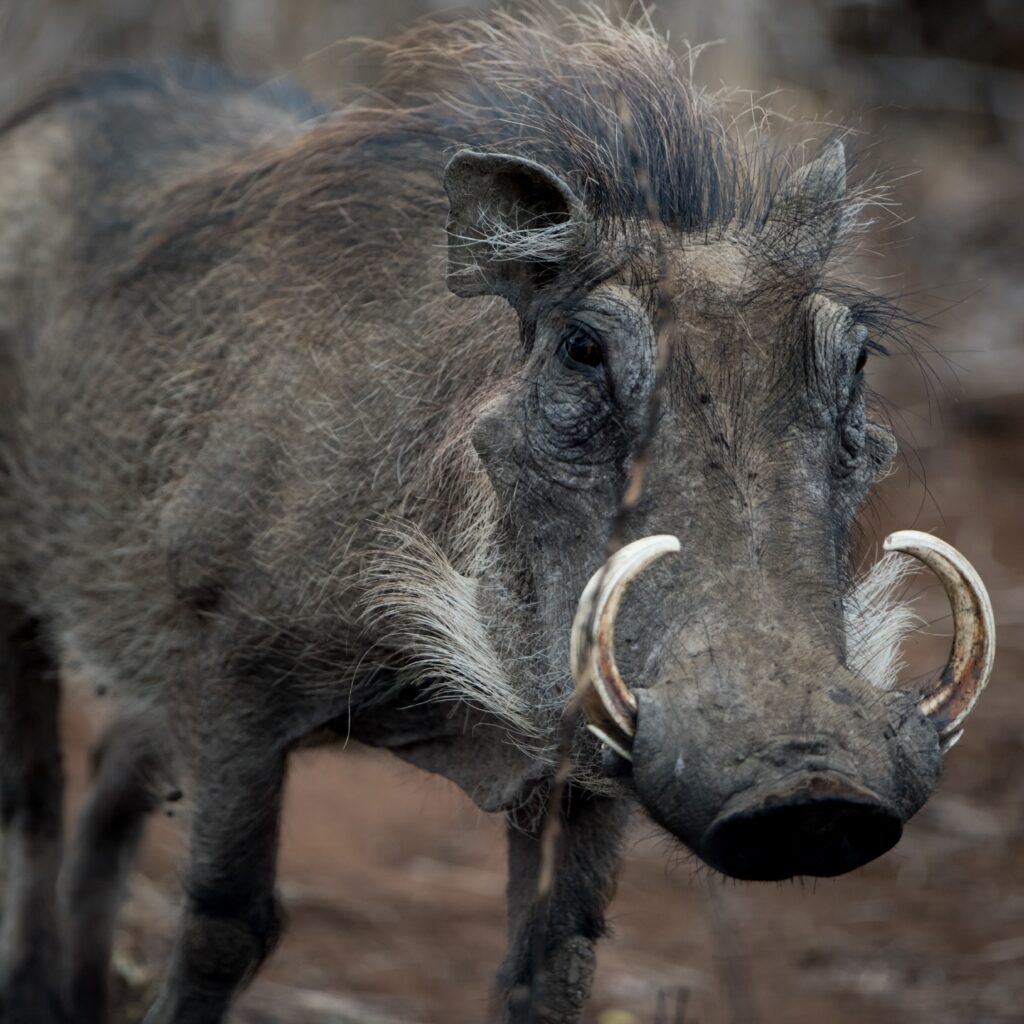
The incredible Warthog is one of Africa’s most fascinating wild animals, often spotted across savannahs, grasslands, and national parks such as the Serengeti and Tarangire. Known for its distinctive facial tusks, rugged appearance, and surprising speed, the warthog is a key attraction in African safari experiences. This detailed guide explores fascinating facts about warthogs, including their behavior, diet, survival strategies, habitat, and role in the ecosystem. As one of the most searched African safari animals, warthogs attract wildlife photographers, safari travelers, and nature lovers worldwide. Understanding these remarkable creatures enhances any Tanzania safari or African wildlife adventure. From their muddy wallowing habits to their unique burrow lifestyles, warthogs are far more complex than they appear, making them an essential highlight in any big game safari experience across Africa. Unique Appearance and Facial Tusks The warthog is instantly recognizable due to its large curved tusks and facial “warts,” which are actually protective skin pads. These tusks can grow continuously and are used for defense and digging searches like “African animals with tusks” often include warthogs because of their striking look. Their facial structure helps protect them during fights with predators such as lions and hyenas. Despite their intimidating appearance, warthogs are generally non-aggressive unless threatened. Their sparse hair and rough skin help them survive hot savannah climates. Safari travelers in Tanzania and Kenya often spot them grazing or running with tails upright. These physical adaptations make them one of the most unique animals in African wildlife safaris and a favorite subject for wildlife photographers capturing authentic safari moments. Habitat and Distribution in Africa Warthogs are widely distributed across sub-Saharan Africa, thriving in savannahs, open grasslands, and lightly wooded areas. They are commonly seen in top safari destinations such as Serengeti National Park, Ngorongoro Conservation Area, and Maasai Mara. “Where do warthogs live in Africa?” and “African safari animals’ habitat” highlight their adaptability. Warthogs prefer areas with water sources and burrows for shelter. They often occupy abandoned aardvark holes, which protect them from predators and harsh weather. Their ability to adapt to different environments makes them one of Africa’s most successful wild species. Travelers on Tanzania safari tours frequently encounter warthogs grazing near lodges or crossing dirt tracks, making them a memorable part of the African wilderness experience and wildlife photography opportunities. Diet and Feeding Behavior Warthogs are primarily herbivores, feeding on grasses, roots, berries, and bark. They use their snouts to dig into the ground in search of food, especially during dry seasons. “What do warthogs eat in Africa?” is a popular question among wildlife enthusiasts. Their ability to survive on limited food resources makes them highly resilient. Warthogs often kneel on their front legs while grazing, a unique feeding behavior rarely seen in other animals. During the wet season, they consume fresh grass, while in dry periods, they rely on underground roots and tubers. This adaptability supports their survival across harsh African landscapes. On safari, visitors often observe warthogs feeding in open plains alongside zebras and antelopes, showcasing the diversity of African wildlife ecosystems. Social Structure and Family Life Warthogs live in small social groups called sounders, usually consisting of females and their young. Males tend to be solitary or form small bachelor groups. Warthogs, social animals, reflect growing interest in their behavior. Female warthogs are highly protective of their piglets and use burrows for safety and rest. Family bonding is strong, especially during the early months of a piglet’s life. Warthogs communicate through grunts and physical gestures to maintain group coordination. Their social structure helps improve survival rates against predators. In African safari parks, visitors often see mothers leading their young in a line, tails raised high. This organized family behavior is one of the most charming aspects of warthog wildlife observation in Tanzania and other safari destinations. Speed and Predator Survival Skills Despite their bulky appearance, warthogs are surprisingly fast runners, capable of reaching speeds up to 50 km/h. “How fast can warthogs run?” is commonly searched by safari enthusiasts. Their speed, combined with zigzag running patterns, helps them escape predators like lions, leopards, and wild dogs. When threatened, warthogs often reverse into burrows to defend themselves using their tusks. This unique survival strategy makes them highly effective at avoiding danger. Safari guides in Tanzania often highlight how warthogs use teamwork and alertness to survive in predator-rich environments. Their ability to sprint and quickly disappear underground makes them one of the most resilient small mammals in the African bush. Burrowing Behavior and Shelter Use Warthogs rely heavily on burrows for protection, especially during the night. They often use abandoned aardvark holes as ready-made shelters. ” Do warthogs live in burrows?” shows strong curiosity about this behavior. These underground shelters protect them from predators and extreme weather conditions. Warthogs enter burrows backward, keeping their tusks facing outward for defense. This strategic behavior ensures safety for both adults and piglets. In African safari environments, burrows are often hidden in grassy plains or near dry riverbeds. This adaptation plays a crucial role in their survival and reproductive success. Observing warthogs entering or leaving burrows is a highlight for wildlife photographers exploring Tanzania’s national parks. Reproduction and Piglet Development Female warthogs give birth to litters of 2 to 6 piglets after a gestation period of about 5 to 6 months, and “warthog reproduction facts” are popular among wildlife learners. Piglets are born in burrows and remain hidden for several weeks before emerging. Mothers nurse and protect them diligently, ensuring high survival rates in the wild. Piglets grow quickly and begin grazing within a few weeks. During this early stage, they are highly vulnerable to predators. Safari visitors often find warthog families moving together in protected areas like Serengeti National Park. This nurturing behavior is essential for maintaining population stability in the wild. Communication and Vocal Sounds Warthogs communicate through a variety of grunts, snorts, and body signals. “Do warthogs make sounds?” reflects interest in their vocal behavior. These sounds help maintain group cohesion and alert others to danger. Mothers use soft
Fabulous Facts of the Greater Kudu

The Greater Kudu is one of Africa’s most elegant and iconic antelope species, instantly recognizable by its spiraling horns and striking body stripes. Found across Eastern and Southern Africa, including Tanzania’s vast wilderness areas, this majestic herbivore plays a vital role in the ecosystem. For wildlife enthusiasts, safari travelers, and conservationists, the Greater Kudu represents beauty, survival, and adaptation in the wild. Known for its elusive nature, it often blends perfectly into dense bushland, making sightings a special highlight on any African safari. This article explores fascinating facts about the Greater Kudu, from its physical features and behavior to its habitat, diet, and conservation status, offering a comprehensive, SEO-rich guide for anyone interested in African wildlife and safari experiences. 1. Unique Physical Appearance The Greater Kudu stands out as one of the most visually striking antelopes in Africa. Its tall, slender body is covered in a light brown to gray coat marked by distinctive white vertical stripes, which act as camouflage in wooded savannahs. The males are especially remarkable due to their long, spiraling horns that can reach up to 1.8 meters in length, making them one of the largest horned antelopes in the world. Females, on the other hand, do not have horns but share the same elegant body pattern. Large ears help detect predators, while their graceful posture adds to their majestic presence. These physical traits not only enhance their beauty but also serve important survival functions, making them highly adapted to their natural environment. 2. Impressive Spiral Horns One of the most fascinating features of the Greater Kudu is its iconic spiral horns. Found only in males, these horns twist in two and a half graceful turns and are used primarily for dominance battles during mating season. Unlike many other antelope species, kudu fights are rarely fatal, as the horns often lock together in contests of strength. These horns also serve as a symbol of maturity and genetic fitness, attracting females during breeding periods. The impressive size and symmetry of the horns make the Greater Kudu a prized sight for wildlife photographers and safari enthusiasts. In many African cultures, kudu horns are also valued for traditional uses, adding cultural significance to their natural beauty. 3. Habitat and Distribution The Greater Kudu thrives in a wide range of habitats, including woodlands, bushlands, and savannah ecosystems across Eastern and Southern Africa. In Tanzania, they are commonly spotted in protected areas such as Serengeti, Tarangire, and Ruaha National Parks. They prefer regions with dense vegetation that provides both food and cover from predators. Their ability to adapt to semi-arid environments allows them to survive in areas where water sources are limited. This adaptability makes them one of the most resilient antelope species. Despite their wide distribution, they are often difficult to spot due to their excellent camouflage and shy nature, making every sighting a memorable experience for safari-goers. 4. Diet and Feeding Habits Greater Kudus are herbivores with a diet primarily consisting of leaves, shoots, fruits, and flowers. They are classified as browsers rather than grazers, meaning they feed on vegetation above ground level instead of grass. Their long necks and flexible lips allow them to reach high branches and select nutritious plant parts. Kudus are known to consume a wide variety of plant species, which helps them survive in diverse environments. During dry seasons, they rely on moisture-rich plants to meet their hydration needs. This ability to extract water from food reduces their dependence on drinking water, making them well-suited to arid regions. Their feeding habits also contribute to maintaining ecological balance. 5. Social Behavior Greater Kudus are generally social animals, but their group structure is relatively loose compared to other antelope species. Females and their offspring typically form small groups, while males tend to be solitary or form bachelor groups. During the breeding season, males join female groups to compete for mating opportunities. Their social interactions are usually calm and non-aggressive, except during dominance displays. Communication among kudus involves subtle body language, ear movements, and occasional vocalizations. This flexible social structure allows them to adapt to changing environmental conditions and resource availability. Observing kudu behavior in the wild offers valuable insight into their unique social dynamics. 6. Exceptional Camouflage Skills One of the Greater Kudu’s greatest survival advantages is its exceptional camouflage. The vertical white stripes on its body blend seamlessly with the dappled light and shadows of wooded environments. When threatened, kudus often freeze instead of fleeing, relying on their camouflage to avoid detection. This behavior can make them nearly invisible even at close range. Their grayish-brown coloration further enhances their ability to blend into dry vegetation. These camouflage skills are particularly effective against predators such as lions and leopards. For safari enthusiasts, spotting a kudu often requires patience and a keen eye, adding excitement to wildlife viewing experiences. 7. Speed and Agility Despite their large size, Greater Kudus are incredibly agile and fast. They can run at speeds of up to 100 km/h when escaping predators, making them one of the fastest antelopes in Africa. Their powerful legs allow them to leap over obstacles as high as 2.5 meters, including fences and dense vegetation. This agility is crucial for survival in predator-rich environments. Kudus often rely on sudden bursts of speed and zigzag movements to evade capture. Their ability to navigate rough terrain with ease further enhances their chances of survival. This combination of speed and agility makes them a formidable prey species in the wild. 8. Reproduction and Life Cycle The breeding season for Greater Kudus typically occurs during the rainy months when food is abundant. After a gestation period of about eight months, females give birth to a single calf. Newborns are hidden in dense vegetation for the first few weeks to protect them from predators. Mothers visit their calves periodically for feeding, minimizing the risk of attracting attention. As the calf grows, it gradually joins the herd and learns essential survival skills. This reproductive strategy increases the chances of offspring survival. The