
Best Things to Do in Nungwi Beach
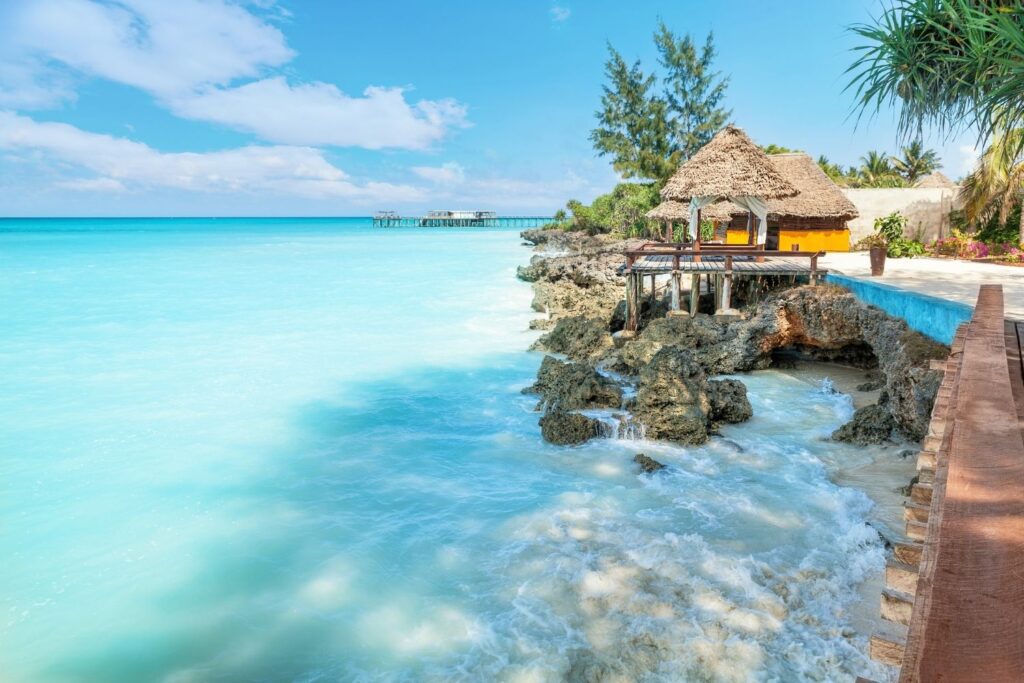
Nestled on the northern tip of Zanzibar, Nungwi Beach is one of the best beach destinations in Africa, renowned for its powdery white sand, turquoise waters, and vibrant coastal culture. This tropical paradise offers a perfect blend of relaxation, adventure, and authentic Swahili experiences, making it ideal for luxury travelers, honeymooners, families, and solo explorers. From snorkeling and scuba diving to sunset dhow cruises and beachside dining, Nungwi is a bucket-list destination packed with unforgettable activities. Whether you’re searching for the best things to do in Zanzibar, top-rated beach holidays, or exotic island getaways, Nungwi Beach delivers world-class experiences, stunning ocean views, and rich cultural encounters that define the ultimate Zanzibar travel experience. 1. Bask in the Sun on Nungwi Beach Relaxing on the pristine shores of Nungwi Beach is one of the best things to do in Zanzibar, attracting travelers seeking tropical beach holidays and luxury island escapes. The beach is famous for its soft white sand, crystal-clear turquoise waters, and minimal tidal changes, making it perfect for swimming all day. Sunbathing here offers uninterrupted ocean views, warm Indian Ocean breezes, and a tranquil atmosphere ideal for honeymoon safaris, family vacations, and solo adventures. Beachfront resorts, boutique hotels, and eco-lodges line the coast, offering premium comfort and stunning scenery. Whether you’re enjoying a sunrise walk, relaxing under palm trees, or capturing Instagram-worthy photos, Nungwi Beach delivers an unforgettable coastal experience that ranks among the top beaches in Africa. 2. Explore the Coral Reefs with Snorkeling and Diving Discover the vibrant underwater world surrounding Nungwi Beach, one of the top snorkeling and diving destinations in East Africa. The coral reefs here are rich with marine biodiversity, including tropical fish, sea turtles, dolphins, and colorful coral gardens. Popular dive sites near Mnemba Atoll offer world-class scuba diving experiences for beginners and professionals alike. Guided snorkeling tours provide easy access to shallow reefs, making it ideal for families and first-time explorers. With warm, clear waters and excellent visibility, Nungwi is perfect for underwater photography and marine adventures. Whether you’re seeking luxury diving excursions or budget-friendly snorkeling trips, exploring Zanzibar’s reefs is a must-do activity that highlights the island’s natural beauty. 3. Visit the Mnarani Marine Turtles Conservation Pond A visit to the Mnarani Marine Turtles Conservation Pond offers a meaningful eco-tourism experience in Zanzibar. This conservation sanctuary focuses on protecting endangered sea turtles, rehabilitating injured ones, and educating visitors about marine conservation. Located near the northern tip of Nungwi, the pond provides close-up encounters with green and hawksbill turtles in a natural lagoon setting. Visitors can learn about conservation efforts, feed the turtles, and even participate in release programs during certain seasons. This attraction is ideal for families, nature lovers, and responsible travelers seeking sustainable tourism experiences. Supporting such initiatives helps preserve Zanzibar’s marine ecosystem while offering a unique and educational activity beyond the beach. 4. Enjoy a Sunset Dhow Cruise Sailing along the Indian Ocean on a traditional Dhow is one of the most romantic and iconic experiences in Zanzibar. A sunset dhow cruise from Nungwi Beach offers breathtaking views as the sun dips below the horizon, painting the sky in shades of orange, pink, and gold. These cruises often include local music, refreshing drinks, and Swahili hospitality, creating a magical atmosphere perfect for honeymooners and couples. It’s also a fantastic opportunity for photography and relaxation after a day of adventure. Whether you’re celebrating a special occasion or simply enjoying island life, a dhow cruise is a must-do Zanzibar activity that captures the essence of coastal East Africa. 5. Indulge in Fresh Seafood at Local Restaurants Sampling fresh seafood is among the top culinary experiences in Nungwi Beach, where ocean-to-table dining is a daily tradition. Local restaurants and beachfront eateries serve delicious dishes such as grilled lobster, octopus curry, prawns, and Swahili-style fish infused with spices. Influenced by African, Arab, and Indian cuisines, Zanzibar’s food scene is rich, aromatic, and diverse. Dining by the beach with ocean views enhances the experience, especially during sunset. Whether you prefer luxury dining or casual beachside meals, Nungwi offers something for every traveler. Food lovers searching for authentic Zanzibar cuisine and seafood experiences will find Nungwi a paradise of flavors and cultural fusion. 6. Explore the Local Village and Markets Exploring the vibrant local life around Nungwi Village offers a deeper cultural experience beyond the beach. The village is known for its traditional dhow-building yards, bustling markets, and friendly Swahili community. Walking through the streets, visitors can discover handmade crafts, local textiles, spices, and fresh produce. Engaging with local artisans and residents provides insight into Zanzibar’s rich heritage and daily life. This cultural immersion is perfect for travelers seeking authentic African experiences and responsible tourism. Visiting local markets also supports small businesses and promotes sustainable travel, making it a rewarding addition to your Zanzibar itinerary. 7. Visit the Nungwi Natural Aquarium The Nungwi Natural Aquarium is another fascinating marine conservation site worth visiting. Unlike conventional aquariums, this natural lagoon houses rescued sea turtles and marine life in a protected environment. Visitors can swim in the lagoon, observe turtles up close, and learn about conservation efforts. This attraction is ideal for families, eco-tourists, and marine enthusiasts looking for interactive experiences. Educational tours highlight the importance of protecting coral reefs and marine ecosystems in Zanzibar. Combining fun and learning, the Nungwi Natural Aquarium is a top-rated attraction that adds value to any Zanzibar beach holiday. 8. Participate in Water Sports Adventure seekers will find plenty of thrilling water sports activities at Nungwi Beach. From jet skiing and parasailing to kayaking and paddleboarding, Nungwi offers exciting ways to explore the Indian Ocean. The calm waters and steady winds make it ideal for both beginners and experienced enthusiasts. Many beachfront resorts and tour operators provide equipment rentals and guided experiences, ensuring safety and convenience. Water sports in Zanzibar are perfect for adding adrenaline to your tropical vacation while enjoying stunning coastal scenery. Whether you’re chasing adventure or trying something new, Nungwi delivers unforgettable ocean experiences. 9. Experience the
Do you need to Diamox to Climb Kilimanjaro
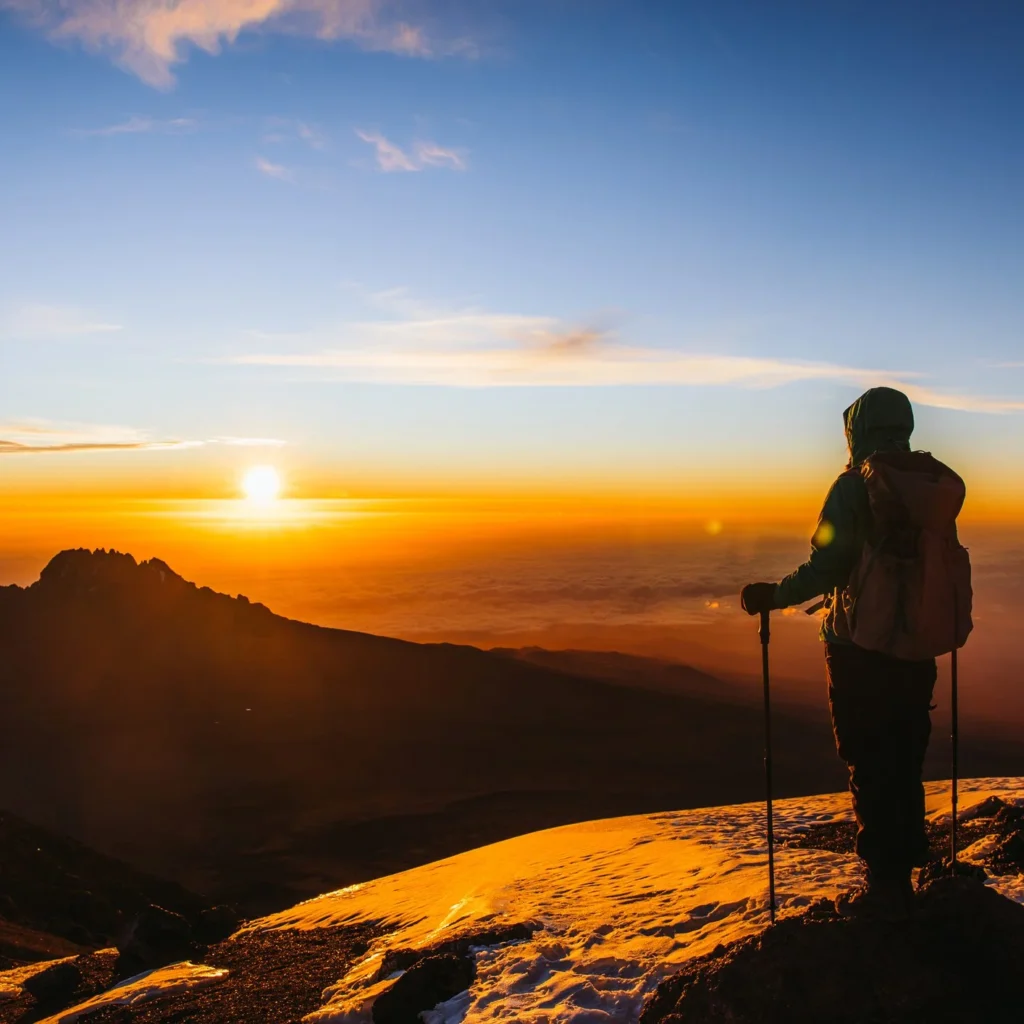
Climbing Mount Kilimanjaro is a bucket-list adventure for hikers and mountaineers worldwide, but high-altitude challenges demand careful preparation. One of the most common concerns is altitude sickness, which can affect climbers even on well-planned treks. Many adventurers ask, “Do you need Diamox to climb Kilimanjaro?” This guide explores the role of Diamox (acetazolamide) in preventing and managing altitude sickness, how it works, its benefits, potential side effects, and safe usage. We also cover alternatives for acclimatization, the use of other medications like Ibuprofen, and tips for malaria prevention with Malarone. Understanding these factors ensures climbers can safely enjoy a Kilimanjaro trek while minimizing risks associated with high-altitude exposure. What is Diamox? Diamox, scientifically known as acetazolamide, is a prescription medication commonly used by climbers to prevent and treat acute mountain sickness (AMS). It works as a diuretic and carbonic anhydrase inhibitor, helping the body adjust to lower oxygen levels encountered at high altitudes. On Mount Kilimanjaro, where altitudes can reach 5,895 meters (19,341 feet), AMS symptoms like headache, nausea, dizziness, and fatigue can develop rapidly. Diamox is often recommended for trekkers who are ascending faster than their bodies can naturally acclimatize. While not mandatory, many professional guides include it in their medical kits, and some climbers take it prophylactically. Choosing whether to use Diamox involves considering your health history, pace of ascent, and personal tolerance to high-altitude conditions. How Does Diamox Work? Diamox works by helping your body adapt to high altitudes more efficiently. At elevations above 3,000 meters, the air contains less oxygen, causing hypoxia and triggering acute mountain sickness. Diamox stimulates breathing by increasing carbon dioxide excretion through urine, which leads to faster oxygenation of the blood. It also balances the body’s acid-base levels to reduce AMS symptoms such as headaches, nausea, and shortness of breath. By enhancing acclimatization, Diamox allows climbers to ascend more comfortably and safely, reducing the likelihood of severe altitude-related complications. While effective, it is not a substitute for proper acclimatization, hydration, and gradual ascent—critical strategies for a successful Kilimanjaro climb. Always consult a healthcare provider before using Diamox to ensure suitability for your health. Benefits of Using Diamox The primary benefit of Diamox for Kilimanjaro climbers is reducing the severity and risk of altitude sickness. It can significantly ease symptoms like headaches, nausea, fatigue, and sleep disturbances, allowing trekkers to maintain energy and morale. Diamox also supports faster acclimatization, making higher camps more accessible without severe discomfort. Many guides report improved summit success rates among climbers who take Diamox, especially on shorter treks like the Marangu or Machame routes. For travelers planning a Kilimanjaro climb with limited acclimatization time, Diamox offers a safety net while promoting better oxygen uptake. However, its effectiveness is enhanced when combined with gradual ascent, hydration, and proper nutrition. Overall, Diamox provides peace of mind and increased physical resilience in high-altitude conditions. Potential Side Effects of Diamox While Diamox offers substantial benefits, it can cause side effects, ranging from mild to moderate. Common reactions include frequent urination, tingling sensations in fingers or toes, taste alterations, and mild nausea. Some climbers experience fatigue or headache, paradoxically similar to altitude sickness symptoms. Rarely, severe allergic reactions, skin rashes, or electrolyte imbalances may occur, emphasizing the importance of medical consultation before use. Individuals with kidney or liver disease, sulfa allergies, or respiratory conditions must be particularly cautious. Monitoring hydration is critical since Diamox’s diuretic effect increases fluid loss. Awareness and preparation allow climbers to manage minor side effects effectively, ensuring a safer Kilimanjaro ascent while benefiting from the medication’s preventive properties. Dosage and Administration For altitude sickness prevention on Mount Kilimanjaro, Diamox is typically taken at 125–250 mg twice daily, starting 24–48 hours before ascent. Some guides adjust dosing based on age, health status, and climbing pace. It is essential to maintain proper hydration, as increased urination can lead to dehydration. Diamox can be taken with or without food, but consistent timing helps maintain steady blood levels. Duration usually continues until climbers reach lower altitudes or complete the trek. Always follow a physician’s prescription and avoid self-adjusting doses. Proper administration, combined with gradual ascent and acclimatization, maximizes effectiveness while minimizing potential side effects. Carry extra medication for emergencies when climbing Kilimanjaro. Is Diamox Right for YOU? Deciding whether to take Diamox depends on your health, trekking plan, and susceptibility to altitude sickness. Individuals with a history of severe AMS may benefit more from prophylactic use, while healthy climbers on slower routes may not need it. A pre-climb consultation with a healthcare provider is essential, particularly for those with kidney, liver, or heart conditions or sulfa allergies. Consider the route’s elevation gain, daily hiking distance, and your acclimatization schedule. Diamox can enhance safety and comfort but is not a replacement for proper pacing, hydration, and rest. Personal experience with high-altitude trekking, combined with medical advice, ensures a balanced approach for a successful Kilimanjaro climb. Alternatives to Help Acclimatization Beyond Diamox, climbers can reduce altitude sickness risk with natural acclimatization strategies. Gradual ascent is key—spending extra nights at intermediate camps allows the body to adjust to lower oxygen levels. Hydration, balanced meals, and limiting alcohol or caffeine intake support optimal physiological function. Regular rest, controlled hiking pace, and monitoring symptoms are essential. Breathing exercises and “climb high, sleep low” techniques enhance acclimatization. Portable oxygen and altitude tents offer supplemental support for sensitive individuals. While these methods do not replace medication for severe AMS, combining lifestyle strategies with professional guidance significantly increases summit success rates on Kilimanjaro while minimizing the need for pharmacological interventions like Diamox. A Note about Ibuprofen Ibuprofen is a nonsteroidal anti-inflammatory drug (NSAID) often used alongside acclimatization strategies for Kilimanjaro climbs. It helps relieve headaches, muscle soreness, and minor inflammation associated with altitude sickness or strenuous trekking. While it does not prevent AMS like Diamox, it can improve comfort during early symptoms. Climbers should adhere to recommended dosages and avoid combining NSAIDs with other medications that affect kidney function or hydration status. Staying well-hydrated is crucial, as both Ibuprofen and
Nomad Tanzania
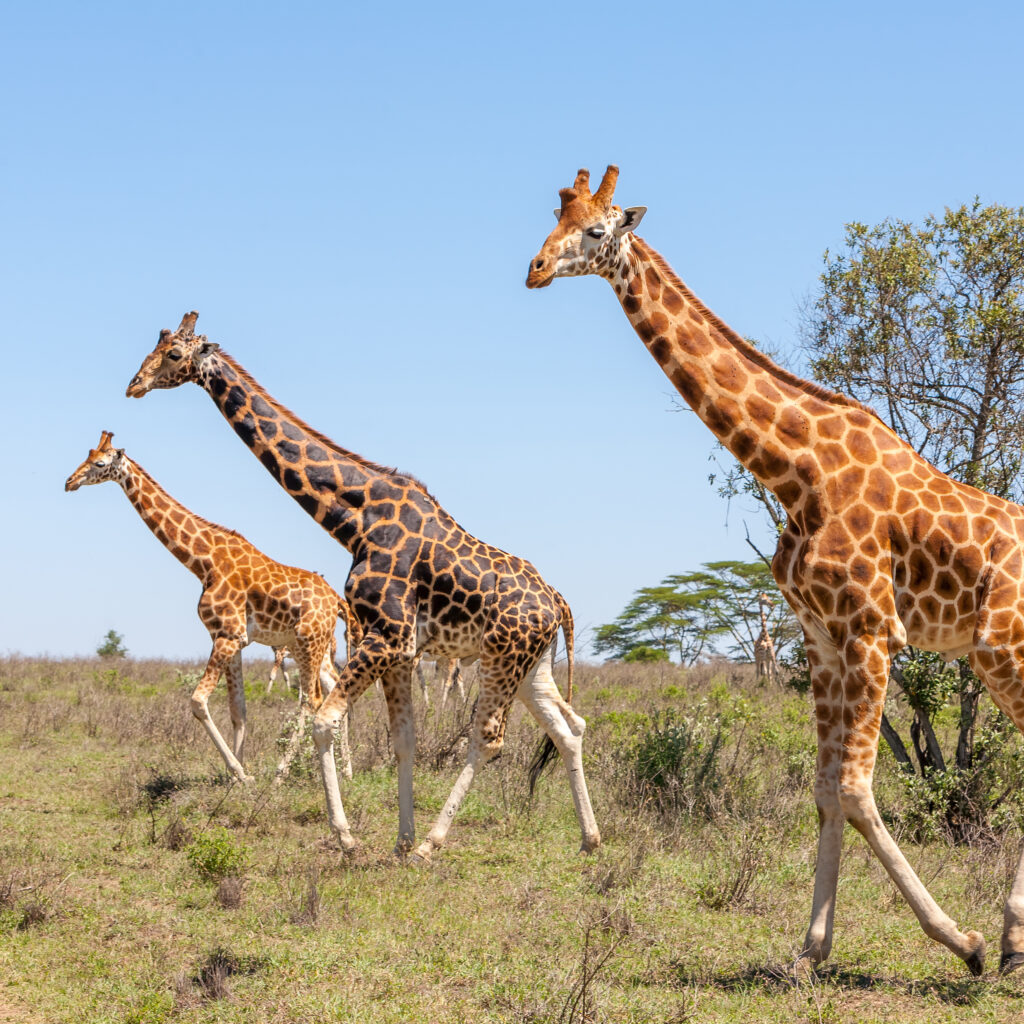
Classic 4 Day Best Tanzania Nomad Safari Tours Embark on an unforgettable safari deep into the heart of Africa’s most iconic wildlife haven 4 Day Tanzania African Nomad family, honeymoon, luxury, wildlife, vacation tour packages safaris save up to 15% off special offers deal. See reviews and photos online. Discover 4 Day the Wonders of Nomad Tanzania. We are premier safari company renowned for our authentic and immersive wildlife experiences as Nomad Tanzania. During the 4-day you will explore most iconic landscapes, including the Tarangire National Park and Ngorongoro Crater. In mostly yet eco-friendly accommodations that blend seamlessly with the natural environment. Our expertly guided tours provide intimate encounters with diverse wildlife. From the Great Migration of wildebeest to the majestic Big Five. Committed to sustainable tourism, We invests in local communities and conservation projects, ensuring a positive impact on both people and nature. In 4 Day Guests enjoy personalized service, exquisite cuisine, and exclusive access to remote and pristine areas. Making every safari a unique adventure. Whether it’s tracking elephants, observing lions, or enjoying sundowners over the savannah, Nomad Tanzania promises an unforgettable and transformative journey into the heart of Africa. Best of 4 Day Tanzania Nomad Safari Itinerary Experience a 4-day family safari in Tanzania, starting with your arrival in Arusha. Explore the wildlife-rich Tarangire National Park, known for its elephants and baobab trees. Visit the breathtaking Ngorongoro Crater, home to diverse wildlife and stunning landscapes. Conclude your adventure with a departure, taking unforgettable memories with you. This journey offers a perfect blend of adventure and natural beauty for families. This 4-day Classic Tanzania Nomad Safari is meticulously designed to offer an authentic and immersive experience within two of Tanzania’s most iconic wildlife sanctuaries: Tarangire National Park and the Ngorongoro Crater. Ideal for those seeking a concentrated dose of wilderness and cultural insight, this itinerary balances thrilling game drives with comfortable, yet no-frills, accommodations, perfectly embodying the spirit of a “Nomad Safari.” Day 1: Arrival in Tanzania – Gateway to Adventure Upon your arrival at Kilimanjaro International Airport (JRO), the vibrant spirit of Tanzania will greet you. After clearing customs, you’ll be warmly welcomed by your dedicated safari representative. A comfortable transfer will whisk you away to the Arusha Venice Hotel, nestled in the bustling town of Arusha. Take this evening to relax, settle in, and perhaps stroll around the hotel grounds, preparing for the incredible safari journey that lies ahead. Enjoy a comfortable overnight stay, anticipating the wild wonders of tomorrow. Day 2: Arusha to Tarangire National Park – The Land of Giants After an early breakfast, your safari adventure truly begins! Your professional safari guide will meet you and, with your packed lunch, you’ll embark on a scenic drive to Tarangire National Park. Known as the “land of giants,” Tarangire boasts immense herds of elephants, often seen congregating around the Tarangire River. Especially during the dry season. The park’s landscape is also characterized by magnificent baobab trees, creating a truly unique and picturesque backdrop for your game drive. You’ll spend the day exploring its diverse habitats, spotting giraffes, zebras, wildebeest, and a variety of antelopes, along with their predators. As the sun begins to set, casting golden hues across the plains, you’ll head to Fanaka Budget Lodge and Campsite for dinner and a well-deserved overnight rest under the African sky. Day 3: Karatu to Ngorongoro Crater – Descending into the “Eighth Wonder” Rise with the sun and enjoy a hearty breakfast. Today promises one of Africa’s most breathtaking natural spectacles. Your journey takes you towards the Ngorongoro Conservation Area. Ascending the lush slopes that lead to the crater rim. Prepare for an exhilarating descent into the Ngorongoro Crater, often hailed as the “Eighth Wonder of the World.” For a 5-6 hour wildlife game drive, you’ll explore this immense, intact volcanic caldera, a veritable Eden teeming with an incredible concentration of wildlife. Witness a high likelihood of spotting the Big Five – lion, leopard, elephant, rhino, and buffalo – all within this compact natural arena. After a truly unforgettable game drive on the crater floor, you’ll ascend the crater walls and begin your drive back towards Arusha. Filled with memories of the day’s awe-inspiring encounters. You’ll arrive back at the Arusha Venice Hotel for dinner and a final overnight stay in Tanzania. Day 4: Farewell Tanzania – Departure Day Enjoy a leisurely breakfast at your hotel in Arusha. Depending on your international flight schedule, you may have some time for last-minute souvenir shopping or simply to reflect on your incredible safari adventure. Your dedicated transfer will then take you from the Arusha Venice Hotel to Kilimanjaro International Airport (JRO) or Arusha Airport (ARK) for your onward flight back home, carrying with you indelible memories of Tanzania’s wild heart. Inclusive & Exclusive Included for 4 Day African Nomad Safari Private Jeep 4×4 equipped with refrigerator, portable charging stations and pop-up roof Overnight stays in hotel/lodge Areas All park entrances fees Professional English speaking safari guide & chef Meals according to the itinerary Mineral water on all days All mentioned activities All government taxes Price. 18% VAT, Government increase entry fees Ngorongoro crater services Unlimited game drive Airport Pick up and drop off Excluded for 4 Day African Nomad Safari International flights (from / to home) Personal items (souvenirs, travel insurance, visa fees, etc.) Tips (tipping guideline 20 USD per person per day). Internal flights What to bring 4 Day African Nomad Safari Clothes A warm sweater as the nights can be chilly at high altitudes. Comfortable shoes Request Safari Quote 10 Best African Wildlife Safari Deals Essence 10 Day Tanzania Northern Circuit Luxury Safari Essence 10 Day Tanzania Northern Circuit Luxury Safari 10 Day Tanzania Northern Circuit Luxury Safari Embark on a 10-day Tanzania Northern Circuit Luxury Safari. … Amazing 10 Day Tanzania Safari and Zanzibar Beach Special Offer Amazing 10 Day Tanzania Safari and Zanzibar Beach Special Offer Exclusive 10 Day Serengeti Safari and Zanzibar Beach Special Offer Spot the big five, swim in … 1
These are the Best Safari Locations in Africa to See the Big 5
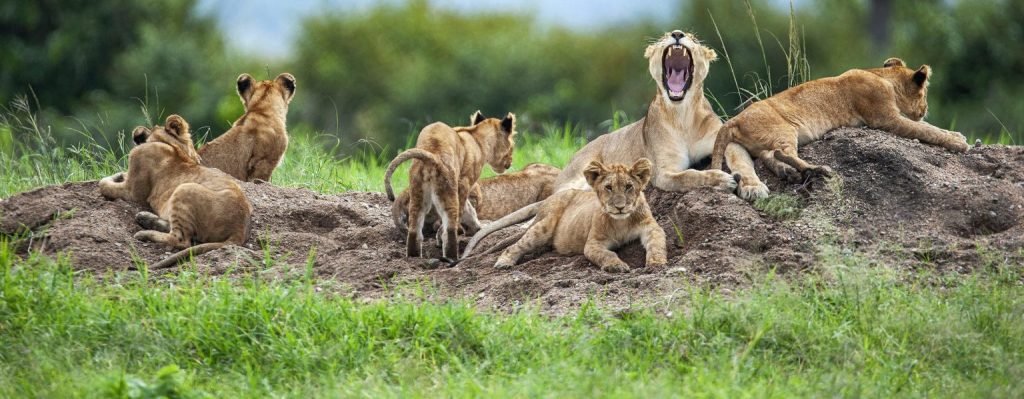
Tanzania is one of the world’s greatest African safari destinations, famous for extraordinary Big Five Safari Destinations In Africa wildlife encounters, breathtaking landscapes, and authentic African adventure experiences. Travelers searching for the best African safari, Big 5 safari in Tanzania, the top Safari Destinations in Africa, luxury Tanzania safari tours, Best Big Five Safaris in Africa, Best safaris in Africa to see the Big 5, and wildlife safaris in East Africa are often drawn to this remarkable country. Home to iconic parks such as Serengeti National Park, Ngorongoro Crater, and Tarangire National Park, Tanzania offers unmatched opportunities to see the legendary Big Five animals: lions, leopards, elephants, rhinos, and buffalo. From endless savannah plains to volcanic craters and remote wilderness areas, every safari reveals unforgettable moments. Whether you seek luxury safari lodges, family safari holidays, honeymoon safaris, or budget safari adventures, Tanzania combines world-class game viewing with vibrant Maasai culture, spectacular scenery, and thrilling wildlife migration experiences that rank among Africa’s finest safari journeys. Serengeti National Park – The Ultimate Big 5 Safari Destination Serengeti National Park is widely regarded as the best safari destination in Africa for viewing the Big Five and witnessing the untamed wilderness. Famous for the Great Wildebeest Migration, this UNESCO World Heritage Site offers year-round opportunities to see lions stalking prey, leopards resting in acacia trees, and massive elephant herds roaming the plains. Safari travelers searching for Tanzania luxury safari packages, Serengeti safari tours, and African wildlife photography safaris are captivated by the park’s endless golden savannahs. The Serengeti ecosystem also supports buffalo, cheetahs, hyenas, giraffes, and thousands of bird species. Morning game drives reveal predators hunting in dramatic scenes, while sunset safaris create unforgettable African landscapes. From luxury tented camps to exclusive safari lodges, the Serengeti delivers an iconic East African safari experience that perfectly combines adventure, wildlife conservation, and authentic African wilderness exploration. Ngorongoro Crater – Africa’s Natural Wildlife Sanctuary Ngorongoro Crater is one of the most extraordinary safari locations in Africa and among the best places to see the Big Five in a single day. Often called Africa’s Eden, this vast volcanic caldera shelters incredible concentrations of wildlife within breathtaking scenery. Travelers searching for Ngorongoro safari tours, Tanzania wildlife safaris, and luxury African safari vacations are amazed by the crater’s rich biodiversity. Lions patrol open grasslands while endangered black rhinos graze alongside buffalo, zebras, and wildebeest. Hippos relax in freshwater pools, and flamingos color the crater lakes pink. The compact ecosystem allows excellent wildlife viewing throughout the year, making it ideal for photographers and first-time safari visitors. Surrounded by Maasai communities and dramatic highlands, the Ngorongoro Conservation Area combines spectacular scenery, rich culture, and unforgettable wildlife encounters into one remarkable safari adventure. Tarangire National Park – Land of Giants Tarangire National Park is famous for giant elephant herds, majestic baobab trees, and exceptional wildlife viewing during the dry season. Often overlooked compared to the Serengeti, Tarangire offers a quieter and more intimate Tanzania safari experience. Safari enthusiasts searching for elephant safaris in Africa, Tanzania family safari holidays, and authentic African wilderness tours are drawn to this hidden gem. During the migration season, thousands of animals gather around the Tarangire River, including buffalo, zebras, giraffes, wildebeest, and predators like lions and leopards. Bird lovers also discover one of East Africa’s richest birdwatching destinations, with colorful species filling the skies. Luxury tented camps and eco-friendly lodges provide stunning views across the park’s ancient landscapes. Tarangire’s peaceful atmosphere and dramatic scenery make it one of the best safari locations in Tanzania for unforgettable Big Five wildlife adventures. Ruaha National Park – Tanzania’s Untamed Wilderness Ruaha National Park is Tanzania’s largest national park and one of Africa’s best-kept safari secrets. Known for rugged landscapes, remote wilderness, and extraordinary predator populations, Ruaha offers an authentic off-the-beaten-path safari experience. Travelers seeking exclusive African safaris, remote Tanzania safari adventures, and luxury wildlife expeditions love the park’s untouched beauty. Massive elephant populations roam alongside buffalo, giraffes, antelopes, and rare African wild dogs. Lions are particularly abundant, with some prides numbering over twenty members. Leopards thrive among rocky escarpments and baobab-filled valleys, creating exciting wildlife encounters. Unlike crowded safari destinations, Ruaha provides peaceful game drives with few vehicles, allowing travelers to immerse themselves fully in nature. Spectacular sunsets, dramatic landscapes, and exceptional biodiversity make Ruaha one of the best safari destinations in East Africa for travelers searching for raw wilderness and unforgettable Big Five encounters. Nyerere National Park – Africa’s Largest Wildlife Sanctuary Nyerere National Park, formerly part of the Selous Game Reserve, is one of Africa’s largest protected wildlife areas and a paradise for safari enthusiasts. Travelers looking for luxury safari lodges, Tanzania fly-in safaris, and exclusive African wildlife tours are increasingly discovering this extraordinary destination. The park’s diverse landscapes include rivers, lakes, forests, and open savannahs supporting elephants, buffalo, lions, leopards, and endangered wild dogs. Boat safaris along the Rufiji River provide unique opportunities to observe hippos, crocodiles, and elephants from the water, creating unforgettable safari moments. Walking safaris led by experienced guides allow visitors to explore the African bush up close. Nyerere’s remote atmosphere, rich biodiversity, and low visitor numbers create a truly intimate wilderness experience. For travelers seeking adventure, luxury, and exceptional wildlife viewing, Nyerere National Park stands among Tanzania’s finest safari destinations. Lake Manyara National Park – Tree-Climbing Lions and Scenic Beauty Lake Manyara National Park is one of Tanzania’s most scenic safari destinations, famous for tree-climbing lions, flamingo-filled lakes, and lush groundwater forests. Travelers searching for Tanzania safari holidays, family wildlife safaris, and short safari tours often include Lake Manyara in their itineraries because of its accessibility and remarkable biodiversity. Elephants move gracefully through dense woodlands while hippos relax in shallow pools near the lake shores. Large troops of baboons and blue monkeys entertain visitors throughout game drives. Birdwatchers can enjoy sightings of pelicans, storks, hornbills, and thousands of flamingos decorating the lake with brilliant colors. The park’s dramatic Rift Valley escarpment creates stunning photographic scenery, especially during sunrise and sunset. Lake Manyara offers
Why You Should Book Your Tanzania Safari Far in Advance
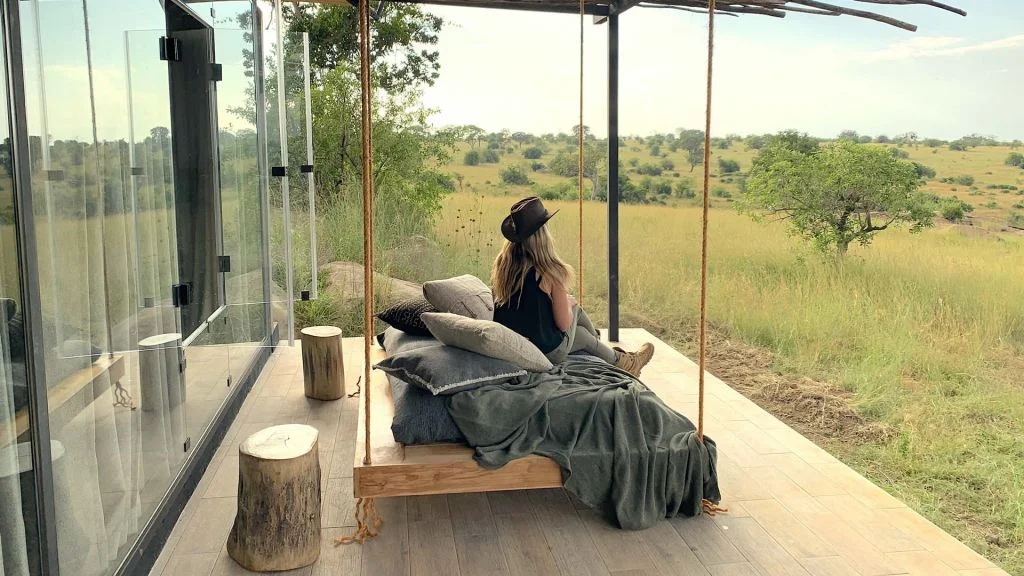
Booking your Tanzania safari far in advance is one of the smartest travel decisions you can make when planning an unforgettable African adventure. Tanzania is home to world-famous destinations such as the Serengeti National Park, Ngorongoro Crater, and Tarangire National Park, which attract thousands of travelers every year. Due to high demand, limited lodge availability, and seasonal wildlife movements like the Great Migration, early safari booking ensures you secure the best accommodations, guides, and routes. Whether you are planning a luxury safari, honeymoon safari, or budget Tanzania safari, advance planning helps you avoid price surges and sold-out camps. This guide explores why early booking is essential for a smooth, cost-effective, and high-quality safari experience in Tanzania’s top wildlife destinations. 1. Guaranteed Accommodation Availability One of the strongest reasons to book your Tanzania safari early is guaranteed access to the best safari lodges and camps. Popular destinations like Serengeti National Park and Ngorongoro Crater have limited high-quality accommodations that sell out months in advance, especially during peak safari seasons. Luxury lodges, tented camps, and boutique safari stays are often fully reserved up to a year ahead. Early booking ensures you stay in prime locations close to wildlife action instead of being pushed to distant or lower-quality options. This is especially important during high-demand periods like the Great Migration river crossings. Travelers who book late often struggle to find availability or pay significantly higher prices. By planning early, you secure comfort, convenience, and proximity to wildlife hotspots, enhancing your overall Tanzania safari experience. 2. Better Tanzania Safari Pricing and Deals Booking your Tanzania safari in advance allows you to access the best prices and exclusive deals offered by tour operators. As demand increases closer to travel dates, safari costs rise significantly, especially for luxury safaris and peak-season itineraries. Early planners benefit from discounted rates on accommodations, park fees, packages, and sometimes even flight deals into Tanzania. Whether you are choosing a budget safari or a high-end luxury safari in Serengeti National Park or Ngorongoro Crater, booking early helps you lock in lower prices before seasonal price hikes. Tour companies often reward early bookings with flexible payment plans and added perks such as free upgrades or complimentary activities. In contrast, last-minute travelers may face limited options and inflated costs, making advance booking a key strategy for saving money while enjoying a premium safari experience. 4. Access to the Best Tanzania Safari Guides Experienced safari guides are one of the most important elements of a successful Tanzania safari. Booking early ensures you are matched with the most knowledgeable and highly rated guides who specialize in destinations like Serengeti National Park, Tarangire National Park, and Ngorongoro Crater. These guides are often booked months in advance by reputable safari companies, especially during peak travel seasons. A skilled guide enhances your experience by tracking wildlife, explaining animal behavior, and ensuring you witness key moments like predator hunts or the Great Migration. Early safari planning gives you priority access to these experts rather than relying on last-minute availability. With a top guide, your safari becomes more educational, safer, and far more rewarding. This is a crucial advantage that significantly improves the quality of your Tanzania safari adventure. 5. Perfect Timing for the Great Migration The Great Migration is one of the most spectacular wildlife events on Earth, attracting travelers from around the globe to Serengeti National Park. However, witnessing river crossings or calving season requires precise timing and careful planning. Booking your Tanzania safari early ensures you secure the right camps located in migration hotspots such as the northern Serengeti or southern plains. These strategic locations are quickly sold out during migration months. Early booking allows tour operators to design your itinerary around wildlife movement patterns, increasing your chances of unforgettable sightings. Without advance planning, travelers may miss key migration events or stay far from the action. Whether you want to see wildebeest river crossings or predator interactions, early safari reservations are essential for maximizing your chances of experiencing this world-famous natural phenomenon. 6. More Flexible Tanzania Safari Itinerary Options When you book your Tanzania safari early, you gain more flexibility in customizing your itinerary. Popular routes covering Serengeti National Park, Ngorongoro Crater, and Tarangire National Park are often fully booked during peak seasons. Early planning allows you to choose preferred travel dates, lodge combinations, and safari durations without compromise. You can also add extra experiences such as cultural visits, hot air balloon safaris, or extensions to Zanzibar beach holidays. Last-minute bookings often force travelers into fixed schedules with limited customization options. By planning ahead, safari operators can design a personalized itinerary tailored to your interests, whether it’s photography, luxury travel, or family safaris. This flexibility ensures a smoother and more enjoyable journey through Tanzania’s top wildlife destinations, maximizing both comfort and adventure. 7. Access to Premium Tanzania Safari Camps Tanzania’s most exclusive safari camps and luxury lodges are in extremely high demand, especially in iconic areas like Serengeti National Park and Ngorongoro Crater. Booking early gives you priority access to these premium properties, which offer unmatched comfort, stunning views, and close proximity to wildlife. Many top-rated camps are small, with limited rooms designed for privacy and exclusivity. These properties often sell out months ahead during peak safari seasons. Early booking ensures you secure the best safari experience rather than settling for less desirable alternatives. Premium camps also offer exceptional services such as private game drives, gourmet dining, and personalized safari experiences. Travelers who plan in advance enjoy the highest level of comfort and exclusivity, making their Tanzania safari truly unforgettable and luxurious. 8. Avoiding Peak Season Disappointment Tanzania’s peak safari seasons, especially during the dry months and the Great Migration, attract thousands of international travelers. Without early booking, many tourists face disappointment due to fully booked lodges, unavailable tours, or inflated prices. Booking your Tanzania safari in advance ensures you avoid this stress and secure your preferred travel experience. Destinations like Serengeti National Park, Ngorongoro Crater, and Tarangire National Park are particularly affected by high demand.
How Fit Do You Need To Be To Climb Kilimanjaro
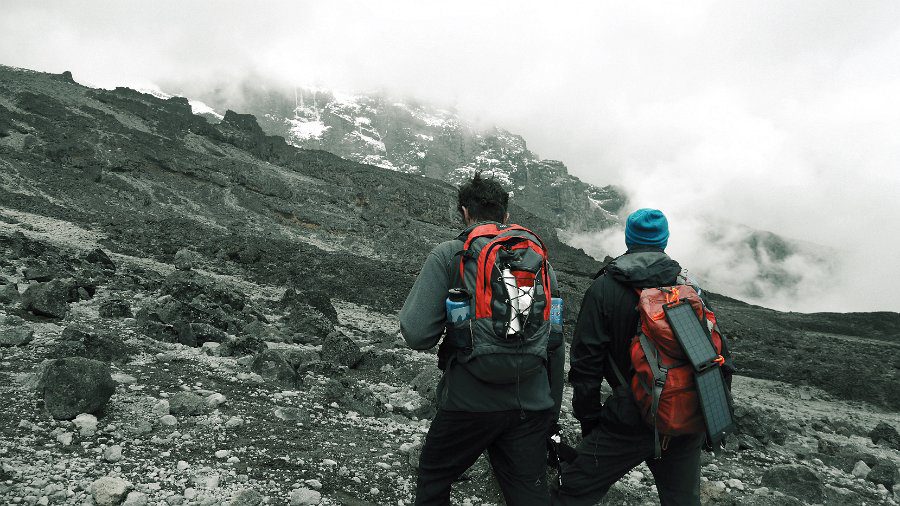
Climbing Mount Kilimanjaro is a bucket-list adventure that attracts thousands of trekkers each year, from beginners to seasoned hikers. One of the most common questions travelers ask is: ” How fit do you need to be to climb Kilimanjaro? The answer is surprisingly encouraging. You don’t need to be an elite athlete, but you do need a solid level of physical fitness, mental resilience, and proper preparation. Kilimanjaro is a non-technical trek, meaning no ropes or climbing skills are required, yet its high altitude, long hiking days, and unpredictable weather make it a serious challenge. With the right training plan, acclimatization strategy, and mindset, most reasonably fit individuals can successfully reach Uhuru Peak while enjoying one of Africa’s most iconic trekking experiences. Understanding Kilimanjaro’s Difficulty Kilimanjaro is often described as a “walkable mountain,” but that doesn’t mean it’s easy. The challenge lies less in technical difficulty and more in endurance and altitude. Trekkers face 5 to 9 days of continuous hiking, covering varying terrains such as rainforest, moorland, alpine desert, and icy summit zones. Daily hikes can last between 5 and 10 hours, requiring consistent stamina. The biggest obstacle, however, is altitude sickness, which affects even very fit climbers. Fitness helps, but acclimatization is key. A slower ascent allows your body to adjust to decreasing oxygen levels. While you don’t need mountaineering skills, you do need strong cardiovascular fitness and the ability to sustain effort over multiple days. Preparing for the duration, not just intensity, is what truly defines readiness. Cardiovascular Fitness Requirements Cardiovascular endurance is one of the most important factors in preparing for Kilimanjaro. You’ll be walking for hours each day at a steady pace, often uphill, which demands a well-conditioned heart and lungs. Activities like hiking, jogging, cycling, and swimming are excellent ways to build endurance. Ideally, you should be able to sustain moderate activity for at least 6–8 hours without exhaustion. Training should gradually increase in intensity and duration over time. Incorporating long hikes, especially with elevation gain, will simulate real trekking conditions. However, you don’t need to run marathons. What matters most is consistency and the ability to maintain a slow, steady pace. A strong cardio base helps reduce fatigue, improves recovery, and increases your chances of enjoying the climb rather than struggling through it. Strength and Muscle Endurance While Kilimanjaro isn’t a technical climb, muscular strength—especially in your legs—is essential. You’ll be walking uphill for days, carrying a daypack, and descending steep slopes that strain your knees and joints. Building strength in your quadriceps, hamstrings, calves, and core will make a significant difference. Exercises like squats, lunges, step-ups, and planks are highly effective. Muscle endurance is equally important, as you’ll repeat the same movements for hours. Training with a weighted backpack can help simulate real conditions. Strong muscles reduce the risk of injury and improve overall efficiency on the trail. Don’t overlook your upper body either—trekking poles require arm strength and coordination. Balanced strength training ensures your body can handle the physical demands of multi-day trekking at high altitude. The Role of Altitude Fitness No level of physical fitness can fully prepare you for high altitude, but being fit helps your body cope better. Kilimanjaro’s summit stands at 5,895 meters (19,341 feet), where oxygen levels are significantly lower. This can lead to altitude sickness symptoms such as headaches, nausea, and fatigue. Fitness doesn’t prevent altitude sickness, but it improves your body’s efficiency and recovery. The best way to adapt is through proper acclimatization—choosing longer routes like Lemosho or Machame increases your success rate. Staying hydrated, eating well, and ascending slowly are crucial. Some climbers also use medications like acetazolamide (Diamox) under medical advice. Understanding that altitude is the real challenge helps you focus on pacing and listening to your body rather than relying solely on physical strength. Mental Strength and Determination Climbing Kilimanjaro is as much a mental challenge as it is a physical one. Long days, cold nights, and altitude discomfort can test your resolve. Mental endurance helps you push through fatigue, maintain motivation, and stay positive even when conditions become tough. Summit night, in particular, is a true test—hiking in darkness, cold temperatures, and thin air requires determination and focus. Visualization techniques, goal-setting, and staying present can help build mental resilience. Many successful climbers say that attitude matters more than fitness. Believing in your ability to reach the summit can make a huge difference. Training your mind to stay calm, patient, and persistent prepares you for the emotional highs and lows of the journey, ultimately increasing your chances of success. Hiking Experience Matters While not mandatory, prior hiking experience significantly improves your chances of success. Familiarity with long walks, uneven terrain, and carrying a backpack helps you adapt quickly to Kilimanjaro’s conditions. If you’ve done multi-day hikes before, you’ll already understand pacing, hydration, and energy management. Beginners can still succeed, but they should train more intentionally. Practicing on local trails, especially those with elevation gain, is highly beneficial. Hiking also helps you break in your boots and test your gear. The more comfortable you are on the trail, the more energy you’ll save for the climb itself. Experience builds confidence, reduces anxiety, and allows you to focus on enjoying the scenery rather than worrying about every step along the way. Training Timeline and Preparation A structured training plan is essential for Kilimanjaro success. Ideally, you should start training at least 8–12 weeks before your climb. Begin with moderate cardio workouts and gradually increase intensity and duration. Include weekly long hikes to build endurance and simulate trekking conditions. Strength training should be incorporated 2–3 times per week, focusing on legs and core. Rest and recovery are equally important to avoid injury. As your climb approaches, aim to complete back-to-back long hikes to mimic consecutive trekking days. Consistency is key—regular training yields better results than occasional intense workouts. A well-planned training schedule ensures your body adapts progressively, reducing the risk of burnout and preparing you for the physical demands of Kilimanjaro. Weight and
Lava Tower
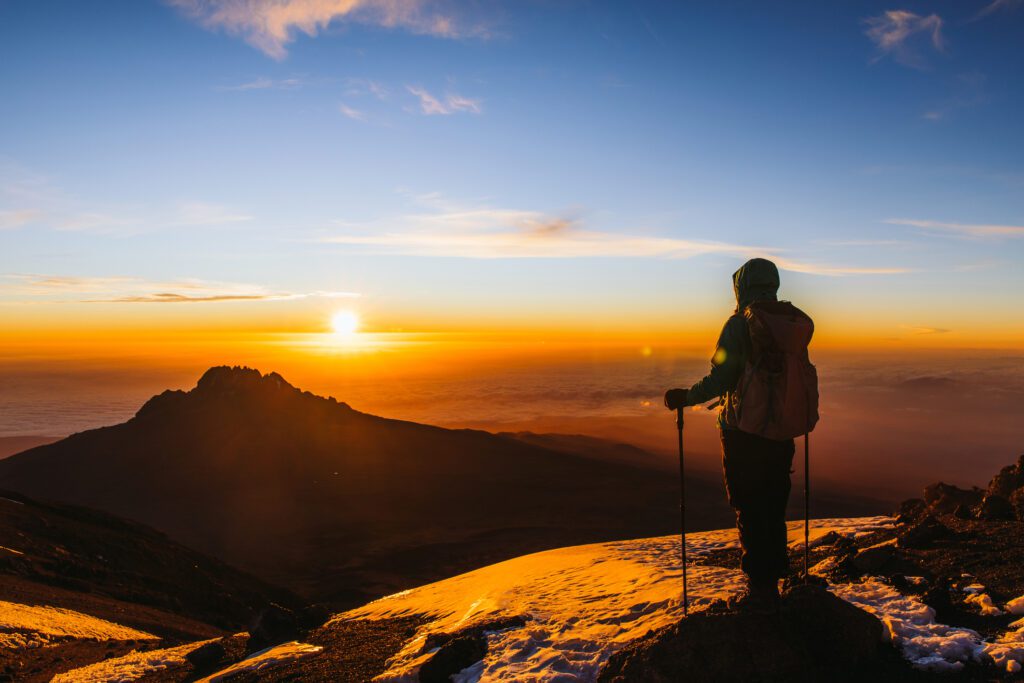
Planning a successful Mount Kilimanjaro climb begins with choosing the right gear and clothing, especially for challenging zones like the Lava Tower. Packing smart ensures comfort, safety, and higher summit success rates. Essential Kilimanjaro packing lists include moisture-wicking base layers, insulated jackets, waterproof shells, hiking boots, gloves, and thermal accessories to handle drastic altitude changes. Quality gear protects against cold, wind, and altitude-related conditions common on routes like Machame and Lemosho, such as Kilimanjaro packing list, what to wear on Kilimanjaro, climbing gear for Kilimanjaro, and altitude trekking equipment are crucial for travelers researching online. Proper preparation enhances acclimatization and reduces risks, making your Tanzania adventure more enjoyable. Whether you are a beginner or experienced trekker, the right clothing strategy is key to conquering Africa’s highest mountain safely. Lava Tower – Kilimanjaro’s Gigantic Volcanic Plug The Lava Tower on Mount Kilimanjaro is one of the most iconic landmarks encountered during high-altitude trekking. Rising dramatically from the alpine desert, this gigantic volcanic plug stands as a natural monument shaped by ancient volcanic activity. For climbers, it serves as both a scenic highlight and an important acclimatization point. Packing proper gear—such as insulated jackets, trekking poles, hydration systems, and sun protection—is essential when approaching this exposed area like Lava Tower Kilimanjaro, volcanic plug Africa, Kilimanjaro altitude acclimatization, and best gear for Kilimanjaro trek are highly searched online. The Lava Tower symbolizes the rugged beauty of Kilimanjaro and prepares climbers physically and mentally for higher elevations. It’s not just a geological feature but a milestone in every climber’s journey toward Uhuru Peak. What is Mount Kilimanjaro Lava Tower The Lava Tower is a striking volcanic rock formation located at approximately 4,600 meters on Mount Kilimanjaro. Formed from hardened magma, it represents the core of an ancient volcanic vent exposed after erosion. For climbers, this landmark is vital for altitude acclimatization during popular routes like Machame and Lemosho. Proper clothing—such as thermal base layers, windproof jackets, and warm hats—is crucial due to colder temperatures at this elevation. Keywords like what is Lava Tower Kilimanjaro, Kilimanjaro trekking landmarks, volcanic plug definition, and Kilimanjaro climbing gear help travelers find relevant information online. Visiting the Lava Tower allows trekkers to experience dramatic scenery while adjusting to high altitude. It plays a key role in the “climb high, sleep low” strategy, improving chances of reaching the summit safely and successfully. Which Route Takes You to the Lava Tower Several popular Kilimanjaro routes pass through the Lava Tower, including the Machame Route, Lemosho Route, and Shira Route. These scenic trails are known for their excellent acclimatization profiles and breathtaking landscapes. Trekkers preparing for these routes should pack layered clothing systems, including fleece jackets, waterproof gear, and durable hiking boots, such as Machame route, Lava Tower, Lemosho route itinerary, Kilimanjaro best routes, and gear for high altitude trekking are widely searched. Passing through Lava Tower allows climbers to reach higher altitudes before descending, which improves acclimatization. Choosing the right route significantly impacts your success rate and overall experience. These routes offer stunning views, diverse ecosystems, and a gradual climb, making them ideal for both beginners and experienced trekkers aiming to summit Kilimanjaro. How was the Lava Tower on Kilimanjaro formed The Lava Tower was formed millions of years ago through volcanic activity when molten magma hardened inside a vent and later became exposed due to erosion. This process created a volcanic plug, leaving behind the towering rock formation seen today. Climbers exploring this area should wear protective gear such as windproof jackets, gloves, and sunglasses due to strong winds and high UV exposure. Keywords like how Lava Tower formed, volcanic plug Kilimanjaro, Kilimanjaro geology, and high altitude hiking gear enhance visibility. Understanding its formation adds depth to the trekking experience, connecting climbers with the mountain’s geological history. The Lava Tower stands as a testament to Kilimanjaro’s volcanic origins, offering both educational and visual appeal for adventurers exploring Africa’s tallest peak. What are the characteristics of Volcanic Plugs Volcanic plugs are formed when magma solidifies within a volcanic vent, creating a hard, erosion-resistant core. Over time, softer surrounding rock erodes, leaving a prominent tower-like structure. The Lava Tower is a perfect example of this phenomenon. Trekkers visiting such formations should wear durable trekking boots and protective clothing to handle rocky terrain and changing weather conditions. Popular include volcanic plug characteristics, geology of Kilimanjaro, Lava Tower facts, and mountain trekking gear. These formations are typically steep, rugged, and visually striking, making them important landmarks. Their unique structure attracts geologists and adventure travelers alike. On Kilimanjaro, volcanic plugs not only add to the landscape’s beauty but also provide insight into the mountain’s volcanic past and geological evolution. What are other examples of Volcanic Plugs Beyond Kilimanjaro, volcanic plugs can be found worldwide, including Devil’s Tower in the USA and Shiprock in New Mexico. These formations share similar origins, created by hardened magma exposed through erosion. Climbers and travelers exploring such sites should prepare with appropriate outdoor gear, including layered clothing and sturdy footwear. Keywords like famous volcanic plugs, Devil’s Tower geology, global volcanic formations, and trekking gear essentials help improve search rankings. These natural structures are often sacred or culturally significant and attract hikers, photographers, and scientists. Comparing them to the Lava Tower enhances understanding of global geology. Each volcanic plug offers unique landscapes and experiences, making them popular destinations for adventure tourism and educational exploration. Where is the Lava Tower located on Kilimanjaro The Lava Tower is located on the western side of Mount Kilimanjaro, along the Machame, Lemosho, and Shira routes, at an altitude of around 4,600 meters. This strategic position makes it a key acclimatization stop for climbers. Proper clothing—such as thermal layers, windproof jackets, and insulated gloves—is essential due to colder temperatures. Key essential highlights like Lava Tower location, Kilimanjaro map routes, altitude trekking in Tanzania, and Kilimanjaro packing guide are commonly searched. Its location offers stunning views of the surrounding alpine desert and distant peaks. The Lava Tower’s placement within the trekking routes ensures climbers gain altitude
Best Tanzania Beaches

Tanzania is home to some of the most breathtaking Indian Ocean beaches in Africa, making it a dream destination for travelers seeking sun, sand, and turquoise waters. From the world-famous Zanzibar beaches to remote island paradises like Mafia and Pemba, the coastline offers unmatched tropical beauty. These are the best beaches in Tanzania, known for their powdery white sand, warm crystal-clear waters, coral reefs, and rich Swahili culture. Whether you are planning a luxury beach holiday in Zanzibar, a romantic honeymoon escape, or an adventurous snorkeling trip, Tanzania delivers unforgettable coastal experiences. Popular destinations such as Nungwi, Kendwa, Paje, and Jambiani attract visitors from around the world. Beyond Zanzibar, hidden gems like Mnemba Island and Mafia Island Marine Park add diversity, making Tanzania one of Africa’s top beach destinations. 1. Nungwi Beach – The Icon of Zanzibar Nungwi Beach is one of the best beaches in Zanzibar and Tanzania, located on the northern tip of the island. Famous for its soft white sand and crystal-clear waters, Nungwi is ideal for swimming, snorkeling, and sunset dhow cruises. Unlike many East Coast beaches, it is less affected by extreme tides, making it perfect for all-day swimming. The beach is lined with vibrant beach resorts, seafood restaurants, and local craft markets, offering both luxury and cultural experiences. Tourists love Nungwi for its lively atmosphere and stunning sunsets over the Indian Ocean. It is also a gateway to coral reef excursions and marine life adventures. For travelers seeking a mix of relaxation and activity, Nungwi remains one of the most popular Tanzania beach holiday destinations. 2. Kendwa Beach – Luxury & Relaxation Paradise Kendwa Beach is another top-rated Zanzibar beach destination, known for its calm waters, wide shoreline, and peaceful atmosphere. Located near Nungwi, Kendwa offers a more relaxed alternative while still providing luxury beachfront resorts and beach bars. The beach is perfect for swimming at any time of the day due to minimal tidal changes. Travelers seeking honeymoon beach destinations in Tanzania often choose Kendwa for its romantic sunsets and tranquil environment. The beach also hosts famous full moon parties, adding a touch of nightlife excitement. With its soft sand and clear turquoise waters, Kendwa is ideal for sunbathing, photography, and ocean activities. It is widely considered one of the most balanced and best beaches in Zanzibar for couples and families. 4. Paje Beach – Kitesurfing Capital of Tanzania Paje Beach on Zanzibar’s southeast coast is one of the most dynamic Indian Ocean beaches in Tanzania, famous for its kitesurfing conditions. Strong and consistent winds make it a global hotspot for water sports enthusiasts. The beach features long stretches of white sand, shallow turquoise waters, and a lively backpacker vibe. Paje is ideal for travelers seeking adventure combined with relaxation. Numerous beach cafés, boutique hotels, and yoga retreats make it a trendy destination for digital nomads and young tourists. During low tide, the ocean reveals vast sand flats, perfect for walking and photography. Paje also connects easily to nearby Jambiani, creating one of the most scenic coastal stretches in Zanzibar. It is truly one of the most energetic and active beaches in Tanzania. 5. Jambiani Beach – Cultural Coastal Escape Jambiani Beach offers a more authentic and peaceful Zanzibar beach experience, combining natural beauty with Swahili culture. This long, unspoiled coastline is lined with traditional fishing villages where visitors can witness local life, seaweed farming, and dhow sailing. The beach features soft white sand and shallow turquoise waters, making it ideal for long walks and relaxation. Unlike busier tourist areas, Jambiani provides a quiet atmosphere perfect for travelers seeking tranquility. It is also close to Paje, allowing easy access to water sports and dining options. Many eco-lodges and boutique beach resorts in Tanzania are located here, offering sustainable tourism experiences. Jambiani is a hidden gem for those who want to enjoy the natural beauty of Zanzibar while experiencing authentic coastal culture. 6. Matemwe Beach – Gateway to Mnemba Atoll Matemwe Beach is a serene and scenic Zanzibar coastline destination, located on the northeast coast. It is best known for its proximity to Mnemba Atoll, one of the top snorkeling and diving spots in Tanzania. The beach is quiet, with long stretches of white sand and minimal crowds, making it ideal for relaxation and romantic escapes. Matemwe offers stunning views of the Indian Ocean and traditional fishing boats. Luxury boutique resorts and eco-friendly lodges provide a peaceful retreat for visitors. The coral reefs nearby are rich in marine life, including tropical fish and sea turtles. Matemwe is perfect for travelers looking for a calm, less commercialized Tanzania beach holiday experience with easy access to world-class underwater adventures. 7. Mnemba Island – Exclusive Private Paradise Mnemba Island is one of the most exclusive and luxurious private beach destinations in Tanzania, located off the northeast coast of Zanzibar. Surrounded by a protected marine conservation area, it offers crystal-clear waters, coral reefs, and incredible marine biodiversity. The island is famous for snorkeling, diving, and whale shark sightings during migration seasons. Only a limited number of guests are allowed, making it a highly private and romantic getaway. Visitors enjoy barefoot luxury, white sandy beaches, and unmatched privacy. Mnemba is often ranked among the best luxury island resorts in Africa. It is a top choice for honeymooners and high-end travelers seeking exclusivity. The surrounding waters are ideal for marine exploration, making it one of the most pristine Indian Ocean beach destinations in Tanzania. 8. Mafia Island – Marine Safari Paradise Mafia Island is one of Tanzania’s most underrated tropical beach destinations, located south of Zanzibar. It is part of a protected marine park known for coral reefs, whale sharks, and diving experiences. Unlike Zanzibar, Mafia Island is quiet and untouched, offering a true escape into nature. The beaches are pristine, with soft sand and clear blue waters ideal for snorkeling and fishing. Whale shark encounters between October and March attract adventure seekers from around the world. The island also offers cultural experiences with local fishing communities. Mafia is
Highline On Kilimanjaro
The world of high-altitude adventure sports reached a new milestone when renowned Swiss alpinist Stephan Siegrist reportedly achieved a groundbreaking highline performance on Africa’s highest peak, Mount Kilimanjaro in Tanzania. Known for his elite mountaineering achievements and technical precision in extreme environments, Siegrist’s Kilimanjaro highline record has become a trending topic in adventure tourism, extreme sports, and high-altitude slacklining communities. This historic feat combines endurance, balance, and psychological strength at over 5,000 meters above sea level, where oxygen levels are low, and conditions are unpredictable. The event highlights the growing popularity of highline slacklining as one of the most extreme forms of adventure sports. It also reinforces Kilimanjaro’s reputation not only as a trekking destination but also as a stage for world-class mountaineering innovation and record-breaking athletic performances. Stephan Siegrist and His Legacy in Mountaineering Stephan Siegrist is widely recognized as one of the most accomplished Swiss alpinists in modern mountaineering history. With decades of experience in extreme climbing, big wall ascents, and alpine expeditions, he has built a global reputation for pushing human limits in high-risk environments. His involvement in the Kilimanjaro highline project reflects his continuous pursuit of innovation in adventure sports. Siegrist’s legacy includes technical climbs in the Alps, Himalayas, and South America, where he has consistently demonstrated elite-level endurance, precision, and mental resilience. The Mount Kilimanjaro highline record adds a unique chapter to his career, merging traditional alpinism with modern slacklining. This achievement strengthens his position as a pioneer in combining climbing expertise with creative extreme sports disciplines, inspiring a new generation of adventure athletes worldwide. Understanding Mount Kilimanjaro Highline Slacklining at High Altitude Highline slacklining is an extreme sport where athletes walk across a thin, flexible line suspended between two points, often over deep drops or dramatic landscapes. When performed on Mount Kilimanjaro, the difficulty increases dramatically due to altitude, weather changes, and reduced oxygen levels. The Kilimanjaro highline record attempt by Stephan Siegrist showcases the technical complexity of balancing on a narrow line in one of the world’s most challenging environments. Athletes must manage wind pressure, freezing temperatures, and psychological stress while maintaining absolute concentration. Highline slacklining requires not only physical strength but also intense mental discipline and breathing control. At high altitude, even small mistakes can become dangerous, making Kilimanjaro one of the most extreme locations ever used for this sport. This discipline continues to grow within adventure tourism and extreme sports communities. Why Mount Kilimanjaro Was Chosen for the Record Mount Kilimanjaro was selected for the highline record due to its iconic status as Africa’s highest peak and its diverse climatic zones. Rising above 5,800 meters, Kilimanjaro offers a unique combination of volcanic terrain, alpine conditions, and breathtaking scenery. For Stephan Siegrist, the mountain provided the perfect natural arena to test human balance, endurance, and altitude adaptation. The combination of thin air, strong winds, and variable temperatures creates an ideal yet extremely challenging environment for highline slacklining. Additionally, Kilimanjaro’s global recognition enhances the visibility of such extreme sports achievements, making the record more impactful in international adventure tourism media. The mountain’s accessibility compared to other high peaks also makes it a symbolic location for innovation in mountaineering sports and high-altitude performance experiments. Preparation and Training for the Kilimanjaro Highline Preparing for the Kilimanjaro highline record required months of physical conditioning, altitude acclimatization, and technical rehearsals. Stephan Siegrist underwent specialized training focused on core strength, balance, stability, and breath control to perform in oxygen-thin conditions. Equipment testing was critical, including high-tension slacklines, anchoring systems, and safety harnesses designed for extreme altitudes. The expedition team also studied wind patterns and weather windows on Mount Kilimanjaro to ensure optimal conditions for the attempt. Mental preparation played a key role, as highline walking at extreme heights requires sustained focus and emotional control. Nutrition and hydration strategies were adjusted to cope with reduced oxygen intake and energy demands. Every detail, from rope tension to landing zones, was carefully engineered to maximize safety and performance success. Challenges of Highline Performance on Kilimanjaro Performing a highline on Mount Kilimanjaro presents numerous environmental and physiological challenges. The altitude alone reduces oxygen levels significantly, leading to fatigue, dizziness, and slower reaction times. For Stephan Siegrist, maintaining balance on a thin line under such conditions required exceptional concentration and endurance. Sudden weather changes, including strong winds and freezing temperatures, further increased difficulty. The mountain’s rugged volcanic terrain also made equipment setup complex and risky. Psychological pressure was another major factor, as even experienced climbers must overcome fear when exposed to extreme heights without physical support beneath them. These combined challenges make Kilimanjaro one of the most demanding locations for any form of slacklining or high-altitude performance sport, pushing athletes to their physical and mental limits. Technical Setup of the Kilimanjaro Highline Record Attempt The technical setup for the Kilimanjaro highline required precision engineering and advanced mountaineering expertise. Anchors were securely fixed into stable rock formations on Mount Kilimanjaro to ensure safety and stability under tension. The slackline system included dynamic ropes, backup safety lines, and specialized tensioning equipment designed for extreme altitude conditions. Stephan Siegrist worked closely with a team of climbers and engineers to ensure optimal line length, height clearance, and wind resistance. Every component had to withstand freezing temperatures and unpredictable gusts common at high elevations. Communication systems were also installed to coordinate timing and safety checks during the attempt. The setup phase itself was a major expedition, requiring careful navigation of steep slopes and volcanic terrain before the actual highline walk could take place. The Mount Kilimanjaro highline Record-Breaking Moment The moment Stephan Siegrist stepped onto the highline above Mount Kilimanjaro marked a historic milestone in extreme sports. Suspended high above the rugged terrain, he carefully balanced on the thin line while battling strong winds and thin air. Each step required precise coordination, controlled breathing, and unwavering focus. The achievement is being described as one of the highest altitude highline performances ever attempted on the African continent. Support teams monitored conditions closely as Siegrist advanced across the line
Origins of African Safari
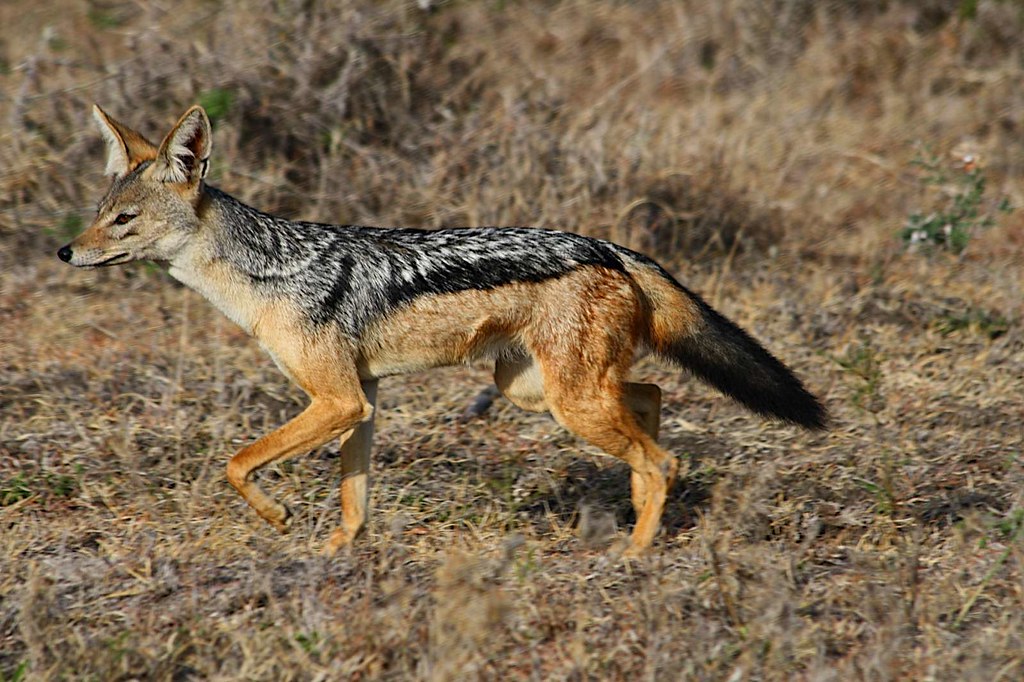
A History of the Modern Day African Safari & its Role in Sustainable Development. The Origins of African Safari trace back to ancient hunting traditions, early trade routes, and later European exploration of East Africa during the 19th century. The word “safari” itself comes from the Swahili language, meaning “journey,” and was popularized during colonial expeditions across Tanzania and other parts of East Africa. Today, African safari tourism is one of the most powerful global travel industries, attracting millions seeking wildlife safari experiences, Big Five game viewing, and authentic nature encounters. Understanding the history of African safari helps travelers appreciate how modern wildlife conservation, national parks, and luxury safari tours evolved. From early caravan expeditions to modern eco-tourism, the African safari story blends adventure, culture, and conservation, making it one of the most searched topics in travel The Meaning of the Word Safari The word “safari” originates from the Swahili word “safiri,” meaning “to travel” or “journey.” It was widely used along the East African coast due to trade interactions between African, Arab, and Persian merchants. During the 19th century, European explorers adopted the term to describe long expeditions into the African interior. These journeys were often dangerous, involving wildlife encounters, harsh terrain, and limited resources. Over time, “safari” evolved into a global tourism keyword associated with African wildlife adventures, luxury game drives, and national park exploration. Today, high-ranking queries like “what does safari mean,” “African safari definition,” and “safari meaning in Swahili” remain popular search queries. The word now symbolizes adventure, exploration, and the ultimate wildlife experience across Africa’s iconic landscapes. European Exploration of Africa The modern history of the African safari is strongly linked to European exploration during the 1800s. Explorers such as David Livingstone and Henry Morton Stanley traveled deep into East and Central Africa in search of rivers, resources, and geographical knowledge. These expeditions introduced Africa’s vast wildlife and landscapes to the Western world. They also marked the beginning of recorded safari travel history. However, these journeys were often exploitative and involved hunting expeditions that later influenced trophy hunting culture. African exploration history,” 19th century safari expeditions,” and “European explorers in Africa” remain highly searched. These early explorations played a major role in shaping modern safari tourism, mapping routes that later became famous national parks and conservation areas across East Africa. Colonial Era Safaris and Big Game Hunting During the colonial era, African safari evolved into big game hunting expeditions led by European elites. Wealthy travelers visited East Africa for hunting elephants, lions, and rhinos, a practice now known as “big game safari.” This period significantly influenced safari culture, introducing luxury camps, guides, and caravan logistics. However, it also contributed to wildlife decline, leading to early conservation concerns. Famous figures such as Theodore Roosevelt popularized African hunting safaris through documented expeditions. Colonial safari history,” big game hunting Africa,” and “African safari origins colonial era” are widely searched today. While controversial, this period shaped the transformation from hunting safaris to photographic safaris, which now dominate modern African tourism and conservation-focused travel experiences across national parks. Rise of Photographic Safaris The shift from hunting safaris to photographic safaris marked a turning point in African tourism history. By the mid-20th century, conservation awareness grew, and travelers began visiting Africa to observe and photograph wildlife rather than hunt. This transformation gave rise to modern safari tourism in countries like Tanzania and Kenya. National parks were established to protect animals and ecosystems, creating sustainable wildlife viewing experiences. Photographic safari Africa,” wildlife safari tours,” and “eco-tourism in Africa” became highly relevant. This era introduced game drives, safari lodges, and guided tours, making African safaris accessible to global travelers. Today, photographic safaris are the foundation of the tourism industry, supporting conservation, local economies, and responsible travel practices across Africa. Creation of National Parks in Africa The establishment of national parks was a major milestone in African safari history. Parks like Serengeti, Ngorongoro, and Maasai Mara were created to protect wildlife and preserve natural habitats. This conservation movement transformed Africa into the world’s leading safari destination. Governments and conservationists worked together to stop uncontrolled hunting and protect endangered species. African national parks history,” Serengeti National Park origin,” and “wildlife conservation in Africa” are widely searched by travelers. These protected areas became the heart of safari tourism, offering structured game drives and wildlife viewing experiences. Today, national parks are essential for biodiversity conservation, eco-tourism, and sustainable travel, making Africa a global leader in wildlife protection and safari tourism development. Development of East African Safari Routes East Africa became the epicenter of safari tourism due to its rich wildlife and accessible landscapes. Traditional safari routes developed through Kenya and Tanzania, connecting major parks like Serengeti, Ngorongoro Crater, and Amboseli. These routes were initially used by explorers and traders before becoming organized tourism circuits. Today, they are among the most searched safari itineraries worldwide. “East African safari routes,” “Tanzania safari circuits,” and “Serengeti safari tours” dominate travel search engines. These routes offer unmatched wildlife experiences, including the Great Migration and Big Five sightings. The development of structured safari circuits made it easier for travelers to explore Africa’s wilderness efficiently while supporting conservation and local tourism economies. The Great Migration and Safari Popularity The Great Wildebeest Migration is one of the most iconic wildlife events that boosted African safari popularity. Millions of wildebeest, zebras, and gazelles move across the Serengeti-Mara ecosystem in search of fresh grazing. This natural phenomenon attracts global travelers and wildlife photographers every year. Great Migration safari,” Serengeti migration tours,” and “best time to see wildebeest migration” are highly competitive. The migration showcases Africa’s raw wilderness and has become a symbol of safari tourism. It also highlights predator-prey interactions, river crossings, and dramatic survival scenes. This event significantly contributed to the rise of luxury safari lodges and guided tours, making East Africa one of the most visited safari destinations in the world. Safari Lodges and Luxury Tourism Growth The evolution of safari lodges transformed the African safari from rugged expeditions into luxury travel experiences.