Highline On Kilimanjaro
Highline On Kilimanjaro
The world of high-altitude adventure sports reached a new milestone when renowned Swiss alpinist Stephan Siegrist reportedly achieved a groundbreaking highline performance on Africa’s highest peak, Mount Kilimanjaro in Tanzania. Known for his elite mountaineering achievements and technical precision in extreme environments, Siegrist’s Kilimanjaro highline record has become a trending topic in adventure tourism, extreme sports, and high-altitude slacklining communities. This historic feat combines endurance, balance, and psychological strength at over 5,000 meters above sea level, where oxygen levels are low, and conditions are unpredictable. The event highlights the growing popularity of highline slacklining as one of the most extreme forms of adventure sports. It also reinforces Kilimanjaro’s reputation not only as a trekking destination but also as a stage for world-class mountaineering innovation and record-breaking athletic performances.
Stephan Siegrist and His Legacy in Mountaineering
Stephan Siegrist is widely recognized as one of the most accomplished Swiss alpinists in modern mountaineering history. With decades of experience in extreme climbing, big wall ascents, and alpine expeditions, he has built a global reputation for pushing human limits in high-risk environments. His involvement in the Kilimanjaro highline project reflects his continuous pursuit of innovation in adventure sports. Siegrist’s legacy includes technical climbs in the Alps, Himalayas, and South America, where he has consistently demonstrated elite-level endurance, precision, and mental resilience. The Mount Kilimanjaro highline record adds a unique chapter to his career, merging traditional alpinism with modern slacklining. This achievement strengthens his position as a pioneer in combining climbing expertise with creative extreme sports disciplines, inspiring a new generation of adventure athletes worldwide.
Understanding Mount Kilimanjaro Highline Slacklining at High Altitude
Highline slacklining is an extreme sport where athletes walk across a thin, flexible line suspended between two points, often over deep drops or dramatic landscapes. When performed on Mount Kilimanjaro, the difficulty increases dramatically due to altitude, weather changes, and reduced oxygen levels. The Kilimanjaro highline record attempt by Stephan Siegrist showcases the technical complexity of balancing on a narrow line in one of the world’s most challenging environments. Athletes must manage wind pressure, freezing temperatures, and psychological stress while maintaining absolute concentration. Highline slacklining requires not only physical strength but also intense mental discipline and breathing control. At high altitude, even small mistakes can become dangerous, making Kilimanjaro one of the most extreme locations ever used for this sport. This discipline continues to grow within adventure tourism and extreme sports communities.
Why Mount Kilimanjaro Was Chosen for the Record
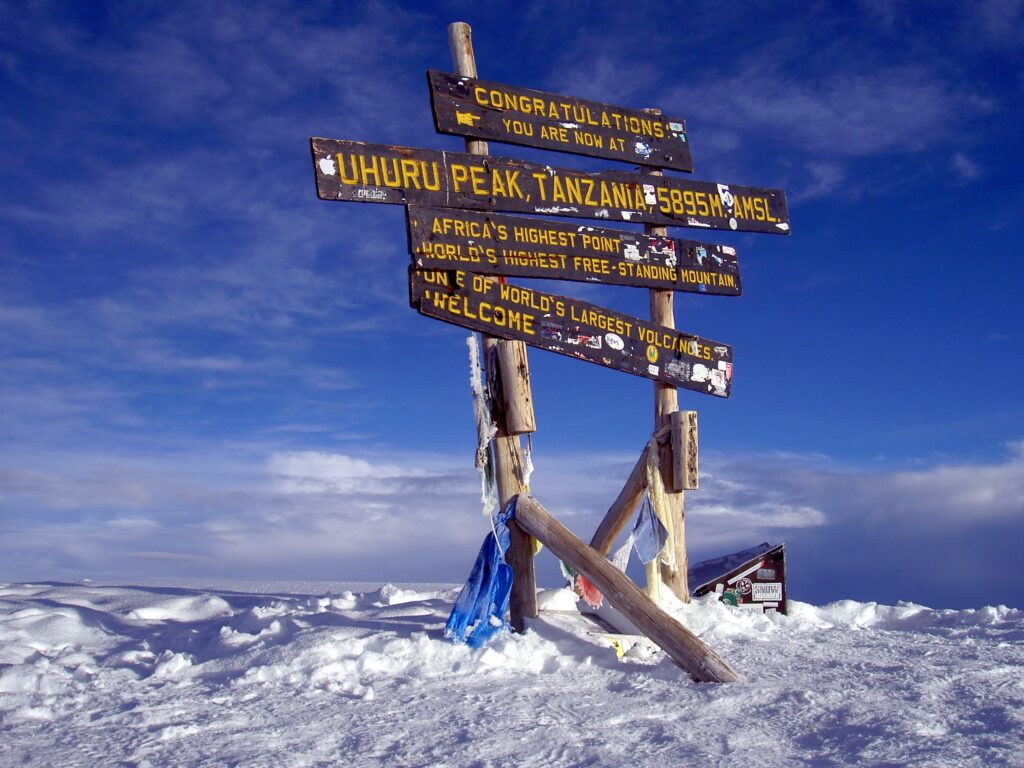
Mount Kilimanjaro was selected for the highline record due to its iconic status as Africa’s highest peak and its diverse climatic zones. Rising above 5,800 meters, Kilimanjaro offers a unique combination of volcanic terrain, alpine conditions, and breathtaking scenery. For Stephan Siegrist, the mountain provided the perfect natural arena to test human balance, endurance, and altitude adaptation. The combination of thin air, strong winds, and variable temperatures creates an ideal yet extremely challenging environment for highline slacklining. Additionally, Kilimanjaro’s global recognition enhances the visibility of such extreme sports achievements, making the record more impactful in international adventure tourism media. The mountain’s accessibility compared to other high peaks also makes it a symbolic location for innovation in mountaineering sports and high-altitude performance experiments.
Preparation and Training for the Kilimanjaro Highline
Preparing for the Kilimanjaro highline record required months of physical conditioning, altitude acclimatization, and technical rehearsals. Stephan Siegrist underwent specialized training focused on core strength, balance, stability, and breath control to perform in oxygen-thin conditions. Equipment testing was critical, including high-tension slacklines, anchoring systems, and safety harnesses designed for extreme altitudes. The expedition team also studied wind patterns and weather windows on Mount Kilimanjaro to ensure optimal conditions for the attempt. Mental preparation played a key role, as highline walking at extreme heights requires sustained focus and emotional control. Nutrition and hydration strategies were adjusted to cope with reduced oxygen intake and energy demands. Every detail, from rope tension to landing zones, was carefully engineered to maximize safety and performance success.
Challenges of Highline Performance on Kilimanjaro
Performing a highline on Mount Kilimanjaro presents numerous environmental and physiological challenges. The altitude alone reduces oxygen levels significantly, leading to fatigue, dizziness, and slower reaction times. For Stephan Siegrist, maintaining balance on a thin line under such conditions required exceptional concentration and endurance. Sudden weather changes, including strong winds and freezing temperatures, further increased difficulty. The mountain’s rugged volcanic terrain also made equipment setup complex and risky. Psychological pressure was another major factor, as even experienced climbers must overcome fear when exposed to extreme heights without physical support beneath them. These combined challenges make Kilimanjaro one of the most demanding locations for any form of slacklining or high-altitude performance sport, pushing athletes to their physical and mental limits.
Technical Setup of the Kilimanjaro Highline Record Attempt
The technical setup for the Kilimanjaro highline required precision engineering and advanced mountaineering expertise. Anchors were securely fixed into stable rock formations on Mount Kilimanjaro to ensure safety and stability under tension. The slackline system included dynamic ropes, backup safety lines, and specialized tensioning equipment designed for extreme altitude conditions. Stephan Siegrist worked closely with a team of climbers and engineers to ensure optimal line length, height clearance, and wind resistance. Every component had to withstand freezing temperatures and unpredictable gusts common at high elevations. Communication systems were also installed to coordinate timing and safety checks during the attempt. The setup phase itself was a major expedition, requiring careful navigation of steep slopes and volcanic terrain before the actual highline walk could take place.
The Mount Kilimanjaro highline Record-Breaking Moment
The moment Stephan Siegrist stepped onto the highline above Mount Kilimanjaro marked a historic milestone in extreme sports. Suspended high above the rugged terrain, he carefully balanced on the thin line while battling strong winds and thin air. Each step required precise coordination, controlled breathing, and unwavering focus. The achievement is being described as one of the highest altitude highline performances ever attempted on the African continent. Support teams monitored conditions closely as Siegrist advanced across the line with steady progression. The combination of altitude, exposure, and technical difficulty made this moment a defining highlight in modern slacklining history. Upon completion, the achievement was celebrated as a breakthrough in high-altitude adventure sports and a testament to human capability in extreme environments.
Safety Measures and Risk Management
Safety was a top priority throughout the Kilimanjaro highline project involving Stephan Siegrist. Multiple redundancy systems were implemented to minimize risk, including backup lines, secure anchoring points, and emergency evacuation protocols on Mount Kilimanjaro. The team conducted detailed risk assessments covering weather conditions, altitude sickness, and equipment failure scenarios. Medical support was available to monitor oxygen levels and physical well-being during the attempt. Climbers were trained in rescue procedures and rapid response techniques in case of emergencies. Communication systems ensured constant contact between the slackline team and base support. Despite the extreme nature of the activity, strict adherence to safety protocols made the record attempt controlled and professionally managed, demonstrating how modern extreme sports can balance innovation with responsible risk management.
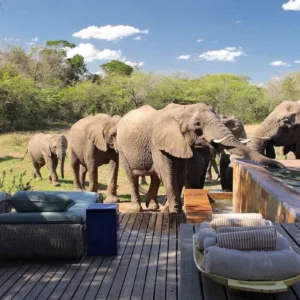
Approach, feed or disturb wildlife, or leave the vehicle unless your guide says it is safe.
Follow your guide, carry travel insurance and check current health and travel advice.
Environmental Considerations on Kilimanjaro
Conducting an extreme sport event on Mount Kilimanjaro requires careful environmental awareness and conservation practices. The expedition led by Stephan Siegrist followed strict Leave No Trace principles to minimize ecological impact. Equipment was installed using non-invasive methods to protect the fragile alpine ecosystem. Waste management systems ensured that no materials were left behind after the highline attempt. Kilimanjaro’s unique biodiversity and protected status make environmental responsibility essential for all expeditions. The team also coordinated with local authorities and park officials to ensure compliance with conservation regulations. By integrating sustainability into the project, the record attempt demonstrated that extreme sports can coexist with environmental preservation. This approach helps promote responsible adventure tourism in Tanzania and protects one of Africa’s most iconic natural landmarks for future generations.
Global Reaction to the Highline Record
The highline achievement by Stephan Siegrist on Mount Kilimanjaro quickly gained global attention within the adventure sports community. Climbers, slackliners, and outdoor enthusiasts praised the combination of technical difficulty and high-altitude performance. Social media platforms amplified the event, making it a trending topic in extreme sports discussions. Many experts highlighted the innovation behind performing highline slacklining at such an elevation, calling it a breakthrough moment in the sport’s evolution. Adventure tourism stakeholders in Tanzania also recognized the achievement as a boost for Kilimanjaro’s global profile. The record has inspired increased interest in high-altitude sports and has encouraged discussions about future expeditions on other major peaks around the world. The accomplishment continues to influence both professional athletes and outdoor adventure communities.
Impact on Adventure Tourism in Tanzania
The Kilimanjaro highline record by Stephan Siegrist has contributed to growing global interest in adventure tourism in Tanzania. Mount Kilimanjaro is already one of the world’s most famous trekking destinations, but this achievement adds a new dimension to its appeal. Tourism operators are seeing increased curiosity about extreme sports experiences, photography expeditions, and high-altitude challenges. The event also highlights Tanzania’s potential as a hub for innovative outdoor activities beyond traditional safaris. Local communities benefit indirectly through increased visibility and tourism demand. The combination of natural beauty and world-class adventure opportunities positions Kilimanjaro as a leading destination for experiential travel. This record reinforces Tanzania’s reputation as a premier location for both nature-based tourism and cutting-edge adventure sports.
Equipment Innovation and Technological Advances
The success of the Kilimanjaro highline depended heavily on advanced equipment and modern engineering solutions. Stephan Siegrist and his team used specially designed high-tension slacklines capable of withstanding extreme altitude conditions on Mount Kilimanjaro. Lightweight yet durable materials were chosen to reduce transport challenges during the climb. Anchoring systems were reinforced to handle wind pressure and temperature fluctuations. Safety harnesses and backup lines were integrated with precision to ensure maximum security. Technological tools such as GPS tracking, weather monitoring devices, and communication radios played a critical role in execution. These innovations demonstrate how modern adventure sports increasingly rely on engineering and technology to achieve record-breaking performances in extreme environments.
Future of Highline Slacklining at High Altitudes
The success of Stephan Siegrist on Mount Kilimanjaro is expected to influence the future of highline slacklining worldwide. Athletes are now exploring more extreme environments, including higher peaks and more remote locations. The record demonstrates that with proper preparation, technology, and expertise, highline performance can be achieved in some of the world’s harshest conditions. This may lead to new expeditions in the Himalayas, Andes, and other high-altitude ranges. The sport continues to evolve as a blend of physical skill, mental discipline, and engineering innovation. Kilimanjaro’s achievement sets a benchmark for future athletes aiming to push boundaries in adventure sports and redefine what is possible in high-altitude performance disciplines.
Legacy of the Kilimanjaro Highline Record
The legacy of the Kilimanjaro highline record by Stephan Siegrist extends beyond a single achievement. On Mount Kilimanjaro, this performance symbolizes the fusion of human courage, technical innovation, and exploration spirit. It stands as an inspiration for future generations of climbers, slackliners, and adventure athletes seeking to challenge physical and mental boundaries. The record contributes to the history of extreme sports and strengthens Kilimanjaro’s global identity as a platform for world-class achievements. It also highlights the importance of preparation, safety, and environmental responsibility in high-risk expeditions. Ultimately, this milestone will be remembered as a defining moment in the evolution of highline slacklining and modern alpinism.
Final Thought
The highline record set on Mount Kilimanjaro by Stephan Siegrist represents a powerful intersection of human endurance, innovation, and adventure tourism. It demonstrates how extreme sports continue to evolve beyond traditional boundaries, transforming iconic landscapes into arenas for groundbreaking achievements. Kilimanjaro’s unique environment provides both a challenge and a stage for redefining what is possible in high-altitude performance. This accomplishment not only elevates Siegrist’s legacy in global mountaineering but also enhances Tanzania’s position as a destination for world-class adventure experiences. As highline slacklining continues to grow, this record will remain a benchmark for future explorers seeking to push limits in some of the most demanding environments on Earth.
Highline On Kilimanjaro: FAQs
What should you know about Stephan Siegrist and his legacy in mountaineering for highline on Kilimanjaro?
Stephan Siegrist is widely recognized as one of the most accomplished Swiss alpinists in modern mountaineering history. With decades of experience in extreme climbing, big wall ascents, and alpine expeditions, he has built a global reputation for pushing human limits in high-risk environments. His involvement in the Kilimanjaro highline project reflects his continuous pursuit of innovation in adventure sports.
What can you expect from Understanding Mount Kilimanjaro highline slacklining at high altitude ?
Highline slacklining is an extreme sport where athletes walk across a thin, flexible line suspended between two points, often over deep drops or dramatic landscapes. When performed on Mount Kilimanjaro, the difficulty increases dramatically due to altitude, weather changes, and reduced oxygen levels. The Kilimanjaro highline record attempt by Stephan Siegrist showcases the technical complexity of balancing on a narrow line in one of the world’s most challenging environments.
Why Mount Kilimanjaro Was Chosen for the Record ?
Mount Kilimanjaro was selected for the highline record due to its iconic status as Africa’s highest peak and its diverse climatic zones. Rising above 5,800 meters, Kilimanjaro offers a unique combination of volcanic terrain, alpine conditions, and breathtaking scenery. For Stephan Siegrist, the mountain provided the perfect natural arena to test human balance, endurance, and altitude adaptation.
What should you know about preparation and training for the Kilimanjaro highline?
Preparing for the Kilimanjaro highline record required months of physical conditioning, altitude acclimatization, and technical rehearsals. Stephan Siegrist underwent specialized training focused on core strength, balance, stability, and breath control to perform in oxygen-thin conditions. Equipment testing was critical, including high-tension slacklines, anchoring systems, and safety harnesses designed for extreme altitudes.
What can you expect from challenges of highline performance on Kilimanjaro ?
Performing a highline on Mount Kilimanjaro presents numerous environmental and physiological challenges. The altitude alone reduces oxygen levels significantly, leading to fatigue, dizziness, and slower reaction times. For Stephan Siegrist, maintaining balance on a thin line under such conditions required exceptional concentration and endurance. Sudden weather changes, including strong winds and freezing temperatures, further increased difficulty.
What should you know about technical setup of the Kilimanjaro highline record attempt ?
The technical setup for the Kilimanjaro highline required precision engineering and advanced mountaineering expertise. Anchors were securely fixed into stable rock formations on Mount Kilimanjaro to ensure safety and stability under tension. The slackline system included dynamic ropes, backup safety lines, and specialized tensioning equipment designed for extreme altitude conditions.
What can you expect from the Mount Kilimanjaro highline record-breaking moment ?
The moment Stephan Siegrist stepped onto the highline above Mount Kilimanjaro marked a historic milestone in extreme sports. Suspended high above the rugged terrain, he carefully balanced on the thin line while battling strong winds and thin air. Each step required precise coordination, controlled breathing, and unwavering focus.
What should you know about safety Measures and risk management for highline on Kilimanjaro?
Safety was a top priority throughout the Kilimanjaro highline project involving Stephan Siegrist. Multiple redundancy systems were implemented to minimize risk, including backup lines, secure anchoring points, and emergency evacuation protocols on Mount Kilimanjaro. The team conducted detailed risk assessments covering weather conditions, altitude sickness, and equipment failure scenarios.
Climb Kilimanjaro With Confidence
Tell us your dates and fitness, and our experienced mountain team will plan a safe, well-acclimatized private climb.