
Why Lions Typically Avoid Attacking Tourists in Safari Vehicles

An African safari is one of the world’s most thrilling wildlife experiences, offering unforgettable encounters with majestic lions roaming freely across the savannah. Many travelers visiting Tanzania and other safari destinations often wonder why lions rarely attack tourists in safari vehicles. Despite being powerful apex predators, lions usually ignore safari jeeps, Land Cruisers, and game-drive vehicles. This fascinating behavior is linked to animal psychology, habituation, conservation practices, and the unique way wildlife perceives vehicles in national parks. From the endless plains of the Serengeti to the legendary Ngorongoro Crater, safari guides follow strict safety protocols that help maintain peaceful interactions between humans and wildlife. Understanding why lions avoid attacking tourists helps visitors appreciate the intelligence, instincts, and natural behavior of Africa’s iconic big cats while enjoying safe and responsible wildlife safaris. Lions View Safari Vehicles as One Large Object One major reason lions avoid attacking tourists is that they often perceive safari vehicles as a single large, non-threatening object rather than separate humans. Inside a vehicle, people remain seated and move together, creating a unified shape that does not resemble typical prey animals found in the wild. Lions instinctively hunt creatures they recognize as food sources, such as zebras, wildebeests, buffaloes, and antelopes. A safari jeep simply does not fit into their hunting pattern. In famous safari destinations like the Serengeti National Park, lions frequently see vehicles every day and become accustomed to their presence. As long as tourists remain calm and avoid sudden movements, lions usually continue resting, hunting, or socializing without concern. This natural detachment allows visitors to enjoy close wildlife encounters safely during African safari tours and game drives. Lions Are Naturally Energy-Conserving Predators Lions are strategic predators that conserve energy whenever possible. Hunting requires enormous effort and carries risks of injury, especially when targeting large or dangerous animals. Because safari vehicles do not behave like prey, lions see no reason to waste valuable energy attacking them. In the wild, lions prefer predictable hunting opportunities where success is likely. Chasing or confronting a vehicle offers no food reward and could potentially threaten the pride. During safaris in Tanzania, lions are often seen sleeping for up to twenty hours a day, preserving strength for nighttime hunting activities. Experienced safari guides understand this behavior and maintain respectful distances to avoid provoking the animals. This calm coexistence between lions and safari vehicles is one reason why African wildlife safaris remain among the safest and most exciting travel adventures in the world. Safari Parks Promote Habituation Without Domestication Lions living inside protected national parks become habituated to safari vehicles over time. Habituation means animals grow accustomed to repeated non-threatening experiences without becoming domesticated. In top safari destinations such as Serengeti National Park, Lake Manyara, and Tarangire National Park, lions regularly encounter vehicles carrying tourists and guides. Because these vehicles do not chase, harm, or disturb them, lions gradually learn to ignore them. This process is carefully managed by conservation authorities and professional safari operators. Habituated lions continue behaving naturally while allowing tourists to observe incredible wildlife moments safely. Importantly, habituation does not mean lions become tame or friendly. They remain wild predators with powerful instincts. This distinction is crucial for safari safety. Respectful tourism practices ensure lions remain comfortable around vehicles while maintaining their natural hunting behavior and ecological role in Africa’s wilderness ecosystems. Professional Safari Guides Follow Strict Safety Rules Professional safari guides play a critical role in preventing dangerous encounters between lions and tourists. Trained guides understand lion behavior, body language, territorial instincts, and warning signals. During game drives, they follow established park regulations designed to protect both wildlife and visitors. Guides maintain safe viewing distances, avoid blocking animal movements, and never intentionally provoke lions for dramatic photographs. In Tanzania safari parks and reserves, guides receive extensive wildlife training and often communicate with other drivers about animal movements. They know when a lion feels relaxed and when it becomes uncomfortable or defensive. Tourists are also instructed to remain seated, avoid loud noises, and never extend body parts outside the vehicle. These important safety practices minimize risks and allow travelers to enjoy close-up encounters with Africa’s legendary big cats while maintaining a respectful and peaceful safari environment. Lions Prefer Their Natural Prey Species Lions are specialized carnivores that instinctively hunt familiar prey species. Wildebeests, zebras, gazelles, buffaloes, and warthogs make up the majority of their diet across East African safari ecosystems. Humans inside vehicles do not resemble these natural prey animals in appearance, movement, or scent. Since lions rely heavily on instinct and learned hunting behavior, safari tourists rarely trigger a predatory response. In addition, safari vehicles often carry unfamiliar smells such as fuel, metal, rubber, and machinery that further separate them from natural prey. Lions generally focus on opportunities offering predictable rewards rather than investigating unusual objects. During the Great Migration in the Serengeti, for example, lions are surrounded by thousands of preferred prey animals, making vehicles completely uninteresting. This natural preference for wild herbivores helps explain why safari game drives are usually safe when conducted responsibly by experienced African safari professionals. Vehicles Do Not Behave Like Prey Animals Predators rely heavily on movement patterns when identifying prey. Prey animals typically run, panic, scatter, or display fear responses when threatened. Safari vehicles move differently from natural prey species, making them less likely to attract predatory instincts. Lions observe that vehicles travel steadily, stop calmly, and do not react fearfully to their presence. Tourists inside vehicles are also encouraged to remain quiet and avoid sudden gestures. This predictable behavior prevents lions from becoming curious or aggressive. In contrast, people walking alone in lion territory appear far more vulnerable because human movement resembles that of potential prey. That is why walking safaris require armed rangers and additional precautions. By remaining inside safari vehicles, tourists reduce the likelihood of triggering a lion’s hunting response. This understanding of predator psychology is a fundamental principle behind modern African safari safety practices and wildlife tourism management. Lions Usually Avoid Unnecessary Risks Although lions are
Ultimate Guide to Planning Your Dream Honeymoon Safari in Tanzania
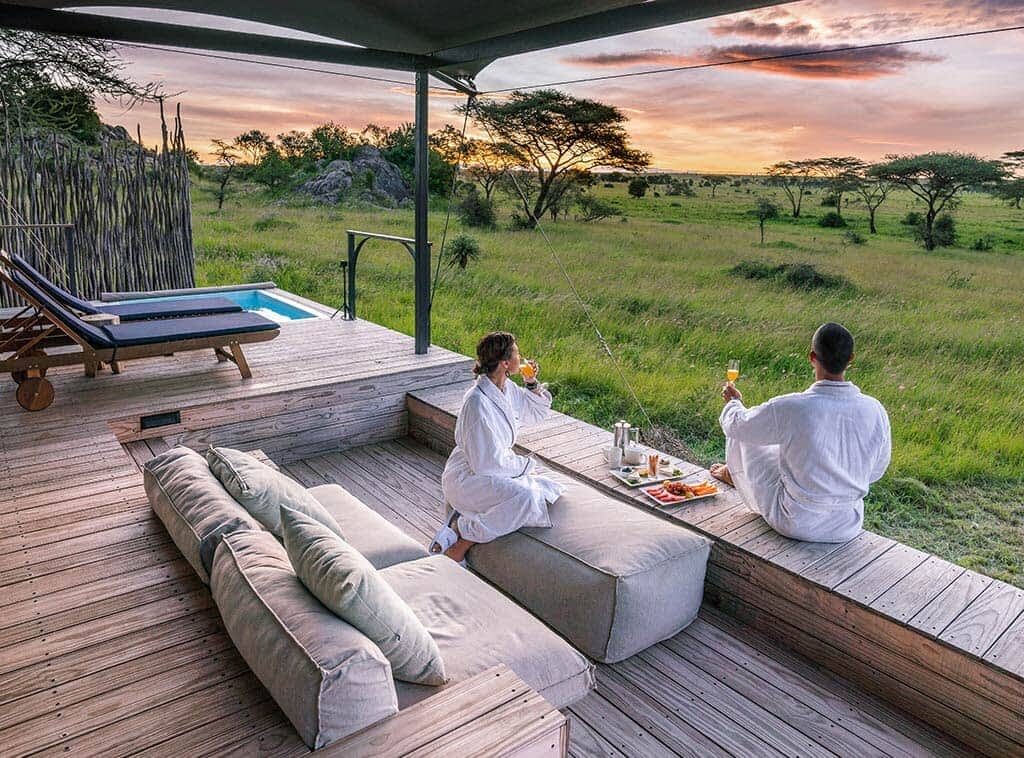
A Tanzania honeymoon safari is one of the most romantic travel experiences in Africa, combining luxury safari lodges, breathtaking wildlife encounters, and unforgettable beach escapes. From the endless plains of Serengeti National Park to the spectacular landscapes of Ngorongoro Crater, couples can enjoy intimate game drives, candlelit bush dinners, and luxury tented camps surrounded by nature. Tanzania is famous for the Great Migration, Big Five safaris, luxury honeymoon packages, and exotic Zanzibar beach holidays, making it a top destination for newlyweds. Whether you dream of witnessing lions at sunrise, flying over the savannah in a hot air balloon, or relaxing on white-sand beaches after your safari, Tanzania offers the perfect balance of adventure and romance. Planning carefully ensures your honeymoon safari becomes a once-in-a-lifetime African experience filled with magical memories and unforgettable moments. Why Tanzania Is the Perfect Honeymoon Safari Destination Tanzania is considered one of the best honeymoon safari destinations in Africa because it combines luxury, wildlife, romance, and breathtaking scenery in one unforgettable journey. Couples can explore iconic destinations like Tarangire National Park, Lake Manyara National Park, and the legendary Serengeti National Park while staying in exclusive safari lodges and luxury tented camps. The country offers private safari experiences, romantic sundowners, honeymoon suites, and personalized game drives designed for couples. Tanzania is also famous for combining safari adventures with tropical beach holidays in Zanzibar. Newlyweds can witness the Great Migration, see the Big Five, and enjoy spectacular African sunsets together. The warm hospitality, incredible biodiversity, and world-class safari accommodations make Tanzania a dream destination for couples seeking romance, adventure, relaxation, and unforgettable honeymoon memories in East Africa. Choosing the Best Time for a Tanzania Honeymoon Safari The best time for a Tanzania honeymoon safari depends on the type of experience couples desire. The dry season, from June to October, is the most popular period because wildlife viewing is exceptional and animals gather around rivers and waterholes. This is the ideal season for Big Five safaris in Serengeti National Park and Ngorongoro Crater. January to March is perfect for witnessing the wildebeest calving season, when thousands of animals give birth across the southern Serengeti plains. For Tanzania safari for couples seeking fewer crowds and lower safari prices often travel during the green season between November and May. This period offers lush landscapes, dramatic skies, and excellent birdwatching opportunities. Zanzibar remains beautiful year-round, making it easy to combine a beach honeymoon with a safari adventure. Choosing the right travel season helps create a more romantic, comfortable, and unforgettable honeymoon experience. Selecting the Most Romantic Safari Parks in Tanzania Tanzania is home to some of Africa’s most romantic safari destinations, each offering unique landscapes and unforgettable wildlife experiences for honeymooners. Serengeti National Park is famous for its endless savannahs, luxury camps, and the spectacular Great Migration. Ngorongoro Crater offers breathtaking scenery and incredible Big Five game viewing within a dramatic volcanic caldera. Tarangire National Park is known for giant baobab trees, elephants, and peaceful safari experiences away from large crowds. Couples seeking unique landscapes often visit Lake Manyara National Park for tree-climbing lions and scenic lake views. Adventurous honeymooners can also explore the remote wilderness of Ruaha National Park or Nyerere National Park. Choosing the right safari parks allows couples to enjoy romance, exclusivity, thrilling wildlife encounters, and luxurious accommodations throughout their honeymoon safari. Luxury Safari Lodges and Romantic Tented Camps Luxury Tanzania safari lodges and romantic tented camps play a major role in creating the perfect Tanzania honeymoon safari experience. Many Tanzania safari lodges are designed specifically for couples, featuring private plunge pools, outdoor bathtubs, panoramic savannah views, and candlelit dinners beneath the African stars. In Serengeti National Park, honeymooners can stay in elegant tented camps positioned near the Great Migration routes for unforgettable Tanzania wildlife safari encounters. Lodges near Ngorongoro Crater provide stunning crater views and luxurious suites ideal for romantic getaways. Personalized services such as champagne breakfasts, couples’ spa treatments, and private safari vehicles make the journey even more special. Many Tanzania luxury camps focus on exclusivity, allowing couples to enjoy peaceful surroundings and intimate moments in the wilderness. Choosing high-quality safari accommodations enhances comfort, romance, privacy, and overall satisfaction during a once-in-a-lifetime African honeymoon adventure. Experiencing the Great Migration Together Witnessing the Great Migration is one of the most unforgettable experiences couples can share during a Tanzania honeymoon safari. Every year, millions of wildebeest, zebras, and gazelles travel across the plains of Serengeti National Park in search of fresh grazing lands. This spectacular wildlife event is considered one of the Seven Natural Wonders of Africa and attracts travelers from around the world. Couples can enjoy front-row seats to dramatic river crossings, predator encounters, and endless herds stretching across the horizon. Luxury Tanzania mobile camps follow the migration, offering honeymooners intimate access to nature while maintaining comfort and exclusivity. Sunrise game drives, romantic bush breakfasts, and sunset cocktails in the wilderness make the experience even more magical. Sharing the Great Migration creates powerful memories filled with adventure, excitement, and romance, making it one of the highlights of a Tanzania honeymoon safari. Romantic Tanzania Safari Activities for Honeymoon Couples A Tanzania honeymoon safari offers countless romantic activities designed to create unforgettable memories for couples. One of the most popular experiences is a sunrise hot air balloon safari above Serengeti National Park, where couples can admire wildlife and endless savannah landscapes from the sky. Private game drives provide intimate wildlife encounters while allowing couples to explore at their own pace. Romantic bush dinners under the stars, champagne breakfasts in the wilderness, and sunset sundowners add elegance and intimacy to the safari adventure. Serengeti safari for couples can also enjoy guided walking safaris, Maasai cultural visits, and luxury spa treatments at exclusive lodges. In Zanzibar, honeymooners can relax on white-sand beaches, take sunset dhow cruises, and enjoy snorkeling or diving in turquoise waters. These unique African honeymoon safari activities combine romance, adventure, and luxury into one extraordinary honeymoon experience. Combining a Tanzania Safari With a Zanzibar Beach Honeymoon Combining a
What Animals Can Be Seen On A Serengeti Safari?
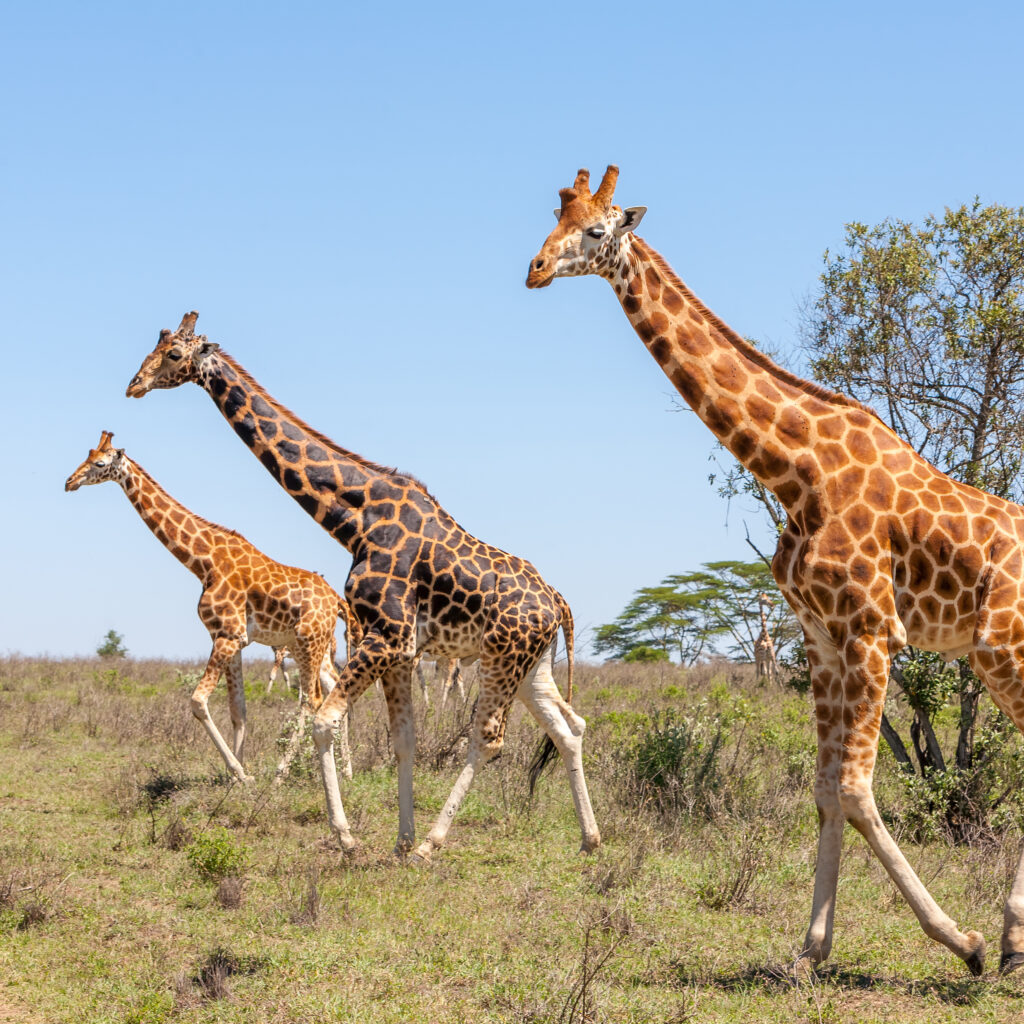
A safari in Serengeti National Park is one of the world’s most iconic wildlife experiences, celebrated for its unmatched biodiversity, Big Five sightings, and the legendary Great Migration safari. This UNESCO World Heritage Site offers extraordinary opportunities to see African animals in their natural habitat, making it a top destination for Tanzania safari tours, luxury African safaris, and wildlife photography adventures. From vast savannah plains to riverine forests, the Serengeti ecosystem supports millions of animals year-round. Visitors can witness predators in action, large herbivore herds, and rare species in one breathtaking setting. Whether you’re planning a family safari, honeymoon safari, or budget safari, Serengeti game drives promise unforgettable encounters with Africa’s most famous wildlife species, making it a bucket-list African safari destination. African Elephant (Loxodonta africana) The African elephant is one of the most sought-after sightings on a Serengeti safari, symbolizing the essence of African wildlife tours. These gentle giants roam the plains and woodlands of Serengeti National Park, often seen in large family herds led by matriarchs. As the largest land mammals on Earth, elephants play a vital ecological role by shaping vegetation and creating water access for other species. Safari travelers enjoy watching their social interactions, from playful calves to protective adults. Elephant sightings are common year-round, especially near water sources during the dry season. For photographers and wildlife enthusiasts, capturing elephants against the golden Serengeti landscape is a highlight. Their presence enhances any Tanzania safari itinerary, offering unforgettable close-up encounters during game drives and guided tours. Lion (Panthera leo) Lions are the undisputed kings of the Serengeti and a major highlight of any African safari experience. The Serengeti hosts one of the largest lion populations in Africa, making it a prime destination for Big Five safaris. Visitors to Serengeti National Park can witness lions lounging in the shade, stalking prey, or engaging in powerful pride dynamics. These apex predators are often seen during early morning or evening game drives when they are most active. The Serengeti’s open plains provide excellent visibility, increasing your chances of spotting lions in action. Whether you’re on a luxury safari or a budget tour, encountering lions in the wild is unforgettable. Their majestic presence and dramatic hunting scenes make them a top attraction for wildlife photography and safari enthusiasts worldwide. Cheetah (Acinonyx jubatus) The cheetah, known as the fastest land animal, is a thrilling sight on a Serengeti safari. These elegant predators prefer open grasslands, where they use speed and agility to hunt gazelles. In Serengeti National Park, cheetahs are often spotted resting on termite mounds, scanning the horizon for prey. Their slender bodies and distinctive black tear marks make them easy to identify. Cheetah sightings are especially popular among wildlife photographers seeking action shots. Unlike lions, cheetahs are solitary or found in small family groups, adding a unique dynamic to safari experiences. Observing a cheetah sprint during a hunt is one of the most exhilarating moments in African wildlife tours. Their presence adds excitement to Serengeti game drives and enhances the diversity of wildlife encounters. Leopard (Panthera pardus) Leopards are among the most elusive and mysterious animals in the Serengeti, making them a prized sighting for safari-goers. These solitary big cats are masters of camouflage, often found resting in trees or hidden in dense vegetation. In Serengeti National Park, leopards are commonly seen along riverine areas, where they hunt antelope and smaller prey. Their spotted coats provide perfect concealment, allowing them to ambush prey with stealth and precision. Spotting a leopard requires patience and a skilled safari guide, but the reward is unforgettable. Leopards are part of the Big Five and a key highlight of luxury and private safari tours. Their graceful movements and secretive nature make them one of the most fascinating predators in African wildlife safaris. African Buffalo (Syncerus caffer) The African buffalo is a powerful and resilient member of the Big Five, frequently seen in large herds across the Serengeti. In Serengeti National Park, buffalo thrive in grasslands and near water sources, often forming groups of hundreds. Known for their unpredictable nature, they are considered one of Africa’s most dangerous animals. Buffalo play an essential role in the ecosystem by grazing and influencing vegetation patterns. Safari visitors are often impressed by their sheer numbers and strong herd dynamics. During game drives, you may witness dramatic interactions between buffalo and predators like lions. Their presence adds excitement to Tanzania safari tours and provides excellent opportunities for wildlife photography. Buffalo sightings are consistent year-round, making them a reliable highlight of Serengeti safaris. Black Rhinoceros (Diceros bicornis) The black rhinoceros is one of the rarest and most endangered animals in the Serengeti, making it a highly sought-after sighting. Found primarily in protected areas of Serengeti National Park, these solitary browsers are known for their hooked lips and shy behavior. Rhino sightings are limited but incredibly rewarding, often requiring patience and expert tracking by safari guides. Conservation efforts have helped stabilize their population, making them a symbol of wildlife protection in Tanzania. Spotting a black rhino completes the Big Five safari experience. Their prehistoric appearance and rarity make them a highlight for luxury safari travelers and wildlife enthusiasts. Seeing one in the wild is a truly special moment, adding depth and meaning to any Serengeti safari adventure. Common Warthog (Phacochoerus africanus) The common warthog is a charming and often humorous animal frequently seen on Serengeti safaris. Recognizable by their tusks and upright tails, warthogs roam the plains of Serengeti National Park in small groups. They are known for kneeling on their front legs while grazing, a unique behavior among African mammals. Warthogs are adaptable and thrive in various habitats, from open grasslands to woodlands. Safari visitors enjoy watching their playful interactions and quick sprints when startled. Despite their comical appearance, they are alert and cautious, often retreating into burrows for safety. Warthogs are a common sight during game drives, adding diversity to wildlife viewing. Their presence enhances the overall safari experience, offering lighthearted moments alongside dramatic predator encounters. Nile Crocodile (Crocodylus
Why the beach is the best choice for your vacation

A beach vacation is one of the most popular travel experiences in the world, offering the perfect mix of relaxation, adventure, luxury, and natural beauty. From tropical islands and white sand beaches to crystal-clear waters and breathtaking sunsets, beach destinations attract millions of travelers every year seeking unforgettable holidays. Whether you dream of a romantic honeymoon, a family getaway, a luxury beach resort, or an affordable tropical escape, the beach provides something for everyone. Travelers searching for the best beach vacations often look for warm weather, beachfront hotels, water sports, island tours, and peaceful ocean views. Beach holidays also improve mental wellness by reducing stress and promoting relaxation. From Zanzibar, the world’s top coastal destinations continue to rank among the best vacation spots for travelers seeking sunshine, adventure, culture, and complete rejuvenation throughout the year. Stunning Natural Beauty One of the biggest reasons why the beach is the best choice for your vacation is its extraordinary natural beauty. Endless stretches of white sand beaches, turquoise waters, swaying palm trees, and dramatic coastal landscapes create a paradise-like atmosphere that instantly relaxes travelers. Beach destinations offer breathtaking sunrise and sunset views that are perfect for photography, romantic walks, and peaceful reflection. Many tropical beaches are surrounded by coral reefs, lagoons, cliffs, and lush vegetation that enhance the overall vacation experience. Travelers often search for scenic beach destinations because they provide unmatched opportunities to connect with nature while enjoying warm weather and fresh ocean air. Whether visiting Zanzibar beaches or islands, beach vacations allow visitors to experience some of the world’s most beautiful environments. The calming sound of waves and spectacular coastal scenery make beach holidays unforgettable for every traveler. Perfect Relaxation and Stress Relief Beach vacations are famous for promoting relaxation and reducing stress, making them one of the best travel choices for mental and physical wellness. The soothing sound of ocean waves, warm sunshine, and gentle sea breeze create a calming environment that helps visitors disconnect from busy daily routines. Many travelers choose beach holidays because they provide an escape from work pressure, city noise, and stressful lifestyles. Walking barefoot on soft sand, listening to the ocean, and swimming in warm waters can improve mood and support emotional well-being. Luxury beach resorts and wellness retreats often offer spa treatments, yoga sessions, meditation classes, and oceanfront relaxation areas for complete rejuvenation. Studies show that spending time near the sea can lower anxiety and promote happiness. Whether enjoying a peaceful hammock, reading under a palm tree, or watching the sunset, beach vacations deliver unmatched comfort, tranquility, and relaxation. Amazing Weather Throughout the Year Many beach destinations are known for their excellent tropical climate and sunny weather throughout the year. Travelers searching for warm vacation destinations often choose beach holidays because they offer sunshine, blue skies, and pleasant temperatures even during winter months. Tropical islands and coastal resorts provide ideal conditions for outdoor activities such as swimming, sunbathing, snorkeling, and beach sports. Popular beach destinations like Zanzibar attract visitors year-round because of their comfortable climate and refreshing ocean breeze. Warm weather allows tourists to enjoy long days outdoors without worrying about cold temperatures or harsh weather conditions. Beach vacations are especially popular during holidays, honeymoons, and family trips because the climate enhances relaxation and adventure. The combination of sunshine, fresh sea air, and beautiful coastal scenery creates a perfect environment for unforgettable travel experiences and memorable beach holidays. Exciting Water Activities and Adventures A beach vacation offers endless opportunities for exciting water sports and outdoor adventures. Travelers can enjoy snorkeling, scuba diving, jet skiing, surfing, kayaking, paddleboarding, deep-sea fishing, and boat cruises while exploring beautiful coastal destinations. Coral reefs and marine ecosystems provide incredible underwater experiences filled with colorful fish, sea turtles, and tropical marine life. Adventure seekers often search for beach destinations that offer thrilling ocean activities and unforgettable experiences. Beaches also provide opportunities for dolphin tours, whale watching, parasailing, and sunset sailing excursions. Families, couples, and solo travelers can all enjoy different activities depending on their interests and skill levels. Many luxury beach resorts organize guided water sports and island-hopping tours for guests. Whether diving in crystal-clear waters or relaxing on a catamaran cruise, beach vacations combine relaxation with adventure, making them ideal for travelers looking for excitement, exploration, and unforgettable memories. Romantic Atmosphere for Couples Beach destinations are considered some of the most romantic vacation spots in the world, making them perfect for honeymooners and couples. Romantic beach resorts offer private villas, candlelit dinners by the ocean, sunset cruises, and peaceful beachfront settings designed for intimacy and relaxation. Couples often choose tropical beach vacations because they provide a dreamy atmosphere filled with beautiful scenery and unforgettable experiences. Walking hand-in-hand along the shoreline, watching colorful sunsets, and enjoying oceanfront dining create magical moments for partners. Popular romantic destinations like Zanzibar attract honeymooners seeking luxury and privacy. Many beach resorts also offer couples’ spa treatments, private beach picnics, and luxury suites with ocean views. The peaceful environment and breathtaking coastal landscapes make beach vacations ideal for anniversaries, proposals, weddings, and romantic escapes that strengthen emotional connections and create lifelong memories together. Family-Friendly Vacation Experience Beach vacations are perfect for families because they offer activities and entertainment suitable for all ages. Children enjoy building sandcastles, swimming, collecting shells, and playing beach games, while parents relax and enjoy quality family time. Many family beach resorts provide kid-friendly swimming pools, children’s clubs, family suites, and exciting entertainment programs designed for young travelers. Beach destinations also offer educational experiences where children can learn about marine life, coral reefs, sea turtles, and local cultures. Families often choose beach holidays because they provide both relaxation and adventure in a safe environment. Parents can participate in water sports, boat trips, or beachside dining while children enjoy supervised activities. Popular family beach destinations include Zanzibar, combination of sunshine, outdoor fun, and beautiful scenery makes beach vacations one of the best travel choices for creating unforgettable family memories and bonding experiences. Luxury Resorts and World-Class Hospitality Beach destinations are home to
What Headwear Should I Bring to Climb Kilimanjaro
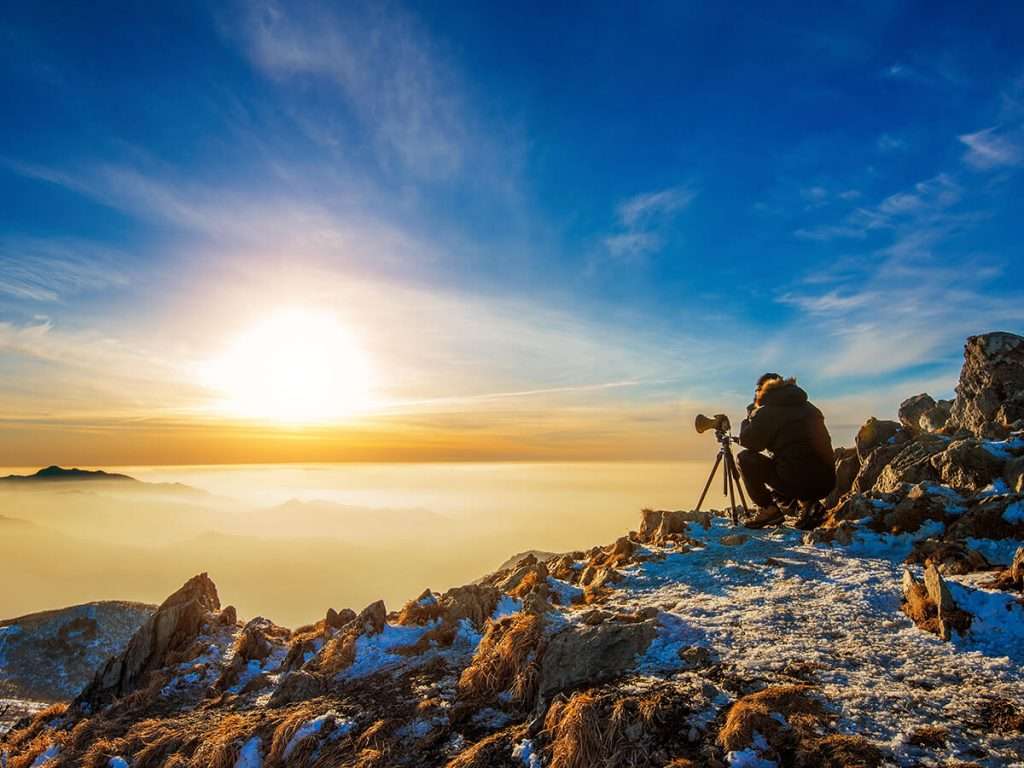
Climbing Mount Kilimanjaro is one of the most iconic trekking adventures in the world, attracting thousands of hikers searching for the ultimate high-altitude challenge. However, many climbers underestimate the importance of proper headwear when preparing for this journey. The mountain features rapidly changing climates, ranging from hot tropical conditions at the base to freezing Arctic temperatures at the summit. Because of this, choosing the right Kilimanjaro headwear is essential for comfort, protection, and summit success. From sun exposure at lower elevations to extreme cold, wind, and snow at higher altitudes, your head must be properly covered at all times. This guide explores what headwear to bring, why it matters, and how to choose the best options for safety, performance, and a successful Kilimanjaro trekking experience. Importance of Headwear on Kilimanjaro Headwear is not just an accessory when climbing Kilimanjaro—it is a critical piece of safety gear. The mountain exposes trekkers to intense UV radiation at high altitude, where sunburn can occur faster than expected. A good hat protects your face, neck, and scalp from sunburn during long trekking hours. At higher elevations, headwear also helps retain body heat, which is essential for preventing hypothermia. Many climbers experience discomfort because they underestimate how quickly weather conditions change. Proper Kilimanjaro headwear ensures temperature regulation, moisture control, and protection from wind, dust, and cold. Without it, even a well-planned climb can become uncomfortable or unsafe. Whether you’re hiking through rainforest or icy summit zones, the right headgear is a fundamental part of your success on Mount Kilimanjaro. Wide-Brim Sun Hat for Lower Slopes A wide-brim sun hat is essential for the lower sections of Kilimanjaro, especially in the rainforest and moorland zones. These areas can be hot, humid, and exposed to strong sunlight. A high-quality trekking hat with a wide brim protects your face, ears, and neck from harmful UV rays. Look for breathable, quick-drying materials that prevent overheating during long hikes. Many Kilimanjaro guides recommend hats with chin straps to prevent them from being blown away by the wind. This type of headwear is particularly useful during the first two days of the climb when temperatures are higher. Choosing the right sun hat reduces fatigue, prevents sunburn, and improves overall comfort, making your ascent more enjoyable and safer from heat-related stress and dehydration risks. Buff or Neck Gaiter for Versatility A buff, also known as a neck gaiter, is one of the most versatile pieces of Kilimanjaro headwear. It can be worn in multiple ways—around the neck, over the face, as a headband, or even as a light hat. On dusty trails, it protects your lungs and mouth from fine volcanic dust. In colder zones, it adds warmth and shields your skin from harsh winds. Many climbers prefer microfiber buffs because they are lightweight, breathable, and quick-drying. A buff also helps with sweat control during long trekking days. Its flexibility makes it a must-have item for all Kilimanjaro routes. Whether you are on the Machame, Lemosho, or Marangu route, a buff ensures adaptable protection across different climates on the mountain. Lightweight Cap for Trekking Comfort A lightweight cap is another essential piece of headwear for Kilimanjaro trekking. It is especially useful in moderate weather conditions where full sun protection is needed but without the bulk of a wide-brim hat. Caps made from moisture-wicking materials help keep sweat away from your eyes and improve comfort during long uphill climbs. Many trekkers prefer caps with ventilation panels to enhance airflow. While not suitable for extreme cold or summit conditions, a good trekking cap is ideal for forest zones and acclimatization hikes. It also fits easily under a hood or helmet if needed. Choosing a durable and breathable cap ensures comfort and protection during the physically demanding early stages of your Kilimanjaro adventure. Warm Beanie for Cold Nights As you ascend Kilimanjaro, temperatures drop significantly, especially at night. A warm beanie becomes essential for maintaining body heat during cold evenings in camps and early morning hikes. A fleece or wool beanie is ideal because it traps warmth while remaining lightweight and breathable. Head heat loss is a major contributor to overall body cooling at high altitude, so protecting your head is crucial. A good beanie also improves sleep comfort in cold tents. Many climbers experience temperatures below freezing before reaching the summit zone, making this item non-negotiable. A snug-fitting beanie ensures warmth without slipping off during sleep or movement. It is one of the simplest yet most effective pieces of Kilimanjaro cold-weather gear. Balaclava for Summit Night Protection A balaclava is essential for the extreme cold experienced during summit night on Kilimanjaro. This full-face head covering protects against freezing winds, snow, and altitude-related cold stress. It covers the head, neck, and often part of the face, leaving only the eyes exposed. At elevations above 5,000 meters, temperatures can drop dramatically, and wind chill can be severe. A thermal balaclava made from fleece or wind-resistant fabric provides critical insulation. Many climbers combine it with a beanie for extra warmth. It is especially useful during the final push to Uhuru Peak. Without proper protection, exposed skin can become painfully cold or even frostbitten. A balaclava ensures maximum comfort and safety in one of the harshest environments on Earth. Sun Protection Bandana for Heat Zones A sun protection bandana is a lightweight alternative headwear option for Kilimanjaro’s warmer zones. It helps shield your neck and head from strong UV rays while allowing maximum breathability. Bandanas are especially useful in dry, dusty, and sunny sections of the climb. They can be soaked in water for cooling relief during hot trekking days. Unlike heavier hats, bandanas are compact and easy to carry in your pocket. Many trekkers use them alongside caps or hats for added protection. Choosing UV-rated fabric is recommended for better sun defense. While not suitable for cold environments, bandanas are excellent for early-stage climbs and acclimatization hikes. They provide simple, flexible protection against sun exposure and dust inhalation. Helmet Use for Safety Considerations Although not always
Tips for Altitude Sickness Prevention
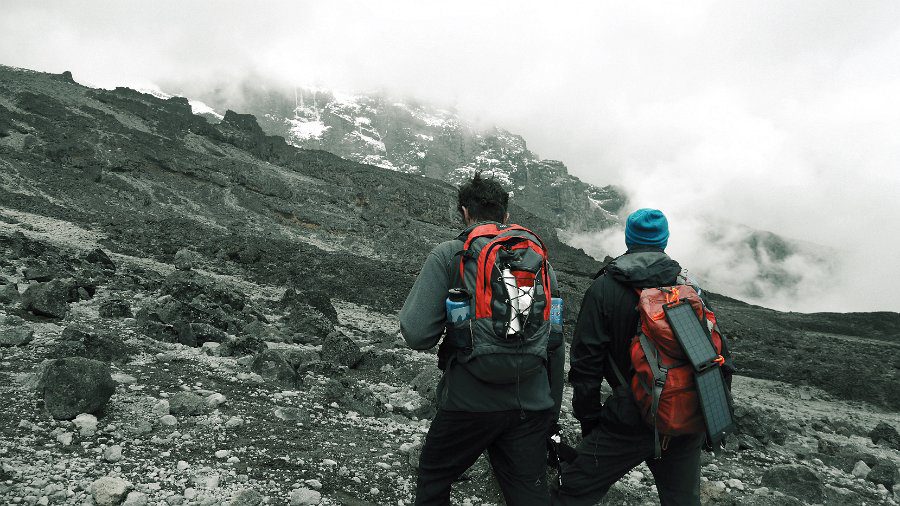
Climbing high-altitude mountains like Mount Kilimanjaro, Mount Meru, or trekking in the Andes or Himalayas offers breathtaking experiences, but altitude sickness is a serious risk. Also known as Acute Mountain Sickness (AMS), it occurs when your body struggles to adapt to lower oxygen levels at high elevations. Symptoms include headaches, nausea, dizziness, fatigue, and shortness of breath. Preventing altitude sickness is crucial for a safe and enjoyable climb. Understanding key strategies such as gradual ascent, proper hydration, balanced diet, physical preparation, and careful monitoring can significantly reduce risks. This comprehensive guide covers the top seven essential tips for altitude sickness prevention, plus common myths about high-altitude trekking to help climbers, hikers, and adventure travelers plan a safe ascent. 1. Gradual Ascent Ascending too quickly is one of the primary causes of altitude sickness. A gradual climb allows your body to adapt to lower oxygen levels, reducing the risk of headaches, nausea, and fatigue. For Kilimanjaro, popular routes like Machame or Lemosho are longer but provide better acclimatization compared to shorter routes like Marangu. Experts recommend ascending no more than 300-500 meters per day once above 2,500 meters. Incorporating rest days at key camps also helps your body adjust. This method not only prevents AMS but also improves overall energy, stamina, and enjoyment during the climb. Proper pacing, combined with mindful breathing techniques, ensures climbers experience fewer altitude-related complications while reaching the summit safely. Gradual ascent remains the most effective natural prevention method for high-altitude treks. 2. Stay Hydrated Maintaining optimal hydration is essential during high-altitude trekking. Dehydration can exacerbate the symptoms of altitude sickness, including headaches and fatigue. Aim to drink at least 3–4 liters of water daily, adjusting for activity levels and climate conditions. Electrolyte-rich fluids, such as sports drinks or oral rehydration solutions, help replenish minerals lost through sweat. Avoid excessive caffeine and alcohol, which can increase dehydration risk. Frequent, small sips are more effective than large volumes at once. Staying hydrated improves blood flow, oxygen delivery, and overall endurance, which directly contributes to preventing AMS. Proper hydration is particularly critical on climbs like Kilimanjaro or high-altitude trekking expeditions, where physical exertion and altitude stress challenge the body’s natural balance. 3. Balanced Diet A high-altitude climb requires strategic nutrition. A balanced diet rich in carbohydrates, moderate proteins, and healthy fats enhances energy levels and supports acclimatization. Carbohydrates are particularly important, as they require less oxygen to metabolize and provide quick energy for prolonged trekking. Avoid heavy, greasy, or overly processed foods, which can slow digestion and worsen nausea at higher altitudes. Small, frequent meals help maintain blood sugar levels and energy throughout the day. Incorporating fruits, vegetables, and complex carbohydrates like whole grains improves hydration and nutrient absorption. Proper nutrition directly influences your ability to cope with altitude stress, making it a critical component of altitude sickness prevention on Kilimanjaro or any high-elevation trek. 4. Medications and Supplements Certain medications and supplements can aid in altitude sickness prevention. Acetazolamide (Diamox) is commonly prescribed to speed acclimatization and reduce AMS symptoms like headaches and nausea. Anti-inflammatory medications may also alleviate discomfort, but always consult a physician before use. Some climbers take natural supplements, such as iron, B-complex vitamins, or ginkgo biloba, which may support oxygen delivery and cardiovascular function, although evidence varies. Avoid self-prescribing high doses or relying solely on medication, as acclimatization and proper climbing practices remain primary preventive measures. Using medications alongside gradual ascent, hydration, and nutrition significantly improves safety and comfort during high-altitude treks, especially on challenging climbs like Mount Kilimanjaro. 5. Physical Conditioning Physical preparation strengthens your cardiovascular system and muscles, improving endurance and oxygen utilization at high altitudes. Engage in aerobic exercises like running, swimming, cycling, or hiking at lower elevations to build stamina. Incorporate strength training for legs, core, and back to handle long days on uneven terrain. Although fitness does not prevent altitude sickness entirely, well-conditioned climbers tolerate physical stress more effectively and recover faster. Practicing hikes with a weighted backpack simulates real climbing conditions. Being physically prepared also reduces fatigue, enhances confidence, and allows you to focus on pacing and breathing—key factors in altitude sickness prevention. Fitness, combined with proper acclimatization, makes the climb safer and more enjoyable. 6. Monitor Your Health Regularly monitoring your body’s response to altitude is essential. Track symptoms such as headaches, dizziness, nausea, fatigue, shortness of breath, or irregular heart rate. Using pulse oximeters can provide insights into oxygen saturation levels, helping determine if further acclimatization or descent is necessary. Communicate openly with guides or team members about how you feel each day. Early detection allows prompt action, preventing serious complications like High-Altitude Pulmonary Edema (HAPE) or High-Altitude Cerebral Edema (HACE). Staying vigilant ensures timely intervention, helping climbers adapt safely while minimizing risks. Monitoring health consistently throughout a Kilimanjaro climb or other high-altitude treks is a cornerstone of successful altitude sickness prevention. 7. Proper Rest and Acclimatization Adequate rest is critical for acclimatization. Sleep at higher altitudes allows your body to adjust to lower oxygen levels and recover from exertion. Avoid overexertion and maintain a consistent schedule of rest periods during the day. Use acclimatization days strategically, sleeping at intermediate camps rather than ascending too rapidly. Naps, relaxation, and stretching contribute to better circulation and oxygen utilization. Resting also helps regulate appetite, digestion, and hydration, all essential factors in preventing AMS. Incorporating proper rest and structured acclimatization maximizes your physical and mental resilience, significantly reducing the likelihood of altitude sickness during high-altitude trekking adventures. 9 Myths About Kilimanjaro Climb Altitude Which Will Always Be True! Climbing Kilimanjaro (5,895m) involves immutable altitude realities: reduced oxygen levels mean everyone faces potential altitude sickness, regardless of fitness, and “pole pole” (slow) pacing is essential for survival, not just comfort. Thin air causes hypoxia, requires rapid acclimatization, and makes the final summit night notoriously exhausting despite it being a non-technical trek. 1. Myth: You Need to Be a Professional Climber Many aspiring adventurers believe that only professional climbers can summit Kilimanjaro, but this is far from the truth. Kilimanjaro
Is Mount Kilimanjaro in Kenya or Tanzania?
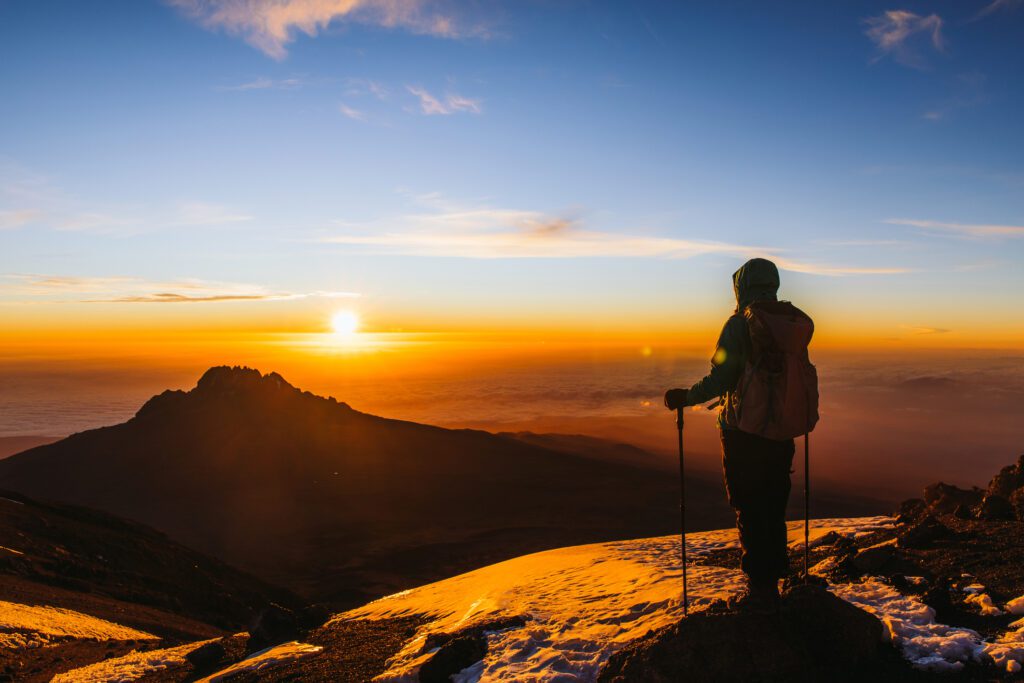
Mount Kilimanjaro is one of the most searched natural landmarks in the world, and a common question is: Is Mount Kilimanjaro in Kenya or Tanzania? The answer is clear—Mount Kilimanjaro is located in northern Tanzania, East Africa, near the border with Kenya. It is Africa’s highest mountain and one of the most iconic trekking destinations globally. Many travelers searching for Tanzania safari, Kilimanjaro climbing tours, or Africa adventure travel often include it in their bucket list. Despite its proximity to Kenya, Kilimanjaro lies entirely within Tanzanian territory. The mountain attracts thousands of climbers each year, offering scenic routes, diverse ecosystems, and breathtaking views. It is also a key highlight of Tanzania tourism, often combined with Serengeti National Park and Ngorongoro Crater safaris. Geographic Location of Mount Kilimanjaro Mount Kilimanjaro is geographically located in northern Tanzania, close to the Kenya border in East Africa. It rises dramatically from the surrounding plains near Moshi town, making it one of the most visible mountains in the world. Many travelers searching for “Kilimanjaro location” or “where is Mount Kilimanjaro located” discover that it sits entirely within Tanzania, not Kenya. The mountain is part of Kilimanjaro National Park and lies approximately 300 kilometers south of the Equator. Its isolated volcanic massif includes three cones: Kibo, Mawenzi, and Shira. The surrounding region is rich in agriculture, coffee plantations, and cultural heritage. Because of its position near the border, many visitors mistakenly assume it belongs to Kenya, but politically and geographically, it is fully Tanzanian territory and a national treasure. Why People Think Kilimanjaro Is in Kenya Many travelers mistakenly believe Mount Kilimanjaro is in Kenya due to its proximity to the Kenya–Tanzania border and visibility from both countries. In clear weather, the mountain can be seen from parts of southern Kenya, especially Amboseli National Park, leading to confusion in tourism discussions. Additionally, early safari routes often combined Kenya and Tanzania travel packages, reinforcing the misconception. Search queries like “Kilimanjaro, Kenya, or Tanzania” are common among first-time visitors. However, despite being near Kenya, the entire mountain lies within Tanzania’s territory. Another reason for confusion is that Nairobi is a major travel hub for East African tourism, and some marketing content historically blurred borders. Today, official maps and Tanzania tourism authorities clearly confirm Kilimanjaro as part of northern Tanzania. Kilimanjaro is the Highest Mountain in Africa Mount Kilimanjaro is the highest mountain in Africa and one of the famous “Seven Summits” in global mountaineering. Standing at approximately 5,895 meters above sea level, it attracts climbers from all over the world seeking adventure and altitude challenges. Searches like “highest mountain in Africa” or “Kilimanjaro height” consistently rank among the top travel queries. Unlike other high peaks, Kilimanjaro is a free-standing volcano, not part of a mountain range, making it unique. Its snow-capped summit, despite being near the equator, adds to its global appeal. Many climbers include Kilimanjaro trekking as part of a Tanzania safari itinerary. The mountain’s height, accessibility, and scenic routes make it one of the most popular trekking destinations on Earth, symbolizing Africa’s natural beauty and geographical diversity. Kilimanjaro National Park and Protection Mount Kilimanjaro is protected within Kilimanjaro National Park, a UNESCO World Heritage Site managed by the Tanzania National Parks Authority (TANAPA). The park ensures conservation of the mountain’s unique ecosystems, including rainforest, alpine desert, and glacier zones. Search terms like “Kilimanjaro National Park tours” and “Kilimanjaro conservation” highlight its importance in eco-tourism. The park was established to preserve biodiversity, water catchment systems, and rare species found on the mountain slopes. Strict regulations control climbing activities, guiding, and environmental protection. Entry fees support conservation efforts and local communities. Kilimanjaro National Park is a key component of Tanzania safari tourism, often combined with Serengeti and Ngorongoro itineraries. Its protection ensures that future generations can continue to experience Africa’s highest peak sustainably and responsibly. Political Boundaries: Tanzania vs Kenya Mount Kilimanjaro lies entirely within Tanzania’s political boundaries, specifically in Kilimanjaro Region near the northern border with Kenya. Although the mountain is close to Kenya’s Amboseli region, no part of Kilimanjaro falls inside Kenyan territory. This makes Tanzania the official owner of Africa’s highest peak. Search queries such as “Kilimanjaro Tanzania border” or “is Kilimanjaro in Kenya or Tanzania” confirm this frequent confusion. The international boundary runs north of the mountain, but the peak and climbing routes are fully governed by Tanzania. This political clarity is important for tourism regulations, visa requirements, and national park management. Tanzania benefits significantly from Kilimanjaro tourism revenue, making it a national symbol and economic asset. Kenya, however, benefits indirectly through visibility and cross-border tourism cooperation. Major Climbing Routes on Kilimanjaro Mount Kilimanjaro offers several major climbing routes, each providing unique scenery and difficulty levels. Popular routes include Marangu, Machame, Lemosho, Rongai, and Umbwe. Search terms like “best Kilimanjaro routes” and “Kilimanjaro climbing packages” are highly competitive in travel SEO. The Machame Route is known for scenic beauty, while Marangu is often called the “Coca-Cola route” due to hut accommodation. Lemosho offers excellent acclimatization and high success rates. Rongai approaches from the northern side near Kenya, adding to geographical confusion. Each route passes through distinct ecological zones, from rainforest to alpine desert. Choosing the right Kilimanjaro trekking route depends on fitness level, budget, and experience. All routes lead to Uhuru Peak, the summit of Africa’s highest mountain, making the journey unforgettable. Accessibility and Travel Routes Accessing Mount Kilimanjaro is relatively easy compared to other high-altitude peaks. The main gateway is Kilimanjaro International Airport (JRO), located between Arusha and Moshi in northern Tanzania. Travelers searching “how to get to Kilimanjaro” or “Kilimanjaro travel routes” typically fly into this airport before beginning their climb. Road transfers from Arusha, Moshi, or even Dar es Salaam connect visitors to the mountain base. International tourists often combine flights with Tanzania safari packages covering Serengeti and Ngorongoro. The accessibility of Kilimanjaro makes it one of the most popular trekking mountains in the world. Its infrastructure, guided tours, and well-established routes ensure safe and organized expeditions. This convenience contributes
Intriguing Facts About Mount Meru
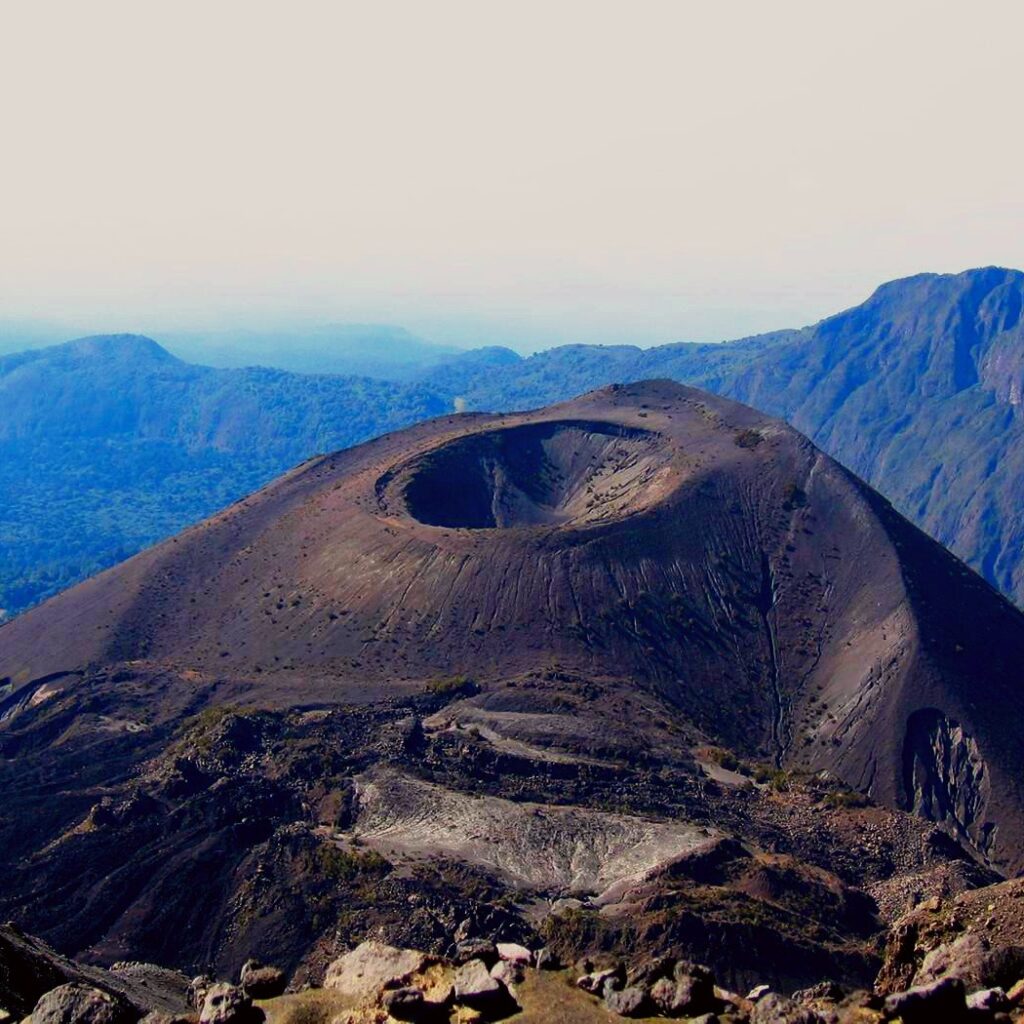
Experience and discover the ultimate Mount Meru, Tanzania’s majestic volcanic giant, which rises gracefully in the shadow of the iconic Mount Kilimanjaro. Situated within the scenic Arusha National Park, this dormant stratovolcano is a hidden gem for trekkers, wildlife enthusiasts, and photographers alike. With its towering peaks, lush forests, and rich biodiversity, Mount Meru offers an unparalleled adventure in Tanzania hiking and safari experiences. Unlike Kilimanjaro’s heavily trafficked trails, Mount Meru provides a more serene trekking experience, featuring scenic vistas, volcanic formations, and exotic wildlife. The mountain’s slopes are a haven for rare flora and fauna, making it a top destination for eco-tourism and birdwatching safaris in Tanzania. Its unique location and geological features contribute to fascinating Tanzania mountain adventures beyond the ordinary. Fact 1: Geological Formation and Age Mount Meru is a prominent stratovolcano formed over millions of years, showcasing East Africa’s volcanic activity. Geologists estimate its formation around 2.5 million years ago, making it an essential study site for understanding the Great Rift Valley geology. The mountain’s layered structure, including lava flows, volcanic ash deposits, and pyroclastic cones, tells a story of multiple eruptions over time. Mount Meru’s volcanic origins have created fertile soils that support lush forests and thriving ecosystems. Its geological complexity attracts climbers, geologists, and nature photographers in Tanzania, offering a perfect blend of adventure and scientific discovery. Exploring Mount Meru provides insight into volcanic evolution, unique rock formations, and Tanzania trekking adventures rarely matched by other African peaks. Fact 2: Second-Highest Peak in Tanzania Mount Meru stands as Tanzania’s second-highest peak, rising to an impressive 4,562 meters (14,968 feet) above sea level. Towering just below Mount Kilimanjaro, it offers climbers a less crowded yet equally breathtaking summit experience. Its height provides panoramic views of Arusha, Mount Kilimanjaro, and the surrounding national parks, making it ideal for photography and nature observation. Being the second-tallest peak, Mount Meru is often used as a training climb for Kilimanjaro ascents, helping trekkers acclimatize while enjoying spectacular scenery. With fewer visitors than Kilimanjaro, it guarantees solitude amid Tanzania’s pristine landscapes, combining adventure tourism with eco-friendly trekking opportunities. The mountain’s altitude and unique vantage points make it a top destination for Tanzania adventure travel enthusiasts. Fact 3: Unique Crater and Caldera Mount Meru features a remarkable crater and caldera system, including the famous Momella Crater with scenic crater lakes. This unique volcanic formation results from ancient eruptions that collapsed parts of the summit, forming an expansive caldera. Trekking around the crater provides stunning panoramic views, opportunities to spot wildlife such as giraffes, buffalo, and zebras, and encounters with rare plant species. The crater lakes, with their striking colors, add a surreal charm to the hike, attracting photographers and nature lovers. These features make Mount Meru a living laboratory for geologists and volcanologists studying East African volcanic landscapes, while also being a perfect Tanzania hiking and safari destination that balances adventure with natural beauty. Fact 4: Rich Biodiversity Mount Meru’s slopes are a biodiversity hotspot, housing diverse flora and fauna rarely seen elsewhere. The montane forests, grasslands, and volcanic plains shelter elephants, buffalo, giraffes, monkeys, and exotic bird species. Endemic plants thrive in the nutrient-rich volcanic soil, supporting sustainable ecosystems crucial for conservation. The mountain’s unique habitats make it a favorite for birdwatchers in Tanzania, with over 400 species recorded, including rare raptors and colorful sunbirds. Wildlife sightings are common during treks, offering unforgettable encounters alongside stunning landscapes. Mount Meru’s biodiversity highlights the importance of conservation in Arusha National Park, attracting eco-tourists, researchers, and adventurers seeking a Tanzania wildlife safari combined with hiking experiences. Fact 5: Cultural Significance Mount Meru is not only a natural wonder but also a cultural landmark for local Maasai and Meru communities. It features in folklore, traditional ceremonies, and local mythology, symbolizing strength and resilience. The mountain is often associated with spiritual reverence, with villagers believing it harbors ancestral spirits. Local guides share stories about sacred sites, ancient trails, and rituals tied to the mountain, offering trekkers a cultural immersion in northern Tanzania. Engaging with these communities enriches the hiking experience, connecting adventurers with Tanzania’s living traditions. Mount Meru’s cultural significance enhances its appeal, making it more than a trekking destination but also a center of heritage and folklore intertwined with nature’s grandeur. Fact 6: Challenging Climbing Routes Mount Meru presents climbers with moderate to challenging trekking routes suitable for both novice and experienced hikers. The most popular trail, the Miriakamba Route, combines forested paths, lava cliffs, and steep ascents to the summit. Trekkers experience diverse terrains, including volcanic ash plains, river valleys, and crater edges. The ascent requires good fitness, proper acclimatization, and trekking gear, though it’s considered slightly easier than Kilimanjaro. Adventure enthusiasts often choose Mount Meru to prepare for higher peaks or enjoy off-the-beaten-path Tanzania trekking. The challenging routes reward climbers with panoramic views, wildlife encounters, and the thrill of reaching the summit amid pristine volcanic landscapes, making it an unforgettable adventure in Tanzania hiking tourism. Fact 7: Lesser-Known Neighbors Mount Meru is surrounded by hidden gems in northern Tanzania, including the Ngurdoto Crater, Momella Lakes, and the Arusha National Park wildlife areas. These lesser-known neighbors provide additional trekking, wildlife spotting, and photography opportunities. The proximity to Mount Kilimanjaro, Tarangire, and Lake Manyara allows for combined adventure itineraries, creating a diverse Tanzania safari experience. Visitors can explore remote trails, witness wildlife migrations, and discover unique flora along quiet paths away from tourist crowds. This network of surrounding natural attractions makes Mount Meru a central hub for eco-tourism, adventure trekking, and wildlife safaris, offering more than just a single mountain experience, but a comprehensive Tanzania northern circuit adventure. Fact 8: Natural Habitats and Conservation Efforts Mount Meru’s ecosystems benefit from strong conservation initiatives led by the Tanzanian government and local organizations. Its montane forests, grasslands, and crater lakes are protected under Arusha National Park regulations, ensuring wildlife preservation and sustainable tourism. Conservation programs focus on elephant protection, forest regeneration, and anti-poaching measures, keeping the mountain’s natural habitats intact. Trekking with guided tours supports
Is it possible Kilimanjaro Be Seen from the Serengeti?
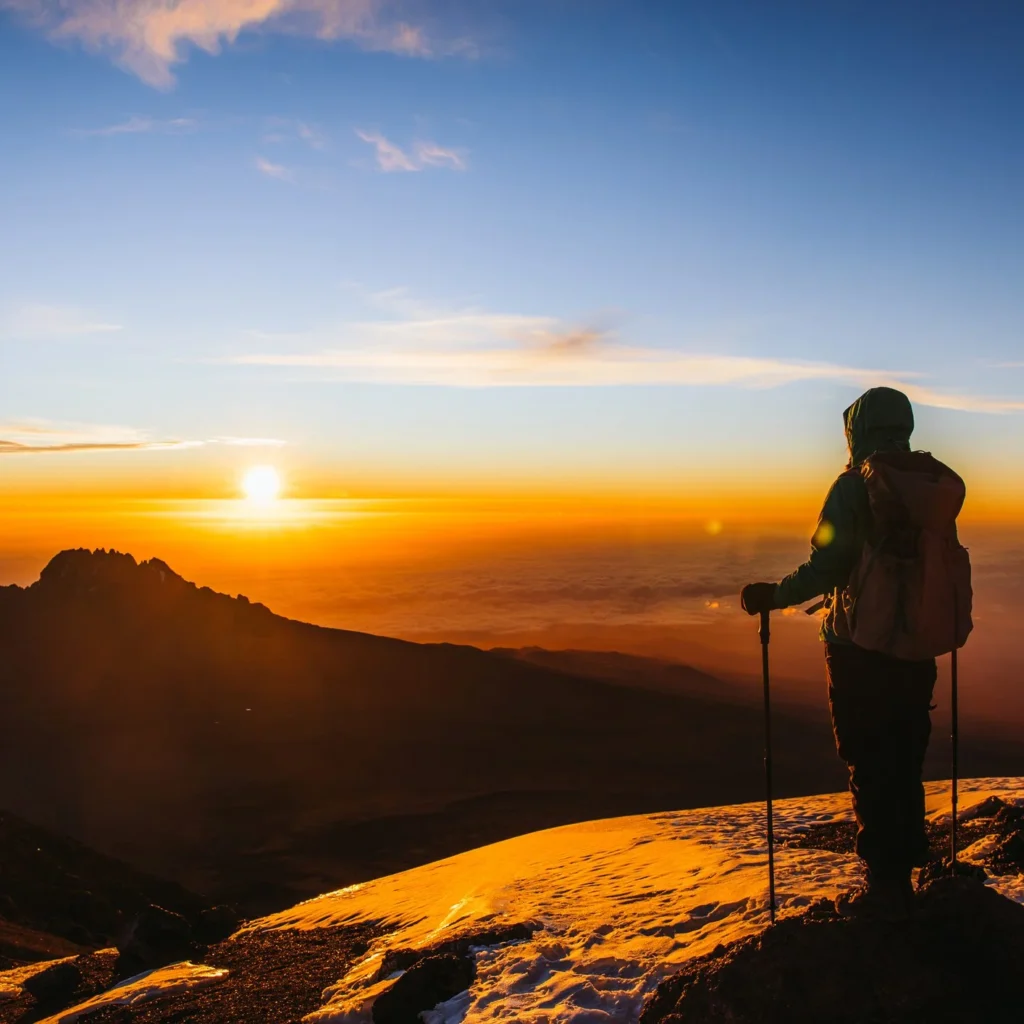
No, it is generally not possible to see Mount Kilimanjaro from the Serengeti. The two locations are roughly 300+ kilometers (over 185 miles) apart, with significant distance, atmospheric haze, and intermediate highlands blocking the view. The famous snow-capped views are best seen from Amboseli National Park in Kenya. Mount Kilimanjaro, Africa’s tallest peak at 5,895 meters, is a natural icon visible from various parts of northern Tanzania. Many travelers visiting the Serengeti National Park often wonder: Is it possible to see Kilimanjaro from the Serengeti? Understanding this involves considering distance, geography, the Earth’s curvature, and visual conditions. While some parts of the Serengeti lie too far to catch a glimpse, specific vantage points and clear days provide breathtaking views of Kilimanjaro’s snow-capped summit towering above the plains. For safari enthusiasts, combining a Serengeti wildlife adventure with glimpses of Kilimanjaro enhances the East African safari experience. Observing Kilimanjaro from the Serengeti offers a rare photographic opportunity and connects travelers to Tanzania’s iconic landscapes. How Far Can the Human Eye See? The visibility of distant objects like Mount Kilimanjaro from the Serengeti depends on the limits of the human eye and atmospheric conditions. On a clear day, a human can see objects up to three miles clearly, but elevated peaks like Kilimanjaro extend this distance significantly. Factors like air clarity, humidity, and the observer’s height also matter. With Kilimanjaro’s snow-capped summit rising nearly 6,000 meters above sea level, its peak can sometimes be seen from over 150 miles away under ideal conditions. Safari-goers with binoculars or camera zooms may spot the mountain on the horizon. Understanding human visual range helps explain why seeing Kilimanjaro from certain Serengeti plains is possible only from specific locations or higher terrains. How Much Does the Earth Curve in 200 Miles? The Earth’s curvature affects long-distance visibility. Over 200 miles, the Earth curves downward approximately 2,640 feet, making distant objects partially obscured from flat land. Kilimanjaro’s massive height, however, counteracts this effect, allowing its upper slopes to remain visible above the horizon from far away. This is why on exceptionally clear days, travelers in northern Serengeti regions may catch sight of Kilimanjaro’s peak rising dramatically above the plains. Atmospheric refraction can also bend light slightly, making distant mountains appear taller or closer than they really are. Knowledge of Earth’s curvature is crucial in understanding why Kilimanjaro is sometimes visible from hundreds of miles away, while lower mountains disappear behind the horizon. The Geography of Kilimanjaro and the Serengeti Mount Kilimanjaro is located in northeastern Tanzania near the Kenya border, while the Serengeti National Park spreads across northwestern Tanzania into southwestern Kenya. The Serengeti is a vast savannah known for its wildlife and rolling plains, while Kilimanjaro is a volcanic massif with glaciers and forested slopes. Between them lie other geographic features, including the Maasai Steppe and the Ngorongoro Highlands. The park’s northern sections are closest to Kilimanjaro, improving the chances of spotting the mountain. Elevation differences and open landscapes enhance visibility, especially in regions without obstructing hills or trees. Understanding this geography is essential for safari planning and predicting where and when Kilimanjaro may be visible from Serengeti viewpoints. Is Kilimanjaro Visible from the Serengeti? Yes, but with conditions. Northern and eastern Serengeti plains, especially near Seronera and the Mara River, offer occasional glimpses of Kilimanjaro on exceptionally clear days. The mountain’s snow-capped summit can rise above distant plains, creating a surreal scene combining wildlife and Tanzania’s tallest peak. However, humidity, seasonal haze, and atmospheric particles often limit visibility. Most visitors may see Kilimanjaro’s outline rather than its detailed slopes. Early mornings after the rains are usually the clearest times. While Kilimanjaro cannot be seen from every corner of the Serengeti, its occasional appearance adds a unique magic to game drives. Safari photographers prize these rare moments to capture Africa’s most iconic mountain with roaming wildlife. Where Is the Best Place to See Mount Kilimanjaro? For the best views of Mount Kilimanjaro, areas closer to its base and elevated terrains work best. Northern Tanzania locations like Amboseli National Park (Kenya), Arusha National Park, and nearby coffee plantations provide clear, unobstructed views. Within the Serengeti, the northern corridor and open plains offer the best chance on clear days. Sunrise and sunset enhance visibility, highlighting Kilimanjaro’s white summit against the savannah sky. Tourists staying in lodges near the northern Serengeti or traveling on private safaris may capture the mountain in panoramic photos. While viewing from the Serengeti is rare, combining Kilimanjaro sightseeing with safari drives ensures travelers experience both Tanzania’s wildlife and its iconic mountain landscapes. How Far Away Can You See Kilimanjaro? Mount Kilimanjaro’s peak can be seen from over 150 miles away under ideal weather conditions due to its immense height and prominence. Northern Serengeti plains, bordering Kenya, sometimes provide this rare visibility. Factors affecting this include air clarity, humidity, time of day, and observer elevation. Early mornings after rainfall often provide the clearest views. While distant plains offer occasional glimpses, the mountain’s glaciers, ridges, and summit stand out against the horizon. Tourists using high-powered cameras or binoculars enhance the viewing experience. For photographers, seeing Kilimanjaro from the Serengeti provides a once-in-a-lifetime opportunity to frame wildlife against Africa’s tallest peak, creating iconic safari memories. Does Kilimanjaro Actually Rise Above the Serengeti? Yes, Kilimanjaro’s snow-capped summit rises dramatically above the Serengeti’s flat plains, but this is mostly in the northern sections. From elevated viewpoints or long-distance panoramas, the peak towers over the horizon, dwarfing surrounding landscapes. Its presence is subtle yet awe-inspiring when atmospheric conditions are perfect. Seasonal haze, clouds, and humidity often obscure lower slopes, making only the summit visible. Safari drivers and guides know optimal locations and times for viewing. This phenomenon creates iconic photography opportunities—wildlife with the Serengeti plains in the foreground and Kilimanjaro in the distance. Seeing Africa’s tallest peak rise above the savannah embodies the ultimate Tanzanian safari experience. How Far Is the Serengeti from Kilimanjaro? The Serengeti National Park lies approximately 200 to 250 miles (320–400 km) from Mount Kilimanjaro, depending
Zanzibar Dishes to Die For

Zanzibar is not only famous for its turquoise beaches, spice farms, and rich Swahili culture, but also for its unforgettable food scene. The islands offer some of the best African cuisine, blending Swahili, Arab, Indian, and Persian flavors into mouthwatering dishes loved by travelers from around the world. From sizzling seafood platters to fragrant coconut curries, Zanzibar food is a paradise for every foodie seeking authentic East African cuisine. Popular local dishes are prepared using fresh spices such as cloves, cinnamon, cardamom, nutmeg, turmeric, and black pepper, giving every meal a unique tropical flavor. Whether dining at local food markets in Stone Town, beach restaurants, or traditional Swahili homes, visitors enjoy a culinary journey unlike any other. This Zanzibar food guide explores the best dishes to try while visiting this magical Indian Ocean destination known for unforgettable flavors and cultural traditions. 1. Zanzibar Pizza – The Island’s Most Famous Street Food Zanzibar Pizza is one of the most famous street foods in East Africa and a must-try delicacy in Stone Town night markets. Despite the name, it is not a traditional Italian pizza. Instead, this delicious snack combines dough, minced meat, vegetables, eggs, mayonnaise, and cheese before being folded and fried in a hot pan. Sweet versions include bananas, mangoes, chocolate, and Nutella, making it popular among tourists and locals alike. Found mainly at the Forodhani Gardens food market, Zanzibar Pizza is crispy outside and soft inside, packed with rich Swahili flavors. This iconic Zanzibar street food reflects the island’s multicultural culinary history, influenced by Arab, Indian, and African cooking traditions. Travelers searching for authentic Zanzibar cuisine often rank this among the top foods to eat in Tanzania due to its unforgettable taste and unique preparation style. 2. Pilau Rice – The Heart of Swahili Cuisine Pilau Rice is one of the most beloved traditional dishes in Zanzibar and throughout the Swahili Coast. This fragrant rice dish is cooked with cloves, cinnamon, cardamom, cumin, garlic, and black pepper, creating a rich aroma associated with East African coastal cuisine. Often served during weddings, celebrations, and religious festivals, Pilau represents hospitality and togetherness in Swahili culture. The rice is commonly paired with beef stew, chicken curry, seafood, or vegetables, making it a flavorful and filling meal. Zanzibar’s reputation as the “Spice Island” makes its Pilau exceptionally aromatic because many spices are locally grown. Visitors looking for authentic African food experiences frequently enjoy Pilau in local restaurants and family homes. The combination of fluffy rice and warm spices creates a comforting dish that perfectly captures the soul of Zanzibar’s traditional culinary heritage. 4. Urojo Soup – Zanzibar Mix Full of Flavor Urojo Soup, commonly called Zanzibar Mix, is one of the island’s most unique and flavorful local dishes. This popular street food combines potatoes, crispy bhajias, cassava flakes, boiled eggs, chutney, coconut sauce, and spicy mango sauce in a tangy yellow soup flavored with turmeric and lime. Every vendor has a special recipe, making each bowl slightly different yet equally delicious. Urojo reflects the Indian and Swahili culinary influence that shapes Zanzibar cuisine today. Locals often enjoy it during the evening as a hearty snack or quick dinner. Tourists searching for the best street food in Zanzibar frequently discover Urojo at busy markets and roadside stalls. The mix of spicy, sweet, sour, and savory flavors creates an unforgettable taste sensation. Rich in texture and packed with spices, Urojo is truly one of Zanzibar’s most iconic comfort foods. 5. Octopus Curry – A Seafood Lover’s Dream Octopus Curry is among the most famous seafood dishes in Zanzibar, loved for its tender texture and rich coconut flavor. Fresh octopus caught from the Indian Ocean is slowly cooked with coconut milk, garlic, onions, tomatoes, turmeric, curry spices, and lime juice until perfectly soft. The result is a creamy and aromatic curry served with rice, chapati, or ugali. Zanzibar’s coastal location ensures seafood is always fresh, making octopus curry a favorite among visitors seeking authentic island cuisine. Many beach restaurants in Nungwi, Paje, and Stone Town proudly serve this delicious Swahili seafood specialty. The dish highlights Zanzibar’s blend of African, Indian, and Arabic culinary influences through its spice-rich preparation. Travelers exploring Tanzanian cuisine often describe octopus curry as one of the best seafood meals in Africa because of its tropical flavors and unforgettable taste. 6. Mishkaki – Zanzibar’s Grilled Meat Perfection Mishkaki is a popular East African grilled meat dish commonly enjoyed in Zanzibar during evenings and celebrations. Similar to kebabs, Mishkaki consists of marinated beef, chicken, or seafood skewers grilled over open charcoal flames. The meat is seasoned with garlic, ginger, lemon juice, chili, paprika, and local spices, giving it a smoky and spicy flavor loved by locals and tourists alike. Often served with fries, chapati, or spicy sauce, Mishkaki is a staple at Zanzibar street food markets and beachside restaurants. The aroma of sizzling skewers fills the air around Forodhani Gardens every night, attracting hungry visitors from across the world. This flavorful grilled delicacy perfectly reflects Zanzibar’s rich culinary traditions and passion for spice-infused cooking. Food lovers exploring the island should never miss tasting freshly grilled Mishkaki under Zanzibar’s warm tropical evenings. 7. Coconut Bean Soup – A Traditional Swahili Favorite Coconut Bean Soup is a comforting and nutritious Zanzibar dish deeply rooted in Swahili home cooking traditions. Prepared using red kidney beans, coconut milk, onions, tomatoes, garlic, and local spices, this hearty soup delivers rich flavor and satisfying texture. Coconut milk gives the dish a creamy tropical taste while spices add warmth and depth. It is commonly served with rice, chapati, or cassava and enjoyed by families across Zanzibar during lunch or dinner. This vegetarian-friendly meal is especially popular among travelers seeking healthy African cuisine with authentic local flavor. Zanzibar’s abundant coconuts and spice farms make this dish uniquely delicious compared to bean soups found elsewhere. The balance between creamy coconut and savory spices creates a wholesome meal that showcases the island’s agricultural richness and traditional Swahili culinary heritage, loved throughout East Africa.