
How easy is it to Climb Mount Kilimanjaro?
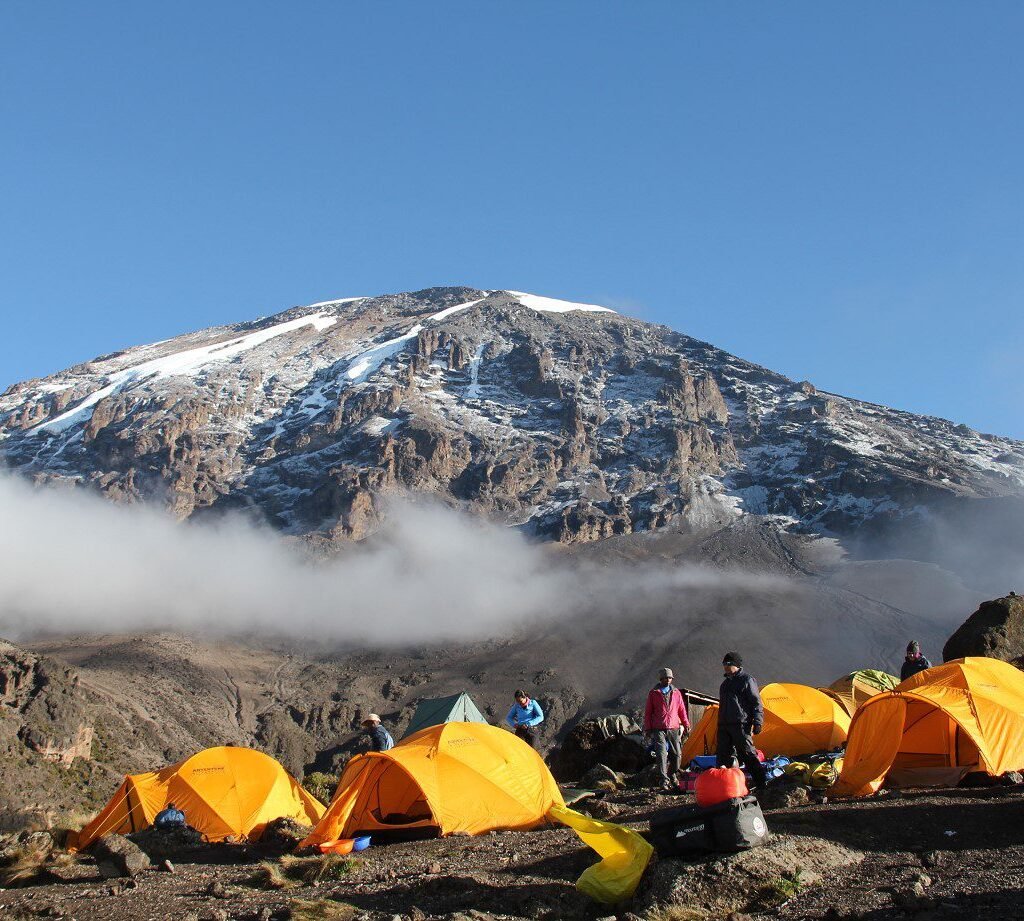
Climbing Mount Kilimanjaro is often described as challenging but achievable for most fit trekkers, making it one of the most popular high-altitude adventures in the world. Located in Tanzania within Kilimanjaro National Park Authority, this iconic free-standing mountain rises to 5,895 meters at Uhuru Peak, the highest point in Africa. The question “How easy is it to climb Mount Kilimanjaro?” depends largely on preparation, route choice, and acclimatization. Unlike technical mountains, Kilimanjaro does not require climbing skills or ropes, but altitude sickness and endurance remain key challenges. With the right trekking itinerary, professional guides, and gradual ascent, beginners can successfully reach the summit. This guide explores the real difficulty level, success factors, and essential tips for a safe and memorable Kilimanjaro trekking experience in Tanzania’s breathtaking landscapes. Understanding Kilimanjaro Difficulty The difficulty of climbing Mount Kilimanjaro is often misunderstood. It is not a technical climb, meaning no ropes or mountaineering skills are required, but it is still a high-altitude trek that demands endurance. The biggest challenge is altitude sickness due to reduced oxygen levels as you approach Uhuru Peak. Many climbers underestimate this factor, thinking fitness alone guarantees success. In reality, even experienced athletes can struggle if they ascend too quickly. Kilimanjaro’s difficulty is rated moderate to challenging, depending on the route and duration. Longer routes like Lemosho or Northern Circuit offer better acclimatization and higher success rates. Shorter routes, such as Marangu, are faster but more physically demanding. Understanding these differences is key when planning your Kilimanjaro trekking adventure in Tanzania. Fitness Requirements for Climbing You do not need to be an elite athlete to climb Mount Kilimanjaro, but a reasonable level of fitness is essential. The trek involves long daily hikes of 5–8 hours over uneven terrain, with some summit days lasting up to 12–15 hours. Cardiovascular endurance, leg strength, and mental resilience are more important than speed or strength training alone. Activities like hiking, jogging, cycling, and stair climbing are excellent preparation for the Kilimanjaro trek. Many climbers also benefit from carrying a weighted backpack during training hikes to simulate real conditions. While technical skills are not required, preparation reduces fatigue and improves your chances of reaching Uhuru Peak. Ultimately, consistent fitness training makes the climb easier, safer, and more enjoyable, especially in the high-altitude conditions of Tanzania’s iconic mountain. Altitude Sickness Challenges Altitude sickness is the primary reason climbers struggle on Mount Kilimanjaro. As you ascend above 3,000 meters, oxygen levels drop significantly, affecting the body’s ability to function normally. Symptoms can include headaches, nausea, dizziness, and fatigue. In severe cases, it can lead to Acute Mountain Sickness (AMS), requiring descent. This makes acclimatization one of the most important factors in Kilimanjaro trekking success. Guides often follow the “climb high, sleep low” strategy to help the body adjust gradually. Choosing longer routes significantly reduces altitude-related risks. Staying hydrated, eating well, and ascending slowly also improve adaptation. Unlike physical fitness, altitude tolerance cannot be trained in advance, which is why even experienced hikers may struggle. Proper pacing is the key to safely reaching Uhuru Peak. Best Kilimanjaro Routes for Easier Climb Choosing the right route on Mount Kilimanjaro significantly affects how easy or difficult your climb will be. The Lemosho and Northern Circuit routes are considered the easiest in terms of acclimatization because they offer longer itineraries and gradual ascent. These routes increase your chances of reaching Uhuru Peak successfully. The Machame route is popular and moderately difficult, offering scenic views but slightly steeper sections. The Marangu route is often called the “easiest” due to hut accommodation, but its shorter duration reduces acclimatization time, making summit success less likely. Rongai is another quieter option with a gentler slope. Each route offers a different experience within Kilimanjaro National Park Authority, and selecting wisely is essential for a comfortable and successful trekking experience. Weather Conditions on the Mountain Weather plays a major role in how easy it feels to climb Mount Kilimanjaro. The mountain has multiple climate zones, ranging from tropical rainforest at the base to arctic conditions at the summit. Climbers often experience rain, wind, and freezing temperatures within the same journey. The best trekking seasons are during January–March and June–October when conditions are relatively dry and stable. However, temperatures at Uhuru Peak can drop below -10°C even in good seasons. Weather changes can affect trail conditions, making some sections slippery or more demanding. Proper gear, including layered clothing, waterproof jackets, and insulated boots, is essential. Understanding Kilimanjaro’s unpredictable climate helps climbers prepare mentally and physically, ensuring a smoother ascent and safer experience throughout the trek. Daily Kilimanjaro Trekking Experience A typical day on Mount Kilimanjaro begins early in the morning with breakfast before several hours of trekking through diverse landscapes. Climbers move slowly but steadily, following the “pole pole” (slowly, slowly) philosophy to conserve energy. The terrain varies from rainforest paths to rocky alpine zones as you ascend. Breaks are taken regularly for rest, hydration, and meals prepared by mountain chefs. Camps are usually reached by mid-afternoon, allowing time for recovery and acclimatization walks. Nights are spent in tents or mountain huts, depending on the route. While physically demanding, the structured routine helps climbers adjust gradually to altitude. The experience is both challenging and rewarding, offering breathtaking views of Tanzania’s landscapes and a strong sense of progression toward Uhuru Peak. Mental Strength and Motivation Mental endurance is just as important as physical fitness when climbing Mount Kilimanjaro. Many trekkers find the slow pace, cold temperatures, and long summit night mentally challenging. Fatigue and altitude can create self-doubt, especially during the final push to Uhuru Peak. Successful climbers often rely on motivation, patience, and positive mindset strategies. Guided groups within Kilimanjaro National Park Authority help maintain morale through encouragement and teamwork. Setting small daily goals, focusing on steady progress, and trusting the guides make a significant difference. Mental preparation before the trek is just as important as physical training. Understanding that discomfort is temporary helps climbers push through difficult moments and reach the summit with determination and
How to choose the perfect backpack for high-altitude Trekking
Choosing the perfect backpack for high-altitude trekking is one of the most important decisions for any mountaineer, hiker, or adventure traveler. Whether you are preparing for a Kilimanjaro trekking, Everest Base Camp, or any alpine expedition, the right trekking backpack directly affects your comfort, safety, endurance, and overall success. A high-quality hiking backpack is not just about carrying gear—it is about weight distribution, durability, weather resistance, and ergonomic design. Modern high-altitude backpacks are engineered with advanced suspension systems, breathable back panels, and load-stabilizing frames to reduce fatigue. In this guide, we explore how to choose the best trekking backpack, focusing on capacity, fit, materials, and essential features. Understanding these factors helps you invest in the best backpack for trekking in extreme altitude conditions while ensuring performance, comfort, and reliability on every adventure. Understanding Backpack Capacity for High-Altitude Trekking Backpack capacity is one of the most critical factors when selecting a high-altitude trekking backpack. The ideal size depends on trip duration, weather conditions, and whether you are on a guided expedition like a Kilimanjaro trek or independent alpine hiking. For short treks, a 30–50L backpack is sufficient, while multi-day high-altitude expeditions require 50–70L trekking backpacks. Longer or unsupported climbs may need 70L+ expedition backpacks. A good hiking backpack should balance capacity with weight efficiency, ensuring you carry essential gear without overloading your body. Overpacking leads to fatigue and altitude strain. The best trekking backpacks also offer expandable compartments for flexibility. Choosing the right capacity ensures optimal comfort, efficient packing, and better energy conservation, which is essential for demanding environments like mountain trekking, glacier hiking, and high-altitude safari adventures. Importance of Proper Backpack Fit and Comfort A proper fit is essential when selecting the best high-altitude trekking backpack, as it directly affects comfort and endurance during long hikes. A poorly fitted backpack can cause back pain, shoulder strain, and fatigue, especially in extreme environments like mountain trekking or Kilimanjaro climbing. Look for adjustable shoulder straps, hip belts, and chest straps that distribute weight evenly across your body. The hip belt should carry most of the load, reducing pressure on the shoulders. Adjustable torso length ensures the backpack aligns perfectly with your spine. High-quality trekking backpacks also include padded lumbar support and breathable mesh systems for ventilation. Trying on different hiking backpacks before purchase is crucial. The right fit enhances stability, improves posture, and allows you to hike longer distances efficiently, making your high-altitude trekking experience safer and more enjoyable. Backpack Weight and Load Distribution System When selecting a high-altitude trekking backpack, weight and load distribution play a vital role in performance and endurance. A lightweight backpack reduces overall strain, allowing you to conserve energy during long ascents. However, lightweight should not compromise durability. Advanced trekking backpacks use internal frame systems that distribute weight evenly across the hips and shoulders. This balance prevents injury and improves stability on uneven terrain. Load lifter straps, compression straps, and hip belts are essential features that stabilize heavy loads during alpine trekking or mountain expeditions. Proper load distribution also enhances balance when navigating steep slopes or rocky trails. Whether you are on a Kilimanjaro trek or a high-altitude hiking adventure, choosing a backpack with an efficient weight management system ensures reduced fatigue, better posture, and improved endurance throughout your journey. Material Quality and Durability for Extreme Conditions Durability is a key factor when choosing the best trekking backpack for high-altitude environments. The backpack must withstand harsh weather conditions such as rain, snow, wind, and UV exposure. High-quality materials like ripstop nylon, Cordura fabric, and reinforced polyester are commonly used in premium hiking backpacks. These materials provide tear resistance and long-lasting performance during demanding trekking expeditions. Waterproof or water-resistant coatings are essential for protecting gear in unpredictable mountain climates. Strong zippers, reinforced stitching, and abrasion-resistant panels further enhance durability. For expeditions like Kilimanjaro trekking or alpine hiking, investing in a rugged backpack ensures reliability in extreme conditions. A durable backpack not only protects your equipment but also guarantees long-term usability, making it a crucial investment for serious trekkers and adventure travelers. Ventilation and Breathability Systems Ventilation is essential when selecting a high-altitude trekking backpack, especially for long and physically demanding hikes. Advanced backpacks are designed with breathable mesh back panels that promote airflow between your back and the pack. This reduces sweat buildup and keeps you cooler during steep climbs and warm weather trekking conditions. Airflow channels and suspended mesh systems improve comfort significantly, especially during endurance hikes like mountain trekking or Kilimanjaro expeditions. Without proper ventilation, excessive sweating can lead to discomfort, dehydration, and reduced performance. High-quality hiking backpacks also incorporate moisture-wicking materials to enhance breathability. Adjustable airflow systems help regulate temperature depending on altitude and weather conditions. Choosing a backpack with superior ventilation ensures better comfort, improved hygiene, and enhanced stamina throughout your high-altitude trekking journey. Essential Backpack Compartments and Organization Efficient organization is a crucial feature of the best high-altitude trekking backpacks. Multiple compartments allow trekkers to store gear systematically, ensuring easy access during long expeditions. A well-designed hiking backpack includes a main storage space, side pockets, top lid compartments, and hydration bladder sleeves. These sections help organize sleeping bags, clothing layers, food supplies, and trekking equipment efficiently. Quick-access pockets are essential for items like maps, snacks, or first aid kits during mountain trekking. Compression straps help secure bulky items and reduce shifting during movement. Proper organization enhances convenience and reduces the need to unpack everything on the trail. Whether you are on a Kilimanjaro climb or alpine expedition, a well-structured backpack improves efficiency, saves time, and ensures smoother trekking experiences in high-altitude environments. Hydration Compatibility for High-Altitude Trekking Hydration is critical during high-altitude trekking, making hydration compatibility an essential feature in the best trekking backpacks. Many modern hiking backpacks include built-in hydration reservoir sleeves that accommodate water bladders, allowing hands-free drinking through a hose system. This is especially important during challenging climbs like the Kilimanjaro trekking, where frequent hydration helps prevent altitude sickness and fatigue. Side bottle pockets provide additional hydration options for
How hard is summit night on Kilimanjaro?
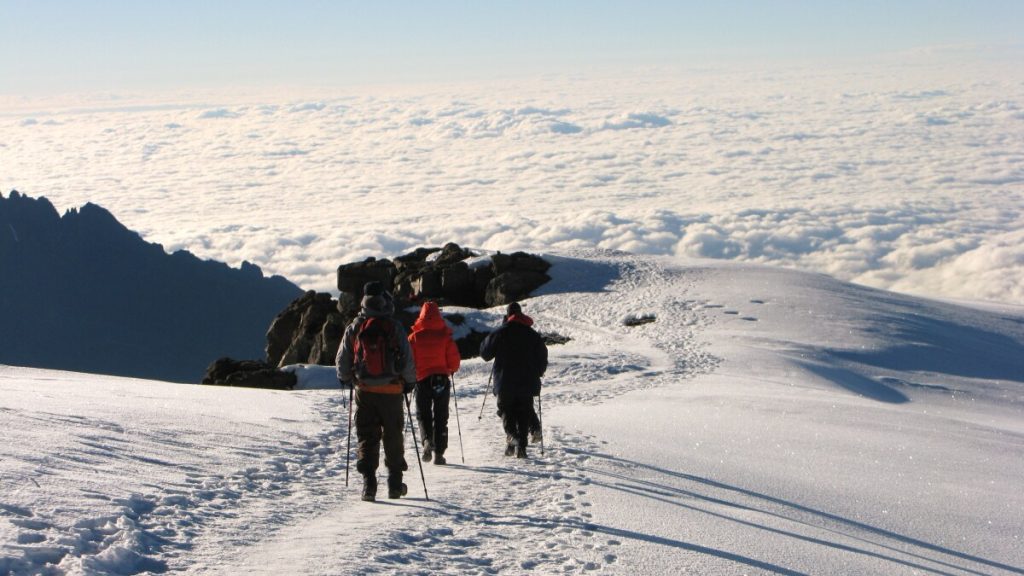
Summit night on Mount Kilimanjaro is widely regarded as the most physically and mentally demanding part of the entire climb to Uhuru Peak, the highest point in Africa at 5,895 meters. This final ascent usually begins around midnight, when temperatures drop well below freezing and oxygen levels are significantly reduced due to extreme altitude. Climbers face steep volcanic scree, thin air, exhaustion from days of trekking, and the challenge of pushing through darkness toward Stella Point and finally the summit. Despite its difficulty, summit night is also the most rewarding moment of any Kilimanjaro trek. Understanding how hard the Kilimanjaro summit night really is helps climbers prepare mentally, physically, and emotionally for one of the most iconic trekking experiences in the world. 1. The Start of Summit Night Challenge Summit night on Kilimanjaro typically begins shortly after midnight from high camps such as Barafu Camp or Kibo Hut. Climbers wake up in freezing temperatures, often around -10°C to -20°C, and begin the final ascent in complete darkness. The goal is to reach Uhuru Peak by sunrise. This timing is strategic, allowing climbers to walk slowly in cooler conditions while maximizing summit success. However, the body is already tired from days of trekking, making even simple movements feel heavier. The psychological challenge starts immediately, as trekkers leave their warm sleeping bags and step into thin air, low oxygen, and steep terrain. This initial stage sets the tone for the endurance test ahead on the summit night. 2. Extreme Altitude and Oxygen Levels One of the hardest parts of the Kilimanjaro summit night is the extreme altitude, which reaches nearly 6,000 meters above sea level. At this height, oxygen levels are about 50% lower than at sea level, making every step feel physically demanding. Climbers often experience shortness of breath, slower movement, and increased fatigue due to altitude effects. This is why the concept of “pole pole” (slowly slowly in Swahili) is essential for success. The thin air can also contribute to altitude sickness symptoms such as headaches or nausea, which make the climb even more challenging. Despite this, steady pacing and proper acclimatization greatly improve summit success rates on Kilimanjaro trekking routes. 3. Cold Temperatures and Wind Exposure Summit night is extremely cold, with temperatures often dropping below freezing and sometimes reaching -20°C or lower with wind chill. The combination of high altitude and strong mountain winds increases the feeling of cold dramatically. Climbers must wear layered clothing, insulated jackets, gloves, hats, and thermal gear to survive the conditions. Even with proper gear, fingers and toes can become painfully cold during long hours of climbing. Wind exposure on exposed ridges adds another layer of difficulty, especially near Stella Point. Staying warm is not just about comfort—it is essential for maintaining energy and preventing cold-related fatigue during the Kilimanjaro summit push. 4. Physical Fatigue from Previous Days By the time climbers reach the summit at night, they have already spent several days trekking through different ecological zones of Mount Kilimanjaro, from rainforest to alpine desert. This accumulated fatigue makes the final ascent especially challenging. Legs feel heavy, muscles are sore, and energy reserves are low. The climb from high camp to the summit can take 6 to 8 hours uphill, followed by a long descent. Even simple steps require determination. Many climbers describe summit night as a “mental battle against tiredness.” Proper hydration, nutrition, and pacing during earlier days significantly influence how well a climber handles this final physical test on Kilimanjaro. 5. Steep and Loose Volcanic Terrain The terrain on the summit night is one of the most demanding aspects of the climb. The path from high camp to Stella Point consists of steep volcanic scree, loose gravel, and unstable footing. Every step forward can feel like sliding half a step back. This makes progress slow and physically draining. Climbers often use trekking poles for balance and support. The lack of solid ground increases the effort required to move upward, especially in low oxygen conditions. Despite being non-technical, this section of Kilimanjaro requires strong endurance and focus. The combination of steep slope and loose terrain is a key reason summit night is considered so hard. 6. Mental Strength and Motivation Mental endurance is just as important as physical strength on the Kilimanjaro summit night. Climbers must push through exhaustion, cold, and doubt for several hours in darkness. Motivation becomes a critical factor in continuing toward Uhuru Peak. Many trekkers focus on small goals, such as reaching the next landmark or taking the next 100 steps. Guides play a vital role by encouraging climbers and maintaining morale. The emotional drive to reach the summit of Africa often becomes the strongest force. Without mental resilience, even physically fit climbers may struggle. This psychological aspect makes summit night one of the toughest trekking experiences in the world. 7. The Role of Guides and Porters Experienced Kilimanjaro guides are essential during summit night, providing encouragement, pacing instructions, and safety monitoring. They understand altitude effects and know how to help climbers manage fatigue and discomfort. Porters and guides often support the group by maintaining a steady rhythm and ensuring no one is left behind. Their presence greatly increases summit success rates. Many climbers rely on verbal motivation from guides during the hardest sections. In addition, guides monitor for altitude sickness symptoms and may recommend slowing down or resting. Their expertise is one of the main reasons guided Kilimanjaro climbs are far more successful than unsupported attempts. 8. The Long Hours of Continuous Climbing Summit night involves continuous climbing for 6 to 8 hours or more, depending on conditions and route choice. This long duration without extended rest breaks adds to the difficulty. Climbers move slowly but steadily, stopping briefly to catch breath or drink water. The repetition of small steps over many hours creates both physical strain and mental fatigue. Unlike daytime hiking, there are no distractions—only darkness, cold, and silence. The body begins to feel the impact of prolonged exertion at high altitude. Endurance
Ways to reduce your eco footprint when hiking, trekking or camping
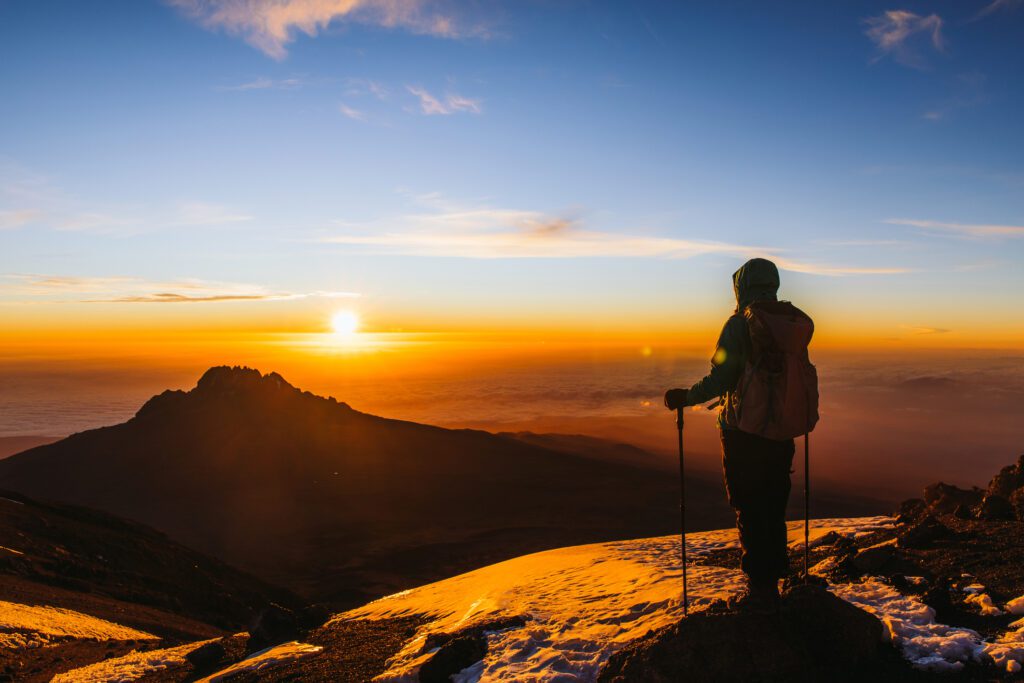
Sustainable travel is becoming one of the most important global trends, especially for outdoor lovers exploring nature through hiking, trekking, and camping. Reducing your eco footprint ensures that forests, mountains, rivers, and wildlife remain protected for future generations. Whether you are practicing eco-friendly camping, low-impact trekking, or responsible hiking, every small action matters. Following Leave No Trace principles, using sustainable outdoor gear, and minimizing waste can significantly reduce environmental damage. This guide explores the top ways to reduce your ecological footprint while enjoying nature adventures. From choosing biodegradable products to respecting wildlife habitats, these optimized eco travel tips will help you become a responsible traveler. Embracing sustainable tourism not only protects nature but also enhances your overall outdoor experience with cleaner, greener, and more meaningful adventures. 1. Choose Eco-Friendly Hiking Gear One of the most effective ways to reduce your eco footprint is by choosing eco-friendly hiking gear and sustainable outdoor equipment. Opt for reusable water bottles, biodegradable utensils, solar-powered gadgets, and gear made from recycled materials. Many eco-conscious brands now offer sustainable trekking boots, backpacks, and tents designed to minimize environmental impact. Avoid single-use plastics and cheaply made items that contribute to waste in natural environments. Investing in durable, high-quality equipment reduces the need for frequent replacements, lowering your overall environmental impact. Eco-friendly camping gear also includes lightweight cookware and non-toxic cleaning products. By prioritizing sustainable hiking gear, you actively support green manufacturing practices and reduce pollution, helping preserve forests, mountains, and wildlife ecosystems while enjoying your outdoor adventures responsibly and safely. 2. Follow Leave No Trace Principles The Leave No Trace principles are essential for anyone engaging in hiking, trekking, or camping. These eco guidelines encourage outdoor enthusiasts to minimize their environmental impact by respecting nature. Key practices include packing out all trash, avoiding damage to plants, staying on marked trails, and not disturbing wildlife. Responsible camping means leaving natural areas exactly as you found them, or even cleaner. Following Leave No Trace ensures sustainable tourism and protects fragile ecosystems from human destruction. It is widely recognized as one of the most important eco-travel practices worldwide. By adopting these principles, hikers and campers help preserve biodiversity, reduce pollution, and maintain the natural beauty of outdoor destinations. This approach is essential for eco-friendly trekking and responsible adventure travel in forests, mountains, and national parks. 3. Reduce Single-Use Plastics Reducing single-use plastics is one of the simplest yet most powerful ways to lower your environmental footprint while hiking or camping. Plastic bottles, bags, and packaging often end up polluting rivers, forests, and wildlife habitats. Instead, use reusable alternatives such as stainless steel bottles, cloth bags, and silicone containers. Many eco-friendly trekking enthusiasts also carry refillable hydration systems to avoid plastic waste entirely. Choosing unpackaged food or bulk snacks further reduces plastic consumption. Outdoor travelers should also avoid disposable cutlery and straws, which contribute heavily to environmental pollution. By minimizing plastic use, you actively support cleaner ecosystems and reduce harm to animals that may ingest or become trapped in plastic waste. This sustainable practice is a core part of eco-friendly hiking, responsible camping, and green travel lifestyles. 4. Stick to Marked Trails Sticking to marked trails is crucial for protecting natural landscapes during hiking and trekking adventures. When hikers stray off designated paths, they risk damaging fragile vegetation, disturbing wildlife habitats, and increasing soil erosion. Staying on established trails helps preserve biodiversity and ensures that ecosystems remain undisturbed. Many national parks and conservation areas invest significant effort into creating safe and sustainable trekking routes, making it important for visitors to respect them. Following marked paths also enhances safety by reducing the risk of getting lost or encountering hazardous terrain. Eco-friendly hiking practices strongly emphasize trail discipline as part of sustainable tourism. By respecting these boundaries, outdoor enthusiasts contribute to long-term conservation efforts, helping maintain the natural beauty of forests, mountains, and protected wilderness areas for future generations. 5. Practice Responsible Wildlife Observation Responsible wildlife observation is essential when hiking, trekking, or camping in natural environments. Always maintain a safe distance from animals and avoid feeding or disturbing them. Human interaction can disrupt natural behaviors and create dependency on human food sources, which harms ecosystems. Using binoculars or zoom cameras allows you to observe wildlife without intrusion. Eco-friendly trekking emphasizes respecting animal habitats and minimizing noise pollution to avoid stress on wildlife. Staying quiet and patient increases your chances of seeing animals behaving naturally. It is also important to never chase or provoke wildlife for photos. Sustainable outdoor travel promotes harmony between humans and nature, ensuring that wildlife populations remain healthy and undisturbed. By practicing ethical wildlife observation, you help preserve biodiversity and support conservation efforts in hiking and camping destinations worldwide. 6. Use Sustainable Camping Sites Choosing sustainable camping sites plays a major role in reducing your environmental footprint. Eco-friendly campsites are designed to minimize impact on surrounding ecosystems by providing designated areas for tents, waste disposal systems, and water conservation facilities. Many national parks and eco-lodges now promote green camping practices that support conservation efforts. Avoid setting up camp in sensitive areas such as riverbanks, wildlife breeding zones, or fragile vegetation regions. Using established campsites helps prevent soil erosion and habitat destruction. Sustainable camping also encourages responsible water use and waste management. By selecting eco-certified camping areas, you support environmentally conscious tourism businesses and contribute to local conservation initiatives. This approach ensures that natural landscapes remain preserved while still allowing visitors to enjoy safe and comfortable outdoor experiences in harmony with nature. 7. Conserve Water While Outdoors Water conservation is a critical aspect of eco-friendly hiking, trekking, and camping. Outdoor environments often have limited freshwater resources, so it is important to use water responsibly. Simple practices like using minimal water for washing, carrying refillable bottles, and avoiding contamination of natural water sources can make a big difference. Biodegradable soaps should always be used far away from rivers or lakes to prevent pollution. Eco-conscious hikers also plan ahead to carry only the necessary amount of water to reduce waste. Conserving
Tanzania Tribes
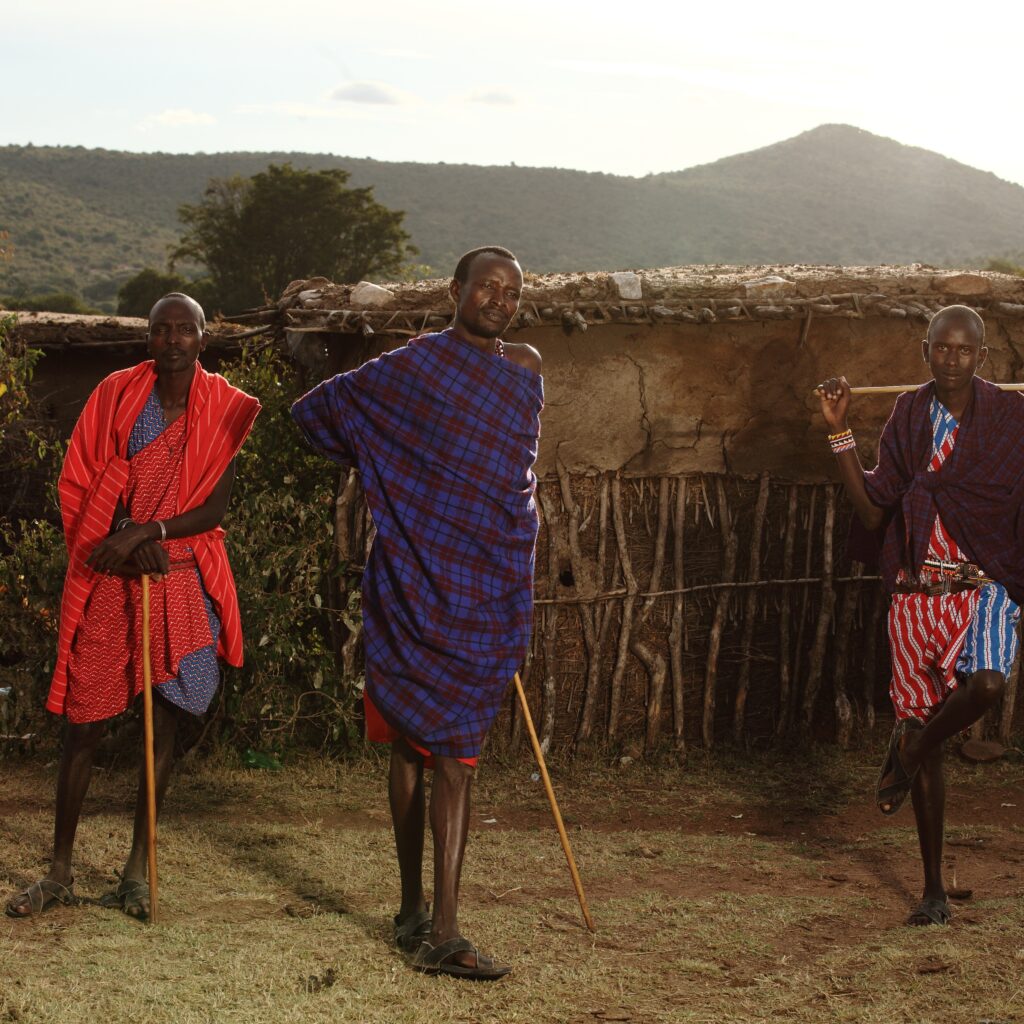
Tanzania is one of Africa’s most culturally diverse countries, home to more than 120 ethnic groups that shape its identity, traditions, and daily life. From the iconic Maasai Tribe to the hunter-gatherer Hadzabe and the farming communities of the Chaga and Sukuma, Tanzania tribes reflect a rich blend of languages, cultures, religions, and ancestral heritage. This diversity makes Tanzania a top safari destination for cultural tourism, safari experiences, and authentic African encounters. Swahili (Kiswahili) serves as the national language, uniting people across regions, while traditional languages remain widely spoken. Tanzanian culture is deeply rooted in respect, community living, music, dance, and traditional cuisine. Understanding Tanzania tribes offers travelers a deeper connection to safari adventures, wildlife exploration, and the vibrant human heritage that coexists with iconic destinations like Serengeti and Ngorongoro. The Sukuma Tribe The Sukuma Tribe is the largest ethnic community in Tanzania, mainly found around Lake Victoria in regions like Mwanza, Shinyanga, and Simiyu. Known for their strong agricultural lifestyle, the Sukuma people are skilled farmers and cattle keepers, growing crops such as maize, rice, and cotton. Their culture is rich in traditional dances like Bugobogobo and various ceremonies that celebrate harvests and community unity. The Sukuma also have a deep spiritual belief system that blends ancestral worship with modern religion, mainly Christianity. Their language, Kisukuma, is widely spoken alongside Swahili. The tribe plays a significant role in Tanzania’s cultural identity and agricultural economy. Visitors interested in Tanzania culture, rural life, and authentic traditions will find the Sukuma people an essential part of understanding the nation’s diverse heritage and living traditions. The Chaga Tribe The Chaga Tribe is one of Tanzania’s most educated and economically influential communities, living on the fertile slopes of Mount Kilimanjaro in the Kilimanjaro region. They are known for advanced farming techniques, especially coffee and banana cultivation using irrigation systems developed centuries ago. The Chaga culture emphasizes entrepreneurship, education, and strong family values. Their traditional language is Kichaga, though Swahili and English are widely spoken. Historically, they organized themselves into chiefdoms and were known for trade and resistance against colonial rule. Visitors to Kilimanjaro often experience Chaga culture through village tours, coffee tasting, and waterfall excursions like Materuni. The Chaga people are a vital part of Tanzania’s cultural tourism, offering insights into highland agriculture, African heritage, and sustainable living in one of the most scenic regions in East Africa. The Maasai Tribe The Maasai Tribe is one of the most internationally recognized tribes in Africa, famous for their red shuka clothing, jumping dance (Adumu), and semi-nomadic cattle herding lifestyle. Found in northern Tanzania near Serengeti, Ngorongoro, and Amboseli borders, they live in harmony with wildlife and are often seen during Tanzania safari experiences. The Maasai speak Maa and Swahili, and their culture revolves around cattle, which represent wealth and social status. They maintain strong traditions, including warrior initiation rites and communal living in enkangs (homesteads). Despite modernization, the Maasai preserve their identity and continue to attract global interest in Tanzania’s cultural tourism. Their presence enriches wildlife safaris, making them an essential part of understanding Tanzania tribes, African traditions, and the deep connection between people and nature. The Hadzabe Tribe The Hadzabe Tribe is one of the last remaining hunter-gatherer communities in Africa, living around Lake Eyasi in northern Tanzania. They do not practice farming or livestock keeping, instead relying on hunting animals and gathering wild fruits, roots, and honey. Their language is unique, featuring clicking sounds similar to the Khoisan languages. The Hadzabe lifestyle has remained largely unchanged for thousands of years, making them a key attraction for cultural tourism in Tanzania. Visitors can experience hunting demonstrations, traditional fire-making, and forest survival techniques. Their deep connection with nature offers valuable insights into early human lifestyles. The Hadzabe are an important part of Tanzania’s cultural heritage, showcasing diversity, resilience, and ancient traditions that continue to thrive alongside modern society and wildlife safari experiences in East Africa. The Haya Tribe The Haya Tribe lives in the northwestern region of Kagera near Lake Victoria. They are known for their advanced ancient iron-smelting technology, one of the oldest in Africa, and their rich agricultural practices, especially banana farming and coffee cultivation. The Haya culture is deeply rooted in monarchy traditions, with historical kingship systems known as “Omukama.” Their language is Kihaya, and Christianity is widely practiced today alongside traditional beliefs. The Haya people are also known for their music, storytelling, and vibrant cultural ceremonies. Their society emphasizes respect for elders and strong community bonds. Travelers interested in Tanzania culture and history will find the Haya tribe fascinating due to their technological innovation and long-standing traditions that highlight the depth of African civilization and heritage. 6. The Makonde Tribe (130 words) The Makonde Tribe is famous for its exceptional wood carving artistry and cultural expressions. They live in southern Tanzania, especially in the Mtwara and Lindi regions, near the border with Mozambique. The Makonde are skilled artists, creating intricate sculptures known worldwide in African art markets. Their culture includes traditional initiation ceremonies such as “lipiko” masks and dances that mark adulthood. The Makonde language, Kimakonde, is widely spoken alongside Swahili. Historically, they were known for resisting colonial rule and maintaining independence through strong community organization. Today, Makonde carvings are a major part of Tanzania’s cultural tourism and export economy. Visitors can explore artisan workshops and cultural villages to experience their craftsmanship, storytelling, and spiritual traditions that reflect deep African identity and creativity. 7. The Nyamwezi Tribe (130 words) The Nyamwezi Tribe is one of the largest ethnic groups in central Tanzania, mainly found in the Tabora region. Historically, they were powerful traders in ivory, salt, and gold across East and Central Africa. The Nyamwezi people are known for their strong leadership systems and long-distance trade networks that predate colonial times. Their culture values unity, respect, and agricultural productivity, with farming being a major economic activity today. The Nyamwezi language is widely spoken, alongside Swahili. Traditional music, dance, and storytelling play a central role in community life. Their history as
What are the Most Dangerous Animals in Africa
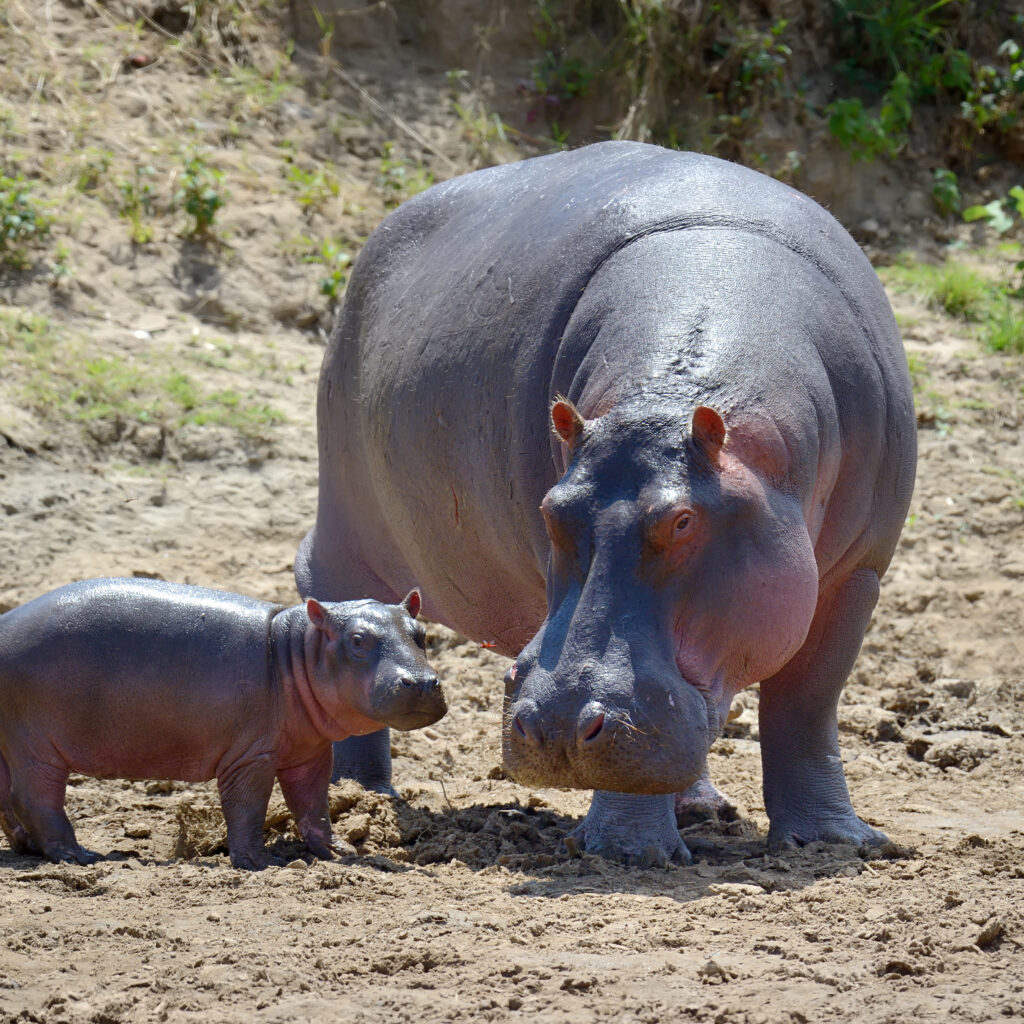
Africa, a continent renowned for its stunning landscapes, wildlife diversity, and iconic safari destinations, is home to some of the most dangerous animals on the planet. From the savannahs of the Serengeti to the rivers of the Nile, Africa hosts creatures capable of incredible strength, deadly speed, and venomous attacks. Understanding which animals pose the highest risks is crucial for travelers, safari enthusiasts, and wildlife researchers alike. While many African animals are peaceful when undisturbed, certain species rank among the most lethal due to their size, aggression, or venom. This guide explores Africa’s top dangerous animals, offering insight into their habitats, behaviors, and the risks they pose, while providing safety tips for those encountering them in the wild. Whether it’s the stealth of the leopard or the deadly bite of a black mamba, these animals are both fascinating and formidable. 1. The African Elephant The African elephant, the world’s largest land mammal, may appear gentle, but it is one of Africa’s most dangerous animals. Males can weigh over 6,000 kilograms and stand up to 4 meters tall, with massive tusks capable of causing fatal injuries. Despite their herbivorous diet, elephants can display aggressive behavior, especially when threatened, during mating season, or if they feel their young are in danger. Encounters with wild elephants, particularly in savannah regions such as Serengeti National Park or Kruger National Park, can be unpredictable. Elephants have been known to charge vehicles and humans alike. Understanding their body language—ear flaring, mock charges, and trumpeting—can help prevent dangerous encounters. Safari-goers should maintain a safe distance and follow professional guide’s instructions. African elephants are also threatened by poaching and habitat loss, making responsible wildlife tourism vital. Despite their dangers, they are awe-inspiring creatures, embodying the strength and majesty of Africa’s wilderness. 2. The Nile Crocodile The Nile crocodile, Africa’s apex river predator, is notorious for being one of the deadliest animals on the continent. Found in rivers, lakes, and wetlands across sub-Saharan Africa, including the Nile River and Lake Victoria, this massive reptile can exceed 6 meters in length. Nile crocodiles have incredibly powerful jaws capable of exerting a bite force of over 5,000 pounds per square inch, making them lethal hunters. They primarily ambush prey at the water’s edge, striking with speed and precision, often dragging animals underwater to drown. Human fatalities occur regularly due to the crocodile’s stealth and aggressive defense of territory. Travelers should avoid swimming or wading in crocodile-infested waters and always follow local warnings. Despite their deadly reputation, Nile crocodiles play a crucial ecological role by controlling fish populations and scavenging carcasses, highlighting Africa’s delicate balance of predator and prey. 3. The Hippopotamus The hippopotamus, often perceived as a docile giant, is surprisingly one of Africa’s most dangerous animals. Native to rivers, lakes, and wetlands across sub-Saharan Africa, including Lake Naivasha and the Zambezi River, hippos are highly territorial, especially in water. Despite their bulk and seemingly slow movements, hippos can run up to 30 km/h on land and deliver powerful bites capable of crushing bones. They are responsible for more human fatalities in Africa than lions, elephants, or crocodiles. Hippos use their tusks and immense jaws to defend their territory and offspring, often attacking boats or humans who unknowingly enter their range. Maintaining safe distances, particularly during river safaris, is essential. Although dangerous, hippos are social animals, living in large pods, and their role in maintaining river ecosystems, such as grazing vegetation and creating channels, makes them vital to Africa’s biodiversity. 4. The Lion The lion, Africa’s iconic predator, embodies both the beauty and danger of the wild. Known as the “king of beasts,” lions are apex predators that dominate the savannahs of Africa, from the Serengeti National Park to the Maasai Mara. Male lions use strength and teamwork to defend territories, while females orchestrate deadly hunts with incredible speed and coordination. Lions primarily hunt herbivores, but human-lion conflicts occasionally occur, particularly near settlements. An adult male can weigh up to 250 kilograms and has powerful jaws and claws that can cause fatal injuries. Lions are social, living in prides, which enhances their hunting efficiency and territorial defense. Safari visitors should always follow guides’ advice, avoid approaching lions on foot, and respect their natural habitat. Despite their predatory power, lions face threats from habitat loss and poaching, emphasizing the importance of ethical wildlife conservation. 5. The Black Mamba The black mamba, Africa’s most feared snake, is known for its speed, aggression, and lethal venom. Found in savannahs, rocky hills, and woodlands across southern and eastern Africa, including South Africa and Kenya, it can reach lengths of 4.5 meters. Despite its name, the black mamba is olive to gray in color; the “black” refers to its mouth interior. Strikes are fast and precise, injecting neurotoxic venom that can kill within hours if untreated. Symptoms include paralysis, respiratory failure, and cardiac arrest. Black mambas are elusive but highly territorial; provoking them can be fatal. Prompt antivenom treatment is critical for survival. While encounters are rare, travelers, hikers, and safari enthusiasts must be cautious, avoid tall grass, and seek immediate medical attention in case of bites. The black mamba is a symbol of Africa’s deadly yet fascinating reptilian diversity. 6. The Cape Buffalo The Cape buffalo, also called the African buffalo, is one of Africa’s most dangerous mammals. Weighing up to 900 kilograms and armed with curved horns, this herbivore is extremely aggressive when threatened. Found in grasslands, savannahs, and wetlands across Africa, including Kruger National Park and Selous Game Reserve, Cape buffaloes are known to charge humans and vehicles without warning. They are unpredictable, especially when wounded or protecting calves. Despite appearing slow, they can reach speeds of 35 km/h. These buffaloes are responsible for numerous fatal encounters each year, surpassing most predators in danger to humans. Maintaining a safe distance, traveling with guides, and avoiding close contact are essential. Beyond their danger, Cape buffaloes are a keystone species, shaping grassland ecosystems and providing prey for apex predators like lions. Their sheer power
What Are All The Zones Of Serengeti National Park
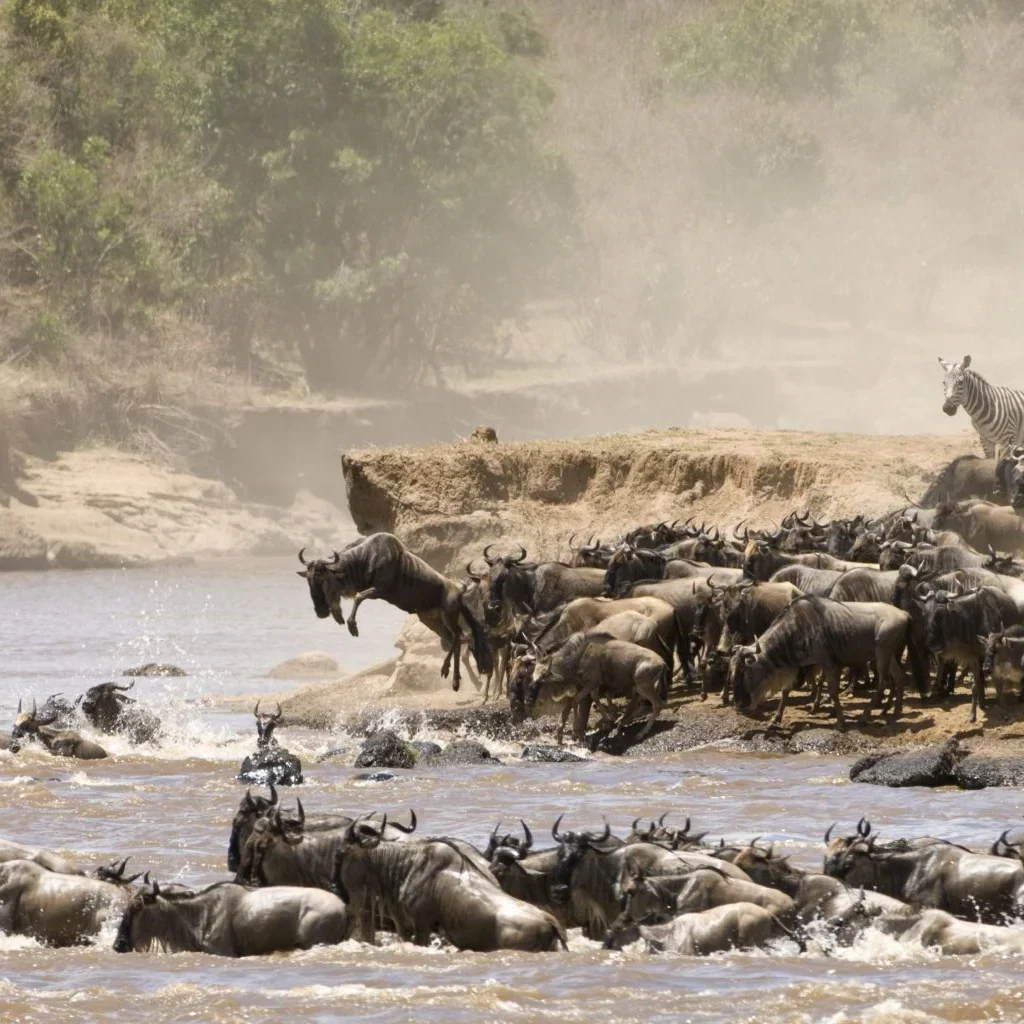
Serengeti National Park is one of the most iconic safari destinations in Africa, famous for the Great Wildebeest Migration, Big Five wildlife sightings, and vast savannah landscapes. Located in northern Tanzania, the park is divided into distinct ecological and safari zones that offer unique wildlife experiences throughout the year. Understanding the different zones of Serengeti National Park helps travelers plan the perfect Tanzania safari itinerary based on migration patterns, predator activity, and seasonal game viewing. From endless plains to river crossings and remote wilderness areas, each zone delivers a different safari atmosphere. Whether you are searching for luxury Tanzania safari tours, budget safaris, or photographic wildlife experiences, the Serengeti safari zones provide unmatched diversity, making it a top destination for African safari holidays, wildlife adventures, and unforgettable nature experiences in East Africa. Central Serengeti: The Heartbeat of the Park The Central Serengeti, also known as the Seronera region, is the wildlife-rich core of Serengeti National Park and one of the best safari zones in Tanzania. It is famous for year-round game viewing, making it ideal for travelers planning Tanzania safari tours at any time of the year. This area features open grasslands, river valleys, and scattered acacia woodlands that attract lions, leopards, elephants, and large herds of antelope. The Seronera River ensures a permanent water source, supporting resident wildlife even outside the Great Migration season. Central Serengeti is also known for excellent predator sightings, especially big cats. Luxury safari lodges and tented camps are concentrated here, offering comfort and accessibility. For first-time visitors, this zone is the perfect introduction to African safari experiences and Serengeti wildlife safaris. Western Serengeti: Witness the Great Migration The Western Serengeti is one of the most dramatic safari zones in Serengeti National Park, especially during the Great Wildebeest Migration. This region is dominated by the Grumeti River, where thousands of wildebeest and zebras cross while facing crocodile attacks and intense predator action. It is a highlight for Tanzania safari tours focused on wildlife photography and migration safari experiences. The Western Corridor is lush, green, and less crowded compared to Central Serengeti, offering a more exclusive safari experience. Visitors often witness dramatic river crossings between May and July. This zone is also home to elephants, giraffes, hippos, and large crocodiles. Luxury lodges and private safari camps provide high-end comfort in remote wilderness settings. The Western Serengeti is perfect for travelers seeking authentic, off-the-beaten-path African safari adventures with fewer tourists. Southern Serengeti: Birthplace of the Great Migration The Southern Serengeti is one of the most important wildlife zones in Serengeti National Park, especially during the calving season of the Great Migration. This region, including the Ndutu plains, becomes the nursery of over half a million wildebeest calves between January and March. It is one of the best locations for Tanzania safari tours focused on predator-prey interactions, as lions, cheetahs, and hyenas follow the herds closely. The landscape is made up of short grass plains, ideal for spotting wildlife from a distance. Birdwatching is also excellent due to seasonal wetlands. The Southern Serengeti offers incredible photography opportunities, especially during dramatic hunts and newborn sightings. Safari lodges and mobile camps move with the migration, ensuring visitors stay close to the action. This zone is essential for witnessing the cycle of life in African safari ecosystems. Eastern Serengeti: The Hidden Gem The Eastern Serengeti is one of the least visited yet most rewarding safari zones in Serengeti National Park. Known for its remote landscapes and fewer tourist crowds, it offers a true wilderness experience. This area features rocky outcrops, open plains, and unique habitats that support cheetahs, ostriches, bat-eared foxes, and large herds of antelope. It is ideal for travelers seeking private Tanzania safari tours away from busy routes. The Eastern Serengeti is also an excellent region for photographic safaris due to its dramatic scenery and golden light. Wildlife viewing is more intimate, and sightings often feel exclusive. While the Great Migration passes through occasionally, this zone is best known for resident wildlife and predator action. It is perfect for luxury safari travelers, honeymoon safaris, and adventure seekers looking for untouched African safari landscapes. Northern Serengeti: Untamed Wilderness The Northern Serengeti is one of the most spectacular safari zones in Serengeti National Park, especially famous for the dramatic Mara River crossings during the Great Migration between July and October. This region is rugged, remote, and less crowded, offering some of the most thrilling wildlife experiences in Africa. Thousands of wildebeest and zebras gather at the riverbanks, risking crocodile-infested waters while migrating into Kenya’s Maasai Mara. This zone is ideal for high-end Tanzania safari tours and luxury mobile camps that follow the migration route. Apart from migration action, visitors can spot elephants, lions, leopards, and hippos in abundance. The Northern Serengeti is also known for its scenic beauty, rolling hills, and riverine forests. It is a top destination for photographers, wildlife enthusiasts, and travelers seeking raw, untouched African safari wilderness experiences. Lobo Area: Serenity in the North The Lobo Area is a peaceful and scenic part of the northern region of Serengeti National Park, known for its rolling hills, granite kopjes, and resident wildlife. Unlike the migration hotspots, Lobo offers year-round game viewing with fewer crowds, making it ideal for exclusive Tanzania safari tours. Elephants, buffalo, giraffes, and big cats are commonly seen in this quiet wilderness. During the migration season, herds pass through, but the area remains tranquil compared to river crossing zones. Luxury lodges in Lobo provide stunning panoramic views and immersive safari experiences. This region is also popular for birdwatching, with over 500 species recorded. Travelers looking for privacy, relaxation, and authentic African safari experiences often choose Lobo as a hidden gem within the Serengeti ecosystem. It is perfect for honeymoon safaris and photographic expeditions. Grumeti Game Reserve: Exclusive Wilderness Grumeti Game Reserve lies on the western edge of the Serengeti ecosystem and is part of the larger Great Migration corridor connected to Serengeti National Park. This exclusive private reserve is known for luxury safaris, low tourist
best island to choose for a beach vacation in Tanzania
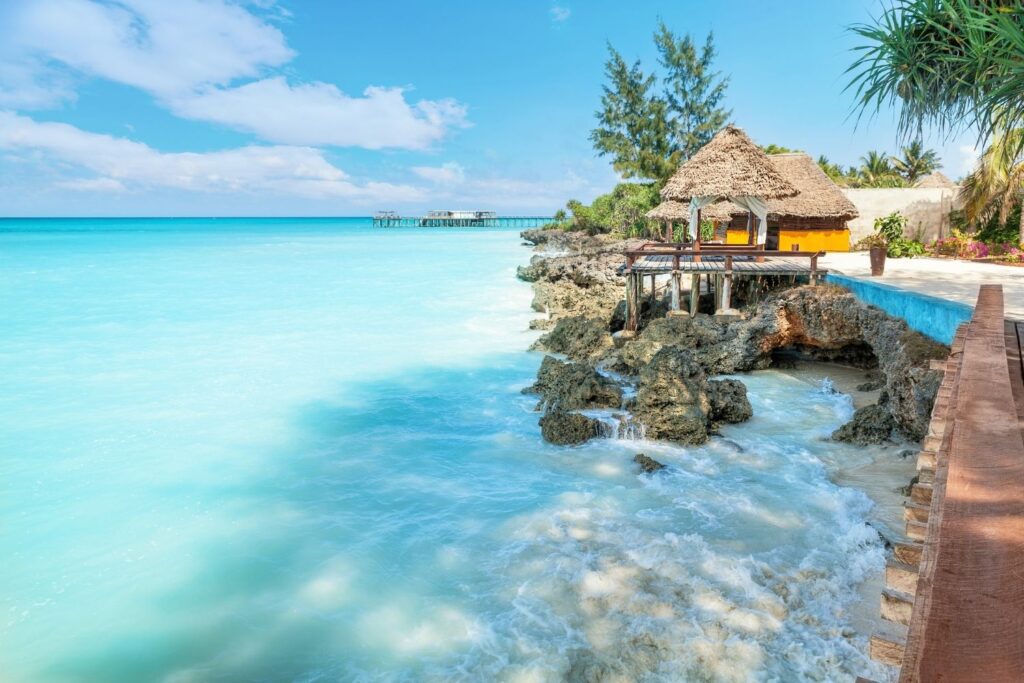
For a Tanzanian beach vacation, choose Zanzibar for vibrant culture, nightlife (Nungwi/Kendwa) or kitesurfing (Paje), Mafia Island for quiet marine life & whale sharks (seasonal), or Pemba for lush, uncrowded diving/seclusion, with options like Mnemba for luxury or Chumbe for eco-diving, depending on your vibe—lively, serene, or diver-focused. When it comes to planning an idyllic beach vacation in Tanzania, the choices can be overwhelming. Tanzania is blessed with a plethora of stunning islands, each offering its unique blend of natural beauty, cultural heritage, and recreational activities. From the pristine shores of Zanzibar best beach destinations in Tanzania, to the secluded hideaways of Mafia Island, there’s something for every traveler seeking sun, sand, and sea. In this comprehensive guide. We’ll delve into the top islands in Tanzania, helping you make an informed decision for your next beach getaway. 1. Zanzibar Island: The Jewel of the Indian Ocean Experience the ultimate Zanzibar Island needs little introduction. Renowned for its breathtaking beaches, rich history, and vibrant culture, a top choice for travelers seeking a quintessential tropical paradise. Explore the labyrinthine streets of Stone Town, a UNESCO World Heritage Site, where you’ll find bustling markets, historic landmarks, and charming cafes. Relax on the powdery white sands of Nungwi Beach or snorkel in the crystal-clear waters of Mnemba Atoll Marine Park. With a range of accommodation options, from luxury resorts to boutique guesthouses, Zanzibar caters to every budget and preference. 2. Mafia Island: A Hidden Gem Off the Beaten Path The Mafia Island may not be as well-known as its neighbor Zanzibar, but that’s precisely what makes it so special. Tucked away in the Indian Ocean, Mafia Island offers a tranquil escape for discerning travelers seeking solitude and serenity. Dive enthusiasts will be delighted by the island’s pristine coral reefs, teeming with vibrant marine life, including whale sharks and manta rays. Explore the 5 most beautiful islands to visit in Tanzania, the lush mangrove forests, kayak through tranquil lagoons, or simply unwind on secluded beaches fringed by coconut palms. With its laid-back atmosphere and unspoiled beauty, Mafia Island is the perfect retreat for those looking to reconnect with nature. 3. Pemba Island: The Green Island of Spice Discover fabulous Pemba Island, often referred to as the “Green Island,” which is renowned for its lush landscapes, spice plantations, and rich cultural heritage. Pemba Island is best for a relaxing beach vacation in Tanzania. Explore the winding trails of the Ngezi Forest Reserve, home to rare bird species and indigenous wildlife. Discover the island’s spice heritage with a tour of its aromatic plantations, where cloves, cinnamon, and nutmeg flourish in abundance. Dive enthusiasts can explore the colorful coral reefs of the Pemba Channel, while history buffs can visit the ancient ruins of Ras Mkumbuu. With its verdant hills, pristine beaches, and warm hospitality, Pemba Island offers a truly authentic Tanzanian experience. 4. Thanda Island: A Private Paradise Thanda Island epitomizes luxury and exclusivity, offering discerning travelers the ultimate private island experience. One of the 10 best islands to choose for a beach vacation in Tanzania. Situated off the coast of Tanzania, this secluded retreat boasts pristine beaches, lush tropical gardens, and exquisite accommodation. Indulge in personalized service and world-class amenities, from private chefs to spa treatments overlooking the ocean. Whether you’re seeking a romantic getaway, a family reunion, or a corporate retreat, Thanda Island provides the perfect setting for creating unforgettable memories in unparalleled luxury. 5. Changuu Island: A Historical Haven Changuu Island, also known as Prison Island, offers a fascinating glimpse into Tanzania’s colonial past. Explore the ruins of the island’s former prison, built in the late 19th century to house rebellious slaves. Today, Changuu Island is a sanctuary for endangered Aldabra giant tortoises, brought here in the late 19th century. Best islands on the coast of Tanzania, visitors can interact with these gentle giants and enjoy snorkeling in the surrounding coral reefs. With its intriguing history and natural beauty, Changuu Island offers a unique blend of culture and conservation. 6. Mnemba Island: A Diver’s Paradise Amazing Mnemba Island is a diver’s paradise, renowned for its pristine coral reefs and abundant marine life. Located off the northeast coast of Zanzibar, this private island offers exclusive access to some of the region’s most spectacular dive sites. Choosing the perfect Island for your beach vacation in Tanzania, swim alongside colorful reef fish, sea turtles, and dolphins, or simply relax on the island’s secluded beaches. With its crystal-clear waters and diverse marine ecosystems, Mnemba Island promises an unforgettable underwater adventure for divers of all skill levels. 7. Kilwa Kisiwani: A UNESCO World Heritage Site Our Kilwa Kisiwani is a historic island off the southern coast of Tanzania, renowned for its ancient ruins and cultural significance. Once a prosperous trading port and center of Islamic culture, Kilwa Kisiwani is now a UNESCO World Heritage Site, offering visitors a glimpse into the region’s rich history. Explore the ruins of the Great Mosque, Husuni Kubwa, and other archaeological treasures, marveling at their intricate architecture and cultural significance. Detailed information about islands in Tanzania with their storied past and timeless beauty, Kilwa Kisiwani is a must-visit destination for history enthusiasts and cultural travelers alike. 8. Chumbe Island: An Eco-Friendly Retreat Chumbe Island is a pristine nature reserve and marine park, dedicated to conservation and sustainable tourism. Located off the coast of Zanzibar, this eco-friendly retreat offers visitors the opportunity to immerse themselves in nature while supporting local conservation efforts. What Island to Choose in Tanzania? Explore the island’s vibrant coral reefs, hike through its lush forests, and learn about its diverse ecosystem from knowledgeable guides. With its commitment to environmental stewardship and community engagement, Chumbe Island is a model for responsible tourism in Tanzania. 9. Mbudya Island Mbudya Island, located near Dar es Salaam, offers visitors a serene escape from the bustling city life. With its pristine beaches, clear waters, and lush vegetation, Mbudya Island is perfect for day trips, picnics, snorkeling, and sunbathing. 10. Bongoyo Island Bongoyo Island, also situated near
How Long Does It Take To See The Serengeti National Park

Understanding how long it takes to see Serengeti National Park is one of the most common questions for anyone planning a Tanzania safari. The travel time depends on your starting point, route, and whether you choose a fly-in safari or a road safari. From Arusha, the main gateway to northern Tanzania safaris, reaching the Serengeti can take anywhere from 1 hour by flight to 6–8 hours by road, excluding game viewing stops. This journey is not just about distance—it is part of the safari adventure itself. Many travelers combine Serengeti with Ngorongoro Crater and Tarangire National Park, making travel time an important factor in planning. This guide explains Serengeti travel time, distance, safari routes, and the best ways to optimize your journey for a seamless and unforgettable African wildlife experience. Distance to Serengeti National Park The distance to Serengeti National Park varies depending on which entry gate you use. From Arusha, the most common starting point, the central Serengeti (Seronera area) is approximately 325–335 kilometers away. However, due to road conditions and safari terrain, this is not a simple drive. Dirt roads, wildlife zones, and park entry procedures make the journey longer than the raw distance suggests. If traveling from Kilimanjaro International Airport, the distance is slightly shorter but still requires significant travel time. Many safari itineraries also route through the Ngorongoro Conservation Area, adding scenic but slower segments. Understanding the distance is essential for planning your Tanzania safari itinerary, as it directly influences whether you choose a road safari or a faster fly-in option for maximizing game viewing time inside the Serengeti ecosystem. Travel Time from Arusha to Serengeti Travel time from Arusha to Serengeti National Park typically ranges from 6 to 8 hours by road, depending on weather conditions and park entry gates. The journey includes paved highways, rural roads, and rough safari tracks, especially after entering the Ngorongoro Conservation Area. While the distance is manageable, wildlife sightings and occasional stops for photography often extend the trip. Many travelers choose this route to experience the dramatic transition from highlands to open savannah plains. Alternatively, a fly-in safari reduces travel time dramatically to about 1 hour, landing directly in Serengeti airstrips such as Seronera or Kogatende. This makes Arusha the primary hub for both budget road safaris and luxury fly-in safari packages, giving travelers flexible options depending on time, comfort level, and overall Tanzania safari experience preferences. Fly-In Safari to Serengeti A fly-in safari to Serengeti National Park is the fastest and most convenient way to reach the park. Flights from Arusha or Kilimanjaro International Airport take approximately 1 to 1.5 hours, landing at key airstrips such as Seronera, Kogatende, or Grumeti. This option is popular in luxury Tanzania safari packages because it saves travel time and maximizes game drive hours. Instead of spending a full day on the road, travelers can enjoy a game drive in the Serengeti on the same morning. Fly-in safaris also offer breathtaking aerial views of the Great Rift Valley, Ngorongoro Highlands, and endless savannah plains. Although more expensive than road safaris, this option is ideal for short trips, honeymoon safaris, and travelers who want a premium wildlife experience with minimal travel fatigue and maximum comfort. Road Safari Experience A road safari to Serengeti National Park is the most traditional and immersive way to travel. The journey from Arusha usually takes 6–8 hours but can extend longer with stops at scenic viewpoints, Maasai villages, and wildlife sightings along the route. The road passes through the Ngorongoro Conservation Area, offering stunning landscapes before entering the vast Serengeti plains. While it requires patience, the road safari experience is highly rewarding for travelers who enjoy adventure and cultural encounters. It is also more budget-friendly compared to fly-in safaris. Many tour operators design itineraries that include overnight stops in Karatu or Ngorongoro, breaking the journey into two relaxing segments. This method allows travelers to gradually transition into the wilderness, arriving in the Serengeti feels more dramatic and unforgettable. Best Time to Start Your Journey Starting your journey to Serengeti National Park early in the morning is highly recommended. Departing from Arusha between 6:00 AM and 7:00 AM helps avoid traffic, maximizes daylight travel, and increases chances of arriving before sunset. Early departures also improve wildlife viewing opportunities along the way, especially in the Ngorongoro Highlands. For fly-in safaris, morning flights are preferred because they allow same-day game drives upon arrival in the Serengeti. Starting early is especially important during the rainy season when road conditions can slow travel significantly. Tour operators consistently recommend early departure times for both comfort and safety. Whether traveling by road or air, timing your departure correctly ensures a smoother safari experience, reduces delays, and helps you make the most of your limited time in one of Africa’s most iconic wildlife destinations. Serengeti Safari Routes Explained There are several safari routes leading to Serengeti National Park, each offering different landscapes and travel times. The most popular route is Arusha–Ngorongoro–Serengeti via Naabi Hill Gate. This route provides scenic views of volcanic highlands and wildlife-rich plains. Another option is the western corridor route, often used for accessing Grumeti during the Great Migration. Northern routes through Klein’s Gate are preferred during river crossings in the Mara region. Each route impacts travel duration, with southern entry points generally taking longer due to mountainous terrain. Fly-in routes bypass all road travel entirely, landing directly inside the park. Understanding these routes is essential for optimizing your Tanzania safari itinerary, especially when planning game drives around seasonal wildlife movements and minimizing unnecessary travel delays within the Serengeti ecosystem. Factors That Affect Travel Time Several factors influence how long it takes to reach Serengeti National Park. Road conditions are the most significant, especially during the rainy season when dirt roads become muddy and slower to navigate. Wildlife sightings along the route can also extend travel time, as safari vehicles often stop for photography. Park entry procedures and gate congestion may add delays, particularly during peak tourist seasons. The chosen safari route
Deadliest Critters of Tanzania

Top 10 Most Deadliest Critters of Tanzania. Discover Tanzania, a country renowned for its stunning landscapes and diverse wildlife, is home to some of the most dangerous animals in the world. These critters, while fascinating to study, can pose serious threats to humans. In this article, we delve into the top 10 deadliest critters of Tanzania, exploring their habitats, behaviors, and the dangers they present. Africa’s 15 most dangerous animals include the Nile crocodile, known for its powerful jaws and aggressive nature; the African lion, a formidable predator with a powerful bite; the African elephant, which can be deadly due to its size and strength; the hippopotamus, responsible for many fatal encounters due to its territorial behavior; and the Cape buffalo, known for its unpredictable and aggressive nature. Each poses significant risks to humans in their respective habitats. There are two predators that can be considered the most ruthless in Africa. The first is the African Wild Dog, also known as the Painted Wolf. Here is list of The Most Deadliest Critters of Tanzania. 1. African Lion Panthera leo, the African lion, is one of Tanzania’s most iconic predators top 10 deadliest critters of Tanzania. Known for their majestic manes and powerful build, lions are apex predators in the savannahs of the Serengeti and other national parks. Habitat and Behavior: Lions live in prides, which are social structures that help them hunt efficiently. They primarily hunt large herbivores like wildebeest and zebras. Dangers: Despite their grandeur, lions can be extremely dangerous to humans. Incidents of lions attacking people, especially in rural areas near their habitats, are not uncommon. The key to their danger lies in their strength, speed, and predatory instincts. 2. Nile Crocodile The Nile crocodile (Crocodylus niloticus) is a formidable predator found in many of Tanzania’s rivers and lakes. Habitat and Behavior: These reptiles prefer freshwater environments like rivers, lakes, and marshlands. They are opportunistic feeders and can take down prey much larger than themselves. Dangers: Nile crocodiles are notorious for their aggressive nature and powerful bite, which can exert incredible force. They often attack unsuspecting prey at the water’s edge, including humans. 3. Black Mamba The Black Mamba (Dendroaspis polylepis) is one of the most feared snakes in Africa, known for its speed, aggression, and potent venom. Habitat and Behavior: Black mambas inhabit savannahs, rocky hills, and forests. They are agile and can move quickly both on the ground and in trees. Dangers: Their venom is highly toxic, causing paralysis and death within hours if untreated. Despite their reputation, black mambas usually avoid humans but will strike repeatedly if threatened. 4. African Elephant African elephants, specifically the bush elephant (Loxodonta africana), are the largest land animals on Earth. While generally peaceful, they can be very dangerous when provoked. Habitat and Behavior: Elephants are found in various habitats including savannahs, forests, and swamps. They are social animals that live in herds led by matriarchs. Dangers: An angry or scared elephant can charge at incredible speeds and cause massive destruction with their tusks and trunks. Human-elephant conflicts often occur in areas where human encroachment overlaps with elephant territories. 5. African Buffalo The African buffalo (Syncerus caffer) is often regarded as one of the most dangerous animals in Africa due to its unpredictable nature. Habitat and Behavior: These large bovines are found in savannahs, swamps, and floodplains. They live in large herds that can sometimes number in the hundreds. Dangers: When threatened, buffaloes can become extremely aggressive. Their sheer size, strength, and formidable horns make them capable of inflicting serious injuries or death. 6. Hippopotamus Hippopotamuses, or Hippopotamus amphibius, are deceptively dangerous, often underappreciated for their aggressive tendencies. Habitat and Behavior: Hippos are commonly found in rivers, lakes, and swamps. They spend much of their time submerged in water but come onto land to graze at night. Dangers: Despite their bulky appearance, hippos can run at speeds of up to 30 km/h on land. They are highly territorial and have been known to attack boats and humans that venture too close. 7. Puff Adder The Puff Adder (Bitis arietans) is a venomous snake responsible for more snakebite fatalities in Africa than any other species. Habitat and Behavior: Puff adders are highly adaptable and can be found in various habitats, from savannahs to forests. They rely on camouflage to ambush their prey. Dangers: Their venom is cytotoxic, causing severe pain, swelling, and tissue damage. They strike quickly and can bite multiple times in quick succession if threatened. 8. Mosquitoes Though small, mosquitoes are among the deadliest critters in Tanzania due to their role as vectors for diseases. Habitat and Behavior: Mosquitoes thrive in areas with standing water, which they need for breeding. They are most active during dusk and dawn. Dangers: They transmit diseases like malaria, dengue fever, and Zika virus. Malaria alone is responsible for thousands of deaths in Tanzania each year, making mosquitoes one of the most dangerous animals in the region. 9. Spotted Hyena The spotted hyena (Crocuta crocuta), known for its eerie laugh one of the top 10 Deadliest Animals in Africa, is both a scavenger and a proficient hunter. Habitat and Behavior: found in savannahs, grasslands, and forests. They live in clans led by females and have complex social structures. Dangers: Spotted hyenas are strong and have powerful jaws capable of crushing bones. Aggressive when defending their territory food known to attack humans. 10. Tsetse Fly The Tsetse fly (Glossina spp.) is infamous for transmitting African trypanosomiasis, commonly known as sleeping sickness. Habitat and Behavior: Tsetse flies inhabit rural areas where they breed in the vegetation along rivers and lakes. Dangers: Their bite transmits parasites that cause sleeping sickness, a disease that can be fatal if not treated. Symptoms include fever, headaches, and in severe cases, neurological damage. Poisonous Insects & Spiders in Tanzania (Among Other Things) And Other Critters. Spiders in Tanzania. Brown Recluse Spider/Violin Spider. Yellow Sac Spider. Baboon Spider. Scorpions in Tanzania. Whip-Scorpion. … Driver Ant. Other Poisonous Insects In Tanzania. The