
4-Day Ndutu Migration Safari Calving Season

Best 4-day Ndutu Migration Safari Calving Season (with 1735 Reviews) A 4-day Ndutu Migration Safari during the calving season allows you to witness the wildebeest migration’s most dramatic phase. This safari, typically from December to March, takes place in the Ndutu region of the Southern Serengeti, where thousands of wildebeest give birth, creating a nursery for the new generation. The area is known for its lush green landscape, rich with wildlife, and offers exceptional game viewing opportunities. 4-day Ndutu Migration Safari Calving Season Experience the awe-inspiring Ndutu Migration with our 4-day safari, perfectly timed to witness the calving season. This journey offers an unparalleled view of the Great Migration as thousands of wildebeests, zebras, and gazelles give birth, filling the plains with newborns. Day one starts with a scenic drive from Arusha to Ndutu, followed by three days of thrilling game drives in the Ndutu and Serengeti regions. Marvel at predator-prey interactions, as lions, cheetahs, and hyenas capitalize on the abundance of vulnerable young. Enjoy comfortable accommodations in the heart of the action, professional guides, and unforgettable wildlife encounters. This safari is ideal for photographers and nature enthusiasts eager to capture the circle of life in one of Africa’s most dynamic ecosystems. Generally starting in January, calving season carries on into March and is joined by other animals too. 4-day Ndutu Migration Safari Calving Season Itinerary Spend 3 nights / 4 Days on this flying safari in the Serengeti National Park and the Ngorongoro Conservation Area, famous for incredible variety and density of wildlife. See lion, cheetah, elephant, giraffe, hyena and hundreds more species up close in the wild. Travel in the early part of the year and witness the Great Migration during calving season, when thousands of calves are dropped while predators watch on in hope of an easy meal. This is short and sweet tour for wildebeest calving in Southern Serengeti – Ndutu area. Day 1 : Arrival in Arusha to Southern Serengeti You will be picked up from your hotel and driven to Ndutu, covering a distance of 260 km. While in transit, you will pass through the Ngorongoro Highlands and make a stop at a spectacular Crater viewpoint. Afterward, you will continue your safari to the southern Serengeti endless plains where you can witness groups of wildebeest grazing. On this day, you also have the option to visit a Maasai Boma for a cultural exchange experience. Serengeti is famous for its great migration and offers a chance to see the Big 5 and other unique wildlife. Dinner and overnight at Ndutu Kati kati tented camp/ ndutu under canvas/ Masek tented lodge Day 2 : Southern Serengeti Ndutu area After an early breakfast, you leave camp with a boxed lunch and embark on a full game drive to explore the Great Migration in the southern Serengeti and northern Ngorongoro/Ndutu Area. In the afternoon you will stop for lunch in the bush and then continue on a game drive until sunset. You will then drive back to the Ndutu Kati kati tented camp/ ndutu under canvas/ Masek tented lodge for dinner and your overnight stay. Day 3 : Lake Ndutu – Ngorongoro Conservation Area After breakfast, you will embark on an early morning game drive in Ndutu and then head back to the lodge for lunch. After lunch, you will check-out and embark on an exciting game drive as you drive to the Ngorongoro Crater rim. Upon arrival, you will check-in at the Ngorongoro Serena lodge, have dinner and settle in for your overnight stay. Day 4 : Ngorongoro Crater – Arusha – After an early breakfast, you will check-out and begin your descent to the crater floor for a once in a lifetime game drive. You will see the “Big Five”, as well as other animals like zebra, hippo, wildebeest, hyena, and more. The crater is also home to a wide variety of birds, including the majestic pink flamingo on the Soda Lake, geese, stork, vulture, and more. Lunch will be served in the picnic site by the swamp where you can watch hippo swimming around in the pool. After lunch, you will ascend back to the crater rim and drive back to Arusha. Upon arrival, you will be dropped off at your hotel or airport. This is where your safari will end. Inclusive & Exclusive Included for 4-day Ndutu Migration Safari Calving Season Private Jeep 4×4 equipped with refrigerator, portable charging stations and pop-up roof Overnight stays in hotel/lodge Areas All park entrances fees Professional English speaking safari guide & chef Meals according to the itinerary Mineral water on all days All mentioned activities All government taxes Price. 18% VAT, Government increase entry fees Ngorongoro crater services Unlimited game drive Airport Pick up and drop off Excluded for 4-day Ndutu Migration Safari Calving Season International flights (from / to home) Personal items (souvenirs, travel insurance, visa fees, etc.) Tips (tipping guideline 20 USD per person per day). Internal flights What to bring 4-day Ndutu Migration Safari Calving Season Clothes A warm sweater as the nights can be chilly at high altitudes. Comfortable shoes Request Safari Quote ndutu migration safari tour packages 7-Day Ndutu Migration Calving Season Safari Itinerary 7-Day Ndutu Migration Calving Season Safari Itinerary Best 7-Day Serengeti Wildebeest Migration Calving Safari A 7-day Serengeti Wildebeest Migration Calving Safari focuses on … 6-Day Ndutu Calving Season Serengeti Migration Safari 6-Day Ndutu Calving Season Serengeti Migration Safari Amazing 6-Day Ndutu Calving Season Serengeti Migration Safari Experience the magic of the Ndutu Migration calving … 1 2 3 Next »
Paying the balance amount for your Safari in Tanzania

Paying the balance amount for your Safari in Tanzania is one of the final and most important steps in confirming your unforgettable East African adventure. Whether you are booking a Serengeti safari, Ngorongoro Crater tour, or a luxury wildlife safari in Tanzania, understanding payment procedures ensures a smooth, secure, and stress-free experience. Most Tanzania safari operators require an initial deposit followed by a final balance payment before arrival or at a specified date. This process guarantees your safari bookings, lodge reservations, park permits, and transport arrangements are fully secured. With increasing demand for Tanzania safari tours, especially during the Great Migration season, timely payment of the balance helps avoid last-minute inconveniences. In this guide, we explore everything you need to know about safari balance payments, methods, deadlines, policies, and travel tips for a seamless Tanzania safari experience. Understanding Safari Payment Structure Most Tanzania safari packages follow a clear payment structure designed for transparency and convenience. Typically, travelers are required to pay an initial deposit—usually between 20% and 40%—to confirm their booking. The remaining balance amount is then paid closer to the travel date or upon arrival, depending on the safari company’s policy. This structure applies to popular Tanzania safari tours, including Serengeti safaris, Ngorongoro Crater adventures, and luxury lodge safaris. The deposit secures accommodation, park fees, and transportation, while the balance ensures final confirmations. Understanding this structure helps travelers budget properly and avoid confusion. Reliable tour operators clearly outline payment schedules in safari invoices or contracts. Always review terms carefully to ensure you know when and how the remaining balance for your Tanzania safari is due. When to Pay the Safari Balance Knowing when to pay the balance amount for your Tanzania safari is essential for smooth travel planning. Most safari operators request final payments between 30 and 60 days before arrival, especially during peak seasons like the Great Wildebeest Migration in Serengeti National Park. However, some companies allow payment upon arrival, particularly for trusted repeat clients or last-minute bookings. Early payment is highly recommended because it secures your accommodation in top lodges and camps in Ngorongoro, Tarangire, and Lake Manyara. Delayed payments may result in cancellation or loss of reservations due to high demand. Always check your safari invoice for exact deadlines. Paying on time ensures your Tanzania wildlife safari runs without interruptions and guarantees all services are fully confirmed before your journey begins. Accepted Payment Methods for Tanzania Safari Tour operators offering Tanzania safari packages provide multiple secure payment options for international travelers. The most common methods include bank transfers, credit cards (Visa and MasterCard), and secure online payment gateways. Some safari companies also accept PayPal or mobile payment systems for convenience. Bank transfers are widely used for paying the safari balance amount, especially for large luxury safari bookings. However, travelers should confirm bank details directly with the operator to avoid fraud. Credit card payments are faster but may include small processing fees. Choosing a reliable and traceable payment method ensures safety and transparency. Whether you are booking a Serengeti safari, Kilimanjaro trek, or Zanzibar holiday extension, always use official channels provided by your Tanzania safari operator for secure transactions. Option 1 – Paying Cash Paying cash for your Tanzania safari balance is a simple and direct method commonly used by travelers already in Tanzania. You can pay in US dollars from the year 2009 onward or Tanzanian Shillings at your safari operator’s office or upon arrival, depending on the agreement. Always request an official receipt as proof of payment. This method is convenient for last-minute bookings and travelers who prefer face-to-face transactions. However, it is important to carry clean, undamaged notes, especially USD bills. Cash payments should only be made to licensed Tanzania safari companies to ensure safety, transparency, and proper confirmation of your safari booking. Option 2 – Local Bank Transfer Local bank transfer is a reliable method for paying your Tanzania safari balance if you are already in the country. Payments are made directly from a Tanzanian bank account to your safari operator’s business account. This method is widely used for Serengeti safari bookings, Ngorongoro Crater tours, and lodge reservations. It provides a secure and traceable transaction record. Always confirm bank details with your operator before transferring funds to avoid errors. After payment, ensure you receive an official receipt or confirmation. Local bank transfers are efficient, safe, and commonly accepted by most Tanzania safari companies. Option 3 – International Bank Transfer An international bank transfer is one of the most popular ways to pay your Tanzania safari balance from abroad. Travelers can send money directly from their home bank to the safari operator’s business account in Tanzania. This method is widely used for luxury safaris, Kilimanjaro climbs, and Serengeti tours. Transfers usually take 2–5 business days, so early payment is recommended. Always double-check SWIFT codes, account names, and bank details to avoid delays. Keep your transfer receipt as proof of payment. Although secure and widely accepted, bank fees may apply depending on your country and bank policies. Option 4 – Pay Online with Your Card Paying online with your credit or debit card is a fast and convenient way to settle your Tanzania safari balance. Most safari operators accept Visa and MasterCard through secure payment gateways. This method is ideal for international travelers booking Serengeti safaris, Ngorongoro tours, or Zanzibar extensions. Payments are processed instantly, and you usually receive an automatic confirmation email or receipt. However, some banks may charge small international transaction fees. Always ensure you are using a secure and official safari company website before entering card details. Online card payments are safe, efficient, and widely used in modern safari bookings. Importance of Paying on Time Paying your Tanzania safari balance on time is crucial for securing all travel arrangements without complications. Safari bookings often include limited availability lodges, national park permits, and scheduled game drives, which require early confirmation. Late payments may lead to cancellation of reservations, especially during peak safari seasons in Serengeti and Ngorongoro. Timely payment also allows tour
Best Photography Tips for African Safari

African safari photography is one of the most rewarding genres of wildlife and travel photography, offering unforgettable moments across iconic destinations like the Serengeti, Ngorongoro Crater, Masai Mara, and Tarangire National Park. Capturing breathtaking images of lions, elephants, leopards, giraffes, zebras, and the Great Migration requires more than just a camera—it demands skill, patience, and preparation. Whether you are a beginner or a professional wildlife photographer, mastering African safari photography tips will dramatically improve your results. From understanding lighting conditions in the savannah to choosing the right safari camera gear, every detail matters. This guide explores the best photography tips for African safari adventures, helping you capture sharp, vibrant, and emotionally powerful wildlife images that stand out on Google, social media, and photography portfolios. Tips 1. Choose the Right Equipment Choosing the right equipment is the foundation of successful African safari photography. A DSLR or mirrorless camera with fast autofocus and high burst speed is ideal for capturing moving wildlife in places like Serengeti National Park or Maasai Mara. A sturdy telephoto lens, such as 100-400mm or 150-600mm, is essential for distant subjects like lions or cheetahs. Weather-sealed gear is highly recommended due to dust and changing safari conditions. Don’t forget extra batteries and memory cards, as safari days are long and full of action. Lightweight equipment is also important because you may shoot from a safari vehicle for hours. Investing in the best safari photography gear ensures you never miss rare wildlife moments, improving your chances of capturing professional-quality African wildlife photos that rank well in travel photography content. Tips 2. Understand Your Camera Settings Understanding your camera settings is crucial for capturing sharp and well-exposed safari images. Mastering ISO, shutter speed, and aperture allows you to adapt quickly to changing wildlife scenes in Tanzania and Kenya safaris. Use fast shutter speeds (1/1000 or higher) to freeze animal movement, especially during predator action shots. A wide aperture helps isolate subjects like elephants or lions from the background. Adjust ISO depending on lighting conditions, especially during early morning or late afternoon game drives. Shooting in manual or aperture priority mode gives you greater creative control. Learning these settings before your African safari trip ensures you are prepared for unpredictable wildlife encounters. This knowledge significantly improves your wildlife photography results, making your safari images more professional and valuable for travel blogs and portfolios. Tips 3. Invest in Quality Accessories Investing in quality accessories enhances your African safari photography experience significantly. Essential items include a strong tripod or monopod for stability when shooting from safari vehicles or lodges. Bean bags are extremely useful for balancing long telephoto lenses during game drives in destinations like Serengeti or Ngorongoro Crater. Lens cleaning kits are vital due to dust, wind, and changing weather conditions in African savannah environments. Extra memory cards and portable hard drives ensure you never lose valuable wildlife shots. A camera rain cover protects your gear during unexpected showers. These accessories improve comfort, stability, and image quality, allowing you to focus on capturing stunning safari wildlife moments. High-quality safari photography accessories are essential for both amateur and professional photographers aiming for sharp, detailed, and optimized travel photography results. Tips 4. Research Your Destination Researching your destination is one of the most important African safari photography tips. Understanding wildlife behavior, migration patterns, and seasonal changes helps you plan better shots in places like Serengeti National Park, Ngorongoro Crater, and Tarangire National Park. Knowing where predators hunt or where herds gather increases your chances of capturing dramatic moments. Study the best time to visit Tanzania for photography, especially during the Great Migration or dry season when animals gather around water sources. Research lighting conditions, landscapes, and viewpoints in advance. This preparation allows you to anticipate action rather than react to it. Well-researched safari photography trips result in more powerful storytelling images, improving both artistic quality and for wildlife photography content online. Tips 5. Use the Golden Hours Using the golden hours is essential for capturing magical African safari photographs. The early morning and late afternoon light in savannah landscapes creates soft, warm tones that enhance wildlife images dramatically. During sunrise in Serengeti or sunset in Maasai Mara, animals are more active, making it the perfect time for photography. The low-angle sunlight reduces harsh shadows and adds depth to your images, highlighting the textures of lions, elephants, and giraffes. Avoid harsh midday light, which can create flat and overexposed photos. Planning your game drives around golden hours significantly improves image quality and emotional impact. Professional safari photographers rely heavily on this lighting technique to produce award-winning wildlife photography that performs well in travel and photography searches. Tips 6. Practice Patience Patience is one of the most valuable skills in African safari photography. Wildlife does not follow schedules, and the best moments often require long waiting periods in the bush. Whether you are tracking a leopard in a tree or waiting for elephants to cross a river, patience rewards you with rare and authentic images. In places like Ngorongoro Crater or the Serengeti plains, staying still and observing quietly increases your chances of capturing natural behavior. Avoid rushing from one sighting to another; instead, allow scenes to unfold naturally. Great safari photography is about timing, not speed. The most iconic wildlife images are often captured after hours of waiting. Patience transforms ordinary safari trips into extraordinary storytelling opportunities, enhancing both artistic value and performance for photography content. Tips 7. Focus on the Eyes Focusing on the eyes is a powerful technique in African safari photography. Animal eyes create emotional connections in wildlife images, making them more engaging and impactful. Whether photographing a lion in the Serengeti or an elephant in Tarangire, sharp focus on the eyes brings your subject to life. Use single-point autofocus to ensure precision, especially when shooting portraits of wildlife. Eye-level shots create stronger storytelling and intimacy in your composition. Even in fast-moving scenes, prioritize eye clarity over background perfection. This technique helps transform simple wildlife photos into compelling visual stories that
Incredible 9-Day Memorable Tanzania Safari Packages

9-Day Memorable African Safari Tours (with 1735 Reviews) ✓Voted #1 World’s best Luxury African Safaris and Tours ✓ best Luxury African Safari Tour Companies ✓high-end luxury private family, honeymoon, senior, solo safari tour Packages • high-end Tanzania Luxury Safari Packages ✓ Premium Luxury Tanzania Safari All-Inclusive ✓Exceptional Big Five Encounters ✓ 1-Day Tarangire ✓ 3-Day Serengeti ✓ 1-Day Lake Manyara ✓1-Day Ngorongoro Experience the ultimate 9-Day Memorable Tanzania Safari covering Tarangire National Park, Lake Manyara National Park, Serengeti National Park, and the breathtaking Ngorongoro Crater, one of Africa’s top wildlife destinations. This immersive Tanzania safari adventure offers unmatched game drives, Big Five encounters, Great Migration viewing, and stunning landscapes across the Northern Tanzania safari circuit. Explore Tarangire National Park, famous for large elephant herds and baobab trees, and Lake Manyara National Park, known for tree-climbing lions and flamingo-filled lake shores. Continue to Serengeti National Park, world-famous for the Great Wildebeest Migration and endless savannah teeming with predators and herbivores. Conclude a memorable African Safari at Ngorongoro Crater, a UNESCO World Heritage Site offering dense wildlife populations and dramatic volcanic scenery. Perfect for luxury Tanzania safari packages, family safaris, honeymoon safari experiences, and private guided tours, this 9-day itinerary delivers unforgettable African safari experiences, exceptional wildlife photography opportunities, and comfortable lodge accommodations across Tanzania’s most iconic national parks, making it one of the best safari tours in East Africa for travelers seeking adventure, nature, and cultural discovery today. 9 Day Memorable Tanzania Safari Itinerary This unforgettable safari in Tanzania tour will take you to the nature discovery Serengeti Plains National Park, the heart of wild Africa, and a massive wilderness of 14500 square km, where every day brings a new landscape and a new adventure. Your African safari will also take you to the Ngorongoro Crater, featuring one of the highest concentrations of game in Africa. Here you will witness an amazing spectacle of African wildlife. The 9-day tour visits the first-class national parks in Tanzania, the world-famous Tarangire National Park, Lake Manyara, Ngorongoro Crater, and Serengeti National Park Day 1: Tanzania Arrival | Safari in Tanzania Pick you up at Kilimanjaro airport/Arusha airport, and transfer you to Arusha. We booked a hotel for you overnight, ready to start your tour the following day. You will meet with our safari manager to give you a brief about the safari. After that, you will continue leisure in your hotel. Overnight at the hotel in Arusha. Day 2: Arusha to Tarangire National Park We will pick you up from your hotel at 8:30 am and take you to a very special national park. Tarangire National Park is famous for its diverse landscape with nine different vegetation zones. The park is particularly known for the abundance of ancient baobab trees (the largest trees on the continent), which fill the landscape and dwarf the animals next to them. The river of the park is full of wildlife ranging from a large variety of birds to lions, leopards, zebras, giraffes, buffaloes, antelopes, and, of course, elephants. In fact, the park has the largest concentration of elephants in the whole country and provides unique chances to observe the interaction between elephant families. The lunch area is fascinating, boasting an observatory with amazing views of the river and wildlife (with good chances of seeing a hunt while having your picnic). Dinner and overnight at Kitela Lodge. Day 3: Lake Manyara National Park You’ll have breakfast in the morning, then continue with a short drive to Lake Manyara National Park for game viewing drives. Your first encounter will be spotting large troupes of baboons. Lake Manyara National Park is a protected area in Tanzania’s Arusha and Manyara Regions, situated between Lake Manyara and the Great Rift Valley. Lake Manyara National Park boasts a spectacular array of diverse terrain as well as plant and animal species. Specifically established to protect the elephant herds that have made the area renowned, the park provides an amazing wildlife experience. Elephants are not the only animals that Lake Manyara is famous for. Tree-climbing lions are occasionally sighted. The alkaline Lake Manyara is home to flamingos and over 400 species of birds, and hippos will also be sighted. A packed lunch will be served at a picnic site. Late in the afternoon, continue with a short drive to the Ngorongoro Highlands for dinner and your overnight stay at Kitela Lodge. Day 4: Karatu to Serengeti National Park After breakfast, we head towards the Serengeti National Park, via the beautiful high-laying farmland of Karatu and the Ngorongoro Conservation Area. Leaving the highlands behind, we descend into the heart of wild Africa for your safari in Tanzania – the Serengeti National Park. With its endless plains rolling into the distance as far as the eye can see. We arrive in time for lunch at Nabi gate and enjoy the late 2hrs afternoon game drive in the Serengeti National Park. Dinner and overnight in the Kubu Kubu tented lodge. Day 5: Central Serengeti game drive After breakfast, you will have a safari in Tanzania, game viewing at Serengeti National Park. The Serengeti, Tanzania’s largest National Park, covers nearly 6,000 square miles of grassland plains, Savannah, kopjes, hills, woodlands, and riverine forest systems, which serve as critical water sources and are often excellent sites for wildlife viewing. Beyond the heralded migration of wildebeest and zebra, the Serengeti is best known for its big predators, including cheetah and Leopard, as well as large prides of Lions and clans of hyenas, and many animals. Dinner and overnight in the Kubu Kubu tented lodge. Day 6: Seronera Central Serengeti game drive After breakfast, continue with both morning and afternoon game drives in Central Serengeti National Park during your Serengeti wildebeest Migration Safari. The Serengeti National Park is famous for the ‘Great Migration’, with over one million wildebeest and two hundred thousand plus zebras each year follow the rains. In October and November, they travel from the mountains of the north, southwards to the plains, seeking lush pastures. After the great rainy
The Ultimate Guide to Planning the Perfect Surprise Trip
Planning the perfect surprise trip is one of the most exciting ways to create unforgettable memories, whether it’s a romantic getaway, a honeymoon surprise trip, a birthday vacation, or a family escape. With the rise of online travel booking, secret travel deals, and all-inclusive packages, organizing a hidden adventure has never been easier. However, successful surprise travel planning requires strategy, budgeting, timing, and the right destination choice. This ultimate guide explores step-by-step methods to design a seamless surprise travel experience using top-ranking methods such as travel itinerary planning, flight booking hacks, hotel reservations, and destination ideas. Whether you are working with a travel agency or planning solo, this guide ensures your surprise vacation is stress-free, memorable, and perfectly executed from start to finish. Understanding the Concept of a Surprise Trip A surprise trip is a carefully planned travel experience where the destination, itinerary, or both are hidden from the traveler until departure or arrival. It is widely popular in romantic getaway planning, honeymoon surprises, and milestone celebrations. The key to success lies in balancing secrecy with smart travel planning. Using travel booking platforms, secret travel deals, and flexible flight options helps maintain confidentiality while securing the best prices. Many travelers also rely on travel agencies specializing in surprise vacation packages. Understanding preferences, comfort levels, and travel restrictions is essential. A well-planned surprise trip blends excitement, emotional impact, and smooth logistics, ensuring the traveler enjoys a stress-free and unforgettable journey filled with adventure and discovery. Choosing the Perfect Destination Selecting the right destination is the foundation of any successful surprise trip; hidden travel destinations, romantic getaway locations, and budget-friendly vacation spots play a key role in decision-making. Consider climate, travel distance, visa requirements, and seasonal activities when choosing. Beach resorts, safari adventures, mountain retreats, and city escapes are all excellent options depending on the traveler’s personality. Research all-inclusive packages and destination travel guides to match experiences with expectations. It’s also wise to avoid places the traveler has recently visited or explicitly dislikes. The goal is to create excitement and curiosity while ensuring comfort and accessibility. A carefully chosen destination transforms a simple trip into a magical, unforgettable surprise travel experience. Setting a Smart Travel Budget A well-planned travel budget is essential for organizing a surprise trip without financial stress. Budgeting includes flights, hotel reservations, meals, activities, and emergency expenses, like affordable vacation planning, cheap flight deals, and travel cost breakdown helps optimize spending. Start by setting a maximum budget and then allocate funds based on priority experiences. Look for early bird discounts, last-minute deals, and bundled travel packages to save money. Consider mid-range accommodations if luxury options exceed your budget. Transparent financial planning ensures you don’t overspend while still delivering a high-quality experience. A structured budget allows flexibility and ensures the surprise trip remains enjoyable, memorable, and financially sustainable from start to finish. Mastering Secret Flight Bookings Booking flights secretly is one of the most important parts of surprise travel planning. Use search terms like cheap flight booking hacks, hidden airfare deals, and flexible flight dates to find the best options. Always use private browsing or incognito mode to avoid price tracking increases. Compare multiple airlines and booking platforms to secure the lowest fares. Flexible travel dates significantly improve the chances of finding discounted tickets. Consider early morning or mid-week flights for cheaper rates. Some travelers also use travel agencies for discreet bookings. Ensure that flight confirmations are sent to your email only or to a trusted companion. Smart flight booking ensures secrecy, affordability, and smooth execution of your surprise trip without revealing any details prematurely. Booking Hidden Hotel Accommodations Hotel reservations are another critical aspect of planning a surprise trip. Use keywords like luxury resort deals, boutique hotels, and all-inclusive accommodation packages to find ideal stays. Choose hotels that match the traveler’s personality—romantic resorts for couples, safari lodges for adventurers, or city hotels for explorers. Always book under your own account to maintain secrecy. Many booking platforms offer “pay later” options, allowing flexibility. Check reviews, amenities, and location carefully to ensure comfort and convenience. Some travelers prefer contacting hotels directly for special surprise arrangements like room decoration or welcome gifts. A well-selected hotel enhances the emotional impact of the surprise trip and ensures a comfortable and memorable stay. Creating a Flexible Travel Itinerary A travel itinerary is the backbone of any successful surprise vacation. It includes daily activities, sightseeing plans, and relaxation time, like a travel itinerary planner, vacation schedule, and destination activities guide. Keep the itinerary flexible to allow spontaneous experiences and relaxation. Include a mix of adventure, cultural exploration, and leisure activities. Avoid over-scheduling, as surprise trips should feel natural and enjoyable. Research top attractions, hidden gems, and local experiences in the chosen destination. A well-balanced itinerary ensures the traveler experiences both excitement and comfort. Proper planning guarantees that every moment of the surprise trip is meaningful, well-organized, and unforgettable. Keeping the Surprise a Secret Maintaining secrecy is the most challenging part of planning a surprise trip. Use strategies like private communication, hidden bookings, and discreet travel discussions. Avoid leaving digital traces that could reveal destination details. Use neutral packing instructions like “bring comfortable clothes” instead of specific hints. If traveling with a family, ensure everyone understands the importance of secrecy. Travel agencies can also help maintain confidentiality. Keep all confirmations and documents secure. The success of a surprise vacation depends heavily on how well the secret is preserved. A perfectly hidden plan increases excitement and emotional impact, making the reveal moment truly unforgettable. Packing Without Revealing the Destination Packing for a surprise trip requires creativity and subtlety. Since the destination is unknown, focus on versatile clothing and essentials, like a travel packing checklist, smart packing tips, and a lightweight luggage guide. Suggest weather-neutral outfits such as casual wear, comfortable shoes, and layering options. Include basic travel essentials like toiletries, chargers, and medications. If necessary, pack swimwear or warm clothing as a precaution. Encourage minimalist packing to avoid suspicion. A well-prepared suitcase ensures readiness for any destination
Eastern Serengeti
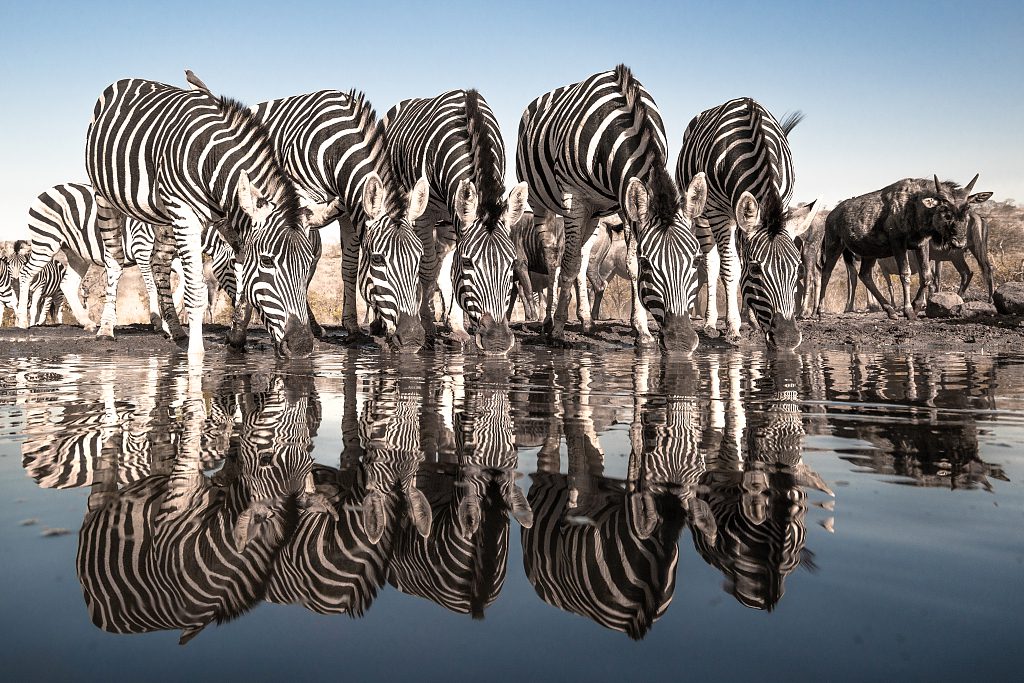
Eastern Serengeti, located within the world-famous Serengeti National Park in northern Tanzania, is one of Africa’s most rewarding safari destinations for wildlife lovers, photographers, and luxury travelers. Known for its wide-open savannahs, golden plains, and exceptional predator density, this region offers a more exclusive and less crowded safari experience compared to the central Serengeti. Eastern Serengeti is especially famous for big cat sightings, including lions, leopards, cheetahs, and hyenas, making it a top choice for wildlife photography safaris and private game drives. It is also a key corridor for the Great Wildebeest Migration during certain months, attracting visitors seeking dramatic river crossings, predator action, and raw wilderness experiences. With luxury safari lodges, tented camps, and year-round game viewing, Eastern Serengeti combines adventure, comfort, and authentic African wilderness. It is ideal for honeymoon safaris, family safaris, and high-end wildlife expeditions in Tanzania. Location and Geography of Eastern Serengeti Eastern Serengeti lies in the eastern corridor of the Serengeti ecosystem in northern Tanzania, bordering central Serengeti and stretching toward the Loliondo and Ngorongoro conservation areas. The landscape is defined by vast open plains, rocky kopjes, rolling grasslands, and seasonal river valleys. These geographical features create a perfect habitat for wildlife, especially predators such as lions and cheetahs that thrive in open hunting grounds. Unlike the busier central regions, Eastern Serengeti offers a more remote and exclusive safari atmosphere. Its location makes it an important wildlife dispersal area, especially during migration periods when herds move through the plains in search of fresh grazing. The region is also strategically positioned for safari circuits connecting Arusha, Ngorongoro Crater, and northern Serengeti. Its untouched wilderness and dramatic scenery make it one of the most scenic safari destinations in East Africa. Wildlife Diversity in Eastern Serengeti Eastern Serengeti is one of the richest wildlife areas in Tanzania, offering year-round sightings of Africa’s iconic animals. Large populations of lions dominate the plains, often seen hunting wildebeest and zebras. Cheetahs are frequently spotted due to the open terrain, making it one of the best places for cheetah safari photography in Africa. Leopards are also present, especially around rocky kopjes and riverine areas. Other commonly seen animals include elephants, giraffes, buffalo, hyenas, jackals, and antelope species such as impalas and gazelles. Birdlife is equally impressive, with over 500 species recorded in the Serengeti ecosystem. Eastern Serengeti’s lower tourist density means wildlife encounters often feel more private and natural. This makes it ideal for serious wildlife photographers and travelers seeking authentic safari experiences without crowds or disturbance. The Great Wildebeest Migration in Eastern Serengeti Eastern Serengeti plays a crucial role in the Great Wildebeest Migration, one of the most spectacular wildlife events on Earth. During specific seasons, especially between April and June and again in late October, massive herds of wildebeest, zebras, and gazelles pass through this region while searching for fresh grazing grounds. Unlike the dramatic river crossings in northern Serengeti, Eastern Serengeti offers open plains migration scenes where predators follow the herds closely. Lions and cheetahs take advantage of the abundance of prey, creating intense predator-prey interactions. Safari visitors can witness thousands of animals moving across golden landscapes, a true bucket-list experience for any Africa safari enthusiast. The migration in Eastern Serengeti is less crowded compared to other regions, allowing for more peaceful game viewing and photography opportunities in a vast, untouched wilderness. Best Time to Visit Eastern Serengeti The best time to visit Eastern Serengeti depends on your safari goals. For general wildlife viewing, the dry season from June to October is ideal, as animals gather around water sources and vegetation is thinner, making sightings easier. This period also offers excellent conditions for game drives and photography. For the Great Migration experience, timing is key. The herds often pass through the Eastern Serengeti between April and June and again in October and November. During the green season (November to March), the region becomes lush and beautiful, attracting migratory birds and newborn wildlife. Each season offers unique safari experiences, from dramatic predator action in the dry months to vibrant landscapes and calving seasons during the wet months. Eastern Serengeti is truly a year-round safari destination with consistent wildlife activity. Big Cats and Predator Action Eastern Serengeti is widely recognized as one of the best places in Africa to see big cats in action. The region’s open plains provide ideal hunting grounds for cheetahs, making sightings more frequent than in many other parts of the Serengeti. Lions are commonly seen in prides, often resting on rocky outcrops or stalking prey across the savannah. Leopards, though more elusive, are regularly spotted in wooded areas and near kopjes. Hyenas also play a major role in the ecosystem, often competing with lions for kills. This high density of predators creates dramatic wildlife encounters, especially during migration seasons when prey is abundant. For wildlife photographers and safari travelers, Eastern Serengeti offers unmatched opportunities to capture predator behavior, from hunting sequences to social interactions within prides. Luxury Safari Lodges and Camps Eastern Serengeti is home to some of the most exclusive safari accommodations in Tanzania. Luxury tented camps and eco-lodges are designed to blend seamlessly into the wilderness while offering world-class comfort. Many properties feature panoramic views of the plains, private verandas, and infinity pools overlooking wildlife-rich landscapes. Guests can enjoy gourmet dining, personalized service, and guided game drives led by expert safari guides. Some camps specialize in photography safaris, offering vehicles equipped for professional wildlife photography. The exclusivity of this region means fewer crowds and a more intimate safari experience. Whether it’s a honeymoon safari, family holiday, or luxury African safari, Eastern Serengeti’s lodges provide the perfect balance of wilderness immersion and modern comfort in one of Africa’s most iconic safari destinations. Game Drives and Safari Activities Game drives are the main activity in Eastern Serengeti, offering exceptional opportunities to explore vast wildlife habitats. Morning and evening drives are the most productive, as animals are more active during cooler hours. Visitors can expect to see predators hunting, elephants moving in herds, and migratory
What is a Good Hat for Climbing Kilimanjaro?
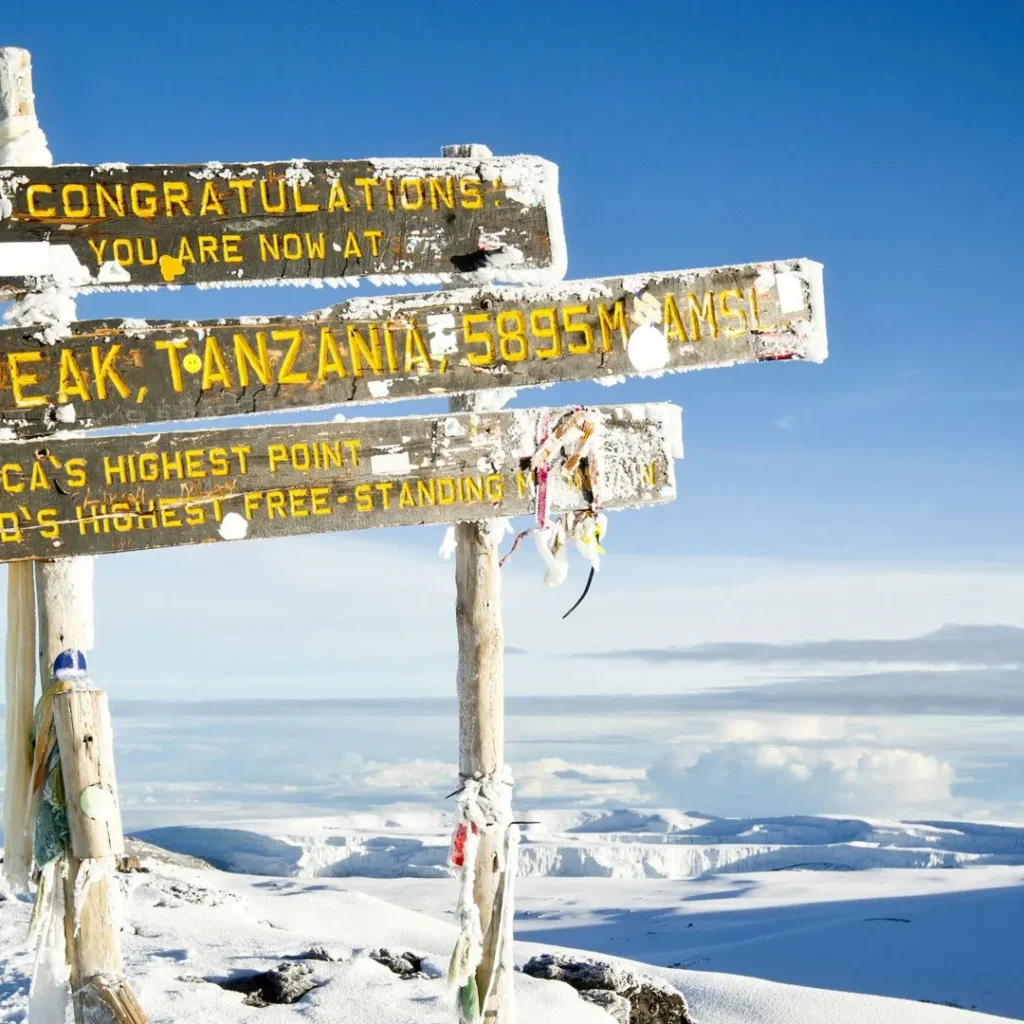
A good hat for climbing Kilimanjaro is one of the most essential pieces of Kilimanjaro climbing gear and plays a major role in both comfort and safety on the mountain. From the tropical rainforest at the base of Mount Kilimanjaro in Mount Kilimanjaro to the freezing summit zone near Uhuru Peak, climbers experience extreme weather changes that require smart head protection. The best Kilimanjaro hat provides sun protection, warmth, wind resistance, and moisture control all in one climbing accessory. Whether you are preparing a Kilimanjaro packing list or choosing safari-style trekking gear, understanding the right hat can make a huge difference in your success. This guide explores the best hats for Kilimanjaro trekking, including wide-brim hats, beanies, and multi-layer options designed for high-altitude conditions and unpredictable African mountain weather. Importance of Wearing a Hat on Kilimanjaro A hat is not just an accessory when climbing Kilimanjaro—it is a critical survival and comfort item. The sun at high altitude on Mount Kilimanjaro is extremely intense due to a thinner atmosphere, increasing UV exposure risk even on cloudy days. A good climbing hat protects your face, ears, and neck from sunburn, heat exhaustion, and dehydration during long trekking hours. At the same time, temperatures can drop dramatically, especially during early morning hikes and summit night. A proper Kilimanjaro hat helps regulate body temperature and reduces heat loss. Many climbers underestimate this simple gear, but experienced guides always emphasize it as part of essential Kilimanjaro trekking equipment. Choosing the right hat improves endurance, comfort, and overall climbing performance. Sun Protection and UV Defense Sun protection is one of the most important reasons to wear a hat while climbing Kilimanjaro. At higher elevations, UV radiation becomes significantly stronger, increasing the risk of sunburn and long-term skin damage. A wide-brim or UV-rated Kilimanjaro sun hat provides essential protection for your face, ears, and neck during long exposed sections of the trek. Even when temperatures feel cool, the sun in the African equatorial region is intense. Many climbers use hats with UPF-rated fabric for added safety. Proper sun protection gear also reduces fatigue and prevents overheating, allowing you to maintain steady energy levels during ascent. Without a proper hat, climbers risk painful sun exposure that can affect performance throughout the entire expedition on Kilimanjaro National Park trails. Cold Weather Protection at High Altitude As climbers ascend higher on Mount Kilimanjaro, temperatures can drop below freezing, especially at night and during summit attempts. A warm Kilimanjaro climbing hat, such as a thermal beanie or fleece-lined cap, becomes essential in these conditions. Heat loss from the head is significant at high altitude, making insulation critical for maintaining body warmth. A good cold-weather hat helps prevent hypothermia, frostbite on the ears, and discomfort during windy summit approaches. Many climbers layer hats, starting with a lightweight sun hat during the day and switching to insulated beanies at night. The summit zone near Uhuru Peak requires maximum thermal protection due to freezing winds and low oxygen levels. Proper head insulation is key to a successful and safe Kilimanjaro climb experience. Best Materials for Kilimanjaro Hats The material of a Kilimanjaro hat plays a major role in performance, comfort, and durability. Lightweight breathable fabrics like polyester, nylon, and quick-dry blends are ideal for hot and humid rainforest sections. For colder conditions, fleece and merino wool provide excellent insulation and moisture control. A good climbing hat should also be sweat-wicking to keep your head dry during long trekking hours. Cotton is generally not recommended because it absorbs moisture and dries slowly, increasing discomfort. Many high-quality Kilimanjaro trekking hats combine multiple materials to handle both heat and cold conditions. Choosing the right fabric ensures better temperature regulation, reduces irritation, and enhances overall trekking efficiency across different climate zones on Mount Kilimanjaro. Breathability and Moisture Control Breathability is a key feature of any good Kilimanjaro climbing hat because trekkers often experience heavy sweating during long uphill hikes. A breathable hat allows heat and moisture to escape, preventing overheating and discomfort. Moisture-wicking technology helps keep sweat away from the skin, which is especially important when transitioning between warm rainforest zones and colder alpine regions. Without proper ventilation, climbers may feel dizzy, fatigued, or chilled due to trapped moisture. Mesh panels and lightweight fabrics improve airflow while maintaining protection from the sun and wind. A well-designed breathable hat ensures consistent comfort throughout the climb, making it easier to maintain focus and endurance during multi-day trekking routes on Mount Kilimanjaro. Wide-Brim Hats for Sun Protection Wide-brim hats are one of the most popular choices for Kilimanjaro trekking because they provide maximum sun coverage. These hats shield the face, ears, and neck from strong UV rays, especially during long exposed sections of the trail. A wide-brim Kilimanjaro hat is ideal for lower and mid-altitude zones where temperatures are warmer, and sun exposure is intense. Many climbers prefer models with adjustable straps to prevent wind from blowing them off. Some designs also include neck flaps for extra protection. While not suitable for summit night due to cold conditions, they are essential during daytime hikes. A good wide-brim hat is lightweight, foldable, and durable, making it a key item in any Kilimanjaro packing list. Baseball Caps and Lightweight Trekking Caps Baseball caps and lightweight trekking caps are commonly used on Mount Kilimanjaro for their simplicity and comfort. They provide moderate sun protection for the face while allowing good airflow, making them ideal for rainforest and lower mountain zones. These caps are easy to wear under hoods or helmets and are often preferred by climbers who want minimal bulk in their gear. However, they offer limited protection for the neck and ears, so additional sun protection like sunscreen is necessary. Many trekking caps are made from quick-dry, moisture-wicking materials designed for active hiking. While not suitable for extreme cold or summit conditions, they are a practical and versatile option during the early stages of the Kilimanjaro climb. Neck Flaps and Extended Protection Hats Hats with neck flaps are highly recommended for
7-Day Amazing Tanzania Safari
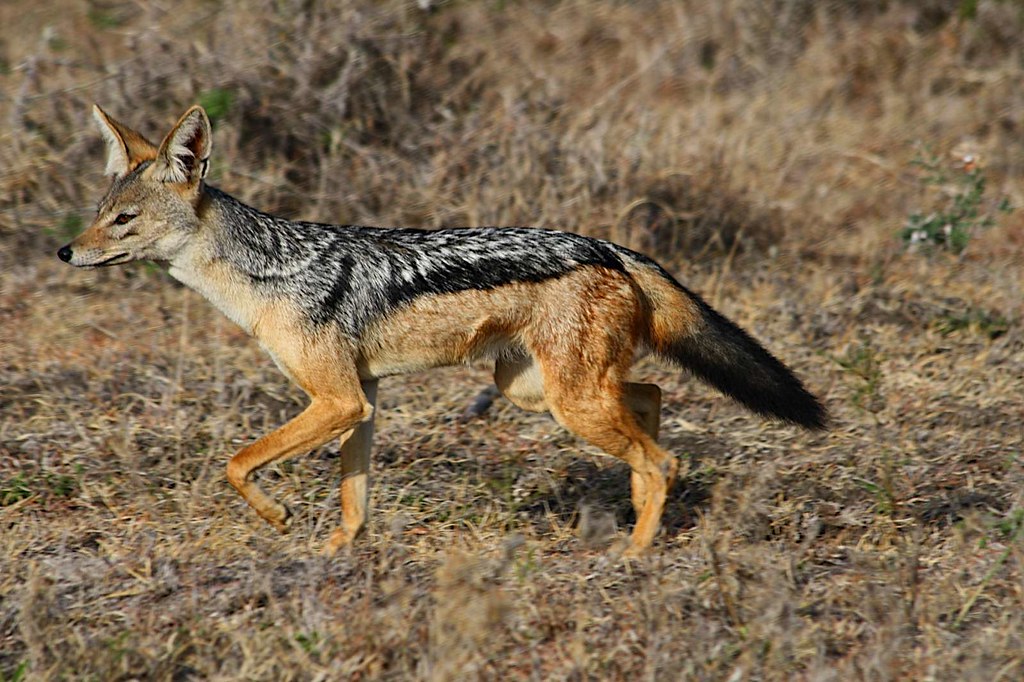
7-Day Amazing African Safari Tours (with 1735 Reviews) Experience an unforgettable 7-Day Tanzania Safari combining the endless plains of Serengeti National Park with the spectacular Ngorongoro Crater, two highlights of Tanzania’s Northern Safari Circuit. This 7-day Tanzania Safari itinerary is ideal for families, honeymoon couples, mid-range and comfort safari travellers, seniors, solo travellers, and adventure seekers looking for private, personalised wildlife holidays. Enjoy exciting 7-Day Tanzania Safari game drives, Big Five encounters, breathtaking landscapes, professional local guides and outstanding safari photography opportunities. Serengeti offers exceptional wildlife experiences and can also be reached by regional flights for travellers seeking a flying safari. During a 7-Day East African Tanzania Safari, Ngorongoro provides remarkable wildlife viewing within its dramatic volcanic landscape, with luxury and mid-range accommodation available nearby. With a detailed Tanzania safari map, itinerary, travel information, and reviews, this 7-day adventure combines comfort, romance, exploration, and unforgettable African wildlife in one remarkable safari holiday. 7-Day Amazing Tanzania Safari Itinerary Experience an unforgettable 7-Day Tanzania Safari through some of Northern Tanzania’s most iconic wildlife destinations. This carefully designed safari combines Arusha, the scenic Ngorongoro Highlands, Serengeti National Park, and the spectacular Ngorongoro Crater, with three nights dedicated to Serengeti game viewing. Enjoy private safari drives, expert local guiding, luxury accommodation and exceptional opportunities to see lions, elephants, buffalo, giraffes, zebras and other African wildlife. Serengeti is a year-round safari destination, while Tanzania’s dry season generally offers excellent wildlife viewing conditions. Day 1: Arrival in Tanzania – Mount Meru Hotel Arrive in Tanzania and receive a warm welcome from your safari team before transferring to Mount Meru Hotel in Arusha for dinner and overnight accommodation. Arusha is an ideal starting point for a Northern Tanzania safari, providing convenient access to the Serengeti and Ngorongoro conservation areas. Take time to relax after your international flight, meet your safari guide and receive a briefing about the exciting days ahead. Depending on your arrival time, you may enjoy a relaxed evening at the hotel. This first night provides a comfortable beginning to your 7-Day Tanzania Safari, preparing you for the wildlife adventures, scenic landscapes and unforgettable game drives ahead. Day 2: Arusha to Serengeti via Ngorongoro Highlands After breakfast, begin your scenic journey from Arusha toward Serengeti National Park, travelling through the spectacular Ngorongoro Highlands. Enjoy changing landscapes, highland scenery and opportunities to see local communities and wildlife along the route. Continue toward the Serengeti, one of Tanzania’s most famous safari destinations and a renowned home of the Great Wildebeest Migration. Depending on your arrival time, enjoy an introductory game drive before proceeding to your luxury Serengeti safari lodge or tented camp for dinner and overnight. The journey introduces you to Tanzania’s extraordinary northern safari circuit and prepares you for three memorable days of Serengeti wildlife exploration. Day 3: Central Serengeti Game Drive Wake early for an exciting Central Serengeti game drive, when wildlife activity is often rewarding. Explore the endless savannah plains in search of lions, leopards, cheetahs, elephants, buffalo, giraffes, zebras, wildebeest and numerous bird species. Your experienced safari guide will interpret animal behaviour, tracks and the surrounding ecosystem while helping you find excellent wildlife-viewing opportunities. Enjoy a picnic lunch or return to your luxury lodge for a relaxed midday break before continuing your afternoon game drive. Serengeti is officially recognised for game drives and balloon safaris, with wildlife experiences available throughout the year. Return to your luxury safari lodge or tented camp for dinner and overnight. Day 4: Serengeti Game Drive Spend another full day discovering the remarkable Serengeti National Park on morning and afternoon game drives. Having additional time in the park increases your opportunity to explore different habitats and observe a wider variety of wildlife. Depending on the season and animal movements, you may encounter large herds of wildebeest and zebra, hunting predators, elephants, giraffes, hippos, and abundant birdlife. Serengeti’s wildlife movements change throughout the year, making seasonal planning important when designing your safari itinerary. Enjoy a picnic lunch in the wilderness or relax at camp between drives. End your day with dinner and another peaceful overnight stay at your luxury Serengeti safari lodge or tented camp. Day 5: Serengeti National Park to Ngorongoro Crater After breakfast, enjoy a final Serengeti game drive as you begin your journey toward the Ngorongoro Conservation Area. Travel through Tanzania’s beautiful northern landscapes, watching for wildlife along the way. Upon arrival in the Ngorongoro area, settle into your luxury safari lodge or tented camp and enjoy the spectacular highland surroundings. Ngorongoro is one of Tanzania’s most celebrated wildlife destinations and forms an exceptional combination with Serengeti on a Northern Circuit safari. Tanzania National Parks highlights Serengeti and Ngorongoro among the country’s internationally recognised natural attractions. Enjoy dinner and an overnight stay, ready for an early start and exciting wildlife exploration inside the Ngorongoro Crater. Day 6: Ngorongoro Crater to Arusha Rise early for an unforgettable Ngorongoro Crater game drive, descending into the crater for an opportunity to see an impressive concentration of wildlife within its dramatic natural setting. Search for lions, elephants, buffalo, zebras, hippos, flamingos and other species while your professional guide explains the crater’s ecosystem. After your game drive and lunch, begin the scenic journey back to Arusha. Tanzania’s official park-planning guidance recommends planning routes, accommodation, permits and wildlife activities in advance. Arrive in Arusha and check into your selected luxury safari lodge or mid-range hotel for dinner and your final overnight stay before departure. Day 7: Transfer to Airport – End of Tanzania Safari After breakfast, enjoy your final morning in Arusha before your safari driver transfers you to the airport for your onward flight. Depending on your departure schedule, there may be time for a relaxed breakfast, last-minute shopping or a short city experience. Your 7-Day Amazing Tanzania Safari ends with wonderful memories of Serengeti wildlife, the Ngorongoro Highlands and the spectacular Ngorongoro Crater. Your safari team will ensure you reach the airport in good time for your scheduled flight. Tanzania’s national parks provide diverse wildlife, landscapes and tourism experiences throughout the year,
10-Day Marvellous Tanzania Safari
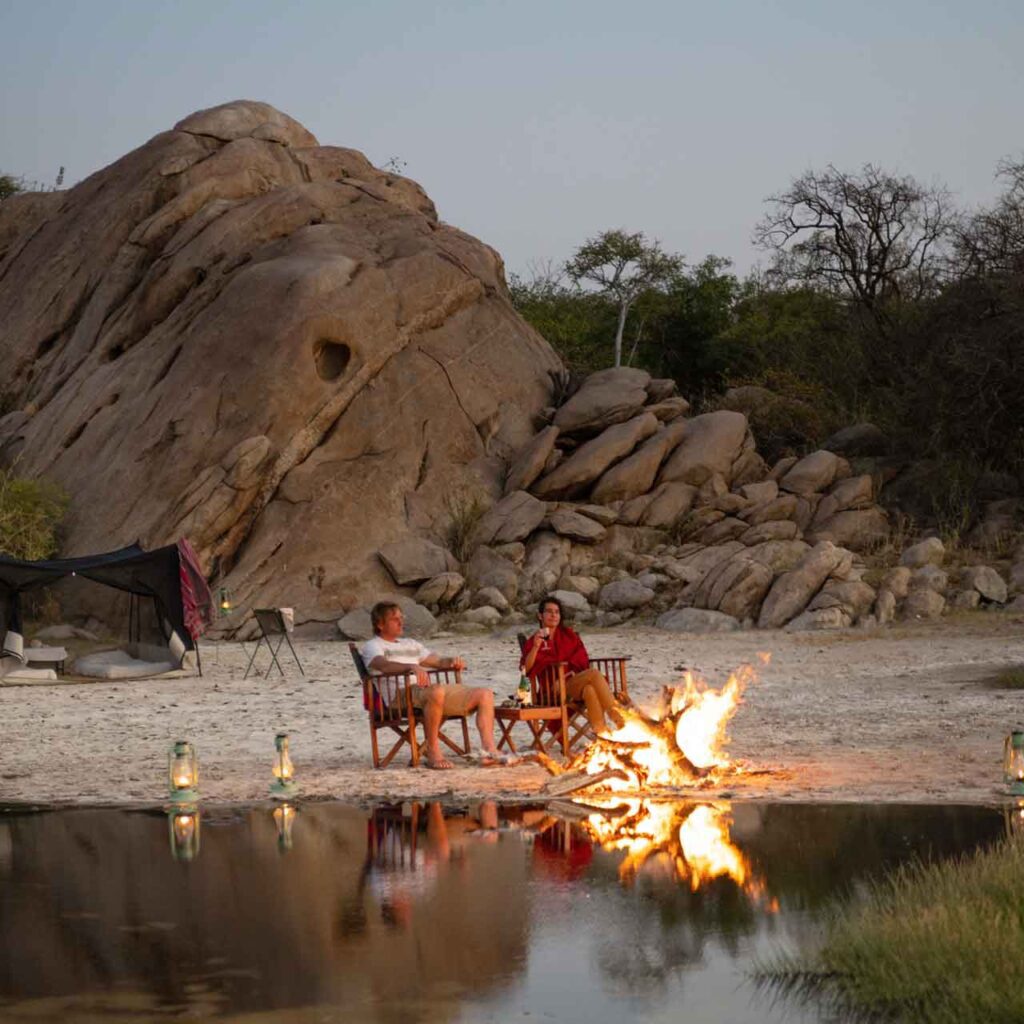
Best 10-Day Marvellous African Safari Tours (with 1735 Reviews) Fabulous World-class All-Inclusive African Safari Holidays ✓Exceptional Big Five Tanzania Safari Tours & Packages ✓ Unforgettable African Safaris ✓1-Day Tarangire ✓ 3-Day Serengeti ✓Best Tanzania Luxury Safari Company ✓1-Day Ngorongoro ✓1-Day Lake Manyara ✓Tanzania Signature Luxury Safari ✓ Tailor-Made Safari Experiences ✓Award-Winning Luxury African Safari Specialists Embark on a Spectacular 10-day Marvellous Tanzania Safari, an unforgettable adventure through East Africa’s iconic landscapes and rich wildlife. Begin your journey in Arusha, the gateway to Tanzania’s northern circuit, before heading to Tarangire National Park, famed for its vast elephant herds and ancient baobab trees. Explore the diverse ecosystems of Lake Manyara National Park, known for tree-climbing lions and flocks of flamingos. Experience the awe-inspiring Ngorongoro Crater, a UNESCO World Heritage Site teeming with wildlife. Continue to the world-renowned Serengeti National Park, where you’ll witness the Great Migration and encounter the Big Five. Immerse yourself in Maasai culture with a visit to a traditional village. Enjoy luxury lodges and tented camps, offering comfort and panoramic views of the African savannah. This safari promises breathtaking landscapes, thrilling game drives, and cultural insights, creating memories to last a lifetime. 10-Day Marvellous Tanzania Safari Itinerary Explore 10 Days Tanzania Safari: Tarangire National Park, Lake Manyara National Park Serengeti National Park, and Ngorongoro crater, and Lake Eyasi Visit. Explore one of Tanzania’s secret hidden gems, the big cat 10 Days Tanzania Safari – all northern parks in 1 trip. The safari includes a drive in a prime game-viewing area far from the jostling crowds and accommodation in a luxury, eco-friendly tented safari camp with uninterrupted views of the endless savannah. A 10-day Tanzania Safari will take you to see the Big 5 animals in their natural habitat as well as other wild animals in Tanzania. On this Safari, you visit the Tarangire National Park, the Ngorongoro Crater Conservation Area, and the Serengeti National Park. All these Parks are located in the Northern Safari Circuit. Visiting the extensive Native people in Lake Eyasi for cultural experiences Day 1: Tanzania Arrival | Safari in Tanzania Pick you up at Kilimanjaro airport/Arusha airport, transfer you to Arusha. We booked a hotel for you overnight, ready to start your tour the following day. You will meet with our safari manager to give you a about safari. After that, you will continue leisure in your hotel. Overnight at Mount Meru Hotel. Day 2: Arusha Lake Manyara National Park After your breakfast, and then we drive to Lake Manyara National Park for your Tanzania mid-range safari. This impressive National Park is one of Tanzania’s most dramatically located wildlife areas, consisting of a massive but shallow soda lake (covering two-thirds of the park) at the foot of the Great Rift Valley Western escarpment. The Park’s varied habitat attracts a wide variety of animals, including one of Africa’s largest concentrations of Elephants; Manyara is famous for a Tree-climbing lion, as well as large flocks of flamingos attracted by the algae in the lake. Dinner and overnight at the Karatu farmhouse of Valley or other related accommodation, depending on availability Day 3: Tarangire National Park After breakfast at the hotel, you leave early for the Tarangire National Park for your 10-day Tanzania Luxury Safari. This is the third-largest park in Tanzania, and it is characterized by the amazingly large herds of elephants that can be encountered in this park. The Baobab trees are one of the other highlights of Tarangire, and the Tarangire River that flows all year round is the lifeblood of the park. Many animals, predators and prey alike, gather around the river where you can do excellent game viewing. Dinner and overnight are at Ngorongoro Farm House Lodge Day 4: Tarangire to Serengeti National Park After breakfast, we depart from the accommodation and drive to Serengeti across Ngorongoro Conservation Area and later arrive on the great Serengeti plains for a different but just as spectacular wildlife viewing experience. Then you will have one of the world’s greatest adventure safari with us. You will reach at Naabi gate around 14:30 pm. Then after the game drive, you will continue your way over the scrub-lands and you will have 2 hrs late evening game drive in Serengeti National Park. Dinner and overnight at kubu kubu luxury tented lodge. Day 5: Central Serengeti Game Drive After breakfast, you will have a game viewing towards Serengeti National Park. The Serengeti, Tanzania’s largest National Park, covers nearly 6,000 square miles of grassland plains, Savannah, kopjes, hills, woodlands, and River line forest systems serve as critical water sources and are often excellent sites for wildlife viewing. Beyond the heralded migration of wildebeest and zebra, the Serengeti is best known for its big predators, including cheetah and Leopard, as well as large pride of Lions and clans of Hyenas and able to see the big 5. Dinner and overnight in Kubu kubu luxury tented lodge. Day 6: Serengeti Game Drive After breakfast continuous with a full day game drive in Serengeti National Park. Today you will wake up very early in the morning for a sunrise game drive. The sunrise in the African savanna is one of the most beautiful experiences one can have. Also animals are mostly active in the morning. You will continue with game drive until lunch hours and later exit the park in the afternoon and drive to Kubu kubu luxury tented lodge. for dinner and overnight. Day 7: Serengeti to Ngorongoro Crater After a relaxing morning and an early lunch, you will start your game drive in Serengeti, and then be driven back to drive you to picnic site for breakfast and a hot lunch. Our driver and cook will load everything on the top of our safari jeep after then continue with the game drive while looking for our of Serengeti to proceed to Ngorongoro. Today, you will be doing a game viewing en route on your way from Serengeti National Park to Ngorongoro Crater. You will be in Ngorongoro Crater late in the evening
Kilimanjaro FAQs
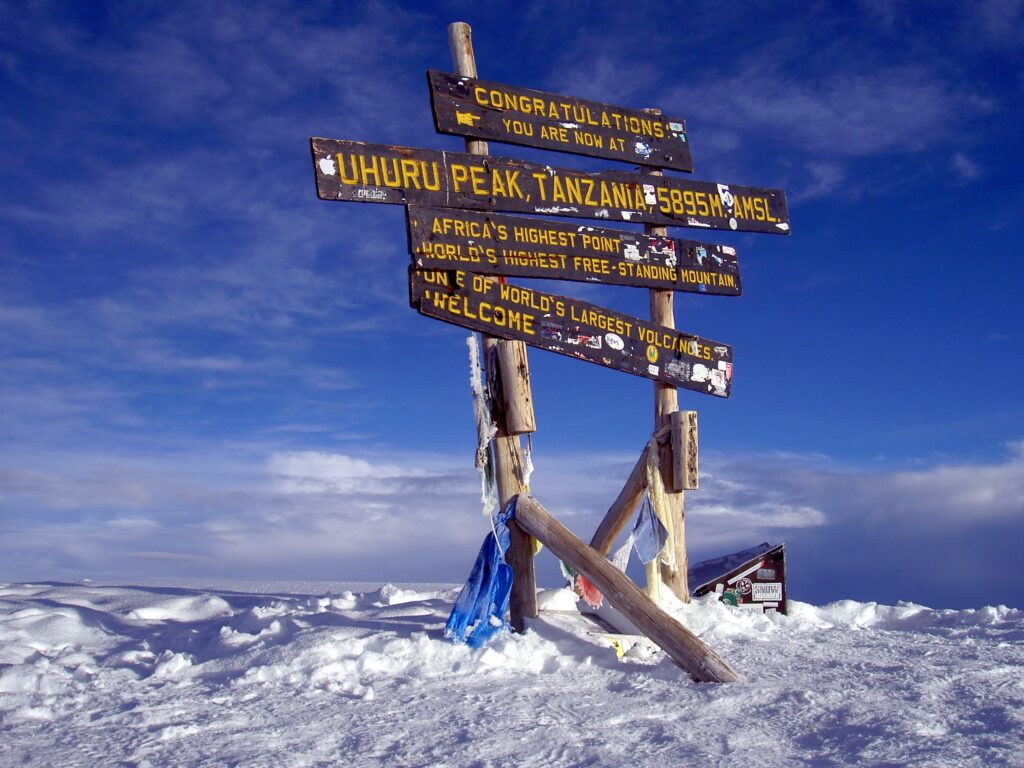
Experience and disicover the ultimate Mount Kilimanjaro, Africa’s highest peak at 5,895 meters (19,341 feet), is located in Tanzania. Popular among hikers, it offers several routes, with the Marangu, Machame, and Lemosho being the most frequented. Climbs usually take 5-9 days, with success rates increasing on longer routes due to better acclimatization. No technical climbing skills are required, but physical fitness is essential. The best times to climb are during the dry seasons: January-March and June-October. Altitude sickness is a common challenge, so gradual ascent and hydration are crucial. Permits and a licensed guide are mandatory, with costs varying depending on the route and duration. Accommodations range from huts on the Marangu route to tents on other routes. Below, we address the most frequently asked questions about climbing Kilimanjaro, providing you with the essential information to make your journey both successful and unforgettable. How Much Does It Cost to Climb Kilimanjaro? Climbing Mount Kilimanjaro in Tanzania can cost anywhere between $21,50 to $5,000 per person, depending on the route, duration, and type of package. Budget treks often include meals, park fees, guides, and porters, while luxury or private Kilimanjaro tours offer extra comforts, high-end tents, and personalized services. Costs also vary by the number of trekking days, with longer treks increasing success rates. Additional expenses include flights to Kilimanjaro International Airport, travel insurance, tips for guides and porters, and personal gear. Comparing packages online from trusted tour operators ensures you find the best Kilimanjaro trekking cost for your budget. Is Kilimanjaro Harder Than Everest? Kilimanjaro is significantly easier to climb than Mount Everest because it does not require technical climbing skills, ice axes, or ropes. Everest presents extreme altitude, treacherous glaciers, and high mortality risks. In contrast, Kilimanjaro is considered a non-technical trek, meaning climbers can hike without mountaineering experience. However, altitude sickness is still a major challenge, as the summit exceeds 5,800 meters. Physical endurance, proper acclimatization, and guided support are key. While Kilimanjaro is challenging, it is achievable for moderately fit hikers, offering breathtaking views of Tanzania’s landscapes and a sense of accomplishment that rivals high-altitude peaks worldwide. Is Kilimanjaro the Easiest of the 7 Summits? Among the 7 Summits, Kilimanjaro is often considered the easiest because it involves trekking rather than technical climbing. Peaks like Everest, Denali, and Vinson require specialized mountaineering skills, equipment, and training. Kilimanjaro, in Tanzania, is a high-altitude hike accessible to experienced hikers and determined beginners. Its well-established routes, professional guides, and comfortable camping or lodge options make it less risky compared to other summits. However, altitude sickness, extreme weather, and long trekking days still make it physically demanding. Preparation, pace management, and gradual acclimatization increase the likelihood of summiting Kilimanjaro successfully, making it a popular choice for first-time summit seekers. Can You Climb Kilimanjaro in Trainers? Climbing Kilimanjaro in trainers (sneakers) is not recommended due to the mountain’s rough terrain, steep paths, and varying weather conditions. High-quality, waterproof hiking boots with ankle support are essential for safety and comfort. The trail includes rocky sections, muddy paths, and snow near the summit, where proper traction is crucial. Lightweight trekking shoes may be suitable for lower elevations, but summit success depends on sturdy boots. Investing in well-fitted, broken-in hiking boots reduces the risk of blisters, ankle injuries, and slipping. Trekking poles and gaiters further enhance stability and protect your feet, ensuring a smoother Kilimanjaro climb. What Is the Success Rate of Climbing Kilimanjaro? The success rate of reaching Kilimanjaro’s summit varies between 60% and 90%, depending on route length, acclimatization, weather, and individual fitness. Longer routes, such as Lemosho or Northern Circuit, offer higher success rates because they provide more days for gradual altitude adaptation. Shorter treks like Machame or Marangu can be more challenging due to rapid elevation gain. Proper training, hydration, pacing, and guided support significantly improve the likelihood of reaching Uhuru Peak. Even experienced hikers may face altitude sickness. Choosing a reputable Kilimanjaro tour operator with professional guides, adequate porters, and high-quality gear is critical for summit success. Do You Need Oxygen for Kilimanjaro? Unlike Everest or high-altitude technical climbs, supplemental oxygen is not required to climb Kilimanjaro. Kilimanjaro is considered a non-technical trek, and climbers rely on acclimatization, pacing, and hydration to manage altitude. Most hikers experience mild symptoms of altitude sickness, such as headaches or nausea, which can be mitigated by following “climb high, sleep low” strategies. Trekking with an experienced guide ensures proper monitoring for altitude-related issues and provides medical support if needed. Oxygen may be used in emergencies, but it is not standard. Preparation, fitness, and gradual ascent are the keys to safely summiting Kilimanjaro. What If I Get Injured or Sick on the Climb? If injury or illness occurs while climbing Kilimanjaro, guides are trained in first aid and evacuation protocols. Minor injuries, blisters, or altitude sickness can often be managed on the trail with medical kits, rest, and adjustments to pace. Severe illness may require descending to a lower altitude or helicopter evacuation to nearby medical facilities. Trek operators include emergency procedures in their itineraries, and high-quality tours have support staff ready to assist. Travel insurance covering medical evacuation is highly recommended. Climbing with professional guides ensures safety and quick response, minimizing risks during your Kilimanjaro adventure. What Is Climbing Kilimanjaro Really Like? Climbing Kilimanjaro is an unforgettable adventure combining physical challenge, cultural experiences, and breathtaking natural scenery. Trekkers pass through multiple ecological zones, from lush rainforests to alpine deserts, with wildlife sightings along the way. Nights are cold and require proper gear, while days offer panoramic views of Tanzania and Mount Meru. Summit day is the ultimate test of endurance, often starting at midnight to reach Uhuru Peak for sunrise. Climbers experience both the physical strain and mental triumph, creating a sense of achievement unlike any other hike. Professional guides enhance the journey with support, safety, and insight. How Do I Get to Mt Kilimanjaro? Mount Kilimanjaro is easily accessible via Kilimanjaro International Airport (JRO), located near Moshi and Arusha in northern Tanzania.