
Ways Climbing Kilimanjaro Enriches Your Life
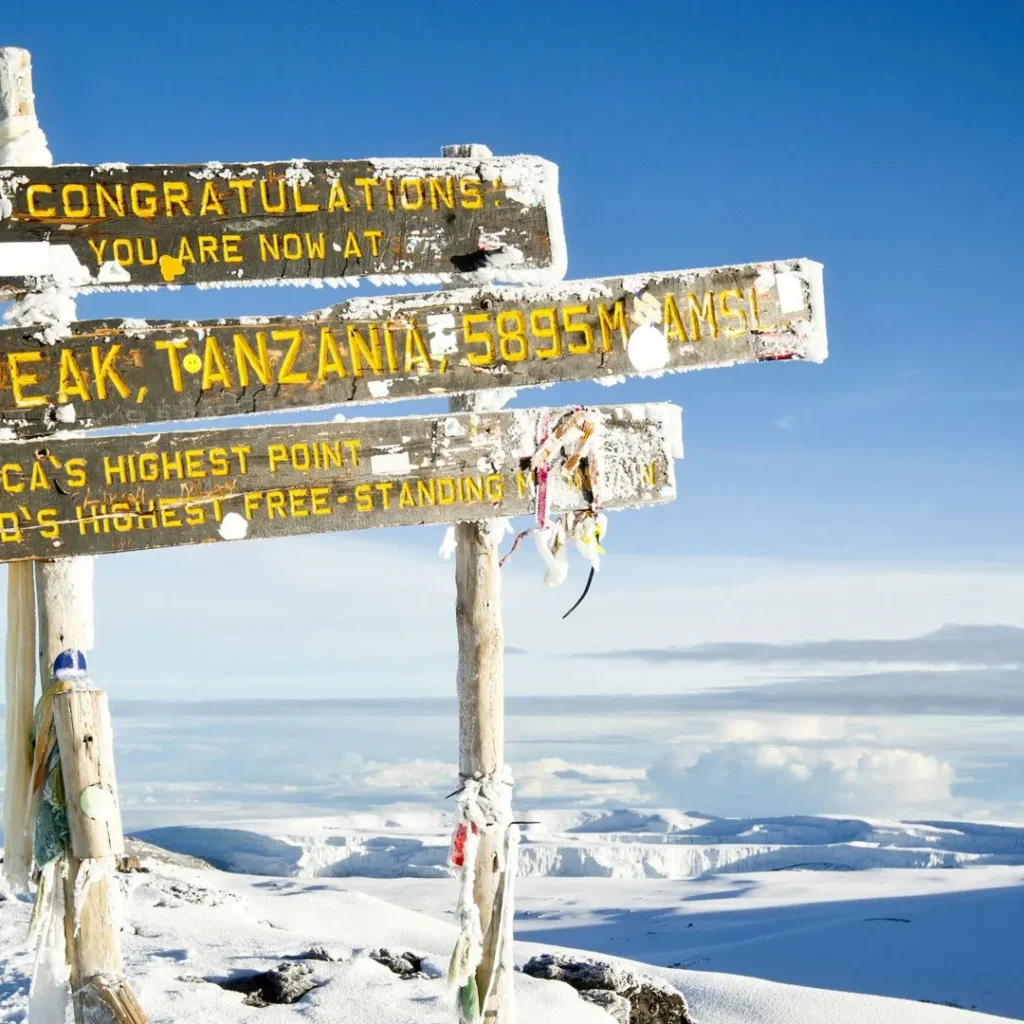
Climbing Mount Kilimanjaro, the highest peak in Africa and one of the world’s most iconic trekking destinations, is more than just a physical adventure—it is a life-transforming journey. Known for its breathtaking landscapes, diverse ecological zones, and legendary trekking routes like the Machame Route, Marangu Route, and Lemosho Route, Kilimanjaro trekking in Tanzania attracts adventurers from all over the world. Beyond its scenic beauty, a Kilimanjaro climb challenges your endurance, mindset, and emotional strength. It pushes you beyond comfort zones while offering unmatched personal growth. Many travelers combine a Kilimanjaro climb with a Tanzania safari, making it a complete African adventure experience. This article explores the powerful ways climbing Kilimanjaro enriches your life, from mental resilience to spiritual awakening and unforgettable achievement. 1. Builds Mental Strength and Resilience One of the most powerful ways climbing Kilimanjaro enriches your life is by building mental strength and resilience. The Kilimanjaro trekking experience requires determination, patience, and the ability to keep going despite fatigue, altitude changes, and unpredictable weather conditions. As you ascend through rainforest, moorland, alpine desert, and arctic summit zones, your mindset is constantly tested. Every step becomes a lesson in persistence. This mental endurance translates into everyday life, helping you handle stress, setbacks, and challenges with greater confidence. Many climbers report that after completing a Mount Kilimanjaro climb, they feel mentally stronger and more focused in their personal and professional lives. The journey teaches that success is achieved through steady progress, not speed, making it a powerful life metaphor. 2. Enhances Physical Fitness and Endurance Climbing Kilimanjaro significantly improves your physical fitness and endurance. As one of the most popular high-altitude trekking adventures in Tanzania, Kilimanjaro trekking demands consistent walking for several days across varying terrain. Your body adapts to long hiking hours, steep ascents, and changing oxygen levels. This natural conditioning strengthens your cardiovascular system, leg muscles, and overall stamina. Unlike gym workouts, Kilimanjaro hiking offers real-world endurance training in one of the most scenic environments on earth. Whether you choose the Machame Route or the Lemosho Route, each path challenges your body in unique ways. By the end of the Kilimanjaro summit climb, you gain not only physical strength but also a deeper appreciation for your body’s capabilities and limits, inspiring a healthier lifestyle long after the trek ends. 3. Boosts Self-Confidence and Achievement Reaching the summit of Mount Kilimanjaro at Uhuru Peak is a life-changing achievement that dramatically boosts self-confidence. Standing at 5,895 meters above sea level, you realize you have accomplished one of the world’s greatest trekking challenges. This sense of success goes beyond tourism—it becomes a personal milestone. Many climbers describe the Kilimanjaro summit experience as a moment of pure empowerment and emotional release. Completing the Kilimanjaro climb proves that with preparation, determination, and resilience, even the most difficult goals are achievable. This confidence carries into everyday life, influencing career decisions, relationships, and personal ambitions. Whether you are a first-time trekker or an experienced adventurer, conquering Kilimanjaro trekking routes in Tanzania reinforces a powerful belief: you are capable of more than you ever imagined. 4. Deep Connection with Nature Climbing Kilimanjaro offers an unmatched opportunity to reconnect with nature on a profound level. The mountain’s unique ecosystem includes lush rainforests, alpine meadows, volcanic landscapes, and glacier-capped peaks. As you progress through these distinct ecological zones during your Kilimanjaro trekking adventure, you witness the beauty and fragility of nature firsthand. The sounds of birds in the forest, the silence of high-altitude deserts, and the breathtaking sunrise over the clouds create a deep sense of awareness and appreciation. Unlike typical travel experiences, a Mount Kilimanjaro climb immerses you completely in natural surroundings with minimal distractions. This connection often inspires travelers to adopt more sustainable lifestyles and respect for the environment, especially when combined with eco-conscious Tanzania safari experiences. 5. Develops Discipline and Consistency A Kilimanjaro climb requires strict discipline and consistency, especially during multi-day trekking routes like the Machame Route or Rongai Route. Each day follows a structured routine of hiking, resting, eating, and acclimatizing. This disciplined rhythm helps climbers understand the importance of consistency in achieving long-term goals. You learn to pace yourself, listen to guides, and respect the mountain’s natural demands. Skipping steps or rushing can lead to altitude sickness or failure to reach the summit. Therefore, Kilimanjaro trekking teaches patience and structured progress. These habits often continue after the climb, improving personal productivity, time management, and self-discipline in daily life. The mountain becomes a teacher of order, balance, and persistence, making the experience deeply transformative. 6. Encourages Emotional Healing and Reflection Many climbers find that Mount Kilimanjaro offers a space for emotional healing and deep reflection. The long hours of trekking through peaceful landscapes create time away from digital distractions and daily stress. This silence allows you to think clearly, reflect on life decisions, and process emotions. The journey often becomes symbolic—each step representing progress through personal challenges or past struggles. Whether you are climbing for personal reasons, celebration, or transformation, Kilimanjaro trekking in Tanzania provides a powerful mental reset. The combination of physical effort and natural beauty creates emotional clarity that is hard to find in everyday life. Many climbers return home with a renewed sense of peace and direction after their Kilimanjaro adventure. 7. Strengthens Problem-Solving Skills Kilimanjaro climbing naturally improves problem-solving skills due to the unpredictable nature of high-altitude trekking. Weather changes, altitude effects, and physical fatigue require quick thinking and adaptability. Climbers must decide when to rest, how to pace themselves, and how to respond to challenges like cold temperatures or reduced oxygen levels. Guided Kilimanjaro tours also encourage teamwork and communication, especially on routes like the Lemosho and Northern Circuit routes. These experiences strengthen decision-making abilities under pressure. As a result, climbers often find themselves more capable of handling real-life challenges after completing the trek. The mountain teaches that flexibility and calm thinking are essential for success in both adventure and life. 8. Builds Teamwork and Social Bonds A Kilimanjaro trekking experience is often shared with fellow climbers,
African Antelopes
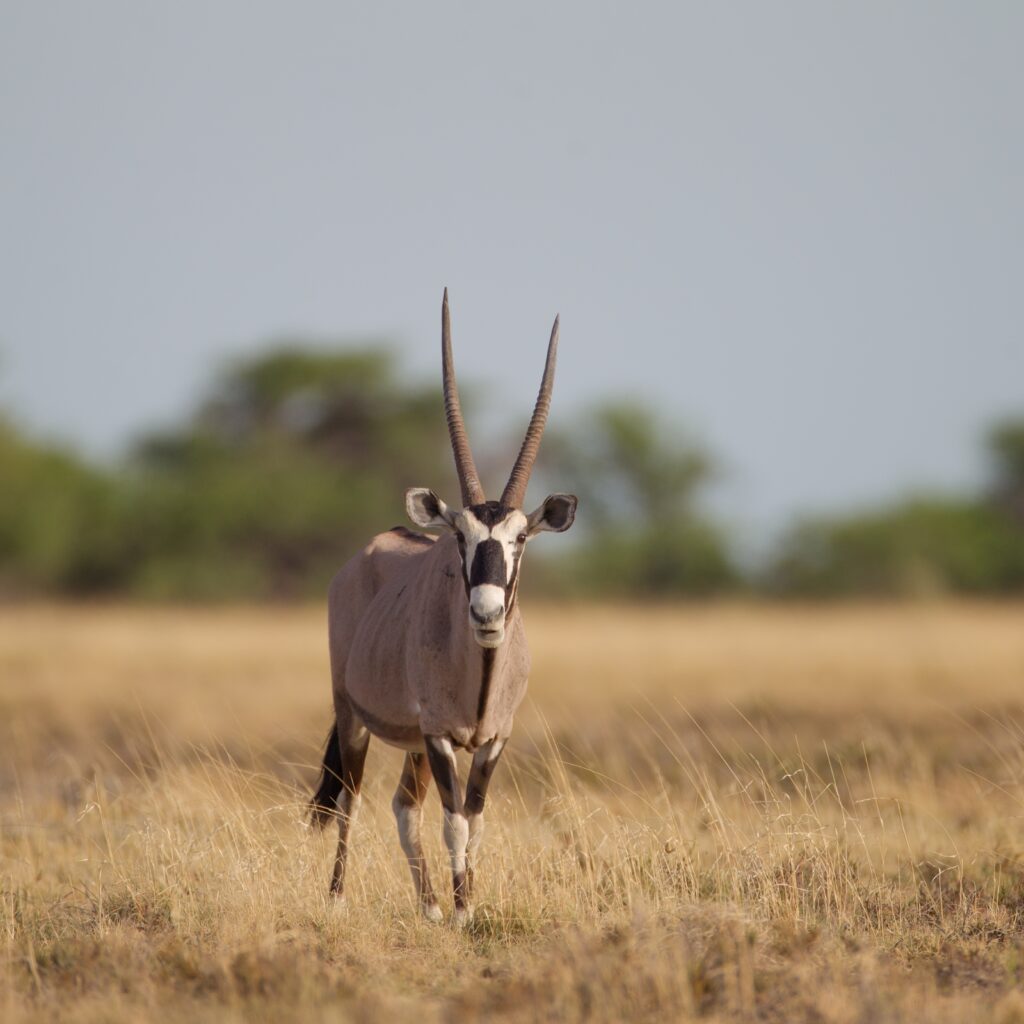
African antelopes are among the most iconic and widely distributed wildlife species across the African continent, attracting global attention from safari travelers, wildlife photographers, and conservationists. Known for their elegance, speed, and adaptability, African antelopes include a diverse group of herbivorous mammals such as impalas, gazelles, kudus, elands, and oryx. They inhabit savannahs, grasslands, woodlands, and semi-arid regions, making them a key part of the African safari experience in destinations like the Serengeti, Ngorongoro Crater, and Maasai Mara. These animals play a crucial role in maintaining ecosystem balance while serving as primary prey for predators like lions, leopards, and cheetahs. Understanding African antelopes offers insight into biodiversity, wildlife conservation, and eco-tourism, making them a top keyword topic for African safari travel, wildlife documentaries, and nature-based research across Google and other major search engines. Diversity of African Antelopes Africa is home to more than 70 species of antelopes, making them one of the most diverse mammal groups on the continent. From the tiny dik-dik to the massive eland, African antelopes vary greatly in size, color, and behavior. Popular species include the agile impala, the graceful Thomson’s gazelle, the powerful greater kudu, and the resilient gemsbok (oryx). Each species has evolved unique adaptations to survive in different ecosystems, from open plains to dense bushlands. This diversity makes African antelopes a major attraction in safari destinations such as Serengeti National Park and Kruger National Park. Their widespread presence across Africa enhances biodiversity and supports predator populations. “Types of African antelopes,” “African wildlife species,” and “safari animals in Africa” rank highly among wildlife enthusiasts and travelers planning African safari adventures. Habitat and Distribution African antelopes are widely distributed across sub-Saharan Africa, occupying diverse habitats including savannahs, woodlands, deserts, and mountainous regions. Species like impalas and wildebeest thrive in open grasslands, while kudus prefer dense bush and wooded areas. The gemsbok is adapted to arid desert environments such as the Kalahari. In East Africa, countries like Tanzania and Kenya provide some of the richest habitats for antelope populations, especially in the Serengeti ecosystem, Ngorongoro Conservation Area, and Maasai Mara. These regions offer year-round grazing opportunities and seasonal migration patterns. Habitat diversity ensures survival and ecological balance within African ecosystems. African antelope habitat,” where to see antelopes in Africa,” “Serengeti wildlife,” and “African safari destinations,” which attract global tourists searching for authentic wildlife experiences and nature photography opportunities. Feeding and Behavior African antelopes are primarily herbivores, feeding on grass, leaves, shrubs, and herbs depending on their habitat and seasonal availability. Grazers like wildebeest prefer short grasses, while browsers such as kudu and giraffe antelope feed on leaves and tree branches. Their feeding behavior is closely linked to seasonal rainfall patterns, which influence vegetation growth. Antelopes are generally social animals, living in herds for protection against predators. Herd behavior improves survival through increased vigilance and coordinated movement. Many species are active during early morning and late afternoon to avoid extreme heat. “African antelope diet,” “herbivores of Africa,” “animal behavior in safari,” and “wildlife feeding habits” are commonly searched by wildlife researchers and safari tourists interested in understanding African ecosystem dynamics. Major Species of African Antelopes Some of the most well-known African antelope species include the impala, Thomson’s gazelle, Grant’s gazelle, greater kudu, eland, waterbuck, and oryx. The impala is one of the most widespread and commonly seen safari animals, known for its agility and jumping ability. Thomson’s gazelle is famous for its speed and presence in large numbers across East African plains. The greater kudu stands out with its spiral horns and elegant stripes, while the eland is the largest antelope species in Africa. Each species contributes uniquely to the biodiversity of African ecosystems. These animals are frequently spotted in Tanzania’s Serengeti and Ngorongoro Crater. SEO keywords such as “African antelope species list,” “big antelopes in Africa,” and “Serengeti wildlife animals” are highly searched by safari travelers and wildlife enthusiasts. Adaptations and Survival African antelopes have developed remarkable adaptations to survive in harsh environments and avoid predators. Their speed and agility are their primary defense mechanisms, allowing species like gazelles to reach speeds of over 80 km/h. Many antelopes have keen eyesight, hearing, and a sense of smell to detect danger early. Camouflage coloration helps them blend into grasslands and bush environments. Some species, like the oryx, can survive long periods without water by conserving body moisture. Herding behavior also enhances survival by reducing individual risk. These adaptations make African antelopes one of the most successful herbivore groups in Africa. “African wildlife survival,” “fastest animals in Africa,” “antelope adaptations,” and “savannah ecosystem wildlife,” which are frequently used in wildlife education and safari travel content. Role in the Ecosystem African antelopes play a vital ecological role in maintaining the balance of African savannah ecosystems. As primary herbivores, they control vegetation growth by grazing and browsing, which prevents overgrowth and supports biodiversity. They also serve as a crucial food source for predators such as lions, leopards, cheetahs, hyenas, and wild dogs. Their migration patterns contribute to nutrient distribution across landscapes, especially in ecosystems like the Serengeti. Without antelopes, predator populations would decline, and vegetation would become unbalanced. This interdependence highlights their importance in the African food chain. “African ecosystem balance,” “wildlife food chain Africa,” “savannah animals role,” and “Serengeti ecosystem importance,” which are widely searched in environmental studies and safari tourism research. Predators and Survival Strategies African antelopes face constant threats from predators, making survival strategies essential for their existence. Lions, cheetahs, leopards, hyenas, and crocodiles are the main predators targeting antelopes across Africa. To survive, antelopes rely on speed, alertness, and group coordination. Many species use alarm signals to warn herd members of danger. Some, like gazelles, perform stotting behavior (high jumps) to confuse predators and demonstrate fitness. Others use zigzag running patterns to escape fast hunters like cheetahs. Young antelopes often rely on hiding techniques before joining herds. These survival strategies are key topics in wildlife documentaries and safari education. African predator prey relationship,” lion hunting antelope,” “cheetah chase Africa,” and “wildlife survival strategies safari.” Migration
What Makes Great Safari Guides and Why Are They Important?

A great safari guide is the heart of any successful African safari experience, shaping how travelers discover wildlife, landscapes, and culture. Whether exploring the Serengeti National Park, Ngorongoro Crater, or Tarangire National Park, the quality of your safari guide determines safety, enjoyment, and knowledge gained. The best safari guides in Tanzania combine deep wildlife expertise, strong navigation skills, and exceptional communication to create unforgettable safari tours. They understand animal behavior, migration patterns, and ecosystem balance, making every game drive more meaningful. In luxury safari tours, budget safaris, or private African safari packages, a professional tour guide ensures comfort, safety, and rich storytelling. Choosing the right safari guide transforms a simple wildlife trip into a life-changing Tanzania safari adventure filled with discovery, learning, and memorable moments in the wild. Deep Knowledge of Wildlife and Ecosystems Great safari guides are defined by their deep knowledge of African wildlife, habitats, and ecosystems. In destinations like Serengeti National Park and Ngorongoro Crater, expert guides understand animal behavior, predator-prey relationships, and migration patterns of wildebeest, zebras, and big cats. This knowledge enhances every wildlife safari experience, helping travelers spot lions, leopards, elephants, and rhinos in their natural environment. A professional safari guide also explains ecological balance, conservation efforts, and how ecosystems function across Tanzania safari routes. Their expertise turns game drives into educational journeys, making African safari tours more meaningful, like “best safari guide in Tanzania,” “wildlife safari guide,” and “Serengeti safari experience” highlight their importance in delivering high-quality safari adventures that go beyond sightseeing into a real understanding of nature. Exceptional Navigation and Tracking Skills One of the most important qualities of a great safari guide is exceptional navigation and animal tracking skills. In vast landscapes such as the Serengeti plains or Tarangire woodlands, experienced guides can read footprints, droppings, and movement patterns to locate wildlife quickly. This ensures guests enjoy the best African safari tours with maximum animal sightings. Skilled safari guides know remote routes, seasonal water sources, and hidden areas where animals gather. Their ability to navigate safely through rough terrain enhances both comfort and security during Tanzania safari adventures. Whether on luxury safari packages or budget camping safaris, tracking skills make every game drive successful. Keywords such as “professional safari guide,” “wildlife tracking safari,” and “Tanzania game drive experience” emphasize how essential navigation expertise is in delivering unforgettable safari moments. Strong Communication and Language Skills A great safari guide must have excellent communication skills to explain wildlife, landscapes, and safari experiences clearly. In Tanzania safari tours, guides often speak multiple languages such as English, Swahili, and sometimes French or German, making communication smooth for international travelers. Clear storytelling helps guests understand animal behavior, cultural heritage, and conservation efforts. The best safari guides also know how to engage children, families, honeymoon couples, and solo travelers differently, ensuring personalized safari experiences. Communication builds trust, safety, and enjoyment throughout African safari holidays, like “Tanzania safari guide communication,” “professional tour guide Africa,” and “best safari experience” highlight how important language and interaction are in delivering high-quality safari tours and memorable wildlife encounters across national parks. Years of Field Experience in African Safaris Experience is a key factor that defines a great safari guide. Years spent working in Serengeti, Ngorongoro, and other Tanzania safari destinations allow guides to understand animal movements, weather patterns, and seasonal migrations. Experienced safari guides know how to handle unexpected situations, such as changing wildlife behavior or difficult terrain. This ensures safe and smooth African safari tours for travelers. They can quickly adapt game drive routes to maximize sightings of the Big Five—lion, leopard, elephant, buffalo, and rhino. With time, guides also develop relationships with other park rangers and guides, improving coordination in the field, like “experienced safari guide Tanzania,” “African wildlife safari expert,” and “Serengeti game drive guide,” who emphasize the value of long-term expertise in delivering high-quality safari adventures. Expert Wildlife Tracking and Observation Top safari guides excel in wildlife tracking and observation, a skill that enhances every Tanzania safari experience. They can detect subtle signs such as alarm calls, broken branches, or fresh tracks that indicate nearby predators or herds. In the Serengeti National Park, this skill helps visitors witness dramatic scenes like lion hunts or wildebeest crossings during the Great Migration. Observation skills also allow guides to position vehicles for perfect photography angles and safe viewing distances. This makes African safari tours more exciting and rewarding for guests, like “wildlife safari tracking,” “Serengeti safari guide expert,” and “best game drive experience in Tanzania,” which highlight how observation skills contribute to unforgettable safari adventures in East Africa’s top national parks. Engaging Storytelling and Cultural Interpretation A great safari guide is also a storyteller who brings Africa’s wilderness to life. Through engaging narratives, they explain the history of the Maasai people, the evolution of Tanzania’s national parks, and the behavior of iconic wildlife species. Storytelling transforms ordinary game drives into immersive safari experiences filled with meaning and emotion. Whether on luxury safaris or budget Tanzania tours, travelers enjoy learning about traditions, folklore, and conservation efforts. A skilled guide connects nature and culture seamlessly, making the journey more enriching, like “African safari storytelling,” “Tanzania cultural safari guide,” and “Serengeti wildlife tour experience” reflect the importance of interpretation in enhancing tourist satisfaction and creating lifelong memories during African safari adventures. Outstanding Customer Service and Hospitality Great safari guides provide exceptional customer service and hospitality throughout the journey. From airport pickup in Arusha or Kilimanjaro to game drives in Ngorongoro Crater, they ensure travelers feel comfortable, safe, and valued. They assist with lodge check-ins, meal arrangements, and travel logistics, making African safari tours stress-free. Professional safari guides are patient, friendly, and attentive to individual needs, whether for families, honeymoon couples, or solo travelers. Their goal is to create personalized safari experiences that exceed expectations, like “best Tanzania safari service,” “professional safari guide Africa,” and “luxury safari customer experience,” highlighting the importance of hospitality in delivering world-class safari holidays across East Africa. Strong Safety Awareness and Risk Management Safety is one of the
Everything you need to know before booking your first African safari

Booking your first African safari is one of the most exciting travel decisions you will ever make. Africa offers some of the world’s most iconic wildlife destinations, including the Serengeti, Ngorongoro Crater, Lake Manyara National Park, and Tarangire. Before you book, it is important to understand safari types, costs, the best time to visit, and what to expect on game drives. Many first-time travelers search for terms like “African safari packages,” “best safari in Africa,” and “luxury vs budget safari,” because planning can feel overwhelming. This guide simplifies everything you need to know before booking your first African safari, including destinations, costs, safety, packing, and choosing the right tour operator. Whether you want a luxury safari lodge or a budget camping adventure, proper planning ensures a once-in-a-lifetime wildlife experience across Africa’s most breathtaking landscapes. Choosing the Best African Safari Destination Selecting the right destination is the first step in planning your African safari. Popular countries include Tanzania. Tanzania is famous for the Serengeti National Park and Ngorongoro Crater, known for the Masai Mara and Great Migration, ideal for exclusive, low-crowd safaris. When searching for “best African safari destinations” or “top safari parks in Africa,” consider wildlife density, travel season, and budget. Each destination offers unique safari experiences, from Big Five game viewing to river safaris and walking safaris. Your choice should depend on wildlife expectations, travel comfort level, and whether you prefer luxury lodges or adventurous camping safaris. Understanding the Types of an African Safari Before booking, it is essential to understand the different types of African safaris available. The most common include luxury safaris, budget safaris, camping safaris, fly-in safaris, and private guided safaris. Luxury safaris offer high-end lodges, gourmet dining, and exclusive game drives. Budget safaris focus on affordability with shared vehicles and basic accommodation. Camping safaris bring you closer to nature with tented camps inside or near national parks. Fly-in safaris save travel time by using small aircraft between destinations. Private safaris provide personalized itineraries and flexible schedules. Many travelers search for “luxury African safari packages” or “cheap safari tours in Africa” when comparing options. Choosing the right safari type depends on your budget, comfort preferences, and travel goals. Each style offers a unique way to experience Africa’s wildlife and landscapes. Best Time to Go on an African Safari The best time to go on an African safari depends on wildlife movement and weather conditions. The dry season, generally from June to October, is considered the best time for game viewing because animals gather around water sources, making them easier to spot. This period is ideal for destinations like the Serengeti, Tarangire,, Lake Manyara, Arusha National Park and Ngorongoro Crater. The wet season, from November to May, offers lush landscapes, fewer tourists, and lower prices. It is also the best time for birdwatching and calving season in East Africa. Searches like “best time for African safari” or “Great Migration timing” are common among travelers. Ultimately, your timing depends on whether you prefer peak wildlife visibility or a quieter, more budget-friendly experience with beautiful green scenery and dramatic skies. Understanding African Safari Costs and Budgeting An African Safari costs vary widely depending on destination, accommodation, and travel style. Budget safaris may start from a few hundred dollars per day, while luxury safaris can exceed several thousand dollars per night. Key expenses include park fees, accommodation, transport, guides, and meals. Tanzania is generally more expensive due to high conservation standards, while an African budget safari can be more affordable. Many travelers search for “African safari cost per day” or “cheap safari Africa packages” when planning. It is important to budget for international flights, travel insurance, tips, and optional activities like hot air balloon rides. Booking in advance or traveling during the low season can help reduce costs. Understanding pricing structures ensures you choose a safari that matches your expectations without unexpected expenses. Choosing a Reliable African Safari Tour Operator Selecting a trusted safari operator is crucial for a safe and enjoyable experience. A good operator provides experienced guides, well-planned itineraries, reliable vehicles, and transparent pricing. Look for companies with strong reviews, certifications, and local expertise. Many travelers search for “best African safari companies” or “trusted Tanzania safari operators” before booking. A professional operator will help you choose the right parks, accommodations, and travel routes based on your interests and budget. They also handle park permits, logistics, and safety arrangements. Avoid extremely cheap offers that may compromise quality or safety. A reputable operator ensures smooth transfers, knowledgeable guides, and high chances of wildlife sightings. Always compare packages and ask for detailed itineraries before confirming your booking. What Wildlife to Expect on an African Safari African safaris are famous for incredible wildlife encounters, including the Big Five: lion, leopard, elephant, buffalo, and rhinoceros. Depending on your destination, you may also see giraffes, zebras, cheetahs, hippos, crocodiles, and countless bird species. Serengeti is an ideal place for witnessing the Great Migration, one of nature’s most dramatic events. Tarangire National Park offers excellent chances of spotting all the Big Five animals in one trip. Many travelers search for “what animals will I see on safari” or “African safari wildlife list.” Wildlife sightings depend on season, location, and guide expertise. Early morning and late afternoon game drives offer the best viewing opportunities. Every safari is unique, and no two game drives are ever the same, making each experience exciting and unpredictable. An African Safari accommodations African Safari accommodations range from budget campsites to ultra-luxury lodges. Tented camps provide an immersive wilderness experience while still offering comfort such as beds, bathrooms, and dining areas. Luxury lodges feature private suites, swimming pools, spa services, and panoramic views of wildlife areas. Mid-range lodges offer a balance of comfort and affordability. Many travelers search for “African safari lodges” or “best safari camps in Tanzania” when planning. Staying inside or near national parks increases your chances of early morning game drives and wildlife sightings. Accommodation choice significantly impacts your overall safari experience, comfort level, and budget. Whether you
Reasons To Visit East Africa For A Family Vacation

East Africa is one of the world’s most unforgettable Tanzania safari destinations for a family vacation, offering breathtaking landscapes, world-famous wildlife, white-sand beaches, rich cultures, and exciting outdoor adventures. Countries like Tanzania provide family-friendly safari lodges, luxury camps, beach resorts, and educational experiences suitable for children, teens, parents, and grandparents. From witnessing the Great Migration in the Serengeti to relaxing on Zanzibar’s tropical beaches, East Africa combines adventure, relaxation, and cultural discovery in one journey. Families can enjoy game drives, hot air balloon safaris, gorilla trekking, mountain excursions, and authentic cultural encounters while creating lifelong memories. With warm hospitality, safe travel options, and year-round attractions, East Africa has become one of the best family safari destinations in Africa for unforgettable holidays and luxury family vacations. 1. Incredible Wildlife Safaris for All Ages East Africa is globally celebrated for its spectacular wildlife safaris, making it one of the best destinations for a family safari holiday. Families can explore iconic parks such as Serengeti National Park and Ngorongoro Crater, while spotting the famous Big Five animals — lions, elephants, leopards, rhinos, and buffalo. Children enjoy thrilling game drives, while parents appreciate the educational value of learning about conservation and ecosystems. Many safari lodges provide family suites, kid-friendly guides, and interactive bush activities designed for younger travelers. Seeing giraffes roaming freely, zebras crossing the plains, and elephants near safari vehicles creates unforgettable family moments. East Africa’s wildlife experiences are immersive, safe, and exciting, offering the perfect balance of adventure and comfort for multigenerational travel and luxury African family vacations. 2. Witness the Great Migration One of the biggest reasons families visit East Africa is the opportunity to witness the world-famous Great Migration. This extraordinary wildlife spectacle takes place between Serengeti National Park, where millions of wildebeests, zebras, and gazelles move across the plains in search of greener pastures. Watching dramatic river crossings and predator action creates unforgettable memories for both children and adults. The migration offers exceptional photography opportunities, educational experiences, and thrilling safari adventures. Many family safari tours include professional guides who explain animal behavior and migration patterns in engaging ways suitable for kids. Luxury tented camps and family-friendly lodges positioned along migration routes provide comfort, safety, and spectacular wildlife viewing. Experiencing this natural wonder together makes East Africa one of the top bucket-list destinations for family travel and African safari holidays. 4. Beautiful Tropical Beaches and Island Escapes East Africa offers stunning tropical beaches perfect for relaxing after an exciting safari adventure. Families can unwind on the white-sand shores of Zanzibar, enjoy snorkeling in crystal-clear waters, or explore colorful coral reefs along the Indian Ocean coastline. Beach resorts provide family-friendly amenities such as swimming pools, water sports, kids’ clubs, and spacious villas. Children love dolphin tours, traditional dhow cruises, and beach games, while parents enjoy peaceful ocean views and luxury spa treatments. Destinations like Diani Beach and Zanzibar combine tropical beauty with cultural experiences and delicious Swahili cuisine. The warm climate makes East Africa ideal for year-round family beach vacations. Combining safari and beach experiences creates the ultimate African family holiday, offering both thrilling wildlife adventures and relaxing coastal escapes in one unforgettable journey. 5. Rich Cultural Experiences East Africa offers families meaningful cultural experiences that inspire learning, connection, and adventure. Visitors can meet the famous Maasai communities in Tanzania, learn traditional dances, explore local villages, and discover ancient customs passed through generations. Children gain valuable educational experiences by interacting with local communities and learning about African traditions, crafts, music, and storytelling. Families visiting experience authentic cultural tours, community visits, and local markets. These immersive encounters help children appreciate cultural diversity while supporting sustainable tourism initiatives. East Africa’s welcoming hospitality makes travelers feel at home throughout their Tanzania safari journey. Cultural tourism adds depth to a family vacation, transforming a safari into an enriching educational adventure filled with unforgettable human connections and meaningful East African travel experiences. 6. Family-Friendly Safari Lodges and Camps East Africa features a wide range of family-friendly safari lodges, luxury camps, and all-inclusive resorts designed to accommodate travelers of all ages. Many Tanzania safari properties offer spacious family suites, swimming pools, babysitting services, child-friendly meals, and guided nature activities tailored for children. Luxury African safari lodges in destinations like Tarangire National Park and Lake Manyara National Park provide comfort, safety, and personalized experiences for families. Some camps organize junior ranger programs where children can learn wildlife tracking, bush survival skills, and conservation basics. Parents enjoy relaxing accommodations with breathtaking savannah views while kids remain entertained and engaged. These accommodations blend adventure with modern comfort, making East Africa accessible even for families traveling with young children. Exceptional hospitality, professional safari guides, and safe environments make East Africa one of the best family safari destinations in the world. 7. Educational Adventures for Children Traveling through East Africa provides children with valuable real-world educational experiences beyond classroom learning. Families can teach kids about wildlife conservation, ecosystems, geography, and African history while exploring world-famous national parks and cultural sites. Visiting places like Ngorongoro Conservation Area introduces children to extinct volcanoes, archaeological discoveries, and unique wildlife habitats. Our Tanzania safari guides often explain animal behavior, bird species, and environmental conservation in engaging ways suitable for young travelers, and also help older children understand endangered species protection efforts. Educational family vacations encourage curiosity, environmental awareness, and cultural appreciation. East Africa turns travel into an exciting learning experience where every safari drive, village visit, and nature walk offers lessons that inspire children long after the vacation ends. 8. Perfect Weather for Year-Round Travel East Africa enjoys favorable weather conditions that make it an ideal family vacation destination throughout the year. Many safari regions experience warm sunny days, cool evenings, and predictable dry seasons that are excellent for wildlife viewing Tanzania offers year-round safari opportunities, while coastal destinations provide tropical beach weather perfect for family relaxation. During the dry season, animals gather around rivers and waterholes, making game viewing easier and more rewarding for children and photographers. Even the green season offers lush landscapes,
Horned Animals of Africa

Africa is home to some of the world’s most iconic horned animals, attracting wildlife lovers, safari travelers, photographers, and conservation enthusiasts from across the globe. From the powerful African buffalo roaming the Serengeti plains to the elegant greater kudu moving through woodland forests, these remarkable mammals define the African safari experience. Horned animals in Africa include antelopes, buffalo, gazelles, and other grazing species found in national parks, game reserves, and private conservancies. Their impressive horns serve many purposes, including defense against predators, attracting mates, and territorial battles. Popular safari destinations such as the Serengeti, Ngorongoro Crater, Maasai Mara, Kruger National Park, and Etosha National Park offer exceptional opportunities to spot these magnificent creatures. Whether on a luxury African safari, photographic safari, family safari, or wildlife adventure, seeing Africa’s horned animals in their natural habitat remains an unforgettable travel experience filled with beauty, excitement, and rich biodiversity. 1. The African Buffalo (Syncerus caffer) The African buffalo, also called the Cape buffalo, is one of Africa’s most powerful and dangerous horned animals. Known for its massive curved horns and muscular body, this iconic species inhabits savannahs, wetlands, forests, and grasslands throughout sub-Saharan Africa. African buffaloes are commonly seen in famous safari destinations like Serengeti National Park, Kruger National Park, and the Okavango Delta. These social animals travel in large herds that may contain hundreds of individuals, creating dramatic wildlife viewing experiences during African safaris. Their heavy horn structure, often called a “boss,” provides strong protection against predators such as lions and hyenas. Buffaloes play a major role in Africa’s ecosystem by shaping vegetation and supporting predator populations. Wildlife photographers and safari travelers admire their strength, unpredictable behavior, and impressive appearance. Spotting a herd of African buffalo remains one of the highlights of any classic African wildlife safari adventure. 2. Greater Kudu (Tragelaphus strepsiceros) The greater kudu is one of Africa’s most elegant and recognizable antelope species, famous for its long spiral horns and graceful appearance. Found across eastern and southern Africa, greater kudus inhabit woodlands, bushlands, and savannah ecosystems where thick vegetation provides cover from predators. Male kudus possess spectacular corkscrew-shaped horns that can grow over one meter long, making them highly sought after by wildlife photographers and safari enthusiasts. These shy and cautious animals are commonly spotted in destinations like South Africa, Tanzania, Namibia, Zimbabwe, and Botswana. Greater kudus feed on leaves, shoots, fruits, and herbs, adapting well to dry environments. Their striped coats and large ears provide excellent camouflage within dense vegetation. During African safari tours, observing a mature kudu bull standing proudly among acacia trees creates a truly unforgettable wildlife moment. The greater kudu symbolizes beauty, wilderness, and the incredible diversity of African horned animals. 3. Eland (Taurotragus oryx) The eland is Africa’s largest antelope and one of the continent’s most fascinating horned animals. Despite their enormous size, elands are surprisingly agile and can jump impressive heights when threatened. Both males and females possess twisted horns, though males are larger and more heavily built. Elands are widely distributed across eastern and southern Africa, particularly in open plains, savannahs, and lightly wooded habitats. These gentle herbivores feed on grasses, leaves, seeds, and fruits while traveling in small herds or mixed groups. Elands are often seen during safaris in Tanzania, Kenya, Botswana, Namibia, and South Africa. Their calm behavior and unique clicking sound made by their joints make them especially interesting for wildlife observers. In African cultures, elands have long symbolized strength, endurance, and prosperity. Seeing these giant antelopes during a luxury safari or photographic safari offers travelers an extraordinary glimpse into Africa’s rich wildlife heritage. 4. Impala (Aepyceros melampus) The impala is among the most common and graceful antelopes found across Africa’s savannah landscapes. Recognized for their slender bodies, reddish-brown coats, and elegant lyre-shaped horns, male impalas are a favorite sight during African wildlife safaris. Impalas inhabit grasslands and woodland edges in countries such as Tanzania, Kenya, Botswana, Zambia, and South Africa. These agile animals are famous for their remarkable jumping ability, often leaping several meters high and far to escape predators like lions, cheetahs, leopards, and wild dogs. Impalas live in social herds and rely on speed, alertness, and teamwork for survival. Their adaptability allows them to thrive in diverse ecosystems, making them one of Africa’s most successful antelope species. Safari travelers frequently encounter impalas while exploring the Serengeti, Kruger National Park, and Maasai Mara. Their beauty, elegance, and constant vigilance make them an iconic symbol of the African wilderness experience. 5. Springbok (Antidorcas marsupialis) The springbok is one of southern Africa’s most iconic horned animals and a national symbol of South Africa. Known for its distinctive white and brown markings, slender body, and curved horns, the springbok thrives in dry grasslands and semi-desert environments. This elegant antelope is especially famous for “pronking,” a spectacular jumping display where it leaps high into the air with stiff legs. Springboks are commonly found in Namibia, Botswana, and South Africa, particularly within the Kalahari Desert and Etosha National Park. They feed mainly on grasses and shrubs and can survive in arid conditions with minimal water. Their speed and agility help them evade predators such as cheetahs and lions. During African safaris, travelers admire the beauty of large springbok herds moving across open plains. The springbok represents resilience, adaptability, and the incredible diversity of Africa’s wildlife and safari landscapes. 6. Gemsbok (Oryx gazella) The gemsbok, also called the South African oryx, is one of Africa’s most striking desert antelopes. Easily recognized by its long, straight horns, bold facial markings, and powerful body, the gemsbok is perfectly adapted to harsh desert and semi-arid environments. Found mainly in Namibia, Botswana, and South Africa, these magnificent animals inhabit the Kalahari Desert and other dry savannah regions. Both males and females possess sharp, spear-like horns used for defense against predators. Gemsboks can survive extreme heat by conserving water and feeding on moisture-rich plants. Their endurance and resilience make them symbols of survival in Africa’s toughest landscapes. Wildlife photographers often seek gemsboks because of their dramatic appearance
All Kilimanjaro routes ranked in terms of acclimatisation
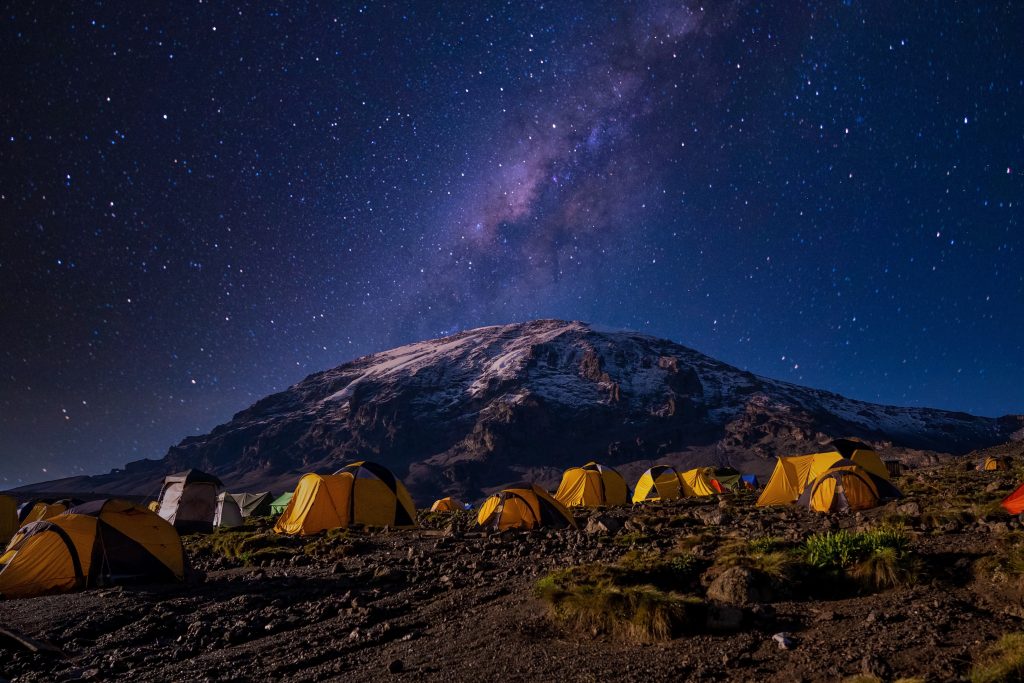
Climbing Mount Kilimanjaro is one of the world’s most sought-after adventure travel experiences, attracting trekkers searching for the best Kilimanjaro routes, summit success rates, acclimatisation strategies, and safe trekking itineraries. The biggest factor determining whether you reach Uhuru Peak is not fitness alone—but how well your body adapts to altitude. Routes with longer durations and gradual elevation gain consistently deliver higher success rates because they allow proper acclimatisation and reduce altitude sickness risk. Uhuru Peak sits at 5,895 meters, where oxygen levels are significantly lower, making route choice critical. In this optimized guide, we rank all Kilimanjaro routes based on acclimatisation quality, success rate, and trekking profile—helping you choose the safest, most effective, and best-value Kilimanjaro climb for beginners, families, honeymooners, and experienced trekkers alike. 1. Northern Circuit Route – Best Acclimatisation on Kilimanjaro The Northern Circuit Route ranks #1 for acclimatisation and is widely regarded as the best Kilimanjaro route for summit success, safety, and gradual altitude gain. This 9-day itinerary is the longest route, allowing trekkers to ascend slowly while circling the mountain’s quieter northern slopes. The extended duration provides unmatched acclimatisation, significantly reducing the risk of altitude sickness and boosting summit success rates to around 90–95%. This route follows a “climb high, sleep low” pattern, giving your body time to adjust naturally. It is ideal for first-time climbers, luxury trekkers, photographers, and high-end safari travelers seeking a premium Kilimanjaro experience. With fewer crowds and panoramic 360° views, the Northern Circuit is perfect for those prioritizing success rate, safety, and comfort over speed. If your goal is to reach the summit with the highest probability, this is the ultimate choice. 2. Lemosho Route – Excellent Acclimatisation & Scenic Beauty The Lemosho Route is the second-best option for acclimatisation and one of the most recommended Kilimanjaro climbing routes for beginners and luxury safari travelers. Typically completed in 7–8 days, Lemosho offers a gradual ascent profile combined with stunning scenery across rainforest, moorland, and alpine desert zones. Its success rate ranges between 85–90%, thanks to its well-designed acclimatisation schedule. This route starts on the remote western side of the mountain, allowing for a peaceful trekking experience before merging with the Machame trail. The extra days compared to shorter routes significantly improve altitude adaptation. Lemosho is perfect for honeymoon safaris, private guided climbs, and mid-range to luxury Kilimanjaro packages. It balances high success rates, breathtaking landscapes, and manageable difficulty, making it one of the most popular and best-value routes for a safe summit attempt. 3. Machame Route – Good Acclimatisation with Popular Appeal The Machame Route, often called the “Whiskey Route,” is one of the most popular Kilimanjaro trekking routes and offers good acclimatisation when completed over 7 days. Known for its diverse scenery and adventurous terrain, Machame uses the effective “climb high, sleep low” strategy, which enhances altitude adaptation and boosts success rates to approximately 80–90%. However, shorter 6-day itineraries reduce acclimatisation quality and increase failure rates. This route includes challenging sections like the Barranco Wall, making it suitable for fit trekkers, adventure seekers, and budget to mid-range climbers. Despite higher traffic, Machame remains a top choice due to its strong balance of cost, scenery, and success rate. For those seeking a classic Kilimanjaro climb with solid acclimatisation and affordability, Machame delivers an excellent experience. 4. Rongai Route – Moderate Acclimatisation with Gentle Ascent The Rongai Route ranks fourth in acclimatisation and is the only route approaching Kilimanjaro from the north, near Kenya. It offers a gradual ascent profile, making it a good option for trekkers seeking a quieter and less crowded climb. When completed over 7 days, Rongai achieves success rates of around 70–85%, thanks to its steady altitude gain. This route is particularly difficult during the rainy season because the northern side is drier. While it lacks the dramatic scenery of southern routes, it compensates with peaceful trails and a consistent trekking pace. Rongai is ideal for older climbers, beginners, and those prioritizing comfort over scenic variety. Its moderate acclimatisation makes it a reliable choice, though not as strong as Lemosho or Northern Circuit for maximizing summit success. 5. Shira Route – Moderate to Poor Acclimatisation The Shira Route offers beautiful scenery but ranks lower for acclimatisation due to its high starting altitude, which reduces the body’s ability to adjust gradually. Although similar to Lemosho in its later stages, Shira begins at a higher elevation, increasing the risk of altitude sickness early in the trek. Success rates typically hover around 70–85%, depending on itinerary length, but acclimatisation is less effective compared to Lemosho because climbers skip the lower rainforest zone. This route is best suited for experienced trekkers with prior altitude exposure rather than beginners. While it still offers scenic beauty and fewer crowds, its acclimatisation profile makes it a less optimal choice for those prioritizing safety and summit success. Choosing a longer itinerary can improve outcomes significantly. 6. Marangu Route – Poor Acclimatisation Despite Comfort The Marangu Route, known as the “Coca-Cola Route,” is one of the most popular due to its hut accommodation and lower cost, but it ranks poorly for acclimatisation. Typically completed in 5–6 days, this route has a faster ascent profile, which limits the body’s ability to adjust to altitude. As a result, success rates are lower—often between 60–75%—especially on shorter itineraries. The route follows the same path up and down, reducing opportunities for gradual acclimatisation. While it is appealing for budget travelers and those seeking comfort over camping, Marangu is not ideal for maximizing summit success. It is best suited for trekkers who prioritize simple logistics and lower prices, but it carries a higher risk of altitude-related challenges compared to longer routes. 7. Umbwe Route – Worst Acclimatisation, Most Challenging The Umbwe Route ranks last in acclimatisation and is considered the most difficult Kilimanjaro route due to its steep, direct ascent and rapid altitude gain. This route offers minimal time for acclimatisation, resulting in significantly lower success rates of around 60–70%. Umbwe is extremely physically demanding and is recommended only for
What is the Safest Route on Kilimanjaro?
Climbing Mount Kilimanjaro is a once-in-a-lifetime adventure, but choosing the safest route on Kilimanjaro is essential for summit success and overall experience. With rising interest in Tanzania safari tours and Kilimanjaro climbing packages, travelers often search for the best Kilimanjaro route for beginners, the highest success rate routes, and the safest trekking itineraries. Safety on Kilimanjaro is largely influenced by acclimatization time, route length, altitude gain, and professional guidance. Popular routes like Lemosho, Machame, and the Northern Circuit are widely recognized for their high summit success rates and gradual ascent profiles. Whether you’re planning a luxury Kilimanjaro climb, budget trekking tour, or private guided expedition, understanding each route’s safety profile helps reduce altitude sickness risks and improves your chances of reaching Uhuru Peak safely and successfully. 1. Marangu Route (Coca-Cola Route) The Marangu Route, famously known as the “Coca-Cola Route,” is one of the oldest and most established Kilimanjaro routes. It is often considered the easiest route on Kilimanjaro due to its gradual slope and hut accommodations, making it popular for beginners seeking comfort. However, despite its reputation as a beginner-friendly Kilimanjaro route, it has a lower success rate compared to longer routes because most climbers attempt it in just 5–6 days. This shorter duration reduces proper acclimatization, increasing altitude sickness risk. Still, its well-defined trails, dormitory-style huts, and direct path make it a safe option when done over 6 days or more. Travelers searching for affordable Kilimanjaro trekking packages often choose Marangu for its cost-effectiveness and logistical simplicity, especially during peak Tanzania travel seasons. 2. Machame Route (Whiskey Route) The Machame Route, known as the “Whiskey Route,” is one of the most popular Kilimanjaro climbing routes due to its scenic beauty and higher success rate. Unlike Marangu, Machame offers a longer trekking itinerary—typically 6 to 7 days—which improves acclimatization and reduces the risk of altitude sickness. It is often ranked among the best Kilimanjaro routes for success and safety because of its “climb high, sleep low” profile. This route takes climbers through diverse landscapes, from rainforest to alpine desert, enhancing the overall trekking experience. While it is more physically demanding than Marangu, it is still suitable for moderately fit climbers. For those researching Kilimanjaro group tours, guided expeditions, and mid-range safari packages, Machame strikes a balance between adventure, safety, and affordability. 3. Lemosho Route The Lemosho Route is widely considered the safest route on Kilimanjaro and one of the best for beginners and experienced trekkers alike. Starting on the western side of the mountain, it offers a longer itinerary—typically 7 to 8 days—which allows for excellent acclimatization and significantly increases summit success rates. This route is ideal for those searching for luxury Kilimanjaro climbing packages, private tours, and high-end trekking experiences. Lemosho’s gradual ascent profile and lower initial traffic provide a more relaxed pace, reducing altitude-related risks. Its scenic beauty, including remote wilderness and panoramic views, adds to its appeal. Many Kilimanjaro experts and tour operators recommend Lemosho as the best route for safety, comfort, and success, making it a top choice for travelers planning a premium Tanzania adventure. 4. Rongai Route The Rongai Route approaches Mount Kilimanjaro from the northern side near the Kenyan border and is known for its dry climate and gentle gradient. It is considered one of the safest Kilimanjaro routes due to its gradual ascent and fewer crowds. This makes it ideal for climbers seeking a quieter trekking experience while maintaining a good acclimatization profile. Typically completed in 6 to 7 days, Rongai offers a steady climb with less dramatic altitude gain compared to steeper routes. It is often recommended for beginner climbers and those traveling during the rainy season, as it receives less precipitation. For travelers searching for off-the-beaten-path Kilimanjaro routes, Rongai provides a unique and safe alternative with solid success rates and scenic northern views. 5. Shira Route The Shira Route is similar to the Lemosho Route but begins at a higher elevation, which can make acclimatization slightly more challenging. While it offers breathtaking scenery and a relatively low number of climbers, its starting altitude may increase the risk of altitude sickness for some trekkers. However, when done over 7 to 8 days, the Shira Route becomes a safer option due to extended acclimatization time. It merges with the Lemosho Route, allowing climbers to benefit from the same gradual ascent profile later in the trek. This route is often chosen by experienced hikers looking for scenic Kilimanjaro trekking routes with fewer crowds. For those researching Tanzania adventure travel and unique Kilimanjaro climbing experiences, Shira offers a balance between beauty and moderate safety. 6. Umbwe Route The Umbwe Route is widely regarded as the most challenging and least safe route on Kilimanjaro due to its steep, direct ascent and short itinerary. It is not recommended for beginners or those without prior high-altitude trekking experience. The rapid elevation gain significantly increases the risk of altitude sickness, making it one of the lowest success rate routes on Kilimanjaro. Although it offers stunning scenery and a more secluded trekking experience, its difficulty level makes it suitable only for experienced climbers seeking a demanding adventure. Travelers searching for safe Kilimanjaro climbing routes should generally avoid Umbwe unless they extend the itinerary and have strong acclimatization strategies. It remains a niche option within Tanzania trekking tours for highly फिट adventurers. 7. Northern Circuit Route The Northern Circuit Route is considered the safest and highest success rate route on Kilimanjaro. As the longest route—typically 8 to 9 days—it provides excellent acclimatization, dramatically reducing the risk of altitude sickness. This route circles the northern slopes of Mount Kilimanjaro, offering unmatched panoramic views and minimal crowding. Its extended duration allows climbers to adjust gradually to altitude changes, making it ideal for beginners, seniors, and those seeking a high-end Kilimanjaro trekking experience. Often featured in luxury safari and trekking packages, the Northern Circuit combines safety, scenic beauty, and high summit success rates. For travelers prioritizing safety and comfort, this route stands out as the best overall option for climbing Kilimanjaro. Why
What We Can Learn From the Hadzabe
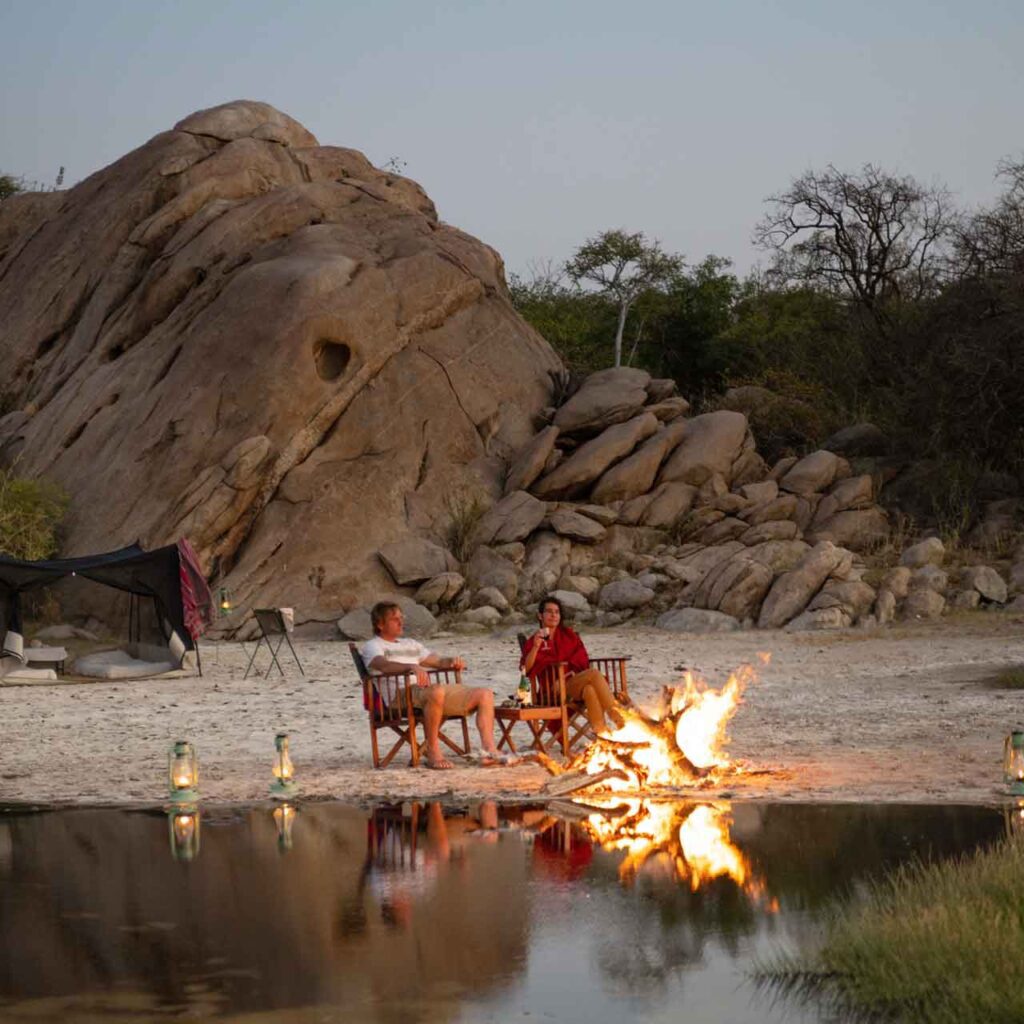
The Hadzabe of Tanzania are one of the last remaining hunter-gatherer communities in Africa, living around the Lake Eyasi region near the Great Rift Valley. Studying what we can learn from the Hadzabe provides deep insight into human survival, sustainability, simplicity, and cultural resilience. Unlike modern societies, the Hadzabe lifestyle is based on foraging, hunting with bows, gathering wild fruits, and living in harmony with nature. In the world of Tanzania cultural tourism, Hadzabe tribe experiences are becoming increasingly popular for ethical travel, eco-tourism, and authentic cultural safaris. Their way of life offers powerful lessons on minimalism, environmental balance, and human connection. Keywords such as “Hadzabe tribe Tanzania,” “hunter-gatherer lifestyle Africa,” “Lake Eyasi cultural tours,” and “authentic Tanzania cultural experience” continue to rank highly in global search trends. 1. Simplicity as a Way of Life The Hadzabe demonstrate one of the most powerful lessons in human history: simplicity is not a lack, but a strength. Living in the Lake Eyasi region of northern Tanzania, they follow a pure hunter-gatherer lifestyle with no modern complexity or dependence on material systems. Their daily life revolves around essential needs—food, shelter, and social connection. In a world driven by consumerism, the Hadzabe show that happiness and survival do not require excess possessions. This simplicity reduces stress, increases resilience, and strengthens awareness of nature. Their lifestyle is often highlighted in Tanzania safari cultural experiences, making them one of the most unique indigenous tribes in East Africa. The rich lesson here is clear: simple living, minimalism, and natural harmony create a balanced and meaningful life that modern society often overlooks. 2. Living in Harmony with Nature The Hadzabe people live in complete harmony with the natural environment of Tanzania’s Rift Valley. Unlike modern societies that often exploit ecosystems, they depend on nature sustainably without damaging its balance. They move with the seasons, following wildlife and food sources naturally available in the ecosystem. This deep ecological awareness makes them a global example of sustainable living, eco-tourism culture, and conservation-based survival. Their connection to the land is spiritual and practical, showing respect for animals, plants, and water sources. In Tanzania safari tourism, visitors often learn how the Hadzabe maintain biodiversity without technology or agriculture. Their lifestyle teaches important Environmental conservation, sustainable hunting, and eco-friendly living. Ultimately, the Hadzabe prove that human survival and nature preservation can coexist when respect and understanding guide human actions. 3. Traditional Hunting Skills and Survival Knowledge One of the most fascinating aspects of the Hadzabe culture is their exceptional hunting and survival skills. Using handmade bows and poisoned arrows, they track animals with precision developed over generations. Their ability to read animal footprints, wind direction, and landscape patterns is unmatched. This knowledge is part of Tanzania’s cultural safari experiences that attract global travelers. The Hadzabe hunt only what they need, ensuring ecological balance and sustainable hunting practices. Their survival techniques include fire-making, tracking, and natural camouflage in the bush. These skills highlight traditional African hunter-gatherer expertise and indigenous survival knowledge systems. Traditional hunting skills,” African bush survival,” and “hunter-gatherer culture” reflect their importance. Their lifestyle shows that ancient knowledge can still be highly effective in modern environmental understanding and wilderness survival education. 4. The Importance of Community Cooperation Community cooperation is the foundation of Hadzabe society. Every member plays a role in survival, whether through hunting, gathering, childcare, or tool-making. Resources are shared equally, ensuring that no individual is left without support. This collective approach strengthens social bonds and reduces inequality. In Tanzania cultural tourism, visitors often observe how the Hadzabe work together seamlessly without formal leadership structures. Their cooperation model is based on trust, communication, and shared responsibility. Community living,” “social cooperation,” and “indigenous teamwork” highlight their societal structure. Unlike modern competitive systems, the Hadzabe demonstrate that collaboration leads to stronger survival outcomes. Their way of life teaches modern society the value of unity, shared resources, and mutual support, making their social system one of the most efficient natural governance models in the world. 5. Deep Knowledge of Wild Edible Plants The Hadzabe possess extraordinary knowledge of wild edible plants, fruits, roots, and berries found in Tanzania’s dry savannah ecosystems. This botanical wisdom allows them to survive without agriculture or supermarkets. They can identify hundreds of plant species, understanding which are safe, nutritious, or medicinal. This traditional ecological knowledge is a key part of African indigenous food systems. In eco-tourism and safari experiences, travelers often learn about foraging techniques directly from Hadzabe guides. Keywords such as “wild edible plants,” “foraging culture,” and “natural food knowledge” are central to their lifestyle. Their ability to live off the land demonstrates sustainability and food independence. This deep connection to natural resources also helps preserve biodiversity, as they avoid overharvesting. The Hadzabe show that nature provides abundant nutrition when humans understand and respect its cycles. 6. Equality and Gender Roles in Society The Hadzabe society is known for its remarkable level of gender equality compared to many traditional and modern systems. Both men and women contribute significantly to survival activities. Men primarily hunt, while women gather food, care for children, and collect edible plants—but decision-making is shared informally. There is no strict hierarchy or dominance based on gender. This balance creates harmony and mutual respect within the community. In Tanzania cultural safari discussions, the Hadzabe are often highlighted as an example of an egalitarian indigenous society. Gender equality in tribes,” “indigenous African society,” and “Hadzabe culture” reflect this structure. Their system shows that cooperation between genders strengthens survival and social stability. Modern societies can learn from this balanced approach to roles, responsibilities, and respect within communities. 7. Freedom from Material Possessions One of the most striking lessons from the Hadzabe is their freedom from material possessions. They own very few items, usually limited to hunting tools, clothing, and basic utensils. This lack of attachment to material wealth reduces stress and competition. Instead of accumulating goods, they focus on experiences, relationships, and survival. In contrast to modern consumer-driven lifestyles, the Hadzabe represent a minimalist way of
What items would you take for a post Kilimanjaro recovery kit?
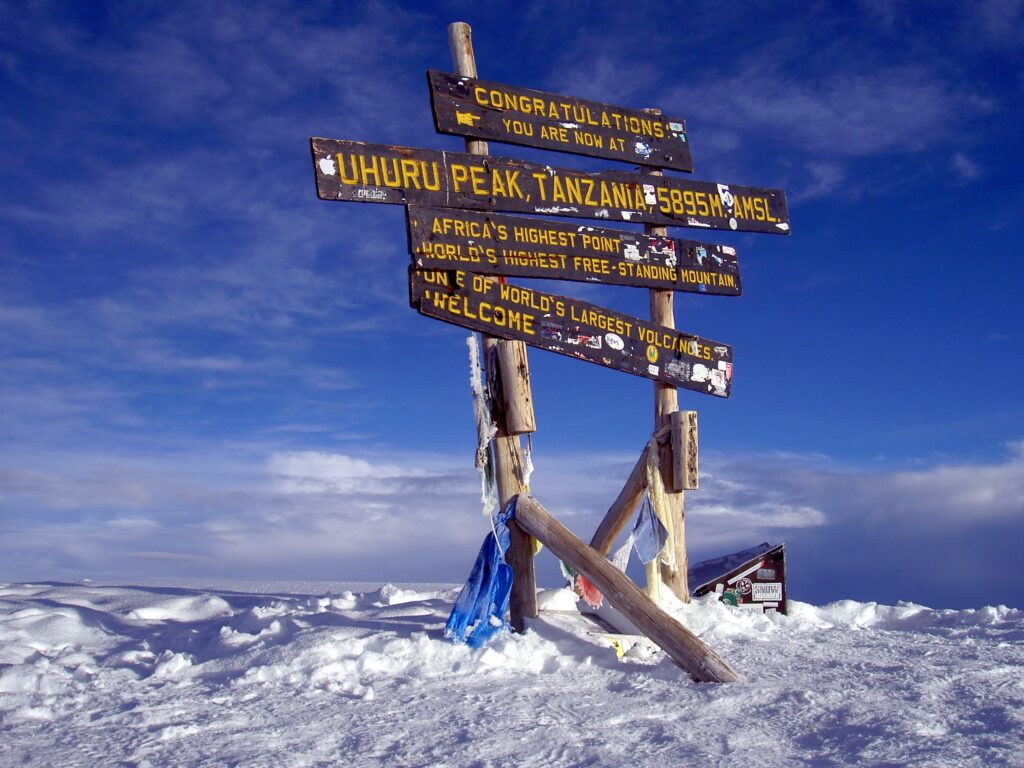
A successful climb of Mount Kilimanjaro is not finished when you reach Uhuru Peak—it continues into the crucial recovery phase. A well-prepared post-Kilimanjaro recovery kit is essential for restoring energy, reducing muscle soreness, and supporting altitude sickness recovery. After days of trekking at high elevation, cold temperatures, and physical strain, your body needs structured care. The right recovery items help with hydration, muscle repair, blister treatment, and immune support. Whether you are returning from the Machame, Lemosho, or Marangu route, a thoughtfully packed Kilimanjaro trek recovery kit ensures a faster return to normal activity, prevents complications, and improves overall post-safari wellbeing in Tanzania. 1. Hydration and Electrolyte Replenishment Supplies Hydration is the foundation of any effective post-Kilimanjaro recovery kit. After long trekking days and high-altitude exposure, your body is often dehydrated. Include electrolyte powders, oral rehydration salts, and mineral tablets to restore sodium, potassium, and magnesium balance. Coconut water powder or sports hydration sachets are also useful. Proper rehydration supports altitude sickness recovery, reduces fatigue, and prevents headaches. Drinking water alone is not enough after a Kilimanjaro climb, as the body needs electrolyte balance for full recovery. Keeping these hydration tools in your recovery kit ensures rapid reconditioning and helps stabilize energy levels after descending from Africa’s highest peak. 2. Pain Relief and Anti-Inflammatory Medication Muscle soreness and joint pain are common after a Mount Kilimanjaro trek, making pain relief essentials important in your recovery kit. Include over-the-counter anti-inflammatory medicines such as ibuprofen or paracetamol to reduce swelling and discomfort. These medications help manage leg pain, back stiffness, and general fatigue caused by long trekking hours. Always use them responsibly and as directed. Combining medication with rest and hydration improves recovery speed. A small, organized pill container keeps everything accessible. This section of your Kilimanjaro recovery kit checklist ensures you remain comfortable during the first 3–5 days after descent, when soreness is usually at its peak. 3. Compression Socks and Circulation Support Gear Compression socks are a vital part of a post-Kilimanjaro recovery kit because they improve blood circulation after long days of hiking. They help reduce swelling in the legs, prevent stiffness, and support muscle recovery. After descending from high altitude, many climbers experience heavy legs or mild swelling, and compression wear helps ease these symptoms. Choose breathable, medium-pressure socks for best results. They also reduce the risk of deep vein discomfort during long travel back home. Including circulation-support gear in your recovery kit ensures faster physical recovery and improves overall comfort after your demanding Kilimanjaro hiking adventure in Tanzania. 4. Blister Care and Foot Recovery Supplies Your feet undergo extreme stress during a Kilimanjaro climb, making blister care essential in a trek recovery kit. Include blister plasters, hydrocolloid bandages, antiseptic wipes, and foot healing creams. After days of trekking in hiking boots, treating blisters early prevents infection and speeds healing. Foot powder can also help reduce moisture and odor. Soaking feet in warm water with salt can relieve soreness after descent. Proper foot recovery ensures you return to walking normally without pain. This is one of the most important parts of any Kilimanjaro post-hike recovery kit, especially for routes like Machame and Lemosho. 5. Muscle Recovery and Stretching Tools After intense climbing, your muscles need active recovery support. A good Kilimanjaro recovery kit should include resistance bands, massage balls, or a small foam roller. These tools help relieve tight calves, hamstrings, and lower back stiffness caused by steep ascents and descents. Gentle stretching improves flexibility and reduces post-trek soreness. Even 10–15 minutes of daily stretching can significantly improve recovery speed. Massage tools also enhance blood flow and reduce lactic acid buildup. Including muscle recovery equipment ensures your body transitions smoothly from high-altitude trekking back to normal activity without prolonged discomfort or stiffness. 6. Cold and Warm Weather Recovery Clothing Temperature changes after Kilimanjaro can affect recovery, so appropriate clothing is essential. Pack warm recovery clothing such as fleece jackets, thermal layers, and comfortable loungewear. After descending from icy summit conditions, your body needs warmth to stabilize circulation and support healing. Lightweight breathable clothing is also useful during daytime rest. Avoid tight clothing that restricts blood flow. Proper recovery clothing reduces the risk of catching a cold or fatigue after the climb. A well-prepared Kilimanjaro post-trek recovery wardrobe ensures comfort, relaxation, and better adaptation after returning from extreme altitude environments. 7. Sleep and Rest Enhancement Items Rest is a major part of altitude recovery, making sleep aids important in your Kilimanjaro recovery kit checklist. Include an eye mask, earplugs, and a travel pillow to improve sleep quality. Good sleep helps the body repair muscle tissue, regulate hormones, and restore energy levels. Herbal teas such as chamomile or natural sleep supplements can also support relaxation. After days of early morning starts on the mountain, your sleep cycle may be disrupted. Creating a calm sleep environment ensures faster physical and mental recovery after your Tanzania trekking adventure. 8. Nutritional Recovery Supplements and Snacks Nutrition plays a key role in restoring strength after climbing Kilimanjaro. Your recovery kit should include protein bars, recovery shakes, vitamins, and mineral supplements. Protein supports muscle repair, while vitamins like C and B-complex boost immunity and energy. Light snacks such as nuts, dried fruits, and energy biscuits help stabilize blood sugar levels. After a physically demanding trek, proper nutrition accelerates healing and reduces fatigue. A balanced post-Kilimanjaro nutrition recovery plan ensures your body regains strength efficiently, preparing you for travel, safari tours, or return flights home. 9. First Aid and Infection Prevention Kit A compact first aid kit is essential for post-climb safety. Include antiseptic creams, bandages, gauze, and wound-cleaning solutions. Minor cuts or blisters from trekking boots need proper care to avoid infection. Hand sanitizer and antibacterial wipes are also important for hygiene. Since your immune system may be slightly weakened after altitude exposure, infection prevention is crucial. A well-prepared Kilimanjaro recovery first aid kit ensures you handle minor medical issues quickly and safely during the recovery phase. 10. Hydrating Skin and Body Care Products