
Amazing Sights to See While Climbing Kilimanjaro
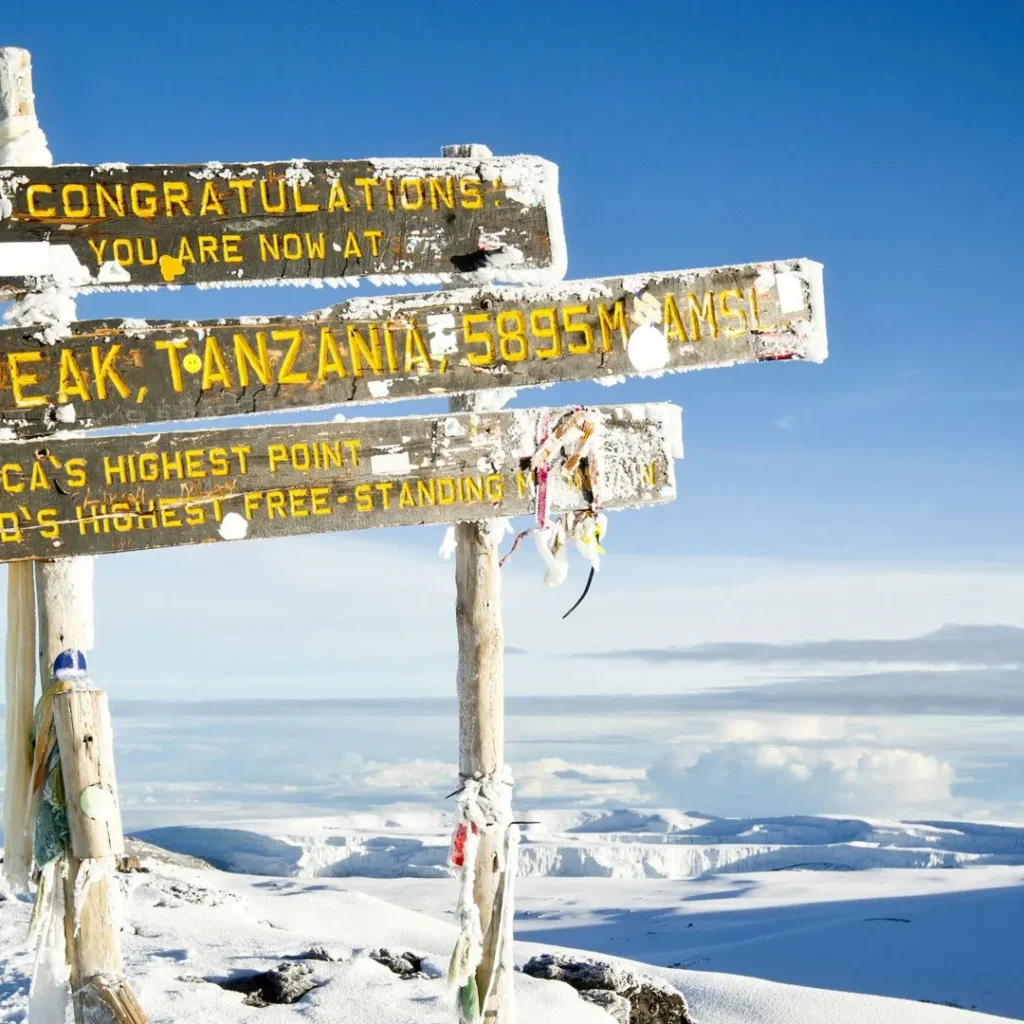
Climbing Mount Kilimanjaro is one of the greatest adventure travel experiences in Africa. Known as the tallest mountain in Africa and the world’s highest free-standing mountain, Kilimanjaro attracts thousands of trekkers, photographers, wildlife lovers, and adventure seekers every year. A Kilimanjaro climbing tour offers more than reaching Uhuru Peak; it is a journey through breathtaking landscapes, diverse ecosystems, volcanic scenery, glaciers, rainforests, alpine deserts, and unforgettable African sunsets. Every route on Kilimanjaro reveals stunning panoramic views, unique plants, rare wildlife, and dramatic mountain terrain. From the lush rainforest of Kilimanjaro National Park to the snow-capped summit, hikers experience changing climates and incredible scenery within a few days. Whether you choose the Machame Route, Lemosho Route, Marangu Route, or Rongai Route, the mountain rewards climbers with magical sights that create lifelong memories and extraordinary photographic opportunities. The Lush Rainforest Zone The rainforest zone is one of the first amazing sights climbers encounter on Mount Kilimanjaro. This dense tropical forest is rich with giant trees, moss-covered branches, colorful flowers, and exotic wildlife. As hikers begin their Kilimanjaro trek, they often hear birds singing and monkeys moving through the canopy. The cool air, misty atmosphere, and green surroundings create an enchanting environment unlike anywhere else in Tanzania. Climbers may spot blue monkeys, colobus monkeys, and unique tropical birds along the trail. The rainforest is especially beautiful during the early morning when sunlight filters through the trees. This ecosystem also supports rare plant species found only on Kilimanjaro. The rainforest zone is a major highlight for photographers and nature lovers because it offers a peaceful introduction to Africa’s most iconic mountain while showcasing the incredible biodiversity of Kilimanjaro National Park. Giant Senecios and Lobelias One of the most unique sights while climbing Kilimanjaro is the presence of giant senecios and giant lobelias in the moorland zone. These strange-looking plants make hikers feel as if they are walking through another world. Found only on high-altitude East African mountains, these remarkable plants have adapted to survive freezing temperatures and intense sunlight. Their towering stems and prehistoric appearance create unforgettable scenery along routes like Machame and Lemosho. The giant senecios often stand several meters tall and are surrounded by volcanic rocks and rolling hills. During sunrise and sunset, the plants create dramatic silhouettes against the sky, making them popular subjects for landscape photography. Many climbers describe this section of Kilimanjaro as magical and surreal. The moorland zone also offers sweeping views of valleys, clouds, and distant peaks, adding to the mountain’s extraordinary beauty and adventure experience. Shira Plateau’s Scenic Beauty The Shira Plateau is among the most breathtaking places on Mount Kilimanjaro. Formed from ancient volcanic activity, this vast plateau features open landscapes, dramatic lava formations, and panoramic mountain views. Located at high altitude, the Shira Plateau allows trekkers to experience incredible scenery while acclimatizing to the thinner air. The area is filled with alpine vegetation, giant groundsels, and wide-open skies that stretch endlessly across the horizon. On clear days, climbers enjoy spectacular views of Kibo Peak and Mount Meru in the distance. Sunrise and sunset over the plateau create unforgettable golden colors that transform the landscape into a photographer’s dream. Many trekkers camp here and spend time admiring the peaceful wilderness surrounding them. The Shira Plateau is also one of the best places for stargazing on Kilimanjaro because the night skies are incredibly clear and filled with brilliant stars. Lava Tower’s Volcanic Landscape Lava Tower is one of the most dramatic geological sights on Kilimanjaro. Rising from the alpine desert at approximately 4,600 meters, this towering volcanic rock formation reminds climbers of the mountain’s powerful volcanic history. The dark lava stones contrast beautifully with the surrounding desert landscape and distant snowy summit. Reaching Lava Tower is an important part of acclimatization during many Kilimanjaro climbs, especially on the Machame and Lemosho routes. The scenery here feels wild, remote, and almost lunar. Strong winds, rugged terrain, and open skies create an adventurous atmosphere that climbers never forget. Photographers love capturing the dramatic shadows and textures around Lava Tower. The area also provides spectacular views of valleys below and glaciers above. Standing near Lava Tower gives trekkers a deeper appreciation of Kilimanjaro’s ancient volcanic origins and the immense natural forces that shaped Africa’s tallest mountain over millions of years. Barranco Wall’s Stunning Views The Barranco Wall is one of the most famous landmarks on Mount Kilimanjaro and a favorite highlight for many trekkers. Although it appears intimidating from below, the climb is exciting rather than technical. As hikers ascend the rocky wall, they are rewarded with spectacular panoramic views of glaciers, valleys, cliffs, and clouds floating beneath them. The route winds through narrow pathways and natural rock formations, creating an adventurous trekking experience. Climbers often pause to admire the scenery and take photographs of the dramatic mountain landscape. The Barranco Wall also offers incredible views of the Heim Glacier and Kibo Peak towering above the trail. Reaching the top of the wall gives trekkers a strong sense of achievement and confidence for the journey ahead. Many people consider this section one of the most scenic and memorable parts of the Kilimanjaro climbing adventure due to its breathtaking beauty and excitement. The Alpine Desert Zone The alpine desert zone presents a completely different landscape from the rainforest and moorland below. This dry, rocky environment features sparse vegetation, volcanic terrain, and endless mountain views. The dramatic scenery makes climbers feel as though they are trekking across another planet. During the day, the sun shines intensely across the barren landscape, while nights become extremely cold under crystal-clear skies. The alpine desert offers incredible opportunities for landscape photography because of its wide-open views and striking contrasts between dark volcanic rock and bright blue skies. Trekkers can see glaciers, valleys, and distant peaks from this high-altitude environment. Silence dominates the alpine desert, creating a peaceful and reflective atmosphere during the climb. This zone also provides some of the best views of Kibo Peak and the summit trail ahead. The raw beauty of
Climbing Kilimanjaro for Down Syndrome
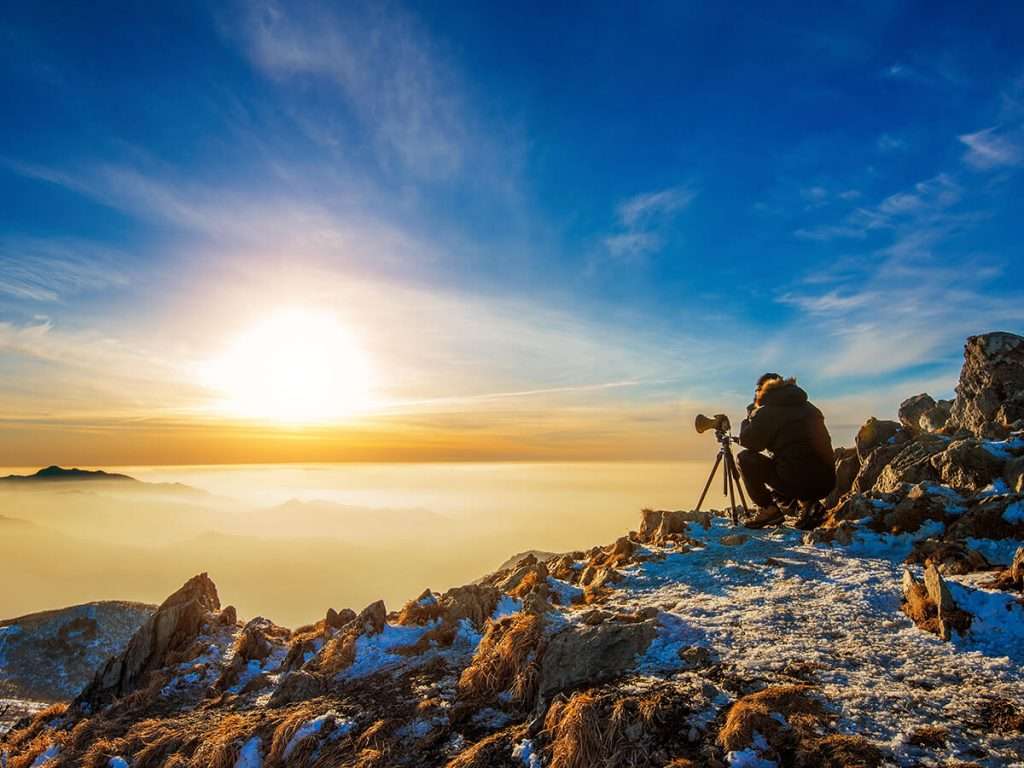
Climbing Mount Kilimanjaro is an inspiring adventure that proves determination, inclusion, and teamwork can overcome extraordinary challenges. For individuals with Down syndrome, reaching Africa’s highest peak is more than a trekking achievement; it is a powerful statement about ability, courage, and limitless human potential. Families, caregivers, tour operators, and medical teams increasingly support adaptive trekking experiences that make Kilimanjaro climbing safer and more accessible. From personalized hiking schedules and professional mountain guides to oxygen monitoring and emotional encouragement, every step matters on this life-changing journey. A successful Kilimanjaro expedition for climbers with Down syndrome requires preparation, patience, fitness training, altitude awareness, and the right support system. Whether choosing the Machame Route, Lemosho Route, or Marangu Route, this remarkable Tanzania adventure offers unforgettable scenery, personal growth, confidence, and inspiration for travelers worldwide. Why Kilimanjaro Is a Powerful Goal Climbing Mount Kilimanjaro represents hope, resilience, and empowerment for individuals with Down syndrome and their families. Standing at 5,895 meters above sea level, Kilimanjaro is the tallest mountain in Africa and one of the world’s most famous trekking destinations. Reaching the summit shows that physical and intellectual challenges do not define a person’s potential. Many climbers with Down syndrome complete endurance activities when supported with structured preparation, adaptive pacing, and emotional encouragement. The mountain’s non-technical routes make it possible for determined hikers to attempt the climb without advanced mountaineering skills. Along the journey, trekkers experience rainforest trails, alpine deserts, glaciers, and breathtaking summit views. The adventure builds confidence, independence, teamwork, and self-belief. For families and communities, the climb becomes a symbol of inclusion, achievement, inspiration, and breaking barriers in outdoor adventure travel. Understanding Down Syndrome and High-Altitude Trekking Down syndrome affects every individual differently, meaning each climber requires personalized planning before attempting a Kilimanjaro trek. Some individuals may have lower muscle tone, reduced stamina, heart conditions, or respiratory sensitivities that require medical evaluation before high-altitude hiking. A professional doctor should assess cardiovascular health, oxygen adaptation, fitness level, and overall readiness for mountain trekking. With the right preparation, many people with Down syndrome enjoy hiking, walking, sports, and outdoor adventure activities successfully. Kilimanjaro climbing involves long walking days, changing weather, and reduced oxygen at higher elevations. Therefore, gradual acclimatization is extremely important for safety and summit success. Trekking slowly, staying hydrated, eating nutritious meals, and monitoring oxygen saturation can help climbers adapt comfortably. Experienced Tanzania safari and Kilimanjaro tour operators often customize trekking itineraries to match the climber’s pace, energy levels, and emotional comfort throughout the expedition. Choosing the Best Kilimanjaro Route Selecting the correct Kilimanjaro route is one of the most important decisions for climbers with Down syndrome. Routes with longer acclimatization periods generally offer better summit success and safer altitude adjustment. The Lemosho Route is often recommended because it provides gradual elevation gain, scenic landscapes, and extra trekking days for acclimatization. The Machame Route is also popular due to its beautiful scenery and “climb high, sleep low” profile that helps the body adapt to altitude. Families seeking more comfort sometimes choose the Marangu Route because of its mountain huts instead of camping. However, slower-paced routes usually provide better physical adaptation. Tour operators specializing in inclusive travel can customize daily walking distances and rest breaks to support the climber’s comfort. Choosing the right route improves safety, confidence, enjoyment, and the overall Kilimanjaro trekking experience for individuals with Down syndrome and their support teams. Physical Preparation Before the Climb Training is essential for anyone planning to climb Mount Kilimanjaro, especially individuals with Down syndrome. Preparation should begin several months before the expedition and focus on building stamina, leg strength, balance, and walking endurance. Regular hiking, long-distance walking, stair climbing, and light cardiovascular exercise help prepare the body for mountain trekking. Consistency matters more than speed or intensity. Training hikes with backpacks can also help climbers become familiar with trekking conditions. Caregivers and family members should encourage hydration, healthy eating, and sufficient rest during the preparation process. Mental preparation is equally important because confidence and motivation play a major role during challenging sections of the climb. Positive reinforcement, achievable goals, and enjoyable practice hikes can increase enthusiasm and reduce anxiety. Proper preparation creates a safer, more rewarding, and more comfortable Kilimanjaro climbing experience for everyone involved. Importance of Professional Guides and Support Teams Experienced mountain guides are critical for successful Kilimanjaro climbing adventures involving trekkers with Down syndrome. Professional guides understand altitude sickness symptoms, emergency procedures, pacing techniques, and emotional encouragement strategies needed during demanding treks. Tanzania’s best Kilimanjaro tour companies often provide porters, cooks, assistant guides, and medical support staff to improve comfort and safety throughout the expedition. Guides monitor oxygen levels, walking pace, hydration, and overall health every day on the mountain. Their patience, encouragement, and understanding help climbers stay motivated during difficult moments. Support teams also create a positive atmosphere through storytelling, singing, teamwork, and celebration. Families frequently describe these guides as life-changing companions during the journey. Choosing a licensed, ethical, and highly rated Kilimanjaro operator ensures the expedition meets international safety standards. A compassionate and experienced support crew can transform the climb into a memorable achievement filled with confidence, inclusion, inspiration, and joy. Altitude Sickness Awareness and Safety Altitude sickness is one of the biggest challenges on Mount Kilimanjaro, making careful monitoring extremely important for climbers with Down syndrome. Symptoms may include headaches, dizziness, nausea, fatigue, difficulty sleeping, and shortness of breath. Trekking slowly and allowing the body enough time to acclimatize significantly improves safety. Guides usually monitor oxygen saturation levels daily using pulse oximeters to track how the climber adapts to changing altitude. Drinking plenty of water, eating regularly, and communicating discomfort early are essential safety practices. Many successful Kilimanjaro climbers follow the rule “pole pole,” meaning “slowly slowly” in Swahili, which encourages a steady hiking pace. Emergency oxygen and evacuation plans should always be available during the expedition. Families should work closely with medical professionals and experienced guides to create an appropriate climbing strategy that prioritizes health, comfort, safety, and summit success above speed. Emotional Support and Motivation
bits of advice from past Kilimanjaro climbers
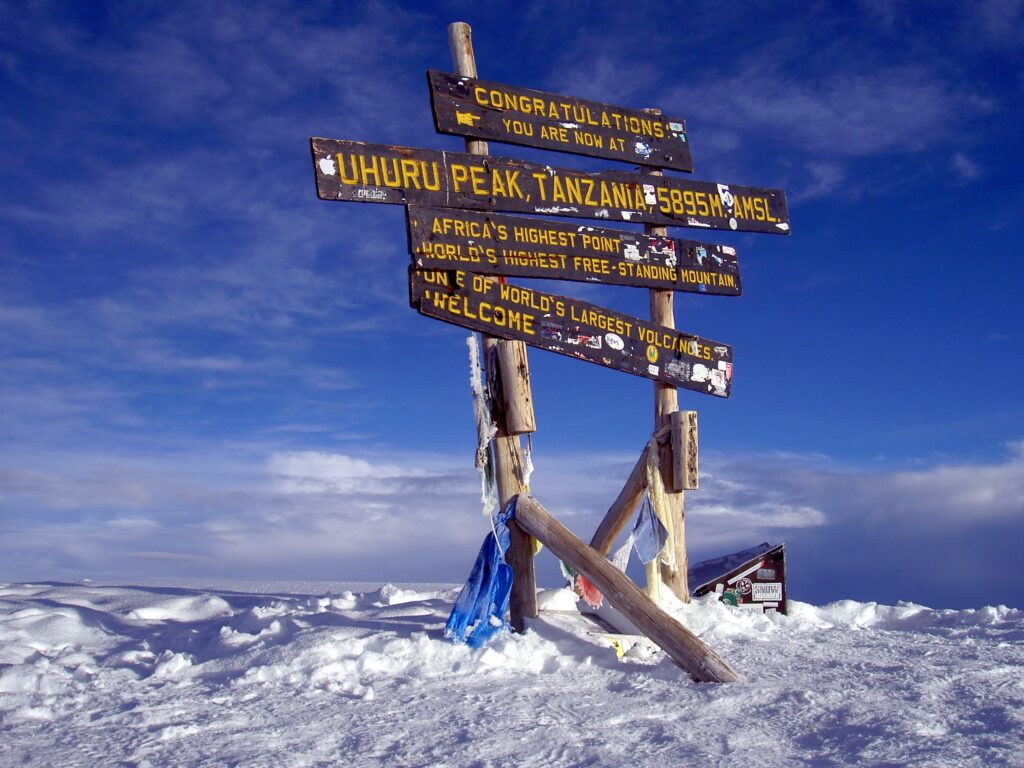
Climbing Mount Kilimanjaro is one of the world’s greatest adventure travel experiences, attracting trekkers, hikers, honeymooners, solo travelers, photographers, and bucket-list explorers from every continent. Past Kilimanjaro climbers often agree that success on Africa’s highest mountain depends less on athletic ability and more on preparation, pacing, acclimatization, and mental determination. Whether choosing the Machame Route, Lemosho Route, Marangu Route, Rongai Route, or Northern Circuit, experienced trekkers recommend proper hiking gear, altitude training, hydration, and selecting a trusted Kilimanjaro tour operator. The mountain’s breathtaking scenery, from rainforest to alpine desert and icy glaciers, makes every step unforgettable. Climbers also emphasize the importance of listening to guides, respecting altitude sickness warnings, and embracing the “pole pole” Swahili philosophy. These expert Kilimanjaro climbing tips can greatly improve summit success rates and help create a safe, memorable, and life-changing Tanzania trekking adventure. Train Before You Arrive Many successful climbers say the best Kilimanjaro advice is to prepare your body months before the trek begins. Although Mount Kilimanjaro is considered a non-technical climb, the altitude, long hiking days, and steep summit push can challenge even experienced hikers. Past trekkers recommend regular cardio exercises such as hiking, jogging, cycling, stair climbing, and strength training. Carrying a loaded backpack during practice hikes helps your body adapt to trekking conditions. Climbers also suggest wearing the same hiking boots and trekking gear during training to prevent blisters and discomfort. Building endurance gradually improves energy levels and confidence on the mountain. Many travelers who skipped preparation admitted they struggled with fatigue and altitude sickness. Physical preparation not only improves your Kilimanjaro summit success rate but also allows you to fully enjoy the mountain’s stunning landscapes and unforgettable safari-style trekking experience. Choose a Longer Route for Better Acclimatization Experienced climbers frequently recommend selecting a longer Kilimanjaro route for higher summit success rates. Routes such as the Lemosho Route and Northern Circuit Route allow extra acclimatization days, giving your body more time to adjust to high altitude conditions. Many past trekkers say rushing the climb on shorter routes often increases the risk of Acute Mountain Sickness. The famous “climb high, sleep low” strategy used on longer routes significantly improves acclimatization and overall trekking comfort. Climbers also mention that longer itineraries provide more time to enjoy Kilimanjaro’s rainforest, moorland, alpine desert, and glacier landscapes. Spending additional days on the mountain may cost more, but most hikers agree it dramatically improves the chance of reaching Uhuru Peak successfully. Choosing the right Kilimanjaro climbing itinerary remains one of the smartest investments for a safe and enjoyable Tanzania mountain adventure. Follow the “Pole Pole” Rule One of the most repeated pieces of advice from past Kilimanjaro climbers is to walk slowly. Tanzanian mountain guides constantly use the phrase “pole pole,” meaning “slowly slowly” in Swahili. Many first-time trekkers underestimate how important pacing is at high altitude. Fast hikers often burn energy quickly and struggle with breathing, exhaustion, headaches, or altitude sickness later in the climb. Successful summit climbers say maintaining a slow, steady rhythm conserves energy and helps the body acclimatize naturally. Trekking slowly also allows hikers to appreciate Kilimanjaro’s spectacular scenery, wildlife, giant groundsels, and volcanic landscapes. Experienced climbers advise ignoring competition and focusing entirely on personal comfort and breathing. By respecting the mountain’s pace, trekkers increase endurance and dramatically improve their chances of reaching Uhuru Peak. The “pole pole” philosophy is widely considered one of the greatest secrets to Kilimanjaro climbing success. Drink More Water Than You Think You Need Hydration is another major lesson repeated by experienced Kilimanjaro trekkers. High altitude conditions, cold temperatures, and dry mountain air can quickly dehydrate climbers without them realizing it. Most past hikers recommend drinking at least three to four liters of water daily during the trek. Proper hydration helps reduce altitude sickness symptoms such as headaches, dizziness, and fatigue. Climbers often advise carrying a hydration bladder or reusable water bottles for easy access while hiking. Many also recommend electrolyte supplements to replace lost minerals and maintain energy levels. Guides usually monitor hydration carefully and may ask trekkers about urine color as a quick health indicator. Dehydration can seriously affect summit performance and overall trekking comfort. Staying hydrated improves recovery, circulation, and breathing efficiency, making the climb safer and more enjoyable while increasing the likelihood of successfully summiting Africa’s tallest mountain. Invest in Quality Hiking Gear Past climbers consistently warn against underestimating the importance of proper Kilimanjaro hiking equipment. Weather conditions on Mount Kilimanjaro can change dramatically within hours, ranging from humid rainforest conditions to freezing summit temperatures. Experienced trekkers recommend layered clothing systems, waterproof jackets, thermal base layers, insulated gloves, and high-quality hiking boots. Comfortable boots with proper ankle support are especially important for avoiding injuries and blisters. Many climbers also stress the value of trekking poles for balance and knee protection during steep descents. Renting cheap or poorly fitting gear often leads to discomfort during the climb. Summit night temperatures can drop far below freezing, making warm clothing essential for safety. Reliable gear not only protects against harsh weather but also boosts confidence and comfort throughout the journey. Proper preparation allows trekkers to focus on enjoying the Kilimanjaro adventure. Listen Carefully to Your Guides Many climbers say the mountain guides are the true heroes of every Kilimanjaro expedition. Professional Tanzanian guides possess years of mountain experience and understand altitude safety, weather conditions, emergency procedures, and acclimatization techniques. Past trekkers strongly recommend following the guide’s instructions closely, especially regarding pace, hydration, meals, and altitude monitoring. Ignoring the guide’s advice can increase the risk of altitude sickness and reduce summit chances. Guides often recognize early warning signs before climbers notice symptoms themselves. Successful hikers frequently praise the emotional encouragement, motivation, and cultural knowledge shared by local guides and porters during the trek. Building trust with your mountain crew creates a safer and more enjoyable experience. Many travelers say the kindness, singing, storytelling, and teamwork from Tanzanian trekking crews became the most memorable part of their journey. Respecting and appreciating the mountain staff contributes greatly to a
Magical Lesser-Known Safari Destinations in East Africa
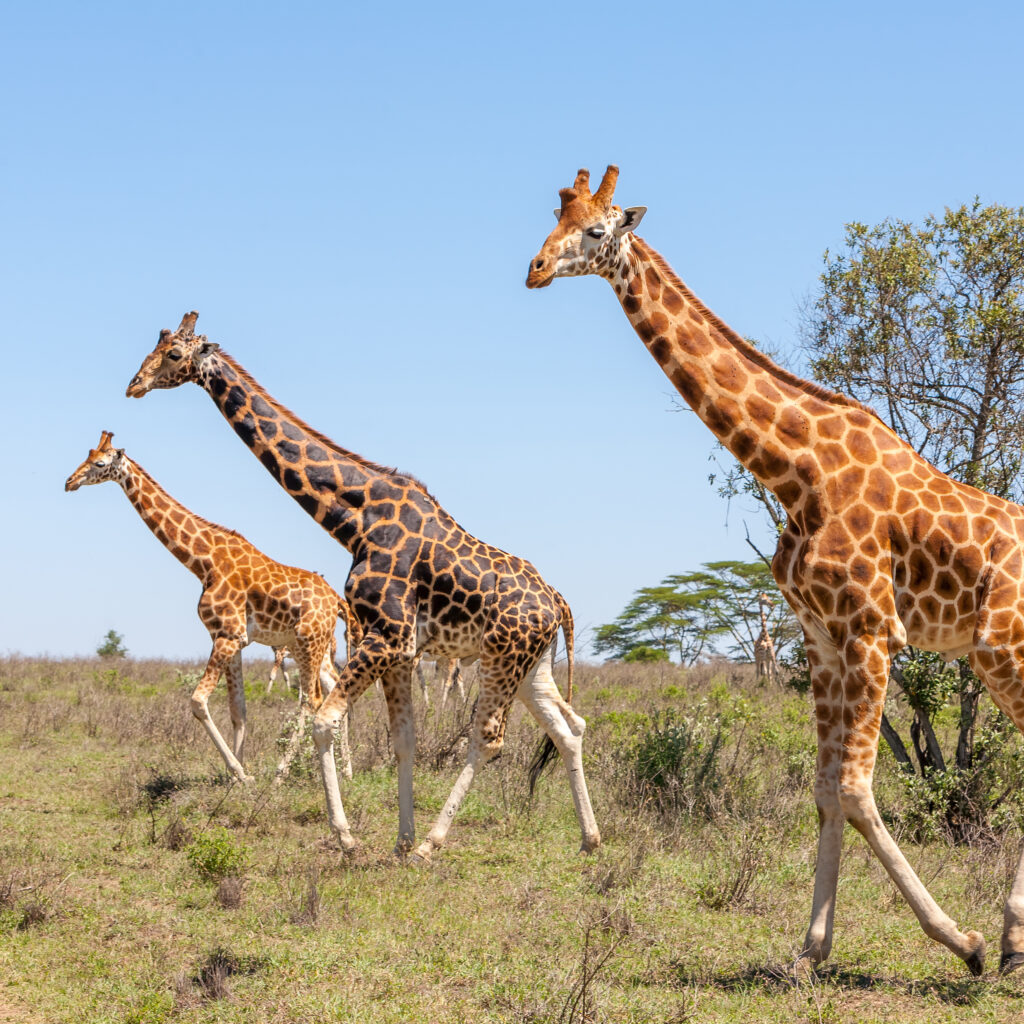
East Africa is world-famous for iconic safari destinations like the Serengeti National Park and Maasai Mara, but beyond these legendary landscapes lies a collection of magical lesser-known safari destinations in East Africa waiting to be explored. These hidden gems offer luxury African safaris, budget safari tours, private game drives, and authentic wildlife experiences without the crowds. From remote wilderness parks to tropical islands and volcanic lakes, these destinations showcase the region’s extraordinary biodiversity, cultural richness, and raw beauty. Travelers seeking off-the-beaten-path African safaris, sustainable tourism, and exclusive safari packages will find unmatched adventure here. Whether you’re planning a Tanzania safari itinerary, honeymoon safari, family safari holiday, or luxury fly-in safari, these underrated locations deliver unforgettable moments, pristine ecosystems, and intimate encounters with Africa’s iconic wildlife in their most natural and untouched settings. 1. Ruaha National Park, Tanzania: The Hidden Gem of the South Ruaha National Park is one of the best lesser-known safari destinations in Tanzania, offering a truly wild and exclusive safari experience. As the country’s largest national park, it features vast savannahs, baobab-studded landscapes, and the life-giving Great Ruaha River, attracting huge concentrations of wildlife. Visitors can enjoy Big Five safaris, luxury tented camps, walking safaris, and photographic safaris in near solitude. Ruaha is renowned for its massive elephant herds and high predator density, including lions, leopards, and rare African wild dogs. Its remote location ensures fewer tourists, making it ideal for private safari tours and honeymoon safaris in Tanzania. Bird lovers will also appreciate over 570 recorded species. For travelers seeking authentic African safari experiences, sustainable tourism, and untouched wilderness, Ruaha stands out as a hidden paradise in East Africa. 2. Katavi National Park, Tanzania: Africa’s Forgotten Wilderness Katavi National Park is a true off-the-beaten-path safari destination in East Africa, perfect for adventurers craving isolation and raw nature. Located in western Tanzania, Katavi is among the least visited parks, offering exclusive safari experiences, private game drives, and untouched landscapes. During the dry season, the Katuma River and floodplains attract massive herds of buffalo, elephants, and hippos, creating dramatic wildlife spectacles. Predators such as lions and hyenas thrive in this ecosystem, making it ideal for big game safaris and wildlife photography tours. With minimal crowds and limited camps, Katavi provides a deeply immersive connection to nature. It’s perfect for travelers seeking luxury remote safaris, authentic African wilderness, and sustainable safari tourism. Katavi’s wild beauty and solitude make it one of Africa’s most extraordinary hidden safari gems. 3. Selous Game Reserve (Nyerere National Park): The Untouched Frontier Nyerere National Park, formerly known as Selous Game Reserve, is one of Africa’s largest protected areas and a top choice for luxury safari tours in Tanzania. This vast wilderness offers diverse ecosystems, including rivers, wetlands, and woodlands, making it ideal for boat safaris, walking safaris, and fly-in safari packages. The Rufiji River is the park’s lifeline, attracting elephants, hippos, crocodiles, and rare African wild dogs. Unlike northern parks, Nyerere provides a quieter, more exclusive experience with fewer visitors, perfect for honeymoon safaris and private safari holidays. Its size and biodiversity make it a hotspot for sustainable tourism and eco-friendly safari lodges. For those seeking a unique blend of adventure and tranquility, this untouched frontier delivers one of the most rewarding safari experiences in East Africa. 4. Udzungwa Mountains National Park: The Rainforest Wonderland Udzungwa Mountains National Park is a unique safari destination offering a completely different experience from traditional game drives. Known as the “Galápagos of Africa,” this पार्क is famous for its lush rainforests, hiking safaris, waterfalls, and endemic wildlife species. Unlike other parks, Udzungwa focuses on walking safaris, trekking adventures, and eco-tourism experiences, making it ideal for nature lovers and adventure travelers. The park is home to rare primates like the Iringa red colobus and Sanje mangabey, along with diverse birdlife. Visitors can explore scenic trails leading to spectacular waterfalls such as Sanje Falls. Udzungwa is perfect for those seeking sustainable travel, nature-based tourism, and off-the-grid safari experiences in Tanzania. Its biodiversity and untouched beauty make it a must-visit hidden gem in East Africa’s safari circuit. 5. Mahale Mountains National Park: A Primate Paradise Mahale Mountains National Park is one of Africa’s most remote and enchanting safari destinations, located along the shores of Lake Tanganyika. This park is world-renowned for chimpanzee trekking safaris, luxury beach safaris, and exclusive eco-lodges. Unlike traditional safaris, Mahale offers intimate encounters with wild chimpanzees in dense forests, combined with pristine white-sand beaches. The dramatic backdrop of forested mountains and crystal-clear waters creates a unique blend of wildlife safari and tropical paradise. Accessible mainly by boat or light aircraft, it remains uncrowded and ideal for honeymoon safaris, luxury travelers, and primate enthusiasts. Mahale perfectly combines adventure, relaxation, and conservation, making it one of the most magical and lesser-known safari destinations in East Africa. 6. Lake Natron Lake Natron is one of the most unusual and visually striking safari destinations in East Africa. Known for its red and pink alkaline waters, this lake creates an otherworldly landscape shaped by volcanic activity. Despite its harsh conditions, Lake Natron is the primary breeding ground for millions of lesser flamingos, making it a paradise for birdwatching safaris and photography tours. The surrounding area offers cultural experiences with Maasai communities, hiking adventures to waterfalls, and views of active volcanoes like Ol Doinyo Lengai. This destination is perfect for travelers seeking unique safari experiences, eco-tourism, and offbeat travel in Tanzania. Its dramatic scenery and ecological importance make Lake Natron a truly magical and unforgettable safari location. 7. Rubondo Island National Park Rubondo Island National Park is a hidden paradise on Lake Victoria, offering a rare combination of island safari, forest wildlife, and water-based activities. This park is ideal for luxury eco-safaris, fishing safaris, and birdwatching tours, featuring species such as chimpanzees, elephants, and sitatunga antelope. With dense forests and sandy beaches, Rubondo provides a tranquil escape far from traditional safari routes. Visitors can enjoy boat safaris, kayaking, and private island experiences, making it perfect for honeymooners and nature lovers. Its conservation-focused
What Do You Wear On A Serengeti Safari
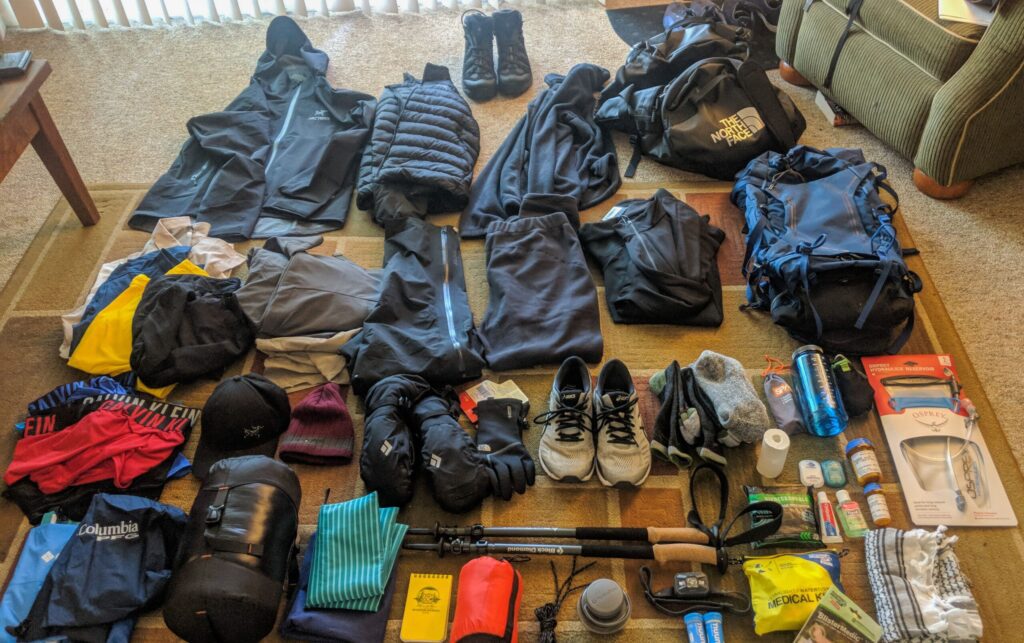
Packing for a safari in the Serengeti requires careful attention to comfort, practicality, and safety. The best clothing choices for a Serengeti safari focus on lightweight, breathable fabrics, neutral colors, and layered outfits that adapt to changing temperatures. Whether you are exploring the vast plains of the Serengeti National Park in a game drive or walking near your lodge, what you wear can directly affect your comfort and overall safari experience. Safari clothing is designed to protect you from the sun, dust, insects, and temperature shifts between early morning and late afternoon. Understanding what to wear on a Serengeti safari also helps you blend into nature while enhancing wildlife viewing. This guide covers essential safari outfits, footwear, accessories, and practical packing tips using top “safari packing list Tanzania,” “what to wear on safari,” and “Serengeti safari clothing essentials.” Neutral Colors Are Essential for Serengeti Safari Clothing When deciding what to wear on a Serengeti safari, neutral colors are the most important rule. Clothing in shades like khaki, beige, olive green, brown, and light grey helps you blend into the natural environment and avoid attracting unnecessary attention from wildlife. Bright colors such as red, white, or neon tones should be avoided as they can disturb animals or attract insects like tsetse flies. Neutral safari clothing also helps hide dust, which is common during game drives in Tanzania. Many travelers search for “best safari outfit colors Tanzania” or “Serengeti safari dress code,” and the answer is always the same: earthy tones. These colors are not just about style but also practicality, comfort, and safety while exploring the vast wilderness of East Africa’s most iconic safari destination. Lightweight and Breathable Fabrics for Comfort Comfort is key when choosing what to wear on a Serengeti safari, and lightweight, breathable fabrics are essential. Cotton, linen, and moisture-wicking materials help regulate body temperature during hot daytime game drives. The Serengeti can get very warm, especially in the midday sun, so wearing heavy or synthetic fabrics can make you uncomfortable. Breathable clothing allows air circulation and reduces sweating, making your safari experience more enjoyable. Many safari travelers search for “best fabric for safari clothing Tanzania” or “comfortable safari outfits,” and experts always recommend natural materials. Quick-dry shirts and trousers are also ideal for early morning dew or unexpected weather changes. Choosing the right fabric ensures you stay cool, dry, and ready for long hours of wildlife viewing across the Serengeti plains. Layering for Changing Serengeti Safari Temperatures Layering is a smart strategy when planning what to wear on a Serengeti safari because temperatures can change dramatically throughout the day. Early mornings and evenings are often cold, while midday becomes hot and sunny. A good safari outfit includes a light base layer, a warm fleece or jacket, and a removable outer layer. This allows you to adjust easily during game drives in the Serengeti. Many travelers search for “safari layering system Tanzania” or “what to wear on morning game drives,” and layering is always the top recommendation. A warm jacket or windbreaker is especially important for open safari vehicles where wind chill can be strong. Proper layering ensures comfort, flexibility, and protection, making your safari experience smooth from sunrise to sunset. Long-Sleeved Shirts for Sun and Insect Protection Long-sleeved shirts are a must-have when choosing what to wear on a Serengeti safari. They protect your skin from strong African sun exposure and reduce the risk of insect bites, especially during evening game drives. Lightweight, breathable long sleeves in neutral colors are ideal for comfort and protection. Many safari travelers search for “insect protection safari clothing Tanzania” or “best safari shirts,” and long sleeves consistently rank as a top recommendation. They also help shield you from dust while traveling on rough safari roads. Roll-up sleeves are a practical option for adjusting to temperature changes. Wearing long sleeves not only enhances comfort but also improves your overall safari experience by allowing you to focus on wildlife viewing without discomfort or irritation. Comfortable Safari Pants and Shorts Choosing the right bottoms is essential when planning what to wear on a Serengeti safari. Lightweight cargo pants, convertible trousers, and comfortable shorts are ideal options. Pants offer protection from insects, thorny bushes, and sun exposure, while shorts are great for hot midday temperatures. Many travelers search for “best safari trousers Tanzania” or “safari packing list clothing,” and versatile clothing always ranks highly. Convertible pants that turn into shorts are especially practical for changing weather conditions. Avoid tight jeans or heavy fabrics, as they can become uncomfortable during long game drives. Neutral-colored pants also help you blend into the environment and reduce visibility to wildlife. Comfort and functionality should always guide your clothing choices for a successful Serengeti safari adventure. Proper Safari Footwear for All Terrain Footwear plays a major role in deciding what to wear on a Serengeti safari. Comfortable, closed-toe shoes like hiking boots or sturdy sneakers are the best choice. Safari terrain can be dusty, uneven, and sometimes muddy, so proper support and protection are essential. Many travelers search for “best shoes for African safari Tanzania” or “Serengeti safari footwear,” and durable walking shoes are always recommended. Sandals are suitable only for relaxing at the lodge, not for game drives. Good footwear prevents injuries and keeps your feet comfortable during walking safaris or lodge activities. Breathable shoes with good grip ensure safety and stability while exploring the wilderness. Always break in new shoes before your trip to avoid discomfort during your Serengeti safari experience. Wide-Brim Hats for Sun Protection A wide-brim hat is one of the most important accessories when deciding what to wear on a Serengeti safari. The African sun can be intense, especially during midday game drives, and a hat helps protect your face, neck, and ears from sunburn. Many travelers search for “best safari hats Tanzania” or “sun protection safari gear,” and wide-brim hats consistently rank at the top. Choose a lightweight, breathable hat in neutral colors that can withstand wind while driving through open savannahs. Some
Highest Mountains in Africa
Africa is home to some of the world’s most breathtaking mountain landscapes, attracting hikers, climbers, photographers, wildlife lovers, and adventure travelers from across the globe. From the snow-capped summit of Mount Kilimanjaro to the rugged peaks of Mount Kenya and the glacier-covered Rwenzori Mountains, the continent offers unforgettable trekking and mountaineering experiences. These famous African mountains are not only natural wonders but also important cultural and ecological treasures. Travelers searching for the best mountains in Africa, the highest peaks in Africa, African mountain climbing tours, trekking adventures, and safari hiking experiences will discover a diverse range of destinations. Whether you dream of conquering the “Roof of Africa,” exploring volcanic landscapes, or enjoying scenic mountain safaris, Africa’s highest mountains provide extraordinary adventures, dramatic scenery, unique wildlife, and world-class hiking opportunities for every traveler and outdoor enthusiast. 1. Mount Kilimanjaro – The Roof of Africa Mount Kilimanjaro is the highest mountain in Africa and one of the most iconic travel destinations in the world. Rising to 5,895 meters above sea level, this legendary Tanzanian mountain attracts thousands of climbers every year seeking the ultimate African trekking adventure. Kilimanjaro is famous for its snow-capped Uhuru Peak, volcanic cones, scenic climbing routes, and dramatic ecological zones that range from lush rainforest to alpine desert. It is also the tallest free-standing mountain on Earth, making it a dream destination for hikers and mountaineers. Popular routes such as Machame, Marangu, Lemosho, and Rongai offer unforgettable experiences for beginners and experienced climbers alike. The mountain forms part of Kilimanjaro National Park, a UNESCO World Heritage Site renowned for biodiversity, adventure tourism, and spectacular panoramic views across East Africa. 2. Mount Kenya – Africa’s Second-Highest Peak Mount Kenya stands proudly as the second-highest mountain in Africa, reaching 5,199 meters above sea level. Located near the equator, this extinct stratovolcano is famous for its rugged beauty, jagged peaks, glaciers, alpine lakes, and exceptional trekking routes. The mountain’s highest peaks—Batian, Nelion, and Point Lenana—offer challenging climbs and scenic hiking experiences. Mount Kenya is also a UNESCO World Heritage Site celebrated for its unique ecosystems, giant lobelias, bamboo forests, and rich wildlife. Adventure travelers searching for Mount Kenya trekking safaris, mountain climbing tours in Kenya, and East African hiking adventures often consider this mountain a perfect alternative to Kilimanjaro. The mountain’s stunning landscapes attract photographers, nature enthusiasts, and climbers from around the world. Visitors can enjoy incredible sunrise views, high-altitude trekking, and diverse wildlife encounters while exploring one of Africa’s most spectacular mountain environments. 4. Mount Stanley – The Majestic Rwenzori Giant Mount Stanley is the third-highest mountain in Africa and the tallest peak within the famous Rwenzori Mountains, also called the “Mountains of the Moon.” Rising to 5,109 meters, Mount Stanley is renowned for its glaciers, snowfields, dramatic cliffs, and extraordinary biodiversity. Located on the border between Uganda and the Democratic Republic of Congo, this mountain offers one of Africa’s most challenging and rewarding trekking experiences. The highest summit, Margherita Peak, attracts serious mountaineers seeking technical climbs and unforgettable alpine scenery. Unlike Kilimanjaro’s volcanic landscape, Mount Stanley features lush rainforests, giant heathers, waterfalls, and glacier-covered peaks. Travelers looking for remote African mountain adventures, Rwenzori trekking expeditions, and off-the-beaten-path climbing tours often rank Mount Stanley among Africa’s greatest natural wonders. Its breathtaking beauty and unique ecosystems make it a paradise for explorers, hikers, photographers, and adventure seekers. 5. Mount Speke – Uganda’s Hidden Mountain Treasure Mount Speke is one of Africa’s highest mountains and an important part of the spectacular Rwenzori Mountain range. Standing at 4,890 meters, this magnificent peak is known for its rugged terrain, glacial landscapes, alpine vegetation, and scenic trekking trails. Named after British explorer John Hanning Speke, the mountain offers breathtaking views of neighboring peaks, valleys, and tropical forests. Adventure travelers searching for Uganda mountain climbing tours, Rwenzori trekking adventures, and unique African hiking experiences often include Mount Speke in their itineraries. The mountain’s remote location and untouched wilderness create an authentic exploration experience far from crowded tourist routes. Climbers crossing this region encounter giant groundsels, endemic plants, waterfalls, and rich biodiversity. Mount Speke is perfect for nature lovers and trekkers seeking dramatic scenery, thrilling mountain expeditions, and unforgettable East African adventures within one of Africa’s most beautiful mountain systems. 6. Mount Baker – The Scenic Peak of the Rwenzori Mount Baker rises to 4,843 meters and forms part of the remarkable Rwenzori Mountains in Uganda. Known for its stunning glaciers, dramatic ridges, and mist-covered valleys, Mount Baker is one of Africa’s most beautiful alpine destinations. Named after British explorer Samuel Baker, the mountain attracts trekkers, mountaineers, and eco-tourists searching for remote wilderness adventures in East Africa. The trails leading through the mountain pass lush rainforests, giant heather zones, bamboo forests, and unique afro-alpine landscapes filled with endemic plant species. Travelers exploring the Rwenzori Mountains National Park often admire Mount Baker’s scenic beauty and challenging terrain. Hiking expeditions here provide extraordinary opportunities for wildlife viewing, photography, birdwatching, and cultural interactions with local communities. For travelers seeking authentic mountain expeditions away from mass tourism, Mount Baker offers one of the most rewarding trekking experiences in Africa. 7. Mount Meru – Tanzania’s Spectacular Volcano Mount Meru is among the most scenic mountains in Africa and Tanzania’s second-highest peak at 4,566 meters. Located inside Arusha National Park, Mount Meru is famous for its volcanic crater, dramatic cliffs, rich wildlife, and spectacular sunrise views of Kilimanjaro. The mountain is often used as an acclimatization climb before trekking Kilimanjaro, but it is also a rewarding adventure on its own. Hikers pass through dense forests inhabited by giraffes, buffaloes, monkeys, and colorful birdlife before reaching the alpine desert and rocky summit. Adventure tourists searching for Tanzania mountain climbing tours, Mount Meru trekking safaris, and wildlife hiking experiences are increasingly drawn to this hidden gem. The mountain’s scenic beauty, fewer crowds, and thrilling trails make it one of East Africa’s top trekking destinations. 8. Ras Dashen – Ethiopia’s Highest Mountain Ras Dashen is the highest mountain in Ethiopia and one of Africa’s most
Fun Facts About Gazelles
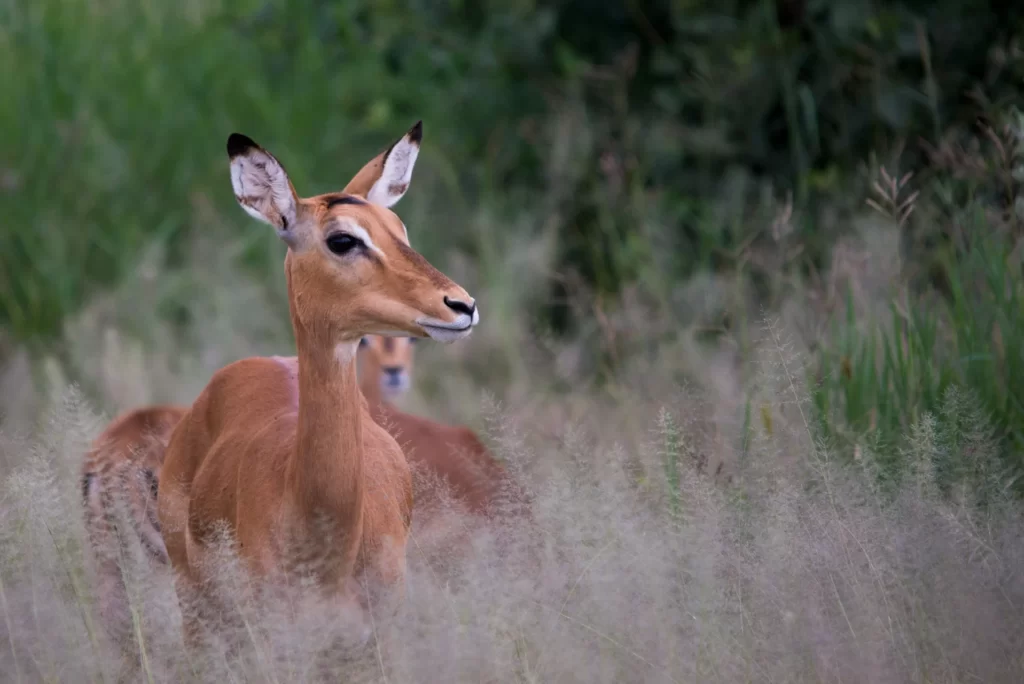
Experience the ultimate gazelles, which are among the most elegant and fascinating animals in the African wildlife ecosystem, often spotted, that roam across the vast savannas of Serengeti National Park and other East African plains. Known for their incredible speed, agility, and graceful appearance, gazelles are a major highlight for safari travelers searching for unforgettable Tanzania wildlife safari experiences. These antelopes belong to the group of fast-running herbivores adapted to survive in harsh environments with predators like lions, cheetahs, and hyenas. Understanding fun facts about gazelles helps travelers and wildlife enthusiasts appreciate their behavior, survival skills, and ecological importance. From their unique jumping patterns to their social structures, gazelles are truly remarkable creatures. In this article, we explore interesting and SEO-rich gazelle facts that make them one of the most admired animals in African safari adventures and global wildlife documentaries. Fun Fact: Gazelles Are Extremely Fast Runners One of the most popular fun facts about gazelles is their extraordinary speed, making them one of the fastest antelopes in the world. Gazelles can reach speeds of up to 60 to 80 kilometers per hour, allowing them to escape predators such as cheetahs and lions in open savanna habitats. Their speed is complemented by incredible agility, enabling sudden direction changes and high leaps known as pronking or stotting. This behavior confuses predators and increases survival chances during high-pressure chases. Wildlife experts studying African safari ecosystems often highlight gazelles as a key example of evolutionary adaptation. For travelers exploring Serengeti National Park, witnessing a gazelle sprint across golden grasslands is a breathtaking experience. Their combination of speed, endurance, and intelligence makes them the most admired animals in African wildlife tourism and safari photography worldwide. Fun Fact: Unique Diet and Feeding Habits Gazelles are herbivorous animals, primarily feeding on grass, leaves, shoots, and fresh vegetation found across African savannas and semi-arid regions. Their ability to adapt their diet depending on seasonal availability of food is the key reason they thrive in challenging environments like the Serengeti ecosystem. During dry seasons, gazelles can survive on sparse vegetation, while in wet seasons they enjoy abundant fresh grass growth. This dietary flexibility makes them resilient compared to many other wild animals. In African safari destinations, gazelles are often seen grazing peacefully in herds, scanning for predators while feeding. Their selective browsing habits contribute to maintaining ecological balance in grassland habitats. Understanding gazelle diet and feeding behavior provides valuable insights into their survival strategies and their role in sustaining biodiversity within East African wildlife ecosystems and protected national parks. Fun Fact: Highly Social Herd Animals Gazelles are highly social animals that live in herds ranging from small groups to large gatherings, depending on environmental conditions and predator presence. Their social structure plays a vital role in survival, as group living increases vigilance and reduces individual risk from predators. Within herds, gazelles communicate through body language, scent markings, and alert calls to warn others of danger. During mating seasons, males become territorial and engage in displays of strength and agility to attract females. These behaviors are commonly observed in African safari parks, making gazelles a fascinating subject for photographers and researchers. Herd dynamics help young gazelles learn survival skills from adults, improving their chances of reaching adulthood. Understanding gazelle social behavior provides deeper insight into the complexity of African wildlife ecosystems and predator-prey relationships in natural habitats. Fun Fact: Predator Avoidance and Survival Skills One of the most interesting gazelle facts is their incredible predator avoidance strategies, which have evolved over thousands of years in African ecosystems. Gazelles rely on sharp eyesight, acute hearing, and rapid response instincts to detect danger early. When threatened, they often perform stotting, a high vertical jumping behavior that signals fitness to predators like cheetahs and lions. This unexpected movement can confuse predators and reduce the likelihood of being caught. Gazelles use herd safety tactics, where individuals take turns acting as lookouts while others feed. Their survival strategies are a key topic in wildlife biology and safari tourism education. Observing behaviors in places like Serengeti National Park provides tourists with a deeper appreciation of nature’s balance. Make gazelles one of the most resilient and fascinating animals in African wildlife safaris. Fun Fact: Gazelles Have Excellent Vision and Awareness Gazelles are known for their exceptional eyesight, which is one of their strongest survival tools in the wild. Their large, dark eyes are positioned on the sides of their heads, giving them nearly 360-degree vision. This wide field of view allows them to detect predators from long distances, even while grazing. In the open savannas of Africa, where cover is limited, this ability is crucial for survival. Gazelles can also quickly interpret movement, making it difficult for predators like cheetahs and lions to approach unnoticed. Their visual awareness works together with herd behavior, as one alert gazelle can trigger an entire group to flee. For safari travelers, observing gazelles in the wild highlights how evolution has perfected their defense mechanisms. This remarkable eyesight is a key reason they thrive in competitive African wildlife ecosystems. Fun Fact: Gazelles Are Masters of Speed and Endurance Gazelles are not only fast sprinters but also highly efficient endurance runners, allowing them to survive long chases in open grasslands. Unlike many animals that tire quickly, gazelles can maintain high-speed bursts repeatedly, which helps them escape persistent predators in African safari environments. Their lightweight body structure, long legs, and elastic tendons are perfectly designed for energy-efficient movement. This combination of speed and stamina makes them one of the most successful prey animals in savanna ecosystems. During migration periods in regions like the Serengeti, gazelles travel long distances in search of fresh grazing lands while avoiding predator hotspots. Wildlife researchers often study their running biomechanics to understand natural efficiency in motion. Their athletic ability is a major highlight for tourists on safari, especially when witnessing dramatic chase scenes in the wild. Fun Fact: Gazelles Communicate Through Body Language Communication among gazelles is a fascinating aspect of their behavior in African wildlife ecosystems.
What Expect on a Tanzania Budget Camping Safari

A Tanzania budget camping safari is one of the most affordable and authentic ways to experience Africa’s legendary wildlife and breathtaking landscapes. Perfect for adventure travelers, solo explorers, couples, families, and backpackers, a budget safari in Tanzania combines unforgettable game drives with immersive outdoor experiences. Travelers can explore world-famous destinations like Serengeti National Park, Ngorongoro Crater, Tarangire National Park, and Lake Manyara National Park without spending luxury safari prices. Expect comfortable dome tents, delicious, freshly prepared meals, experienced safari guides, spectacular wildlife encounters, and magical nights under the African sky. Budget camping safaris are ideal for travelers seeking affordable Tanzania safari packages, cheap African safaris, wildlife photography opportunities, and close-to-nature adventures. From the Great Migration to Maasai cultural encounters, every day delivers extraordinary moments and unforgettable memories in East Africa’s safari paradise. 1. Affordable Safari Adventures in Tanzania One of the biggest expectations of a Tanzania budget camping safari is affordability without sacrificing adventure. Budget safaris allow travelers to enjoy iconic African wildlife experiences at lower costs compared to luxury lodges and fly-in safaris. Short private Tanzania safari vehicles and public campsites help reduce expenses while still delivering excellent game viewing opportunities. Travelers often visit popular parks like Serengeti National Park and Ngorongoro Conservation Area at budget-friendly rates. These safaris usually include park fees, camping equipment, transportation, meals, and professional safari guides, making them ideal for backpackers and cost-conscious travelers. Affordable Tanzania safari tours remain highly popular among international visitors searching for cheap African safaris, low-cost Serengeti tours, and affordable wildlife adventures. Despite the lower price, the experience remains rich in wildlife sightings, natural beauty, cultural interactions, and unforgettable safari memories across Tanzania’s spectacular wilderness. 2. Comfortable Camping Accommodation Budget camping safaris in Tanzania provide simple yet comfortable accommodations close to nature. Most operators supply spacious dome tents, sleeping mattresses, camping chairs, and shared bathroom facilities at public campsites inside or near national parks. Travelers should expect basic but clean camping amenities designed for adventurous safari experiences. Falling asleep to the distant roar of lions or the sound of hyenas is part of the authentic African camping safari atmosphere. Popular campsites around Serengeti National Park and Ngorongoro Crater offer stunning views and close wildlife encounters. Budget camping creates a stronger connection with Tanzania’s wilderness compared to traditional hotels or lodges. Many travelers consider these safari camps to be one of the highlights of their East African journey. Comfortable camping under star-filled skies gives visitors a genuine safari adventure while maintaining affordable safari package prices for travelers exploring Tanzania on a budget. 4. Incredible Wildlife Encounters A Tanzania budget camping safari offers extraordinary wildlife viewing opportunities across East Africa’s most famous safari destinations. Travelers can expect to see the Big Five, including lions, elephants, buffalo, leopards, and rhinos, in their natural habitats. Parks like Serengeti National Park are renowned for the Great Migration, where millions of wildebeest and zebras move across the plains searching for fresh grazing. Tarangire National Park is famous for large elephant herds and giant baobab trees, while Lake Manyara National Park showcases tree-climbing lions and flamingos. Daily game drives with experienced guides maximize wildlife spotting opportunities and photography experiences. Budget Tanzania safaris provide close encounters with giraffes, cheetahs, hippos, hyenas, crocodiles, and hundreds of bird species. Every Tanzania budget camping safari drive becomes an exciting wildlife adventure filled with breathtaking moments and unforgettable African safari memories. 5. Early Morning Game Drives Travelers on a Tanzania budget camping safari should expect early morning starts for the best wildlife viewing experiences. Sunrise game drives are among the most rewarding safari activities because animals are highly active during cooler morning hours. Predators such as lions, leopards, and cheetahs often hunt at dawn, creating exceptional photography opportunities for safari enthusiasts. Safari guides usually wake guests before sunrise to maximize wildlife sightings inside parks like Serengeti National Park and Ngorongoro Crater. Morning drives also feature stunning African landscapes illuminated by golden sunlight over endless savannah plains. Travelers should prepare for chilly early temperatures before the African sun warms the day. These exciting safari mornings become unforgettable highlights for visitors seeking authentic Tanzania safari adventures, affordable wildlife tours, and immersive nature experiences in some of Africa’s most spectacular national parks and conservation areas. 6. Delicious Freshly Prepared Safari Meals Food is an enjoyable part of every Tanzania budget camping safari experience. Most safari operators provide freshly cooked meals prepared by experienced safari cooks traveling with the group. Breakfasts often include eggs, fruits, toast, pancakes, sausages, tea, and coffee, while lunches and dinners feature rice, pasta, grilled meats, vegetables, soups, and tropical fruits. Dining outdoors in the African wilderness adds a magical atmosphere to the safari adventure. Many campsites near Lake Manyara National Park and Tarangire National Park offer scenic picnic settings surrounded by nature. Vegetarian and special dietary options are often available upon request. Sharing meals around the campfire allows travelers to exchange safari stories and cultural experiences with fellow adventurers. Tanzania budget camping safaris prove that affordable travel in Tanzania can still include delicious meals, excellent hospitality, and memorable dining experiences under Africa’s beautiful skies. 7. Experienced Professional Safari Guides Professional safari guides are one of the most important parts of a successful Tanzania budget camping safari. Travelers can expect knowledgeable guides with an extensive understanding of wildlife behavior, ecosystems, local culture, and safari safety. These guides help visitors spot hidden animals, explain animal tracks, identify birds, and share fascinating information about Tanzania’s national parks. Many safari guides around Serengeti National Park and Ngorongoro Conservation Area have years of experience navigating remote safari routes and locating elusive wildlife species. Their expertise significantly improves wildlife viewing opportunities and photography experiences during game drives. Friendly guides also help travelers understand Maasai traditions, local history, and conservation efforts protecting Tanzania’s biodiversity. Excellent guiding services are frequently praised in Tanzania safari reviews and contribute greatly to unforgettable safari adventures, making budget camping tours both educational and highly rewarding for international travelers exploring East Africa. 8. Amazing African Landscapes A Tanzania budget camping safari offers more
Five Best Exercises to Train for Kilimanjaro
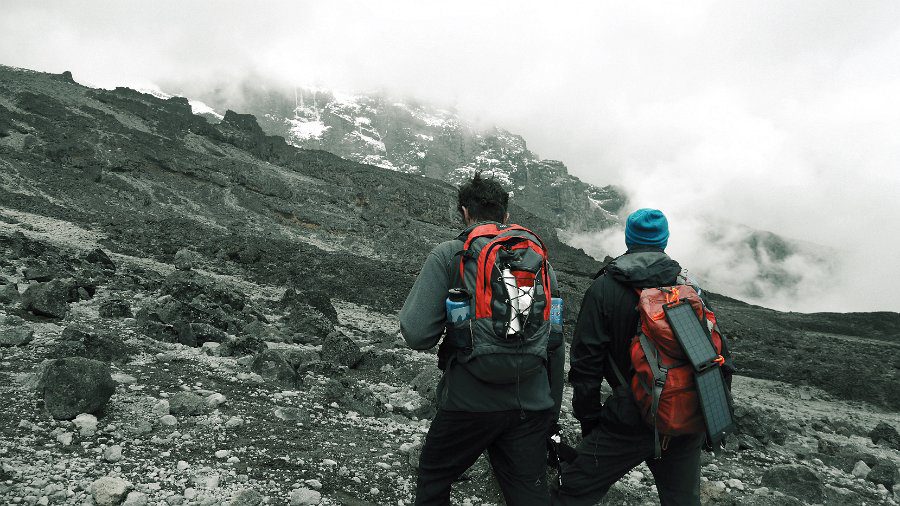
Training for Mount Kilimanjaro is one of the most important steps in preparing for a successful summit. As Africa’s highest peak and one of the world’s most iconic trekking destinations, Kilimanjaro demands more than motivation—it requires endurance, strength, and cardiovascular fitness. Many climbers underestimate the physical challenge of high-altitude trekking, long hiking days, and steep elevation gain. A well-structured Kilimanjaro training plan helps you improve stamina, reduce fatigue, and increase your chances of reaching Uhuru Peak. The best preparation focuses on functional fitness, not bodybuilding, combining hiking practice, cardio endurance, and leg strength exercises. In this guide, we explore the five best exercises to train for Kilimanjaro, using proven techniques recommended by trekking experts, guides, and successful climbers. These exercises will help you build the fitness level needed for a safe, enjoyable, and rewarding Kilimanjaro climbing experience. 1. Long-Distance Hiking Training Long-distance hiking is the most essential exercise when preparing for a Kilimanjaro climb. Since you will trek for 5–8 hours per day on the mountain, your body must adapt to extended walking on uneven terrain. Practicing weekend hikes with a backpack helps simulate real Kilimanjaro trekking conditions. Focus on gradual elevation gain, endurance pacing, and consistent movement rather than speed. Hiking on hills or mountains strengthens your legs, improves lung capacity, and builds mental resilience. To prepare effectively, aim for increasing distances each week, starting from 5 km and building up to 15–20 km hikes. Carrying a weighted backpack mimics a real expedition load. This exercise directly improves stamina, making it one of the most effective Kilimanjaro fitness training methods. Consistent hiking also reduces injury risk and prepares your joints for long days on trails like Machame, Lemosho, or Marangu routes. 2. Stair Climbing Workouts Stair climbing is one of the closest gym-based simulations of ascending Mount Kilimanjaro. The mountain involves continuous uphill trekking, and stair workouts strengthen the same muscle groups used during ascent. This exercise targets calves, quadriceps, hamstrings, and glutes while significantly improving cardiovascular endurance. You can use real stairs, stair machines, or step-up platforms to build strength and stamina. For effective Kilimanjaro training, try climbing stairs for 30–60 minutes at a steady pace, gradually increasing intensity over time. Adding a backpack increases resistance and better replicates trekking conditions. Stair climbing also helps your body adapt to oxygen efficiency, which is critical at high altitude. Many professional trekking guides recommend this as a core component of any Kilimanjaro preparation plan because it builds both physical endurance and mental toughness needed for summit night. 3. Squats for Leg Strength Squats are a fundamental strength-training exercise for Kilimanjaro preparation. Strong legs are essential because trekking involves continuous uphill and downhill movement over long distances. Squats target major muscle groups, including quadriceps, hamstrings, glutes, and core stabilizers. These muscles help you maintain balance, reduce fatigue, and prevent knee strain during descent from Uhuru Peak. Bodyweight squats are ideal for beginners, while weighted squats increase strength for more advanced climbers. A proper Kilimanjaro fitness routine should include 3–4 sets of 12–15 repetitions, performed several times per week. Squats also improve joint stability, which is crucial for rocky and uneven terrain found on routes like Rongai or Machame. Regular squat training enhances endurance and reduces soreness during multi-day trekking, making it one of the most important exercises for climbing Mount Kilimanjaro successfully. 4. Lunges for Balance and Stability Lunges are highly effective for improving balance, coordination, and lower-body strength—key requirements for trekking Mount Kilimanjaro. Unlike flat gym exercises, Kilimanjaro hiking involves uneven trails, steep slopes, and shifting terrain. Lunges simulate these movements by engaging stabilizing muscles in the legs and core. Forward, reverse, and walking lunges all contribute to better muscular control and endurance. This exercise strengthens quads, hamstrings, glutes, and hip flexors while improving flexibility and stride efficiency. For optimal Kilimanjaro training results, perform 3 sets of 10–12 lunges per leg, 3–4 times weekly. Adding light weights increases resistance and mimics backpack trekking conditions. Improved balance reduces the risk of slipping on rocky paths and supports safer descent. Lunges are a simple yet powerful part of any Kilimanjaro climbing fitness plan, especially for long trekking days. 5. Plank Core Training Core strength is often overlooked but plays a vital role in Kilimanjaro climbing success. Plank exercises strengthen abdominal muscles, lower back, and shoulders, helping maintain posture during long trekking hours. A strong core reduces fatigue and improves stability when carrying a backpack on uneven terrain. Planks also support breathing efficiency, which is crucial at high altitudes where oxygen levels decrease. To train effectively, hold a plank position for 30–90 seconds, repeating 3–5 sets per session. Side planks add extra stability and balance training. Consistent core workouts reduce strain on the lower back, especially during steep ascents and descents on routes like Lemosho or Umbwe. This exercise is simple but extremely powerful for Kilimanjaro fitness preparation, helping climbers maintain endurance and prevent injury during multi-day trekking expeditions. 6. Running for Cardiovascular Endurance Running is one of the best ways to build cardiovascular endurance for a Kilimanjaro climb. Since altitude trekking places high demands on the heart and lungs, running helps improve oxygen circulation and stamina. Regular jogging or distance running increases lung capacity, allowing your body to adapt better to thinner air at higher elevations. For Kilimanjaro training, aim for 3–5 running sessions per week, mixing slow long runs with moderate-paced intervals. Running also improves mental endurance, which is essential for summit night when fatigue is highest. Trail running is especially beneficial because it simulates natural trekking terrain. Consistent running builds aerobic fitness, reduces breathlessness, and prepares your body for long trekking days. It is one of the most effective cardio exercises for anyone planning to climb Mount Kilimanjaro successfully. 7. Step-Ups with Weighted Backpack Step-ups are a functional exercise that closely mimics climbing uphill on Mount Kilimanjaro. This workout strengthens the same muscles used during ascent, including quads, glutes, and calves. Using a bench or elevated platform, step up repeatedly while carrying a weighted backpack to simulate trekking conditions.
Hard Truths About Climbing Kilimanjaro
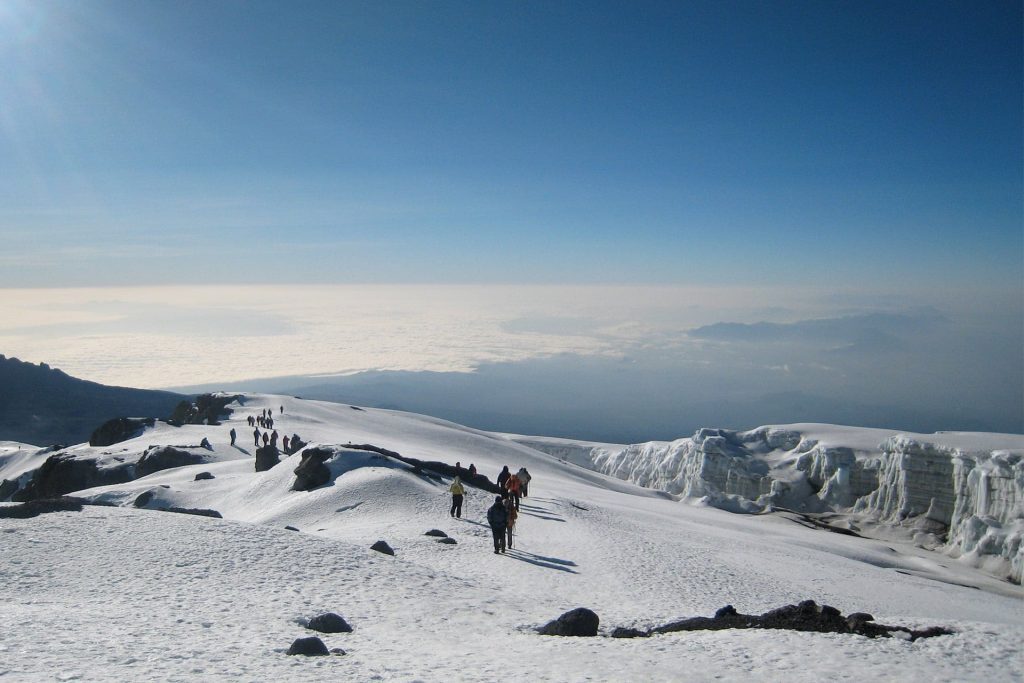
Climbing Mount Kilimanjaro in Tanzania is often marketed as one of the most accessible high-altitude adventures in the world, but the reality of a Kilimanjaro trek is far more demanding than most travelers expect. Standing at 5,895 meters, Uhuru Peak is the highest point in Africa and a major bucket list achievement for trekkers seeking an unforgettable Kilimanjaro climbing experience. Whether you choose popular Kilimanjaro routes like Machame, Marangu, Lemosho, or Rongai, the journey involves serious altitude challenges, unpredictable weather, and long trekking days. Many climbers underestimate the physical and mental demands of this Tanzania safari-style mountain adventure. Understanding the hard truths about Kilimanjaro climbing is essential for success, proper preparation, and choosing the right Kilimanjaro tour operators and itinerary. This guide reveals the realities behind one of the world’s most famous trekking peaks. Altitude sickness is unavoidable for most climbers. One of the biggest hard truths about climbing Mount Kilimanjaro is that altitude sickness is almost impossible to avoid completely. As you ascend through different Kilimanjaro routes, oxygen levels drop significantly, especially above 3,000 meters. Even highly fit trekkers on a Kilimanjaro trek can experience headaches, nausea, dizziness, and fatigue. This is not a sign of weakness but a normal response to high altitude. The key factor in successful Kilimanjaro climbing is not avoiding symptoms entirely but managing them properly. Reputable Kilimanjaro tour operators design itineraries with gradual ascent and acclimatization days to reduce risks. However, no training or fitness level guarantees immunity. Understanding Kilimanjaro altitude sickness is essential when planning your Tanzania trekking adventure, as it remains the number one reason climbers fail to reach Uhuru Peak despite excellent preparation. Fitness helps—but it won’t guarantee success. Many climbers believe that being physically fit ensures success on Mount Kilimanjaro, but this is only partially true. While good fitness improves endurance during long trekking days, Kilimanjaro climbing is not a technical mountaineering challenge but an altitude challenge. Even marathon runners struggle on summit attempts due to low oxygen levels. Whether you are on the Machame Route, Lemosho Route, or Marangu Route, your body reacts the same way to altitude. Strength training, hiking practice, and cardio workouts help prepare for the Kilimanjaro trek, but they cannot prevent altitude-related difficulties. Successful climbers often emphasize pacing, hydration, and mental endurance over pure fitness. Choosing experienced Kilimanjaro tour operators is just as important as physical preparation. The truth is that reaching Uhuru Peak depends more on adaptation than athletic ability in this iconic Tanzania trekking adventure. 3. Summit night is brutally difficult Summit night on Mount Kilimanjaro is the most mentally and physically demanding part of the entire trek. Climbers typically begin their final ascent around midnight, trekking for 6–9 hours in freezing temperatures, strong winds, and thin air. The goal is to reach Uhuru Peak before sunrise, but the climb feels endless. Even on well-known Kilimanjaro routes like Machame or Lemosho, summit night pushes every climber to their limits. Fatigue, altitude sickness, and darkness combine to make progress extremely slow. Many trekkers describe it as the hardest night of their lives. Despite good Kilimanjaro trekking preparation, the challenge remains overwhelming. The descent afterward is equally long and exhausting. However, standing at 5,895 meters on the roof of Africa makes the suffering worthwhile, which is why Kilimanjaro climbing remains one of the most rewarding adventure experiences in Tanzania. The weather changes faster than you expect Weather conditions on Mount Kilimanjaro can change dramatically within hours, making proper preparation essential for any Kilimanjaro trek. Climbers may start in warm rainforest zones and end the same day in freezing alpine desert conditions. Snow, rain, wind, and intense sun can all appear during a single Kilimanjaro climbing journey. This unpredictability is especially noticeable on higher Kilimanjaro routes such as Lemosho and Northern Circuit. Many trekkers underestimate how quickly temperatures drop near Uhuru Peak. Proper layered clothing is essential, and experienced Kilimanjaro tour operators always emphasize weather readiness. Even during the best time to climb Kilimanjaro, conditions remain unpredictable. The mountain creates its own weather system, which can challenge even well-prepared adventurers. Understanding this reality helps climbers mentally prepare for discomfort and ensures safer and more successful Tanzania trekking expeditions. The trek is not a “scenic walk” every day. While Mount Kilimanjaro offers stunning landscapes, the trek is not always the scenic, enjoyable walk many expect. Some days involve long, monotonous climbs through dusty trails, rocky terrain, or freezing alpine zones with limited views. Depending on your chosen Kilimanjaro routes, like Marangu, Machame, or Rongai, certain sections can feel physically and mentally draining. The Kilimanjaro climbing experience includes fatigue, repetition, and moments where the scenery feels secondary to endurance. Many climbers assume every day will resemble a Tanzania safari adventure, but reality includes challenging uphill hikes with little variation. Professional Kilimanjaro tour operators prepare trekkers for these conditions, emphasizing pacing and mindset. The journey to Uhuru Peak is about persistence, not constant beauty. Accepting this truth helps manage expectations and improves your chances of completing this iconic Kilimanjaro trek successfully. Slow walking is the secret to success. One of the most important rules in Kilimanjaro climbing is “pole pole,” a Swahili phrase meaning “slowly, slowly.” This principle is the true secret to reaching Uhuru Peak successfully. Many trekkers fail because they walk too fast early in the Kilimanjaro trek, causing exhaustion and poor acclimatization. Whether on Machame, Lemosho, or Marangu routes, slow pacing allows the body to adapt to high altitude. Kilimanjaro tour operators repeatedly emphasize this strategy because it significantly increases summit success rates. Even experienced hikers must adjust their speed dramatically during the Tanzania trek. Walking slowly conserves energy, reduces altitude sickness risks, and improves endurance. It may feel unnatural at first, but on Mount Kilimanjaro, speed is your enemy and patience is your greatest strength. Mastering this simple rule can determine whether you reach the summit or turn back early. Mental strength matters more than you think. Physical preparation is important, but mental strength is the real key to completing a Kilimanjaro trek. During