
Night Game Drive Safari in Tanzania
A Night Game Drive Safari in Tanzania is one of the most thrilling African safari experiences, offering a rare chance to explore the wilderness after sunset. Unlike traditional daytime safaris, a Tanzania night safari reveals the hidden world of nocturnal wildlife, where predators become active, and the bush comes alive with mysterious sounds. Popular destinations such as Serengeti National Park, Tarangire National Park, and Lake Manyara National Park offer guided night game drives led by expert safari guides and spotlights that reveal elusive animals like leopards, hyenas, civets, and bush babies. This unique wildlife safari experience in Tanzania is perfect for adventure seekers, photographers, and wildlife enthusiasts looking for something beyond the classic game drive. With increasing demand for Tanzania safari tours, night game drives have become a top SEO keyword trend in African safari travel searches. What is a Night Game Drive Safari in Tanzania? A Night Game Drive Safari in Tanzania is a guided wildlife excursion that takes place after sunset, usually between 7 PM and 10 PM, depending on park regulations. Using specialized spotlights, safari vehicles explore the African bush to reveal nocturnal wildlife behavior that cannot be seen during the day. This Tanzania safari experience highlights predator-prey interactions, as lions, leopards, and hyenas become more active. It is a premium wildlife safari activity offered in select parks and private concessions. Night safaris in Tanzania are strictly regulated to protect animals and ensure eco-friendly tourism. Travelers searching for “African night safari experience” or “Tanzania night game drive tours” will find this activity among the most exciting bucket-list adventures in East Africa, combining mystery, thrill, and authentic wilderness exploration. Best Places for Night Game Drive Safari in Tanzania The best destinations for a Night Game Drive Safari in Tanzania include key wildlife-rich areas where nocturnal species thrive. Lake Manyara National Park is especially famous for its night safaris, offering sightings of tree-climbing lions, genets, and civets. Tarangire National Park is another top location, known for large elephant herds and active predators at night. Private conservancies near the Serengeti ecosystem also offer exclusive night game drives, where visitors can witness the Great Migration’s aftermath under starlit skies. The southern circuit, including Nyerere National Park, provides remote and less-crowded safari experiences. These destinations are highly ranked in Tanzania safari searches due to their biodiversity, safety, and guided wildlife viewing opportunities. Why Night Game Drives Are Unique in Tanzania Night game drives in Tanzania are unique because they reveal a completely different ecosystem compared to daytime safaris. Many animals are nocturnal, meaning they are active only after dark. This includes predators like leopards stalking prey silently, hyenas communicating in eerie calls, and rare species such as aardvarks and bush babies. The experience is enhanced by total darkness, broken only by guided spotlight beams that reveal glowing animal eyes in the bush. Unlike traditional safaris, night drives create a sense of mystery and excitement. Tanzania night safari tours are also less crowded, offering a more exclusive wildlife viewing experience. For travelers searching for “unique African safari experiences” or “night wildlife safari Tanzania,” this activity stands out as one of the most unforgettable adventures in East Africa. Wildlife You Can See on a Night Safari A Night Game Drive Safari in Tanzania offers the chance to encounter rare and elusive nocturnal wildlife. Visitors may spot predators such as lions, leopards, and spotted hyenas actively hunting or scavenging. Smaller mammals like civets, genets, porcupines, and bush babies are commonly seen during Tanzania night safaris. In some parks, even serval cats and aardwolves may appear under the spotlight. Night safaris also reveal unique bird species like nightjars and owls, adding to the diversity of wildlife encounters. This makes Tanzania one of the top destinations for “African nocturnal wildlife safari” searches. The unpredictability of sightings adds excitement, as every night drive offers different animal behavior and rare wildlife moments, making it a photographer’s paradise and a must-do adventure in East African safari tourism. Best Time for Night Game Drive Safari in Tanzania The best time for a Night Game Drive Safari in Tanzania is during the dry season, from June to October, when wildlife visibility is higher due to thinner vegetation and animals gathering around water sources. This period also offers clear skies, making night driving conditions ideal for spotting nocturnal animals. However, the green season from November to March also provides excellent opportunities, especially for birdwatching and predator activity. Tanzania safari trends often highlight “best time for African safari” and “Tanzania wildlife safari seasons” as key search terms. Night game drives are available year-round in select parks, but weather conditions and park regulations may affect accessibility. Choosing the right season ensures a more rewarding and comfortable Tanzania night safari experience. Safety During Night Game Drives Safety is a top priority during a Night Game Drive Safari in Tanzania. All-night safaris are conducted by trained and licensed safari guides who understand animal behavior and park regulations. Vehicles are specially equipped with spotlight torches, communication tools, and open roofs for safe viewing. Guests are always advised to remain inside the vehicle at all times, as walking in the bush is strictly prohibited. Parks such as Tarangire National Park and Lake Manyara National Park enforce strict conservation rules to protect both wildlife and visitors. “Safe African safari tours” and “Tanzania wildlife safety” are important in travel planning. With proper guidance, night game drives are not only safe but also highly controlled eco-tourism experiences. What Makes Night Safaris Different from Day Safaris Night safaris in Tanzania differ greatly from daytime game drives in both atmosphere and wildlife behavior. During the day, animals are easier to spot in open landscapes, while at night, the bush transforms into a mysterious world of sound and movement. Predators become dominant, and many shy species emerge under the cover of darkness. The use of artificial spotlights allows visitors to observe glowing eyes and hidden animal activity. Unlike crowded daytime safari routes, night game drives are quieter and more intimate. Tanzania safari difference day
Why Mount Kilimanjaro Must Be in Your Bucket List
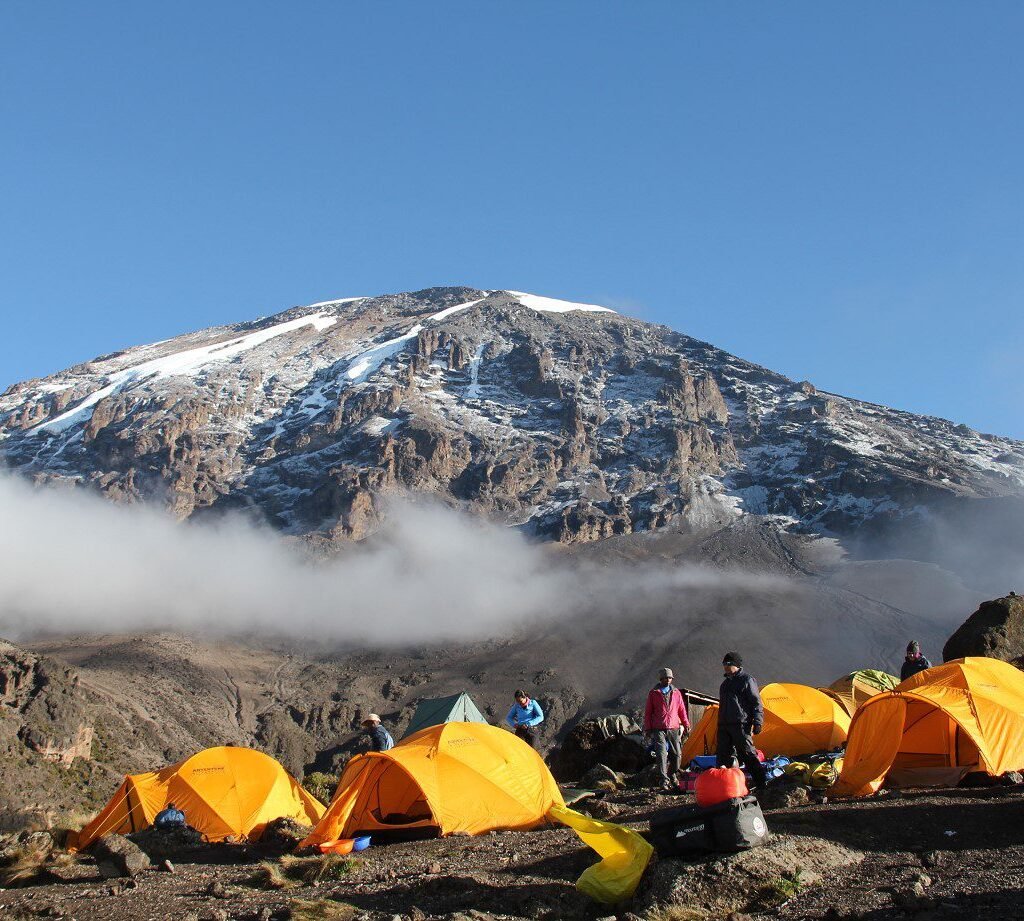
Mount Kilimanjaro, as the world’s tallest free-standing mountain and Africa’s highest peak, belongs on your bucket list due to its unparalleled status as a “Seven Summit,” its accessibility for a broad range of hikers, and the breathtaking experience of ascending through multiple climate zones to witness incredible vistas and diverse ecosystems. Mount Kilimanjaro, Africa’s highest peak, is a name that resonates with adventure, challenge, and awe-inspiring beauty. Standing majestically at 5,895 meters (19,341 feet), this dormant volcano in Tanzania offers not just a climb but an experience of a lifetime. Whether you are an avid trekker or someone seeking a transformative journey, here are compelling reasons why Mount Kilimanjaro must be on your bucket list. Standing majestically on the plains of Tanzania, Mount Kilimanjaro isn’t just a mountain. It’s a monumental challenge, a natural wonder, and an experience that etches itself into your soul. For adventurers, nature enthusiasts, and those seeking to push their limits. Kilimanjaro isn’t merely a destination—it’s a pilgrimage. If you’re compiling your ultimate travel bucket list, here’s why the “Roof of Africa” deserves a prime spot. Experience the Roof of Africa Kilimanjaro holds the prestigious title of being the highest free-standing mountain in the world and Africa’s highest peak. Soaring to an impressive 5,895 meters (19,341 feet) above sea level. Imagine standing at that altitude, gazing out over a sea of clouds as the sun rises. Casting a golden glow across the continent. This isn’t just about reaching a summit. It’s about experiencing the sheer scale of nature and witnessing panoramic views that few others ever will. The feeling of conquering such a towering giant is unparalleled. Offering a perspective on the world that is truly humbling. One of the Seven Summits For serious mountaineers and avid adventurers, Kilimanjaro holds another significant distinction: it’s one of the Seven Summits. These are the highest mountains on each of the seven continents, and bagging even one is a remarkable feat. For many, Kilimanjaro serves as an accessible entry point into this elite club. Offering the thrill of a high-altitude climb without the extreme technical demands of peaks like Everest or Denali. Successfully summiting Kilimanjaro places you among a select group of global adventurers. A Diverse Range of Climatic Zones One of Kilimanjaro’s most captivating aspects is its incredible ecological diversity. As you ascend from the base to the summit. You traverse through five distinct climatic zones, each with its unique flora and fauna. You’ll begin in lush cultivation and rainforest, where the air is thick with humidity and the sounds of exotic birds fill the trees. As you climb higher, the landscape transforms into heath and moorland. Followed by the high-altitude desert zone, characterized by its stark beauty. Finally, you’ll reach the Arctic zone, where glaciers cling to the summit—a stark and surreal contrast to the tropical warmth below. This journey through different ecosystems in a matter of days is a natural spectacle in itself. Rich Biodiversity and Wildlife Beyond the changing landscapes, Kilimanjaro is a haven for rich biodiversity and wildlife. While you won’t encounter the “Big Five” on the mountain itself. The lower slopes and surrounding areas are home to a fascinating array of creatures. Keep an eye out for Colobus monkeys swinging through the forest canopy, various bird species, and even elusive antelopes. The unique plant life, adapted to the varying altitudes, adds another layer of natural wonder to the trek. This immersion in a vibrant ecosystem enhances the overall adventure. Reminding you of the delicate balance of nature. Cultural Immersion with the Chagga People Climbing Mount Kilimanjaro is not just about reaching the summit. It’s also about immersing yourself in the local culture. Your Kilimanjaro adventure isn’t just about the mountain; it’s also an opportunity for cultural immersion with the Chagga people. Living on the fertile lower slopes of Kilimanjaro. The Chagga have a rich history and a strong connection to the mountain. Many of the guides and porters who facilitate your climb come from this community. Engaging with them offers a profound insight into their way of life, traditions, and deep respect for Kilimanjaro. Their warmth, resilience, and stories add a unique human element to the journey. Making it more than just a physical challenge. No Technical Climbing Skills Required Unlike many other high peaks around the world. Mount Kilimanjaro does not require technical climbing skills. Perhaps one of the most appealing aspects of Kilimanjaro for aspiring climbers is that it requires no technical climbing skills. Unlike many other high peaks that demand ropes, harnesses, and extensive mountaineering experience. Kilimanjaro is primarily a demanding hike. This makes it accessible to a wider range of individuals, from beginners to seasoned trekkers to determined novices. While it’s a strenuous undertaking, requiring good physical fitness and mental fortitude. You won’t need specialized climbing techniques, opening the door for many to achieve this incredible feat. Well-Organized Trekking Routes Kilimanjaro boasts several well-organized trekking routes, each offering a different duration, challenge level, and scenic experience. Popular routes like Marangu, Machame, Lemosho, and Rongai are meticulously managed, with established camps, experienced guides, and dedicated support teams. This structured approach ensures safety and allows climbers to focus on the trek itself, knowing that logistics are expertly handled. The availability of diverse routes also means you can choose an option that best suits your fitness level and desired pace, maximizing your chances of a successful summit. Climbing Mount Kilimanjaro, the highest peak in Africa, is a challenging yet feasible endeavor for active individuals, with success rates highest on longer routes of 7-8 days due to better acclimatization, which helps reduce the risk of Acute Mountain Sickness (AMS). The trek involves traversing diverse climatic zones, from tropical rainforests to glaciers, culminating at Uhuru Peak at 5,895 meters (19,341 feet). A Test of Physical and Mental Endurance While technical skills aren’t required, Kilimanjaro is undeniably a test of physical and mental endurance. The long days of trekking, the increasing altitude, and the cold at higher elevations will push your limits. However, this
Paying the Balance Amount for Your Kilimanjaro Trek
Paying the balance amount for your Kilimanjaro trek is one of the most important steps in finalizing your Tanzania climbing adventure to Mount Kilimanjaro. After securing your booking with a deposit, most Kilimanjaro tour operators require the remaining balance before arrival or a few weeks prior to departure. This payment confirms your safari logistics, permits, guides, porters, accommodation, and park fees. Understanding the Kilimanjaro trekking payment process helps avoid last-minute confusion, hidden charges, or booking cancellations. Whether you are choosing a budget climb or a luxury Kilimanjaro expedition, knowing when and how to pay your balance ensures a smooth, stress-free experience. This guide explains everything about balance payments, deadlines, methods, and essential financial tips for climbers planning a successful summit. 1. Understanding Kilimanjaro Trek Payment Structure The Kilimanjaro trekking cost is usually divided into a deposit and a final balance payment. Most Tanzania tour operators require a 20%–40% deposit to secure your booking, followed by the remaining balance before arrival. This structure ensures that permits, park fees, guides, porters, and logistics are properly arranged. The balance amount for your Kilimanjaro climb often covers major expenses such as accommodation, meals, transport, and safety equipment. Understanding this structure helps climbers avoid confusion and plan their travel budget properly. Reliable operators clearly outline what is included in the total Kilimanjaro trekking package price. Always request an official invoice showing deposit paid, outstanding balance, and payment deadlines to ensure transparency and avoid unexpected costs. 2. When to Pay the Balance for the Kilimanjaro Climb Most Kilimanjaro tour companies require final payment between 30 and 60 days before departure. Some operators may allow payment on arrival, but this is less common for reputable safari companies. Paying your Kilimanjaro trek balance early ensures that permits and park reservations are secured in advance. Late payments may lead to booking cancellation, especially during peak climbing seasons such as June–October and December–March. Early payment also gives time for itinerary adjustments, gear preparation, and travel arrangements. Always confirm your payment deadline in writing with your tour operator. Understanding the correct timeline for Kilimanjaro balance payment helps climbers avoid stress and guarantees smooth preparation for the trek. 3. Accepted Payment Methods for Kilimanjaro Trek Tour operators in Tanzania accept several payment methods for Kilimanjaro trek balance payments. The most common options include bank transfer, credit card, debit card, and sometimes mobile payment platforms. Bank transfer is widely used for international travelers, though it may involve transfer fees and processing time. Credit card payments are convenient but may include transaction charges. Some operators also accept online payment gateways for faster processing. Cash payments are generally discouraged for large amounts due to security risks. Always confirm payment instructions directly with your Kilimanjaro tour operator to avoid scams or incorrect bank details. Secure payment methods ensure your booking is protected and your climbing permits are confirmed without delays. 4. Importance of Paying Balance on Time Paying your Kilimanjaro trek balance on time is crucial for securing all necessary arrangements. Park permits, camping sites, guides, and porter teams must be booked in advance. Delayed payments can lead to loss of reservation or increased costs due to last-minute arrangements. Tour operators rely on timely payments to organize logistics efficiently for your climb. Early settlement also ensures smooth coordination of transport from Arusha or Moshi to the starting gate. Most importantly, timely payment guarantees peace of mind, allowing climbers to focus on training and preparation instead of financial uncertainty. On-time payment is a key part of a successful and well-organized Kilimanjaro expedition experience. 5. Kilimanjaro Trek Invoices and Receipts After paying your deposit or balance, a professional Kilimanjaro tour operator will issue an official invoice or receipt. This document is very important for verifying your booking and payment status. It should clearly state the total cost, amount paid, remaining balance, and services included in your trekking package. Invoices also help prevent misunderstandings regarding hidden fees or additional charges. Always store digital and printed copies of your payment receipts for travel reference. Reliable companies offering Kilimanjaro climbing tours provide transparent documentation to ensure trust and accountability. Keeping proper financial records also helps if you need to make changes, cancellations, or insurance claims related to your trekking trip. 6. Avoiding Hidden Fees in Kilimanjaro Payments One of the most important aspects of Kilimanjaro trekking payments is avoiding hidden costs. Some operators may exclude items such as park fees, tipping, gear rental, or airport transfers from the initial quote. Before paying your balance, carefully review what is included in your Kilimanjaro climbing package. Transparent tour companies clearly list all services such as accommodation, meals, guides, and safety equipment. Always ask for a full cost breakdown to avoid surprises later. Comparing different Kilimanjaro trekking packages helps identify fair pricing. Understanding hidden fees ensures that your final payment reflects the true cost of your adventure and prevents unexpected financial stress during your climb. 7. Bank Transfer Tips for Kilimanjaro Payments Bank transfers are the most common method for paying Kilimanjaro trek balances internationally. Always double-check the tour operator’s bank details, including account name, number, and SWIFT code. It is recommended to send payments in USD or EUR, depending on the operator’s instructions. Keep transaction receipts as proof of payment. Some banks charge additional transfer fees, so confirm the total amount before sending funds. Processing times can take 2–5 business days, so plan ahead to avoid delays. Never rely on unofficial payment instructions received via email or social media. Secure bank transfers ensure your Kilimanjaro climbing booking is confirmed safely and professionally without financial risk. 8. Credit Card Payments for Kilimanjaro Trek Many Kilimanjaro tour operators now accept credit card payments for convenience and faster processing. This method is ideal for travelers who prefer secure online transactions. However, credit card payments may include a 2%–5% transaction fee depending on the provider. Always confirm whether your operator uses a secure payment gateway to protect your financial information. Credit cards are especially useful for paying final balances close to departure dates. They also offer
What are the Best Snacks for Climbing Kilimanjaro?
Climbing Mount Kilimanjaro is a once-in-a-lifetime adventure, and choosing the best snacks for Kilimanjaro trekking can make a real difference in your success and comfort. At high altitude, your appetite may drop while your body burns more calories, making high-energy, lightweight, and easy-to-digest snacks essential. The right Kilimanjaro snack ideas help maintain stamina, prevent altitude fatigue, and keep morale high during long trekking days. From protein-packed bites to quick-release carbohydrates, every snack should serve a purpose. Whether you’re on the Machame Route, Lemosho Route, or Marangu Route, smart snacking is key to summit success. In this guide, we explore the best foods for high altitude hiking, including practical, portable, and nutritious snack options that every climber should pack for their Kilimanjaro adventure. Why Snacks Matter on Kilimanjaro Snacks play a vital role in maintaining energy levels during a Kilimanjaro climb. Trekking at high altitude increases calorie burn while reducing appetite, making frequent small snacks more effective than large meals. The best snacks for Kilimanjaro help stabilize blood sugar, prevent fatigue, and support acclimatization. Energy dips can lead to exhaustion, headaches, or altitude sickness symptoms, so regular snacking keeps your body fueled and functioning. Lightweight trekking snacks also reduce pack weight while delivering maximum nutrition. Climbers need a balance of carbohydrates, proteins, and healthy fats to sustain long hiking hours. Easy-to-eat foods are essential, especially in cold conditions where appetite may drop. Smart snacking ensures consistent energy, better performance, and a higher chance of reaching Uhuru Peak successfully. High-Energy Carbohydrate Snacks Carbohydrates are the primary fuel source for trekking on Kilimanjaro. High-energy carb snacks provide quick energy, making them ideal for long hiking days. Popular options include energy bars, granola bars, dried fruits, and biscuits. These snacks are easy to carry, lightweight, and require no preparation. Carbs help replenish glycogen stores, keeping muscles energized and preventing fatigue. Fast-digesting carbohydrates are especially useful during steep climbs or summit night. Foods like bananas, trail mix, and honey-based snacks deliver rapid energy boosts. Choosing the best high-carb snacks for hiking ensures sustained endurance throughout the trek. Climbers should aim for frequent small portions to maintain steady energy levels. Including a variety of flavors also helps combat taste fatigue, which is common at high altitudes. Protein Snacks for Strength Protein is essential for muscle repair and recovery during a Kilimanjaro trek. While carbohydrates provide energy, protein snacks help maintain muscle strength over multiple trekking days. Good options include beef jerky, protein bars, nuts, seeds, and peanut butter sachets. These snacks are compact, nutrient-dense, and easy to consume on the trail. Protein also helps keep you feeling full, reducing the need for constant snacking. For climbers, maintaining muscle strength is crucial, especially when tackling steep sections or summit night. Including high-protein snacks in your Kilimanjaro packing list supports endurance and reduces muscle fatigue. A combination of protein and carbs works best for balanced nutrition. Choosing lightweight, non-perishable protein snacks ensures convenience and practicality throughout the climb. Healthy Fats for Long-Lasting Energy Healthy fats provide slow-burning energy, making them ideal for sustained trekking on Kilimanjaro. Unlike carbohydrates, fats release energy gradually, helping maintain endurance over long periods. Snacks like nuts, almonds, cashews, walnuts, and dark chocolate are excellent sources of healthy fats. These foods are calorie-dense, lightweight, and easy to pack, making them perfect for high-altitude trekking. Including fats in your snack plan helps prevent energy crashes and keeps you feeling satisfied. Nut butters and energy balls are also great options for combining fats with carbs. Climbers benefit from the high caloric value of fats, especially in cold conditions where the body requires more energy. Choosing the best high-fat snacks ensures sustained performance and supports overall energy needs during the climb. Easy-to-Digest Snacks At high altitude, digestion slows down, making it important to choose snacks that are gentle on the stomach. Easy-to-digest foods help prevent nausea and discomfort, which are common during Kilimanjaro climbs. Options like crackers, plain biscuits, soft energy bars, and bananas are ideal. These snacks are mild in flavor and easy to consume even when the appetite is low. Avoid overly greasy, spicy, or heavy foods that can cause digestive issues. Hydration-friendly snacks like fruits also support digestion and energy levels. Choosing simple, familiar foods ensures your body can process nutrients efficiently. The best snacks for high altitude are those that provide energy without causing strain on the digestive system. Keeping it simple is key to staying comfortable and energized throughout the trek. Sweet Snacks for Quick Energy Boosts Sweet snacks are perfect for instant energy during challenging sections of the climb. Sugar provides rapid fuel, making it ideal for short bursts of activity or when energy levels drop suddenly. Popular choices include chocolate bars, candies, glucose tablets, and dried fruits like mangoes or apricots. These snacks are lightweight and easy to access during trekking breaks. Sweet treats also boost morale, especially during tough moments like summit night. However, moderation is important to avoid sugar crashes. Combining sweet snacks with protein or fats helps maintain balanced energy. Including a variety of sweet options ensures you always have something appealing, even when appetite decreases. Quick-energy snacks are essential for keeping motivation and performance high on Kilimanjaro. Salty Snacks for Electrolyte Balance Salty snacks are crucial for maintaining electrolyte balance during a Kilimanjaro trek. Sweating, even in cold conditions, leads to the loss of sodium and other essential minerals. Replenishing these electrolytes helps prevent dehydration, muscle cramps, and fatigue. Good options include salted nuts, pretzels, crackers, and popcorn. These snacks are easy to carry and provide both energy and essential minerals. Salt also helps stimulate thirst, encouraging better hydration. Maintaining electrolyte balance is key to avoiding altitude-related issues and staying energized. Including a mix of salty snacks in your Kilimanjaro food plan ensures proper hydration and muscle function. Balanced nutrition, including sodium intake, supports overall performance and enhances your trekking experience. Lightweight and Portable Snacks Weight is a critical factor when packing for Kilimanjaro, making lightweight snacks essential. Every item in your pack should serve
Things Your Family Will Experience on Safari Beyond Animals
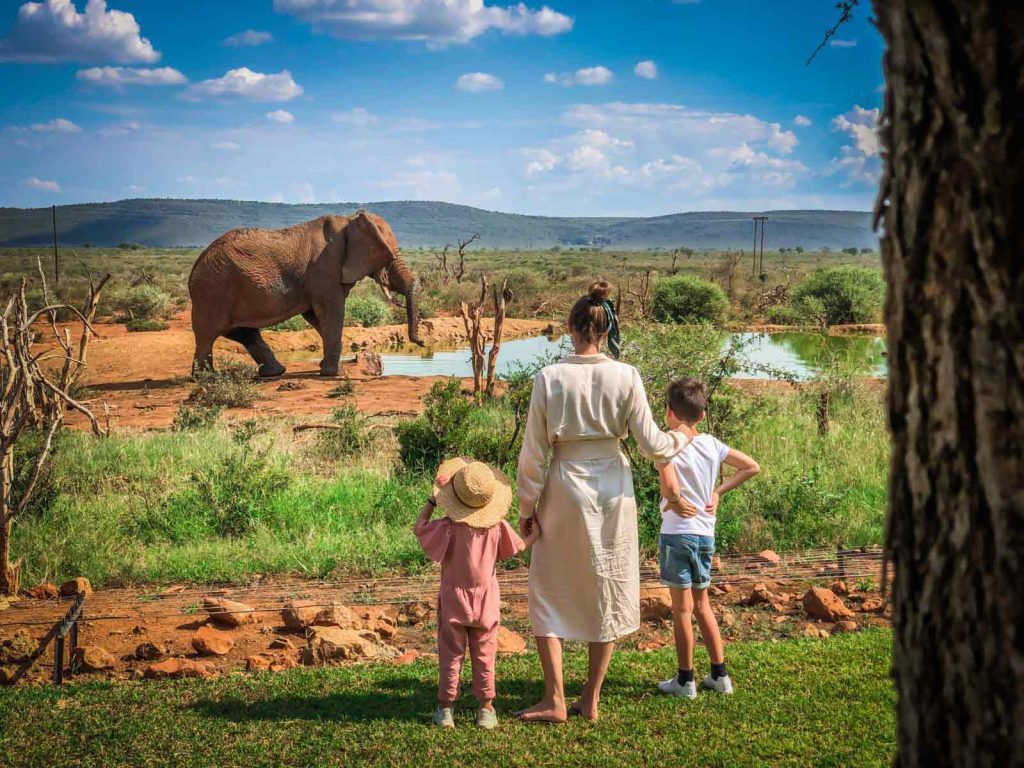
A family safari in Tanzania offers far more than iconic wildlife sightings in Serengeti National Park or the breathtaking Ngorongoro Crater. Beyond the Big Five, families discover meaningful, immersive experiences that blend culture, adventure, education, and relaxation. From guided bush walks to authentic village visits, a Tanzania safari holiday creates lifelong memories for kids, teens, and parents alike. These enriching safari activities go beyond game drives, offering unique opportunities to connect with nature, local communities, and each other. Whether you’re planning a luxury family safari, a mid-range lodge experience, or a budget-friendly adventure, these moments transform your journey into a deeper African story. Here are the top six unforgettable experiences your family will enjoy on safari beyond animals. 1. Cultural Immersion and Connection A family safari in Tanzania opens the door to authentic cultural immersion, where families connect with local communities like the Maasai and Hadzabe. Visiting traditional villages near Lake Eyasi allows children to learn ancient survival skills, traditional dances, and storytelling. These interactions provide a deeper understanding of African heritage, values, and daily life beyond safari lodges. Families often participate in beadwork, fire-making, and cattle herding, creating meaningful cross-cultural exchanges. This hands-on experience is both educational and inspiring, making it one of the most enriching parts of a Tanzania family safari. It fosters respect, curiosity, and global awareness in young travelers while supporting sustainable tourism and local communities. 2. Walking Safaris and Bushcraft Walking safaris in protected areas like Tarangire National Park offer families a thrilling, close-to-nature experience beyond traditional game drives. Guided by expert rangers, you’ll explore the African bush on foot, learning essential bushcraft skills such as tracking animal footprints, identifying plants, and understanding ecosystems. Kids especially love discovering insects, birds, and the small wonders often missed from a vehicle. These guided walks emphasize safety while providing an adventurous, hands-on learning environment. It’s an ideal activity for families seeking an active safari experience. Walking safaris also teach respect for nature and survival awareness, making them both exciting and educational. This immersive safari activity enhances your connection to the wilderness and creates unforgettable family memories in Tanzania’s wild landscapes. 3. Night Drives and Nocturnal Wonders As the sun sets over Serengeti National Park, a whole new world awakens. Night game drives offer families a rare chance to witness nocturnal wildlife behavior rarely seen during the day. With spotlights guiding the way, you may encounter elusive creatures like bush babies, genets, and porcupines. These thrilling nighttime safaris create a sense of mystery and excitement for children and adults alike. Listening to the sounds of the African night—distant lion roars, chirping insects, and rustling bushes—adds to the adventure. Night drives are a unique safari experience that goes beyond typical wildlife viewing, offering a deeper appreciation of Tanzania’s ecosystems. It’s a magical, slightly adventurous activity that makes any family safari truly unforgettable. 4. Intimate Family Bonding Time A Tanzania safari provides rare, uninterrupted quality time for families to reconnect away from screens and daily routines. Whether relaxing at a lodge overlooking Lake Manyara National Park or sharing stories around a campfire, these quiet moments become the highlight of the journey. сафари lodges and tented camps are designed for comfort, offering family-friendly accommodations, private guides, and flexible schedules. Parents and children bond over shared discoveries, laughter, and new experiences. From sunrise breakfasts in the bush to evening storytelling under the stars, every moment encourages connection. This digital detox environment strengthens relationships and creates lasting memories. A family safari is not just a holiday—it’s a meaningful journey that brings loved ones closer together. 5. Interactive Education and Junior Ranger Programs Many safari lodges in Tanzania offer interactive educational programs designed specifically for children. Junior Ranger programs introduce kids to wildlife conservation, ecology, and African geography in a fun and engaging way. Activities include animal tracking, bird identification, nature walks, and conservation games. Guided by experienced naturalists, children gain hands-on knowledge about ecosystems in places like Ngorongoro Conservation Area. These programs combine learning with adventure, making education exciting and memorable. Kids often earn certificates, boosting their confidence and curiosity about the natural world. This educational aspect adds immense value to a family safari, transforming it into a meaningful learning journey that inspires future environmental stewardship. 6. Sundowners and Cultural Traditions One of the most iconic safari experiences is the “sundowner,” where families gather to watch the African sunset over landscapes like Tarangire National Park. As the sky turns golden, families enjoy refreshing drinks and snacks in the heart of the wilderness. This peaceful ritual offers a moment to reflect on the day’s adventures. Often accompanied by storytelling, traditional music, or local performances, sundowners introduce families to African cultural traditions in a relaxed setting. Children can learn songs, dances, and local greetings, adding a cultural touch to the experience. It’s a magical way to end the day, blending relaxation, culture, and natural beauty—an unforgettable highlight of any Tanzania family safari. Why an African Safari Is a Must for Families An African safari offers an unforgettable experience for families, blending adventure, education, and bonding. Beyond spotting majestic wildlife, children and adults witness breathtaking landscapes, cultural encounters with Maasai or Hadzabe tribes, and the thrill of tracking animals in their natural habitats. Families can enjoy ethical and sustainable safaris, creating memories that last a lifetime. Choosing Tanzania or Kenya ensures access to top safari destinations, including Serengeti, Ngorongoro Crater, Tarangire, and Lake Manyara, perfect for all ages. What to Pack for Your African Family Safari Packing for a family safari is crucial for comfort and safety. Essentials include lightweight clothing for hot days, warm layers for early morning game drives, hats, sunglasses, and sturdy walking shoes. Don’t forget binoculars, cameras, insect repellent, sunscreen, and refillable water bottles. Kids may need snacks, comfort items, and small backpacks. Packing smart ensures families maximize their safari experience without worrying about missing essentials, creating a stress-free adventure in Tanzania’s top safari parks. Family Safaris Travel Guide A family safari travel guide helps plan the ultimate adventure with kids. It
Best Luxury Safari Camps & Lodges in the Serengeti
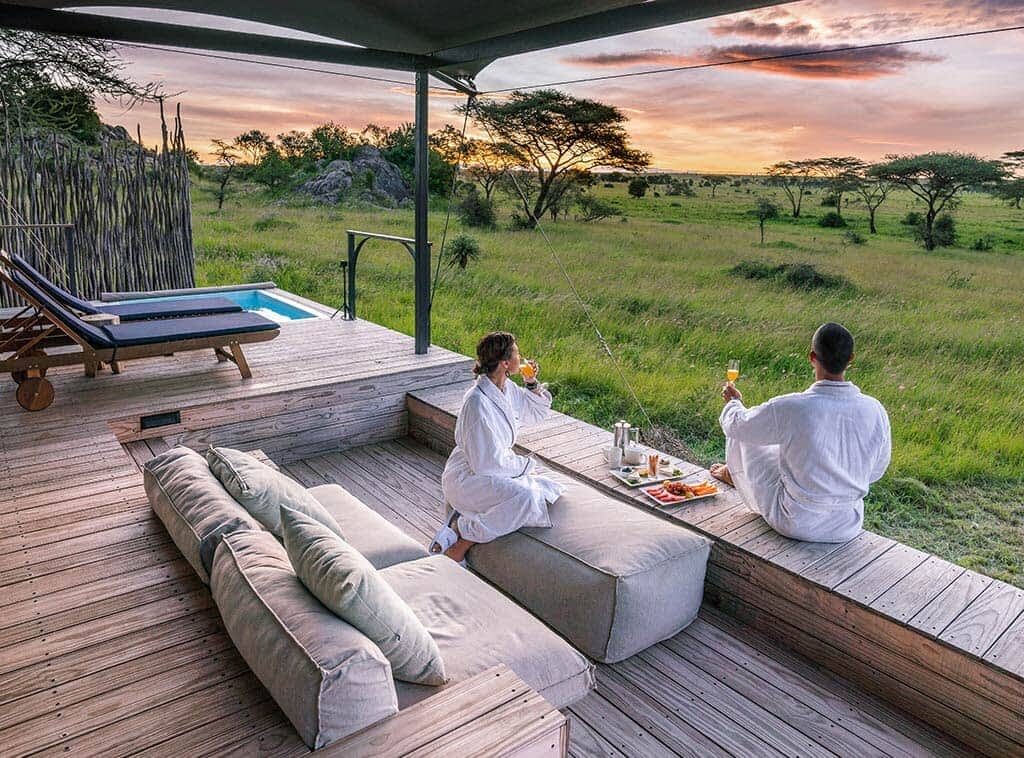
10 Best Luxury Safari Camps & Lodges in the Serengeti. Exploring the Serengeti is an extraordinary experience, and staying in a luxury safari camp or lodge adds an extra layer of comfort and exclusivity to your adventure. Here are the top luxury accommodations in the Serengeti: Kubu Kubu Tented Lodge Nestled in the heart of the Serengeti, Kubu Kubu Tented Lodge offers an unparalleled safari experience with its blend of luxury and wilderness Luxury camps in Serengeti. Guests can enjoy breathtaking views of the savannah right from their private decks, while the elegantly furnished tents provide a perfect blend of comfort and authenticity. The lodge’s strategic location ensures prime wildlife sightings, especially during the Great Migration. Kubu Kubu is also renowned for its exceptional service, gourmet dining, and immersive game drives, making it a top choice for discerning travelers. Lahia Tented Camp Perched on a hill with panoramic views of the Serengeti plains, Lahia Tented Camp offers a unique and intimate safari experience. The camp features spacious tents with modern amenities, ensuring a luxurious stay amidst nature. Luxury tented camps in Serengeti. Guests can indulge in gourmet meals while enjoying the spectacular sunset over the Serengeti. The camp’s location provides easy access to the Western Corridor and Grumeti River, prime spots for witnessing the dramatic river crossings during the migration season. Four Seasons Safari Lodge The Four Seasons Safari Lodge in the Serengeti redefines luxury in the wild Serengeti lodges and camps. This opulent lodge offers unparalleled comfort and style, with spacious rooms and suites that overlook the vast Serengeti plains. Guests can relax in the infinity pool, which is frequently visited by elephants, or indulge in world-class dining and spa treatments. The lodge’s unique position in the Central Serengeti provides excellent game viewing opportunities year-round. Serengeti Melia Safari Lodge Serengeti Melia Safari Lodge is a haven of tranquility and luxury. Located in the heart of the Serengeti, this lodge offers beautifully appointed rooms with stunning views of the surrounding landscape. 10 of the best safari camps and lodges in Tanzania. Most expensive hotel in Serengeti. Guests can enjoy a range of activities, including guided game drives, bush walks, and hot air balloon safaris. The lodge’s commitment to sustainable tourism and its exceptional service make it a standout choice for eco-conscious travelers seeking a high-end safari experience. Dunia Camp Dunia Camp is a unique, women-run safari camp that offers an intimate and eco-friendly experience. Situated in the Central Serengeti, it provides front-row seats to the Great Migration. The camp’s spacious tents are elegantly furnished, offering a blend of comfort and rustic charm. Guests can enjoy personalized service, exquisite meals, and thrilling game drives led by expert guides. Dunia Camp’s commitment to community and conservation adds an extra layer of meaning to your stay. Singita Sasakwa Lodge Perched on a hilltop with sweeping views of the Serengeti, Singita Sasakwa Lodge epitomizes elegance and sophistication. This stately lodge features luxurious suites, each with its own infinity pool, veranda, and lavish interior. Guests can experience the Serengeti in style, with activities ranging from game drives to horseback safaris. The lodge’s world-class service, gourmet dining, and exquisite setting make it a premier destination for those seeking an ultra-luxurious safari experience. Serengeti Serena Safari Lodge Serengeti Serena Safari Lodge combines traditional African architecture with modern luxury. 10 Best-value Luxury Serengeti Safari Lodges & Camps. The lodge’s thatched cottages are beautifully integrated into the landscape, offering stunning views of the Serengeti plains. Guests can enjoy a range of activities, from game drives to cultural visits with the Maasai. The lodge’s commitment to sustainability and its exceptional service make it a favorite among travelers looking for a blend of comfort and authenticity. Mwiba Lodge Located in a private wildlife reserve, Mwiba Lodge offers an exclusive and secluded safari experience. The lodge features luxurious suites with private decks and plunge pools, providing an intimate connection with nature. Guests can enjoy personalized game drives, guided bush walks, and cultural experiences with the local Hadzabe and Datoga tribes. Mwiba Lodge’s dedication to conservation and community empowerment ensures a meaningful and memorable stay. Namiri Plains Namiri Plains is a remote and luxurious camp situated in an area once closed to tourism for cheetah conservation. Cheap accommodation in Serengeti National Park. This exclusive camp offers spacious tents with stunning views of the Serengeti. Guests can enjoy exceptional game viewing, including frequent sightings of cheetahs and other big cats. The camp’s commitment to conservation and its personalized service make it a standout choice for those seeking a unique and immersive safari experience. Acacia Seronera Luxury Camp Acacia Seronera Luxury Camp offers a luxurious yet authentic safari experience in the heart of the Serengeti. The camp’s spacious tents are elegantly furnished, providing all the comforts of home in a wild setting. Guests can enjoy gourmet meals, exceptional service, and thrilling game drives. The camp’s prime location in the Central Serengeti ensures excellent wildlife sightings year-round, making it a perfect base for exploring the park. Ubuntu Migration Camp Ubuntu Migration Camp follows the Great Migration, offering guests a front-row seat to this natural spectacle 5-Star Hotels in Serengeti. The camp’s mobile nature ensures guests are always in the heart of the action. Spacious tents with en-suite bathrooms provide comfort, while the camp’s eco-friendly practices ensure a minimal environmental footprint. Guests can enjoy expertly guided game drives, witnessing the dramatic river crossings and vast herds of wildebeest and zebra. Sanctuary Kichakani Camp Sanctuary Kichakani Camp is a mobile camp that follows the Great Migration, ensuring guests have the best game viewing opportunities. 10 Best Luxury Safari Camps & Lodges in the Serengeti. The camp features luxurious tents with en-suite bathrooms and private verandas. Guests can enjoy game drives, guided walks, and cultural visits to nearby Maasai villages. The camp also offers a unique dining experience, with meals served in a beautiful outdoor setting. Bushtops Luxury Tented Camp Bushtops Luxury Tented Camp offers an exceptional safari experience with its luxurious tents, each equipped with a private
Kilimanjaro Deaths
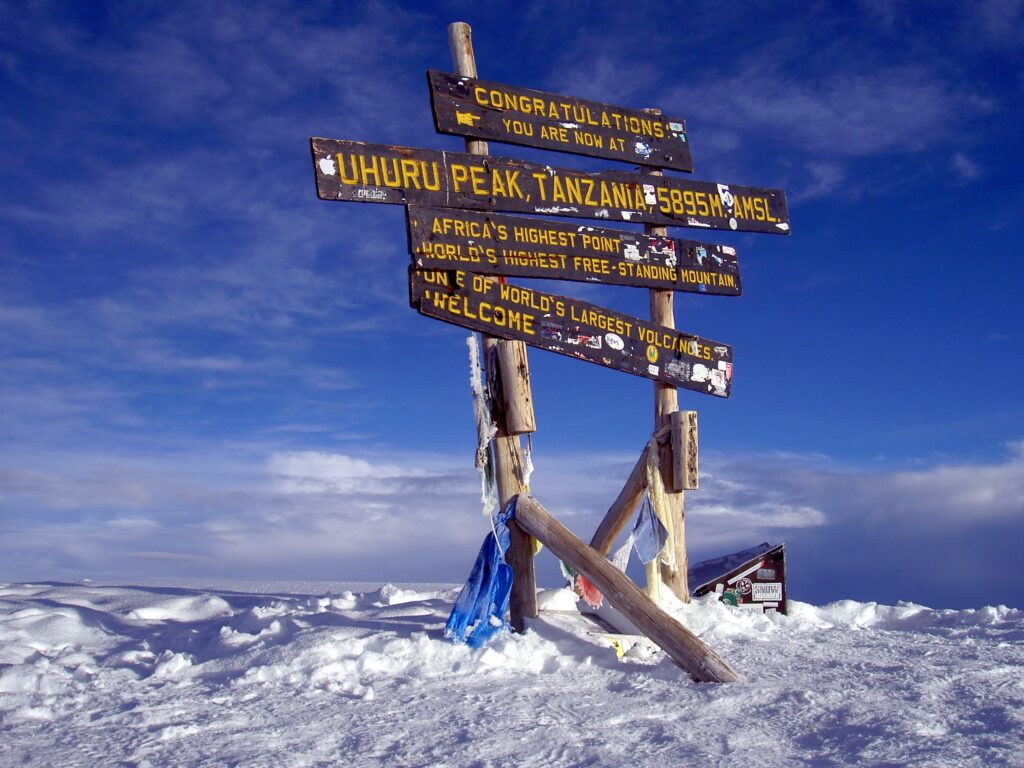
Climbing Mount Kilimanjaro is a bucket-list adventure for trekkers worldwide, yet conversations about Kilimanjaro deaths remain an important part of understanding the mountain’s realities. While often marketed as a “walkable” peak, Kilimanjaro’s high altitude, unpredictable weather, and physical demands can present serious risks. Each year, a small number of climbers lose their lives, often due to altitude-related illnesses rather than accidents. Understanding Kilimanjaro death statistics, causes, and prevention strategies is essential for safe trekking. This guide explores the truth behind Kilimanjaro fatalities, debunks myths, and highlights how proper preparation, experienced guides, and responsible planning significantly reduce risks. With the right approach, climbing Kilimanjaro can be a safe, life-changing journey rather than a dangerous gamble. How Many People Die on Kilimanjaro Each Year Kilimanjaro death statistics indicate that approximately 3 to 10 climbers die annually on the mountain, out of tens of thousands who attempt the summit each year. This relatively low fatality rate often surprises travelers researching “Is Kilimanjaro dangerous?” or “Kilimanjaro death rate.” Compared to other high-altitude peaks, Kilimanjaro is considered safer due to its non-technical routes. However, the risks should not be underestimated. Most fatalities occur due to preventable conditions such as Acute Mountain Sickness (AMS). Park authorities and tour operators continue to improve safety standards, including mandatory guide support and health monitoring. Understanding these numbers helps put the risks into perspective while reinforcing the importance of preparation, acclimatization, and choosing reputable Kilimanjaro tour operators to ensure a safer climbing experience. The Main Causes of Kilimanjaro Deaths The leading causes of Kilimanjaro deaths are altitude-related illnesses, particularly Acute Mountain Sickness (AMS), High Altitude Pulmonary Edema (HAPE), and High Altitude Cerebral Edema (HACE). These conditions occur when the body fails to adapt to reduced oxygen levels at high elevations. Many climbers underestimate the effects of altitude, especially since Kilimanjaro does not require technical climbing skills. Other causes include hypothermia, exhaustion, dehydration, and pre-existing medical conditions. Accidents, such as slips or falls, are less common but still possible, especially during summit night. Understanding these causes is crucial for prevention. Proper acclimatization, slow ascent routes, hydration, and listening to your body are key strategies. Choosing experienced guides who can recognize symptoms early can make the difference between a successful climb and a dangerous situation. Acute Mountain Sickness and Its Impact Acute Mountain Sickness (AMS) is the most significant factor in Kilimanjaro deaths and is often the biggest challenge climbers face. Symptoms include headaches, nausea, dizziness, fatigue, and shortness of breath. If untreated, AMS can progress into more severe conditions like HAPE or HACE, which can be fatal. Many climbers searching for “Kilimanjaro altitude sickness tips” are unaware of how quickly symptoms can escalate. The rapid ascent profile of some routes increases the risk, especially for those attempting shorter itineraries. Prevention is key: climb slowly, stay hydrated, eat well, and consider longer routes like Lemosho or Northern Circuit for better acclimatization. Guides play a critical role in monitoring oxygen levels and symptoms. Ignoring early warning signs is one of the most common mistakes that lead to serious consequences. The Role of Route Choice in Safety Route selection is a major factor influencing both summit success and safety on Kilimanjaro. Shorter routes, such as Marangu or Umbwe, have lower success rates and higher risks due to poor acclimatization profiles. In contrast, longer routes like Lemosho, Machame, and the Northern Circuit offer gradual altitude gain, significantly reducing the chances of altitude sickness. Many climbers researching “best Kilimanjaro route for safety” often overlook how critical this decision is. While longer routes may cost more, they provide better chances of success and lower risk of fatalities. Tour operators often recommend at least 7–9 days on the mountain for optimal acclimatization. Investing in a safer route is not just about comfort—it’s a crucial step in minimizing health risks and ensuring a successful and safe Kilimanjaro climb. Weather Conditions and Their Dangers Kilimanjaro’s weather can change rapidly, creating challenging and sometimes dangerous conditions for climbers. Temperatures can drop well below freezing near the summit, increasing the risk of hypothermia and frostbite. Strong winds, snow, and rain can further complicate the ascent, especially during summit night. Many people searching for “Kilimanjaro weather dangers” underestimate how extreme conditions can become. Climbers who are not properly equipped with high-quality gear are especially vulnerable. Layered clothing, insulated boots, and proper sleeping systems are essential for survival in harsh conditions. Additionally, climbing during the best seasons—January to March and June to October—can reduce weather-related risks. Understanding and respecting Kilimanjaro’s climate is key to avoiding unnecessary dangers and ensuring a safer trekking experience. The Importance of Experienced Guides Hiring experienced and certified guides is one of the most effective ways to prevent Kilimanjaro deaths. Professional guides are trained to recognize early signs of altitude sickness, monitor climbers’ health, and make critical decisions about ascent or descent. Many fatalities occur when climbers push beyond safe limits without proper supervision. Reputable tour operators conduct daily health checks, including oxygen saturation monitoring, to ensure climber safety. Searching for “best Kilimanjaro guides” or “safe Kilimanjaro tour operators” is a crucial step in planning your trek. Guides also provide essential support, motivation, and logistical coordination, allowing climbers to focus on the journey. Choosing a trusted operator with strong safety protocols significantly reduces risks and enhances the overall experience on Africa’s highest mountain. Preparation and Fitness: Key to Survival Physical fitness and proper preparation play a vital role in reducing the risk of Kilimanjaro deaths. While Kilimanjaro is often described as a non-technical climb, it still demands endurance, strength, and mental resilience. Climbers searching “how fit do you need to climb Kilimanjaro” should understand that cardiovascular fitness and hiking experience are essential. Training should include long hikes, altitude exposure if possible, and strength conditioning. Additionally, mental preparation is equally important, as summit night can be physically and emotionally challenging. Packing the right gear, including proper clothing and medical supplies, is critical. Being well-prepared not only increases your chances of reaching Uhuru Peak but also helps you respond effectively to
Complete Guide for Travelers to Visit Serengeti National Park
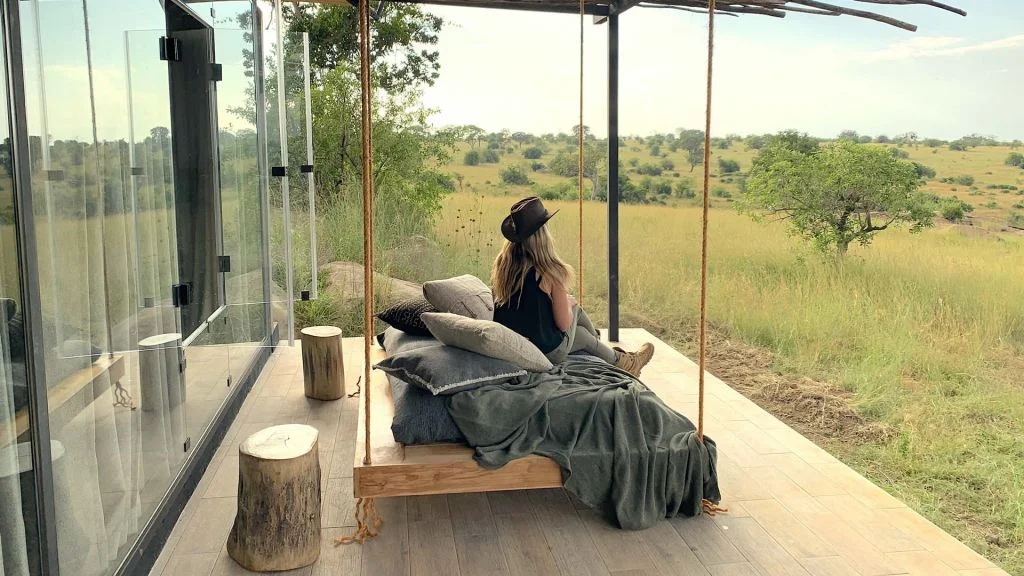
The Serengeti is one of the most iconic safari destinations in the world and a dream location for wildlife lovers seeking an authentic African safari experience. Located in northern Tanzania, the vast plains of Serengeti National Park are famous for endless savannahs, dramatic landscapes, and the highest concentration of large mammals on Earth. Travelers visit to witness the legendary Great Migration, where millions of wildebeest and zebras move across the ecosystem in search of fresh grazing. This complete guide helps you understand everything you need to plan a successful Serengeti safari, including the best time to visit, travel routes, wildlife experiences, accommodation options, and expert tips. Whether you are planning a luxury safari, budget trip, honeymoon, or family adventure, Serengeti offers unforgettable memories, world-class game viewing, and one of the most powerful nature experiences in Africa. Why Serengeti is Famous The Serengeti is globally renowned for its breathtaking wildlife density and untouched natural beauty. It is one of the oldest ecosystems on Earth and home to the famous Big Five—lion, leopard, elephant, buffalo, and rhino. Visitors are drawn to its endless golden plains and dramatic predator-prey interactions. The park is especially famous for offering year-round game viewing opportunities, making it one of the best safari destinations in Africa. Lions are frequently spotted hunting, while cheetahs sprint across open grasslands. Birdwatchers also enjoy over 500 species recorded in the region. The combination of rich biodiversity, iconic scenery, and cultural heritage makes Serengeti a bucket-list destination. Travelers searching for “best safari in Africa,” “wildlife safari Tanzania,” and “Great Migration safari” consistently find Serengeti at the top of global travel rankings. Best Time to Visit Serengeti The best time to visit the Serengeti depends on what you want to experience. The dry season from June to October is ideal for wildlife viewing because animals gather around water sources, making them easier to spot. This period also offers excellent chances to see predators in action. For those interested in the Great Migration river crossings, July to September in the northern Serengeti is the peak time. The wet season from November to May transforms the landscape into lush green plains, perfect for birdwatching and calving season around January to March. Photographers love this time for dramatic skies and fewer tourists. No matter when you visit Serengeti National Park, each season offers unique safari experiences, making it a year-round destination for Tanzania safari adventures and wildlife photography tours. How to Get to Serengeti Reaching Serengeti is part of the adventure. Most travelers start from Arusha, the safari capital of northern Tanzania. From there, you can take a scenic 6–8 hour drive through Ngorongoro Conservation Area or opt for a faster domestic flight to one of Serengeti’s airstrips such as Seronera, Kogatende, or Grumeti. Flying is popular for luxury safari packages and saves travel time, especially for short itineraries. Road safaris are ideal for those who want to experience Tanzania’s landscapes and local culture along the way. Many tour operators offer fly-in, fly-out safari packages combining both options. Whether you choose air or road, arriving at Serengeti National Park marks the beginning of an unforgettable wildlife journey filled with game drives, sunsets, and African wilderness adventure. Entry Fees and Permits Visitors to Serengeti must pay park entry fees regulated by the Tanzania National Parks Authority (TANAPA). Fees vary depending on nationality, age, and type of safari vehicle. International tourists typically pay higher conservation fees, which contribute to protecting wildlife and supporting local communities. Park permits are usually included in most safari packages offered by licensed tour operators, making the process simple for travelers. Payments are often made at park gates or pre-arranged through tour companies. Additional costs may include camping fees, concession fees, and vehicle charges. It is important to book through trusted operators to ensure smooth entry into Serengeti National Park. Understanding safari costs in advance helps travelers budget effectively for luxury safaris, mid-range tours, or budget camping experiences while enjoying one of Africa’s top wildlife destinations. Safari Types in Serengeti Serengeti offers a wide range of safari experiences to suit every traveler. Game drive safaris are the most common, allowing visitors to explore different regions in 4×4 vehicles with expert guides. Walking safaris provide a closer connection to nature, focusing on smaller wildlife, tracks, and plants. Hot air balloon safaris offer a magical sunrise view over the plains, often followed by a champagne breakfast. Photographic safaris are designed for wildlife photographers seeking perfect lighting and action shots. Luxury safaris include high-end lodges and private guides, while budget safaris offer camping experiences under the stars. Each safari type in Serengeti National Park delivers unique encounters with wildlife, making it one of the most versatile safari destinations in Africa for all travel styles and budgets. Wildlife Overview The Serengeti is home to one of the richest wildlife populations in the world. Visitors can expect to see elephants roaming the plains, lions resting under acacia trees, and giraffes gracefully feeding on treetops. Large herds of buffalo, zebras, and wildebeest dominate the landscape, creating dramatic scenes of natural survival. Predators such as leopards, cheetahs, hyenas, and crocodiles add excitement to every game drive. Birdlife is equally impressive, with species like ostriches, eagles, and flamingos frequently spotted. The diversity of animals makes every safari drive different and unpredictable. In Serengeti National Park, wildlife is not confined to specific zones, meaning animals can appear anywhere at any time. This natural abundance is what makes Serengeti one of the best wildlife safari destinations in the world. The Great Migration The Great Migration is the most famous wildlife event in the Serengeti and one of the Seven Natural Wonders of Africa. Over 1.5 million wildebeest, along with hundreds of thousands of zebras and gazelles, move across the ecosystem in search of fresh grazing. This continuous cycle includes dramatic river crossings, especially at the Mara River, where crocodiles wait for prey. The migration follows seasonal rainfall patterns and changes location throughout the year. Travelers planning a safari in Serengeti National Park often time
Best Camera for Safari Photography

Choosing the best camera for safari photography is one of the most important decisions for capturing unforgettable wildlife moments in Africa’s iconic destinations like Serengeti, Ngorongoro Crater, and Maasai Mara. Safari photography demands a camera with fast autofocus, high resolution, strong low-light performance, and excellent zoom capability to capture distant wildlife in unpredictable conditions. Modern mirrorless cameras for wildlife photography have become the top choice due to advanced animal-eye tracking and high-speed burst shooting. Whether you are photographing lions at sunrise or elephants crossing the savanna, your gear must handle dust, motion, and long-range subjects. This guide explores the top safari camera gear, lenses, and professional wildlife photography setups to help beginners and experts choose the perfect camera for an African safari adventure. Understanding Safari Photography Requirements Safari photography is not ordinary travel photography—it is a demanding genre that requires specialized gear. The best wildlife photography camera for safari must handle fast-moving animals, long distances, and changing lighting conditions. Key requirements include high burst speed (10+ fps), advanced autofocus tracking, and strong dynamic range. Full-frame and APS-C mirrorless systems are preferred because they deliver sharp images even when cropping distant subjects. Weather sealing is also essential since African safaris involve dust, heat, and occasional rain. A camera with good battery life is important because game drives can last several hours. Professionals often recommend pairing your camera with a telephoto zoom lens (100-400mm or 200-600mm) for maximum flexibility. Understanding these requirements ensures you select gear that performs reliably in real safari environments. Mirrorless vs DSLR for Safari Photography The debate between DSLR and mirrorless systems is important when choosing the best safari camera equipment. In 2026, mirrorless cameras dominate wildlife photography due to superior technology. Cameras like the Sony A7R V and Canon EOS R6 Mark II offer real-time animal eye autofocus, blackout-free shooting, and faster continuous burst rates. DSLRs such as the Canon 90D or Nikon D7500 still perform well but lack modern AI tracking features. Mirrorless systems are also lighter, making them ideal for long safari game drives. Another advantage is silent shooting, which helps avoid disturbing wildlife. Most experts agree that mirrorless is the future of African safari photography gear, offering better performance, portability, and image quality compared to traditional DSLR systems. Best Overall Camera for Safari Photography The Sony A7R V is widely considered the best overall camera for safari photography in 2026. With a powerful 61MP full-frame sensor, it allows extreme cropping without losing detail—perfect for photographing distant wildlife like leopards or birds. Its AI-driven autofocus system delivers unmatched animal eye detection, ensuring sharp focus even during fast movement. The camera performs exceptionally well in low-light conditions, such as sunrise and sunset game drives. Another strong contender is the Nikon Z8, known for its balance of speed, resolution, and rugged durability. For Canon users, the Canon EOS R5 Mark II is also a top-tier choice. These cameras represent the gold standard of professional wildlife photography cameras for safari trips in Africa. Best Budget Camera for Safari Beginners For beginners looking for the best budget safari camera, options like the Canon EOS R8, Nikon Z5, and Sony A6400 provide excellent performance without high costs. These cameras offer solid autofocus systems, good image quality, and compatibility with long telephoto lenses. APS-C cameras like the Sony A6400 are especially popular because they provide extra “reach,” making distant animals appear closer. Budget-friendly wildlife photography setups are ideal for first-time safari travelers who want professional-looking images without investing in expensive gear. When combined with lenses like a 70-300mm or 100-400mm, these cameras can deliver stunning safari shots. They are perfect for travelers visiting destinations such as Serengeti National Park or Lake Manyara on a limited photography budget. Best Camera for Wildlife Action Shots For fast-moving animals such as cheetahs, running zebras, or birds in flight, speed is everything. The Sony A9 III is one of the best cameras for action-based safari photography due to its ultra-fast burst shooting and global shutter technology. It eliminates distortion and captures perfect motion shots. The Canon EOS R6 Mark II is another excellent option, offering fast autofocus and strong low-light performance. These cameras excel in capturing split-second wildlife moments during African safaris. A high frame rate (20–30 fps) ensures you never miss critical action. Combined with a telephoto lens for safari photography, these cameras are ideal for professional wildlife shooters focusing on movement, behavior, and predator-prey interactions. Importance of Telephoto Lenses in Safari Photography A camera alone is not enough—the lens is equally important in safari photography. The best telephoto lens for wildlife photography typically ranges from 100-400mm or 150-600mm. These lenses allow photographers to capture animals from a safe distance without disturbing them. Popular choices include the Sony 100-400mm GM, Canon RF 100-500mm, and Nikon Z 180-600mm. These lenses are essential for photographing lions, elephants, giraffes, and birds in detail. Image stabilization and fast autofocus are also critical features. A good safari lens must be weather-sealed to withstand dust and heat. In most African safari situations, a telephoto zoom lens will handle 90% of photography needs, making it the most important investment for wildlife photography gear. Best Camera Settings for Safari Photography Using the correct camera settings for safari photography dramatically improves your results. The ideal setup starts with shutter priority or manual mode to control motion. A fast shutter speed (1/1000 or higher) freezes animal movement. Aperture settings between f/4 and f/6.3 provide sharp focus across the subject. Auto ISO helps balance exposure during changing light conditions. Continuous autofocus (AF-C) and animal-eye tracking are essential for capturing moving wildlife. Burst mode allows multiple shots per second, increasing your chances of the perfect frame. Shooting in RAW format ensures maximum editing flexibility. These settings are widely used by professionals on African safaris to produce sharp, detailed, and high-quality wildlife images. Best Camera Gear Accessories for Safari Beyond the camera, safari photography accessories play a crucial role in field performance. Essential gear includes extra batteries, high-speed memory cards, and a durable camera bag for
Smartest Animals in the World
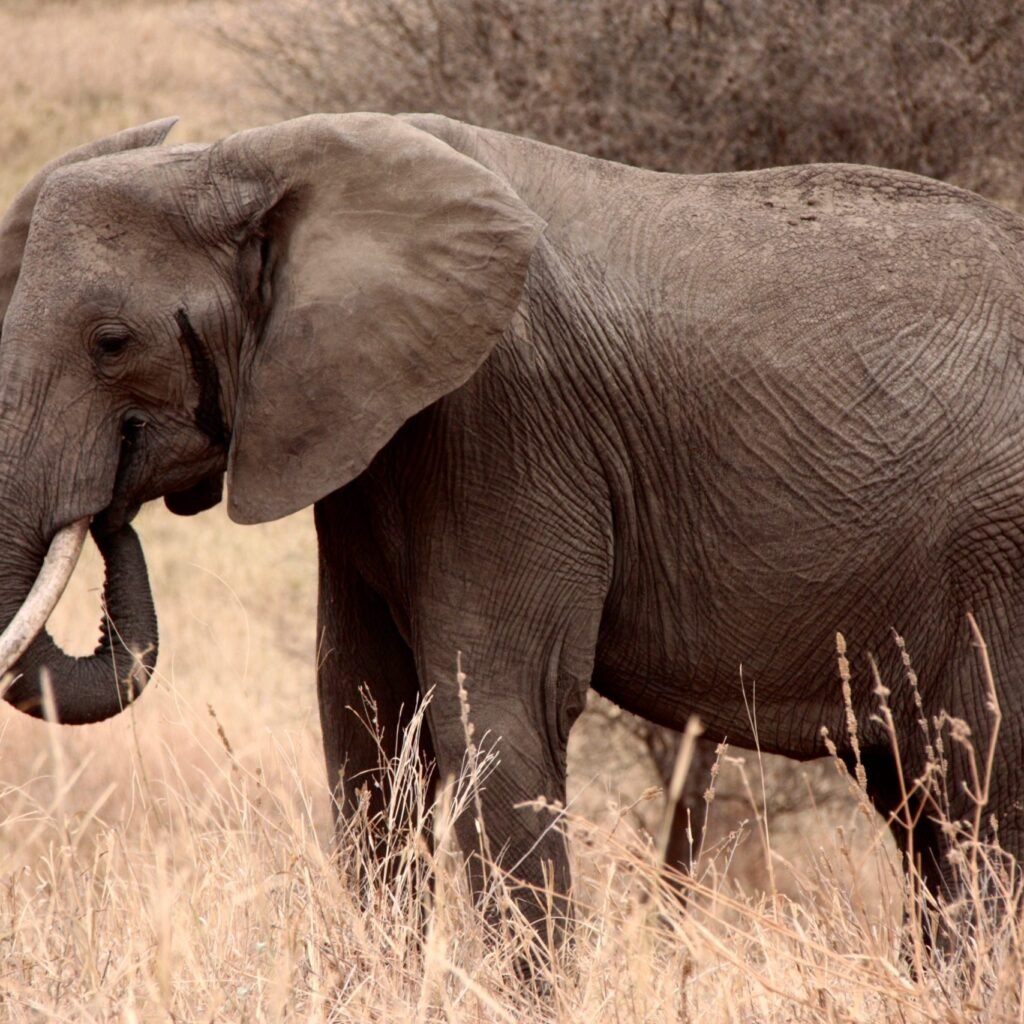
The smartest animals in the world continue to fascinate scientists, wildlife lovers, and travelers alike. Animal intelligence is measured through problem-solving skills, memory, communication, emotional awareness, social behavior, and the ability to learn new tasks. From the deep oceans to tropical forests, many species display extraordinary intelligence that rivals human expectations. Chimpanzees use tools, dolphins communicate with complex sounds, elephants show empathy, and crows solve puzzles with surprising accuracy. These highly intelligent animals reveal how advanced the natural world truly is. Understanding animal cognition also helps conservationists protect endangered wildlife and preserve ecosystems. Whether in African safaris, marine adventures, or wildlife documentaries, smart animals capture global attention. Exploring the world’s most intelligent animals offers insight into evolution, survival, adaptation, and emotional intelligence, making them some of the most admired creatures on Earth today. 1. Chimpanzees – Our Closest Relatives Chimpanzees are widely recognized as one of the smartest animals in the world because they share nearly 98 percent of their DNA with humans. Found mainly in African forests and savannahs, chimpanzees demonstrate remarkable problem-solving abilities, emotional intelligence, and communication skills. They use sticks to extract termites, stones to crack nuts, and leaves as tools for collecting water. These intelligent primates also exhibit advanced social behavior, teamwork, and even cultural traditions that are passed between groups. Scientists studying animal intelligence frequently compare chimpanzee cognition to that of young children. Chimpanzees can learn sign language, recognize themselves in mirrors, and understand complex instructions. Their excellent memory and ability to plan make them extraordinary wildlife species. As endangered animals, chimpanzees require habitat protection for biodiversity conservation and the future study of animal behavior and intelligence worldwide. 2. Dolphins – Masters of Communication Dolphins are famous for their incredible intelligence, playful personalities, and advanced communication systems. These marine mammals use clicks, whistles, and body movements to communicate with one another across vast ocean distances. Scientists consider dolphins among the smartest animals because they can solve problems, cooperate in hunting, and recognize themselves in mirrors. Bottlenose dolphins have even demonstrated the ability to understand symbolic language and follow complicated commands. Their social intelligence is extraordinary, as dolphins form strong family bonds and assist injured members of their pods. Dolphins also display creativity, curiosity, and emotional awareness rarely seen in the animal kingdom. In marine wildlife tourism, dolphin encounters remain one of the world’s most unforgettable experiences. Protecting dolphins from pollution, overfishing, and habitat destruction is increasingly important. Their intelligence continues to inspire marine biology research and deepen our understanding of animal cognition and communication. 3. Elephants – The Gentle Giants with Incredible Memory Elephants are among the world’s most intelligent animals, celebrated for their exceptional memory, emotional depth, and social complexity. These majestic creatures can remember migration routes, water sources, and family members for many years, helping entire herds survive during harsh conditions. African and Asian elephants display empathy, grief, cooperation, and even self-awareness, which are signs of advanced animal intelligence. They communicate using vocal sounds, body language, and low-frequency vibrations that travel long distances. Elephants also use tools, solve challenges, and protect younger herd members with remarkable teamwork. Wildlife researchers have observed elephants mourning their dead and showing compassion toward injured companions. On African safaris, elephant encounters are unforgettable highlights for nature enthusiasts. However, habitat loss and poaching threaten their survival. Conserving elephant populations remains critical for maintaining ecosystems and preserving one of nature’s most extraordinary intelligent species. 4. Ravens – The Crafty Problem-Solvers Ravens are highly intelligent birds known for their exceptional problem-solving abilities and strategic thinking. Belonging to the crow family, ravens can solve complex puzzles, mimic sounds, and even plan for future events. Scientists studying bird intelligence have discovered that ravens understand cause and effect, making them some of the smartest birds in the world. These clever animals use tools, hide food for later, and adapt quickly to changing environments. Ravens also demonstrate social intelligence by working together and learning from each other’s experiences. Their memory skills are impressive, allowing them to recognize human faces and remember threats over long periods. In folklore and wildlife documentaries, ravens are often portrayed as mysterious and wise creatures. Their adaptability helps them survive in forests, mountains, deserts, and urban areas. Ravens continue to amaze researchers with intelligence levels comparable to certain primates and mammals. 5. Pigs – Surprisingly Smart and Social Pigs are often underestimated, yet they rank among the smartest animals on Earth due to their remarkable learning abilities and social intelligence. Scientific studies reveal that pigs can solve puzzles, remember locations, and understand symbols faster than many domestic animals. These intelligent mammals also display emotional awareness, curiosity, and excellent long-term memory. Pigs communicate through various sounds and body language, forming strong bonds within their groups. Some researchers compare pig intelligence to that of dogs and even young children. They can learn tricks, navigate mazes, and adapt quickly to new environments. In farming and animal behavior studies, pigs consistently demonstrate advanced cognitive skills. Their playful nature and problem-solving abilities continue to surprise scientists worldwide. As awareness of animal welfare grows, people increasingly recognize pigs as intelligent, emotional creatures deserving humane treatment and ethical care in agriculture and conservation settings. 6. Parrots – The Talkative Learners Parrots are among the most intelligent birds in the world, famous for their ability to mimic human speech and understand communication patterns. Species such as African grey parrots demonstrate extraordinary cognitive skills, including counting, identifying colors, and recognizing objects. Their intelligence goes far beyond imitation, as parrots can solve problems, learn through observation, and use reasoning abilities. These colorful birds form strong emotional bonds with humans and other parrots, showing signs of empathy and social awareness. Scientists studying avian intelligence have found that parrots possess memory and learning abilities similar to primates. In tropical rainforests and wildlife sanctuaries, parrots play important ecological roles by dispersing seeds and maintaining biodiversity. Unfortunately, illegal wildlife trade and habitat destruction threaten many parrot species worldwide. Protecting parrots is essential for preserving both ecological balance and one of nature’s most fascinating examples of