
Top 12 Hardest and Most Dangerous Mountains to Climb
Climbing the world’s hardest and most dangerous mountains is the ultimate test of human endurance, skill, and mental strength. From extreme altitude and unpredictable weather to avalanche-prone slopes and technical rock faces, these peaks push even elite mountaineers to their limits. Legendary summits like Mount Everest and K2 dominate global search trends, drawing adventurers seeking high-altitude expeditions, extreme climbing challenges, and bucket-list achievements. Yet, beyond the fame lies real danger—thin air, frostbite, crevasses, and sudden storms. This rich guide explores the deadliest mountains to climb, combining expert insights, climbing difficulty rankings, and safety considerations. Whether you’re researching mountaineering risks or planning a high-altitude expedition, understanding these formidable peaks is essential for survival and success in the world’s most extreme environments. 1. Annapurna (Nepal) Annapurna I is widely regarded as the deadliest mountain in the world, making it a top search result for “most dangerous mountains to climb.” Standing at 8,091 meters, Annapurna’s fatality rate has historically been among the highest of all 8,000-meter peaks. The mountain is infamous for frequent avalanches, unstable ice walls, and unpredictable weather patterns that can shift within hours. Climbers face technical routes, deep crevasses, and extreme altitude sickness risks. Despite its beauty, Annapurna demands expert-level mountaineering skills, making it unsuitable for beginners. Annapurna climbing difficulty,” high altitude expedition Nepal,” and “dangerous Himalayan peaks” consistently rank highly. Its reputation continues to attract elite climbers seeking one of the toughest challenges on Earth, where success is rare, and survival is never guaranteed. Height: 8,091 meters (26,545 feet) Fatality Rate: ~32% Challenges. Climbers must navigate steep inclines, deep snow, and areas prone to frequent avalanches most dangerous to climb in the world. Highlight. Reaching its summit rewards hikers with nice views of the Annapurna massif. 2. K2 (Pakistan) K2, the second-highest mountain on Earth, is often called the “Savage Mountain” due to its extreme difficulty and deadly conditions. Rising 8,611 meters above sea level, K2 features steep technical climbs, icy slopes, and unpredictable weather that can trap climbers for days. Unlike Everest, K2 requires advanced technical mountaineering skills, including ice climbing and rope navigation. The Bottleneck, a narrow and dangerous section beneath a hanging glacier, is one of the most feared points on the climb. Popular “K2 climbing dangers,” “hardest mountain to climb,” and “extreme expedition Pakistan” frequently highlight its reputation. With no easy routes and a high fatality rate, K2 remains a true test of endurance, making it one of the most challenging and respected peaks in the mountaineering world. Height: 8,611 meters (28,251 feet) Fatality Rate: ~25% Challenges: The Bottleneck, a narrow couloir near the summit. Infamous for overhanging ice seracs that can collapse without warning, is K2 the most dangerous mountain? Highlight. Its remoteness and difficulty amplify the sense of accomplishment for those who succeed. 3. Mount Everest (Nepal/Tibet) Mount Everest is the highest mountain in the world at 8,848.86 meters and one of the most searched climbing destinations globally. While often perceived as accessible due to guided expeditions, Everest remains extremely dangerous. Climbers face risks such as altitude sickness, avalanches, icefall collapses, and overcrowding during peak seasons. The Khumbu Icefall is particularly hazardous, with shifting ice blocks and deep crevasses. “Everest climbing cost,” “Everest expedition risks,” and “highest mountain in the world” dominate search engines. Despite advancements in gear and logistics, the mountain claims lives every year. Everest’s allure lies in its prestige, but reaching the summit requires physical preparation, mental resilience, and respect for the mountain’s unpredictable nature, making it both iconic and perilous. Challenges: The “Death Zone” above 8,000 meters. Where oxygen levels are dangerously low, it poses life-threatening risks. Highlight: Standing on the “Roof of the World” is a once-in-a-lifetime achievement. Height: 8,849 meters (29,032 feet) Fatality Rate: ~3% 4. Nanga Parbat (Pakistan) Nanga Parbat, known as the “Killer Mountain,” stands at 8,126 meters and has a long history of deadly expeditions. Its massive south face, the Rupal Face, is one of the tallest mountain faces in the world, presenting extreme technical challenges. Harsh weather, avalanches, and isolation make rescue operations difficult. Early attempts to climb Nanga Parbat resulted in numerous fatalities, contributing to its grim reputation. “Killer Mountain Pakistan,” “dangerous 8000m peaks,” and “Nanga Parbat climbing history” are widely searched. Even experienced climbers approach this mountain with caution. Its remote location and unpredictable conditions make it one of the most feared peaks in the Himalayas, attracting only the most skilled and determined mountaineers seeking a true test of survival. Height: 8,126 meters (26,660 feet) Fatality Rate: ~22% 5. Kangchenjunga (Nepal/India) Kangchenjunga is the third-highest mountain in the world at 8,586 meters and among the most dangerous to climb. Known for its remote location and extreme weather, Kangchenjunga presents significant challenges, including avalanches, crevasses, and technical climbing routes. Many climbers also respect local traditions by stopping just short of the true summit. Kangchenjunga expedition,” remote Himalayan climbs,” and “hardest mountains in the world” rank highly. The mountain’s isolation means limited rescue options and fewer established routes compared to Everest. Its combination of altitude, weather unpredictability, and technical difficulty makes Kangchenjunga one of the most formidable peaks, appealing to experienced climbers seeking a less crowded but equally dangerous alternative to more commercialized mountains. Height: 8,586 meters (28,169 feet) Fatality Rate: ~20% 6. Mount Denali (USA) Denali, formerly known as Mount McKinley, is the highest peak in North America at 6,190 meters. Despite its lower altitude compared to Himalayan giants, Denali is extremely challenging due to its harsh weather and high latitude. Temperatures can drop below -40°C, and storms can last for days. Climbers must carry heavy loads, navigate crevasses, and endure long, physically demanding ascents. “Denali climbing difficulty,” “Alaska mountaineering expedition,” and “coldest mountain climbs” frequently trend. The mountain’s isolation and extreme conditions make it a serious undertaking even for seasoned climbers. Denali’s combination of altitude, cold, and technical challenges places it among the most dangerous mountains, requiring excellent preparation and resilience for a successful summit attempt. Height: 6,190 meters (20,310 feet) Fatality Rate: ~4% 7. The Matterhorn (Switzerland/Italy) Matterhorn is one
Most Dangerous Mountains to Climb
For adventure seekers and extreme climbers, the world’s most dangerous mountains represent the ultimate test of endurance, skill, and courage. From the towering giants like Mount Everest to the savage slopes of K2, these peaks are more than just destinations—they are life-changing expeditions. The guide explores the top-most dangerous mountains to climb, packed with high-ranking keywords like “extreme mountain climbing,” “deadliest peaks,” “high-altitude expeditions,” and “mountaineering risks.” Whether you’re planning a high-altitude trek or researching the dangers of climbing, understanding these formidable mountains is essential. Each peak presents unique challenges, including avalanches, altitude sickness, and extreme weather conditions, making them some of the deadliest and most fascinating places on Earth for climbers and explorers alike. 1. Annapurna I (8,091 meters, Nepal) Annapurna I is widely regarded as the most dangerous mountain to climb in the world, infamous for its historically high fatality rate. Located in the Himalayas, Annapurna I challenges even the most experienced mountaineers with unpredictable avalanches, technical ice climbing, and rapidly changing weather conditions. Rich reputation of “deadliest mountain expedition” fits this peak perfectly. Unlike other 8,000-meter giants, Annapurna’s steep slopes and unstable snowpack create constant hazards. Climbers face extreme altitude risks, including hypoxia and severe altitude sickness. Despite modern gear and improved expedition planning, Annapurna remains a true test of survival. Its breathtaking beauty contrasts sharply with its lethal nature, attracting elite climbers seeking one of the toughest high-altitude challenges on Earth. Annapurna I is renowned for its breathtaking beauty but equally infamous for its peril. This Himalayan giant holds the highest fatality-to-summit ratio among the world’s 8,000-meter peaks. Why It’s Dangerous: Climbers face steep, avalanche-prone slopes and unpredictable weather. The south face is particularly treacherous, with ice and rockfalls frequently endangering those attempting to scale it. Fatality Rate: Approximately 32% of hikers attempting Annapurna I have perished. Notable Tragedy: In 2014, an unexpected blizzard triggered avalanches, killing 43 trekkers and hikers in the Annapurna region. 2. K2 (8,611 meters, Pakistan/China) Known as the “Savage Mountain,” K2 is the second-highest peak in the world and one of the most dangerous climbs ever attempted. Unlike Mount Everest, K2 offers no easy routes, demanding technical climbing skills, endurance, and mental resilience. The mountain is notorious for its steep rock faces, icefalls, and unpredictable storms. Extreme mountaineering,” dangerous peaks,” and “K2 summit challenge” dominate search rankings for this iconic mountain. The Bottleneck section, a narrow couloir beneath hanging seracs, is particularly deadly. Climbers must navigate thin air, freezing temperatures, and constant avalanche threats. K2’s beauty and brutality make it a dream—and nightmare—for professional climbers seeking the ultimate high-altitude adventure. Why It’s Dangerous: The summit is often shrouded in unpredictable storms. The Bottleneck, a narrow couloir near the summit, is especially hazardous due to overhanging ice seracs that can collapse without warning. Fatality Rate: Around 21% of those who attempt K2 never return. Notable Tragedy: In 2008, 11 hikers lost their lives when an icefall in the Bottleneck stranded multiple teams. 3. Nanga Parbat (8,126 meters, Pakistan) Nanga Parbat, often called the “Killer Mountain,” is one of the most feared peaks in the world of mountaineering. Its massive south face, known as the Rupal Face, is among the tallest mountain faces on Earth, making it a technical and physically demanding climb. This mountain ranks highly in searches for “dangerous mountains to climb” and “extreme Himalayan expeditions.” Harsh weather, avalanches, and isolation increase the risks significantly. Climbers must deal with altitude sickness, hypothermia, and unpredictable storms. Despite its dangers, Nanga Parbat attracts experienced climbers who seek to conquer one of the most dramatic and challenging peaks in the Himalayas, offering both incredible rewards and life-threatening risks. Why It’s Dangerous: Climbers must contend with the immense Rupal Face, the tallest rock wall in the world. Weather conditions are unpredictable, and the mountain’s remoteness complicates rescue efforts. Fatality Rate: About 22%. Notable Tragedy: In 1970, Günther Messner tragically perished during an expedition with his brother, Reinhold Messner. 4. Mount Everest (8,849 meters, Nepal/China) Mount Everest is the highest mountain in the world and one of the most searched climbing destinations globally. While considered more accessible than K2, Everest remains extremely dangerous due to overcrowding, altitude sickness, and extreme weather. “Everest summit,” “death zone,” and “high-altitude climbing risks” dominate. The Khumbu Icefall, crevasses, and sudden storms pose serious threats to climbers. Above 8,000 meters lies the “death zone,” where oxygen levels are insufficient for human survival over extended periods. Despite guided expeditions and modern equipment, fatalities still occur each year. Everest’s global fame continues to attract climbers, but it demands respect, preparation, and awareness of its deadly risks Why It’s Dangerous: The “Death Zone” above 8,000 meters poses severe risks, including oxygen deprivation, frostbite, and altitude sickness. Traffic jams near the summit have compounded the danger in recent years. Fatality Rate: Approximately 3%, but the high volume of hikers amplifies the total number of deaths. Notable Tragedy: The 1996 Everest disaster claimed eight lives in a single day, inspiring the bestselling book Into Thin Air. 5. Kangchenjunga (8,586 meters, Nepal/India) Kangchenjunga is the third-highest mountain in the world and among the most dangerous peaks due to its remote location and unpredictable weather. Known for its spiritual significance, climbers traditionally stop short of the true summit out of respect for local beliefs. “Remote mountain climbing,” “high-risk expeditions,” and “dangerous Himalayan peaks” are commonly associated with Kangchenjunga. Avalanches, deep snow, and complex routes make climbing extremely difficult. Rescue operations are limited due to isolation, increasing the risks. Despite fewer climbers compared to Everest, the mountain’s fatality rate remains high. Kangchenjunga offers a raw, untouched climbing experience for elite mountaineers seeking extreme adventure. Why It’s Dangerous: Severe avalanches and unpredictable weather make climbing Kangchenjunga a gamble. Its remote location means that any medical emergencies are almost certainly fatal. Fatality Rate: Around 20%. Notable Tragedy: Five hikers perished in 2013 during a descent after summiting, succumbing to altitude sickness and exhaustion. 6. The Eiger (3,967 meters, Switzerland) The Eiger is famous for its deadly north face, known as the
Deadliest Mountains to Climb in the World
Mountaineering is a pursuit that tests the limits of human endurance, skill, and determination deadliest Mountains to Climb in the World. While the reward of conquering towering peaks is unparalleled, some mountains demand a steep price for their summit. These are the deadliest mountains in the world—harsh, unforgiving giants that have claimed countless lives over the years. Below, we delve into these perilous peaks, exploring their dangers, allure, and history. 1. Annapurna I (8,091 meters, Nepal) Fatality Rate: ~32%: Annapurna I, the tenth-highest mountain in the world, holds the grim title of the deadliest mountain for climbers. Its technical challenges, frequent avalanches, and unpredictable weather make it a formidable adversary. Why It’s Deadly: The south face of Annapurna I is considered one of the most treacherous climbs on Earth, with steep rock and ice walls prone to avalanches. Even the more “accessible” routes are fraught with unstable snow conditions and sudden storms. Notable Tragedy: In 1997, a French team lost three climbers to an avalanche, a stark reminder of the mountain’s lethality. 2. K2 (8,611 meters, Pakistan/China) Fatality Rate: ~29% before 2000, ~21% in recent yearsKnown as the “Savage Mountain,” K2 is the second-highest peak on Earth and arguably the most dangerous. Its icy slopes, frequent avalanches, and volatile weather have tested even the most seasoned climbers. Why It’s Deadly: K2’s steep ascent, coupled with its remote location, makes rescue operations nearly impossible. The “Bottleneck,” a perilous section near the summit, requires climbers to traverse under massive, unstable ice seracs. Notable Tragedy: The 2008 disaster on K2 claimed 11 lives in a single day, as an icefall in the Bottleneck stranded climbers in treacherous conditions. 3. Nanga Parbat (8,126 meters, Pakistan) Fatality Rate: ~22%: Dubbed the “Killer Mountain,” Nanga Parbat is notorious for its sheer faces and extreme difficulty. It is the ninth-highest peak in the world and remains one of the most challenging climbs in the Himalayas. Why It’s Deadly: The Rupal Face, the tallest rock wall on Earth, is a daunting vertical challenge. Add to that unpredictable weather and crevasse-laden glaciers, and you have a recipe for disaster. Notable Tragedy: In 1970, Günther Messner, brother of legendary climber Reinhold Messner, perished in an avalanche during their pioneering ascent of the Rupal Face. 4. Mount Everest (8,849 meters, Nepal/China) Fatality Rate: ~3% (but due to the volume of climbers, it has claimed over 300 lives)Though it is the tallest mountain on Earth and draws thousands of climbers annually, Mount Everest is not the deadliest by percentage. However, the sheer number of fatalities makes it one of the most infamous deadliest Mountains to Climb in the World. Why It’s Deadly: The “Death Zone” above 8,000 meters presents extreme physiological challenges, including hypoxia, frostbite, and exhaustion. Traffic jams near the summit have increased risks, leaving climbers stranded for hours in perilous conditions. Notable Tragedy: The 1996 Everest disaster claimed eight lives in a single storm, immortalized in Jon Krakauer’s book Into Thin Air. 5. Kangchenjunga (8,586 meters, Nepal/India) Fatality Rate: ~20% The third-highest mountain in the world, Kangchenjunga is revered as sacred but feared for its deadly challenges. Its remote location and treacherous weather conditions make it one of the most perilous climbs deadliest Mountains to Climb in the World. Why It’s Deadly: Climbers face frequent avalanches, deep crevasses, and severe cold. Additionally, the summit’s isolation makes evacuation efforts extremely difficult. Notable Tragedy: In 2013, five climbers perished on Kangchenjunga due to exhaustion and altitude sickness while descending from the summit. 6. Mount Denali (6,190 meters, USA) Fatality Rate: ~5% North America’s highest peak, Denali, may not match the altitudes of the Himalayas, but its extreme conditions and isolation make it one of the deadliest climbs. Why It’s Deadly: The mountain’s location near the Arctic Circle results in sub-zero temperatures, fierce winds, and crevasse-laden glaciers. Deadliest Mountains to Climb in the World Climbers must also carry heavy loads for long distances, adding to the physical toll. Notable Tragedy: In 1967, the Wilcox Expedition faced a tragic storm that led to the deaths of seven hikers. 7. Mont Blanc (4,809 meters, France/Italy) Fatality Rate: ~1%, but over 6,000 deaths recorded. Though not as high as other peaks on this list, Mont Blanc has claimed more lives than any other mountain due to its popularity and accessibility. Why It’s Deadly: Avalanches, rockfalls, and sudden weather changes make Mont Blanc dangerous, particularly for inexperienced hikers. Notable Tragedy: In 2012, a sudden avalanche killed nine climbers, highlighting the risks of this “approachable” peak. 8. Dhaulagiri (8,167 meters, Nepal) Fatality Rate: ~16% – Dhaulagiri, the seventh-highest mountain in the world, is a stunning but perilous peak. Its name, meaning “White Mountain,” belies the dangers hidden in its snowy facade. Why It’s Deadly: The mountain’s steep ice and snow slopes, combined with unpredictable weather, pose significant challenges. Climbers often face high winds and avalanches during their ascent. Notable Tragedy: In 1969, an American team lost seven members to an avalanche, underscoring the mountain’s lethal nature. 9. Matterhorn (4,478 meters, Switzerland/Italy) Fatality Rate: ~500+ lives lost since 1865. The Matterhorn’s iconic shape makes it a bucket-list climb for many, but it is fraught with risks. Deadliest Mountains to Climb in the World. Its sharp ridges and frequent storms make it particularly dangerous. Why It’s Deadly: Falling rocks, sudden weather changes, and technical challenges along the Hörnli Ridge have led to numerous fatalities. The mountain attracts hikers of varying skill levels, often with tragic results. Notable Tragedy: The first ascent in 1865 ended in disaster when four hikers fell to their deaths during the descent. 10. Siula Grande (6,344 meters, Peru) Fatality Rate: Notoriously difficult, though statistics are sparse: This Andean peak became famous through Joe Simpson’s harrowing survival story in Touching the Void. Its steep faces and remote location make it an extremely challenging climb. Why It’s Deadly: The ascent involves treacherous ice walls, crevasses, and extreme isolation. Rescues are nearly impossible in this remote region. Notable Tragedy: Joe Simpson and Simon Yates’ ill-fated climb in 1985 nearly ended
How to Climb Kilimanjaro and Actually Enjoy It
Climbing Kilimanjaro, Africa’s highest peak, is a life-changing adventure, offering panoramic views, diverse ecosystems, and a sense of accomplishment few treks provide. Many travelers dream of standing atop Uhuru Peak, but the experience can be grueling without proper planning. Enjoying your Kilimanjaro climb requires more than determination—it demands smart choices, physical preparation, mental resilience, and strategic pacing. From selecting the right route to staying hydrated and connecting with fellow trekkers, each decision impacts your journey. Whether you’re a first-time climber or an experienced trekker, following practical strategies ensures your Kilimanjaro adventure is both memorable and enjoyable. With the right approach, your Mount Kilimanjaro trekking experience can be a bucket-list moment of a lifetime. 1. Select a Longer Route Choosing the right Kilimanjaro route is essential for both success and enjoyment. Longer Kilimanjaro routes, such as the Lemosho or Northern Circuit, offer gradual acclimatization, increasing your chances of reaching the summit without altitude sickness. These routes also traverse diverse landscapes—from lush rainforest to the alpine desert and the iconic summit zone—allowing climbers to absorb the full Kilimanjaro experience. Shorter Mount Kilimanjaro routes, like Marangu, are faster but offer less scenery and higher summit pressure. When planning your Kilimanjaro trek, consider time, physical readiness, and the desire to explore. A longer route not only enhances your safety but also allows for rest, photography, and savoring each stage. Prioritize the best Kilimanjaro routes that balance challenge with enjoyment to maximize your Kilimanjaro adventure. 2. Prioritize Physical Training Preparing physically for the Mount Kilimanjaro trek is non-negotiable for a successful climb. Cardiovascular endurance, leg strength, and core stability are vital, as the trek involves sustained hiking at high altitudes. Hiking, stair climbing, and strength training for at least 8–12 weeks before departure enhances stamina and reduces fatigue. Consider training with weighted backpacks to simulate carrying gear on the trail. Physical preparation also supports mental resilience; knowing your body is ready boosts confidence during difficult sections. Even moderate preparation—consistent cardio and leg workouts—can make a substantial difference. Treat Kilimanjaro climbing not just as a test of willpower, but as a fitness challenge. A strong body ensures you fully enjoy Kilimanjaro tips, beginner mountaineering, the Kilimanjaro summit, and each stage of your Kilimanjaro adventure. 3. Hire Quality Guides Experienced Kilimanjaro guides are the unsung heroes of a successful climb. Professional guides provide safety, encouragement, and expert knowledge about altitude, trail conditions, and local flora and fauna. They monitor health signs, pace your group, and adapt plans when necessary. Hiring reputable, certified Kilimanjaro guides ensures you follow established safety protocols while enhancing your trekking experience. Guides can share stories about Tanzanian culture, wildlife, and the mountain’s history, turning your trek into a rich, educational journey. Additionally, high-quality guides improve your chances of summiting while reducing stress and uncertainty. Investing in professional guidance isn’t just about reaching the top—it’s about enjoying Mount Kilimanjaro’s adventure safely, confidently, and fully. 4. “Pole, Pole” (Slow Down) “Pole, pole,” Swahili for “slowly, slowly,” is the mantra of successful Kilimanjaro climbers. Ascending too quickly increases the risk of Kilimanjaro altitude sickness and fatigue, while pacing yourself allows your body to acclimate gradually. Take small steps, breathe steadily, and embrace the slower rhythm of high-altitude trekking. Pausing to admire the forest, volcanic rocks, or distant glaciers helps you connect with the mountain and enjoy each stage. Remember, Kilimanjaro is a journey, not a race—the summit is only part of the experience. By moving intentionally and slowly, you conserve energy, protect your health, and truly savor the spectacular landscapes and wildlife that make Mount Kilimanjaro a world-renowned trekking adventure. 5. Invest in Gear & Comfort High-quality gear transforms a Kilimanjaro climb from challenging to enjoyable. Layered clothing, thermal jackets, sturdy boots, trekking poles, and weatherproof equipment ensure safety and comfort at high altitudes. Sleeping bags rated for sub-zero temperatures, gloves, hats, and moisture-wicking base layers reduce fatigue and exposure risks. Investing in lightweight, durable gear allows you to move efficiently while staying protected against wind, rain, and cold summit conditions. Comfortable equipment not only improves your physical endurance but also boosts morale, making each stage of the trek more pleasant. Remember, Mount Kilimanjaro’s environment is unpredictable—preparing with reliable gear ensures your adventure is safe, enjoyable, and free from unnecessary discomfort or distraction. 6. Stay Hydrated & Nourished Proper hydration and nutrition are crucial for a successful Kilimanjaro climb. At high altitudes, the body loses fluids more quickly, increasing the risk of dehydration and fatigue. Drinking at least 3–4 liters of water daily, combined with electrolyte replacement, maintains energy and mental focus. Consuming balanced meals, snacks, and energy bars ensures a steady supply of calories for endurance. Avoid alcohol and excessive caffeine, which can worsen dehydration. Eating small, frequent portions helps sustain energy without overloading your stomach. Hydration and nutrition directly influence your mood, performance, and ability to enjoy the trek. By fueling your body adequately, you maximize your Kilimanjaro experience, making every step toward the summit more manageable and rewarding. 7. Mental Preparation Climbing Mount Kilimanjaro is as much a mental challenge as a physical one. Visualization, goal setting, and positive self-talk help you navigate tough moments, altitude discomfort, and fatigue. Anticipate difficult sections, prepare for early mornings, and embrace flexibility in case of delays. Mental resilience allows climbers to appreciate each stage without succumbing to stress or frustration. Journaling or setting small daily goals on the trek keeps motivation high. Meditation, breathing exercises, and mindfulness techniques enhance focus and endurance. Remember, enjoying your Kilimanjaro adventure is about mindset as much as movement—embracing challenges, staying present, and celebrating achievements enrich the journey and make the summit even more rewarding. 8. Take a Break from the Group Whenever You Need One While camaraderie is valuable, personal space during a Kilimanjaro trek is essential. Taking a short break to breathe, stretch, or reflect allows your body and mind to recover. Small pauses help prevent fatigue and reduce altitude stress, giving you more energy for later sections. Walking alone briefly can deepen your connection with the mountain,
Kilimanjaro Trails
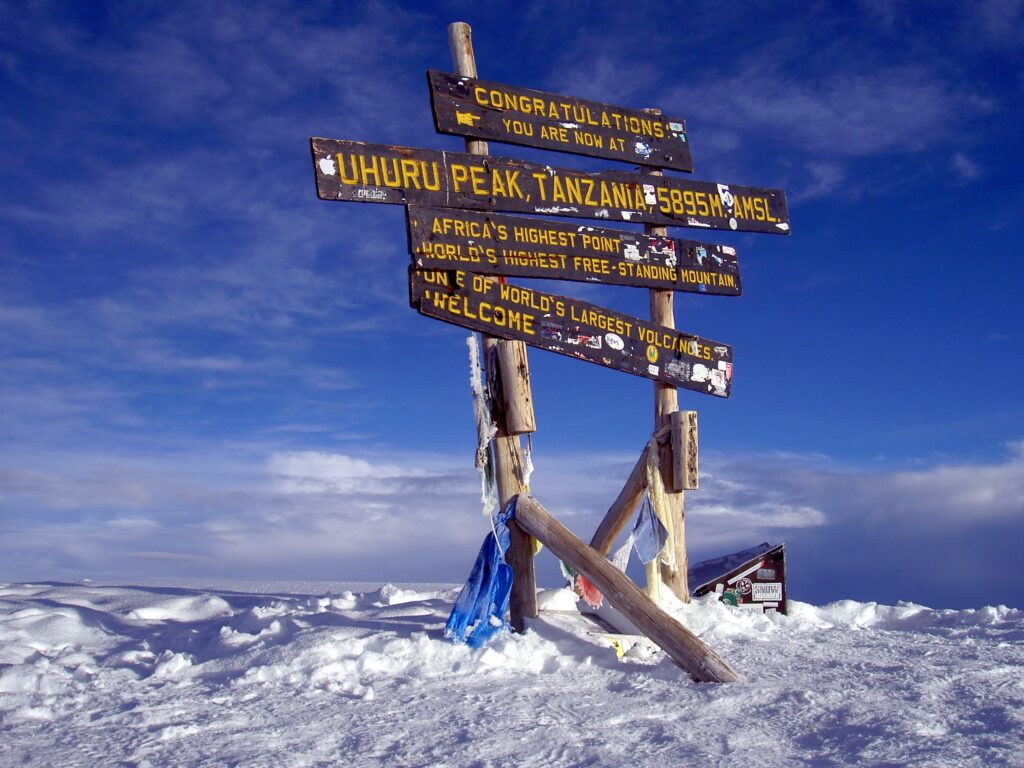
Mount Kilimanjaro, Africa’s highest peak, has captivated adventurers, nature enthusiasts, and cultural historians for decades. Known for its stunning landscapes and challenging trails, the mountain offers a variety of routes catering to every skill level. Choosing the right trail on Mount Kilimanjaro can be the difference between a rewarding experience and a challenging adventure. Known for its stunning scenery and diverse ecosystems, Kilimanjaro attracts thousands of trekkers each year. But Mount Kilimanjaro Climbing Tours with several routes, how do you decide which one to take? Let us explore how the climbing of Kilimanjaro began, the challenges, and which trail might be perfect for you. How Did the Climbing Mount Kilimanjaro Trails Begin? The journey to the summit of Mount Kilimanjaro has its roots in history. The first recorded ascent was by German geographer Hans Meyer and Austrian mountaineer Ludwig Purtscheller in 1889. They paved the way for modern climbers by mapping the paths and overcoming the harsh conditions of the mountain’s unique climate zones. Since then, Kilimanjaro’s trails have evolved to accommodate growing interest, ranging from novice trekkers to seasoned climbers. Mount Kilimanjaro boasts seven established trails leading to the summit. Each trail starts in a unique environment, ranging from lush rainforests to arid savannahs, ensuring diverse experiences for hikers. Marangu Route – Known as the “Coca-Cola Route,” this trail is the most popular and offers hut accommodations, making it a favorite among beginners. Machame Route – Dubbed the “Whiskey Route,” Machame is scenic but challenging, with a steeper incline and longer itinerary. Lemosho Route – A picturesque and less crowded option, ideal for acclimatization with its gradual ascent. Rongai Route – The only route starting from the northern side, providing drier conditions and stunning views of Kenya. Shira Route – Similar to Lemosho but begins at a higher altitude, requiring good acclimatization. Umbwe Route – The shortest and steepest trail, recommended for seasoned climbers due to its difficulty. Northern Circuit – The longest route, offering unparalleled acclimatization and a 360-degree view of Kilimanjaro. Kilimanjaro Trails Records Kilimanjaro trails hold remarkable records, from the fastest ascent and descent to unique achievements like summiting in wheelchairs or barefoot. These feats highlight the mountain’s global appeal and the diverse challenges climbers embrace. Each record showcases not only human endurance and determination but also the allure of Africa’s highest peak. Over the years, climbers have set numerous records on Kilimanjaro, showcasing human endurance and determination. These records inspire climbers to push their boundaries while respecting their physical limits. Fastest Ascent and Descent: Kilian Jornet holds the record with a time of 7 hours and 14 minutes. Youngest Climber: Coaltan Tanner reached the summit at just 6 years old. Oldest Climber: Angela Vorobeva scaled the mountain at the age of 89. Kilimanjaro Trails Difficulty Each trail offers a unique set of challenges and scenic beauty. Here are the most popular routes ranked by difficulty: Marangu Route: Often referred to as the “Coca-Cola Route,” it is the easiest and most direct path for Climbing Mount Kilimanjaro. However, its quick ascent makes altitude sickness a risk. Machame Route: Known as the “Whiskey Route,” it is slightly more challenging but offers breathtaking views and a higher success rate due to its gradual acclimatization. Lemosho Route: Ideal for those seeking adventure and solitude, this route is longer but highly rewarding. Rongai Route: Approaching from the north, this trail is less crowded and moderately challenging. Umbwe Route: The steepest and most demanding trail, recommended only for experienced climbers. Deaths on Mount Kilimanjaro Despite its allure, Kilimanjaro is not without risks. Each year, around 10 climbers lose their lives due to altitude sickness, weather conditions, or pre-existing health issues. Proper preparation, acclimatization, and choosing the right guide are crucial for a safe journey. Mythologies Related to Mount Kilimanjaro Local Chagga tribes believe Kilimanjaro is protected by ancestral spirits. Some legends claim its snow-capped summit is home to spirits who control the weather, granting favor or fury to climbers. Kilimanjaro Trails Comparison Chart Trail Name Difficulty Duration Success Rate Highlights Marangu Route Easy 5-6 days ~50% Shortest, Hut Accommodations Machame Route Moderate 6-7 days ~70% Scenic Views Lemosho Route Moderate 7-8 days ~90% Remote Wilderness Rongai Route Moderate 6-7 days ~65% Unique Northern View Umbwe Route Hard 5-7 days ~40% Steep and Direct Effect of Climate Change on Kilimanjaro Kilimanjaro’s iconic glaciers are rapidly retreating due to climate change. Studies suggest that the mountain may lose all its ice within a few decades. This alarming trend affects not only the ecosystem but also the experience of climbers. Reduced snow cover diminishes the striking beauty that attracts visitors worldwide. Sustainable tourism is crucial to preserve Kilimanjaro for future generations Mt Kilimanjaro Trails. Here are some measures we encourage: We advise prioritizing your Kilimanjaro safety when selecting a tour operator. Reputable companies, such as Foot Slopes Tours and Safaris, focus on sustainable climbs, ensuring a higher success rate, which can also influence the overall cost of your Kilimanjaro expedition. The mountain’s five ecological zones—from lush rainforest to arctic desert—are home to diverse flora and fauna during Climbing Mount Kilimanjaro. However, climate change and human activity threaten this biodiversity. Species such as the Kilimanjaro tree hyrax and Abbot’s duiker face declining populations, making conservation efforts vital. Choosing the right trail depends on your fitness level, experience, and personal goals: Each trail provides unique experiences—from the crowded camaraderie of Marangu to the secluded beauty of Lemosho. Climbing to top – guide to select the best Kilimanjaro Routes. Exploring different routes can reveal Kilimanjaro’s multifaceted charm, making each ascent unforgettable. More than 40.000 novice and expert hikers attempt the summit each year a guide to selecting the best Kilimanaro Route. The success rate on Kilimanjaro is about 75%. Everything you need to know about choosing the perfect route for your Kilimanjaro adventure seven main Kilimanjaro routes climb to the summit of the “roof of Africa”. Those are: Lemosho (Shira route), Machame, Marangu, Rongai, Northern Circuit, Umbwe, Also Exprience Mount Kilimanjaro climbing Trails Kilimanjaro routes map
Kilimanjaro Gear List
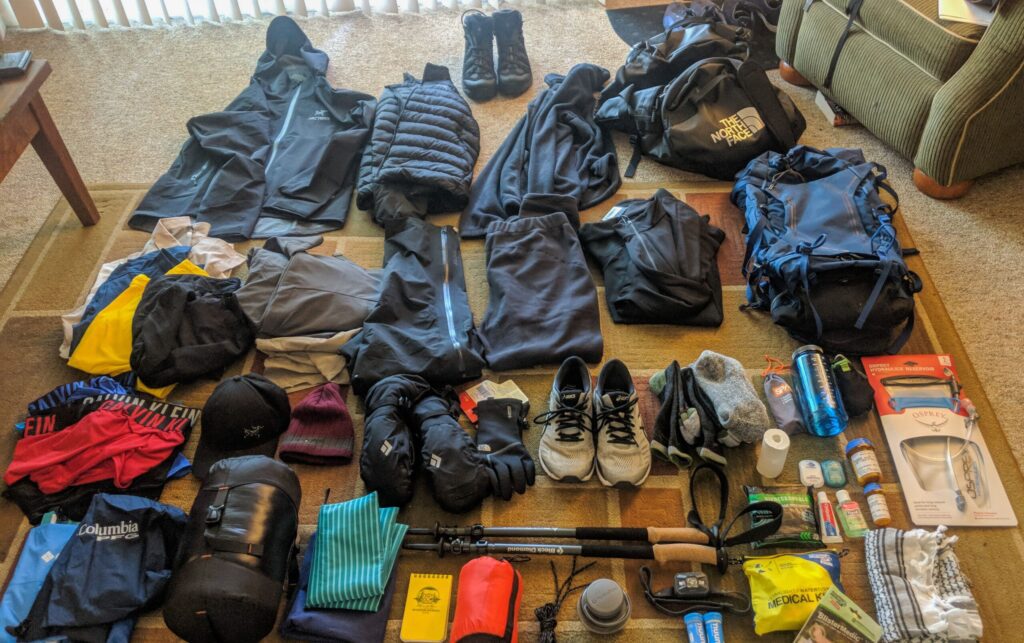
A successful climb on Mount Kilimanjaro depends heavily on having the right Kilimanjaro gear list and proper preparation. Whether you are using the Machame, Lemosho, Marangu, or Rongai route, having the correct Kilimanjaro packing list ensures safety, comfort, and higher summit success rates. The mountain presents extreme weather changes, from tropical forest heat to freezing alpine conditions at Uhuru Peak. That is why choosing high-quality trekking gear for Kilimanjaro is essential. This guide covers the full Kilimanjaro equipment list, including clothing layers, boots, backpacks, sleeping gear, and essential accessories. With the right climbing Kilimanjaro gear preparation, trekkers can avoid altitude discomfort, stay warm, and enjoy the journey. Proper planning also helps reduce weight while ensuring nothing important is left behind for your African mountain adventure. 1. Clothing Layers: Essential Kilimanjaro Clothing System The Kilimanjaro clothing system is based on layering, which is critical for adapting to rapidly changing temperatures. A complete Kilimanjaro gear list must include a moisture-wicking base layer, insulating mid-layers such as fleece jackets, and a waterproof outer shell. Thermal underwear is essential for summit night when temperatures drop below freezing. Trekking pants and convertible trousers are recommended for flexibility during daytime hikes. A down jacket is one of the most important items in your Kilimanjaro packing list for extreme cold conditions at high altitude. Gloves, hats, and neck gaiters also play a major role in protecting against wind and frost. Choosing breathable yet insulated materials ensures comfort and safety throughout the climb. Proper layering is one of the most important Kilimanjaro equipment strategies for summit success. 2. Footwear: Best Hiking Boots for Kilimanjaro Footwear is one of the most critical parts of your Kilimanjaro gear list because long trekking days require strong ankle support and comfort. High-quality waterproof hiking boots are essential for navigating muddy rainforest trails and rocky alpine terrain. Boots should be well broken-in before the climb to avoid blisters and discomfort. Thick trekking socks, preferably wool or synthetic, help regulate temperature and reduce friction. Gaiters are also recommended to keep out dust, rocks, and rain. Lightweight camp shoes or sandals are useful for relaxing at campsites after long hiking days. Proper footwear ensures stability, reduces injury risk, and improves endurance on steep ascents. When planning your Kilimanjaro packing list, never compromise on hiking boots, as they directly affect your performance, comfort, and overall climbing success on Mount Kilimanjaro. 3. Backpacks: Daypack and Duffel Bag Essentials A well-planned Kilimanjaro gear list must include both a daypack and a large duffel bag. The daypack, usually 30–40 liters, is carried by the climber and holds essentials such as water, snacks, rain gear, sunscreen, and personal items. It should be lightweight, comfortable, and have good back support. The duffel bag, typically carried by porters, contains the bulk of your Kilimanjaro equipment, including clothing, sleeping bag, and extra gear. Waterproof or rain-resistant bags are highly recommended due to unpredictable mountain weather. Packing efficiently is important to keep weight manageable and organized. Compression sacks help save space and protect clothing. A proper Kilimanjaro packing list ensures that your backpacks are balanced, practical, and suitable for multi-day trekking conditions, making your climb safer and more enjoyable. 4. Sleeping Gear: Warm Sleeping Bags & Mats Sleeping gear is a vital part of any Kilimanjaro gear list due to freezing temperatures at high-altitude camps. A high-quality sleeping bag rated to at least -10°C to -20°C is strongly recommended for summit comfort. Down sleeping bags are preferred for their warmth-to-weight ratio. A sleeping mat or insulated pad adds extra protection from cold ground temperatures and improves sleep quality. Many climbers underestimate how cold nights can be on Mount Kilimanjaro, especially near Stella Point and Uhuru Peak zones. A liner inside the sleeping bag provides additional warmth and hygiene. Proper sleeping equipment ensures recovery after long trekking days and helps prevent fatigue. When preparing your Kilimanjaro packing list, investing in reliable sleeping gear is essential for maintaining energy and improving your chances of reaching the summit successfully. 5. Technical Gear: Trekking Poles & Safety Equipment Technical gear plays an important role in a complete Kilimanjaro gear list, especially for stability and safety on steep or slippery sections. Trekking poles are highly recommended as they reduce pressure on knees and improve balance during ascent and descent. Adjustable poles with shock absorption are ideal for varying terrain. Headlamps with extra batteries are essential for summit night trekking in darkness. Sunglasses with UV protection are also necessary to protect against intense sunlight and snow glare at higher altitudes. A small first aid kit, including altitude sickness medication, blister care, and pain relief, is important for emergencies. Gloves and hand warmers also fall under essential technical gear for extreme cold conditions. Proper preparation with Kilimanjaro trekking equipment ensures safety, confidence, and better performance throughout the climb. 6. Hydration & Nutrition Gear for Kilimanjaro Hydration is one of the most important success factors on Mount Kilimanjaro, making it a key part of your Kilimanjaro gear list. A hydration bladder or water bottles are essential for carrying at least 3–4 liters of water daily. Insulated bottles help prevent freezing at high altitudes. Electrolyte tablets are recommended to maintain energy levels and prevent dehydration symptoms. High-energy snacks such as nuts, energy bars, and dried fruits provide quick fuel during long hiking hours. While meals are provided by tour operators, personal snacks help maintain stamina between camps. Proper hydration also reduces the risk of altitude sickness. When preparing your Kilimanjaro packing list, prioritizing water storage and nutrition gear ensures better endurance, improved performance, and a safer overall climbing experience on Africa’s highest mountain. 7. Cold Weather Gear: Summit Night Essentials Cold weather gear is absolutely critical in any Kilimanjaro gear list due to extreme summit conditions. Temperatures at Uhuru Peak can drop below -15°C to -20°C, requiring specialized clothing and protection. A heavy insulated down jacket is essential for retaining body heat during summit night. Thermal gloves, inner liners, and windproof outer gloves help prevent frostbite. Balaclavas or face masks protect against
10 Tips to See the Best of the Great Migration Calving Season

The Great Migration in Tanzania and Kenya is one of the most spectacular wildlife events on Earth, where over a million wildebeest, zebras, and gazelles move across the plains in search of fresh grazing. The calving season, typically occurring between January and March in southern Serengeti -Ndutu area, is a unique highlight, offering visitors the rare chance to witness newborn wildebeest and predator-prey interactions in their natural habitat. Experiencing this event requires careful planning to ensure you see the action safely and fully. From timing your trip to choosing the best locations, booking knowledgeable safari guides, and capturing unforgettable moments with high-quality photography, some strategies can maximize your safari experience. Understanding these tips will make your Great Migration calving safari both memorable and seamless. Tip 1: Choose the Right Time to Visit Timing your Great Migration calving safari is crucial for witnessing the newborn wildebeest and the dramatic predator-prey dynamics. The calving season generally occurs from January to March, when the herds gather in the southern Serengeti plains, particularly around Ndutu and the Seronera region. Visiting during these months increases your chances of seeing calves within hours of birth and predators such as lions, cheetahs, and hyenas in action. Avoiding off-season periods ensures you experience the lush green landscapes, abundant wildlife, and ideal weather conditions for photography. Planning your trip with the calving timeline in mind also helps secure premium lodges and camps near the migration areas. For wildlife enthusiasts and photographers, aligning your travel with the peak calving period guarantees a truly immersive and unforgettable safari experience. Tip 2: Pick the Perfect Location Selecting the ideal location is essential to fully experience the Great Migration calving season. The southern Serengeti in Tanzania, particularly the Ndutu Plains and the Seronera Valley, is renowned for large herds, safe calving zones, and abundant predators. Areas near the Ngorongoro Conservation Area also provide excellent vantage points to observe interactions between predators and newborn wildebeest. Choosing locations within the migration corridor ensures easier access, shorter travel distances, and better wildlife encounters. Staying close to the action allows morning and evening game drives, when predator activity is highest. Strategic locations also provide stunning photographic opportunities against the backdrop of the Serengeti’s rolling savannahs. The right location maximizes both sightings and comfort, making your calving safari a seamless, awe-inspiring adventure. Tip 3: Book an Experienced Safari Operator An experienced safari operator can transform your Great Migration calving experience from ordinary to extraordinary. Knowledgeable guides understand animal behavior, the migration’s timing, and the best vantage points for viewing births and predator activity. They also navigate park regulations, ensuring safety for both visitors and wildlife. Professional operators often offer tailor-made itineraries, early morning and late evening game drives, and access to private concessions that reduce crowds. Booking a reputable company ensures you have comfortable transportation, experienced drivers, and insightful commentary throughout your safari. Furthermore, seasoned operators can advise on optimal photographic opportunities, essential gear, and local conservation ethics. Partnering with experts guarantees a smooth, enriching, and responsible safari, increasing your chances of witnessing the calving season at its very best. Tip 4: Stay in Strategic Accommodations Staying in the right accommodations significantly enhances your calving safari experience. Lodges and tented camps near Ndutu, Seronera, or private concessions offer early access to game drives and minimal travel times to key migration areas. Many lodges provide intimate wildlife experiences, with balconies or terraces overlooking watering holes or open plains where wildebeest calve. Staying close allows you to witness dramatic predator-prey interactions during dawn or dusk, when wildlife activity peaks. Some camps offer mobile or seasonal options that move with the migration, giving you flexibility and prime wildlife access. Comfortable accommodations also provide amenities, guiding services, and photography support, making your safari more immersive, convenient, and enjoyable. Choosing strategically located lodging ensures you don’t miss critical wildlife moments. Tip 5: Start Early and Stay Late Wildlife is most active during early mornings and late afternoons, making timing essential for calving safari success. Predators often hunt at dawn and dusk, and calves are typically born during these cooler periods. Early morning departures allow you to catch sunrise over the Serengeti plains while observing natural wildlife behaviors in optimal lighting conditions for photography. Late afternoon drives offer opportunities to see predators in action as the day cools. By aligning your schedule with wildlife activity, you increase sightings of newborns, predator interactions, and dramatic landscapes. Guides can help plan game drives for maximum sightings, ensuring your safari is both thrilling and productive. Patience and careful timing unlock the most spectacular moments of the Great Migration calving season. Tip 6: Bring High-Quality Photography Equipment Capturing the Great Migration calving season requires high-quality photography equipment to preserve the experience. A DSLR or mirrorless camera with telephoto lenses (200–600mm) helps photograph newborns and predators from safe distances. A sturdy tripod and fast memory cards ensure stability and continuous shooting during dynamic wildlife interactions. Drones may be restricted in national parks, so check local regulations before use. Teleconverters, lens hoods, and camera rain covers can enhance image quality and protect your gear in unpredictable weather. Even smartphones with advanced zoom and stabilization features can capture close-up moments if used carefully. Investing in quality equipment ensures your photos reflect the drama, emotion, and scale of the calving season, making your memories truly unforgettable. Tip 7: Learn About the Local Ecosystem Understanding the Serengeti ecosystem enriches your Great Migration calving safari. Knowledge of predator-prey relationships, migratory patterns, and vegetation cycles enhances wildlife spotting and appreciation. The calving season is driven by rainfall and grass growth, attracting wildebeest and predators to specific areas. Learning about animal behavior, such as lion hunting strategies or mother-calf interactions, helps anticipate wildlife movements for better viewing. Engaging with guides or reading pre-trip resources can provide insights into local flora, bird species, and ecological challenges. Awareness of the ecosystem also promotes responsible tourism, helping you minimize disturbance and respect wildlife habitats. A deeper understanding transforms your safari into an educational and memorable experience beyond simple
Important Things to Know Before Climbing Kilimanjaro
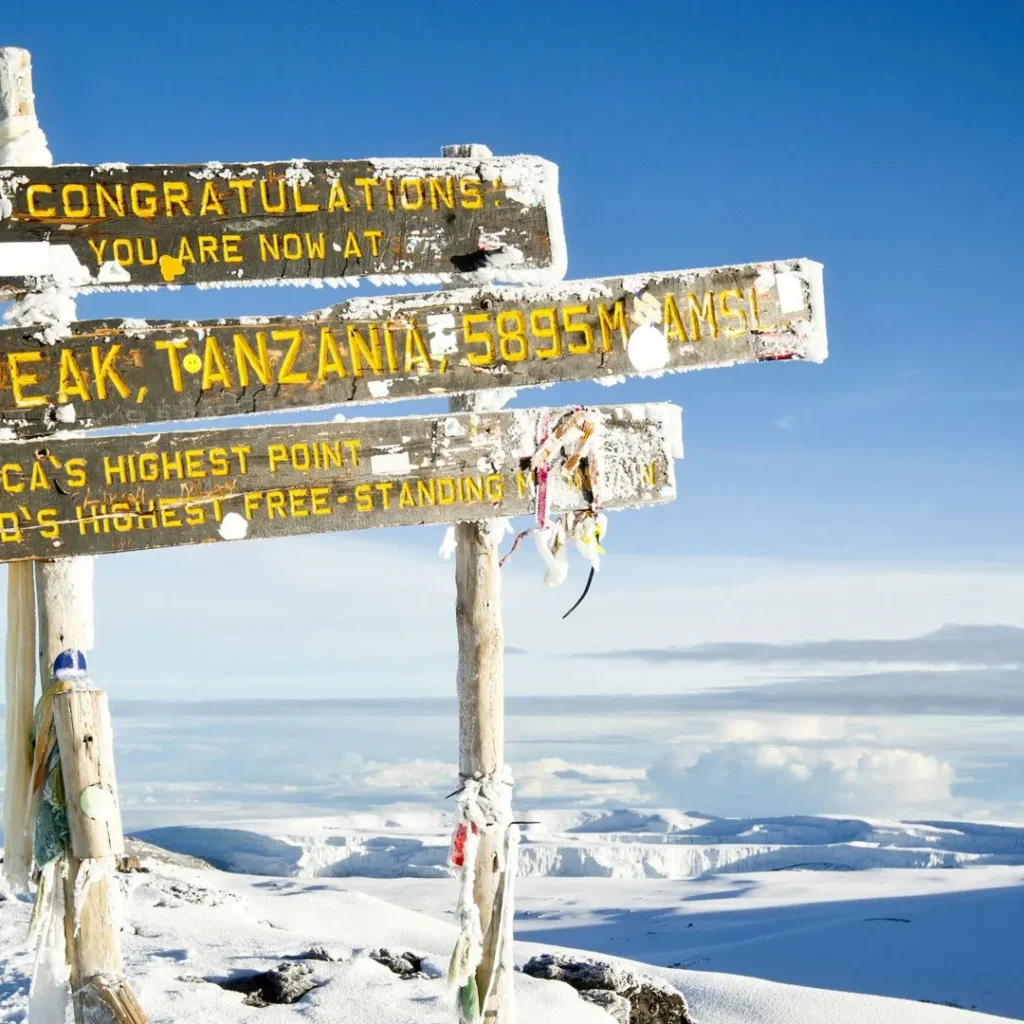
Climbing Mount Kilimanjaro, the highest peak in Africa and one of the world’s most iconic trekking destinations, is a dream adventure for many travelers. However, reaching Uhuru Peak at 5,895 meters (19,341 feet) requires more than enthusiasm—it demands preparation, awareness, and smart planning. Before booking your Kilimanjaro climbing tour, it is essential to understand altitude challenges, trekking routes, weather conditions, packing essentials, fitness levels, and safety guidelines. Whether you are planning a luxury Kilimanjaro climb, a budget trek, or a guided group expedition, knowing the right information increases your success rate and enjoyment. This guide explains the most important things to know before climbing Kilimanjaro, helping you prepare for a safe, successful, and unforgettable Tanzania trekking experience. Choose the Right Kilimanjaro Route One of the most important decisions when planning a Kilimanjaro trek is selecting the right route. Popular options include Machame, Marangu, Lemosho, Rongai, and Northern Circuit routes. The Machame Route is known for scenic views and high success rates, while Lemosho offers a longer and more gradual acclimatization. Marangu is the only route with hut accommodations, but it has lower summit success due to rapid ascent. Choosing the right Kilimanjaro route depends on your fitness level, budget, and trekking experience. Longer routes generally improve acclimatization and increase summit success rates. Always consult a professional Tanzania tour operator to match your goals with the best Kilimanjaro climbing itinerary. Understand Altitude Sickness Risks Altitude sickness is one of the biggest challenges when climbing Mount Kilimanjaro. As you ascend above 3,000 meters, oxygen levels decrease significantly, affecting your body’s performance. Symptoms may include headache, nausea, fatigue, and dizziness. Severe cases can lead to serious conditions like HAPE or HACE. The key to preventing altitude sickness is slow ascent, proper acclimatization, and hydration. Most Kilimanjaro trekking routes are designed to help your body adjust gradually. “Pole pole” (slowly in Swahili) is the golden rule. Even fit climbers can be affected, so never underestimate altitude. Choosing experienced Kilimanjaro guides greatly increases your safety and summit success. Physical Fitness Preparation is Essential Although Kilimanjaro is considered a non-technical climb, physical preparation is essential for success. You do not need to be an elite athlete, but good cardiovascular endurance and leg strength are important. Training should include hiking, stair climbing, running, and long walks with a backpack. Preparing at least 6–12 weeks before your Kilimanjaro expedition increases your chances of reaching Uhuru Peak. Mental endurance is equally important, as summit night is long and challenging. Many travelers underestimate the difficulty of trekking at high altitude. Proper fitness preparation ensures you enjoy the journey through diverse landscapes, including rainforest, alpine desert, and arctic summit zones. Best Time to Climb Kilimanjaro The best time to climb Mount Kilimanjaro is during the dry seasons: January to March and June to October. These months offer clearer skies, better trail conditions, and higher summit success rates. The rainy seasons (April–May and November) bring muddy trails, poor visibility, and more challenging trekking conditions. However, fewer crowds and lower prices make off-season climbs attractive for experienced trekkers. The weather on Kilimanjaro varies dramatically by altitude, from tropical heat at the base to freezing temperatures at the summit. Choosing the right season is crucial for safety, comfort, and overall trekking experience in Tanzania. Proper Gear and Packing List Packing the right gear is critical for a successful Kilimanjaro climb. Essential items include layered clothing, waterproof jackets, thermal wear, hiking boots, gloves, hats, sunglasses, and a quality sleeping bag rated for extreme cold. A good backpack, trekking poles, and a headlamp are also important. Since you will experience multiple climate zones, layering is key. Avoid overpacking, as porters carry most of your luggage with strict weight limits. Renting gear in Arusha or Moshi is possible, but quality should be checked carefully. Proper equipment ensures comfort and protection against harsh weather conditions on Africa’s highest mountain. Hiring a Licensed Kilimanjaro Tour Operator Choosing a licensed and experienced Kilimanjaro tour operator is essential for safety and success. Reliable companies provide certified guides, porters, proper equipment, meals, and emergency support. Avoid unlicensed operators offering extremely cheap packages, as safety standards may be compromised. A good operator follows Kilimanjaro National Park regulations and ensures fair treatment of porters. Reviews, certifications, and success rates are important factors when selecting a company. Booking through a trusted Tanzania safari and trekking company increases your chances of reaching the summit safely while enjoying a well-organized and stress-free adventure. Accommodation on the Mountain Accommodation on Kilimanjaro depends on the route you choose. The Marangu Route offers basic hut accommodations, while other routes like Machame, Lemosho, and Rongai use camping tents. Campsites are set in scenic locations across different ecological zones. Tents are usually provided by tour operators along with sleeping mats and dining tents. Conditions are simple but functional, designed for high-altitude trekking. Nights can be very cold, especially near the summit. Understanding accommodation types helps you mentally prepare for the trekking experience and choose a route that matches your comfort level. Food and Water Supply Food on Kilimanjaro is prepared by professional mountain chefs and is designed to provide energy for long trekking days. Meals typically include carbohydrates, proteins, vegetables, soups, and fruits. Hot drinks like tea and coffee are common. Clean drinking water is provided, but usually treated or boiled. Staying hydrated is crucial for preventing altitude sickness. Some climbers bring snacks such as energy bars, nuts, and chocolate for extra energy. Despite being in a remote environment, food quality is generally good on well-organized Kilimanjaro tours, supporting your strength throughout the climb. Summit Night Challenges Summit night is the most difficult part of climbing Kilimanjaro. Trekkers usually begin around midnight to reach Uhuru Peak at sunrise. The climb is steep, cold, and physically demanding due to low oxygen levels. Temperatures can drop below freezing, and fatigue is common. Mental determination is key during this stage. Guides provide encouragement and pace control to ensure safety. Despite the difficulty, reaching the summit of Mount Kilimanjaro is an unforgettable achievement. Proper preparation,
Comparing Mount Mauna Kea, Everest, and Kilimanjaro
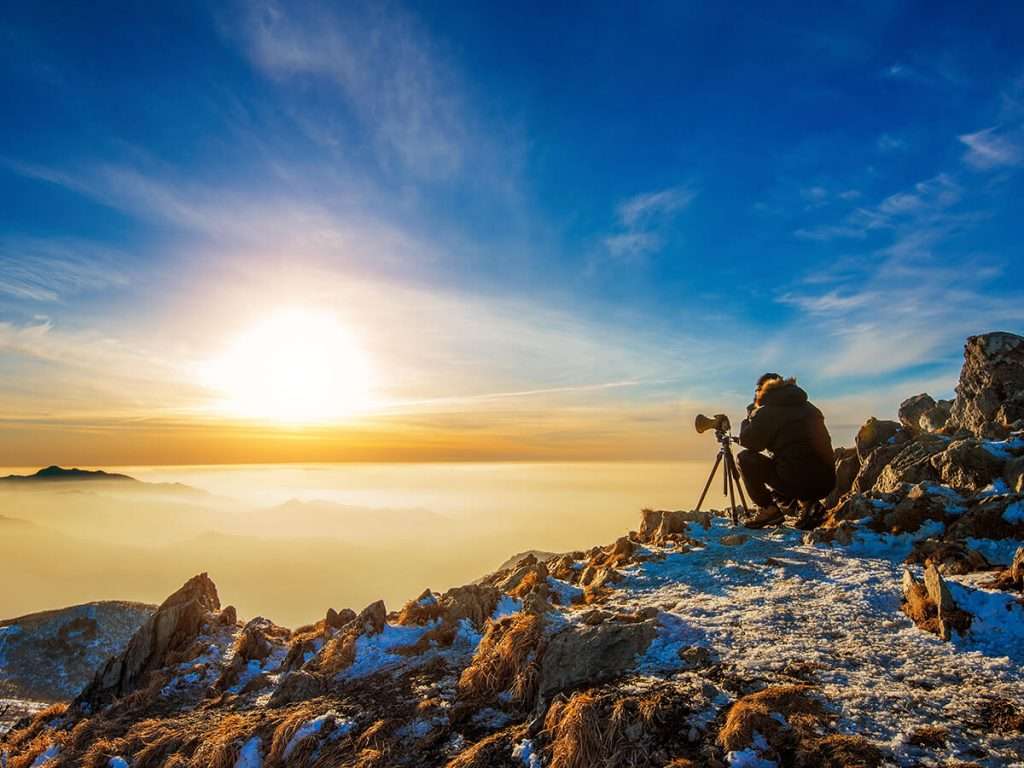
When travelers dream about the world’s most iconic mountains, three legendary peaks often dominate the conversation: Mauna Kea, Mount Everest, and Mount Kilimanjaro. These famous mountains attract climbers, trekkers, geologists, photographers, and adventure travelers from every corner of the world. While Everest is celebrated as the tallest mountain above sea level, Mauna Kea is technically the tallest mountain from base to summit, and Kilimanjaro is recognized as the highest free-standing mountain on Earth. Each destination offers unique landscapes, climates, wildlife, trekking experiences, and cultural significance. From the snowy Himalayan peaks to Tanzania’s safari landscapes and Hawaii’s volcanic terrain, these mountains provide unforgettable adventures. Comparing Mauna Kea, Everest, and Kilimanjaro helps travelers understand altitude, climbing difficulty, cost, safety, success rates, and why these mountains remain bucket-list destinations for hiking and mountaineering enthusiasts worldwide. Which Mountain Is Actually the Tallest? The debate about the tallest mountain in the world often depends on how height is measured. Mount Everest stands at 8,848.86 meters above sea level, making it the highest mountain on Earth by elevation. However, Mauna Kea rises over 10,000 meters from its underwater volcanic base on the Pacific Ocean floor, technically making it taller overall. Meanwhile, Mount Kilimanjaro reaches 5,895 meters and is the tallest mountain in Africa and the highest free-standing mountain globally. These distinctions create fascinating comparisons for travelers and geography enthusiasts. Everest dominates mountaineering history, Mauna Kea impresses scientists and volcanologists, and Kilimanjaro appeals to trekkers seeking a non-technical summit experience. Understanding these measurements highlights why each mountain holds a special place in global adventure tourism and travel rankings. Geographic Location and Landscape Differences The landscapes surrounding these famous mountains are dramatically different and contribute to their worldwide appeal. Mount Everest towers within the Himalayan mountain range, surrounded by glaciers, deep valleys, Sherpa villages, and rugged alpine terrain. Mount Kilimanjaro rises independently from the East African plains, creating one of the world’s most striking volcanic silhouettes above savannah ecosystems filled with wildlife. In contrast, Mauna Kea is a dormant volcano located on Hawaii’s Big Island, surrounded by lava fields, tropical coastlines, and unique volcanic landscapes. These geographical settings influence weather patterns, biodiversity, trekking routes, and visitor experiences. Everest offers dramatic Himalayan scenery, Kilimanjaro combines rainforest and alpine deserts, while Mauna Kea delivers volcanic beauty and spectacular stargazing. Each mountain showcases different natural wonders, making them iconic travel destinations for hikers, climbers, photographers, and nature lovers. Climbing Difficulty and Technical Challenges Among these mountains, Mount Everest is unquestionably the most difficult and dangerous to climb. Everest expeditions require advanced mountaineering skills, ice climbing experience, fixed ropes, oxygen systems, and weeks of acclimatization. Harsh weather and extreme altitude make it one of the world’s toughest climbs. Mount Kilimanjaro is considered a trekking peak, meaning climbers usually do not need technical climbing equipment. However, altitude sickness remains a major challenge, especially on shorter routes. Mauna Kea is accessible by road and short hiking trails, making it physically easier but still challenging due to high elevation and thin air. These differences attract different traveler types, from elite mountaineers seeking Everest glory to beginner trekkers pursuing Kilimanjaro summit success and tourists visiting Mauna Kea for scenic adventures and astronomy experiences. Climate and Weather Conditions Weather conditions vary dramatically between these world-famous mountains. Mount Everest experiences brutal cold, hurricane-force winds, heavy snowfall, and life-threatening storms, especially during winter and monsoon seasons. Temperatures near the summit can fall below- 40 degrees Celsius. Mount Kilimanjaro features multiple climate zones, including tropical rainforest, moorland, alpine desert, and arctic summit conditions. Climbers may experience sunshine, rain, snow, and freezing temperatures within a single trek. Mauna Kea offers cooler summit temperatures compared to Hawaii’s tropical beaches, with occasional snow during the winter months. Weather plays a major role in determining the best climbing seasons, travel safety, and summit success rates. Understanding climate conditions helps travelers prepare proper gear, choose ideal travel months, and improve their mountain adventure experience. Wildlife and Biodiversity Around the Mountains The ecosystems surrounding these mountains are remarkably diverse and fascinating. Mount Kilimanjaro is especially famous for its rich biodiversity. Its lower slopes contain lush rainforests inhabited by blue monkeys, colobus monkeys, elephants, and exotic bird species. Nearby safari parks such as Serengeti and Ngorongoro enhance Tanzania’s wildlife appeal. Mauna Kea supports rare alpine ecosystems and endemic Hawaiian species adapted to volcanic environments. Conservation efforts protect these fragile habitats from environmental damage and tourism pressures. Mount Everest is home to Himalayan wildlife, including snow leopards, yaks, Himalayan tahr, and red pandas in the lower regions. These ecological differences make each mountain attractive to eco-tourists, nature photographers, and adventure travelers seeking more than climbing experiences. Biodiversity adds another dimension to mountain tourism and strengthens conservation awareness globally. Cultural Importance and Local Traditions Each mountain carries deep cultural, spiritual, and historical significance for local communities. Mount Everest is sacred to the Sherpa people, who call it “Chomolungma,” meaning Goddess Mother of the World. Sherpa culture, Buddhist monasteries, and prayer flags are essential parts of the Everest trekking experience. Mount Kilimanjaro is closely connected to the Chagga people, whose traditions, farming practices, and hospitality enrich cultural tourism in Tanzania. Kilimanjaro is also a national symbol representing African adventure and natural beauty. Mauna Kea is sacred in Hawaiian culture and regarded as a spiritual place connecting Earth and the heavens. Cultural preservation remains important as tourism grows. Learning about these traditions gives travelers deeper respect for indigenous communities and creates meaningful travel experiences beyond climbing and sightseeing. Tourism Popularity and Global Recognition These mountains rank among the world’s most recognizable travel and adventure destinations. Mount Everest is globally famous for extreme mountaineering expeditions, documentaries, and climbing records. Thousands of trekkers also visit Everest Base Camp annually for Himalayan adventures. Mount Kilimanjaro attracts over 35,000 climbers every year, making it one of the most popular trekking mountains in the world. Its relatively accessible summit routes appeal to first-time high-altitude trekkers. Mauna Kea draws tourists interested in astronomy, volcanic landscapes, scenic drives, and unforgettable sunsets above the clouds. Social media, travel
Don’t Be Scared of Climbing Kilimanjaro
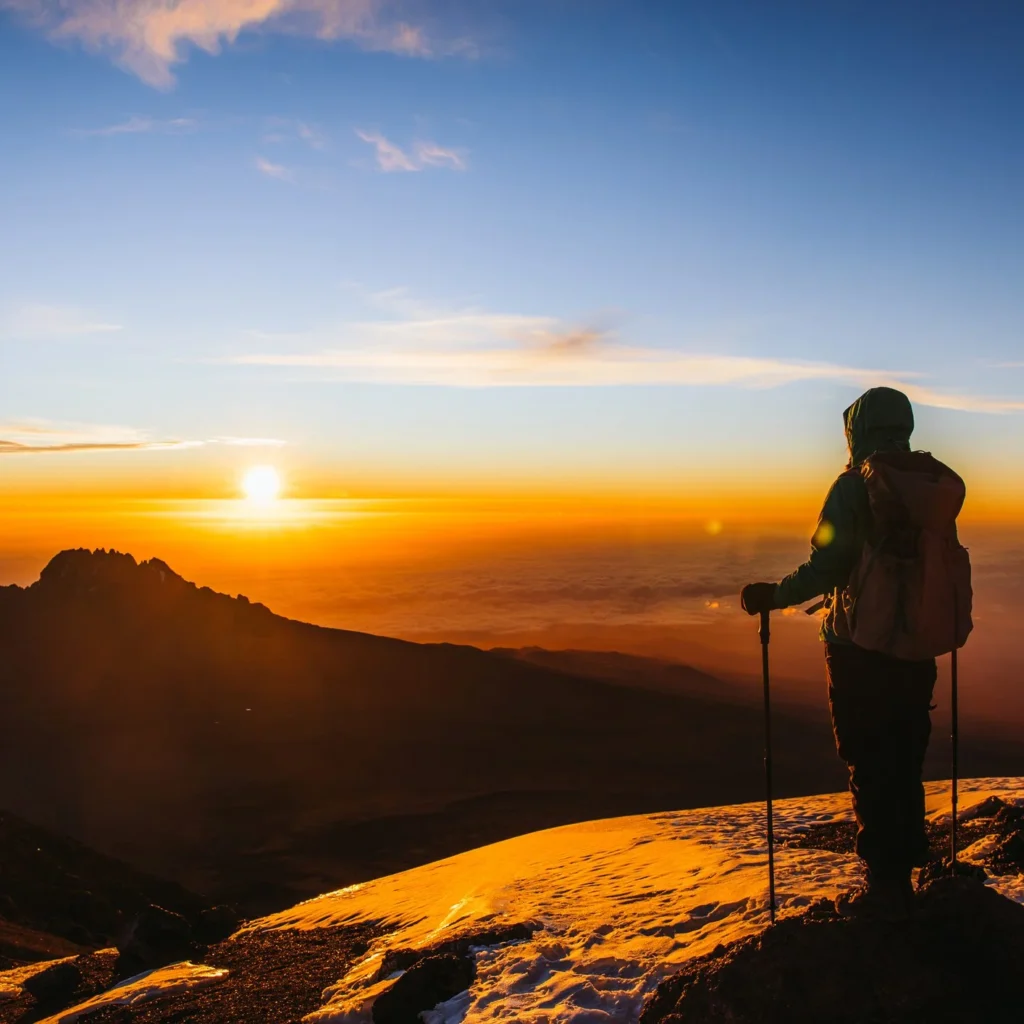
Climbing Mount Kilimanjaro is one of the greatest adventure travel experiences in Africa, attracting thousands of trekkers every year from around the world. Many people dream about reaching the summit of Africa’s highest mountain, yet fear often stops them from taking the first step. The truth is that a Kilimanjaro climb is achievable for beginners, solo travelers, families, couples, and experienced hikers alike. With proper preparation, experienced mountain guides, quality gear, and gradual altitude acclimatization, most climbers can successfully reach Uhuru Peak. Kilimanjaro is not a technical mountain, meaning you do not need ropes or advanced mountaineering skills. From breathtaking landscapes and unforgettable sunrise views to personal accomplishment and cultural encounters, a Tanzania trekking adventure on Kilimanjaro is life-changing. Do not let fear hold you back from experiencing one of the world’s most iconic bucket-list adventures. Kilimanjaro Is a Non-Technical Mountain One of the biggest misconceptions about Mount Kilimanjaro is that it requires advanced climbing skills. In reality, Kilimanjaro is considered a non-technical mountain, meaning climbers do not need mountaineering experience, ropes, ice axes, or rock-climbing abilities. Most routes involve walking slowly along well-established trekking trails while accompanied by professional guides and porters. This makes Kilimanjaro one of the best mountains in the world for beginner hikers seeking a high-altitude adventure. Thousands of first-time trekkers successfully summit every year using routes such as Machame, Lemosho, Marangu, and Rongai. The climb focuses more on endurance, mental determination, and altitude management rather than technical expertise. With proper pacing and support from an experienced Tanzania safari and trekking company, almost anyone with average fitness and preparation can enjoy a safe and successful Kilimanjaro trekking experience. Thousands of Beginners Reach the Summit Every Year Many climbers arrive in Tanzania with little hiking experience and still successfully stand at Uhuru Peak. Kilimanjaro welcomes people of different ages, backgrounds, and fitness levels, making it one of Africa’s most accessible trekking adventures. Every year, beginners, solo travelers, honeymoon couples, families, and senior adventurers conquer Mount Kilimanjaro through proper planning and support. The mountain is designed for gradual trekking, allowing your body time to adjust to altitude while enjoying scenic landscapes, volcanic terrain, rainforest trails, and alpine deserts. Professional guides closely monitor climbers throughout the journey, ensuring safety and motivation every step of the way. Choosing longer routes such as the Lemosho Route or Northern Circuit greatly improves acclimatization and summit success rates. Instead of fearing the mountain, travelers should focus on preparation, positivity, and enjoying one of the best hiking adventures in Tanzania and East Africa. Proper Acclimatization Makes a Huge Difference Altitude sickness is often the biggest fear among people considering a Kilimanjaro climb. However, proper acclimatization dramatically increases your chances of reaching the summit safely and comfortably. Kilimanjaro trekking routes are carefully designed to help climbers adjust gradually to changing elevations. Longer routes such as Lemosho, Machame, and the Northern Circuit provide more acclimatization days, reducing the risk of severe altitude symptoms. Experienced mountain guides encourage climbers to walk slowly using the famous Swahili phrase “pole pole,” meaning slowly, slowly. Staying hydrated, eating well, resting properly, and following the guide instructions all contribute to successful altitude adjustment. Many trekkers are surprised by how manageable the climb becomes when they maintain a steady pace. With quality support, oxygen monitoring, and professional care from experienced Kilimanjaro operators, climbers can confidently enjoy a safe and rewarding summit experience in Tanzania. Professional Guides Keep You Safe A major reason why climbing Kilimanjaro feels less intimidating is the presence of highly trained mountain guides. Licensed Kilimanjaro guides are experienced in altitude management, emergency response, route navigation, and climber support. Throughout the trek, guides monitor oxygen levels, heart rates, hydration, and overall health to ensure every climber remains safe. Porters help carry heavy equipment, tents, and supplies, allowing trekkers to focus entirely on walking comfortably. Reputable Kilimanjaro tour operators also provide emergency oxygen, medical kits, and evacuation procedures if necessary. Guides motivate climbers during difficult moments and create a supportive team environment that builds confidence. Their knowledge of weather conditions, mountain safety, and acclimatization techniques greatly improves summit success rates. Knowing that experienced professionals are with you every step of the journey helps eliminate fear and transforms the Kilimanjaro trekking experience into an unforgettable African adventure. Physical Fitness Matters More Than Athletic Ability You do not need to be an elite athlete or marathon runner to climb Mount Kilimanjaro successfully. The mountain rewards consistency, endurance, and determination more than extreme physical strength. Many climbers prepare by walking regularly, hiking local trails, doing cardio exercises, and improving overall stamina before traveling to Tanzania. Even moderate fitness training can significantly improve comfort and confidence during the trek. Kilimanjaro routes involve long days of walking rather than technical climbing, allowing climbers to maintain a manageable pace throughout the journey. Mental strength also plays a huge role in summit success, especially during summit night when temperatures drop and fatigue increases. Climbers who remain positive, focused, and patient often perform better than highly athletic trekkers who underestimate the mountain. With preparation, determination, and support from experienced guides, Kilimanjaro becomes an achievable bucket-list adventure for many travelers. The Scenic Beauty Distracts You From Fear One of the most inspiring aspects of climbing Kilimanjaro is the incredible scenery that surrounds you every day. The mountain features five unique ecological zones, each offering breathtaking landscapes and unforgettable photographic opportunities. Trekkers walk through lush rainforests filled with giant trees and exotic birds before reaching moorlands covered in dramatic volcanic scenery. Higher elevations reveal alpine deserts, glaciers, rocky ridges, and spectacular summit views above the clouds. Sunrise and sunset on Kilimanjaro create magical moments that distract climbers from fatigue and fear. Wildlife sightings, beautiful campsites, and panoramic African landscapes make every day exciting and rewarding. Many climbers say the natural beauty of Kilimanjaro becomes a source of motivation during challenging moments. Instead of focusing on fear, trekkers quickly become immersed in the wonder, adventure, and achievement of exploring Africa’s tallest mountain in Tanzania. The Right Gear Makes the Trek Comfortable