
Why Should I Bring Sunscreen When Climbing Mount Kilimanjaro?
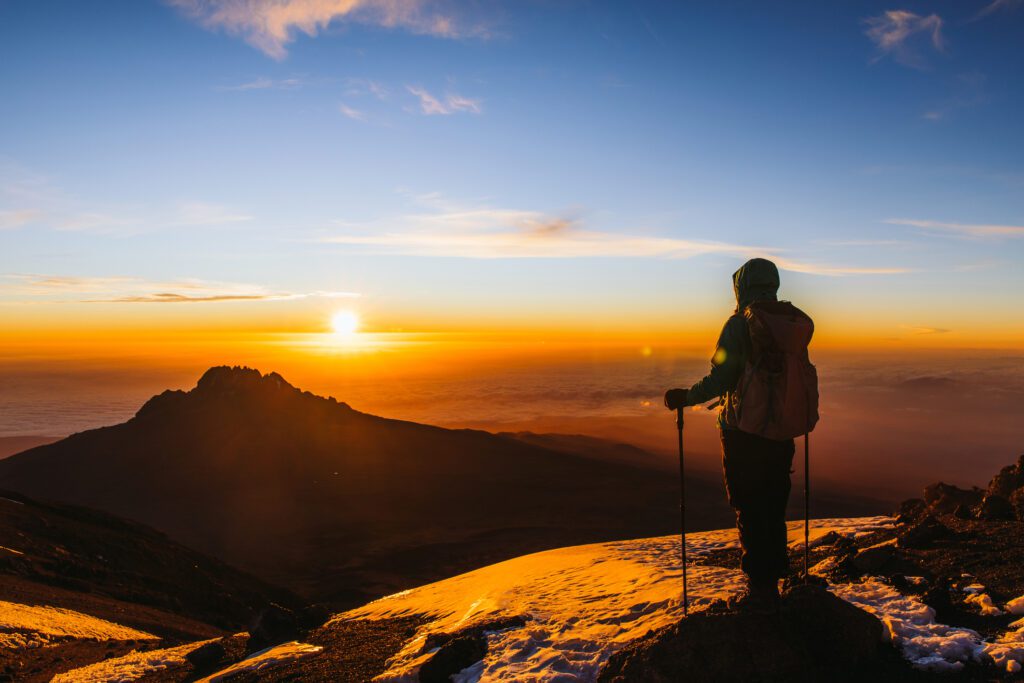
Climbing Mount Kilimanjaro in Tanzania is one of the most iconic trekking adventures in the world, attracting thousands of climbers each year seeking the ultimate high-altitude experience. However, many first-time climbers underestimate the importance of sun protection. Despite the cold temperatures near the summit, ultraviolet (UV) radiation on Kilimanjaro is extremely intense due to its equatorial location and high altitude. Sunscreen becomes an essential part of the Kilimanjaro packing list, alongside warm clothing, hiking boots, and layered gear. Understanding why sunscreen is crucial helps prevent sunburn, skin damage, and long-term health risks. In this guide, we explore in detail why sunscreen is not optional but a vital necessity for a safe and successful Kilimanjaro climb, especially under the strong African sun and reflective alpine environments. High Altitude Increases UV Exposure As you climb higher on Mount Kilimanjaro, the atmosphere becomes thinner, meaning there is less protection from harmful ultraviolet (UV) rays. For every 1,000 meters gained in altitude, UV intensity increases significantly, making climbers more vulnerable to sunburn even in cool temperatures. At summit zones like Uhuru Peak, UV exposure can be almost double that at sea level. This is why sunscreen is critical for Kilimanjaro trekking safety. Many hikers mistakenly assume cold weather reduces sun risk, but the opposite is true. High-altitude trekking requires strong SPF protection to shield the skin from radiation damage. Without sunscreen, climbers risk painful burns, dehydration, and fatigue, all of which can negatively impact summit success and overall trekking performance on Africa’s highest mountain. Equatorial Sun Is Strong All Year Round Mount Kilimanjaro sits close to the equator, where sunlight remains intense throughout the year regardless of season. Unlike temperate regions, Tanzania’s equatorial position means the sun’s rays strike directly, increasing UV exposure levels. Whether you are climbing during the dry season or rainy season, sunscreen remains essential. Many climbers search for “the best time to climb Kilimanjaro,” but forget that sun intensity does not significantly change. Even cloudy conditions can allow UV rays to penetrate and damage skin. This makes sunscreen one of the most important items in any Kilimanjaro packing list. Using broad-spectrum SPF protection helps reduce risks of sunburn, premature aging, and long-term skin damage during multi-day trekking adventures across diverse ecological zones of the mountain. Snow and Ice Reflect UV Rays at the Summit At Kilimanjaro’s summit zone, especially near Uhuru Peak, snow and ice surfaces reflect sunlight, intensifying UV exposure. This reflection effect can almost double the amount of UV radiation reaching your skin, making sunscreen even more important at higher elevations. Climbers often focus on cold-weather gear but underestimate the sunburn risk caused by reflective surfaces. This is a key reason why sunscreen for the Kilimanjaro climb is strongly recommended by professional guides. Without protection, exposed skin on the face, neck, and hands can burn quickly, even in freezing conditions. Applying high-SPF sunscreen regularly ensures better protection against both direct and reflected UV rays, improving comfort, safety, and endurance during the final summit push on this challenging African peak. Preventing Severe Sunburn During Long Trekking Days A typical Kilimanjaro climb lasts between 5 and 9 days, involving long hours of trekking under the sun. During this time, climbers are continuously exposed to UV radiation at varying altitudes. Without sunscreen, even short exposure can result in severe sunburn, blistering, and skin irritation. This can make the climb extremely uncomfortable and reduce physical performance. Sunburn also increases dehydration risk, which is already a major concern at high altitude. Using sunscreen daily helps maintain skin health and prevents painful burns that could force climbers to slow down or abandon the trek. For anyone planning a successful Kilimanjaro expedition, consistent sunscreen application is just as important as hydration, pacing, and proper acclimatization strategies. Reducing Risk of Long-Term Skin Damage One of the most overlooked risks of climbing Mount Kilimanjaro without sunscreen is long-term skin damage. Prolonged exposure to UV rays increases the risk of premature aging, dark spots, and even skin cancer. Because climbers spend multiple days at high altitude, cumulative UV exposure can be significant. Many travelers focus only on short-term discomfort like sunburn, but the long-term effects are equally important. Sunscreen acts as a protective barrier that reduces harmful radiation absorption by the skin. Dermatologists strongly recommend using SPF 30 or higher during high-altitude trekking in East Africa. Protecting your skin on Kilimanjaro is not just about comfort—it is about safeguarding your long-term health while enjoying one of the world’s greatest trekking adventures. Weather Changes Do Not Reduce UV Risk Kilimanjaro’s weather conditions change rapidly, ranging from hot rainforest zones to cold alpine deserts. However, even when temperatures drop or clouds appear, UV radiation remains strong. Many climbers mistakenly assume that cloudy weather means they are safe from sun exposure, but up to 80% of UV rays can still penetrate cloud cover. This makes sunscreen necessary regardless of visible sunshine. Whether trekking through the rainforest, moorland, or arctic summit zone, protection is required at every stage. Experienced guides always emphasize sunscreen as a non-negotiable item for Kilimanjaro safety. Weather unpredictability means climbers must stay prepared every day, ensuring consistent sun protection throughout the entire journey from base to summit. Protecting Sensitive Facial Skin The face is one of the most exposed and sensitive areas during a Kilimanjaro climb. Continuous exposure to wind, cold air, and UV radiation can cause dryness, cracking, and sunburn. Applying sunscreen helps protect facial skin from these harsh environmental conditions. Areas like the nose, cheeks, and lips are especially vulnerable because they receive direct sunlight throughout the trek. Many climbers also forget that reflection from snow at higher altitudes increases facial UV exposure. Using sunscreen alongside lip balm with SPF is essential for complete protection. Maintaining healthy facial skin ensures comfort and confidence throughout the climb, allowing trekkers to focus on reaching Uhuru Peak rather than dealing with painful sun damage or irritation. Preventing Eye Area Damage and Skin Irritation While sunglasses protect the eyes from UV rays, the surrounding skin remains highly exposed during
Reasons to Climb the Marangu Route

Climbing Mount Kilimanjaro via the Marangu Route is one of the most popular and historically significant ways to reach Uhuru Peak, the highest point in Africa. Known as the “Coca-Cola Route,” Marangu is favored by trekkers seeking a more comfortable and structured ascent within Kilimanjaro National Park in Tanzania. Unlike other routes, it offers hut accommodation, gradual slopes, and a direct path to the summit. This makes it ideal for beginners and climbers looking for a less technical experience while still achieving the dream of standing on Mount Kilimanjaro. In this article, we explore detailed reasons to choose the Marangu Route, including comfort, scenery, accessibility, success rates, and cultural experience. Whether you are planning your first Tanzania trekking adventure or comparing the best Kilimanjaro routes, Marangu offers a unique journey. Easy and Gradual Ascent One of the main reasons to climb the Marangu Route on Mount Kilimanjaro is its relatively easy and gradual ascent compared to other trekking routes. The trail is designed with a steady incline, making it suitable for beginners and trekkers with limited high-altitude experience. Unlike steep and rugged paths, Marangu allows climbers to adapt slowly to altitude changes, reducing fatigue and increasing comfort during the journey. This makes it one of the best Kilimanjaro routes for those prioritizing safety and endurance. The well-maintained path also enhances the Tanzania trekking experience, ensuring fewer technical challenges. Many climbers appreciate how the route provides a structured and predictable climb to Uhuru Peak, offering confidence and motivation throughout the ascent. For first-time adventurers, Marangu is considered the most accessible gateway to Mount Kilimanjaro National Park. Hut Accommodation Comfort A major advantage of choosing the Marangu Route for climbing Mount Kilimanjaro is the availability of comfortable hut accommodation along the trail. Unlike other Kilimanjaro routes that require camping in tents, Marangu offers dormitory-style mountain huts at each overnight stop, including Mandara, Horombo, and Kibo huts. This makes the experience more comfortable, especially during cold or rainy conditions. The huts provide basic bedding, dining areas, and shelter, which greatly enhances the trekking experience in Kilimanjaro National Park. For many travelers, this unique feature reduces the need to carry heavy camping equipment, making the climb more convenient and enjoyable. It is one of the key reasons why the Marangu Route is often called the “Coca-Cola Route” and remains a top choice for Tanzania trekking adventures focused on a comfortable and simple experience. Shortest Route to the Summit Another important reason to climb the Marangu Route on Mount Kilimanjaro is that it is the shortest path to the summit compared to other trekking routes. The entire ascent and descent typically take five to six days, making it ideal for climbers with limited time. This direct approach allows trekkers to reach Uhuru Peak efficiently while still experiencing the beauty of Kilimanjaro National Park. Although the shorter duration can make altitude acclimatization more challenging, many guided Tanzania trekking operators include acclimatization strategies to improve success rates. For travelers seeking a quicker Kilimanjaro adventure without compromising the full mountain experience, Marangu provides a well-balanced option. Its efficiency and structured itinerary make it one of the most practical choices for both first-time climbers and experienced hikers looking for a streamlined route to Africa’s highest point. High Success Rates with Proper Pacing The Marangu Route is often favored for its relatively higher success rates when climbers follow proper pacing and acclimatization guidelines. On Mount Kilimanjaro, success depends heavily on altitude adaptation, and Marangu’s gradual trail profile supports a steady climb to Uhuru Peak. Many guided Tanzania trekking tours emphasize slow walking, hydration, and rest, which improves summit achievement. Although some climbers underestimate altitude effects due to the route’s shorter duration, proper preparation significantly increases the chances of reaching the summit. Kilimanjaro National Park rangers and professional guides frequently recommend Marangu for beginners who want a structured and manageable ascent. With the right support and mindset, this route offers a rewarding balance between comfort and achievement, making it one of the most reliable options for reaching the top of Africa. Scenic Diversity Along the Trail One of the appealing reasons to choose the Marangu Route on Mount Kilimanjaro is the diverse scenery experienced throughout the climb. Trekkers pass through lush rainforest, moorland, alpine desert, and finally the icy summit zone near Uhuru Peak. This gradual change in ecosystems offers a unique Tanzania trekking experience that showcases the natural beauty of Kilimanjaro National Park. The rainforest section is rich with wildlife, including colobus monkeys and exotic birds, while higher zones reveal dramatic volcanic landscapes. Many climbers find the visual transformation along the trail both inspiring and memorable. Compared to other Kilimanjaro routes, Marangu provides clear exposure to multiple ecological zones in a relatively short time. This makes it an excellent choice for travelers who want both adventure and breathtaking scenery in one journey. Easy Accessibility from Arusha and Moshi The Marangu Route is highly accessible, making it one of the most convenient options for climbing Mount Kilimanjaro. Starting points are easily reached from Moshi and Arusha, two major towns in northern Tanzania. This accessibility reduces travel time and simplifies logistics for trekkers arriving for Tanzania trekking adventures. Kilimanjaro National Park entry gates for Marangu are well-developed, ensuring smooth registration and preparation before the climb. Many tour operators prefer this route for its straightforward access and organized infrastructure. For international travelers, the ease of reaching the trailhead from Kilimanjaro International Airport adds to its appeal. Compared to more remote Kilimanjaro routes, Marangu offers a hassle-free beginning and ending overall experience journey today. Cultural Experience with the Chagga People Climbing the Marangu Route also offers a rich cultural experience, as trekkers pass through villages inhabited by the Chagga people, one of Tanzania’s well-known ethnic groups. This interaction provides insight into local traditions, farming practices, and daily life around Mount Kilimanjaro. Many Tanzania trekking itineraries include opportunities to learn about banana and coffee cultivation, which are central to the Chagga economy. This cultural dimension adds depth to the physical challenge of climbing Kilimanjaro
Considerations for Families Going on Safari

Planning a family safari in Africa involves several key tips, including choosing the right destination and accommodation, preparing your family for the experience, and packing essentials like sun protection, insect repellent, and comfortable clothing in neutral colors. It’s also important to consider vaccinations and travel insurance, book in advance, and select a tour operator experienced with family safaris. A safari is a once-in-a-lifetime adventure for many families, considerations for families going on safari a chance to connect with nature, explore breathtaking landscapes, and experience some of the world’s most majestic animals in their natural habitat. However, a safari isn’t a typical vacation—it requires careful planning and consideration, especially when traveling with children. From understanding the terrain to ensuring safety, here are 10 important things families should consider before embarking on a safari journey. 1. Age of the Children The age of your children plays a crucial role in the type of safari experience you choose how Young is too young for kids to go on an African Safari. While some lodges and tours cater specifically to families with younger children, others may have age restrictions due to safety concerns or the intensity of the experience. Many safari activities, such as game drives, can last several hours and involve bumpy rides, which might be difficult for younger kids. For infants or toddlers, consider lodges with child-friendly facilities, like babysitting services or family rooms. For older children (typically 6 and above), more interactive experiences like walking safaris or night drives might be enjoyable. Research and choose safari destinations that cater to your children’s age group for a smoother experience. 2. Health and Safety Before traveling on safari, ensure that your family’s health is in good shape for the adventure. Considerations for families going on safari. Visit a travel clinic to discuss vaccinations, such as yellow fever, typhoid, or malaria, depending on your destination. Malaria-preventive medication is often recommended for many safari regions, particularly in parts of Africa. Also, check the health facilities available in the area, especially if you’re traveling to remote locations, and considerations for families going on safari. Some safari lodges and camps may have first-aid staff or emergency evacuation plans, but always prepare by packing a health kit that includes sunscreen, insect repellent, anti-nausea medication, and any prescription medications. 3. Choosing the Right Safari Destination Choosing the right safari destination is paramount to creating a family-friendly experience. Considerations for families going on safari. Popular destinations such as Kenya’s Maasai Mara, Tanzania’s Serengeti, South Africa’s Kruger National Park, and Botswana’s Okavango Delta are known for their excellent game viewing, but they can be very different in terms of terrain, accommodation, and accessibility. Consider how accessible the destination is for your family. Some regions are more easily accessible via short flights, while others require long overland journeys that can be challenging with young kids. Also, some areas have specific attractions like cultural interactions with local tribes, whereas others might offer more secluded experiences, allowing families to enjoy the solitude and tranquillity of the bush. 4. Selecting Family-Friendly Accommodation Safari accommodations vary greatly, from luxury lodges and tented camps to self-catering cabins. essential tips for taking an African Safari with Kids. When traveling with children, it’s important to choose accommodations that cater to families and their specific needs, considering families going on safari. Look for properties that offer family suites, child-friendly amenities (like swimming pools, play areas, or kids’ clubs), and activities that can keep children engaged when not on a game drive. Some safari lodges provide dedicated children’s programs, where kids can learn about conservation, wildlife tracking, and the local culture in a safe and interactive environment. A well-suited accommodation choice can make a big difference in ensuring everyone enjoys the safari experience. 5. Packing for the Safari Packing for a safari requires a balance between practicality and comfort considerations for families going on safari. When traveling with kids, you need to plan to ensure that everyone’s needs are met. Some key items to pack include lightweight clothing in neutral colors (to blend in with the environment), comfortable shoes for walking safaris, and hats for sun protection. Don’t forget the essentials for children, like snacks, favorite toys, books, and a portable charger to keep devices running during long drives. If your kids are sensitive to heat or bugs, bring along protective clothing, insect repellent, and sunscreen. A good camera with extra batteries is essential to capture the memorable moments, but also be sure to pack a pair of binoculars for the children to spot wildlife from a distance. 6. Understanding the Safari Schedule Safari days can be long and start early in the morning, typically with a pre-dawn game drive to catch the animals at their most active. For families with young children, this early start may not always be feasible. It’s important to understand the schedule of your chosen safari and determine if it aligns with your family’s pace. Some safari operators offer flexible itineraries that allow for midday breaks or customized schedules that can better suit your children’s energy levels. Similarly, while some safaris are action-packed, involving multiple activities in a day, others may be slower-paced with fewer activities, which might be more suited to younger or less adventurous children. 7. Wildlife and Safety Protocols A safari is all about the animals, but it’s important to remember that these creatures are wild, and safety is paramount. Educate your children beforehand about the dos and don’ts during a safari, such as remaining in the vehicle during game drives, not making sudden noises, and following the guide’s instructions at all times. Ensure the safari operator you choose employs experienced, well-trained guides who have a deep understanding of animal behavior and safety protocols. Some lodges also have wildlife experts who can give presentations, helping to further educate kids on the importance of respecting animals and preserving natural habitats. 8. Balancing Adventure and Relaxation While a safari can be an exhilarating adventure, balancing it with periods of rest is vital, especially when traveling with children. Consider adding some downtime
How Long Should You Spend in the Ngorongoro Crater

Planning how long to spend in the breathtaking Ngorongoro Crater is one of the most important decisions when organizing a Tanzania safari. Often called the “Eighth Wonder of the World,” this UNESCO-listed caldera offers unmatched wildlife density, dramatic landscapes, and year-round safari opportunities. Whether you’re chasing the Big Five safari experience, a luxury Tanzania safari, or a budget-friendly wildlife adventure, timing matters. Too short, and you may miss key wildlife sightings; too long, and you might limit your ability to explore other iconic parks like Serengeti National Park. In this guide, we break down the ideal number of days to spend in the crater, depending on your travel style, budget, and expectations. From quick game drives to immersive multi-day experiences, discover how to maximize your Ngorongoro safari itinerary. 1. Why Visit the Ngorongoro Crater? The Ngorongoro Crater is one of Africa’s most unique safari destinations, offering an unparalleled wildlife viewing experience. This massive volcanic caldera is home to over 25,000 animals, including lions, elephants, buffalo, and the rare black rhino. Unlike other parks, wildlife here is confined within the crater walls, making sightings easier and more frequent. For travelers seeking a Big Five safari in Tanzania, this destination is unmatched. The lush grasslands, soda lakes, and acacia forests create diverse ecosystems, attracting flamingos, hippos, and predators alike. Whether you are planning a luxury safari, honeymoon safari, or family safari in Tanzania, Ngorongoro delivers unforgettable moments. Its compact size means even a short visit can be rewarding, but longer stays reveal deeper, more intimate wildlife encounters. How to do an Ngorongoro Crater safari on a budget? Planning a budget safari to the iconic Ngorongoro Crater is possible with smart choices and insider tips. Travel in the low season, individual private custom tours from Arusha, and choose affordable campsites or budget lodges near the conservation area. Opt for shared 4×4 safari vehicles to reduce costs while still enjoying Big Five wildlife viewing. Pack essentials to avoid extra expenses and book with reliable local tour operators offering all-inclusive deals. Combining your trip with nearby parks like Serengeti National Park can also lower overall costs. A budget Ngorongoro safari still delivers unforgettable landscapes, wildlife, and authentic Tanzania safari experiences. Is One Day Enough in Ngorongoro Crater? A one-day safari in the Ngorongoro Crater is possible and popular, especially for travelers with limited time. Most visitors descend early in the morning for a half-day or full-day game drive, maximizing wildlife sightings during peak activity hours. You can expect to see lions, zebras, wildebeest, and possibly even a black rhino within a single day. However, while a day trip offers a snapshot of the crater’s beauty, it can feel rushed. Traffic at popular sights and limited exploration time may reduce the overall experience. For budget Tanzania safaris or tight itineraries combining Lake Manyara National Park or Tarangire National Park, one day works. Still, travelers seeking a deeper, more relaxed safari experience often find that extending their stay significantly enhances their adventure. The Benefits of Spending Two Days Spending two days in the Ngorongoro Crater allows for a more immersive and rewarding safari experience. With an extra day, you can explore different areas of the crater floor, track elusive wildlife, and avoid the pressure of fitting everything into a single game drive. Early morning and late afternoon safaris provide the best chances to witness predator-prey interactions, including lion hunts and hyena activity. This option is ideal for photographers and wildlife enthusiasts who want better lighting and fewer crowds. A two-day stay also allows time to enjoy nearby cultural experiences within the Ngorongoro Conservation Area. For those planning a mid-range or luxury Tanzania safari, two days strike the perfect balance between exploration and relaxation without feeling rushed. Three Days for a Deeper Safari Experience For travelers seeking a truly unforgettable Tanzania safari, three days in the Ngorongoro Crater offers the ultimate experience. This extended stay allows you to fully absorb the crater’s beauty, from sunrise game drives to peaceful afternoons overlooking the rim. With more time, you can revisit wildlife hotspots, increasing your chances of spotting rare species like the endangered black rhino. Three days also provide flexibility for weather changes and crowd avoidance. You can combine crater exploration with guided walks, Maasai village visits, and scenic viewpoints. For honeymoon safaris, luxury safaris, or photographers, this is the ideal duration. It ensures a slower, more intimate connection with nature, making your Ngorongoro safari not just a visit, but a deeply enriching journey. Half-Day vs Full-Day Game Drives Choosing between a half-day and full-day game drive in the Ngorongoro Crater depends on your schedule and safari goals. Half-day drives are suitable for travelers combining multiple destinations, offering a quick yet rewarding wildlife experience. However, you will only be allowed to spend 5-6 hours down the Crater during your Tanzania safaris, which are highly recommended for maximizing sightings. They allow you to explore diverse habitats, from Lerai Forest to Lake Magadi, increasing your chances of spotting predators, elephants, and flamingos. Full-day drives also provide time for picnic lunches within the crater, enhancing the adventure. For those investing in a Tanzania safari package, opting for a full-day game drive ensures better value and a richer experience. Ultimately, longer drives mean more opportunities to witness the incredible biodiversity that makes Ngorongoro one of Africa’s top safari destinations. Best Time of Year to Visit The Ngorongoro Crater is a year-round safari destination, but the best time to visit depends on your preferences. The dry season (June to October) offers excellent wildlife viewing, as animals gather around water sources, making sightings easier. This is peak season for Tanzania safaris, with clear skies and comfortable weather. The wet season (November to May) brings lush landscapes, fewer crowds, and incredible birdlife, including migratory species. Calving season in nearby Serengeti National Park also enhances predator activity. Each season offers unique advantages, so your ideal duration in the crater may vary. Photographers and bird lovers often prefer the green season, while first-time safari-goers may favor the dry
Common Challenges of Remote Working While Traveling
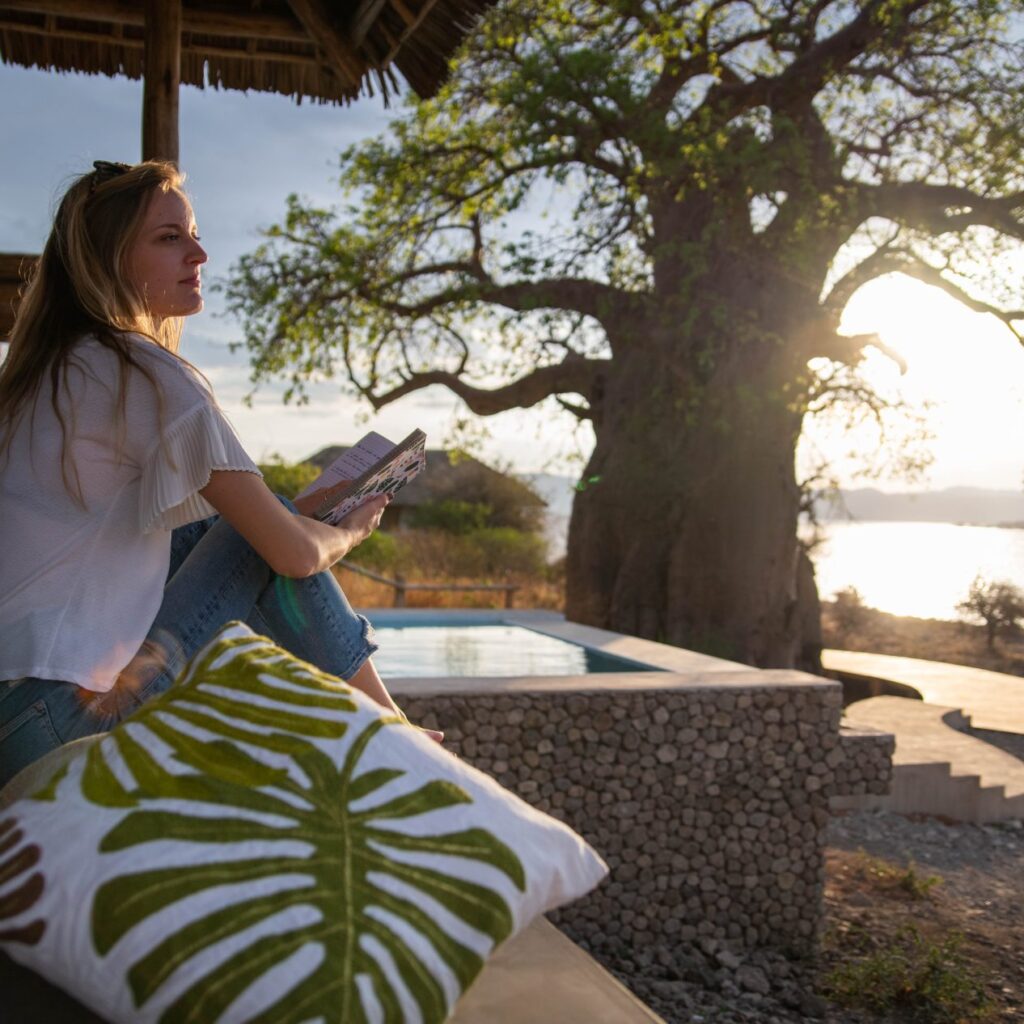
Remote working while traveling has become one of the fastest-growing trends in the modern digital economy, especially with the rise of digital nomads, remote jobs, and work-from-anywhere lifestyles. However, despite its appeal, combining travel and productivity comes with significant challenges. Many professionals struggle with unstable WiFi connectivity, time zone differences, work-life balance issues, and maintaining consistent productivity while on the move. While destinations like coworking hubs, beach towns, and global cities attract remote workers, the reality is often more complex than it appears on social media. Understanding the common challenges of remote work while traveling is essential for freelancers, entrepreneurs, and employees who depend on virtual communication, cloud tools, and online collaboration platforms to stay productive and meet deadlines efficiently. 1. Unstable Internet Connectivity One of the biggest remote working challenges while traveling is unstable internet connectivity. Whether working from remote islands, mountain regions, or budget accommodations, unreliable WiFi can disrupt Zoom meetings, cloud access, and project deadlines. Digital nomads often face slow internet speed, frequent disconnections, and limited data access, which directly affects productivity. Even popular coworking spaces in developing travel destinations may experience bandwidth issues during peak hours. This makes it difficult to upload large files, attend video conferences, or use real-time collaboration tools like Google Workspace and Slack. As remote work becomes more dependent on cloud-based systems, stable internet connectivity is no longer optional but essential. Many travelers now carry backup mobile hotspots or local SIM cards to reduce dependency on public WiFi networks. 2. Time Zone Differences Time zone differences are another major challenge of remote working while traveling internationally. When working with global teams, freelancers and remote employees often struggle to align schedules for meetings, deadlines, and real-time communication. A 10-hour difference between continents can lead to late-night calls or early-morning meetings, disrupting sleep patterns and productivity. This challenge becomes even more complex for digital nomads constantly moving between regions such as Europe, Africa, and Asia. Miscommunication and delayed responses can slow down project progress and reduce efficiency. To manage this, many remote workers rely on scheduling tools like Google Calendar and World Time Buddy. However, maintaining consistent availability while balancing travel experiences remains one of the toughest aspects of the remote work lifestyle. 3. Maintaining Work-Life Balance Maintaining a healthy work-life balance is difficult when traveling and working remotely at the same time. The excitement of exploring new destinations often clashes with work responsibilities, leading to blurred boundaries between leisure and productivity. Many digital nomads find themselves either overworking to catch up or underworking due to distractions from tourism activities. Without a fixed routine or office environment, it becomes easy to lose structure. This imbalance can lead to burnout, stress, and reduced job performance. Establishing clear working hours, setting boundaries, and creating daily schedules are essential strategies for maintaining productivity. Remote workers often use productivity apps and time-blocking techniques to separate work sessions from travel experiences, ensuring they enjoy both professional success and personal exploration without compromise. 4. Productivity Distractions While Traveling Productivity distractions are common when working remotely from travel destinations. Beautiful beaches, cultural attractions, social events, and sightseeing opportunities can easily interrupt focus and workflow. Unlike traditional office environments, remote workers are surrounded by constant temptations to explore new experiences. This can significantly reduce concentration levels and delay task completion. In addition, noisy accommodations, shared hostels, and public spaces may not always provide a quiet working environment. Even digital distractions such as social media and travel planning apps contribute to reduced productivity. Many remote professionals struggle to maintain discipline while balancing work and adventure. To overcome this, some choose coworking spaces, noise-canceling headphones, and structured daily routines. However, managing distractions remains one of the most persistent challenges of the remote work and travel lifestyle. 5. Communication Barriers with Teams Communication barriers often arise when working remotely while traveling, especially when teams are distributed across different locations and time zones. Delayed responses, poor internet quality, and inconsistent availability can lead to misunderstandings and reduced collaboration efficiency. Video calls may suffer from lag, while messaging apps can become overwhelming due to asynchronous communication. Additionally, cultural differences and language variations may further complicate remote teamwork. These issues can affect project timelines, decision-making processes, and overall workflow. Remote workers must rely heavily on digital communication tools such as Slack, Zoom, and Microsoft Teams to stay connected. However, even with advanced technology, the lack of face-to-face interaction can create gaps in understanding and coordination. Strong communication strategies and clear expectations are essential to overcome these remote work challenges while traveling. 6. Difficulty Finding Suitable Workspaces Finding suitable workspaces while traveling is another common challenge for remote workers. Not all destinations offer reliable coworking spaces, quiet cafés, or comfortable environments for long working hours. Some locations may have limited infrastructure, inconsistent power supply, or overcrowded public areas. This makes it difficult to maintain focus and productivity. Even in popular digital nomad hubs, workspace availability can vary depending on season and demand. Remote workers often need to spend time searching for reliable environments that offer strong WiFi, ergonomic seating, and minimal distractions. In some cases, hotel rooms may not be designed for professional work, leading to discomfort and reduced efficiency. As a result, many travelers now research coworking spaces in advance or choose accommodations specifically designed for remote work professionals. 7. Power Outages and Technical Issues Power outages and technical issues can significantly disrupt remote working while traveling. In some regions, electricity supply may be inconsistent, leading to sudden shutdowns of laptops, routers, and essential devices. This can result in lost work, missed deadlines, and interrupted meetings. Technical problems such as outdated infrastructure, incompatible devices, or software limitations can further complicate productivity. Remote workers often rely on backup batteries, portable chargers, and power banks to stay operational during outages. However, these solutions are not always sufficient for long working hours. In addition, unexpected technical failures in hotels or coworking spaces can create additional stress. For digital nomads, preparing for such challenges is essential to ensure continuity of work
Kilimanjaro Height
Rising dramatically above the plains of East Africa, Mount Kilimanjaro stands as the tallest free-standing mountain in the world and the highest peak in Africa. Its official height—5,895 meters (19,341 feet) above sea level—draws thousands of climbers, trekkers, and adventure travelers every year. For those planning a Kilimanjaro climb, understanding its elevation, geography, and altitude challenges is essential for success. This iconic UNESCO World Heritage Site is not just about height; it’s about the journey through diverse ecosystems, from tropical rainforest to alpine desert and icy summit. Whether you’re researching Kilimanjaro height, elevation gain, or summit facts, this guide offers a comprehensive, optimized overview of everything you need to know before conquering Africa’s rooftop. What Is the Exact Height of Mount Kilimanjaro? The official height of Mount Kilimanjaro is 5,895 meters (19,341 feet) above sea level, measured at Uhuru Peak, the highest point on the Kibo volcanic cone. This measurement was confirmed using modern GPS and satellite technology, replacing earlier estimates that were slightly lower. The height makes Kilimanjaro the tallest mountain in Africa and one of the famous Seven Summits, attracting climbers worldwide. Unlike many mountains that are part of a range, Kilimanjaro stands alone, which enhances its prominence and visual dominance. The elevation is not just a number—it represents a significant physical challenge due to reduced oxygen levels at higher altitudes. Understanding the exact height is crucial for trekkers preparing for altitude sickness, acclimatization schedules, and overall climbing success on this iconic African peak. How Does Kilimanjaro Compare to Other Mountains? Mount Kilimanjaro’s height of 5,895 meters places it well below giants like Mount Everest, but still makes it one of the most accessible high-altitude climbs in the world. Compared to Mount Everest at 8,848 meters, Kilimanjaro does not require technical climbing skills, making it popular among beginners. However, its altitude still presents serious physiological challenges. Kilimanjaro is taller than Europe’s Mont Blanc and North America’s Mount Whitney, emphasizing its global significance. Its unique status as the tallest free-standing mountain means it rises abruptly from surrounding plains rather than forming part of a range. This comparison highlights Kilimanjaro’s appeal: a high-altitude adventure that is achievable yet demanding, making it a top destination for trekking enthusiasts and bucket-list travelers. The Three Volcanic Cones of Kilimanjaro Mount Kilimanjaro is composed of three volcanic cones: Kibo, Mawenzi, and Shira. Kibo is the highest and hosts Uhuru Peak, the summit point at 5,895 meters. Mawenzi, the second-highest at 5,149 meters, features rugged, jagged peaks and is more technical to climb. Shira, the oldest and lowest cone, stands at about 4,005 meters and has largely eroded into a plateau. These three cones tell the geological story of Kilimanjaro’s volcanic origins, dating back millions of years. While Kibo remains dormant, it is not extinct, adding an element of intrigue to the climb. Understanding these cones helps trekkers appreciate the mountain’s structure and choose routes that pass through different landscapes, offering varied views and experiences during the ascent. What Is Uhuru Peak? Uhuru Peak is the highest point on Mount Kilimanjaro and marks the ultimate goal for climbers. Located on the Kibo cone, it reaches an elevation of 5,895 meters (19,341 feet). The name “Uhuru” means “freedom” in Swahili, symbolizing Tanzania’s independence. Standing at Uhuru Peak offers breathtaking views above the clouds, glaciers, and vast African plains below. Reaching this point requires determination, acclimatization, and endurance due to the thin air and cold temperatures. The summit sign at Uhuru Peak has become one of the most photographed landmarks in Africa. For many climbers, reaching this height is a life-changing achievement, combining physical challenge with emotional reward. It represents not just the highest point in Africa but also a personal triumph over altitude and perseverance. Elevation Gain During the Climb Climbing Mount Kilimanjaro involves significant elevation gain, typically starting from around 1,800 meters and ascending to 5,895 meters. This means trekkers gain over 4,000 meters in altitude within a few days. The rapid ascent is one of the main reasons climbers experience altitude sickness. Proper acclimatization is essential, often achieved by following routes that allow gradual elevation gain. The phrase “pole pole” (slowly, slowly) is commonly used by guides to encourage a steady pace. Elevation gain varies depending on the chosen route, with longer routes offering better acclimatization. Understanding elevation gain helps climbers prepare physically and mentally for the journey. It also highlights why Kilimanjaro, despite being non-technical, remains a challenging high-altitude trek requiring careful planning and preparation. Altitude Zones on Kilimanjaro Mount Kilimanjaro features five distinct ecological zones, each corresponding to different altitude levels. These include the rainforest zone (800–3,000 meters), heath and moorland (3,000–4,000 meters), alpine desert (4,000–5,000 meters), and arctic summit zone (above 5,000 meters). As climbers ascend, they experience dramatic changes in temperature, vegetation, and oxygen levels. The higher the altitude, the thinner the air, making breathing more difficult. These zones make Kilimanjaro unique, offering a diverse trekking experience in a single climb. Understanding altitude zones helps trekkers pack appropriately and prepare for environmental changes. It also emphasizes the importance of acclimatization as the body adjusts to decreasing oxygen levels. This diversity is one reason Kilimanjaro is considered one of the most scenic treks in the world. Why Altitude Matters on Kilimanjaro Altitude is the biggest challenge when climbing Mount Kilimanjaro. At 5,895 meters, oxygen levels are about 50% lower than at sea level. This can lead to altitude sickness, which affects many climbers regardless of fitness level. Symptoms include headaches, nausea, dizziness, and fatigue. Proper acclimatization, hydration, and pacing are crucial to minimizing risks. Unlike technical climbs, Kilimanjaro’s difficulty lies in its height rather than terrain. Understanding altitude helps climbers prepare mentally and physically for the journey. It also highlights the importance of choosing longer routes with better acclimatization profiles. Successfully managing altitude is the key to reaching Uhuru Peak and enjoying the experience safely. Location of Mount Kilimanjaro Mount Kilimanjaro is located in northern Tanzania, East Africa, within the Kilimanjaro Region near the Kenya border. Mount Kilimanjaro rises from
Effective Ways of Preparing for Kilimanjaro Climb
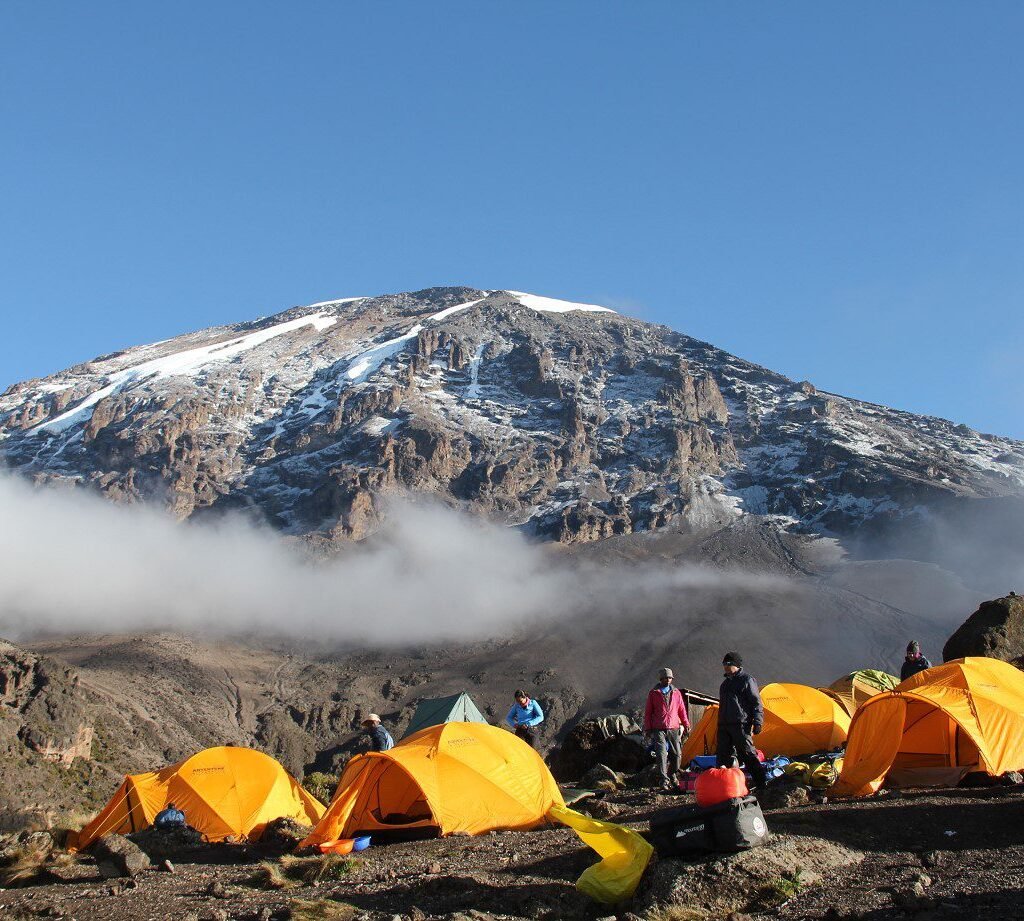
Climbing Mount Kilimanjaro is a once-in-a-lifetime adventure and a top bucket-list African safari experience. Proper preparation is essential for success, safety, and enjoyment. Whether you’re planning a Kilimanjaro trekking tour, luxury climb, or budget expedition, combining fitness training, mental preparation, and smart gear choices will maximize your summit success rate. From altitude acclimatization to selecting the best Kilimanjaro routes like Machame or Lemosho, every step matters. Travelers from Arusha or Moshi often begin their journey with expert guides and ethical tour operators. This guide covers proven training tips, packing strategies, and high-ranking insights to help you plan, book, and conquer Africa’s highest peak with confidence, whether you’re a solo traveler, family adventurer, or honeymoon explorer. 1. Cardiovascular Training Cardiovascular training is the foundation of Kilimanjaro preparation and one of the most important factors influencing summit success rates. Activities like running, cycling, swimming, and brisk walking improve endurance and lung capacity, helping your body cope with high-altitude trekking. Aim for at least 4–5 sessions per week, gradually increasing intensity and duration. Long-distance hikes simulate real Kilimanjaro climbing conditions and boost stamina for multi-day treks. Incorporating varied-terrain workouts prepares you for the uneven trails found on popular Kilimanjaro routes. Strong cardio fitness reduces fatigue, enhances oxygen efficiency, and supports acclimatization to altitude. Whether you’re planning a luxury Kilimanjaro climb or a budget trekking package, consistent cardio training ensures you can handle long hiking hours and challenging summit night conditions. 2. Weighted Hiking Weighted hiking closely mimics real Kilimanjaro trekking conditions and is essential for building strength and endurance. Carry a backpack weighing 5–10 kg during training hikes to simulate your daypack. This improves muscle conditioning, balance, and posture while trekking across varied landscapes. Training on hills or rugged trails enhances your ability to handle steep ascents and descents common on Kilimanjaro routes like Machame and Lemosho. Start with lighter weights and gradually increase to avoid injury. Weighted hiking also prepares your shoulders and back for carrying essential gear such as water, snacks, and clothing layers. For climbers booking guided Kilimanjaro tours, this training ensures a smoother experience and reduces fatigue, making your trekking adventure more enjoyable and successful. 3. Leg Strength Exercises Strong legs are critical for conquering Kilimanjaro’s long trekking days and steep summit push. Incorporate exercises like squats, lunges, step-ups, and leg presses into your training routine to build muscle strength and endurance. These workouts target key muscle groups, including quadriceps, hamstrings, and calves, essential for uphill climbs and downhill stability. Resistance training improves joint support and reduces injury risk during multi-day hikes. Aim for 2–3 strength sessions weekly, gradually increasing intensity. Combining leg workouts with hiking training enhances performance on Kilimanjaro’s diverse terrain. Whether you’re planning a private Kilimanjaro climb or joining a group trekking tour, strong legs will help you maintain a steady pace, conserve energy, and increase your chances of reaching Uhuru Peak. 4. Stair Climbing Stair climbing is one of the most effective and accessible ways to train for Kilimanjaro trekking. It simulates uphill hiking and strengthens leg muscles while improving cardiovascular endurance. Use staircases, stadium steps, or stair machines to replicate continuous elevation gain. Aim for longer sessions with minimal breaks to build stamina for summit night. Adding a backpack increases intensity and mimics real climbing conditions. Stair workouts are particularly beneficial for those without access to mountains or hiking trails. Consistent training enhances balance, coordination, and mental resilience. For travelers preparing for Kilimanjaro tours from Dar es Salaam or international destinations, stair climbing offers a convenient and powerful way to prepare for Africa’s highest mountain. 5. Break in Hiking Boots Breaking in your hiking boots before your Kilimanjaro climb is crucial for comfort and injury prevention. New boots can cause blisters, discomfort, and foot pain if not properly worn in advance. Start using your boots during training hikes, gradually increasing distance and terrain difficulty. This allows the boots to mold to your feet and ensures proper fit. Choose high-quality, waterproof trekking boots with good ankle support for Kilimanjaro’s varied conditions. Pair them with moisture-wicking socks to reduce friction. Testing your footwear during preparation helps identify potential issues early. Whether you’re on a luxury Kilimanjaro expedition or a budget trekking tour, comfortable, well-fitted boots are essential for a successful and enjoyable climb. 6. Practice Mental Toughness Mental strength is just as important as physical fitness when climbing Kilimanjaro. The trek involves long days, cold temperatures, and challenging altitude conditions that test your resilience. Practicing mental toughness through visualization, goal setting, and positive thinking can significantly improve your performance. Break the climb into manageable sections and focus on one step at a time. Training in difficult conditions, such as early mornings or bad weather, builds psychological endurance. Staying motivated and maintaining a positive mindset helps overcome fatigue and altitude discomfort. Many successful climbers credit mental preparation as a key factor in reaching the summit. Whether on a guided Kilimanjaro tour or private expedition, strong mental resilience ensures you stay focused and determined. 7. Interval Training Interval training enhances both cardiovascular fitness and endurance, making it highly effective for Kilimanjaro preparation. This involves alternating between high-intensity bursts and low-intensity recovery periods during workouts. Activities like running, cycling, or stair climbing can be adapted into interval sessions. This type of training improves oxygen efficiency and helps your body adapt to varying levels of exertion experienced during trekking. Interval workouts also increase stamina for steep sections and summit night challenges. Aim to include 1–2 sessions per week alongside steady-state cardio. For climbers preparing for high-altitude trekking, interval training boosts overall fitness and supports better acclimatization. It’s a powerful addition to any Kilimanjaro training plan, regardless of your experience level. 8. Core Strength Development Core strength plays a vital role in maintaining balance, stability, and posture during the Kilimanjaro trek. Exercises like planks, sit-ups, Russian twists, and mountain climbers strengthen abdominal and lower back muscles. A strong core supports your spine and reduces strain when carrying a backpack over long distances. It also improves coordination and efficiency on uneven
Cheetah vs Leopard
The debate of Cheetah vs Leopard is one of the most fascinating topics in African wildlife safaris and big cat photography. Both cats are iconic predators found across Africa’s most famous safari destinations, including Serengeti National Park, Ngorongoro Crater. While cheetahs and leopards may appear similar from a distance, they differ greatly in body shape, hunting style, speed, habitat, behavior, and survival strategies. The cheetah is celebrated as the fastest land animal on Earth, while the leopard is admired for its stealth, climbing ability, and incredible strength. Travelers on African safari tours often dream of spotting both predators during wildlife game drives. Understanding the differences between a cheetah and leopard enhances safari experiences, wildlife photography, and appreciation for Africa’s magnificent ecosystems and endangered big cats. 1. Physical Appearance Differences One of the easiest ways to compare a cheetah vs leopard is through physical appearance. Cheetahs have slender bodies, long legs, lightweight frames, and distinctive black “tear marks” running from the eyes to the mouth. These markings help reduce sunlight glare while hunting during the day on African plains. Leopards, however, have muscular bodies, broader heads, shorter legs, and powerful shoulders designed for climbing trees and carrying heavy prey. Their spots also differ significantly. A cheetah’s coat contains small, round black spots evenly distributed across the body, while a leopard features dark rosette-shaped patterns with lighter centers. Leopards generally appear stockier and stronger than cheetahs. On safari in Tanzania, recognizing these visual differences is essential for wildlife enthusiasts, photographers, and travelers seeking unforgettable African big cat safari adventures across the Serengeti ecosystem. 2. Speed and Hunting Techniques When discussing speed in the cheetah vs leopard comparison, the cheetah dominates completely. The cheetah is the fastest land animal, capable of reaching speeds between 95 and 120 kilometers per hour in short bursts. This extraordinary acceleration allows cheetahs to chase down gazelles and antelope in open savannah habitats. Leopards, however, rely on stealth and ambush tactics instead of speed. They quietly stalk prey through grasslands, forests, and rocky landscapes before launching sudden attacks at close range. Unlike cheetahs, leopards are powerful climbers and often drag prey into trees to protect it from lions and hyenas. During African wildlife safaris, guests frequently witness cheetahs sprinting across open plains while leopards remain hidden among trees and bushes. These contrasting hunting methods demonstrate the remarkable adaptations both predators use to survive in Africa’s competitive wilderness environments. 4. Habitat and Distribution The habitats of cheetahs and leopards reveal major differences in their lifestyles and survival strategies. Cheetahs prefer open grasslands, savannahs, and semi-arid plains where they can use their incredible speed to chase prey across wide landscapes. Famous cheetah habitats include Serengeti National Park and Maasai Mara National Reserve, where vast plains provide excellent visibility during hunts. Leopards are more adaptable and inhabit forests, mountains, woodlands, deserts, and savannah regions across Africa and parts of Asia. Their secretive behavior allows them to survive in areas close to human settlements more successfully than cheetahs. Leopards thrive in locations such as South Luangwa National Park and Kruger National Park. This adaptability gives leopards a wider geographical distribution, while cheetahs remain more vulnerable due to shrinking grassland habitats and increasing human-wildlife conflict. 5. Strength and Climbing Ability In the contest of strength between the cheetah vs leopard, the leopard is unquestionably more powerful. Leopards possess muscular bodies capable of dragging prey heavier than themselves high into trees. This behavior protects kills from scavengers such as lions, hyenas, and wild dogs. Their sharp claws, strong jaws, and climbing abilities make them one of Africa’s most versatile predators. Cheetahs, in contrast, are built for speed rather than power. Their lightweight frames, flexible spines, and long tails improve balance during high-speed chases but reduce physical strength. Unlike leopards, cheetahs rarely climb trees and struggle to defend kills against larger predators. Safari visitors often witness leopards resting on tree branches with impala carcasses hanging overhead, a classic African safari image. Understanding these differences helps travelers appreciate the remarkable adaptations each big cat developed to dominate specific ecological niches across African wilderness landscapes. 6. Behavior and Social Structure Behavior is another important factor in understanding cheetah vs leopard differences. Cheetahs are generally more social than leopards. Male cheetahs sometimes form small groups called coalitions, often consisting of brothers that hunt and defend territory together. Female cheetahs usually live alone except when raising cubs. Leopards, however, are highly solitary animals. Adult leopards prefer living and hunting alone, only interacting during mating seasons or when females care for cubs. Leopards are also more nocturnal, conducting most hunting activities at night, while cheetahs prefer daytime hunting to avoid confrontations with lions and hyenas. On African safari tours, cheetahs are commonly seen resting openly on termite mounds, scanning for prey, while leopards remain elusive and hidden. These behavioral distinctions make leopard sightings more challenging and exciting for safari travelers exploring Tanzania, Kenya, Botswana, and South Africa’s legendary wildlife reserves. 7. Diet and Preferred Prey Both cheetahs and leopards are carnivorous predators, but their diets and prey preferences differ significantly. Cheetahs mainly target small to medium-sized antelope such as gazelles, impalas, springboks, and young wildebeests. Because of their speed-focused hunting style, cheetahs rely on lightweight prey they can quickly overpower before exhaustion sets in. Leopards have a far broader diet and can hunt animals ranging from rodents and birds to antelope, monkeys, and even young crocodiles. Their strength allows them to tackle prey larger than themselves and carry carcasses into trees for safety. Leopards are also opportunistic feeders capable of surviving in diverse environments. During luxury African safaris, wildlife enthusiasts often observe cheetahs hunting in open plains during daylight, while leopards may emerge from dense vegetation at dusk. These dietary differences reflect each predator’s specialized survival strategy within Africa’s competitive ecosystems and wildlife food chains. 8. Cubs and Parenting Style The parenting styles of cheetahs and leopards reveal unique survival challenges faced by each species. Female cheetahs raise cubs alone in open grasslands where predators such as lions, hyenas,
Wellness Benefits of Going on an African Safari

An African safari is more than a wildlife adventure; it is a powerful wellness experience that supports mental, physical, and emotional health. From the vast savannahs of the Serengeti National Park to the breathtaking landscapes of the Ngorongoro Crater, safari travel offers a natural form of therapy known as nature healing or ecotherapy. Modern wellness tourism increasingly highlights African safari holidays as a top destination for digital detox, stress relief, mindfulness, and emotional restoration. Immersing yourself in untouched wilderness, observing free-roaming wildlife, and breathing fresh African air helps reset the nervous system and reduce anxiety. Whether you choose luxury safari lodges or mobile tented camps, the African safari experience reconnects you with nature, promotes inner peace, and improves overall well-being through slow travel and mindful exploration of iconic destinations like Tarangire National Park and beyond. 1. Digital Detox and Mental Reset One of the strongest wellness benefits of an African safari is the opportunity for a complete digital detox. In today’s hyperconnected world, constant screen time contributes to stress, anxiety, and mental fatigue. Traveling to remote safari destinations like Serengeti National Park and Ngorongoro Crater naturally disconnects you from Wi-Fi and social media distractions. This break allows the brain to reset, improve focus, and restore emotional balance. Without digital interruptions, travelers become more present in the moment, fully absorbing the sounds of nature, wildlife movements, and open landscapes. Studies in wellness tourism show that digital detox experiences significantly reduce cortisol levels and improve mood stability. An African safari creates the perfect environment to unplug, recharge mentally, and rediscover clarity through immersive nature experiences and slow travel in the African wilderness. 2. Stress Reduction Through Nature Therapy African safaris provide powerful stress reduction through natural therapy, also known as ecotherapy. Being surrounded by expansive landscapes such as Tarangire National Park or the Serengeti plains lowers blood pressure and reduces cortisol, the stress hormone. The calming rhythm of nature—bird calls, rustling grass, and distant animal sounds—helps regulate emotional responses and promotes deep relaxation. Unlike urban environments, safari settings eliminate noise pollution and visual overload, allowing the mind to enter a meditative state. This natural environment encourages mindfulness and emotional grounding. Wellness tourism experts recognize wildlife safaris as one of the most effective forms of stress management. The combination of open skies, fresh air, and untouched ecosystems makes African safari travel a therapeutic escape that restores emotional balance and promotes long-term mental well-being. 3. Improved Sleep Quality in Natural Environments A lesser-known wellness benefit of African safaris is improved sleep quality. Exposure to natural light cycles in places like Serengeti National Park helps reset the circadian rhythm, also known as the body’s internal clock. Without artificial lighting and screen exposure, the body naturally aligns with sunrise and sunset patterns. This leads to deeper, more restorative sleep during safari nights. The soothing sounds of the African wilderness, including nocturnal wildlife and gentle winds, also enhance sleep relaxation. Many travelers report falling asleep faster and experiencing fewer sleep disturbances during safari holidays. This natural sleep improvement contributes to better cognitive function, emotional stability, and physical recovery. Wellness safari experiences in Tanzania offer an ideal environment for resetting unhealthy sleep patterns caused by modern urban lifestyles and screen-based overstimulation. 4. Mindfulness and Present-Moment Awareness African safaris naturally encourage mindfulness, a key principle in modern wellness practices. Observing wildlife in their natural habitats, especially in Ngorongoro Crater or Serengeti National Park, forces travelers to slow down and become fully present. Watching a lion hunt or elephants moving across the savannah requires attention, patience, and awareness of the moment. This immersive experience reduces mental distractions and strengthens focus. Mindfulness practiced in nature has been proven to improve emotional regulation and reduce anxiety symptoms. Safari travel creates a peaceful environment where thoughts are grounded in the present rather than past stress or future worries. The absence of urban distractions enhances sensory awareness, allowing travelers to deeply connect with their surroundings. This makes African safaris a powerful tool for emotional healing and mental clarity. 5. Emotional Healing Through Wildlife Connection Connecting with wildlife during an African safari offers profound emotional healing. Observing animals such as elephants, lions, giraffes, and zebras in their natural habitats fosters empathy, awe, and emotional reflection. In destinations like Serengeti National Park and Tarangire National Park, travelers often experience a sense of wonder that reduces emotional tension and uplifts mood. This connection to nature helps individuals process emotional stress and reconnect with simpler, more grounded feelings. Wildlife encounters also inspire gratitude and perspective, reminding travelers of life beyond daily pressures. Emotional healing through safari experiences is linked to reduced symptoms of anxiety and depression. The presence of untouched ecosystems creates a safe psychological space where emotional release and inner calm naturally occur. African safaris are therefore increasingly recognized as transformative wellness journeys. 6. Physical Activity and Gentle Movement African safaris encourage gentle physical activity, which is essential for overall wellness. Activities such as game drives, guided nature walks, and lodge exploration promote movement without intense physical strain. In parks like Tarangire National Park, walking safaris allow travelers to engage their bodies while connecting with nature. This type of low-impact movement improves circulation, supports cardiovascular health, and enhances energy levels. Unlike gym-based exercise, safari movement feels natural and enjoyable, reducing resistance to physical activity. Even sitting in open safari vehicles improves posture awareness and encourages outdoor exposure. Physical wellness is further enhanced by fresh air and sunlight, which boost vitamin D levels. Overall, African safari travel promotes a healthy balance of relaxation and movement, contributing to improved physical vitality and long-term wellness benefits. 7. Exposure to Fresh Air and Clean Environment One of the key wellness advantages of an African safari is exposure to clean, unpolluted air. Urban environments often contain high levels of pollution that negatively affect respiratory health and energy levels. In contrast, safari destinations such as Serengeti National Park and Ngorongoro Crater offer pure, oxygen-rich air. Breathing in this natural environment supports lung function, increases oxygen intake, and improves overall vitality. Clean air
Recommended Hikes to Prepare for Mount Kilimanjaro
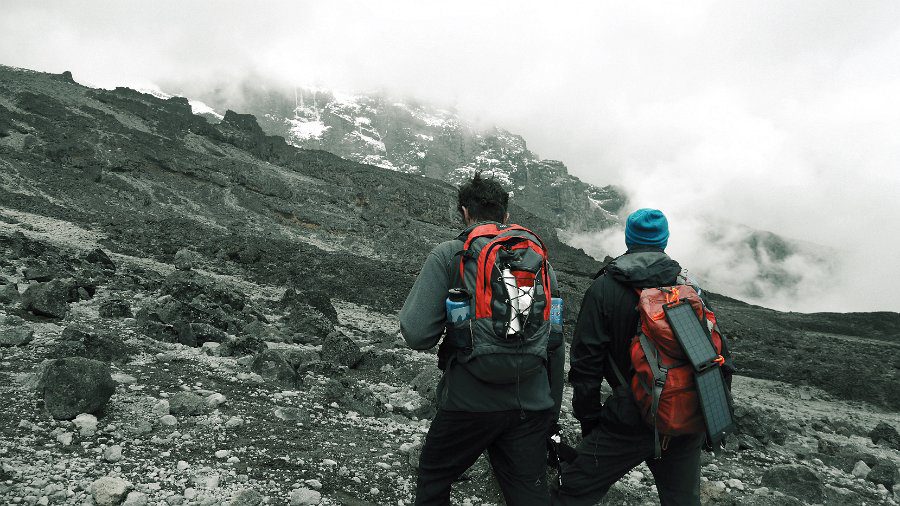
Preparing for a Mount Kilimanjaro climb requires more than basic fitness; it demands high-altitude trekking preparation, endurance hiking experience, and mental resilience. As the highest peak in Africa and one of the world’s most iconic trekking destinations, Kilimanjaro (5,895m) challenges hikers with long ascent days, thin air, and rapidly changing terrain. The best way to increase your summit success rate is to train on similar mountain hikes that build stamina, leg strength, cardiovascular fitness, and altitude adaptation skills. Around the world, several trekking peaks and hiking trails closely simulate Kilimanjaro’s demands. These recommended hikes are widely used by climbers for Kilimanjaro training hikes, pre-expedition conditioning, and backpacking preparation. From the Rockies to the Himalayas and African highlands, these routes help you prepare for summit night, reduce altitude sickness risk, and improve overall confidence before your Tanzania adventure begins on Africa’s legendary Roof of Africa. 1. Mount Whitney, California, USA Mount Whitney is the highest peak in the contiguous United States at 4,421 meters and one of the most popular Kilimanjaro training hikes for altitude preparation. The strenuous 22-mile round-trip trail to the summit closely mirrors Kilimanjaro’s long ascent days, steep elevation gain, and high-altitude conditions. Climbers face thin air above 3,000 meters, making it an excellent training ground for acclimatization and endurance hiking. The final summit push includes switchbacks and rocky terrain, similar to Kilimanjaro’s upper slopes. Many hikers use Whitney to test gear, hydration systems, and mental endurance before traveling to Tanzania. Because permits are required and altitude is a major challenge, Mount Whitney is ideal for serious trekkers preparing for high-altitude trekking experiences. It builds cardiovascular strength, leg endurance, and summit determination, all essential for successful Kilimanjaro summit attempts via routes like Machame or Lemosho. 2. Mount Baldy (Mount San Antonio), California, USA Mount Baldy, officially Mount San Antonio, is one of Southern California’s toughest day hikes and a powerful Kilimanjaro preparation hike. Rising to 3,068 meters, it features a steep elevation gain of over 1,800 meters, making it ideal for building hiking endurance and leg strength. The trail includes rugged terrain, exposed ridgelines, and rapidly changing weather conditions that simulate Kilimanjaro’s diverse environments. Many climbers use Baldy for altitude training hikes, especially when preparing for summit night conditions. The thin air near the top helps hikers adapt to reduced oxygen levels similar to Kilimanjaro’s higher camps. Training here improves cardiovascular fitness, mental toughness, and pacing strategies—critical skills for long trekking days in Tanzania. Mount Baldy is especially valuable for beginners transitioning into serious high-altitude trekking preparation, offering a challenging but accessible test before tackling Africa’s tallest mountain and its demanding summit push to Uhuru Peak. 3. Mount Snowdon, Wales, UK Mount Snowdon is the highest mountain in Wales at 1,085 meters and one of the most accessible yet effective training hikes for Kilimanjaro preparation in the UK. Although lower in altitude than other global peaks, Snowdon is highly valuable for developing endurance hiking habits, weather adaptation, and long-distance trekking consistency. It’s multiple routes, including the challenging Crib Goch ridge, simulate Kilimanjaro’s varied terrain and unpredictable weather. Hikers often experience wind, rain, and rapid temperature changes, similar to conditions on the African mountain. Snowdon is ideal for beginners practicing multi-hour ascents, backpack training, and pacing techniques. It also helps build mental discipline for long summit days. While it does not offer extreme altitude, it is excellent for developing climbing rhythm and stamina. Many UK-based Kilimanjaro trekkers use Snowdon as a foundational step before progressing to higher-altitude climbs in Europe or Africa. 4. Mount Toubkal, Morocco Mount Toubkal, at 4,167 meters, is the highest peak in North Africa and one of the best Kilimanjaro training mountains in the world. Located in the Atlas Mountains, it offers a direct high-altitude trekking experience that closely resembles Kilimanjaro’s conditions. The climb typically takes two days, passing through rocky paths, steep ascents, and Berber villages. The altitude is the most valuable training element, helping hikers adapt to reduced oxygen levels similar to Kilimanjaro’s summit zone. Toubkal is widely used for acclimatization hikes, endurance building, and mental preparation for summit challenges. Weather conditions can be cold and snowy, especially in winter, adding to the realism of high-altitude trekking. Many climbers combine Toubkal with Kilimanjaro training plans to improve summit success rates. It is an excellent stepping stone for testing gear, pacing, and physical readiness before traveling to Tanzania’s iconic Mount Kilimanjaro expedition routes. 5. Ben Nevis, Scotland, UK Ben Nevis is the highest mountain in the United Kingdom at 1,345 meters and a popular training hike for Kilimanjaro preparation in Europe. The ascent via the Mountain Track offers a steady but demanding climb that helps build endurance, stamina, and mental resilience. While its altitude is modest compared to Kilimanjaro, its unpredictable weather—rain, wind, and fog—closely reflects the harsh conditions trekkers may face on Africa’s highest peak. The rocky terrain near the summit also simulates Kilimanjaro’s volcanic landscapes. Many hikers use Ben Nevis for multi-hour trekking practice, backpack training, and cardiovascular conditioning. It is especially useful for developing pacing strategies and hydration habits during long climbs. As part of Kilimanjaro training hikes, Ben Nevis prepares climbers for extended walking days and changing weather patterns. It is a foundational hike for UK trekkers aiming to improve overall mountain fitness before heading to Tanzania. 6. Mount Elbert, Colorado, USA Mount Elbert is the highest peak in the Rocky Mountains at 4,401 meters and a top choice for high-altitude trekking preparation for Mount Kilimanjaro. The hike involves a long, steady ascent with significant elevation gain, making it ideal for endurance conditioning and cardiovascular training. Although the trail is non-technical, the altitude presents a real challenge that helps hikers adapt to oxygen reduction similar to Kilimanjaro’s higher camps. Many climbers use Mount Elbert for backpack training, pacing practice, and gear testing. The summit experience builds confidence for longer expeditions and summit night endurance. Weather conditions can change quickly, offering valuable preparation for unpredictable mountain environments. As part of Kilimanjaro training hikes, Elbert strengthens leg muscles, improves lung capacity,