
Fascinating Facts About African Big Cats
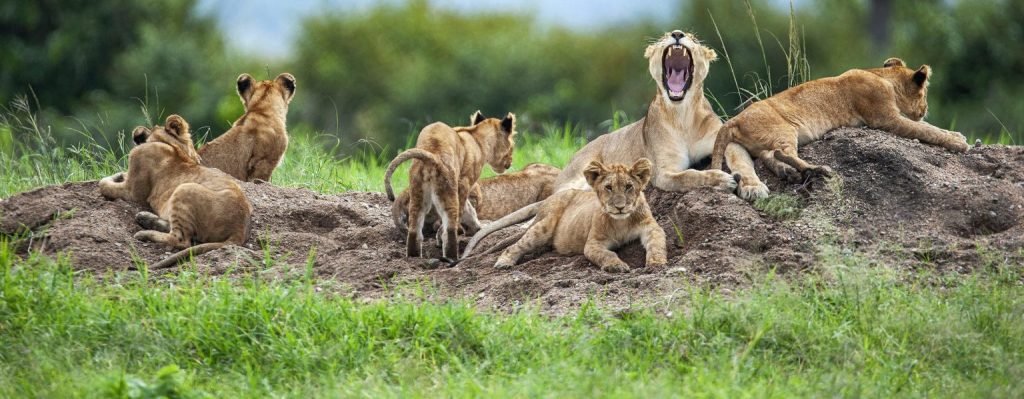
African big cats are among the most majestic, powerful, and mysterious predators roaming the wild. From the sprawling savannas of the Serengeti to the dense forests of the Congo, these apex predators dominate their ecosystems with incredible adaptations. The big cat coat pattern varies between species and provides camouflage. Adult lions do not have a pattern on their coats, leopards and snow leopards have spots and jaguars have secondary patterns known as rosettes. Tiger stripe markings are individually unique – like a fingerprint! Here, we explore ten fascinating facts about lions, leopards, and cheetahs—Africa’s most iconic big cats. The Lion is the Only Truly Social Big Cat Unlike other big cats that prefer a solitary lifestyle, lions (Panthera leo) are the only species that live in structured social groups called prides. A pride typically consists of 5 to 15 related females, their cubs, and a few dominant males. This social structure gives lions an advantage when hunting large prey like buffalo, zebras, and wildebeest. The females are the primary hunters, working together to bring down their prey, while the males defend the territory from intruders. Cheetahs Are the Fastest Land Animals Reaching speeds of up to 75 mph (120 km/h) in short bursts, the cheetah (Acinonyx jubatus) holds the title of the fastest land animal. Unlike other big cats, cheetahs have a lightweight, aerodynamic body, large nasal passages for oxygen intake, and semi-retractable claws for better grip. Their long, muscular tails act as stabilizers, helping them make sharp turns at high speeds while chasing prey such as gazelles and impalas. Leopards Are Masters of Camouflage and Climbing Leopards (Panthera pardus) are stealthy, elusive hunters. Known for their golden coats covered in rosettes that help them blend seamlessly into their surroundings. Unlike lions or cheetahs, leopards are arboreal hunters and can drag prey twice their body weight up a tree to keep it safe from scavengers like hyenas and lions. Their unmatched strength and agility make them one of the most adaptable big cats. Thriving in forests, grasslands, and even urban outskirts. African Lions Have the Loudest Roar A lion’s roar can be heard from up to 5 miles (8 km) away, making it the loudest of all big cats. The roar serves multiple purposes: it establishes territory, communicates with pride members, and warns rivals to stay away. This powerful vocalization is produced by a specialized larynx and hyoid bone. Which allow the lion to create deep, resonant sounds. Cheetahs Can’t Roar, But They Purr and Chirp Unlike lions and leopards, cheetahs lack the specialized larynx structure that enables roaring. Instead, they communicate using a variety of vocalizations, including chirping, yelping, and purring. A mother cheetah often chirps to locate her cubs, while a friendly purr is a sign of comfort and relaxation. These unique sounds make cheetahs one of the most expressive big cats in Africa. Leopards Are the Most Widespread Big Cats in Africa Leopards are incredibly adaptable and found in a wider range of habitats than any other African big cat. From the dense jungles of the Congo Basin to the semi-arid landscapes of Namibia, Tanzania, leopards thrive in environments that offer plenty of cover for ambush hunting. Unlike lions, which rely on group strategies, leopards are solitary predators that prefer stealth over strength. Lions Are Not the Kings of Speed Despite their powerful build, lions are relatively slow runners compared to cheetahs. They can reach speeds of 35-50 mph (56-80 km/h) but only in short bursts. Instead of chasing down prey over long distances, lions rely on coordinated group hunting tactics and ambush strategies. Their strength lies in teamwork rather than raw speed. Weight and Speed. Lions are the 2nd largest cat species in the world (behind tigers) and the biggest cat species in Africa. Male lions can weigh up to 181 kg (400 pounds) with the smaller female weighing in at around 131 kg (290 pounds). Cheetahs Have Unique Black Tear Marks for Hunting One of the most distinctive features of cheetahs is their black “tear marks” running from the inner corners of their eyes down to their mouths. These marks help reduce sun glare, much like an athlete wearing eye black, improving their focus on prey even in bright daylight. This adaptation is particularly useful since cheetahs hunt primarily during the day to avoid competition with nocturnal predators like lions and leopards. Lions and Hyenas Have a Bitter Rivalry Lions and spotted hyenas have a long-standing battle for dominance in Africa’s wilderness. Although many assume hyenas are mere scavengers. They are highly efficient hunters capable of taking down prey just as effectively as lions. The rivalry is so intense that lions will often kill hyenas on sight and vice versa. Hyenas use their intelligence and numerical advantage to steal kills from lions, leading to frequent confrontations between these two predators. Leopards Are Night Hunters With Exceptional Night Vision Leopards are primarily nocturnal hunters fascinating facts about African Big Cats. Using their exceptional night vision to track and ambush prey under the cover of darkness. Their retinas contain a high number of rod cells. Allowing them to see up to seven times better than humans at night. This advantage makes them incredibly efficient in low-light environments. Giving them a significant edge over their prey fascinating facts about African Big Cats. African big cats include lions, leopards, and cheetahs, known for their intelligence, adaptability, and hunting skills. Charactaristics features of Lions Lions the largest felines in Africa and known for being social.They live in prides of up to 15 lions.Male lions have manes that attract lionesses.Lionesses are better hunters than males.Lions are big eaters and can eat up to 100 pounds of meat at a time.They found in Southern and Eastern Africa. Charactaristics features Leopards Leopards known for being solitary and stealthy.They are masters of camouflage with their rosette-patterned coats and muscular build.Known for dragging their prey into trees to protect it from other predators.They found in African savannas, woodlands, grasslands, bushvelds, and forests. Characteristics about
The Ultimate Guide to Going on an African Safari

An African safari is an unforgettable adventure filled with breathtaking wildlife encounters and cultural interactions. By planning thoughtfully, choosing your destination and type, packing appropriately, and respecting local customs, you can ensure a rewarding experience that will linger in your memory for a lifetime. So, gear up for your adventure, and get ready to explore the wild heart of Africa! Imagine waking up to the sounds of the African savanna, ready to witness lions, elephants, and zebras in their natural home. An African safari is a once-in-a-lifetime journey. It offers diverse landscapes, unique wildlife encounters, and rich cultural experiences. This guide has comprehensive information to plan your ideal safari adventure.’ 1. Defining Your African Safari Dream Before booking a flight, you need to define what kind of safari experience you’re seeking. Are you interested in a luxurious, family, honeymoon/couple, solo travelers, all-inclusive experience or a more budget-friendly adventure? Consider the following factors: Duration: Safari trips range from a few days to several weeks the ultimate guide to going on an African Safari. The longer the trip, the more opportunities to see a wider variety of wildlife and landscapes. Location: Different regions of Africa offer unique wildlife encounters. The Serengeti in Tanzania is famous for its wildebeest migrations, while Kruger National Park in South Africa boasts a diverse range of animals. Research the specific wildlife you’d like to see and choose a location accordingly. Budget: Safari costs vary significantly depending on the level of luxury, accommodation, and activities. Develop a realistic budget and explore different options to find the best value for your money. Travel Style: Do you prefer a guided tour, or a combination? Guided tours offer a more structured experience with expert guides, while self-drive offers greater flexibility. Consider your comfort level and experience with driving in unfamiliar environments. Wildlife Focus: Some safaris focus on specific animals, like birdwatching tours, while others offer a more general wildlife experience. Clarify your interests to ensure the safari aligns with your expectations. 2. Choosing Your African Safari Destination Africa has many options for amazing safari trips. Each area provides unique experiences the ultimate guide to going on an African Safari. Think about what you want to see and do on your dream safari. Africa boasts various safari destinations, each offering unique experiences. Some of the most popular top Safari destinations in Africa options include: Serengeti National Park, Tanzania: Renowned for its annual wildebeest migration, the Serengeti is a treasure trove of wildlife with opportunities to see lions, elephants, and leopards in abundance. Ngorongoro Crater, Tanzania: A natural wonder with a high concentration of wildlife, making it one of the best places to spot the Big Five in a single day. Lake Manyara National Park: This park is famous for its tree-climbing lions, diverse bird species, and picturesque landscapes. Lake Manyara offers a unique contrast to the vast plains of the Serengeti. Zanzibar Beach: For those who want to unwind after a safari, the white-sand beaches of Zanzibar provide the perfect tropical escape. The island is known for its vibrant culture, spice tours, and crystal-clear waters. Tarangire National Park: A hidden gem, Tarangire National Park is home to massive elephant herds and stunning baobab trees. It offers excellent game viewing, especially during the dry season. Lake Eyasi: For cultural experiences, Lake Eyasi provides an opportunity to interact with the Hadzabe and Datoga tribes, who still live in traditional ways. Arusha National Park: A smaller but scenic park, Arusha National Park offers lush forests, waterfalls, and the chance to see colobus monkeys. It’s also a great spot for canoeing and walking safaris. Mount Kilimanjaro: If you’re up for an adventure, climbing Mount Kilimanjaro, the tallest mountain in Africa, is a bucket-list experience. Mount Meru: Less crowded than Kilimanjaro, Mount Meru offers a challenging yet rewarding trek with stunning views and abundant wildlife. Lake Natron: A surreal landscape with crimson-colored waters, Lake Natron is famous for its flamingos and unique geological formations. Specific Considerations for Destination Choice Picking the right destination relies on budget and when you are going. Certain times of year are better for some wildlife views. What you want to see and do plays a big part too. Gorilla trekking permits cost much more than game drives the ultimate guide to planning a successful first African Safari. The dry season is often better for wildlife views, as animals gather around water sources. 3. Types of African Safaris: Finding the Right Experience for You Many types of safaris exist, so find the one that matches what you want. Do you dream of a comfy lodge or moving from place to place? Mobile Safaris: Mobile safaris allow you to get closer to nature. You can move from camp to camp. This provides a true nature experience. These safaris often include walking trips to see the land up close the ultimate guide to going on an African Safari. Luxury Lodge Safaris: Luxury lodge safaris give comfort and great service. These lodges have nice rooms, fine dining, and guided tours. While pricier, you can enjoy all the comforts you need. Budget Safari: For those looking to save, there are affordable lodges and camping options that don’t skimp on experience. – Walking Safari: Immerse yourself in the wilderness with guided walks, getting closer to the flora and fauna. Photographic Safaris – Tailored for wildlife photography enthusiasts. The beginner’s guide to photographing an African Safari with such an incredible landscape and impressive wildlife, Africa is a photographer’s dream come true. Here’s my guide to photographing an African safari! Tips for Photography on an African Safari Bring the right lens. Choosing your camera. Be patient. Camera lens checklist for safari photography. Support your camera. Use high shutter speeds. Camera settings. Focus on the eyes. Patience. Talk to your guide. Tripod for long exposures at night. Anticipation of the moment. Battery chargers. Burst shooting mode. Buy equipment to clean your camera. Consider lighting. Extra batteries. Master your safari photography gear. Photographing nocturnal animals on safari. Pick the right time
What Is It Like to Climb Kilimanjaro?
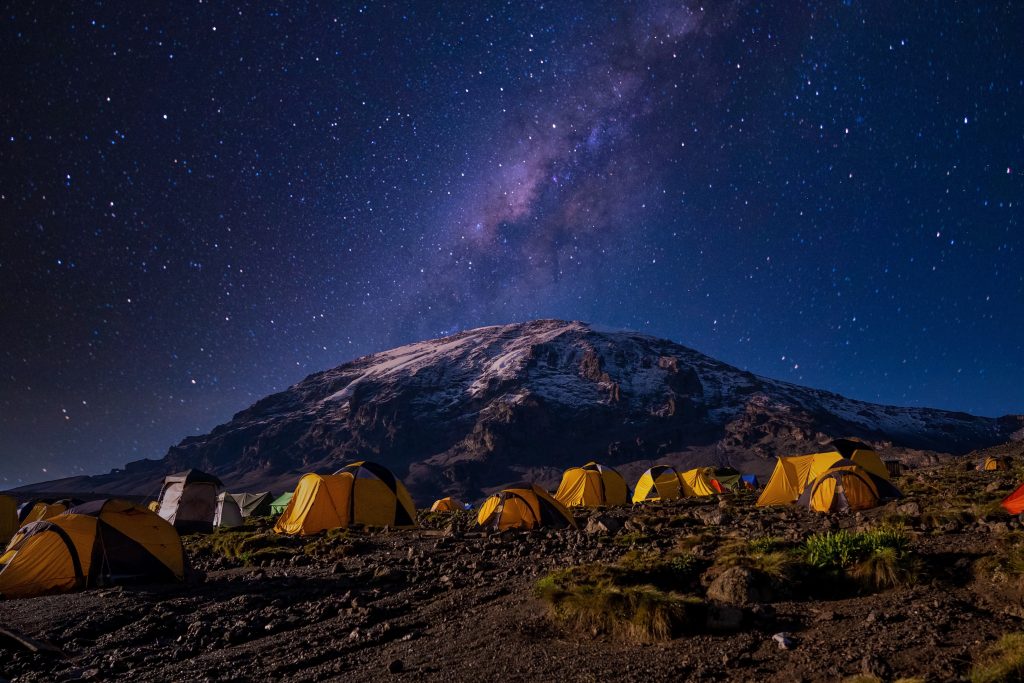
Climbing Mount Kilimanjaro, Africa’s highest peak and one of the world’s most iconic trekking destinations, is a life-changing adventure that attracts thousands of climbers each year. Rising to 5,895 meters, the journey to the summit of Mount Kilimanjaro in Tanzania is not a technical climb but a high-altitude trekking challenge filled with breathtaking landscapes, diverse ecological zones, and intense physical endurance. From tropical rainforest trails to alpine deserts and glacial summit zones, every step reveals a dramatic shift in scenery. Many travelers search for “Kilimanjaro climbing experience,” “what it feels like to summit Kilimanjaro,” and “Kilimanjaro trekking difficulty,” making it one of the most adventurous topics in Africa. This article explores the real experience of climbing Kilimanjaro, step by step, showing what climbers truly feel, see, and endure on their journey to the Roof of Africa. 1. Arrival in Tanzania and Pre-Climb Excitement The journey begins the moment you land in Tanzania, usually at Kilimanjaro International Airport or through Arusha or Moshi. Climbers often feel a mix of excitement and nervous anticipation as they prepare for the famous “Kilimanjaro trekking adventure.” This stage involves final gear checks, meeting guides, and attending briefing sessions with professional mountain crews. Most travelers search for “Kilimanjaro preparation tips,” “what to pack for Kilimanjaro climb,” and “best Kilimanjaro tour operators.” The atmosphere in trekking towns is energetic, filled with climbers from around the world sharing stories and expectations. Local guides emphasize safety, altitude awareness, and pacing strategies. Even before stepping on the mountain, climbers already feel the emotional weight of the challenge ahead, knowing they are about to begin one of the most famous hiking expeditions on Earth. 2. Starting the Trek – Entering the Rainforest Zone The climb begins in lush rainforest zones filled with towering trees, exotic birds, and humid air. This early stage of Kilimanjaro trekking feels like stepping into another world, where muddy trails and dense vegetation create an adventurous atmosphere. Climbers often search for “Kilimanjaro rainforest section,” “Machame route start experience,” and “first day on Kilimanjaro.” The sounds of wildlife and rustling leaves make the journey feel alive and immersive. Porters move ahead carrying supplies, while guides set a steady pace known as “pole pole,” meaning “slowly slowly” in Swahili. This is where climbers first adjust to walking long distances and carrying light daypacks. The rainforest stage is physically manageable but emotionally powerful, as it marks the official beginning of the Mount Kilimanjaro summit journey and introduces the natural beauty of Tanzania’s mountain ecosystems. 3. Adjusting to Trekking Life and Mountain Routine As climbers progress, daily routines become essential for success on Kilimanjaro. Early morning wake-ups, structured meals, and steady hiking define each day. Searches like “Kilimanjaro daily itinerary,” “life on Kilimanjaro trek,” and “how hard is Kilimanjaro climb” are common among travelers preparing for the experience. Guides emphasize hydration, rest, and gradual ascent to prevent altitude sickness. Camps are set in scenic mountain locations where tents, dining areas, and gear storage create a temporary community. Climbers begin to bond with fellow trekkers and support staff, sharing stories and encouragement. Despite physical fatigue, the rhythm of mountain life becomes comforting. Each day brings new terrain, from forests to heathlands, and climbers slowly adapt to the discipline required for a successful ascent of Africa’s tallest peak. 4. Entering the Heath and Moorland Zone After leaving the rainforest, the landscape transforms into the heath and moorland zone, characterized by giant heathers, volcanic rock formations, and open skies. This stage of the Kilimanjaro trek is often described as surreal and alien-like. Climbers searching for “Kilimanjaro vegetation zones,” “Shira Plateau experience,” and “scenic Kilimanjaro views” discover that the mountain offers dramatic ecological transitions. Temperatures begin to drop, and the air becomes thinner, making breathing more noticeable. The trails are steeper and more exposed, offering panoramic views of the surrounding Tanzanian plains. This is where climbers truly start feeling the altitude. The beauty of the landscape often motivates trekkers despite growing physical demands. It is a turning point in the climb, where mental strength becomes just as important as physical endurance. 5. The Challenge of High Altitude Begins As climbers ascend higher, altitude becomes a significant factor affecting performance and comfort. Many travelers search for “Kilimanjaro altitude sickness symptoms,” “how to acclimatize on Kilimanjaro,” and “is Kilimanjaro dangerous.” Oxygen levels decrease noticeably, making each step slower and more deliberate. Headaches, fatigue, and shortness of breath may occur, requiring careful pacing and hydration. Guides closely monitor climbers, ensuring safety and recommending rest when needed. The principle of “climb high, sleep low” helps the body adapt gradually. Despite challenges, the sense of achievement grows stronger with every meter gained. This stage tests mental resilience, determination, and discipline. Climbers realize that success on Kilimanjaro is not about speed but about endurance, patience, and respecting the mountain’s powerful natural environment. 6. Reaching the Alpine Desert Zone The alpine desert zone introduces one of the most dramatic environments on Kilimanjaro. The landscape becomes dry, rocky, and almost lunar, with extreme temperature changes between day and night. Searches like “Kilimanjaro alpine desert scenery,” “Barranco Valley views,” and “high altitude trekking Africa” reflect the uniqueness of this stage. Vegetation becomes sparse, and strong winds often sweep across the slopes. Climbers feel the thinning air more intensely, making each step a mental and physical effort. Despite the harsh conditions, the views are breathtaking, offering wide horizons and volcanic formations. This zone is where climbers truly understand the scale of Mount Kilimanjaro. The silence and vastness create a reflective atmosphere, pushing trekkers to focus inward and conserve energy for the final ascent ahead. 7. The Famous Barranco Wall Climb One of the most memorable moments on Kilimanjaro is climbing the Barranco Wall, a steep but non-technical rock face that requires hand and foot coordination. Many climbers search for “Barranco Wall difficulty,” “Kilimanjaro exciting sections,” and “is Barranco Wall scary.” Despite its intimidating appearance, guides help climbers navigate safely with encouragement and technique advice. The climb is often slow but thrilling, offering incredible views
Top Tips for Planning Your Ultimate East Africa Safari
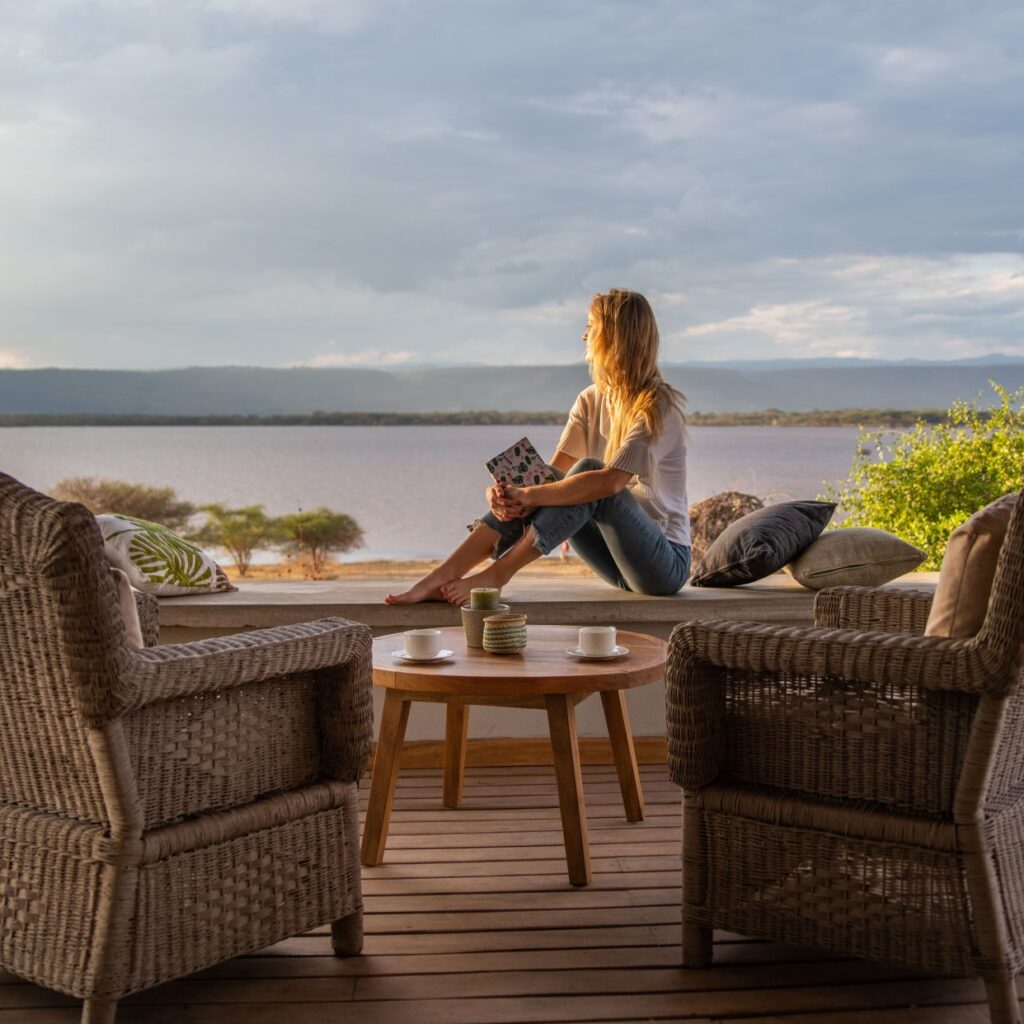
Planning the ultimate East Africa safari is a dream for many travelers seeking unforgettable wildlife encounters, breathtaking landscapes, and authentic cultural experiences. From the sweeping plains of Serengeti National Park to the dramatic caldera of Ngorongoro Crater and the iconic savannahs of Tarangire National Reserve, East Africa offers some of the best safari destinations in the world. A well-planned safari ensures you maximize wildlife sightings, stay within budget, and enjoy a seamless travel experience. Whether you’re dreaming of the Great Migration, a luxury safari lodge, or a budget camping adventure, careful preparation is essential. This guide shares driven safari planning tips covering when to go, where to stay, what to pack, and how to book trusted tour operators for a safe, unforgettable, and perfectly tailored African safari vacation. Choose the Best Safari Destinations Choosing the best safari destinations in East Africa is the foundation of an unforgettable wildlife adventure. Tanzania and Kenya dominate with iconic parks like Serengeti National Park, Tarangire National Park, and Maasai Mara National Reserve, famous for the Great Migration safari and abundant big cats. For diverse landscapes, include Lake Manyara National Park or Amboseli National Park with views of Mount Kilimanjaro. Consider your travel goals—wildlife density, scenery, or cultural immersion—to build the perfect itinerary. Combining multiple destinations creates a richer experience, ensuring you see the Big Five, witness dramatic landscapes, and enjoy one of the best African safari tours available today. Decide the Best Time to Visit Timing your East Africa safari can make or break your experience. The dry season (June to October) is widely considered the best time for wildlife viewing, especially in Serengeti National Park, when animals gather around water sources, and vegetation is sparse. This is also peak season for the Great Migration River crossings. The green season (November to May) offers fewer crowds, lower safari costs, lush landscapes, and excellent birdwatching. Calving season in the southern Serengeti is ideal for predator action. If you want a luxury safari experience with fewer tourists, consider shoulder seasons. Understanding weather patterns, migration timing, and park conditions ensures you plan the best African safari holiday tailored to your expectations and budget. Set Your Safari Budget Early Setting your safari budget early helps you plan a realistic and stress-free East Africa safari. Costs vary widely depending on destination, travel style, accommodation, and season. Luxury safaris in Ngorongoro Crater or Serengeti National Park can be premium-priced, while budget camping safaris provide affordable alternatives. Consider Park fees, flights, accommodation, transport, and guided tours when estimating total costs. Booking in advance can secure better deals, especially during peak seasons. All-inclusive safari packages often provide the best value, covering meals, game drives, and park entry fees. Whether you’re planning a luxury African safari, mid-range lodge stay, or budget adventure, a clear financial plan ensures you enjoy your trip without unexpected expenses or compromises. Choose the Right Safari Style Selecting the right safari style shapes your entire travel experience. East Africa offers diverse options, from luxury lodge safaris and fly-in safaris to budget camping adventures and private guided tours. A luxury safari in Serengeti National Park delivers comfort, exclusive game drives, and premium services, while mobile camping safaris provide a more immersive, close-to-nature experience. Family safaris focus on safety and child-friendly activities, while honeymoon safaris emphasize romance and privacy. Solo travelers may prefer small group safaris for social interaction and affordability. Choosing between private and group safaris also impacts flexibility and cost. Understanding your travel goals, comfort level, and budget helps you select the best African safari style for an unforgettable and personalized adventure. Book with a Reputable Tour Operator Booking with a reputable safari tour operator is essential for a smooth and safe East Africa safari experience. Professional operators offer expert guides, well-maintained vehicles, and carefully designed itineraries that maximize wildlife sightings. Look for companies with strong reviews, transparent pricing, and certifications. Many top operators specialize in destinations like Serengeti National Park and Ngorongoro Crater, ensuring in-depth local knowledge. A trusted operator also handles logistics such as park permits, accommodation bookings, and transfers, saving you time and stress. Whether you’re planning a luxury safari, honeymoon, or family trip, choosing the right safari company ensures reliability, safety, and a high-quality African safari experience tailored to your needs. Plan Your Safari Itinerary Carefully A well-structured safari itinerary ensures you make the most of your time in East Africa. Avoid rushing between parks; instead, allow enough days in key destinations like Serengeti National Park or Tarangire National Park to fully experience wildlife viewing. Consider travel distances, road conditions, and flight connections when planning. Combining parks with different ecosystems enhances your safari experience—mix savannah, crater, and lake environments. Include rest days to relax and enjoy your lodge. Strategic timing can help you witness events like the Great Migration or calving season. A carefully planned itinerary balances adventure, comfort, and efficiency, ensuring you enjoy one of the best African safari tours without feeling rushed or overwhelmed. Understand Visa and Travel Requirements Understanding visa and travel requirements is crucial when planning an East Africa safari. Countries like Tanzania and Kenya typically require tourist visas, which can often be obtained online before travel. Ensure your passport is valid for at least six months beyond your travel dates. Check vaccination requirements, including yellow fever certificates, if traveling between certain countries. Travel insurance is highly recommended to cover medical emergencies, trip cancellations, and delays. Stay updated on entry regulations, which may change over time. Proper preparation avoids delays and ensures a smooth journey, allowing you to focus on enjoying your African safari adventure without administrative complications. Pack Smart for Your Safari Packing smart is key to a comfortable and successful East Africa safari. Choose lightweight, neutral-colored clothing suitable for warm days and cool evenings. Essentials include a wide-brim hat, sunglasses, sunscreen, and comfortable walking shoes. Don’t forget binoculars and a good camera for capturing wildlife moments in Serengeti National Park or Tarangire National Reserve. A reusable water bottle and insect repellent are also important. For luxury safaris, packing
What foods can you enjoy on a safari holiday

Africa known as a place to see captivating landscapes, enjoy thrilling adventures and meet rare creatures up close, but there’s also an exciting culinary experience to be discovered here. After a breathtaking drive through the open plains, you’re sure to be hungry. And of course, one of the best parts about any holiday. Whether you choose to dine under the stars at a luxurious lodge. Settle down for a traditional African food safari bush meal by the campfire. Here are some of the mouth-watering dishes you may be lucky enough to sample. What to expect in your plate while on Safari? While on a safari, expect to find a mix of familiar international dishes with local African influences on your plate, typically served buffet-style at your lodge, including hearty breakfasts with options like omelets, toast, cereals, fruits, and sometimes local sausages, picnic-style lunches during game drives with cold meats, salads, and sandwiches, and full three-course dinners featuring grilled meats like “nyama choma,” local vegetables, pilau rice, and a variety of desserts, all utilizing fresh, seasonal ingredients sourced from the nearby community; vegetarian options are usually available as well. Biltong South Africa is a melting pot of cultures, and its food rightly reflects this diversity. The result is a vast collection of hearty, flavorsome meals that are sure to please. To keep your energy high as you enjoy your safari. Snack on biltong – a dried, cured meat that’s not dissimilar to beef jerky. It can be made from beef, ostrich, or kudu, and typically seasoned with a blend of spices and herbs. Braai A traditional African braai is much more than a barbeque – it’s an essential part of the culture here. Expect to find a variety of grilled meats, including steak. Sausage (boerewors) and chicken, served with sides such as pap (a maize porridge) and tangy tomato relish. Typically enjoyed outdoors, a braai is the perfect end to a busy day of sightseeing on safari. Bobotie A classic dish in this part of the world, bobotie is a comforting meat pie baked with a custard topping local food sexpect on a Tanzania Safari. Traditionally flavored with curry powder, turmeric. Raisins, and almonds, this warm and satisfying meal definitely one to try while in South Africa. Wild game meat One of the unique aspects of a safari holiday in South Africa the opportunity to try some wild game meat foods to try on an African safari. Many lodges serve local delicacies such as springbok and kudu (types of antelope), ostrich, and warthog. This can also be a more sustainable option, as many lodges source such meats from ethical game farms. African drinks The exact menu of your safari will depend on the type of package you purchase. But you’ll certainly be thirsty. South Africa renowned for its wine industry. So you can expect to have some of the best wines in the world available to wash down your bush dinner. Rich reds like Cabernet Sauvignon, Shiraz, and Pinotage go exceptionally well alongside dishes. Featuring red meat, but there’s also the crisp and refreshing whites like Chenin Blanc and Sauvignon Blanc to sample. During the daytime, be sure to try rooibos tea – a caffeine-free herbal tea grown only in South Africa. It’s often served with breakfast or during a mid-afternoon break. Amarula is also well worth a try, a cream liqueur made from the fruit of the native marula tree. More than a safari African safari holiday not just an opportunity to see some of the world’s most majestic wildlife – it’s also a chance to savor the delicious local cuisine of this diverse region. If you have any allergies or dietary restrictions, be sure to let your safari guide know in good time so that you can enjoy an authentic South African dinner just how you like it. Exotic Fruits and Vegetables on Safari While meat-based dishes are often the focus of safari cuisine, you will also encounter a variety of exotic fruits and vegetables that reflect the rich biodiversity of the regions you visit. Many of these foods are fresh, vibrant, and packed with nutrients to help you stay energized throughout your safari. Let’s take a look at some of the most popular fruits and vegetables you can enjoy during your safari holiday: Fresh Mangoes and Papayas: In many tropical regions, mangoes and papayas are abundant and widely consumed. These fruits are not only refreshing and sweet but are also rich in vitamins and antioxidants. Whether served as part of a fresh fruit salad or enjoyed on their own, these tropical delights are perfect for cooling off during a hot day in the wild. Avocados: Avocados another popular fruit found in many safari destinations, especially in East Africa. Known for their creamy texture and mild flavor, avocados often served as a side dish or added to salads. Packed with healthy fats, they provide an excellent source of energy, making them an ideal snack to keep you fueled during your game drives. Sweet Potatoes and Plantains: In various African countries, sweet potatoes and plantains are common sources of carbohydrates, providing a hearty base for many meals. Sweet potatoes often roasted or boiled, while plantains typically fried to create a delicious and crispy snack. Both are excellent sources of energy and often included in meals served at safari lodges and camps. Safari Dining Experiences: Dining Under the Stars One of the most magical experiences on a safari holiday. Enjoying a meal while surrounded by nature. Many safari lodges and camps offer special dining experiences. That allow you to eat under the stars, creating a memorable and atmospheric dining event. These meals typically consist of a variety of dishes, such as grilled meats, fresh vegetables, and exotic fruits. Often prepared by skilled chefs who incorporate local ingredients into their cooking. Bush Dinners: A bush dinner is one of the most iconic dining experiences on a safari holiday. These outdoor meals usually set up in a beautiful location food on safari In
Best Tanzania Safari Tour Operators

When searching for the best Tanzania safari tour operators, travelers seek expertise, reliability, and unforgettable wildlife experiences. Foot Slopes Tours and Safaris stands out as a top-rated, locally owned company offering luxury safaris, budget safaris, family tours, honeymoon packages, and Kilimanjaro climbing expeditions. Known for personalized itineraries, professional guides, and competitive safari prices, this trusted operator offers all-inclusive Tanzania safari packages across iconic destinations such as Serengeti, Ngorongoro Crater, Tarangire, and Zanzibar. Whether you want a Great Migration safari, Big Five wildlife tour, or a tailor-made African adventure, Foot Slopes ensures safety, comfort, and authentic experiences. With excellent reviews, sustainable tourism practices, and seamless planning from Arusha or Zanzibar, they remain a leading choice for travelers seeking the best African safari tours in Tanzania. 1. Tanzania Family Safari Tour Operators Foot Slopes Tours and Safaris is among the best family safari tour operators in Tanzania, offering safe, engaging, and educational experiences for all ages. Their family-friendly safari packages include shorter game drives, flexible schedules, and child-friendly lodges in Serengeti, Ngorongoro, and Tarangire. Expert guides ensure kids enjoy wildlife encounters, learning about the Big Five and Maasai culture. With affordable family safari costs, private vehicles, and all-inclusive itineraries, parents travel stress-free. Activities like nature walks, cultural visits, and optional balloon safaris make trips unforgettable. Safety, comfort, and personalized service define every journey. Whether traveling with toddlers or teens, Foot Slopes delivers one of the best African family safari experiences, combining adventure, relaxation, and lifelong memories in Tanzania’s top national parks. 2. Tanzania Luxury Safari Tour Operators For travelers seeking exclusivity, Foot Slopes Tours and Safaris ranks among the top Tanzania luxury safari tour operators. Their high-end safari packages feature luxury lodges, private guides, fly-in safaris, and VIP services across Serengeti, Ngorongoro, and Zanzibar. Guests enjoy premium accommodations, fine dining, and personalized game drives with expert naturalists. From luxury tented camps to five-star safari lodges, every detail is designed for comfort and elegance. Honeymooners, families, and VIP travelers benefit from tailor-made itineraries, private transfers, and seamless logistics. With strong reviews and trusted expertise, Foot Slopes ensures a world-class African safari experience. Whether witnessing the Great Migration or relaxing on Zanzibar beaches, they provide the ultimate blend of adventure and luxury in Tanzania. 3. Tanzania Honeymoon Safari Tour Operators Foot Slopes Tours and Safaris is a leading choice among Tanzania honeymoon safari tour operators, offering romantic, tailor-made experiences for couples. Their honeymoon safari packages combine luxury lodges, private game drives, and intimate settings in the Serengeti and Ngorongoro Crater. Couples enjoy candlelit dinners, breathtaking sunsets, and optional hot air balloon safaris. The journey often ends with a relaxing escape on Zanzibar’s white-sand beaches. With seamless planning, expert guides, and personalized service, every moment feels special. Affordable yet luxurious, these packages cater to different budgets while maintaining exclusivity. Foot Slopes ensures privacy, comfort, and unforgettable memories, making them one of the best African honeymoon safari operators for couples seeking romance, adventure, and scenic beauty in Tanzania. 4. Tanzania Budget Safari Tour Operators For cost-conscious travelers, Foot Slopes Tours and Safaris is among the best Tanzania budget safari tour operators. They provide affordable safari packages without compromising quality, including shared group tours, camping safaris, and low-cost lodge options. Popular destinations like Serengeti, Ngorongoro, and Tarangire remain accessible through well-planned itineraries. Professional guides, reliable vehicles, and transparent pricing ensure value for money. Travelers enjoy cheap Tanzania safari deals, budget-friendly itineraries, and flexible travel options. Ideal for solo travelers, students, and backpackers, these safaris deliver authentic wildlife experiences at competitive prices. Foot Slopes proves that you don’t need luxury spending to enjoy a top African safari adventure, making them a trusted choice for affordable travel in Tanzania. 5. Tanzania Mid-range Safari Tour Operators Foot Slopes Tours and Safaris excels as a top Tanzania mid-range safari tour operator, balancing comfort and affordability. Their mid-range safari packages feature quality lodges and tented camps with excellent service, ideal for travelers seeking value without luxury costs. Guests enjoy private game drives, experienced guides, and well-planned itineraries across Serengeti, Ngorongoro, and Lake Manyara. These tours provide comfortable accommodations, great food, and immersive wildlife experiences. Perfect for couples, families, and small groups, mid-range safaris deliver a premium feel at reasonable prices. With strong customer reviews and flexible packages, Foot Slopes ensures memorable journeys. Their expertise makes them one of the best value safari operators in Tanzania, offering comfort, adventure, and affordability combined. 6. Tanzania Photography Safari Tour Operators Foot Slopes Tours and Safaris is a top choice among Tanzania photography safari tour operators, offering specialized trips for wildlife enthusiasts and professional photographers. Their photography safari packages include expert guides trained in animal behavior and positioning for perfect shots. Custom vehicles with open roofs and flexible schedules allow travelers to capture stunning images of the Big Five and the Great Migration. Locations like Serengeti and Ngorongoro provide unmatched photographic opportunities. Golden-hour game drives, scenic landscapes, and cultural interactions enhance every moment. Whether amateur or professional, photographers benefit from tailored itineraries and expert guidance. Foot Slopes ensures one of the best African photo safari experiences, combining creativity, adventure, and unforgettable wildlife encounters. 7. Best Mt Kilimanjaro Climbing Safari Tour Operators Foot Slopes Tours and Safaris is recognized among the best Kilimanjaro climbing tour operators, offering safe and successful summit experiences. Their Kilimanjaro climbing packages cover popular routes like Machame, Marangu, and Lemosho. Professional guides, porters, and cooks ensure comfort, safety, and high success rates. Climbers receive proper acclimatization schedules, quality gear, and medical support. From budget climbs to luxury trekking experiences, all packages are well-organized. With excellent reviews and experienced teams, Foot Slopes guarantees a rewarding journey to Africa’s highest peak. Whether you’re a beginner or experienced trekker, they provide one of the best Mount Kilimanjaro climbing adventures, combining challenge, achievement, and breathtaking scenery. 8. Best Mount Meru Hiking and Climbing Tour Operators Foot Slopes Tours and Safaris is among the best Mount Meru hiking tour operators, offering scenic and less crowded trekking experiences. Mount Meru provides excellent acclimatization before Kilimanjaro and features diverse
A Guide to Tanzania Safari with Kids

A Tanzania family safari is one of the most unforgettable travel experiences for parents and children seeking adventure, wildlife, culture, and relaxation in Africa. From the endless plains of the Serengeti to the breathtaking Ngorongoro Crater, Tanzania offers family-friendly safari holidays packed with excitement, learning, and comfort. Families can enjoy luxury safari lodges, child-friendly tented camps, private game drives, cultural tours, and beach holidays in Zanzibar. Tanzania safari with kids combines education and entertainment, allowing children to witness the Big Five, Great Migration, giraffes, elephants, lions, zebras, and cheetahs in their natural habitat. Whether you choose a luxury safari, mid-range family safari, or budget safari package, Tanzania provides safe, personalized, and unforgettable experiences for all ages. With experienced guides, flexible itineraries, and stunning landscapes, Tanzania is truly one of Africa’s best family safari destinations. 1. Why Tanzania Is Perfect for Family Safaris Tanzania is among the best destinations in Africa for family safari vacations because it offers exceptional wildlife viewing, safe safari experiences, and child-friendly accommodations. Families can explore world-famous parks such as Serengeti National Park, Ngorongoro Crater, Tarangire National Park, and Lake Manyara while enjoying comfortable lodges designed for children and parents alike. Tanzania family safaris provide educational experiences where kids learn about wildlife conservation, Maasai culture, ecosystems, and African traditions. Many safari camps offer family suites, swimming pools, babysitting services, and special children’s safari activities. The country’s warm hospitality and professional safari guides ensure a smooth and relaxing journey. Parents also appreciate flexible safari itineraries that include shorter game drives, picnic lunches, and beach extensions in Zanzibar. Tanzania perfectly combines adventure, comfort, culture, and safety, making it ideal for unforgettable family safari holidays. 2. Best Age for Kids to Go on Safari in Tanzania The best age for children to enjoy a Tanzania safari largely depends on their interests, energy levels, and travel experience. Generally, children aged six years and older benefit the most from wildlife safaris because they can stay engaged during game drives and appreciate animal sightings. However, many luxury safari lodges in Tanzania welcome younger children and provide customized family-friendly experiences. Older kids and teenagers often enjoy activities such as walking safaris, Maasai village visits, photography, and nature learning programs. Parents traveling with toddlers should choose shorter safari routes and lodges with family facilities, swimming pools, and flexible meal options. Tanzania’s private safaris are excellent because they allow families to travel at their own pace. Whether exploring Serengeti wildlife or relaxing on Zanzibar beaches, Tanzania offers rewarding safari adventures suitable for children of different ages. 3. Best National Parks for Tanzania Safari with Kids Tanzania is home to some of Africa’s best safari parks for families traveling with children. Serengeti National Park is famous for the Great Migration, Big Five safaris, and endless wildlife encounters that fascinate kids and adults alike. Ngorongoro Crater offers excellent chances to see lions, elephants, rhinos, zebras, and hippos within a short game drive, making it ideal for younger children. Tarangire National Park is loved for its giant elephant herds, baobab trees, and peaceful safari atmosphere. Lake Manyara National Park offers exciting birdlife, tree-climbing lions, and shorter game drives suitable for kids. Arusha National Park is perfect for family walking safaris and canoe adventures. Families can also combine wildlife safaris with Zanzibar beach holidays for relaxation. Tanzania’s national parks provide unforgettable educational and adventurous experiences for children and parents. 4. Choosing the Right Family Safari Package Choosing the best Tanzania family safari package requires balancing comfort, safety, activities, and travel pace. Families should look for safari itineraries with fewer long driving hours and accommodations that cater to children. Luxury family safaris often include spacious family suites, private safari vehicles, swimming pools, and personalized services. Mid-range safari packages provide excellent comfort and value, while budget safaris allow adventurous families to explore Tanzania affordably. Private safaris are highly recommended because they offer flexibility for meal times, rest breaks, and customized game drives. Families may also choose fly-in safaris to reduce travel time between parks. Adding Zanzibar beach holidays creates the perfect mix of wildlife adventure and relaxation. Trusted Tanzania safari operators can tailor itineraries based on children’s ages and family interests. Careful planning ensures a smooth, enjoyable, and memorable safari holiday in Tanzania. 5. Family-Friendly Safari Lodges and Camps Tanzania offers many family-friendly safari lodges and luxury tented camps designed to make family travel comfortable and enjoyable. These accommodations provide spacious family rooms, interconnected suites, swimming pools, kid-friendly meals, and experienced staff who understand family needs. Luxury safari lodges in Serengeti, Ngorongoro, and Tarangire often organize educational bush activities, storytelling nights, and cultural experiences for children. Some safari camps even offer junior ranger programs where kids learn tracking, wildlife identification, and conservation skills. Safety is a major priority, with secure camp environments and professional safari guides accompanying families during activities. Parents can relax while children remain entertained and engaged. Many family safari lodges also provide breathtaking views of wildlife directly from the camp. Choosing the right accommodation enhances the safari experience, ensuring both children and adults enjoy comfort, adventure, and unforgettable African hospitality. 6. Wildlife Experiences Kids Will Love Children are naturally fascinated by wildlife, and Tanzania delivers incredible safari moments that create lifelong memories. During game drives, kids can spot elephants bathing in rivers, lions resting under acacia trees, giraffes browsing leaves, and zebras crossing open plains. The Serengeti Great Migration is especially exciting for families because millions of wildebeests and zebras move across the savannah in dramatic scenes. Ngorongoro Crater offers close-up wildlife viewing, making it easier for younger children to enjoy safaris without long drives. Birdwatching, hippo pools, and monkey sightings also keep children entertained throughout the journey. Professional safari guides often involve kids by teaching animal tracks, sounds, and behaviors. Night campfires, storytelling, and stargazing further enrich the adventure. Tanzania family safaris combine education, fun, and exploration, helping children develop a deeper appreciation for nature and wildlife conservation. 7. Safety Tips for Safari with Children Safety is one of the most important aspects of planning a Tanzania
Reasons to Choose Custom African Safari Tours

Africa is a continent of endless wonders, where vast savannahs, lush rainforests, and dramatic deserts create a backdrop for extraordinary wildlife encounters. While standard safari packages offer incredible experiences, nothing compares to the magic of a custom African safari tour. Tailor-made safaris provide a unique blend of flexibility, exclusivity, and adventure, ensuring an unforgettable journey suited to your personal preferences. Here are ten compelling reasons why you should choose a custom African safari tour for your next adventure. Book our unique custom African Safari Tours explore reviews, family, wildlife, honeymoon, mid range, budget, prices, tailored Itineraries, costs, trips, map, vacation packages all inclusive, holidays, expeditions, travel, adventures journey of lifetime. Reasons 1: Personalized Itinerary Tailored to Your Interests A custom safari allows you to design your itinerary based on your specific interests. Whether you’re passionate about big cats, birdwatching, or cultural encounters with local tribes, your trip can be crafted to ensure you experience what matters most to you. Unlike fixed group tours, which follow a set schedule, a custom safari gives you the freedom to choose your destinations, activities, and pace. Reasons 2: Exclusive and Private Experience One of the greatest benefits of a custom safari is exclusivity. Instead of sharing a vehicle with strangers, you can enjoy a private game drive with a dedicated guide and vehicle. Custom Tanzania family Safari Packages. This personalized experience enhances your safari by providing undivided attention from expert guides, allowing for a deeper understanding of the wildlife, landscapes, and cultures you encounter. Travelling with your own private guide and jeep, our tailor-made safaris allow you to enjoy every moment. A real Tanzania safari is a bucket-list journey. Reasons 3: Flexibility in Travel Dates With a custom safari, you are not bound by fixed departure dates. You can choose when to travel based on your schedule, weather preferences, or specific wildlife events like the Great Migration in Tanzania and Kenya. Whether you prefer the lush landscapes of the green season or the peak of the dry season for optimal game viewing, a tailor-made safari ensures your journey aligns with your ideal timing. Reasons 4: Handpicked Accommodations to Suit Your Style Custom safaris provide the opportunity to select accommodations that match your budget, comfort level, and preferred ambiance. Whether you desire a luxurious lodge with infinity pools overlooking the savanna, a cozy tented camp close to wildlife, or an eco-friendly retreat, your choices are limitless. This ensures your safari experience is not only thrilling but also comfortable and aligned with your tastes. Reasons 5: Opportunity to Explore Off-the-Beaten-Path Destinations While iconic destinations like the Serengeti and Maasai Mara are must-visit locations, Africa is home to many hidden gems that standard tours often overlook. A custom safari allows you to explore lesser-known reserves such as Ruaha National Park in Tanzania best country for safari in Africa, Serengeti top destinations for African Safaris, Ngorongoro crater, Tarangire, Arusha Park, Lake Manyara, Zanzibar beach coast. These remote locations offer fewer crowds, pristine landscapes, and exclusive wildlife encounters. Reasons 6: Specialized Safari Activities A tailor-made safari allows you to include unique activities that go beyond traditional game drives. Imagine walking safaris in Tanzania , hot air balloon rides over the Serengeti popular African safari excursions, or horseback safaris. Whether you crave adventure completely personalized custom safaris bucket list safari trip can include everything from hiking in mystic cloud forests, fishing, rafting, helicopter jaunts, horsebacking amidst giraffes, relaxation, or a mix of both, a custom safari ensures every activity aligns with your desires with best Tanzania luxury safari tour operator. Reaasons 7: Private and Expert Guides Having a knowledgeable and dedicated guide is crucial for an enriching safari experience. Custom safaris often provide expert guides who are passionate about wildlife and have an intimate understanding of the land. These guides enhance your journey by sharing deep insights, spotting elusive animals, and personalizing your experience to match your interests. Reasons 8: Family-Friendly and Multi-Generational Travel If you’re traveling with family, a custom safari is the perfect way to ensure everyone’s needs are met. From child-friendly lodges to engaging activities like junior ranger programs and interactive cultural experiences. A tailor-made safari ensures a fun and educational adventure for all ages. The flexibility of custom safaris also allows families to set their own pace, ensuring a stress-free experience. Reasons 9: Unique Cultural Interactions A tailor-made safari allows you to immerse yourself in Africa’s rich cultural heritage. You can visit Maasai villages in Tanzania, spend time with them learn ancient with hadzabe + datoga techniques from the Bushmen. These authentic cultural interactions provide meaningful connections and a deeper appreciation of Africa’s diverse traditions and ways of life. Reasons 10: Sustainable and Ethical Travel Options Many custom safari providers prioritize sustainability and conservation. You can choose eco-friendly lodges, support community-led initiatives, and participate in conservation programs such as volunteering at wildlife sanctuaries. By opting for a responsible safari, you contribute to wildlife conservation efforts and the well-being of local communities, ensuring your journey leaves a positive impact. What is a custom African safari tour? A custom African safari tour is a tailor-made travel experience that allows you to design your itinerary based on your preferences, including destinations, accommodations, activities, and travel dates. How is a custom Afriican safari different from a standard safari? Unlike standard safaris that follow fixed itineraries, custom African safaris offer flexibility, exclusivity, and personalized experiences, ensuring you get exactly what you want from your journey. Can I choose my own travel dates for a custom African safari? Yes! One of the biggest advantages of a custom Africa safari the ability to select travel dates that fit your schedule and align with specific wildlife events like the Great Migration. What types of accommodations are available on a custom East African safari? You can choose from custom African Safari luxury lodges, tented camps. Eco-friendly retreats, and even private villas, depending on your budget and preferences. Can I visit multiple destinations on a custom African safari? Absolutely! Custom African safaris allow you to
Reasons to Climb Machame Route
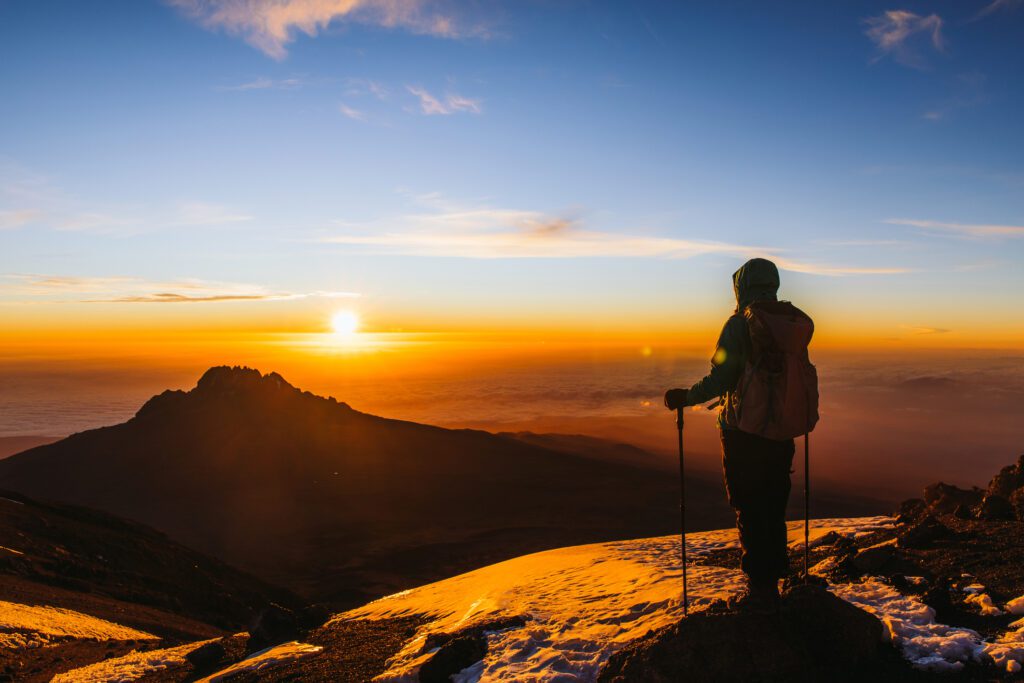
The Machame Route, famously known as the “Whiskey Route,” is one of the most popular and scenic ways to climb Mount Kilimanjaro in Tanzania. Renowned for its breathtaking landscapes, diverse ecological zones, and higher summit success rates, it attracts trekkers from around the world. This route is ideal for adventure seekers looking for a challenging yet rewarding trekking experience on Africa’s highest peak. Unlike easier routes, Machame offers a more gradual acclimatization profile, making it suitable for fit beginners and experienced climbers. In this guide, we explore powerful reasons why choosing the Machame Route is one of the best decisions for your Kilimanjaro climbing adventure, combining beauty, challenge, and success potential. Stunning Scenic Diversity One of the top reasons to climb the Machame Route is its unmatched scenic diversity. Trekkers pass through lush rainforest, moorland, alpine desert, and arctic summit zones, all in one journey. This dramatic ecological transition makes the trek visually unforgettable and highly rewarding. Unlike shorter routes, Machame offers panoramic views of Mount Kilimanjaro’s western slopes, Shira Plateau, and iconic glaciers. The changing landscapes provide endless photography opportunities and a deeper appreciation of Tanzania’s natural beauty. For travelers seeking a visually rich Kilimanjaro trekking experience, Machame stands out as one of the most scenic and immersive hiking routes on the mountain. Higher Summit Success Rate The Machame Route is widely preferred due to its higher summit success rate compared to shorter Kilimanjaro routes. The itinerary is designed with proper acclimatization in mind, following the principle of “climb high, sleep low.” This gradual ascent allows the body to adjust better to altitude changes, reducing the risk of altitude sickness. Many climbers choose Machame specifically because it increases their chances of reaching Uhuru Peak successfully. The additional trekking days may make it slightly more demanding, but they significantly improve safety and performance. For serious trekkers aiming for summit achievement, Machame is one of the most reliable Kilimanjaro climbing routes. Excellent Acclimatization Profile Proper acclimatization is essential when climbing Mount Kilimanjaro, and the Machame Route offers one of the best profiles for this process. The route includes strategic altitude gains and descents that help the body adapt naturally to thinning oxygen levels. This reduces fatigue and increases endurance during summit night. Many experienced guides recommend Machame because it balances challenge and safety effectively. The extra day compared to shorter routes like Marangu gives climbers more time to adjust physically and mentally. For those concerned about altitude sickness, Machame provides a scientifically proven trekking structure that enhances overall climbing comfort and success. Adventure-Filled Camping Experience Unlike hut-based routes, Machame offers a full camping safari-style experience on Mount Kilimanjaro. Climbers sleep in tents surrounded by breathtaking wilderness, adding a sense of adventure and authenticity to the journey. Nights under the stars at high altitude create unforgettable memories and a deeper connection with nature. Professional trekking teams set up comfortable camps, ensuring safety and convenience throughout the climb. The camping experience also fosters teamwork and camaraderie among climbers. For adventure lovers searching for a raw and immersive Kilimanjaro trekking experience, the Machame Route delivers one of the most exciting and rewarding camping journeys in Africa. Challenging Yet Rewarding Trek The Machame Route is known for being moderately challenging, making it perfect for climbers who want a real adventure without extreme technical difficulty. The trail includes steep ascents, rocky paths, and long hiking days that test endurance and mental strength. However, every challenging section is rewarded with spectacular views and a strong sense of achievement. This balance between difficulty and reward is what makes Machame so popular among global trekkers. It is not the easiest route, but it offers one of the most fulfilling experiences on Kilimanjaro. Completing it gives climbers a deep sense of pride and accomplishment. Iconic Shira Plateau Experience One of the highlights of the Machame Route is crossing the magnificent Shira Plateau. This vast high-altitude plain offers panoramic views of Kilimanjaro’s peaks and surrounding landscapes. It is one of the most scenic sections of the entire mountain. Trekkers often describe it as a surreal experience due to its open skies, dramatic lighting, and volcanic terrain. The plateau also plays an important role in acclimatization, allowing climbers to adjust to higher altitudes before ascending further. For many hikers, the Shira Plateau is a defining moment of the Machame Route experience and a major photographic highlight. Professional Guided Trekking Support Climbing Kilimanjaro via the Machame Route is supported by highly trained professional guides and porters who ensure safety, navigation, and comfort. These experts are experienced in high-altitude trekking and monitor climbers’ health throughout the journey. They provide essential guidance on pacing, hydration, and acclimatization strategies. Their support significantly increases summit success rates. In addition, porters carry equipment and camping gear, allowing climbers to focus on the trek itself. This professional support system makes the Machame Route not only safer but also more enjoyable for international travelers seeking a well-organized Kilimanjaro climbing experience. Diverse Wildlife Encounters While climbing the Machame Route, trekkers often encounter unique wildlife, especially in the lower rainforest zone. Monkeys, exotic birds, and small forest animals are commonly seen along the trail. This adds an exciting safari-like element to the climbing experience. The biodiversity of Mount Kilimanjaro makes the journey feel like a nature expedition as well as a mountain climb. Bird watchers especially enjoy this route due to the wide variety of species. These wildlife encounters enhance the overall trekking experience and make Machame one of the most dynamic and nature-rich Kilimanjaro routes. Ideal for Adventure Photography The Machame Route is a dream destination for adventure photographers. From dense rainforests and volcanic landscapes to glacier-capped peaks, every section offers dramatic visuals. Sunrise and sunset views above the clouds are especially breathtaking. The constantly changing scenery provides endless opportunities for professional and amateur photographers alike. Many travelers choose Machame specifically for its Instagram-worthy landscapes and cinematic mountain views. Whether capturing wide panoramic shots or detailed natural textures, this route delivers some of the most iconic Kilimanjaro photography moments available
Most Amazing Ngorongoro Crater Animals to Spot

The Ngorongoro Crater in Tanzania is one of the world’s most spectacular wildlife safari destinations and a UNESCO World Heritage Site known for its dense concentration of African wildlife. Often described as the “Eden of Africa” and one of the best safari destinations in East Africa, it offers year-round game viewing inside a massive volcanic caldera. Travelers searching for Ngorongoro Crater safari tours, Big Five safari in Tanzania, wildlife safari in Ngorongoro, and Tanzania Northern Circuit safaris will find unmatched biodiversity here. From predators to herbivores and rare endangered species, the crater floor hosts over 25,000 animals. This makes it one of the top places in Africa for safari photography, luxury safari experiences, and wildlife bucket-list adventures. Which animals can you see in the Ngorongoro Crater? The Ngorongoro Crater in northern Tanzania is one of Africa’s richest wildlife safari destinations, offering some of the best safari game viewing in the world. Visitors in Ngorongoro Crater can spot the famous Big Five animals—lion, elephant, buffalo, leopard, and rhino—alongside zebras, wildebeests, hyenas, hippos, flamingos, and jackals. This UNESCO World Heritage Site is a natural wildlife haven where animals roam freely inside a collapsed volcanic caldera. The Ngorongoro ecosystem provides year-round safari opportunities with incredible biodiversity and dense animal populations. A Guide for Seeing the Animals in Ngorongoro Crater Exploring the Ngorongoro Crater offers one of the highest chances of seeing diverse African wildlife in a single safari day. The crater floor concentrates animals due to permanent water sources, grasslands, and forests. Early morning game drives are ideal for spotting predators like lions and hyenas hunting, while herbivores such as zebras, gazelles, and buffalo graze peacefully. Guided safaris in the Ngorongoro Conservation Area ensure travelers experience close-up wildlife encounters in one of Africa’s most spectacular safari destinations. Geology & Wildlife of Ngorongoro in Northern Tanzania Located within the Ngorongoro Conservation Area in northern Tanzania, the Ngorongoro Crater was formed over two million years ago by a massive volcanic eruption. This collapsed caldera now supports one of the densest concentrations of wildlife in Africa. The fertile volcanic soil sustains lush grasslands, forests, and wetlands that attract thousands of animals. This unique geological formation creates a natural enclosure, allowing lions, elephants, rhinos, and other species to thrive in a self-contained ecosystem unlike anywhere else in Tanzania. The Big Five animals in the Ngorongoro Crater The Ngorongoro Crater is one of the few places in Africa where visitors can see all members of the Big Five in one safari. Lions dominate the grasslands, while elephants roam the forested slopes. Buffalo are commonly seen in large herds, and leopards hide in the crater’s dense vegetation. The rare black rhino is the highlight of conservation efforts in the Ngorongoro Crater, making it one of the best destinations in Tanzania for wildlife enthusiasts seeking Big Five sightings. Great facts about Tanzania’s Ngorongoro Crater The Ngorongoro Crater is often called the “Eden of Africa” due to its incredible wildlife density and natural beauty. It is home to over 25,000 animals, including predators and herbivores living in harmony. The crater is part of the larger Ngorongoro ecosystem in northern Tanzania and is recognized as a UNESCO World Heritage Site. Its unique environment supports year-round wildlife viewing, making it one of the top safari destinations in East Africa and a must-visit highlight on any Tanzania safari itinerary. Things to see & do in the Ngorongoro Crater, Tanzania A safari in the Ngorongoro Crater offers more than just wildlife viewing. Visitors can enjoy game drives across the crater floor, bird watching near Lake Magadi, and photography of flamingos and hippos. Cultural visits to Maasai villages around the Ngorongoro Conservation Area provide insight into traditional lifestyles. Guided tours also explore viewpoints along the crater rim, offering breathtaking panoramic scenery. This combination of wildlife, culture, and landscapes makes Ngorongoro one of Tanzania’s most complete safari experiences. Best Time to Visit Ngorongoro Crater: A Safari Guide The best time to visit the Ngorongoro Crater is during the dry season from June to October, when wildlife is easier to spot around water sources. However, the crater is a year-round destination due to its permanent ecosystem. The wet season from November to May offers lush green landscapes, excellent bird watching, and fewer crowds. In the Ngorongoro Conservation Area, every season provides unique safari opportunities, making it one of the most reliable wildlife destinations in Tanzania. Why Go on a Ngorongoro Safari, Tanzania A safari in Ngorongoro Crater, within the Ngorongoro Conservation Area, is a bucket-list Tanzania safari experience. This UNESCO World Heritage Site offers unmatched wildlife viewing, including the Big Five, dense animal populations, and breathtaking landscapes. Near Serengeti National Park, it’s ideal for luxury safaris, family tours, honeymoon trips, and budget adventures. Expect game drives, Maasai culture, stunning views, and unforgettable African safari memories year-round. Attractions in the Ngorongoro Crater and Conservation Area The Ngorongoro region is filled with world-class attractions, including the crater floor, Empakaai Crater, Olduvai Gorge, and vast highland forests. Within the Ngorongoro Conservation Area, travelers can experience rich biodiversity, Maasai culture, and ancient archaeological sites. Wildlife such as lions, elephants, rhinos, zebras, and flamingos make the crater a premier safari destination in Tanzania. Combined with dramatic landscapes and cultural heritage, Ngorongoro remains one of Africa’s most iconic and sought-after East African safari destinations. Below are the 12 most amazing Ngorongoro Crater animals to spot on your unforgettable Tanzania safari journey. Black Rhino The Black Rhino is one of the rarest and most iconic animals to spot in the Ngorongoro Crater, making it a major highlight for any Tanzania safari. As one of the Big Five animals, the black rhino is critically endangered and heavily protected within the crater’s conservation area. Visitors searching for Ngorongoro Crater black rhino sightings, Big Five safari Tanzania, and rare wildlife Africa safaris often rank this experience as unforgettable. The crater offers one of the best chances in East Africa to see these powerful yet shy giants grazing in open grasslands or moving slowly through bushy areas. Their hooked