Best camp shoes for Kilimanjaro
Best Camp Shoes for Kilimanjaro at a Glance
Climbing Mount Kilimanjaro is a demanding multi-day trek that pushes your body through changing climates, rugged terrain, and high altitudes. While most climbers focus on boots, one often overlooked item in a Kilimanjaro packing list is camp shoes. These lightweight, comfortable shoes provide relief after long hiking days, allowing your feet to breathe, recover, and stay dry. The best camp shoes for Kilimanjaro should be lightweight, easy to pack, quick-drying, and versatile enough for camp activities. Whether you’re relaxing at Barranco Camp or preparing for summit night, having the right camp footwear enhances comfort and prevents foot fatigue. Investing in high-quality camp shoes is not just about luxury—it’s a smart strategy for recovery, hygiene, and overall trekking performance on Africa’s highest mountain.
Why Camp Shoes Are Essential for Kilimanjaro
After hiking for many hours each day on rocky trails, your feet need rest. Camp shoes provide immediate relief by allowing your feet to breathe and recover from sweaty hiking boots. They also help prevent blisters and fungal infections by keeping your feet dry and ventilated. On Kilimanjaro, camps can be dusty, muddy, or cold, making it uncomfortable to walk around in heavy boots. Camp shoes offer a lightweight alternative for moving around camp, visiting the dining tent, or heading to the toilet at night. Additionally, removing boots helps them dry, which is crucial for the next day’s trek. Many experienced climbers consider camp shoes a must-have item for comfort and foot care. Without them, recovery becomes harder, and discomfort can build up over multiple trekking days.
Key Features to Look for in Camp Shoes
Choosing the best camp shoes for Kilimanjaro requires focusing on specific features. First, a lightweight design is critical since every gram matters when trekking at high altitude. Second, comfort and cushioning are essential for relaxing tired feet. Third, breathability helps reduce moisture buildup and prevents odor or infections. Fourth, durability and grip are important for walking on uneven camp terrain. Finally, quick-drying materials are ideal, especially if you encounter rain or wet conditions. An easy slip-on design is also valuable for convenience during cold nights. The best camp shoes balance these features without adding bulk to your backpack. Ultimately, your choice should support recovery, mobility, and protection, ensuring your feet remain in good condition throughout the Kilimanjaro climb.
Best Lightweight Camp Shoes for Kilimanjaro
Lightweight camp shoes are the top choice for Kilimanjaro trekkers because they minimize pack weight while maximizing comfort. Options like clogs, sandals, and minimalist slip-ons are popular among climbers. Lightweight shoes allow you to relax without adding unnecessary strain to your gear load. Many backpackers prefer ultra-light sandals or foam clogs that can be attached to the outside of a backpack. These shoes are easy to wear with socks, especially in cold conditions at higher camps. The key is finding a balance between weight and functionality. While extremely lightweight options may lack support, slightly sturdier models provide better protection and grip. Choosing the right lightweight camp shoe ensures you maintain comfort without compromising your trekking efficiency on Kilimanjaro.
- Very light
- Easy to slip on
- Wear with socks at cold camps
- Maximum airflow
- Adjustable straps
- Best at warmer, lower camps
Best Warm Camp Shoes for High Altitude Camps
As you ascend Kilimanjaro, temperatures drop significantly, especially at camps like Barafu or Kibo Hut. Warm camp shoes become essential for keeping your feet comfortable in freezing conditions. Insulated camp slippers or booties are ideal for high-altitude environments, offering warmth and protection against cold ground surfaces. These shoes are often designed with synthetic insulation and water-resistant materials. They are perfect for wearing inside tents or around camp during chilly evenings. Warm camp shoes also help improve circulation, which is important at high altitude. Many climbers underestimate how cold their feet can get after removing boots. Investing in insulated camp footwear ensures you stay warm, comfortable, and well-rested before your summit attempt.
Best Breathable Camp Sandals for Kilimanjaro
Breathable camp sandals are excellent for lower-altitude camps where temperatures are warmer. These shoes allow maximum airflow, helping your feet dry quickly after long hikes. Sandals are especially useful if your boots get wet from rain or river crossings. They also reduce the risk of blisters by allowing your skin to recover. Adjustable straps provide a secure fit, while durable soles offer enough support for walking around camp. Many climbers prefer sandals because they are lightweight and versatile. However, they may not be suitable for colder camps unless paired with warm socks. Breathable camp sandals are a great option for comfort, hygiene, and quick recovery during the early stages of your Kilimanjaro trek.
Best Recovery Shoes for Foot Relief
Recovery shoes are specifically designed to reduce foot fatigue after intense physical activity. These shoes feature cushioned soles and ergonomic designs that support tired muscles and joints. After a long day on Kilimanjaro, recovery footwear can significantly improve comfort and reduce soreness. Many modern camp shoes include foam cushioning that absorbs impact and promotes relaxation. These shoes are ideal for climbers who experience foot pain or swelling during the trek. Recovery shoes also enhance blood circulation, which is crucial at high altitudes. By providing proper support and comfort, they help prepare your feet for the next day’s hike. Choosing recovery-focused camp shoes can make a noticeable difference in your overall trekking experience.
Popular Camp Shoe Styles for Kilimanjaro
There are several types of camp shoes suitable for Kilimanjaro. Clogs are among the most popular due to their lightweight design and ease of use. Sandals offer breathability and versatility, especially in warmer conditions. Slip-on shoes provide comfort and quick access, making them ideal for camp use. Insulated booties are best for cold environments, offering warmth and protection. Each style has its advantages depending on your trekking needs. Many climbers choose a combination of features, such as lightweight and insulated designs. The best camp shoe style ultimately depends on your personal preference, climate conditions, and comfort requirements. Understanding these options helps you choose the perfect footwear for your Kilimanjaro adventure.
Lightweight and easy to use; one of the most popular choices.
Breathable and versatile, especially at warmer camps.
Comfortable and quick to put on for night-time trips.
Warmth and protection for the coldest high camps.
How Camp Shoes Improve Hygiene and Health
Maintaining foot hygiene is crucial during a multi-day trek like Kilimanjaro. Camp shoes allow your feet to dry and breathe, reducing the risk of fungal infections and blisters. Wearing the same boots all day can trap moisture and bacteria, leading to discomfort and health issues. By switching to camp shoes, you give your feet a chance to recover and stay clean. This simple practice can significantly improve your overall trekking experience. Camp shoes also make it easier to change socks and maintain proper foot care routines. Healthy feet are essential for completing the climb successfully. Prioritizing hygiene through proper footwear is a smart and practical approach for any Kilimanjaro climber.
- Camp shoes help prevent blisters and fungal infections.
- Wearing boots all evening helps them dry faster.
- Camp shoes make it easier to change socks.
Packing Tips for Camp Shoes on Kilimanjaro
Packing camp shoes efficiently is important to save space and weight. Choose compact, lightweight shoes that can be easily attached to your backpack. Many climbers use carabiners to secure their camp shoes externally. This keeps them accessible without taking up valuable space inside your bag. Consider shoes that compress or fold for easier packing. It’s also important to keep them clean and dry by storing them in a lightweight bag. Avoid bulky footwear that adds unnecessary weight. Proper packing ensures your camp shoes remain functional and convenient throughout the trek. Smart packing strategies can make your Kilimanjaro climb more organized and enjoyable.
Common Mistakes When Choosing Camp Shoes
One common mistake is choosing heavy camp shoes that add unnecessary weight to your pack. Another is selecting shoes without proper grip, which can be unsafe on uneven terrain. Some climbers overlook insulation, leading to cold feet at high-altitude camps. Others choose sandals without considering colder conditions. Ignoring durability is also a mistake, as cheap shoes may not last the entire trek. Additionally, a poor fit can cause discomfort and reduce the benefits of camp shoes. Avoiding these mistakes ensures you select the right footwear for your Kilimanjaro journey. A well-informed choice enhances comfort, safety, and overall trekking success.
- Heavy shoes
- Poor grip
- No insulation for high camps
- A poor fit
- Choose ultra-light pairs
- Look for grippy soles
- Pack warm socks or booties
- Size up slightly
Expert Recommendations for Kilimanjaro Camp Shoes
Outdoor experts recommend choosing camp shoes that balance comfort, weight, and functionality. Popular options include lightweight clogs, insulated slippers, and supportive sandals. Many guides suggest bringing shoes that can double as water-crossing footwear to maximize versatility. Experts also emphasize the importance of easy slip-on designs for convenience at camp. Comfort remains the top priority, as camp shoes are meant to provide relief after long hikes. Versatility and durability are also key considerations. Following expert advice helps you select reliable footwear that meets the demands of Kilimanjaro. Choosing the right camp shoes can significantly enhance your climbing experience and overall comfort.
Kilimanjaro Camp Shoes and Climbing Questions Answered
Detailed answers to the questions climbers ask most about camp shoes and the Kilimanjaro climb.
Do I really need camp shoes for Mount Kilimanjaro?
Yes, camp shoes are highly recommended for any Mount Kilimanjaro climb. After long trekking days, your feet will be tired, sweaty, and possibly swollen. Camp shoes provide relief by allowing your feet to breathe and recover outside of tight hiking boots. They also help keep your boots dry for the next day. Without camp shoes, you may experience discomfort, poor hygiene, and slower recovery. While not mandatory, most experienced trekkers and guides consider camp shoes an essential part of a Kilimanjaro packing list for comfort, foot health, and overall trekking success.
What are the best types of camp shoes for Kilimanjaro?
The best camp shoes for Kilimanjaro include lightweight sandals, foam clogs, insulated camp booties, and slip-on recovery shoes. Each type serves a different purpose depending on altitude and personal preference. Sandals are great for breathability at lower camps, while insulated booties keep your feet warm at higher elevations like Barafu Camp. Clogs are popular for their lightweight design and ease of use. Recovery shoes offer extra cushioning for tired feet. The ideal choice combines comfort, lightweight construction, and durability to handle the varying conditions encountered during a multi-day Kilimanjaro trek.
Should camp shoes be warm or breathable for Kilimanjaro?
Ideally, your camp shoes should offer a balance between warmth and breathability. On Kilimanjaro, temperatures vary greatly depending on altitude. Lower camps are warmer, making breathable sandals a good option, while higher camps can be freezing, requiring insulated footwear. Many climbers choose versatile camp shoes that can be worn with warm socks to adapt to changing conditions. If you prefer a single pair, prioritize comfort and flexibility. Alternatively, lightweight insulated camp slippers provide warmth without adding much weight. Choosing the right balance ensures your feet stay comfortable throughout your Kilimanjaro climb.
Can I use regular flip-flops as camp shoes for Kilimanjaro?
Regular flip-flops are not the best choice for Kilimanjaro camp shoes. While they are lightweight and easy to pack, they lack support, durability, and grip. Campsites often have uneven, rocky, or muddy terrain, which can make flip-flops unsafe. They also provide little protection against cold temperatures at higher altitudes. If you choose to bring them, use them only at lower camps and combine them with warm socks when needed. However, more supportive options like sandals with straps or lightweight clogs are generally a better investment for comfort and safety during your Kilimanjaro trek.
How heavy should camp shoes be for Kilimanjaro?
Camp shoes for Kilimanjaro should be as lightweight as possible without sacrificing comfort and durability. Ideally, they should weigh less than 500 grams per pair. Since you’ll be trekking at high altitude, minimizing pack weight is crucial for conserving energy. Lightweight camp shoes reduce strain while still providing essential comfort at camp. Many climbers attach them to the outside of their backpack to save space. Avoid bulky or heavy footwear, as it adds unnecessary weight to your gear. The goal is to strike a balance between minimal weight and maximum comfort for recovery after long hiking days.
Are waterproof camp shoes necessary for Kilimanjaro?
Waterproof camp shoes are not essential for Kilimanjaro, but they can be helpful in certain conditions. Camps can be wet or muddy, especially during the rainy season. Water-resistant materials help keep your feet dry and comfortable. However, breathability is equally important to prevent moisture buildup inside the shoes. Many climbers prefer quick-drying shoes instead of fully waterproof ones. This allows for better ventilation and faster drying if the shoes get wet. Ultimately, choosing water-resistant or quick-drying camp shoes depends on your trekking season and personal preference.
Can camp shoes double as shower shoes for Kilimanjaro?
Yes, camp shoes can double as shower shoes, especially on Kilimanjaro routes where basic washing facilities are available. Lightweight sandals or clogs are ideal for this purpose because they dry quickly and provide enough grip on wet surfaces. Using camp shoes as shower footwear helps maintain hygiene and protects your feet from bacteria. It also reduces the need to carry an extra pair of shoes, saving space and weight in your backpack. Choosing versatile camp shoes that serve multiple purposes is a smart strategy for efficient packing and convenience during your Kilimanjaro adventure.
Should I size up my camp shoes for Kilimanjaro?
Sizing up slightly can be beneficial when choosing camp shoes for Kilimanjaro. After long days of trekking, your feet may swell due to altitude and physical exertion. A slightly larger size ensures comfort and prevents tightness. It also allows you to wear thick socks at higher camps for added warmth. However, avoid shoes that are too loose, as they may cause instability when walking around camp. The best approach is to choose a comfortable fit with a little extra room. Proper sizing enhances comfort, reduces pressure, and supports better recovery throughout your Kilimanjaro climb.
Are expensive camp shoes worth it for Kilimanjaro?
Expensive camp shoes can be worth it if they offer better comfort, durability, and performance. High-quality materials and ergonomic designs provide superior cushioning and support, which is important after long trekking days. However, you don’t need to spend excessively to find a good pair. Many affordable options deliver excellent comfort and functionality. The key is to prioritize features like lightweight design, comfort, and durability rather than brand name alone. Investing in reliable camp shoes can improve your overall Kilimanjaro experience, but there are budget-friendly options that perform just as well.
Can I skip camp shoes to save weight for Kilimanjaro?
Skipping camp shoes to save weight for Kilimanjaro is possible, but it is not recommended. While it reduces pack weight slightly, it sacrifices comfort and foot recovery. Wearing hiking boots all day and evening can lead to fatigue, blisters, and poor hygiene. Camp shoes provide essential relief and help maintain foot health during the trek. The weight of lightweight camp shoes is minimal compared to the benefits they offer. Most experienced climbers agree that the comfort and recovery advantages outweigh the small weight savings. Bringing camp shoes is a smart choice for a more enjoyable and successful Kilimanjaro climb.
What is harder, Everest or Kilimanjaro?
Climbing Mount Everest is far more difficult and dangerous than climbing Mount Kilimanjaro. Everest requires technical mountaineering skills, ice climbing, ropes, and extreme altitude experience above 8,000 meters, where oxygen levels are critically low. In contrast, Kilimanjaro is a non-technical trek, meaning no climbing equipment is needed. However, Kilimanjaro is still challenging due to altitude, long trekking days, and changing weather. Many trekkers underestimate it, but summit success depends on acclimatization and fitness. While Everest is a true expedition requiring months of preparation, Kilimanjaro is achievable for fit hikers with proper guidance and pacing.
Do you need oxygen in Kilimanjaro?
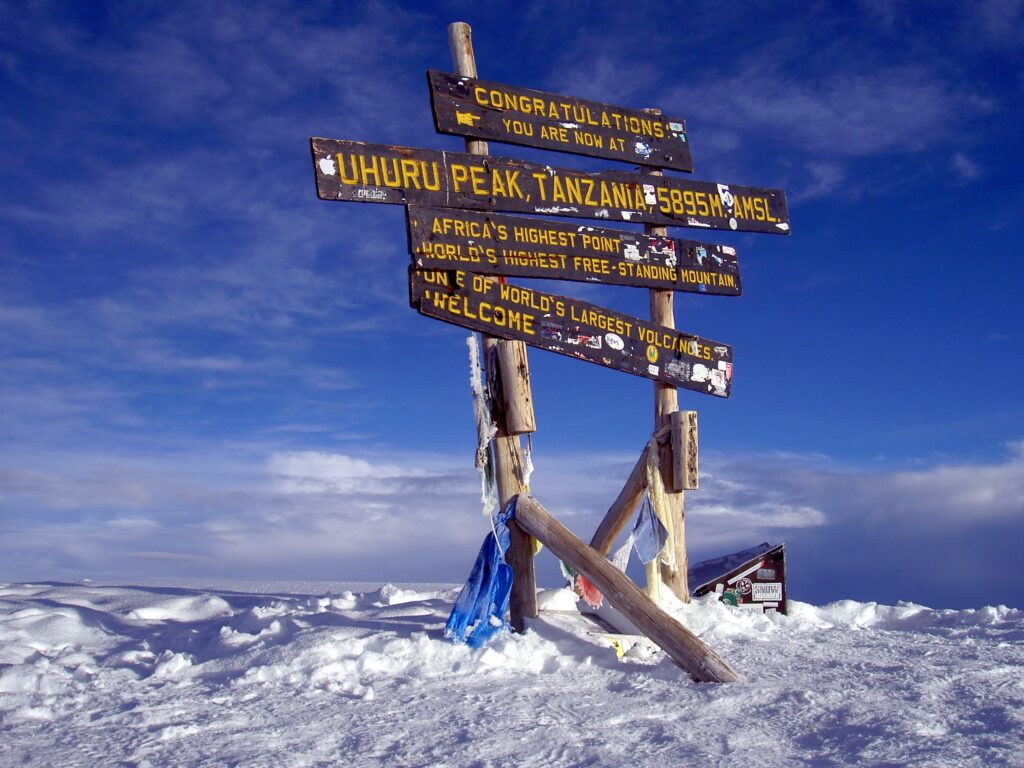
Supplemental oxygen is not required on Mount Kilimanjaro. Unlike Everest, climbers rely on natural acclimatization as they ascend. The mountain’s routes are designed to help your body adjust gradually to decreasing oxygen levels. However, altitude sickness can still occur because the summit, Uhuru Peak, reaches 5,895 meters. Proper pacing, hydration, and choosing longer routes improve acclimatization and reduce risks. Guides monitor trekkers closely for symptoms. While oxygen is carried by some operators for emergencies, it is rarely used. Most climbers successfully reach the summit without it by following a steady “pole pole” (slowly, slowly) approach.
What is the fatality rate of Kilimanjaro?
The fatality rate on Mount Kilimanjaro is relatively low compared to other high mountains. Estimates suggest about 3–10 deaths per year out of tens of thousands of climbers, making the risk less than 0.1%. Most fatalities are linked to altitude sickness rather than accidents. Proper acclimatization, experienced guides, and good health significantly reduce risks. Unlike technical peaks, Kilimanjaro does not involve avalanches or extreme climbing hazards. However, the altitude should never be underestimated. Choosing a reputable tour operator, taking a longer route, and listening to your body are key factors in ensuring a safe and successful climb.
Can You Climb Kilimanjaro in One Day?
Climbing Mount Kilimanjaro in one day is not realistically possible or safe. The altitude gain is too extreme, rising around 4,000 meters from the park gates to the summit. Rapid ascent would almost certainly lead to severe altitude sickness. Standard climbs take 5–9 days to allow proper acclimatization. Even the fastest recorded attempts are done by elite athletes with specialized support and do not represent normal trekking conditions. For most climbers, rushing the climb reduces success rates and increases health risks. A gradual ascent is essential for safety, comfort, and maximizing your chances of reaching Uhuru Peak.
Typical Day on Kilimanjaro - What to Expect On Each Day
A typical day on Mount Kilimanjaro begins early with tea or coffee, followed by a hearty breakfast. Trekkers hike for 4–7 hours through changing landscapes, from rainforest to alpine desert. Lunch may be packed or served at camp. Afternoons are for rest, short acclimatization walks, and enjoying the scenery. Evenings include dinner and briefings for the next day. Summit night is the toughest, starting around midnight with a slow, steady climb to Uhuru Peak at sunrise. Days are structured to balance effort and recovery, helping your body adapt to altitude while maintaining energy levels.
Can you climb Kilimanjaro without training?
Yes, you can climb Mount Kilimanjaro without formal training, but it is not recommended. While the trek is non-technical, it requires endurance, mental strength, and the ability to walk for several hours daily at high altitude. Lack of preparation increases fatigue and reduces summit success chances. Basic fitness—such as hiking, cardio workouts, and leg strength training—greatly improves your experience. Even moderate preparation can make the climb more enjoyable and safer. Many successful climbers are not athletes, but they prepare consistently beforehand. Being physically ready helps you handle altitude, long days, and changing weather conditions.
How Long Does It Take to Climb Kilimanjaro?
Climbing Mount Kilimanjaro typically takes between 5 and 9 days, depending on the route. Shorter routes like Marangu can be completed in 5–6 days but have lower success rates due to limited acclimatization time. Longer routes such as Lemosho or Northern Circuit take 7–9 days and offer higher summit success rates. The extra days allow your body to adjust to altitude gradually. Choosing a longer itinerary increases comfort and reduces the risk of altitude sickness. Most experts recommend at least 7 days for the best balance of safety, enjoyment, and summit success.
How Far Do You Walk Each Day On Kilimanjaro Routes?
On Mount Kilimanjaro, trekkers typically walk 8 to 15 kilometers (5 to 9 miles) per day, depending on the route and stage of the climb. Some days are shorter to allow acclimatization, while others are longer, especially summit day, which can involve 12–18 hours of trekking. Distance is less important than altitude gain, as the body works harder in thinner air. The pace is slow and steady to conserve energy. Daily hiking hours usually range from 4 to 8 hours, excluding summit night. Proper pacing ensures better acclimatization and increases your chances of reaching the summit successfully.
Final Thoughts: Happy Feet, Better Summit
The best camp shoes for Kilimanjaro are those that provide comfort, support, and practicality without adding unnecessary weight. Whether you choose lightweight sandals, insulated booties, or cushioned recovery shoes, the goal is to help your feet recover and stay healthy throughout the trek. Camp shoes are more than just an optional luxury—they are an essential part of a well-prepared Kilimanjaro gear list. By investing in the right pair, you improve your comfort, hygiene, and overall trekking performance. As you plan your climb, don’t overlook this important piece of gear. The right camp shoes can make a significant difference in your Kilimanjaro adventure, helping you reach the summit with confidence and comfort.
Kilimanjaro Camp Shoes: Frequently Asked Questions
What are camp shoes for Kilimanjaro?
Camp shoes are a light second pair of footwear that you change into after each day’s hike. They let your feet breathe and recover, help your hiking boots dry and make it easier to move around camp, visit the dining tent or go to the toilet at night. Popular choices include foam clogs, sandals, slip-ons and insulated booties.
What are the best camp shoes for cold high camps?
At high camps such as Barafu and Kibo Hut, nights can be freezing. Insulated camp booties or slippers with synthetic insulation are ideal, worn with thick, warm socks. Clogs or slip-ons with room for thick socks also work well. Choose a pair with grippy soles, as camp ground can be rocky and uneven.
Can I wear foam clogs on Kilimanjaro?
Yes. Foam clogs are among the most popular camp shoes on Kilimanjaro because they are very light, easy to slip on and comfortable after a long hiking day. Choose a pair with enough room for warm socks at higher camps, and look for soles with reasonable grip for rocky or muddy campsites.
How do I carry my camp shoes on Kilimanjaro?
Most climbers pack camp shoes in the duffel bag carried by the porters, keeping within the porter weight limit, or clip a very light pair to their daypack with a carabiner. Store them in a light bag to keep dust and mud off your other gear. Compact, foldable designs save the most space.
Can trail runners be used as camp shoes?
Light trail runners can work as camp shoes and are comfortable for short walks around camp. However, they are usually heavier than clogs or sandals and take longer to dry. If you choose them, make sure they are roomy enough for swollen feet and thick socks, and that they are clean and dry each evening.
Do I need camp shoes on the Marangu route?
Yes. Even though the Marangu route uses huts rather than tents, you still want to take off your boots each evening to let your feet recover and your boots dry. Light camp shoes or slippers are comfortable for moving around the huts, dining areas and toilets.
What socks should I wear with camp shoes?
Pack a clean, dry pair of warm socks just for camp. Merino wool or thick synthetic hiking socks keep your feet warm at higher camps and are comfortable with clogs, slip-ons or sandals. Changing into fresh socks each evening is one of the best ways to keep your feet healthy on the climb.
Can camp shoes double as water shoes?
Many guides recommend camp shoes that can also be used for wet ground or water crossings, which makes quick-drying sandals or clogs a versatile choice. They can also serve as shower shoes where washing facilities are available. Multi-purpose footwear saves weight and space in your bag.
Plan Your Kilimanjaro Climb
Tell us your dates and preferred route, and our Tanzania-based team will design a private Kilimanjaro climb with expert guides and a full gear briefing before you start.