
A Complete Guide to a Lion Safari in Tanzania
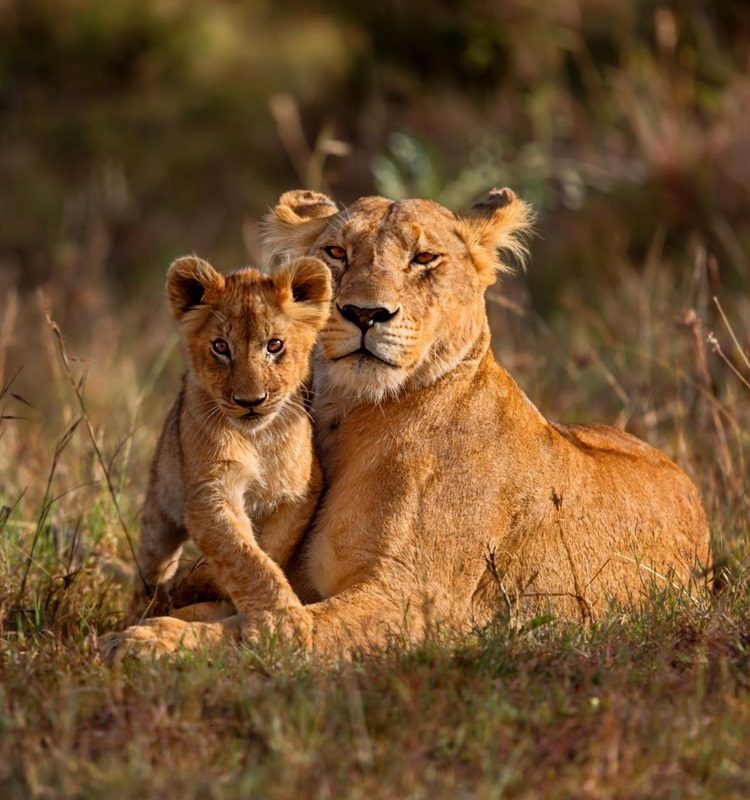
To have a successful lion safari in Tanzania, you should plan for 6-10 days, focusing on the Serengeti, Ngorongoro Crater, Tarangire, and Lake Manyara National Parks, with the dry season (June-October) being the prime time for wildlife viewing. Pack neutral, lightweight clothing, a camera, and sun protection. Costs vary widely based on accommodation and tour style, ranging from budget-friendly camping to luxury lodges, typically including park fees, guides, and meals. Tanzania, a land of vast plains and iconic wildlife, is arguably the world’s premier destination for observing lions in their natural habitat. With an estimated 40-50% of the global wild lion population residing within its borders, a lion safari here is not just a trip—it’s an immersive and educational experience that puts you at the heart of the “Lion Kingdom.” The Lion’s Share: Where to Find Them In Tanzania, you can find lions, often called “The Lion’s Share” of the world’s population, in Serengeti National Park, known for its vast grasslands and the Great Migration, and in Ngorongoro Crater, a large volcanic caldera teeming with wildlife. Another prime location is Lake Manyara National Park, famous for its unique tree-climbing lions. Other areas like Tarangire National Park and Ruaha National Park also have significant lion populations. Tanzania’s lion population is not scattered randomly but concentrated in specific, protected areas, offering unparalleled viewing opportunities. The “Northern Circuit” is the most famous for its incredible density of wildlife, and lions are a highlight. Serengeti National Park The name “Serengeti” is synonymous with wildlife spectacle, and its lion population is no exception. The park’s immense grasslands, particularly the central Seronera region, provide a perfect hunting ground for prides. The annual Great Wildebeest Migration creates a feast for the lions, offering a chance to witness dramatic predator-prey interactions, particularly around the river crossings from July to October. The rocky outcrops known as kopjes are also a favorite spot for lions to rest and survey their territory. Ngorongoro Conservation Area This UNESCO World Heritage site is a breathtaking geological wonder—a vast, uninterrupted caldera that serves as a natural enclosure for a high concentration of wildlife. The lions of the Ngorongoro Crater are accustomed to vehicles, making for some of the most intimate and close-up sightings. The lush plains of the crater floor provide a constant source of prey, ensuring the lion population thrives. Tarangire National Park While celebrated for its colossal elephant herds and ancient baobab trees, Tarangire is also home to a healthy lion population. The park is particularly famous for its unique “tree-climbing lions,” a behavior that is still debated by researchers but provides an unforgettable sight. Viewing a pride lounging high in the branches of an acacia tree is a rare and remarkable experience. Lake Manyara National Park To enjoy a lion safari in Tanzania’s Lake Manyara National Park, plan your visit during the dry season (June to October) for optimal wildlife viewing, especially for the park’s famous tree-climbing lions and other animals like elephants, zebras, and hippos. You can reach the park from Arusha in about two hours by road or by flying into a smaller local airstrip. Your safari will involve game drives through diverse habitats, including the lake’s shores and the rift valley escarpment, with opportunities to observe lion prides and their daily lives Ruaha National Park For those seeking a more off-the-beaten-path adventure, Ruaha offers a different kind of lion safari. As one of the largest lion habitats in East Africa, its remote location and diverse landscape—from rocky hills to riverine forests—provide a more solitary and adventurous experience. It’s an excellent destination for serious lion enthusiasts and photographers. Timing Your Safari: The Best Season for Lions The best time for a lion safari is generally the dry season (roughly June to October, and again January to February) when sparse vegetation and limited water sources concentrate animals around rivers, making them easier to spot. This is when lions are more active and visible, often found near prey that also congregates at waterholes. While lions can be spotted year-round, timing your visit can significantly enhance your chances of witnessing specific behaviors. The Dry Season (June to October): This is the most popular time for a safari in Tanzania. The vegetation is sparse, and animals congregate around limited water sources, making them easier to spot. This period also coincides with the dramatic river crossings of the Great Migration in the Serengeti, a prime time for lion hunting. The Wet Season (November to May): While the rains can make some roads more challenging, this period offers a different kind of safari. The landscape is lush and green, and tourist numbers are lower. The “calving season” from January to March is an excellent time to witness newborn wildebeest and other herbivores, which in turn brings out predators. It’s also a great time to see lion cubs, which are typically born a few months before the rainy season. Beyond the Sighting: Understanding Lion Behavior A true lion safari is more than just a checklist of sightings. It’s a chance to learn about their complex social structures and fascinating behaviors. Pride Dynamics: Lion prides are a matriarchal society, with powerful lionesses doing the majority of the hunting. The dominant male’s role is primarily to protect the pride and their territory. You can observe these intricate social interactions—from cubs playing to the pride sharing a meal—with the help of an experienced guide. Hunting and Communication: Lions are collaborative hunters, and the lionesses’ strategic teamwork is a marvel to behold. You may be lucky enough to witness a hunt unfold, or a pride feeding. A lion’s iconic roar, which can be heard up to five miles away, used for territorial marking and communication, and hearing it from your camp at night is an unforgettable sound. Essential Tips for Your Lion Safari Choose a Reputable Guide: A knowledgeable guide is your most valuable asset. They can track lions, interpret their behavior, and ensure your safety. They will also provide insights into lion conservation efforts in the region. Stay
What to Expect from a Mid-Range Safari in Tanzania
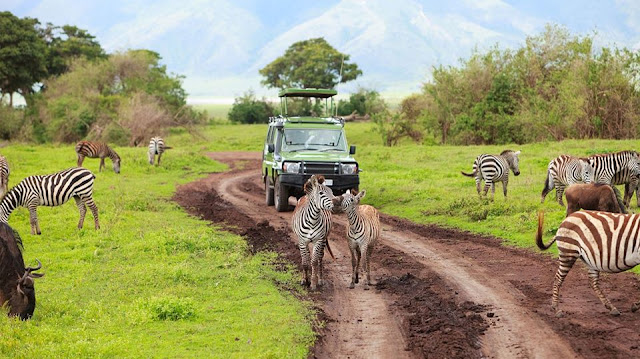
Dreaming of a Tanzanian safari but worried about the cost of luxury camps? A mid-range safari offers the perfect sweet spot, providing an authentic and unforgettable experience without the hefty price tag. It’s a fantastic option for travelers who want comfort, excellent service, and maximum wildlife encounters without sacrificing their budget. A mid-range Tanzanian safari offers more comfort and quality than a budget trip, with comfortable lodges and luxury tented camps, private game drives in better-equipped vehicles with experienced guides, and higher-quality meals. You’ll visit popular national parks like the Serengeti and Ngorongoro Crater, enjoy more personalized service due to smaller group sizes, and experience a greater level of service compared to budget options. Here’s a detailed look at what you can expect from a mid-range safari in Tanzania. Mid-Range Safari Accommodations Forget about roughing it in a basic tent. Mid-range safari accommodations strike a beautiful balance between comfort and a true wilderness experience. You’ll typically stay in a mix of tented camps and lodges. Both options, Tanzania mid-range packages, its well-maintained, clean, and provide a comfortable retreat. While they might not have the ultra-luxurious amenities of high-end resorts, they deliver everything you need for a restful stay. Including comfortable beds, charging stations for your devices, and a safe place to store your belongings. Tented Camps: These not average camping tents. They are spacious, permanent structures built on platforms with solid floors and private en-suite bathrooms, often with flush toilets and hot showers. The canvas walls allow you to hear the sounds of the African bush at night—the distant roar of a lion or the call of a hyena—creating an immersive and exciting atmosphere. Lodges: Located in or near the national parks, lodges offer a more traditional hotel-like experience. They feature comfortable rooms, a main dining area, a bar, and sometimes even a swimming pool, which offer luxury after a dusty day of game driving. Lodges are generally built to blend in with the natural surroundings, using local materials and designs. Mid-range tented lodges in Tanzania, offering a blend of comfort and an authentic safari experience. Include options like Tarangire Safari Lodge and Sangaiwe Tented Lodge in Tarangire, Kubu Kubu Tented Lodge and Nasikia Mobile Migration Camp in the Serengeti, and Maromboi Tented Lodge near Tarangire. These lodges provide amenities like en-suite bathrooms, private verandas, and meals, often featuring excellent wildlife viewing opportunities and a classic safari atmosphere. Maximum Wildlife Viewing This is the core of any safari, and a mid-range safari does not compromise on this. It’s often designed to maximize your time in the bush. You can expect to spend your days on thrilling game drives in world-renowned parks like the Serengeti, Tarangire, and the Ngorongoro Conservation Area. To plan a mid-range Tanzanian safari, prioritize the Northern Circuit for iconic wildlife, choose reputable safari companies, budget for tips and park fees, pack layers for fluctuating temperatures, book a driver for ease, and pack light in soft-sided bags. Consider visiting during the dry seasons for the best wildlife viewing, and be prepared for slow travel by building flexibility into your itinerary. Don’t forget essentials like sunscreen, bug spray, and a long-lens camera, and plan for at least 7-10 nights to allow for thorough exploration of the parks. Game Drives: Your daily routine will revolve around early morning and late afternoon game drives, which are the best times to spot animals when they are most active. Your guide will drive you through the vast landscapes, searching for the “Big Five” (lion, leopard, elephant, rhino, and buffalo) and countless other species, including giraffes, zebras, wildebeest, cheetahs, and an incredible array of birds. Prime Locations: Mid-range safaris often position their accommodations strategically to minimize travel time and maximize time in the park. This means you’ll spend more hours with your binoculars and camera and less time on the road. The itineraries are carefully crafted to follow migration patterns or visit areas with high concentrations of wildlife, ensuring a high probability of spectacular sightings. Well-Equipped Safari Vehicles For a mid-range safari in Tanzania, expect a rugged, comfortable 4×4 Safari Land Cruiser, often a Toyota Land Cruiser, with a pop-up roof for excellent wildlife viewing and high clearance for rough terrain. The vehicle will be well-maintained and suitable for park requirements, with amenities like charging ports, a cooler for drinks, and larger windows for good visibility. While not a luxury vehicle, it provides a genuine and comfortable safari experience, ensuring you’re close to the action. Your safari vehicle is your home away from home while on game drives. A mid-range safari uses well-maintained, custom-built 4×4 vehicles, typically Toyota Land Cruisers or Land Rovers. Pop-up Roofs: The most important feature is the pop-up or open roof. This allows you to stand up safely for a 360-degree panoramic view, perfect for photography and getting a better look at distant animals. Comfort and Amenities: These vehicles are designed for comfort. They have large windows, comfortable seating, and often come with a small fridge to keep drinks cool. They are also equipped with two-way radios, allowing your guide to communicate with other drivers to share information about wildlife sightings. This collaborative network significantly increases your chances of seeing elusive animals like leopards or rhinos. Delicious Food and Drink A mid-range Tanzanian safari offers surprisingly delicious and varied food and drink options, exceeding expectations for many travelers. Expect hearty breakfasts with a view, packed lunches for game drives, and multi-course dinners featuring both local and international cuisine, often accompanied by wine and other beverages. Dining on a mid-range safari is a delightful surprise. While it may not be Michelin-star dining, the food is plentiful, fresh, and delicious, often with a mix of international and local Tanzanian cuisine. Meals: You can expect a full breakfast, a packed lunch to enjoy in the bush (often at a scenic picnic spot), and a multi-course dinner back at the camp or lodge. Dinners are often served in a communal dining area, providing a great opportunity to share stories with your fellow travelers.
A Guide to Your First African Safari

Your first African safari is more than a holiday—it’s a life-changing journey into the heart of wild Africa. From the sweeping plains of the Serengeti National Park to the dramatic landscapes of the Ngorongoro Crater, a safari promises unforgettable encounters with wildlife, culture, and nature as a guide to your first African Safari. This guide to your first African safari is designed to help you plan, book, and experience the ultimate adventure with confidence. Whether you’re dreaming of a luxury African safari, a budget-friendly safari tour, or a private safari experience, knowing where to go, when to travel, and what to expect is essential. With expert safari tips, packing advice, and insider knowledge, you’ll discover how to create the perfect African safari itinerary and enjoy the best wildlife safari in Africa. What Is an African Safari? An African safari is a guided journey into wildlife-rich regions where you observe animals in their natural habitats. The word “safari” comes from the Swahili language, meaning “journey,” and truly reflects the spirit of exploration across Africa’s iconic landscapes. Unlike zoo visits, safari tours offer authentic wildlife experiences, including the famous Big Five—lion, leopard, elephant, rhino, and buffalo. Popular safari destinations include Serengeti National Park, known for exceptional game viewing. African safari experiences vary from luxury lodge safaris to budget camping safaris, each offering unique perspectives of nature. Game drives, walking safaris, and balloon safaris are common activities. For first-time travelers, understanding the concept of a safari helps set expectations and ensures a rewarding, immersive wildlife adventure. Best Countries for First-Time Safari Choosing the best country for your first African safari can shape your entire experience as a definitive guide to your first African Safari. Tanzania and Kenya are top safari destinations, offering world-famous parks like Serengeti National Park. Tanzania is ideal for diverse landscapes, including Tarangire National Park and the Ngorongoro Crater, accessible wildlife viewing, and the Great Migration, as well as exclusive, off-the-beaten-path safari experiences. Each country offers different safari styles, from luxury safaris to budget tours. For first-time safari travelers, East Africa remains the most popular choice due to its iconic wildlife, experienced guides, and well-developed safari infrastructure. Best Time to Go on Safari Timing your African safari is crucial for the best wildlife viewing, as an incredible guide to your first African Safari. The dry season, typically from June to October, is considered the best time for a safari in Africa. During this period, animals gather around water sources, making them easier to spot in parks like Serengeti National Park. The Great Migration, one of the most spectacular wildlife events, occurs in Tanzania. The green season, from November to May, offers lush landscapes, fewer crowds, and lower safari costs, making it ideal for budget travelers and photographers. Birdwatching is also exceptional during this time. Understanding seasonal variations helps you choose the perfect time for your first safari, depending on your interests and travel budget. Types of Safari Experiences African safaris come in many forms, allowing travelers to tailor their adventure. Game drives are the most common, conducted in 4×4 vehicles with expert guides. Walking safaris offer a more intimate experience, while hot air balloon safaris provide breathtaking aerial views over the Serengeti National Park. Luxury safaris feature high-end lodges, gourmet dining, and personalized services, whereas budget safaris include camping and shared tours. Private safaris offer flexibility and exclusivity, ideal for families or couples. Cultural safaris introduce travelers to local communities like the Maasai. Each safari type delivers unique experiences, and first-time visitors should consider their comfort level, budget, and travel goals when choosing the best safari style for their African adventure. The African Big Five and Wildlife Highlights The African Big Five—lion, leopard, elephant, rhino, and buffalo—are the highlight of any African safari. These iconic animals can be seen in top destinations like Ngorongoro Crater, one of the best places for wildlife density. Beyond the Big Five, safaris offer sightings of cheetahs, giraffes, zebras, hippos, and countless bird species. The Serengeti National Park is famous for predator-prey interactions and the Great Migration. Wildlife safaris provide opportunities for photography, conservation learning, and unforgettable encounters. Understanding animal behavior enhances your safari experience, making each sighting more meaningful. For first-time safari-goers, the thrill of spotting wildlife in their natural habitat is truly unmatched. African Safari Costs and Budget Planning The cost of an African safari varies widely depending on destination, duration, and level of luxury. Budget safaris may start from $150–$300 per day, while luxury safaris can exceed $1,000 per day. Tanzania safari packages to Serengeti National Park and Ngorongoro Crater often include accommodation, meals, park fees, and game drives. Additional costs include international flights, travel insurance, tips, and optional activities like balloon safaris. Booking with reputable tour operators ensures value and safety. Planning your safari budget early helps avoid surprises and allows you to choose the best safari experience within your price range. Choosing the Right African Safari Tour Operator Selecting the best safari tour operator is essential for a successful African safari. Look for licensed, experienced companies with strong reviews and knowledgeable guides. Operators specializing in Tanzania safaris often provide customized itineraries covering Tarangire National Park, Serengeti National Park, and Ngorongoro Crater. Consider factors like safety standards, vehicle quality, and guide expertise. Private safari tours offer flexibility, while group tours are more budget-friendly. Transparent pricing and clear itineraries are key indicators of reliable operators. A good safari company ensures a seamless experience from arrival to departure, making your first safari stress-free and memorable. African Safari Accommodation Options African Safari accommodations range from luxury lodges to budget camps, catering to all travel styles. Luxury safari lodges offer spacious suites, fine dining, and stunning views of wildlife areas like the Serengeti National Park. Tented camps provide a balance of comfort and adventure, allowing you to stay close to nature. Budget camping safaris involve basic tents and shared facilities, ideal for adventurous travelers. Many lodges are eco-friendly, supporting conservation efforts. Staying near wildlife hotspots such as the Ngorongoro Crater enhances your safari experience. Choosing
Can Senior Travellers Go on African Safaris?
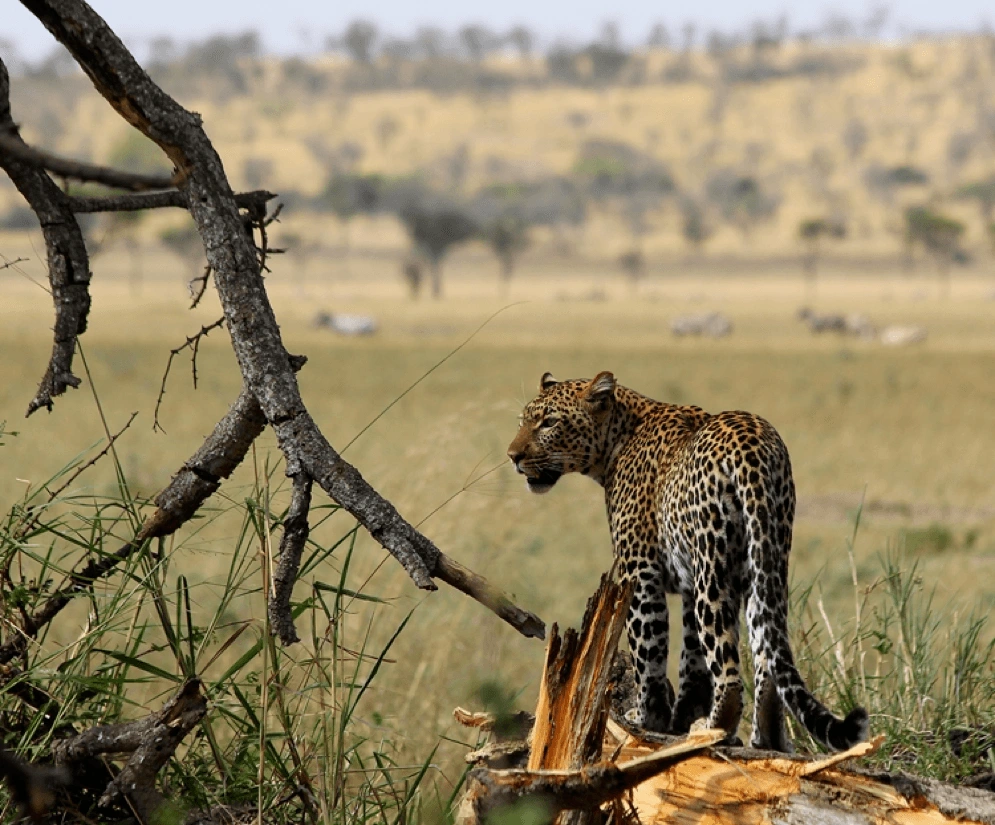
African safaris are no longer just for the young and adventurous—they are increasingly designed for comfort, safety, and accessibility, making them ideal for senior travellers. With luxury premium- senior-friendly African Safari lodges, private guided tours, fly-in safaris, and personalized itineraries, seniors can experience Africa’s breathtaking wildlife, iconic landscapes, and rich cultures without physical strain. From Tanzania’s Serengeti to Ngorongoro Crater, modern safari experiences prioritize ease, health support, and relaxation. Top-ranking travel trends show a surge in “senior-friendly African safaris,” “luxury safari packages for seniors,” and “accessible wildlife tours.” Whether you seek a bucket-list journey, a retirement celebration, or a slow-paced adventure, African safaris can be tailored to your needs. With proper planning, seniors can enjoy unforgettable, safe, and comfortable safari experiences across Africa’s premier safari destinations. Are African Safaris Suitable for Seniors Is a Tanzania Safari good for older travelers? African safaris are highly suitable for seniors, thanks to improved infrastructure, luxury accommodations, and tailored travel services. Foot Slopes Tours and Safaris Modern African senior safari operators offer “senior-friendly safari packages,” focusing on comfort, shorter travel times, and personalized pacing. Game drives are conducted in comfortable 4×4 vehicles, reducing physical exertion while maximizing wildlife viewing. Many African Safari lodges provide step-free access, medical support, and attentive staff. Seniors can choose bespoke private African safaris, allowing flexibility in schedules and rest periods. Popular destinations like Tanzania, East Africa, are well-equipped with healthcare access and safe travel conditions. With options such as fly-in safaris and guided tours, seniors avoid long road journeys. Overall, African safaris today are designed to be inclusive, safe, and enriching, making them an excellent travel choice for older adventurers. Best African Safari Destinations for Seniors Which African Safaris for Seniors is best in Tanzania? The top African safari destinations for seniors include Tanzania, known for accessibility, safety, and exceptional wildlife experiences, including Serengeti, Tarangire, Lake Manyara, Arusha National Park, and Ngorongoro Crater, which offer smooth game drives and luxury lodges, while Tarangire National Park provides easy wildlife viewing with minimal travel distances. Lake Manyara National Park stands out for its lion climbing trees, bird watching, boat safari, and night game drive, offering exclusive, low-impact safaris with fly-in access, ideal for comfort and privacy. These destinations rank highly in searches for “best African safari for seniors, best senior citizen safaris in Africa, Tanzania luxury safari for elderly and senior travelers, African safaris belong on seniors travel bucket-lists,” Serengeti Safari for seniors, Ngorongoro Crater Safari for seniors, and “luxury safari destinations.” Each location features high-end lodges, professional guides, and medical accessibility. Seniors can enjoy the Big Five, scenic landscapes, and cultural encounters while traveling at a relaxed pace in well-supported environments. Types of Safaris Ideal for Seniors Seniors can choose from a variety of safari styles tailored to comfort and ease. Luxury safaris are the most popular, offering premium lodges, gourmet dining, and personalized service. Fly-in safaris minimize travel fatigue by replacing long drives with short scenic flights. Private safaris provide flexibility, allowing seniors to set their own pace. Lodge-based safaris eliminate the need for constant packing, ensuring a relaxed experience. For those seeking mild adventure, photographic safaris and cultural tours offer engaging yet low-impact activities. Wellness safaris, featuring spa treatments and relaxation, are also trending, comfortable African safari, “luxury senior safari packages,” East Africa Safaris suitable for seniors, and “accessible safari tours” highlight these options. Each type prioritizes safety, convenience, and enjoyment, ensuring seniors experience Africa without physical strain. Health and Safety Considerations Health and safety are top priorities for senior travellers on African safaris. Before seniors should consult a doctor, ensure vaccinations are up to date, and carry necessary medications. Travel insurance covering medical emergencies is essential. Many safari lodges are equipped with first aid facilities, and professional guides are trained in emergency response. Destinations like Tanzania have reliable healthcare access in major cities. Seniors should stay hydrated, avoid excessive sun exposure, and follow dietary precautions. Choosing reputable tour operators ensures adherence to safety standards to ensure “safe African safari for seniors, Seniors guide to African safari tours, best African Safari Advice & Destinations for Seniors,” and “senior travel safety tips” emphasize these concerns. With proper preparation and support, seniors can confidently enjoy a secure and worry-free safari experience. Accessibility and Mobility on Safari Accessibility has improved significantly across African safari destinations, making travel easier for seniors with mobility concerns. Many lodges offer wheelchair-friendly rooms, ramps, and step-free pathways. Safari vehicles are designed for easy entry and comfortable seating, often with support handles. Private guides can assist with mobility needs, ensuring a smooth experience. Seniors can opt for shorter game drives, rest breaks, and minimal walking activities. Fly-in safaris reduce the need for long transfers, enhancing convenience for accessible African safari, wheelchair-friendly safari lodges, and “easy safari tours” reflect this growing demand. Whether fully mobile or requiring assistance, seniors can enjoy wildlife viewing and scenic landscapes with minimal physical strain, making safaris increasingly inclusive and enjoyable. Best Time for Seniors to Go on an African Safari What is the best month for seniors to go on an African safari? The best time for seniors to go on an African safari depends on comfort, weather, and wildlife viewing preferences. The dry season, typically June to October, is ideal due to cooler temperatures, minimal rainfall, and easier wildlife spotting near water sources. This period ranks highly for “best time for African safari” and “comfortable safari weather.” The green season (November to May) offers lush landscapes, fewer crowds, and lower prices, but may involve occasional rain. Seniors often prefer shoulder seasons for a balance of good weather and fewer tourists. Avoiding extreme heat and peak crowds enhances comfort. Choosing the right season ensures a more relaxed, enjoyable safari experience with optimal wildlife sightings and pleasant travel conditions. The worst time for seniors to go on an African Tanzania safari is during the long rainy season, specifically April and May, and sometimes into late March. Heavy rains create muddy roads, difficult travel conditions, higher humidity, and increased mosquito activity, making it
How Climbing Mount Kilimanjaro Changed Travelers’ Perspective?
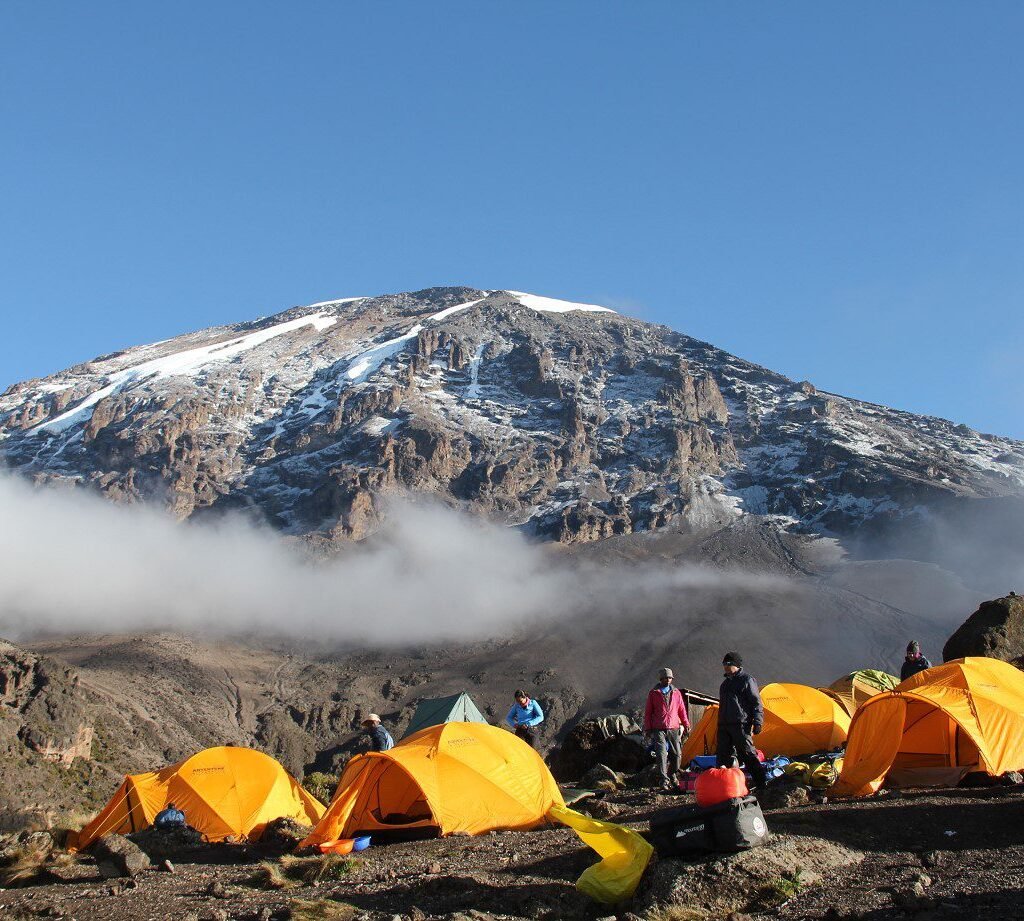
Mount Kilimanjaro, Africa’s highest peak at 5,895 meters (19,341 feet), has long captivated travelers with its breathtaking scenery, diverse ecosystems, and cultural significance. More than just a physical challenge, climbing this majestic mountain has proven to be a transformative experience for countless adventurers. Those who venture up its slopes often leave with a fresh perspective on life, a deeper connection to nature, and invaluable lessons about resilience and camaraderie. Mount Kilimanjaro, Africa’s highest peak, is a majestic sentinel that has captured the imagination of adventurers for centuries. While Climbing Mount Kilimanjaro Changed Travelers’ Perspective, many people see climbing it as a physical challenge to be conquered. Those who have stood on its snow-capped summit often come back with more than just a sense of accomplishment. Climbing Mount Kilimanjaro changes one’s perspective by fostering presence and focus on the now, revealing the power of stepping outside one’s comfort zone, and instilling humility, gratitude, and resilience during Kilimanjaro Trails. The physical and mental challenges of the climb, coupled with the support of guides and porters, highlight the importance of perseverance, collective triumph, and the ability to overcome inner doubts, ultimately leaving climbers with a renewed vigor and a Climbing Mount Kilimanjaro Changed Travelers’ Perspective profound appreciation for the journey and the support of others. They return with a profound shift in perspective—a new way of seeing the world and their place in it. The journey up Kilimanjaro is less about reaching the top and more about the internal transformation that happens along the way. Here’s a look at how this epic climb can change a person’s life. Redefining Your Limits Before they even set foot on the trail, most climbers have a predefined idea of their physical and mental limits. The Kilimanjaro climb shatters these notions. The Climbing Mount Kilimanjaro Changed Travelers’ Perspective combination of high altitude, steep inclines, and long Kilimanjaro routes trekking hours pushes the body and mind to their absolute brink. You discover muscles you never knew you had and a well of endurance you didn’t think was possible. What once seemed impossible—taking another step, breathing in the thin air, or enduring the cold—becomes the new normal. This Kilimanjaro Climb journey teaches you that your perceived limitations often just self-imposed barriers. When you realize you can achieve something as monumental as climbing Kilimanjaro, you start to question what else you’ve told yourself you can’t do. The Power of Patience (“Pole, Pole”) One of the most valuable lessons taught on the mountain its encapsulated in a Swahili phrase you’ll hear constantly: “Pole, pole,” which means “slowly, slowly.” Rushing up Kilimanjaro is a recipe for disaster, as it can lead to altitude sickness and exhaustion. The guides emphasize a deliberate, measured pace. This Climbing Kilimanjaro lesson extends far beyond the mountain trail. In Climbing Mount Kilimanjaro Changed Travelers’ Perspective, a fast-paced world that glorifies instant gratification, the “pole, pole” philosophy is a powerful reminder to slow down, be patient, and trust the process. You learn that great things achieved not by sprinting but by taking one careful, deliberate step at a time. This patient approach can be applied to any long-term goal, from career aspirations to personal growth. Tips: Climbing Kilimanjaro offers profound life lessons, including the power of breaking down large goals, the importance of the “pole pole” (go slowly) approach, the realization that your greatest challenges often come from within, and the necessity of a supportive team. The mountain also teaches mindfulness by focusing you on the present, encourages a deep sense of gratitude for simple things, and shows that the true journey and transformation lie in the process, not just the summit. Appreciation for Simplicity Life on the mountain its stripped down to its essentials. Your focus narrows to the most fundamental needs: food, water, warmth, and rest. There are no distractions—no phones, no social media, no deadlines. This Climbing Mount Kilimanjaro Changed Travelers’ Perspective, forced simplicity brings an incredible clarity. You come to appreciate the warmth of a sleeping bag, the sustenance of a hot meal, and the simple act of breathing without effort. This Climbing Mount Kilimanjaro experience instills a deep gratitude for the basic comforts we often take for granted. After returning to the complexities of modern life. Climbers find themselves reevaluating their priorities and focusing on what truly matters rather than getting caught up in the trivialities of daily life. You will have 3 words to describe your feelings when you reach the peak of Mount Kilimanjaro: thrilling, exhilarating, and emotional. Embracing the Journey, Not Just the Destination While the summit is the ultimate goal, a successful Kilimanjaro climb its defined by the entire journey. The trek through lush rainforests, across vast alpine deserts, and over rocky terrain is an incredible experience in itself. The guides, porters, and fellow climbers become your temporary family. Climbing Mount Kilimanjaro Changed Travelers’ Perspective you will share stories, fears, and triumphs. If you focus solely on reaching the top, you miss the breathtaking sunrises, the unique flora and fauna, and the bonds you forge along the way. Kilimanjaro teaches you to find joy in the process and to understand that the beauty lies not just in the end result, but in every single step you take to get there. For centuries, Kilimanjaro has served as a symbol of hope and inspiration for those who call Africa home. Its strong presence reminds us of the heights that can be reached through perseverance and unity. For these indigenous tribes, the mountain holds deep cultural and spiritual significance. For the Chagga people, the snow and ice on the peak of Mount Kilimanjaro are considered sacred. Because of this, they have strict rules and customs for climbing the mountain. Humility and Insignificance Standing at 19,341 feet, with the world stretched out below you, gives you a profound sense of perspective. You’re just a speck on a massive, ancient mountain. The sheer scale and power of the landscape dwarf any personal ego or worldly concerns. This experience i incredibly humbling. You realize that
Legendary Lodge
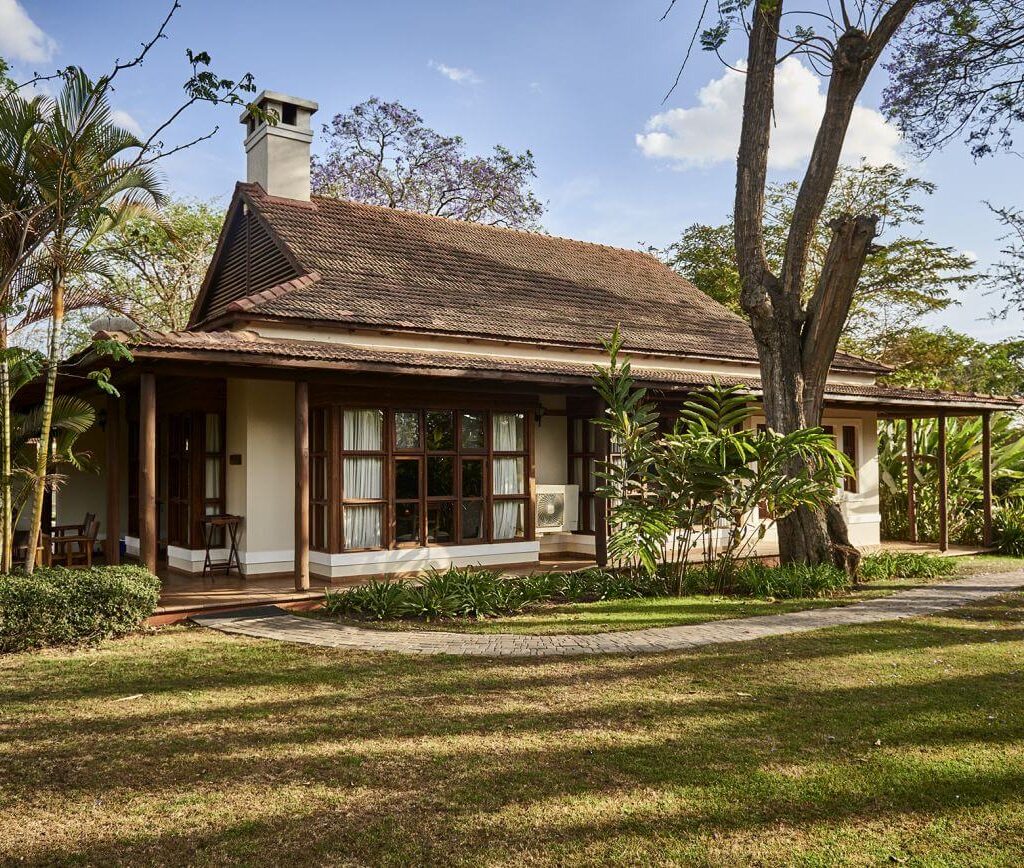
Visit Legendary Lodge | Luxury African Safari Safaris —- Nestled on the lush slopes of Mount Meru, Legendary Lodge in Arusha, Tanzania, a luxurious and tranquil retreat nestled within a lush, century-old coffee estate at the foothills of Mount Meru. This exclusive lodge features ten spacious garden cottages and two family cottages, each offering a perfect blend of classic colonial charm and modern comfort. The cottages are elegantly furnished with four-poster beds, cozy sitting areas, fireplaces, and private verandas overlooking beautifully manicured gardens. Renowned for its warm hospitality and personalized service, Legendary Lodge is an ideal gateway to Tanzania’s renowned national parks and reserves. Guests can enjoy gourmet meals crafted from fresh, locally sourced ingredients, rejuvenating spa treatments, and private cultural tours in and around Arusha. The serene setting, framed by towering trees and vibrant flora, provides a peaceful sanctuary either at the beginning or end of an unforgettable safari adventure. With its refined atmosphere, attention to detail, and breathtaking natural surroundings, Legendary Lodge offers a timeless experience of comfort, elegance, and authentic Tanzanian charm. Activities Legendary Lodge Arusha City Tour Explore Arusha city, Maasai market, Tanzanite Gems market & local food market, and coffee tour. Sundowners See all the possible shades of pink blooming over the golden plains of Arusha Bush Breakfast Have a most delicious breakfast in a natural setting! Accommodation options at Legendary Lodge The two garden cottages at Legendary Lodge in Arusha offer a secluded retreat amid lush coffee plantations and vibrant tropical gardens. Each cottage is elegantly designed with spacious interiors, a cozy fireplace, a luxurious en-suite bathroom, and a private veranda overlooking the serene landscape. Blending colonial charm with modern comfort, they provide an intimate escape with personalized service. Ideal for couples or solo travelers, these cottages promise tranquility and a refined start or end to your Tanzanian journey. 1 Bed Type Room Area | Arusha Full Board The cottage is a separate house with private verandas and a stunning view of Mount Meru. Each room meets the European comfort standards, combining the old colonial style. The cottage is divided into two rooms: a bedroom with a king-size bed covered with a mosquito net and a living room area with a fireplace and a TV. Each bathroom is equipped with two sinks, a rainfall shower, and a bathtub. Legendary Lodge always provides high-standard accommodation and service 2 Bed Type Room Area | Arusha Full Board The Legendary Lodge Prices for your chosen travel dates may vary depending on the season of travel. Please feel free to reach out to us for more information on the final price. Request A free Quote Facilities Room Types: 2-bedroom cottage one 3-bedroom cottage Bedclothes Vanity basin Lounge Area Writing desk Private shower Lush Tropical Gardens Luxury Cottages with Private Verandas Power stations in public areas Free Wi-Fi in public areas Welcome Drink on Arrival The Legendary Lodge on the map Location Legendary Lodge is situated in Arusha town, the starting and finishing point of all safari expeditions. Legendary Lodge could not choose a more convenient place to be. The lodge is right at the entrance of Arusha town and only 20 minutes away from the airport. It’s easy to get to all the national parks from this hotel, avoiding all the traffic jams of the Arusha centre. In just 2,5 hours, you can get to the land of elephants – Tarangire National Park. But if we go in the opposite direction, in only 20 minutes, we will end up at the biggest Cultural Heritage Centre of Arusha and Kilimanjaro. Here you can dive into the local culture by exploring the 3-floor Art Gallery of Tinga-Tinga pictures and finish at the Tanzanite jewellery store. The Ultimate Tanzania Luxury Safari lodges (All-Inclusive Tour) Luxus Lodge Tanzania Singita Sasakwa Lodge Luxus Lodge Tanzania Singita Sasakwa Lodge Ultimate Singita Sasakwa lodge An ultra-luxurious safari retreat located in Tanzania’s Grumeti Reserve, offering spectacular views of the … Serengeti Lemala Nanyukie Lodge Serengeti Lemala Nanyukie Lodge Lemala Nanyukie Lodge —- Lemala Nanyukie Lodge Luxurious and captivating safari retreat situated in the heart of the … Little Oliver’s Camp | Luxury Tarangire Safari Camp Little Oliver’s Camp | Luxury Tarangire Safari Camp Oliver’s Camp – See description and beautiful photos —- Oliver’s Camp Explore Oliver’s Camp in Tanzania’s Tarangire is … 1 2 3 … 5 Next » Arusha Luxury Safari Tours | Safaris From Arusha – Compare Tours Discover the best luxury safari tour packages from Arusha, offering unforgettable adventures through Tanzania’s top parks like Serengeti, Ngorongoro, and Tarangire. These all-inclusive trips feature expert guides, stylish lodges or tented camps, gourmet meals, and personalized service. Guests rave about the exceptional wildlife encounters, seamless planning, and breathtaking landscapes. Packages include transport, park fees, and often domestic flights. View reviews, photos, prices, and detailed maps to plan your dream safari. Costs vary by season and length, with options tailored for couples, families, or private groups. Wonderful 11-Day Ultra-Luxury Tanzania Safari Packages Wonderful 11-Day Ultra-Luxury Tanzania Safari Packages Exceptional 11-Day Ultra-Luxury First Class African safari Experience the ultimate in Ultra-Luxury first-class African safari offers a premium … 8 Days | The Great Migration Highlights – Luxury Safari 8 Days | The Great Migration Highlights – Luxury Safari Flyin 8 Day serengeti migration classic safari Embark on the 8-Day Serengeti Migration Classic Safari and witness Africa’s … 9-Day Memorable Tanzania Safari Packages 9-Day Memorable Tanzania Safari Packages Best 9 Day Memorable African Safari Tours (with 1735 Reviews) Experience the adventure of a lifetime with the … 1 2 3 … 5 Next »
Where to Stay in Arusha
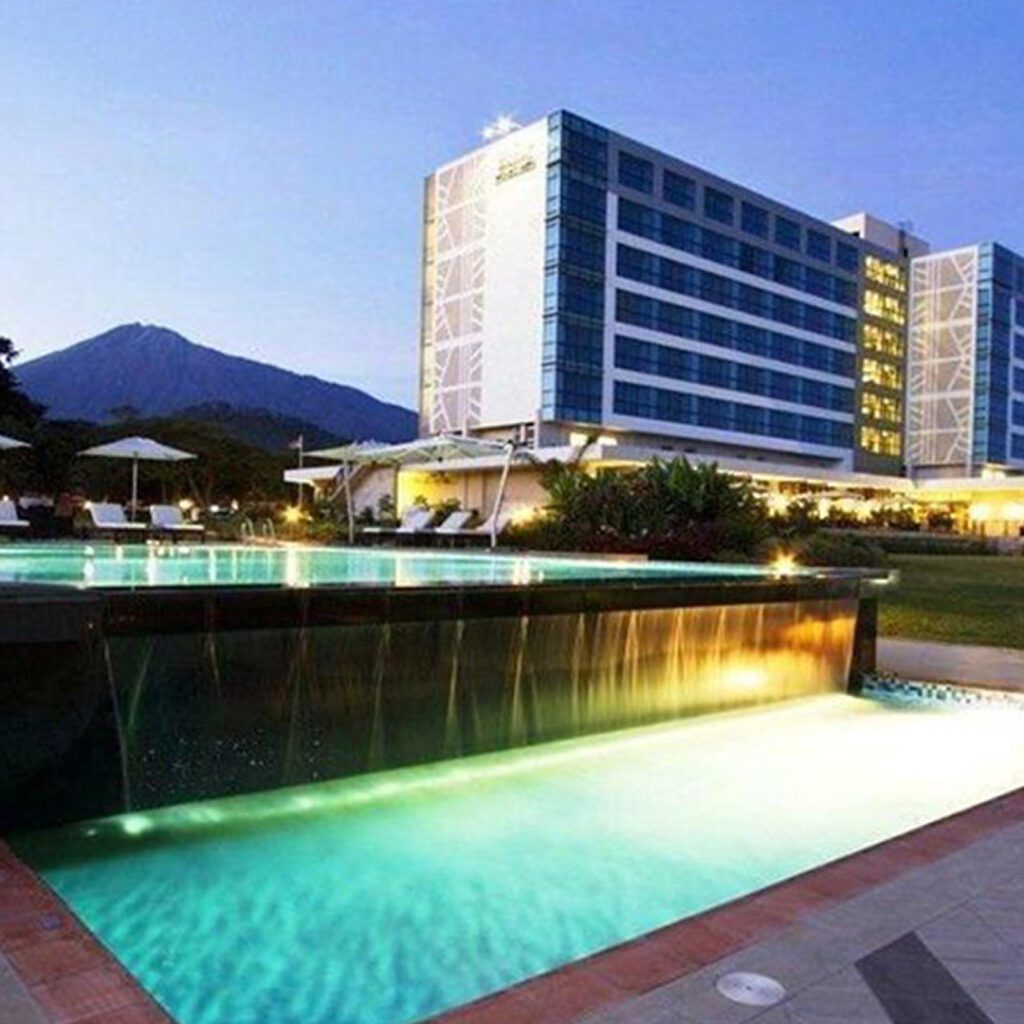
Arusha, the safari capital of Tanzania, its a vibrant city that serves as the perfect launchpad for adventures into the country’s world-famous national parks. Whether you’re a seasoned traveler seeking a luxurious retreat, a family on a budget, or a couple looking for a romantic escape, Arusha’s diverse accommodations for 2025/2026 offer something for every preference. From opulent hotels with sweeping views of Mount Meru to charming lodges nestled in lush coffee plantations, here is a curated guide to the best places to stay. For those who desire the pinnacle of comfort and service, Arusha’s high-end hotels and lodges offer a seamless blend of sophisticated amenities and authentic African charm. Gran Meliá Arusha: This spectacular hotel is located between the Serengeti and Kilimanjaro National Parks, one of the top places to stay in Arusha City in Tanzania. Opening out onto all of Tanzania’s majestic natural beauty. An oasis of five-star comfort and elegance, with extensive, unbeatable facilities. Exclusive suites and international cuisine, including the outstanding The Grill restaurant. With a spa, an infinity pool, and a gym. Best luxury Arusha Hotels are perfect for a safari trip or a luxurious business meeting. The stunning Gran Meliá Arusha rises up among coffee and tea plantations. An exquisite first-class hotel with a wide range of luxurious comforts, located in a privileged natural environment. African exoticism and attention to detail, with a modern conference center and the personalized assistance of our RedLevel service. An emblem of modern luxury, this five-star hotel is an ideal choice for discerning travelers. Strategically located between the Serengeti and Kilimanjaro national parks. It boasts breathtaking views of Mount Meru and the surrounding coffee and tea plantations. Gran Meliá is renowned for its outstanding facilities, including an infinity pool, and classic hotels in Arusha town centre. A rejuvenating wellness spa and an exclusive rooftop venue with a panoramic vista perfect for sunset cocktails. The hotel’s gourmet dining options include a premier steakhouse and a restaurant dedicated to African flavors. Ensure a culinary journey as memorable as your safari. Arusha Coffee Lodge: Arusha Coffee Lodge in Tanzania is an elegant retreat set on a working coffee plantation. Offering 18 rooms and 12 suites designed to resemble traditional plantation lodgings with vintage safari-style decor. Key amenities include an outdoor pool, a spa offering treatments, an on-site restaurant, and a bar. The lodge provides a tranquil atmosphere with its manicured gardens and on-site coffee experiences, such as high tea and plantation tours. Guests can also enjoy excellent food, attentive service, free Wi-Fi, and convenient access to the Shanga art collective. Immerse yourself in a sensory experience at this unique lodge, which is situated within a working coffee plantation. The theme of coffee permeates throughout the property. From the rich aromas that greet you to the decor of the spacious plantation-style houses. Guests can take a fascinating tour to learn about the coffee-making process, the best and nicest hotel to stay in Arusha for the first time. From “tree to cup,” or simply relax by the intimate swimming pool. The lodge’s cozy main plantation house, with its open log fires and an à la carte restaurant, the best hotels in Arusha, Tanzania, a top place to stay, providing a perfect, warm sanctuary before or after your African adventure. Legendary Lodge Arusha: Legendary Lodge in Arusha, Tanzania, offers a luxurious, colonial-style retreat set on a working coffee plantation with views of Mount Meru. It features 12 detached garden cottages with private verandas. Sitting areas with fireplaces, and large bathrooms, as well as two family cottages. Guests can enjoy gourmet meals, an on-site spa with various treatments, and guided walks on the estate. The lodge is a convenient base for starting or ending Northern Circuit safaris, being only 15 minutes from Arusha Airport. As its name implies, this lodge offers a truly legendary experience. Located on a coffee plantation at the foothills of Mount Meru. It is a haven of tranquility with lush, tropical gardens alive with birdsong. The lodge features private and family cottages with oversized beds and romantic mosquito nets, providing a secluded and intimate retreat. Legendary Lodge is the perfect place to unwind with a restorative spa treatment. Explore Hotels in Arusha for Your Safari Adventure, the neighboring coffee estate, or simply enjoy a quiet moment surrounded by nature. Arusha Serena Hotel, Resort & Spa: Nestled on the wooded shores of the stunning Lake Duluti, this hotel provides a serene, nature-focused stay. The country-house-style cottages, with their traditional “rondavel” design and banana-stem thatched roofs, offer a charming and comfortable escape. The hotel is ideal for those who wish to connect with nature low Price in Arusha – Last Minute Arusha. With activities such as canoeing on the lake and guided mountain biking on the slopes of Mount Meru. It’s on-site spa, and The Fountain Restaurant, with its beautiful lake and garden views, complete the luxurious experience. Rivertrees Country Inn: This enchanting property, once an old coffee farm, maintains a nostalgic and rustic elegance. The charming cottages are thoughtfully placed along the river and in thickets of trees, offering privacy and a peaceful atmosphere. Rivertrees is a sanctuary for local birds and wildlife. Perfect base for exploring nearby Arusha National Park and Lake Duluti. Its delicious country cuisine, made with garden-fresh ingredients, and its cozy, candle-lit dinners, make it a home away from home. For those who seek a balance between excellent service, great amenities, and reasonable pricing. Arusha has a wealth of mid-range options that do not compromise on quality. Four Points by Sheraton Arusha, The Arusha Hotel: The Four Points by Sheraton Arusha is a historic hotel, established in 1894. Offering 114 stylish rooms and a traditional ambience. Combined with modern amenities like free Wi-Fi, an outdoor pool, a 24-hour gym, and multiple meeting and conference venues. Guests can dine at the full-service Parachichi restaurant featuring European, Asian, and East African dishes, or enjoy drinks and pizzas at the Hatari Bar. The hotel also boasts lush gardens, a rooftop terrace,
How to Prepare Your Kids for Safari
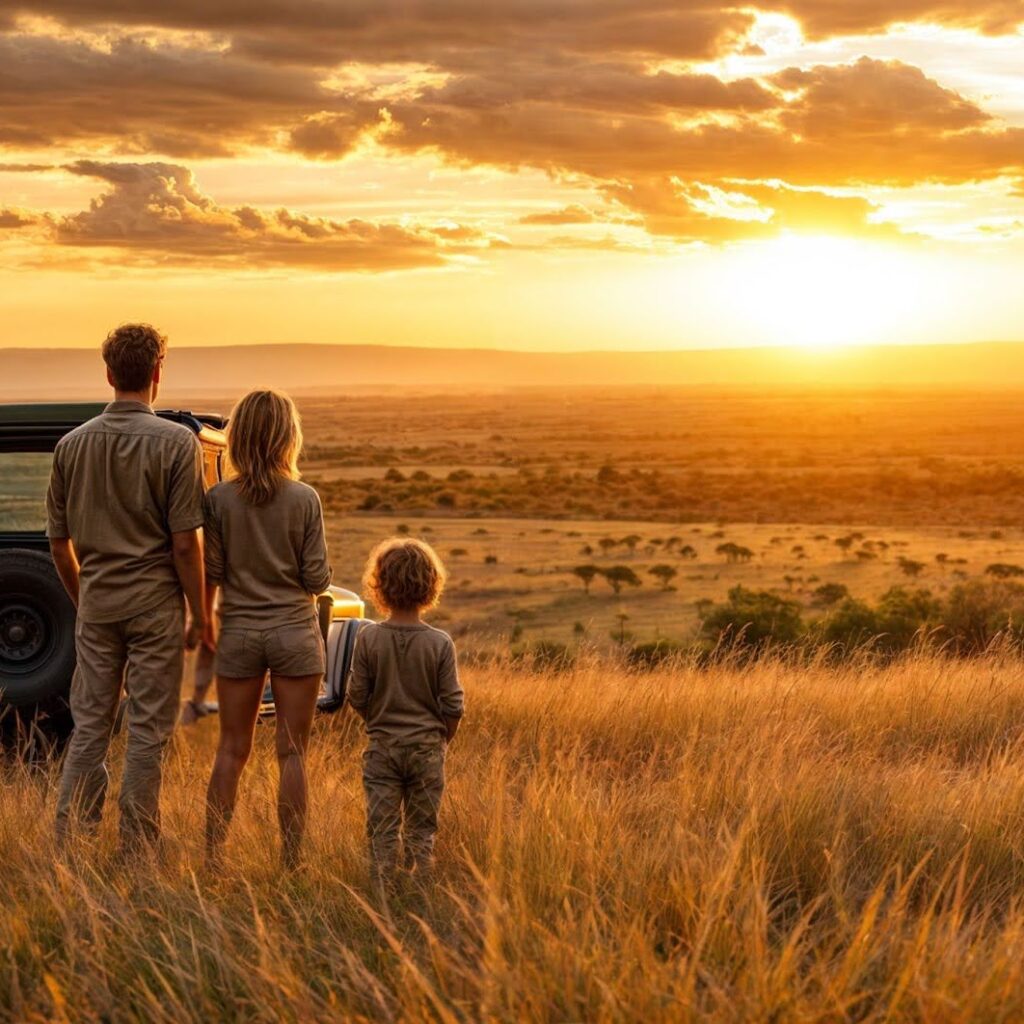
A family safari in Tanzania is one of the most unforgettable travel experiences for children and parents alike. From spotting lions in the Serengeti to watching elephants roam beneath ancient baobab trees in Tarangire, an African safari creates lifelong memories while teaching kids about wildlife conservation, culture, and nature. Preparing children before the journey helps ensure a safe, exciting, and stress-free adventure. Parents planning a Tanzania family safari, luxury African safari package, or Serengeti wildlife tour should focus on health, packing, safety, entertainment, and realistic expectations. Kids who understand the safari environment become more confident, curious, and engaged during game drives and lodge stays. Whether you are planning a budget safari, fly-in safari, private safari, or all-inclusive African family vacation, proper preparation transforms your trip into an educational and magical African adventure for the entire family. 1. Teach Kids About African Wildlife Before the Trip One of the best ways to prepare children for a safari holiday is by introducing them to African wildlife before departure. Read safari books, watch wildlife documentaries, and explore maps of Tanzania’s famous national parks such as the Serengeti, Ngorongoro Crater, Tarangire, and Lake Manyara. Children become more excited when they recognize animals like elephants, giraffes, lions, zebras, cheetahs, and rhinos during game drives. Educational activities also help younger travelers understand animal behavior and conservation. Encourage kids to learn animal sounds, footprints, and migration patterns to make the safari interactive. This preparation builds curiosity and patience during long drives. Family safari tours in Tanzania are far more rewarding when children already understand the importance of wildlife protection and biodiversity. Turning preparation into a fun adventure helps kids feel emotionally connected to Africa before arriving on safari. 2. Explain What a Safari Experience Is Really Like Many children imagine safaris as nonstop animal action, but realistic expectations are important. Explain that game drives may involve early mornings, dusty roads, changing weather, and periods of quiet wildlife searching. Preparing children mentally helps reduce frustration and boredom. Describe how safari vehicles work, why guides speak softly near animals, and why patience is essential during wildlife viewing. Tell kids they may see incredible moments like a lion hunt or baby elephants crossing the road, but nature is unpredictable. Family safari vacations are about the entire wilderness experience, including landscapes, birds, sunsets, Maasai culture, and lodge life. Teaching children to appreciate every aspect of the journey improves their enjoyment. Tanzania safari experts often recommend involving children in spotting animals and using binoculars to keep them engaged throughout the adventure. 3. Choose a Family-Friendly Safari Destination Selecting the right safari destination is essential when traveling with children. Tanzania offers many family-friendly safari locations with shorter driving distances, comfortable lodges, and child-focused activities. Tarangire National Park is excellent for elephant sightings and easy wildlife viewing, while the Ngorongoro Crater offers one of the best chances to see the Big Five in a single day. The Serengeti provides thrilling wildlife experiences and Great Migration adventures for older children. Parents should choose safari itineraries that balance game drives with relaxation time. Family safari lodges often include swimming pools, family suites, cultural programs, and nature walks for kids. Luxury Tanzania safari operators can customize private safaris according to children’s ages and interests. A carefully planned safari route reduces travel fatigue and creates a smoother, more enjoyable family safari experience across East Africa. 4. Prepare Children for Long Game Drives Game drives are the heart of every African safari, but long hours in a vehicle can challenge young travelers. Before your Tanzania safari begins, talk openly about drive times and daily schedules. Bring travel games, coloring books, wildlife checklists, cameras, snacks, and storytelling activities to keep children entertained. Comfortable clothing and neck pillows help kids relax during longer drives across the Serengeti plains or Ngorongoro Highlands. Frequent stops for wildlife viewing and bathroom breaks also improve comfort levels. Encourage children to participate by spotting animals, identifying birds, or tracking wildlife movements. Safari guides often enjoy interacting with curious young travelers, making the experience educational and fun. Families planning luxury safaris or private safaris may benefit from flexible schedules that allow shorter drives and afternoon rest periods tailored specifically for children. 5. Pack the Right Tanzania Safari Gear for Kids Packing correctly can greatly improve your family safari experience in Tanzania. Children need lightweight clothing in neutral safari colors like khaki, green, and beige to stay comfortable and avoid attracting insects. Include sun hats, sunglasses, sunscreen, insect repellent, warm jackets for cool mornings, and sturdy walking shoes. A small backpack gives children independence while carrying snacks, water bottles, binoculars, and safari journals. Parents should also pack medications, wet wipes, hand sanitizer, and motion sickness remedies for longer drives. Cameras or child-friendly binoculars make game drives more exciting and interactive. Layered clothing works best because African safari weather changes throughout the day. Packing wisely ensures children remain comfortable during wildlife viewing, bush lunches, cultural visits, and lodge activities. Good preparation allows kids to focus fully on the adventure instead of discomfort. 6. Teach Safari Safety Rules Early Safety is one of the most important aspects of any family safari holiday. Before arriving in Tanzania, explain basic safari rules clearly and calmly to your children. Teach them to stay quiet near wildlife, remain seated inside safari vehicles, and always listen to guides and camp staff. Children should understand that wild animals are unpredictable, even near safari lodges and tented camps. Explain why walking alone is not allowed and why nighttime escorts are often necessary in wilderness areas. Practicing these rules beforehand helps children feel more confident during the trip. Family safari guides are highly experienced and trained to work with children, but preparation at home reinforces safe behavior. When children understand safari safety expectations, parents can relax more and enjoy unforgettable wildlife encounters across Tanzania’s breathtaking national parks. 7. Prepare Kids for Different Cultures and Traditions A Tanzania family safari is also a cultural journey filled with opportunities to meet local communities such as the Maasai people. Preparing
Luxus Lodge Tanzania Singita Sasakwa Lodge

Ultimate Singita Sasakwa lodge An ultra-luxurious safari retreat located in Tanzania’s Grumeti Reserve, offering spectacular views of the Serengeti plains. Built in the style of a stately Edwardian manor house, Singita Sasakwa Luxury Lodge features a light and airy atmosphere, offering panoramic views, a sense of immense freedom, and stillness.Striking the perfect balance between casual luxury and sophisticated elegance, Sasakwa Grumeti features a grand entrance, wraparound verandas, silver candelabras, and coveted antiques, as well as bespoke décor elements such as local artefacts and tribal cushions. The premium, ultra-luxury Safari Lodge provides guests with a front-row seat to the prolific wildlife in the 350,000-acre Singita Grumeti Reserve in the Serengeti. The experience makes for an unparalleled East African safari, complete with leisure activities that include bush walks, soothing wellness treatments and tennis. Activities Singita Sasakwa Luxury Safari Lodge Hot air balloon safari Float above the endless grasslands as the sun rises over Serengeti Sundowners See all the possible shades of pink blooming over the golden plains of Serengeti Breakfast Have a most delicious breakfast in a wilderness setting! Accommodation options at Singita Sasakwa Luxury Safari Lodge Unrivalled savannah views Offering expansive en-suite bathrooms, dressing areas, fireplaces, living rooms and French doors opening onto welcoming verandas, the elegant cottages feature polished parquet floors, vintage collectables and comfortable furnishings – and provide guests with complete privacy, as well as unfiltered space and time to connect with the breathtaking surrounds. Bed Type | savannah views Area | Serengeti | Grumeti Full Board The Singita Sasakwa Lodge Serengeti Prices for your chosen travel dates may vary depending on the season of travel. Please feel free to reach out to us for more information on the final price. Request A free Quote Facilities Room Types: Singita Sasakwa Lagoon View Room Singita Sasakwa Suites Singita SasakwaSavannah Panoramic Room Outdoor swimming pool Fitness center Airport shuttle (free) Family rooms Private shower En-suite bathroom Spa Power stations in public areas Free Wi-Fi in public areas Welcome Drink on Arrival Singita Sasakwa Location How to Get There: Guests can reach Singita Sasakwa Lodge via a 1.5-hour flight from Arusha to the Sasakwa airstrip, followed by a short drive to the lodge. Private charter flights can also be arranged. Another nearby airstrip is Fort Ikoma Airstrip. The lodge is located in the 350,000-acre Singita Grumeti Reserve, adjoining the Serengeti National Park. This makes it an ideal spot to witness the Great Migration from April to July, October to mid-December, and other wildlife year-round. Rates typically range from $2,500 to $7,000 per night, depending on the season and room type. All-inclusive options include meals, beverages, and safari activities. Singita Sasakwa Lodge is a high-end luxury safari lodge perched on a hilltop in the Grumeti Reserve, part of the Serengeti ecosystem in Tanzania. Offering panoramic views of the plains, the lodge combines Edwardian elegance with African charm, providing an exclusive experience in the heart of the wilderness. Luxury Lodge Safari Luxus Lodge Tanzania Singita Sasakwa Lodge Luxus Lodge Tanzania Singita Sasakwa Lodge Ultimate Singita Sasakwa lodge An ultra-luxurious safari retreat located in Tanzania’s Grumeti Reserve, offering spectacular views of the … Serengeti Lemala Nanyukie Lodge Serengeti Lemala Nanyukie Lodge Lemala Nanyukie Lodge —- Lemala Nanyukie Lodge Luxurious and captivating safari retreat situated in the heart of the … Little Oliver’s Camp | Luxury Tarangire Safari Camp Little Oliver’s Camp | Luxury Tarangire Safari Camp Oliver’s Camp – See description and beautiful photos —- Oliver’s Camp Explore Oliver’s Camp in Tanzania’s Tarangire is … 1 2 3 … 5 Next » Luxury Safari in Africa | Award-Winning Luxury African Safaris Experience the ultimate adventure with award-winning luxury African safaris. Explore iconic landscapes—Serengeti, Ngorongoro Crater, Tarangire National Park—while enjoying world-class comfort. Indulge in private game drives, gourmet dining, and elegant lodges blending seamlessly into the wild. Expert guides lead intimate encounters with Africa’s Big Five. From sunrise hot-air balloon rides to starlit bush dinners, every moment is curated for exclusivity and awe. This is not just a safari—it’s an unforgettable journey into Africa’s heart, crafted with precision and passion. Wonderful 11-Day Ultra-Luxury Tanzania Safari Packages Wonderful 11-Day Ultra-Luxury Tanzania Safari Packages Exceptional 11-Day Ultra-Luxury First Class African safari Experience the ultimate in Ultra-Luxury first-class African safari offers a premium … 9 Days | Classic Luxury Tanzania Signature Safari 9 Days | Classic Luxury Tanzania Signature Safari Luxury Tanzania and Zanzibar Honeymoon Safaris 9 Day Luxury Tanzania and Zanzibar Honeymoon Safaris. Dream Honeymoon Safari to … 7 Days | Alluring East African Luxury Safari 7 Days | Alluring East African Luxury Safari Perfect 7 Days Luxury Safari in Tanzania Experience the ultimate adventure with our 7-Day Tanzania Luxury Safari. Journey … 1 2 3 4 Next »
3- Day Great Migration River Crossings

3-Day Great Migration River Crossings Experience the 3-Day Great Migration River Crossings safari in the iconic Serengeti National Park, one of the world’s most searched wildlife adventures and a top Tanzania safari key destination. This short yet powerful itinerary focuses on the dramatic Mara River crossings, where millions of wildebeest, zebras, and gazelles follow the Great Wildebeest Migration across crocodile-infested waters. Day one begins with arrival in the Northern Serengeti, a prime hotspot for Great Migration safari tours and luxury African safari packages. Day two is dedicated to full-day game drives along the Mara River, witnessing thrilling river crossings, Big Five wildlife sightings, and unmatched wildlife photography opportunities. Day three offers sunrise game drives before departure, capturing the final moments of the Serengeti migration spectacle. This 3-Day Great Migration River Crossings safari package is ideal for a luxury safari in Tanzania, fly-in safari experiences, and bucket-list African wildlife tours. It delivers high value for terms like Great Migration safari, Serengeti river crossings, Tanzania safari packages, and African safari holidays. Perfect for travelers seeking peak migration season experiences in East Africa, combining adventure, luxury, and unforgettable wildlife encounters in Tanzania’s Serengeti National Park safari tours. 3-Day Great Migration River Crossings Itinerary A 3-Day Great Migration river crossing focuses on a short, targeted safari designed to witness the dramatic spectacle of wildebeest and zebra plunging into the Mara River in the Northern Serengeti during its peak viewing season, typically July to early October. These safaris often involve flying into the area, staying at lodges near key crossing points, and dedicating the time to finding and observing the herds and predators, though the exact timing of the crossings is unpredictable. Day 1: Flying into the Northern Serengeti – Arrival at the Epicenter Your adventure begins in Arusha, where you’ll be transferred to a local airstrip for a thrilling scheduled flight to the Kogatende airstrip in the heart of the Northern Serengeti. This flight offers breathtaking aerial views of Tanzania’s diverse landscapes, from the green highlands to the vast, golden plains of the Serengeti. Upon landing, you’ll be warmly greeted by your expert safari guide, who will lead you to your custom-built safari vehicle. Your journey to Mara Kati Kati Tented Camp (or similar) will be your first game drive, a perfect introduction to the incredible wildlife of the Northern Serengeti. In July, this area is the epicenter of the Great Migration. The landscape is dotted with millions of wildebeest and zebra, all gathered with one goal: to cross the Mara River into Kenya. Keep your eyes peeled for the first signs of this incredible spectacle. After a day of travel and an initial game drive, you’ll arrive at your camp, a classic and comfortable tented lodge. Enjoy dinner and a peaceful night’s sleep, listening to the distant sounds of the African bush. Day 2: Serengeti National Park — A Day of River Crossing Drama Wake up before dawn to the aroma of freshly brewed coffee, a hallmark of safari life. Today is dedicated to experiencing the heart-pounding drama of the Mara River crossings. After a quick breakfast, you’ll head out on a full-day game drive to the riverbanks. Your guide will use their extensive knowledge of the area and the animals’ behavior to position you for the best possible viewing spots strategically. The sight of hundreds of thousands of wildebeest and zebra massing on the river’s edge is a sight to behold. Witness the tension, the hesitation, and the final courageous leap into the treacherous waters, where giant Nile crocodiles lie in wait. This is a dramatic, chaotic, and utterly unforgettable event. Beyond the river crossings, the Northern Serengeti is a haven for a wide range of other wildlife. You’ll have opportunities to spot lions, leopards, and cheetahs, who are drawn to the immense herds. You’ll enjoy a packed picnic lunch in a scenic spot, allowing you to stay close to the action. As the day ends, you’ll return to Mara Kati Kati Tented Camp for dinner and an evening filled with stories of the day’s incredible encounters. Day 3: Final Game Drive & Flight Out of the Serengeti – A Fond Farewell Enjoy one final early morning game drive in the Northern Serengeti. This is a great opportunity to catch some of the local wildlife, perhaps a graceful giraffe at sunrise or a hippo returning to the water. Your guide will take you on a final exploration of the plains, soaking in the last moments of this magical landscape. After a final safari breakfast back at the camp, you’ll be transferred back to the Kogatende airstrip. You’ll board a scheduled flight to Arusha, a scenic journey that offers a final aerial perspective of the Serengeti and its famous inhabitants. Upon landing in Arusha, you will be met and transferred to either Kilimanjaro International Airport (JRO) or Arusha Airport (ARK) for your international flight home. You’ll leave Tanzania with memories of a lifetime, having witnessed one of nature’s most spectacular and compelling events. Serengeti Safari Essentials Packing List Clothing: Pack light, breathable clothing in neutral tones (khaki, beige, olive green) to avoid attracting tsetse flies and to blend into the landscape. Given that you’ll be flying in a light aircraft, luggage weight restrictions (often 15kg/33lbs per person in soft-sided bags) are crucial to adhere to. Long-sleeved shirts and trousers are essential for sun protection and for cool evenings. A warm jacket or fleece is a must for chilly early morning and late evening game drives. Footwear: Comfortable, closed-toe shoes are all you need. You’ll spend most of your time in the safari vehicle, so heavy boots are unnecessary. Sun Protection: A wide-brimmed hat, high-SPF sunscreen, and sunglasses are vital for protection against the intense equatorial sun. Insect Repellent: A DEET-based repellent is highly recommended, especially in the evenings. Camera Gear: This is a photography-focused trip! Bring a good camera with a powerful zoom lens (200mm+ recommended), extra batteries, and plenty of memory cards. A power bank is also a good idea. Health: