
Photographic Safaris

African Photographic Safaris Offered by Reputable Tour Operators —- Tanzania African Photographic Safaris offer an unforgettable journey through some of the continent’s most iconic wildlife destinations. Designed for photographers of all levels, these safaris combine expert guidance. Ideal lighting conditions and access to prime locations such as Serengeti National Park. Ngorongoro Crater, Tarangire, and Lake Manyara. Capture breathtaking moments of the Great Migration, dramatic predator action. And the beauty of Tanzania’s diverse landscapes — from vast plains to volcanic craters and flamingo-filled lakes. Photo Safaris Expeditions with private small group sizes and flexible itineraries, photographers enjoy ample time to frame each perfect shot. These safaris not only enhance technical skills but also inspire creativity, storytelling, and a deeper connection with nature. Whether focusing on wildlife portraits, golden-hour landscapes, or cultural encounters. Sample Tanzania photo safari packages with the Maasai, Tanzania African Photographic Safaris deliver an extraordinary experience that blends adventure, artistry, and the untamed spirit of East Africa. What to Expect on a Tanzania Photography Safari Tours? On a Tanzania photography safari, you can expect expert photographic guidance, custom itineraries, and specialized vehicles to help you capture stunning images of wildlife and landscapes, such as the Great Migration and big cats. Expect light to moderate physical activity, including game drives on bumpy roads and walking on uneven terrain. You should also prepare for early mornings and potentially all-day outings, depending on the wildlife’s activity. Best time to go on Tanzania Photo Safari Tours The best time for a Tanzania photo safari depends on the desired photography subject: June to October is the best time for a Tanzania Photo safari offers the clearest conditions with abundant wildlife concentrated around water sources for classic, high-contrast shots, while November to March provides lush, green landscapes, new births, and dramatic skies, ideal for different photographic styles. For the spectacular Africa photography tours, great Migration river crossings, target July to September. Do you know where to go on a Photographic Safari in Tanzania? Arusha National Park Where to Go in Africa on a Photographic Safari? Arusha National Park, an amazing photographic destination in Tanzania, offers breathtaking diversity within a compact area. From the lush forests of Mount Meru’s slopes to the sparkling Momella Lakes and Ngurdoto Crater, every scene is picture-perfect. Photographers can capture flamingos, giraffes, colobus monkeys, and dramatic views of Kilimanjaro. Its varied landscapes, shifting light, and tranquil atmosphere make Arusha National Park a remarkable destination for capturing the beauty and contrast of East Africa’s natural wonders. Tarangire National Park Tarangire National Park, a hidden photographic treasure in Tanzania, captivates with its vast baobab-studded landscapes and abundant wildlife. Known for large elephant herds and dramatic dry-season gatherings around the Tarangire River, it offers dynamic scenes of predators and grazers. The golden light enhances its rich colors and textures, perfect for striking compositions. With diverse habitats, birdlife, and sweeping savannas, Tarangire provides photographers an authentic and visually stunning glimpse into East Africa’s wild beauty. Lake Manyara National Park Lake Manyara National Park, a top photographic gem in Tanzania, captivates with its diverse landscapes and vibrant wildlife. Set between the Great Rift Valley escarpment and the shimmering lake, it offers stunning scenes of flamingos, tree-climbing lions, elephants, and rich birdlife. Photographers delight in capturing reflections on the lake’s surface, lush forests, and dramatic backdrops. Its blend of scenery and wildlife makes Lake Manyara an exceptional destination for striking and colorful nature photography. Lake Eyasi | Hadzabe, Datoga, Bushmen Lake Eyasi is a top Tanzania destination for photography due to its unique opportunities to respectfully photograph the Hadzabe hunter-gatherers and Datoga pastoralists, who offer a glimpse into traditional East African life. To get the best photos, engage with these communities, respect their culture, and consider visiting during the green season (March to mid-June, or October to November). When the landscape is lush, which enhances the visual appeal of the scenery, and the weather is pleasant for photography. Serengeti National Park Serengeti National Park, Tanzania’s premier photographic destination, offers breathtaking landscapes and unmatched African Photo Safaris and wildlife encounters. Renowned for the Great Migration Tanzania Photo Safari Tours, it features endless savannas, acacia-dotted plains, and dramatic sunsets. Photographers capture iconic scenes of lions, elephants, cheetahs, and vast herds of wildebeest and zebra. With its rich biodiversity and golden light, the Serengeti provides extraordinary opportunities for stunning, timeless images that showcase the Serengeti Great Migration Photo Safari packages, the essence of African wilderness, and natural beauty. Ngorongoro crater Ngorongoro Crater, a UNESCO World Heritage Site in Tanzania, is a breathtaking photographic destination in East Africa. This vast volcanic caldera shelters an incredible Tanzania Photo Safari destination with a diversity of wildlife, including lions, elephants, rhinos, and flamingos, set against lush grasslands and crater walls. Photographers are drawn to its dramatic landscapes, shifting light, and dense concentration of animals. The crater’s unique ecosystem and panoramic beauty make it one of Africa’s most spectacular locations for unforgettable wildlife photography. Lake Natron | Salt Flats, Soda Lake, Rift Valley Lake Natron, nestled in Tanzania’s Rift Valley, is a striking photographic destination famed for its surreal salt flats and vivid soda lake. Its red and pink hues, shaped by mineral-rich waters, create otherworldly landscapes. The area attracts thousands of flamingos, offering captivating wildlife and reflection shots. With the looming Ol Doinyo Lengai volcano as a backdrop, Lake Natron provides photographers with dramatic contrasts, ethereal beauty, and unique opportunities for artistic, landscape, and wildlife imagery How to book a Tanzania Photo Safari Tours? To book a Tanzania photo safari, first research tour operators and compare their offerings, then contact your chosen operator to discuss your specific needs, such as the type of wildlife and desired dates. Once you’ve agreed on an itinerary, confirm the total cost, including all fees, and pay a deposit to secure your booking. Finally, arrange necessary logistics like visas, travel to Tanzania, and insurance before your trip. What to Pack for a Tanzania Photography Safari Tours? For a Tanzania photography safari, pack lightweight, neutral-colored clothing, a high-quality camera
Birdwatching Safaris
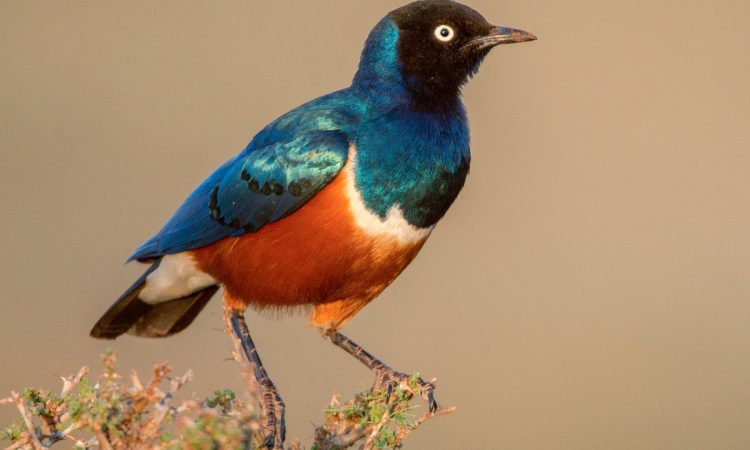
African Birding Tours Offered by Reputable Tour Operators —- Tanzania Bird Watching Safaris offer an unforgettable experience for bird enthusiasts, showcasing over 1,100 bird species across diverse habitats. From the flamingo-filled shores of Lake Manyara and the Serengeti plains to the lush forests of the Eastern Arc Mountains and the wetlands of Selous, Tanzania is a birder’s paradise. Endemic species like the Udzungwa Forest Partridge and the Pemba Sunbird, along with migratory flocks from Europe and Asia, make every safari unique. Expert local guides lead guests through prime birding spots, ensuring remarkable sightings and in-depth insights into each species’ behavior and ecology. Whether exploring on foot, by 4×4, or by boat, bird watchers enjoy close encounters with Tanzania’s vibrant avifauna amid breathtaking landscapes. Ideal for both amateur and seasoned birders, Tanzania Bird Watching Safaris combine exceptional wildlife viewing, photography opportunities, and rich cultural experiences, making it one of Africa’s premier destinations for ornithological adventures. What to Expect on a Bird Watching Safari in Tanzania? On a Tanzanian bird-watching safari, expect to see a vast array of resident and migratory bird species across diverse habitats like wetlands, forests, and savannas. You’ll participate in guided walks, game drives, and boat safaris, and potentially night drives, to spot a variety of birds from large ostriches and raptors to small, colorful species. Our Tanzania bird watching safaris packages accommodations range from comfortable lodges to remote tented camps, and it’s common to see other wildlife like elephants and lions alongside the birds. Best time to go: The wet season (November to May) is ideal for Tanzania bird watching safari tours viewing migratory birds, while the dry season concentrates birds around permanent water sources, making them easier to best tanzania bird watching safari spot. An individual private Tanzania bird watching safari is suitable for families and kids, honeymooners/couples, and seniors, with a top selection ranging from budget, mid-range, to luxurious options. Do you know where to go on a Tanzania Bird Watching Safari? Arusha National Park An Arusha National Park top destination for bird watching safari, offers a diverse experience with both forest and aquatic bird species, including flamingos, herons, and ducks. The park is a biosphere reserve that includes the alkaline Momella Lakes, which are fed by algae and attract a large number of waterbirds. The park is also home to other wildlife, such as giraffes, zebras, and monkeys, making it a popular day trip from Arusha. Accessibility: The park is easily accessible for a day trip from Arusha, making it a convenient option for those with limited time. Planning your safari Best time to visit: The wet season, from November to March, is often best for birding as migratory birds are present and resident species are in breeding plumage. What to expect: You will likely see a mix of large mammals and a wide variety of birds in a single day. Activities: Safaris can involve game drives and guided walking safaris. What to bring: Binoculars and a field guide will enhance your experience, as will a camera to capture the diverse avian life. Facts: Arusha National Park is one of the mysterious national parks located in Northern Tanzania, Northeast of Arusha city. It is famous for being a home to Tanzania’s second-highest mountain, Mount Meru, and the world’s largest population of giraffes. It covers 552 square kilometers. Tarangire National Park Tarangire National Park is famous for its large elephant herds, iconic baobab trees, and incredible birdlife. It has the highest concentration of elephants in Tanzania, with large herds gathering at the Tarangire River during the dry season. The park’s diverse landscape is dotted with massive, ancient baobab trees, and it is a birdwatcher’s paradise with over 550 bird species. Elephants: The park is home to one of the largest elephant populations in Africa, with herds of up to 300 elephants congregating along the Tarangire River during the dry season. Baobab trees: Majestic and ancient baobab trees dominate the landscape, creating a unique and picturesque environment. Birdlife: Tarangire is a haven for birdwatchers, with swamps that host a huge number of breeding bird species, and over 550 species in total, including birds such as ostriches, Starlings, Raptors and Vultures, Hornbills, Yellow-collared Lovebird, Kori Bustard, secretarybirds, lilac-breasted rollers, and hammerkop, one of the top bird watching spots in Tarangire National Park. Diverse wildlife: The park supports a wide array of wildlife, including lions, leopards, cheetahs, zebras, giraffes, and wildebeests. Tree-climbing lions: It is one of the few places in Tanzania where you can see lions that have a habit of climbing trees. The best time for birding is during the wet season from November to April, when migratory birds arrive and resident birds are in breeding plumage. Lake Manyara National Park Lake Manyara National Park is a national park in Tanzania located between Lake Manyara and the Great Rift Valley in the Arusha and Manyara Regions. It is administered by the Tanzania National Parks Authority, and covers an area of 325 km², including about 230 km² of lake surface. The rift valley escarpment wall gives the Park a spectacular view. Famous for its tree-climbing lions, the Park, with its underground water forest, supports many lives, especially the primates. Hot water springs are one of the rare geological features that give visitors to this area an opportunity to explore. A bird watching tour in Lake Manyara National Park is an exciting safari activity that offers a chance to see over 400 bird species, including large numbers of flamingos, and other aquatic birds like pelicans, cormorants, hornbills, eagles, and kingfishers. The best time for this tour is during the wetter season from November to May when migratory birds are present, and flamingos congregate at the lake. Tours can involve driving through different park habitats, visiting the hippo pool, and potentially exploring the unique treetop walkway for a canopy view. Serengeti National Park Serengeti National Park is a vast World Heritage Site in Tanzania, celebrated for the Great Migration of over two million wildebeest, zebras, and gazelles. Spanning
Mountain Climbing
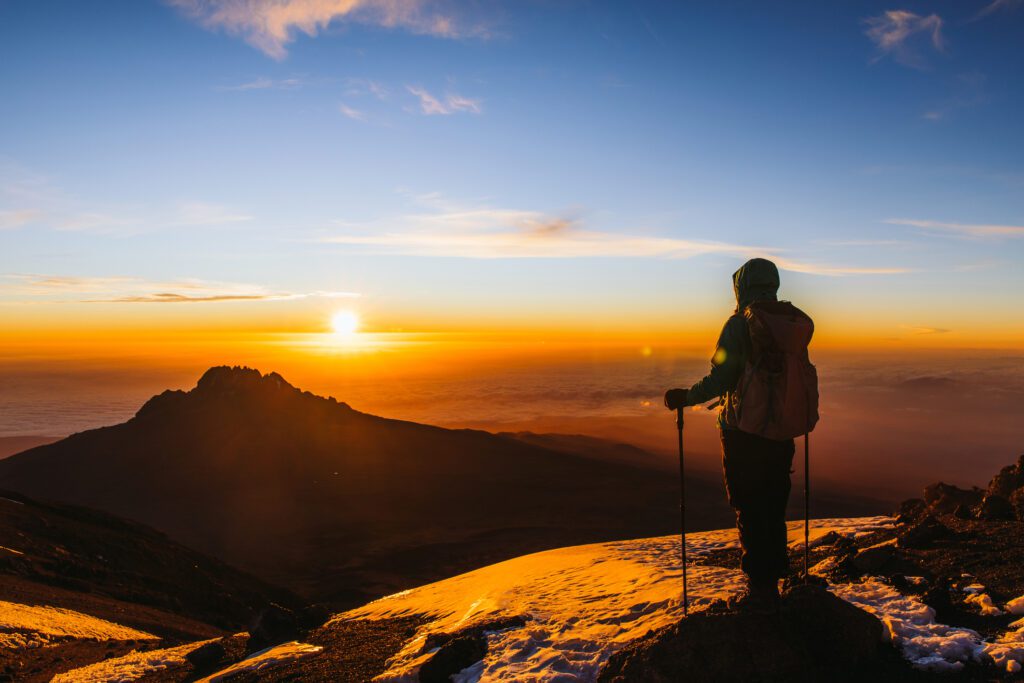
Hiking and Climbing Adventures in Tanzania —- Mountain climbing in Tanzania offers an unforgettable adventure through some of Africa’s most stunning landscapes. The country is home to Mount Kilimanjaro, Africa’s highest peak at 5,895 meters, attracting climbers from around the world. Trekkers can choose from several routes, each offering unique scenery, from lush rainforests and alpine meadows to icy glaciers near the summit. Beyond Kilimanjaro, Mount Meru in Arusha National Park provides a challenging yet rewarding climb with breathtaking views of Kilimanjaro and abundant wildlife along the trail. For those seeking more rugged experiences, the Usambara and Udzungwa Mountains offer scenic treks through remote villages and tropical forests. Tanzania’s mountain climbing combines physical challenge with cultural richness, as climbers encounter local guides, porters, and vibrant communities. Whether summiting Kilimanjaro or exploring lesser-known peaks, Tanzania promises an inspiring journey of endurance, discovery, and natural beauty. What to Expect on a Mountain Climbing in Tanzania Mountain climbing in Tanzania is a once-in-a-lifetime adventure, especially on iconic peaks like Mount Kilimanjaro and Mount Meru. Expect diverse landscapes, from lush rainforests and alpine meadows to rocky terrains and snow-capped summits. Climbers experience changing weather, high-altitude trekking, and breathtaking panoramic views. Professional guides, porters, and cooks support your journey, ensuring safety and comfort. Altitude acclimatization is essential, as conditions can be physically demanding. Wildlife sightings are possible on lower slopes. Each day involves several hours of hiking, rest stops, and overnight stays in camps or huts, creating an unforgettable, immersive outdoor experience. How to Prepare for a Mountain Climbing Adventure? Preparing for a mountain climbing adventure in Tanzania requires careful planning and physical readiness. Start with cardiovascular and strength training to build endurance for high-altitude trekking. Pack essential gear, including layered clothing, hiking boots, sleeping bags, and trekking poles. Research the best time to climb for favorable weather conditions. Choose a reputable tour operator for safety and logistics. Acclimatization days are crucial to prevent altitude sickness. Stay hydrated, eat nutritious meals, and follow your guide’s instructions. Travel insurance, permits, and vaccinations are also important. Proper preparation ensures a safe (successful) and enjoyable mountain climbing experience. A Beginner’s Guide to Mountaineering To start mountaineering, beginners should first build physical fitness and gain basic skills through training and courses from guides. Next, choose a manageable beginner-friendly mountain and research it thoroughly, gathering the correct gear such as a helmet, harness, and crampons. Finally, create a detailed plan that includes travel, route details, and weather, and pack essential items like navigation tools, food, water, and a first-aid kit. Where to go on Mountain Climbing in Tanzania? Climbing Kilimanjaro: Everything a Beginner Needs to Know Climbing Mount Kilimanjaro in Tanzania is one of the world’s most iconic trekking adventures and a top bucket list experience in Africa. Known as the highest free-standing mountain on Earth, it attracts beginners seeking a non-technical but physically demanding challenge. Popular Kilimanjaro climbing routes include Machame, Marangu, Lemosho, and Rongai, each offering unique scenery and difficulty levels. Successful summit attempts require proper acclimatization, guided trekking, and preparation for altitude sickness. Reaching Uhuru Peak at 5,895m is the ultimate reward, making Kilimanjaro trekking tours a life-changing experience for adventure travelers worldwide. What to Expect When Climbing Mount Kilimanjaro Climbing Mount Kilimanjaro is a once-in-a-lifetime adventure combining trekking, altitude challenge, and breathtaking scenery. Expect diverse ecosystems—from lush rainforest and moorland to alpine desert and icy summit glaciers. Days involve 5–8 hours of hiking, with gradual altitude gain following the “pole pole” (slowly) approach. Summit night is the toughest, requiring a midnight ascent to Uhuru Peak. You’ll face cold temperatures, thinner oxygen, and physical fatigue. However, experienced guides, porters, and structured itineraries enhance safety and success rates. The reward is unmatched: panoramic sunrise views over Africa’s highest mountain and an unforgettable personal achievement. When Is the Best Time to Climb Mount Kilimanjaro The best time to climb Mount Kilimanjaro depends on weather, visibility, and trail conditions. The peak climbing seasons are January to mid-March and June to October, offering clear skies, lower rainfall, and excellent summit views. These months align with Tanzania’s dry seasons, making trails less slippery and more enjoyable. However, they are also the busiest periods. April, May, and November bring heavier rains, fewer crowds, and discounted packages, but challenging conditions. For optimal success rates, many trekkers choose July, or February. Ultimately, the best time balances weather preferences, budget, and desired crowd levels for your Kilimanjaro climb. How Long Does It Take to Climb Mount Kilimanjaro Climbing Mount Kilimanjaro typically takes between 5 and 9 days, depending on the chosen route and acclimatization schedule. Shorter routes like Marangu or Umbwe can be completed in 5–6 days but have lower success rates due to limited acclimatization. Longer routes such as Lemosho, Machame, and Northern Circuit (7–9 days) significantly improve summit success by allowing gradual altitude adaptation. Most climbers spend an additional 1–2 days before and after the trek for preparation and recovery. Choosing a longer itinerary is highly recommended for safety, comfort, and maximizing your chances of reaching Uhuru Peak, the highest point in Africa. Is Climbing Mount Kilimanjaro Worth It? Climbing Mount Kilimanjaro is absolutely worth it for adventure seekers, nature lovers, and bucket-list travelers. As Africa’s highest peak and one of the world’s Seven Summits, Kilimanjaro offers a unique, non-technical climb accessible to beginners with proper preparation. The journey delivers stunning landscapes, cultural encounters with local guides, and a powerful sense of achievement. Reaching Uhuru Peak at 5,895 meters is both physically and mentally rewarding. Beyond the summit, the experience fosters resilience, connection with nature, and unforgettable memories. For many, Kilimanjaro is not just a climb—it’s a life-changing journey and a symbol of personal triumph. How Much Does It Cost to Climb Mount Kilimanjaro The cost to climb Mount Kilimanjaro ranges from $1,800 to $6,000+ per person, depending on route, duration, and level of service. Budget operators offer lower prices but may compromise on safety and staff welfare. Mid-range and luxury packages include professional guides, quality gear, better meals, and higher success rates.
Night Game Drive
African Safari Night Game Drives · Best Seller · Top Rated Operator —- A night game drive in Tanzania offers a thrilling opportunity to experience the African wilderness after dark. Guided by expert rangers and equipped with powerful spotlights, you’ll explore the savannah as nocturnal creatures emerge. Witness predators like lions, leopards, and hyenas on the hunt, while bushbabies, genets, and owls reveal the hidden life of the night. The cool air, star-filled skies, and mysterious sounds of the bush create an unforgettable atmosphere. Available in select parks such as Lake Manyara, Tarangire, and the Serengeti’s private concessions, a night game drive reveals a completely different side of Tanzania’s wildlife—wild, intimate, and full of surprises. Night game drives in Africa are a unique opportunity to see nocturnal wildlife in parks like Lake Manyara National Park and Tarangire National Park, which are ideal locations because they allow these drives to operate. These drives are conducted after dark with the use of spotlights to find animals like leopards, lions, civets, genets, and hyenas, which are often active at night. While allowed in specific areas, they are not permitted in all parks; some private reserves also offer this experience. What to Expect on a night game drive in Tanzania? Night Game Drive Safari in Tanzania: What You Can Expect? On a night game drive in Tanzania, expect to see different animals than during the day, including nocturnal creatures like bush babies, civets, and porcupines, as well as predators like lions and leopards on the hunt. You will use spotlights from a specially equipped vehicle with an experienced guide. Who will also share knowledge about the animals and the unique sounds and atmosphere of the night safari. What you will see and experience Nocturnal wildlife. Spot animals active after dark, such as aardvarks, genets, and hippos grazing on land. Predators at work. Witness big cats like lions and leopards becoming more active for hunting under the cover of night. Eyes in the dark. Look for the reflective eyes of animals caught in the spotlight as you drive through the bush. Unique sounds. Listen to the distinctive sounds of the African night, including the calls of hyenas and owls. Stargazing. Enjoy the clear, starry skies away from city lights, with a chance to see the Milky Way. A different perspective. Experience the thrill and mystery of the wilderness at night, which provides a completely different perspective from a daytime safari. The logistics and guides Vehicle and guide. You will travel in a 4×4 safari vehicle with spotlights, accompanied by a professional guide who uses the lights to scan the area. Typical duration. Drives typically last about 2 to 3 hours, starting just after sunset. What to do. Stay inside the vehicle, remain quiet to avoid disturbing the animals, and listen to your guide’s insights. Note on sightings. These drives are about the quality of unique, elusive sightings rather than seeing a large quantity of animals. Where to go on a night game drive in Tanzania? Night Game Drive in Tarangire National Park A night game drive in Tarangire National Park offers a rare and exhilarating safari experience. As the sun sets, the park transforms into a world alive with nocturnal activity. Guided by expert rangers and illuminated by spotlights. You’ll explore the acacia woodlands and iconic baobab-dotted landscapes to witness elusive creatures of the night. Watch as lions and leopards prowl, hyenas scavenge, and smaller animals like genets, civets, and bushbabies come to life. The sounds of crickets, distant calls, and rustling grass heighten the sense of mystery. With its rich wildlife and serene atmosphere. Tarangire’s night game drive reveals the park’s hidden side—intimate, wild, and unforgettable. What to expect on a Night Game Drive in Tarangire National Park? On a night game drive in Tarangire National Park, expect to encounter nocturnal animals like leopards, genets, and porcupines, with the chance to see lions and hyenas. Guided by professionals using powerful spotlights from custom safari vehicles. You will experience the park’s unique nighttime atmosphere. Listen to the sounds of the bush, and enjoy spectacular views of the starry sky. When is the best time to go on a Night game drive in Tarangire National Park? The best time for a night game drive in Tarangire National Park is the dry season, from June to October, because animals congregate around water sources, and the thinning vegetation makes them easier to spot. However, night drives are available year-round and can still be rewarding in the wet season, which offers different scenery and nocturnal activity. Should I go on a Night game drive in Tarangire National Park? Is it worth it? Yes, a night game drive in Tarangire National Park is worth it for a unique and exciting safari experience. It offers the chance to see nocturnal animals like leopards, hyenas, and bush babies, and to witness the park in a completely different, quieter atmosphere. Night drives provide a different perspective from day drives and can significantly enhance your overall safari adventure, especially if your accommodation offers them. How Much Does a Night game drive in Tarangire National Park Cost? A night game drive in Tarangire National Park typically costs around $880 to $1100 per person. Though prices can vary significantly depending on the provider. This price often includes the use of a specialized vehicle and a guide. But you will also need to pay an additional park fee per person specifically for the night drive, in addition to the standard park entrance fees. Night Game Drive in Lake Manyara National Park A night game drive in Lake Manyara National Park offers a magical glimpse into the park’s nocturnal world. As darkness falls, guided spotlights reveal lions, leopards, and elusive creatures like civets and porcupines. The shimmering lake and dense forests come alive with sounds of the night, creating an enchanting atmosphere. This unique experience allows visitors to witness the park’s wildlife from a new perspective—mysterious, thrilling, and truly unforgettable. What to expect Night Game Drive in
Balloon Safaris
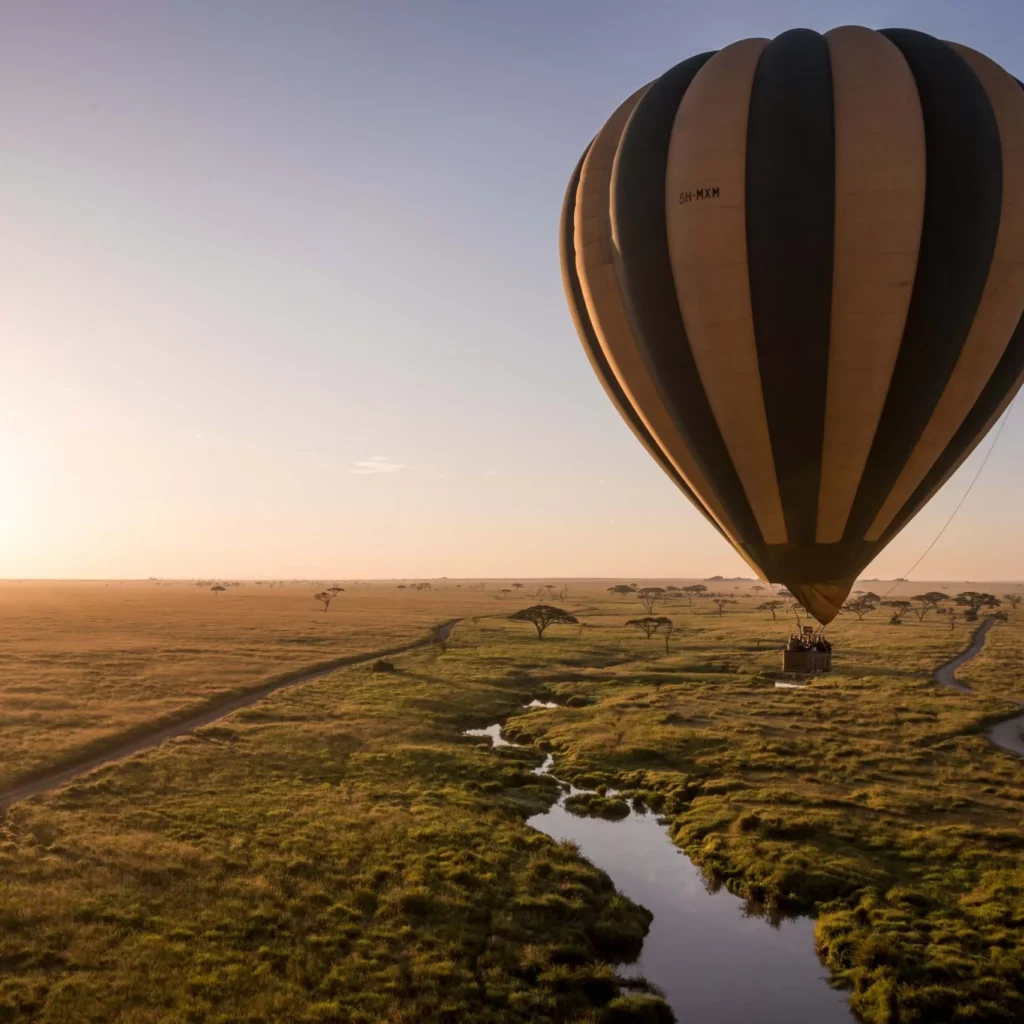
Tanzania Hot-air Balloon Safari · Best Seller · Top Rated Operator —- A Hot Air Balloon Safari in Tanzania offers a breathtaking way to experience the country’s iconic landscapes and wildlife from above. As the sun rises over the Serengeti or Tarangire National Park. The balloon silently drifts across golden plains dotted with acacia trees and herds of wildebeest, elephants, and giraffes. The peaceful flight provides a unique vantage point to witness the vastness of the savannah and the rhythm of the wild below. Join us for an unforgettable journey above the Serengeti, Tarangire, and Ruaha. Pioneers Of Balloon Safaris in Tanzania Arrive at the launch site, climb into the basket to be warmed by the burners, and rise softly in the twilight. At altitude, witness the sunrise over Tanzania. With baskets varying in size, its possible to enjoy a private experience as a couple or family, or as part of groups of up to 16 people. After landing, guests treated to a traditional champagne breakfast in the bush, completing this unforgettable adventure. Perfect for photographers and nature lovers, a balloon safari combines serenity, excitement, and natural beauty in one extraordinary experience. What to Expect on a Hot Air Balloon Safari in Tanzania? A hot air balloon safari in Tanzania involves an early morning pickup, a safety briefing, and a sunrise flight over the savannah, lasting approximately an hour, which offers unique aerial views of wildlife and landscapes. The experience concludes with a champagne breakfast in the bush after a gentle landing. You should be prepared for cool pre-dawn temperatures and book your flight well in advance. How to Experience a Hot Air Balloon Tanzania Safari? To experience a hot air balloon safari in Tanzania, book a flight in a park like the Serengeti or Tarangire, the best Places for an African Hot Air Balloon Safari. Africa Balloon Safari Destinations, where you’ll need to stay overnight. Your experience begins before sunrise with a transfer to the launch site, followed by a 40-60 minute flight as the sun rises. Offering unique wildlife viewing and panoramic views. The trip concludes with a special bush breakfast and a champagne toast after landing. Where to go on a hot air balloon safari in Tanzania? Hot air balloon flights in Serengeti National Park Where to Go for Hot Air Balloon Safaris in Africa? Hot air balloon flights over Serengeti National Park offer a magical sunrise experience above Africa’s most famous wilderness. Gently floating over endless plains, passengers witness herds of wildebeest, elephants, and lions from a unique aerial view on hot Air Balloon Safaris Over Africa. The peaceful silence, broken only by the burner’s roar, enhances the sense of wonder. After landing, a traditional champagne breakfast awaits in the bush. Making this an unforgettable highlight of any Serengeti safari adventure. What to expect on a Serengeti hot air balloon safari? A Serengeti hot air balloon safari top most popular places to take a Balloon Safari involves an early morning start. A pre-flight briefing and a silent, sunrise flight of about one hour. You’ll see the landscape and wildlife, such as herds of wildebeest, elephants, and big cats. From a unique aerial perspective before a celebratory champagne breakfast in the bush. Followed by a certificate ceremony and a transfer back to your lodge. When is the best time to go on a Serengeti hot air balloon safari? The best time for a Serengeti hot air balloon safari its during the dry season from June to October. This offers the most predictable weather and coincides with the Great Migration. Alternatively, the green season (around December to March), a great option for fewer crowds and lush scenery, especially if you want to see the wildebeest calving season. Though some flights may be affected by rain. Best times to fly: Flights are scheduled from different launch sites depending on the time of year: Year-round: Near Seronera December to March: Ndutu area June to October: Western Corridor July to October: Northern Serengeti Should I go on a Serengeti hot air balloon safari? Is it worth it? Yes, a Serengeti hot air balloon safari widely considered worth it for the unique, peaceful perspective it offers. Though it comes at a high cost, and doesn’t guarantee close-up wildlife sightings. It provides unforgettable sunrise views of the plains from above. Often includes a bush breakfast afterward, and is described by many as a “once-in-a-lifetime” experience. How Much Does a Serengeti Hot Air Balloon Safari Cost? A Serengeti hot air balloon safari typically costs between $650 and $15000 per person, with many companies pricing it around $599+. This price generally includes a roughly one-hour flight, pre-flight briefing, transfers from a local lodge or camp, and a post-flight champagne bush breakfast. Booking in advance recommended, especially during peak season, which runs from June to October. Tarangire National Park hot air balloon Safari A Tarangire National Park hot air balloon safari its a sunrise experience offering panoramic aerial views of the park. Wildlife and landscapes, often concluding with a champagne bush breakfast. The safari provides unique perspectives of elephants, giraffes, and baobab trees, with costs typically ranging from approximately $650 to $750 per person. The experience can take around 1 hour and often involves a pickup around 4:00 AM. What to expect Sunrise views: The adventure begins before sunrise, with the flight culminating in a stunning view of the landscape bathed in morning light. Wildlife viewing: From above, you can spot diverse wildlife like elephants, giraffes, zebras, and wildebeests, as well as vibrant birdlife. Aerial perspective: Experience the park’s unique topography, including the Tarangire River and iconic baobab trees, from a breathtaking overhead vantage point. Post-flight celebration: The safari typically includes a champagne toast and a celebratory bush breakfast in the wilderness after you land. Duration: The entire experience, from pickup to the end of the breakfast, usually lasts between 50 minutes to 1 hour. Planning your safari Booking: Bookings are often required in advance, sometimes several days or weeks ahead of time. Pricing: The
Game Drive
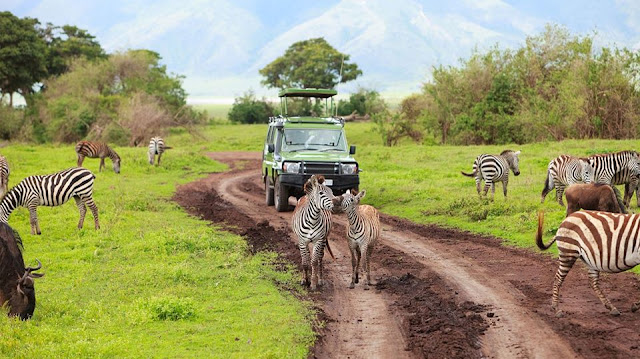
Tanzania game drive safari —- Experience the ultimate thrill of an East African Tanzania game drive safari, where vast savannahs and dramatic landscapes come alive with wildlife. Journey through iconic parks like Serengeti National Park, Tarangire, and Ngorongoro Crater—home to the Big Five and the world-famous Great Migration. Witness herds of wildebeest, elephants roaming ancient baobab plains, and lions resting under acacia trees. Guided by expert rangers, each drive offers breathtaking photo opportunities and deep insights into the region’s rich ecosystem. Whether at sunrise or sunset, Tanzania’s wild beauty and endless horizons promise an unforgettable African adventure. You will be accompanied by a professional guide who uses their expertise to find animals and share knowledge about the ecosystem. The best times for Tanzania game drives are early morning and late afternoon when animals are most active, though night drives to see nocturnal creatures are also an option. What to Expect on a Tanzania game drive safari On a Tanzania game drive safari, expect to spend time in custom safari vehicles, typically 4x4s, with an experienced guide who will help you spot diverse wildlife like the Big Five, as well as birds and other animals in various landscapes. Early mornings and late afternoons are prime viewing times, while mid-day heat leads to less animal activity. Your guide will offer educational commentary and lead you to unique spots for photography, and it is common to see a range of animals from large herds to solitary predators, with some drives being more eventful than others. What to expect on a safari game drive in Africa? On an African safari game drive, you can expect to travel in an open-top 4×4 vehicle with a guide, see diverse wildlife like the Big Five, and enjoy unique experiences such as sunrise/sunset drives, bush breaks with snacks, and sundowners. While sightings are never guaranteed, professional guides use radios and expertise to find animals, and you should be prepared for early mornings, varying weather, and the excitement of spotting animals in their natural habitat. Where to go on a Game drive safari in Tanzania? Tarangire National Park For a game drive safari in Tarangire National Park, consider the Tarangire River Circuit during the dry season for large herds of elephants and predators near the water. During the wet season or year-round, the Silale Swamp Circuit is excellent for birdwatching and spotting buffalo and elephants wallowing in the water. Other routes include the Matete Woodlands for a chance to see leopards and oryx, and the Lemiyon Triangle for birds of prey. What to expect on a Tarangire National Park Game Drive Safari? On a Tarangire National Park game drive, expect to see large elephant herds, baobab trees, and a diverse array of wildlife, including giraffes, zebras, and lions. During the dry season, animals concentrate near the Tarangire River, where you can watch elephants dig for water. The park is also a birdwatcher’s paradise with a high number of species. When is the best time to go on Game Drives in Tarangire National Park? The best time for game drives in Tarangire National Park is during the dry season, from late June to October, when animals congregate around the Tarangire River. For a quieter experience with lush scenery and birdwatching, the green season (November to May) is also a good option, though animal concentrations are lower. Should I go on a Game drive in Tarangire National Park? Is it worth it? Yes, a game drive in Tarangire National Park is worth it due to its large elephant populations, baobab trees, and high bird diversity, especially if you are looking for a unique experience with fewer crowds and are interested in night drives. It is a popular and highly recommended part of any Northern Tanzania safari. Game Drives in Serengeti National Park A Serengeti game drive is a wildlife viewing excursion in a vehicle, typically lasting 2–3 hours in the morning or afternoon, though full-day options are available. These drives, which are a highlight of any Serengeti safari, allow visitors to see a wide array of animals like the “Big Five” (lion, leopard, elephant, buffalo, and rhino) as well as wildebeest, zebras, and giraffes, often unforgettable Game Drives in Serengeti National Park with options for private and customized experiences. What are Safari Game Drives in Serengeti National Park? Safari game drives in Serengeti National Park are guided excursions in 4×4 vehicles through the park to see wildlife in their natural habitat. These drives typically last for a few hours in the morning or afternoon, or can be full-day trips that often include a picnic lunch. Guests can observe a wide variety of animals, from the large herds of the Great Migration to predators like lions and leopards. What to expect on a Game Drive in Serengeti National Park? On a Serengeti game drive, expect to see a vast amount of wildlife, including the “Big Five,” in specially designed open-sided vehicles, with guided tours lasting a few hours or all day. Guides will provide expert knowledge, and full-day drives often include a picnic lunch and opportunities to witness events like the Great Migration. Game drive in Arusha National Park A game drive in Arusha National Park offers a stunning blend of wildlife and scenery beneath Mount Meru’s towering peak. Explore diverse habitats—from lush forests to open savannahs—where giraffes, zebras, buffaloes, and colobus monkeys roam freely. The park’s scenic Momella Lakes attract flamingos and countless bird species, creating perfect photo moments. With fewer crowds and breathtaking views, Arusha National Park delivers an intimate and peaceful safari experience close to Tanzania’s safari gateway. Game drive in Ngorongoro Crater A game drive in the Ngorongoro Crater is an immersive experience into a wildlife-rich caldera, known for its dense populations of the “Big Five” (lions, leopards, rhinos, elephants, and buffalo) and other animals like hippos and flamingos. The experience involves a guided drive down into the crater for 5-6 hours, a picnic lunch with panoramic views, and exploring the diverse ecosystems from the lush rim
Walking Safaris
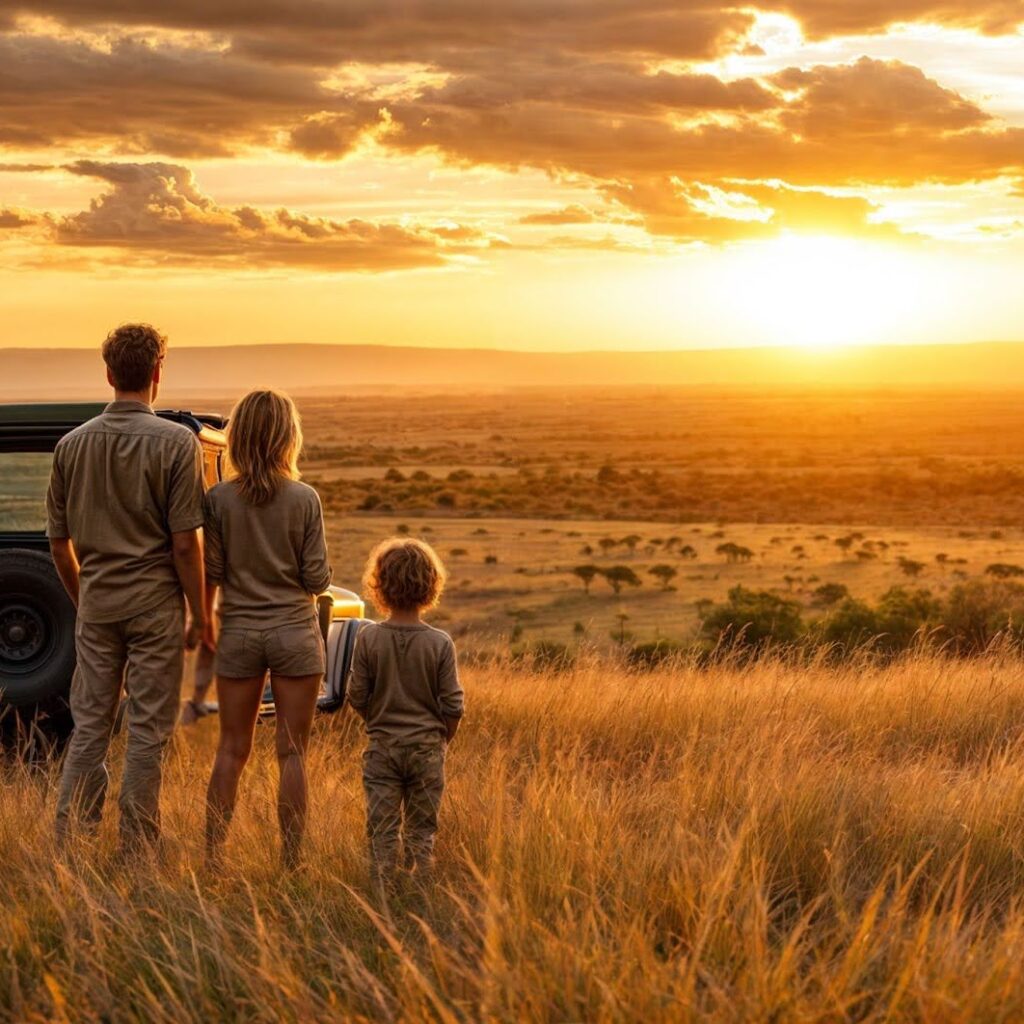
The best walking safaris in Tanzania —- A Tanzania Walking Safari offers an intimate way to explore the country’s untamed wilderness on foot. Led by expert guides and armed rangers, you’ll track wildlife through iconic parks like the Serengeti, Tarangire, and Selous Game Reserve. Top activities include following fresh animal tracks, bird watching, learning about medicinal plants, and observing elephants, giraffes, and zebras up close from a safe distance. Experience the thrill of exploring diverse landscapes—open plains, riverbanks, and ancient baobab forests—while gaining deep insights into Tanzania’s ecosystems. Sunrise and sunset walks provide stunning photographic opportunities, and bush picnics complete the adventure. A walking safari in Tanzania is the ultimate way to connect with nature, offering raw, unforgettable encounters beyond the traditional game drive. Top walking safari activities in Tanzania include animal tracking, bird watching, photography, and cultural experiences with local guides. These walks offer a more intimate and immersive way to see wildlife and landscapes on foot in parks like Tarangire, Serengeti, and the Ngorongoro Conservation Area. You can also learn about the botanical uses of plants and add other activities like fly camping, for a more adventurous trip. What to Expect on a Walking Safari in Tanzania On a Tanzania walking safari, expect an immersive, ground-level exploration of the wilderness led by expert guides and armed rangers. You will move at a slower pace, allowing for a deeper appreciation of the ecosystem by focusing on wildlife tracks, plants, insects, and birdlife, rather than just chasing large game. Be prepared for moderate physical activity and learn about animal behavior and tracking while prioritizing safety through your guides’ instructions. Selection of Tanzania walking Safari is perfect for family and kids-friendly safaris, honeymoon/couple, individual, and private customized safari, and senior safaris Where to go on a Walking safari in Tanzania? Tarangire National Park A walking safari in Tarangire National Park offers a thrilling, up-close encounter with Tanzania’s wild beauty. Guided by professional rangers, you’ll explore the park’s open savannas, ancient baobab trees, and winding riverbanks on foot. Experience the sights, sounds, and scents of the bush as you track elephants, giraffes, zebras, and diverse birdlife. Learn about animal tracks, plants, and local ecosystems from expert guides. This immersive adventure provides a deeper connection to nature and a unique perspective of Tarangire’s rich wildlife beyond the traditional safari vehicle. What to expect on a Tarangire National Park Walking Safari? On a Tarangire National Park walking safari, expect to see diverse wildlife, including large herds of elephants, lions, and giraffes, through an immersive and intimate experience. The walks take place in diverse habitats like baobab woodlands and offer opportunities to learn about animal tracks, plants, and the smaller details of the ecosystem that are often missed from vehicles. Safety is a top priority, with experienced guides leading the way, and walks are typically a few hours long. When is the best time to go Walking Safari in Tarangire National Park? The best time for a walking safari in Tarangire National Park is during the dry season, from June to October. The trails are dry and safe, the weather is cooler and more comfortable for walking, and animals are more concentrated around the Tarangire River, making wildlife viewing easier. Should I go on a walking safari in Tanzania? Is it worth it? While animals will generally ignore you in a vehicle, they see you as another type of animal when you’re on foot. Getting up close and personal with wildlife is definitely a rush of excitement. Walking is also a great way to appreciate the small wildlife, which can’t be so easily seen from a vehicle. Serengeti National Park Walking Safaris A Serengeti walking safari offers an immersive experience, allowing you to explore on foot with expert guides to see the landscape and wildlife up close, including smaller details often missed from a vehicle. Options range from short, guided walks near your lodge to multi-day expeditions involving camping in remote, exclusive areas. Multi-day trips follow the migration, with camp moving every couple of days, and often require camping in lightweight tents with provided amenities like showers and meals. Arusha National Park Walking Safaris An Arusha National Park walking safari offers a unique, up-close experience with wildlife led by a guide. During these guided walks, you can see animals like giraffes, buffalo, zebras, and blue monkeys, and visit scenic spots such as the Ngurdoto Crater and Momella Lakes. Since the park has no large predators like lions, it is a safe and popular destination for walking safaris. Ngorongoro highland Walking Safari Ngorongoro walking safaris offer an active way to explore the Ngorongoro Conservation Area outside the main crater floor, with guided walks on the crater rim or in areas like Olmoti and Empakaai craters. Led by armed rangers and Maasai guides, these safaris provide opportunities to learn about flora, fauna, animal tracks, and local culture while enjoying stunning views and a unique perspective of the landscape. Participants can expect to see a variety of wildlife, but the focus is on a more intimate, “up-close-and-personal” experience rather than vehicle-based game viewing. Why choose a Tanzania walking Safari? Choose a Tanzania walking safari for a more intimate, immersive, and adventurous experience that engages all your senses, provides access to remote areas, and offers a deeper connection with nature than a vehicle safari. This method allows you to get closer to wildlife, notice smaller details, learn tracking skills from expert guides, and it is an eco-friendly way to explore the wilderness. How to book a Tanzania walking Safari? To book a Tanzania walking safari, you can either contact licensed safari operators directly or book through online marketplaces. Plan and book in advance, especially for peak season, by submitting an inquiry through a company’s website or by calling them to discuss your itinerary, receive a quote, and finalize your booking and payment. Some national parks also allow for direct online bookings for specific activities. City tour, Tanzania walking Safari A city tour of Arusha, Tanzania, typically includes walking
Family Safari in Tanzania 8-Day Serengeti National Park and Zanzibar Escape
Family Safari In Tanzania | Best Luxury African Safaris ✓ Enjoy a hand-crafted, fully inclusive Family Safari Holidays in Africa ✓Tanzania Family Safari Tour Packages✓Big Five Encounters ✓best Family Safari Holiday in Africa ✓ Breathtaking Zanzibar Beaches ✓best All-inclusive African family Safari Vacations with Kids, teen✓5 days Central Serengeti ✓3 days Zanzibar ✓Wildlife Extravaganza ✓best epic perfect Tanzania Family Safaris & Tours Embark on the best, ultimate, unforgettable Serengeti and Zanzibar 8-day family safari holiday, blending the wild beauty of Serengeti with the serene beaches of Zanzibar. Begin your adventure in Tanzania’s iconic Serengeti National Park top family-friendly luxury safari destinations, where thrilling game drives introduce you to the Big Five—lions, elephants, buffalo, leopards, and rhinos. Witness the awe-inspiring Great Migration if the timing’s right, or enjoy peaceful moments watching wildlife in their natural habitat. After the safari, relax on Zanzibar’s pristine beaches, where turquoise waters and powdery sand await. Discover the unforgettable Tanzania Family Safari Packages, the island’s rich culture, explore Stone Town’s historical wonders, and indulge in local seafood and spices. This perfect balance of adventure and relaxation offers something for everyone in the family, with plenty of opportunities for exploration, learning, and bonding. Whether observing wildlife in the Serengeti or soaking up the sun in Zanzibar, stay in the best luxury lodges & camps for families, and this holiday promises lasting memories and the magic of Africa’s diverse landscapes. 8-Day Family safari in Tanzania itinerary Highlight A family safari to Tanzania’s Serengeti National Park, combined with a trip to Zanzibar, is a popular vacation package that typically includes wildlife viewing in the northern parks, such as Tarangire, Manyara, and the Serengeti, followed by relaxation on Zanzibar’s beaches. These trips often include game drives, opportunities to see the Great Migration, and cultural experiences like visiting a Maasai village. Our Tanzania family Safari Tours and Zanzibar Beach Holiday Trips can be customized for different budgets and can range from around 10 to 14 days, with prices varying significantly based on luxury level, time of year, and tour operator. Ready to plan an unforgettable family safari in Tanzania? 8-Day Tanzania Family Safari & Zanzibar Beach Retreat is a wonderful blend of thrilling wildlife encounters and serene beach relaxation. This 8-day Tanzanian adventure itinerary is perfectly split between the iconic Serengeti National Park safari and the tropical beaches of Zanzibar. Book and compare a personalized 8-Day Tanzania Safari and Zanzibar beach holidays Itinerary based on Tanzania, an Amazing Family Safari & Adventure Journey to a Serengeti Safari, and a Zanzibar beach vacation. Day 1: Arrival, Bush Flight, and First Game Drive Your journey begins with your arrival at Arusha (or Kilimanjaro airport, followed by a transfer to Arusha’s domestic airport. From there, you’ll take a scenic light aircraft flight directly into the heart of the Serengeti National Park top destinations for a family safari, landing at a local airstrip (likely Seronera). Your dedicated safari guides will meet you holding the client’s names on A4 paper, and immediately, your safari begins! The drive to Lahia Tented lodge will be your first en-route game drive, where you’ll start spotting giraffes, zebras, and antelopes. After settling into your cozy family tent, enjoy a unique family safari and beach holidays in Tanzania, Family & Kid-Friendly Safaris in Tanzania, a hearty dinner around the campfire, and listening to the sounds of the African night. Day 2: The Predator Heartland of Central Serengeti After a delicious bush breakfast, embark on a best Serengeti and Zanzibar Safari Packages full-day game drive exploring the central Serengeti’s Seronera Valley Premier Safari Destinations for Families, known as the “big cat capital” of Africa, offers the best chance of spotting lion prides, elusive leopards in the Kopjes (rocky outcrops), and cheetahs on the open plains. Your guide will share fascinating facts about the ecosystem. A picnic lunch in the bush adds to the authentic safari feeling. Return to Lahia Tented Lodge for a relaxing evening and another delicious meal. Day 3: Immersive Full-Day Serengeti Classic Safari Today is dedicated to a more extensive exploration of the Serengeti. Depending on the season and the movement of the wildlife (especially the Great Migration), your guide will take you to the best Tanzania Serengeti and Zanzibar family packages areas for viewing. Activities could include exploring different habitats to find a greater diversity of animals, from elephants and buffalo to smaller, yet equally fascinating creatures. Don’t forget to look up; the Serengeti is also a birder’s paradise! Dinner and overnight will be at Lahia Tented Lodge. Day 4: Final Game Drive & Serengeti Experience Enjoy a final game drive as the sun rises, casting a magical golden glow over Tanzania Family Safari Holidays, the plains—often the best time to see predators active after a night’s hunt. After returning for a final stay in a lavish tented lodge, you can simply enjoy a classic Serengeti Safari like never before. Dinner and overnight will be at Lahia Tented Lodge, a Family-Friendly Safari lodge in Tanzania. Day 5: Serengeti to Zanzibar Spice Island A mid-morning or early afternoon flight takes you from the Serengeti’s airstrip to Zanzibar’s Kisauni International Airport (ZNZ). Fly-Out family Safari in Tanzania from the Serengeti to Zanzibar, upon arrival, a pre-arranged transfer will drive you to the northern tip of the island to Kendwa Rocks Beach Hotel. Check into your comfortable room and immediately head to the famous Kendwa Beach. Spend the afternoon swimming, strolling, or simply relaxing on a sun lounger, family-friendly Safaris in Tanzania with child-friendly accommodation and activities, letting the sounds of the waves replace the roar of lions. Day 6: Pure Beach Bliss This is your day to unwind completely. Kendwa Beach is perfect for the family, offering calm waters for swimming and sunbathing without the long walk-outs typical of other beaches during low tide. Enjoy the resort’s facilities, perhaps a family swim in the pool. In the evening, the Kendwa area is famous for its lively atmosphere. ( Full board Kendwa Rocks Beach Hotel ) Day 7: History and
How to Choose the Best Tanzania Safari for Your Travel Style
Choosing the best Tanzania safari for your travel style is one of the most important steps in planning an unforgettable African adventure. Tanzania is home to world-famous destinations such as the Serengeti National Park, Ngorongoro Crater, and Tarangire National Park, offering diverse wildlife experiences, luxury safari lodges, budget camping safaris, and tailor-made private tours. Whether you are a honeymoon couple, a family with children, a solo traveler, or a luxury seeker, Tanzania safari tours can be customized to match your comfort level, budget, and travel expectations. Understanding your travel style helps you select the right safari package, best safari season, accommodation type, and itinerary. This guide will help you explore how to choose the perfect Tanzania safari that matches your personality, travel goals, and dream African wildlife experience. Understand Your Travel Style First Before booking any Tanzania safari, the first step is identifying your travel style. Some travelers prefer luxury safari experiences with high-end lodges, private guides, and exclusive game drives, while others enjoy budget camping safaris that bring them closer to nature. Adventure seekers may prefer walking safaris or mobile camping in remote areas, while relaxation-focused travelers choose fly-in safaris with minimal travel stress. Families often look for safe, educational, and child-friendly safari packages. Understanding whether you value comfort, adventure, privacy, or affordability will help narrow down your options. Tanzania offers all types of safari experiences, but choosing the right one ensures your journey through Serengeti, Ngorongoro, and other parks becomes truly memorable and perfectly aligned with your expectations. Choose Between Luxury, Mid-Range, or Budget Safaris Tanzania safari tours are generally categorized into luxury, mid-range, and budget options. Luxury safaris include premium lodges, gourmet dining, private vehicles, and personalized service, often in top destinations like Serengeti and Ngorongoro Crater. Mid-range safaris offer comfortable lodges and tented camps with great value for money, balancing comfort and cost. Budget safaris focus on camping, group tours, and shared transport, making Tanzania wildlife experiences accessible to more travelers. Each category offers access to incredible wildlife viewing, including the Big Five. Your choice depends on your budget, comfort expectations, and travel goals. Whether you want a high-end safari experience or a more adventurous journey, Tanzania provides flexible safari packages for every type of traveler. Choose the Right Safari Destinations Tanzania is rich in iconic safari destinations, and selecting the right ones is essential. The Serengeti National Park is famous for the Great Migration and endless plains filled with wildlife. Ngorongoro Crater offers one of the highest densities of animals in Africa, making it ideal for short safaris. Tarangire National Park is known for large elephant herds and baobab trees, while Lake Manyara National Park offers diverse birdlife and tree-climbing lions. For a more remote experience, consider Ruaha or Selous (Nyerere National Park). Your travel style will determine which parks to include in your itinerary. Combining multiple destinations creates a richer Tanzania safari experience with diverse landscapes and unforgettable wildlife encounters. Select the Best Safari Duration The length of your safari greatly impacts your overall experience. Short safaris of 2–3 days are ideal for travelers with limited time, often focusing on Ngorongoro Crater or Tarangire National Park. A 5–7 day Tanzania safari allows you to explore multiple destinations, including Serengeti National Park. Longer safaris of 10–14 days provide a complete wildlife journey, often combined with cultural visits and Zanzibar beach relaxation. Your travel style and schedule will determine the ideal duration. Adventure travelers may prefer longer itineraries, while business travelers or first-time visitors may choose shorter trips. The right duration ensures you enjoy game drives, wildlife photography, and relaxation without feeling rushed or overwhelmed during your African safari adventure. Choose the Best Time to Visit Tanzania Timing is crucial when planning your Tanzania safari. The dry season from June to October is considered the best time for wildlife viewing, as animals gather around water sources, making them easier to spot in Serengeti and Ngorongoro. This is also the peak season for the Great Migration. The wet season from November to May offers lush landscapes, fewer tourists, and lower prices, making it ideal for budget travelers and photographers. Calving season in the Serengeti (January–March) is excellent for predator action. Your travel style—whether luxury, budget, or photography-focused—should guide your choice of season. Each period offers a unique Tanzania safari experience with different wildlife highlights and scenery. Consider Accommodation Options Accommodation plays a major role in your Tanzania safari experience. Luxury travelers can enjoy high-end safari lodges and tented camps with infinity pools, gourmet meals, and breathtaking views of the Serengeti plains. Mid-range travelers often stay in comfortable lodges or semi-luxury tented camps offering great service and value. Budget travelers typically choose public campsites or basic tented accommodations close to nature. Some safari packages also offer mobile camps that move with wildlife migration routes. Your choice of accommodation should reflect your comfort level, budget, and desired level of immersion in nature. Tanzania offers a wide range of safari stays, ensuring every traveler enjoys a safe, comfortable, and unforgettable wildlife experience. Look at Safari Activities Included A great Tanzania safari is not just about game drives. Many packages include additional activities such as hot air balloon safaris over the Serengeti, guided walking safaris, cultural visits to Maasai villages, and birdwatching excursions. Photographic safaris are ideal for wildlife photographers, while family safaris may include educational bush activities for children. Some luxury safaris even offer spa treatments in the wilderness. Choosing a safari that includes activities aligned with your interests enhances your experience significantly. Whether you want adventure, relaxation, or cultural immersion, Tanzania safari tours offer a variety of activities that make your journey more engaging and memorable beyond traditional game viewing. Understand Transport Options (Road vs Fly-In Safaris) Transport is another important factor when choosing a Tanzania safari. Road safaris are more affordable and offer scenic journeys through rural landscapes, connecting parks like Tarangire, Ngorongoro, and Serengeti. Fly-in safaris are faster and more comfortable, using small aircraft to reach remote areas directly, ideal for luxury travelers or those with
Fastest Animals in the World
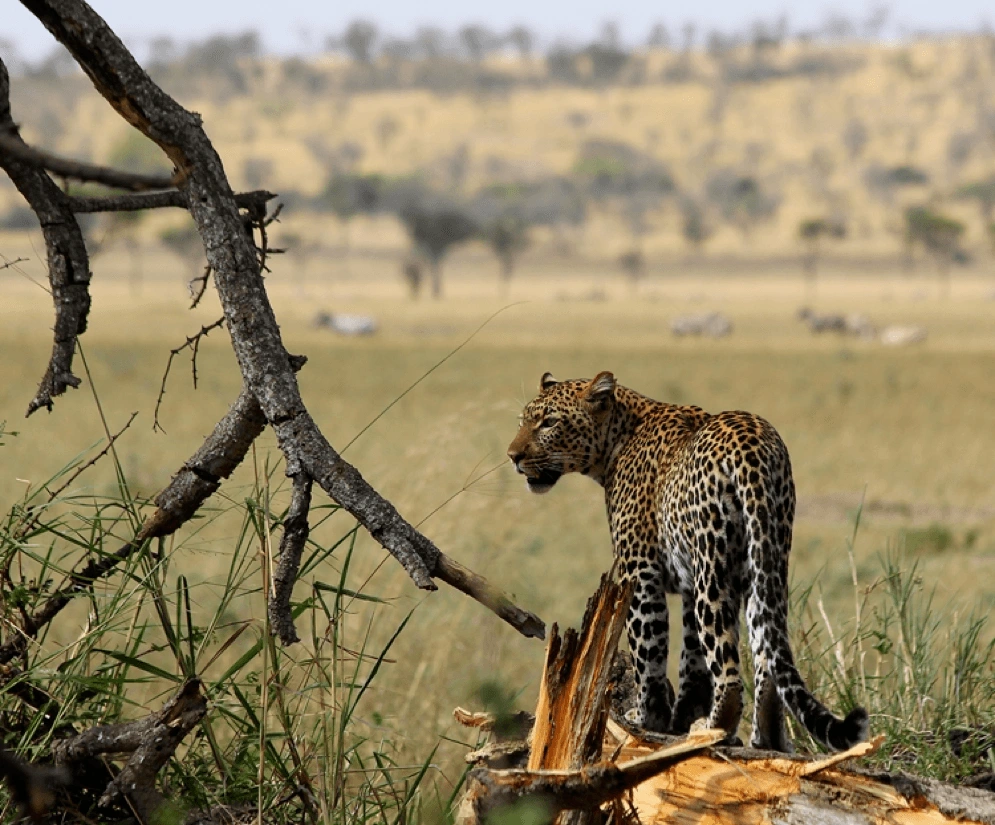
Speed is one of nature’s most fascinating survival tools. In the animal kingdom, it’s the difference between life and death — the key to catching prey or escaping danger. Across the world’s savannas, grasslands, deserts, and forests, a few extraordinary creatures have evolved to move at breathtaking velocities. From the Cheetah’s explosive sprint to the Pronghorn’s long-distance endurance, these are the fastest animals in the world, built for pure, raw power and precision. The fastest animals the world are the peregrine falcon in a dive (up to 242 mph), the cheetah on land (up to 75 mph), and the black marlin in water (up to 80 mph). The pronghorn antelope is the fastest long-distance runner on land. The top 10 fastest animals are the Peregrine Falcon (diving speed) fastest animal in the sky, White-throated Needletail Swift (level flight), Black Marlin (water), Mexican Free-tailed Bat (flight), Cheetah (land), Sailfish (water), Pronghorn (land), Marlin (water), Springbok (land), and Lion (land). The peregrine falcon is the fastest animal overall, reaching over 240 mph when diving. Cheetah – Top Speed: 75 mph (121 kph) The Cheetah (Acinonyx jubatus) stands as the undisputed fastest land animal on Earth. Found mainly in Africa’s open plains and savannas, the cheetah is the fastest animal in the world body is perfectly adapted for speed. Its lightweight frame, elongated limbs, and flexible spine allow it to stretch its body like a coiled spring during each stride. Within seconds, it can accelerate from 0 to 60 mph (96 kph) — faster than most sports cars. This burst of energy, however, is short-lived, lasting only 20 to 30 seconds. The cheetah relies on these incredible sprints to chase down antelopes such as gazelles or impalas. Its semi-retractable claws provide grip, while large nasal passages and lungs supply oxygen to its powerful muscles. The cheetah isn’t just fast — it’s a masterpiece of evolution designed for speed. Pronghorn Antelope – Top Speed: 55 mph (89 kph) North America’s Pronghorn Antelope (Antilocapra americana) takes the silver medal in the speed race. Although it can’t match the cheetah’s explosive acceleration, it is the fastest long-distance runner in the animal world. A pronghorn can maintain speeds of 45 mph (72 kph) for several kilometers — an ability unmatched by any other land mammal second fastest animal in the world. Its large heart and lungs support this endurance, while its light, aerodynamic build and long legs allow for efficient strides. Scientists believe the pronghorn evolved this exceptional speed to escape predators that no longer exist — such as the extinct American cheetah. Today, the pronghorn still reigns supreme across the North American plains, a living relic of a faster, more dangerous past. Springbok – Top Speed: 55 mph (89 kph) The Springbok (Antidorcas marsupialis), native to southern Africa, shares its speed record with the pronghorn. Agile and graceful, this gazelle-like antelope uses its velocity and unique leaping behavior, known as pronking, to evade predators like cheetahs and lions. With each bound, the springbok can rise over two meters into the air, an act that confuses attackers and showcases its strength. Its slender legs, strong muscles, and elastic tendons store and release energy efficiently, making it both fast and nimble. Whether sprinting across the Kalahari or bounding through the grasslands, the springbok’s speed is a dazzling display of survival through agility. Wildebeest – Top Speed: 50 mph (80 kph) The Wildebeest (Connochaetes taurinus), famous for its role in the Great Migration across Tanzania’s Serengeti and Kenya’s Maasai Mara, is another powerhouse of speed. Capable of reaching 50 mph (80 kph), wildebeests rely on their endurance and group coordination to outmaneuver predators. Their muscular build, long legs, and sturdy hooves allow them to gallop across rugged terrains in massive herds. Despite their seemingly clumsy appearance, wildebeests can sprint with astonishing agility when chased by lions, cheetahs, or hyenas. Their speed, combined with sheer numbers, ensures survival during their perilous annual journey. Lion – Top Speed: 50 mph (80 kph) The Lion (Panthera leo) — the king of the jungle — may not be the fastest sprinter overall. But its burst speed is formidable. Lions can reach up to 50 mph (80 kph) over short distances while hunting. Their power lies in muscular strength and explosive acceleration, not endurance. A lion’s hunting strategy depends on stealth and teamwork. They stalk prey silently, getting as close as possible before launching a short, high-speed ambush. Despite their size and weight, lions are agile predators, capable of bringing down massive animals like buffaloes, wildebeests, and even young elephants. Blackbuck – Top Speed: 50 mph (80 kph) The Blackbuck (Antilope cervicapra), native to the Indian subcontinent, is known for its elegance and lightning speed. Reaching speeds of 50 mph (80 kph), this antelope uses its agility to escape predators such as leopards and wolves. Its spiral horns, slender legs, and light body make it a symbol of grace and power in motion. In open grasslands, the blackbuck’s speed becomes its greatest defense. Even when running, it can twist and turn rapidly — a maneuver that often saves its life in the wild. American Quarter Horse – Top Speed: 47.5 mph (76.5 kph) Among domesticated animals, the American Quarter Horse reigns supreme. Famous for short-distance sprinting, it can reach 47.5 mph (76.5 kph), especially over a quarter-mile stretch — hence the name “Quarter Horse.” Built with strong hindquarters, broad chests, and well-developed muscles, this breed is favored in rodeo events, barrel racing, and ranch work. Its combination of speed, balance, and agility makes it one of the most versatile horse breeds in the world. Brown Hare – Top Speed: 45 mph (72 kph) The Brown Hare (Lepus europaeus) is a master of escape. Reaching speeds up to 45 mph (72 kph), it uses zigzag running patterns to outsmart predators like foxes and birds of prey. Unlike rabbits, hares live above ground and rely solely on their legs for survival. With long hind limbs and powerful muscles, the brown hare can leap great distances