
Tanzania Walking Safaris
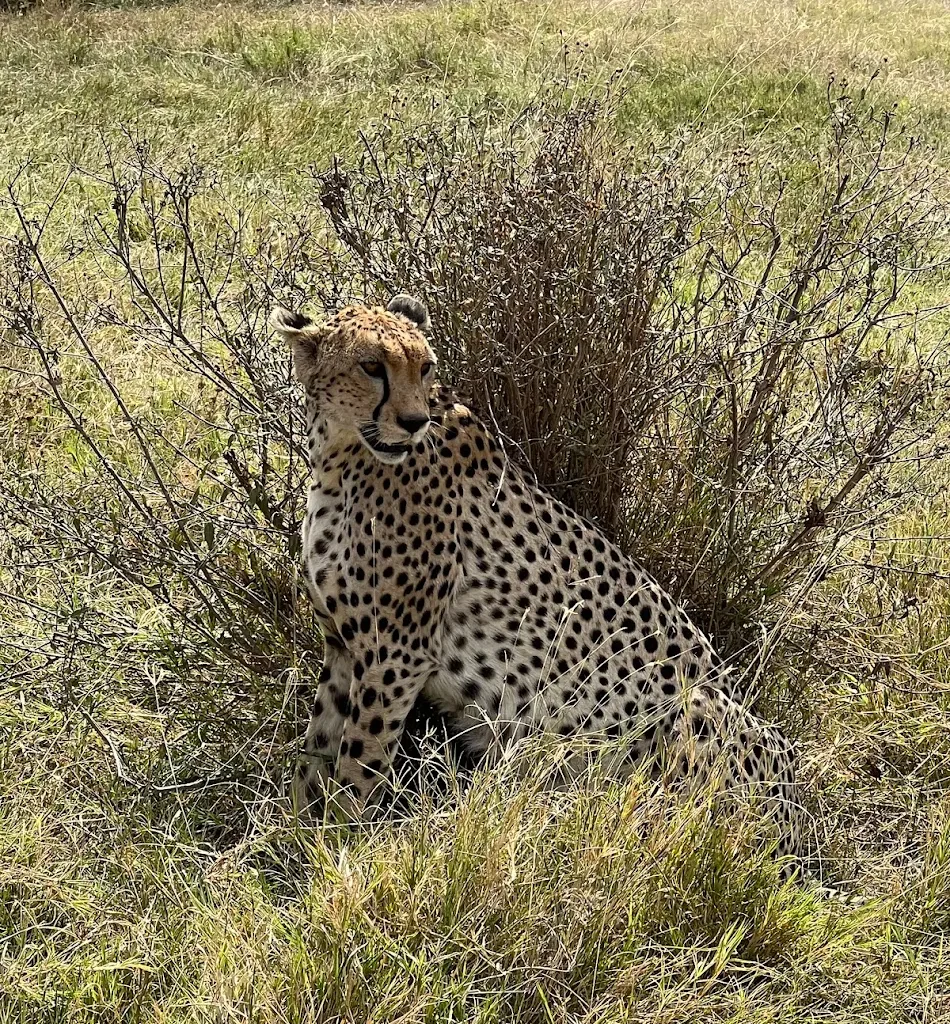
A walking safari in Tanzania is one of the most authentic and exhilarating ways to experience Africa’s wilderness. Unlike traditional game drives where you observe wildlife from the comfort of a vehicle. Walking safaris invite you to step directly into nature’s rhythm — to feel the crunch of dry grass beneath your boots, to smell the earth after rain, and to listen to the rustle of unseen creatures moving through the bush. Here, every sense comes alive. Tanzania is one of the best destinations in Africa to embark on a walking safari. Its diverse ecosystems — from sprawling savannahs and ancient craters to lush wetlands and miombo woodlands — create a perfect setting for exploring on foot. Guided by experienced rangers and trackers, you can safely approach wildlife. Discover the hidden secrets of the land, and gain a deeper appreciation of nature’s intricate web of life. Below, we explore the best places for walking safaris in Tanzania, what to expect on this extraordinary adventure, and the key considerations to help you plan the perfect walking experience. Where to Go for a Walking Safari in Tanzania You can go on a walking safari in Tanzania at several locations. Including Tarangire, Serengeti, and Ruaha National Parks, as well as the Ngorongoro Crater and Nyerere National Park. Each African walking safari offers a unique experience. From following large elephant herds in Tarangire and walking the Serengeti’s vast plains to exploring the immense caldera of Ngorongoro and the remote landscapes of Nyerere. Arusha National Park is another great option, particularly for shorter walks with views of Mount Meru and diverse habitats. Nyerere National Park (Formerly Selous Game Reserve) Nyerere National Park — Africa’s largest protected area — is a walking safari paradise. Vast, wild, and wonderfully remote, this UNESCO World Heritage Site stretches over 30,000 square kilometers of pristine wilderness. The Rufiji River snakes its way through the landscape. Norishing palm-fringed channels, grassy floodplains, and acacia woodlands teeming with life. Walking safaris here are immersive and adventurous. Accompanied by armed guides, you’ll trace animal tracks across the sand, identify plants used in traditional medicine, and listen to the echo of distant lions calling across the plain. Elephant herds, giraffes, and buffalo often appear in the distance, and your guide may pause to point out smaller but fascinating details — a dung beetle rolling its prize, or a leopard’s paw print imprinted in the soft earth. The combination of riverine beauty, solitude, and abundant wildlife makes Nyerere one of Tanzania’s most rewarding destinations for walking safaris. Ruaha National Park If there’s one place in Tanzania that embodies raw wilderness, it’s Ruaha National Park. Located in the heart of the country. Ruaha is Tanzania’s largest national park and remains blissfully untouched by mass tourism. The landscape is dramatic — a blend of rugged hills, baobab-studded plains, and the meandering Great Ruaha River, which serves as a lifeline for countless animals. A walking safari in Ruaha reveals the park’s quieter, more mysterious side. Here, it’s not just about spotting the Big Five. It’s about learning how the bush works. Your guide might stop to show you how to tell the age of elephant tracks. Explain the purpose of termite mounds, or identify the calls of birds overhead. The experience is slow, deliberate, and deeply rewarding. Ruaha is home to large populations of elephants, lions, leopards, and even wild dogs. While encounters with big game on foot are possible. Walks are designed to prioritize safety and respect for wildlife. The result is a genuine connection to the landscape — one that lingers long after you’ve left. Tarangire National Park Known for its magnificent baobab trees and vast herds of elephants. Tarangire National Park best safari destinations in East Africa you can’t miss for walking safari vacations offers some of northern Tanzania’s best walking safari experiences. The African Walking Safari Experience park’s mix of woodland, riverine forest, and open plains provides a diverse backdrop for exploration. Walking safaris here allow you to experience the park beyond its famous elephant herds. You’ll get close to the smaller wonders — colorful lizards basking on rocks, the scent of crushed sage underfoot, or weaver birds building intricate nests. The Tarangire River attracts a variety of wildlife, making it a hotspot for animal sightings. Especially during the dry season when water sources are scarce. The park’s proximity to Arusha also makes it ideal for travelers who want to include a short walking safari as part of a longer northern circuit itinerary. Arusha National Park Often overlooked in favor of Tanzania’s larger reserves. Arusha National Park offers an extraordinary walking safari experience within easy reach of Arusha town. It’s one of the few parks in the country where walking is a primary activity — not just an add-on. Here, you can hike through lush montane forests at the base of Mount Meru, wander along the tranquil Momella Lakes, and cross open grasslands dotted with giraffes, zebras, and warthogs. The park is also a birdwatcher’s paradise, home to flamingos, turacos, and countless other species. What makes walking in Arusha National Park truly special is the scenery — from volcanic craters to dense forests alive with the chatter of colobus monkeys. Walking safari in Tanzania it’s a peaceful yet thrilling way to start or end a Tanzanian safari adventure. Ngorongoro Highlands For travelers seeking a more adventurous trek, the Ngorongoro Highlands provide a spectacular backdrop. Unlike the crater floor — where walking is restricted due to high predator density — the highlands surrounding the crater are open for exploration. Guided walking safaris in Africa, walks here lead through rolling hills, forests, and Maasai villages, offering a unique blend of wildlife, culture, and scenery. You might trek from Empakaai Crater, known for its flamingo-filled lake, to the rim of Olmoti Crater or even on multi-day routes that descend toward the Serengeti Plains. This walking & trekking safari in Tanzania region’s beauty lies in its contrasts — misty mountain trails, traditional Maasai bomas, and sweeping views across
safari do’s and don’ts
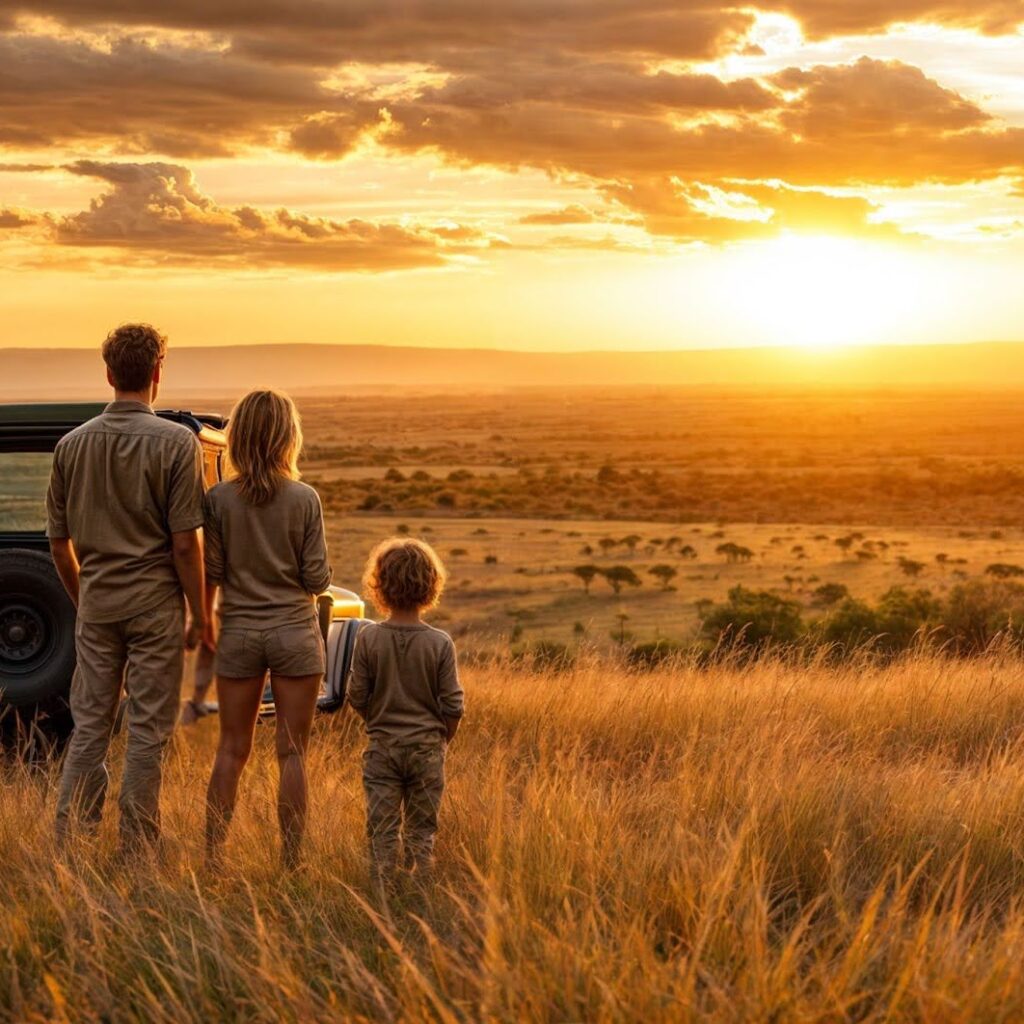
A Tanzania safari is one of the world’s greatest wildlife adventures, offering unforgettable encounters with the Big Five, the Great Wildebeest Migration, breathtaking landscapes, and authentic African culture. Whether you’re visiting Serengeti National Park, Ngorongoro Crater, Tarangire National Park, Lake Manyara, or other famous Tanzania safari destinations, understanding essential safari do’s and don’ts ensures a safe, respectful, and rewarding African safari experience. Following proper Tanzania safari etiquette protects wildlife, preserves fragile ecosystems, supports responsible tourism, and enhances every game drive. From choosing the right safari clothing and listening to professional guides to respecting animal behaviour and avoiding unnecessary disturbances, every decision matters. This complete Tanzania safari guide covers the most important safari rules, expert travel tips, and wildlife viewing practices to help you enjoy the best African safari while creating unforgettable East African safari memories that last a lifetime. Here’s your comprehensive guide on what to do and avoid during your Tanzanian safari journey. Do’s 1. Do Wear Neutral Colors Choosing neutral-coloured clothing for a safari in Tanzania is one of the most important safari travel tips. Wear khaki, olive green, beige, tan, brown, or muted grey to blend naturally into the African bush without attracting unnecessary attention from wildlife. Neutral colours also help avoid disturbing animals during game drives and walking safaris, while keeping insects like tsetse flies less attracted than bright blue or black clothing. A Tanzania safari packing lightweight, breathable, moisture-wicking fabrics provides comfort during warm afternoons, while long sleeves and trousers protect against the sun, insects, and thorny vegetation. Comfortable hiking boots, a wide-brimmed hat, UV-protection sunglasses, and sunscreen complete your safari outfit. Proper safari clothing enhances wildlife viewing, improves photography opportunities, and helps you experience Tanzania’s spectacular national parks safely while respecting the natural environment throughout your unforgettable African wildlife safari adventure. 2. Do Listen to Your Guide Professional Tanzania safari guides possess extensive knowledge of wildlife behaviour, animal tracking, conservation, and safety procedures developed through years of experience. Always follow your expert Tanzania safari guide’s instructions during game drives, walking safaris, and wildlife encounters because they understand how animals may react in different situations. Listening carefully ensures your safety while protecting wildlife and fellow travellers. Tanzania safari Guides know the best locations for spotting lions, elephants, leopards, rhinos, buffaloes, cheetahs, giraffes, and countless bird species while maintaining appropriate viewing distances. They also interpret fascinating animal behaviour, ecosystems, and local culture, transforming every safari into an educational experience. Respecting your Tanzania Safari guide’s advice contributes to responsible African safari tourism, supports wildlife conservation, prevents unnecessary risks, and creates unforgettable memories throughout your Tanzania safari adventure with confidence, comfort, and peace of mind. 3. Do Bring Binoculars A quality pair of binoculars significantly improves every African safari by revealing incredible wildlife details that cameras or the naked eye may miss. Binoculars allow you to observe distant predators, colourful birds, elephants, leopards resting in trees, cheetahs on open plains, and elusive wildlife without disturbing their natural behaviour. Compact binoculars with 8×42 or 10×42 magnification offer excellent clarity, brightness, and portability during game drives. Birdwatchers especially benefit from binoculars when exploring Tanzania’s diverse ecosystems filled with hundreds of remarkable bird species. Sharing binoculars with family members enhances everyone’s safari experience while encouraging patience and careful observation. Combined with a camera, binoculars help capture unforgettable Tanzania wildlife safari moments, making every safari drive richer, more immersive, and rewarding across Tanzania’s iconic national parks and conservation areas. 4. Do Keep Your Voice Low Maintaining a quiet voice during your safari helps preserve the peaceful atmosphere of the African safari wilderness while increasing your chances of observing natural wildlife behaviour. Loud conversations, shouting, or unnecessary noise can frighten animals, interrupt hunting activities, and reduce wildlife sightings for everyone nearby. Speaking softly allows guides to communicate important information while ensuring birds, elephants, lions, leopards, and other species remain relaxed. A calm environment also enhances photography opportunities because animals are less likely to move away unexpectedly. Respecting silence demonstrates responsible safari etiquette and consideration for fellow travellers seeking authentic wildlife experiences. By reducing noise pollution, you support conservation efforts and help protect fragile ecosystems where animals rely on their natural instincts without unnecessary human disturbance throughout your unforgettable Tanzania safari adventure. 5. Do Pack in Layers Weather conditions on a Tanzania safari can change dramatically throughout the day, making layered clothing essential for comfort and convenience. Early morning game drives are often cool; afternoons become warm and sunny, while evenings may turn chilly, especially around highland regions like the Ngorongoro Conservation Area. Pack moisture-wicking base layers, lightweight shirts, fleece jackets, waterproof outer layers, and comfortable safari trousers that adapt easily to changing temperatures. A good Tanzania safari packing list, like a lightweight rain jacket, provides protection during unexpected showers, particularly during Tanzania’s green season safari. Layering reduces the need for bulky clothing while allowing quick adjustments during daily activities. Combined with comfortable walking shoes, sun protection, and a warm hat for cool mornings, layered clothing ensures you remain comfortable throughout every exciting wildlife adventure and scenic safari excursion. 6. Do Learn Swahili Greetings Learning a few basic Swahili greetings enriches your Tanzania safari by creating meaningful connections with guides, lodge staff, park rangers, and local communities. Simple phrases like “Jambo” (Hello), “Habari” (How are you?), “Asante Sana” (Thank you very much), “Karibu” (Welcome), and “Kwa Heri” (Goodbye) demonstrate respect for local culture and hospitality. Tanzanians warmly appreciate visitors who make an effort to speak their national language, even if only a few words. These greetings encourage friendly conversations, cultural exchange, and memorable interactions beyond wildlife viewing. Understanding simple Swahili expressions also enhances village visits and cultural tours, making your Tanzania safari experience more authentic. Respecting local traditions supports responsible tourism while creating lasting friendships and unforgettable travel memories throughout Tanzania. 7. Do Tip Your Guides Tipping Tanzania safari guides, drivers, trackers, camp staff, and porters is an important part of responsible tourism across Tanzania. Although Tanzania safari tipping is voluntary, it recognises exceptional service, extensive wildlife knowledge, professionalism, and the dedication required
Serengeti Walking Safari
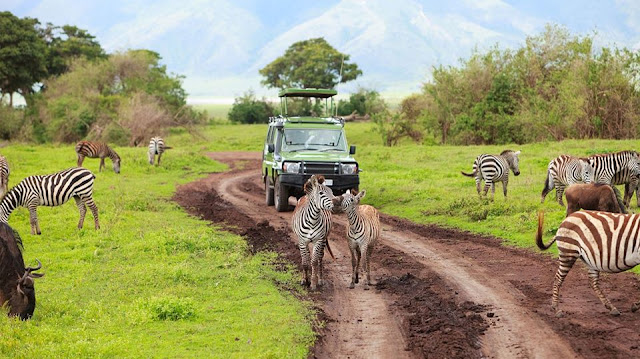
A Serengeti walking safari offers an intimate and immersive way to experience the wild, allowing you to explore remote areas on foot with experienced guides and armed rangers, gaining a deeper understanding of the flora, fauna, and tracks that might be missed from a vehicle. You can choose between multi-day trekking safaris with mobile fly camps that move with you, or walking safari packages from a more permanent base camp for a comfortable, vehicle-free exploration. When most people envision an African safari, they picture game drives in open 4x4s. But for those seeking a deeper connection to the wild, nothing compares to a Serengeti walking safari. This is not just a journey—it’s an immersion into one of the world’s most iconic ecosystems, experienced at the pace of nature itself. Far from the hum of engines, you’ll walk alongside expert guides, track wildlife on foot, and sleep under a sky ablaze with stars. Key Aspects of a Walking Safari in the Serengeti Key aspects of a walking safari in the Serengeti include safety protocols like being led by a specialized, armed guide and ranger, and an immersive, intimate experience that awakens the senses to the details of the landscape. Visitors can expect to traverse diverse terrain, potentially witness the Great Migration on foot, and gain a new appreciation for both large and small wildlife and plants, which can be tailored to their interests. Immersive Experience: Seeing the Serengeti Like Never Before Unlike game drives that pass quickly through landscapes, walking safaris immerse you in every sight, sound, and scent of the bush. You’ll become part of the ecosystem, not just an observer. From the flutter of butterflies to the echo of a lion’s roar at dawn, the experience is raw, real, and profoundly grounding. Walking through the Serengeti sharpens your senses. You’ll learn to read animal tracks, identify medicinal plants, and understand the subtle clues that reveal the presence of predators or hidden herds. Remote Exploration: Journey Off the Beaten Path The Serengeti is vast—nearly 30,000 square kilometers of pristine wilderness. Walking safaris venture into corners of the park inaccessible by vehicle, where wildlife roams free and human footprints are rare. This remote access allows for an exclusive safari experience, where you’re unlikely to see another soul for days. Explore secret valleys, ancient kopjes (granite rock formations), and seasonal waterholes teeming with life—all without the noise or crowds of traditional safari routes. Expert Guidance: Walking With the Best A walking safari is only as good as the guides who lead it. That’s why all reputable Serengeti operators employ highly trained walking guides and armed rangers. These experts are skilled in wildlife behavior, bushcraft, and safety protocols, ensuring your journey is not only enlightening but also secure. Expect your guide to enrich every step with deep knowledge of animal behavior, ecology, and local Maasai culture. Different Accommodation Styles: Tailored Comfort in the Wilderness Accommodation for a Serengeti walking safari varies from luxury lodges and tented camps to more basic camping options, each offering different levels of comfort and immersion. Luxury lodges provide upscale amenities, while tented camps offer a comfortable, yet closer-to-nature experience, often with en-suite bathrooms. Budget-conscious travelers can opt for ground camping, while some tours may use mobile camps that are positioned strategically for migration viewing or walking safaris. Your Serengeti walking safari can be as rugged or refined as you like. There are two primary accommodation types to consider, each offering a unique atmosphere and level of comfort. Mobile Fly Camps: Authentic and Adventurous For purists seeking a true wilderness experience, mobile fly camps are the ideal choice. These lightweight, eco-friendly setups are carried by the safari team and assembled at new locations each night. The tents are simple but comfortable, often including proper beds, bush showers, and communal dining under the stars. Fly camps allow you to follow wildlife movements across the landscape and sleep in close proximity to nature’s rhythms—without leaving a trace behind. Semi-Permanent Base Camps: Comfort Meets Wilderness If you prefer a more stable and comfortable setting, semi-permanent base camps offer enhanced amenities while still immersing you in the bush. These camps stay in one area for a season and are strategically located near wildlife hotspots.Expect spacious tents with ensuite bathrooms, solar lighting, lounge areas, and gourmet bush meals. This style suits those wanting to enjoy walking safaris without compromising on creature comforts. Wildlife Encounters: Face-to-Face With the Wild While walking, you’ll experience the Serengeti’s iconic wildlife from a completely new perspective. Being on foot levels the playing field between human and animal, leading to intimate, humbling encounters. You may track elephants at a distance, observe giraffes grazing silently, or stumble upon a pride of lions in the shade. All interactions are carefully managed by guides to ensure both your safety and the wellbeing of the animals. Birdwatchers will also be thrilled—over 500 species of birds call the Serengeti home, and many are more easily spotted while walking quietly through their habitats. What to Expect on a Serengeti Walking Safari On a Serengeti walking safari, you can expect an immersive and intimate wildlife experience guided by professionals who prioritize your safety. This adventure involves physically engaging hikes, sometimes over rough terrain, where you will be taught to carefully observe details like animal tracks, insects, and plants that are often missed in a vehicle. While guides carry rifles for protection, the goal is a profound, sensory connection to the environment, often in remote areas away from other vehicles. Guided Walks: Every Step a Discovery Daily activities center around guided bush walks, typically early in the morning and late in the afternoon when temperatures are cooler. Walks vary from short, interpretive strolls to longer explorations covering several kilometers, depending on fitness and preference. You’ll stop often to examine tracks, observe animals from safe distances, and discuss the surrounding ecology. The pace is gentle and the focus is on observation, not exertion Comfortable Camping: Rustic Luxury in the Wild Whether you choose mobile fly camps or semi-permanent
How to Plan & Book a Wildebeest Migration Safari
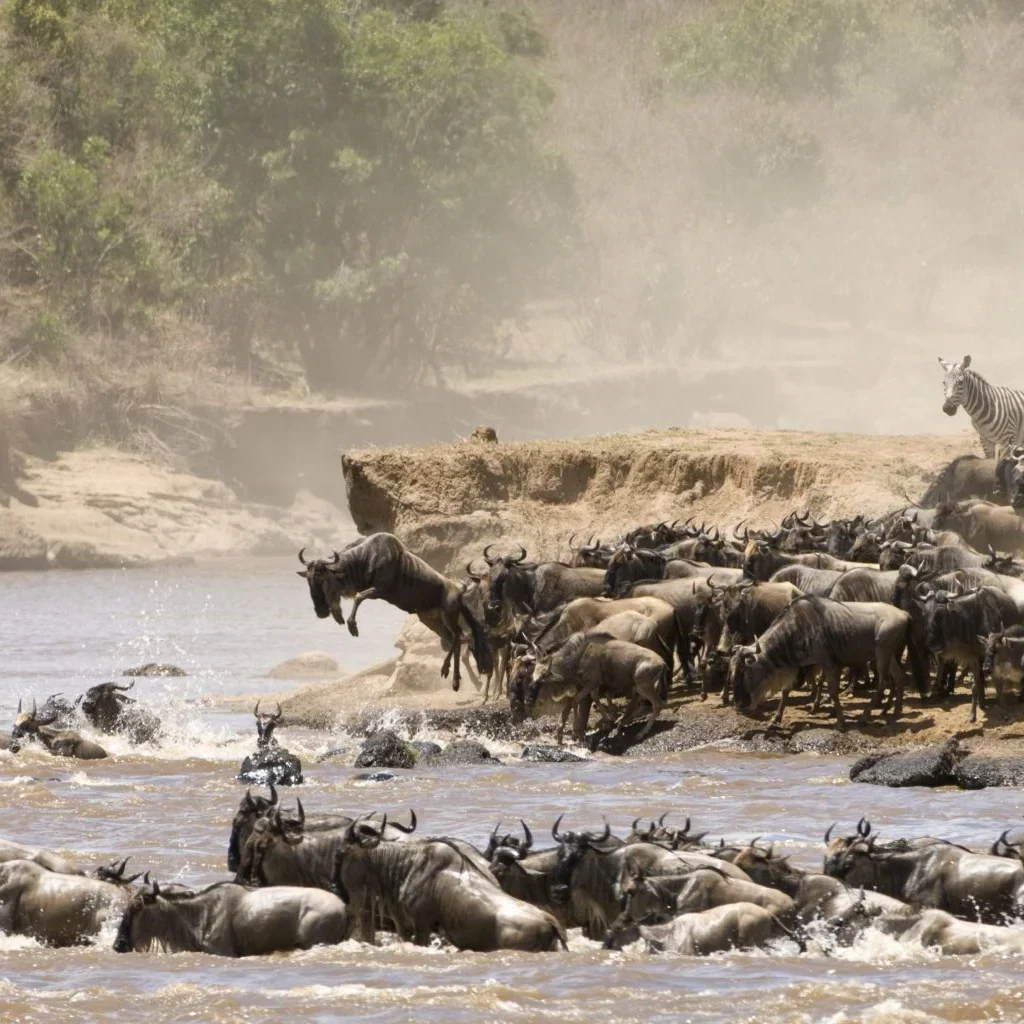
Planning and booking a Wildebeest Migration safari is one of the most rewarding travel experiences in Africa, drawing visitors to witness the legendary Great Migration across Serengeti National Park and Maasai Mara National Reserve. This iconic wildlife spectacle features over two million wildebeest, zebras, and gazelles moving in search of fresh grazing, making it a bucket-list African safari adventure. With proper planning, travelers can enjoy luxury safari lodges, budget-friendly camps, or tailor-made private tours. Understanding migration patterns, timing, accommodation, and tour operators is essential for maximizing your experience. This guide covers everything from when to go, where to stay, safari costs, and how to book the best Wildebeest Migration safari package for an unforgettable East African wildlife safari filled with dramatic river crossings and exceptional game-viewing opportunities. 1. Understanding the Great Wildebeest Migration The Great Wildebeest Migration is the largest land-based animal movement on Earth, occurring annually between Serengeti National Park and Maasai Mara National Reserve. Over 1.5 million wildebeest, accompanied by zebras and gazelles, follow rainfall patterns in search of fresh grass and water. This continuous cycle includes calving season in the southern Serengeti, dramatic river crossings at the Grumeti and Mara Rivers, and predator-prey interactions involving lions, crocodiles, and hyenas. For safari planning, understanding these phases is crucial because the migration is not in one place year-round. Travelers must align their travel dates with the migration’s location to maximize sightings. This natural phenomenon is unpredictable, making expert local safari guides and experienced tour operators essential for a successful and rewarding wildlife safari experience. 2. Best Time to Witness the Migration Timing is everything when planning a Wildebeest Migration safari in Tanzania and Kenya. From January to March, the southern Serengeti offers calving season, attracting predators and incredible wildlife action. Between June and July, the migration moves north, crossing the Grumeti River. The most dramatic period is from July to October in the northern Serengeti and Maasai Mara, where river crossings at the Mara River occur. November and December see the herds returning south as the cycle repeats. Each season offers unique safari experiences, from newborn wildlife encounters to intense predator action. Choosing the best time depends on your interests, budget, and availability. Booking early for peak months ensures access to the best safari lodges and camps near migration hotspots. 3. Choosing the Right Safari Destination Selecting the right destination is key to a successful migration safari. Serengeti National Park is vast and offers year-round wildlife viewing, while Maasai Mara National Reserve is known for dense wildlife populations and dramatic river crossings. Within the Serengeti, areas like Ndutu, Central Serengeti, and Northern Serengeti each provide different migration experiences throughout the year. The Maasai Mara, on the other hand, is compact and offers easier access to river crossings during peak season. Travelers must consider travel logistics, park fees, and accommodation styles when choosing between Tanzania and Kenya. Combining both destinations in a single itinerary is also popular for a comprehensive Great Migration safari experience, offering diverse landscapes and unmatched wildlife encounters across East Africa. 4. Types of Wildebeest Migration Safaris There are various safari styles to suit different travel preferences and budgets. Luxury safaris include high-end lodges, private guides, and fly-in transfers, offering comfort and exclusivity. Mid-range safaris balance affordability and comfort with quality tented camps and guided game drives. Budget safaris offer basic accommodations yet deliver incredible wildlife experiences. Private safaris allow customized itineraries, while group safaris are more affordable and social. Mobile camps are especially popular during the migration, as they move with the herds to ensure proximity to wildlife action. Whether you choose a luxury African safari or a budget-friendly option, selecting the right safari type ensures you get the best value and experience during your Wildebeest Migration adventure in East Africa. 5. How to Choose the Best Safari Tour Operator Choosing a reputable safari tour operator is essential for a seamless migration safari experience. Look for licensed and experienced companies specializing in Tanzania and Kenya safaris, particularly those familiar with Serengeti National Park and Maasai Mara National Reserve. Check reviews, testimonials, and safety records before booking. Top-rated operators offer knowledgeable guides, well-maintained safari vehicles, and flexible itineraries tailored to migration movements. Consider operators that provide all-inclusive packages covering accommodation, park fees, meals, and game drives. Transparent pricing and strong communication are also key indicators of reliability. Working with a trusted safari company ensures you are in the right place at the right time, maximizing your chances of witnessing dramatic river crossings and unforgettable wildlife encounters. 6. Setting Your Budget and Costs The cost of a Wildebeest Migration safari varies widely depending on travel style, duration, and season. Budget safaris can start from $200–$350 per person per day, while luxury safaris can exceed $1,000 per person per day. Key cost factors include accommodation type, park fees, transportation, guide services, and internal flights. Peak migration months, especially during river crossing season, are more expensive due to high demand. Booking in advance can help secure better rates and availability. Travelers should also budget for tips, travel insurance, and optional activities like hot air balloon safaris. Understanding the full cost breakdown helps you plan effectively and avoid unexpected expenses while ensuring a memorable and well-organized African safari experience. 7. Booking Accommodation in Advance Accommodation plays a crucial role in your migration safari experience. From luxury lodges to mobile tented camps, staying close to migration routes increases your chances of witnessing wildlife action. Popular options in Serengeti National Park and Maasai Mara National Reserve book out months in advance, especially during peak season. Mobile camps are highly recommended as they follow the migration, offering front-row access to river crossings and grazing herds. Permanent lodges provide more comfort and amenities but may require longer game drives to reach the action. Early booking ensures better availability, competitive pricing, and access to prime locations, making your Wildebeest Migration safari more enjoyable and rewarding. 8. Planning Your Safari Itinerary A well-structured safari itinerary ensures you maximize your migration experience. Most Wildebeest Migration safaris range
Why we only offer private safaris
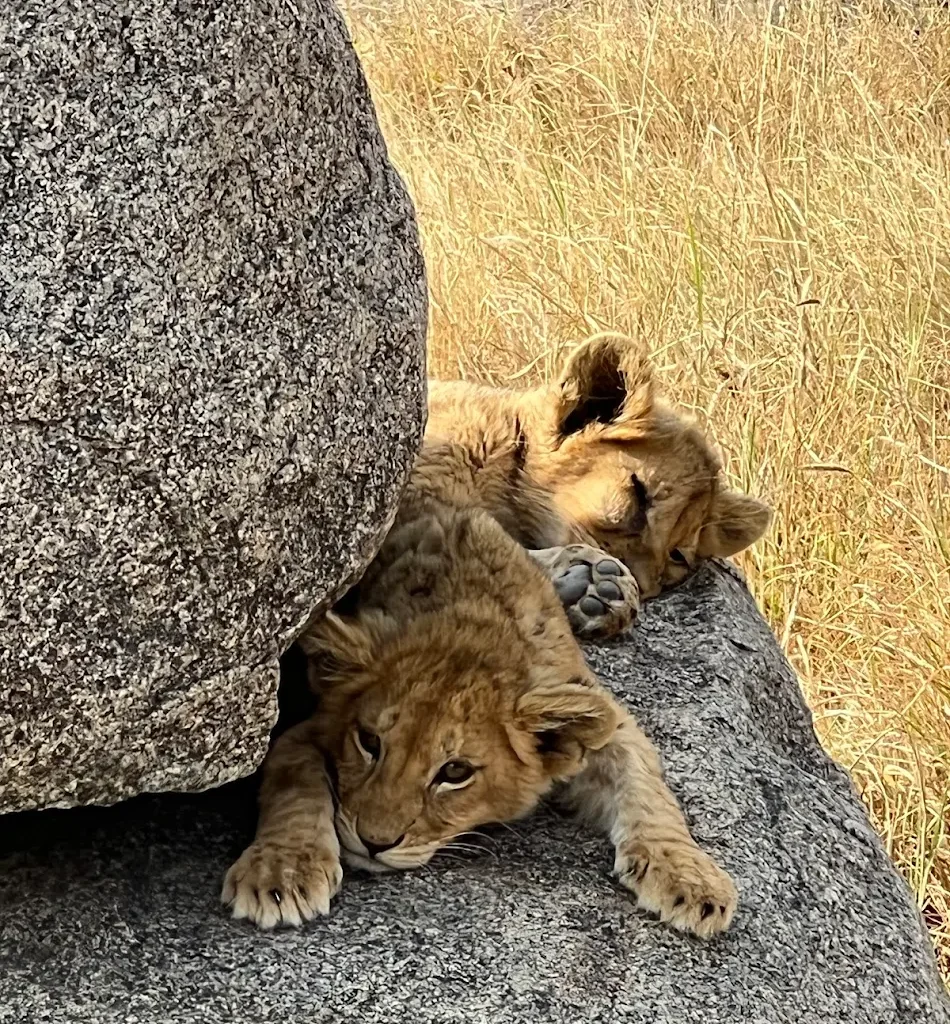
Foot Slopes Tours and Safaris Companies offer private safaris to provide clients with maximum flexibility, personalized experiences, and greater comfort and privacy. This allows for customized itineraries that cater to individual interests, such as a specific wildlife focus or activity, and eliminates the need for compromises that can arise in group settings. The dedicated guide and vehicle ensure a more intimate and relaxed atmosphere, allowing for focused observation and a greater likelihood of wildlife encounters. For generations, the African safari has captured the imagination—a quintessential adventure into the heart of the wild. Yet, in an era of mass tourism, the magic can sometimes be diluted by crowded vehicles, rigid schedules, and the compromises inherent in group travel. At our core, we believe a safari shouldn’t be a shared itinerary; it should be an intimate, deeply personal encounter. That’s why we’ve made a deliberate choice: we only offer private safaris. This isn’t just a business decision; it’s a philosophical commitment to providing the most authentic, luxurious, and fulfilling experience possible. By removing the constraints of shared tours, we unlock a level of freedom and exclusivity that transforms a good vacation into a life-changing expedition. Here is an exploration of the seven powerful reasons why a private safari is the only way to truly experience the majesty of Africa. Ultimate Flexibility and Freedom Imagine you’re on the Serengeti. The sun is setting in a blaze of orange and purple, and your guide has just spotted a rare Black Rhino mother and calf in the distance. The moment is perfect, but in a group tour, your allotted viewing time is up, and your fellow passengers are keen to get back to the lodge for dinner. On a private safari, that scenario simply doesn’t exist. You set the pace. Your private vehicle and dedicated guide are entirely at your disposal. If you want to spend an extra two hours watching a pride of lions interact, you can. If you feel like leaving the lodge an hour earlier than planned to catch the perfect dawn light, you will. This level of spontaneity and flexibility is the most significant differentiator. It allows the safari to breathe, adapting in real-time to the rhythm of the wild and your personal desires, not the schedule of a group. You are no longer a passenger following a plan; you are the architect of your own adventure. Personalized Experience: A True Connection A private safari is, by its nature, an intensively personalized experience. From the moment you step off the plane, your journey is curated around your unique needs and desires. In a group setting, a guide must cater to a wide range of interests and personalities. One person loves birds, another is obsessed with big cats, and a third is simply focused on taking photos. The guide’s attention is stretched thin, and no single interest is fully explored. On a private journey, your guide gets to know you. They understand your family’s dynamic, your preferred style of communication, and your specific passion points—whether it’s tracking a leopard. Learning about tribal cultures, or mastering the art of safari photography. This allows the guide to act as a personal expedition leader and an expert tutor. The entire narrative of the safari—the stories, the routes, the pace—is tailored. Creating a deeper, more meaningful connection to the landscape and its inhabitants. Privacy and Exclusivity: Just You and the Wild One of the greatest luxuries in today’s hyper-connected world is the ability to truly disconnect and enjoy undisturbed privacy. A private safari guarantees this essential solitude. Your game drive vehicle is exclusively yours. This means:• No sharing cramped spaces with strangers.• No compromising on opening or closing windows for photos.• No hushed conversations or discomfort around different social dynamics. The ability to talk freely, to be completely silent. Share the wonder of a sighting only with your chosen companions—family, friends, or partner—is invaluable. It’s the difference between witnessing an event and sharing a profound, unrepeatable moment. This exclusivity elevates the entire experience, making the wilderness feel like your own private domain. Tip: benefits of a private guide for a solo safari. A private guide for a solo safari provides safety and confidence in unfamiliar territories, personalized and flexible itineraries. Deep cultural insights, and enhanced wildlife viewing through expert knowledge and tracking skills. The guide serves as a constant companion and logistics coordinator. Allowing you to focus on an immersive and enriching experience tailored to your unique interests. Custom-Tailored Itineraries: Designed Just for You While group safaris are built from pre-packaged, off-the-shelf itineraries designed for the lowest common denominator, a private safari begins with a blank map and your dreams. We don’t offer cookie-cutter tours. We offer bespoke journeys. Do you want to spend a week focusing on the Northern Circuit of Tanzania. Followed by a few days relaxing on the beaches of Zanzibar? Are you an avid hiker who wants to blend classic game drives with walking safaris? Your private itinerary can: • Include specific, hand-picked lodges that match your aesthetic and service expectations.• Move at a pace that perfectly suits your travel style—fast-paced and adventurous, or slow and restorative.• Mix and match destinations across different countries, seamlessly handling all the complex logistics that would be impossible in a group setting. This freedom of design ensures your safari is not just a vacation. But a carefully constructed manifestation of your ideal African adventure. Higher Comfort and Luxury: Traveling on Your Terms The infrastructure of a private safari inherently allows for a higher caliber of comfort and luxury. This begins with the vehicle itself. Furthermore, a private journey often grants access to exclusive, smaller, and more remote camps that simply cannot accommodate the volume of a larger group tour. These high-end properties offer unparalleled service, exquisite cuisine, and an atmosphere of refined tranquility that is the hallmark of true luxury travel. You’re not just traveling; you’re indulging in a superior class of exploration. Our private vehicles are: • Specifically customized for maximum viewing and comfort.
Is an African Safari Worth It
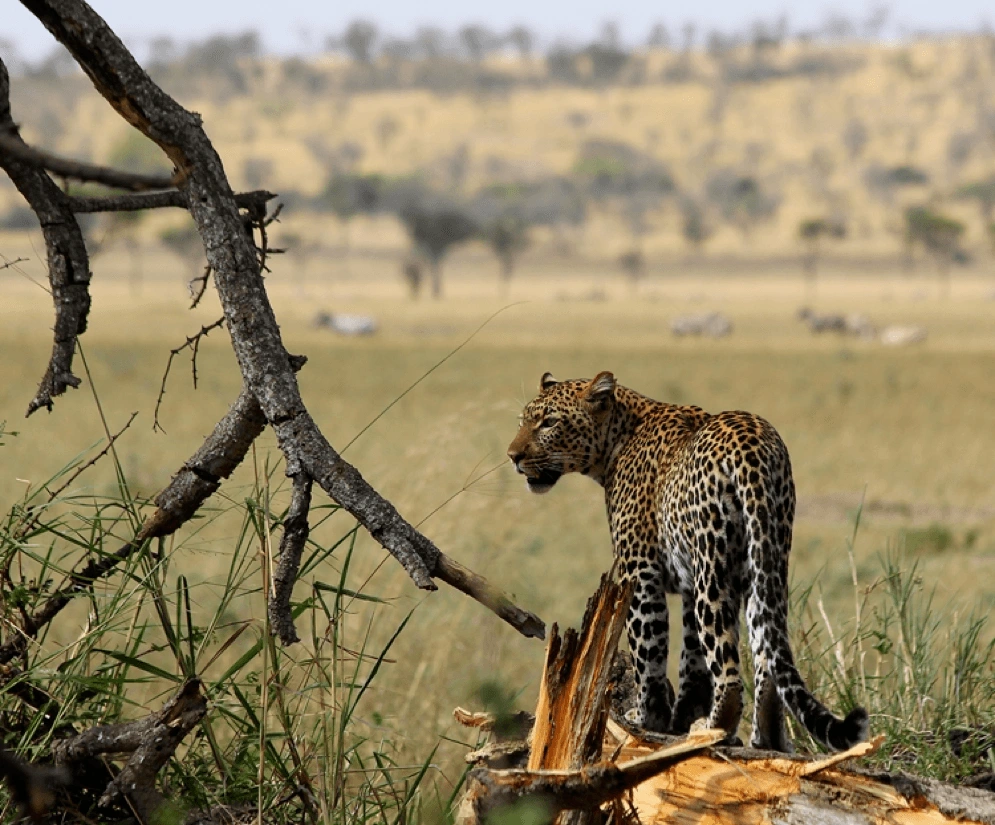
An African safari is more than a trip—it’s a life-changing journey into some of the world’s most iconic wilderness areas. From the endless plains of Serengeti National Park to the dramatic landscapes of Ngorongoro Crater, safaris offer unmatched wildlife encounters, luxury experiences, and deep cultural connections. But is an African safari worth it? For many travelers, the answer is a resounding yes. With opportunities to witness the Great Migration, spot the Big Five, and immerse yourself in authentic African culture, safaris deliver extraordinary value. Whether you choose a budget camping safari or a luxury fly-in experience, the return on investment goes beyond money—it’s about memories, perspective, and connection to nature. Whether you’re seeking a luxury safari, budget-friendly adventure, honeymoon escape, or family trip, Africa delivers unmatched value. This guide explores every angle, helping you decide if an African safari truly deserves a place on your bucket list. The Unmatched Wildlife Experience An African safari delivers one of the most extraordinary wildlife experiences on Earth, making it a top bucket list adventure for travelers worldwide. In destinations like Serengeti National Park and Ngorongoro Crater, you witness the iconic Big Five—lion, leopard, elephant, rhino, and buffalo—roaming freely in their natural habitat. Unlike zoos or documentaries, a real safari immerses you in raw, untamed nature, where every game drive reveals new surprises. From dramatic predator hunts to peaceful grazing herds, the diversity of African wildlife is unmatched. Birdlife, reptiles, and rare species add to the thrill. Whether you choose a luxury safari or a budget safari, the authenticity of these encounters is unforgettable. For nature lovers, photographers, and adventure seekers, the African safari experience offers unmatched value, making it absolutely worth every moment and every dollar spent. A Bucket List Adventure Like No Other An African safari is not just a trip; it’s a once-in-a-lifetime journey that defines adventure travel. Exploring vast landscapes such as Tarangire National Park or the endless plains of Serengeti National Park places you at the heart of nature’s greatest theater. The thrill of tracking wildlife, witnessing sunrise over the savannah, and hearing lions roar at night creates lifelong memories. Unlike conventional vacations, safaris offer unpredictability and excitement at every turn. Each day brings discoveries, from elephant herds crossing rivers to cheetahs sprinting across open plains. This immersive experience connects you deeply with nature and reminds you of the planet’s beauty. For many travelers, checking off an African safari from their bucket list is a dream come true, offering emotional, visual, and personal rewards that few other travel experiences can match. Luxury and Comfort in the Wild Modern African safaris combine wilderness with world-class luxury, making them ideal for travelers seeking comfort without sacrificing adventure. High-end lodges and tented camps in places like Serengeti National Park offer five-star amenities, including gourmet dining, private plunge pools, spa treatments, and personalized butler service. These luxury safari lodges are designed to blend seamlessly with nature while providing unmatched comfort. Imagine sipping wine while watching elephants roam nearby or relaxing in a lavish suite overlooking the savannah. Even mid-range and glamping options provide exceptional value, ensuring comfort across all budgets. Whether it’s a honeymoon safari, family safari, or solo travel experience, luxury safaris redefine outdoor living. This perfect balance of adventure and indulgence is a major reason why African safaris are considered worth the investment by travelers worldwide seeking premium travel experiences. The Cost of an African Safari One of the most common questions is whether an African safari is worth the cost. Safari prices vary widely, from budget camping safaris to ultra-luxury fly-in experiences. Visiting destinations such as Ngorongoro Crater or Serengeti National Park often includes park fees, accommodation, meals, transport, and expert guides, making safaris largely all-inclusive. While the upfront cost may seem high, the value lies in the unique experiences, exclusivity, and convenience provided. Budget travelers can find affordable safari packages, while luxury seekers enjoy premium services. Compared to other global adventures, safaris offer exceptional return on investment through unforgettable wildlife encounters and personalized service. Planning, traveling in shoulder seasons, and choosing the right tour operator can help manage costs effectively. Ultimately, the life-changing experiences gained make an African safari worth every dollar. Incredible Photography Opportunities An African safari is a paradise for photographers, offering unmatched opportunities to capture breathtaking images of wildlife and landscapes. Iconic locations like Serengeti National Park provide dramatic backdrops of golden savannahs, acacia trees, and endless horizons. Whether you are a professional photographer or a beginner, every game drive presents perfect moments—lions basking in sunlight, elephants silhouetted against sunsets, and giraffes gracefully moving across plains. The natural lighting during sunrise and sunset enhances every shot, creating award-winning photography potential. Specialized photographic safaris offer expert guidance, ensuring you capture the best angles and moments. Beyond wildlife, cultural portraits, and scenic landscapes add diversity to your portfolio. For social media content creators and travel bloggers, safari photography delivers high-quality, SEO-rich visual content. These unforgettable images serve as lifelong memories, making an African safari truly worth it. Cultural Encounters and Local Experiences Beyond wildlife, an African safari offers rich cultural experiences that deepen your understanding of local traditions and lifestyles. Visiting communities near Ngorongoro Conservation Area allows you to interact with indigenous groups such as the Maasai, known for their vibrant culture and traditions. These encounters include traditional dances, village visits, storytelling, and learning about ancient survival skills. Cultural tourism adds meaningful context to your safari, connecting you with the people who call these landscapes home. Supporting local communities through responsible tourism also contributes to sustainable development. Whether it’s tasting local cuisine, learning Swahili phrases, or participating in cultural ceremonies, these experiences enrich your journey. For travelers seeking more than just wildlife, cultural safaris provide a well-rounded adventure. This blend of nature and human connection makes an African safari not only exciting but also deeply rewarding and worthwhile. The Great Migration Spectacle The Great Migration is one of the most spectacular natural events on the planet and a key reason why an African safari is worth it.
Mount Kenya vs Kilimanjaro
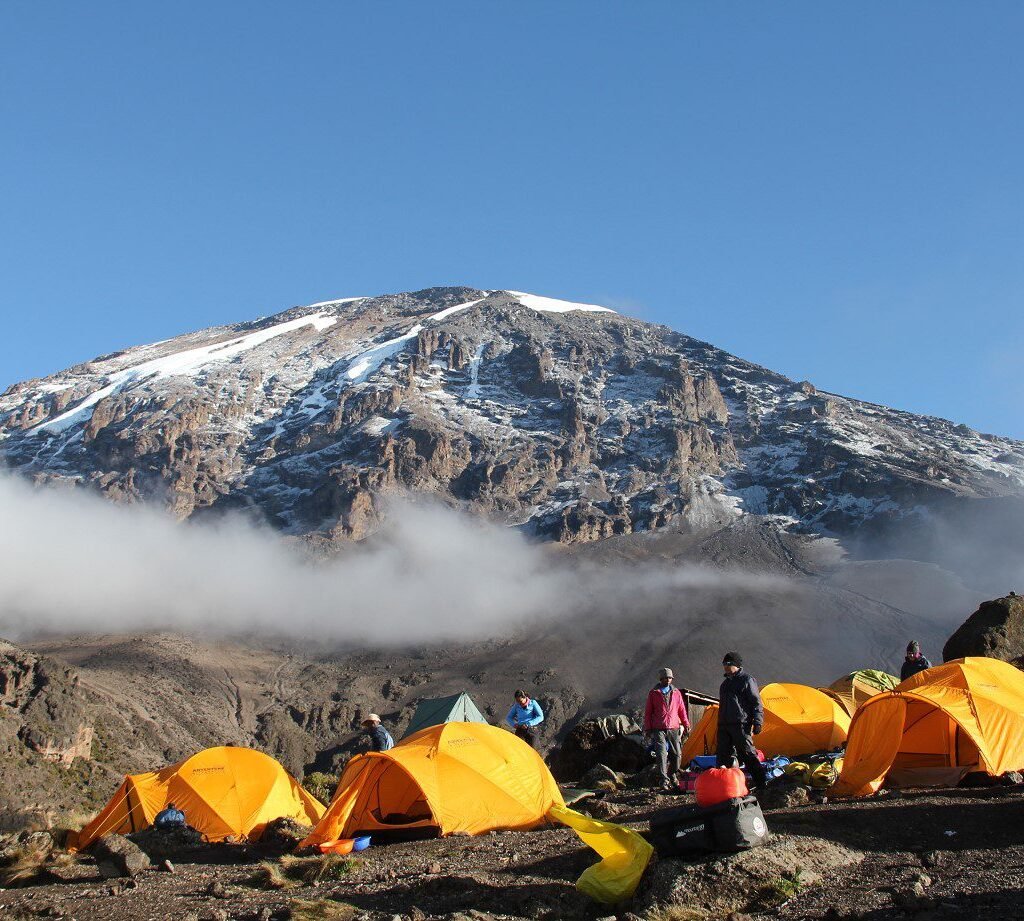
Mount Kenya vs Kilimanjaro is one of the most searched comparisons in East African trekking and adventure tourism, attracting climbers, hikers, and safari travelers worldwide. Both mountains are iconic African peaks offering breathtaking scenery, unique ecosystems, and unforgettable summit experiences. Mount Kenya is Kenya’s highest mountain and a UNESCO World Heritage Site, known for its rugged alpine terrain and technical climbing routes. On the other hand, Mount Kilimanjaro in Tanzania is Africa’s highest peak and the world’s tallest free-standing mountain, famous for its non-technical trekking routes. This detailed guide compares difficulty, cost, routes, weather, altitude, scenery, and success rates. Whether you are planning a bucket-list expedition, a hiking safari, or a professional trekking adventure, understanding the differences between Mount Kenya and Kilimanjaro will help you choose the perfect mountain for your East African climbing experience. Geographic Location and Accessibility Mount Kenya is located in central Kenya near Nanyuki and is easily accessible from Nairobi in about 3–4 hours by road, making it ideal for shorter trekking trips. Kilimanjaro is located in northern Tanzania near Moshi and Arusha, with access through Kilimanjaro International Airport, making it convenient for international travelers. Both mountains are part of major East African safari circuits, allowing climbers to combine trekking with wildlife safaris. Kilimanjaro is more globally connected due to its international tourism infrastructure, while Mount Kenya feels quieter and more remote. “Mount Kenya vs Kilimanjaro accessibility” because both offer different travel experiences. Kilimanjaro attracts larger crowds due to its fame, while Mount Kenya offers a more secluded adventure. Accessibility plays a major role in deciding which mountain is easier to reach and plan for climbing expeditions. Height and Mountain Ranking One of the biggest differences in the Mount Kenya vs Kilimanjaro debate is altitude. Kilimanjaro stands at 5,895 meters, making it the highest mountain in Africa and the highest free-standing mountain in the world. Mount Kenya, at 5,199 meters, is Africa’s second-highest peak. The altitude difference affects climbing difficulty, acclimatization, and summit success rates. Kilimanjaro’s higher elevation means thinner air and increased risk of altitude sickness, while Mount Kenya offers a slightly lower but still challenging climb. “highest mountain in Africa” and “Mount Kenya vs Kilimanjaro height comparison.” Both peaks require physical fitness, but Kilimanjaro demands more endurance due to its altitude. Mount Kenya provides multiple summit points, including Batian and Nelion peaks, which add technical climbing appeal compared to Kilimanjaro’s trekking-focused summit, Uhuru Peak. Climbing Difficulty Level Kilimanjaro is classified as a non-technical trekking mountain, meaning no climbing equipment is required on most routes, making it accessible to beginners with good fitness. However, the extreme altitude makes it physically demanding. Mount Kenya, in contrast, is more technical, especially for Batian and Nelion peaks, requiring ropes, climbing skills, and sometimes guided mountaineering experience. “Is Kilimanjaro easier than Mount Kenya?” is a common question because Kilimanjaro is often seen as a beginner-friendly high-altitude climb. Mount Kenya offers both trekking and technical climbing options, giving it more variety for experienced climbers. While Kilimanjaro challenges stamina and altitude endurance, Mount Kenya tests technical ability and mountaineering skills. Overall, Kilimanjaro is easier for beginners, while Mount Kenya is better suited for adventurous climbers seeking a more technical alpine experience in East Africa. Routes and Trekking Options Kilimanjaro offers several well-established trekking routes, including Machame, Marangu, Lemosho, Rongai, and Northern Circuit, each varying in duration and scenery. These routes are well-supported with huts or camps and guided services. Mount Kenya also offers multiple routes, such as Sirimon, Chogoria, and Naro Moru, which provide diverse landscapes and climbing experiences. “Best Kilimanjaro route vs Mount Kenya routes” are popular among trekkers planning East African climbs. Kilimanjaro routes are longer and designed for gradual acclimatization, improving summit success rates. Mount Kenya routes are shorter but more rugged and less commercialized. The Chogoria route is known for scenic beauty, while the Sirimon is popular for accessibility. Kilimanjaro focuses on structured expedition trekking, while Mount Kenya provides a more flexible and adventurous route system suitable for both hikers and climbers. Weather and Climate Conditions Weather conditions differ significantly between Mount Kenya and Kilimanjaro due to their location and elevation. Kilimanjaro has distinct ecological zones ranging from rainforest to arctic summit conditions, with unpredictable weather and cold temperatures near the top. Mount Kenya also features varied climate zones, but tends to be slightly wetter due to its central Kenyan location. “Kilimanjaro weather vs Mount Kenya climate” is frequently searched by climbers preparing for expeditions. Kilimanjaro experiences dry seasons from June to October and January to March, which are ideal for climbing. Mount Kenya also has optimal trekking seasons during dry months, but weather changes can be more frequent. Both mountains require proper gear for cold, wind, and rain. Understanding weather patterns is essential for planning a safe and successful climbing adventure in East Africa. Scenery and Landscape Experience Both mountains offer breathtaking scenery, but they differ in landscape style. Kilimanjaro is famous for its dramatic vertical ecosystems, including rainforest, moorland, alpine desert, and glaciers at the summit. Mount Kenya features jagged peaks, glacial valleys, and alpine lakes that create a more rugged and dramatic mountain landscape. “Mount Kenya vs Kilimanjaro scenery comparison” is common among photographers and trekkers. Kilimanjaro provides vast panoramic views above the clouds, while Mount Kenya offers closer, more intimate alpine scenery. Wildlife can also be seen on the lower slopes of both mountains, including monkeys, birds, and unique flora. Kilimanjaro is more iconic for its snow-capped summit, while Mount Kenya is admired for its sharp peaks and dramatic rock formations. Both deliver world-class scenery but appeal to different types of nature lovers. Altitude Sickness Risk Altitude sickness is a major concern when comparing Mount Kenya vs Kilimanjaro. Kilimanjaro’s higher elevation significantly increases the risk of Acute Mountain Sickness (AMS), especially for climbers who ascend too quickly. Mount Kenya, while still high, has a slightly lower risk due to its maximum elevation. “Kilimanjaro altitude sickness vs Mount Kenya” is common among first-time climbers. Kilimanjaro requires longer acclimatization routes to improve summit success,
Why is Serengeti Safari Expensive?
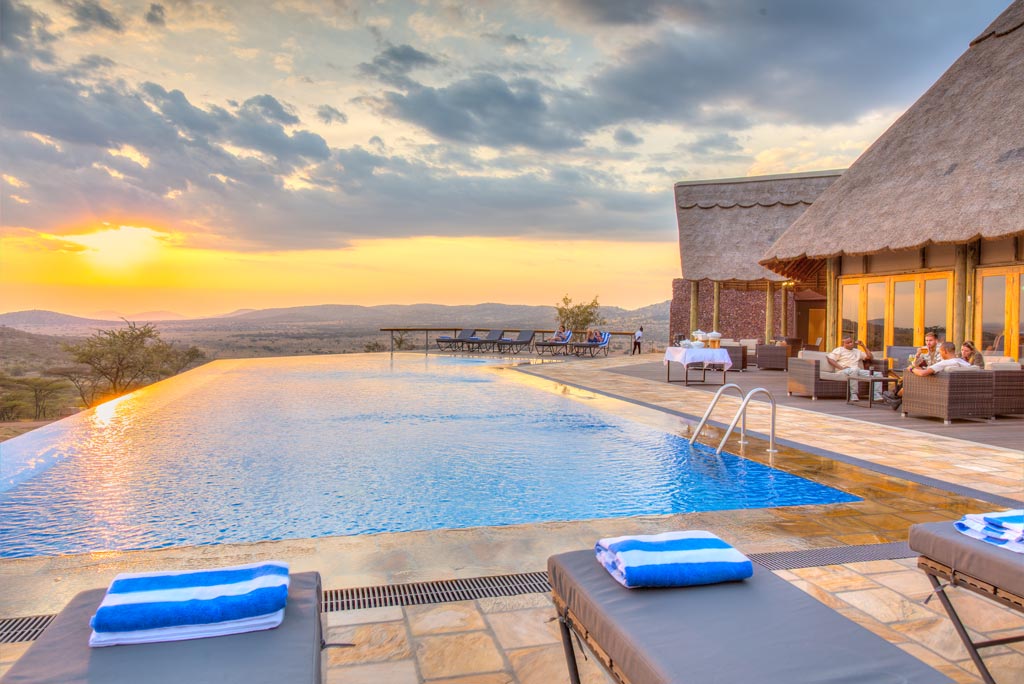
The Serengeti, one of the most iconic safari destinations in the world, offers visitors an unparalleled experience of wildlife, nature, and African culture. However, the cost of a Serengeti safari often raises questions. Why is it so expensive? From conservation efforts to the exclusive nature of the experience, multiple factors contribute to the high cost of visiting this vast, awe-inspiring reserve. The Serengeti is expensive due to high park and conservation fees funding wildlife protection and infrastructure, remote logistics requiring costly transportation of supplies and fuel, premium lodging with high staff-to-guest ratios, all-inclusive service models, and seasonal demand for peak experiences like the Great Migration, which also influences prices. In this article, we delve into the primary reasons why a Serengeti safari can be a significant financial investment. Conservation Fees and Park Fees One of the primary contributors to the high cost of a Serengeti safari is the conservation and park fees. The Serengeti National Park is a UNESCO World Heritage site, and maintaining its ecological balance requires substantial investment. These fees go toward preserving wildlife, maintaining infrastructure, and ensuring the park’s long-term sustainability. Park fees typically range from $50 to $100 per person per day, but they are crucial for ensuring the survival of the Serengeti’s unique ecosystem. These fees are often included in the overall cost of a safari package, but they reflect a tangible commitment to preserving one of the planet’s most biodiverse regions. • Fund anti-poaching units that protect endangered species like rhinos and elephants.• Support research initiatives aimed at studying and conserving wildlife.• Maintain facilities and park infrastructure such as roads, signage, and visitor centers. Remote Location & Limited Infrastructure The Serengeti is located in a relatively remote part of Tanzania. Its isolation, far from major urban centers, means that getting there involves both time and money. Flights into Seronera Airport or chartered flights into private airstrips add an extra layer of cost, especially since most safari lodges and camps are only accessible by small aircraft or overland trips.Additionally, the limited infrastructure of the Serengeti makes everything more expensive. While the roads in the park are generally well-maintained, traveling through them can take considerable time. Limited access to basic services and supplies also means that transporting goods into the region—whether it’s food, water, or building materials—can be pricey. To maintain exclusivity and high standards, safari operators in the Serengeti often need to make significant investments in vehicles, fuel, and other logistical operations. The lack of large-scale infrastructure adds to these operational costs, which in turn are passed on to the customers. Logistics & Operations The Serengeti is expensive due to high park and conservation fees funding wildlife protection and infrastructure, remote logistics requiring costly transportation of supplies and fuel, premium lodging with high staff-to-guest ratios, all-inclusive service models, and seasonal demand for peak experiences like the Great Migration, which also influences prices. Running a safari in the Serengeti involves intricate logistics. The overall operational cost, including the need for backup resources in case of emergencies, contributes significantly to the price of a Serengeti safari. Well-managed safaris, with their well-thought-out itineraries, highly trained guides, and support staff, create a seamless experience—but this level of detail comes at a cost. Safari tours are not simple activities; they involve significant coordination across multiple touchpoints, such as: • Transport: Safari vehicles are specially designed for the terrain, requiring constant maintenance and upkeep.• Staffing: Safari operations need a skilled team to handle everything from tour guiding to logistics.• Communication: Mobile phone coverage is sparse in the Serengeti, so reliable satellite communication tools are essential for safety and operations. Luxury Accommodations The Serengeti known for offering a wide range of luxury accommodations, from tented camps to high-end lodges. These accommodations are often set in pristine locations that allow guests to experience the wilderness while enjoying five-star comfort. Premium lodges and tented camps offer high-end amenities, gourmet dining, and exclusive experiences, which come with higher operational and maintenance costs. You can stay at lodges and tented camps in Serengeti, with options including luxury accommodations like the Four Seasons Safari Lodge Serengeti, the best luxury safari camps & lodges in the Serengeti National Park, and Singita Sasakwa Lodge, Melia Serengeti Safari lodge, Serengeti Explorer, as well as mid-range and mobile camps. The cost of maintaining these luxury properties—along with paying for top-tier service staff and ensuring top-quality amenities—adds to the expense of a Serengeti safari. Moreover, many of these lodges and camps only accept a small number of guests at a time, which ensures that each experience highly personalized but drives up costs due to the limited availability of Safari lodges and camps in Serengeti National Park, Tanzania. The high-end lodges and camps in the Serengeti provide: • Private game drives for personalized safari experiences.• Gourmet meals prepared by professional chefs, often with locally sourced ingredients.• Spa treatments and wellness experiences amidst the natural beauty of the park.• Exclusive service from staff who cater to every need, including experienced wildlife guides. Skilled Personnel A Serengeti safari experience is only as good as the staff that makes it possible. From guides and drivers to chefs and housekeeping staff, the level of professionalism and expertise required to run a successful safari is high shows why is Serengeti Safari Expensive. In addition to guides, personnel at the lodges and camps are well-trained in hospitality, ensuring that your stay is comfortable and safe. The salaries for these highly skilled workers contribute to the overall cost of the safari. Safari guides are often local experts with intimate knowledge of the Serengeti ecosystem. They are trained to provide in-depth knowledge about wildlife behavior, bird watching, and the history of the region, making the experience both educational and thrilling. Moreover, the best safari operators hire the most experienced guides, which increases the cost of the tour. Demand & Exclusivity The Serengeti is one of the most famous safari destinations globally, attracting visitors from all corners of the world. Its exclusivity and the experience of witnessing the great migration or
Seven Natural Wonders of Africa
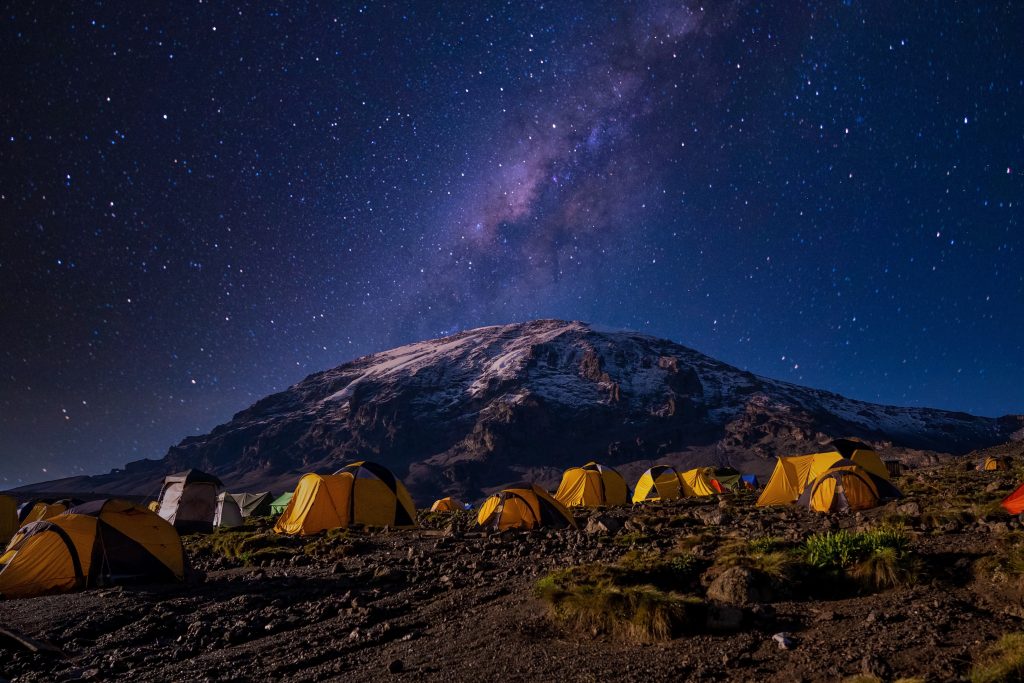
Africa is a continent of breathtaking natural wonders, a tapestry of landscapes that captivate adventurers, wildlife enthusiasts, and nature photographers alike. From the vast savannas of East Africa to the sprawling deserts of the north, Africa offers experiences unlike any other. Its diverse ecosystems host iconic wildlife, towering mountains, mighty rivers, and awe-inspiring waterfalls, making it a bucket-list destination for travelers worldwide. This journey through Africa’s greatest natural marvels highlights seven wonders that epitomize the continent’s beauty, adventure, and ecological significance. Whether you are planning a luxury safari in Tanzania, a cultural exploration along the Nile, or an epic adventure to Victoria Falls, these natural wonders promise unforgettable memories and remarkable photo opportunities. Each wonder offers a unique story of Earth’s geological and ecological splendor. 1. The Serengeti Migration (Tanzania/Kenya) The Serengeti Migration, one of Africa’s most extraordinary wildlife spectacles, spans the Serengeti National Park in Tanzania and the Maasai Mara in Kenya. Every year, over 1.5 million wildebeest, accompanied by zebras and gazelles, traverse the plains in search of greener pastures. Predators such as lions, cheetahs, and crocodiles follow, creating dramatic scenes of survival and nature’s balance. Safari enthusiasts flock to witness river crossings, thrilling predator encounters, and the endless golden savanna, making it a must-visit Tanzania wildlife destination. The Great Migration is not only a photographer’s paradise but also a vital ecological phenomenon, sustaining the region’s biodiversity. Travelers can experience this natural wonder through guided 4×4 safaris, luxury lodges, and fly-in safari packages that provide front-row access to one of the planet’s most captivating wildlife events. 2. Ngorongoro Crater (Tanzania) The Ngorongoro Crater, a UNESCO World Heritage site in northern Tanzania, is the world’s largest intact volcanic caldera and a top-rated safari destination. Spanning 260 square kilometers, this natural amphitheater is home to an incredible density of wildlife, including lions, elephants, rhinos, and buffalo. The crater’s diverse ecosystems—grasslands, woodlands, and lakes—offer unparalleled wildlife viewing opportunities year-round. Visiting Ngorongoro allows travelers to combine breathtaking scenery with intimate encounters with Africa’s Big Five. Safari tours often include game drives, cultural visits to Maasai villages, and luxury lodge accommodations overlooking the crater rim. Its geological significance and rich biodiversity make Ngorongoro a must-see for anyone exploring Tanzania, providing an unforgettable blend of adventure, photography, and ecological wonder in East Africa’s iconic landscapes. 3. The Nile River (North Africa) The Nile River, the world’s longest river, stretches over 6,600 kilometers across eleven countries in North Africa, from Uganda and Rwanda through Egypt to the Mediterranean Sea. This iconic waterway has been the lifeline of civilizations for thousands of years, shaping cultures, agriculture, and economies along its banks. Its fertile delta and scenic riverbanks offer unique eco-tourism experiences, from luxury Nile cruises in Egypt to wildlife spotting in Uganda and Sudan. The Nile supports diverse ecosystems, including hippos, crocodiles, and exotic bird species, making it an ideal destination for nature enthusiasts and photographers. A journey along the Nile combines history, adventure, and nature, allowing travelers to explore ancient temples, bustling river towns, and tranquil landscapes while immersing in Africa’s rich heritage and natural beauty. 4. Mount Kilimanjaro (Tanzania) Mount Kilimanjaro, Africa’s tallest peak at 5,895 meters, is a world-renowned trekking destination in northern Tanzania. This majestic dormant volcano rises dramatically from the surrounding savanna, offering climbers a unique journey through five ecological zones, from lush rainforest to alpine desert and icy summit. Kilimanjaro treks attract adventurers, honeymooners, and solo travelers seeking a challenge with breathtaking rewards. Guided climbs on routes like Machame, Marangu, and Lemosho combine safety, local expertise, and immersive wilderness experiences. Wildlife spotting, panoramic views, and sunrise summits create unforgettable moments for trekkers. As an iconic African landmark, Kilimanjaro also contributes to conservation awareness, with efforts to preserve its unique ecosystems. Whether experienced as a climbing adventure or scenic excursion, Kilimanjaro embodies Africa’s raw natural beauty. 5. The Sahara Desert (North Africa) The Sahara Desert, the largest hot desert in the world, spans multiple North African countries, including Morocco, Algeria, Libya, and Egypt. Its sweeping dunes, rocky plateaus, and oasis towns create a strikingly diverse landscape that has fascinated travelers for centuries. Desert safaris, camel treks, and overnight stays in Berber-style tents offer unique ways to experience its vastness and silence. The Sahara is home to desert-adapted wildlife, including fennec foxes, gazelles, and various reptiles, along with rich cultural traditions from nomadic communities. Stargazing under its clear, unpolluted skies reveals a cosmic wonder unlike anywhere else. From adventure tourism to photography and cultural exploration, the Sahara Desert provides a timeless experience of Africa’s dramatic landscapes and human resilience amid extreme environments. 6. The Okavango Delta (Botswana) The Okavango Delta in Botswana is one of Africa’s most stunning wetlands and a UNESCO World Heritage site. This vast inland delta supports a rich array of wildlife, including elephants, hippos, crocodiles, and hundreds of bird species. Unlike other river systems, the Okavango floods seasonally, creating a dynamic mosaic of waterways, lagoons, and islands. Safari experiences range from traditional mokoro canoe excursions to luxury lodges offering guided game drives and walking safaris. Its ecological importance and beauty attract conservationists, photographers, and travelers seeking intimate encounters with Africa’s wildlife. The Okavango Delta exemplifies sustainable tourism, blending adventure with preservation, making it an essential stop for anyone exploring Southern Africa’s natural wonders. 7. Victoria Falls (Zambia/Zimbabwe) Victoria Falls, locally known as Mosi-oa-Tunya or “The Smoke That Thunders,” is one of the world’s largest and most spectacular waterfalls. Straddling the border of Zambia and Zimbabwe, it plunges over 100 meters into the Zambezi River, creating a mist that can be seen from miles away. Adventure tourism thrives here, including white-water rafting, helicopter flights, bungee jumping, and nature walks through rainforests adjacent to the falls. Victoria Falls is a UNESCO World Heritage site, attracting photographers, honeymooners, and eco-tourists alike. Its thunderous roar, rainbows, and breathtaking scenery make it a top bucket-list destination in Africa. Conservation efforts ensure the falls remain pristine, providing a perfect blend of adventure, nature, and unmatched photographic opportunities for global travelers. Other Notable Mentions:
Everything You Need To Know To Plan An Amazing African Safari

Planning an African safari is a dream for wildlife enthusiasts, adventure travelers, and photographers. From witnessing the Great Migration in the Serengeti to spotting the Big Five in Ngorongoro Crater, Africa offers unforgettable experiences. A well-planned safari ensures comfort, safety, and maximum wildlife sightings. Choosing the right country, safari style, and accommodation can transform your trip into a once-in-a-lifetime adventure. Tanzania is the top destination for African safari tours. Luxury lodges, tented camps, and glamping options cater to all budgets. Understanding the best time to visit, itinerary length, costs, vaccinations, visas, and local customs helps travelers make informed decisions. This guide covers everything you need for a successful and memorable African safari experience. Where to go on an African safari Tanzania is Africa’s ultimate safari destination, offering unmatched biodiversity and iconic landscapes. The Serengeti National Park is famed for the Great Migration, where millions of wildebeest and zebras traverse the plains. Ngorongoro Crater, a UNESCO World Heritage Site, hosts dense wildlife, including lions, elephants, and rhinos, in a single natural amphitheater. Tarangire National Park is perfect for elephant herds and baobab trees, while Lake Manyara is ideal for birdwatching and spotting tree-climbing lions. Arusha National Park offers scenic hikes, primates, and crater lakes, perfect for day trips. Tanzania’s safari infrastructure, including luxury lodges, mid-range camps, and budget tented camps, makes it accessible for all travelers. Choosing Tanzania ensures rich wildlife sightings, stunning landscapes, and authentic Maasai cultural experiences. When is the best time to go on an African safari The best time for an African safari depends on wildlife viewing priorities and weather conditions. In Tanzania and Kenya, the dry season from June to October offers optimal game viewing as animals congregate near water sources, making sightings predictable. The Great Migration peaks around the Serengeti in July and September. The wet season, from November to May, brings lush landscapes, fewer tourists, and newborn animals, perfect for photographers seeking vibrant scenery. Birdwatchers often prefer wet months for migratory species. Temperatures are generally mild, but early mornings and evenings can be chilly in highland parks like Ngorongoro. Planning your safari around these seasonal patterns ensures an unforgettable experience, combining wildlife abundance, scenic beauty, and comfortable travel conditions. How long should a first African safari be For first-time African safari travelers, a 5- to 7-day African Safari itinerary is ideal. This timeframe allows visits to multiple parks without feeling rushed. A typical route might include Tarangire for elephants, Ngorongoro Crater for the Big Five, and Serengeti National Park for predator sightings and the Great Migration. Longer safaris of 10 days or more provide deeper exploration, including off-the-beaten-path parks like Selous or Ruaha. Shorter trips are feasible but limit wildlife encounters. Multi-day safaris often include game drives at dawn and dusk, evening cultural experiences with Maasai villages, and optional hot-air balloon safaris. Planning an appropriate duration maximizes sightings, relaxes travel pace, and ensures a truly immersive African safari experience. How much does it cost to go on an African Safari African safari costs vary widely based on location, duration, and accommodation level. Budget safaris start around $150–$300 per person per day with shared tented camps and basic services. Mid-range lodges average $400–$700 per day, offering more comfort, meals, and guided game drives. Luxury safaris and private tours can exceed $1,000 per day, including exclusive lodges, private vehicles, expert guides, and personalized itineraries. Additional costs include park fees, tipping, flights, and optional excursions like balloon safaris. Booking early or combining packages may reduce expenses. Travelers should budget for a full African safari experience, balancing wildlife encounters, comfort, safety, and local cultural immersion. Proper planning ensures a cost-effective and memorable adventure. What does a typical African safari day look like A safari day begins early, often around sunrise, when wildlife is most active. Guests enjoy morning game drives with expert guides spotting lions, elephants, and cheetahs. Midday breaks involve returning to lodges or camps for breakfast, rest, or optional cultural experiences like visiting Maasai villages. Afternoon game drives resume in cooler hours, offering unique photographic opportunities. Sundowner drinks in scenic spots provide relaxation after wildlife viewing. Dinner at lodges or camps often features local cuisine and storytelling. Guided walks, night drives, and stargazing may be included. A well-structured safari day balances adventure, comfort, and safety while maximizing sightings of Africa’s incredible fauna and landscapes. How far in advance is needed to plan an African safari Planning an African safari at least six to twelve months in advance is recommended, especially for peak seasons like June–October or Great Migration dates. Early planning ensures the availability of luxury lodges, tented camps, and expert guides. Booking in advance allows travelers to secure flights, park permits, and optional excursions such as hot-air balloon safaris or cultural tours. Last-minute bookings may limit accommodation choices and increase costs. For group or family safaris, longer lead times help coordinate logistics and travel requirements. Early planning provides peace of mind, optimal itinerary design, and flexibility to customize an unforgettable African safari experience tailored to wildlife, scenery, and cultural interests. Is it necessary to book with a local African Safari tour operator Booking with a reputable local African safari tour operator is highly recommended. Local operators provide expert knowledge of parks, wildlife behavior, and seasonal patterns, ensuring optimal game sightings. They manage permits, park fees, vehicle logistics, and accommodation arrangements, reducing stress for travelers. Trusted operators also prioritize safety, cultural sensitivity, and sustainability practices. They offer personalized itineraries, from luxury lodges to budget tented camps, based on preferences and wildlife interests. Working with local guides supports the regional economy and provides authentic Maasai or local cultural experiences. While independent travel is possible, a local operator maximizes efficiency, enhances safety, and delivers a seamless African safari adventure tailored to each traveler’s desires. What else to consider before booking an African Safari Before booking an African safari, consider your travel style, budget, health requirements, and wildlife interests. Decide between luxury lodges, mid-range tented camps, or mobile safari options. Research parks’ wildlife density, terrain, and accessibility. Understand