
Safari Words to Know When Travelling in Africa
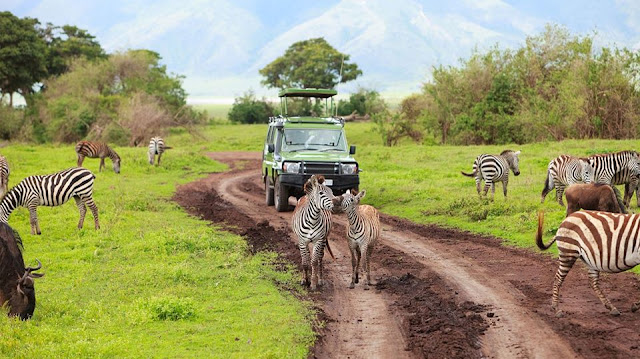
When traveling in Africa, especially on safari, knowing some basic Swahili and local terms enhances your experience; key words include Jambo/Habari (Hello/News?), Asante Sana (Thank you very much), Hakuna Matata/Shida (No worries/problems), Karibu (Welcome), Safari Njema (Have a good trip), Simba (Lion), and Wanyama (Animals) for wildlife, plus cultural terms like Bwana/Mama (Sir/Madam) and Polepole (Slowly, slowly). An African safari is more than a journey—it’s a language of its own. As your vehicle rolls across the savanna and your guide points to movement in the grass, you’ll hear words that carry generations of wildlife knowledge, local culture, and safari tradition. Understanding these safari terms not only helps you follow along but deepens your connection to the landscapes, animals, and people you encounter. This guide walks you through the most common safari words you’re likely to hear, explained in a clear, story-like way that brings the safari experience to life. Common Safari Terms About Animals An African safari is not only about seeing wildlife—it’s about understanding it. As your safari guide gestures toward movement in the grass or pauses to explain animal behavior, you’ll quickly notice that the bush has its own vocabulary. Learning these common safari words before you travel helps you appreciate what you’re seeing, ask better questions, and connect more deeply with Africa’s extraordinary wildlife. Below are some of the most important animal-related safari terms every traveler should know. The Big Five Few safari terms are as famous as the Big Five. Originally used by early explorers and hunters, the phrase described the five animals that were considered the most challenging to track on foot: lion, leopard, elephant, buffalo, and rhinoceros. Today, the term has evolved into a conservation and tourism symbol rather than a hunting concept. Seeing the Big Five is often a highlight for safari travelers, but each animal represents something unique about Africa. Lions embody raw power and social structure, leopards symbolize stealth and adaptability, elephants display intelligence and emotion, buffalo show unpredictable strength, and rhinos remind us of the importance of conservation. Spotting even one of the Big Five can feel like witnessing a living icon of the African wilderness. The Little Five While the Big Five dominate headlines, the Little Five celebrate the small and often overlooked creatures of the bush. This group includes the ant lion, elephant shrew, buffalo weaver, leopard tortoise, and rhino beetle. Their names mirror those of the Big Five, but their importance lies in biodiversity rather than size. Discovering the Little Five often requires patience and a keen eye, making them favorites among guides and nature enthusiasts. They remind travelers that safaris aren’t only about large mammals—tiny insects, reptiles, and birds play just as vital a role in the ecosystem. The Ugly Five Beauty in nature is subjective, and nowhere is that more evident than with the Ugly Five: warthog, wildebeest, hyena, vulture, and marabou stork. These animals are often labeled “ugly” due to their unusual features or awkward movements, but they are some of the most fascinating creatures you’ll encounter. Hyenas and vultures, for example, are essential scavengers that keep ecosystems clean, while wildebeest are key players in Africa’s great migrations. The Ugly Five challenge travelers to look beyond appearances and appreciate function, resilience, and ecological importance. Crepuscular Animals Crepuscular animals are most active during the twilight hours of dawn and dusk. This behavior allows them to avoid the heat of the day while also reducing competition and danger. Many iconic safari animals, including lions and leopards, are crepuscular. This is why early morning and late afternoon game drives are often the most rewarding. As the sun rises or sets, the bush comes alive with movement, calls, and hunting activity, offering some of the most memorable safari moments. Diurnal Animals Animals that are active during daylight hours are known as diurnal. Species such as giraffes, zebras, many antelopes, and most birds fall into this category. Diurnal animals are easier to observe, making them ideal for photography and relaxed wildlife viewing. Watching diurnal animals interact—grazing, caring for young, or socializing—provides insight into daily life in the wild. These encounters highlight the rhythms of nature that unfold under the African sun. Nocturnal Nocturnal animals are active at night and spend most of the day resting or hiding. Creatures like bush babies, aardvarks, genets, and owls are rarely seen during daytime game drives. Spotting nocturnal wildlife often requires a night game drive, where guides use filtered spotlights to reveal glowing eyes in the darkness. These encounters add an element of mystery to a safari, revealing a hidden world that few get to experience. Endemic When an animal is described as endemic, it means it is found only in a specific geographic area and nowhere else on Earth. Endemic species are often the result of long periods of isolation, adapting uniquely to their environment. Seeing an endemic animal is especially meaningful, as it highlights the importance of protecting particular regions and habitats. These Swahili words for safari traveler species are often sensitive to environmental changes, making conservation efforts critical to their survival. Indigenous Indigenous animals are species that occur naturally in a region but may also be found in other parts of the world. Unlike endemic species, indigenous wildlife is not restricted to a single location, yet it remains an essential part of the local ecosystem. Understanding the difference between indigenous and endemic helps travelers appreciate the natural history of the areas they visit and the interconnectedness of wildlife across borders. When traveling on an African safari, knowing key Swahili words like Jambo (Hello), Asante sana (Thank you very much), Hakuna Matata (No worries), and terms like the Big Five (lion, leopard, rhino, elephant, buffalo) and Game Drive (wildlife viewing trip) helps you connect with local culture and understand the experience, with other essential terms including Karibu (Welcome), Simba (Lion), and Wanyama (Animals) fun collective nouns to use on African safari. Tuskers Tuskers are elephants with exceptionally large, heavy tusks—often older bulls that carry impressive genetic traits. These giants are
Why Choose Us for Your African Safari?
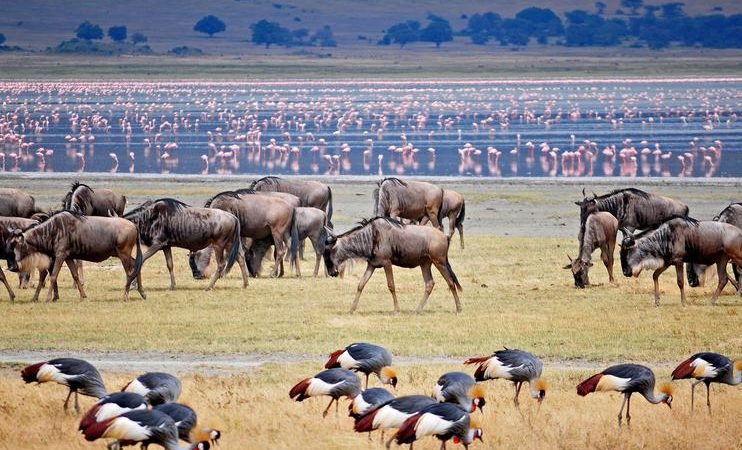
Choosing the right safari company is the key to unlocking an unforgettable African safari tour adventure, and Foot Slopes Tours and Safaris stand out as a trusted, top-rated Tanzania safari operator. With a deep passion for wildlife, culture, and exceptional service, we specialize in delivering luxury African safaris, budget-friendly tours, tailor-made itineraries, and private safari experiences across Tanzania’s iconic destinations. From the vast Serengeti plains to the breathtaking Ngorongoro Crater, we combine expert local knowledge, sustainable travel practices, and seamless planning to create life-changing journeys. Whether you are seeking a honeymoon safari, a family safari, a solo travel experience, or a Great Migration tour, our team ensures every detail is personalized, safe, and memorable. Discover why travelers worldwide choose us for premium safari packages, authentic experiences, and unbeatable value. Local Expertise & Authenticity At Foot Slopes Tours and Safaris, our strength lies in deep-rooted local expertise and authentic African safari experiences. As a Tanzania-based safari company, we understand the land, wildlife patterns, and cultural heritage better than anyone. Our itineraries are crafted by locals who know hidden gems beyond typical tourist routes, offering off-the-beaten-path safaris, cultural encounters, and immersive village experiences. We connect travelers with real Tanzania—from Maasai traditions to local cuisines—ensuring genuine interactions. This authenticity enhances every safari, making it more meaningful and memorable. Whether you’re exploring remote landscapes or iconic parks, our local insight helps you have unique safari adventures, personalized service, and real African hospitality, making us one of the best safari tour operators in East Africa. Tailor-Made & Bespoke Safari Experiences We specialize in custom safari packages and tailor-made African safaris designed to match your exact travel dreams. Every traveler is different, which is why we create bespoke Tanzania safari itineraries based on your preferences, budget, and travel style. Whether you desire a luxury honeymoon safari, family-friendly safari, photographic safari, or budget camping adventure, we personalize every detail—from accommodations to activities. Our flexible approach ensures you enjoy the perfect balance of comfort, adventure, and exclusivity. With options like private guided safaris, fly-in safaris, and multi-destination tours, we transform your vision into reality. This commitment to customization makes us a top choice for travelers seeking unique, personalized, and unforgettable African safari experiences. Purpose-Driven & Sustainable Travel Foot Slopes Tours and Safaris are committed to responsible tourism and sustainable African safaris that protect wildlife and support local communities. We partner with eco-friendly lodges and conservation initiatives to ensure minimal environmental impact while maximizing positive contributions. By choosing us, you support community-based tourism, wildlife conservation, and ethical travel practices. We promote low-impact safaris, respect for local cultures, and conservation education throughout your journey. Our goal is to preserve Tanzania’s natural beauty for future generations while offering meaningful travel experiences today. This focus on sustainability positions us as a leader in eco-friendly safaris, responsible travel in Africa, and conservation-driven tourism, making your Luxury Tanzania safari Tours both impactful and unforgettable. Expert Local Knowledge & Professional Guides Our team of professional safari guides in Tanzania is highly trained, experienced, and passionate about wildlife. With extensive knowledge of animal behavior, ecosystems, and safari routes, they enhance every game drive with insightful storytelling and expert tracking skills. Our guides are fluent in multiple languages and prioritize guest comfort, safety, and engagement. Whether tracking the Big Five or witnessing the Great Migration, their expertise ensures exceptional wildlife viewing opportunities. Their dedication transforms a simple Tanzania comfort safari tour package into an educational and thrilling experience. This level of professionalism makes us a trusted choice for guided African safaris, wildlife tours, and premium safari experiences across Tanzania. Safe & Reliable Ground Handling Safety and reliability are at the heart of every Tanzania safari we operate. Foot Slopes Tours and Safaris provide professional ground handling services that ensure smooth, secure, and stress-free travel across all safari destinations. Our experienced safari guides are highly trained, knowledgeable, and committed to your safety throughout your African wildlife safari. We use well-maintained safari vehicles, follow strict safety standards, and monitor all routes for optimal travel conditions. Whether you are exploring Serengeti National Park, Ngorongoro Crater, or Tarangire, you can trust our team to handle every logistical detail with precision. From airport transfers to lodge check-ins, our seamless coordination guarantees peace of mind. This commitment to safety and reliability makes us a top choice for safe Tanzania safaris, family travel, and worry-free African adventures. Choosing a reliable safari operator in Tanzania means you can focus on enjoying African wildlife safari tour viewing, photography, and cultural encounters without worry, making your safari adventure safe, comfortable, and unforgettable. Competitive Safari Prices & Transparent Costs At Foot Slopes Tours and Safaris, we believe that a world-class African safari should be accessible, affordable, and transparent. Our competitive Tanzania safari prices are carefully designed to suit every traveler, from budget safaris to luxury Tanzania safari packages. We provide clear, upfront pricing with no hidden fees, ensuring you understand exactly what your safari cost includes—accommodation, park fees, meals, transportation, and expert guides. Whether you are planning a family safari, honeymoon safari, or solo adventure, our tailored Tanzania safari packages deliver exceptional value for money. This balance of affordability and quality makes us a preferred choice for travelers searching for best-value African safaris, cost-effective Tanzania budget safari packages, and reliable tour operators. We also offer flexible payment options and customized Tanzania luxury Safari itineraries to match your budget and preferences. By combining affordability with high-quality service, we stand out among top-rated safari tour operators in Tanzania, helping you enjoy a premium African safari experience without compromising on comfort, safety, or unforgettable wildlife encounters. High-Quality Accommodations Your comfort is essential during your Tanzania safari, and Foot Slopes Tours and Safaris partners with the best safari lodges, tented camps, and luxury accommodations across top destinations. From exclusive Serengeti luxury lodges to charming mid-range camps and budget-friendly safari stays, we carefully select properties that meet high standards of quality, safety, and hospitality. Enjoy stunning views, comfortable rooms, delicious cuisine, and authentic African ambiance in every location. Whether you prefer a
How to Book an Affordable African Safari
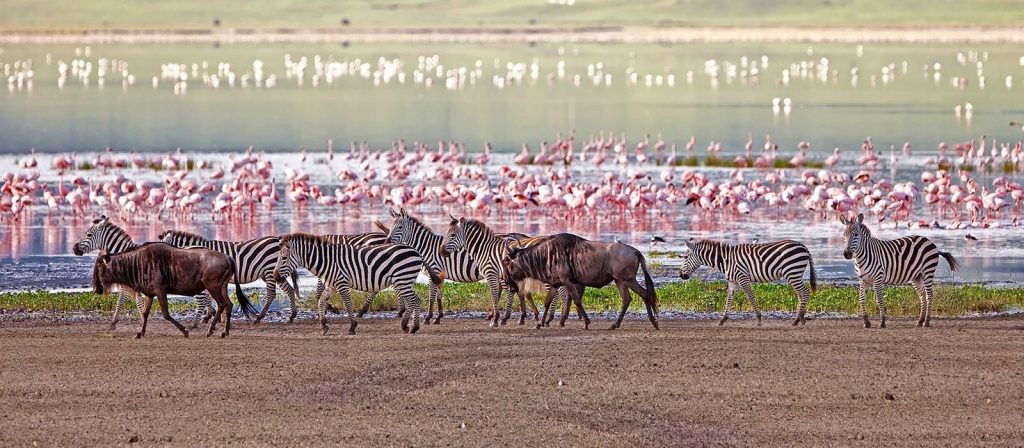
An African safari is one of the most unforgettable travel experiences in the world—golden savannahs, dramatic wildlife encounters, colorful cultures, and breathtaking landscapes. Yet for many travelers, the word “safari” still sounds expensive and out of reach. The good news? An affordable African safari is absolutely possible with the right planning, flexibility, and insider knowledge. From choosing the right season and accommodation to working with local tour operators and focusing on meaningful experiences, this guide reveals practical, proven tips to help you book a memorable safari without overspending. A Complete Guide to Experiencing Africa Without Breaking the Bank. Travel in the Shoulder or Green Season One of the most effective ways to book an affordable African safari is by traveling during the shoulder season or green season. These periods fall between peak and low seasons and offer the perfect balance between cost, wildlife viewing, and comfort. In East Africa, the green season typically runs from March to May and again in November, while shoulder months often include late March, early June, and early December. During these times, safari lodges, camps, and tour operators offer significantly reduced rates—sometimes up to 30–40% less than peak season prices. Contrary to popular belief, wildlife viewing remains excellent. The landscapes are lush and green, animals are more spread out, and there are fewer safari vehicles in the parks. For photographers, this season offers dramatic skies and vibrant scenery. Why it saves money: Lower park fees and accommodation discounts Fewer crowds Better value for longer safaris Choose Budget Accommodation Luxury lodges may dominate safari marketing, but budget and mid-range accommodations deliver authentic experiences at a fraction of the cost. From tented camps and eco-lodges to safari guesthouses and camping safaris, affordable options are available across Africa’s top safari destinations. Budget accommodations often focus on comfort, location, and genuine safari atmosphere rather than extravagant extras. You’ll still enjoy guided game drives, delicious meals, and warm hospitality—without paying for unnecessary luxuries. Mobile camps and permanent tented camps are particularly good value, offering close proximity to wildlife areas at reasonable prices. Smart accommodation choices include: Budget tented camps Safari lodges outside park boundaries Public campsites with professional guides Seasonal mobile camps Use Local Tour Operators Working with local African tour operators is one of the smartest ways to reduce safari costs while improving your overall experience. Local operators have deep knowledge of the destinations, established relationships with lodges, and access to local pricing that international agents often cannot match. By booking directly with a local company, you avoid international commissions and inflated package prices. In addition, local guides bring rich storytelling, cultural insights, and firsthand wildlife knowledge that elevate your safari. Another benefit is flexibility—local operators can customize itineraries based on your budget, travel dates, and interests. Why local operators are more affordable: No middleman fees Better local rates Personalized itineraries Support for local communities Be Flexible with Dates and Destinations Flexibility is a powerful tool when planning an affordable African safari. Being open to alternative travel dates, routes, or parks can dramatically lower your overall cost. For example, instead of visiting a famous park during peak season, consider traveling a few weeks earlier or later. You can also explore lesser-known parks that offer equally rewarding wildlife encounters but cost less. In Tanzania, for instance, combining major parks with quieter destinations like Mkomazi, Lake Eyasi, or the southern Serengeti regions can save money without sacrificing the safari experience. Flexibility allows you to: Access discounted lodges Avoid peak-season surcharges Discover hidden gems Build better-value itineraries Book Early While last-minute deals exist, booking early is generally the safest and most cost-effective strategy—especially for popular safari destinations. Early bookings allow you to secure better accommodation rates, preferred camps, and lower internal flight costs. Many safari lodges offer early-bird discounts for reservations made several months in advance. Booking early also gives you more time to plan, compare options, and avoid rushed decisions that often lead to overspending. Benefits of early booking: Better availability Discounted rates Lower flight costs More itinerary options Pack Smart and Light Packing smart may not sound like a major cost-saving tip, but it makes a significant difference—especially when internal flights are involved. Most safari flights have strict luggage limits, and excess baggage fees can add up quickly. By packing light and focusing on safari essentials, you avoid extra charges and simplify your travel experience. Neutral clothing, reusable items, and compact gear are all you need for a comfortable safari. Smart packing also reduces the need for unnecessary purchases while on the road. Pack essentials only: Neutral-colored clothing Lightweight layers Comfortable shoes Reusable water bottle Compact camera gear Focus on Core Safari Experiences An affordable African safari doesn’t mean missing out—it means focusing on what truly matters. Game drives, nature walks, cultural visits, and breathtaking landscapes are the heart of any safari. Rather than adding expensive extras like private flights, luxury spa treatments, or premium drinks packages, prioritize meaningful wildlife experiences. Group game drives, shared vehicles, and scheduled activities still deliver incredible sightings and unforgettable moments. Quality guiding, great locations, and well-planned routes matter far more than luxury add-ons. Core experiences to prioritize: Daily game drives Knowledgeable local guides Wildlife-rich areas Cultural interactions End with Beach Time Ending your safari with a few days at the beach is not only relaxing—it can also be surprisingly affordable. Destinations like Zanzibar, Diani Beach, or the Kenyan coast offer a wide range of budget-friendly beachfront hotels and guesthouses. Beach time allows you to slow down after an active safari while keeping costs low. Many beach destinations have affordable food, activities, and accommodation options compared to safari lodges. Combining safari and beach also balances your itinerary, making your trip feel richer without increasing the overall cost. Why beach extensions save money: Lower accommodation costs Free or low-cost activities Relaxed travel pace Excellent value for longer stays Get Travel Insurance Travel insurance is not an area to cut costs—it’s a smart investment that protects your budget. From flight delays and medical emergencies to trip
Beach Holidays

Tanzania Beach Holidays | Outdoor Adventure, Offered by Reputable Tour Operators —- Tanzania beach holidays offer the perfect blend of relaxation, adventure, and tropical beauty. From the world-famous Zanzibar Island to the pristine shores of Pangani. Mafia, and Pemba, Tanzania’s coastline promises crystal-clear waters. White sandy beaches, and a peaceful atmosphere ideal for unwinding after a safari or mountain trek. Zanzibar, known as the “Spice Island,” invites you to explore its turquoise lagoons, historic Stone Town, and coral reefs teeming with marine life. Perfect for snorkeling and diving. Mafia Island offers a quieter retreat, famous for whale sharks and vibrant coral gardens. Pemba enchants visitors with lush greenery and untouched beaches. Beyond lounging on the sand, travelers can enjoy dhow cruises, spice farm tours. Sunset dinners and water sports like kayaking or kite surfing. Whether you seek romance, family fun, or solitude. Tanzania’s beaches deliver a captivating escape where culture, nature, and the ocean’s rhythm create an unforgettable tropical paradise. What to Expect on a Tanzania Beach Holiday? On a Tanzania beach holiday, expect stunning white-sand beaches, turquoise waters, and a relaxed island atmosphere. Days are filled with swimming, snorkeling, and diving among vibrant coral reefs, while evenings bring romantic sunsets and fresh seafood dinners by the ocean. Explore Zanzibar, Tanzania, beach holiday, historic Stone Town, take spice tours, or sail on a traditional dhow at sunset. Whether you’re on Zanzibar, Pemba, or Mafia Island, you’ll enjoy a mix of cultural charm, tropical beauty, and tranquility. With Tanzania beaches mainland warm hospitality and breathtaking scenery, a Tanzania beach holiday promises pure relaxation and unforgettable coastal adventure. Best locations for Tanzania Beach Holiday Nungwi Nungwi, located on the northern tip of Zanzibar Island, is one of Tanzania’s most stunning beach holiday destinations. Known for its powdery white sands and crystal-clear turquoise waters. Nungwi offers perfect swimming conditions year-round since the tides here are gentle. Visitors can enjoy Tanzania’s beaches, Zanzibar snorkeling, scuba diving, dhow cruises, and vibrant sunset views over the Indian Ocean. The village also has a lively atmosphere with beachfront resorts, seafood restaurants, and local craft markets. Combining relaxation, adventure, and culture. Nungwi is the ideal spot for travelers seeking both serenity and excitement on a Tanzania beach holiday. Kendwa Kendwa, located just south of Nungwi on Zanzibar’s northwest coast. One of the best beaches in Tanzania for its calm tides, powdery white sands, and breathtaking sunsets. Unlike other parts of the island, Kendwa’s waters are perfect for swimming all day, regardless of the tide. The beach offers a laid-back vibe with luxury resorts, beach bars, and lively full moon parties. Visitors can enjoy snorkeling, diving, and dhow cruises. Simply relax under palm trees with a cool ocean breeze. Kendwa combines tropical beauty and vibrant energy. Making it ideal for couples, families, and beach lovers alike. Michamvi Beach Michamvi, nestled on Zanzibar’s peaceful southeast coast, is a hidden gem perfect for a tranquil Tanzania beach holiday. Known for its quiet beaches, palm-fringed shores, and stunning sunsets over Chwaka Bay. Michamvi offers a serene escape from the busier parts of the island. Visitors can enjoy swimming, kayaking, snorkeling, or simply relaxing in beachfront lodges overlooking the turquoise waters. The area’s laid-back charm, combined with its scenic beauty. Makes it ideal for honeymooners and travelers seeking privacy. With cozy resorts, friendly locals, and unspoiled natural surroundings. Michamvi delivers a truly peaceful and romantic island experience. Kiwengwa Kiwengwa, located on Zanzibar’s picturesque northeast coast, is one of the island’s most beautiful and popular beaches. Known for its long stretch of white sand, clear turquoise waters, and gentle tides, it’s perfect for swimming, beach walks, and relaxation. The area offers a mix of luxury resorts and local guesthouses, creating a welcoming atmosphere for all travelers. Visitors can enjoy snorkeling, diving, kitesurfing, or exploring nearby spice farms and villages. With its stunning ocean views, peaceful vibe, and cultural charm, Kiwengwa is an ideal destination for couples, families, and beach lovers seeking the best of Tanzania’s coast. Mafia Island Mafia Island, part of Tanzania’s beautiful southern coast, is a paradise for nature lovers and divers seeking tranquility. Known for its unspoiled beaches, crystal-clear waters, and the Mafia Island Marine Park, it offers world-class snorkeling and scuba diving among colorful coral reefs and tropical fish. The island is also famous for whale shark encounters, especially between October and March. With its laid-back atmosphere, small lodges, and friendly locals, Mafia provides a peaceful escape from the crowds. Ideal for eco-travelers and honeymooners, Mafia Island combines pristine beauty, marine adventure, and authentic island charm for a truly unforgettable beach holiday. Pemba Island Pemba Island, often called Zanzibar’s “Green Island,” is a secluded tropical paradise ideal for an exclusive Tanzania beach holiday. Renowned for its lush landscapes, crystal-clear waters, and vibrant coral reefs, Pemba offers exceptional diving, snorkeling, and fishing experiences. Its untouched beaches and remote lodges create a serene atmosphere, perfect for honeymooners and travelers seeking privacy. The island’s rolling hills, clove plantations, and traditional Swahili villages add cultural depth to its natural beauty. With fewer tourists and abundant marine life, Pemba Island promises a peaceful escape where adventure and relaxation blend effortlessly in an authentic island setting. How to book a Tanzania Beach Holiday? Booking a Tanzania beach holiday is easy when planned through a trusted local tour operator or licensed travel agency. Start by choosing your preferred destination — Zanzibar, Pemba, Mafia, or Pangani — and decide whether you want a luxury resort, boutique lodge, or budget stay. Most packages include accommodation, airport transfers, meals, and activities like snorkeling or spice tours. You can book online through travel websites or directly with operators offering customizable packages. Always check reviews, inclusions, and travel dates to get the best value. Early booking ensures availability, especially during peak season, for a smooth and unforgettable beach getaway. Best time for a Tanzania Beach Holiday The best time for a Tanzania beach holiday is during the dry season, from June to October, when the weather is warm, sunny, and perfect
Tanzania Cultural Tours
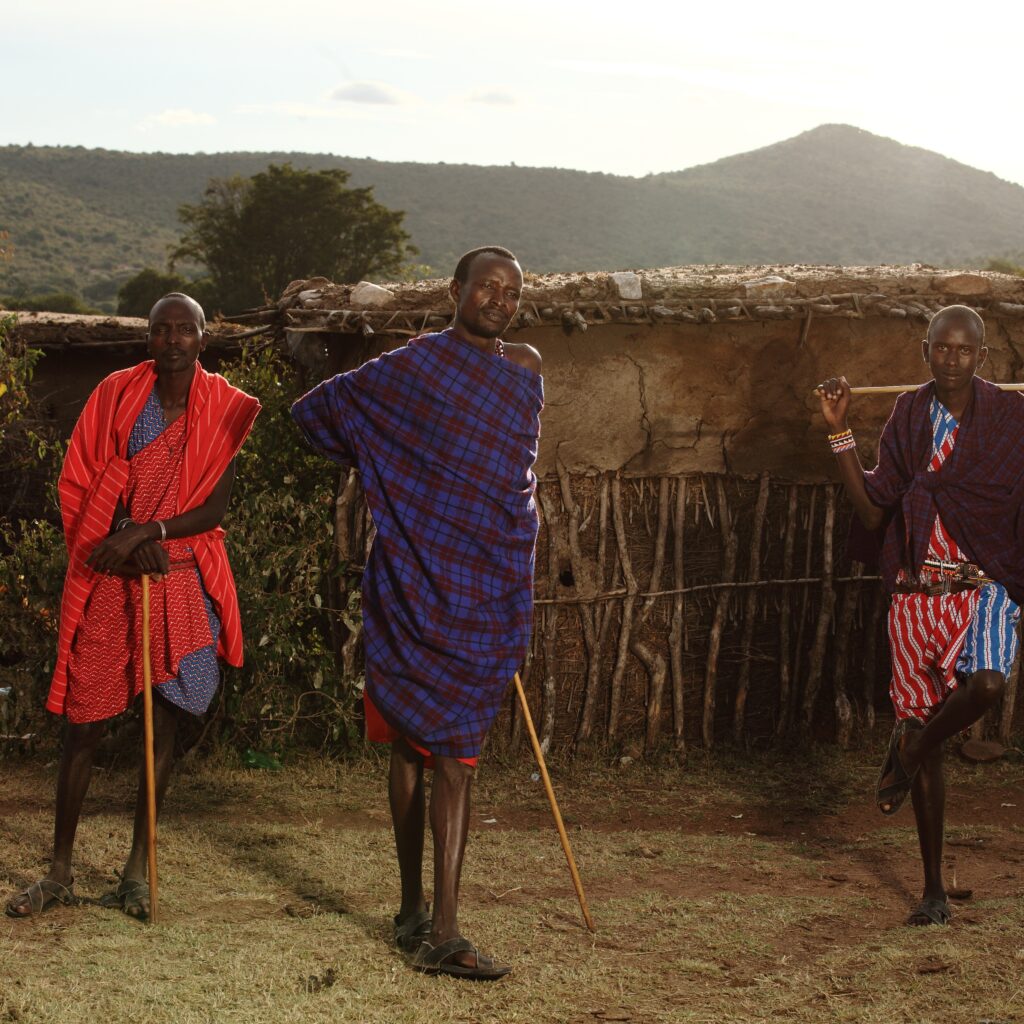
African Cultural Tours & Safari | Outdoor Adventure, Offered by Reputable Tour Operators —- Experience the ultimate Tanzania Cultural Tours offer a rich and immersive journey into the country’s diverse heritage, traditions, and way of life. With over 120 ethnic groups, each community showcases its own language, art, and customs. Creating a fascinating cultural mosaic. Travelers can visit Maasai villages to learn about their pastoral lifestyle, explore the ancient traditions of the Chagga people on the slopes of Mount Kilimanjaro. Meet the Hadzabe hunter-gatherers near Lake Eyasi for a glimpse into their ancient way of life. These tours also include visits to bustling markets, local schools, traditional dance performances, and art workshops where you can see skilled artisans at work. Guided by locals, you’ll gain firsthand insight into Tanzania’s living culture—its food, music, and everyday stories. Whether it’s tasting home-cooked meals, joining in a drumbeat. Learning Swahili greetings, every experience is deeply personal and enlightening. Tanzania Cultural Tours are not just sightseeing—they’re about connection, understanding, and celebrating the beauty of human diversity that makes this nation so extraordinary. What to Expect on a Tanzania Cultural Tours? On a Tanzanian cultural tour, you can expect to engage with local communities through activities like watching traditional dances. Learning about customs, participating in daily tasks such as cooking or making fire, and visiting homes or schools. Many tours also offer opportunities to buy local crafts, and some include homestays for deeper immersion. It’s important to be respectful of conservative social customs, such as dressing modestly (covering shoulders and legs) and avoiding public displays of affection. What to expect during your tour Village visits. You will likely visit a local village, such as a Maasai boma, where you can experience their way of life. Traditional performances. Be prepared for vibrant welcome songs and dances. Interactive activities. You may get to participate in activities like learning to make a fire, cooking traditional foods (like Ugali and Mchicha), or even trying local crafts. Homestays. Some tours offer the chance to stay with a local family for a more in-depth experience. Market visits. You’ll have the opportunity to browse and purchase local handicrafts, such as beadwork. Social and cultural interactions. You can interact with elders and, in some cases, visit a local school. Cultural etiquette and what to wear Dress code. Wear loose-fitting, comfortable clothing. It’s also wise to cover your shoulders and legs to be respectful of conservative local customs. Respectful behavior. Avoid public displays of affection. Giving and receiving. Use your right hand when giving or receiving items, or when shaking hands. Best locations for Tanzania Cultural Tours Lake Eyasi The best locations around Lake Eyasi for cultural tours are the villages of the Hadzabe hunter-gatherers, the Datoga pastoralists, and the Isanzu and Sukuma people, each offering a unique window into traditional Tanzanian life. Visiting these communities allows you to experience the authentic cultural crossroads of the region. Why Lake Eyasi is a great cultural destination Authentic encounters. Lake Eyasi is largely untouched by mass tourism, offering more authentic cultural experiences than some other popular Tanzanian locations. Diverse cultures. The region is a cultural melting pot, providing a rich tapestry of different ethnic groups to learn about. Natural beauty. It is also a beautiful area with a striking salt lake, diverse birdlife, and stunning sunsets, which adds to the overall experience. Mto wa Mbu Cultural Tour A Mto wa Mbu Cultural Tour is a guided experience in northern Tanzania that provides insight into the lives of the local people and the diverse cultures within the town. During a tour, visitors can walk through banana and other farms, learn about traditional crafts like wood carving, visit local markets, and try local foods and banana beer. The tours are often led by local guides and can be customized to include activities like visiting a school, seeing traditional housing construction, or exploring local development projects. What to expect on a Mto wa Mbu cultural tour Farm and agriculture visits. Explore local farms to see how crops like bananas and rice are grown, and learn about different agricultural practices. Craft and skill demonstrations. Watch and learn from artisans, such as members of the Makonde tribe, who carve intricate wooden figures. You may also see traditional ironworking or pottery. Local market experience. Wander through the bustling local market with a guide who will explain the different spices, produce, and local goods available. Cultural experiences. Interact with the local community, learn about different tribes, and see how people live in Mto wa Mbu, a town with over 120 ethnic groups. Local food and drink. Sample local foods and try mbege, a traditional banana and millet beer. Customization options. Tanzania Cultural Safari Tour packages can be tailored to your interests and duration, from a half-day tour to a full-day experience that might include a local lunch or a visit to a nearby waterfall. Planning your visit Booking. It is often best to book tours in advance to ensure an organized experience. Getting there. Mto wa Mbu is located on the road between Arusha and the national parks, making it an ideal stop for safari-goers. Best time to visit. The weather is generally pleasant for touring from January and February, and again from May through December. Our Tanzania cultural Safaris & Tours with top choice will be a suitable fit for families, honeymoons/couples, and individual tailor-made vacations all-inclusive. Arusha Cultural Tours Arusha Cultural Tours offer an authentic encounter with Tanzania’s vibrant heritage and local traditions. Visit nearby Maasai ( Monduli Juu) and Meru villages to learn about their customs, dances, and daily life. Explore banana and coffee farms, local markets, and artisan workshops filled with colorful crafts. Guided by locals, you’ll discover Arusha’s cultural diversity and hospitality while tasting traditional dishes and hearing captivating stories. These tours beautifully blend nature, culture, and community, offering a deeper connection to Tanzania’s heart. Where to go for Cultural Tours in Arusha? For Cultural Tours in Arusha, explore vibrant villages and community projects surrounding the city. Visit the Maasai villages of Monduli or Ngiresi to experience
Tanzania City Tours
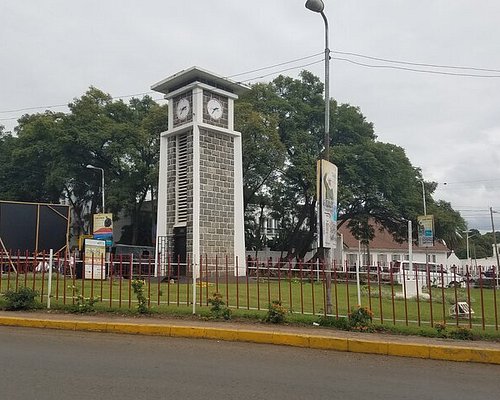
African City Safari| Outdoor Adventure, Offered by Reputable Tour Operators —- City Tours in Tanzania offer an immersive glimpse into the country’s vibrant urban life, culture, and history. These tours are perfect for travelers seeking more than wildlife encounters—providing a deeper connection with the people, traditions, and rhythms that shape Tanzanian cities. Wander through bustling markets filled with colorful fabrics, fresh produce, and the scent of local spices. Explore historical landmarks, colonial-era architecture, and museums that tell stories of Tanzania’s past and independence journey. Best Tanzania city tours in Arusha, often called the safari capital, you’ll meet friendly locals, visit cultural heritage centers, and enjoy panoramic views of Mount Meru. In Dar es Salaam, experience the coastal charm, visit the National Museum, and taste Swahili seafood along the waterfront. Stone Town in Zanzibar invites you to lose yourself in its maze-like alleys, ancient Arab forts, and spice bazaars. Tanzania city tours packages guided by knowledgeable local experts, City Tours blend adventure with authenticity—whether you’re sipping Tanzanian coffee in a cozy café, admiring street art, or learning a few Swahili phrases from cheerful vendors. It’s the perfect way to feel the true heartbeat of Tanzania beyond the safari trails. What to Expect on a City Safari Tours in Tanzania? On a City Safari Tour in Tanzania, expect an exciting blend of culture, history, and local life. You’ll stroll through lively markets, sample traditional Swahili dishes, and visit landmarks that reveal the nation’s heritage. Knowledgeable guides share fascinating stories about colonial history, art, and daily Tanzanian life. Explore museums, cultural centers, and hidden gems tucked between bustling streets. From Arusha’s lively energy to Zanzibar’s ancient Stone Town and Dar es Salaam’s coastal charm, each city offers a unique rhythm. It’s an enriching journey that connects you with Tanzania’s people, flavors, and vibrant urban spirit beyond the savannah. Tanzania City tour as the top selection is suitable for families, honeymooners/couples, seniors, solo travelers, and both men and women! How Safe are Tanzania City Tours? Tanzania City Tours are generally safe for travelers who stay alert and follow local guidance. Stick to well-populated areas, avoid walking alone at night, secure valuables, and use reputable guides and transport. With basic precautions, you can confidently explore vibrant markets, cultural sites, and historic neighborhoods. Best locations for city safaris in Tanzania Arusha City Tours Arusha City Tours invite you to discover the vibrant soul of Tanzania’s safari capital. Nestled at the foot of Mount Meru, Arusha offers a perfect mix of culture, history, and scenic charm. Wander through bustling markets filled with colorful crafts and fresh produce, visit the Cultural Heritage Centre, and learn about local traditions at the Maasai Market. Explore colonial-era buildings, enjoy a cup of freshly brewed Tanzanian coffee, and meet friendly locals eager to share their stories. With the backdrop of stunning mountain views, Arusha City Tours provide an authentic glimpse into everyday life in northern Tanzania. Moshi City Tours Moshi City Tours offer a refreshing blend of culture, coffee, and captivating scenery beneath the towering Mount Kilimanjaro. This charming town welcomes you with its laid-back atmosphere and friendly locals. Explore bustling markets brimming with tropical fruits and handcrafted souvenirs, visit local coffee farms to learn the art of bean-to-cup brewing, and stroll through quiet neighborhoods lined with banana trees. Discover Moshi’s colonial history, vibrant art scene, and authentic Chagga culture. Whether sipping fresh coffee with mountain views or learning Swahili phrases from smiling vendors, Moshi City Tours reveal the true warmth and rhythm of Tanzanian life. Zanzibar City Tours Zanzibar City Tours invites you to step into a world where history, culture, and island charm beautifully intertwine. Explore Stone Town’s labyrinth of narrow alleys, ancient coral-stone buildings, and bustling spice markets filled with aromatic scents. Visit historic landmarks like the Old Fort, House of Wonders, and Sultan’s Palace, each echoing tales of Arab traders and explorers. Stroll along the seafront as dhows glide by, sample exotic Swahili dishes, and immerse yourself in the island’s rhythmic life. Guided by local experts, Zanzibar City Tours reveal the soul of this UNESCO World Heritage city—rich, colorful, and timelessly enchanting. Mto wa Mbu cultural tour The Mto wa Mbu Cultural Tour offers an authentic glimpse into Tanzania’s incredible cultural diversity. Nestled near Lake Manyara, this vibrant village is home to over 120 tribes living harmoniously. Wander through lush banana plantations, bustling local markets, and traditional homesteads where artisans craft beautiful Makonde carvings and colorful Tingatinga paintings. Taste local banana beer, learn about traditional farming, and share stories with welcoming villagers. Guided by locals, you’ll witness daily life, music, and traditions that define Tanzania’s cultural heartbeat. The Mto wa Mbu Cultural Tour is a fascinating journey of connection, color, and community spirit. How to book a Tanzania City Tours? Booking a Tanzania City Tour is simple and rewarding. Start by choosing your destination—whether it’s Arusha, Moshi, or Zanzibar—and decide the experiences you’d love most, from cultural visits to historical walks. Contact a reputable local tour operator who specializes in city and cultural excursions. Many offer customizable packages that include guides, transportation, and entry fees. You can easily book online through their official websites or travel agencies. Confirm your itinerary, pricing, and inclusions before payment. Once booked, simply relax and get ready to explore Tanzania’s lively cities, vibrant markets, and rich cultural heritage with expert local guides. Best time for a Tanzania City Tours The best time for Tanzania City Tours is during the dry seasons, from June to October and late December to February, when streets are accessible, and outdoor exploration is comfortable. These months offer clear skies, ideal for sightseeing, strolling through markets, and visiting cultural landmarks without interruptions from heavy rain. While cities like Arusha, Moshi, and Zanzibar are enjoyable year-round, the dry season ensures vibrant markets, scenic views of Mount Kilimanjaro, and smoother travel between attractions. Visiting during festivals or local events adds extra cultural richness, making your city tour an engaging and memorable Tanzanian experience. Tanzania City Tour Essential Safari Packing Guide
Serengeti View Camp – Togoro (north)
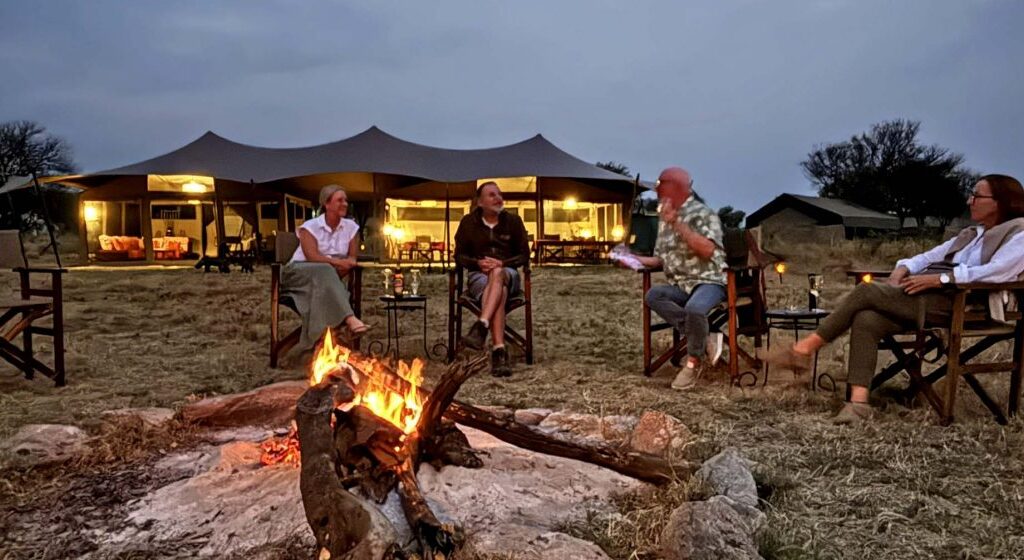
Best Price Serengeti View Camp – Togoro (north) —- Discover the ultimate experience best place to stay in Northern Serengeti View Camp – Togoro (North) offers an authentic wilderness experience in one of the most breathtaking corners of the Serengeti. Nestled in the Togoro plains, this intimate tented camp provides front-row views of the Great Migration and the abundant wildlife that roams freely across the northern Serengeti. The camp features spacious, beautifully furnished canvas tents designed to blend seamlessly with nature. Each tent offers comfortable beds, en-suite bathrooms, and private verandas overlooking the sweeping savannah—perfect for watching elephants, giraffes, and wildebeest as the sun rises or sets. Dining at Serengeti View Camp is a delight, with freshly prepared meals served in a cozy mess tent or under the stars beside a crackling campfire. Evenings here are magical, filled with the distant calls of lions and the cool night breeze of the open plains. With expert guides, warm hospitality, and an unbeatable location near key migration routes, Serengeti View Camp – Togoro promises a truly immersive safari experience—where adventure, tranquility, and nature’s grandeur unite in perfect harmony. Activities Serengeti View Camp – Togoro (North) Serengeti Safari Tour Explore Serengeti National Park Sunrise See all the possible shades of Sunrise from the bush Breakfast Have a most delicious breakfast Accommodation options at Serengeti View Camp – Togoro (North) Comfort Bed Type | Single room Area | Togoro (North) The spacious tents are equipped with double/single beds. Family tents are also available. Each tent has a private bathroom separated by a curtain and a terrace with chairs and a small table. The perfect place to enjoy a relaxed sundowner. Full Board Double Room Bed Type | Double Room Area | Togoro (North) Full Board Serengeti View Camp – Togoro (North) Bed Type | Single room Area | Togoro (North) Full Board The Serengeti View Camp – Togoro (North) Prices for your chosen travel dates may vary depending on the season of travel. Please feel free to reach out to us for more information on the final price. Request A free Quote Facilities Room Types: The spacious tents are equipped with double/ The spacious tents are equipped with single beds. Luggage rack Restaurant Lounge Area Private terrace En-suite bathroom Desk & chair Solar power energy En-suite bathroom Dining Tent Power stations in public areas Serengeti View Camp – Togoro (north) location SERENGETI VIEW CAMP – NORTH is based at Togoro near the Lobo Hills in a wide open plain. Wildebeests and zebras pass through this area on their annual migration towards Kenya. There are also resident lion prides around, which are regularly spotted on game drives as well as giraffes, topis, elephants and many more. Togoro is less frequented by tourists compared to other parts of the Serengeti, offering visitors a more exclusive and intimate wildlife viewing experience. Our friendly team looks forward to your visit. Sit back, relax and enjoy the beauty and tranquility of this park and its incredible nature… Tanzania Safari Tours & Holidays Grand Melia An oasis of five-star comfort and elegance, with extensive, unbeatable facilities, exclusive suites… Read More Mount Meru Hotel The hotel provides a range of comfortable and well-appointed rooms and suites. Read More Arusha Coffee Lodge The lodge offers luxurious and spacious accommodation… Read More
Omega View Hotel
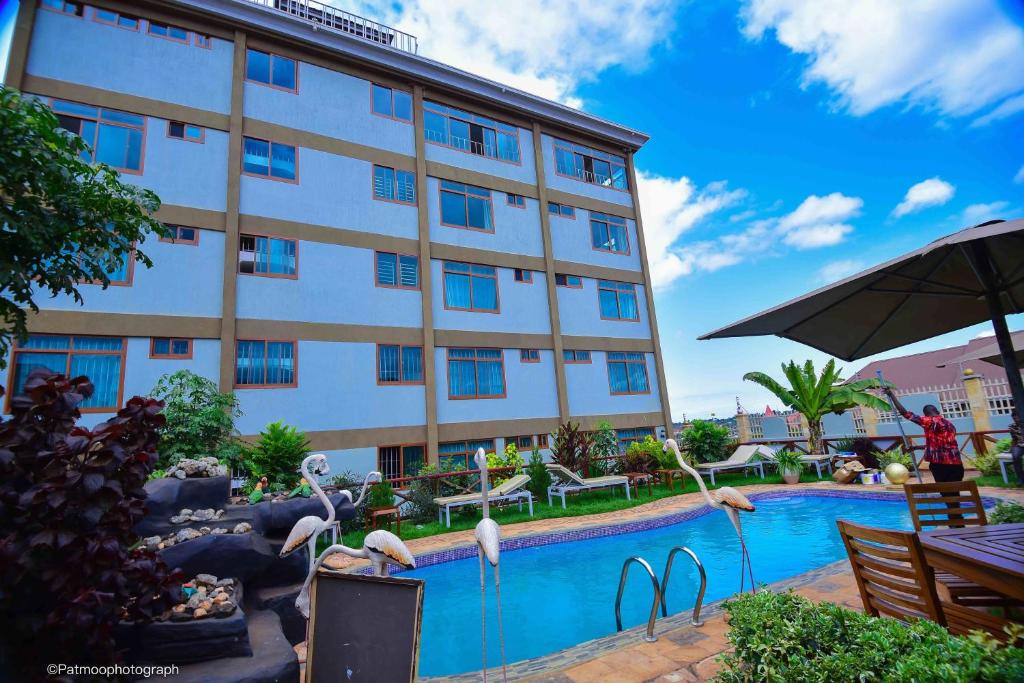
Best Price on OMEGA VIEW HOTEL & RESORT in Karatu —- Omega View Hotel & Resort in Karatu is a tranquil haven perfectly positioned between Lake Manyara and the Ngorongoro Crater, offering breathtaking panoramic views of the rolling highlands. Blending modern comfort with warm Tanzanian hospitality, the resort provides an inviting retreat for safari travelers seeking relaxation and scenic beauty. Spacious rooms and suites feature elegant interiors, private balconies, and large windows that open to sweeping landscapes of lush hills and farmlands. Guests can unwind by the outdoor pool, enjoy a refreshing drink at the terrace bar, or savor delicious local and international dishes at the on-site restaurant. Beyond comfort, Omega View Hotel & Resort embraces authenticity—guests can take guided walks through nearby coffee farms, visit Karatu’s bustling markets, or immerse themselves in the rich culture of the Iraqw people. Evenings bring serene moments under starlit skies and the gentle sounds of nature. With its prime location, warm service, and picturesque setting, Omega View Hotel & Resort is the perfect base for exploring northern Tanzania’s safari wonders. Activities Omega View Hotel & Resort | Karatu | Tanzania Tarangire Tour Explore Tarangire National Park Sunrise See all the possible shades of Sunrise from the rooftop of hotel Breakfast Have a most delicious breakfast Accommodation options at Omega View Hotel & Resort Comfort Bed Type | Single room Area | Karatu A room with the facility of a single bed. It is meant for single occupancy. It has an attached bathroom, a small dressing table, a small bedside table, and a small writing table. Sometimes it has a single chair too. Sleep 1 Queen-size single bed Full Board Double Room Bed Type | Double Room Area | Karatu Full Board Omega View Hotel Triple room Bed Type | Triple Room Area | Karatu Full Board The Omega View Hotel Prices for your chosen travel dates may vary depending on the season of travel. Please feel free to reach out to us for more information on the final price. Request A free Quote Facilities Room Types: Twin Double room Triple room Bedclothes Vanity basin Lounge Area Writing desk Private shower En-suite bathroom Dining Tent Power stations in public areas Free Wi-Fi in public areas Welcome Drink on Arrival Omega View Hotel and Resort location The Omega View Hotel and Resort, located in the heart of Karatu town, it’s strategically positioned to act as the main getaway to Northern Circuits attractions such as Ngorongoro, Serengeti, Lake Eyasi, Lake Manyara, Lake Natron, together with Oldonyo Legai, Tarangire National Park. Tanzania Safari Tours & Holidays Grand Melia An oasis of five-star comfort and elegance, with extensive, unbeatable facilities, exclusive suites… Read More Mount Meru Hotel The hotel provides a range of comfortable and well-appointed rooms and suites. Read More Arusha Coffee Lodge The lodge offers luxurious and spacious accommodation… Read More
Canoeing Safaris in Tanzania
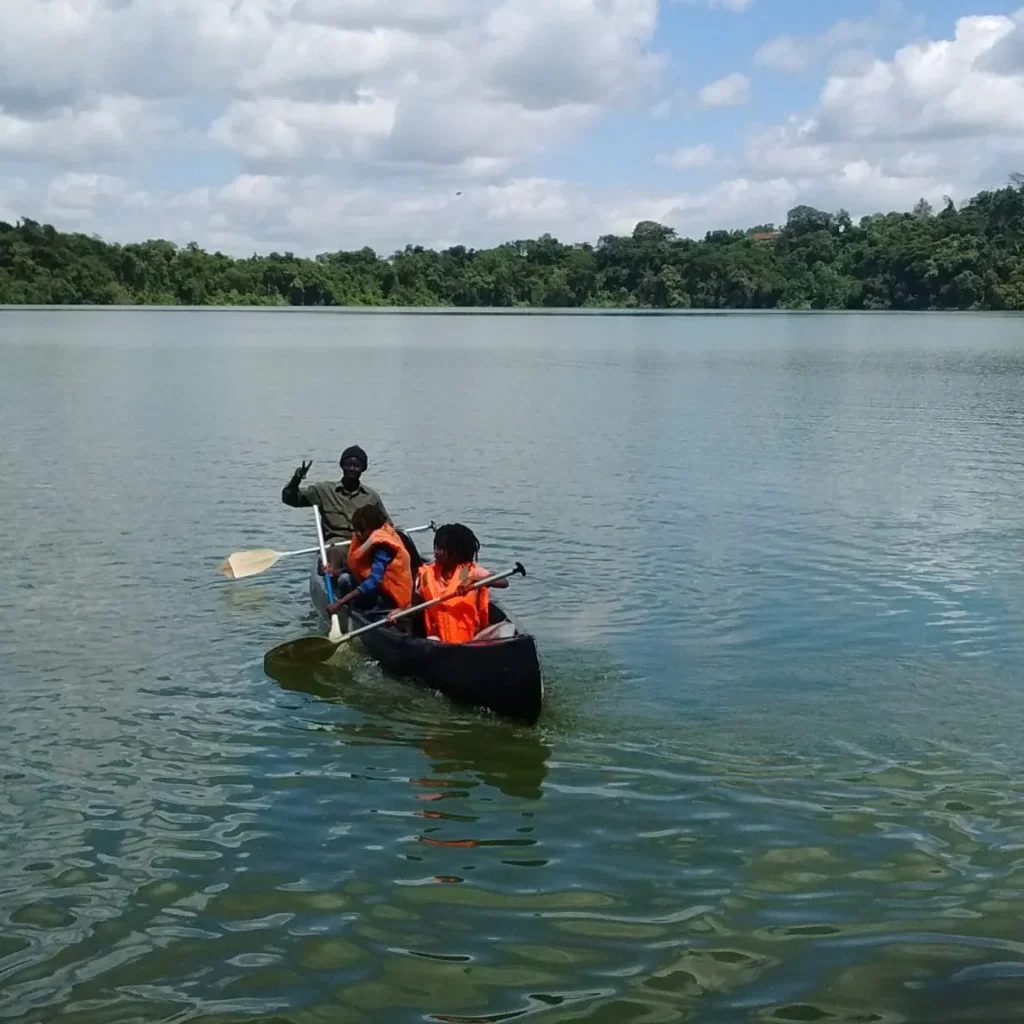
African Canoeing Safari| Outdoor Adventure, Offered by Reputable Tour Operators —- Canoeing safaris in Tanzania offer a serene yet thrilling way to explore the country’s wild beauty from a unique perspective. Glide silently along tranquil waterways as hippos grunt nearby, elephants drink at the riverbanks, and colorful birds soar overhead. Popular canoeing destinations include Lake Manyara, Arusha National Park’s Momella Lakes, and the great Rufiji River in Nyerere National Park (formerly Selous Game Reserve). These safaris are guided by professional naturalists who ensure your safety while sharing fascinating insights about the ecosystem. Unlike vehicle safaris, canoeing allows you to experience nature’s rhythm up close — every paddle stroke brings discoveries. Morning and late afternoon trips are ideal for spotting wildlife in the golden light. At the same time, multi-day expeditions combine adventure, relaxation, and overnight stays in scenic riverside lodges or tented camps. Whether you’re a wildlife enthusiast or a romantic couple seeking peaceful exploration, canoeing safaris in Tanzania promise an unforgettable blend of adventure and tranquility — an authentic way to feel the heartbeat of Africa’s wilderness. What to Expect on a Canoe Safari in Tanzania? A canoe safari in Tanzania offers a unique and peaceful way to see wildlife from a different perspective. With opportunities to observe animals like buffalo, giraffes, hippos, and a wide variety of birds from a close, low-to-water vantage point. You can expect to paddle on calm lakes, such as Lake Momella in Arusha National Park or Lake Manyara. With guided tours that provide stunning views of the surrounding landscapes, including Mount Kilimanjaro and Mount Meru. This type of excursion combines the thrill of wildlife viewing with a relaxing, quiet experience that is often different from traditional vehicle-based safaris. What you can expect Close-up wildlife encounters. A canoe provides a unique, low-to-water perspective, allowing you to see animals up close without the disturbance of a safari vehicle. You may see large mammals like hippos, crocodiles, elephants, buffalo, giraffes, and waterbuck. Abundant birdlife. Canoeing is an excellent way to spot a huge variety of birds, including aquatic species, flamingos, and others that are often more visible from the water. Stunning scenery. You can expect to be surrounded by beautiful natural landscapes, such as the forested crater walls of Lake Duluti or the backdrop of Mount Meru and Kilimanjaro from Lake Momella. Peaceful and tranquil experience. The gentle, quiet nature of paddling allows for a relaxing and immersive experience that is a relaxing alternative to a noisy game drive. Expert guidance. You will be accompanied by a qualified guide who steers the canoe and ensures your safety while pointing out wildlife. Duration. Canoe safaris typically last from about 1.5 to 3 hours, depending on the location. Best locations for canoe safaris in Tanzania Canoeing Safari in Arusha National Park active Safari & Tours A canoeing safari in Arusha National Park, often combined with a walking safari, offers a unique and up-close wildlife viewing experience on Momella Lake. Active tours are available through various companies, with prices varying by tour operator and inclusions like transport, lunch, and park fees. The experience provides chances to see animals like hippos, buffalo, giraffes, and a wide variety of birds, as well as views of Mount Meru. Highlights Duration: 2 – 2.5hrs Difficulty: Easy Age Limit: 8yrs+ Park Fees Required?: Yes What to expect Guided canoeing. You will paddle across the shallow waters of Momella Lake. The lakes are alkaline, and you can often see large flocks of pink flamingos. Wildlife viewing. This is a great way to see animals at or near the water’s edge, including hippos, buffalo, giraffes, and many bird species. Combined activities. Many tours combine canoeing with a walking safari, allowing you to explore the park on foot and by water. Views. The landscape provides breathtaking views, with the ability to see Mount Meru and potentially Mount Kilimanjaro from the same spot. Pace. Canoeing is not physically strenuous and is considered suitable for all ages, including children. How to book an active tour Book online. Tour operators such as Viator, GetYourGuide, Tripadvisor, and others offer these tours. Contact local operators. You can also contact local safari companies directly to tailor a tour to your needs. Compare packages. Compare what is included, such as transportation from Arusha, guided walks, park entry fees, and meals. Confirm availability. Some tour providers, like Tripadvisor, list specific tour availability and prices Canoe safaris in Lake Manyara National Park Canoe safaris in Lake Manyara National Park offer a peaceful and intimate way to experience the park’s stunning wildlife and scenery. Paddling silently across the calm waters of Lake Manyara, you’ll enjoy breathtaking views of the Rift Valley escarpment and encounter animals from a unique vantage point. Elephants, buffaloes, and giraffes often gather along the shores, while hippos and flamingos add color and excitement to the experience. Guided by experienced rangers, the canoe safari provides both safety and insight into the park’s rich ecosystem. Morning and late afternoon excursions are especially rewarding, as the golden light enhances the beauty of the lake and its surroundings. Perfect for nature lovers and photographers, a canoe safari in Lake Manyara blends gentle adventure with tranquility — offering a refreshing alternative to traditional game drives and a rare chance to connect with Tanzania’s wilderness in silence and serenity. Highlights Duration: 1.5 – 2 hrsDifficulty: EasyAge Limit: 8 yrsPark Fees Required?: Yes Canoe Safari in Lake Duluti A canoe safari on Lake Duluti in Tanzania is a peaceful, guided activity for spotting birds and wildlife on a volcanic crater lake near Arusha. Visitors can expect to see various bird species like fish eagles and kingfishers, as well as monitor lizards and monkeys. The experience often includes a guided nature walk and is suitable for beginners, with guided tours provided for safety and information. Highlights Duration: 1.5 hrs Difficulty: Easy Age Limit: 8yrs+ What to expect Canoeing. Glide across the calm, safe waters of the volcanic crater lake in a stable, two-person canoe with a guide. Tours typically last about 1.5 hours and are ideal for beginners. Wildlife viewing. Look for a variety of
How Safe Is an African Safari?
An African safari is widely regarded as one of the safest and most rewarding travel experiences when planned correctly. With professional guides, well-managed parks, and strict regulations, safari safety, wildlife safety tips, and safe safari travel are top priorities across leading destinations like the Serengeti safari, Ngorongoro Crater safari, and beyond. Travelers often ask, how safe is an African safari? The answer lies in preparation, awareness, and choosing trusted operators. From luxury safari tours to budget safari packages, safety standards remain consistently high. Understanding African safari safety tips, respecting wildlife, and following expert guidance ensures a secure and unforgettable journey. Whether you’re a first-time traveler or seasoned explorer, embracing the right precautions transforms your African wildlife safari into a seamless, worry-free adventure filled with awe-inspiring moments. 1. Listen to Your Guide – The Golden Rule of Safety Your guide is your most valuable asset on an African safari tour, making listening to your guide on safari safety the golden rule. Highly trained in wildlife behavior, safari safety guidelines, and emergency response, guides ensure your experience remains both thrilling and secure. Whether tracking lions in a big five safari or navigating remote landscapes, their instructions are based on years of expertise. Ignoring guidance can compromise tourist safety in Africa, especially during close wildlife encounters. Foot Slopes Tours and Safaris, reputable safari tour operators, invest heavily in guide training, reinforcing why following directions is essential. From when to remain silent to how to behave during sightings, every instruction matters. Trusting your guide enhances safe safari travel, minimizes risks, and allows you to fully enjoy your African wildlife experience with confidence and peace of mind. 2. Stay in the Vehicle – The Safari Shield During game drives in Africa, your vehicle is your primary safety barrier. Safari vehicles are specially designed for wildlife viewing safety, offering protection while allowing close encounters. Staying inside is essential for African safari safety tips, especially in areas with predators like lions and leopards. Animals often perceive vehicles as non-threatening, but a person outside changes that dynamic. On Serengeti safari tours or Tarangire safaris, stepping out without permission can be dangerous. Even in luxury safari lodges, this rule applies during drives. Always follow your guide’s instructions regarding movement. Staying seated ensures you remain safe while enjoying incredible views. This simple rule is one of the most effective ways to ensure a safe African safari experience. 3. Keep Quiet and Still – Blend into the Wild Silence is key during wildlife safari tours. Loud noises or sudden movements can startle animals, potentially triggering unpredictable behavior. On a Big Five safari, remaining calm and quiet helps you safely observe animals in their natural habitat. Professional guides often emphasize safari safety guidelines such as minimizing noise and avoiding abrupt gestures. This is especially important during close encounters on Serengeti safaris or Ngorongoro Crater tours. Blending into the environment not only keeps you safe but also enhances your wildlife viewing experience. Animals are more likely to behave naturally when undisturbed. Practicing stillness is a vital part of safe safari travel in Africa, ensuring both your safety and respect for wildlife. 4. Maintain a Safe Distance – Respect the Wild’s Boundaries Keeping a safe distance from animals is a core principle of African safari safety. Wild animals, even herbivores, can be unpredictable if they feel threatened. On wildlife safari tours, guides position vehicles carefully to maintain a safe viewing range. Whether you’re on a luxury safari in Tanzania or a budget African safari, this rule is non-negotiable. Approaching too closely or attempting to interact with animals can be dangerous. Respecting wildlife boundaries ensures both your safety and the animals’ well-being. In popular destinations like the Serengeti, maintaining distance allows for ethical and responsible tourism. Following this guideline is essential for a safe and responsible African safari experience. 5. Book with Reputable Operators – Experience and Safety Matter Choosing trusted African safari companies is one of the most important safety decisions. Foot Slopes Tours and Safaris, reputable Tanzania safari operators, prioritize African safari safety standards, certified guides, and well-maintained vehicles, and adhere to strict safari safety standards. When booking Tanzania safari packages or African safari tours, look for licensed operators with strong reviews. Reliable providers follow park regulations and provide detailed safety briefings. Whether it’s a luxury safari lodge, family safari tour, or honeymoon safari in Africa, experienced operators ensure every aspect is secure. They also handle logistics, emergency support, and communication. Booking with trusted companies significantly reduces risks and enhances your overall experience. Investing in a reputable operator guarantees a safe, well-organized African safari adventure. 6. Avoid Walking Alone at Night – Camp Safety Essentials Nighttime in the African wilderness requires extra caution. Many safari lodges and camps are located within wildlife areas, where animals may roam freely. For African safari safety, always avoid walking alone after dark. Most camps provide escorts to guide guests safely between rooms and common areas. Following these safari safety tips ensures you stay protected. Even on luxury African safaris, wildlife presence is part of the experience. Staying within designated areas and using guided assistance minimizes risk. Proper lighting, awareness, and adherence to camp rules are essential. These simple precautions make your stay both safe and immersive during your African safari holiday. 7. Get Travel Insurance – Peace of Mind in the Wild Travel insurance is a must for any African safari trip. Comprehensive coverage ensures protection against medical emergencies, trip cancellations, and unexpected events. When planning safari tours in Africa, investing in insurance adds an extra layer of security. Many safari travel experts recommend policies that include emergency evacuation, especially for remote destinations like the Serengeti. While African safari safety standards are high, preparation is key. Travel insurance offers peace of mind, allowing you to fully enjoy your adventure. Whether you’re on a luxury safari, budget safari, or family safari holiday, having coverage ensures a worry-free experience in the wild. 8. Wear Neutral-Colored Clothing and Follow Park Rules Wearing appropriate clothing is a simple yet effective