Africa safari FAQs cover best times to go (dry season, June-Oct), what to pack (layers, neutral colors, hat, sunblock, binoculars), health (malaria meds, recommended vaccines like Yellow Fever, typhoid), logistics (visas, insurance), costs (tipping guide), and activities (game drives, migration viewing, culture). Key tips include booking early, getting travel insurance, carrying USD cash (newer bills), and understanding local tipping customs for guides/staff.
When is the best time to go on an African safari?
The best time for an African safari is during the dry season, when wildlife gathers around water sources and vegetation is thinner for easier viewing. In East Africa, June to October offers ideal conditions and the Great Migration. In Southern Africa, May to October provides clear skies and excellent game sightings. However, green season safaris can be rewarding with fewer crowds and vibrant landscapes.
How long should an African safari trip be?
An African safari trip is typically best enjoyed over 5 to 10 days, allowing enough time to explore multiple parks and experience varied landscapes and wildlife. Most travelers spend 3–4 days in a primary reserve like the Serengeti or Kruger, then add a few days in another destination such as Ngorongoro or Chobe. Longer trips offer deeper immersion, relaxed pacing, and richer wildlife encounters.
Is an African safari safe?
An African safari is generally safe when arranged with reputable operators who follow strict safety protocols. Expert guides provide clear instructions, ensure guests stay within designated areas, and manage wildlife encounters responsibly. Lodges and camps also maintain secure environments, especially at night. By following guide directions and respecting wildlife, travelers can enjoy an exciting and secure safari experience.
What animals can I expect to see on an African Safari Trip?
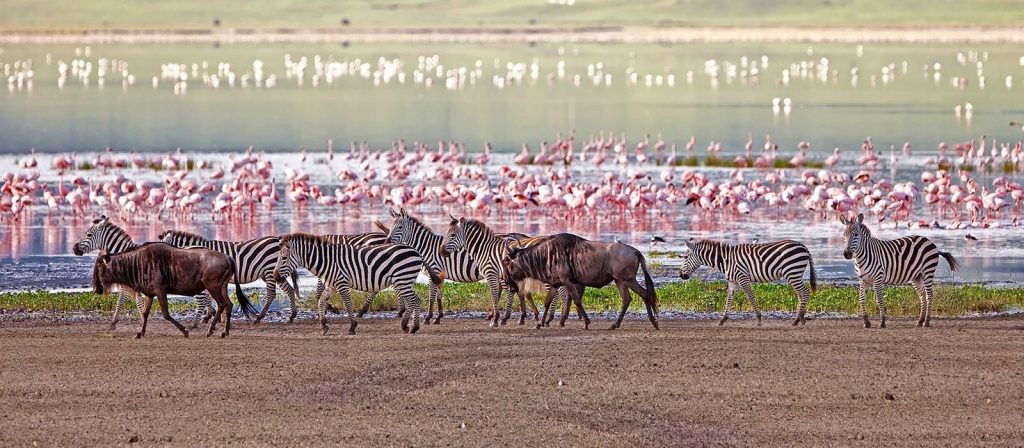
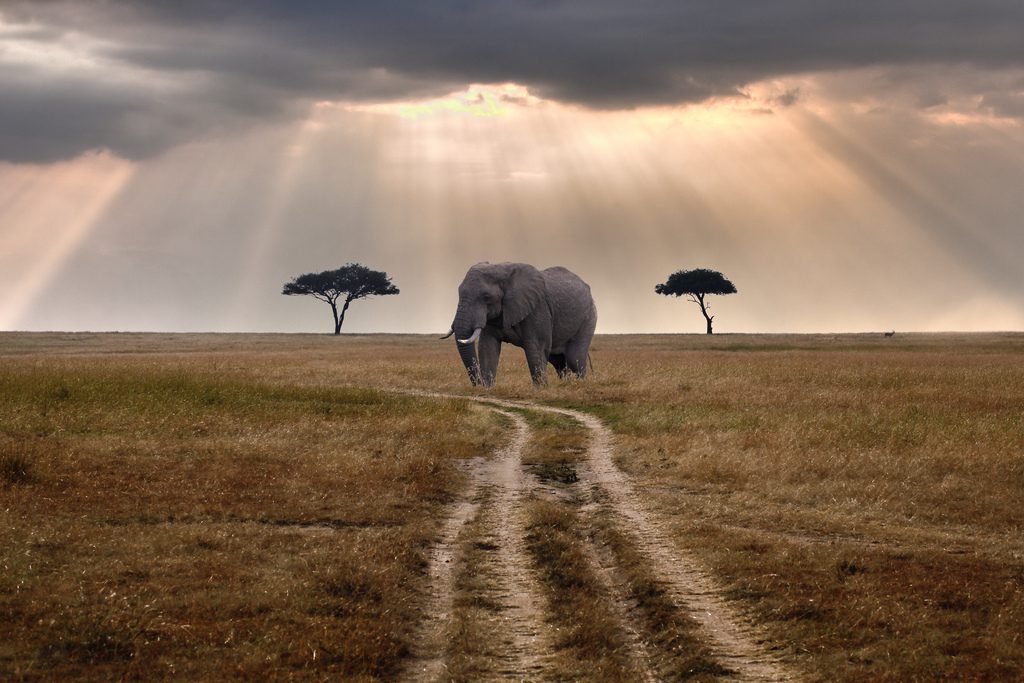
On an African safari, you can expect to see an impressive variety of wildlife, including the iconic Big Five—lion, leopard, elephant, rhino, and buffalo. Safaris also offer sightings of giraffes, zebras, cheetahs, hippos, crocodiles, hyenas, wildebeest, and numerous antelope species. Birdlife is abundant, and in East Africa, you may witness the dramatic Great Migration. Animal encounters vary by region, season, and habitat, making each safari unique.
What should I pack for an African Safari Trip?
For an African safari trip, pack lightweight, neutral-colored clothing, a warm layer for cool mornings, and comfortable closed shoes. Essentials include sunscreen, a hat, sunglasses, insect repellent, and personal toiletries. Bring binoculars, a good camera, extra batteries or power banks, and any necessary medications. A small daypack and a reusable water bottle are also useful. Keep luggage soft-sided for easier transport in safari vehicles and small planes.
Do I need vaccinations or malaria medication during an African Safari Trip?
Most African safari destinations recommend certain vaccinations and malaria prevention. Common vaccines include yellow fever, hepatitis A and B, typhoid, and routine immunizations. Many safari regions are malaria zones, so travelers are often advised to take malaria prophylaxis. Requirements vary by country, so it’s essential to check current health guidelines before travel and consult a healthcare professional for personalized advice.
What types of African safari trips are available?
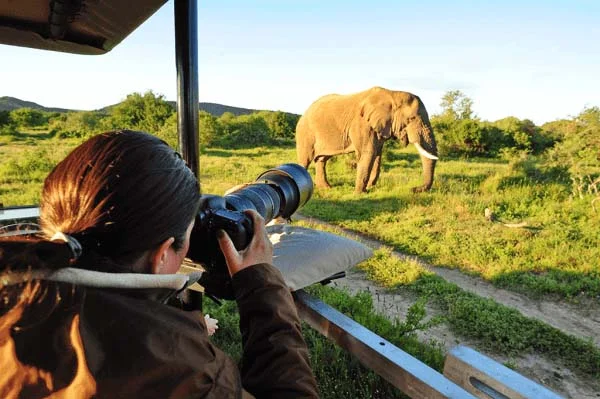
African safari trips come in many styles to suit different travel preferences. Classic game drive safaris offer wildlife viewing from 4×4 vehicles, while walking safaris provide a closer, guided bush experience. Boat and mokoro safaris explore waterways like the Okavango Delta. For something unique, travelers can enjoy hot-air balloon safaris, mobile tented safaris, or luxurious lodge-based adventures. Each type delivers a distinct way to experience Africa’s landscapes and wildlife.
How much does an African safari cost?
The cost of an African safari varies widely based on destination, season, and comfort level. Budget safaris typically range from $150–$350 per day, mid-range options from $350–$700, and luxury experiences can exceed $700–$2,000 per day. High season, especially during events like the Great Migration, is more expensive. Prices usually include accommodation, meals, game drives, and park fees, making safari travel flexible for different budgets.
Are African safari trips child-friendly?
Many African safari trips are child-friendly, offering family suites, shorter game drives, and guides trained to engage young explorers. Several lodges provide kids’ programs focused on wildlife education and safe activities. However, some remote camps or walking safaris may have age restrictions for safety. Choosing family-oriented lodges and tailored itineraries ensures a comfortable, fun, and memorable safari experience for children of all ages.
Can I go on an African safari trip as a solo traveler?
Yes, solo travelers can enjoy African safaris comfortably. Many operators offer shared vehicle safaris, no single supplement options, and group departures that encourage social interaction. Some destinations even provide women-only tours for added safety and camaraderie. Experienced guides ensure solo adventurers have a secure and engaging experience, with flexible itineraries that allow independent exploration while enjoying the thrill of wildlife encounters.
What is the Great Migration?
The Great Migration is one of nature’s most spectacular wildlife events, involving over 1.5 million wildebeest and thousands of zebras moving between Tanzania’s Serengeti and Kenya’s Masai Mara. Driven by seasonal rains, animals travel in search of fresh grazing and water, facing predators and river crossings along the way. Occurring mainly between June and October, this epic journey offers unforgettable safari experiences and dramatic wildlife encounters, making it a highlight of East African safaris.
Can I combine an African safari trip with beaches or other experiences?
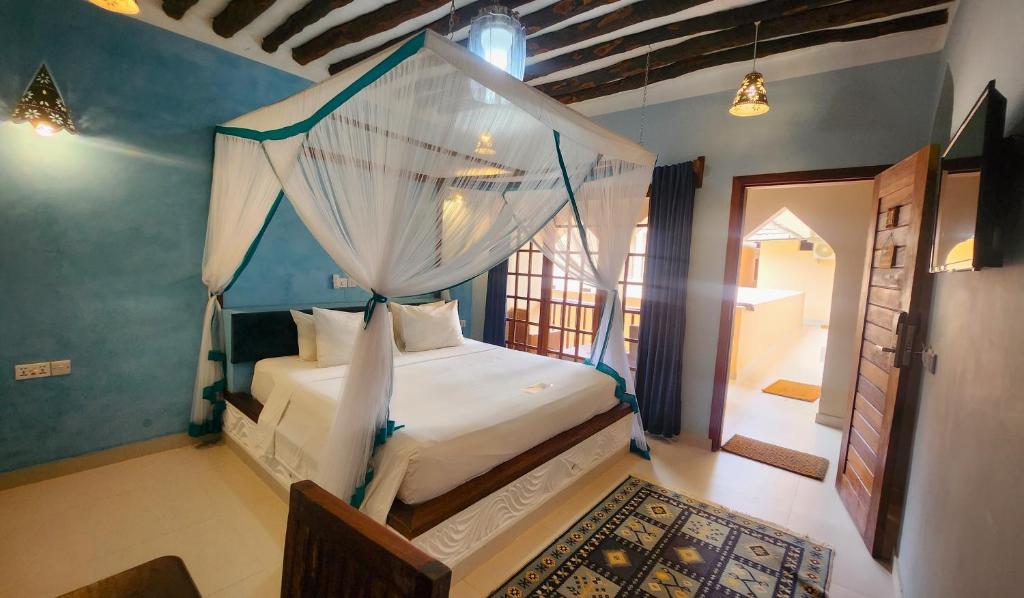
Yes, African safari trips can be combined with beach or other experiences for a diverse adventure. Popular combinations include safari plus Zanzibar, Mauritius, or Seychelles for tropical relaxation, or safari with Cape Town to explore cities and landscapes. You can also pair safaris with Victoria Falls or cultural tours. Combining activities allows travelers to enjoy wildlife, scenic beauty, adventure, and leisure in a single trip, creating a well-rounded African experience.
What are the accommodation options available for an African Safari trip?
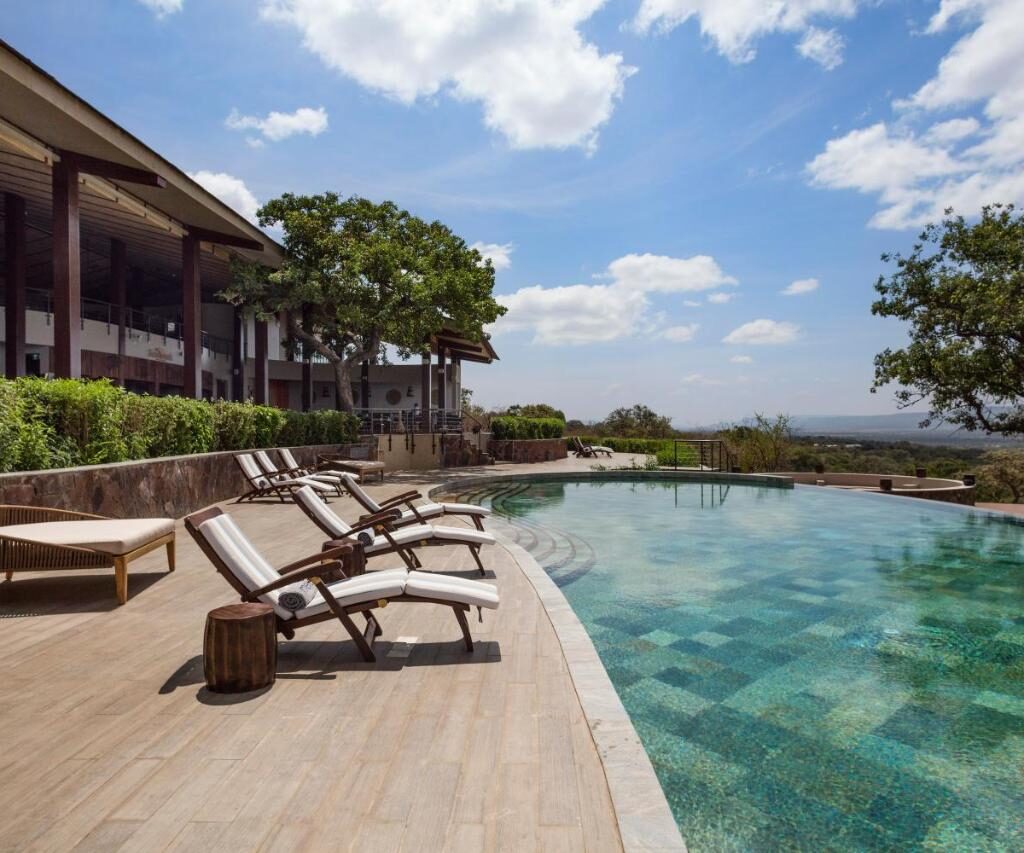
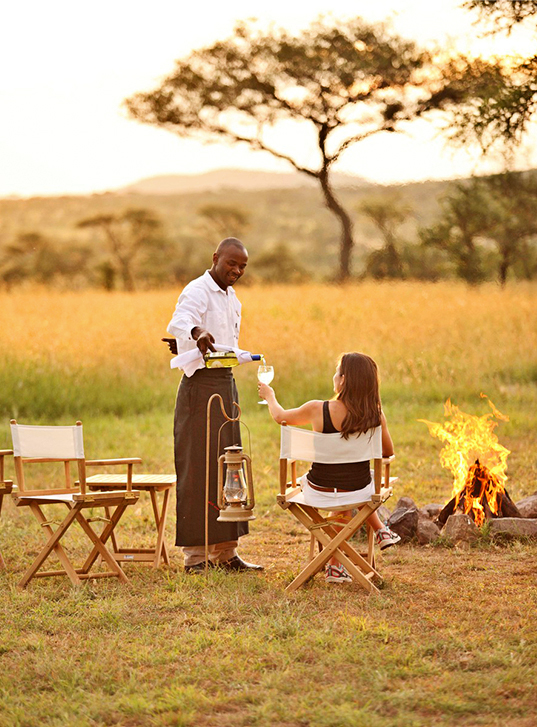
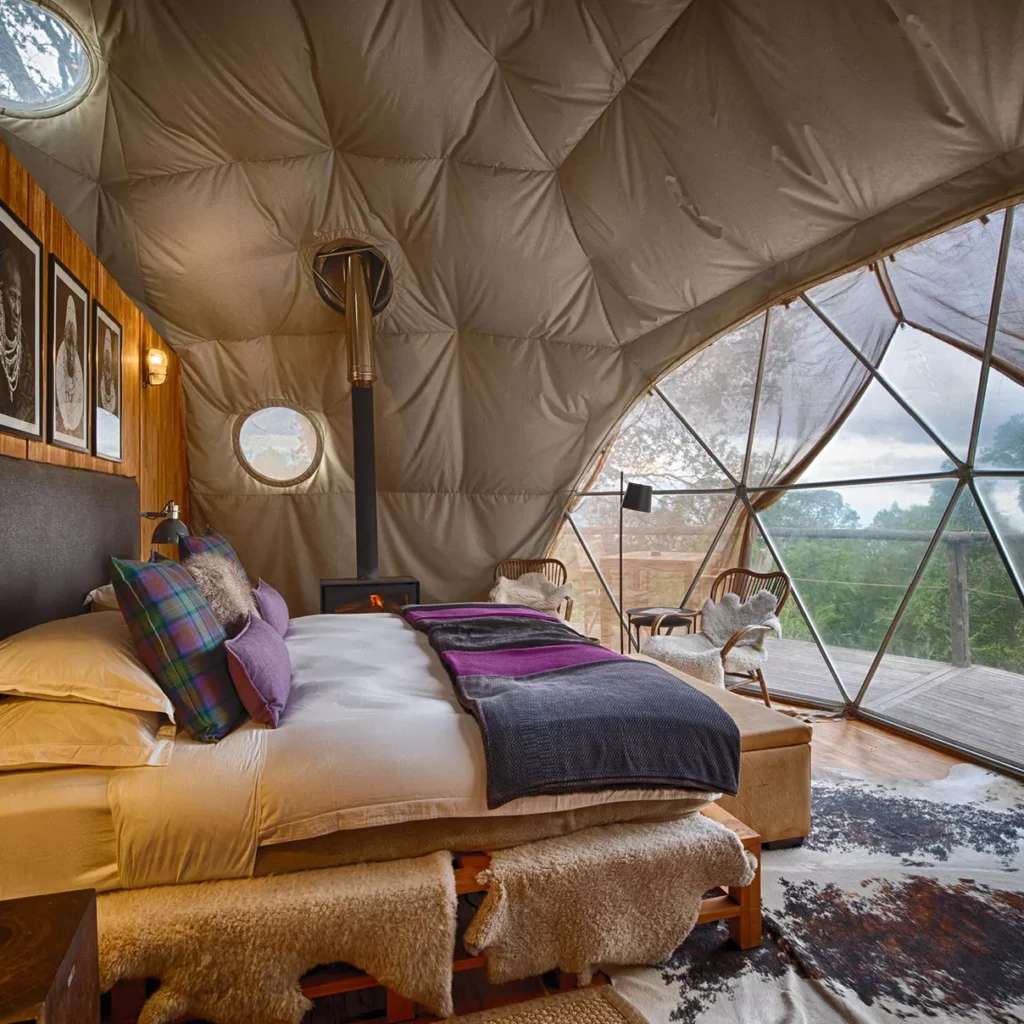
African safari accommodations range from basic campsites to luxurious lodges and tented camps. Options include mobile tented safaris for a more immersive experience, boutique lodges with personalized service, and high-end safari villas offering privacy and luxury. Most include meals, guided game drives, and transfers. Choosing the Africa Safari Trips Tripadvisor right accommodation depends on budget, desired comfort, and the type of safari experience, whether adventure-focused, family-friendly, or indulgent.
How far in advance should I book an African Safari Trip?
For popular African safari destinations, it’s best to book 6–12 months in advance, especially during high season (June–October) and for limited tented camps. Early booking ensures availability, preferred accommodations, and better rates. For less busy seasons or flexible itineraries, bookings 3–6 months ahead may suffice. Planning early also allows time for vaccinations, visas, and travel arrangements, ensuring a smooth and stress-free safari experience.
How to book an African Safari trip?
Booking an African safari involves choosing a destination, selecting parks or reserves, and deciding on the type of safari and accommodation. Work with reputable tour operators or travel agencies to customize itineraries and secure permits, lodges, and transfers. Compare packages, read reviews, and confirm inclusions like meals and game drives. Once finalized, complete reservations with deposits, arrange visas and vaccinations, and prepare for a seamless and memorable wildlife adventure.
How to Plan an African Safari Trip?
Planning an African safari starts with selecting a destination and travel dates based on wildlife seasons and climate. Decide on the type of safari, parks to visit, and preferred accommodations. Research reputable tour operators, create a realistic itinerary, and budget for flights, park fees, and activities. Arrange visas, vaccinations, and travel insurance, and prepare essential gear and packing lists. Thoughtful planning ensures a smooth, safe, and unforgettable safari experience.
The ultimate guide to an African Safari trip?
The ultimate guide to an African safari covers choosing the best destinations, timing visits for peak wildlife viewing, Africa Safari Trips reviews, and selecting the right safari type—game drives, walking, or boat safaris. It includes tips on accommodation, packing, health precautions, and budgeting. Planning logistics like visas, vaccinations, and transfers ensures a smooth experience. With careful preparation, travelers can fully enjoy Africa’s breathtaking landscapes, diverse wildlife, and unique cultural experiences, making the safari truly unforgettable.