Horombo Hut

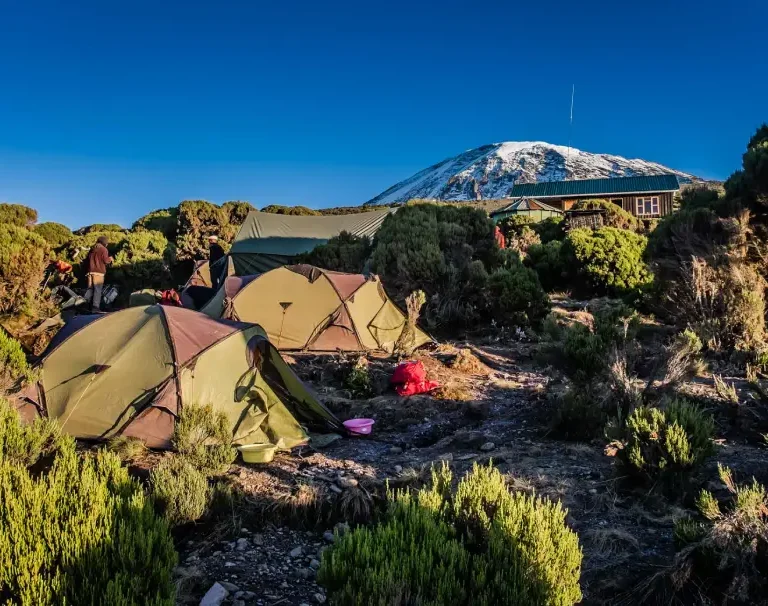
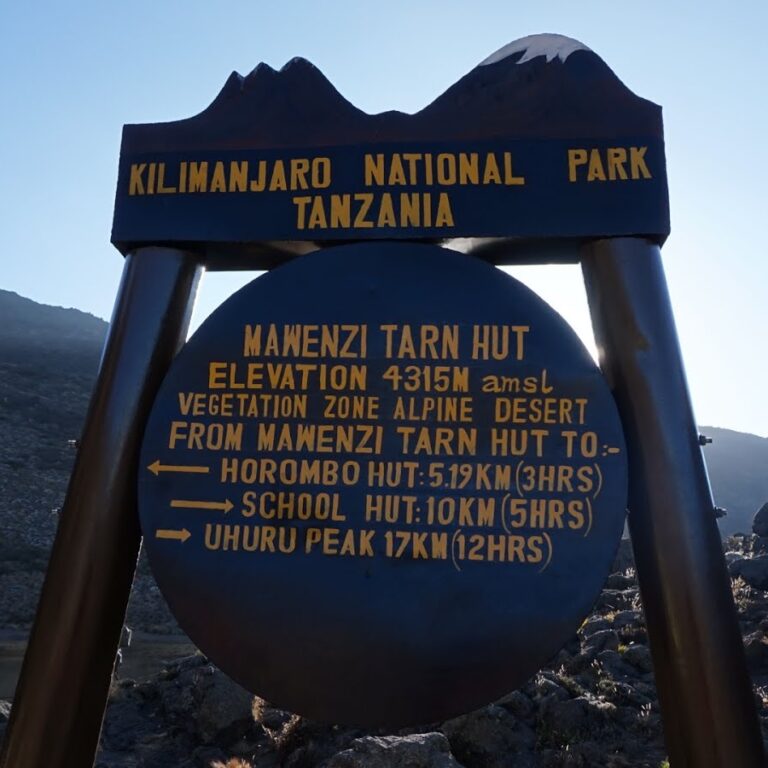
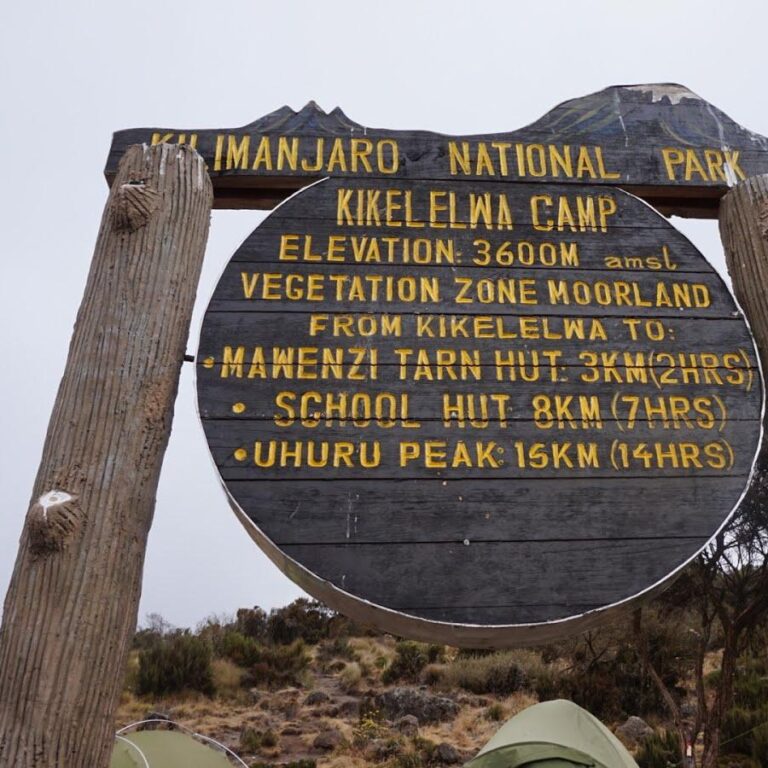
Horombo Hut | Stop on Kilimanjaro’s Marangu Route Horombo Hut is a key accommodation point on the Marangu Route of Mount Kilimanjaro, offering essential rest and acclimatization for climbers in Kilimanjaro National Park. Located at approximately 3,720 meters, this popular Kilimanjaro trekking hut is a vital stop for altitude adjustment and summit preparation on Tanzania safari climbing expeditions. Horombo Hut accommodation provides dormitory-style beds, meals, and stunning views of Mawenzi and Kibo peaks, making it ideal for hikers seeking comfort during Mount Kilimanjaro ascent. It is one of the most important acclimatization points, helping climbers reduce altitude sickness risk while continuing their Kilimanjaro National Park adventure. Tourists on Kilimanjaro guided tours often rest at Horombo Hut before pushing toward Kibo Hut and Uhuru Peak summit attempts. Its strategic location makes it a highlight of the Marangu Route, combining natural beauty, comfort, and safe mountain trekking experiences in Tanzania. Horombo Hut is also widely searched as Kilimanjaro hut accommodation, the best stopover lodge, and an essential hiking base camp for successful summit climbs. It remains a must-visit stop for climbers seeking safe, scenic, and well-supported Kilimanjaro trekking journeys in East Africa. Key Aspects of Horombo Hut on Kilimanjaro: Altitude & Location Located in the high-altitude moorland zone (3,720m), offering panoramic views of Kilimanjaro’s peaks, Mawenzi and Kibo. Accommodation Style Features wooden A-frame cabins containing simple beds with foam mattresses, accommodating 6-8 people per cabin. It serves as a, though tents are possible in designated areas. Essential Acclimatization Due to its elevation, many climbers spend a mandatory or recommended second night here to hike to Zebra Rocks for better acclimatization (climb high, sleep low). Facilities Includes a, , , ranger station, and solar-powered lighting in common areas. Bed Type | Mountain Hut Area | Marangu Route Full Board Environment Temperatures drop below freezing at night, requiring warm gear. The area is known for spectacular, unique flora, including giant groundsels. Bed Type | Mountain Hut Area | Marangu Route Full Board Atmosphere As it serves both ascending and descending climbers, it is often busy and highly social. Horombo serves as a crucial midpoint on the Marangu route for hikers needing to adapt to the thin air before tackling the higher, harsher zones of the mountain. Bed Type | Mountain Hut Area | Marangu Route Full Board Horombo Hut Weather, Climate, and Vegetation Horombo Hut weather is cold, humid, and highly changeable due to its high altitude of about 3,720 meters on Mount Kilimanjaro. The climate falls within the heath and moorland zone, where temperatures range from mild daytime sun to freezing nights. Frequent mist, light rain, and strong mountain winds are common, making waterproof gear essential. The vegetation around Horombo Hut includes giant groundsels, lobelias, and alpine shrubs, creating a unique high-altitude ecosystem. This transitional climate between rainforest and alpine desert makes Horombo a key acclimatization point on the Marangu Route: Horombo Hut weather, Kilimanjaro climate, Marangu Route vegetation, Mount Kilimanjaro conditions, high altitude weather, Tanzania. Horombo Hut on the Marangu Route Horombo Hut is a major accommodation stop on the famous Marangu Route, also known as the Coca-Cola Route, on Mount Kilimanjaro. Located between Mandara Hut and Kibo Hut, it serves as the main acclimatization base for climbers heading toward Uhuru Peak. At 3,720 meters, it offers dormitory-style wooden huts, shared dining halls, and basic facilities for trekkers. This section of the route transitions from lush rainforest into open moorland landscapes with panoramic views of Mawenzi Peak. Horombo Hut is essential for rest and altitude adjustment, making it a critical stage for summit success: Marangu Route Kilimanjaro, Horombo Hut accommodation, Kilimanjaro huts, Coca-Cola Route Tanzania, trekking Marangu Route. Horombo Hut Kilimanjaro Map Horombo Hut is strategically located on the southeastern slopes of Mount Kilimanjaro, forming the midpoint of the Marangu Route trek. On a Kilimanjaro map, it lies between Mandara Hut (forest zone) and Kibo Hut (alpine desert zone), making it a crucial geographical and acclimatization stop. The hut sits on a wide plateau beneath Mawenzi Peak, offering one of the most scenic viewpoints on the mountain. Climbers typically reach Horombo after a full day’s hike from Mandara Hut. Its mapped position highlights its importance as the largest hut camp on Kilimanjaro, accommodating around 120 climbers: Horombo Hut map, Kilimanjaro trekking map, Marangu Route map, Mount Kilimanjaro huts location, Tanzania hiking map. Request A free Quote Why Horombo Hut Is So Important Horombo Hut is one of the most important camps on Mount Kilimanjaro because it plays a critical role in acclimatization and summit success. Located at 3,720 meters, it helps climbers adjust to reduced oxygen levels before ascending to higher camps like Kibo Hut. Many itineraries include an extra night here to reduce altitude sickness risks. The hut also provides essential facilities such as water access, dormitory accommodation, and dining halls, making it the most comfortable high-altitude stop on the Marangu Route. Its strategic position between forest and alpine desert ensures a gradual and safer ascent: Horombo Hut’s importance, Kilimanjaro acclimatization, Marangu Route success rate, altitude sickness prevention, and Kilimanjaro trekking safety. Wildlife Around Horombo Hut Wildlife around Horombo Hut is limited but still fascinating due to the high-altitude ecosystem of Mount Kilimanjaro. Visitors may spot small mammals like four-striped grass mice and occasional highland birds such as sunbirds adapted to cold environments. The surrounding moorland zone supports fewer large animals compared to lower rainforest areas, but the unique biodiversity remains a highlight for trekkers. Vegetation such as giant lobelias and groundsels provides habitat for insects and birds that survive extreme conditions. Wildlife sightings are subtle, making the experience peaceful and nature-focused: Kilimanjaro wildlife, Horombo Hut animals, Marangu Route wildlife, high altitude species in Tanzania, and Mount Kilimanjaro fauna. How to Get to Horombo Hut Horombo Hut photos showcase one of the most scenic and iconic camps on Mount Kilimanjaro. Images typically feature wooden A-frame huts set against vast open moorland landscapes with dramatic views of Mawenzi and Kibo peaks. Sunrise
Kibo Hut

Staying at Kibo Hut on Kilimanjaro – a trekker’s guide Kibo Hut is the highest base camp on Mount Kilimanjaro, sitting at approximately 4,700 meters (15,420 feet) on the Marangu Route, one of the most popular Kilimanjaro climbing routes. This iconic stop is a critical staging point for summit attempts to Uhuru Peak, attracting thousands of trekkers seeking a successful Kilimanjaro summit experience. Surrounded by an alpine desert landscape, Kibo Hut offers basic but essential accommodation, including dormitory-style rooms, dining areas, and ranger support for climbers. For travelers planning a Kilimanjaro trekking adventure, Kibo Hut is where the summit night begins, typically around midnight, making it a vital part of any Mount Kilimanjaro itinerary. Climbers rest, hydrate, and prepare for the final ascent, focusing on altitude acclimatization and safety. Popular key associated with Kibo Hut include Kilimanjaro base camp, Marangu Route accommodation, summit push Kilimanjaro, Tanzania trekking tours, and Kilimanjaro climbing packages. Whether you’re booking a luxury Kilimanjaro safari add-on or a budget trekking tour, Kibo Hut remains a legendary milestone on Africa’s highest mountain. Key Aspects of Kibo Hut on Kilimanjaro: Crucial Basecamp It serves as the primary base for the final, demanding, and often freezing midnight ascent to Uhuru Peak (5,895m). Location and Landscape Located at 4,720m (15,485 ft) within the alpine desert zone, the terrain is dry, rocky, and often experiences freezing temperatures even during the day. Accommodations Stone-built dormitory huts with 6-8 bunk beds per room (mattresses provided) and a separate stone structure for meals and pre-summit briefings. Facilities Extremely basic—no running water, no showers, no electricity, and no electricity chargers available. Shared, simple pit latrines are located at the back of the hut. Bed Type | Mountain Hut Area | Marangu Route Full Board Preparation Phase Due to the extreme altitude, this stop is focused on intense rest, hydration, and preparing gear for the long summit day. Bed Type | Mountain Hut Area | Marangu Route Full Board Environmental Context Located in the “Saddle” (the area between the Kibo and Mawenzi peaks), it is subject to severe wind and cold. The landscape offers stunning views of Mawenzi Peak, especially before the midnight climb. Bed Type | Mountain Hut Area | Marangu Route Full Board Kibo Hut Weather, Climate, and Vegetation Located high on Mount Kilimanjaro, Kibo Hut sits in the alpine desert zone at around 4,700 meters, where weather conditions are extreme and unpredictable. Expect freezing temperatures at night, often dropping well below 0°C, with strong winds and intense solar radiation during the day. Rain is rare, but frost and occasional snowfall can occur. The climate is dry, thin, and oxygen-poor, making acclimatization essential for climbers. Vegetation is almost nonexistent, with only sparse lichens and hardy alpine species surviving in this harsh environment. This barren, lunar-like landscape marks the transition toward the Arctic summit zone, creating a dramatic contrast to the lush rainforest below. The Journey to Kibo Hut (Horombo → Kibo) The trek from Horombo Hut to Kibo Hut is one of the most challenging yet iconic sections of the Mount Kilimanjaro climb. Covering approximately 9 kilometers, this route crosses the vast Saddle between Mawenzi and Kibo peaks. Trekkers leave behind moorland vegetation and enter a dry, rocky alpine desert with little shade. The trail is long, gradual, and mentally demanding due to altitude and monotony, often taking 5–6 hours to complete. Along the way, climbers pass the Last Water Point, emphasizing the need for hydration planning. Despite its steady incline, the thin air and harsh conditions make this stretch exhausting, preparing adventurers physically and mentally for the upcoming summit night. Kibo Hut Kilimanjaro Map Kibo Hut is strategically located on the eastern side of the Kibo volcanic cone within Kilimanjaro National Park. Positioned between Mawenzi Peak and Kibo Peak, it lies on the Saddle, a vast high-altitude plateau that offers panoramic volcanic landscapes. On the Kilimanjaro map, Kibo Hut marks the final base camp before the summit push to Uhuru Peak. It connects primarily via the Marangu and Rongai routes, making it a key navigation point for trekkers. Its location at approximately 4,700 meters places it just below the crater rim, serving as the gateway to Africa’s highest point. Understanding its map position helps climbers plan acclimatization, trekking stages, and summit timing effectively. Request A free Quote Why Kibo Hut Is So Important Kibo Hut is the most critical staging point on Mount Kilimanjaro, acting as the final base camp before the summit attempt. Situated at extreme altitude, it allows climbers to rest, hydrate, and mentally prepare for the most demanding part of the climb. From here, trekkers organize gear, eat early meals, and attempt a few hours of sleep before starting the midnight ascent. Its strategic position makes summit success possible, offering just enough elevation for acclimatization while minimizing risk. Every climber on the Marangu and Rongai routes passes through Kibo Hut, making it a vital hub for summit logistics. Without this stop, reaching Uhuru Peak safely would be significantly more difficult. Summit Night: From Kibo Hut to Uhuru Peak Summit night from Kibo Hut to Uhuru Peak is the most challenging and rewarding part of climbing Mount Kilimanjaro. The ascent begins around midnight, allowing climbers to reach the crater rim at sunrise. The route climbs steeply through loose volcanic scree to Gilman’s Point, then continues along the rim past Stella Point to Uhuru Peak at 5,895 meters. Freezing temperatures, low oxygen levels, and physical exhaustion test endurance and determination. This final push can take 6–8 hours, followed by a long descent. Despite the difficulty, witnessing sunrise above the clouds is unforgettable, making summit night a defining moment of any Kilimanjaro expedition. Kibo Hut elevation Kibo Hut stands at approximately 4,700–4,720 meters (15,400–15,500 feet) above sea level on Mount Kilimanjaro. This high altitude places it within the alpine desert zone, just below the summit cone. At this elevation, oxygen levels are significantly reduced, often causing altitude symptoms such as headaches and fatigue.
Mandara Hut

Staying at Mandara Hut on Kilimanjaro – a trekker’s guide Nestled on the lush lower slopes of Mount Kilimanjaro, Mandara Hut is a popular overnight stop on the iconic Marangu Route, offering trekkers a comfortable and scenic introduction to Africa’s highest peak. Located at approximately 2,700 meters above sea level, Mandara Hut provides cozy A-frame cabins surrounded by dense rainforest, making it a top choice for climbers seeking a classic Kilimanjaro trekking experience. This well-established mountain hut features basic yet essential amenities, including dining areas, solar lighting, and shared facilities, ideal for both budget and mid-range Kilimanjaro climbs. As one of the best-known Kilimanjaro huts, Mandara Hut is perfect for acclimatization and relaxation after the first day’s hike from Marangu Gate. Nearby attractions such as the Maundi Crater offer breathtaking panoramic views of Kenya and Northern Tanzania, enhancing your Kilimanjaro adventure. Whether you’re planning a guided Kilimanjaro tour, a budget safari extension, or a luxury trekking itinerary, Mandara Hut remains a must-visit highlight for unforgettable Tanzania travel experiences. Key Aspects of Mandara Hut on kilimanjaro: Location & Altitude Positioned in a vibrant rainforest setting, the huts are situated 2720m above sea level. Accommodation The site features 12 comfortable wooden cabins, usually accommodating 6–8 people each. Facilities & Amenities Includes a central dining hall for meals. Note that meals are prepared by porter crews. The Hike Typically, a 3–4 hour, 7.2km hike from the Marangu Gate through dense forest. Bed Type | Mountain Hut Area | Marangu Route Full Board Highlights A short walk from the huts leads to Maundi Crater, which offers panoramic views of the Kilimanjaro forest and occasionally the peaks. Bed Type | Mountain Hut Area | Marangu Route Full Board Wildlife Common sightings include black-and-white colobus monkeys, blue monkeys, and various bird species. Bed Type | Mountain Hut Area | Marangu Route Full Board Mandara Hut Weather, Climate, and Vegetation Located on the lower slopes of Mount Kilimanjaro, Mandara Hut offers a mild, tropical montane climate ideal for Kilimanjaro trekking beginners. Expect warm daytime temperatures, cool evenings, and occasional rainfall due to rainforest conditions. The vegetation is lush and dense, featuring towering trees, moss-covered trunks, giant ferns, and rich biodiversity. This Kilimanjaro rainforest zone is alive with blue monkeys and exotic birds, making it a scenic highlight of the Marangu Route. Weather can change quickly, so waterproof gear is essential for hikers exploring Mandara Hut and its surrounding forest ecosystem. Marangu Gate to Mandara Hut The trek from Marangu Gate to Mandara Hut is the first stage of the famous Marangu Route on Mount Kilimanjaro. This 8 km (5-mile) hike takes about 4–6 hours through dense rainforest trails filled with wildlife and unique flora. Starting at 1,870 meters, climbers ascend gradually to Mandara Hut at 2,720 meters. The well-maintained path makes it one of the easiest Kilimanjaro trekking routes, perfect for beginners and day hikers. This section offers an immersive experience into Tanzania’s natural beauty, making it a top-rated Kilimanjaro hiking trail for adventure travelers. Mandara Hut Kilimanjaro Map Mandara Hut is strategically located along the Marangu Route, the only Kilimanjaro route with hut accommodations. Positioned at 2,720 meters on Mount Kilimanjaro, it serves as the first overnight stop for climbers. A Kilimanjaro map shows Mandara Hut between Marangu Gate and Horombo Hut, surrounded by dense rainforest terrain. This location is essential for acclimatization and rest. Maps often highlight nearby attractions like Maundi Crater, offering panoramic views. Understanding the Mandara Hut Kilimanjaro map helps trekkers plan routes, estimate distances, and prepare for elevation gain effectively. Request A free Quote Mandara Hut day trip A Mandara Hut day trip is one of the best short Kilimanjaro excursions for travelers with limited time. Starting at Marangu Gate, hikers can trek through lush rainforest to reach Mandara Hut and return the same day. This guided Kilimanjaro day hike offers a taste of Africa’s highest mountain without committing to a full summit climb. Visitors enjoy scenic trails, wildlife sightings, and a visit to Maundi Crater for breathtaking views. Ideal for beginners, families, and nature lovers, this Kilimanjaro day tour is a popular, affordable adventure in Tanzania’s tourism landscape. Interesting Facts About Mandara Hut Mandara Hut is the first overnight stop on the Marangu Route of Mount Kilimanjaro and one of the few huts on the mountain. It consists of A-frame wooden cabins nestled in the rainforest. Unlike camping routes, the Marangu Route offers dormitory-style accommodation, making it unique. Mandara Hut is surrounded by rich biodiversity, including colobus monkeys and vibrant birdlife. It also provides access to Maundi Crater, a hidden gem with panoramic views. This hut plays a crucial role in acclimatization, making it an essential stop for successful Kilimanjaro summit attempts. Mandara Hut elevation Mandara Hut sits at an elevation of approximately 2,720 meters (8,923 feet) on Mount Kilimanjaro. This altitude marks the transition from cultivated farmland to dense rainforest, offering trekkers their first real experience of Kilimanjaro’s changing ecosystems. While the elevation is moderate, some hikers may begin to feel mild altitude effects, making it an important acclimatization point. Understanding Mandara Hut’s elevation is crucial for planning your Kilimanjaro climb, as gradual altitude gain improves summit success rates and reduces the risk of altitude sickness during higher ascents. Mandara Hut Photos Mandara Hut photos capture the essence of Kilimanjaro’s rainforest beauty. Surrounded by thick greenery, misty trails, and unique flora, the hut provides a picturesque setting for photographers and nature lovers. Images often showcase wooden A-frame cabins, mossy trees, and wildlife like monkeys and tropical birds. Popular photo spots include the trail from Marangu Gate and Maundi Crater viewpoints. These Kilimanjaro photos are widely used in travel blogs, safari websites, and adventure guides, inspiring climbers worldwide. Mandara Hut photography highlights the early, lush stages of the Kilimanjaro trekking experience. Mandara Hut Activities, Facilities, Dining, and Rooms Mandara Hut offers essential facilities for climbers on Mount Kilimanjaro, including dormitory-style rooms with bunk beds, shared dining areas, and basic washrooms. Activities
Mweka Camp

Mweka Camp | Kilimanjaro’s Final Rest Before Descent Mweka Camp is a vital overnight stop on the famous Mount Kilimanjaro descent route, located within the lush rainforest zone of the southern slopes. It is commonly used by climbers descending from the summit via the Machame, Lemosho, and Umbwe routes, making it an essential part of Kilimanjaro trekking itineraries. Surrounded by dense vegetation, tropical birds, and fresh mountain air, Mweka Camp offers a peaceful resting point after the challenging summit experience on Africa’s highest peak, Mount Kilimanjaro. Many Kilimanjaro climbing packages and Tanzania safari tours include this campsite as part of a well-planned itinerary. The camp provides basic but reliable facilities, ensuring trekkers can recover before continuing to Mweka Gate, the final exit point of the mountain. Known for its muddy conditions during rainy seasons, it highlights the authentic wilderness of Kilimanjaro National Park. Mweka Camp remains a memorable highlight for adventure travelers seeking safe, guided, and scenic Kilimanjaro hiking experiences in Tanzania. It is ideal for climbers completing summit descent journeys seeking unforgettable safari extensions across northern Tanzania destinations like Serengeti and Ngorongoro Crater National Park experiences adventure tourism. Key details about Mweka Camp mt kilimanjaro: Elevation and Location Situated in the upper forest/moorland zone, providing a very different climate than the arctic alpine summit zone. 3,100 meters (10,170 feet). Vegetation Zone Located in a dense rainforest, offering a dramatic temperature change from the cold arctic zone at the summit to warmer, humid, and misty conditions. Facilities & Amenities Features basic, permanent communal toilets (long-drop latrines) and numerous small sites designed for camping, often used by many hikers at once. Final Night Celebration Often a place for the final night’s celebration, where climbers share dinner and tip their trekking crew. Bed Type | Mountain Tent Area | Machame Route, Lemosho Route, Umbwe Route, and Northern Circuit. Full Board Descent Access It is on the primary, direct descent path (Mweka Route) that leads to the Mweka Gate. Bed Type | Mountain Tent Area | Machame Route, Lemosho Route, Umbwe Route, and Northern Circuit. Full Board Distance to Gate The next day’s hike from Mweka Camp to the Mweka Gate takes approximately 3 hours to complete Bed Type | Mountain Tent Area | Machame Route, Lemosho Route, Umbwe Route, and Northern Circuit. Full Board Mweka Camp Weather, Climate, and Vegetation Mweka Camp sits in the lush montane rainforest zone of Mount Kilimanjaro, offering a dramatic contrast to the icy alpine desert of Barafu Camp. The weather here is generally cool, humid, and misty, with frequent light rain or drizzle, especially in the afternoon and evening. Temperatures range from mild daytime conditions to chilly nights due to altitude. The vegetation is dense and vibrant, featuring ferns, moss-covered trees, and thick jungle canopy, creating a rich biodiversity zone. This area is part of Kilimanjaro’s famous ecological transition, making it a key highlight in Kilimanjaro trekking descent routes and safari-style hiking experiences. Mweka Camp to Mweka Gate The trek from Mweka Camp to Mweka Gate is the final stage of the Kilimanjaro descent, marking the end of most climbing routes such as Machame, Lemosho, and Umbwe. This section covers approximately 10–12 km and takes 3–5 hours through a steep rainforest trail with muddy, slippery terrain. Hikers descend rapidly from high altitude oxygen-deprived zones to lush green lowland forest. The path is filled with birdsong, tropical vegetation, and scenic jungle views. At Mweka Gate, climbers officially receive their summit certificates, making it a symbolic finish of the ultimate Mount Kilimanjaro trekking adventure and summit success journey. Mweka Camp Map, Google Maps Mweka Camp location maps and Google Maps navigation show its strategic position on the southern slope of Mount Kilimanjaro within the Kilimanjaro National Park descent route system. It lies below Barafu Camp and above Mweka Gate, forming the final overnight stop for trekkers. On Google Maps, it appears deep within the forest zone, surrounded by dense vegetation and steep trails. The camp is accessible only by foot via established trekking routes. Maps are essential for understanding elevation changes, route planning, and descent logistics. It is widely searched under terms like “Kilimanjaro Mweka Camp route map, hiking trail map, and summit descent path.” Request A free Quote Mweka Camp elevation The elevation of Mweka Camp is approximately 3,100 meters (10,170 feet) above sea level, making it significantly lower than high-altitude camps like Barafu Camp at over 4,600 meters. This drop in altitude is crucial for climbers descending from Uhuru Peak, the highest point in Africa. The lower elevation provides richer oxygen levels, helping trekkers recover from summit night exhaustion and altitude effects. Mweka Camp’s altitude also marks the transition from alpine desert to rainforest ecosystem, making it a scientifically important zone in Kilimanjaro’s ecological structure and a key resting point in multi-day trekking itineraries. Mweka Camp Photos Mweka Camp photos and Kilimanjaro trekking images typically showcase lush green rainforest, misty surroundings, and tents set within dense vegetation. Unlike the barren rocky landscapes of Barafu Camp, Mweka Camp visuals highlight a dramatic shift to tropical forest scenery. Common images include trekkers resting after summit success, porters descending through muddy trails, and sunrise fog over the jungle canopy. These photos are widely used in Kilimanjaro safari blogs, travel guides, and adventure tourism marketing, helping highlight the contrast between summit zones and rainforest descent. They are essential for showcasing the beauty of Mount Kilimanjaro trekking experiences and nature photography opportunities. Mweka Camp Activities, Facilities, Dining, and Rooms At Mweka Camp, activities focus on rest, recovery, and descent preparation after the challenging summit of Mount Kilimanjaro. Trekkers often relax, stretch, and celebrate their achievement. Facilities include basic camping grounds, ranger posts, and simple pit latrines, reflecting its remote rainforest location. Dining is handled by expedition chefs who serve warm meals such as soups, carbohydrates, and hydration-rich food to aid recovery. Accommodation consists of shared expedition tents, not permanent rooms, designed for high-altitude trekking expeditions. Mweka Camp is a key part
Barafu Camp

Barafu camp Barafu Camp is the iconic high-altitude base camp on Mount Kilimanjaro, Tanzania, serving as the final staging point for the summit push to Uhuru Peak. Located on the Southern Circuit routes such as Machame Route, Lemosho Route, and Umbwe Route variations, Barafu Camp is a critical Kilimanjaro trekking milestone for climbers preparing for the midnight ascent. Known as the “Base Camp of Kilimanjaro Summit,” it sits in a harsh alpine desert environment with thin air, cold temperatures, and dramatic views of Mawenzi Peak and Kibo. Trekkers rest here for acclimatization before the challenging summit night climb, making it essential for altitude preparation and success rates. Barafu Camp is widely featured in Kilimanjaro climbing itineraries, luxury safari add-ons, and budget trekking packages. It is a key highlight for adventure travel in Tanzania, attracting climbers seeking the ultimate African hiking experience. From Barafu, the final ascent leads to Stella Point and finally Uhuru Peak, Africa’s highest point, making it a bucket-list destination for mountaineering, trekking tours, and Kilimanjaro expedition packages. Perfect for guided Tanzania trekking adventures with professional certified mountain guides expert Key details about Barafu Camp, mt kilimanjaro: Altitude and Location Situated on the southeastern slope of the Kibo volcanic cone. Altitude: ~4,673m (15,330 ft), offering harsh, Arctic conditions. Summit Timing: The hike from Barafu to Uhuru Peak typically starts around midnight, with a ~5 km distance to the summit, often taking 6–7 hours. Facilities Extremely basic. No huts exist for hikers; tents are placed on rocky, uneven ground. There are only pit latrines available. Terrain Rocky and narrow, making it difficult to find good spots for pitching tents during high traffic. Because of the terrain, ensure your team (or tour operator) sets up tents early to secure a spot. Bed Type | Mountain Tent Area | Machame Route, Lemosho Route, Umbwe Route, and Northern Circuit. Full Board Atmosphere Extremely cold, windy, and noisy, serving as a crowded base camp where climbers rest only for a few hours. There is no running water; all water is melted by staff, and it is advised to bring a thermal flask. Bed Type | Mountain Tent Area | Machame Route, Lemosho Route, Umbwe Route, and Northern Circuit. Full Board Gear Ensure batteries for headlamps and cameras are replaced, as they die quickly in extreme cold. At 50% oxygen levels, this is a high-risk area for altitude sickness Bed Type | Mountain Tent Area | Machame Route, Lemosho Route, Umbwe Route, and Northern Circuit. Full Board Barafu Camp Vegetation Barafu Camp sits in a harsh alpine desert zone on Mount Kilimanjaro, where vegetation is extremely sparse due to high altitude and cold, dry conditions. At around 4,673 meters, the landscape is mostly rocky terrain, volcanic ash, and loose scree rather than lush greenery. Unlike lower Kilimanjaro zones such as rainforest or moorland, Barafu Camp has almost no trees or large plants. Only minimal lichens, moss, and hardy alpine species survive in sheltered areas. This dramatic lack of vegetation highlights the extreme environment climbers face before their final summit push to Uhuru Peak. Barafu Camp Map, Google Maps Barafu Camp is clearly located on the southeastern route of Mount Kilimanjaro, serving as the main base camp for the final summit ascent via the Machame, Lemosho, and Umbwe routes. On Google Maps, Barafu Camp appears above Karanga Valley and below Stella Point on the way to Uhuru Peak. Travelers searching “Barafu Camp Google Maps” can view its remote alpine position and trekking paths leading upward. It is not accessible by road, only by hiking trails, making it a key overnight stop before summit attempts starting at midnight for sunrise at Africa’s highest point. Request A free Quote Barafu Camp elevation Barafu Camp is located at an elevation of approximately 4,673 meters (15,331 feet) above sea level, making it one of the highest overnight camps on Mount Kilimanjaro. This extreme altitude places it in the alpine desert zone, where oxygen levels are significantly lower and temperatures can drop well below freezing at night. Climbers use Barafu Camp as the final staging point before attempting the summit of Uhuru Peak at 5,895 meters. Due to altitude challenges, proper acclimatization, hydration, and rest are essential to reduce the risk of altitude sickness during the summit push. Barafu Camp Photos Barafu Camp photos typically show a rugged, rocky campsite surrounded by volcanic scree and dramatic mountain slopes. Unlike lush safari landscapes in Tanzania, images of Barafu Camp highlight its stark, lunar-like environment with tents arranged on uneven ground. Many Kilimanjaro trekking photos capture climbers resting in cold conditions, preparing gear for the midnight summit ascent, or enjoying views of Mawenzi Peak and glaciers above. SEO searches like “Barafu Camp photos Kilimanjaro summit camp” reveal its raw beauty and the challenging conditions faced before reaching Africa’s highest point at sunrise. Barafu Camp Activities, Facilities, Dining, and Rooms Barafu Camp is primarily a functional high-altitude campsite rather than a lodge, designed for climbers preparing for the summit of Kilimanjaro. Activities include resting, hydration, gear preparation, and final briefing for the midnight ascent to Uhuru Peak. Facilities are basic, with shared tents, portable toilets, and limited shelter due to extreme altitude conditions. Dining is provided by trekking teams, usually warm soups, carbohydrates, and energy-rich meals to support climbers. “Rooms” consist of expedition tents set on rocky ground. Despite its simplicity, Barafu Camp is a critical, life-changing stop on every Kilimanjaro climbing itinerary. Machame Day Trip Machame Day Trip Majestic Mount Kilimanjaro Day Hikes Climbing Kilimanjaro most days are not very hard because the trails are not … Machame Route 6-Days Climb Kilimanjaro Machame Route 6-Days Climb Kilimanjaro Exclusive 6 Days Machame Route: All inclusive Kilimanjaro Hiking Tours Embark on an unforgettable adventure with the 6-Days … 7-Days Machame Route 7-Days Machame Route Discover the 7 Days Machame Route Itinerary Price Experience the ultimate trekking adventure with the 7-Days Machame Route. …
Karanga Camp

Karanga camp | Essential Rest on Kilimanjaro’s Climb Karanga Camp is a vital acclimatization campsite on Mount Kilimanjaro, located along the popular Machame Route, offering trekkers a crucial stop before the final ascent toward Barafu Camp and Uhuru Peak. Set at approximately 3,995 meters, Karanga Camp provides breathtaking views of the mountain’s rugged slopes, alpine desert landscapes, and dramatic clouds drifting across Africa’s highest peak. Known for Kilimanjaro trekking tours, Mount Kilimanjaro climbing routes, and Tanzania adventure safaris, this campsite plays an essential role in successful summit attempts due to its “climb high, sleep low” altitude strategy. Trekkers enjoy basic yet comfortable facilities, including dining tents, sleeping areas, and experienced guides ensuring safety and acclimatization support. Karanga Camp is often included in the best Kilimanjaro itinerary packages, luxury Kilimanjaro climbs, and budget group expeditions from Arusha and Moshi. It is a memorable resting point for climbers seeking high success rates on the Kilimanjaro summit. Karanga Camp remains one of the most scenic and important camps on the Machame Route, making it a highlight of any Tanzania mountain climbing adventure for unforgettable African trekking experiences in Tanzania today safaris adventures Key details about Karanga camp, mt kilimanjaro: Altitude and Location Located in the Karanga Valley on the southern side of Kibo, serving as a gateway from the southwest to the eastern side. The elevation is roughly 3,963 meters (13,000 feet) to 4,035 meters. Significance It is critical for “climb high, sleep low” strategies. It is the last stop before the steep, challenging ascent to Barafu Camp. Hiking Time Roughly 4–5 hours from Barranco Camp to Karanga, allowing for a half-day rest. Accommodation No permanent huts are available for tourists; it is a camping-only site with assigned spots for mountain tents. Facilities are basic, including long-drop pit latrines and a ranger hut. Bed Type | Mountain Tent Area | Machame Route, Lemosho Route, Umbwe Route, and Northern Circuit. Full Board Landscape & Environment The area is located in the alpine desert zone, known for its scenic views, including Giant Senecios and views of Mt. Meru. Bed Type | Mountain Tent Area | Machame Route, Lemosho Route, Umbwe Route, and Northern Circuit. Full Board Climate The camp is frequently misty, humid, and very cold at night, with frequent afternoon rain or snow. Routes passing through: Machame Route, Lemosho Route, Umbwe Route. Barranco Route Bed Type | Mountain Tent Area | Machame Route, Lemosho Route, Umbwe Route, and Northern Circuit. Full Board Karanga Camp Vegetation Karanga Camp sits within the alpine desert and upper moorland transition zone of Mount Kilimanjaro, one of the most searched Kilimanjaro vegetation zones. The landscape is rugged, dry, and rocky, with minimal plant life due to extreme altitude and low oxygen levels. Sparse vegetation such as hardy grasses, lichens, and scattered alpine shrubs survive in this high-altitude ecosystem. Giant lobelias and senecio plants are occasionally seen in lower sections of the route. This dramatic environment makes Karanga Camp a key highlight for Kilimanjaro trekking vegetation zones, offering breathtaking views of Kibo Peak and the surrounding volcanic terrain. Karanga Camp Map, Google Maps Karanga Camp is located on the southern circuit of Mount Kilimanjaro National Park, between Barranco Camp and Barafu Camp. It lies along the Machame, Lemosho, Umbwe, and Shira routes, making it a strategic stop for acclimatization. On Google Maps, it appears near the edge of the Karanga Valley, south of the Kibo volcanic cone. The camp is accessible only on foot via guided Kilimanjaro trekking routes. Climbers usually reach it after crossing the Barranco Wall and descending into the Karanga Valley before ascending again. This makes it an essential waypoint in Kilimanjaro climbing maps and safari trekking itineraries. Request A free Quote Karanga Camp elevation Karanga Camp is located at an altitude of approximately 3,995 to 4,040 meters (13,100–13,255 feet) above sea level, making it one of the critical high-altitude camps on Kilimanjaro. At this elevation, trekkers experience thinner air, cooler temperatures, and noticeable changes in oxygen levels. This stage is vital for acclimatization before the final summit push to Uhuru Peak. The elevation also places Karanga Camp within the alpine desert zone of Kilimanjaro, where climbers adapt to extreme mountain conditions. It is often described as the “acclimatization bridge” between Barranco Camp and Barafu Camp on major Kilimanjaro routes. Karanga Camp Photos Karanga Camp photos typically showcase a dramatic high-altitude wilderness environment with tented camps set against the backdrop of Kibo Peak. Images often highlight misty mornings, golden sunset light over volcanic ridges, and trekkers relaxing in mess tents after a long hike. The surrounding landscape appears barren yet powerful, with rocky slopes and open skies dominating the scenery. Popular travel photography key includes “Kilimanjaro Karanga Camp views,” “Machame route camping,” and “alpine desert camp on Mount Kilimanjaro.” These visuals make Karanga Camp one of the most photogenic mid-point camps on the entire Kilimanjaro trekking experience. Karanga Camp Activities, Facilities, Dining, and Rooms Karanga Camp offers essential Kilimanjaro trekking facilities and camping services designed for high-altitude survival and comfort. Activities include acclimatization walks, hydration rest, and scenic photography of the Karanga Valley and Kibo glaciers. Facilities are basic, featuring pit latrines, ranger supervision, and designated tent areas managed by professional mountain crews. Accommodation consists of weatherproof tents, as there are no permanent lodges. Dining takes place in a communal mess tent where climbers enjoy hot meals prepared for energy and altitude recovery. The atmosphere is social yet quiet, focusing on rest before the final ascent to Barafu Camp and Uhuru Peak. Machame Day Trip Machame Day Trip Majestic Mount Kilimanjaro Day Hikes Climbing Kilimanjaro most days are not very hard because the trails are not … Machame Route 6-Days Climb Kilimanjaro Machame Route 6-Days Climb Kilimanjaro Exclusive 6 Days Machame Route: All inclusive Kilimanjaro Hiking Tours Embark on an unforgettable adventure with the 6-Days … 7-Days Machame Route 7-Days Machame Route Discover the 7 Days Machame Route Itinerary Price Experience the ultimate trekking adventure with the
Barranco Camp

Barranco Camp | Essential Rest on Kilimanjaro’s Climb Barranco Camp is one of the most iconic Kilimanjaro trekking camps located on the Machame Route in Tanzania, offering climbers a vital acclimatization stop before reaching higher elevations. Famous for its dramatic setting beneath the towering Great Barranco Wall, this campsite provides breathtaking views of glaciers, valleys, and Mount Kilimanjaro’s southern ice fields. Hikers on the Machame, Lemosho, and Umbwe routes often rest here, making it a key highlight of multi-day Kilimanjaro expeditions and summit preparation. The camp is known for its challenging ascent up the Barranco Wall, a non-technical scramble that rewards trekkers with panoramic mountain scenery and adventure. Barranco Camp also plays a crucial role in altitude adjustment, improving summit success rates for climbers aiming for Uhuru Peak via Kilimanjaro National Park. Popular search include Kilimanjaro camping, Machame Route itinerary, Barranco Wall hike, and Tanzania trekking tours for unforgettable African adventure experiences. Travelers seeking the best Kilimanjaro safari trekking experience consider Barranco Camp a must-visit stop for scenic beauty, acclimatization benefits, and unforgettable mountain camping on Africa’s highest peak. Perfect for climbers, hikers, and adventure seekers globally. Key details about barranco camp mt kilimanjaro: Altitude and Location Situated at roughly 3,950–3,960 meters (12,960–13,000 feet) in the scenic, high-altitude moorland zone. Acclimatization Hub Considered a crucial rest stop, it prepares climbers for the next day’s climb up the 300-meter “Breakfast Wall”. Flora and Fauna The area features iconic giant senecios (Dendrosenecio kilimanjari) and Lobelia deckenii, which are adapted to the unique high-altitude conditions. Weather and Scenery It is sheltered from high-altitude winds by the surrounding Barranco Valley, offering a somewhat more comfortable night, though it can still be cold and windy. Bed Type | Mountain Tent Area | Machame Route, Lemosho Route, Umbwe Route, and Northern Circuit. Full Board Route Junction Primarily, it serves as a meeting point for multiple popular climbing routes, including the Lemosho Route, Umbwe Route, and the Northern Circuit. Bed Type | Mountain Tent Area | Machame Route, Lemosho Route, Umbwe Route, and Northern Circuit. Full Board Facilities This is a tent-only camp; there are no huts. Sleeping tents are set up by porters. Facilities include a ranger hut, toilet buildings (water closets), and stunning views of the valley and glaciers. Bed Type | Mountain Tent Area | Machame Route, Lemosho Route, Umbwe Route, and Northern Circuit. Full Board Barranco Camp Vegetation Barranco Camp vegetation on Mount Kilimanjaro features a dramatic alpine ecosystem within Kilimanjaro National Park. It lies in the moorland zone characterized by giant groundsels, senecio kilimanjaro, and towering lobelias. This unique vegetation thrives between rainforest and alpine desert, offering striking landscapes for climbers. Barranco Camp is known for its biodiversity, scenic views, and iconic Kilimanjaro flora. The area supports resilient plants adapted to cold nights, volcanic soils, and high altitude conditions. Hikers experience one of the most famous Kilimanjaro vegetation zones on the Machame Route. It is a highlight of the Barranco Wall trekking section. Highly scenic and unique. Barranco camp map, Google Maps The Barranco Camp map is an essential navigation guide for climbers on Mount Kilimanjaro, located along the Machame and Lemosho routes in Tanzania. Positioned at about 3,950m, the camp sits beneath the iconic Barranco Wall, offering stunning views and key acclimatization benefits. The map highlights trekking paths, elevation changes, water points, and nearby campsites such as Karanga and Shira. It is widely used for route planning, safety, and successful summit preparation. Barranco Camp is a strategic stop for hikers aiming for Uhuru Peak, making it a vital part of Kilimanjaro trekking maps, adventure planning, and guided safari-climb expeditions in Tanzania safaris. Request A free Quote Barranco Camp elevation Barranco Camp elevation on Mount Kilimanjaro is approximately 3,960 meters (13,044 feet) above sea level, making it a vital acclimatization stop on the Machame Route. Located beneath the dramatic Barranco Wall, this scenic campsite offers breathtaking views, a high-altitude trekking experience, and crucial altitude gain adjustment for climbers heading toward Karanga Camp and Barafu Camp. Barranco Camp elevation is frequently searched in Kilimanjaro climbing guides, safari trekking itineraries, and Tanzania adventure travel due to its importance for summit success and proper acclimatization strategy on Africa’s highest mountain. Ideal for climbers preparing for summit night on the Kilimanjaro trekking adventure experience. Barranco Camp Photos Barranco Camp photos showcase one of the most iconic Kilimanjaro camping experiences on the Machame and Lemosho routes. Nestled beneath the dramatic Barranco Wall, this scenic campsite offers breathtaking views of Mount Kilimanjaro, rugged valleys, and alpine desert landscapes. Travelers capture stunning images of sunrise over tents, dramatic cloud inversions, and climbers preparing for the Barranco Wall ascent. These Barranco Camp photos highlight authentic trekking moments, camping life, and high-altitude adventure. Perfect searches like Kilimanjaro trekking photos, Mount Kilimanjaro campsites, and African safari hiking experiences, Barranco Camp remains a must-visit photographic highlight for adventure travelers worldwide today. Activities, Facilities, Dining, and Rooms in Barranco Camp Barranco Camp on Mount Kilimanjaro is a scenic high-altitude campsite on the Machame Route, offering essential facilities, comfortable mountain tents, and breathtaking views of the Barranco Wall. Activities include acclimatization hikes, sunset photography, and preparation for summit ascent. Facilities feature shared dining tents, eco-toilets, and professional guide support, ensuring safety and comfort. Dining includes freshly prepared hot meals, energy-rich breakfasts, soups, and hydration-focused menus designed for high-altitude trekking. Rooms consist of durable, weatherproof tents with sleeping mats and gear storage. Barranco Camp is a key acclimatization stop for climbers seeking a successful Kilimanjaro summit experience with expert local guides included. Machame Day Trip Machame Day Trip Majestic Mount Kilimanjaro Day Hikes Climbing Kilimanjaro most days are not very hard because the trails are not … Machame Route 6-Days Climb Kilimanjaro Machame Route 6-Days Climb Kilimanjaro Exclusive 6 Days Machame Route: All inclusive Kilimanjaro Hiking Tours Embark on an unforgettable adventure with the 6-Days … 7-Days Machame Route 7-Days Machame Route Discover the 7 Days Machame Route Itinerary Price Experience the ultimate trekking adventure with
Shira Camp

Shira Camp Set on the western slopes of Mount Kilimanjaro, Shira Camp is one of the most scenic and iconic overnight stops on the popular Shira Route and Lemosho Route. Located on the vast Shira Plateau at an altitude of about 3,840 meters, this high-altitude camp offers breathtaking panoramic views, dramatic volcanic landscapes, and unforgettable sunsets over the African plains. Shira Camp is a key acclimatization point for climbers attempting to summit Uhuru Peak, making it essential for increasing success rates on Kilimanjaro treks. Trekkers enjoy spacious camping areas, clear skies for stargazing, and proximity to unique features like the Shira Cathedral. Some Machame itineraries pass through Shira Camp 2 rather than Shira 1, but Shira Camp 1 remains an important reference point on the plateau system. Ideal for adventure travelers, photographers, and nature lovers, Shira Camp is a highlight of Tanzania safari and Kilimanjaro climbing tours. Whether you choose a luxury Kilimanjaro climb, mid-range trekking package, or budget camping safari, this camp delivers an authentic wilderness experience. Best visited during the dry seasons, Shira Camp guarantees incredible trekking, scenic beauty, and unforgettable African adventure moments. Key Details About Location and Altitude: Location and Altitude Situated on the western side of Kibo cone, Shira 1 sits at roughly 3,510m (11,500 ft), while Shira 2 is higher at approximately 3,810m–3,840m (12,500–12,600 ft) Environment Located on the Shira Plateau—a collapsed volcanic caldera—the area features open moorland, rocky terrain, and unique giant groundsels. Camping Conditions This is a tent-only site (no huts), with basic, shared long-drop latrines and a ranger hut. Routes It is a major stopover on the Lemosho Route (day 2/3) and the Machame Route. Bed Type | Mountain Tent Area | Kilimanjaro Machame Route Full Board Shira 2 Significance Known as a key acclimatization point before the Lava Tower, Shira 2 is also the final point on the mountain accessible by vehicle, making it a critical, though far, exit point for emergency evacuations. Bed Type | Mountain Tent Area | Kilimanjaro Machame Route Full Board Temperature Temperatures frequently drop below freezing at night, with high winds expected due to the exposed, open terrain. Bed Type | Mountain Tent Area | Kilimanjaro Machame Route Full Board What Is Shira Camp on Kilimanjaro Shira Camp is a scenic high-altitude campsite on the western slopes of Mount Kilimanjaro, located on the famous Shira Plateau. Popular on the Lemosho Route and Shira Route, it offers breathtaking views, excellent acclimatization, and unforgettable Tanzania trekking experiences. At around 3,500–3,800 meters, Shira Camp is ideal for altitude adjustment before higher climbs. Surrounded by moorland landscapes, it’s a key stop for Kilimanjaro climbing tours, attracting adventure travelers seeking the best Kilimanjaro routes, camping safaris, and African mountain expeditions. Shira Camp 1 – Location, Altitude, and Trekking Details Shira Camp 1 lies on the western slopes of Mount Kilimanjaro within Kilimanjaro National Park, a UNESCO World Heritage Site and top Africa trekking destination. At approximately 3,500 meters (11,500 feet) altitude, it is a key overnight stop on the popular Lemosho Route and Shira Route. Trekkers enjoy panoramic views, acclimatization benefits, and scenic moorland landscapes. This Kilimanjaro camping experience offers unforgettable hiking adventures, high-altitude trekking, and expert-guided tours, making it ideal for climbers seeking the best Mount Kilimanjaro routes, trekking itineraries, and successful summit preparation. Request A free Quote Shira Camp 2 – Location, Altitude, and Climber Experience Shira Camp 2 is a key acclimatization stop on Mount Kilimanjaro, located on the expansive Shira Plateau at approximately 3,850 meters (12,630 feet). This scenic campsite offers panoramic views, dramatic volcanic landscapes, and ideal conditions for altitude adjustment on popular Kilimanjaro routes like Lemosho and Shira. Climbers experience cooler temperatures, thinner air, and unforgettable sunsets, making it a highlight of any Tanzania trekking adventure. With excellent acclimatization benefits, Shira Camp 2 enhances summit success rates while delivering an authentic high-altitude camping experience on Africa’s highest mountain. Request A free Quote Shira Cave Camp – Location, Altitude, and Trekking Details Located on the western slopes of Mount Kilimanjaro within Kilimanjaro National Park, Shira Cave Camp is a key stop on the popular Machame Route and Lemosho Route. Sitting at approximately 3,840 meters (12,600 feet), this iconic campsite offers breathtaking views of the Shira Plateau and dramatic volcanic landscapes. Trekkers acclimatize here while enjoying high-altitude hiking adventures. Ideal for Tanzania safari and Kilimanjaro climbing tours, Shira Cave Camp enhances summit success rates with gradual elevation gain, making it essential for luxury, budget, and guided Mount Kilimanjaro trekking itineraries. Request A free Quote Shira 1, Shira 2 Campsite Accommodations and Toilets Perched on the scenic Shira Plateau of Mount Kilimanjaro, Shira 1 and Shira 2 Campsites offer essential yet authentic Kilimanjaro camping accommodations for trekkers on the Lemosho and Northern Circuit routes. Expect budget-friendly, eco-friendly camping with basic tents, shared dining areas, and stunning panoramic views. Toilets are simple long-drop pit latrines—cleaned regularly but rustic, so preparation is key. These high-altitude camps emphasize adventure over luxury, making them ideal for climbers seeking an immersive Tanzania trekking experience, affordable Kilimanjaro climb costs, and unforgettable wilderness camping under African skies. Packing: Trekkers must prepare for high winds and cold nights, and will need warm layers and sturdy gear. Why Shira Camp 2 Is a “Big Deal” for Acclimatization Set high on the dramatic Shira Plateau of Mount Kilimanjaro, Shira Camp 2 is a crucial acclimatization stop on popular Kilimanjaro routes like the Lemosho Route and Shira Route. At around 3,850 meters, it allows trekkers to “climb high, sleep low,” boosting altitude adaptation and reducing acute mountain sickness (AMS). This scenic camp enhances oxygen efficiency, improving summit success rates. With sweeping views, gradual elevation gain, and expert-guided pacing, Shira Camp 2 is essential for safe, successful Kilimanjaro trekking, altitude acclimatization, and unforgettable high-altitude hiking experiences. Crowds: While the early part of the Shira route is quiet, Shira 2 can get busy as it converges with the Machame and Lemosho paths. Discover the Essence of Shira Camp on Kilimanjaro
Machame Camp

Machame Camp Hut Machame Camp Hut, located on the renowned Machame Route of Mount Kilimanjaro, is one of the most important acclimatization camps for climbers pursuing the iconic Uhuru Peak summit. Positioned within Kilimanjaro National Park, this scenic campsite sits at approximately 3,000 meters and offers trekkers a vital overnight stop after the challenging rainforest ascent from Machame Gate. Known for its breathtaking views, rugged terrain, and rich alpine environment, Machame Camp Hut is a key highlight of the best Kilimanjaro climbing routes in Tanzania. As part of the popular Machame Route itinerary, the camp provides essential facilities such as shared sleeping huts or tented areas, dining spaces, and basic mountaineering support services. Climbers experience cooler temperatures, misty forest surroundings, and stunning vistas of Shira Plateau. It is a crucial acclimatization point that increases summit success rates for Mount Kilimanjaro expeditions. Frequently searched include Kilimanjaro trekking, Machame Route hike, Kilimanjaro camping sites, Mount Kilimanjaro tours, and Tanzania adventure travel. Machame Camp Hut remains a memorable stop for adventure seekers exploring Africa’s highest peak on guided Kilimanjaro trekking safari packages Tanzania experiences Key Details About Machame Camp: Location & Environment Situated on the edge of the montane forest, it serves as the initial acclimatization point. Accommodation This is a designated campsite only, requiring hikers to bring their own tents (or use those provided by touring companies). Facilities Includes basic pit latrines and sometimes long-drop toilets maintained by park rangers. Experience Machame Camp, set along the popular Machame Route on Mount Kilimanjaro, offers an unforgettable trekking experience defined by lush rainforest surroundings and the rhythmic sounds of nature. After hiking from Machame Gate, climbers arrive at this vibrant campsite to rest, refuel, and acclimatize. The atmosphere is lively with fellow trekkers, guides, and porters sharing stories. It’s a perfect introduction to Kilimanjaro trekking adventure and high-altitude camping in Tanzania’s iconic wilderness. Bed Type | Mountain Tent Area | Kilimanjaro Machame Route Full Board Wildlife The rainforest zone around Machame Camp is rich in biodiversity, making it one of the most fascinating ecological sections of Kilimanjaro National Park. Trekkers may encounter blue monkeys, colobus monkeys, and a variety of bird species. The dense vegetation supports unique flora, including giant ferns and moss-covered trees. While large animals are rare at this altitude, the vibrant ecosystem offers an exciting glimpse into Tanzania’s diverse wildlife during your Kilimanjaro climb. Bed Type | Mountain Tent Area | Kilimanjaro Machame Route Full Board Acclimatization Importance Machame Camp plays a crucial role in altitude acclimatization for climbers attempting to summit Mount Kilimanjaro. Spending a night here allows the body to adjust to reduced oxygen levels before ascending higher to Shira Camp. This step significantly improves summit success rates for trekkers on the Machame Route. Proper acclimatization reduces risks of altitude sickness, making this stop essential in most Kilimanjaro trekking itineraries designed for safe and successful mountain climbing. Bed Type | Mountain Tent Area | Kilimanjaro Machame Route Full Board Machame Camp Hut Vegetation Located on the lush lower slopes of Mount Kilimanjaro, Machame Camp Hut is surrounded by dense montane rainforest vegetation, one of the most biodiverse zones on the mountain. This tropical forest ecosystem is rich in towering trees, moss-covered trunks, giant ferns, and vibrant wildflowers, creating a humid and misty trekking environment. Due to its relatively low altitude, the camp receives frequent rainfall, making the vegetation thick and evergreen year-round. Climbers hiking the Machame Route Kilimanjaro experience this rich habitat on day one, often spotting birds and monkeys along the trail, making it one of the most scenic and immersive safari-like trekking experiences. Machame Camp Hut Kilimanjaro map On the Machame Route Kilimanjaro map, Machame Camp Hut is clearly marked as the first campsite after Machame Gate, positioned on the southwestern slopes of the mountain. It lies within the rainforest belt and serves as a key acclimatization point before ascending to Shira Camp. Geographic coordinates place it near latitude -3.0953 and longitude 37.2661, offering trekkers a strategic resting location along the route. The Kilimanjaro trekking map highlights Machame Camp as part of a scenic ascent path that gradually rises toward alpine zones. This positioning makes it essential for both navigation and understanding elevation profiles during the climb. Request A free Quote Machame Gate to Machame Camp The trek from Machame Gate to Machame Camp is one of the most memorable stages of a Kilimanjaro climb. Covering approximately 11 km (6.4 miles), the journey takes about 4 to 7 hours through dense rainforest trails. Starting at around 1,800 meters, hikers steadily ascend to 2,835 meters, gaining significant elevation in a single day. The route is considered moderately challenging, with muddy paths, tree roots, and occasional steep sections. Along the way, trekkers enjoy stunning scenery, birdlife, and the rich biodiversity of the forest. This section of the Machame Route hike sets the tone for the adventure ahead. Machame Camp Photos Machame Camp photos capture the raw beauty of Kilimanjaro trekking campsites, showcasing tents set against a backdrop of towering rainforest trees and misty mountain air. These images often highlight the vibrant green vegetation, wooden ranger huts, and climbers preparing for the next stage of their ascent. Photographs taken at sunset or sunrise reveal dramatic lighting filtering through the forest canopy, creating unforgettable scenes. As one of the most photographed camps on the Machame Route, it represents the beginning of the Kilimanjaro adventure. Browsing Machame Camp photos helps travelers visualize the experience and prepare for the conditions they will encounter. Machame Camp Elevation Machame Camp Hut sits at an elevation of approximately 2,835 meters (9,301 feet) above sea level, making it the first overnight stop on the famous Kilimanjaro Machame Route. This altitude marks the transition from cultivated farmland and rainforest zones into higher ecological regions of the mountain. The moderate elevation allows trekkers to begin acclimatization while still enjoying relatively mild temperatures compared to higher camps. The climb from Machame Gate (around 1,800 meters) to this camp involves a
Ndutu Safari Lodge

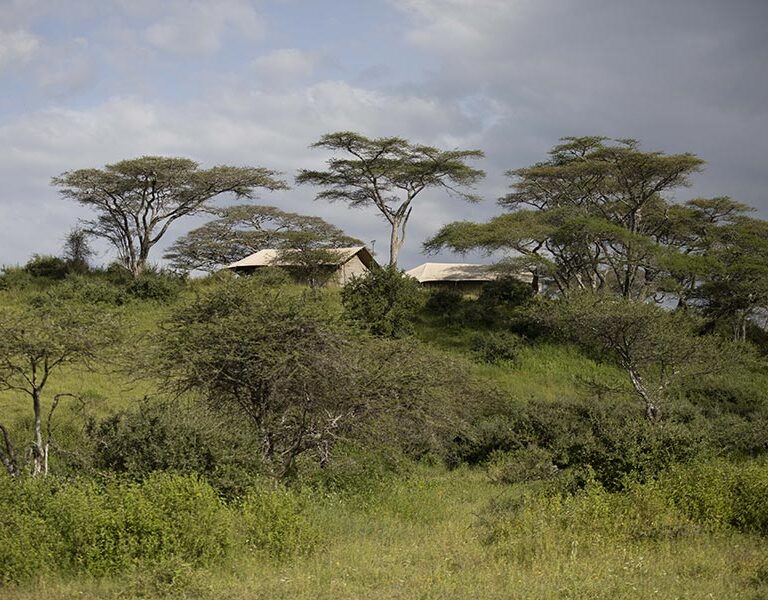
Ndutu Safari Lodge: The last truly wild African destination We have thirty-four en-suite cottages at Ndutu, which range from double, twins, triples, and an inter-connecting quad room with 2 bathrooms. All are built from local stone and thatch material and are naturally cool due to the thick walls providing elegant and comfortable accommodation. Each room has an en-suite bathroom with hot showers, sink, and flushing toilet. All of the cottages have a private veranda overlooking the natural, unfenced landscape of indigenous trees and shrubs outside your cottage door, ensuring you are never far from the host of birds and mammals who call the Ndutu area home. The cottages extend from a warm and welcoming central dining, seating, and bar or ‘mess’ area, which has long been a gathering place for friends old and new. We have built a reputation over the past 57 years as consistently being the choice of expert guides, professional wildlife photographers, film-makers, and biologists alike. The reason? It is simply the best place in the Serengeti ecosystem to watch and enjoy predators and prey, herds and hunters, and is one of the finest locations to witness the extraordinary speed and spectacle of cheetah hunting their prey. Activities at Ndutu Safari Lodge Hot air balloon safari Float above the endless grasslands as the sun rises over Serengeti Sundowners See all the possible shades of pink blooming over the golden plains of Serengeti Bush Breakfast Have a most delicious breakfast in a wilderness setting! Accommodation options at Ndutu Safari Lodge: The last truly wild African destination Double room The Double Room at Ndutu Safari Lodge offers cozy comfort in the heart of the wilderness. Featuring twin or double beds, an en-suite bathroom, private veranda, and classic safari décor, it’s perfect for couples or friends seeking an authentic stay near the Great Migration plains. Bed Type | Twin or king-size beds Area | Ndutu Southern Serengeti Full Board Twins room Our Twin Room at Ndutu Safari Lodge offers a cozy retreat overlooking the wild plains between the southern Serengeti and Ngorongoro. Featuring two comfortable beds, an en-suite bathroom, solar lighting, and a private veranda, it’s perfect for friends or family seeking authentic safari comfort close to nature. Bed Type | Twin or king-size beds Area | Ndutu Southern Serengeti Full Board Triples room Our Triple Room at Ndutu Safari Lodge offers spacious comfort overlooking the wild plains between the Serengeti and Ngorongoro. Featuring three cozy beds, an en-suite bathroom, and a private veranda, it’s perfect for families or friends seeking authentic safari charm, warm hospitality, and unforgettable wildlife moments. Bed Type | Twin or king-size beds Area | Ndutu Southern Serengeti Full Board The Ndutu Safari Lodge Prices for your chosen travel dates may vary depending on the season of travel. Please feel free to reach out to us for more information on the final price. Request A free Quote Facilities Room Types: 34 cottages 1 family tent Bedclothes Vanity basin Lounge Area Writing desk Private shower En-suite bathroom Dining Tent Power stations in public areas Free Wi-Fi in public areas Welcome Drink on Arrival Ndutu Safari Lodge Location and Map Located in the Ngorongoro Conservation Area of Tanzania, on the short grass plains overlooking scenic Lake Ndutu, between the Serengeti and Ngorongoro Crater ecosystems. It’s about 1 km from Ndutu Airstrip and roughly 280 km from Arusha prime position offers unrivalled access to year-round wildlife — especially the Great Migration — with easy game-drive routes mapped across the southern Serengeti ecosystem. Top 5 Serengeti Safari Lodges & Camps Luxus Lodge Tanzania Singita Sasakwa Lodge Luxus Lodge Tanzania Singita Sasakwa Lodge Ultimate Singita Sasakwa lodge An ultra-luxurious safari retreat located in Tanzania’s Grumeti Reserve, offering spectacular views of the … Serengeti Lemala Nanyukie Lodge Serengeti Lemala Nanyukie Lodge Lemala Nanyukie Lodge —- Lemala Nanyukie Lodge Luxurious and captivating safari retreat situated in the heart of the … Little Oliver’s Camp | Luxury Tarangire Safari Camp Little Oliver’s Camp | Luxury Tarangire Safari Camp Oliver’s Camp – See description and beautiful photos —- Oliver’s Camp Explore Oliver’s Camp in Tanzania’s Tarangire is … 1 2 3 … 5 Next » Ndutu Safari Tours & Holidays Our Ndutu Safari Tours & Holidays offers bespoke, all-inclusive safari experiences across Lake Manyara, Serengeti, and Ngorongoro for luxury, mid-range, budget, family, honeymoon, solo, and senior travelers. From Arusha, Dar es Salaam, Moshi, or Zanzibar, enjoy fly-in/fly-out options, VIP adventures, personalized itineraries, bucket-list wildlife encounters, expert guides, and trusted operators. Book early or last-minute for special deals, premium high-end services, photos, maps, and full packing support. Perfect for tailored, private, unforgettable safari vacations year-round. 7-Day Ndutu Migration Calving Season Safari Itinerary 7-Day Ndutu Migration Calving Season Safari Itinerary Best 7-Day Serengeti Wildebeest Migration Calving Safari A 7-day Serengeti Wildebeest Migration Calving Safari focuses on witnessing the … 7-Day Ndutu Calving Season Serengeti Migration Safari 7-Day Ndutu Calving Season Serengeti Migration Safari Amazing 7-Day Ndutu Calving Season Serengeti Migration Safari Experience the magic of the Ndutu Migration calving season, where … 5-Day Ndutu Migration Calving Season Safari 5-Day Ndutu Migration Calving Season Safari Best 5-Day Ndutu Migration (Calving Season) Safari with reviews A 5-day Ndutu Migration Safari during the calving season … 1 2 Next »