Climbing Mount Kilimanjaro is often marketed as a bucket-list adventure—Africa’s highest peak, the “Roof of Africa,” and one of the best non-technical climbs in the world. But beyond the glossy images and summit selfies, there are realities that many Kilimanjaro guides, blogs, and travel brochures don’t fully explain. This rich guide uncovers the truth about Kilimanjaro trekking, from altitude sickness and summit night challenges to mental endurance and packing essentials. Whether you’re planning a Machame Route, Lemosho Route, or Marangu Route climb, understanding these hidden truths will boost your summit success rate. Expect expert Kilimanjaro tips, real trekking insights, and essential preparation advice to help you conquer this iconic Tanzania adventure with confidence, safety, and unforgettable memories.
1. Age and Fitness Are Irrelevant When Climbing Kilimanjaro
One of the most surprising truths about climbing Mount Kilimanjaro is that age and peak fitness are not the biggest predictors of success. You’ll meet teenagers and seniors alike on the trail, many reaching the summit successfully. While basic fitness helps, the climb is non-technical and doesn’t require mountaineering skills. What truly matters is pacing, acclimatization, and determination. Many ultra-fit climbers fail because they underestimate altitude, while less athletic trekkers succeed by following guides’ instructions and maintaining a steady rhythm. Choosing the right Kilimanjaro route, proper itinerary length, and an experienced tour operator plays a greater role than gym strength. So, whether you’re planning a budget Kilimanjaro trek or a luxury safari add-on climb, remember—your mindset and patience outweigh your physical stats.
2. Altitude is a Great Equalizer
On Mount Kilimanjaro, altitude sickness doesn’t discriminate. Whether you’re a marathon runner or a first-time hiker, Acute Mountain Sickness (AMS) can affect anyone. This is why Kilimanjaro success rates depend more on acclimatization than fitness. As you ascend beyond 3,000 meters, oxygen levels drop, and symptoms like headaches, nausea, and dizziness may appear. Popular routes like Lemosho and Northern Circuit are recommended for better acclimatization. The key takeaway for climbers: “Climb high, sleep low” and listen to your body. Even the strongest climbers have turned back near Uhuru Peak due to altitude. Hiring experienced Kilimanjaro guides and choosing longer itineraries significantly improves your chances of reaching the summit safely.
3. You Will Not Sleep Well
Sleep on Kilimanjaro is surprisingly difficult. As altitude increases, your body struggles to rest due to lower oxygen levels, causing frequent waking, vivid dreams, and shallow breathing. This is known as periodic breathing and is common above 3,500 meters. Even in comfortable tents or huts on the Marangu Route, restful sleep is rare. Combined with cold temperatures and early wake-up calls, fatigue builds quickly. That’s why Kilimanjaro packing lists often include sleeping aids like earplugs, warm sleeping bags, and sleeping pads. Despite exhaustion, your body continues acclimatizing while you rest. Don’t panic if you barely sleep—this is normal during high-altitude trekking. Staying hydrated and maintaining a slow pace helps your body adjust better for summit night success.
4. The “Long Walk” to the Toilet Tent
One reality many Kilimanjaro trekking guides don’t emphasize is the distance to the toilet tent. Camps are spread out, and at night—when temperatures drop below freezing—you may face a long, uncomfortable walk just to use the bathroom. On camping routes like Machame and Lemosho, portable toilet tents are provided, but they’re not always nearby. This becomes especially challenging during summit night or when you’re feeling unwell from altitude sickness. Packing a headlamp, warm layers, and easy-to-remove clothing is essential. Some climbers even bring a pee bottle for convenience. While not glamorous, this is part of the Kilimanjaro experience. Being mentally prepared for these small discomforts can make a big difference in your overall trekking comfort.
5. You Will Walk “Pole Pole” (Slowly)
“Pole pole”—meaning “slowly slowly” in Swahili—is the golden rule of climbing Mount Kilimanjaro. While it may feel frustrating at first, this slow pace is critical for acclimatization and increasing summit success rates. Kilimanjaro guides set a steady rhythm that may feel too easy at lower altitudes but becomes essential as you climb higher. Walking too fast is one of the main reasons climbers fail to reach Uhuru Peak. The slow pace conserves energy, stabilizes breathing, and reduces the risk of altitude sickness. Trust your guides—they know the mountain. Embracing “pole pole” not only improves your chances of success but also allows you to fully appreciate the stunning landscapes along the way.
6. It’s a Mental Game, Not Physical
Climbing Mount Kilimanjaro is less about physical strength and more about mental resilience. While basic fitness helps, your mindset determines whether you reach the summit. Long trekking days, cold nights, altitude discomfort, and exhaustion test your determination. Summit night, in particular, is a psychological challenge—hiking in darkness, freezing temperatures, and thin air. Many climbers quit not because they can’t continue physically, but because they doubt themselves. Positive thinking, goal-setting, and support from your guides and fellow trekkers are crucial. Breaking the climb into small milestones makes it more manageable. Remember, thousands of ordinary people summit Kilimanjaro every year—it’s your mental strength that will carry you to Uhuru Peak.
7. You Will Have No Privacy
Privacy is a luxury you won’t have on Kilimanjaro. Camps are busy, tents are close together, and daily routines—from eating to resting—are shared with your trekking group and crew. Changing clothes, washing, and even using the toilet tent can feel exposed compared to everyday comfort. On the Marangu Route, dormitory-style huts mean even less personal space. This communal experience, however, is part of the Kilimanjaro adventure. It fosters camaraderie and teamwork among climbers and guides. Embracing this shared environment can make the journey more enjoyable. Pack lightweight layers for easy changing and be mentally prepared for limited personal space. Understanding this reality helps manage expectations and enhances your overall trekking experience.
8. The Dust is Everywhere
Kilimanjaro’s trails, especially on routes like Machame and Rongai, can be incredibly dusty. Fine volcanic dust gets into your clothes, boots, backpack, and even your lungs. During dry seasons (June to October), the dust becomes more intense, particularly in forest and moorland zones. This can lead to a dry throat, coughing, and discomfort. A buff, scarf, or face mask is highly recommended on your Kilimanjaro packing list. Sunglasses also help protect your eyes from dust and sun glare. Despite the inconvenience, this is a natural part of trekking on Africa’s highest mountain. Staying hydrated and covering your face when needed can make a big difference in comfort throughout your Kilimanjaro climb.
9. Appetite Disappears at Altitude
One surprising effect of high altitude on Mount Kilimanjaro is loss of appetite. Even though your body needs calories for energy, you may not feel like eating. This is a common symptom of altitude exposure. Kilimanjaro chefs prepare high-energy meals, including soups, pasta, rice, fruits, and snacks, but many climbers struggle to finish meals. Eating becomes essential, not optional. Focus on small portions, frequent snacks, and energy-rich foods like chocolate, nuts, and energy bars. Drinking warm fluids like tea and soup can also help. Maintaining calorie intake is crucial for stamina and summit success. Remember, food is fuel—even when you don’t feel hungry, your body depends on it.
10. The Sun is Ferocious
At high altitude, the sun on Kilimanjaro is far more intense than at sea level. With a thinner atmosphere and proximity to the equator in Tanzania, UV exposure is extremely high. Even on cold days, you can get severe sunburn and improve quickly. Climbers often underestimate this, focusing more on cold temperatures than sun protection. A high-SPF sunscreen, UV-protection sunglasses, lip balm, and a wide-brim hat are essential Kilimanjaro gear. The reflection from the snow near the summit increases exposure further. Protecting your skin and eyes is not just about comfort—it’s about safety. Proper sun protection ensures you stay healthy and focused throughout your climb to Uhuru Peak.
11. You Will Cry at the Summit
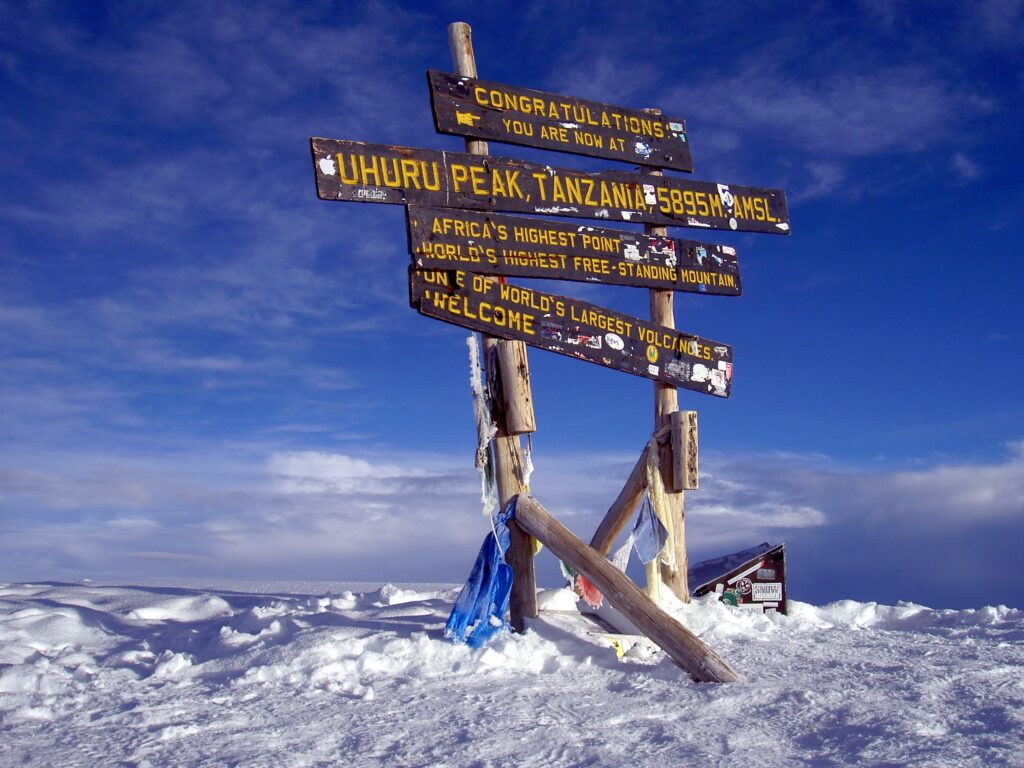
Reaching Uhuru Peak on Mount Kilimanjaro is an emotional experience that often brings climbers to tears. After days of trekking, battling altitude, fatigue, and self-doubt, standing at 5,895 meters feels surreal. Many climbers cry—not from sadness, but from relief, pride, and overwhelming joy. Summit night is grueling, but the sunrise over Africa makes it all worthwhile. This emotional release is something no Kilimanjaro guidebook can truly prepare you for. It’s a deeply personal moment, marking the achievement of a life goal. Whether you celebrate quietly or with your group, reaching the Roof of Africa is an unforgettable milestone that stays with you forever.
12. Trekking Poles Are Highly Recommended (More Than Just for Balance)
Trekking poles are often underestimated but are essential for a successful Kilimanjaro climb. They reduce strain on your knees, improve balance on uneven terrain, and help conserve energy—especially during steep ascents and descents. On summit night and during the descent, poles become invaluable. Many climbers who skip poles regret it later. Adjustable, lightweight trekking poles are best for Kilimanjaro routes like Machame and Lemosho. They also help maintain a steady rhythm, supporting the “pole pole” pace. Investing in good-quality trekking poles can significantly improve comfort and reduce fatigue. For many climbers, they are not just helpful—they are a game-changer for reaching Uhuru Peak safely.
13. The Descent Can Be Challenging (Don’t Underestimate It)
While summiting Mount Kilimanjaro is the highlight, the descent is often harder than expected. After summit night, you’ll descend thousands of meters in a short time, putting pressure on your knees and muscles. Fatigue, loose gravel, and steep trails increase the risk of slips and injuries. Many climbers find the descent more physically demanding than the ascent. This is where trekking poles and proper hiking boots become essential. Staying focused, hydrated, and pacing yourself is key. Don’t rush—your safety matters more than speed. Understanding this challenge helps climbers prepare mentally and physically for the full Kilimanjaro experience, not just the summit.
14. You Will See Amazing Landscapes (Beyond Just the Summit)
Kilimanjaro is not just about reaching the summit—it’s a journey through diverse ecosystems. From lush rainforest to alpine desert and icy glaciers, the scenery constantly changes. Routes like Lemosho and Northern Circuit offer some of the most scenic views on Mount Kilimanjaro. You’ll encounter unique plants like giant groundsels and stunning vistas above the clouds. Wildlife sightings, though rare, may include monkeys and birds in lower zones. Many climbers say the landscapes are as rewarding as the summit itself. Taking time to appreciate these views enhances the overall trekking experience. Kilimanjaro is truly a visual adventure unlike any other in Africa.
15. Be Prepared to Tip Your Crew (It’s a Significant Part of Their Income)
Tipping is an important and expected part of climbing Kilimanjaro. Your guides, porters, and cooks work incredibly hard to ensure your safety and comfort. For many, tips make up a significant portion of their income. Ethical Kilimanjaro tour operators provide clear tipping guidelines, usually based on group size and trip length. Budgeting for tips in advance is essential when planning your climb. Supporting your crew fairly not only shows appreciation but also promotes responsible tourism in Tanzania. Many climbers find the tipping ceremony at the end of the trek to be a meaningful and emotional experience, highlighting the teamwork behind every successful summit.
16. Hydration is Key (More Than Just Quenching Thirst)
Hydration is critical when climbing Mount Kilimanjaro. At high altitude, your body loses fluids faster through breathing and exertion. Dehydration can worsen altitude sickness symptoms, reduce energy levels, and impact overall performance. Climbers are advised to drink 3–4 liters of water daily. Guides often remind you to “drink, drink, drink” throughout the trek. Carrying a hydration system or water bottles is essential. Adding electrolytes helps maintain balance and improve absorption. Even if you don’t feel thirsty, consistent hydration is key to acclimatization and summit success. Staying properly hydrated can make a noticeable difference in how your body handles the climb.
17. You’ll Be Out of Touch (Embrace the Digital Detox)
Climbing Kilimanjaro means disconnecting from the digital world. Network coverage is limited and unreliable, especially on remote routes like Lemosho and Northern Circuit. While some camps may have weak signals, most of your journey will be offline. This digital detox can feel uncomfortable at first, but it’s also refreshing. Without constant notifications, you can fully immerse yourself in the experience—connecting with nature, your trekking group, and yourself. Many climbers find this aspect surprisingly rewarding. Bring a camera, journal, or book instead of relying on your phone. Embracing this disconnection enhances the adventure and creates a more meaningful Kilimanjaro experience.
- All You Need to Know to Climb Mt Kilimanjaro
- Best Tanzania Safari Lodges & Camps
- Ultimate 2-Week Tanzania & Zanzibar Safari Itinerary & Costs
- How Much Does It Cost to Climb Kilimanjaro
- Tanzania Luxury Safari Lodges
Final Thought
Climbing Mount Kilimanjaro is far more than a physical journey—it’s a test of patience, mindset, and adaptability. The hidden realities, from altitude challenges to emotional highs, are what make the experience so powerful and unforgettable. By understanding what most guides don’t tell you, you can prepare smarter, climb safer, and enjoy every moment. With the right mindset, proper planning, and respect for the mountain, reaching Uhuru Peak becomes not just possible—but life-changing.