Mahale Mountains National Park weather is shaped by its tropical location, its steep mountains and the huge body of water of Lake Tanganyika. The lakeshore is warm for most of the year, with daytime temperatures that are usually comfortable to hot, while the upper slopes are noticeably cooler. The climate follows a clear pattern of one long dry season and one long rainy season, and understanding this rhythm is the key to choosing the right time for your chimpanzee trek.
The dry season runs roughly from late May or June to October, bringing sunny days, clear skies and drier trails. Rain usually returns around November, often as afternoon storms, and builds to the heaviest falls from around March to April, when many camps close. Humidity in the forest stays fairly high throughout the year, so even in the dry months, treks can feel warm and sticky. Weather can also vary from one year to the next, so it is wise to pack for occasional showers whenever you travel to Mahale.
A simple guide to the climate pattern of Mahale Mountains National Park.
From about June to October, rain is scarce and skies are often clear. Mornings can feel fresh, days are warm and the lake is usually calm. These are the most comfortable months for trekking, and later in the season chimps often feed lower on the slopes.
By late September and October, temperatures and humidity rise and the air can feel heavy before the rains. Trails remain dry and chimp sightings are often good, but early starts and plenty of water help keep treks comfortable in the heat.
From around November, rain returns in bursts, often in the afternoon or overnight, with sunny spells in between. The forest turns vivid green, rivers flow again and birdlife thrives, though trails become muddier and treks may be longer.
The heaviest rain usually falls from around March to April, sometimes into May. Downpours can be intense and lasting, the lake may be rough and most camps close. This period is generally the least suitable for visiting Mahale.
Typical conditions at Mahale; actual weather varies from year to year.
| Month | Season | Rainfall | Conditions |
|---|---|---|---|
| January | Green season | High | Warm, humid with showers and sunny spells |
| February | Green season | Moderate | Warm, some rain, occasional drier breaks |
| March | Long rains | Very high | Heavy rain, muddy trails, many camps closing |
| April | Long rains | Very high | Wettest period, most camps closed |
| May | Transition | Moderate | Rains easing, some camps reopening late |
| June | Dry season | Low | Dry, sunny days with cool mornings |
| July | Dry season | Low | Dry, pleasant and clear lake conditions |
| August | Dry season | Low | Dry, sunny, chimps often on lower slopes |
| September | Dry season | Low | Dry and warming, good trekking conditions |
| October | Late dry season | Low | Hot and humid, first rains possible late |
| November | Early rains | Moderate | Afternoon storms, greener forest, warm |
| December | Green season | High | Warm, regular showers, lush and quiet |
Every traveler experiences Mahale differently. Choose the safari style that suits you, and Foot Slopes Tours and Safaris will tailor a private itinerary around your dates, budget and interests.

Families with children, grandparents and multi-generational groups
Private vehicle, family rooms and a flexible, unhurried pace
Mahale works well for families who plan ahead: our guides turn every sighting of habituated chimpanzees of the M group and forest monkeys into a learning adventure, and we tailor activities to the ages and energy of your group.
Jun – Oct & school holidays
3–4 nights

Honeymooners, anniversaries and couples celebrating something special
Sundowners, private dinners and secluded, romantic stays
Pair habituated chimpanzees of the M group and forest monkeys with private sundowners, candle-lit dinners and a secluded room with a view. Many couples finish with Katavi National Park or a Zanzibar beach stay for the perfect escape.
Jun – Oct
4–5 nights

Wildlife photographers and keen amateurs who want the best light
Flexible timings, patient guiding and golden-hour outings
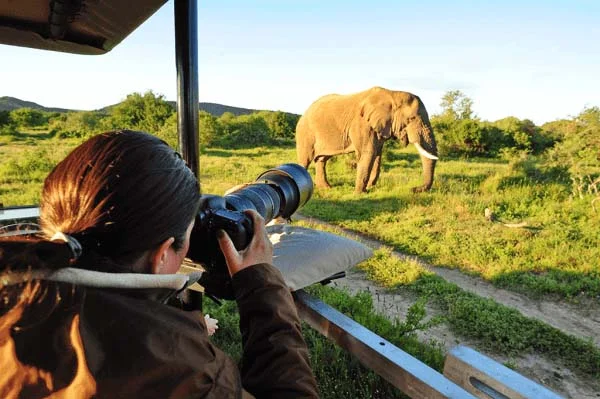
Flexible timings and patient guiding put you in the right place at dawn and dusk. In Mahale, expect habituated chimpanzees of the M group and forest monkeys, plus guided chimpanzee treks on forested mountain slopes for varied angles and stories.
Jun – Oct & Nov – Feb
4–5 nights

Mature travelers who value comfort, safety and a gentle pace
Short transfers, comfortable stays and an attentive private guide
Chimp treks follow steep, sometimes slippery forest trails, so reasonable mobility helps, though lakeside days at camp are gentle and relaxed. We plan a gently paced itinerary with rest time each day and an experienced guide who handles every detail.
Jun – Oct
3–4 nights

Travelers short on time who prefer flights to long road transfers
Scenic flights and more time for wildlife
Light-aircraft flights reach the Mahale airstrip, followed by a boat transfer along the Lake Tanganyika shore. Flying in maximises your time with habituated chimpanzees of the M group and forest monkeys and links neatly with Katavi National Park or a Zanzibar beach stay.
Year-round
3–4 nights

Travelers seeking the finest stays, service and exclusivity
Private guiding, fine dining and exclusive experiences
Stay at the finest available camps and lodges with private guiding, fine dining and exclusive experiences such as guided chimpanzee treks on forested mountain slopes, all while enjoying habituated chimpanzees of the M group and forest monkeys in comfort.
Jun – Oct
3–5 nights

Travelers who want comfort and quality without luxury prices
Comfortable en-suite rooms, full-board meals and private guiding
Comfortable, well-located accommodation with en-suite bathrooms, full-board meals and private guiding: the best-value way to experience habituated chimpanzees of the M group and forest monkeys.
Jun – Oct (lower rates Nov – Feb)
3–4 nights

Solo travelers who want safety, privacy and flexibility
Private vehicle, dedicated guide and sociable camp evenings
Travel on an individual private, tailor-made safari with your own vehicle and dedicated guide. Mahale is welcoming for solo guests, with guided chimpanzee treks on forested mountain slopes and sociable evenings at camp.
Jun – Oct
3–4 nights
Mahale has a tropical climate with a long dry season and a long wet season. The lakeshore is warm to hot most of the year, while the mountain slopes are cooler. Humidity is often high in the forest. Roughly, June to October is dry, rains return around November, and the heaviest rain usually falls from around March to April.
Daytime temperatures on the Mahale lakeshore are usually warm to hot, and the hottest, most humid spell often comes around September to November before the rains. Nights are generally mild. Inside the forest, shade helps, but humidity can make treks feel warmer than the thermometer suggests. Light, breathable clothing and plenty of water are essential for comfort.
It rarely gets truly cold on the Mahale lakeshore, but early mornings in June and July can feel fresh, especially on boat transfers. A light fleece or jacket is useful. Higher up the mountains, temperatures drop considerably, so travelers attempting a hike toward Nkungwe need warmer layers for camping nights on the upper slopes.
Mahale receives substantial rainfall each year, most of it between November and May, with the heaviest falls usually around March and April. The mountains help generate rain, and totals can be higher on the slopes than at the lakeshore. Rainfall varies from year to year, so we describe it in general terms and check current conditions when planning.
Humidity in Mahale is often high, particularly in the forest and during the rainy months. Even in the dry season, treks under the canopy can feel warm and sticky. Staying hydrated, wearing moisture-wicking clothing and pacing yourself on climbs all help. Camps near the lake benefit from breezes, which make afternoons and evenings more comfortable.
Not usually. In the early rains, from around November to February, rain often falls in short, heavy bursts, commonly in the afternoon or at night, with sunny periods in between. During the long rains around March and April, however, rain can be heavier and more persistent, which is one reason many camps close at that time.
Weather influences both trail conditions and chimp movements. In the dry season, paths are firmer and the chimps are often lower down, making treks shorter on many days. In wet months, slopes become slippery and chimps may range higher. Rain may occasionally delay a trek, and guides will always adjust plans to keep everyone safe.
Lake Tanganyika is generally pleasantly warm near the surface throughout the year. Swimming, snorkeling or kayaking may be offered at some camps in designated areas when conditions are suitable. Always follow camp guidance, since the lake is home to hippos and crocodiles in some areas, and winds can make the water choppy at certain times.
Yes. Heavy rain, low cloud or strong winds can occasionally delay light-aircraft flights or make the lake too rough for comfortable boat transfers. In the dry season this is less common. Airlines and boat crews always prioritize safety, so it is wise to allow some flexibility in your onward plans and to carry essentials in your hand luggage.
The Mahale slopes are cooler than the lakeshore, with temperatures dropping as you climb toward the bamboo and grassland zones near Nkungwe. Cloud and mist are common on the higher ridges, particularly during the rains. Hikers heading up the mountains should prepare for cool nights, sudden showers and changing conditions, even in the dry season.
Choose lightweight, breathable clothing in neutral colors, with long sleeves and trousers for treks to protect against insects and scratchy vegetation. Sturdy, grippy walking shoes are essential. Add a hat, sunglasses and sunscreen for the beach, a light fleece for cool mornings and a compact rain jacket, particularly outside the main dry season.
The sunniest period is usually the dry season, from about June to October, when rain is scarce and skies over the lake are often clear. Afternoons on the beach can be bright and hot, so sun protection is important. Even during the rains, sunny spells are common between showers, especially in the early green season months.
Like much of East Africa, western Tanzania has seen variation in the timing and intensity of rains in recent years. Some seasons start earlier or later than expected, and rainfall totals can differ significantly. This is why we always check recent conditions and camp opening dates before confirming a Mahale trip, rather than relying only on historical averages.
Foot Slopes Tours and Safaris builds your Mahale itinerary around the most suitable season for your goals and checks camp opening dates and flight schedules in advance. We also include enough nights to allow for weather-related changes to trekking plans. Our tailor-made approach means you get honest advice and a realistic plan, plus 24/7 support during your journey.
Yes. Foot Slopes Tours and Safaris provides practical packing guidance for every trip, tailored to your travel month and activities. For Mahale, we highlight trekking footwear, layers for cool mornings, rain protection in wetter months and light luggage limits for small aircraft. Our experienced local team is happy to answer any questions before you pack.
When Foot Slopes Tours and Safaris arranges your Mahale trip, we typically include the light-aircraft flights, boat transfers, accommodation, meals, park fees and chimp permits in one itinerary. We confirm luggage allowances and schedules in writing. If weather causes disruption, our team is available around the clock to help rearrange plans with the airline and camp.
Yes. Foot Slopes Tours and Safaris works with experienced local guides and partners who understand how weather affects travel in western Tanzania, from lake conditions to flight timings and trail safety. We share this knowledge before and during your trip, helping you prepare well and adjust calmly if the weather changes while you are exploring Mahale.
Tell us your dates, style, and preferred parks, and we will build the perfect itinerary around you.
Book Now Online →Real 5-star reviews from guests who traveled with us
Our Private African luxury Safari experience with Foot Slopes Tours and Safaris was nothing short of exceptional. From the very beginning, owner Gabriel was incredibly responsive, making the entire booking process smooth and stress-free. Gabriel went above and
We had an incredible private safari experience with Foot Slopes Tours and Safaris. Their office staff was very helpful and informative, and they communicated very well. Our pick-ups to and from the airport were on time and hassle-free, an unforgettable Safari
Foot Slopes Tours and Safaris is truly one of the best local tour companies in Tanzania. From start to finish, their service was professional, reliable, and personalized. The team went above and beyond to make sure every detail of our trip was perfect. Our saf
Our family chose Foot Slopes Tours and Safaris for a custom 11-day safari itinerary, and we couldn’t be happier with our choice! Everything from our initial inquiry to building our custom itinerary to pre-departure and on-trip support was top quality. Communic