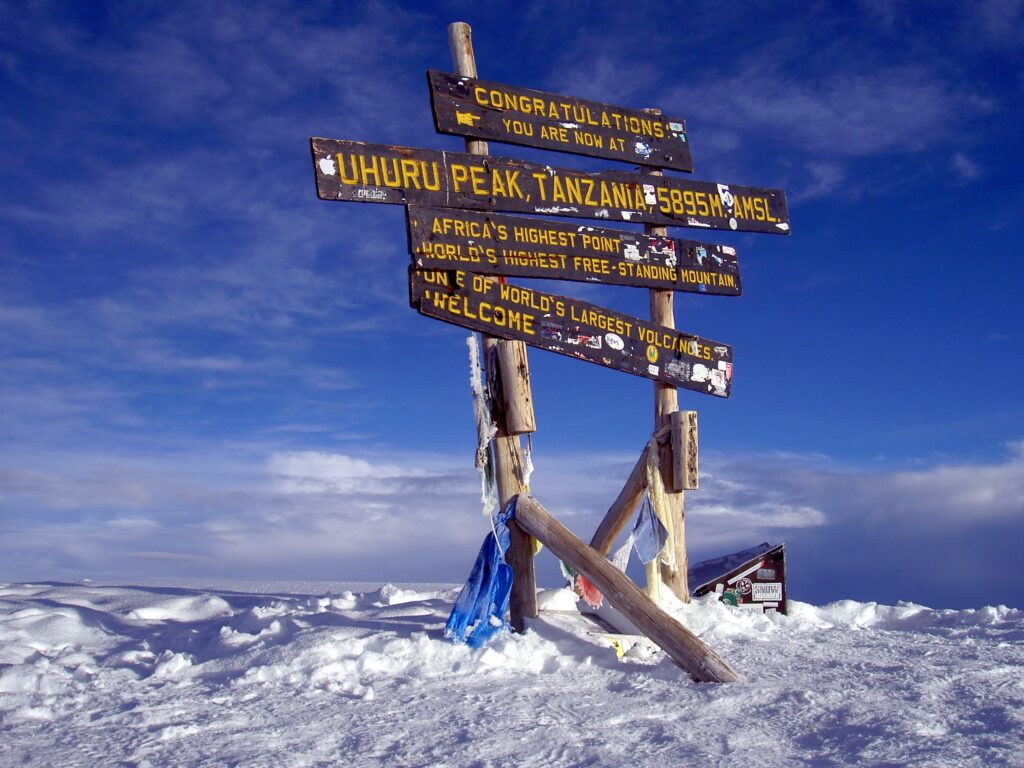
Climbing Mount Kilimanjaro, the highest peak in Africa and one of the world’s most iconic trekking destinations, is a dream adventure for many travelers. However, reaching Uhuru Peak at 5,895 meters (19,341 feet) requires more than enthusiasm—it demands preparation, awareness, and smart planning. Before booking your Kilimanjaro climbing tour, it is essential to understand altitude challenges, trekking routes, weather conditions, packing essentials, fitness levels, and safety guidelines. Whether you are planning a luxury Kilimanjaro climb, a budget trek, or a guided group expedition, knowing the right information increases your success rate and enjoyment. This guide explains the most important things to know before climbing Kilimanjaro, helping you prepare for a safe, successful, and unforgettable Tanzania trekking experience.
Choose the Right Kilimanjaro Route
One of the most important decisions when planning a Kilimanjaro trek is selecting the right route. Popular options include Machame, Marangu, Lemosho, Rongai, and Northern Circuit routes. The Machame Route is known for scenic views and high success rates, while Lemosho offers a longer and more gradual acclimatization. Marangu is the only route with hut accommodations, but it has lower summit success due to rapid ascent. Choosing the right Kilimanjaro route depends on your fitness level, budget, and trekking experience. Longer routes generally improve acclimatization and increase summit success rates. Always consult a professional Tanzania tour operator to match your goals with the best Kilimanjaro climbing itinerary.
Understand Altitude Sickness Risks
Altitude sickness is one of the biggest challenges when climbing Mount Kilimanjaro. As you ascend above 3,000 meters, oxygen levels decrease significantly, affecting your body’s performance. Symptoms may include headache, nausea, fatigue, and dizziness. Severe cases can lead to serious conditions like HAPE or HACE. The key to preventing altitude sickness is slow ascent, proper acclimatization, and hydration. Most Kilimanjaro trekking routes are designed to help your body adjust gradually. “Pole pole” (slowly in Swahili) is the golden rule. Even fit climbers can be affected, so never underestimate altitude. Choosing experienced Kilimanjaro guides greatly increases your safety and summit success.
Physical Fitness Preparation is Essential
Although Kilimanjaro is considered a non-technical climb, physical preparation is essential for success. You do not need to be an elite athlete, but good cardiovascular endurance and leg strength are important. Training should include hiking, stair climbing, running, and long walks with a backpack. Preparing at least 6–12 weeks before your Kilimanjaro expedition increases your chances of reaching Uhuru Peak. Mental endurance is equally important, as summit night is long and challenging. Many travelers underestimate the difficulty of trekking at high altitude. Proper fitness preparation ensures you enjoy the journey through diverse landscapes, including rainforest, alpine desert, and arctic summit zones.
Best Time to Climb Kilimanjaro
The best time to climb Mount Kilimanjaro is during the dry seasons: January to March and June to October. These months offer clearer skies, better trail conditions, and higher summit success rates. The rainy seasons (April–May and November) bring muddy trails, poor visibility, and more challenging trekking conditions. However, fewer crowds and lower prices make off-season climbs attractive for experienced trekkers. The weather on Kilimanjaro varies dramatically by altitude, from tropical heat at the base to freezing temperatures at the summit. Choosing the right season is crucial for safety, comfort, and overall trekking experience in Tanzania.
Proper Gear and Packing List
Packing the right gear is critical for a successful Kilimanjaro climb. Essential items include layered clothing, waterproof jackets, thermal wear, hiking boots, gloves, hats, sunglasses, and a quality sleeping bag rated for extreme cold. A good backpack, trekking poles, and a headlamp are also important. Since you will experience multiple climate zones, layering is key. Avoid overpacking, as porters carry most of your luggage with strict weight limits. Renting gear in Arusha or Moshi is possible, but quality should be checked carefully. Proper equipment ensures comfort and protection against harsh weather conditions on Africa’s highest mountain.
Hiring a Licensed Kilimanjaro Tour Operator
Choosing a licensed and experienced Kilimanjaro tour operator is essential for safety and success. Reliable companies provide certified guides, porters, proper equipment, meals, and emergency support. Avoid unlicensed operators offering extremely cheap packages, as safety standards may be compromised. A good operator follows Kilimanjaro National Park regulations and ensures fair treatment of porters. Reviews, certifications, and success rates are important factors when selecting a company. Booking through a trusted Tanzania safari and trekking company increases your chances of reaching the summit safely while enjoying a well-organized and stress-free adventure.
Accommodation on the Mountain
Accommodation on Kilimanjaro depends on the route you choose. The Marangu Route offers basic hut accommodations, while other routes like Machame, Lemosho, and Rongai use camping tents. Campsites are set in scenic locations across different ecological zones. Tents are usually provided by tour operators along with sleeping mats and dining tents. Conditions are simple but functional, designed for high-altitude trekking. Nights can be very cold, especially near the summit. Understanding accommodation types helps you mentally prepare for the trekking experience and choose a route that matches your comfort level.
Food and Water Supply
Food on Kilimanjaro is prepared by professional mountain chefs and is designed to provide energy for long trekking days. Meals typically include carbohydrates, proteins, vegetables, soups, and fruits. Hot drinks like tea and coffee are common. Clean drinking water is provided, but usually treated or boiled. Staying hydrated is crucial for preventing altitude sickness. Some climbers bring snacks such as energy bars, nuts, and chocolate for extra energy. Despite being in a remote environment, food quality is generally good on well-organized Kilimanjaro tours, supporting your strength throughout the climb.
Summit Night Challenges
Summit night is the most difficult part of climbing Kilimanjaro. Trekkers usually begin around midnight to reach Uhuru Peak at sunrise. The climb is steep, cold, and physically demanding due to low oxygen levels. Temperatures can drop below freezing, and fatigue is common. Mental determination is key during this stage. Guides provide encouragement and pace control to ensure safety. Despite the difficulty, reaching the summit of Mount Kilimanjaro is an unforgettable achievement. Proper preparation, pacing, and hydration are essential for success during this final ascent to the highest point in Africa.
Importance of Acclimatization
Acclimatization is the process of allowing your body to adjust to high altitude. Longer Kilimanjaro routes improve acclimatization and increase summit success rates. The “climb high, sleep low” principle is often used on trekking itineraries. Rest days may be included in some routes to help with adaptation. Ignoring acclimatization increases the risk of altitude sickness. Even experienced hikers must respect altitude limits. Proper acclimatization is one of the most important factors in successfully reaching Uhuru Peak safely and comfortably during your Tanzania trekking adventure.
Travel Insurance for Kilimanjaro
Travel insurance is highly recommended for anyone climbing Mount Kilimanjaro. It should cover high-altitude trekking, emergency evacuation, medical treatment, and trip cancellation. Helicopter rescue from the mountain can be expensive without insurance. Always check policy details to ensure Kilimanjaro coverage up to 6,000 meters. Reliable insurance gives peace of mind during your expedition. Many professional tour operators require proof of insurance before starting the climb. It is a small investment that protects you in case of unexpected situations during your adventure in Tanzania.
Mental Preparation Matters
Mental strength is just as important as physical fitness when climbing Kilimanjaro. Long trekking hours, cold temperatures, and altitude effects can challenge your motivation. Staying positive, focused, and patient is essential. Many climbers succeed by taking each step slowly and breaking the journey into smaller goals. Support from guides and fellow trekkers also helps maintain morale. Understanding that discomfort is part of the experience prepares you mentally for success. A strong mindset significantly increases your chances of reaching the summit.
Environmental Conservation Rules
Mount Kilimanjaro is a protected UNESCO World Heritage Site, and climbers must follow strict environmental rules. Carrying out all waste, avoiding plastic pollution, and respecting wildlife are essential responsibilities. Tour operators support eco-friendly trekking practices to preserve the mountain’s natural beauty. Climbers are encouraged to use reusable water bottles and minimize environmental impact. Protecting Kilimanjaro ensures future generations can enjoy this iconic destination. Responsible tourism is a key part of every successful trekking experience in Tanzania.
Costs of Climbing Kilimanjaro
The cost of climbing Kilimanjaro varies depending on route, duration, and level of service. Budget climbs may start from lower prices, while luxury Kilimanjaro packages cost significantly more. Costs usually include park fees, guides, porters, food, camping equipment, and transportation. The longer the route, the higher the cost but also the better the success rate. Choosing a reputable operator ensures fair wages for staff and high-quality services. Understanding pricing helps you plan a realistic budget for your Tanzania adventure.
Safety Measures on the Mountain
Safety is a top priority during the Kilimanjaro trek. Professional guides monitor climbers daily for signs of altitude sickness and other health issues. Emergency evacuation procedures are in place if needed. Weather conditions can change quickly, so preparation is essential. Following the guide instructions, maintaining hydration, and pacing yourself are key safety practices. Well-organized tours prioritize climbers’ well-being at every stage. Safety awareness significantly improves your overall trekking experience and summit success rate.
Choosing the Right Season and Timing Strategy
Beyond just weather, timing your climb strategically can affect your experience. Peak seasons bring more crowds but better trail conditions, while off-peak seasons offer solitude but unpredictable weather. Early booking ensures better availability of experienced guides and preferred routes. Planning around personal fitness, holidays, and travel schedules is also important. A well-timed Kilimanjaro expedition increases comfort, safety, and enjoyment. Proper planning is the final step toward a successful climb.
Final Thought
Climbing Mount Kilimanjaro is a life-changing adventure that requires preparation, awareness, and determination. From choosing the right route and tour operator to understanding altitude, fitness, and safety, every detail matters. With the right mindset and planning, reaching Uhuru Peak becomes an achievable and unforgettable experience. Kilimanjaro is not just a mountain—it is a journey of endurance, discovery, and personal achievement in the heart of Tanzania.
Do I need climbing experience to climb Kilimanjaro
No prior climbing experience is required to climb Mount Kilimanjaro, the highest free-standing mountain in the world and one of Africa’s most iconic trekking destinations. Thousands of beginners successfully reach Uhuru Peak every year with the help of professional guides and well-organized Tanzania safari tour operators. However, basic hiking experience, mental preparation, and understanding of high-altitude trekking are highly recommended. Kilimanjaro is a non-technical climb, meaning you do not need ropes, ice axes, or mountaineering skills. Instead, the challenge lies in endurance, altitude adjustment, and slow pacing. With proper training, gradual acclimatization, and choosing the right Kilimanjaro climbing route such as Machame or Lemosho, even first-time trekkers can achieve summit success safely and confidently.
How long does it take to climb Kilimanjaro
Climbing Mount Kilimanjaro typically takes between 5 to 9 days depending on the route chosen and acclimatization schedule. Shorter routes like Marangu can be completed in 5–6 days, but longer routes such as Lemosho, Machame, or Northern Circuit are highly recommended for better altitude acclimatization and higher summit success rates. Most experienced Kilimanjaro tour operators advise at least 7–8 days for a safer and more enjoyable climb. The journey includes trekking through rainforest, moorland, alpine desert, and arctic summit zones. The slow ascent allows your body to adapt to changing oxygen levels. A longer itinerary increases your chances of successfully reaching Uhuru Peak, making duration a critical factor in planning your Kilimanjaro trekking adventure.
What is the success rate of reaching the Mount Kilimanjaro summit
The success rate of climbing Mount Kilimanjaro varies depending on route length, guide quality, and acclimatization strategy. On average, summit success ranges between 60% and 85%. Shorter routes like Marangu have lower success rates due to rapid ascent, while longer routes such as Lemosho and Northern Circuit can exceed 85% success. Professional Kilimanjaro trekking companies emphasize “pole pole” (slowly, slowly in Swahili) to help climbers adjust to altitude gradually. Proper hydration, rest, and pacing also improve success chances. Choosing experienced guides, high-quality equipment, and well-planned itineraries significantly increases your likelihood of reaching Uhuru Peak, the highest point in Africa. Ultimately, patience and preparation are key factors in achieving a successful Kilimanjaro summit.
What is the biggest challenge when climbing Kilimanjaro
The biggest challenge when climbing Kilimanjaro is not technical difficulty but altitude sickness caused by reduced oxygen levels at high elevations. As trekkers ascend above 3,000 meters, symptoms such as headaches, nausea, fatigue, and dizziness may occur. The summit, Uhuru Peak, stands at 5,895 meters, where oxygen levels are significantly lower. Weather changes, cold temperatures, and long trekking hours also add to the difficulty. Mental endurance plays a huge role, especially during summit night when temperatures drop below freezing. Proper acclimatization, hydration, and a slow pace are essential for overcoming these challenges. With the right preparation and support from professional Kilimanjaro guides, most climbers successfully manage the difficulties and reach the summit safely.
How fit do I need to be to climb Kilimanjaro
You do not need to be an elite athlete to climb Kilimanjaro, but a good level of physical fitness is essential. Regular cardiovascular training such as hiking, jogging, cycling, or stair climbing is highly recommended for at least 6–8 weeks before your trek. Strength endurance in legs and core muscles helps with long daily hikes of 5–8 hours. Mental fitness is equally important, as the climb is slow and steady over several days. Kilimanjaro is considered a trekking mountain rather than a technical climb, so determination matters more than speed or strength. With proper preparation, most moderately fit individuals can successfully complete the climb and enjoy the breathtaking landscapes of Tanzania’s iconic mountain.
What is the best month to climb Kilimanjaro
The best months to climb Mount Kilimanjaro are during the dry seasons: January to March and June to October. These periods offer clearer skies, less rainfall, and better trekking conditions. January to March is slightly colder but less crowded, while June to October is the most popular season due to stable weather and excellent visibility. April, May, and November are rainy months and generally less favorable for climbing due to slippery trails and reduced summit visibility. Choosing the right season improves safety, comfort, and summit success rates. Many travelers planning Tanzania safari and Kilimanjaro trekking tours combine their climb with wildlife safaris during these peak dry months for the best overall experience.
What should I pack for Kilimanjaro
Packing for Kilimanjaro requires careful preparation due to changing climates from tropical rainforest to arctic summit conditions. Essential items include layered clothing, thermal wear, waterproof jacket and pants, hiking boots, gloves, warm hat, and sunglasses. A good sleeping bag rated for freezing temperatures is crucial. Trekking poles, headlamp, hydration system, and personal medication are also highly recommended. Sun protection such as sunscreen and lip balm is important at high altitude. Most Kilimanjaro tour operators provide a detailed packing list to ensure safety and comfort. Proper gear helps climbers adapt to extreme temperature variations and ensures a smoother trekking experience from base to summit.
Is altitude sickness dangerous on Mount Kilimanjaro
Altitude sickness can be dangerous on Mount Kilimanjaro if ignored, but it is manageable with proper preparation and awareness. It occurs when the body struggles to adjust to lower oxygen levels at high altitude. Mild symptoms include headaches, fatigue, and nausea, while severe cases require immediate descent. Professional Kilimanjaro guides are trained to monitor climbers daily and ensure safety throughout the trek. Slow ascent, hydration, and rest days help reduce risks significantly. Choosing longer routes also improves acclimatization. Most climbers experience mild symptoms but recover well with proper care. Understanding altitude sickness is essential for a safe and successful Kilimanjaro climbing experience.
Do I need travel insurance for Kilimanjaro
Yes, travel insurance is highly recommended and often required for climbing Kilimanjaro. A good policy should cover high-altitude trekking (up to 6,000 meters), emergency medical evacuation, trip cancellation, and lost baggage. Since Kilimanjaro is a remote mountain, evacuation by helicopter may be necessary in emergencies, which can be very expensive without insurance. Many reputable Tanzania safari and trekking operators will ask for proof of coverage before the climb. Having insurance ensures peace of mind and financial protection throughout your adventure. It is an essential part of responsible Kilimanjaro expedition planning.
How cold does it get on Kilimanjaro
Temperatures on Mount Kilimanjaro vary greatly depending on altitude and time of day. At lower rainforest zones, it can be warm and humid, but as you ascend, temperatures drop significantly. Near the summit, temperatures can fall between -7°C to -20°C, especially at night during summit attempts. Wind chill makes it feel even colder. Proper layered clothing and high-quality thermal gear are essential for survival and comfort. Climbers must prepare for extreme cold conditions, especially during summit night when fatigue and low oxygen levels combine with freezing temperatures. Understanding Kilimanjaro’s climate is key to safe and successful trekking.
Can I climb Kilimanjaro solo
Climbing Kilimanjaro solo is not allowed under Tanzanian national park regulations. Every climber must be accompanied by a licensed guide and supported by a registered trekking team, including porters and cooks. This rule ensures safety, proper navigation, and emergency assistance in case of altitude-related issues. While you cannot climb completely alone, you can book private Kilimanjaro tours for a more personalized experience. Many solo travelers join guided groups or private expeditions for flexibility and safety. This system ensures that even independent travelers can safely enjoy one of the world’s greatest trekking adventures.
How much does it cost to climb Kilimanjaro
The cost of climbing Kilimanjaro typically ranges from $1,800 to $6,000 depending on the route, duration, level of comfort, and tour operator. Budget climbs are cheaper but may include basic services, while luxury Kilimanjaro expeditions offer premium tents, better food, and personalized service. Park fees, guides, porters, meals, and camping equipment are major cost components. Longer routes like Lemosho or Northern Circuit are more expensive but offer higher summit success rates. Choosing a reputable and ethical tour operator is crucial for safety and fair treatment of porters. Kilimanjaro pricing reflects both logistics and the quality of the climbing experience.
What is Summit night on Kilimanjaro like
Summit night on Kilimanjaro is the most challenging and unforgettable part of the climb. Trekkers usually begin ascent around midnight, hiking in darkness with headlamps in freezing temperatures. The trail is steep and slow due to high altitude and low oxygen levels. Climbers move “pole pole” with frequent breaks to conserve energy. Mental strength is crucial as exhaustion and cold intensify. As dawn approaches, reaching Stella Point and finally Uhuru Peak feels emotional and rewarding. The panoramic sunrise over Africa makes every struggle worthwhile. Summit night tests endurance, determination, and resilience, making the achievement deeply memorable.
Is Kilimanjaro safe to climb
Yes, Kilimanjaro is generally safe to climb when done with experienced guides and proper preparation. Thousands of trekkers successfully summit every year. Safety measures include daily health checks, altitude monitoring, and trained emergency response teams. The main risks involve altitude sickness, fatigue, and weather changes rather than technical climbing dangers. Choosing reputable Kilimanjaro tour operators greatly improves safety standards. Proper acclimatization, hydration, and pacing further reduce risks. While challenges exist, most climbers complete the journey safely with the right support system in place.
Why is Kilimanjaro so famous
Mount Kilimanjaro is famous for being the highest mountain in Africa and the tallest free-standing mountain in the world. It attracts adventurers from across the globe due to its unique ecosystems, stunning landscapes, and achievable trekking routes. Unlike technical peaks, Kilimanjaro can be climbed without mountaineering equipment, making it accessible to many travelers. Its snow-capped summit near the equator creates a rare natural phenomenon. Combined with Tanzania’s rich wildlife safari experiences, Kilimanjaro has become a global bucket-list destination and one of the most iconic trekking adventures on Earth.
What makes Kilimanjaro different from other mountains
Kilimanjaro stands out because it is a non-technical, free-standing volcanic mountain with multiple climate zones ranging from tropical rainforest to arctic summit. Unlike many high peaks that require climbing skills, Kilimanjaro is accessible through guided trekking routes. Its gradual ascent allows climbers to experience dramatic ecological changes in a single journey. The combination of wildlife, scenery, cultural richness, and summit accessibility makes it unique. Additionally, its location near the equator with permanent glaciers at the top creates a rare and striking contrast. Kilimanjaro offers one of the most diverse and rewarding trekking experiences in the world.