 Private3 Days / 2 Nights
Where to Go on an African Safari in July, August and September: Northern Serengeti
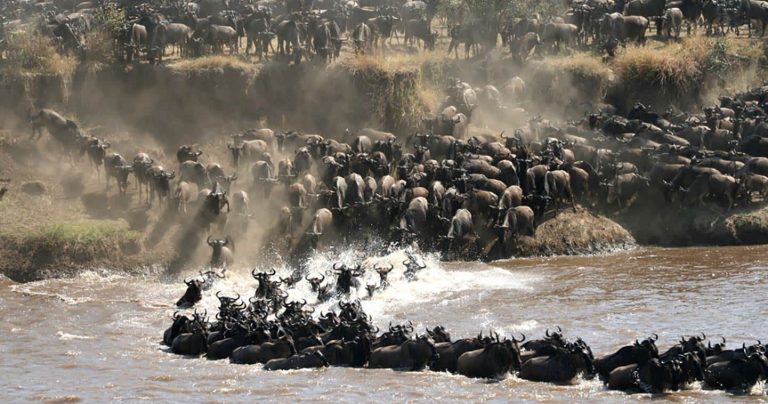
The best place for an African safari in July, August and September is Tanzania's northern Serengeti, where the Great Migration reaches the Kogatende and Lamai areas and dramatic Mara River crossings take place. This is peak dry season, so grass is short, animals gather near water and game viewing is excellent. Crossings usually peak in August and September, although exact timing always varies with rainfall. Foot Slopes Tours and Safaris designs private tailor-made safaris with your own vehicle and guide, pairing northern Serengeti camps with Tarangire and Ngorongoro Crater for a well-paced, unforgettable journey.
Private Northern Serengeti Great Migration Safari Packages
Showing 1–12 of 19 private tours
Private3 Days / 2 NightsPrivate8 Days / 7 Nights8-Day Serengeti Wildebeest Migration Safari
Destinations: Serengeti
Price per personOn request
View tour →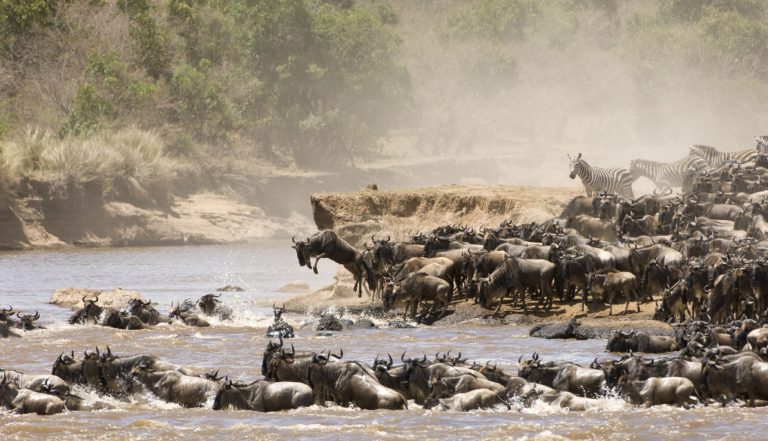 Private11 Days / 10 Nights
11-Day Serengeti Wildebeest Migration Safari Itinerary
Destinations: Serengeti
Price per personOn request
View tour →Private11 Days / 10 Nights11-Day Serengeti Wildebeest Migration Safari
Destinations: Serengeti · Ngorongoro · Tarangire
Price per personOn request
View tour →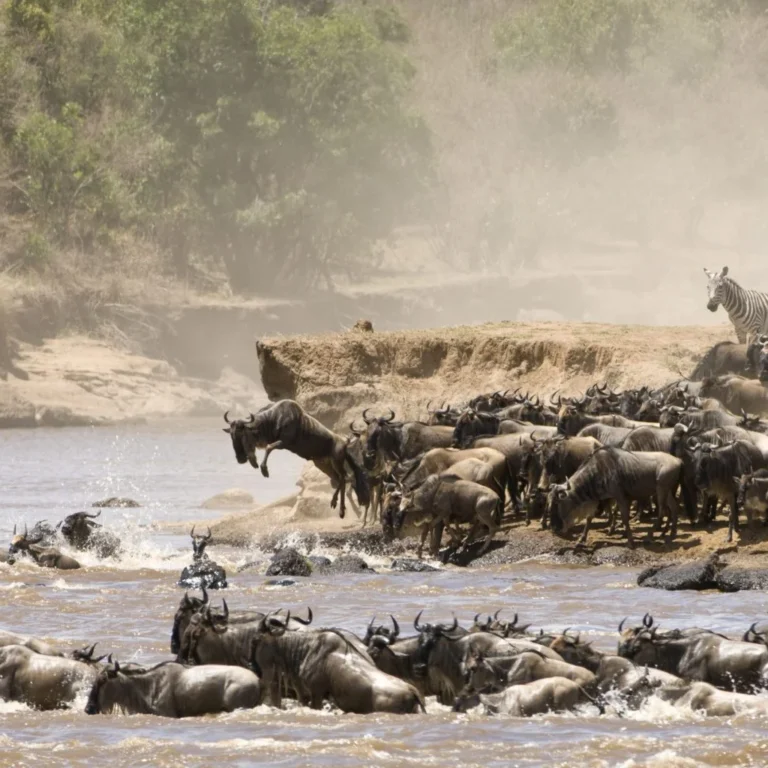 Private10 Days / 9 Nights
10-Day Tanzania Great Migration Safari
Destinations: Serengeti · Ngorongoro · Tarangire
Price per personOn request
View tour →Private10 Days / 9 Nights10-Day Tanzania Safari – Wildebeest Migration
Destinations: Serengeti · Ngorongoro
Price per personOn request
View tour →Private7 Days / 6 NightsPrivateFlexible lengthExtraordinary Serengeti Migration Safari
Destinations: Serengeti
Price per personOn request
View tour →Private7 Days / 6 Nights7- Day Tanzania great migration safari
Destinations: Serengeti · Ngorongoro
Price per personOn request
View tour →PrivateFlexible lengthClassic Tanzania migration safari
Destinations: Serengeti · Ngorongoro · Tarangire
Price per personOn request
View tour →PrivateFlexible lengthLuxury Tanzania Great Migration Safari
Destinations: Serengeti · Ngorongoro
Price per personOn request
View tour →Private10 Days / 9 Nights10-Day Serengeti Migration Safari Mid-Range Tour
Destinations: Serengeti
Price per personOn request
View tour →Private11 Days / 10 Nights11-Day African Mid-Range Safari Tours
Destinations: Serengeti · Ngorongoro · Tarangire
Price per personOn request
View tour →PrivateFlexible lengthKenya and Tanzania: Epic Great Migration Safari
Destinations: Kenya
Price per personOn request
View tour → Private11 Days / 10 Nights
11-Day Tanzania Big Five Private Experience
Destinations: Serengeti · Ngorongoro · Tarangire
Price per personOn request
View tour →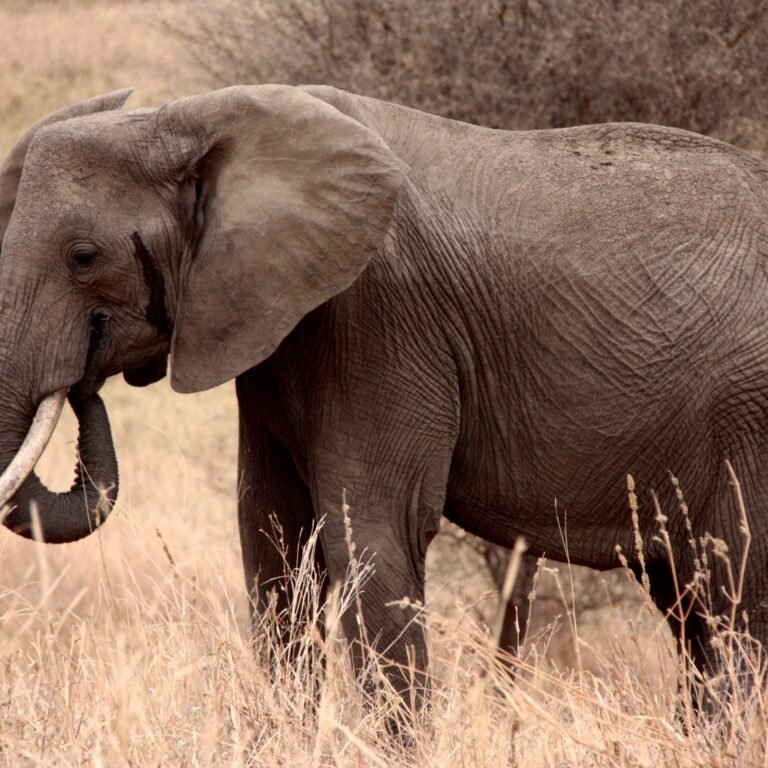 PrivateFlexible length
Wildebeest Migration Safari Packages
Destinations: Serengeti · Ngorongoro · Tarangire
Price per personOn request
View tour →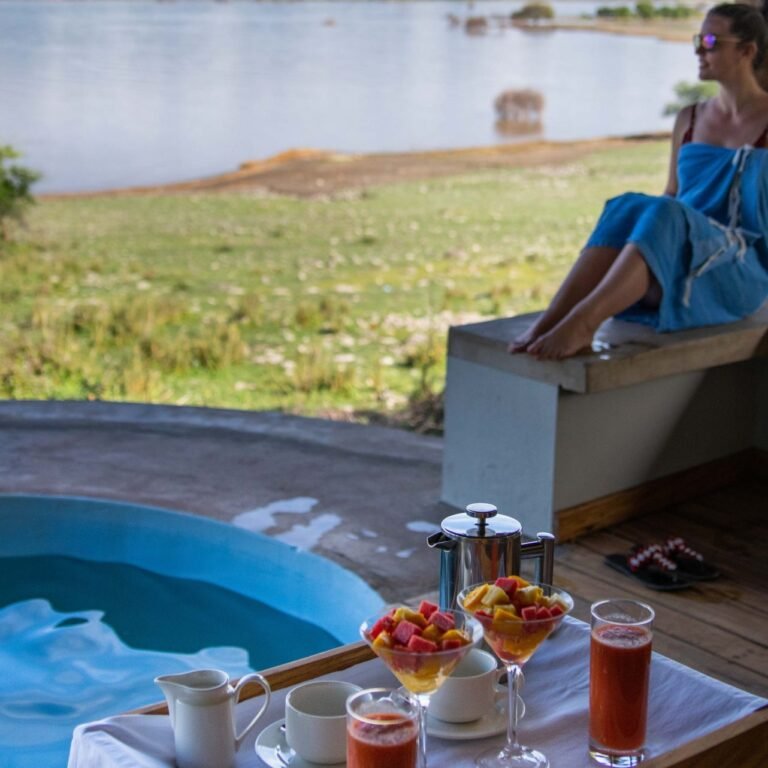 PrivateFlexible length
Tanzania All-Inclusive Safari
Destinations: Serengeti · Ngorongoro
Price per personOn request
View tour →Private8 Days / 7 Nights8-Day Enthralling Serengeti Wildebeest Migration Safari
Destinations: Serengeti
Price per personOn request
View tour →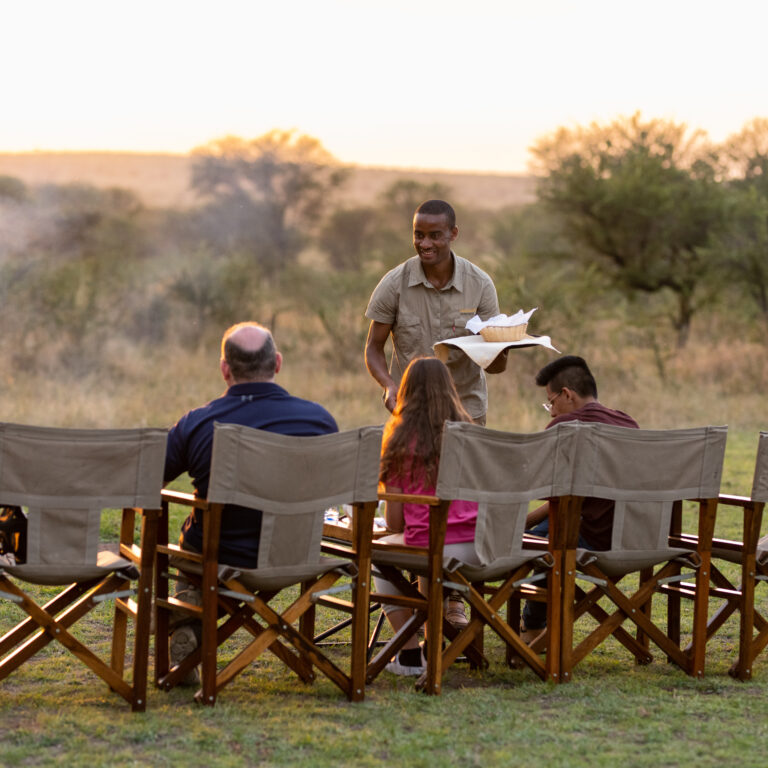 PrivateFlexible length
Discover the Magic of Tanzania Safari Experience
Destinations: Serengeti · Ngorongoro · Tarangire
Price per personOn request
View tour →No matches for these filters. Ask us to design one for you →
July, August and September Safari FAQs
Where is the Great Migration in July, August and September?
From July to September most of the wildebeest and zebra herds are in the northern Serengeti, around Kogatende, Lamai and the Mara River. Early July can still find stragglers moving up from the Western Corridor, while August and September usually bring the busiest river crossings. Herd movements always depend on rainfall and grazing, so no date is fixed. Your private guide tracks the herds daily and adjusts game drives to give you the best chance of witnessing a crossing.
Is July, August or September the best month for Mara River crossings?
August and September are generally considered the peak months for Mara River crossings, because the herds are concentrated along the riverbanks and move back and forth several times. July can also be rewarding, especially later in the month, once the leading herds arrive. Timing varies with rainfall each year, and crossings can happen at any hour. A private tailor-made safari gives you the flexibility to wait patiently at a crossing point without being rushed by anyone else's schedule.
What is the weather like in Tanzania from July to September?
July to September is the heart of Tanzania's long dry season. Days are sunny and pleasantly warm, while early mornings and evenings can feel cool, especially on the Ngorongoro Crater rim, so pack warm layers. Rain is rare, roads are in good condition and vegetation thins out, making wildlife easier to spot. Dust can rise on game drives, so a light scarf and sunglasses are useful. Low humidity also makes this one of the most comfortable times to travel.
How far ahead should I book a July to September Serengeti safari?
Because this is the most popular season in the northern Serengeti, we recommend booking nine to twelve months in advance, particularly for camps near the Mara River. Early planning secures your preferred accommodation, private vehicle and flight connections. Late bookings are sometimes possible, but choice becomes limited. Foot Slopes Tours and Safaris can tailor your itinerary to suit your dates, budget and interests, and advise which lodges still have space for your travel window.
How much does a private migration safari cost in July, August and September?
Costs depend on your accommodation level, length of stay and whether you fly between parks. As a general guide, mid-range private safaris cost about $550 to $990 per person per day, luxury safaris about $990 to $2,500, and ultra-luxury options from around $2,500. Peak season rates apply in the northern Serengeti during these months. Every Foot Slopes Tours and Safaris quote is tailor-made, so you only pay for the experiences, lodges and pace you choose.
Plan Your July to September Migration Safari
Tell us your travel dates and interests, and our Tanzania safari experts will design a private northern Serengeti itinerary timed for the Mara River crossings.
Get a Free Quote →